

_weidai
32 投稿

_weidai
報告
ユーザーをブロック
0 フォロー
4 フォロワー
3 いいね
投稿
·
--
企業が運営するアプリが分散型アプリよりも優れている理由はありますか?
また、このアプリに対して500ms未満のレイテンシが問題でなく、スケーリング、コスト、プライバシーなどの他の機能がすべて同等であると仮定します。
このアプリが何らかの形で預金を受け入れる必要があると仮定してください。
企業が運営するアプリが分散型アプリよりも優れている理由はありますか?
また、このアプリに対して500ms未満のレイテンシが問題でなく、スケーリング、コスト、プライバシーなどの他の機能がすべて同等であると仮定します。
このアプリが何らかの形で預金を受け入れる必要があると仮定してください。
また、このアプリに対して500ms未満のレイテンシが問題でなく、スケーリング、コスト、プライバシーなどの他の機能がすべて同等であると仮定します。
このアプリが何らかの形で預金を受け入れる必要があると仮定してください。
5
·
--
2026年です:
→ ビットコインは信頼を最小化したビットコインブリッジを出荷し、自己保管型ビットコインDeFiを解放しました
→ イーサリアムはユニバーサルロールアップの相互運用性を出荷し、アプリプラットフォームとしてのネットワーク効果を取り戻しました
→ ソラナは帯域幅を増加させ、レイテンシを減少させ、分散型NASDAQとなりました
2026年です:
→ ビットコインは信頼を最小化したビットコインブリッジを出荷し、自己保管型ビットコインDeFiを解放しました
→ イーサリアムはユニバーサルロールアップの相互運用性を出荷し、アプリプラットフォームとしてのネットワーク効果を取り戻しました
→ ソラナは帯域幅を増加させ、レイテンシを減少させ、分散型NASDAQとなりました
→ ビットコインは信頼を最小化したビットコインブリッジを出荷し、自己保管型ビットコインDeFiを解放しました
→ イーサリアムはユニバーサルロールアップの相互運用性を出荷し、アプリプラットフォームとしてのネットワーク効果を取り戻しました
→ ソラナは帯域幅を増加させ、レイテンシを減少させ、分散型NASDAQとなりました
7
·
--
暗号通貨はフラットな基本料金と動的スケーリングが必要です
もしGoogleがサーバーが不足して内部のキャパシティに達したために、すべての検索、LLM推論、またはYouTube動画ごとに通常の価格の10倍を請求してきたらどうでしょうか。
これがEIP1559とほとんどのブロックスペースの価格設定メカニズムの仕組みです—混雑時には、キャパシティを増やす代わりに(正常なビジネスが行うように)、チェーンは価格を上げるのです。
料金には2種類があります:
- インクルージョン/基本料金:トランザクションが含まれるために必要な料金。
- プライオリティ料金:競争の激しい状態にアクセスするためにキューの前に出るための料金(例:ホットなオンチェーン市場)
オンチェーンアプリが非暗号アプリと真剣に競争するためには、すべてのチェーンであらゆるトランザクション需要に対してフラットなインクルージョン/基本料金が必要です。
Q: チェーンが一定の基本料金を採用した場合の問題は何ですか?
A: キャパシティ。一定の基本料金は、チェーンが制限に達した後に新しいトランザクションを差別化する手段がないことを意味します。
解決策は?動的スケーリングです!
単にトランザクションが入ってくるにつれて、グローバルな制限なしにより多くのトランザクションを処理します。
長い間、私たちは料金とチェーンキャパシティの問題を解決するために暗号経済学者に頼ってきました。今こそ、コンピュータサイエンティストとエンジニアに作業を任せる時です—私たちはチェーンを動的にスケールさせる必要があります。
エンドユーザーにとって最良の製品決定は何か自問してください:
- 混雑時に料金を上げる
- 需要に応じてシステムに計算能力を追加する
答えは自明です。私たちは10年以上も間違った製品を作り続けてきました!
これをどうやって実現するのか?私たちはすべてのレイヤーでより良いシステムを構築する必要があります:
- グローバルなボトルネックなしに水平にスケールできる認証データ構造
- 無限の並列性を許可する実行モデルとVM
- ブロックを動的にサイズ変更できる分散合意
データ(ブロブ)と実行(ガス/CU)に対してフラット料金が必要です。
動的スケーリングは暗号通貨の未来です。
暗号通貨はフラットな基本料金と動的スケーリングが必要です
もしGoogleがサーバーが不足して内部のキャパシティに達したために、すべての検索、LLM推論、またはYouTube動画ごとに通常の価格の10倍を請求してきたらどうでしょうか。
これがEIP1559とほとんどのブロックスペースの価格設定メカニズムの仕組みです—混雑時には、キャパシティを増やす代わりに(正常なビジネスが行うように)、チェーンは価格を上げるのです。
料金には2種類があります:
- インクルージョン/基本料金:トランザクションが含まれるために必要な料金。
- プライオリティ料金:競争の激しい状態にアクセスするためにキューの前に出るための料金(例:ホットなオンチェーン市場)
オンチェーンアプリが非暗号アプリと真剣に競争するためには、すべてのチェーンであらゆるトランザクション需要に対してフラットなインクルージョン/基本料金が必要です。
Q: チェーンが一定の基本料金を採用した場合の問題は何ですか?
A: キャパシティ。一定の基本料金は、チェーンが制限に達した後に新しいトランザクションを差別化する手段がないことを意味します。
解決策は?動的スケーリングです!
単にトランザクションが入ってくるにつれて、グローバルな制限なしにより多くのトランザクションを処理します。
長い間、私たちは料金とチェーンキャパシティの問題を解決するために暗号経済学者に頼ってきました。今こそ、コンピュータサイエンティストとエンジニアに作業を任せる時です—私たちはチェーンを動的にスケールさせる必要があります。
エンドユーザーにとって最良の製品決定は何か自問してください:
- 混雑時に料金を上げる
- 需要に応じてシステムに計算能力を追加する
答えは自明です。私たちは10年以上も間違った製品を作り続けてきました!
これをどうやって実現するのか?私たちはすべてのレイヤーでより良いシステムを構築する必要があります:
- グローバルなボトルネックなしに水平にスケールできる認証データ構造
- 無限の並列性を許可する実行モデルとVM
- ブロックを動的にサイズ変更できる分散合意
データ(ブロブ)と実行(ガス/CU)に対してフラット料金が必要です。
動的スケーリングは暗号通貨の未来です。
もしGoogleがサーバーが不足して内部のキャパシティに達したために、すべての検索、LLM推論、またはYouTube動画ごとに通常の価格の10倍を請求してきたらどうでしょうか。
これがEIP1559とほとんどのブロックスペースの価格設定メカニズムの仕組みです—混雑時には、キャパシティを増やす代わりに(正常なビジネスが行うように)、チェーンは価格を上げるのです。
料金には2種類があります:
- インクルージョン/基本料金:トランザクションが含まれるために必要な料金。
- プライオリティ料金:競争の激しい状態にアクセスするためにキューの前に出るための料金(例:ホットなオンチェーン市場)
オンチェーンアプリが非暗号アプリと真剣に競争するためには、すべてのチェーンであらゆるトランザクション需要に対してフラットなインクルージョン/基本料金が必要です。
Q: チェーンが一定の基本料金を採用した場合の問題は何ですか?
A: キャパシティ。一定の基本料金は、チェーンが制限に達した後に新しいトランザクションを差別化する手段がないことを意味します。
解決策は?動的スケーリングです!
単にトランザクションが入ってくるにつれて、グローバルな制限なしにより多くのトランザクションを処理します。
長い間、私たちは料金とチェーンキャパシティの問題を解決するために暗号経済学者に頼ってきました。今こそ、コンピュータサイエンティストとエンジニアに作業を任せる時です—私たちはチェーンを動的にスケールさせる必要があります。
エンドユーザーにとって最良の製品決定は何か自問してください:
- 混雑時に料金を上げる
- 需要に応じてシステムに計算能力を追加する
答えは自明です。私たちは10年以上も間違った製品を作り続けてきました!
これをどうやって実現するのか?私たちはすべてのレイヤーでより良いシステムを構築する必要があります:
- グローバルなボトルネックなしに水平にスケールできる認証データ構造
- 無限の並列性を許可する実行モデルとVM
- ブロックを動的にサイズ変更できる分散合意
データ(ブロブ)と実行(ガス/CU)に対してフラット料金が必要です。
動的スケーリングは暗号通貨の未来です。
6
·
--
テクノロジーはオンチェーンアプリの可能性を定義します。
クソみたいなテクノロジーやインフラの上にオンチェーンアプリを構築することは、ダイヤルアップモデムでYouTubeをホストするようなものです。
良いテクノロジーやインフラがなければ、オンチェーンアプリは配信がどれだけ良くても数十億にスケールしません。
レイテンシー、スループット、セキュリティ、プライバシーの間のテクノロジーのトレードオフは、まだ全く商品化されていません。
いいえ、競争力のある分散型で自己保管型のCLOB、カジノ、またはソーシャルアプリをコードで作ることはできません。
テクノロジーはオンチェーンアプリの可能性を定義します。
クソみたいなテクノロジーやインフラの上にオンチェーンアプリを構築することは、ダイヤルアップモデムでYouTubeをホストするようなものです。
良いテクノロジーやインフラがなければ、オンチェーンアプリは配信がどれだけ良くても数十億にスケールしません。
レイテンシー、スループット、セキュリティ、プライバシーの間のテクノロジーのトレードオフは、まだ全く商品化されていません。
いいえ、競争力のある分散型で自己保管型のCLOB、カジノ、またはソーシャルアプリをコードで作ることはできません。
クソみたいなテクノロジーやインフラの上にオンチェーンアプリを構築することは、ダイヤルアップモデムでYouTubeをホストするようなものです。
良いテクノロジーやインフラがなければ、オンチェーンアプリは配信がどれだけ良くても数十億にスケールしません。
レイテンシー、スループット、セキュリティ、プライバシーの間のテクノロジーのトレードオフは、まだ全く商品化されていません。
いいえ、競争力のある分散型で自己保管型のCLOB、カジノ、またはソーシャルアプリをコードで作ることはできません。
90
·
--
技術はオンチェーンアプリの可能性を定義します。
悪い技術でオンチェーンアプリを構築することは、ダイヤルアップモデムでYouTubeをホストするようなものです。
良い技術がなければ、オンチェーンアプリは配布がどんなに優れていても、数十億にスケールすることはできません。
遅延、スループット、セキュリティ、プライバシーの間の技術的トレードオフは、まだ全く商品化されていません。
いいえ、競争力のある分散型自己保管型CLOB、カジノ、またはソーシャルアプリをコーディングすることはできません。
技術はオンチェーンアプリの可能性を定義します。
悪い技術でオンチェーンアプリを構築することは、ダイヤルアップモデムでYouTubeをホストするようなものです。
良い技術がなければ、オンチェーンアプリは配布がどんなに優れていても、数十億にスケールすることはできません。
遅延、スループット、セキュリティ、プライバシーの間の技術的トレードオフは、まだ全く商品化されていません。
いいえ、競争力のある分散型自己保管型CLOB、カジノ、またはソーシャルアプリをコーディングすることはできません。
悪い技術でオンチェーンアプリを構築することは、ダイヤルアップモデムでYouTubeをホストするようなものです。
良い技術がなければ、オンチェーンアプリは配布がどんなに優れていても、数十億にスケールすることはできません。
遅延、スループット、セキュリティ、プライバシーの間の技術的トレードオフは、まだ全く商品化されていません。
いいえ、競争力のある分散型自己保管型CLOB、カジノ、またはソーシャルアプリをコーディングすることはできません。
29
·
--
ベルリンのブロックチェーンウィークには行きません。
しかし、来週(15-20日)はエッジエスメラルダにいます。
興味深い問題に取り組んでいる場合は、連絡してください。
ベルリンのブロックチェーンウィークには行きません。
しかし、来週(15-20日)はエッジエスメラルダにいます。
興味深い問題に取り組んでいる場合は、連絡してください。
しかし、来週(15-20日)はエッジエスメラルダにいます。
興味深い問題に取り組んでいる場合は、連絡してください。
9
·
--
最近の暗号インフラの改善は徐々に進んでいます。レイテンシ、スループット、より高速なzk証明など、着実に改善が進んでいます。
解決されると新しいアプリを可能にする興味深いオープンチャレンジは何ですか?
(プライバシーは確かにその一つですが、他にはどんなものがあるのか興味があります。)
最近の暗号インフラの改善は徐々に進んでいます。レイテンシ、スループット、より高速なzk証明など、着実に改善が進んでいます。
解決されると新しいアプリを可能にする興味深いオープンチャレンジは何ですか?
(プライバシーは確かにその一つですが、他にはどんなものがあるのか興味があります。)
解決されると新しいアプリを可能にする興味深いオープンチャレンジは何ですか?
(プライバシーは確かにその一つですが、他にはどんなものがあるのか興味があります。)
2
·
--
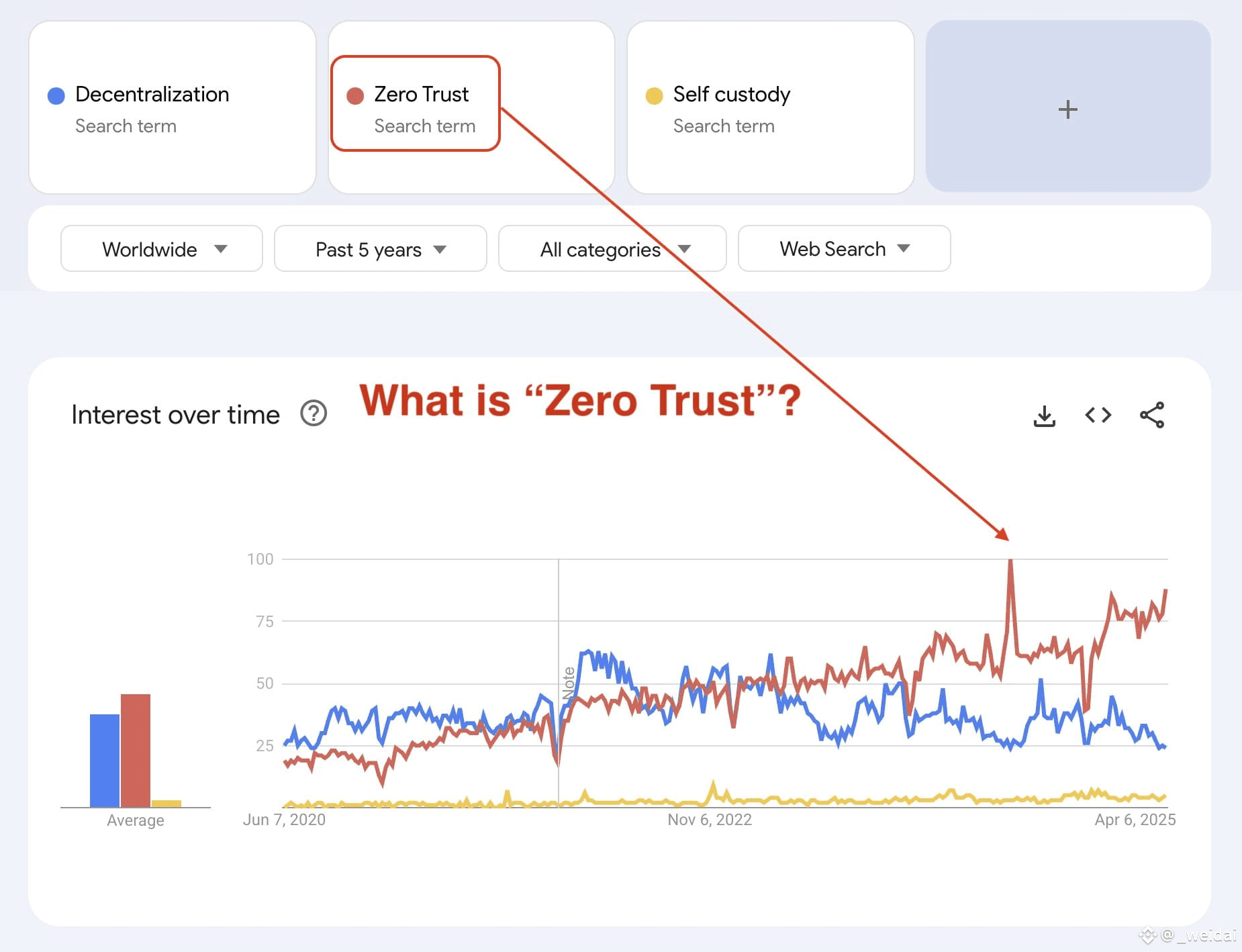
1/ "ゼロトラスト"は、人気が急速に高まっている用語であり、心の中でのシェアは、暗号の二つの主要な柱である「分散型」と「自己保管」よりも速く(Googleトレンドによる)成長しています。
ゼロトラストとは何ですか?! 🧵
1/ "ゼロトラスト"は、人気が急速に高まっている用語であり、心の中でのシェアは、暗号の二つの主要な柱である「分散型」と「自己保管」よりも速く(Googleトレンドによる)成長しています。
ゼロトラストとは何ですか?! 🧵
ゼロトラストとは何ですか?! 🧵
40
·
--
なぜ暗号通貨は盲目的な分散化や検証可能性に対する強調よりも能力に再焦点を当てる必要があるのか。
すべての技術的進歩は、解放された能力によって定義される。
暗号通貨について:
- 検閲耐性のあるお金(および価値の保存)は最初の能力の解放だった。
- 許可のない資産の創造と金融は第二の能力の解放だった。
テーマに注目してください:検閲耐性と許可なし性、これは分散化によって可能になったセキュリティ機能であり、これらの最初の2つの解放にとって重要だった--
- ビットコインは、その自己保管特性と検閲耐性がなければ、今のようなものにはならなかった。
- イーサリアムは、許可のないスマートコントラクトによって可能になったICOとDeFiサマーがなければ、今のようなものにはならなかった。
過去数年間、暗号通貨は脇道に逸れて、特定の能力の解放なしに分散化、セキュリティ、検証可能性を重視するようになった。例: 分散化の演出(初期のオンチェーンAIの形態)、特定の目的なしに検証可能性を追加する(「zk-すべて」)。
私は業界がようやくこの脇道を抜け出しつつあると信じている。
例: アプリがリアルタイムの検閲耐性を必要とするなら、分散化する必要がある。リアルタイムの検閲耐性が必要ない場合? 中央集権的なシーケンサーを使用し、妥当性証明を通じて自己保管保証を提供しよう。
能力に再焦点を当てる; 暗号通貨を再び素晴らしいものにしよう。
(画像クレジット:ChatGPT 4o)
なぜ暗号通貨は盲目的な分散化や検証可能性に対する強調よりも能力に再焦点を当てる必要があるのか。
すべての技術的進歩は、解放された能力によって定義される。
暗号通貨について:
- 検閲耐性のあるお金(および価値の保存)は最初の能力の解放だった。
- 許可のない資産の創造と金融は第二の能力の解放だった。
テーマに注目してください:検閲耐性と許可なし性、これは分散化によって可能になったセキュリティ機能であり、これらの最初の2つの解放にとって重要だった--
- ビットコインは、その自己保管特性と検閲耐性がなければ、今のようなものにはならなかった。
- イーサリアムは、許可のないスマートコントラクトによって可能になったICOとDeFiサマーがなければ、今のようなものにはならなかった。
過去数年間、暗号通貨は脇道に逸れて、特定の能力の解放なしに分散化、セキュリティ、検証可能性を重視するようになった。例: 分散化の演出(初期のオンチェーンAIの形態)、特定の目的なしに検証可能性を追加する(「zk-すべて」)。
私は業界がようやくこの脇道を抜け出しつつあると信じている。
例: アプリがリアルタイムの検閲耐性を必要とするなら、分散化する必要がある。リアルタイムの検閲耐性が必要ない場合? 中央集権的なシーケンサーを使用し、妥当性証明を通じて自己保管保証を提供しよう。
能力に再焦点を当てる; 暗号通貨を再び素晴らしいものにしよう。
(画像クレジット:ChatGPT 4o)
すべての技術的進歩は、解放された能力によって定義される。
暗号通貨について:
- 検閲耐性のあるお金(および価値の保存)は最初の能力の解放だった。
- 許可のない資産の創造と金融は第二の能力の解放だった。
テーマに注目してください:検閲耐性と許可なし性、これは分散化によって可能になったセキュリティ機能であり、これらの最初の2つの解放にとって重要だった--
- ビットコインは、その自己保管特性と検閲耐性がなければ、今のようなものにはならなかった。
- イーサリアムは、許可のないスマートコントラクトによって可能になったICOとDeFiサマーがなければ、今のようなものにはならなかった。
過去数年間、暗号通貨は脇道に逸れて、特定の能力の解放なしに分散化、セキュリティ、検証可能性を重視するようになった。例: 分散化の演出(初期のオンチェーンAIの形態)、特定の目的なしに検証可能性を追加する(「zk-すべて」)。
私は業界がようやくこの脇道を抜け出しつつあると信じている。
例: アプリがリアルタイムの検閲耐性を必要とするなら、分散化する必要がある。リアルタイムの検閲耐性が必要ない場合? 中央集権的なシーケンサーを使用し、妥当性証明を通じて自己保管保証を提供しよう。
能力に再焦点を当てる; 暗号通貨を再び素晴らしいものにしよう。
(画像クレジット:ChatGPT 4o)

2
218
·
--
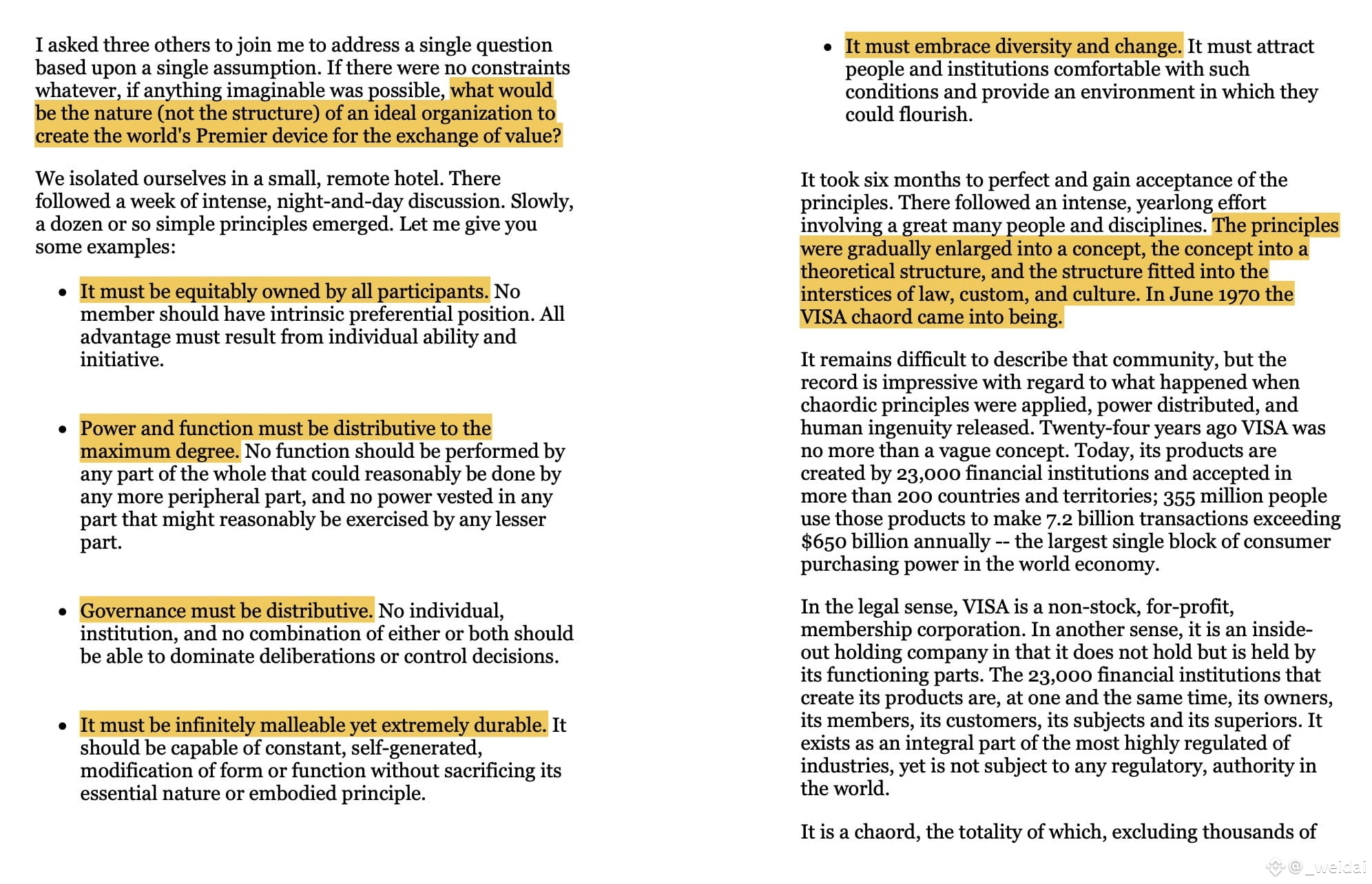
ディー・ホックによる、彼の著作「カオルディック・オーガニゼーション」におけるビザの設立について。
ビザは、おそらく分散型のガバナンスと所有権を持つ許可のないプラットフォームの最初の成功例でした。
暗号ネットワークのために、半世紀後に学ぶべき多くの教訓があります。
ディー・ホックによる、彼の著作「カオルディック・オーガニゼーション」におけるビザの設立について。
ビザは、おそらく分散型のガバナンスと所有権を持つ許可のないプラットフォームの最初の成功例でした。
暗号ネットワークのために、半世紀後に学ぶべき多くの教訓があります。
ビザは、おそらく分散型のガバナンスと所有権を持つ許可のないプラットフォームの最初の成功例でした。
暗号ネットワークのために、半世紀後に学ぶべき多くの教訓があります。
146
·
--
プライバシーの最大主義を拒否し、プライバシーの実用主義を受け入れよう。
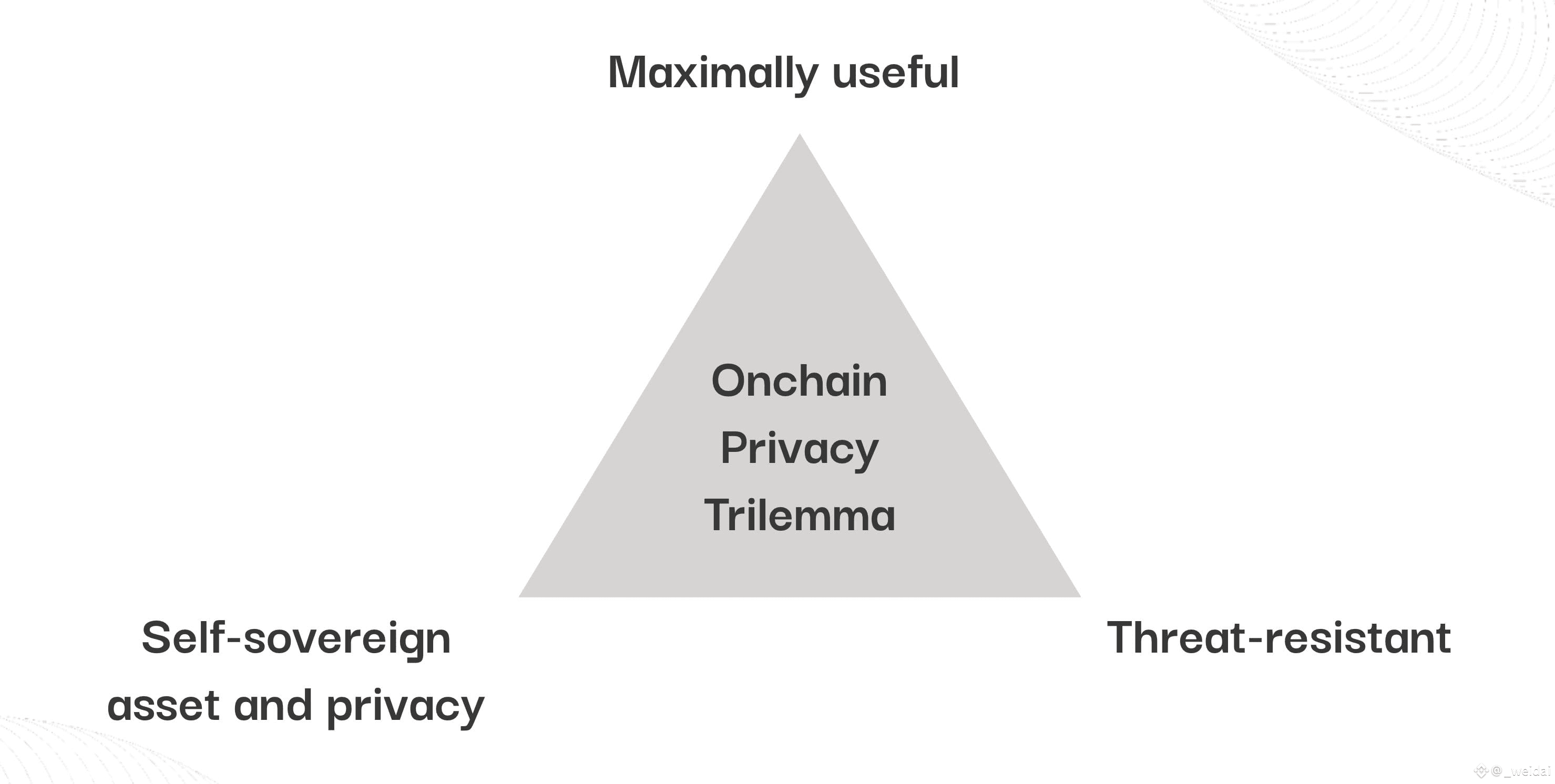
1/ オンチェーンプライバシートライレマ 🧵👇
プライバシーは、オンチェーンファイナンスの大規模採用に向けた最後の障害です。今日のオンチェーンファイナンスに自己主権的なプライバシーを追加すれば、すべてがうまく機能すると思いますか?
答えはノーです。以下の3つの望ましい特性間のトレードオフに関して、厳しい決断を下さなければなりません。
1. 最大限に有用:取引制限なし、プライベートな支払いと匿名のDeFiをサポート
2. 自己主権的プライバシー:プライベート取引の内容は、関与する個人の同意なしには明らかにされない
3. 脅威に強い:敵対者がそれを使用してハッキングや資金洗浄を行うことができない
いずれか2つを選択してくださいが、決して3つは選ばないでください。
プライバシーの最大主義を拒否し、プライバシーの実用主義を受け入れよう。
1/ オンチェーンプライバシートライレマ 🧵👇
プライバシーは、オンチェーンファイナンスの大規模採用に向けた最後の障害です。今日のオンチェーンファイナンスに自己主権的なプライバシーを追加すれば、すべてがうまく機能すると思いますか?
答えはノーです。以下の3つの望ましい特性間のトレードオフに関して、厳しい決断を下さなければなりません。
1. 最大限に有用:取引制限なし、プライベートな支払いと匿名のDeFiをサポート
2. 自己主権的プライバシー:プライベート取引の内容は、関与する個人の同意なしには明らかにされない
3. 脅威に強い:敵対者がそれを使用してハッキングや資金洗浄を行うことができない
いずれか2つを選択してくださいが、決して3つは選ばないでください。
1/ オンチェーンプライバシートライレマ 🧵👇
プライバシーは、オンチェーンファイナンスの大規模採用に向けた最後の障害です。今日のオンチェーンファイナンスに自己主権的なプライバシーを追加すれば、すべてがうまく機能すると思いますか?
答えはノーです。以下の3つの望ましい特性間のトレードオフに関して、厳しい決断を下さなければなりません。
1. 最大限に有用:取引制限なし、プライベートな支払いと匿名のDeFiをサポート
2. 自己主権的プライバシー:プライベート取引の内容は、関与する個人の同意なしには明らかにされない
3. 脅威に強い:敵対者がそれを使用してハッキングや資金洗浄を行うことができない
いずれか2つを選択してくださいが、決して3つは選ばないでください。
156
·
--
オンチェーン暗号アプリはどれくらいPMFとハイパー成長フェーズに達しましたか?A: 数件です。
その中で、問題なく需要を維持したのはどれくらいですか?A: 実質的にありません。
ブロックチェーンのスケーリングを解決することは、アプリがPMFとハイパー成長に到達することを可能にすることです。
オンチェーン暗号アプリはどれくらいPMFとハイパー成長フェーズに達しましたか?A: 数件です。
その中で、問題なく需要を維持したのはどれくらいですか?A: 実質的にありません。
ブロックチェーンのスケーリングを解決することは、アプリがPMFとハイパー成長に到達することを可能にすることです。
その中で、問題なく需要を維持したのはどれくらいですか?A: 実質的にありません。
ブロックチェーンのスケーリングを解決することは、アプリがPMFとハイパー成長に到達することを可能にすることです。
12
·
--
大規模なハッキングの後にL1が検閲を強制するなら、なぜ社会的コンセンサスを強制するためのプロトコル内メカニズムを実装するまで行かないのか?
最終的な状態では、チェーンは中立的なベースレイヤーか社会的コンセンサスエンジンのいずれかである。
大規模なハッキングの後にL1が検閲を強制するなら、なぜ社会的コンセンサスを強制するためのプロトコル内メカニズムを実装するまで行かないのか?
最終的な状態では、チェーンは中立的なベースレイヤーか社会的コンセンサスエンジンのいずれかである。
最終的な状態では、チェーンは中立的なベースレイヤーか社会的コンセンサスエンジンのいずれかである。
18
·
--
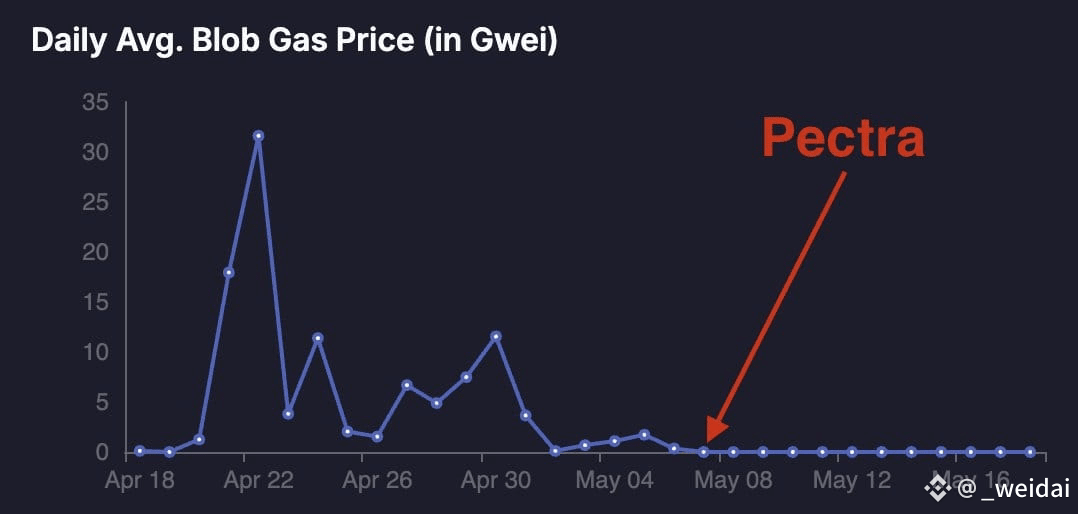
Blobガス価格はPectraの後に0に戻りました。
Uberは、ドライバーがライダーよりも多い場合、$0を請求しません。なぜEthは貴重なリソースに対して$0を請求するのでしょうか?
EIP1559が混雑していない市場にとって実際にひどいものである場合はどうなるのでしょうか?
Blobガス価格はPectraの後に0に戻りました。
Uberは、ドライバーがライダーよりも多い場合、$0を請求しません。なぜEthは貴重なリソースに対して$0を請求するのでしょうか?
EIP1559が混雑していない市場にとって実際にひどいものである場合はどうなるのでしょうか?
Uberは、ドライバーがライダーよりも多い場合、$0を請求しません。なぜEthは貴重なリソースに対して$0を請求するのでしょうか?
EIP1559が混雑していない市場にとって実際にひどいものである場合はどうなるのでしょうか?
·
--
理論作成: SoV資産には、現金流/REVの*安定性*が必要であり、欠如することではありません。
===========
もしBTC(または金)が現金流を生み出し始めたら、それは少なくともすぐにはSoV資産であることをやめません。
しかし、この現金流が減少する場合、評価はそれに応じて下がります。
さらに、市場は現金流の減少に過剰反応するかもしれません: 現金流が減少しているSoV資産は、現金流が減少していない別のSoV資産よりも魅力が少なくなります(ゼロであるためかもしれません)。
それに加えて、SoVがネットワーク効果に依存しているという事実があるため、相対的な市場シェアの動きが増幅される可能性があります(勝利したSoVはさらに勝つことができる)。
===========
要するに、SoV資産にとって現金流/REVのデメリットは、現金流が減少すると資産が魅力的でなくなることです。
したがって、SoV資産にとって本当に重要なのは、現金流/REVの*安定性*であり、欠如することではありません。
(これらはほとんどが初歩的な原則からの空虚な推測であり、実際のデータに基づいていないことを念頭に置いてください。だから、適度に受け止めてください。)
理論作成: SoV資産には、現金流/REVの*安定性*が必要であり、欠如することではありません。
===========
もしBTC(または金)が現金流を生み出し始めたら、それは少なくともすぐにはSoV資産であることをやめません。
しかし、この現金流が減少する場合、評価はそれに応じて下がります。
さらに、市場は現金流の減少に過剰反応するかもしれません: 現金流が減少しているSoV資産は、現金流が減少していない別のSoV資産よりも魅力が少なくなります(ゼロであるためかもしれません)。
それに加えて、SoVがネットワーク効果に依存しているという事実があるため、相対的な市場シェアの動きが増幅される可能性があります(勝利したSoVはさらに勝つことができる)。
===========
要するに、SoV資産にとって現金流/REVのデメリットは、現金流が減少すると資産が魅力的でなくなることです。
したがって、SoV資産にとって本当に重要なのは、現金流/REVの*安定性*であり、欠如することではありません。
(これらはほとんどが初歩的な原則からの空虚な推測であり、実際のデータに基づいていないことを念頭に置いてください。だから、適度に受け止めてください。)
===========
もしBTC(または金)が現金流を生み出し始めたら、それは少なくともすぐにはSoV資産であることをやめません。
しかし、この現金流が減少する場合、評価はそれに応じて下がります。
さらに、市場は現金流の減少に過剰反応するかもしれません: 現金流が減少しているSoV資産は、現金流が減少していない別のSoV資産よりも魅力が少なくなります(ゼロであるためかもしれません)。
それに加えて、SoVがネットワーク効果に依存しているという事実があるため、相対的な市場シェアの動きが増幅される可能性があります(勝利したSoVはさらに勝つことができる)。
===========
要するに、SoV資産にとって現金流/REVのデメリットは、現金流が減少すると資産が魅力的でなくなることです。
したがって、SoV資産にとって本当に重要なのは、現金流/REVの*安定性*であり、欠如することではありません。
(これらはほとんどが初歩的な原則からの空虚な推測であり、実際のデータに基づいていないことを念頭に置いてください。だから、適度に受け止めてください。)
9
·
--
理論構築:ソブリン資産はそのキャッシュフロー/REVの*安定性*を必要とし、その欠如ではありません。
===========
もしBTC(または金)がキャッシュフローを生み始めたら、少なくともすぐにはソブリン資産であり続けるでしょう。
しかし、このキャッシュフローが減少した場合、評価はそれに応じて下がるでしょう。
さらに、市場はキャッシュフローの減少に過剰反応するかもしれません:キャッシュフローが減少しているソブリン資産は、キャッシュフローが減少していない別のソブリン資産よりも魅力が少なくなります(ゼロであることが原因かもしれません)。
これに加えて、ソブリン資産はネットワーク効果に依存しているという事実があり、相対的な市場シェアの動きが増幅される可能性があります(勝利したソブリン資産はさらに勝つことができる)。
===========
要するに、ソブリン資産にとってキャッシュフロー/REVの欠点は、キャッシュフローが減少したときに資産が魅力を失うことです。
したがって、ソブリン資産にとって本当に重要なのはキャッシュフロー/REVの*安定性*であり、その欠如ではありません。
(これらは主に第一原則からの空の推測であり、実際のデータに裏付けられていないことに注意してください。したがって、話半分に受け止めてください。)
理論構築:ソブリン資産はそのキャッシュフロー/REVの*安定性*を必要とし、その欠如ではありません。
===========
もしBTC(または金)がキャッシュフローを生み始めたら、少なくともすぐにはソブリン資産であり続けるでしょう。
しかし、このキャッシュフローが減少した場合、評価はそれに応じて下がるでしょう。
さらに、市場はキャッシュフローの減少に過剰反応するかもしれません:キャッシュフローが減少しているソブリン資産は、キャッシュフローが減少していない別のソブリン資産よりも魅力が少なくなります(ゼロであることが原因かもしれません)。
これに加えて、ソブリン資産はネットワーク効果に依存しているという事実があり、相対的な市場シェアの動きが増幅される可能性があります(勝利したソブリン資産はさらに勝つことができる)。
===========
要するに、ソブリン資産にとってキャッシュフロー/REVの欠点は、キャッシュフローが減少したときに資産が魅力を失うことです。
したがって、ソブリン資産にとって本当に重要なのはキャッシュフロー/REVの*安定性*であり、その欠如ではありません。
(これらは主に第一原則からの空の推測であり、実際のデータに裏付けられていないことに注意してください。したがって、話半分に受け止めてください。)
===========
もしBTC(または金)がキャッシュフローを生み始めたら、少なくともすぐにはソブリン資産であり続けるでしょう。
しかし、このキャッシュフローが減少した場合、評価はそれに応じて下がるでしょう。
さらに、市場はキャッシュフローの減少に過剰反応するかもしれません:キャッシュフローが減少しているソブリン資産は、キャッシュフローが減少していない別のソブリン資産よりも魅力が少なくなります(ゼロであることが原因かもしれません)。
これに加えて、ソブリン資産はネットワーク効果に依存しているという事実があり、相対的な市場シェアの動きが増幅される可能性があります(勝利したソブリン資産はさらに勝つことができる)。
===========
要するに、ソブリン資産にとってキャッシュフロー/REVの欠点は、キャッシュフローが減少したときに資産が魅力を失うことです。
したがって、ソブリン資産にとって本当に重要なのはキャッシュフロー/REVの*安定性*であり、その欠如ではありません。
(これらは主に第一原則からの空の推測であり、実際のデータに裏付けられていないことに注意してください。したがって、話半分に受け止めてください。)
3
·
--
理論構築:SoV資産はキャッシュフロー/REVの*安定性*を必要とし、それが欠如することではありません。
===========
もしBTC(または金)がキャッシュフローを生み出し始めたら、それは少なくともすぐにはSoV資産であり続けるでしょう。
しかし、このキャッシュフローが減少することがあれば、評価はそれに応じて下がるでしょう。
さらに、市場はキャッシュフローの減少に過剰に反応するかもしれません:キャッシュフローが減少しているSoV資産は、キャッシュフローが減少していない別のSoV資産よりも魅力が少ないです(ゼロであることが原因かもしれません)。
これは、SoVがネットワーク効果に依存しているという事実と相まって、相対的な市場シェアの動きが増幅される可能性があることを意味します(勝利するSoVはさらに勝つことができる)。
===========
要するに、SoV資産にとってキャッシュフロー/REVのデメリットは、キャッシュフローが減少したときに資産が魅力を失うことです。
したがって、SoV資産にとって本当に重要なのはキャッシュフロー/REVの*安定性*であり、それが欠如することではありません。
(これらすべては主に初歩的な原則からの空の推測であり、実際のデータによって裏付けられていないことに注意してください。ですので、塩の粒で受け取ってください。)
理論構築:SoV資産はキャッシュフロー/REVの*安定性*を必要とし、それが欠如することではありません。
===========
もしBTC(または金)がキャッシュフローを生み出し始めたら、それは少なくともすぐにはSoV資産であり続けるでしょう。
しかし、このキャッシュフローが減少することがあれば、評価はそれに応じて下がるでしょう。
さらに、市場はキャッシュフローの減少に過剰に反応するかもしれません:キャッシュフローが減少しているSoV資産は、キャッシュフローが減少していない別のSoV資産よりも魅力が少ないです(ゼロであることが原因かもしれません)。
これは、SoVがネットワーク効果に依存しているという事実と相まって、相対的な市場シェアの動きが増幅される可能性があることを意味します(勝利するSoVはさらに勝つことができる)。
===========
要するに、SoV資産にとってキャッシュフロー/REVのデメリットは、キャッシュフローが減少したときに資産が魅力を失うことです。
したがって、SoV資産にとって本当に重要なのはキャッシュフロー/REVの*安定性*であり、それが欠如することではありません。
(これらすべては主に初歩的な原則からの空の推測であり、実際のデータによって裏付けられていないことに注意してください。ですので、塩の粒で受け取ってください。)
===========
もしBTC(または金)がキャッシュフローを生み出し始めたら、それは少なくともすぐにはSoV資産であり続けるでしょう。
しかし、このキャッシュフローが減少することがあれば、評価はそれに応じて下がるでしょう。
さらに、市場はキャッシュフローの減少に過剰に反応するかもしれません:キャッシュフローが減少しているSoV資産は、キャッシュフローが減少していない別のSoV資産よりも魅力が少ないです(ゼロであることが原因かもしれません)。
これは、SoVがネットワーク効果に依存しているという事実と相まって、相対的な市場シェアの動きが増幅される可能性があることを意味します(勝利するSoVはさらに勝つことができる)。
===========
要するに、SoV資産にとってキャッシュフロー/REVのデメリットは、キャッシュフローが減少したときに資産が魅力を失うことです。
したがって、SoV資産にとって本当に重要なのはキャッシュフロー/REVの*安定性*であり、それが欠如することではありません。
(これらすべては主に初歩的な原則からの空の推測であり、実際のデータによって裏付けられていないことに注意してください。ですので、塩の粒で受け取ってください。)
5
·
--
商人たちが依然として各販売から銀行やクレジットカード会社に~2-3%支払っているのは驚きです。なぜ暗号通貨はC2B決済でまだ勝利していないのでしょうか?
必要な要素は以下の通りです:
消費者向け:トークンインセンティブ、決済アプリ、トラディショナルファイナンスのアカウント明細、銀行からのオンランプ、利回りのあるステーブルコイン貯蓄
ビジネス向け:電話/iPad上のポイントオブセールアプリ、利回りのあるステーブルコインアカウント、銀行へのオフランプ、(+トークンインセンティブ)
銀行とクレジットカード会社は1960年代/1970年代にこれを立ち上げましたが、なぜ暗号通貨会社は今日これを行えないのでしょうか?
商人たちが依然として各販売から銀行やクレジットカード会社に~2-3%支払っているのは驚きです。なぜ暗号通貨はC2B決済でまだ勝利していないのでしょうか?
必要な要素は以下の通りです:
消費者向け:トークンインセンティブ、決済アプリ、トラディショナルファイナンスのアカウント明細、銀行からのオンランプ、利回りのあるステーブルコイン貯蓄
ビジネス向け:電話/iPad上のポイントオブセールアプリ、利回りのあるステーブルコインアカウント、銀行へのオフランプ、(+トークンインセンティブ)
銀行とクレジットカード会社は1960年代/1970年代にこれを立ち上げましたが、なぜ暗号通貨会社は今日これを行えないのでしょうか?
必要な要素は以下の通りです:
消費者向け:トークンインセンティブ、決済アプリ、トラディショナルファイナンスのアカウント明細、銀行からのオンランプ、利回りのあるステーブルコイン貯蓄
ビジネス向け:電話/iPad上のポイントオブセールアプリ、利回りのあるステーブルコインアカウント、銀行へのオフランプ、(+トークンインセンティブ)
銀行とクレジットカード会社は1960年代/1970年代にこれを立ち上げましたが、なぜ暗号通貨会社は今日これを行えないのでしょうか?
ログインして、さらにコンテンツを読む
厳選トピックで世界の暗号資産トレーダーの仲間入り
⚡️ 暗号資産に関する最新かつ有益な情報が見つかります。
💬 世界最大の暗号資産取引所から信頼されています。
👍 認証を受けたクリエイターから、有益なインサイトを得られます。
メール / 電話番号
トレンドトピック
EtherGains70.9%InQ3
閲覧回数 20
29人が討論中
#EtherGains70.9%InQ3
🚨 2021年以来の最高四半期!
$ETH は第3四半期を$2,704でクローズ。凄まじい+70.9%の上昇で、2021年第1四半期以来の最高四半期です(+160%)。これは3四半期連続の下落の後です。
$BTC は第3四半期で+44%でしたが、ETHは1.6倍上回りました。
ETH/BTCの比率がレジスタンスを突破
スポットETH ETF:今週だけで*+6億8,900万ドル*、累計では139.5億ドル
法人トレジャリーのBitMineがETHを17K追加
第4四半期は歴史的にBTCの最強シーズン(平均+77%)。ETHが再び主役になる?
$ETH の第3四半期+70.9%は、単なる反発ではありません。レジーム転換です。H1では見捨てられたような状態(第1四半期-29%、第2四半期-25%)でしたが、ステーキングとトレジャリーによって供給がロックされつつあります。アルトシーズンの兆候はETH/BTCの強さ。NFPまで$2,700が維持されるなら、第4四半期に向けて$3,000までの継続を見込んでいます。
#Ethereum #ETHBTC #crypto #Binance
A_K Crypto
·いいね:0件
·閲覧回数 4
US10YearYieldNears5.3%
閲覧回数 18,008
270人が討論中
DollarIndexHitsHighestSinceMay2025
閲覧回数 2
13人が討論中