

MAVERICK _7
16.8k 投稿

MAVERICK _7
 厳選トピック確認済+
報告
ユーザーをブロック
🔶Crypto Researcher 🔎| Market Analyst | Charts • Market Setups 📈BNB| SOL| ETH|BTC💞 My X:@Maverick40043🔶
102 フォロー
37.0K+ フォロワー
22.3K+ いいね
投稿
すべて
引用
ライブ
·
--
弱気相場
翻訳参照
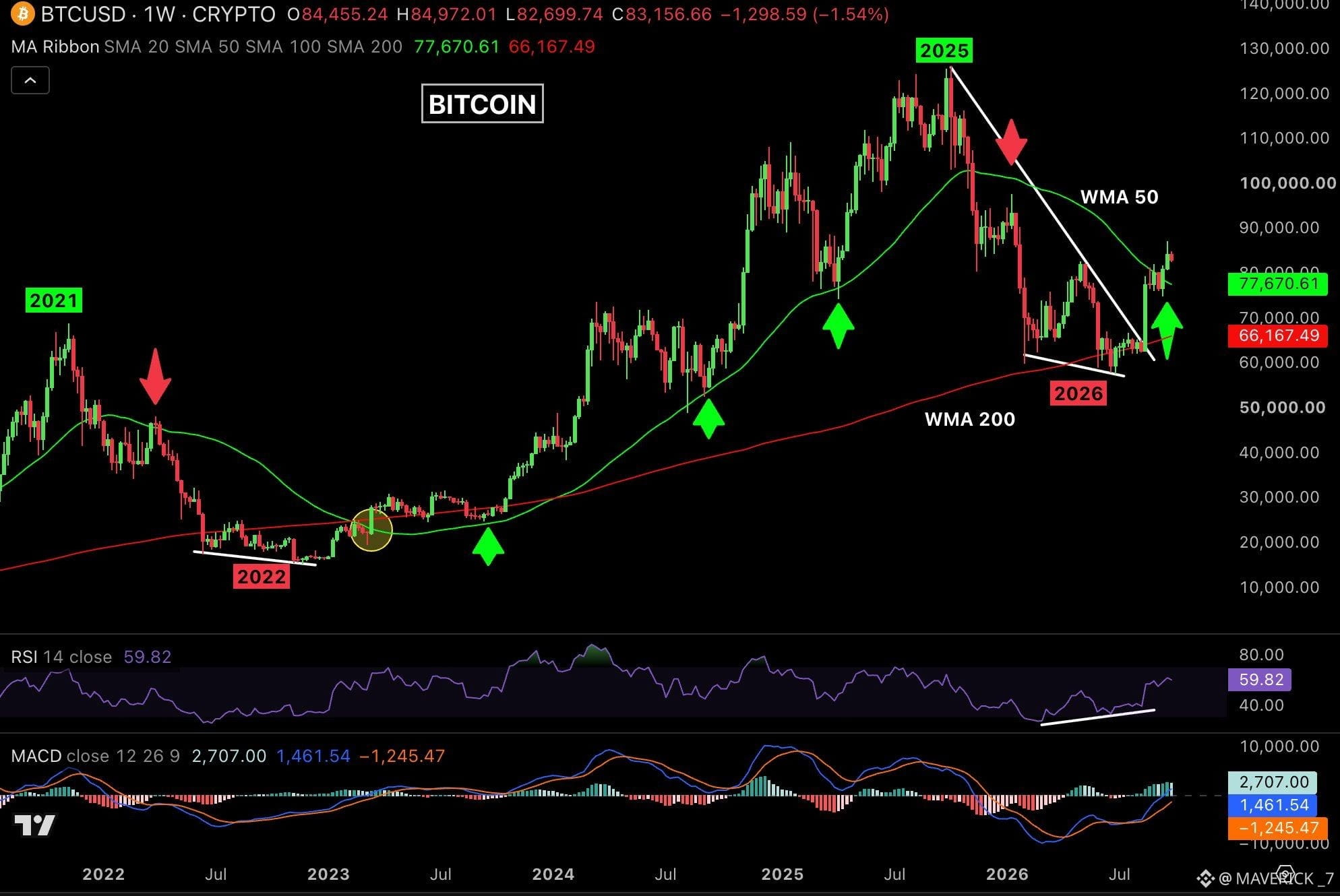
$BITCOIN WEEKLY ANALYSIS
Bitcoin pumped 4% last week and closed at $84,445, its highest weekly close in 8 months and second consecutive close above the Weekly MA 50.
So how did Bitcoin go from $57K to $87K?
BTC spent 11 weeks testing the Weekly MA 200 and it held as support. During that time, MACD turned bullish, RSI showed a bullish divergence and momentum started shifting toward bulls.
Then BTC broke above $67K and spent the next 4 weeks testing the Weekly MA 50, while $75K held as support.
Once Bitcoin finally closed above the Weekly MA 50, another short squeeze pushed BTC above $86K.
Meanwhile, the macro data was also improving:
- ISM hit 55.6, a 4 year high.
- Russell 2000 broke to a new ATH.
- Core inflation cooled toward a 5 year low.
Important levels:
- Support: Weekly MA 50 at $77,670 | Daily MA 200 at $71,100
- Resistance: $87K to $98K
Important events this week:
- ISM: Thursday
- Jobs data: Friday
$BTC
$BITCOIN WEEKLY ANALYSIS
Bitcoin pumped 4% last week and closed at $84,445, its highest weekly close in 8 months and second consecutive close above the Weekly MA 50.
So how did Bitcoin go from $57K to $87K?
BTC spent 11 weeks testing the Weekly MA 200 and it held as support. During that time, MACD turned bullish, RSI showed a bullish divergence and momentum started shifting toward bulls.
Then BTC broke above $67K and spent the next 4 weeks testing the Weekly MA 50, while $75K held as support.
Once Bitcoin finally closed above the Weekly MA 50, another short squeeze pushed BTC above $86K.
Meanwhile, the macro data was also improving:
- ISM hit 55.6, a 4 year high.
- Russell 2000 broke to a new ATH.
- Core inflation cooled toward a 5 year low.
Important levels:
- Support: Weekly MA 50 at $77,670 | Daily MA 200 at $71,100
- Resistance: $87K to $98K
Important events this week:
- ISM: Thursday
- Jobs data: Friday
$BTC
Bitcoin pumped 4% last week and closed at $84,445, its highest weekly close in 8 months and second consecutive close above the Weekly MA 50.
So how did Bitcoin go from $57K to $87K?
BTC spent 11 weeks testing the Weekly MA 200 and it held as support. During that time, MACD turned bullish, RSI showed a bullish divergence and momentum started shifting toward bulls.
Then BTC broke above $67K and spent the next 4 weeks testing the Weekly MA 50, while $75K held as support.
Once Bitcoin finally closed above the Weekly MA 50, another short squeeze pushed BTC above $86K.
Meanwhile, the macro data was also improving:
- ISM hit 55.6, a 4 year high.
- Russell 2000 broke to a new ATH.
- Core inflation cooled toward a 5 year low.
Important levels:
- Support: Weekly MA 50 at $77,670 | Daily MA 200 at $71,100
- Resistance: $87K to $98K
Important events this week:
- ISM: Thursday
- Jobs data: Friday
$BTC
56
·
--
ブリッシュ
翻訳参照
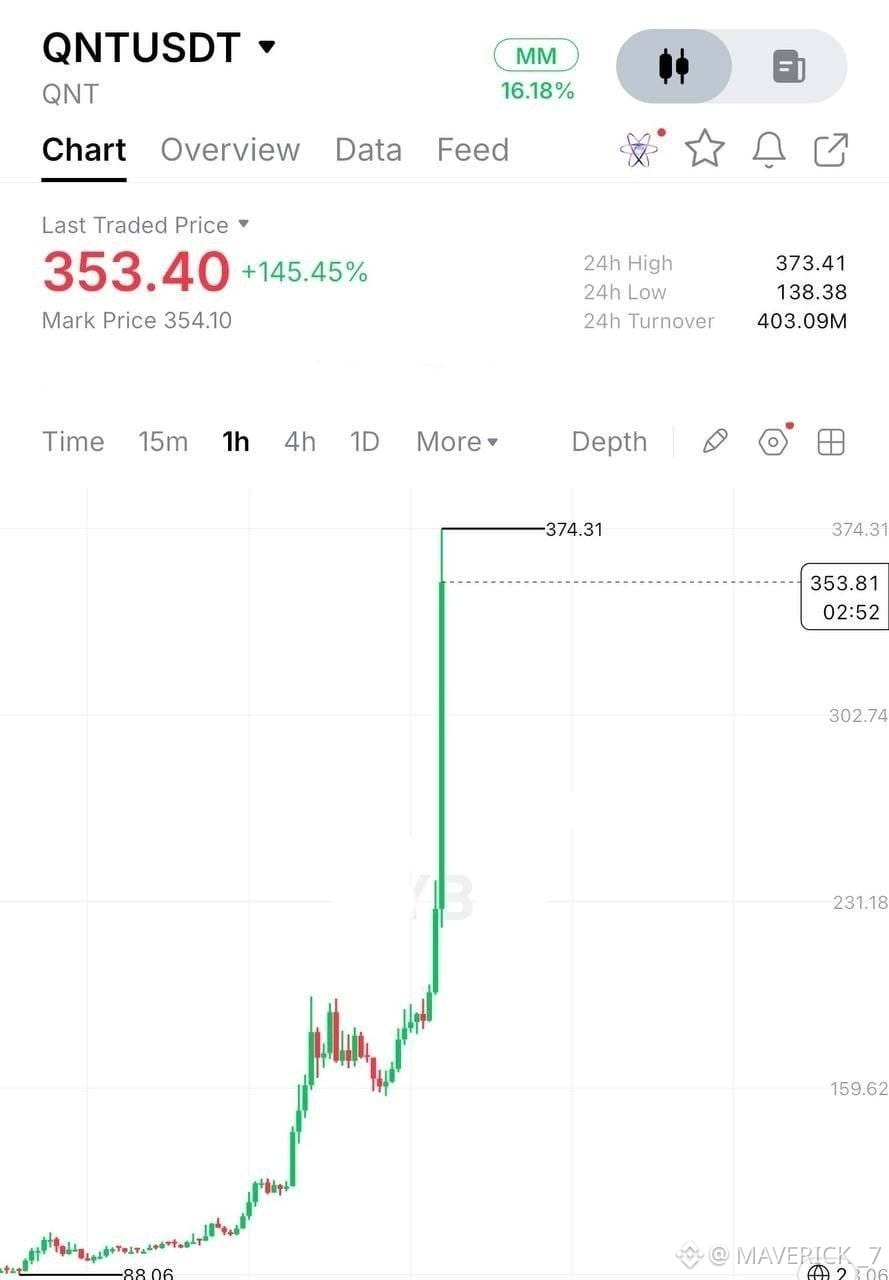
🚀 $QNT USDT BOOM! 💥🤑
300%+ PROFIT MOVE! 🔥
Price: ~$260–$270
QNT just delivered a massive move, exploding from around $65 to the $250+ zone in days. Momentum is absolutely wild!
🎯 TP: $300 → $350 → $400
📍 EP: $260–$270 zone
🛑 SL: $235
Huge gains, but after a move this fast, volatility and pullbacks can be brutal. Manage risk and don’t chase blindly.
$QNT 🔥🚀
🚀 $QNT USDT BOOM! 💥🤑
300%+ PROFIT MOVE! 🔥
Price: ~$260–$270
QNT just delivered a massive move, exploding from around $65 to the $250+ zone in days. Momentum is absolutely wild!
🎯 TP: $300 → $350 → $400
📍 EP: $260–$270 zone
🛑 SL: $235
Huge gains, but after a move this fast, volatility and pullbacks can be brutal. Manage risk and don’t chase blindly.
$QNT 🔥🚀
300%+ PROFIT MOVE! 🔥
Price: ~$260–$270
QNT just delivered a massive move, exploding from around $65 to the $250+ zone in days. Momentum is absolutely wild!
🎯 TP: $300 → $350 → $400
📍 EP: $260–$270 zone
🛑 SL: $235
Huge gains, but after a move this fast, volatility and pullbacks can be brutal. Manage risk and don’t chase blindly.
$QNT 🔥🚀
1
408
·
--
本人確認中
ハイダルのレンディング・ボールトの面白い部分は、利回りそのものではなく、状況が変わったときに流動性をどう管理するよう設計されているかだと気づいています。
考え方はシンプルです。私は一度預けるだけで、ボールトがサポートされているSuiの貸付市場にわたって配分を行います。手動でレートを確認したり、資金を移動させたり、報酬を請求して再投資したりする代わりに、このプロセスは自動化されるよう設計されています。
ハイダルは、NAVI、Suilend、Scallop、Current、AlphaFiなどの市場をつなぎ、SUI、USDC、haSUIのボールトを用意しています。
私が特に注目しているのは、動的な配分です。貸付金利、流動性、インセンティブは変わり得ます。だから重要な問いは、基盤となる環境が変化したとき、ボールトがどう反応するのかという点です。
この点を現実のものにしているのがAlphaFiの状況です。AlphaFiがウィンドダウンを発表し、ハイダルのボールトの資金には影響がないと述べた後、ハイダルはAlphaLendを削除しました。
これにより、APYを表示するだけよりも、モニタリング、予測可能な運用、そしてエクスポージャーを調整できることの重要性が高まっていると感じています。
私にとって大きなテーマは戦略レイヤーです:
1回の預け入れ、複数の市場、自動化された配分、そして自動複利。
このモデルが、実際の条件がより予測しにくくなったときにどう機能するのかを見ています。
$HAEDAL #Haedal @HaedalProtocol
投資助言ではありません。
ハイダルのレンディング・ボールトの面白い部分は、利回りそのものではなく、状況が変わったときに流動性をどう管理するよう設計されているかだと気づいています。
考え方はシンプルです。私は一度預けるだけで、ボールトがサポートされているSuiの貸付市場にわたって配分を行います。手動でレートを確認したり、資金を移動させたり、報酬を請求して再投資したりする代わりに、このプロセスは自動化されるよう設計されています。
ハイダルは、NAVI、Suilend、Scallop、Current、AlphaFiなどの市場をつなぎ、SUI、USDC、haSUIのボールトを用意しています。
私が特に注目しているのは、動的な配分です。貸付金利、流動性、インセンティブは変わり得ます。だから重要な問いは、基盤となる環境が変化したとき、ボールトがどう反応するのかという点です。
この点を現実のものにしているのがAlphaFiの状況です。AlphaFiがウィンドダウンを発表し、ハイダルのボールトの資金には影響がないと述べた後、ハイダルはAlphaLendを削除しました。
これにより、APYを表示するだけよりも、モニタリング、予測可能な運用、そしてエクスポージャーを調整できることの重要性が高まっていると感じています。
私にとって大きなテーマは戦略レイヤーです:
1回の預け入れ、複数の市場、自動化された配分、そして自動複利。
このモデルが、実際の条件がより予測しにくくなったときにどう機能するのかを見ています。
$HAEDAL #Haedal @Haedal Protocol
投資助言ではありません。
考え方はシンプルです。私は一度預けるだけで、ボールトがサポートされているSuiの貸付市場にわたって配分を行います。手動でレートを確認したり、資金を移動させたり、報酬を請求して再投資したりする代わりに、このプロセスは自動化されるよう設計されています。
ハイダルは、NAVI、Suilend、Scallop、Current、AlphaFiなどの市場をつなぎ、SUI、USDC、haSUIのボールトを用意しています。
私が特に注目しているのは、動的な配分です。貸付金利、流動性、インセンティブは変わり得ます。だから重要な問いは、基盤となる環境が変化したとき、ボールトがどう反応するのかという点です。
この点を現実のものにしているのがAlphaFiの状況です。AlphaFiがウィンドダウンを発表し、ハイダルのボールトの資金には影響がないと述べた後、ハイダルはAlphaLendを削除しました。
これにより、APYを表示するだけよりも、モニタリング、予測可能な運用、そしてエクスポージャーを調整できることの重要性が高まっていると感じています。
私にとって大きなテーマは戦略レイヤーです:
1回の預け入れ、複数の市場、自動化された配分、そして自動複利。
このモデルが、実際の条件がより予測しにくくなったときにどう機能するのかを見ています。
$HAEDAL #Haedal @Haedal Protocol
投資助言ではありません。

1
1
201
·
--
ブリッシュ
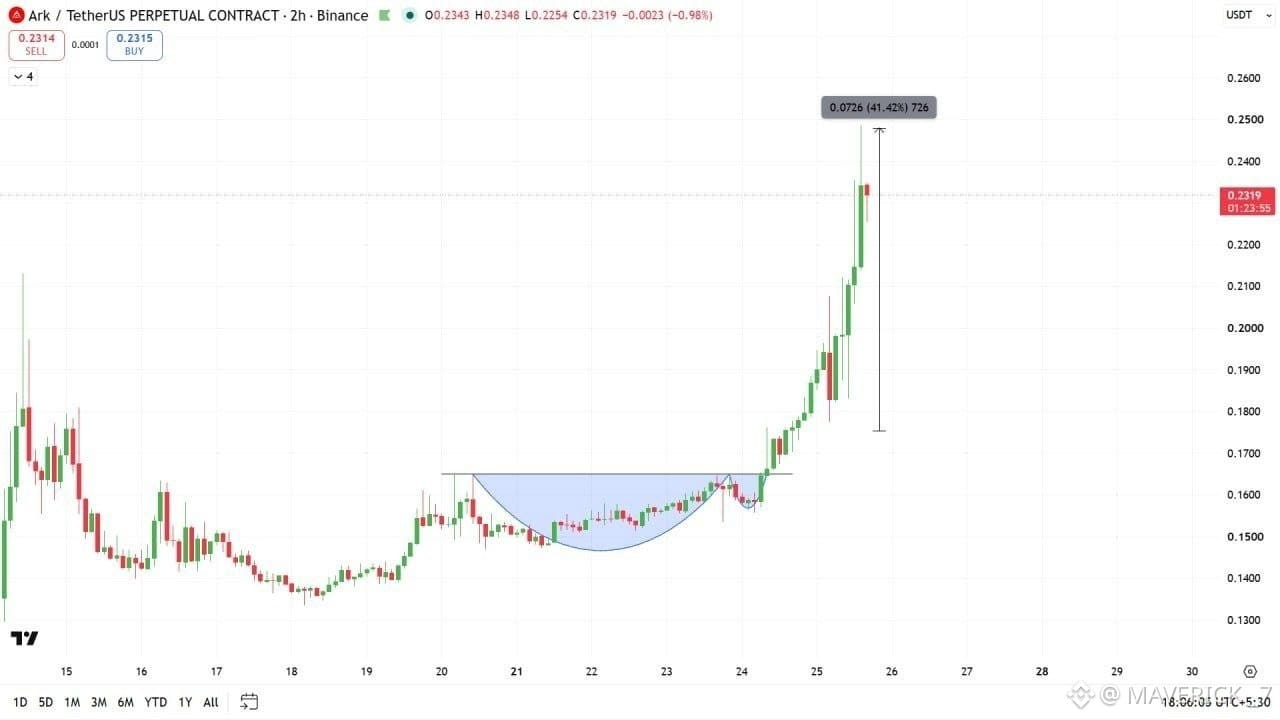
🚀 $ARKUSDT またやった!
昨日のアップデートのあと、$ARK が+41%に爆上げ!🔥
📍 価格: 約$0.277
📈 値動き: +41%
🎯 昨日のアップデート → 今日の爆発的なポンプ(上昇)
勢いが明らかに加熱してきているけど、ここまで速い動きのあとにはボラティリティに注意して、闇雲に追いかけないでね。
ARKは動いてる。市場が見ている。👀
$ARK
🚀 $ARKUSDT またやった!
昨日のアップデートのあと、$ARK が+41%に爆上げ!🔥
📍 価格: 約$0.277
📈 値動き: +41%
🎯 昨日のアップデート → 今日の爆発的なポンプ(上昇)
勢いが明らかに加熱してきているけど、ここまで速い動きのあとにはボラティリティに注意して、闇雲に追いかけないでね。
ARKは動いてる。市場が見ている。👀
$ARK
昨日のアップデートのあと、$ARK が+41%に爆上げ!🔥
📍 価格: 約$0.277
📈 値動き: +41%
🎯 昨日のアップデート → 今日の爆発的なポンプ(上昇)
勢いが明らかに加熱してきているけど、ここまで速い動きのあとにはボラティリティに注意して、闇雲に追いかけないでね。
ARKは動いてる。市場が見ている。👀
$ARK
308
·
--
ブリッシュ
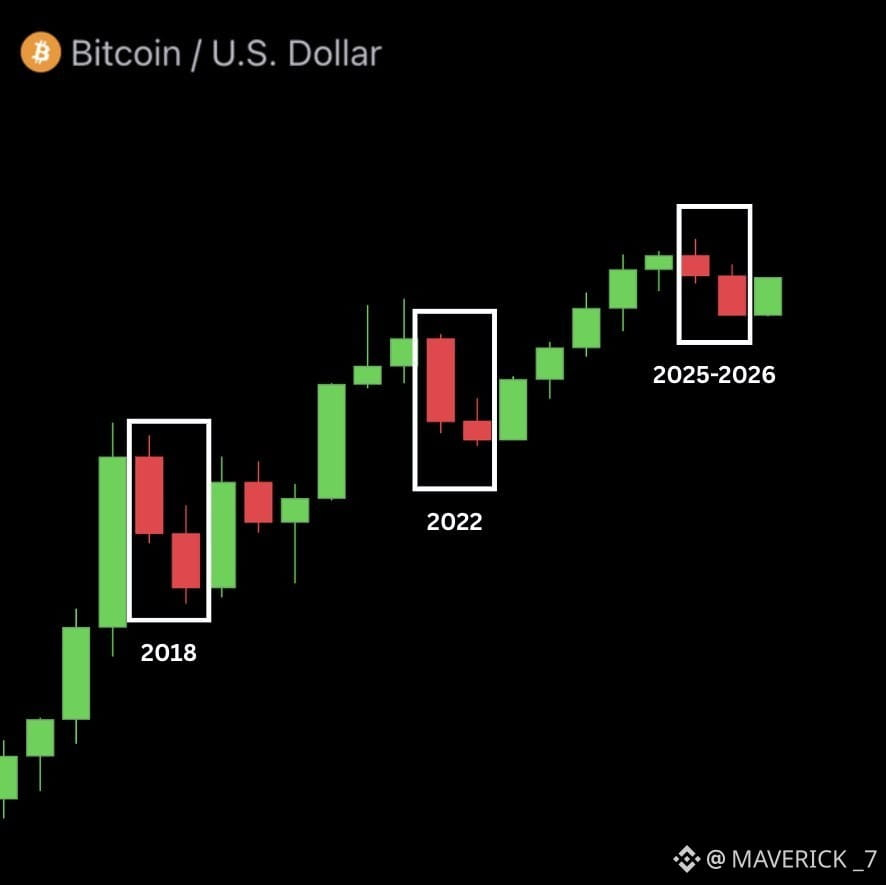
🚨 ビットコイン・強気セットアップ 🚨
BTCは現在約$84,600です。過去の6か月パターンが面白くなってきています。直近の大きな赤い6か月足の後には、強い緑の足と新たな上昇トレンドが続いています。
🔥 取引レベル
エントリー:$84,000〜$85,000
TP1:$90,000
TP2:$95,000
TP3:$100,000+
SL:$80,000未満
BTCが$85Kを上回る強さを確認すれば、勢いが急加速する可能性があります。📈🚀
過去は保証ではありませんが、これは注視する価値のあるセットアップです。
$BTC
🚨 ビットコイン・強気セットアップ 🚨
BTCは現在約$84,600です。過去の6か月パターンが面白くなってきています。直近の大きな赤い6か月足の後には、強い緑の足と新たな上昇トレンドが続いています。
🔥 取引レベル
エントリー:$84,000〜$85,000
TP1:$90,000
TP2:$95,000
TP3:$100,000+
SL:$80,000未満
BTCが$85Kを上回る強さを確認すれば、勢いが急加速する可能性があります。📈🚀
過去は保証ではありませんが、これは注視する価値のあるセットアップです。
$BTC
BTCは現在約$84,600です。過去の6か月パターンが面白くなってきています。直近の大きな赤い6か月足の後には、強い緑の足と新たな上昇トレンドが続いています。
🔥 取引レベル
エントリー:$84,000〜$85,000
TP1:$90,000
TP2:$95,000
TP3:$100,000+
SL:$80,000未満
BTCが$85Kを上回る強さを確認すれば、勢いが急加速する可能性があります。📈🚀
過去は保証ではありませんが、これは注視する価値のあるセットアップです。
$BTC
118
·
--
ブリッシュ
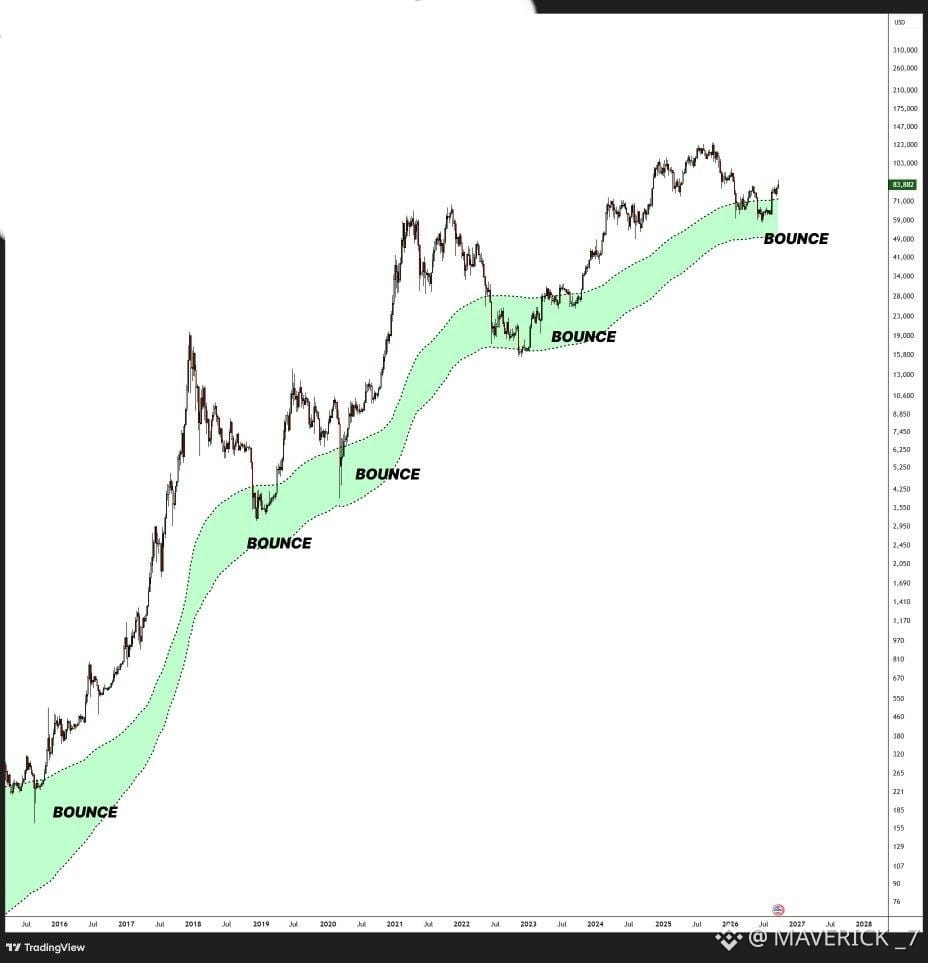
🚨 $BTC HUGE BULL RUN SETUP! 🚀🔥
💰 現在価格: $84,557
📍 エントリー: $84,000–$84,800
🎯 TP1: $87,000
🎯 TP2: $90,000
🎯 TP3: $95,000
🛑 SL: $82,500
BTCは高値圏で堅調に推移しています。$85Kを上抜けする明確なブレイクが出れば、次の主要ターゲットに向けて道が開けるかもしれません。📈
確定を待ってください。リスク管理を。FOMOは不要です。🚀
$BTC
{future}(BTCUSDT)
🚨 $BTC HUGE BULL RUN SETUP! 🚀🔥
💰 現在価格: $84,557
📍 エントリー: $84,000–$84,800
🎯 TP1: $87,000
🎯 TP2: $90,000
🎯 TP3: $95,000
🛑 SL: $82,500
BTCは高値圏で堅調に推移しています。$85Kを上抜けする明確なブレイクが出れば、次の主要ターゲットに向けて道が開けるかもしれません。📈
確定を待ってください。リスク管理を。FOMOは不要です。🚀
$BTC
💰 現在価格: $84,557
📍 エントリー: $84,000–$84,800
🎯 TP1: $87,000
🎯 TP2: $90,000
🎯 TP3: $95,000
🛑 SL: $82,500
BTCは高値圏で堅調に推移しています。$85Kを上抜けする明確なブレイクが出れば、次の主要ターゲットに向けて道が開けるかもしれません。📈
確定を待ってください。リスク管理を。FOMOは不要です。🚀
$BTC
181
·
--
ブリッシュ
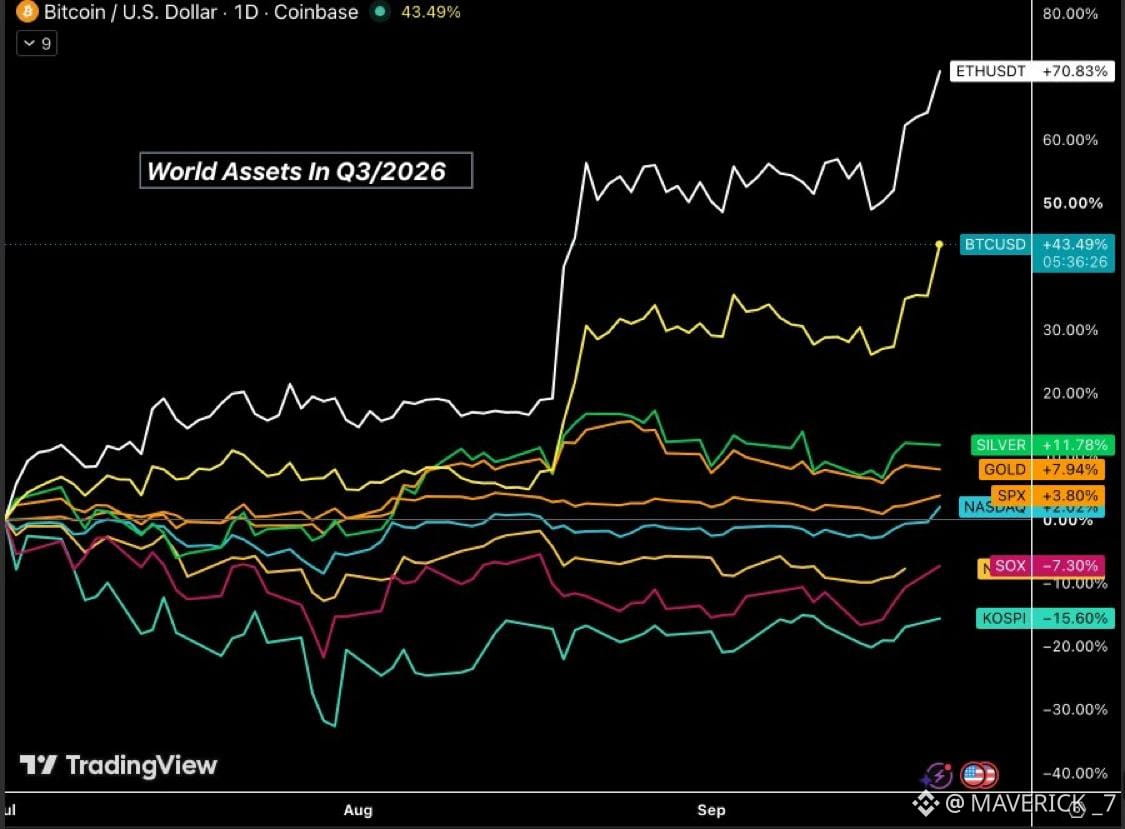
今期、あらゆる資産を仮想通貨が上回りました。
$ETHは70%上昇し、$BTCは43%上昇しています。
一方で半導体株は7%下落し、KOSPIはほぼ16%下落しています。金は8%上昇、銀は12%上昇です。しかし、その上昇幅は仮想通貨に比べるととても小さく見えます。
ついに資金が再び仮想通貨へ回転しています。
今期、あらゆる資産を仮想通貨が上回りました。
$ETHは70%上昇し、$BTCは43%上昇しています。
一方で半導体株は7%下落し、KOSPIはほぼ16%下落しています。金は8%上昇、銀は12%上昇です。しかし、その上昇幅は仮想通貨に比べるととても小さく見えます。
ついに資金が再び仮想通貨へ回転しています。
$ETHは70%上昇し、$BTCは43%上昇しています。
一方で半導体株は7%下落し、KOSPIはほぼ16%下落しています。金は8%上昇、銀は12%上昇です。しかし、その上昇幅は仮想通貨に比べるととても小さく見えます。
ついに資金が再び仮想通貨へ回転しています。
1
290
·
--
ブリッシュ
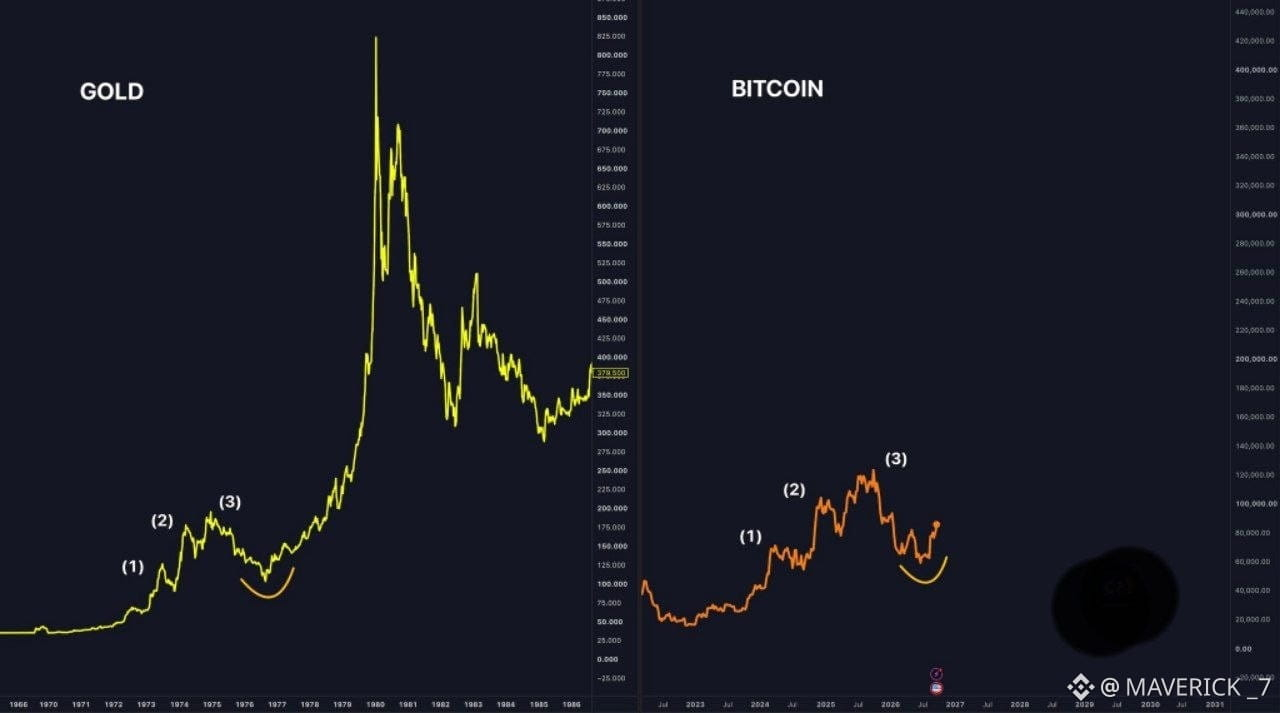
🔥 ゴールド vs ビットコイン
ゴールドの時代は終わりました。今注目はビットコインです。🚀
BTCは、リスク資産へ市場がシフトする中で強さを見せています。勢いが続けば、ビットコインは大きなブレイク(突破)局面に入っている可能性があります。
📈 BTC:ブレイクを監視
🎯 主要ポイント:$100K+ゾーン
⚡ モメンタム:強気
👀 戦略:確認を待つ、追いかけない
これはビットコインの“その瞬間”かもしれません。🚀🔥
NFA。計画を立てて取引をしましょう。
🔥 ゴールド vs ビットコイン
ゴールドの時代は終わりました。今注目はビットコインです。🚀
BTCは、リスク資産へ市場がシフトする中で強さを見せています。勢いが続けば、ビットコインは大きなブレイク(突破)局面に入っている可能性があります。
📈 BTC:ブレイクを監視
🎯 主要ポイント:$100K+ゾーン
⚡ モメンタム:強気
👀 戦略:確認を待つ、追いかけない
これはビットコインの“その瞬間”かもしれません。🚀🔥
NFA。計画を立てて取引をしましょう。
ゴールドの時代は終わりました。今注目はビットコインです。🚀
BTCは、リスク資産へ市場がシフトする中で強さを見せています。勢いが続けば、ビットコインは大きなブレイク(突破)局面に入っている可能性があります。
📈 BTC:ブレイクを監視
🎯 主要ポイント:$100K+ゾーン
⚡ モメンタム:強気
👀 戦略:確認を待つ、追いかけない
これはビットコインの“その瞬間”かもしれません。🚀🔥
NFA。計画を立てて取引をしましょう。
95
·
--
本人確認中
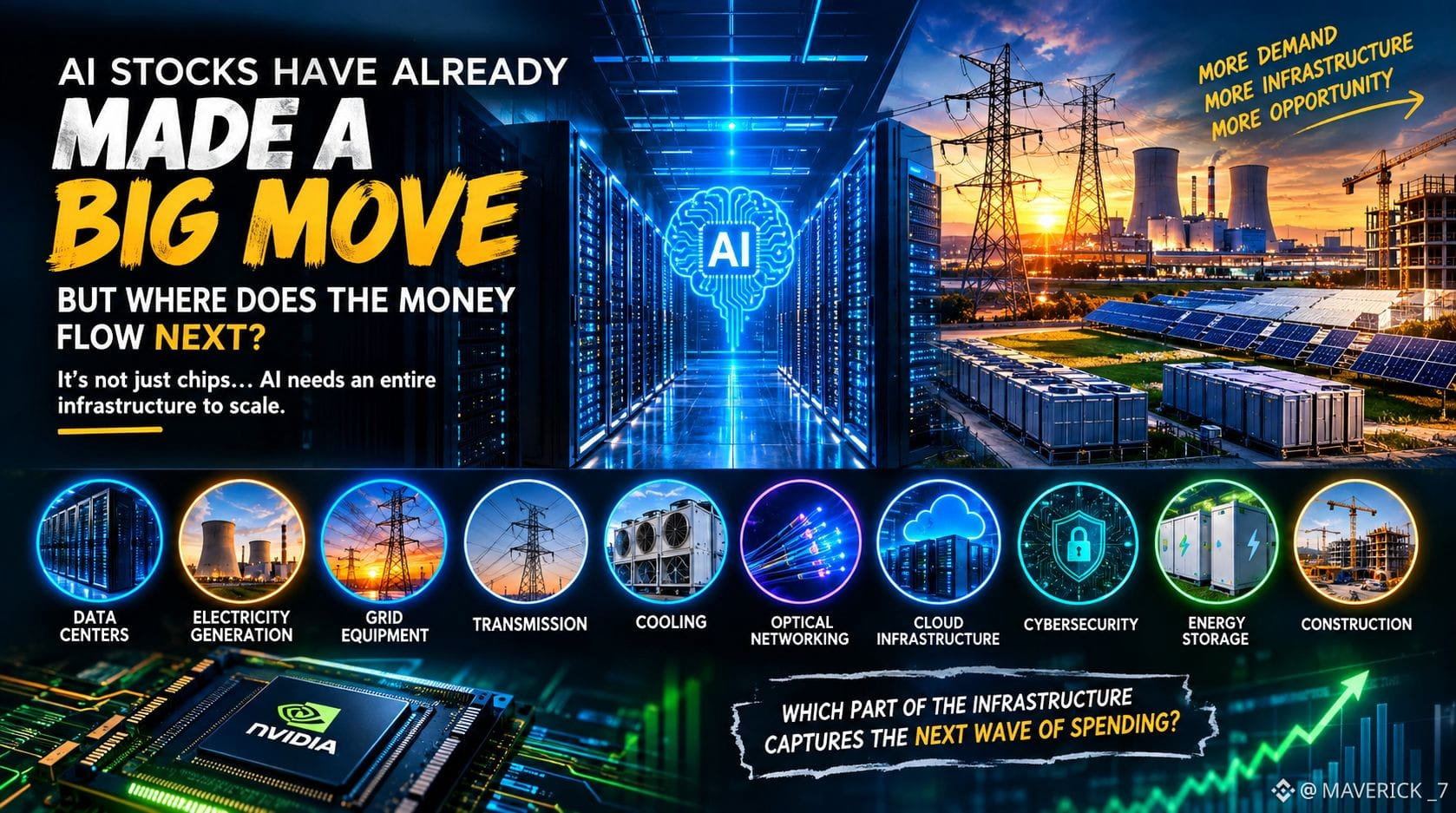
#AIStocksWhatNext AI株はすでに大きく動いた。そして私が別の質問をしてしまうのはこうです。AIの需要が伸び続けるなら、その資金は次にどこへ流れる必要があるのか?
私は、最大手の一段奥を見ています。AIにはチップ以上のものが必要です。データセンター、電力の発電、送配電網の設備、送電、冷却、光ネットワーキング、半導体、クラウド基盤、サイバーセキュリティ、エネルギー貯蔵、そして建設が必要です。
ジェンセン・フアンは、AI計算需要の急速な成長が続くと指摘しています。一方で、Nvidiaの最新見通しも、強いインフラ投資を反映しています。
電力需要は無視しがたくなっています。ある最近の調査では、AIに特化したデータセンターの電力使用量が2030年までに239〜295TWhに達する可能性があると推計していますが、これは確実性のある結論ではなく、シナリオに基づく推計です。
ボトルネックの例としてはテキサスが分かりやすいです。送電網へのアクセスを待つプロジェクトが470GW超に上り、新たな許認可の一時停止と送電網の見直しが促されました。
つまり、私は単にAI株が高いのかどうかを聞いているのではありません。AIがスケールできない部分で、誰がどの供給を担っているのかを聞いています。
AI需要が拡大し続けるなら、その土台となるインフラのどの領域が、次の支出の波を取り込むのでしょうか?
$NVDAB
#AIStocksWhatNext AI株はすでに大きく動いた。そして私が別の質問をしてしまうのはこうです。AIの需要が伸び続けるなら、その資金は次にどこへ流れる必要があるのか?
私は、最大手の一段奥を見ています。AIにはチップ以上のものが必要です。データセンター、電力の発電、送配電網の設備、送電、冷却、光ネットワーキング、半導体、クラウド基盤、サイバーセキュリティ、エネルギー貯蔵、そして建設が必要です。
ジェンセン・フアンは、AI計算需要の急速な成長が続くと指摘しています。一方で、Nvidiaの最新見通しも、強いインフラ投資を反映しています。
電力需要は無視しがたくなっています。ある最近の調査では、AIに特化したデータセンターの電力使用量が2030年までに239〜295TWhに達する可能性があると推計していますが、これは確実性のある結論ではなく、シナリオに基づく推計です。
ボトルネックの例としてはテキサスが分かりやすいです。送電網へのアクセスを待つプロジェクトが470GW超に上り、新たな許認可の一時停止と送電網の見直しが促されました。
つまり、私は単にAI株が高いのかどうかを聞いているのではありません。AIがスケールできない部分で、誰がどの供給を担っているのかを聞いています。
AI需要が拡大し続けるなら、その土台となるインフラのどの領域が、次の支出の波を取り込むのでしょうか?
$NVDAB
私は、最大手の一段奥を見ています。AIにはチップ以上のものが必要です。データセンター、電力の発電、送配電網の設備、送電、冷却、光ネットワーキング、半導体、クラウド基盤、サイバーセキュリティ、エネルギー貯蔵、そして建設が必要です。
ジェンセン・フアンは、AI計算需要の急速な成長が続くと指摘しています。一方で、Nvidiaの最新見通しも、強いインフラ投資を反映しています。
電力需要は無視しがたくなっています。ある最近の調査では、AIに特化したデータセンターの電力使用量が2030年までに239〜295TWhに達する可能性があると推計していますが、これは確実性のある結論ではなく、シナリオに基づく推計です。
ボトルネックの例としてはテキサスが分かりやすいです。送電網へのアクセスを待つプロジェクトが470GW超に上り、新たな許認可の一時停止と送電網の見直しが促されました。
つまり、私は単にAI株が高いのかどうかを聞いているのではありません。AIがスケールできない部分で、誰がどの供給を担っているのかを聞いています。
AI需要が拡大し続けるなら、その土台となるインフラのどの領域が、次の支出の波を取り込むのでしょうか?
$NVDAB
2
69
·
--
500 USDTは本当に何ができる?国は変わらないかもしれません。でも、アイデアを始めること、MVPに資金を投じること、コミュニティを教育すること、またはツールを作ることはできます。ときには、金額よりも最初の一歩のほうが重要です。#BTHEONE
500 USDTは本当に何ができる?国は変わらないかもしれません。でも、アイデアを始めること、MVPに資金を投じること、コミュニティを教育すること、またはツールを作ることはできます。ときには、金額よりも最初の一歩のほうが重要です。#BTHEONE


Binance Argentina Official
·
--
🟡 500 USDT。1名勝者。あなたがTHE ONE?👀
参加方法はこちら👇
❤️ この投稿に「いいね」してね。
💬 THE ONEが500 USDTで何をするか、あなたの回答をコメント欄に書いてね。
😉 以上!もう500 USDTの抽選に参加中です。⚡
📣 勝者は9月25日(金)に発表します。
Términos y Condiciones.が適用されます
参加方法はこちら👇
❤️ この投稿に「いいね」してね。
💬 THE ONEが500 USDTで何をするか、あなたの回答をコメント欄に書いてね。
😉 以上!もう500 USDTの抽選に参加中です。⚡
📣 勝者は9月25日(金)に発表します。
Términos y Condiciones.が適用されます
1
2
89
·
--
ブリッシュ
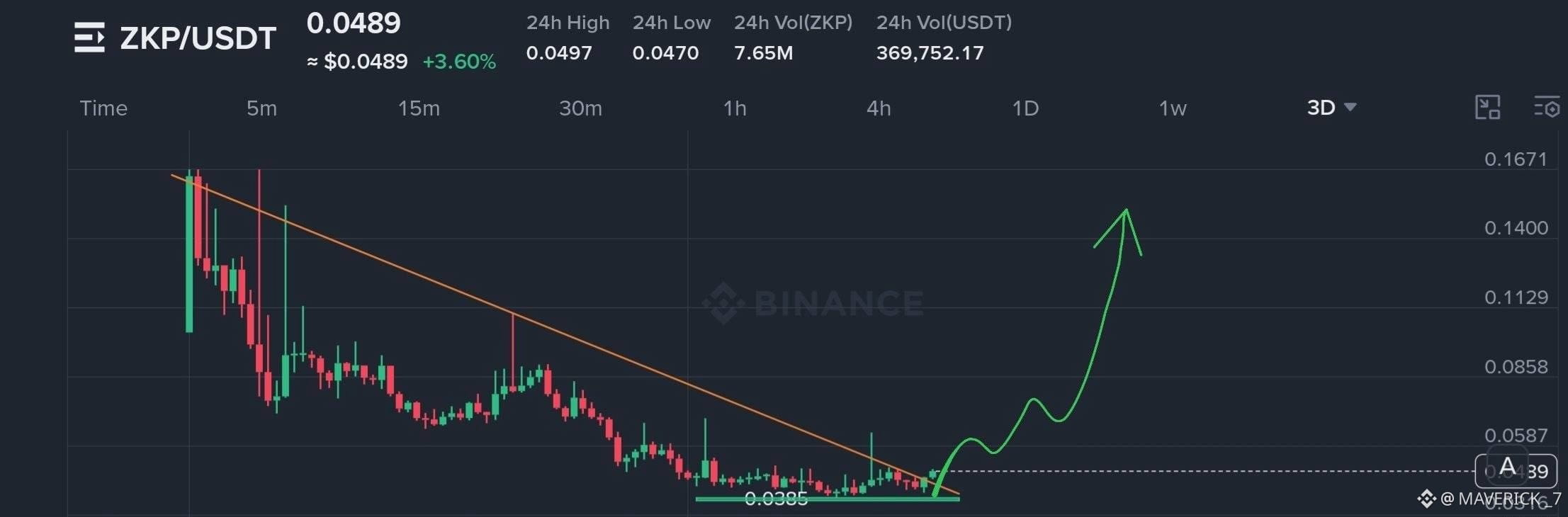
🚀 $ZKP HIGHER-TIMEFRAME BREAKOUT!
$ZKP は、$ZKが$ZAMAとともに強さを見せながら、高い時間軸でブレイクアウトしています。
🔥 モメンタムが高まっている
📈 HTF(高い時間軸)のブレイクアウトを確認
👀 継続を監視
💥 ブレイクが維持されれば、さらに大きな動きが続く可能性
Entry: ブレイク/リテストの確認後
TP: 次のレジスタンス・ゾーン
SL: ブレイク/リテストのサポート下
そのローソク足を追いかけないでください。リスク管理を行い、確認を待ちましょう。
$ZKP
🚀 $ZKP HIGHER-TIMEFRAME BREAKOUT!
$ZKP は、$ZKが$ZAMAとともに強さを見せながら、高い時間軸でブレイクアウトしています。
🔥 モメンタムが高まっている
📈 HTF(高い時間軸)のブレイクアウトを確認
👀 継続を監視
💥 ブレイクが維持されれば、さらに大きな動きが続く可能性
Entry: ブレイク/リテストの確認後
TP: 次のレジスタンス・ゾーン
SL: ブレイク/リテストのサポート下
そのローソク足を追いかけないでください。リスク管理を行い、確認を待ちましょう。
$ZKP
$ZKP は、$ZKが$ZAMAとともに強さを見せながら、高い時間軸でブレイクアウトしています。
🔥 モメンタムが高まっている
📈 HTF(高い時間軸)のブレイクアウトを確認
👀 継続を監視
💥 ブレイクが維持されれば、さらに大きな動きが続く可能性
Entry: ブレイク/リテストの確認後
TP: 次のレジスタンス・ゾーン
SL: ブレイク/リテストのサポート下
そのローソク足を追いかけないでください。リスク管理を行い、確認を待ちましょう。
$ZKP
540
·
--
ブリッシュ
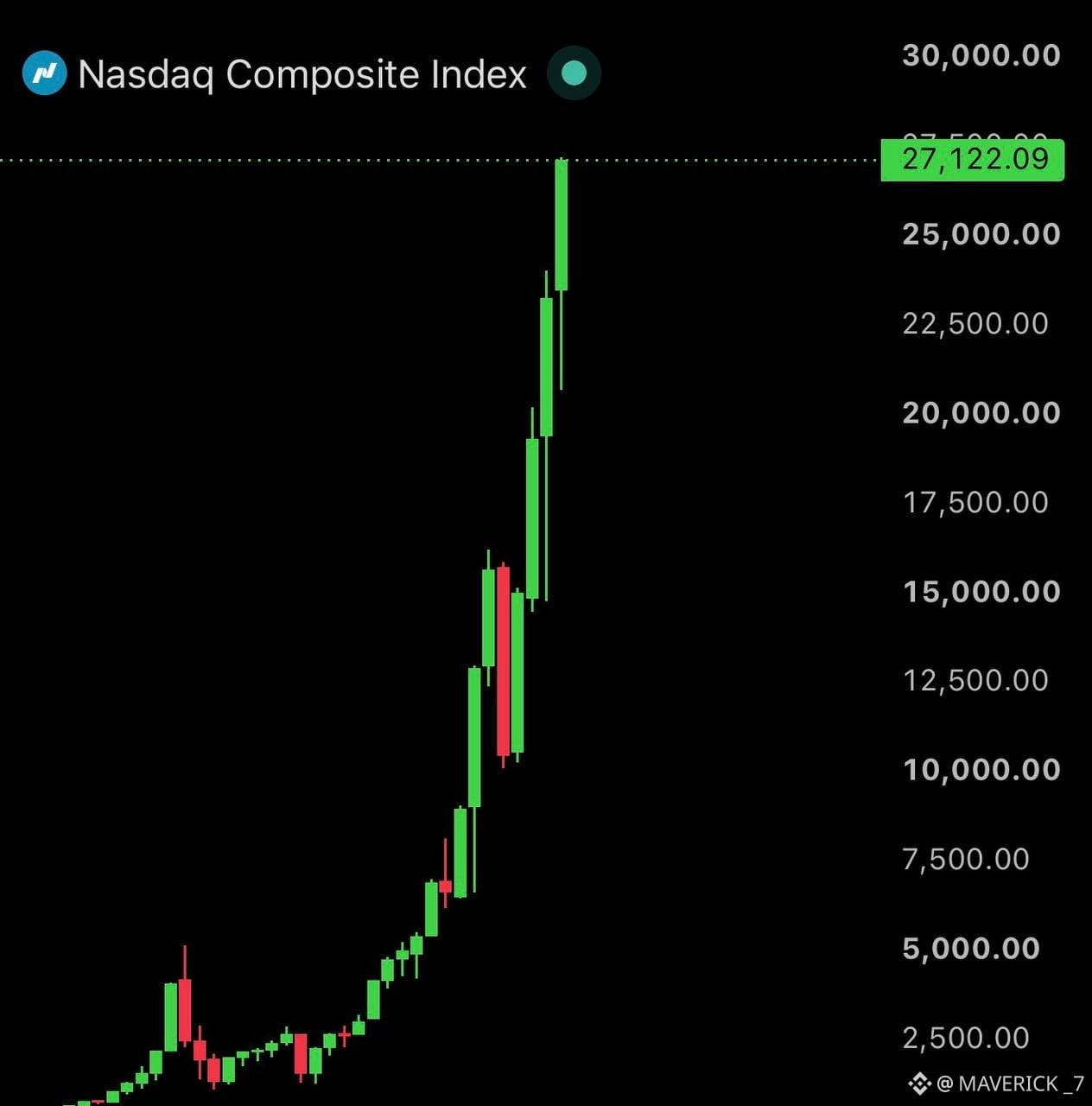
【緊急】🇺🇸 ナスダックが市場史上最高の「過去最高となる日次終値」を更新しました。
仮想通貨にとって強気です。
#NEARRisesNearly80%InAWeek #MultiversXPlansHardForkRecovery #CircleLaunchesInstitutionalBTCBackedBorrowing #ZetaChainVotesToMigrateZETAToSolana
【緊急】🇺🇸 ナスダックが市場史上最高の「過去最高となる日次終値」を更新しました。
仮想通貨にとって強気です。
#NEARRisesNearly80%InAWeek #MultiversXPlansHardForkRecovery #CircleLaunchesInstitutionalBTCBackedBorrowing #ZetaChainVotesToMigrateZETAToSolana
仮想通貨にとって強気です。
#NEARRisesNearly80%InAWeek #MultiversXPlansHardForkRecovery #CircleLaunchesInstitutionalBTCBackedBorrowing #ZetaChainVotesToMigrateZETAToSolana
239
·
--
ブリッシュ
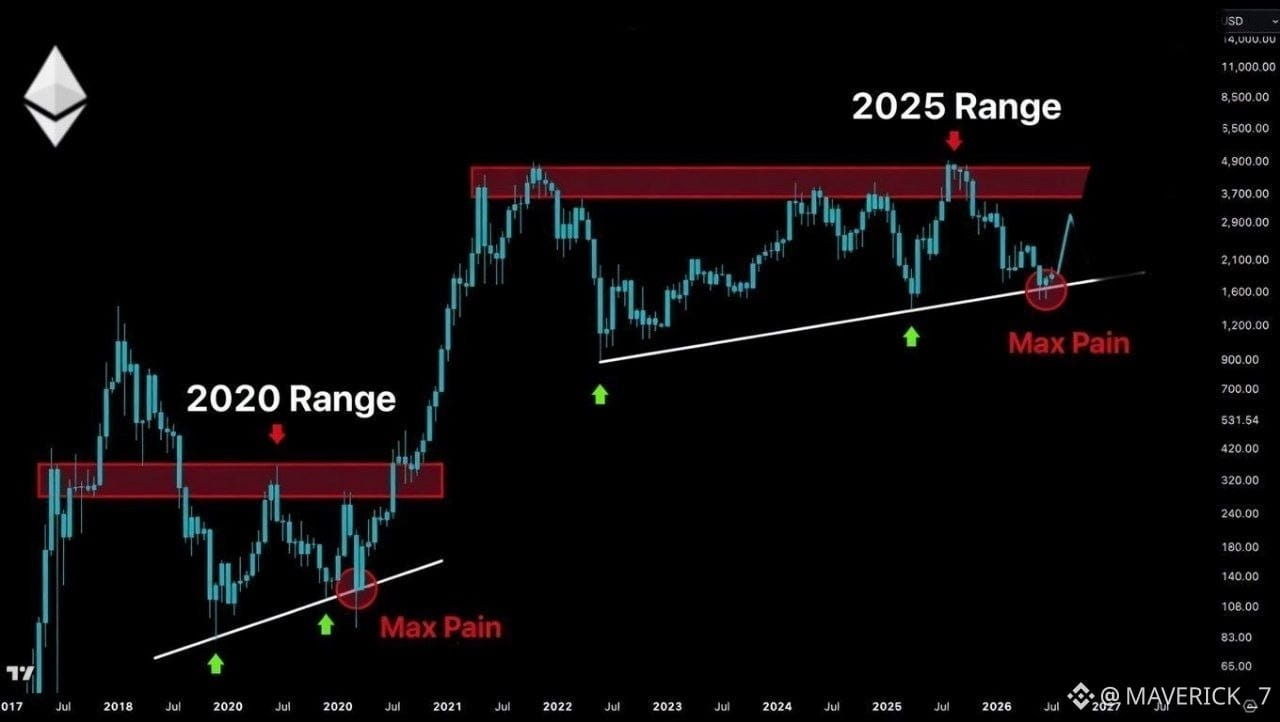
🔥$ETHEREUM — 次の一手の前に「最大の痛み」か? 👀
ETHは、2020年サイクルで見られたのと似た構造で、主要な上昇トレンドライン近辺に位置しています。
📍 現在のゾーン: 約$1.6K〜$2.0K
🔻 重要サポート: 上昇トレンドライン
🚀 上方向の目標: $2.9K → $3.7K → $4.9K
🎯 主要なレジスタンス: $3.7K〜$4.9K
無効化: トレンドラインを明確に下抜け
チャートは、「最大の痛み」が次の大きな拡大の前に訪れる可能性を示唆しています。
ETHの強気勢は、この構造を守る必要があります。 👑
ブレイクアウトを監視。最初のローソク足を追いかけないでください。
$ETH |$BTC |$SOL
🔥$ETHEREUM — 次の一手の前に「最大の痛み」か? 👀
ETHは、2020年サイクルで見られたのと似た構造で、主要な上昇トレンドライン近辺に位置しています。
📍 現在のゾーン: 約$1.6K〜$2.0K
🔻 重要サポート: 上昇トレンドライン
🚀 上方向の目標: $2.9K → $3.7K → $4.9K
🎯 主要なレジスタンス: $3.7K〜$4.9K
無効化: トレンドラインを明確に下抜け
チャートは、「最大の痛み」が次の大きな拡大の前に訪れる可能性を示唆しています。
ETHの強気勢は、この構造を守る必要があります。 👑
ブレイクアウトを監視。最初のローソク足を追いかけないでください。
$ETH |$BTC |$SOL
ETHは、2020年サイクルで見られたのと似た構造で、主要な上昇トレンドライン近辺に位置しています。
📍 現在のゾーン: 約$1.6K〜$2.0K
🔻 重要サポート: 上昇トレンドライン
🚀 上方向の目標: $2.9K → $3.7K → $4.9K
🎯 主要なレジスタンス: $3.7K〜$4.9K
無効化: トレンドラインを明確に下抜け
チャートは、「最大の痛み」が次の大きな拡大の前に訪れる可能性を示唆しています。
ETHの強気勢は、この構造を守る必要があります。 👑
ブレイクアウトを監視。最初のローソク足を追いかけないでください。
$ETH |$BTC |$SOL
194
·
--

記事
SOL vs ETH:ブロックチェーン設計が現実の制約に出会うときSolanaとEthereumの有用な比較には、価格チャートを見るだけでは足りません。実際の金融環境では、重要な問いはしばしば目に見えにくいものです。システムがどう運用されているか、インターフェースがどれほど予測可能か、開発者がどのようにそれらとやり取りするか、モニタリングがどう扱われているか、オペレーターや監査人、コンプライアンスチームが活動をどれほど容易に調べられるか、といった点です。
しかし、ここで提示された資料にはEthereumに関する技術的・アーキテクチャ的な情報は含まれていません。市場データと15分足のSOLUSDTチャートのみが含まれています。その違いが重要です。信頼できる比較は、そのギャップを仮定で埋めるべきではありません。
SOL vs ETH:ブロックチェーン設計が現実の制約に出会うとき
SolanaとEthereumの有用な比較には、価格チャートを見るだけでは足りません。実際の金融環境では、重要な問いはしばしば目に見えにくいものです。システムがどう運用されているか、インターフェースがどれほど予測可能か、開発者がどのようにそれらとやり取りするか、モニタリングがどう扱われているか、オペレーターや監査人、コンプライアンスチームが活動をどれほど容易に調べられるか、といった点です。
しかし、ここで提示された資料にはEthereumに関する技術的・アーキテクチャ的な情報は含まれていません。市場データと15分足のSOLUSDTチャートのみが含まれています。その違いが重要です。信頼できる比較は、そのギャップを仮定で埋めるべきではありません。
しかし、ここで提示された資料にはEthereumに関する技術的・アーキテクチャ的な情報は含まれていません。市場データと15分足のSOLUSDTチャートのみが含まれています。その違いが重要です。信頼できる比較は、そのギャップを仮定で埋めるべきではありません。
140
·
--
ブリッシュ
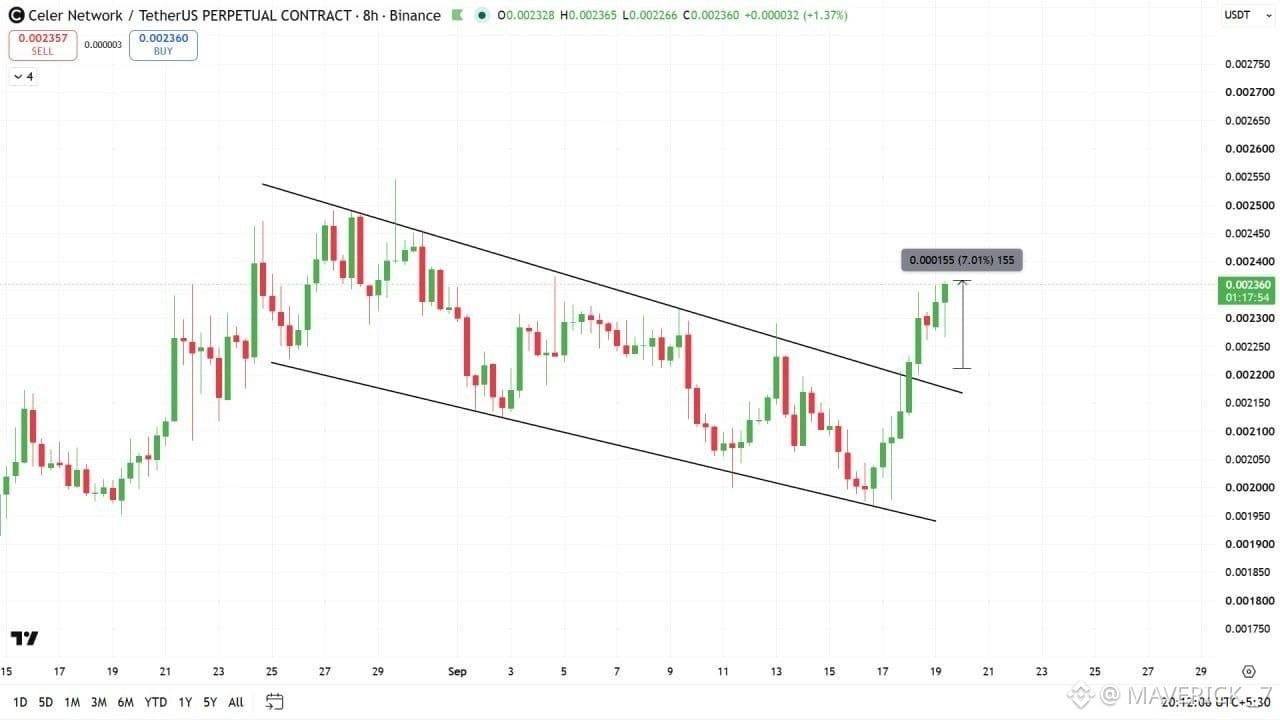
🚀 $CELR RUSDT PUMP 確定!
価格: $0.00471 📈
🔥 投稿してから+7%!
この仕組みは、私たちが注目していた通りの結果をもたらしました。モメンタムが入り、CELRが動きました。
エントリー ✅
+7% の値動き ✅
モメンタム 🔥
ポンプを楽しんでください。ただし、急上昇のローソク足を追いかけないでください。リスクを管理し、利益を守りましょう。
$CELR 👀 次の動きに注目です。
$CELR
🚀 $CELR RUSDT PUMP 確定!
価格: $0.00471 📈
🔥 投稿してから+7%!
この仕組みは、私たちが注目していた通りの結果をもたらしました。モメンタムが入り、CELRが動きました。
エントリー ✅
+7% の値動き ✅
モメンタム 🔥
ポンプを楽しんでください。ただし、急上昇のローソク足を追いかけないでください。リスクを管理し、利益を守りましょう。
$CELR 👀 次の動きに注目です。
$CELR
価格: $0.00471 📈
🔥 投稿してから+7%!
この仕組みは、私たちが注目していた通りの結果をもたらしました。モメンタムが入り、CELRが動きました。
エントリー ✅
+7% の値動き ✅
モメンタム 🔥
ポンプを楽しんでください。ただし、急上昇のローソク足を追いかけないでください。リスクを管理し、利益を守りましょう。
$CELR 👀 次の動きに注目です。
$CELR
187
·
--
ブリッシュ
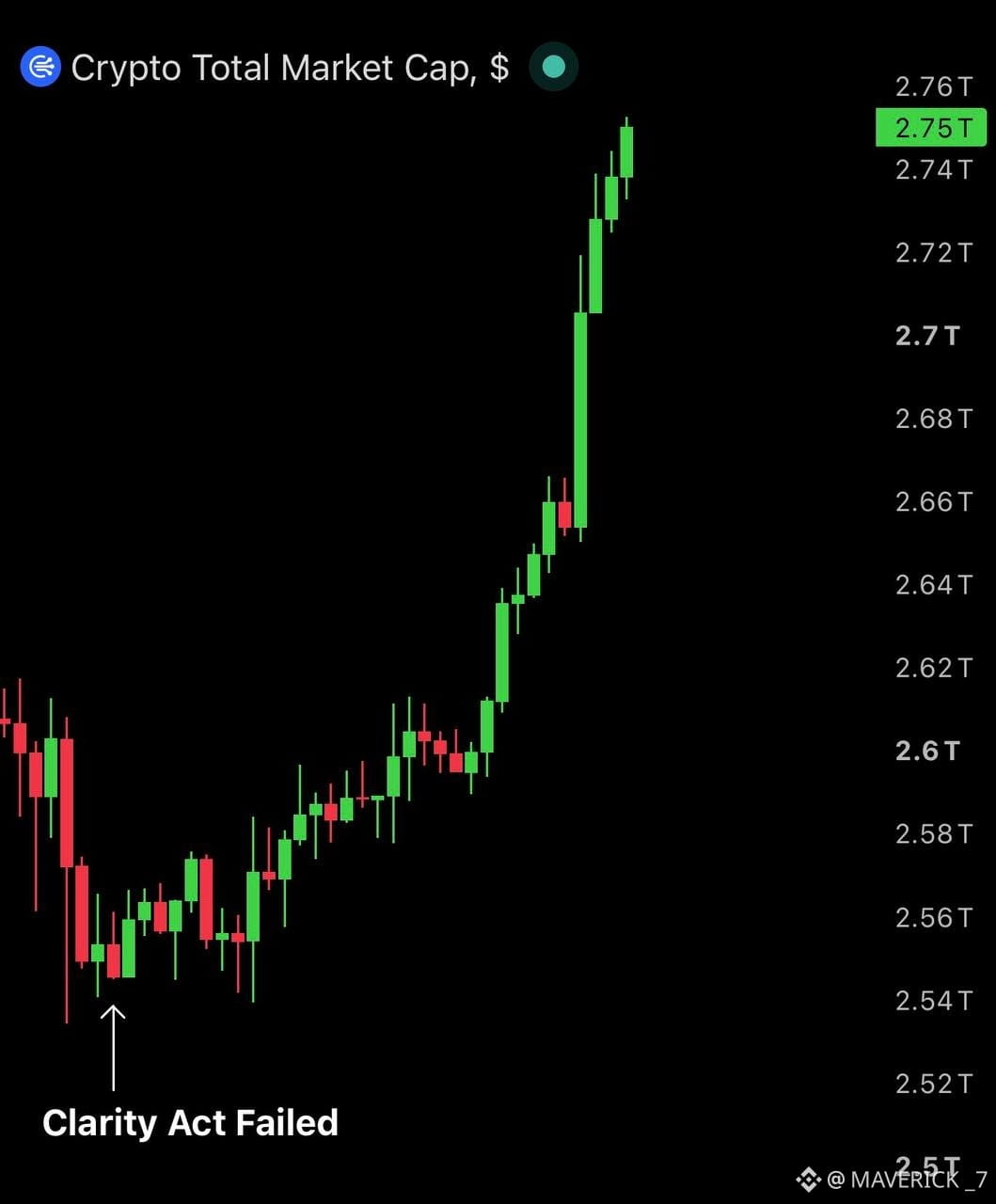
🚨 2,200億ドルが暗号資産市場に追加!📈
CLARITY法が上院で可決されなかったにもかかわらず、暗号資産は強い動きを見せています。
💰 取引高(時価総額)+2,200億ドル
🔥 強気派(ブルズ)が戻ってきた
📊 モメンタムが加速中
👀 BTCが主導
市場は見出しを待たなかった。
ポンプをリスペクトせよ!🚀
集中していよう。出来高を見ろ。盲目的に追いかけるな。
$BTC
#BTCBreaks80K #SOLJumpsAbout10% #SECReceivesAmendedInjectiveETFFiling #SanDiskToJoinSP100OnSep21 #TRMReportsYouTubeScamStole274.6ETH
🚨 2,200億ドルが暗号資産市場に追加!📈
CLARITY法が上院で可決されなかったにもかかわらず、暗号資産は強い動きを見せています。
💰 取引高(時価総額)+2,200億ドル
🔥 強気派(ブルズ)が戻ってきた
📊 モメンタムが加速中
👀 BTCが主導
市場は見出しを待たなかった。
ポンプをリスペクトせよ!🚀
集中していよう。出来高を見ろ。盲目的に追いかけるな。
$BTC
#BTCBreaks80K #SOLJumpsAbout10% #SECReceivesAmendedInjectiveETFFiling #SanDiskToJoinSP100OnSep21 #TRMReportsYouTubeScamStole274.6ETH
CLARITY法が上院で可決されなかったにもかかわらず、暗号資産は強い動きを見せています。
💰 取引高(時価総額)+2,200億ドル
🔥 強気派(ブルズ)が戻ってきた
📊 モメンタムが加速中
👀 BTCが主導
市場は見出しを待たなかった。
ポンプをリスペクトせよ!🚀
集中していよう。出来高を見ろ。盲目的に追いかけるな。
$BTC
#BTCBreaks80K #SOLJumpsAbout10% #SECReceivesAmendedInjectiveETFFiling #SanDiskToJoinSP100OnSep21 #TRMReportsYouTubeScamStole274.6ETH
126
·
--
ブリッシュ
🚨 緊急速報: $BTC は $81,000 に戻ってきた!🔥🚀
ビットコインが重要な $81K ゾーンを回復しました。これは最近、大きなレジスタンスとして機能していた水準です。BTCは以前に $81K を上抜けたものの拒否されていたため、このエリアは今後きわめて重要です。
📍 エントリー: $80,000–$81,000
🎯 TP1: $82,300
🎯 TP2: $85,000
🎯 TP3: $87,500
🛑 SL: $78,000
BTCが $81K を維持し、ブレイクアウトを確認できれば、モメンタムが加速する可能性があります。最初の1本目を追いかけず、確認を待ちましょう。
$BTC 🚀🔥
#BTCBreaks80K #HYPEJumpsOver11% #ZcashDevelopersTargetNU7MainnetActivationNov5
🚨 緊急速報: $BTC は $81,000 に戻ってきた!🔥🚀
ビットコインが重要な $81K ゾーンを回復しました。これは最近、大きなレジスタンスとして機能していた水準です。BTCは以前に $81K を上抜けたものの拒否されていたため、このエリアは今後きわめて重要です。
📍 エントリー: $80,000–$81,000
🎯 TP1: $82,300
🎯 TP2: $85,000
🎯 TP3: $87,500
🛑 SL: $78,000
BTCが $81K を維持し、ブレイクアウトを確認できれば、モメンタムが加速する可能性があります。最初の1本目を追いかけず、確認を待ちましょう。
$BTC 🚀🔥
#BTCBreaks80K #HYPEJumpsOver11% #ZcashDevelopersTargetNU7MainnetActivationNov5
ビットコインが重要な $81K ゾーンを回復しました。これは最近、大きなレジスタンスとして機能していた水準です。BTCは以前に $81K を上抜けたものの拒否されていたため、このエリアは今後きわめて重要です。
📍 エントリー: $80,000–$81,000
🎯 TP1: $82,300
🎯 TP2: $85,000
🎯 TP3: $87,500
🛑 SL: $78,000
BTCが $81K を維持し、ブレイクアウトを確認できれば、モメンタムが加速する可能性があります。最初の1本目を追いかけず、確認を待ちましょう。
$BTC 🚀🔥
#BTCBreaks80K #HYPEJumpsOver11% #ZcashDevelopersTargetNU7MainnetActivationNov5
1
123
·
--
ブリッシュ
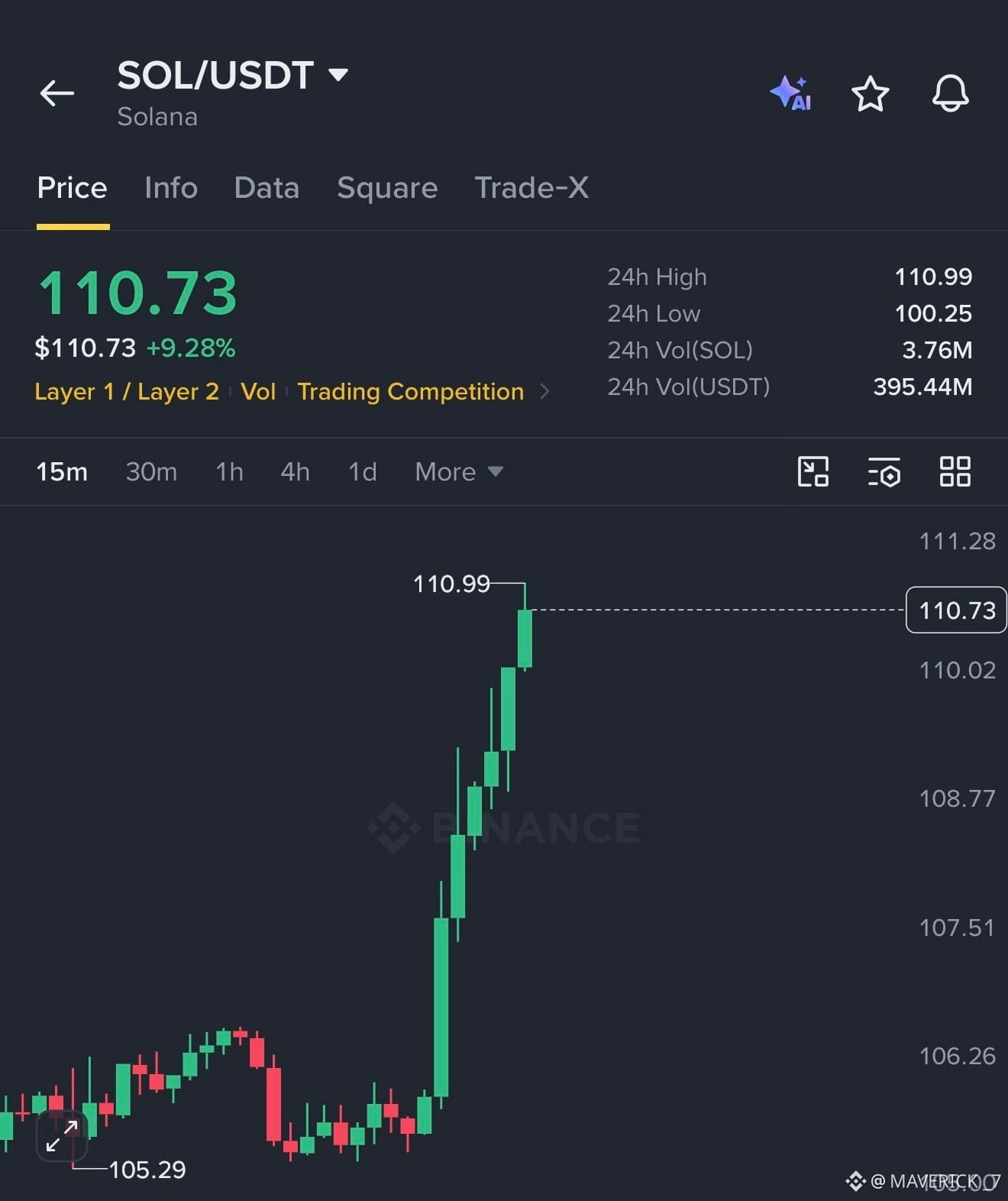
🚨 $SOL JUST HIT $110‼️
ソラナ(Solana)が2026年の新たな高値ゾーンに押し上げられ、勢いが再び注目されています。SOLは8月の安値から大きく上昇しており、$100はいま重要な心理的節目として注視するポイントです。
🔥 $110のブレイク=勢い
👀 $100=重要なサポート・ゾーン
📈 $110を上回って維持=強気が買い圧力を維持
リジェクション=次の動きの前に調整が起こる可能性
SOLの保有者は注意深く見ています。次のブレイクは面白くなりそうです。 🚀
$SOL
🚨 $SOL JUST HIT $110‼️
ソラナ(Solana)が2026年の新たな高値ゾーンに押し上げられ、勢いが再び注目されています。SOLは8月の安値から大きく上昇しており、$100はいま重要な心理的節目として注視するポイントです。
🔥 $110のブレイク=勢い
👀 $100=重要なサポート・ゾーン
📈 $110を上回って維持=強気が買い圧力を維持
リジェクション=次の動きの前に調整が起こる可能性
SOLの保有者は注意深く見ています。次のブレイクは面白くなりそうです。 🚀
$SOL
ソラナ(Solana)が2026年の新たな高値ゾーンに押し上げられ、勢いが再び注目されています。SOLは8月の安値から大きく上昇しており、$100はいま重要な心理的節目として注視するポイントです。
🔥 $110のブレイク=勢い
👀 $100=重要なサポート・ゾーン
📈 $110を上回って維持=強気が買い圧力を維持
リジェクション=次の動きの前に調整が起こる可能性
SOLの保有者は注意深く見ています。次のブレイクは面白くなりそうです。 🚀
$SOL
1
217
·
--
ブリッシュ
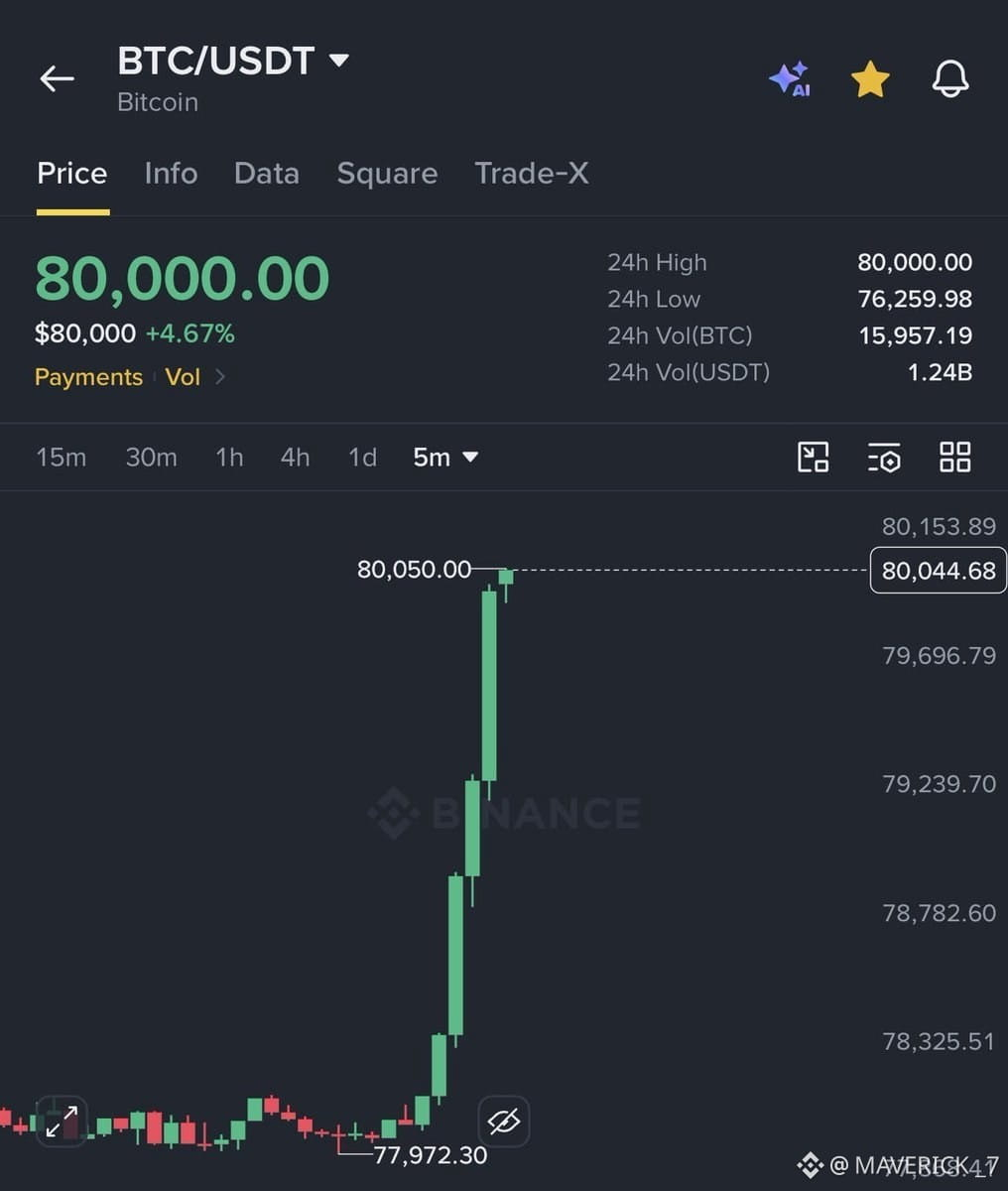
ブオーン 💥🧐👇$BTC はっきり $80,000 を破壊 🚀
クマは完全に終わってる。
$BTC
ブオーン 💥🧐👇$BTC はっきり $80,000 を破壊 🚀
クマは完全に終わってる。
$BTC
クマは完全に終わってる。
$BTC
125
·
--
ブリッシュ
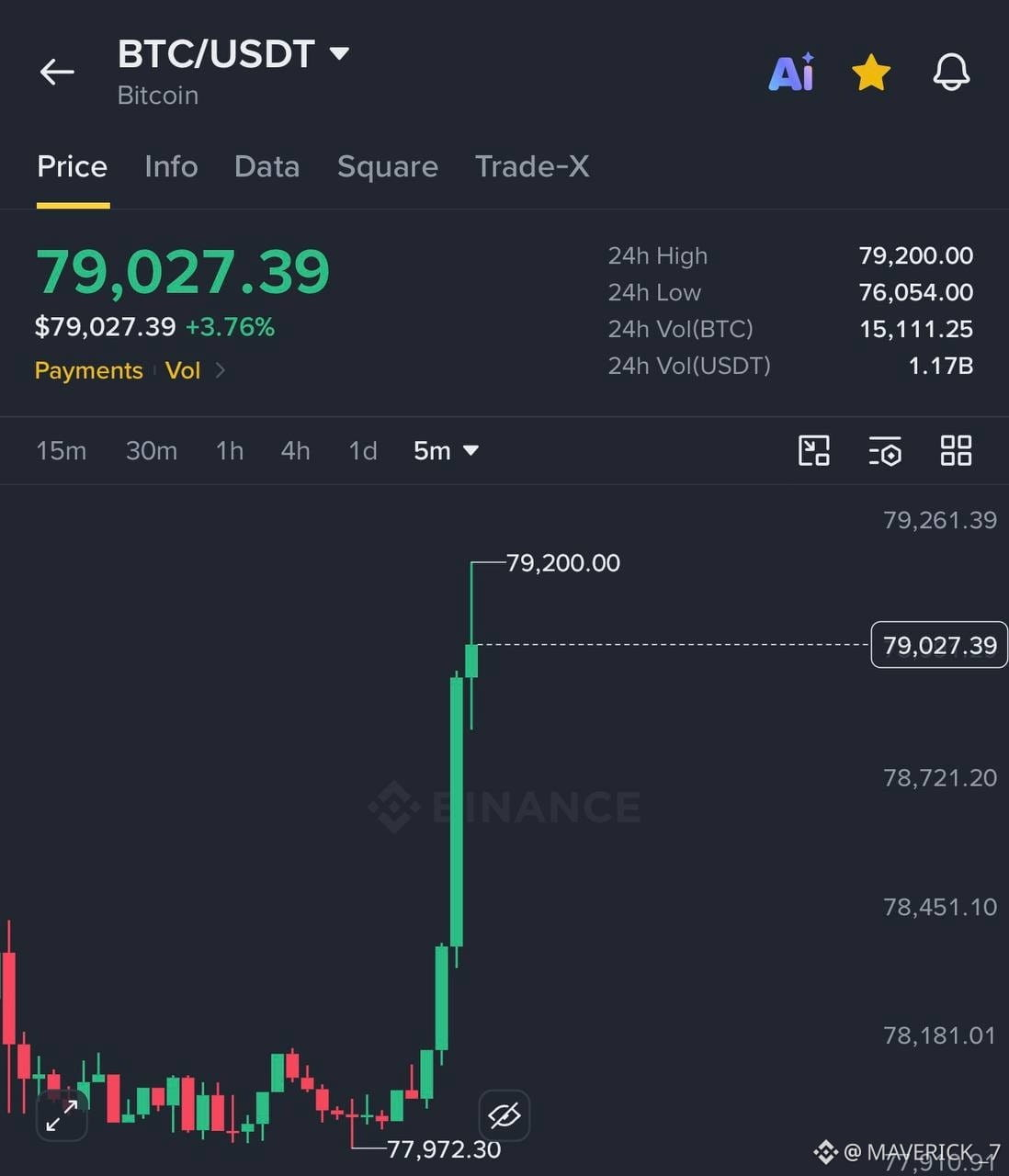
$BTC JUST BROKE $79,000 🚀
60分で仮想通貨市場に320億ドルが追加された。
$BTC
$BTC JUST BROKE $79,000 🚀
60分で仮想通貨市場に320億ドルが追加された。
$BTC
60分で仮想通貨市場に320億ドルが追加された。
$BTC
166
ログインして、さらにコンテンツを読む
厳選トピックで世界の暗号資産トレーダーの仲間入り
⚡️ 暗号資産に関する最新かつ有益な情報が見つかります。
💬 世界最大の暗号資産取引所から信頼されています。
👍 認証を受けたクリエイターから、有益なインサイトを得られます。
メール / 電話番号
トレンドトピック
GoldFallsTo$4144
閲覧回数 1,621
55人が討論中
#GoldFallsTo$4144 🚨 金がついに大打撃を受けた。注目すべき水準は$4,144!🥇📉
金価格は下落し、現在1オンスあたり約$4,144で取引されています。トレーダーが米連邦準備制度(FRB)の利上げ・利下げの見通しを再検討しているためです。
金が下がっているのはなぜ?起きていることはこれです:
🔴 FRB利上げ観測が強まっている → 金利が上がると、金には利息が付かないため、金の保有コストが高くなります。すると比較対象として債券や預金口座がより魅力的に見えます。
🛢️ 原油価格が上昇している → 原油が高いとインフレリスクが高まります。これにより銀行は「より長く金利を高めに維持」する方向になり、金には逆風です。
💵 利回りとドルの強さ → 債券利回りが上昇すると、特に米国債の利回りが上がると、ドルも強くなる局面では、投資家はしばしば、リターンが得られる資産へとゴールドから資金を移します。
つまり今大きな論点はこれ:2026年におけるゴールドの大規模な上昇の後の「短期的な押し目」なのか、それとも「より深いトレンド転換の始まり」なのか?
👀 トレーダーは2つの水準に注目する必要があります:
- $4,200。潜在的なサポートゾーン
- $4,144。値動きがどちらへ転ぶかの重要ライン
金はここから反発するのでしょうか? これからさらに下方向の圧力が強まるのか?
#GOLD #Khan62 #trading #Investing
$PAXG · $BTC · $XAG
Khan 62
·いいね:0件
·閲覧回数 198
QNTFallsOver40%FromMorningHigh
閲覧回数 12,729
421人が討論中
KospiFalls2.7%SamsungSKHynixDropOver5%
閲覧回数 1,503
145人が討論中