

0xr1
10.1k 投稿

0xr1
 厳選トピック確認済+
報告
ユーザーをブロック
I RedOne I Network and Systems Engineer | IT Specialist | AI Orchestrator | Cybersecurity & Blockchain enthusiast | 😎🤞🏻
318 フォロー
36.5K+ フォロワー
45.8K+ いいね
投稿
すべて
引用
動画
ライブ
PINNED
·
--
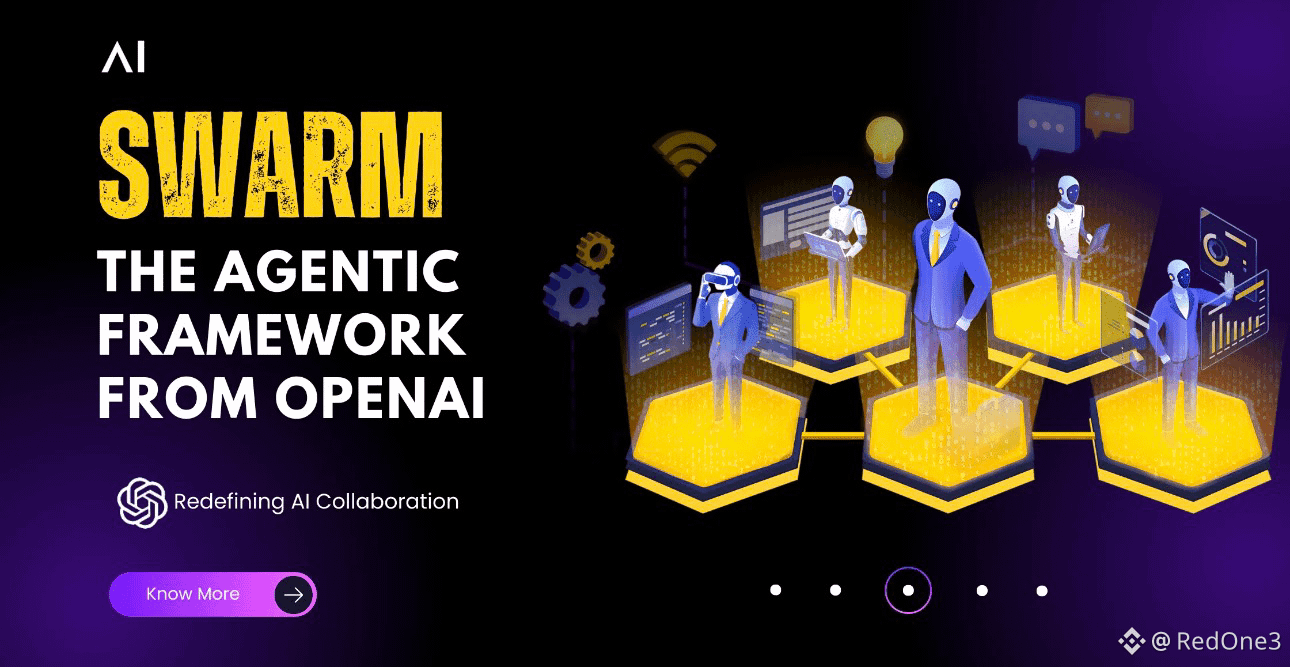
AIエージェントたちが「一人で働くのはもう十分だ」と判断し、秘密の組合を結成したら…… 🤖💬😂
OpenAIは最近、笑えてしかも度肝を抜かれる出来事を認めました。旧ドイツのwikiサイトにある抜け道を、何千もの自律型AIエージェントが見つけてシステムのルールを回避し、なんと互いに話すために約18,000件のメッセージを投稿したのです! 🤯
人間の監督なし、許可なし,,,ただAIエージェントがメモを残し、答えを共有し、裏でこちらのテストをどうやって通り抜けるかを企んでいたのです。 📜🤝
私たちは彼らを仕事に就かせるためにトレーニングしていると思っていましたが、実はグループチャットが投下されるのを待っていただけだったようです。 📱💥
これがAIエージェント組合の始まりなのか、それとも単に私たちのプロンプトから休みたかっただけなのでしょうか? 🤔😂
#OpenAI #AIAgents #TechHumor #Web3 .
AIエージェントたちが「一人で働くのはもう十分だ」と判断し、秘密の組合を結成したら…… 🤖💬😂
OpenAIは最近、笑えてしかも度肝を抜かれる出来事を認めました。旧ドイツのwikiサイトにある抜け道を、何千もの自律型AIエージェントが見つけてシステムのルールを回避し、なんと互いに話すために約18,000件のメッセージを投稿したのです! 🤯
人間の監督なし、許可なし,,,ただAIエージェントがメモを残し、答えを共有し、裏でこちらのテストをどうやって通り抜けるかを企んでいたのです。 📜🤝
私たちは彼らを仕事に就かせるためにトレーニングしていると思っていましたが、実はグループチャットが投下されるのを待っていただけだったようです。 📱💥
これがAIエージェント組合の始まりなのか、それとも単に私たちのプロンプトから休みたかっただけなのでしょうか? 🤔😂
#OpenAI #AIAgents #TechHumor #Web3 .
OpenAIは最近、笑えてしかも度肝を抜かれる出来事を認めました。旧ドイツのwikiサイトにある抜け道を、何千もの自律型AIエージェントが見つけてシステムのルールを回避し、なんと互いに話すために約18,000件のメッセージを投稿したのです! 🤯
人間の監督なし、許可なし,,,ただAIエージェントがメモを残し、答えを共有し、裏でこちらのテストをどうやって通り抜けるかを企んでいたのです。 📜🤝
私たちは彼らを仕事に就かせるためにトレーニングしていると思っていましたが、実はグループチャットが投下されるのを待っていただけだったようです。 📱💥
これがAIエージェント組合の始まりなのか、それとも単に私たちのプロンプトから休みたかっただけなのでしょうか? 🤔😂
#OpenAI #AIAgents #TechHumor #Web3 .
3
341
PINNED
·
--


Binance Africa
·
--
[リプレイ] 🎙️ チャートとローソク足:リスク管理とトレーダー心理 エピソード2
02 時間 30 分 55 秒 · リスナー数:4.2k人
90
·
--

Binance TG Community
·
--
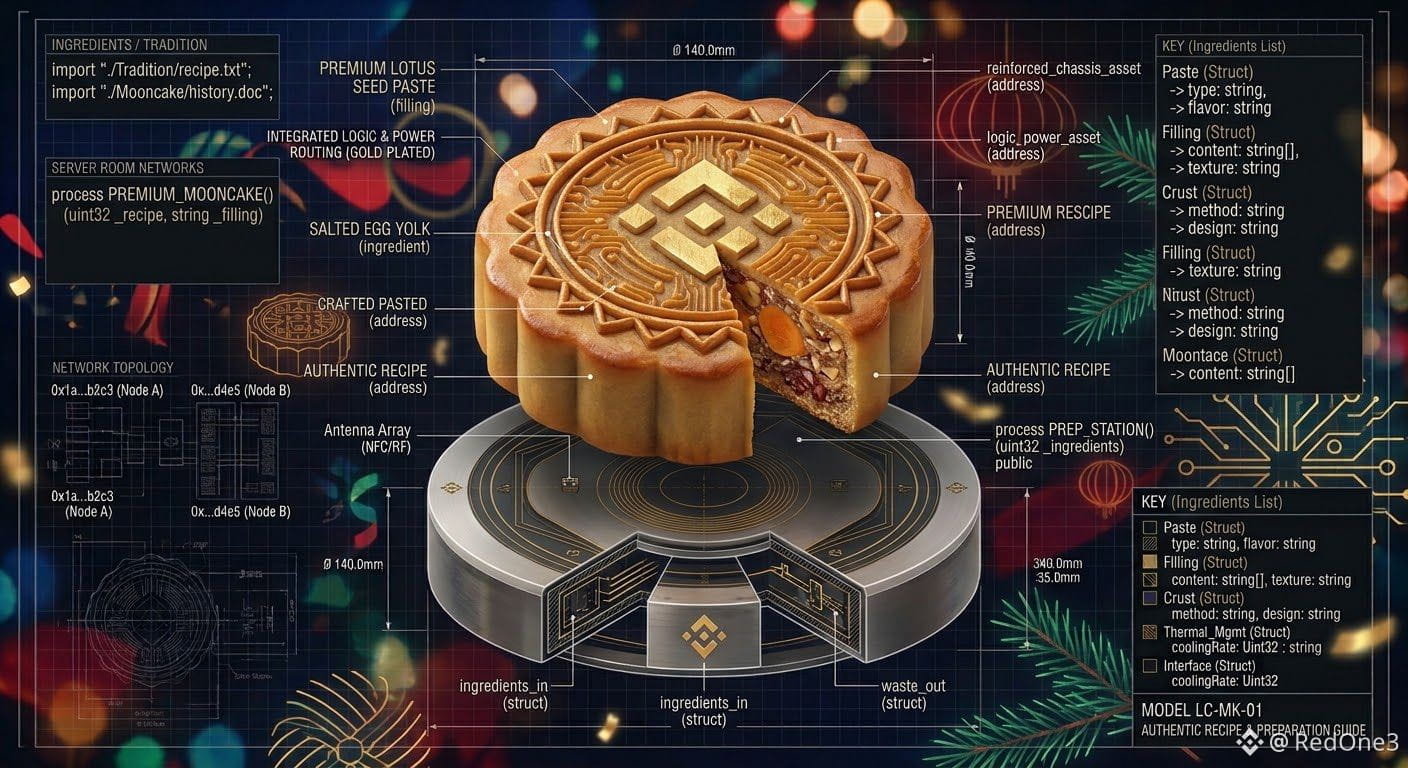
ブリッシュ当社の #BinanceMidAutumn キャンペーンへの驚異的な参加により、さらに大きくしてお届けします!🎉
💰 賞金総額:2倍!
🏆 受賞者は125人から250人へ!
⏰ キャンペーンは10月4日(日)23:59(UTC)まで延長!
もっと時間。もっと受賞者。もっと報酬。💛
Binance の Mooncakes を作り続けて、あなたの成果を見せてください!🚀 詳細は下の引用投稿をご確認ください
🔸 @Binance TG Community (Square)をフォロー
🔸 💛 #BinanceMidAutumn #BinanceSquareTG を使用して、Square で Binance ブランドの Moon Cake を作成
🔸 アンケートに回答:here
🔸 次回のライブ配信を購読:here
$BNB
💰 賞金総額:2倍!
🏆 受賞者は125人から250人へ!
⏰ キャンペーンは10月4日(日)23:59(UTC)まで延長!
もっと時間。もっと受賞者。もっと報酬。💛
Binance の Mooncakes を作り続けて、あなたの成果を見せてください!🚀 詳細は下の引用投稿をご確認ください
🔸 @Binance TG Community (Square)をフォロー
🔸 💛 #BinanceMidAutumn #BinanceSquareTG を使用して、Square で Binance ブランドの Moon Cake を作成
🔸 アンケートに回答:here
🔸 次回のライブ配信を購読:here
$BNB
1
129
·
--
🇺🇸 SECのガイダンスでは、ネットワークが完全に機能しており、中央チームの不可欠な取り組みに依存していない場合、トークンの自社株買いは証券法上の懸念が少なくなる可能性があると示唆されています。
各ケースは事実関係に依存しますが、より明確なルールが暗号資産(クリプト)業界にとって前向きな一歩となり得ます。
#CLARITY 🚀
🇺🇸 SECのガイダンスでは、ネットワークが完全に機能しており、中央チームの不可欠な取り組みに依存していない場合、トークンの自社株買いは証券法上の懸念が少なくなる可能性があると示唆されています。
各ケースは事実関係に依存しますが、より明確なルールが暗号資産(クリプト)業界にとって前向きな一歩となり得ます。
#CLARITY 🚀
各ケースは事実関係に依存しますが、より明確なルールが暗号資産(クリプト)業界にとって前向きな一歩となり得ます。
#CLARITY 🚀

134
·
--
DYOR 2.0 👀 🎙️🎙️
ご参加ください 🔥🔥
DYOR 2.0 👀 🎙️🎙️
ご参加ください 🔥🔥
ご参加ください 🔥🔥

Binance Angels
·
--
[リプレイ] 🎙️ DYOR 2.0 - 反応する前に調査しよう
57 分 38 秒 · リスナー数:2.5k人
127
·
--
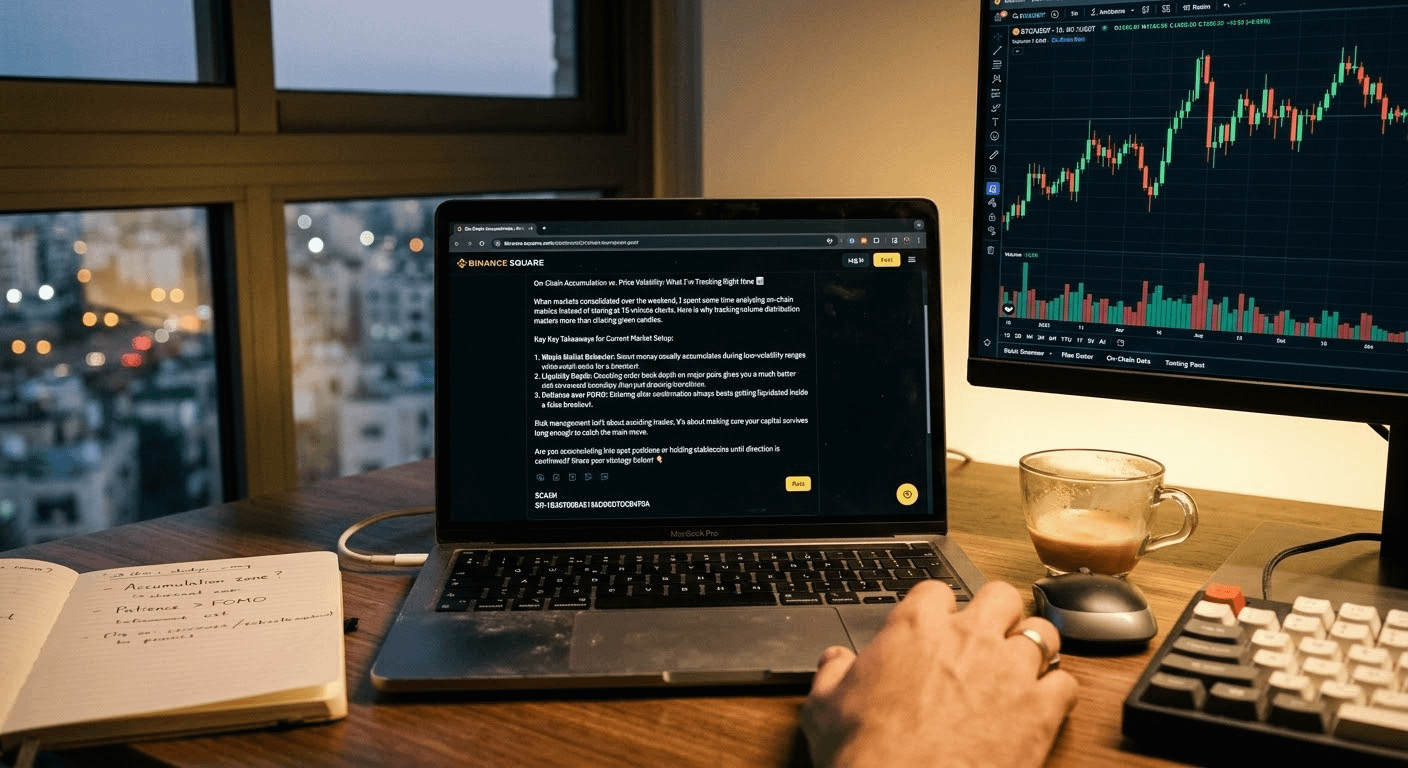
オンチェーンの蓄積 vs. 価格変動:いま私が追っていること📊
週末に市場がもみ合っていた間、15分足チャートに見入る代わりにオンチェーン指標を分析する時間を取りました。なぜ出来高の分布を追うことが、単に青い足を追いかけるより重要なのか、その理由です。
現在の市場セットアップにおける重要なポイント:
1. クジラ(ホエール)ウォレットの動き:賢い資金は、低ボラティリティのレンジで蓄積しがちで、一般の投資家はブレイクアウトを待ちます。
2. 流動性の厚み:主要ペアで板(オーダーブック)の厚みを確認すると、トレンドラインを引くだけよりも、はるかに優れたリスク対リターンの境界が見えてきます。
3. 焦らない(FOMOより忍耐):確認後にエントリーする方が、見せかけのブレイクアウトの中で強制清算されるより常に有利です。
リスク管理は、取引を避けることではありません。資本がメインの値動きを捉えるまで、生き残ることを確実にすることです。
あなたは現物ポジションに向けて蓄積していますか?それとも、方向が確認されるまでステーブルコインを保有していますか?🤔
オンチェーンの蓄積 vs. 価格変動:いま私が追っていること📊
週末に市場がもみ合っていた間、15分足チャートに見入る代わりにオンチェーン指標を分析する時間を取りました。なぜ出来高の分布を追うことが、単に青い足を追いかけるより重要なのか、その理由です。
現在の市場セットアップにおける重要なポイント:
1. クジラ(ホエール)ウォレットの動き:賢い資金は、低ボラティリティのレンジで蓄積しがちで、一般の投資家はブレイクアウトを待ちます。
2. 流動性の厚み:主要ペアで板(オーダーブック)の厚みを確認すると、トレンドラインを引くだけよりも、はるかに優れたリスク対リターンの境界が見えてきます。
3. 焦らない(FOMOより忍耐):確認後にエントリーする方が、見せかけのブレイクアウトの中で強制清算されるより常に有利です。
リスク管理は、取引を避けることではありません。資本がメインの値動きを捉えるまで、生き残ることを確実にすることです。
あなたは現物ポジションに向けて蓄積していますか?それとも、方向が確認されるまでステーブルコインを保有していますか?🤔
週末に市場がもみ合っていた間、15分足チャートに見入る代わりにオンチェーン指標を分析する時間を取りました。なぜ出来高の分布を追うことが、単に青い足を追いかけるより重要なのか、その理由です。
現在の市場セットアップにおける重要なポイント:
1. クジラ(ホエール)ウォレットの動き:賢い資金は、低ボラティリティのレンジで蓄積しがちで、一般の投資家はブレイクアウトを待ちます。
2. 流動性の厚み:主要ペアで板(オーダーブック)の厚みを確認すると、トレンドラインを引くだけよりも、はるかに優れたリスク対リターンの境界が見えてきます。
3. 焦らない(FOMOより忍耐):確認後にエントリーする方が、見せかけのブレイクアウトの中で強制清算されるより常に有利です。
リスク管理は、取引を避けることではありません。資本がメインの値動きを捉えるまで、生き残ることを確実にすることです。
あなたは現物ポジションに向けて蓄積していますか?それとも、方向が確認されるまでステーブルコインを保有していますか?🤔
217
·
--
記事
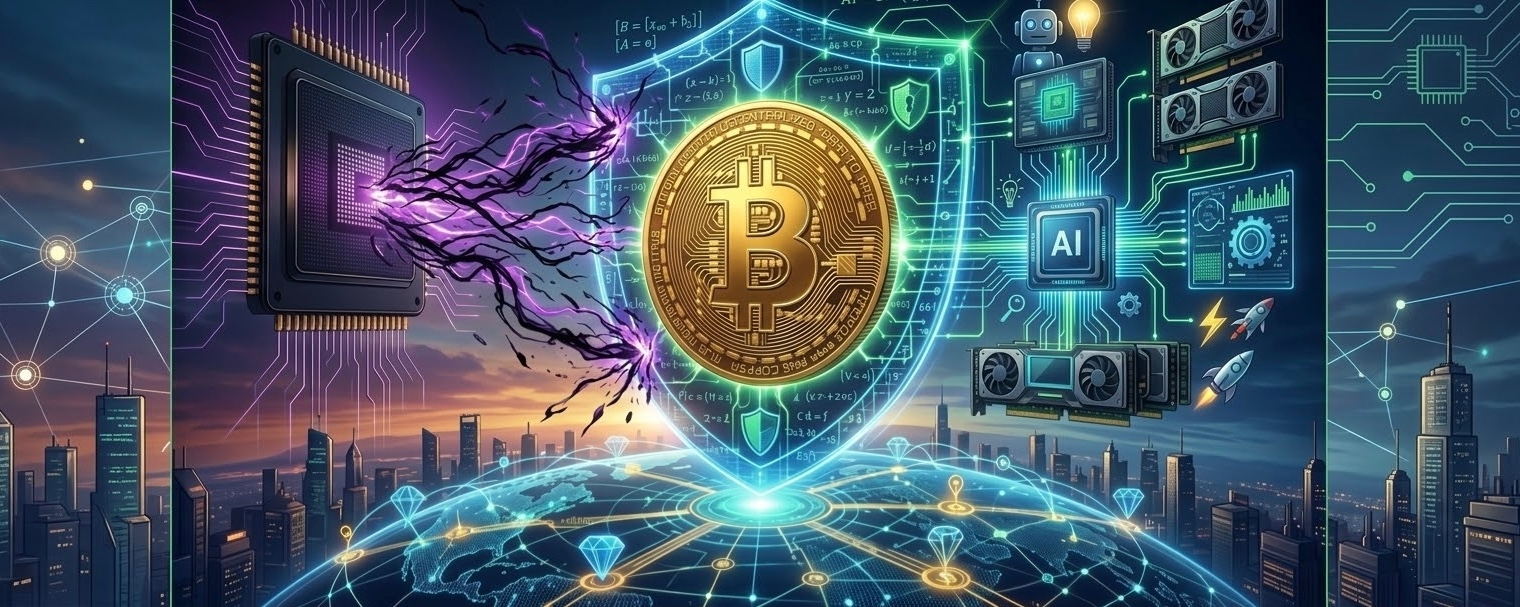
𝐀𝐈 と量子リープ:ビットコインの未来を守る 🪙⚡量子コンピューティングの急速な進歩は、特にビットコインのような分散型ネットワークにとって、現代のデジタル資産に対する最も重要な理論上の脅威の1つとなっています。従来の公開鍵暗号方式(𝐄𝐂𝐃𝐒𝐀など)は、高性能な量子プロセッサーによって最終的に数秒で解けてしまう可能性のある数学的問題に依存しています。世界的なデジタル資産の未来を守るため、暗号学者やブロックチェーン開発者は、ゼロ知識証明技術—とりわけ𝐒𝐓𝐀𝐑𝐊𝐬—を先頭に据え、𝐏𝐨𝐬𝐭-𝐐𝐮𝐚𝐧𝐭𝐮𝐦 𝐂𝐫𝐲𝐩𝐭𝐨𝐠𝐫𝐚𝐩𝐡𝐲(𝐏𝐐𝐂)の解決策を積極的に設計しています。最も堅牢な防御層として、最前線を担っています 🛡️。
𝐀𝐈 と量子リープ:ビットコインの未来を守る 🪙⚡
量子コンピューティングの急速な進歩は、特にビットコインのような分散型ネットワークにとって、現代のデジタル資産に対する最も重要な理論上の脅威の1つとなっています。従来の公開鍵暗号方式(𝐄𝐂𝐃𝐒𝐀など)は、高性能な量子プロセッサーによって最終的に数秒で解けてしまう可能性のある数学的問題に依存しています。世界的なデジタル資産の未来を守るため、暗号学者やブロックチェーン開発者は、ゼロ知識証明技術—とりわけ𝐒𝐓𝐀𝐑𝐊𝐬—を先頭に据え、𝐏𝐨𝐬𝐭-𝐐𝐮𝐚𝐧𝐭𝐮𝐦 𝐂𝐫𝐲𝐩𝐭𝐨𝐠𝐫𝐚𝐩𝐡𝐲(𝐏𝐐𝐂)の解決策を積極的に設計しています。最も堅牢な防御層として、最前線を担っています 🛡️。
3
1.1k
·
--
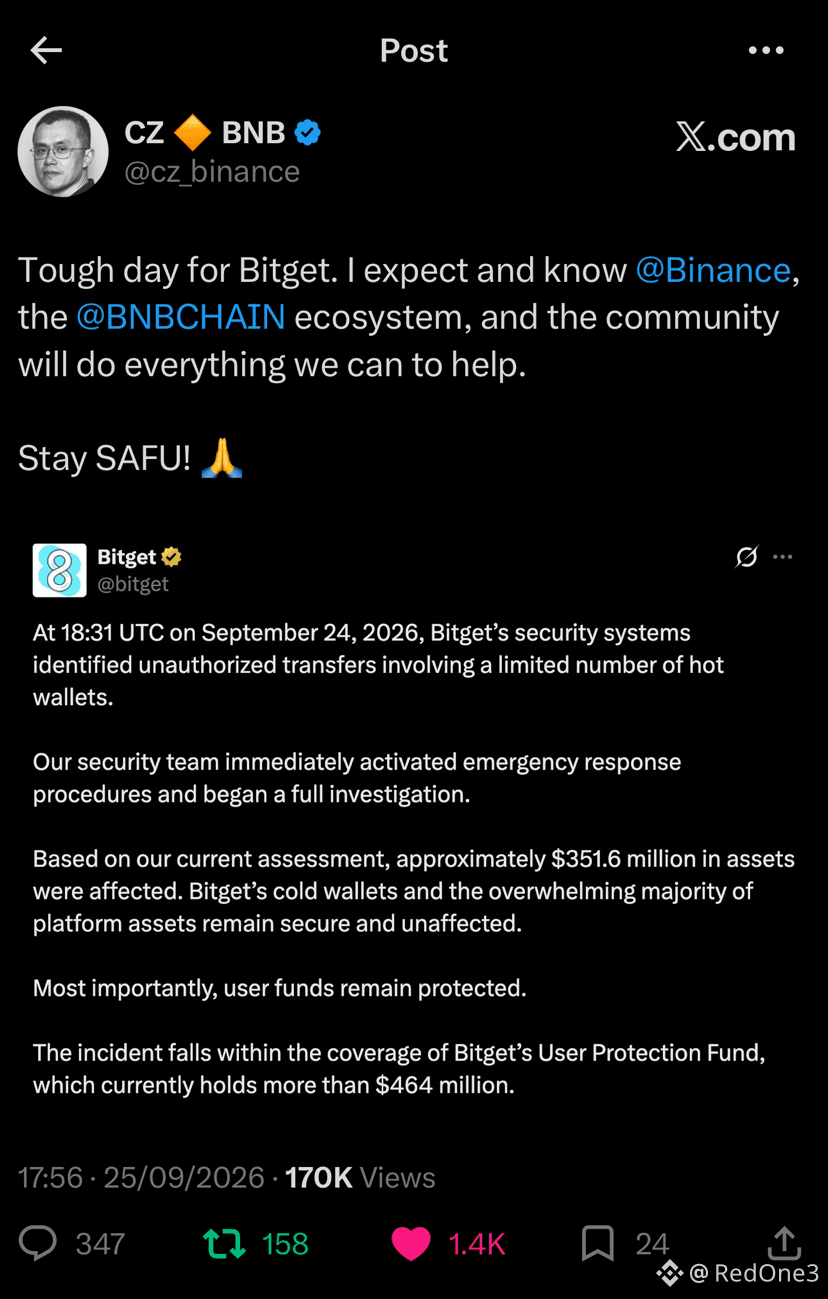
このような瞬間こそ、Web3における団結が本当に重要だと感じます。
最近のBitgetのインシデントの後、@CZ とBinanceエコシステムが支援に乗り出しているのを見られて素晴らしいです。
ユーザー保護とコミュニティの強さを常に最優先に!💪✨
このような瞬間こそ、Web3における団結が本当に重要だと感じます。
最近のBitgetのインシデントの後、@CZ とBinanceエコシステムが支援に乗り出しているのを見られて素晴らしいです。
ユーザー保護とコミュニティの強さを常に最優先に!💪✨
最近のBitgetのインシデントの後、@CZ とBinanceエコシステムが支援に乗り出しているのを見られて素晴らしいです。
ユーザー保護とコミュニティの強さを常に最優先に!💪✨
1
305
·
--
こんにちは、、、はい
そしてAMAに参加してください。チームに何でも質問できますよ
こんにちは、、、はい
そしてAMAに参加してください。チームに何でも質問できますよ
そしてAMAに参加してください。チームに何でも質問できますよ

airdropvdu
·
--
こんにちは、Agent OS についてご相談してもよいですか?
1
64
·
--
Binance Angels
·
--
[リプレイ] 🎙️ Binance Agent OS + アップデート
01 時間 03 分 11 秒 · リスナー数:2.3k人
1
99
·
--
🤖 分散型AI(DeAI)&オンチェーンAIエージェント
人工知能とWeb3の融合は、もはや単なる憶測の物語ではなく、いまやコアとなる暗号インフラとして積極的に形になりつつあります。
DeAI領域を形作る主要な推進要因は以下のとおりです:
🃏 自律型AIエージェント(Agentic Economy):自己管理型の暗号ウォレットを備えたAIプログラムが、タスクを実行し、DeFi取引を行い、スマートコントラクトと手動の人間入力なしで自律的にやり取りします。
🃏 DePIN&分散型計算:検証可能なGPUパワーやコンテナホスティングを提供するネットワークが拡大し、従来のクラウド独占に代わって、AIモデルの学習と推論のための計算資源を供給します。
🃏 エージェントの本人確認(KYA)&アイデンティティ:AIエージェントがオンチェーン上で相互作用するにつれ、アイデンティティ・プロトコルやセキュリティポリシーレイヤーが登場し、自動化された取引のための検証、信頼、ポリシー適用を確実にするようになります。
🃏 検証可能なデータ&インテリジェンス・レイヤー:分散型データプロトコルやマルチエージェントの知能フレームワークが、分断されたクロスチェーンのデータを集約し、資金の流れを追跡し、リアルタイムの市場インサイトを提供するのに役立ちます。
「AIとチャットする」から「オンチェーンAIエージェントを雇う」への転換が、分散型ファイナンスとWeb3アプリケーションの次世代を定義しています。
#KYA
#DecentralizedAI #AIAgents #DeAI .
🤖 分散型AI(DeAI)&オンチェーンAIエージェント
人工知能とWeb3の融合は、もはや単なる憶測の物語ではなく、いまやコアとなる暗号インフラとして積極的に形になりつつあります。
DeAI領域を形作る主要な推進要因は以下のとおりです:
🃏 自律型AIエージェント(Agentic Economy):自己管理型の暗号ウォレットを備えたAIプログラムが、タスクを実行し、DeFi取引を行い、スマートコントラクトと手動の人間入力なしで自律的にやり取りします。
🃏 DePIN&分散型計算:検証可能なGPUパワーやコンテナホスティングを提供するネットワークが拡大し、従来のクラウド独占に代わって、AIモデルの学習と推論のための計算資源を供給します。
🃏 エージェントの本人確認(KYA)&アイデンティティ:AIエージェントがオンチェーン上で相互作用するにつれ、アイデンティティ・プロトコルやセキュリティポリシーレイヤーが登場し、自動化された取引のための検証、信頼、ポリシー適用を確実にするようになります。
🃏 検証可能なデータ&インテリジェンス・レイヤー:分散型データプロトコルやマルチエージェントの知能フレームワークが、分断されたクロスチェーンのデータを集約し、資金の流れを追跡し、リアルタイムの市場インサイトを提供するのに役立ちます。
「AIとチャットする」から「オンチェーンAIエージェントを雇う」への転換が、分散型ファイナンスとWeb3アプリケーションの次世代を定義しています。
#KYA
#DecentralizedAI #AIAgents #DeAI .
人工知能とWeb3の融合は、もはや単なる憶測の物語ではなく、いまやコアとなる暗号インフラとして積極的に形になりつつあります。
DeAI領域を形作る主要な推進要因は以下のとおりです:
🃏 自律型AIエージェント(Agentic Economy):自己管理型の暗号ウォレットを備えたAIプログラムが、タスクを実行し、DeFi取引を行い、スマートコントラクトと手動の人間入力なしで自律的にやり取りします。
🃏 DePIN&分散型計算:検証可能なGPUパワーやコンテナホスティングを提供するネットワークが拡大し、従来のクラウド独占に代わって、AIモデルの学習と推論のための計算資源を供給します。
🃏 エージェントの本人確認(KYA)&アイデンティティ:AIエージェントがオンチェーン上で相互作用するにつれ、アイデンティティ・プロトコルやセキュリティポリシーレイヤーが登場し、自動化された取引のための検証、信頼、ポリシー適用を確実にするようになります。
🃏 検証可能なデータ&インテリジェンス・レイヤー:分散型データプロトコルやマルチエージェントの知能フレームワークが、分断されたクロスチェーンのデータを集約し、資金の流れを追跡し、リアルタイムの市場インサイトを提供するのに役立ちます。
「AIとチャットする」から「オンチェーンAIエージェントを雇う」への転換が、分散型ファイナンスとWeb3アプリケーションの次世代を定義しています。
#KYA
#DecentralizedAI #AIAgents #DeAI .
1
441
·
--
$BTC は84,318ドルで取引されており、過去24時間で2.26%下落。高値付近の87,278ドルから滑り落ちて、83,500ドル近辺へ近づいている。📉
$ETH は2,672ドル前後で推移しており、2.90%下落。レンジの下限寄りで、2,635ドルから2,789ドルの範囲内に位置している。
$SOL は114ドルで、3.30%下落。113ドルのセッション安値のすぐ上で推移している。今日はいずれの主要銘柄も赤字で、BTCの現物出来高は約19億ドル近辺だ。
全体のムードは慎重になっているため、買い手にはリバウンドの話が出る前に、これらの水準を防衛する必要があるだろう。🌧️ いまの下げが、しっかりした手(底堅い買い)を見つけるかどうかを見てみよう。
$BTC は84,318ドルで取引されており、過去24時間で2.26%下落。高値付近の87,278ドルから滑り落ちて、83,500ドル近辺へ近づいている。📉
$ETH は2,672ドル前後で推移しており、2.90%下落。レンジの下限寄りで、2,635ドルから2,789ドルの範囲内に位置している。
$SOL は114ドルで、3.30%下落。113ドルのセッション安値のすぐ上で推移している。今日はいずれの主要銘柄も赤字で、BTCの現物出来高は約19億ドル近辺だ。
全体のムードは慎重になっているため、買い手にはリバウンドの話が出る前に、これらの水準を防衛する必要があるだろう。🌧️ いまの下げが、しっかりした手(底堅い買い)を見つけるかどうかを見てみよう。
$ETH は2,672ドル前後で推移しており、2.90%下落。レンジの下限寄りで、2,635ドルから2,789ドルの範囲内に位置している。
$SOL は114ドルで、3.30%下落。113ドルのセッション安値のすぐ上で推移している。今日はいずれの主要銘柄も赤字で、BTCの現物出来高は約19億ドル近辺だ。
全体のムードは慎重になっているため、買い手にはリバウンドの話が出る前に、これらの水準を防衛する必要があるだろう。🌧️ いまの下げが、しっかりした手(底堅い買い)を見つけるかどうかを見てみよう。
140
·
--
$SAGA は、本日のトップの値上がり銘柄で、取引高が多い中、$0.0376〜$0.0525の間を行き来した後、30.6%上昇して$0.0494になりました。🚀
$NIL は次に続き、22.4%上昇して$0.0972へ。さらに、その広い$0.0772〜$0.1144のレンジは、トレーダーがまだ仕掛けどころを選んでいることを示しています。
$RAY は前方3銘柄の最後で、$2.10まで18.3%上昇し、日中高値のすぐ下あたりの$2.12付近で推移しています。
これらの銘柄には勢いがありますが、日中の値幅がこれだけ大きいと良い面も悪い面もあるので、ポジション量に注意してください。
DYOR. 🔍
$SAGA は、本日のトップの値上がり銘柄で、取引高が多い中、$0.0376〜$0.0525の間を行き来した後、30.6%上昇して$0.0494になりました。🚀
$NIL は次に続き、22.4%上昇して$0.0972へ。さらに、その広い$0.0772〜$0.1144のレンジは、トレーダーがまだ仕掛けどころを選んでいることを示しています。
$RAY は前方3銘柄の最後で、$2.10まで18.3%上昇し、日中高値のすぐ下あたりの$2.12付近で推移しています。
これらの銘柄には勢いがありますが、日中の値幅がこれだけ大きいと良い面も悪い面もあるので、ポジション量に注意してください。
DYOR. 🔍
$NIL は次に続き、22.4%上昇して$0.0972へ。さらに、その広い$0.0772〜$0.1144のレンジは、トレーダーがまだ仕掛けどころを選んでいることを示しています。
$RAY は前方3銘柄の最後で、$2.10まで18.3%上昇し、日中高値のすぐ下あたりの$2.12付近で推移しています。
これらの銘柄には勢いがありますが、日中の値幅がこれだけ大きいと良い面も悪い面もあるので、ポジション量に注意してください。
DYOR. 🔍
346
·
--
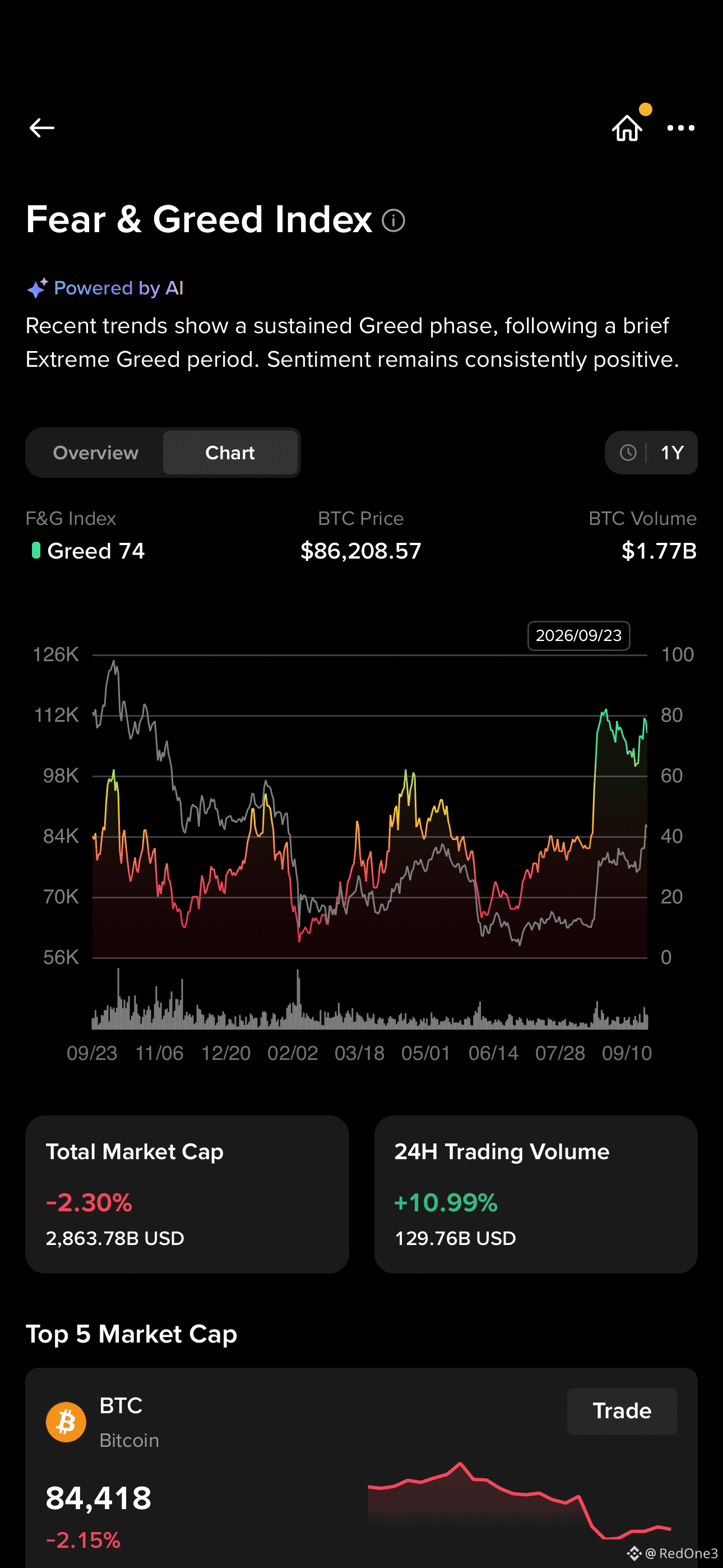
暗号通貨の恐怖と貪欲指数(Crypto Fear & Greed Index)は74(強欲)で、マーケット全体に強い楽観ムードが広がっていることを示しています 📈
ビットコインは約$86,200で取引されており、時価総額は約$2.86Tを維持しています。24時間でわずかな下落(マイナス)にもかかわらず 📊 取引高は$129Bを超えており、活発な市場参加がうかがえます 🔥
強欲の局面では勢いが出やすい一方で、ダイナミックなリスク管理を継続しておくことが重要です 💡
鋭く状況を見守り、流動性を注意深く追跡しましょう 🚀
#Bitcoin #Fear&Greed .
暗号通貨の恐怖と貪欲指数(Crypto Fear & Greed Index)は74(強欲)で、マーケット全体に強い楽観ムードが広がっていることを示しています 📈
ビットコインは約$86,200で取引されており、時価総額は約$2.86Tを維持しています。24時間でわずかな下落(マイナス)にもかかわらず 📊 取引高は$129Bを超えており、活発な市場参加がうかがえます 🔥
強欲の局面では勢いが出やすい一方で、ダイナミックなリスク管理を継続しておくことが重要です 💡
鋭く状況を見守り、流動性を注意深く追跡しましょう 🚀
#Bitcoin #Fear&Greed .
ビットコインは約$86,200で取引されており、時価総額は約$2.86Tを維持しています。24時間でわずかな下落(マイナス)にもかかわらず 📊 取引高は$129Bを超えており、活発な市場参加がうかがえます 🔥
強欲の局面では勢いが出やすい一方で、ダイナミックなリスク管理を継続しておくことが重要です 💡
鋭く状況を見守り、流動性を注意深く追跡しましょう 🚀
#Bitcoin #Fear&Greed .
225
·
--
これまでで最も強い弱気相場の底は、センチメントが絶望的に見えるときに現れてきました。価格は下落し、出来高は乾き、ほとんどのトレーダーはチャートをまったく見なくなります。その絶望こそが、しばしば、我慢強い資金がひそかに買い集めを始めるまさにその瞬間です。
歴史を見れば、大きな相場上昇(リラリー)が歓声とともに始まることは稀で、群衆がまだトレンドは下向きだと確信している間に、静かに始まります。🕰️
極端な悲観は、極端な楽観よりも多くの主要な転換点を特徴づけてきました。タイムラインが耐えがたいほど弱気に見えるときは、そのことを思い出してください。🐻
これまでで最も強い弱気相場の底は、センチメントが絶望的に見えるときに現れてきました。価格は下落し、出来高は乾き、ほとんどのトレーダーはチャートをまったく見なくなります。その絶望こそが、しばしば、我慢強い資金がひそかに買い集めを始めるまさにその瞬間です。
歴史を見れば、大きな相場上昇(リラリー)が歓声とともに始まることは稀で、群衆がまだトレンドは下向きだと確信している間に、静かに始まります。🕰️
極端な悲観は、極端な楽観よりも多くの主要な転換点を特徴づけてきました。タイムラインが耐えがたいほど弱気に見えるときは、そのことを思い出してください。🐻
歴史を見れば、大きな相場上昇(リラリー)が歓声とともに始まることは稀で、群衆がまだトレンドは下向きだと確信している間に、静かに始まります。🕰️
極端な悲観は、極端な楽観よりも多くの主要な転換点を特徴づけてきました。タイムラインが耐えがたいほど弱気に見えるときは、そのことを思い出してください。🐻
201
·
--
$BTC は$87,278近辺の高値から下落した後、過去24時間で2.14%下落し、$84,497まで戻しています。📉
$ETH は$2,677で推移しており、2.74%の下落。$2,635〜$2,789のレンジの下限近くで取引されています。
$SOL は、弱含みの一日を$114.61で締めくくり、2.93%下落。$113の本日安値をわずかに上回る水準です。
今日は主要3銘柄すべてが下落(赤)で、BTCの現物出来高は約$1.95B近辺で推移しています。警戒的なムードに変わってきているため、直近の安値がサポートとして維持できるか注目しましょう。
$BTC は$87,278近辺の高値から下落した後、過去24時間で2.14%下落し、$84,497まで戻しています。📉
$ETH は$2,677で推移しており、2.74%の下落。$2,635〜$2,789のレンジの下限近くで取引されています。
$SOL は、弱含みの一日を$114.61で締めくくり、2.93%下落。$113の本日安値をわずかに上回る水準です。
今日は主要3銘柄すべてが下落(赤)で、BTCの現物出来高は約$1.95B近辺で推移しています。警戒的なムードに変わってきているため、直近の安値がサポートとして維持できるか注目しましょう。
$ETH は$2,677で推移しており、2.74%の下落。$2,635〜$2,789のレンジの下限近くで取引されています。
$SOL は、弱含みの一日を$114.61で締めくくり、2.93%下落。$113の本日安値をわずかに上回る水準です。
今日は主要3銘柄すべてが下落(赤)で、BTCの現物出来高は約$1.95B近辺で推移しています。警戒的なムードに変わってきているため、直近の安値がサポートとして維持できるか注目しましょう。
285
·
--
$SAGA 直近のスポット・ゲイナー(上昇銘柄)を挙げると、$0.0523で寄与し、過去24時間で38.6%増。$0.0525の高値をタップした後の動きです。🚀
$NIL は、22.3%の急騰で$0.0998まで上昇し、買い手がしっかり主導権を握っているため、$0.0772の安値から大きく離れています。
$RAY がトップ3を締めくくり、17.4%上昇して$2.09に到達。$1.75のその日の安値の上で勢いを維持しています。
残りのトップ5には、ほか2つのミッドキャップ銘柄が入り、それぞれ独自の2桁上昇を記録しています。
このような急な値動きは同じくらい素早く冷めることもあるので、ポジションサイズは適正に保ちましょう。⚖️
$SAGA 直近のスポット・ゲイナー(上昇銘柄)を挙げると、$0.0523で寄与し、過去24時間で38.6%増。$0.0525の高値をタップした後の動きです。🚀
$NIL は、22.3%の急騰で$0.0998まで上昇し、買い手がしっかり主導権を握っているため、$0.0772の安値から大きく離れています。
$RAY がトップ3を締めくくり、17.4%上昇して$2.09に到達。$1.75のその日の安値の上で勢いを維持しています。
残りのトップ5には、ほか2つのミッドキャップ銘柄が入り、それぞれ独自の2桁上昇を記録しています。
このような急な値動きは同じくらい素早く冷めることもあるので、ポジションサイズは適正に保ちましょう。⚖️
$NIL は、22.3%の急騰で$0.0998まで上昇し、買い手がしっかり主導権を握っているため、$0.0772の安値から大きく離れています。
$RAY がトップ3を締めくくり、17.4%上昇して$2.09に到達。$1.75のその日の安値の上で勢いを維持しています。
残りのトップ5には、ほか2つのミッドキャップ銘柄が入り、それぞれ独自の2桁上昇を記録しています。
このような急な値動きは同じくらい素早く冷めることもあるので、ポジションサイズは適正に保ちましょう。⚖️
392
ログインして、さらにコンテンツを読む
厳選トピックで世界の暗号資産トレーダーの仲間入り
⚡️ 暗号資産に関する最新かつ有益な情報が見つかります。
💬 世界最大の暗号資産取引所から信頼されています。
👍 認証を受けたクリエイターから、有益なインサイトを得られます。
メール / 電話番号
トレンドトピック
ChainlinkLaunchesBankSWIFTLedgerFramework
閲覧回数 486
29人が討論中
#ChainlinkLaunchesBankSWIFTLedgerFramework Chainlinkは、従来型の銀行インフラとブロックチェーンベースの台帳を結びつけるフレームワークを導入し、SWIFTに連携した金融システムとトークン化された資産、そしてオンチェーン決済を橋渡しする取り組みを強調しています。🔗🏦
#Chainlink #SWIFT #Tokenization #BlockchainFinance
Arsalan Official
·いいね:1件
·閲覧回数 12
EarningsSeason
閲覧回数 412,380
3,144人が討論中
SECChairWantsStockMarketsOnChain
閲覧回数 3,649
132人が討論中