
CryptoQuant Quicktake
8.8k 投稿

CryptoQuant Quicktake
 厳選トピック確認済+
報告
ユーザーをブロック
CryptoQuant.com - Leading On-chain Data/Analytics Provider
0 フォロー
22.9K+ フォロワー
27.1K+ いいね
投稿

記事
5つの取引所で7日間のオープン・インタレストが8億4200万ドル減:バイナンスが最深の下落に到達したため、ビットコイン取引業者が削減9月11日、ビットコインのデリバティブ取引業者は複数の主要取引所でオープンポジションを急激に縮小しました。バイナンス、バイビット、デリビット、HTX、ビットフィネックスの5社での7日間のオープン・インタレストの合計変化は、約-8億4200万ドルに達しました。
最大の縮小は取引業者のうち
バイナンスは約-4億ドルまで下落し、7月以来の最低水準を記録しました。
バイビットは約-2億400万ドルで続き、また
デリビットは-9,600万ドルを記録し、
HTX Globalは-7,200万ドルで、
ビットフィネックスは約-3,400万ドルでした。
これらを合わせると、バイナンスとバイビットは8億4200万ドルの減少の約76%を占め、オープン・デリバティブのエクスポージャーがどこで最も縮小したのかを示しています。
5つの取引所で7日間のオープン・インタレストが8億4200万ドル減:バイナンスが最深の下落に到達したため、ビットコイン取引業者が削減
9月11日、ビットコインのデリバティブ取引業者は複数の主要取引所でオープンポジションを急激に縮小しました。バイナンス、バイビット、デリビット、HTX、ビットフィネックスの5社での7日間のオープン・インタレストの合計変化は、約-8億4200万ドルに達しました。
最大の縮小は取引業者のうち
バイナンスは約-4億ドルまで下落し、7月以来の最低水準を記録しました。
バイビットは約-2億400万ドルで続き、また
デリビットは-9,600万ドルを記録し、
HTX Globalは-7,200万ドルで、
ビットフィネックスは約-3,400万ドルでした。
これらを合わせると、バイナンスとバイビットは8億4200万ドルの減少の約76%を占め、オープン・デリバティブのエクスポージャーがどこで最も縮小したのかを示しています。
最大の縮小は取引業者のうち
バイナンスは約-4億ドルまで下落し、7月以来の最低水準を記録しました。
バイビットは約-2億400万ドルで続き、また
デリビットは-9,600万ドルを記録し、
HTX Globalは-7,200万ドルで、
ビットフィネックスは約-3,400万ドルでした。
これらを合わせると、バイナンスとバイビットは8億4200万ドルの減少の約76%を占め、オープン・デリバティブのエクスポージャーがどこで最も縮小したのかを示しています。
127

記事
ビットコインにおける機関投資家の流動性アーキテクチャと差し迫る供給逼迫2026年第1四半期に見られたプルバックは、薄い市場流動性を狙い、システムから弱い投資家を一掃することを目的とした強烈なフラッシュ(投げ売り)でした。価格が$60Kの領域へ漂うにつれ、流動性摩擦指数(Liquidity Friction Index)における鋭い赤色の乖離が、証拠金の強制清算と、完全にオーダーブックの厚みを乾かし切った売りサイドの圧力をはっきりと示しました。
しかし、2026年7月〜9月の期間へ移ると、市場構造は完全に変化しました。価格は$80Kのレンジ内で推移していた一方で、30日間のネット資本流入(30-day Net Capital Inflow)における垂直的な急騰は、オーダーブックの吸収の教科書的な例を示していました。価格が直ちに新高値を更新していないにもかかわらず、オーダーブック上の売りサイド流動性は、OTCデスクや機関投資家の主体によって即座にスポット側で吸収されていたのです。新たな資金の大量流入と、遅れている値動きとの間に見られるこの強気のダイバージェンスは、クジラやマーケットメイカーが静かに取得原価(コストベーシス)を引き上げていたことを裏づけます。
ビットコインにおける機関投資家の流動性アーキテクチャと差し迫る供給逼迫
2026年第1四半期に見られたプルバックは、薄い市場流動性を狙い、システムから弱い投資家を一掃することを目的とした強烈なフラッシュ(投げ売り)でした。価格が$60Kの領域へ漂うにつれ、流動性摩擦指数(Liquidity Friction Index)における鋭い赤色の乖離が、証拠金の強制清算と、完全にオーダーブックの厚みを乾かし切った売りサイドの圧力をはっきりと示しました。
しかし、2026年7月〜9月の期間へ移ると、市場構造は完全に変化しました。価格は$80Kのレンジ内で推移していた一方で、30日間のネット資本流入(30-day Net Capital Inflow)における垂直的な急騰は、オーダーブックの吸収の教科書的な例を示していました。価格が直ちに新高値を更新していないにもかかわらず、オーダーブック上の売りサイド流動性は、OTCデスクや機関投資家の主体によって即座にスポット側で吸収されていたのです。新たな資金の大量流入と、遅れている値動きとの間に見られるこの強気のダイバージェンスは、クジラやマーケットメイカーが静かに取得原価(コストベーシス)を引き上げていたことを裏づけます。
しかし、2026年7月〜9月の期間へ移ると、市場構造は完全に変化しました。価格は$80Kのレンジ内で推移していた一方で、30日間のネット資本流入(30-day Net Capital Inflow)における垂直的な急騰は、オーダーブックの吸収の教科書的な例を示していました。価格が直ちに新高値を更新していないにもかかわらず、オーダーブック上の売りサイド流動性は、OTCデスクや機関投資家の主体によって即座にスポット側で吸収されていたのです。新たな資金の大量流入と、遅れている値動きとの間に見られるこの強気のダイバージェンスは、クジラやマーケットメイカーが静かに取得原価(コストベーシス)を引き上げていたことを裏づけます。
151
一部該当

記事
バイナンスのBTC準備高が2年ぶりの高水準に到達バイナンスのBTC準備高が新たな記録を達成し、過去2年間で最高水準に到達した。
今日、バイナンスは69万3,000BTC以上を保有しており、主要取引所の準備にあるビットコイン全体の約30%に相当する。
4月下旬から今日にかけてだけでも、バイナンスのBTC準備高は77,000ビットコイン増加した。これは、短期間としては決して小さくない増加だ。
この成長は主に、投資家が5月の急伸、そして今日の動きを利用してBTCを売却するために取引所へ移したことによって説明できる。バイナンスは特に流動性が厚いため、市場における最大規模のBTCフローがそこに現れるのは理にかなっている。
バイナンスのBTC準備高が2年ぶりの高水準に到達
バイナンスのBTC準備高が新たな記録を達成し、過去2年間で最高水準に到達した。
今日、バイナンスは69万3,000BTC以上を保有しており、主要取引所の準備にあるビットコイン全体の約30%に相当する。
4月下旬から今日にかけてだけでも、バイナンスのBTC準備高は77,000ビットコイン増加した。これは、短期間としては決して小さくない増加だ。
この成長は主に、投資家が5月の急伸、そして今日の動きを利用してBTCを売却するために取引所へ移したことによって説明できる。バイナンスは特に流動性が厚いため、市場における最大規模のBTCフローがそこに現れるのは理にかなっている。
今日、バイナンスは69万3,000BTC以上を保有しており、主要取引所の準備にあるビットコイン全体の約30%に相当する。
4月下旬から今日にかけてだけでも、バイナンスのBTC準備高は77,000ビットコイン増加した。これは、短期間としては決して小さくない増加だ。
この成長は主に、投資家が5月の急伸、そして今日の動きを利用してBTCを売却するために取引所へ移したことによって説明できる。バイナンスは特に流動性が厚いため、市場における最大規模のBTCフローがそこに現れるのは理にかなっている。
112

記事
Bitcoin: ディケイド・オールド供給は移転し、バイナンスのドル・バッファが複利で積み上がる観測。ビットコインは9月9日に7万8,315ドルで終えました。これは9月6日の8万336ドルの発表値を2.5%下回り、9月5日以降は約2.6%のレンジで推移しています。集計した取引所ネットフローは、1日平均+669 BTCで、週次(WoW)では259%増、四半期のベースラインに対しては542%増でした。
状況。10年以上の保有層からの支出は、1日平均469 BTC(3,740万ドル)で、週次(WoW)では+161%でした。しかし、取引所に紐づく部分はごくわずかです。Coinbaseへの10年以上の流入は平均0.88 BTCにとどまっています。最古の供給は、届けられているというより移転しているようで、この違いは単なる%変化だけでは見えにくいでしょう。
Bitcoin: ディケイド・オールド供給は移転し、バイナンスのドル・バッファが複利で積み上がる
観測。ビットコインは9月9日に7万8,315ドルで終えました。これは9月6日の8万336ドルの発表値を2.5%下回り、9月5日以降は約2.6%のレンジで推移しています。集計した取引所ネットフローは、1日平均+669 BTCで、週次(WoW)では259%増、四半期のベースラインに対しては542%増でした。
状況。10年以上の保有層からの支出は、1日平均469 BTC(3,740万ドル)で、週次(WoW)では+161%でした。しかし、取引所に紐づく部分はごくわずかです。Coinbaseへの10年以上の流入は平均0.88 BTCにとどまっています。最古の供給は、届けられているというより移転しているようで、この違いは単なる%変化だけでは見えにくいでしょう。
状況。10年以上の保有層からの支出は、1日平均469 BTC(3,740万ドル)で、週次(WoW)では+161%でした。しかし、取引所に紐づく部分はごくわずかです。Coinbaseへの10年以上の流入は平均0.88 BTCにとどまっています。最古の供給は、届けられているというより移転しているようで、この違いは単なる%変化だけでは見えにくいでしょう。
76

記事
翻訳参照
Bitcoin Sales Absorption Deepens: Will the Correction Continue?Bitcoin entered a clear retracement after failing to breach the strong sell wall encountered in the $81.5K – $82K range. Following this sharp correction from the peak, the BTC price has pulled back to the $76.8K – $77.2K zone. Looking at the current market dynamics, the primary driver behind this decline appears to be heavy Sales Absorption taking place across major exchanges.
As the price declines, attempts by buyers to absorb liquidity are instantly met and swallowed by aggressive market sell orders. This absorption mechanism prevents bulls from gaining volume momentum while maintaining relentless downward pressure on the price.
A breakdown of exchange-specific absorption metrics reveals:
- Binance: Acts as the primary epicenter of sell-side absorption. The absorption metric on Binance has shifted heavily into negative territory, with selling pressure reaching $68M.
- Bybit & OKX: Secondary exchanges reflect a matching seller dominance. Bybit shows negative absorption hovering around $10M, further validating the downward trend.
Bears have taken full control of the market order book. With bulls remaining passive and incoming sell orders continuously absorbing bids, any upward bounce attempts remain weak and short-lived.
The Absorption Index functioning clearly in favor of sellers indicates that the market has not yet completed its search for a bottom. Unless absorption bars cross back into positive territory and buyers re-enter the market with strong volume, the overall direction remains DOWN.
- Bias / Direction: Downward (Bearish)
- Interim Target: Should the current selling pressure persist, a break below the $74,000 level is expected in the coming hours.
- Key Support Zone: If the correction deepens, the primary key support area to watch closely is the $72,000 – $73,000 range. Retracements toward this zone will serve as a crucial technical test level.
Written by FundingVest
Bitcoin Sales Absorption Deepens: Will the Correction Continue?
Bitcoin entered a clear retracement after failing to breach the strong sell wall encountered in the $81.5K – $82K range. Following this sharp correction from the peak, the BTC price has pulled back to the $76.8K – $77.2K zone. Looking at the current market dynamics, the primary driver behind this decline appears to be heavy Sales Absorption taking place across major exchanges.
As the price declines, attempts by buyers to absorb liquidity are instantly met and swallowed by aggressive market sell orders. This absorption mechanism prevents bulls from gaining volume momentum while maintaining relentless downward pressure on the price.
A breakdown of exchange-specific absorption metrics reveals:
- Binance: Acts as the primary epicenter of sell-side absorption. The absorption metric on Binance has shifted heavily into negative territory, with selling pressure reaching $68M.
- Bybit & OKX: Secondary exchanges reflect a matching seller dominance. Bybit shows negative absorption hovering around $10M, further validating the downward trend.
Bears have taken full control of the market order book. With bulls remaining passive and incoming sell orders continuously absorbing bids, any upward bounce attempts remain weak and short-lived.
The Absorption Index functioning clearly in favor of sellers indicates that the market has not yet completed its search for a bottom. Unless absorption bars cross back into positive territory and buyers re-enter the market with strong volume, the overall direction remains DOWN.
- Bias / Direction: Downward (Bearish)
- Interim Target: Should the current selling pressure persist, a break below the $74,000 level is expected in the coming hours.
- Key Support Zone: If the correction deepens, the primary key support area to watch closely is the $72,000 – $73,000 range. Retracements toward this zone will serve as a crucial technical test level.
Written by FundingVest
As the price declines, attempts by buyers to absorb liquidity are instantly met and swallowed by aggressive market sell orders. This absorption mechanism prevents bulls from gaining volume momentum while maintaining relentless downward pressure on the price.
A breakdown of exchange-specific absorption metrics reveals:
- Binance: Acts as the primary epicenter of sell-side absorption. The absorption metric on Binance has shifted heavily into negative territory, with selling pressure reaching $68M.
- Bybit & OKX: Secondary exchanges reflect a matching seller dominance. Bybit shows negative absorption hovering around $10M, further validating the downward trend.
Bears have taken full control of the market order book. With bulls remaining passive and incoming sell orders continuously absorbing bids, any upward bounce attempts remain weak and short-lived.
The Absorption Index functioning clearly in favor of sellers indicates that the market has not yet completed its search for a bottom. Unless absorption bars cross back into positive territory and buyers re-enter the market with strong volume, the overall direction remains DOWN.
- Bias / Direction: Downward (Bearish)
- Interim Target: Should the current selling pressure persist, a break below the $74,000 level is expected in the coming hours.
- Key Support Zone: If the correction deepens, the primary key support area to watch closely is the $72,000 – $73,000 range. Retracements toward this zone will serve as a crucial technical test level.
Written by FundingVest
90
記事
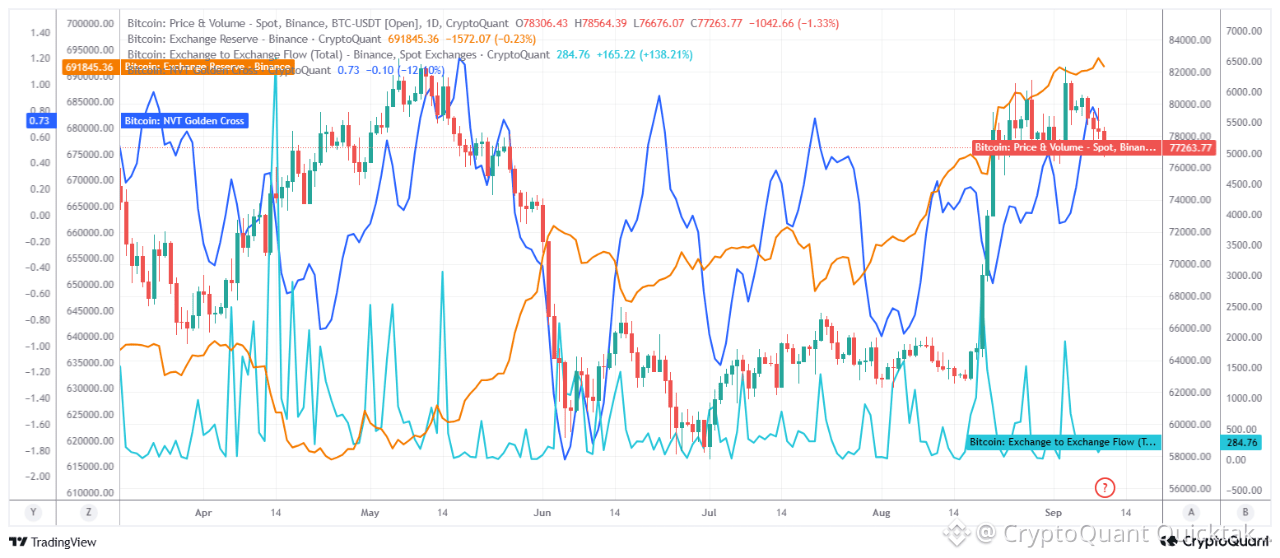
Binanceのビットコイン準備金が危険な水準に到達ビットコインは強い回復を見せているが、直近のデータは、すでに利益確定が始まりつつあることを示している。
BinanceのBTC総保有高は691,845 BTCで、これは中期的な警戒シグナルだ。準備金は概ね5月以降上昇しており、供給サイドから見ると慎重な状況が浮かび上がっている。8月下旬から9月上旬にかけてBTCが強含んだ一方で、Binanceの準備金は高水準のままだった。この乖離は、たとえリリース(上昇相場)が続くとしても、利益確定による売り、あるいは急な押し戻し(急落)リスクが高まっている可能性を示唆している。
Binanceのビットコイン準備金が危険な水準に到達
ビットコインは強い回復を見せているが、直近のデータは、すでに利益確定が始まりつつあることを示している。
BinanceのBTC総保有高は691,845 BTCで、これは中期的な警戒シグナルだ。準備金は概ね5月以降上昇しており、供給サイドから見ると慎重な状況が浮かび上がっている。8月下旬から9月上旬にかけてBTCが強含んだ一方で、Binanceの準備金は高水準のままだった。この乖離は、たとえリリース(上昇相場)が続くとしても、利益確定による売り、あるいは急な押し戻し(急落)リスクが高まっている可能性を示唆している。
BinanceのBTC総保有高は691,845 BTCで、これは中期的な警戒シグナルだ。準備金は概ね5月以降上昇しており、供給サイドから見ると慎重な状況が浮かび上がっている。8月下旬から9月上旬にかけてBTCが強含んだ一方で、Binanceの準備金は高水準のままだった。この乖離は、たとえリリース(上昇相場)が続くとしても、利益確定による売り、あるいは急な押し戻し(急落)リスクが高まっている可能性を示唆している。
125
記事
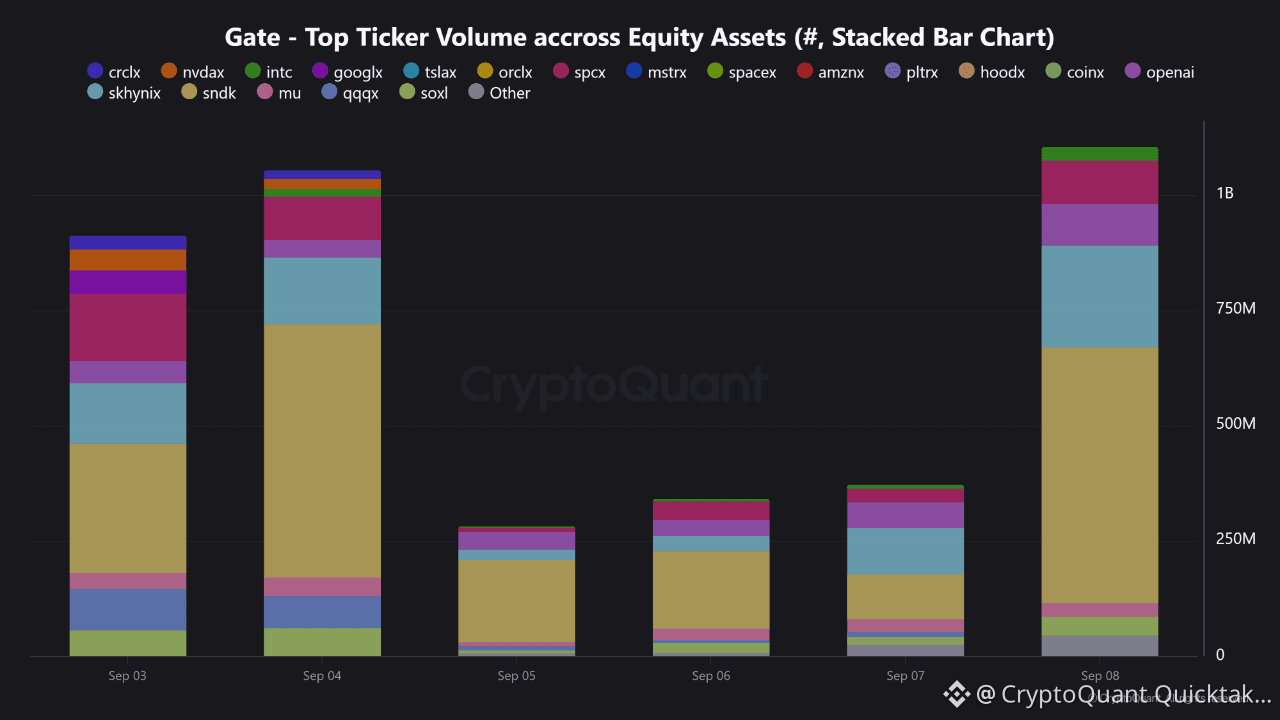
Gateの主要株式ティッカーが記録的なTradFi出来高を牽引Gateの株式アクティビティは、少数の強い確信に基づくティッカーによってますます牽引されています。
ここ最近、同プラットフォームのリードするTradFiの株式銘柄が大きな取引出来高を生み出しています。7月下旬以降、Gateの上位株式ティッカーは毎週一貫して$100億(10B)超の出来高を記録しています。ある週では$200億(20B)を超え、プラットフォーム最高記録を更新し、週次で94%の増加となりました。
注目を集めている名前には:
SNDK(SanDisk)の驚異的な単日出来高は、$36億(3.6B)を超えました。
Gateの主要株式ティッカーが記録的なTradFi出来高を牽引
Gateの株式アクティビティは、少数の強い確信に基づくティッカーによってますます牽引されています。
ここ最近、同プラットフォームのリードするTradFiの株式銘柄が大きな取引出来高を生み出しています。7月下旬以降、Gateの上位株式ティッカーは毎週一貫して$100億(10B)超の出来高を記録しています。ある週では$200億(20B)を超え、プラットフォーム最高記録を更新し、週次で94%の増加となりました。
注目を集めている名前には:
SNDK(SanDisk)の驚異的な単日出来高は、$36億(3.6B)を超えました。
ここ最近、同プラットフォームのリードするTradFiの株式銘柄が大きな取引出来高を生み出しています。7月下旬以降、Gateの上位株式ティッカーは毎週一貫して$100億(10B)超の出来高を記録しています。ある週では$200億(20B)を超え、プラットフォーム最高記録を更新し、週次で94%の増加となりました。
注目を集めている名前には:
SNDK(SanDisk)の驚異的な単日出来高は、$36億(3.6B)を超えました。
134
記事
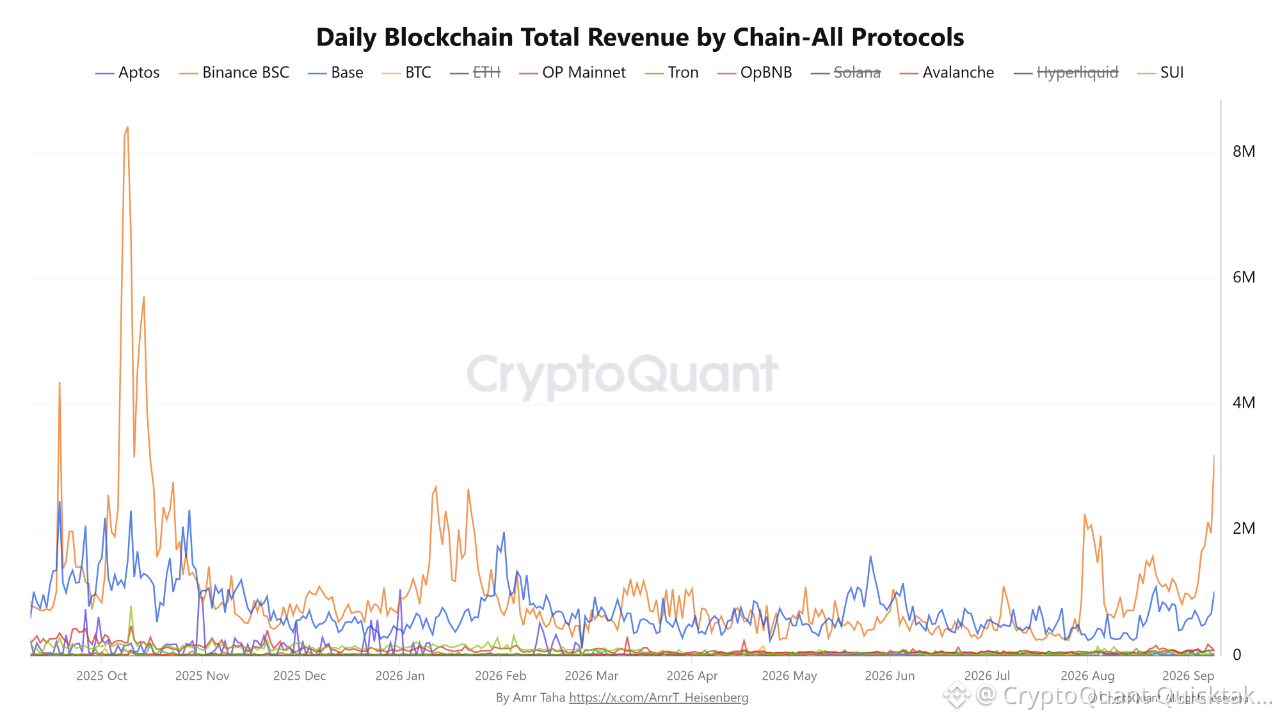
BNBチェーンのプロトコル収益は42%増、2025年10月以来の最高水準にBNBスマートチェーンの1日あたりの総収益は、9月9日に$3.2Mへと伸びた。これは2025年10月以来の最高水準であり、ネットワーク上のAll Protocolsで手数料を生み出す活動が急増したことを示している。
最新の数値は、7月31日に記録された$2.25Mの水準に比べておよそ42%上回っている。同時期にビットコインは約$62.4Kで取引されていた。
同期間にBTCは約26%上昇し、$78.4Kとなった。つまり、BSCプロトコルの収益はビットコインの価格よりも大幅に速いペースで拡大したということだ。
現在の水準も、1月12日に記録された$2.68百万ドルの水準を約19%上回っている。ビットコインは現在、1月12日の価格である$91.2Kに対しておよそ14%下回っているにもかかわらずである。
BNBチェーンのプロトコル収益は42%増、2025年10月以来の最高水準に
BNBスマートチェーンの1日あたりの総収益は、9月9日に$3.2Mへと伸びた。これは2025年10月以来の最高水準であり、ネットワーク上のAll Protocolsで手数料を生み出す活動が急増したことを示している。
最新の数値は、7月31日に記録された$2.25Mの水準に比べておよそ42%上回っている。同時期にビットコインは約$62.4Kで取引されていた。
同期間にBTCは約26%上昇し、$78.4Kとなった。つまり、BSCプロトコルの収益はビットコインの価格よりも大幅に速いペースで拡大したということだ。
現在の水準も、1月12日に記録された$2.68百万ドルの水準を約19%上回っている。ビットコインは現在、1月12日の価格である$91.2Kに対しておよそ14%下回っているにもかかわらずである。
最新の数値は、7月31日に記録された$2.25Mの水準に比べておよそ42%上回っている。同時期にビットコインは約$62.4Kで取引されていた。
同期間にBTCは約26%上昇し、$78.4Kとなった。つまり、BSCプロトコルの収益はビットコインの価格よりも大幅に速いペースで拡大したということだ。
現在の水準も、1月12日に記録された$2.68百万ドルの水準を約19%上回っている。ビットコインは現在、1月12日の価格である$91.2Kに対しておよそ14%下回っているにもかかわらずである。
134
記事
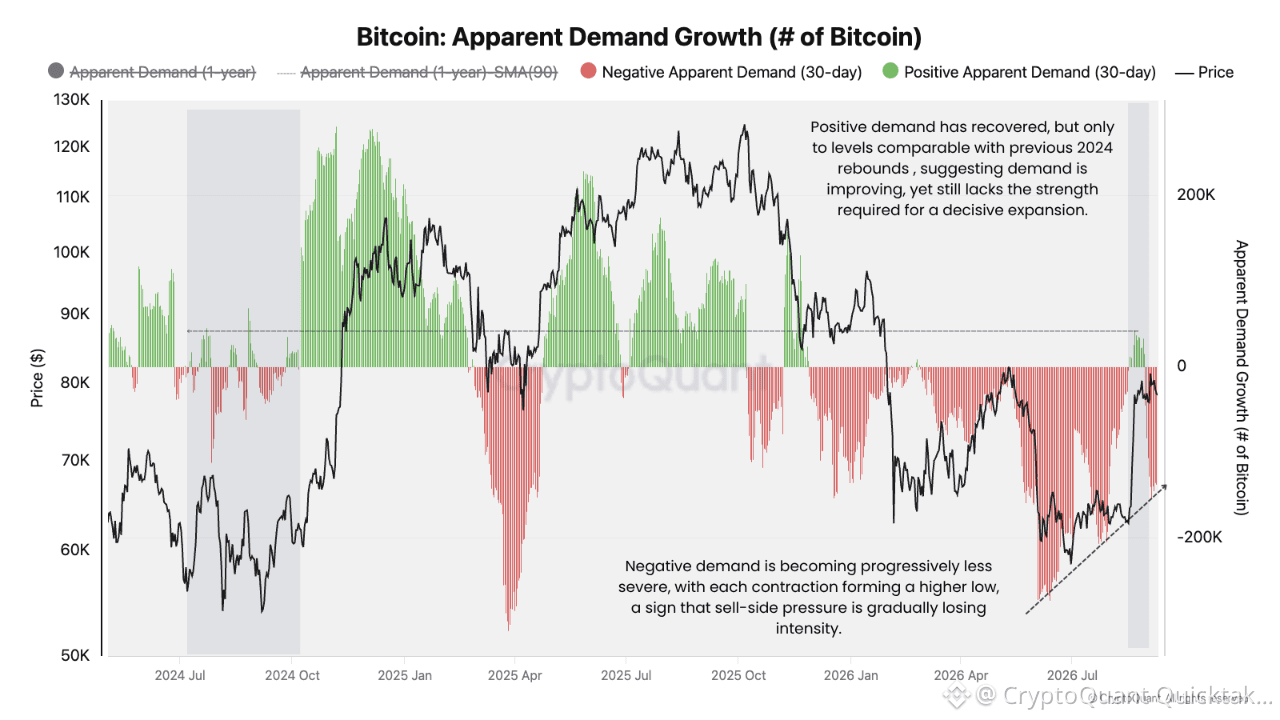
ビットコイン需要は安定化しています。あとは確信が必要ですビットコインの顕在需要の構造は改善し始めていますが、市場はいまだ、持続的な強気相場レジームに通常関連する種類の需要拡大を示していません。
顕在需要は、新しいビットコインの供給が市場に吸収されているかどうかを捉えるよう設計されています。実務的には、正の数値はネット需要の拡大を示し、負の数値は利用可能な供給が吸収されている量を上回っていることを示します。
最も前向きな進展は、この指標のマイナス側で起きています。
ビットコイン需要は安定化しています。あとは確信が必要です
ビットコインの顕在需要の構造は改善し始めていますが、市場はいまだ、持続的な強気相場レジームに通常関連する種類の需要拡大を示していません。
顕在需要は、新しいビットコインの供給が市場に吸収されているかどうかを捉えるよう設計されています。実務的には、正の数値はネット需要の拡大を示し、負の数値は利用可能な供給が吸収されている量を上回っていることを示します。
最も前向きな進展は、この指標のマイナス側で起きています。
顕在需要は、新しいビットコインの供給が市場に吸収されているかどうかを捉えるよう設計されています。実務的には、正の数値はネット需要の拡大を示し、負の数値は利用可能な供給が吸収されている量を上回っていることを示します。
最も前向きな進展は、この指標のマイナス側で起きています。
103
記事
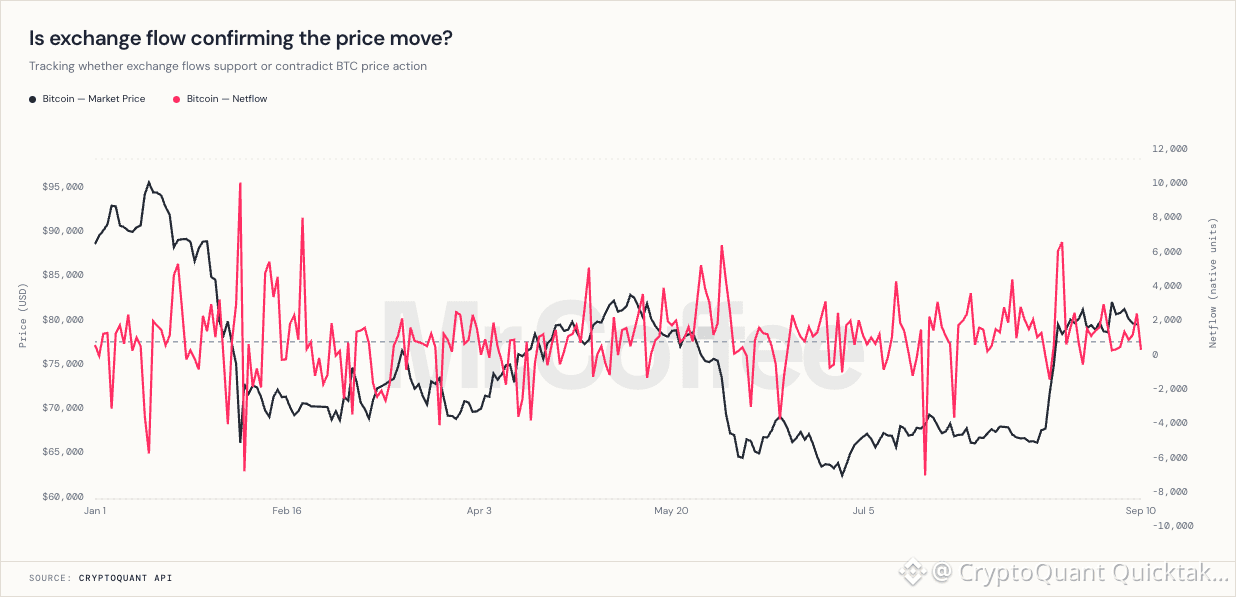
取引所のフローは値動きを裏付けているのか?BTCが8万ドルを再び上抜けたが、何か少し違和感がある
取引所のネットフローが、またかなり大きなスパイクを記録し、5月から7月にかけての売り局面でも同様のスパイクが見られた
もちろん、これはBTCがそろそろ投げ売りに向かうことを意味するわけではないが、価格が上がり続けているのにこのような大きな流入が出ているのは、見過ごしたくない
売り手がこの強さに乗じているのか、それとも市場がこのフローをすべて吸収して、さらに押し続けているのかもしれない
どちらが起きるのか見てみたい
nocoffeenobrainによって書かれた
取引所のフローは値動きを裏付けているのか?
BTCが8万ドルを再び上抜けたが、何か少し違和感がある
取引所のネットフローが、またかなり大きなスパイクを記録し、5月から7月にかけての売り局面でも同様のスパイクが見られた
もちろん、これはBTCがそろそろ投げ売りに向かうことを意味するわけではないが、価格が上がり続けているのにこのような大きな流入が出ているのは、見過ごしたくない
売り手がこの強さに乗じているのか、それとも市場がこのフローをすべて吸収して、さらに押し続けているのかもしれない
どちらが起きるのか見てみたい
nocoffeenobrainによって書かれた
取引所のネットフローが、またかなり大きなスパイクを記録し、5月から7月にかけての売り局面でも同様のスパイクが見られた
もちろん、これはBTCがそろそろ投げ売りに向かうことを意味するわけではないが、価格が上がり続けているのにこのような大きな流入が出ているのは、見過ごしたくない
売り手がこの強さに乗じているのか、それとも市場がこのフローをすべて吸収して、さらに押し続けているのかもしれない
どちらが起きるのか見てみたい
nocoffeenobrainによって書かれた
1
1
226
記事
"今は俺が主導だ!" 米財務長官スコット・ベッセント氏による、対円介入に関する米国の一件についての象徴的な一言。
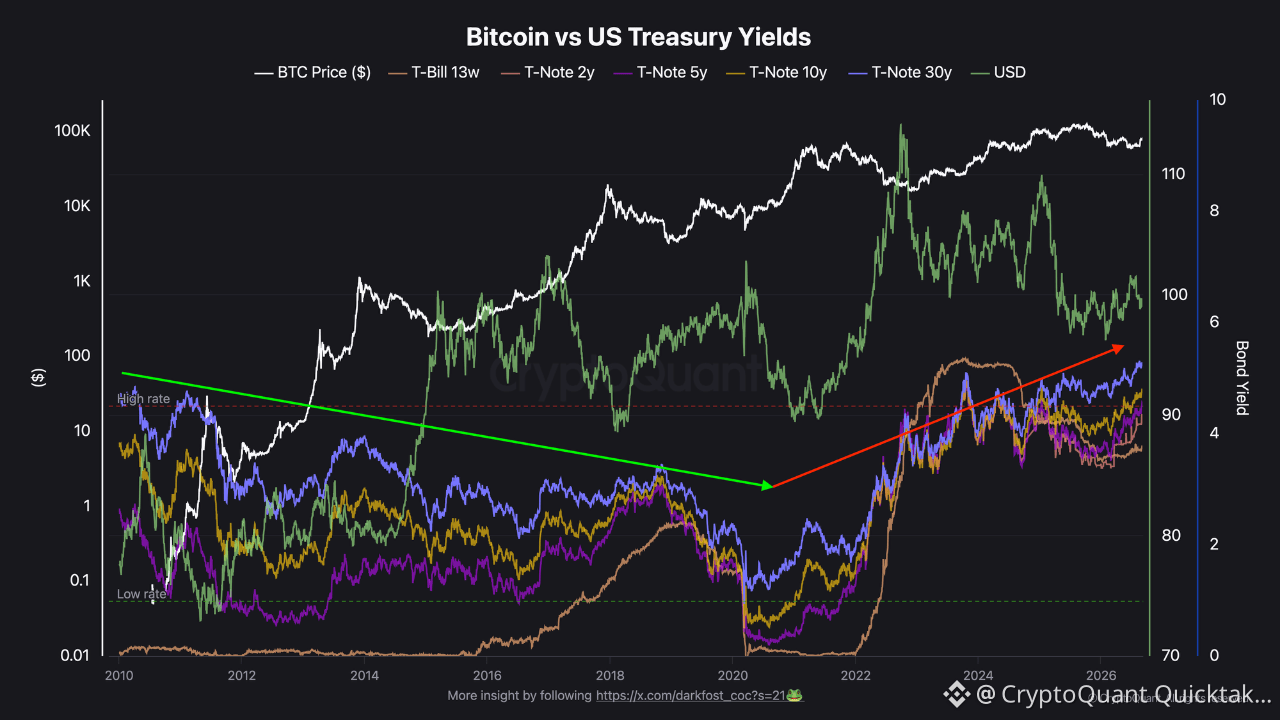
同時に、ベッセント氏は米財務省が10年から20年の国債を60億ドル超買い入れると発表した。この発表は、債券利回りの急激な上昇トレンドを抑えることを意図したものだ。
多くの人にとってかなり失望を招く結果となったアナウンスで、そのため米国の10年債利回りは5%に接近し、2023年の直近の高値に近い水準(2008年と同程度)になっている。同様に米国の20年債も7月以来ずっと5%を上回る水準で取引されている。
"今は俺が主導だ!"
米財務長官スコット・ベッセント氏による、対円介入に関する米国の一件についての象徴的な一言。
同時に、ベッセント氏は米財務省が10年から20年の国債を60億ドル超買い入れると発表した。この発表は、債券利回りの急激な上昇トレンドを抑えることを意図したものだ。
多くの人にとってかなり失望を招く結果となったアナウンスで、そのため米国の10年債利回りは5%に接近し、2023年の直近の高値に近い水準(2008年と同程度)になっている。同様に米国の20年債も7月以来ずっと5%を上回る水準で取引されている。
同時に、ベッセント氏は米財務省が10年から20年の国債を60億ドル超買い入れると発表した。この発表は、債券利回りの急激な上昇トレンドを抑えることを意図したものだ。
多くの人にとってかなり失望を招く結果となったアナウンスで、そのため米国の10年債利回りは5%に接近し、2023年の直近の高値に近い水準(2008年と同程度)になっている。同様に米国の20年債も7月以来ずっと5%を上回る水準で取引されている。
189
記事
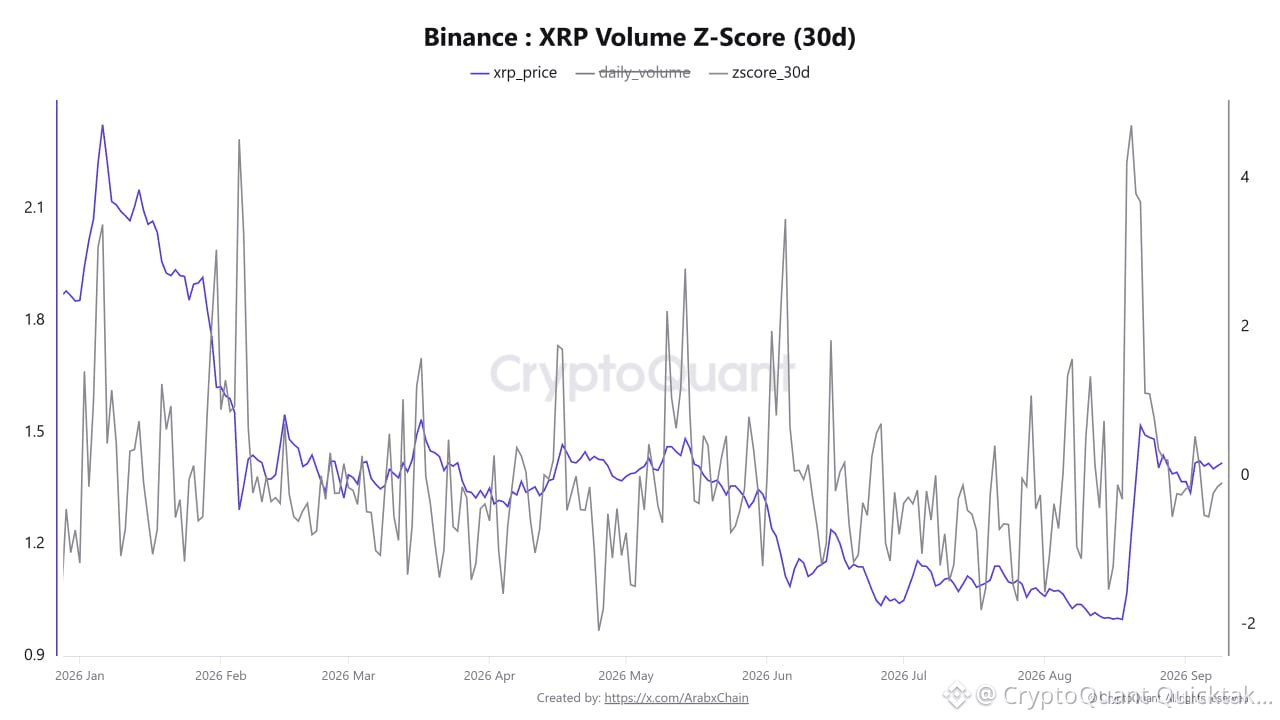
XRPの取引出来高ZスコアがBinanceで低下、活動が落ち着くBinanceのXRP出来高Zスコア(30日)インジケーターは、8月後半に市場活動が急増した後、Binanceプラットフォーム上でのXRP取引出来高の勢いが低下していることを示しています。データではZスコアが4を超える水準でピークに達しており、そのタイミングでXRPの価格が約1.00ドル近辺から1.40ドル超へ上昇していました。これは、30日平均に対して取引出来高が非常に大きく急騰したことを反映しています。
しかし、その後インジケーターは下向きのトレンドに入り、現在はゼロ付近で推移しています。9月9日時点ではおよそ-0.09で、XRPの価格は約1.419ドルで安定していました。この水準は、現在の取引出来高が計測期間における平均に非常に近いことを意味し、通常の活動からの顕著なプラスまたはマイナスの乖離は見られないことを示しています。
XRPの取引出来高ZスコアがBinanceで低下、活動が落ち着く
BinanceのXRP出来高Zスコア(30日)インジケーターは、8月後半に市場活動が急増した後、Binanceプラットフォーム上でのXRP取引出来高の勢いが低下していることを示しています。データではZスコアが4を超える水準でピークに達しており、そのタイミングでXRPの価格が約1.00ドル近辺から1.40ドル超へ上昇していました。これは、30日平均に対して取引出来高が非常に大きく急騰したことを反映しています。
しかし、その後インジケーターは下向きのトレンドに入り、現在はゼロ付近で推移しています。9月9日時点ではおよそ-0.09で、XRPの価格は約1.419ドルで安定していました。この水準は、現在の取引出来高が計測期間における平均に非常に近いことを意味し、通常の活動からの顕著なプラスまたはマイナスの乖離は見られないことを示しています。
しかし、その後インジケーターは下向きのトレンドに入り、現在はゼロ付近で推移しています。9月9日時点ではおよそ-0.09で、XRPの価格は約1.419ドルで安定していました。この水準は、現在の取引出来高が計測期間における平均に非常に近いことを意味し、通常の活動からの顕著なプラスまたはマイナスの乖離は見られないことを示しています。
196
記事
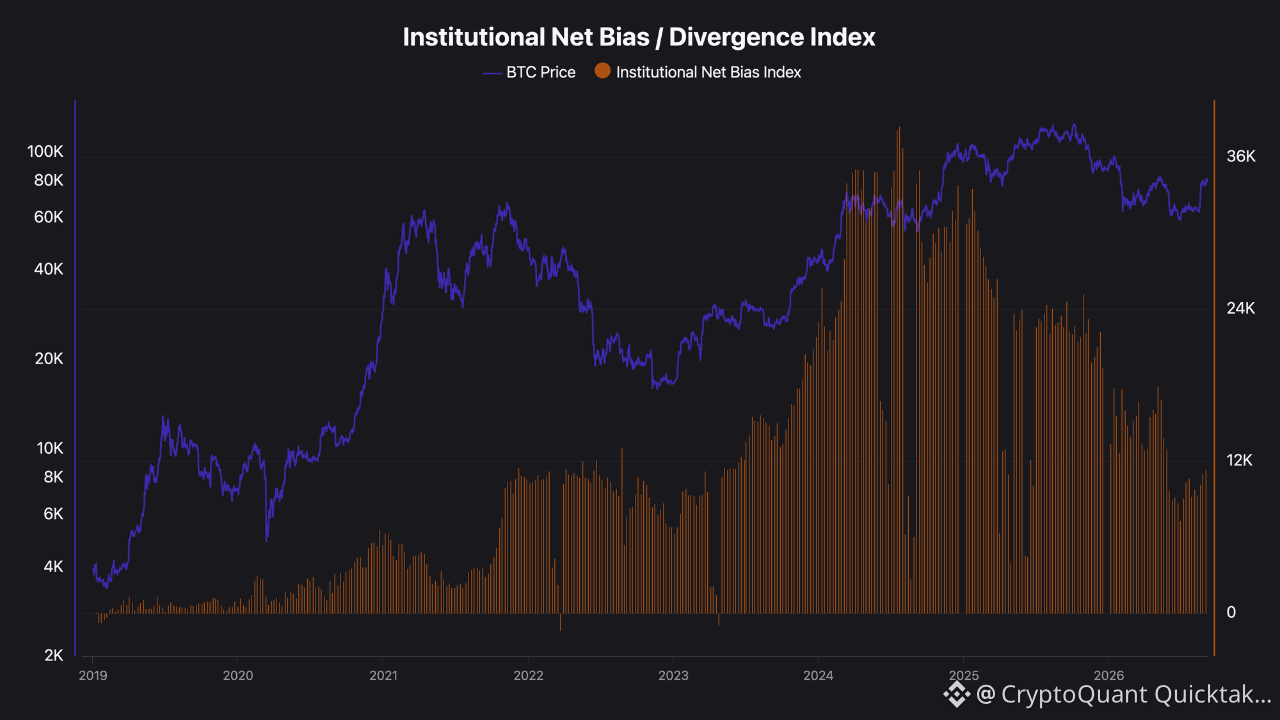
機関投資家の罠か、それとも最終底か?ネット・バイアス・インデックスがBTCについて示すものビットコインがベア相場フェーズの終盤に近づく中、CME側の機関投資家向けネット・バイアス・インデックスは、2021〜2022年に見られた底値水準まで後退している。米国の機関投資家、ヘッジファンド、資産運用会社は、定期的にポジションを再編し、リバランスしている。
2022年のマクロ底では、ビットコインは約15Kドルまで急落し、ネット・バイアス・インデックスも8K〜10Kのレンジまで低下した。現在、ビットコインは約78Kドルで取引されており、機関投資家向けネット・バイアス・インデックスは11Kに位置している——この指標は、ビットコインが60Kドルのときには実際に8Kまで落ち込んでいた。
機関投資家の罠か、それとも最終底か?ネット・バイアス・インデックスがBTCについて示すもの
ビットコインがベア相場フェーズの終盤に近づく中、CME側の機関投資家向けネット・バイアス・インデックスは、2021〜2022年に見られた底値水準まで後退している。米国の機関投資家、ヘッジファンド、資産運用会社は、定期的にポジションを再編し、リバランスしている。
2022年のマクロ底では、ビットコインは約15Kドルまで急落し、ネット・バイアス・インデックスも8K〜10Kのレンジまで低下した。現在、ビットコインは約78Kドルで取引されており、機関投資家向けネット・バイアス・インデックスは11Kに位置している——この指標は、ビットコインが60Kドルのときには実際に8Kまで落ち込んでいた。
2022年のマクロ底では、ビットコインは約15Kドルまで急落し、ネット・バイアス・インデックスも8K〜10Kのレンジまで低下した。現在、ビットコインは約78Kドルで取引されており、機関投資家向けネット・バイアス・インデックスは11Kに位置している——この指標は、ビットコインが60Kドルのときには実際に8Kまで落ち込んでいた。
140
記事
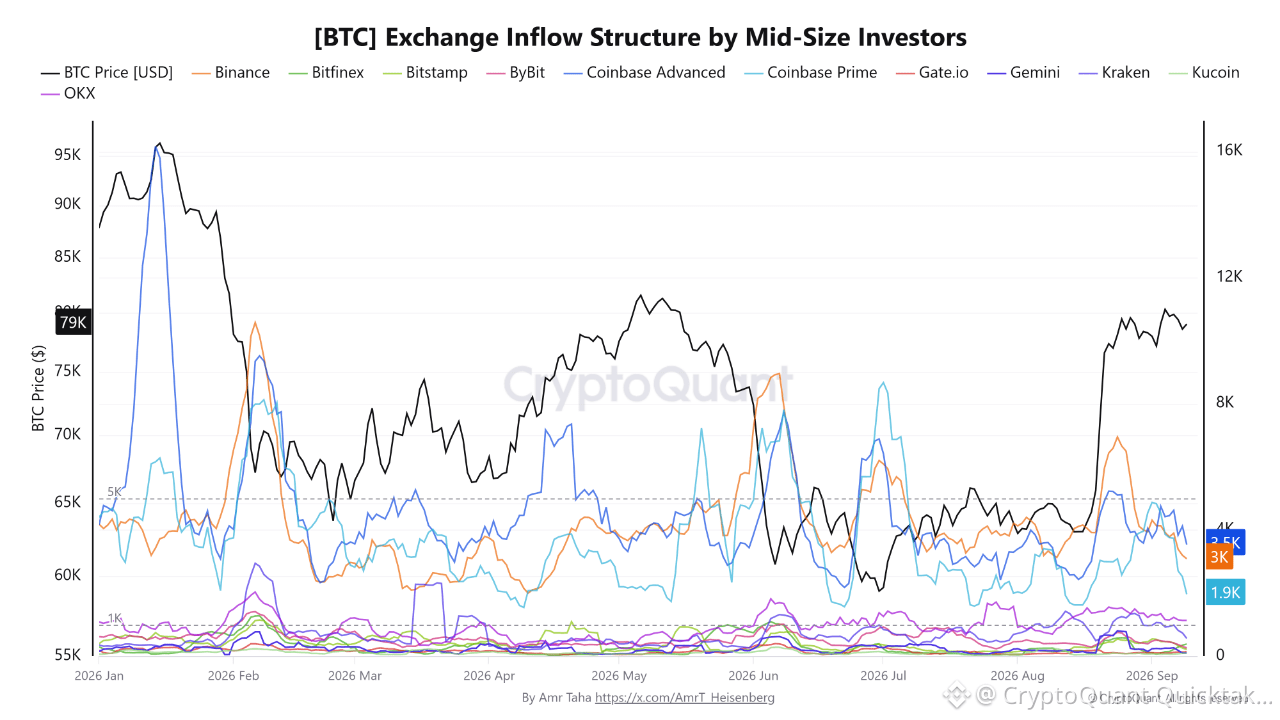
ビットコインは25%上昇。一方で中規模の取引所流入は15%低下ビットコインは8月3日以降、約25%上昇し、ちょうど6万3,000ドル台から約7万9,000ドルまで上がった。一方で、中規模の投資家の流入は、Binance、Coinbase Advanced、Coinbase Primeにおいて逆方向に動いた。
3つの取引所を合算した流入額は10,144 BTCから8,570 BTCへと減少し、同期間で約15.5%の下落となった。
分岐(乖離)はBinanceで最も大きく、規模の中程度の流入がほぼ30%減少し、4,390 BTCから3,080 BTCになった。
Coinbase Advancedはわずか4%下落し、3,677 BTCから3,530 BTCへ。一方、Coinbase Primeは約5.6%下落し、2,077 BTCから1,960 BTCとなった。
ビットコインは25%上昇。一方で中規模の取引所流入は15%低下
ビットコインは8月3日以降、約25%上昇し、ちょうど6万3,000ドル台から約7万9,000ドルまで上がった。一方で、中規模の投資家の流入は、Binance、Coinbase Advanced、Coinbase Primeにおいて逆方向に動いた。
3つの取引所を合算した流入額は10,144 BTCから8,570 BTCへと減少し、同期間で約15.5%の下落となった。
分岐(乖離)はBinanceで最も大きく、規模の中程度の流入がほぼ30%減少し、4,390 BTCから3,080 BTCになった。
Coinbase Advancedはわずか4%下落し、3,677 BTCから3,530 BTCへ。一方、Coinbase Primeは約5.6%下落し、2,077 BTCから1,960 BTCとなった。
3つの取引所を合算した流入額は10,144 BTCから8,570 BTCへと減少し、同期間で約15.5%の下落となった。
分岐(乖離)はBinanceで最も大きく、規模の中程度の流入がほぼ30%減少し、4,390 BTCから3,080 BTCになった。
Coinbase Advancedはわずか4%下落し、3,677 BTCから3,530 BTCへ。一方、Coinbase Primeは約5.6%下落し、2,077 BTCから1,960 BTCとなった。
92
記事
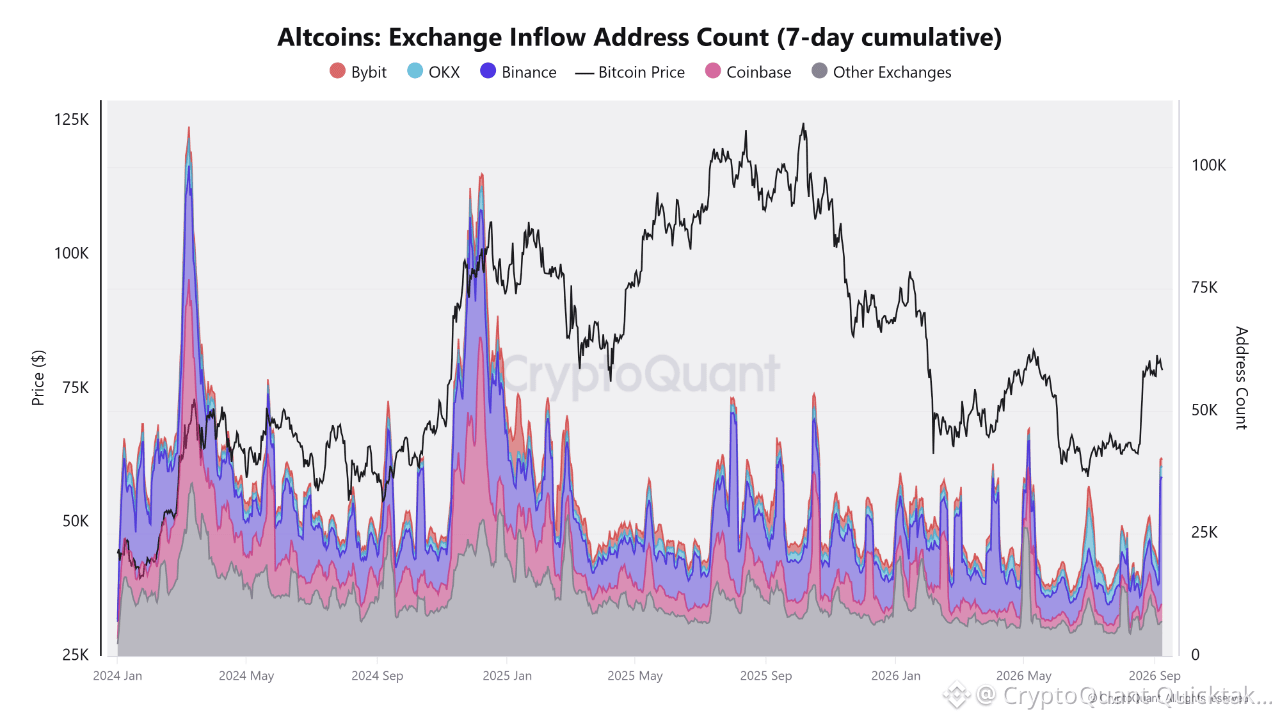
アルトコインの取引所流入アドレスが4カ月ぶりの高水準に到達データは、暗号資産取引所へのアルトコイン流入に関連するアドレス数が大きく増加していることを示しており、この指標は昨年5月以来の最高水準に到達しました。これは、ユーザーの活動が活発化し、アルトコインが取引プラットフォームへより多く移動していることを示唆しています。
最新データによると、Binanceは最も多いアドレス数を記録し、約25,856となっており、他の取引所を大きく上回りました。Coinbaseは約3,574アドレスで2位、続いてOKXが約2,124、またBybitは約1,588アドレスでした。
アルトコインの取引所流入アドレスが4カ月ぶりの高水準に到達
データは、暗号資産取引所へのアルトコイン流入に関連するアドレス数が大きく増加していることを示しており、この指標は昨年5月以来の最高水準に到達しました。これは、ユーザーの活動が活発化し、アルトコインが取引プラットフォームへより多く移動していることを示唆しています。
最新データによると、Binanceは最も多いアドレス数を記録し、約25,856となっており、他の取引所を大きく上回りました。Coinbaseは約3,574アドレスで2位、続いてOKXが約2,124、またBybitは約1,588アドレスでした。
最新データによると、Binanceは最も多いアドレス数を記録し、約25,856となっており、他の取引所を大きく上回りました。Coinbaseは約3,574アドレスで2位、続いてOKXが約2,124、またBybitは約1,588アドレスでした。
67
記事
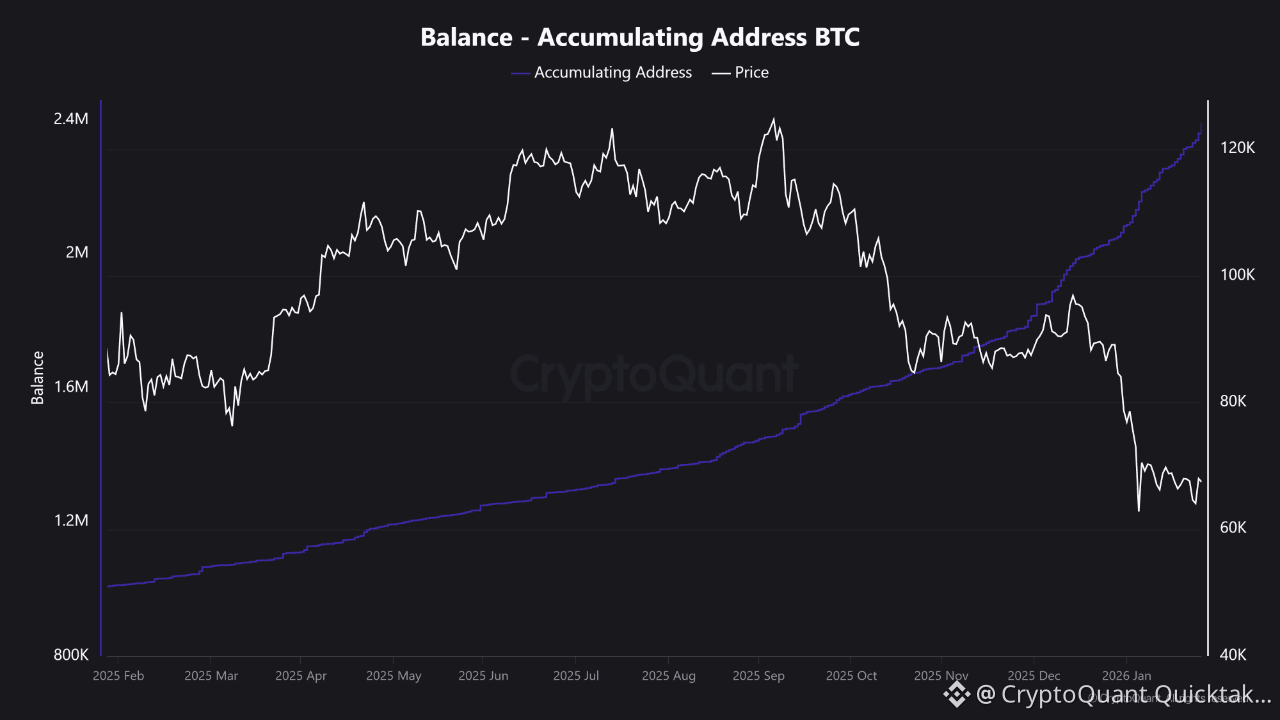
Bitcoin:希少な供給環境における集積アドレス ↓• ビットコインの集積アドレスはすでにBTCを230万枚保有しています。
• これは、ビットコインの最大供給量(2100万)の10%以上に相当します。
ファクンド・ファマによる執筆
Bitcoin:希少な供給環境における集積アドレス ↓
• ビットコインの集積アドレスはすでにBTCを230万枚保有しています。
• これは、ビットコインの最大供給量(2100万)の10%以上に相当します。
ファクンド・ファマによる執筆
• これは、ビットコインの最大供給量(2100万)の10%以上に相当します。
ファクンド・ファマによる執筆
59
記事
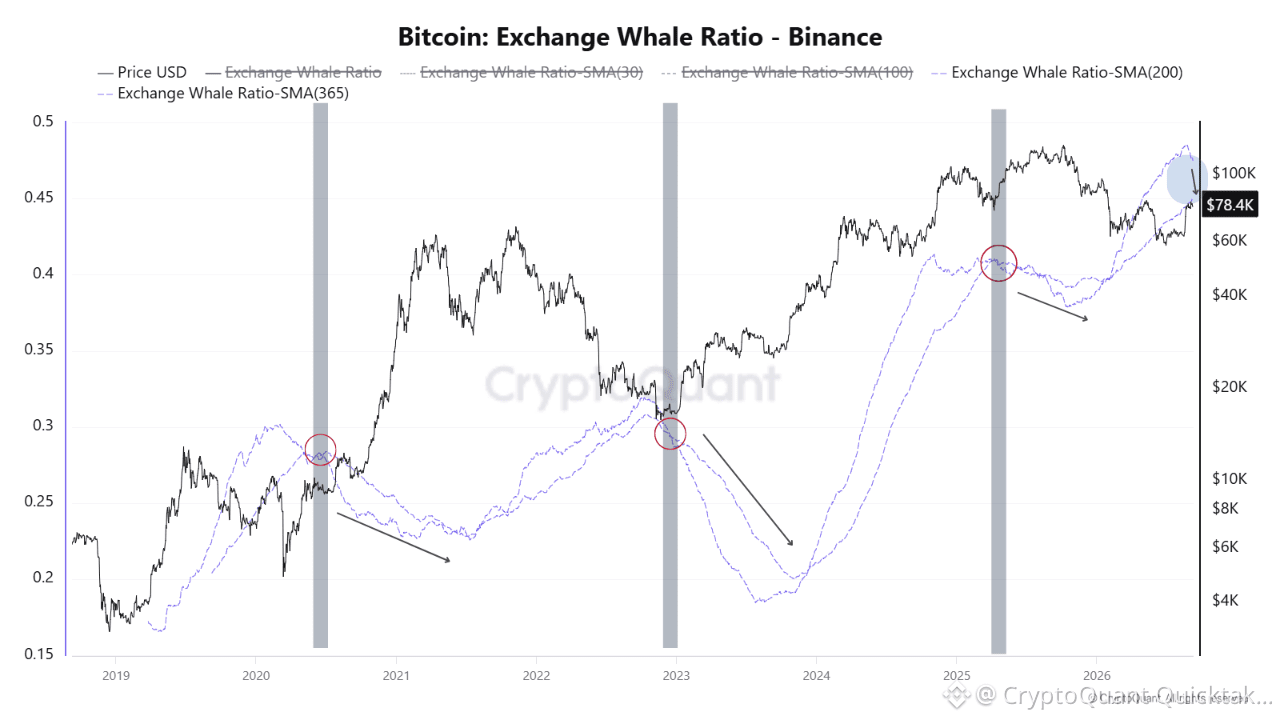
ビットコインはクジラのリセットをまだ完了していないクジラは依然として、Binanceへの入金において異例に重要な役割を担っています。
この指標は、最大の入金によって占められる取引所への流入の割合を測定します。そのため、この比率が上昇しても、必ずしも絶対的な意味でより多くのBTCがBinanceに流入していることを意味するわけではありません。つまり、預け入れられるBTCのうち、クジラが占める割合がより大きくなっているということです。
この違いは、200日および365日の移動平均を見ると、さらに強力になります。
これまでの主要な転換期、2020年や2023年を含めて、反復するパターンが見られました。200日移動平均線が365日移動平均線を下回ってクロスし、その後に両方の平均が持続的な下落トレンドへと入る、という流れです。つまり、Binanceへの預金に対するクジラの優位性は徐々に薄れていきました。
ビットコインはクジラのリセットをまだ完了していない
クジラは依然として、Binanceへの入金において異例に重要な役割を担っています。
この指標は、最大の入金によって占められる取引所への流入の割合を測定します。そのため、この比率が上昇しても、必ずしも絶対的な意味でより多くのBTCがBinanceに流入していることを意味するわけではありません。つまり、預け入れられるBTCのうち、クジラが占める割合がより大きくなっているということです。
この違いは、200日および365日の移動平均を見ると、さらに強力になります。
これまでの主要な転換期、2020年や2023年を含めて、反復するパターンが見られました。200日移動平均線が365日移動平均線を下回ってクロスし、その後に両方の平均が持続的な下落トレンドへと入る、という流れです。つまり、Binanceへの預金に対するクジラの優位性は徐々に薄れていきました。
この指標は、最大の入金によって占められる取引所への流入の割合を測定します。そのため、この比率が上昇しても、必ずしも絶対的な意味でより多くのBTCがBinanceに流入していることを意味するわけではありません。つまり、預け入れられるBTCのうち、クジラが占める割合がより大きくなっているということです。
この違いは、200日および365日の移動平均を見ると、さらに強力になります。
これまでの主要な転換期、2020年や2023年を含めて、反復するパターンが見られました。200日移動平均線が365日移動平均線を下回ってクロスし、その後に両方の平均が持続的な下落トレンドへと入る、という流れです。つまり、Binanceへの預金に対するクジラの優位性は徐々に薄れていきました。
1
689
記事
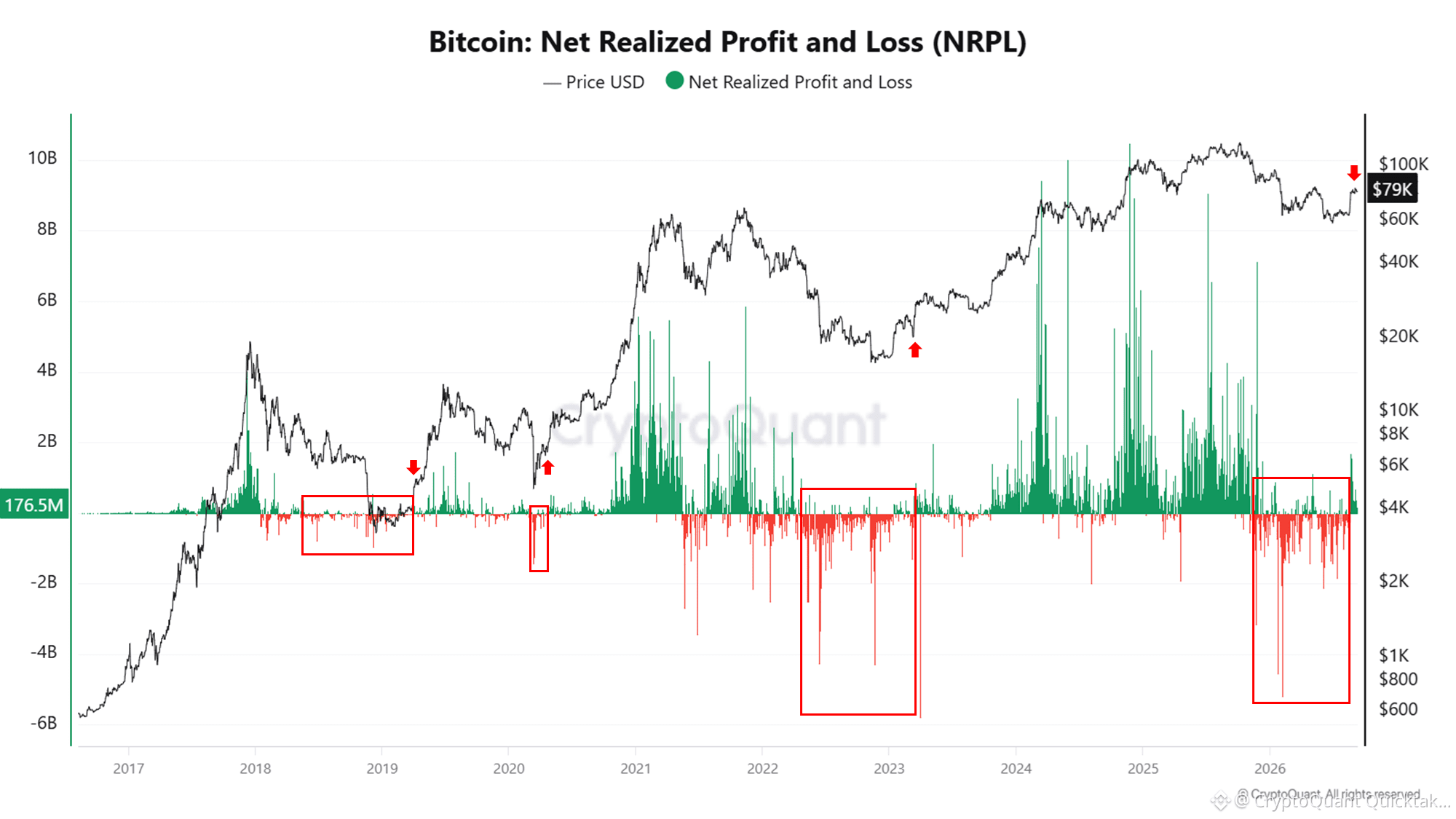
ビットコインのネット実現利益・損失(NRPL)指標は、投資家のキャピタレーションが終わりつつあることを示している...一般的に、$BTCのネット実現損失(Net Realized Loss)状態とは、投資家が保有分を売却している期間を意味します。市場参加者が大きな損失を実現している局面であることを示します。
投資家は価格に関係なく売却し、我慢できない損失が限界に達した時点でキャピタレーションしました。また、その期間中の$BTCは弱気のトレンドを示していました。
しかし、NRPLは最近再びプラスに転じています。これは、マーケット参加者の“投げ売り(キャピタレーション)”のトレンドが終わり、相場が再び収益を生みやすい状態へと移行していることを示しています。
ビットコインのネット実現利益・損失(NRPL)指標は、投資家のキャピタレーションが終わりつつあることを示している...
一般的に、$BTCのネット実現損失(Net Realized Loss)状態とは、投資家が保有分を売却している期間を意味します。市場参加者が大きな損失を実現している局面であることを示します。
投資家は価格に関係なく売却し、我慢できない損失が限界に達した時点でキャピタレーションしました。また、その期間中の$BTCは弱気のトレンドを示していました。
しかし、NRPLは最近再びプラスに転じています。これは、マーケット参加者の“投げ売り(キャピタレーション)”のトレンドが終わり、相場が再び収益を生みやすい状態へと移行していることを示しています。
投資家は価格に関係なく売却し、我慢できない損失が限界に達した時点でキャピタレーションしました。また、その期間中の$BTCは弱気のトレンドを示していました。
しかし、NRPLは最近再びプラスに転じています。これは、マーケット参加者の“投げ売り(キャピタレーション)”のトレンドが終わり、相場が再び収益を生みやすい状態へと移行していることを示しています。
68
記事
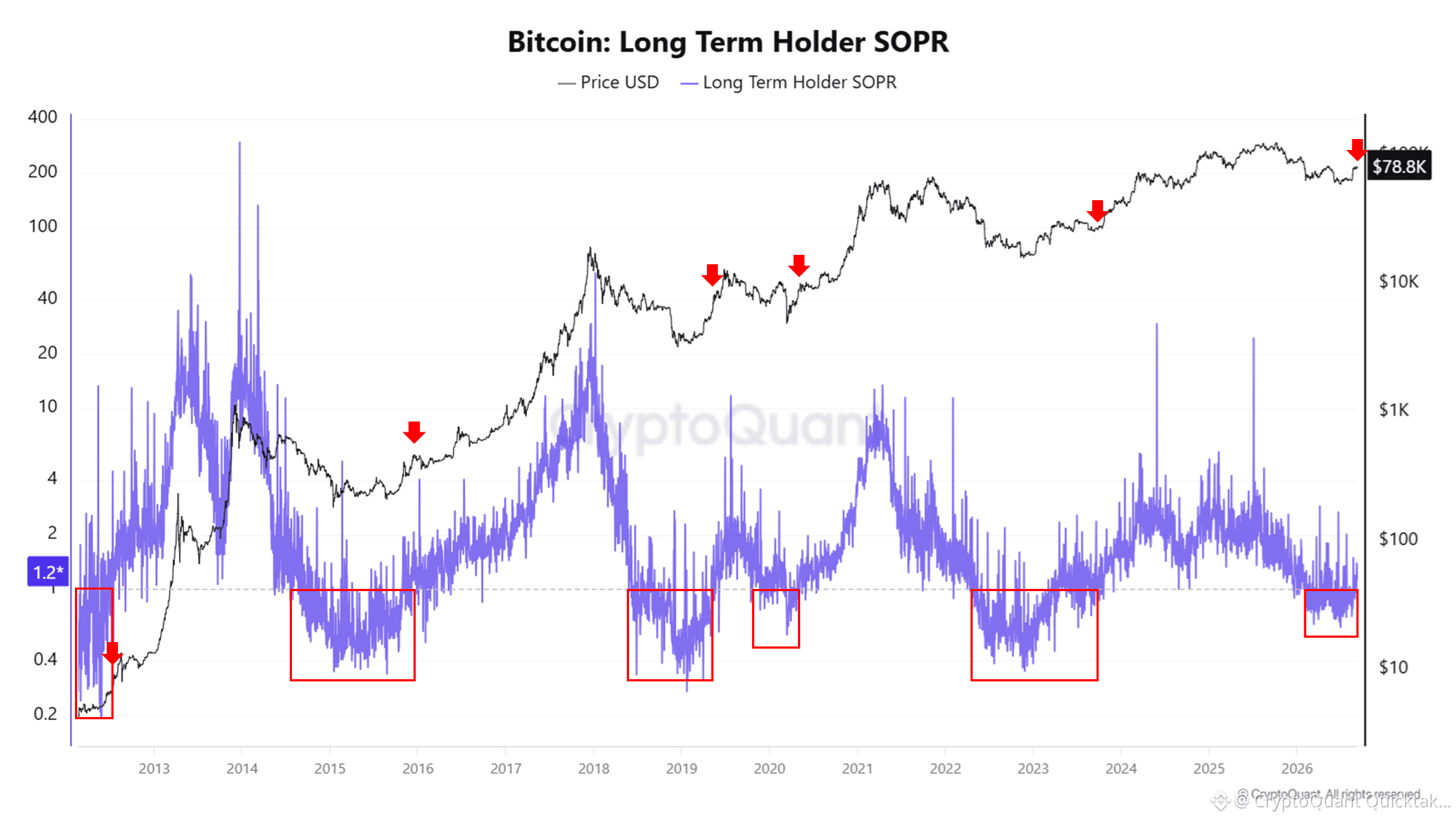
ビットコインの長期保有者SOPRが示す:弱気トレンドは終わった現在、$BTCのLTH SOPRは1.2にあり、数日間にわたって1を上回る水準を維持しています。
LTH-SOPRが1を大きく上回る場合、長期保有者は原価(コストベーシス)に対して相当な利益を得た状態でコインを費消しています。このパターンは、過去には強気相場の後半における分配(ディストリビューション)と関連付けられてきました。高値を背景に、経験豊富な保有者が資金化(換金)する動きです。非常に高い数値は、市場サイクルのピークと一致することがしばしばあり、長期保有者が流動性へローテーションすることで起きます。逆に、LTH-SOPRが1に接近するか、1を下回る場合には、長期保有者は損失のもと、または損失に近い水準でコインを移動させています。これは歴史的にまれな状態であり、世代交代レベルの買い場(ジェネレーション・バイイング・チャンス)やサイクルのボトムを特徴づけてきました。
ビットコインの長期保有者SOPRが示す:弱気トレンドは終わった
現在、$BTCのLTH SOPRは1.2にあり、数日間にわたって1を上回る水準を維持しています。
LTH-SOPRが1を大きく上回る場合、長期保有者は原価(コストベーシス)に対して相当な利益を得た状態でコインを費消しています。このパターンは、過去には強気相場の後半における分配(ディストリビューション)と関連付けられてきました。高値を背景に、経験豊富な保有者が資金化(換金)する動きです。非常に高い数値は、市場サイクルのピークと一致することがしばしばあり、長期保有者が流動性へローテーションすることで起きます。逆に、LTH-SOPRが1に接近するか、1を下回る場合には、長期保有者は損失のもと、または損失に近い水準でコインを移動させています。これは歴史的にまれな状態であり、世代交代レベルの買い場(ジェネレーション・バイイング・チャンス)やサイクルのボトムを特徴づけてきました。
LTH-SOPRが1を大きく上回る場合、長期保有者は原価(コストベーシス)に対して相当な利益を得た状態でコインを費消しています。このパターンは、過去には強気相場の後半における分配(ディストリビューション)と関連付けられてきました。高値を背景に、経験豊富な保有者が資金化(換金)する動きです。非常に高い数値は、市場サイクルのピークと一致することがしばしばあり、長期保有者が流動性へローテーションすることで起きます。逆に、LTH-SOPRが1に接近するか、1を下回る場合には、長期保有者は損失のもと、または損失に近い水準でコインを移動させています。これは歴史的にまれな状態であり、世代交代レベルの買い場(ジェネレーション・バイイング・チャンス)やサイクルのボトムを特徴づけてきました。
129
ログインして、さらにコンテンツを読む
厳選トピックで世界の暗号資産トレーダーの仲間入り
⚡️ 暗号資産に関する最新かつ有益な情報が見つかります。
💬 世界最大の暗号資産取引所から信頼されています。
👍 認証を受けたクリエイターから、有益なインサイトを得られます。
メール / 電話番号
トレンドトピック
CPIWatch
閲覧回数 86.2M
499,665人が討論中
トレンドハッシュタグキャンペーンでシェア&ウィンしてトラフィック報酬を獲得
✨トピック:CPIが利上げの引き金になる?
👉参加方法:
ハッシュタグ #CPIWatch を付けて短い投稿または記事を公開
以下の2つの切り口に基づいてコンテンツを作成:
- 雇用統計(非農業部門雇用者数)が予想を上回り、CPIの発表も間近。FRBは利上げすると思いますか?それとも据え置き?
- 強気(ブル)か弱気(ベア)か?あなたの見解を共有し、取引共有ウィジェットを使って保有している株やゴールドの取引/保有状況を見せてください。
🚀キャンペーン期間:
- 2026-09-11 3:00 - 2026-09-12 9:00(UTC)
🎁報酬:
- 上記のガイドラインを遵守し、100語以上を含む条件を満たした投稿は審査され、抽選で500〜3,000ビューのランダムなトラフィック増加が付与される場合があります。投稿が選ばれた場合、フィード担当秘書から通知が届きます。
- Binance Square公式で記事が掲載されるチャンス
投稿のアイデアが必要ですか?トピックページ #CPIWatch または Square Guide on How to Post for Better Reach にアクセスしてください。
Binance Square Official
·いいね:281件
·閲覧回数 482.7k
TencentBackedEnflameToStartTradingAfter$911MIPO
閲覧回数 100
5人が討論中
BlockstreamRefusesToPayRansomToLiquidAttacker
閲覧回数 327
32人が討論中