
Max _ Hunter
14.6k 投稿

Max _ Hunter
 厳選トピック確認済+
Bull Market Hunter | Technical Analysis | AI Enthusiast
取引を発注
高頻度トレーダー
1.8年
318 フォロー
34.3K+ フォロワー
38.3K+ いいね
投稿
ポートフォリオ
すべて
引用
動画
ライブ
確認済み
Dusk Networkについて読んでいて最初に立ち止まったのは、そのプライバシーへのアプローチがいかにも具体的に感じられたからです。Dusk Networkは機密性を、単なる別のブロックチェーン機能として提示していません。プロジェクト全体が、金融アプリケーションのニーズを中心に構築されているように見えます。
Dusk Networkのコンセプトは比較的シンプルです。これはレイヤー1のブロックチェーンで、Confidential Security Contract(XSC)という標準により、機密スマートコントラクトをサポートします。これにより、公開台帳上であらゆるプライベート情報を開示せずに、金融取引や契約条件を検証できます。
私がまだ理解しようとしているのは、この設計が現実世界でどれほどスムーズに機能し得るかという点です。金融機関はプライバシーを望む一方で、身元確認、規制当局への報告、そして情報への管理されたアクセスも必要です。Dusk Networkは、それらの要件のバランスを取るように設計されているように思えますが、実務上の境界線はまだ完全には明確ではありません。
また、Dusk Networkが、初期利用を促すためのインセンティブに主に依存するのではなく、実際の金融活動を引き付けられるかどうかも注視しています。これは今日では小さな懸念に見えるかもしれませんが、ネットワークが発展していくにつれて重要になってくる可能性があります。
Dusk Networkには興味深い技術的な方向性がありますが、実際の普及はプライバシー面の語りよりも重くなります。ここで何かが私の見方を直ちに変えるわけではありません。変わるのは、これから私が注目するポイントです。
#dusk @Dusk $DUSK
Dusk Networkのコンセプトは比較的シンプルです。これはレイヤー1のブロックチェーンで、Confidential Security Contract(XSC)という標準により、機密スマートコントラクトをサポートします。これにより、公開台帳上であらゆるプライベート情報を開示せずに、金融取引や契約条件を検証できます。
私がまだ理解しようとしているのは、この設計が現実世界でどれほどスムーズに機能し得るかという点です。金融機関はプライバシーを望む一方で、身元確認、規制当局への報告、そして情報への管理されたアクセスも必要です。Dusk Networkは、それらの要件のバランスを取るように設計されているように思えますが、実務上の境界線はまだ完全には明確ではありません。
また、Dusk Networkが、初期利用を促すためのインセンティブに主に依存するのではなく、実際の金融活動を引き付けられるかどうかも注視しています。これは今日では小さな懸念に見えるかもしれませんが、ネットワークが発展していくにつれて重要になってくる可能性があります。
Dusk Networkには興味深い技術的な方向性がありますが、実際の普及はプライバシー面の語りよりも重くなります。ここで何かが私の見方を直ちに変えるわけではありません。変わるのは、これから私が注目するポイントです。
#dusk @Dusk $DUSK
翻訳参照
The detail I keep coming back to with Dusk Network is that its privacy is not really about hiding everything. It is about choosing what stays private and what can still be verified.
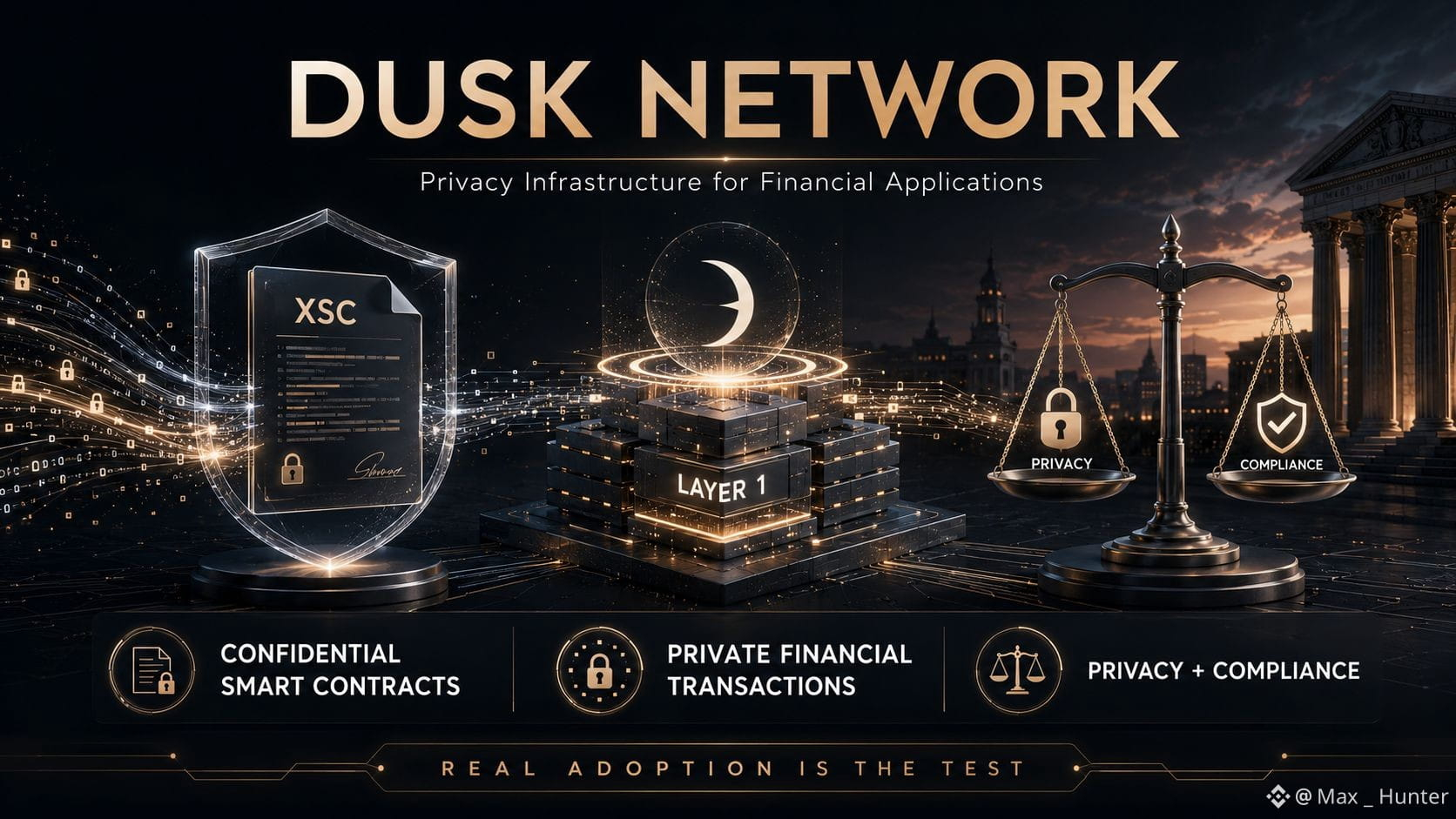
That distinction sits at the center of Dusk Network. Through confidential smart contracts and the XSC standard, financial activity can happen on-chain without every sensitive detail becoming public, while still leaving room for required compliance checks.
What I am less certain about is how this balance will feel in real use. If access to private information must be granted, someone still decides who can see it, for how long, and under which rules. That could become complicated once Dusk Network operates across different markets and jurisdictions.
That is why I find this more interesting than the “privacy blockchain” label. The technology may work as designed, but adoption will depend on whether issuers, regulators, and users can agree on how that privacy should be handled.
It looks minor at first, but over time it could shape how useful Dusk Network actually becomes.
Nothing here changes my view immediately. It just changes what I am watching now
#dusk @Dusk $DUSK $LAB $TUT
That distinction sits at the center of Dusk Network. Through confidential smart contracts and the XSC standard, financial activity can happen on-chain without every sensitive detail becoming public, while still leaving room for required compliance checks.
What I am less certain about is how this balance will feel in real use. If access to private information must be granted, someone still decides who can see it, for how long, and under which rules. That could become complicated once Dusk Network operates across different markets and jurisdictions.
That is why I find this more interesting than the “privacy blockchain” label. The technology may work as designed, but adoption will depend on whether issuers, regulators, and users can agree on how that privacy should be handled.
It looks minor at first, but over time it could shape how useful Dusk Network actually becomes.
Nothing here changes my view immediately. It just changes what I am watching now
#dusk @Dusk $DUSK $LAB $TUT
Dusk Network で私を驚かせたのは、いちばん面白い部分が同時に最も判断が難しいところでもある、という点です
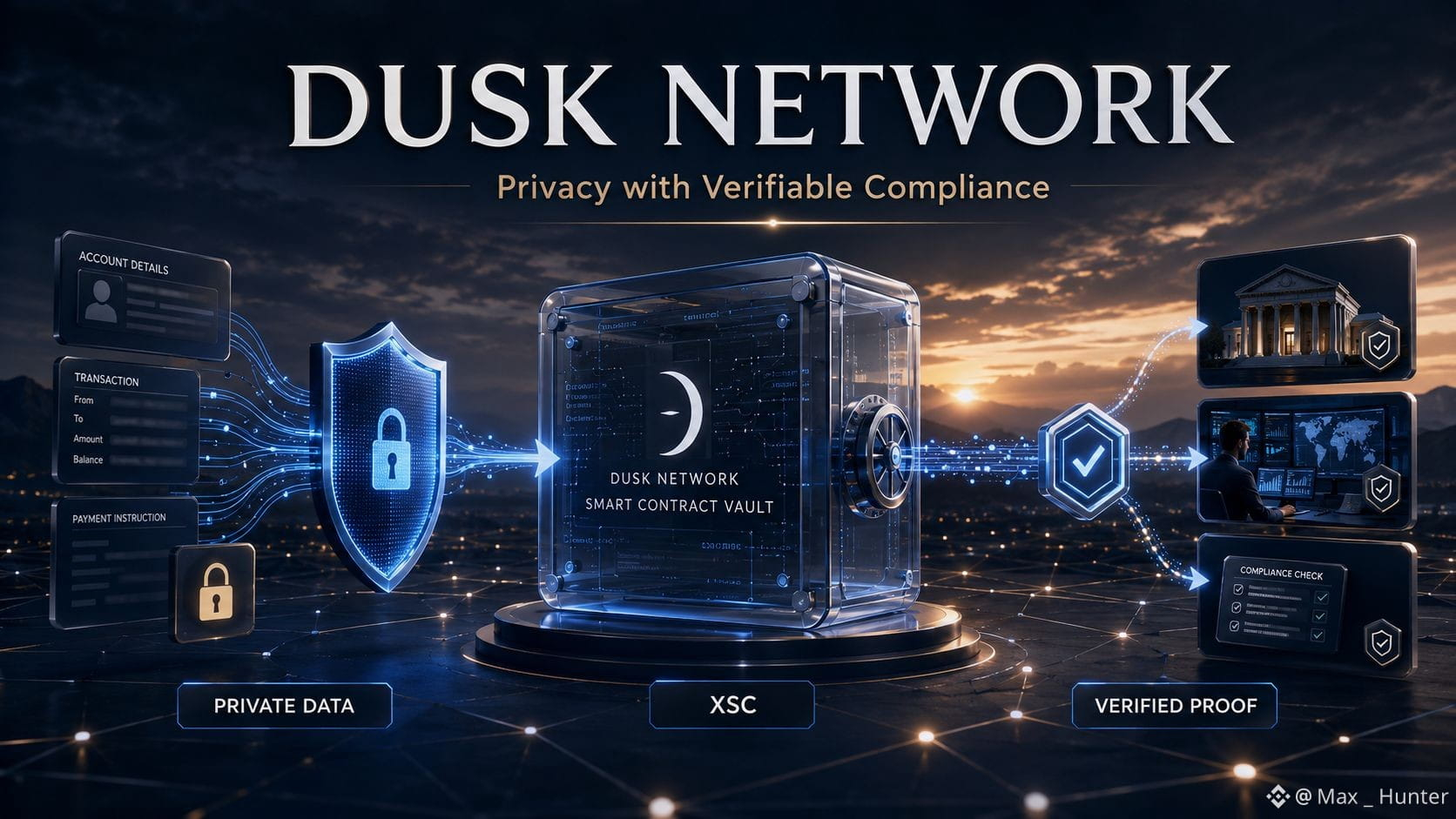
Dusk Network は、金融アプリケーション向けのプライバシー重視のインフラを構築しています。Confidential Security Contract(XSC)という標準を通じて、すべての細部を公開することなく、取引やスマートコントラクトの活動を検証できます。基本的な考え方は、背後にある情報をすべて見せなくても、正しさを証明できるということです。
なるほど、紙の上では筋が通っています。それでも私は、次の疑問に何度も立ち返ってしまいます。つまり、ある情報が実際に開示される必要が生じたらどうなるのか、ということです
銀行、企業、規制当局は、同じレベルのアクセスを求めるとは限りません。Dusk Network は機微なデータを保護できるかもしれませんが、長期的な有用性は、選択的開示が実際にどのように機能するかに左右される可能性があります。誰がアクセスを受け、誰が承認し、そのプロセスが新たな信頼のポイントを生むのか――こうした詳細は注目に値します
「プライバシーブロックチェーン」はより分かりやすい良い話に聞こえるので見落としがちです。しかし Dusk Network は、プライバシーとコンプライアンスが同時に成立しなければならない領域で運用しようとしています。そのバランスは、めったに単純ではありません。
技術がまだ発展途上の今は、ささいな懸念に思えるかもしれません。でも時間が経てば、Dusk Network が実際にどれほど広く使われるかを左右する可能性があります
ここで述べたことは、私の見方をすぐに変えるわけではありません。変えるのは、今私が見ているポイントですJ
#dusk $DUSK @Dusk
Dusk Network は、金融アプリケーション向けのプライバシー重視のインフラを構築しています。Confidential Security Contract(XSC)という標準を通じて、すべての細部を公開することなく、取引やスマートコントラクトの活動を検証できます。基本的な考え方は、背後にある情報をすべて見せなくても、正しさを証明できるということです。
なるほど、紙の上では筋が通っています。それでも私は、次の疑問に何度も立ち返ってしまいます。つまり、ある情報が実際に開示される必要が生じたらどうなるのか、ということです
銀行、企業、規制当局は、同じレベルのアクセスを求めるとは限りません。Dusk Network は機微なデータを保護できるかもしれませんが、長期的な有用性は、選択的開示が実際にどのように機能するかに左右される可能性があります。誰がアクセスを受け、誰が承認し、そのプロセスが新たな信頼のポイントを生むのか――こうした詳細は注目に値します
「プライバシーブロックチェーン」はより分かりやすい良い話に聞こえるので見落としがちです。しかし Dusk Network は、プライバシーとコンプライアンスが同時に成立しなければならない領域で運用しようとしています。そのバランスは、めったに単純ではありません。
技術がまだ発展途上の今は、ささいな懸念に思えるかもしれません。でも時間が経てば、Dusk Network が実際にどれほど広く使われるかを左右する可能性があります
ここで述べたことは、私の見方をすぐに変えるわけではありません。変えるのは、今私が見ているポイントですJ
#dusk $DUSK @Dusk
Dusk Networkについて読んでいるとき、いつものプライバシーに関する話題から注意を引きつけ続ける、ある点がありました。Dusk Networkは単に取引データを隠そうとしているのではなく、金融アプリケーションそのものにプライバシーを組み込もうとしているのです。
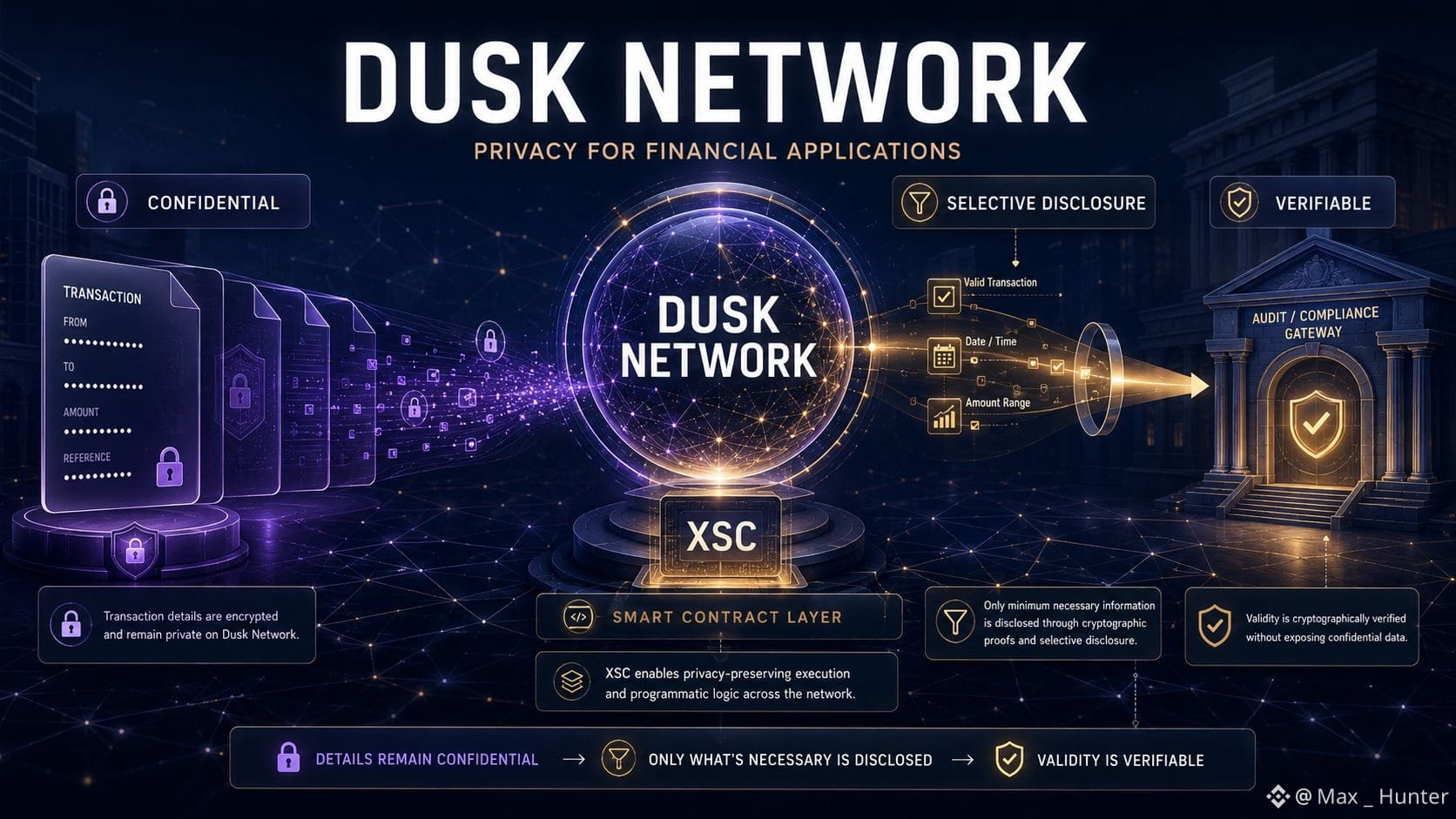
このネットワークは機密スマートコントラクトと、その「Confidential Security Contract(XSC)」標準を使用しています。平たく言えば、人や組織がオンチェーン上で金融資産を移動しつつ、すべての機微な詳細を誰にでも見える形にしないことが可能になる、ということです。これは、実際の金融記録や事業情報が関わる場合には特に納得できます。
それでも、Dusk Networkにとって難しい部分は、プライバシーと説明責任が交わるところから始まると思います。金融機関には機密性が必要ですが、一方で監査、コンプライアンス確認、そして法的な開示要件にも対応しなければなりません。誰が保護された情報を閲覧できるのか、アクセスはどのように付与されるのか、そして利用者がそれらのルールを明確に検証できるのかを、正確に理解したいです。
より大きなDusk Networkのビジョンに比べれば、これは小さな技術的な細部のように感じます。しかしこうした細部こそが、ブロックチェーンが暗号ネイティブの外側で機能するかどうかを左右することがよくあります。プライバシーは理論上は魅力的です。新たな信頼の前提を生み出さずに、それを現実のものにするのが、より難しい課題です。
Dusk Networkについて私は、すぐに考えが変わるようなことはありません。ただ、これまでよりも今は、私が注目している対象が変わるだけです。
#dusk $DUSK @Dusk
このネットワークは機密スマートコントラクトと、その「Confidential Security Contract(XSC)」標準を使用しています。平たく言えば、人や組織がオンチェーン上で金融資産を移動しつつ、すべての機微な詳細を誰にでも見える形にしないことが可能になる、ということです。これは、実際の金融記録や事業情報が関わる場合には特に納得できます。
それでも、Dusk Networkにとって難しい部分は、プライバシーと説明責任が交わるところから始まると思います。金融機関には機密性が必要ですが、一方で監査、コンプライアンス確認、そして法的な開示要件にも対応しなければなりません。誰が保護された情報を閲覧できるのか、アクセスはどのように付与されるのか、そして利用者がそれらのルールを明確に検証できるのかを、正確に理解したいです。
より大きなDusk Networkのビジョンに比べれば、これは小さな技術的な細部のように感じます。しかしこうした細部こそが、ブロックチェーンが暗号ネイティブの外側で機能するかどうかを左右することがよくあります。プライバシーは理論上は魅力的です。新たな信頼の前提を生み出さずに、それを現実のものにするのが、より難しい課題です。
Dusk Networkについて私は、すぐに考えが変わるようなことはありません。ただ、これまでよりも今は、私が注目している対象が変わるだけです。
#dusk $DUSK @Dusk
確認済み
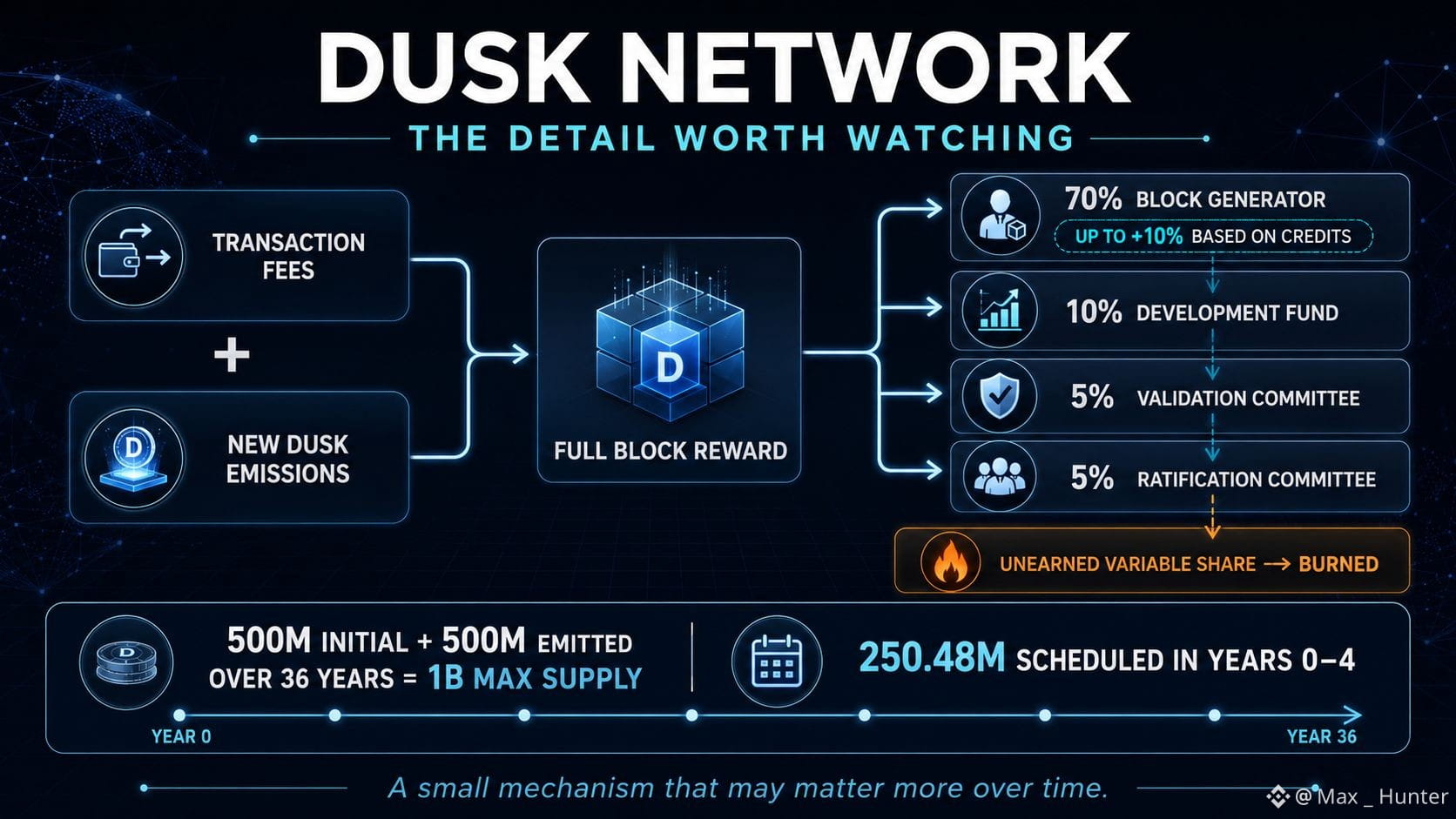
Dusk Networkのトークノミクスを読み進める中で、ある一点が私の足を止めました。最大供給量でも、長いエミッション(放出)スケジュールでもありませんでした。注目したのは、Dusk Networkがトランザクション手数料を扱う方法です。
手数料を別枠として扱うのではなく、ネットワークは新たに発行されるDUSKにそれらを加え、すべてを1つのブロック報酬として配布します。ブロック生成者は70%を受け取り、さらにクレジットによってもう10%を得られる可能性があります。開発基金は10%で、検証委員会と承認(ratification)委員会はそれぞれ5%です。
紙の上ではシンプルに見えます。私が見守っているのは、ブロック生成者が追加の10%を満額得られなかった場合に何が起きるのか、という点です。残った分は焼却(バーン)されます。ルール自体は理解していますが、Dusk Network上で活動している際にそれがどれくらいの頻度で起こりそうか、明確な感触を見つけられませんでした。
これは注目に値すると思います。というのも、Dusk Networkは最初に5億DUSKから始まり、今後36年間でさらに5億DUSKを放出する計画だからです。最初の4年間だけでも、およそ2億4,480万DUSKが予定されています。
焼却される量はブロック単位では重要でないように見えるかもしれませんが、長いエミッション期間を通じては、小さな差が積み重なって大きくなり得ます。
ここに書かれている内容は、私の見解を直ちに変えるものではありません。ただ、これから私が見ているポイントを変えるだけです。
#dusk $DUSK @Dusk
手数料を別枠として扱うのではなく、ネットワークは新たに発行されるDUSKにそれらを加え、すべてを1つのブロック報酬として配布します。ブロック生成者は70%を受け取り、さらにクレジットによってもう10%を得られる可能性があります。開発基金は10%で、検証委員会と承認(ratification)委員会はそれぞれ5%です。
紙の上ではシンプルに見えます。私が見守っているのは、ブロック生成者が追加の10%を満額得られなかった場合に何が起きるのか、という点です。残った分は焼却(バーン)されます。ルール自体は理解していますが、Dusk Network上で活動している際にそれがどれくらいの頻度で起こりそうか、明確な感触を見つけられませんでした。
これは注目に値すると思います。というのも、Dusk Networkは最初に5億DUSKから始まり、今後36年間でさらに5億DUSKを放出する計画だからです。最初の4年間だけでも、およそ2億4,480万DUSKが予定されています。
焼却される量はブロック単位では重要でないように見えるかもしれませんが、長いエミッション期間を通じては、小さな差が積み重なって大きくなり得ます。
ここに書かれている内容は、私の見解を直ちに変えるものではありません。ただ、これから私が見ているポイントを変えるだけです。
#dusk $DUSK @Dusk
確認済み
プライバシーと機密性の高いスマートコントラクトに注目しようと思って、Dusk Networkのドキュメントを開きました。ところが、ブロック報酬に含まれる小さな一つの要素が、気になってしまいました。
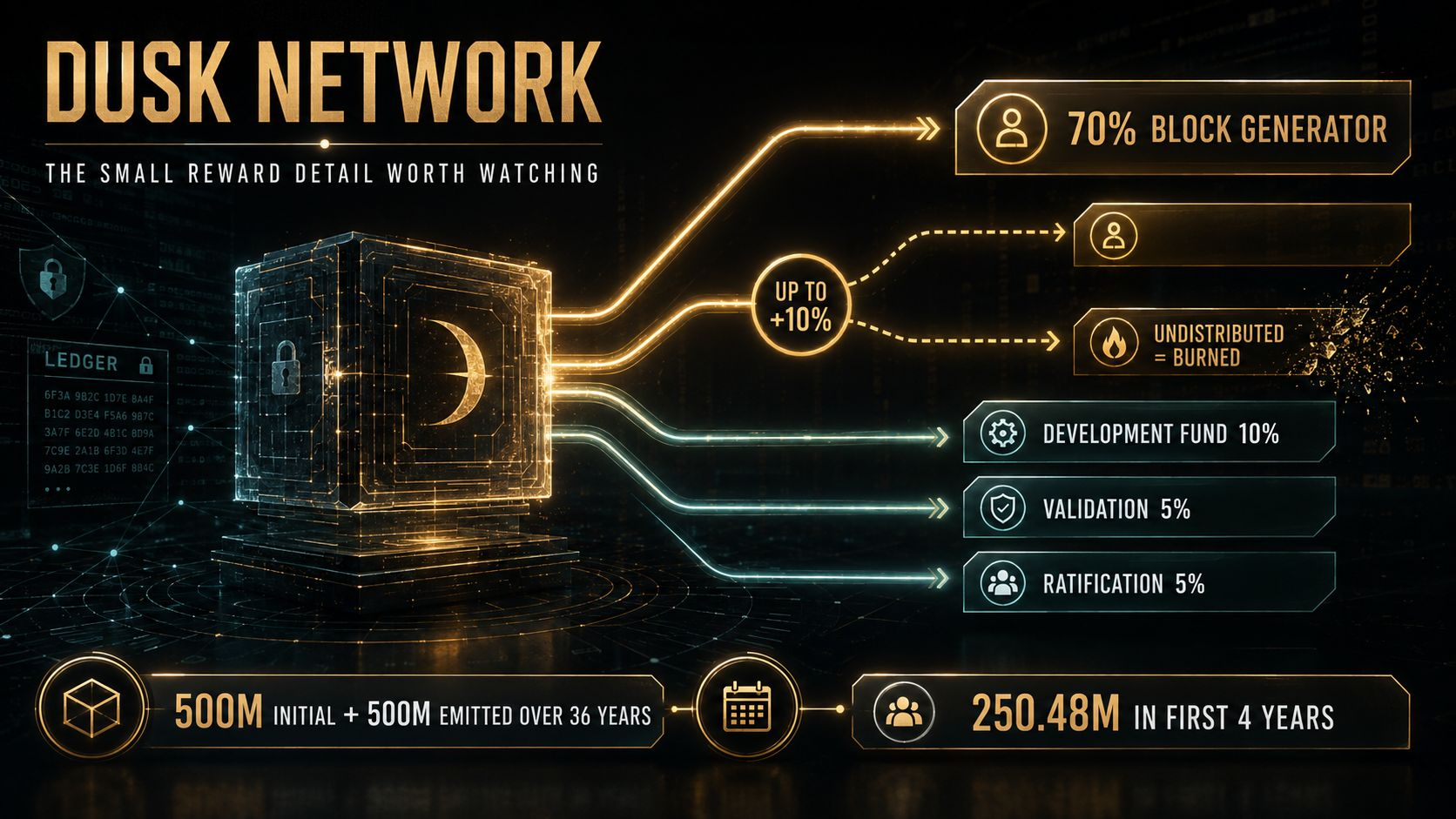
Dusk Networkでは、ブロック生成者が報酬の70%を受け取り、さらにブロック証明書に含まれるクレジットに応じて追加で10%を得られます。そして、その追加分が完全に分配されなかった場合、残りは焼却されます。
仕組みは単純に見えるのですが、私には一つ疑問が残りました。これが時間の経過とともにどうなっていくのか? こうして焼却されるDUSKの累計(ランニングトータル)や、生成者が追加分を満額受け取る頻度が見つかりませんでした。
残りは追いやすいです。Dusk Networkは開発基金に10%を振り向け、検証・承認の各委員会にはそれぞれ5%が配分されます。
供給計画は、まず5億DUSKから始まり、さらに36年間でさらに5億DUSKが追加されます。最初の4年間の放出期間には約2億5,048万DUSKが予定されています。
Dusk Networkが掲げる、プライバシー重視の金融インフラを構築するという大きな目標の横にある小さな細部のように感じます。それでも、ブロックが一つ、また一つと積み重なることで、一般に人々が口にするスケジュールどおりの供給量と実際の供給量が変わってくるかもしれません。ここでは、私の見方は今すぐは変わりません。変わるのは、今私が注目している対象だけです。
#dusk @Dusk $DUSK
Dusk Networkでは、ブロック生成者が報酬の70%を受け取り、さらにブロック証明書に含まれるクレジットに応じて追加で10%を得られます。そして、その追加分が完全に分配されなかった場合、残りは焼却されます。
仕組みは単純に見えるのですが、私には一つ疑問が残りました。これが時間の経過とともにどうなっていくのか? こうして焼却されるDUSKの累計(ランニングトータル)や、生成者が追加分を満額受け取る頻度が見つかりませんでした。
残りは追いやすいです。Dusk Networkは開発基金に10%を振り向け、検証・承認の各委員会にはそれぞれ5%が配分されます。
供給計画は、まず5億DUSKから始まり、さらに36年間でさらに5億DUSKが追加されます。最初の4年間の放出期間には約2億5,048万DUSKが予定されています。
Dusk Networkが掲げる、プライバシー重視の金融インフラを構築するという大きな目標の横にある小さな細部のように感じます。それでも、ブロックが一つ、また一つと積み重なることで、一般に人々が口にするスケジュールどおりの供給量と実際の供給量が変わってくるかもしれません。ここでは、私の見方は今すぐは変わりません。変わるのは、今私が注目している対象だけです。
#dusk @Dusk $DUSK
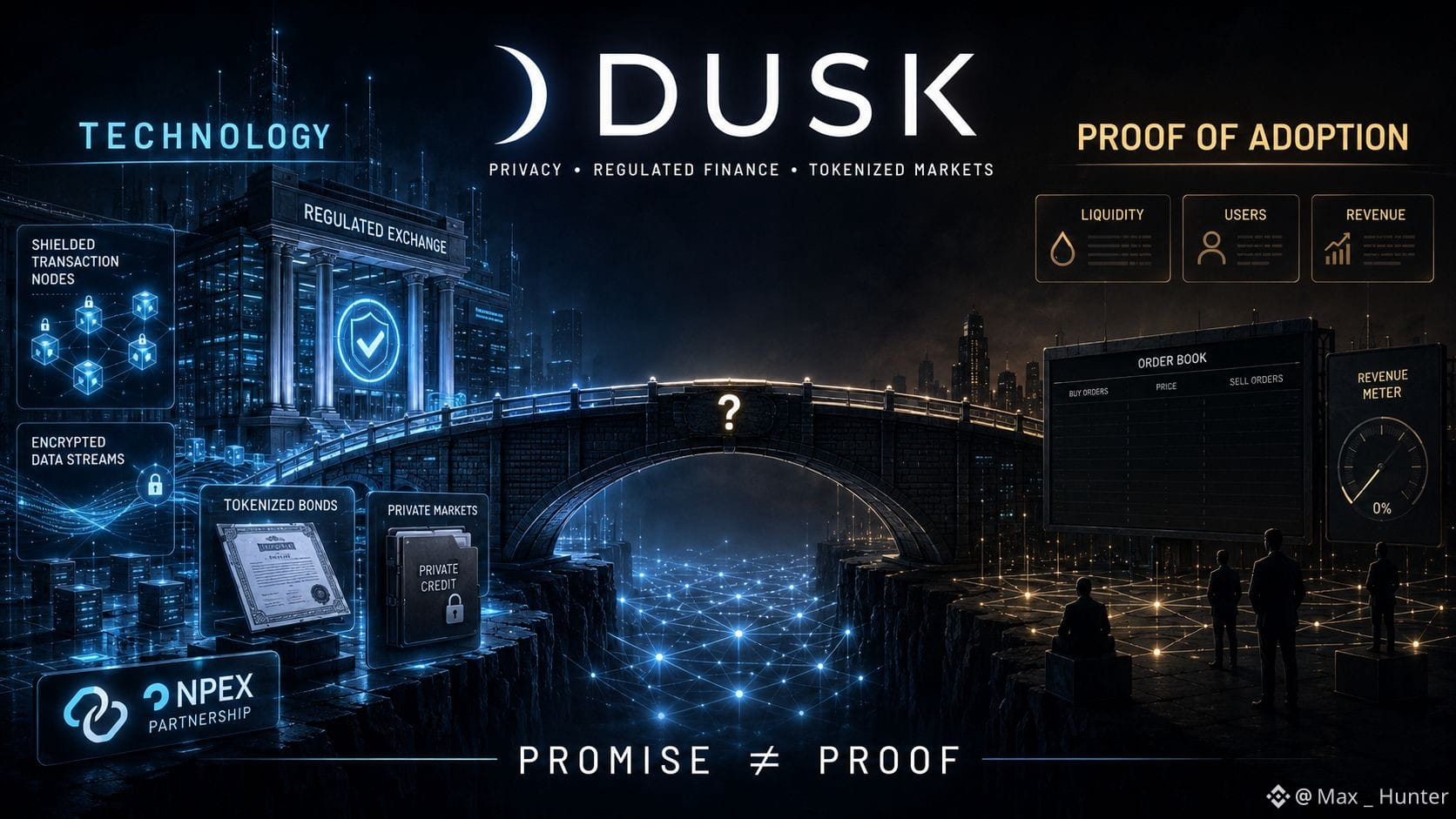
Dusk Networkは、背後にある発想が実際に筋が通っているので、私の関心を引き続けています。プライバシーは、オンチェーン上で実際の金融資産が動くときに「あると便利な機能」にとどまらず、不可欠になり得ます。Duskは秘密計算(コンフィデンシャル)スマートコントラクトと、規制された金融のための基盤を作っています。これにより、話題性を追いかけるだけの別のチェーンよりも、$DUSK aにはっきりとした明確な目的が生まれています。私が今気にしているのは、その技術が本物のアプリケーション、本物のユーザー、そして本物の活動につながっていくかどうかです。そこが私の注目ポイントです。
#dusk @Dusk $DUSK
#dusk @Dusk $DUSK
確認済み
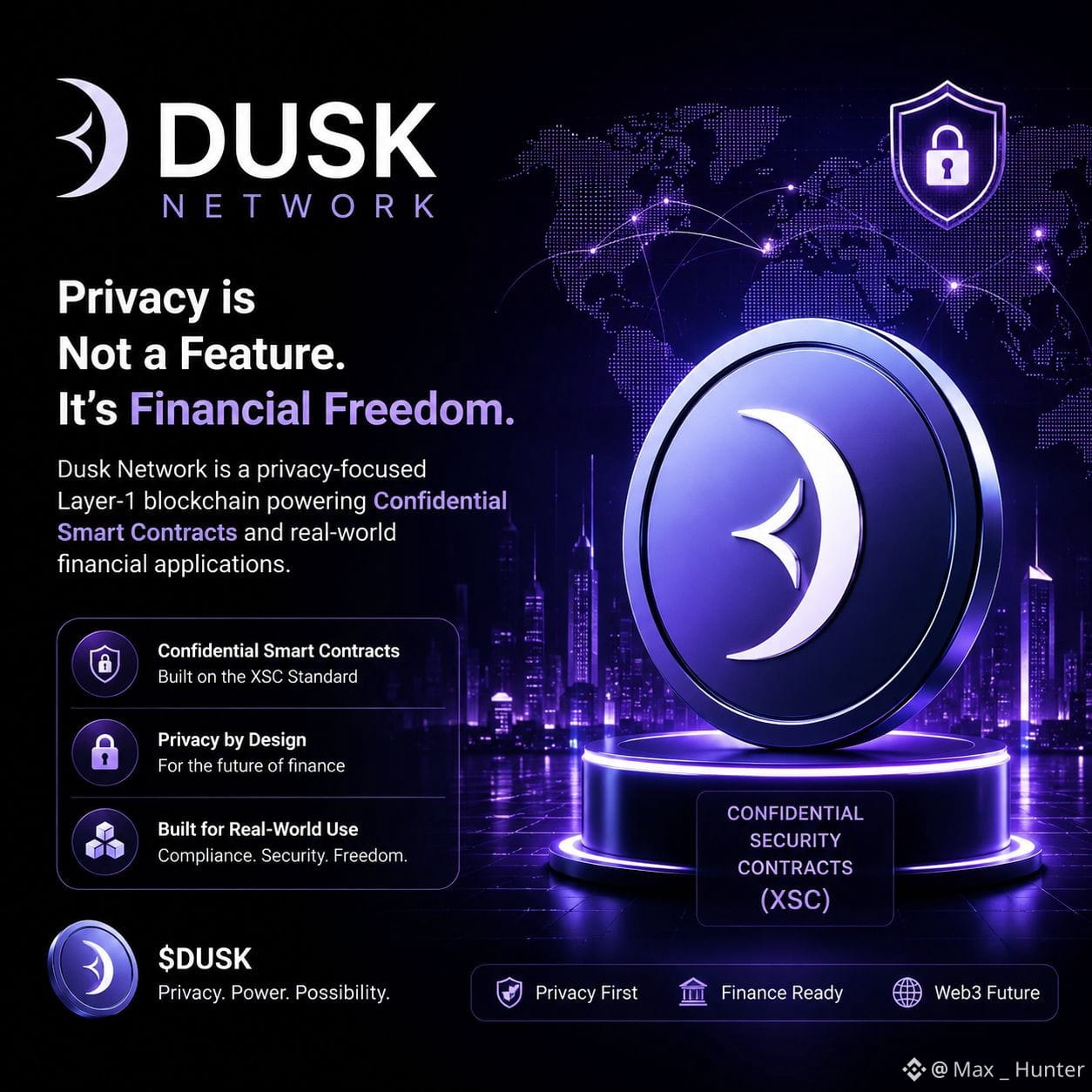
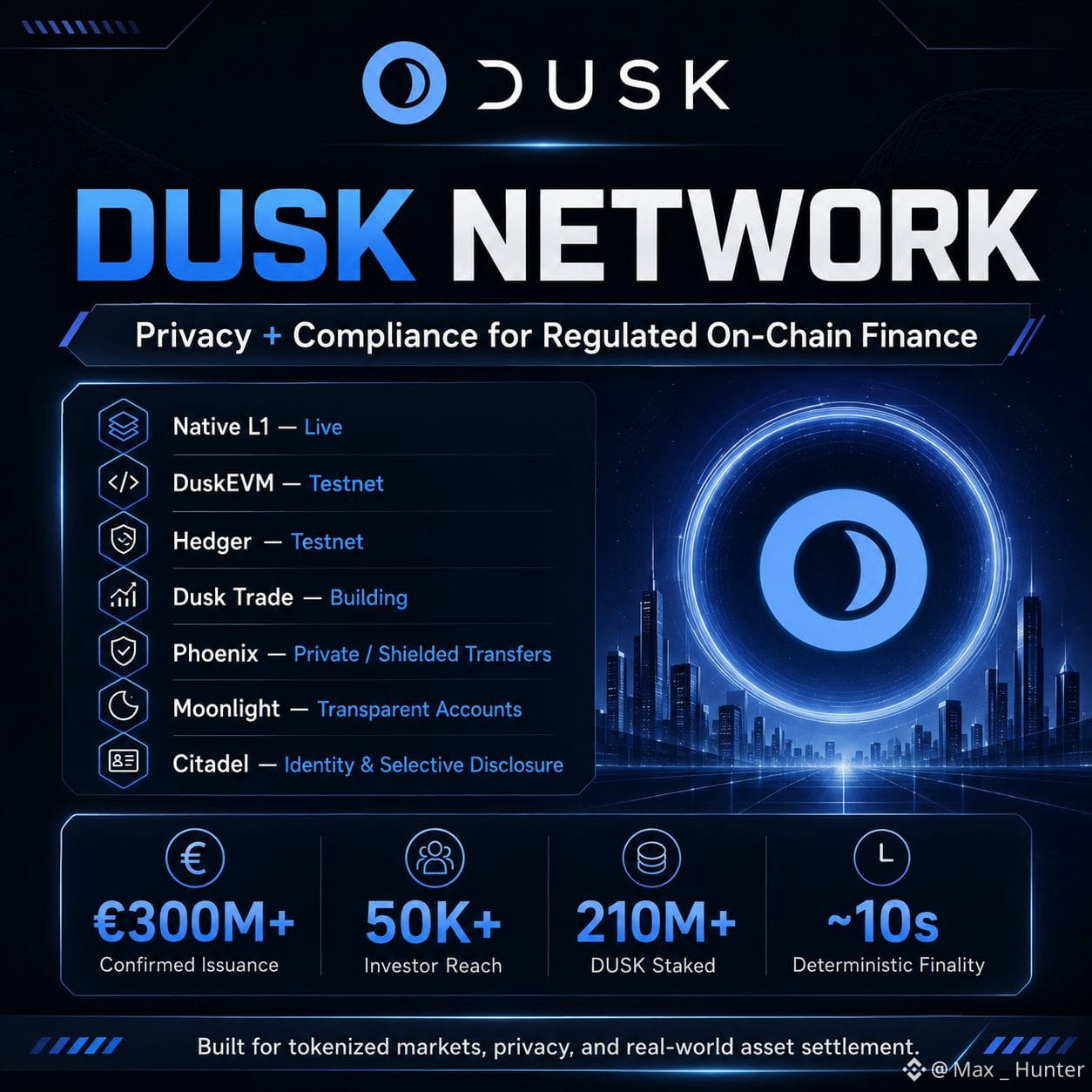
$DUSK は、かつてのXSC中心の物語をはるかに超えて進化しています。
現在、Duskは規制されたオンチェーン・ファイナンスのためのより幅広いインフラ・スタックを構築しており、プライバシー、コンプライアンス、アイデンティティ、そして現実世界の資産決済を1つのエコシステムに統合しています。
🔹 Dusk L1 ライブ
🔹 DuskEVM テストネット
🔹 Phoenix 非公開/シールド送金
🔹 Moonlight 透明な取引
🔹 Citadel アイデンティティ & 選択的開示
🔹 Zedger/Hedger 規制された資産インフラ
🔹 Dusk Trade 開発中
ネットワークは、確定発行額が€300M+、投資家リーチが50K+、DUSKのステークが210M+、そして約10秒の決定論的ファイナリティを報告しています。
$DUSK にとってのより大きなビジョンは明確です。金融プライバシーやコンプライアンスを損なうことなく、株式、債券、その他の規制対象の現実世界資産をオンチェーン化すること。
@Dusk #dusk $DUSK
現在、Duskは規制されたオンチェーン・ファイナンスのためのより幅広いインフラ・スタックを構築しており、プライバシー、コンプライアンス、アイデンティティ、そして現実世界の資産決済を1つのエコシステムに統合しています。
🔹 Dusk L1 ライブ
🔹 DuskEVM テストネット
🔹 Phoenix 非公開/シールド送金
🔹 Moonlight 透明な取引
🔹 Citadel アイデンティティ & 選択的開示
🔹 Zedger/Hedger 規制された資産インフラ
🔹 Dusk Trade 開発中
ネットワークは、確定発行額が€300M+、投資家リーチが50K+、DUSKのステークが210M+、そして約10秒の決定論的ファイナリティを報告しています。
$DUSK にとってのより大きなビジョンは明確です。金融プライバシーやコンプライアンスを損なうことなく、株式、債券、その他の規制対象の現実世界資産をオンチェーン化すること。
@Dusk #dusk $DUSK
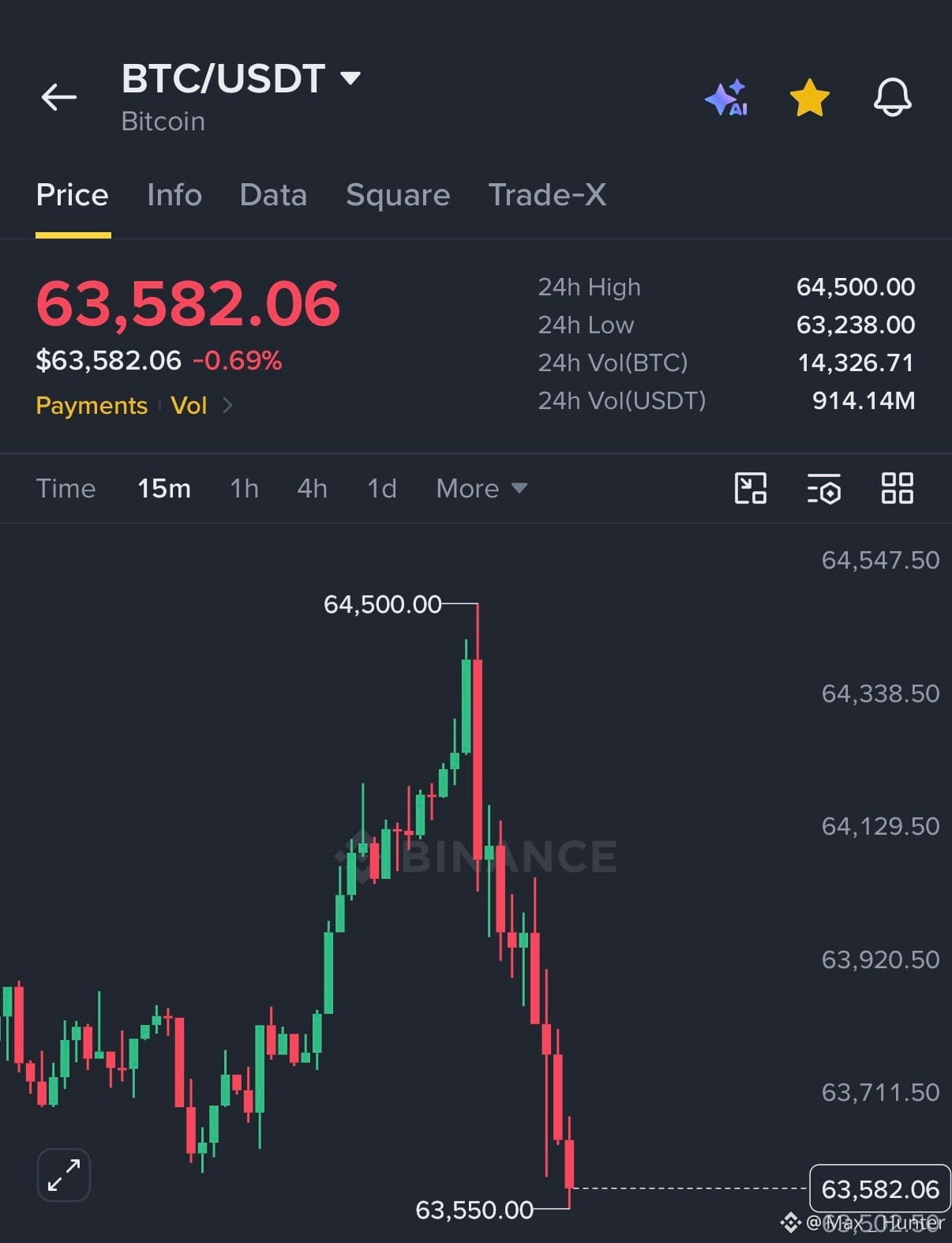
#USJulyCPI&PPIDueThisWeek #DogecoinLeadsMajorsUpNearly3% #CFTCOrdersKalshiToKeepOperating ドバイに行く必要があるのですか?ビットコインのチャートでバージュ・カリファを見られるのに。$BTC
36秒間作業しました
品目別の数値は最新のFRED/BLSデータと一致します。全乳は2026年7月に1ガロンあたり$4.313で、2019年7月の$3.031から約+42.3%です。骨なし鶏むね肉は、1ポンドあたり$4.153で、$2.975から約+39.6%です。
注意点が1つあります。FRED自身が、これらの平均価格シリーズは特定の月の価格水準を比較するのに適している一方、CPI指数は時間を通じた物価の変化を測るのにより適していると述べています。また、全体として「食料品の買い出し(grocery run)」が40%以上高くなっているという、より大きな主張についての公式のセントルイス連銀(St. Louis Fed)ソースを確認できなかったため、その正確なバスケット(買い物かご)主張を、元の出典なしに連銀のものだと断定するのは避けます。$TUT $BEAT
品目別の数値は最新のFRED/BLSデータと一致します。全乳は2026年7月に1ガロンあたり$4.313で、2019年7月の$3.031から約+42.3%です。骨なし鶏むね肉は、1ポンドあたり$4.153で、$2.975から約+39.6%です。
注意点が1つあります。FRED自身が、これらの平均価格シリーズは特定の月の価格水準を比較するのに適している一方、CPI指数は時間を通じた物価の変化を測るのにより適していると述べています。また、全体として「食料品の買い出し(grocery run)」が40%以上高くなっているという、より大きな主張についての公式のセントルイス連銀(St. Louis Fed)ソースを確認できなかったため、その正確なバスケット(買い物かご)主張を、元の出典なしに連銀のものだと断定するのは避けます。$TUT $BEAT


$BEAT は、$1.12102付近で約$2.6961Kのショートリクイデーションが起きた後、強気の勢いを示しています。ショーツが現在の反応エリア付近でスクイーズされるにつれ、買い手が支配権を強めています。
EP
1.110–1.125
TP
TP1 1.145
TP2 1.175
TP3 1.210
SL
1.090
最近の構造の上方で流動性が積み上がっており、買い手はリクイデーション領域を守り続けています。サポートが維持される限り、高い流動性に向けた強気の継続が引き続き優勢です。
さあ行こう $BEAT
EP
1.110–1.125
TP
TP1 1.145
TP2 1.175
TP3 1.210
SL
1.090
最近の構造の上方で流動性が積み上がっており、買い手はリクイデーション領域を守り続けています。サポートが維持される限り、高い流動性に向けた強気の継続が引き続き優勢です。
さあ行こう $BEAT
$ETH は、約1887.84ドル付近での7.4815Kドルのショート清算後に強気の勢いを示しています。ショーツが現在の反応ゾーン付近でスクイーズされる中、買い手は依然として活発です。
EP
1880–1890
TP
TP1 1905
TP2 1925
TP3 1950
SL
1865
最近の高値を上回って流動性が形成されつつあり、価格はショート清算の領域付近でサポートされています。買い手が現行の構造を防衛している限り、強気の勢いは維持され、より高い流動性へ向けた継続が有利です。
Let’s go $ETH
EP
1880–1890
TP
TP1 1905
TP2 1925
TP3 1950
SL
1865
最近の高値を上回って流動性が形成されつつあり、価格はショート清算の領域付近でサポートされています。買い手が現行の構造を防衛している限り、強気の勢いは維持され、より高い流動性へ向けた継続が有利です。
Let’s go $ETH
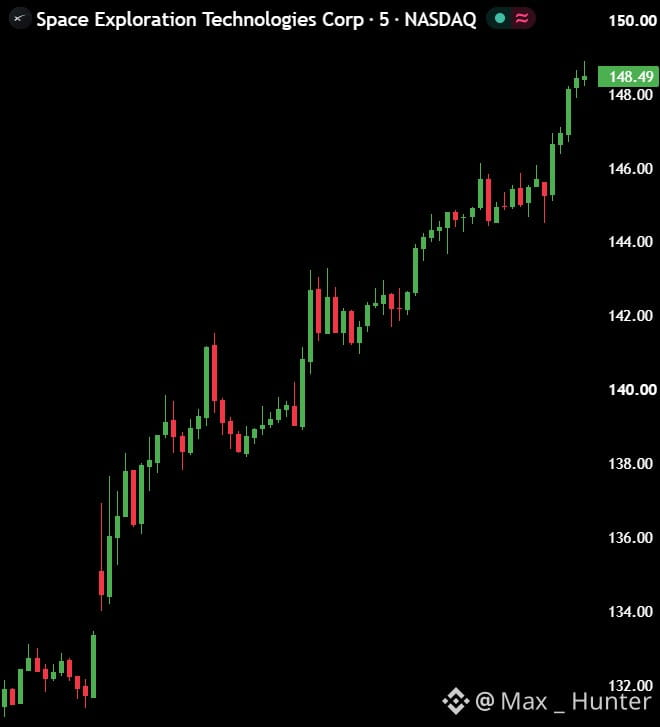
$SKHY は、$146.09付近で約$1.5588Kのショート・リクイデーションが発生した後、強気のモメンタムを示しています。売り圧が現在の反応ゾーン付近で吸収されるにつれて、買い手の勢いが強まっています。
EP
145.20–146.50
TP
TP1 148.50
TP2 151.50
TP3 155.00
SL
143.00
価格がショート・リクイデーションの領域付近で維持され続ける一方で、流動性が直近の構造の上に形成されています。買い手がサポートを守る限り、強気の構造は維持され続け、高い流動性に向かう継続が優勢です。
行こう $SKHY
EP
145.20–146.50
TP
TP1 148.50
TP2 151.50
TP3 155.00
SL
143.00
価格がショート・リクイデーションの領域付近で維持され続ける一方で、流動性が直近の構造の上に形成されています。買い手がサポートを守る限り、強気の構造は維持され続け、高い流動性に向かう継続が優勢です。
行こう $SKHY
$INX は、約$0.00825のあたりで起きた$8.8476Kのショート清算後、強い強気モメンタムを示しています。ショーツが現在の反応ゾーン付近でスクイーズされる中、買い手は依然として強固に活動的です。
EP
0.00818–0.00828
TP
TP1 0.00840
TP2 0.00858
TP3 0.00880
SL
0.00805
流動性は直近高値の上で構築され続けており、価格はショート清算ゾーン付近の水準を保っています。買い手が現行の構造を守る限り、強気モメンタムは維持され、より高い流動性への継続が見込まれます。
さあ $INX
EP
0.00818–0.00828
TP
TP1 0.00840
TP2 0.00858
TP3 0.00880
SL
0.00805
流動性は直近高値の上で構築され続けており、価格はショート清算ゾーン付近の水準を保っています。買い手が現行の構造を守る限り、強気モメンタムは維持され、より高い流動性への継続が見込まれます。
さあ $INX
$AKE は、$0.00433付近で約$1.0435Kのショートリキッドが発生した後、強気のモメンタムを示しています。ショーツが現在のゾーン付近でスクイーズされるにつれて、買いが勢いを増しています。
EP
0.00428–0.00435
TP
TP1 0.00442
TP2 0.00455
TP3 0.00470
SL
0.00418
最近の構造の上で流動性が形成されており、価格はショート・リキッドの領域付近で維持されています。買い手がサポートを守る限り、上方の流動性に向けた強気の継続が優勢です。
行きましょう $AKE
EP
0.00428–0.00435
TP
TP1 0.00442
TP2 0.00455
TP3 0.00470
SL
0.00418
最近の構造の上で流動性が形成されており、価格はショート・リキッドの領域付近で維持されています。買い手がサポートを守る限り、上方の流動性に向けた強気の継続が優勢です。
行きましょう $AKE
ログインして、さらにコンテンツを読む