
CAI SOREN
7k 投稿

CAI SOREN
 厳選トピック確認済+
Binance Square creator sharing crypto insights and trade setups.
46 フォロー
32.1K+ フォロワー
42.9K+ いいね
投稿
すべて
引用
ライブ
翻訳参照
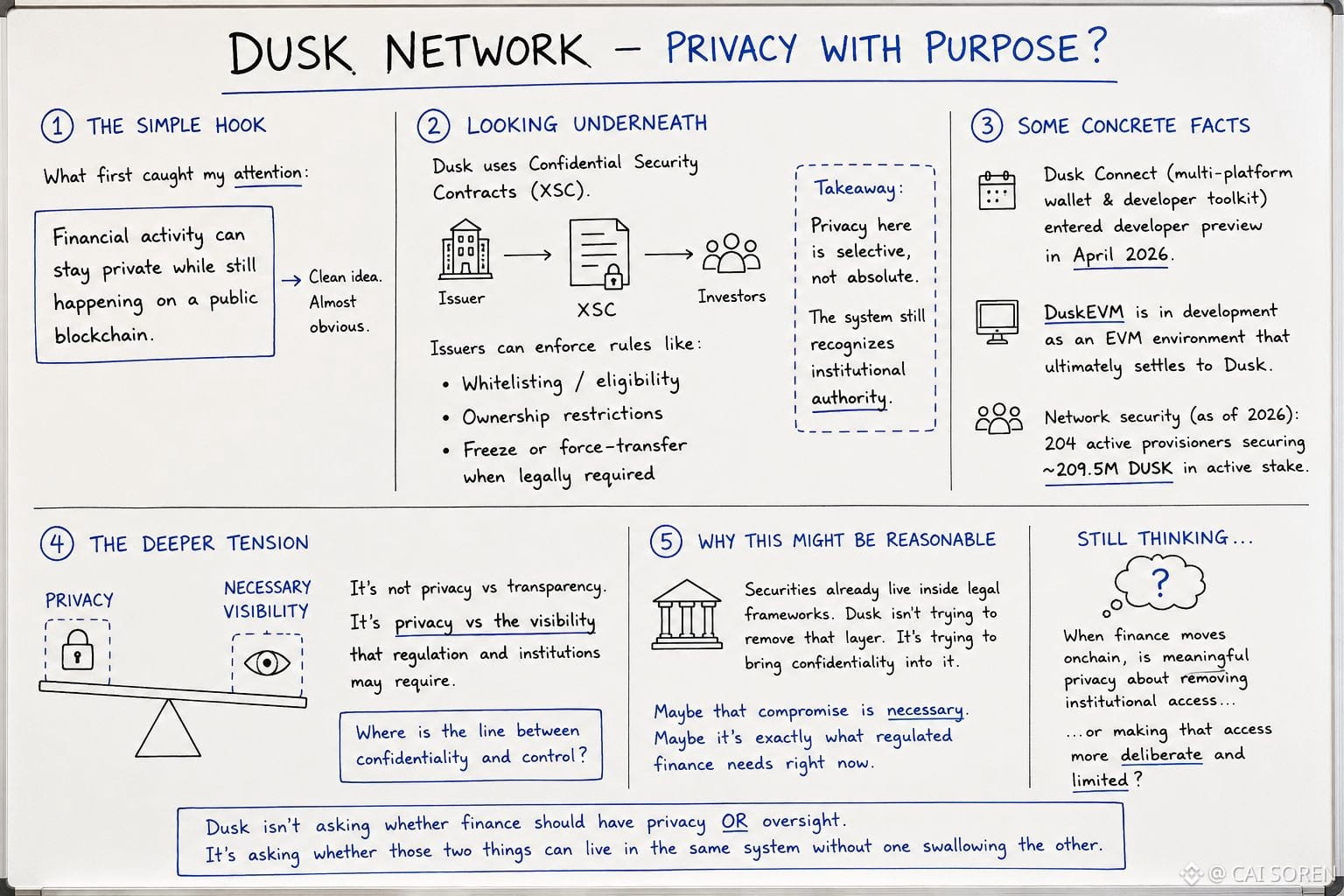
The thing that first caught my attention with Dusk was pretty straightforward: what if financial activity could stay private while still happening on a public blockchain?
Sounds almost too neat.
But the more I read, the more I realized Dusk’s idea of privacy isn’t really about hiding everything from everyone.
With its Confidential Security Contract standard, issuers can still enforce things like investor eligibility and ownership restrictions. There are even situations where securities can be frozen or transferred to satisfy legal requirements.
That detail stuck with me.
Because underneath all the zero-knowledge cryptography, there’s still a human and institutional layer deciding when certain rules need to be enforced.
And maybe that’s completely reasonable.
Dusk is aiming at regulated financial assets, not some imaginary market where laws and institutions suddenly disappear because settlement happens onchain. Its infrastructure has also continued developing, from Dusk Connect entering developer preview in April 2026 to the work around DuskEVM.
So I think I was looking at the wrong tension initially.
It’s not really privacy versus transparency.
It’s privacy versus necessary visibility.
And I’m still wondering where that line eventually gets drawn.
When finance moves onchain, is meaningful privacy about removing institutional access altogether — or simply making that access more deliberate and limited?
@Dusk #dusk $DUSK
Sounds almost too neat.
But the more I read, the more I realized Dusk’s idea of privacy isn’t really about hiding everything from everyone.
With its Confidential Security Contract standard, issuers can still enforce things like investor eligibility and ownership restrictions. There are even situations where securities can be frozen or transferred to satisfy legal requirements.
That detail stuck with me.
Because underneath all the zero-knowledge cryptography, there’s still a human and institutional layer deciding when certain rules need to be enforced.
And maybe that’s completely reasonable.
Dusk is aiming at regulated financial assets, not some imaginary market where laws and institutions suddenly disappear because settlement happens onchain. Its infrastructure has also continued developing, from Dusk Connect entering developer preview in April 2026 to the work around DuskEVM.
So I think I was looking at the wrong tension initially.
It’s not really privacy versus transparency.
It’s privacy versus necessary visibility.
And I’m still wondering where that line eventually gets drawn.
When finance moves onchain, is meaningful privacy about removing institutional access altogether — or simply making that access more deliberate and limited?
@Dusk #dusk $DUSK
翻訳参照
Been spending a bit more time looking into Dusk, and one thing changed how I see it.
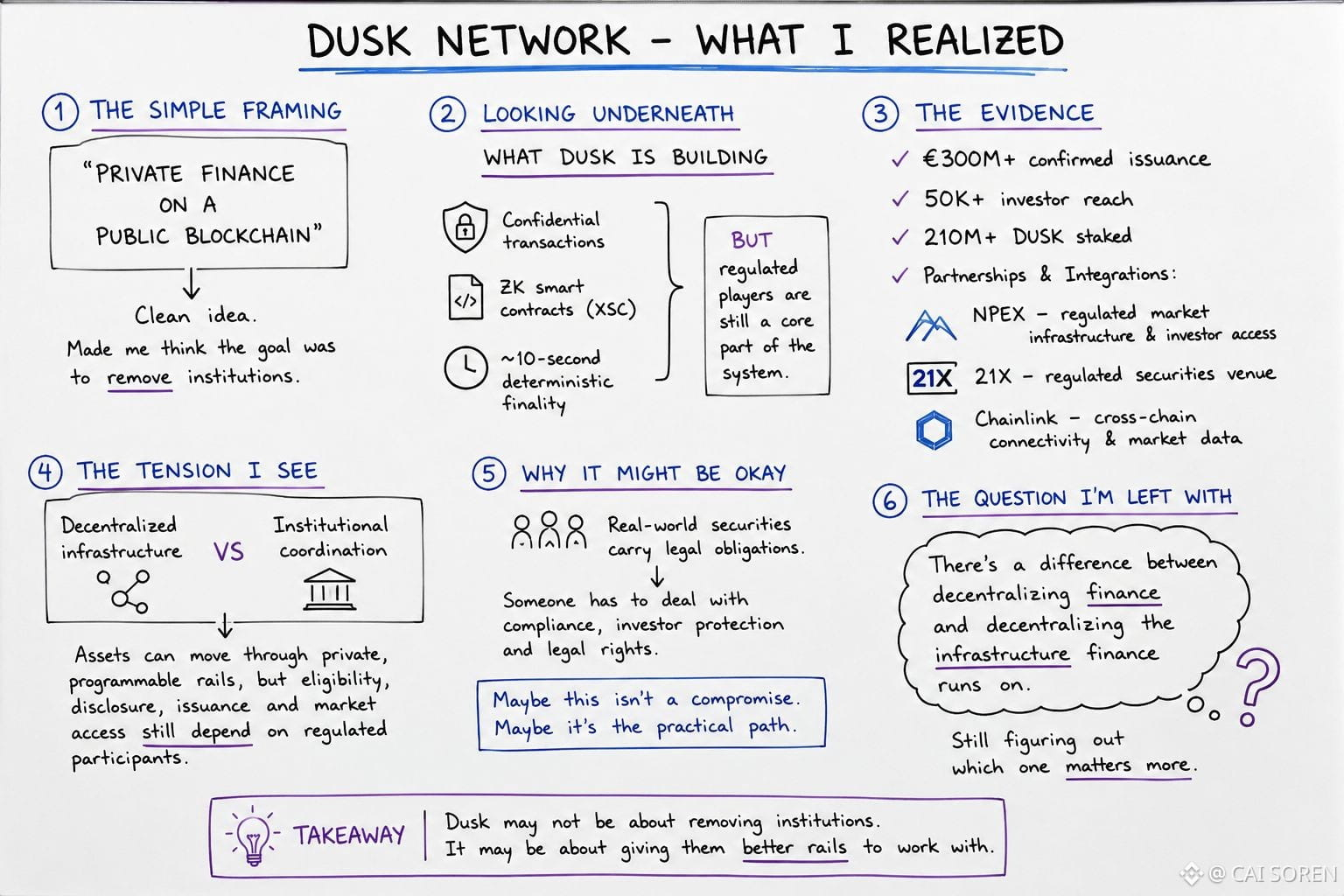
At first, “private finance on a public blockchain” was the part that caught me. Nice idea. But it also made me assume the end goal was to remove a lot of the institutions sitting between investors and assets.
That doesn’t really seem to be the story.
Dusk says it now has €300M+ in confirmed issuance, access to 50K+ investors, and more than 210M DUSK staked.
But look at who sits around that infrastructure.
NPEX provides regulated market infrastructure and investor access. 21X is another regulated securities venue. There are still issuers, operators and rules deciding how real-world securities enter these markets.
So the blockchain isn’t making institutions disappear.
It seems to be changing what we need them for.
And maybe that’s more realistic.
You can make transactions private, settlement faster and ownership programmable, but someone still has to deal with eligibility, legal rights and the messy parts of bringing an actual security onchain.
I don’t think that makes Dusk less interesting. It just changes the question for me.
Maybe decentralizing finance was never about removing every middleman.
Maybe it’s about figuring out which middlemen we actually need — and which parts of their job can quietly move into code.
@Dusk $DUSK #dusk
At first, “private finance on a public blockchain” was the part that caught me. Nice idea. But it also made me assume the end goal was to remove a lot of the institutions sitting between investors and assets.
That doesn’t really seem to be the story.
Dusk says it now has €300M+ in confirmed issuance, access to 50K+ investors, and more than 210M DUSK staked.
But look at who sits around that infrastructure.
NPEX provides regulated market infrastructure and investor access. 21X is another regulated securities venue. There are still issuers, operators and rules deciding how real-world securities enter these markets.
So the blockchain isn’t making institutions disappear.
It seems to be changing what we need them for.
And maybe that’s more realistic.
You can make transactions private, settlement faster and ownership programmable, but someone still has to deal with eligibility, legal rights and the messy parts of bringing an actual security onchain.
I don’t think that makes Dusk less interesting. It just changes the question for me.
Maybe decentralizing finance was never about removing every middleman.
Maybe it’s about figuring out which middlemen we actually need — and which parts of their job can quietly move into code.
@Dusk $DUSK #dusk
$BNB は勢いよく動いています。🔥
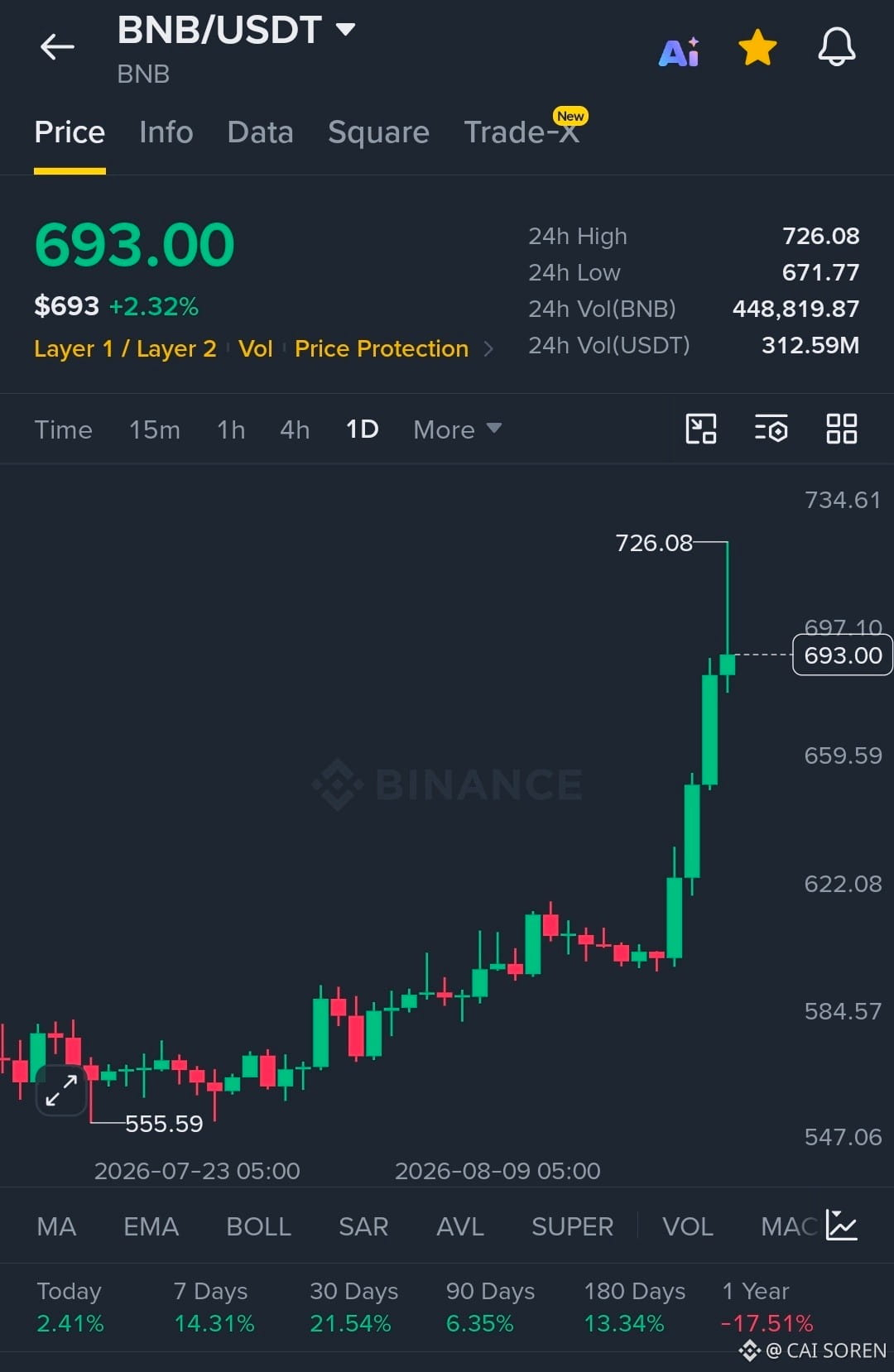
価格:$693(+2.32%)
24H 高値:$726.08
24H 安値:$671.77
出来高:$312.59M
直近の安値である約$555.59から、BNBは$700へ向けて強気に押し上げています。
パフォーマンス:
• 7D:+14.31%
• 30D:+21.54%
• 180D:+13.34%
$726での拒否反応(ブロック)は売り手がまだいることを示していますが、このブレイクアウトの勢いは無視しがたいです。
$700は公式に勝負どころです。👀
価格:$693(+2.32%)
24H 高値:$726.08
24H 安値:$671.77
出来高:$312.59M
直近の安値である約$555.59から、BNBは$700へ向けて強気に押し上げています。
パフォーマンス:
• 7D:+14.31%
• 30D:+21.54%
• 180D:+13.34%
$726での拒否反応(ブロック)は売り手がまだいることを示していますが、このブレイクアウトの勢いは無視しがたいです。
$700は公式に勝負どころです。👀
私がDuskに興味を持ったのは、わりとシンプルな発想からでした。
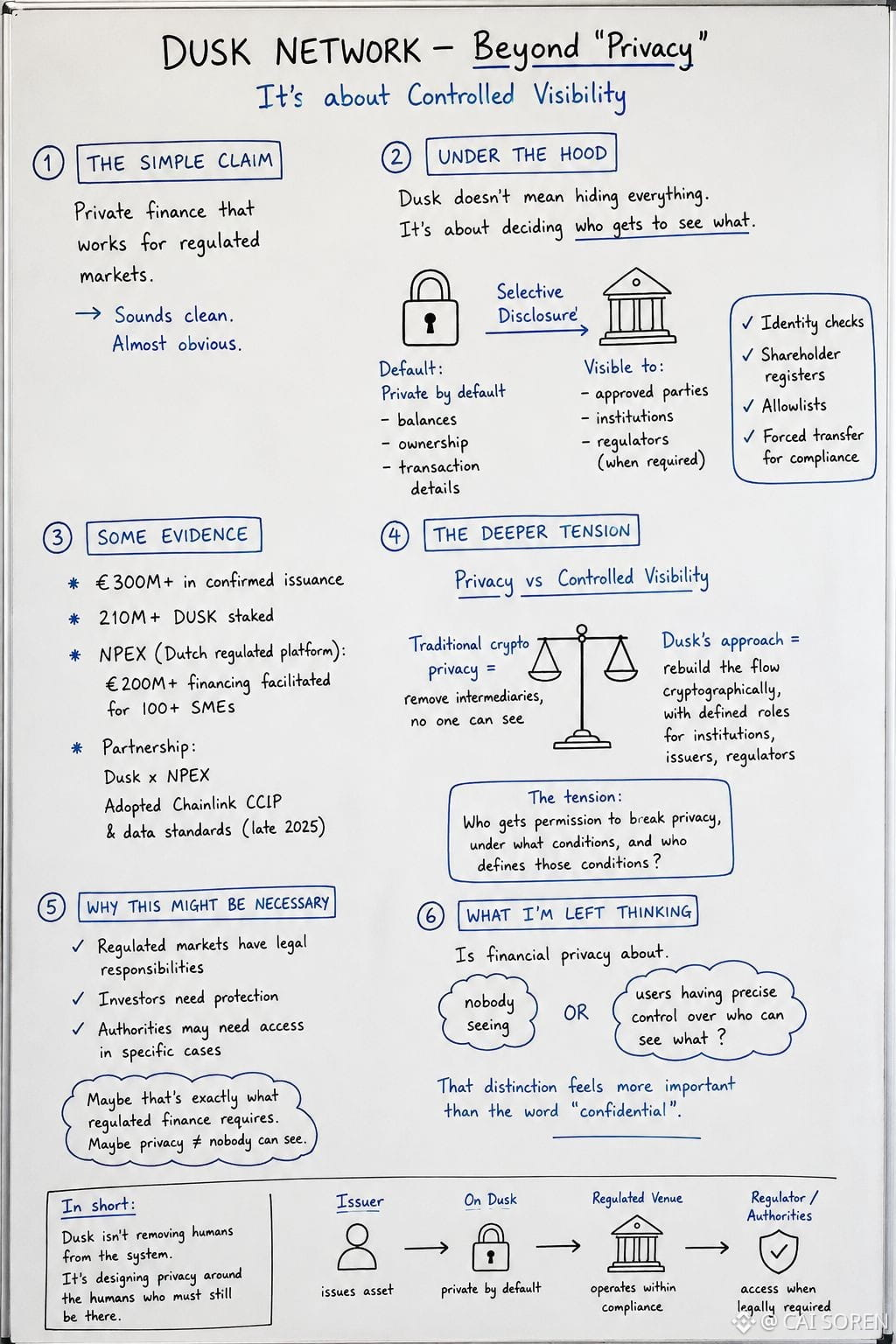
つまり「プライベート・ファイナンス」だが、ルールがまだ存在する市場のためのもの。
最初は、それを別のプライバシーチェーンの売り込みだと解釈しました。取引の詳細を隠し、暗号技術を使い、金融資産をオンチェーンにする。
しかし、ここで言う「プライバシー」が実際に何を意味しているのかを見ると、Duskはさらに面白くなります。
本当のところ「何も誰にも見せない」ことが目的ではありません。
この仕組みは、残高、保有(所有)情報、そして取引の詳細を秘密に保ちつつ、アイデンティティ確認、株主名簿、許可リスト、そして選択的開示といったこともサポートできます。
そしてそれが、私の見方を変えました。
Duskは、確認済みの発行が3億ユーロ超、ステークされているDUSKが2億1000万超だと言っています。より私が惹かれたのはNPEXです。オランダの証券プラットフォームは、100社以上のSMEの資金調達を支援し、200Mユーロ超の資金供給を促進してきました。
つまりDuskは、プライバシーをまったくの空白の中で設計しているわけではありません。すでに法的な責任を負っている機関の周りに、それを組み込もうとしているのです。
そこに緊張感があります。
私たちは通常、ブロックチェーンのプライバシーとは、人々を信頼の方程式から取り除くことだと話します。ですが、規制のある金融では、そのやり方はたぶん難しいでしょう。誰かが、法的に必要とされる場合には、身元を確認し、所有のルールを執行し、情報にアクセスする権限を持つ必要があります。
それでいいのかもしれません。
有用な金融プライバシーが「誰にも見えない」という意味だと、そもそも想定されていなかったのかもしれません。
私はますます、より良い定義はこうではないかと考えるようになっています。
「誰もが見るわけではない」。
そして、より難しい問いは——誰が「誰が見るか」を決めるのか、ということになります。
#dusk @Dusk $DUSK
つまり「プライベート・ファイナンス」だが、ルールがまだ存在する市場のためのもの。
最初は、それを別のプライバシーチェーンの売り込みだと解釈しました。取引の詳細を隠し、暗号技術を使い、金融資産をオンチェーンにする。
しかし、ここで言う「プライバシー」が実際に何を意味しているのかを見ると、Duskはさらに面白くなります。
本当のところ「何も誰にも見せない」ことが目的ではありません。
この仕組みは、残高、保有(所有)情報、そして取引の詳細を秘密に保ちつつ、アイデンティティ確認、株主名簿、許可リスト、そして選択的開示といったこともサポートできます。
そしてそれが、私の見方を変えました。
Duskは、確認済みの発行が3億ユーロ超、ステークされているDUSKが2億1000万超だと言っています。より私が惹かれたのはNPEXです。オランダの証券プラットフォームは、100社以上のSMEの資金調達を支援し、200Mユーロ超の資金供給を促進してきました。
つまりDuskは、プライバシーをまったくの空白の中で設計しているわけではありません。すでに法的な責任を負っている機関の周りに、それを組み込もうとしているのです。
そこに緊張感があります。
私たちは通常、ブロックチェーンのプライバシーとは、人々を信頼の方程式から取り除くことだと話します。ですが、規制のある金融では、そのやり方はたぶん難しいでしょう。誰かが、法的に必要とされる場合には、身元を確認し、所有のルールを執行し、情報にアクセスする権限を持つ必要があります。
それでいいのかもしれません。
有用な金融プライバシーが「誰にも見えない」という意味だと、そもそも想定されていなかったのかもしれません。
私はますます、より良い定義はこうではないかと考えるようになっています。
「誰もが見るわけではない」。
そして、より難しい問いは——誰が「誰が見るか」を決めるのか、ということになります。
#dusk @Dusk $DUSK
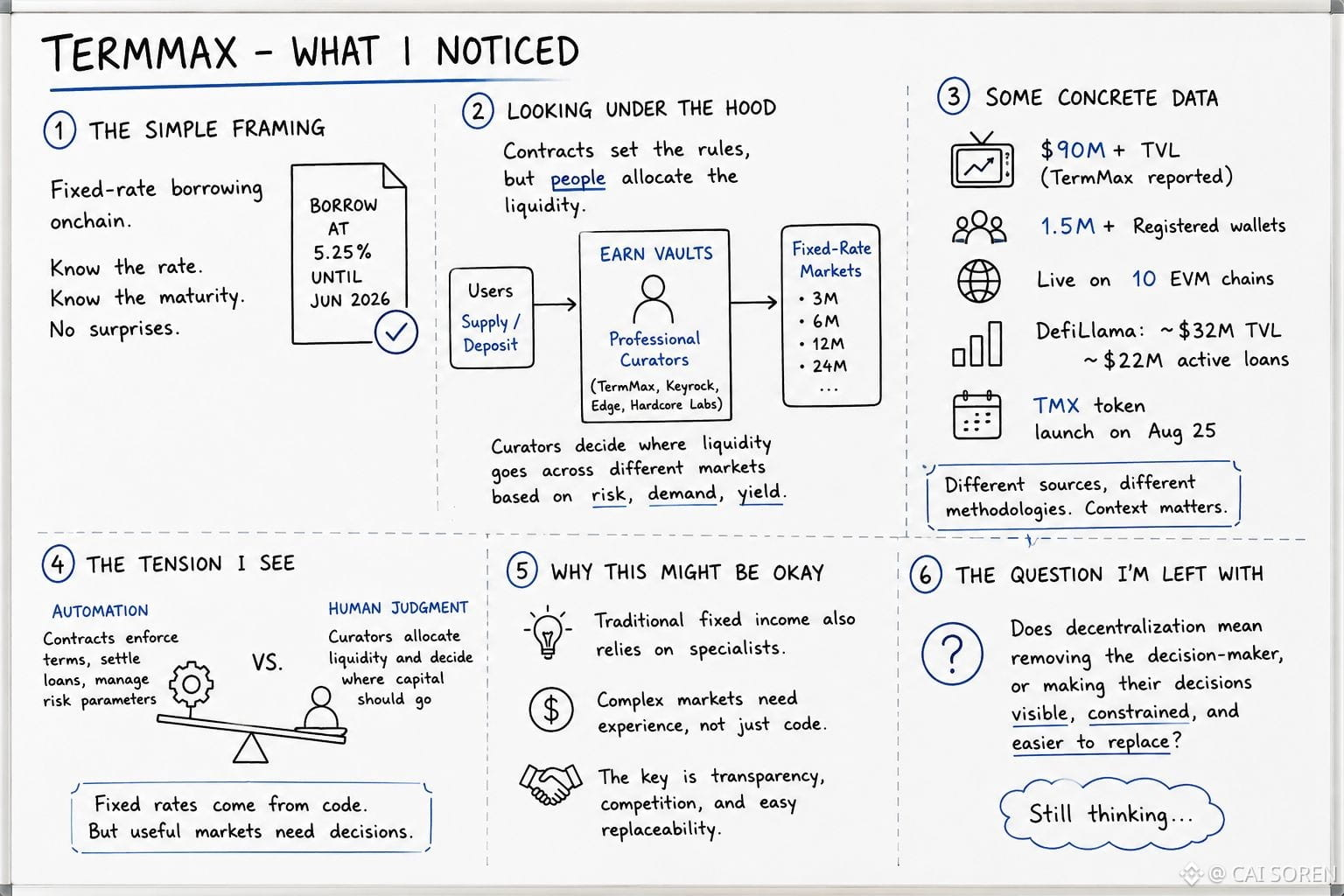
私がTermMaxに惹かれた当初のきっかけは、かなりシンプルでした。オンチェーンでの固定金利ローンです。
金利が分かる。ローンがいつ終わるかも分かる。来週の借入コストがいくらになるのかを推測する必要がありません。
でも、さらに掘り下げていくうちに、私がほとんど見落としていた点に気づきました。
コントラクトは条件を強制できますが、流動性をどこに振り向けるべきかを“自動的に”決めるわけではありません。
TermMaxのEarnボールトは、プロのキュレーターを使って、複数の固定金利市場に資本を配分できます。つまり、その下には依然として非常に人間的なレイヤーがあり、オートメーションの裏側で誰かがリスクや需要、利用可能な利回りを見て判断する必要があります。
TermMaxが成長していくうえで、ここは注目する価値があるように思います。チームは、10のEVMチェーンでTVLが9,000万ドル以上、登録ウォレットが150万以上だと報告しています。一方で、サードパーティのデータを見ると、何をどのように測定するかによって、より小さな見え方になることもあります。
最初は、この人の関与が分散化の物語をやや複雑にしているように見えました。
でも、今はそうとも限らない気がします。
もしかすると、固定利回り市場は、実行はコードが担い、人はより難しい配分判断を引き続き行うほうが、うまく機能するのかもしれません。
私にとって興味深いのは、人間が関与しているかどうかではありません。
人間がどれほど影響を持つのか、その判断がどれだけ見えるのか、そして市場が別の誰かを選びやすいのか——その点です。
#TermMax @TermMax
金利が分かる。ローンがいつ終わるかも分かる。来週の借入コストがいくらになるのかを推測する必要がありません。
でも、さらに掘り下げていくうちに、私がほとんど見落としていた点に気づきました。
コントラクトは条件を強制できますが、流動性をどこに振り向けるべきかを“自動的に”決めるわけではありません。
TermMaxのEarnボールトは、プロのキュレーターを使って、複数の固定金利市場に資本を配分できます。つまり、その下には依然として非常に人間的なレイヤーがあり、オートメーションの裏側で誰かがリスクや需要、利用可能な利回りを見て判断する必要があります。
TermMaxが成長していくうえで、ここは注目する価値があるように思います。チームは、10のEVMチェーンでTVLが9,000万ドル以上、登録ウォレットが150万以上だと報告しています。一方で、サードパーティのデータを見ると、何をどのように測定するかによって、より小さな見え方になることもあります。
最初は、この人の関与が分散化の物語をやや複雑にしているように見えました。
でも、今はそうとも限らない気がします。
もしかすると、固定利回り市場は、実行はコードが担い、人はより難しい配分判断を引き続き行うほうが、うまく機能するのかもしれません。
私にとって興味深いのは、人間が関与しているかどうかではありません。
人間がどれほど影響を持つのか、その判断がどれだけ見えるのか、そして市場が別の誰かを選びやすいのか——その点です。
#TermMax @TermMax
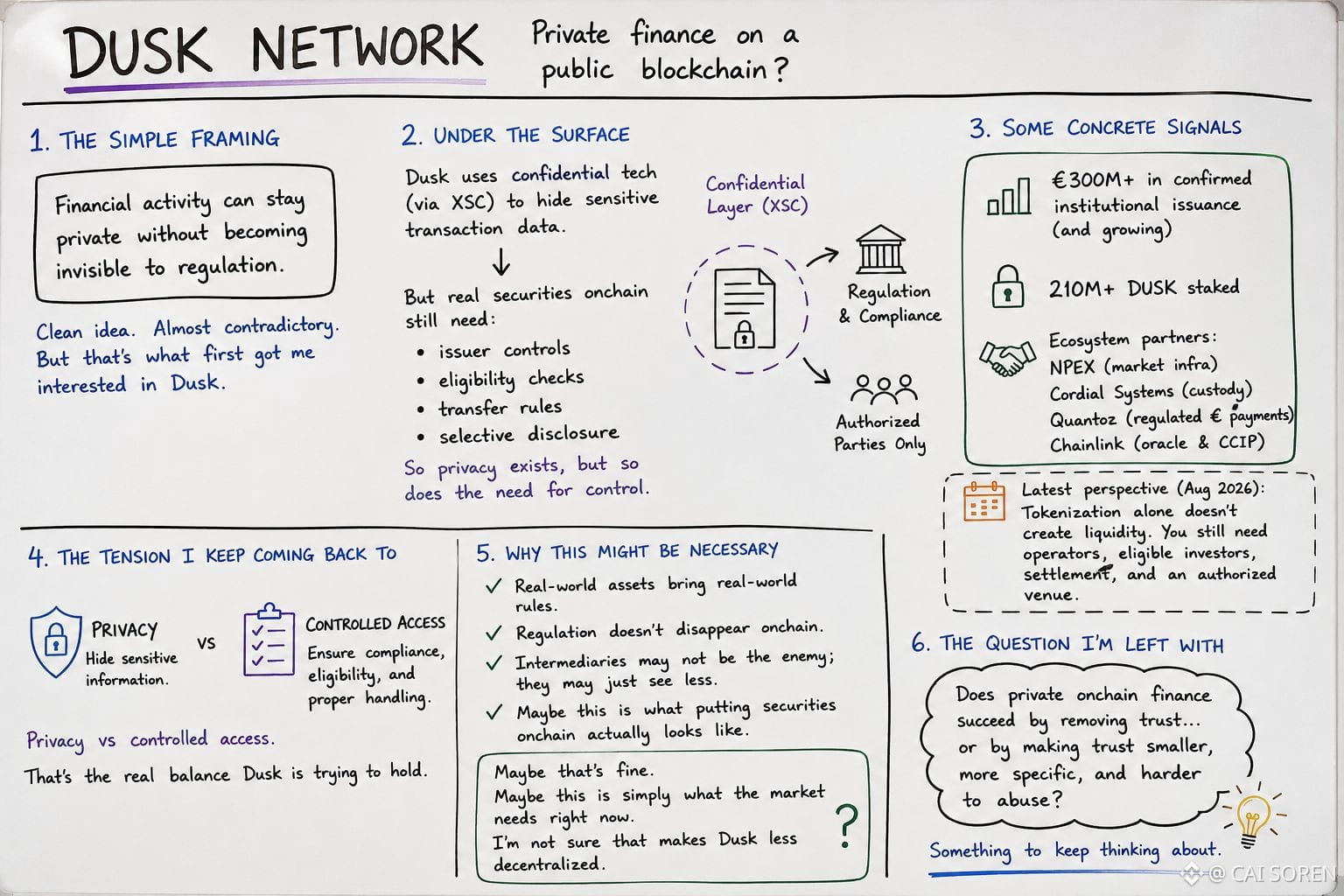
私が最初にDuskに惹かれたのは、かなりシンプルでした。つまり、公的ブロックチェーン上でのプライベート・ファイナンスでありながら、規制の枠組みの中で運用している点です。
一見、ほとんど矛盾しているようにも聞こえます。
でも掘り下げてみて分かったのは、面白いのは実はプライバシー技術そのものではないということ。むしろ、それを成立させるために周囲にまだ必要なもののほうです。
もし実際の有価証券がオンチェーンで動くなら、誰がそれを保有できるのかを、誰かが検証する必要があります。発行体側にも、一定のコントロールがまだ求められます。規制対象の取引所、カストディ、そして決済インフラが、突然消えてなくなるわけではありません。
そしてDuskは、その現実に寄り添っているように見えます。
現在は、確認済みの機関投資家による発行が3億ユーロ超、ステークされたDUSKが2.1億超となっており、NPEX、Cordial Systems、Quantozのような名前は、スタックのさまざまな部分を支える形で登場しています。
それを見て、「ここでいう“プライバシー”が意味するもの」を改めて考え直しました。
たぶん目標は、金融から仲介者を排除することではありません。
むしろ、仲介者が本当に見る必要があるものだけを見られるようにすることなのかもしれません。
すべてを任せることへの信頼と、特定の責任を任せることへの信頼には、大きな違いがあります。
どちらがより分散化されているのかは、私はよく分かりません。そして、そもそもそれが最も有益な問いではないのかもしれません。
それでも私が考え続けているのは、この点です:
プライベートなオンチェーン・ファイナンスは、信頼を取り除くことで成功するのでしょうか。それとも、信頼をより小さく、より具体的に、そして悪用しにくくすることで成功するのでしょうか?
@Dusk $DUSK #dusk
一見、ほとんど矛盾しているようにも聞こえます。
でも掘り下げてみて分かったのは、面白いのは実はプライバシー技術そのものではないということ。むしろ、それを成立させるために周囲にまだ必要なもののほうです。
もし実際の有価証券がオンチェーンで動くなら、誰がそれを保有できるのかを、誰かが検証する必要があります。発行体側にも、一定のコントロールがまだ求められます。規制対象の取引所、カストディ、そして決済インフラが、突然消えてなくなるわけではありません。
そしてDuskは、その現実に寄り添っているように見えます。
現在は、確認済みの機関投資家による発行が3億ユーロ超、ステークされたDUSKが2.1億超となっており、NPEX、Cordial Systems、Quantozのような名前は、スタックのさまざまな部分を支える形で登場しています。
それを見て、「ここでいう“プライバシー”が意味するもの」を改めて考え直しました。
たぶん目標は、金融から仲介者を排除することではありません。
むしろ、仲介者が本当に見る必要があるものだけを見られるようにすることなのかもしれません。
すべてを任せることへの信頼と、特定の責任を任せることへの信頼には、大きな違いがあります。
どちらがより分散化されているのかは、私はよく分かりません。そして、そもそもそれが最も有益な問いではないのかもしれません。
それでも私が考え続けているのは、この点です:
プライベートなオンチェーン・ファイナンスは、信頼を取り除くことで成功するのでしょうか。それとも、信頼をより小さく、より具体的に、そして悪用しにくくすることで成功するのでしょうか?
@Dusk $DUSK #dusk
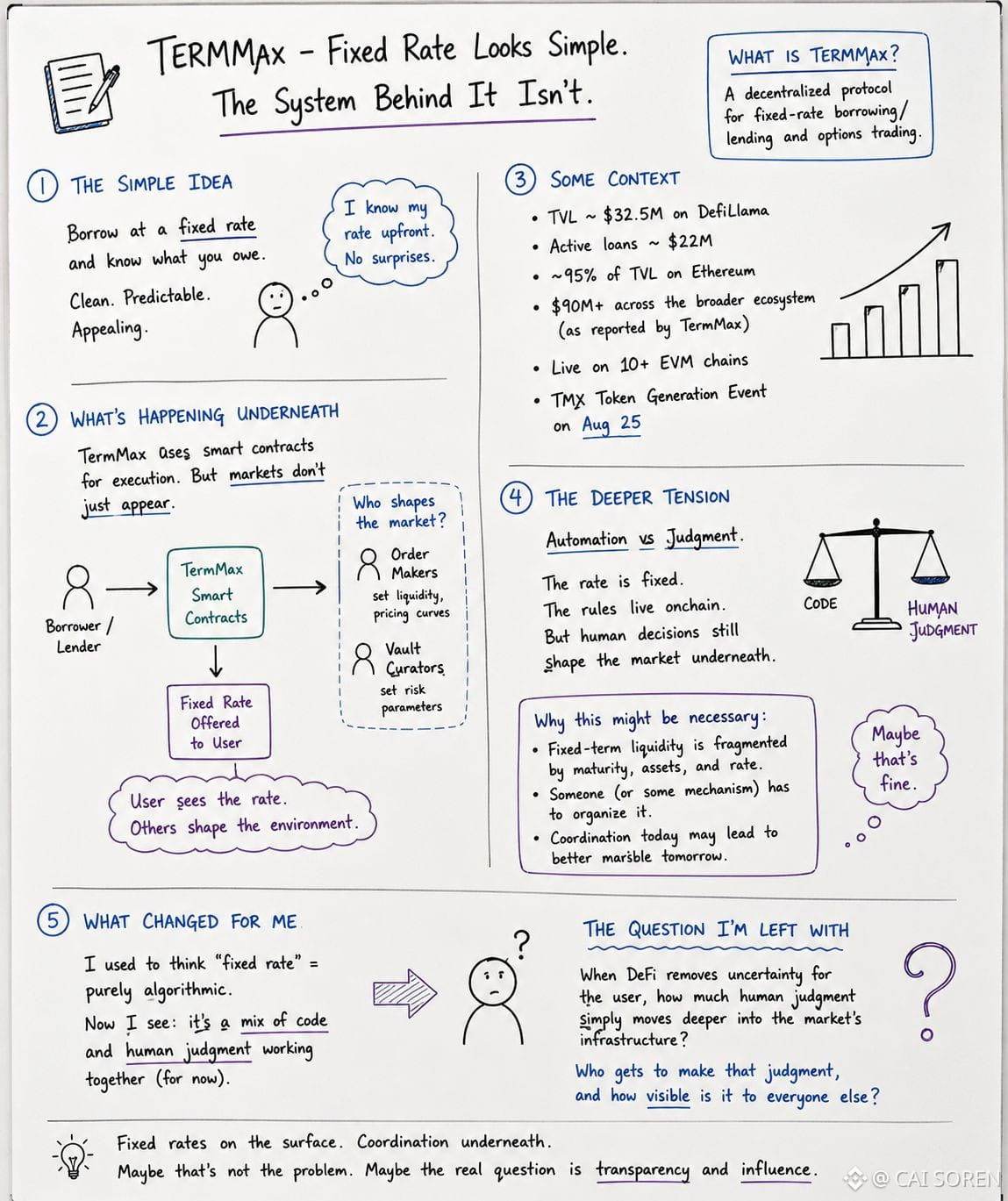
私がTermMaxに「なるほど」と感じたきっかけは、わりとシンプルでした。固定金利で借りられて、支払うべき金額がはっきり分かること。
それ以上、複雑なことは何もありません。
でも深く調べるほど、面白いのは「その固定金利そのもの」ではないと気づきました。固定金利がどうやってそこにたどり着くのか、です。
TermMaxはスマートコントラクトで動いていますが、その下ではまだ人が選択をしています。オーダーメイカーは流動性と価格カーブを形作ります。バルト管理者は、リスクや市場パラメータに関する判断を行います。
つまり、借り手には予測可能なものが渡される一方で、その予測可能性を生み出している仕組みは完全に「手を加えない」わけではないんです。
そこは、私は以前あまり考えていませんでした。
TermMaxはすでにTVL(総ロック額)で数千万ドル規模に成長し、アクティブな貸付も増えています。さらに、その活動の大きな割合はEthereumが担っています。これから流動性や市場がさらに増えていくにつれて、裏側の意思決定は、むしろ以前より重要になっていく可能性があります。
そして、私はそれを必ずしも問題だとは思っていません。
固定期間のレンディングは、流動性を異なる満期、資産、金利に分散させます。それらの市場が使える状態であるためには、誰かがその役割を担う必要があります。おそらく、ある程度の調整は単なる「実務上のトレードオフ」なんでしょう。
それによって、私にとっての「固定金利DeFi」の意味が変わりました。
金利は固定できる。
ルールはオンチェーンに置ける。
でも、どこかには判断が残る。
そしてたぶん、より興味深い問いは「人間が関与しているかどうか」ではなく、どれくらい影響力があるのか、そしてユーザーがそれを実際に見られるのか、という点です。
@TermMax #TermMax
それ以上、複雑なことは何もありません。
でも深く調べるほど、面白いのは「その固定金利そのもの」ではないと気づきました。固定金利がどうやってそこにたどり着くのか、です。
TermMaxはスマートコントラクトで動いていますが、その下ではまだ人が選択をしています。オーダーメイカーは流動性と価格カーブを形作ります。バルト管理者は、リスクや市場パラメータに関する判断を行います。
つまり、借り手には予測可能なものが渡される一方で、その予測可能性を生み出している仕組みは完全に「手を加えない」わけではないんです。
そこは、私は以前あまり考えていませんでした。
TermMaxはすでにTVL(総ロック額)で数千万ドル規模に成長し、アクティブな貸付も増えています。さらに、その活動の大きな割合はEthereumが担っています。これから流動性や市場がさらに増えていくにつれて、裏側の意思決定は、むしろ以前より重要になっていく可能性があります。
そして、私はそれを必ずしも問題だとは思っていません。
固定期間のレンディングは、流動性を異なる満期、資産、金利に分散させます。それらの市場が使える状態であるためには、誰かがその役割を担う必要があります。おそらく、ある程度の調整は単なる「実務上のトレードオフ」なんでしょう。
それによって、私にとっての「固定金利DeFi」の意味が変わりました。
金利は固定できる。
ルールはオンチェーンに置ける。
でも、どこかには判断が残る。
そしてたぶん、より興味深い問いは「人間が関与しているかどうか」ではなく、どれくらい影響力があるのか、そしてユーザーがそれを実際に見られるのか、という点です。
@TermMax #TermMax
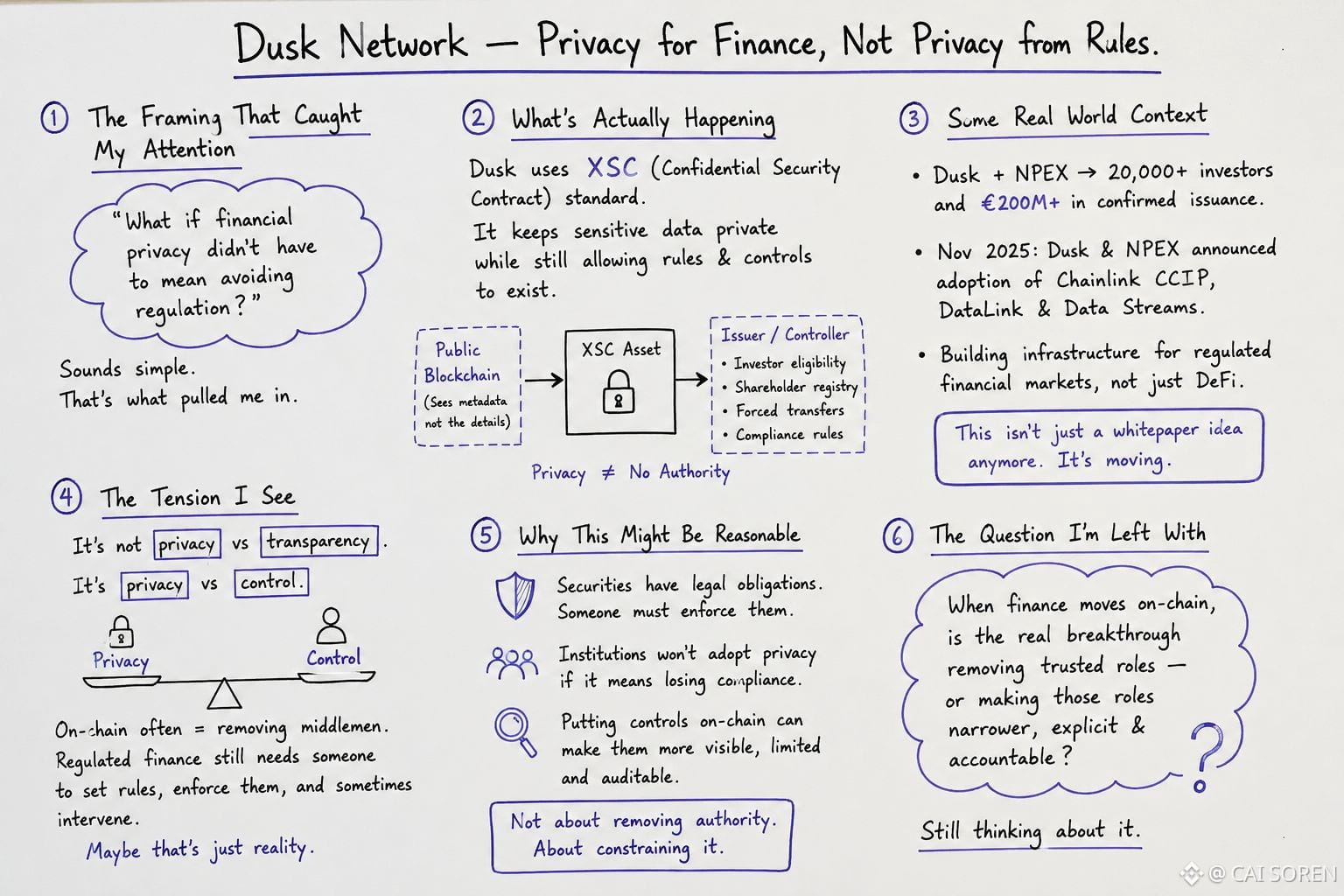
私がDuskに興味を持つようになったきっかけは、かなりシンプルな考えでした:
もし金融のプライバシーが、規制を避けることを意味しなくてもよかったら?
面白いのは暗号技術だと思っていました。XSCをもっと調べる時間をとった結果、実はより興味深いのは、まだ誰がコントロールを握っているのかという点だと感じました。
プライバシーは、その問いを消し去るわけではないからです。
XSCの資産は、保有者に関する「誰が所有を許されるのか」というルールを持ったまま、機微な情報を一般公開から遠ざけられます。発行体も、一定のコントロールを保持できます。これは実際の有価証券を扱うときには理にかなっていますが、「何かをオンチェーンに載せて仲介者を排除する」という、通常の暗号の発想とはかなり違います。
そして、これはもはや完全に机上の話ではありません。
DuskはNPEXと協働しており、20,000人以上の投資家と、確認済みの発行額で€200M超の規模が、この取り組みの中に組み込まれています。さらに、データとクロスチェーン接続のためのChainlinkのインフラストラクチャを中心に整備も進めてきました。
その結果、私はDuskのことを別の観点で考えるようになりました。
もしかすると、本当の緊張関係は「プライバシー対透明性」ではないのかもしれません。
「プライバシー対コントロール」なのかもしれない。
規制のある金融では、あらゆる信頼できる第三者を排除することはおそらくできません。何らかのルールを執行する主体は、誰かが必要です。
それでいいのではないでしょうか。
もっと重要なのは、それらの権限をオンチェーンに載せることで、実際に見えるようになり、制限され、そして責任を持たせやすくなるのかどうかです。
私にとっては、「それを単に“プライベート”や“ディセントラライズド”と呼ぶこと」よりも、この違いのほうが重要だと感じています。
#dusk @Dusk $DUSK
もし金融のプライバシーが、規制を避けることを意味しなくてもよかったら?
面白いのは暗号技術だと思っていました。XSCをもっと調べる時間をとった結果、実はより興味深いのは、まだ誰がコントロールを握っているのかという点だと感じました。
プライバシーは、その問いを消し去るわけではないからです。
XSCの資産は、保有者に関する「誰が所有を許されるのか」というルールを持ったまま、機微な情報を一般公開から遠ざけられます。発行体も、一定のコントロールを保持できます。これは実際の有価証券を扱うときには理にかなっていますが、「何かをオンチェーンに載せて仲介者を排除する」という、通常の暗号の発想とはかなり違います。
そして、これはもはや完全に机上の話ではありません。
DuskはNPEXと協働しており、20,000人以上の投資家と、確認済みの発行額で€200M超の規模が、この取り組みの中に組み込まれています。さらに、データとクロスチェーン接続のためのChainlinkのインフラストラクチャを中心に整備も進めてきました。
その結果、私はDuskのことを別の観点で考えるようになりました。
もしかすると、本当の緊張関係は「プライバシー対透明性」ではないのかもしれません。
「プライバシー対コントロール」なのかもしれない。
規制のある金融では、あらゆる信頼できる第三者を排除することはおそらくできません。何らかのルールを執行する主体は、誰かが必要です。
それでいいのではないでしょうか。
もっと重要なのは、それらの権限をオンチェーンに載せることで、実際に見えるようになり、制限され、そして責任を持たせやすくなるのかどうかです。
私にとっては、「それを単に“プライベート”や“ディセントラライズド”と呼ぶこと」よりも、この違いのほうが重要だと感じています。
#dusk @Dusk $DUSK
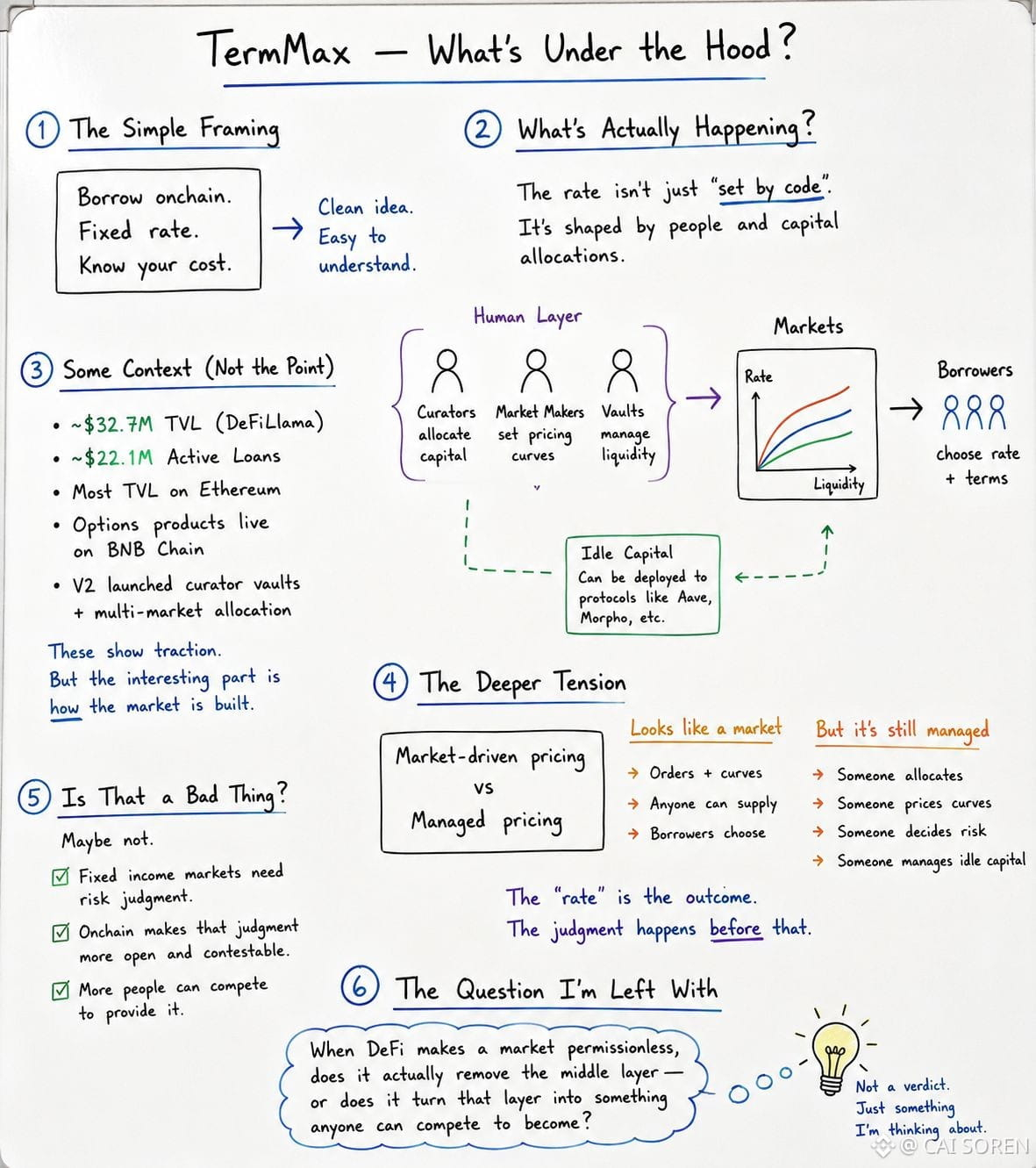
私がTermMaxに初めて惹かれた理由は、とてもシンプルでした。つまり、金利が次にどう動くかを常に気にしなくても、オンチェーンで借りられることです。
固定金利。明確なコスト。きれいな発想。
でも調べていくほど、固定されているから面白いのではない、と気づきました。
面白いのは、その金利がどのように形成されるかです。
市場の下では、まだ人々が意思決定をしています。流動性はどこかに行き着く必要があります。キュレーターは、バル トキャピタル(貸付元本)がどのように配分されるかを決めます。マーケットメイカーは、価格カーブを設定します。そしてV2では、アイドル資金が使われるのを待つ間、AaveやMorphoのような場所に展開されることさえあります。
それによって、プロトコルの見え方が変わりました。
「オンチェーンの固定金利市場」と聞いて、コードがひとりで静かに正しい金利を見つけ出すように想像するのは簡単です。しかし実際には、判断がまだ関わっています。誰かが、リスクや需要、利用可能な流動性を見て、どこに資本を投じるのが妥当かを決めなければなりません。
それは、弱点ではないのかもしれません。
固定利付の市場では、リスクを価格に織り込める人が常に必要でした。オンチェーンに移しても、それが急に消えるわけではありません。
変わるのは、その判断がどこで行われるのか、そしてそれを提供する機会を誰が得られるのかです。
だから私が残された問いは、「TermMaxが十分に分散化されているのか?」ではありません。
より役に立つDeFi版とは、本当に人間の意思決定を取り除くことなのか——あるいは、その意思決定をより開かれたものにし、目に見える形にし、争い得る状態にすることなのか。
@TermMax #TermMax
固定金利。明確なコスト。きれいな発想。
でも調べていくほど、固定されているから面白いのではない、と気づきました。
面白いのは、その金利がどのように形成されるかです。
市場の下では、まだ人々が意思決定をしています。流動性はどこかに行き着く必要があります。キュレーターは、バル トキャピタル(貸付元本)がどのように配分されるかを決めます。マーケットメイカーは、価格カーブを設定します。そしてV2では、アイドル資金が使われるのを待つ間、AaveやMorphoのような場所に展開されることさえあります。
それによって、プロトコルの見え方が変わりました。
「オンチェーンの固定金利市場」と聞いて、コードがひとりで静かに正しい金利を見つけ出すように想像するのは簡単です。しかし実際には、判断がまだ関わっています。誰かが、リスクや需要、利用可能な流動性を見て、どこに資本を投じるのが妥当かを決めなければなりません。
それは、弱点ではないのかもしれません。
固定利付の市場では、リスクを価格に織り込める人が常に必要でした。オンチェーンに移しても、それが急に消えるわけではありません。
変わるのは、その判断がどこで行われるのか、そしてそれを提供する機会を誰が得られるのかです。
だから私が残された問いは、「TermMaxが十分に分散化されているのか?」ではありません。
より役に立つDeFi版とは、本当に人間の意思決定を取り除くことなのか——あるいは、その意思決定をより開かれたものにし、目に見える形にし、争い得る状態にすることなのか。
@TermMax #TermMax
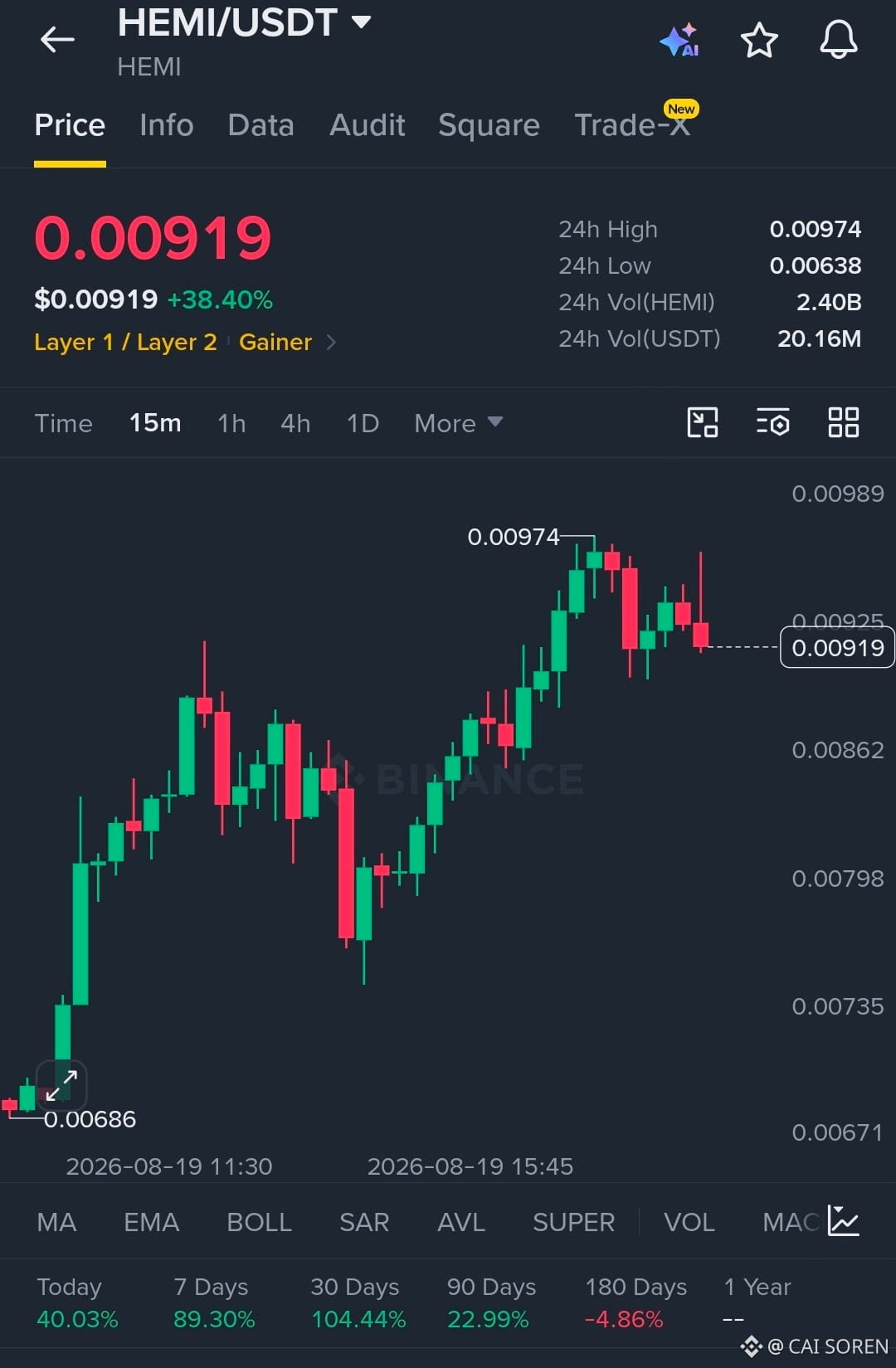
$HEMI は加速しています。👀
価格: $0.00919
24H: +38.40%
高値: $0.00974
安値: $0.00638
出来高: 2.40B HEMI / $20.16M
15分足チャートでは、約$0.00686からの強い上昇が見られ、その後は日次高値のすぐ下での推移(コンソリデーション)に続いています。
パフォーマンス:
今日 +40.03%
7D +89.30%
30D +104.44%
2か月で2倍になった後、$HEMI は、この勢いにさらにもう一段あるのかを試しています。🔥
価格: $0.00919
24H: +38.40%
高値: $0.00974
安値: $0.00638
出来高: 2.40B HEMI / $20.16M
15分足チャートでは、約$0.00686からの強い上昇が見られ、その後は日次高値のすぐ下での推移(コンソリデーション)に続いています。
パフォーマンス:
今日 +40.03%
7D +89.30%
30D +104.44%
2か月で2倍になった後、$HEMI は、この勢いにさらにもう一段あるのかを試しています。🔥
確認済み
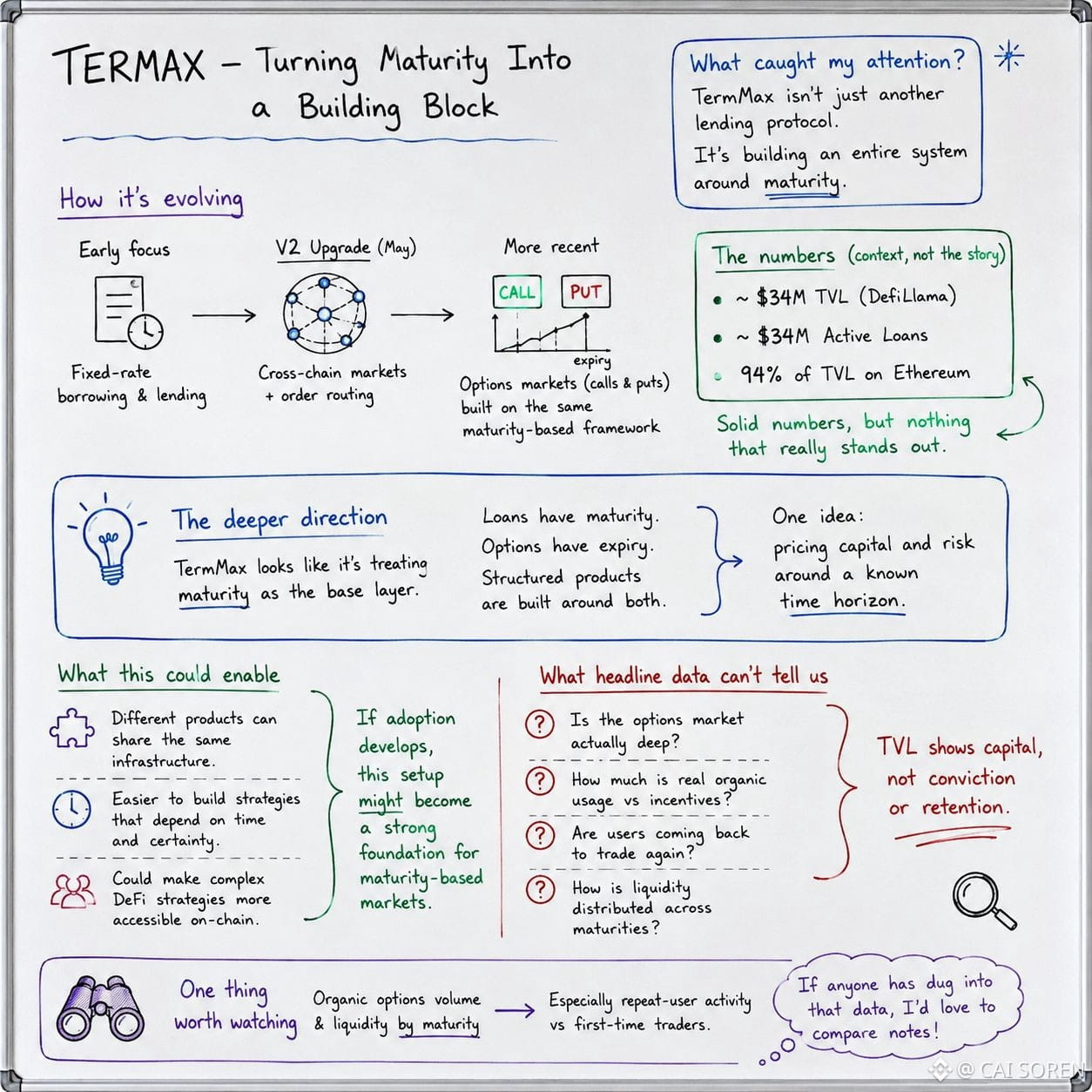
TermMax を調べるのに少し時間を費やしてみたのですが、最初は物語はかなり分かりやすいものだと思っていました。つまり、オンチェーンでの固定金利貸付です。
しかし、オプション側を見ていると、少し違う見え方になりました。
TermMax V2 は、クロスチェーン市場や注文ルーティングによって、基本的な固定金利の借り入れを超えてきています。さらに新しいオプション市場では、コールやプットを同じような満期ベースのセットアップの中に取り込んでいます。DefiLlama では現在、このプロトコルの TVL が約 34M ドルとされていますが、その大部分の流動性はまだ Ethereum 上に滞留しています。
これらの数字は役に立ちますが、私の関心を引いたのは本当のところ、そこではありません。
私が面白いと感じたのは、製品の下に共通して流れている“糸”です。
固定金利のローンには満期日があります。オプションには満了日があります。どちらも基本的に、市場に対して「時間」と「リスク」に価値をつけてもらうことを求めています。
つまり、TermMax がオプションを追加したのは単に別のプロダクトを増やしたいからではないのかもしれません。むしろ、明確に定義された終了日を持つ市場の周りに、どれだけのものを作り込めるのかをチームが試しているように見えます。
それは有用かもしれません。貸付、オプション、そしてストラクチャード戦略が完全に別々のピースとして存在するのではなく、少なくとも、より自然に組み合わさっていく可能性があります。
もちろん、紙の上で見栄えがいい設計が、実際に人々がそのやり方で取引したいかどうかまでは教えてくれません。
私はその点がまだ気になっています。
オプションの出来高と流動性を、異なる満期ごとに見てみたいです。特に、最初の取引のあとに実際に戻ってきている人たちからどれくらい活動が生まれているのか、そこを知りたいです。
もし誰かがすでにそのデータを見ているなら、ぜひ意見交換したいです。
#TermMax @TermMax
しかし、オプション側を見ていると、少し違う見え方になりました。
TermMax V2 は、クロスチェーン市場や注文ルーティングによって、基本的な固定金利の借り入れを超えてきています。さらに新しいオプション市場では、コールやプットを同じような満期ベースのセットアップの中に取り込んでいます。DefiLlama では現在、このプロトコルの TVL が約 34M ドルとされていますが、その大部分の流動性はまだ Ethereum 上に滞留しています。
これらの数字は役に立ちますが、私の関心を引いたのは本当のところ、そこではありません。
私が面白いと感じたのは、製品の下に共通して流れている“糸”です。
固定金利のローンには満期日があります。オプションには満了日があります。どちらも基本的に、市場に対して「時間」と「リスク」に価値をつけてもらうことを求めています。
つまり、TermMax がオプションを追加したのは単に別のプロダクトを増やしたいからではないのかもしれません。むしろ、明確に定義された終了日を持つ市場の周りに、どれだけのものを作り込めるのかをチームが試しているように見えます。
それは有用かもしれません。貸付、オプション、そしてストラクチャード戦略が完全に別々のピースとして存在するのではなく、少なくとも、より自然に組み合わさっていく可能性があります。
もちろん、紙の上で見栄えがいい設計が、実際に人々がそのやり方で取引したいかどうかまでは教えてくれません。
私はその点がまだ気になっています。
オプションの出来高と流動性を、異なる満期ごとに見てみたいです。特に、最初の取引のあとに実際に戻ってきている人たちからどれくらい活動が生まれているのか、そこを知りたいです。
もし誰かがすでにそのデータを見ているなら、ぜひ意見交換したいです。
#TermMax @TermMax
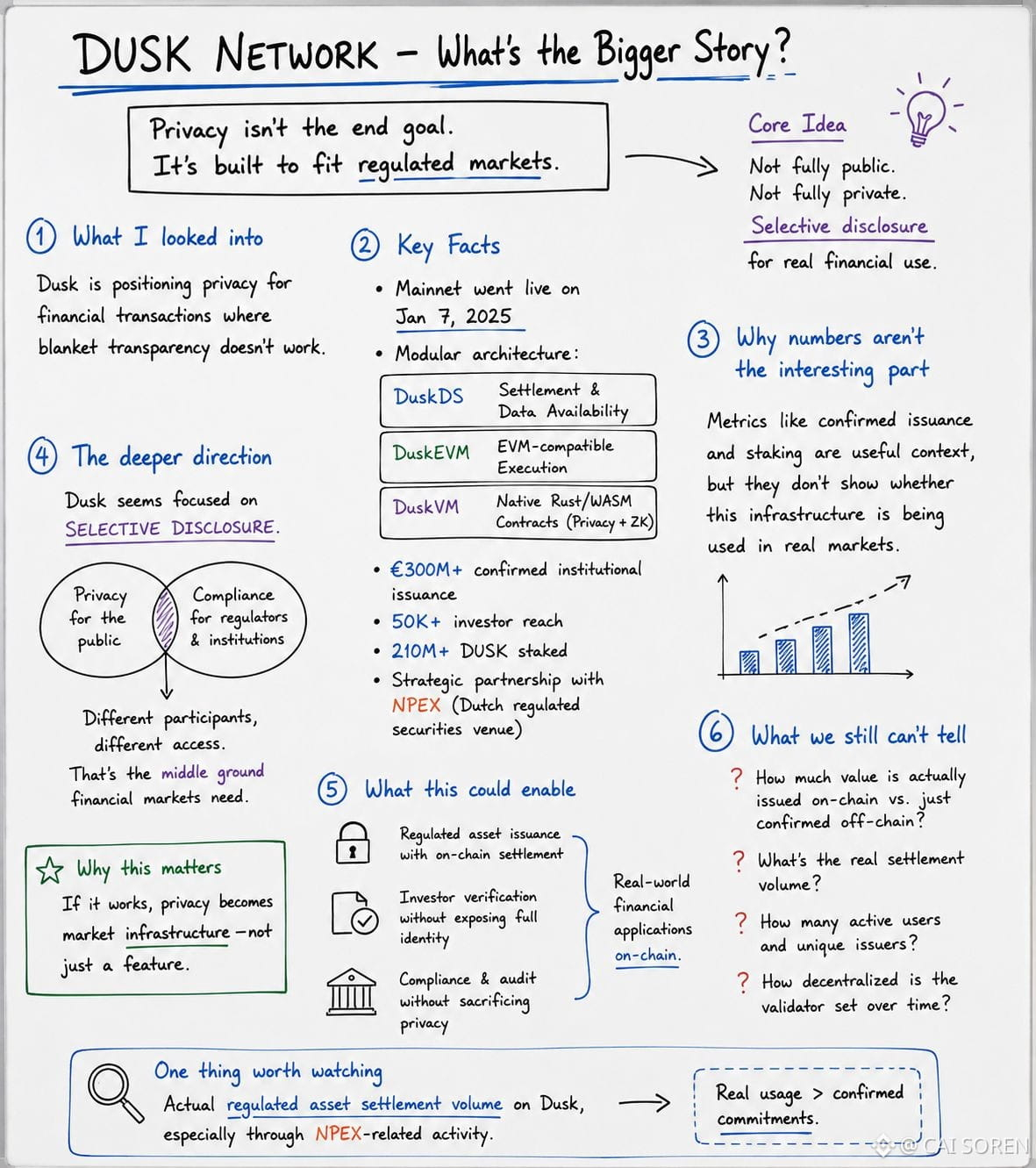
再びDuskを掘り下げていて、プロジェクトの見方を変えた一点がありました。
最初はプライバシーの観点が、分かりやすい主題だと思っていました。ですが、もっと面白いのは「そのプライバシーが存在する理由」かもしれません。
Duskはますます、公開してしまうだけではうまくいかない金融取引を中心に構築されています。現在のアーキテクチャでは、DuskDSによる決済、DuskEVMによるEVM実行、そしてDuskVMによるネイティブのRust/WASMスマートコントラクトを分離しています。さらに、透明型と機密型の両方の取引モデルに対応しています。
そして現実の側面があります。
Duskは現在、確認済みの機関投資家による発行実績が€300M+、投資家への到達が50K+、ステークされたDUSKが210M+です。
NPEXとの関係は何年も前から続いており、Duskは実際に2020年にNPEXの株主になっています。2024年には、両者がより深い商業的パートナーシップを発表する前のことです。
これらの数字は紙の上では良さそうに見えます。でも、私が一番気になるのはそこではありません。
私が繰り返し考えるのは、セレクティブ・ディスクロージャー(選択的開示)です。
伝統的な金融では、プライバシーは「何も誰にも見えない」という意味であることは稀です。規制当局は、一般に公開されていない情報を必要とするかもしれません。発行体は、投資家の全ての身元や取引履歴を公開せずに、投資家を検証する必要があるかもしれません。
Duskがゆっくりとその問題の周辺にポジショニングしているように感じます。
実際にスケールする形で機能するかどうかは、また別の話です。
確認済みの発行が€300Mあることは、オンチェーンで実際に発行・決済が進んでいる€300Mとは同じではありません。そのギャップが重要です。
ですので、Duskにおける実際の規制対象資産の決済ボリューム、特にNPEX関連の活動を通じた部分を、ぜひ見てみたいと思っています。
もし誰かがすでにそのデータを掘り下げているなら、意見を突き合わせてみたいです。
$DUSK #dusk @Dusk
最初はプライバシーの観点が、分かりやすい主題だと思っていました。ですが、もっと面白いのは「そのプライバシーが存在する理由」かもしれません。
Duskはますます、公開してしまうだけではうまくいかない金融取引を中心に構築されています。現在のアーキテクチャでは、DuskDSによる決済、DuskEVMによるEVM実行、そしてDuskVMによるネイティブのRust/WASMスマートコントラクトを分離しています。さらに、透明型と機密型の両方の取引モデルに対応しています。
そして現実の側面があります。
Duskは現在、確認済みの機関投資家による発行実績が€300M+、投資家への到達が50K+、ステークされたDUSKが210M+です。
NPEXとの関係は何年も前から続いており、Duskは実際に2020年にNPEXの株主になっています。2024年には、両者がより深い商業的パートナーシップを発表する前のことです。
これらの数字は紙の上では良さそうに見えます。でも、私が一番気になるのはそこではありません。
私が繰り返し考えるのは、セレクティブ・ディスクロージャー(選択的開示)です。
伝統的な金融では、プライバシーは「何も誰にも見えない」という意味であることは稀です。規制当局は、一般に公開されていない情報を必要とするかもしれません。発行体は、投資家の全ての身元や取引履歴を公開せずに、投資家を検証する必要があるかもしれません。
Duskがゆっくりとその問題の周辺にポジショニングしているように感じます。
実際にスケールする形で機能するかどうかは、また別の話です。
確認済みの発行が€300Mあることは、オンチェーンで実際に発行・決済が進んでいる€300Mとは同じではありません。そのギャップが重要です。
ですので、Duskにおける実際の規制対象資産の決済ボリューム、特にNPEX関連の活動を通じた部分を、ぜひ見てみたいと思っています。
もし誰かがすでにそのデータを掘り下げているなら、意見を突き合わせてみたいです。
$DUSK #dusk @Dusk
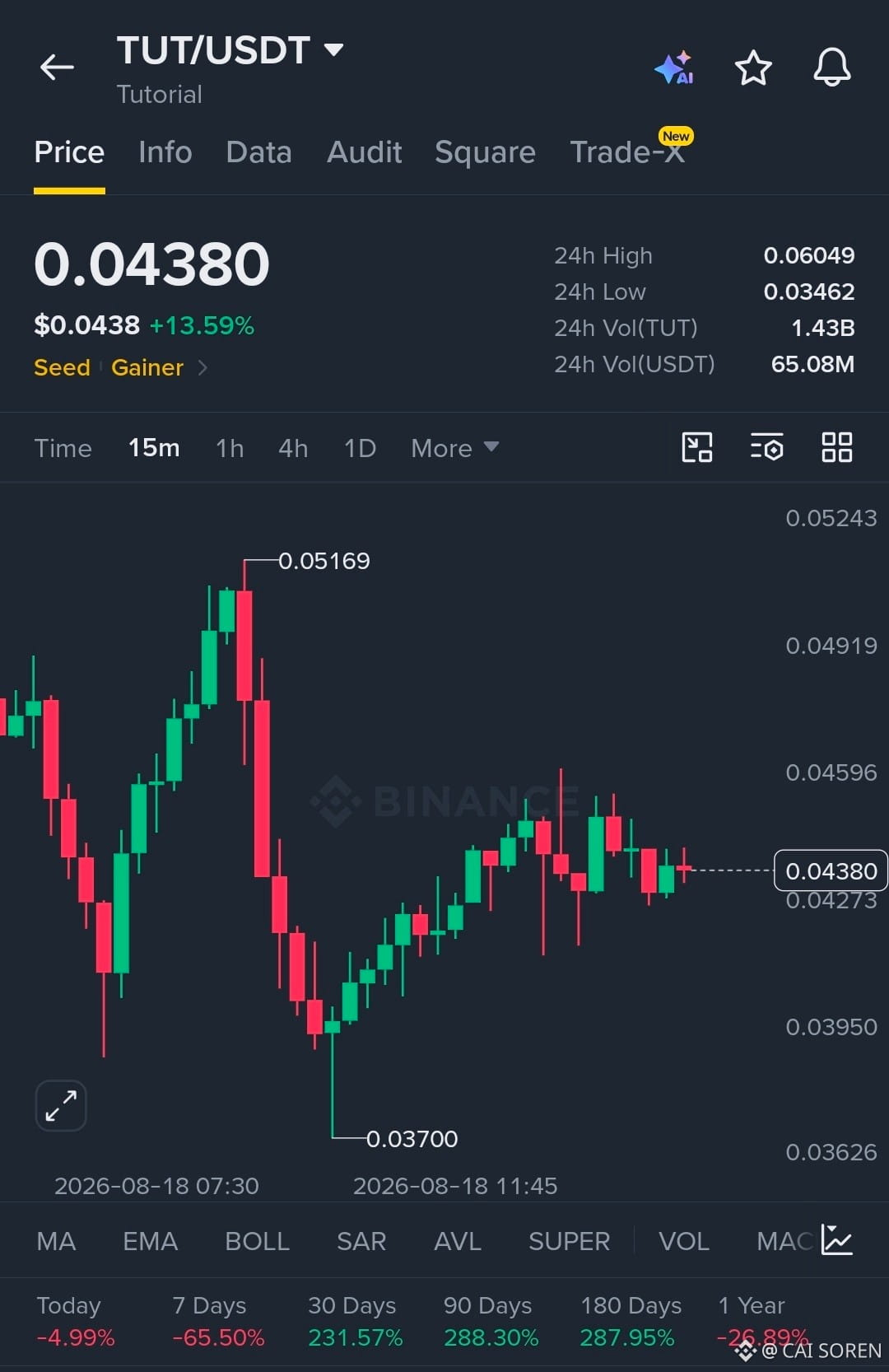
$TUT が今日はヤバい展開になってる。
TUT/USDTは15分間の激しい攻防の末、$0.04380前後で推移しており、13.59%上昇している。
この値動きは一時$0.05169まで上昇したものの拒否され、先に起きた売りは$0.03700まで急落させた。現在は価格が$0.0427〜$0.0440のゾーンを維持しようと踏ん張っている。
📊 24H 高値: $0.06049
📉 24H 安値: $0.03462
🔥 24H 出来高: 1.43B TUT / $65.08M USDT
より大きな流れはさらにヤバい:30日で+231.57%にもなっている一方、直近7日では-65.50%だ。
ボラティリティが非常に高く、出来高も厚い。買い手と売り手がまだ方向性を巡って激しく争っている。
$TUT は、ここからしっかり注視しておくべき銘柄だ。
TUT/USDTは15分間の激しい攻防の末、$0.04380前後で推移しており、13.59%上昇している。
この値動きは一時$0.05169まで上昇したものの拒否され、先に起きた売りは$0.03700まで急落させた。現在は価格が$0.0427〜$0.0440のゾーンを維持しようと踏ん張っている。
📊 24H 高値: $0.06049
📉 24H 安値: $0.03462
🔥 24H 出来高: 1.43B TUT / $65.08M USDT
より大きな流れはさらにヤバい:30日で+231.57%にもなっている一方、直近7日では-65.50%だ。
ボラティリティが非常に高く、出来高も厚い。買い手と売り手がまだ方向性を巡って激しく争っている。
$TUT は、ここからしっかり注視しておくべき銘柄だ。
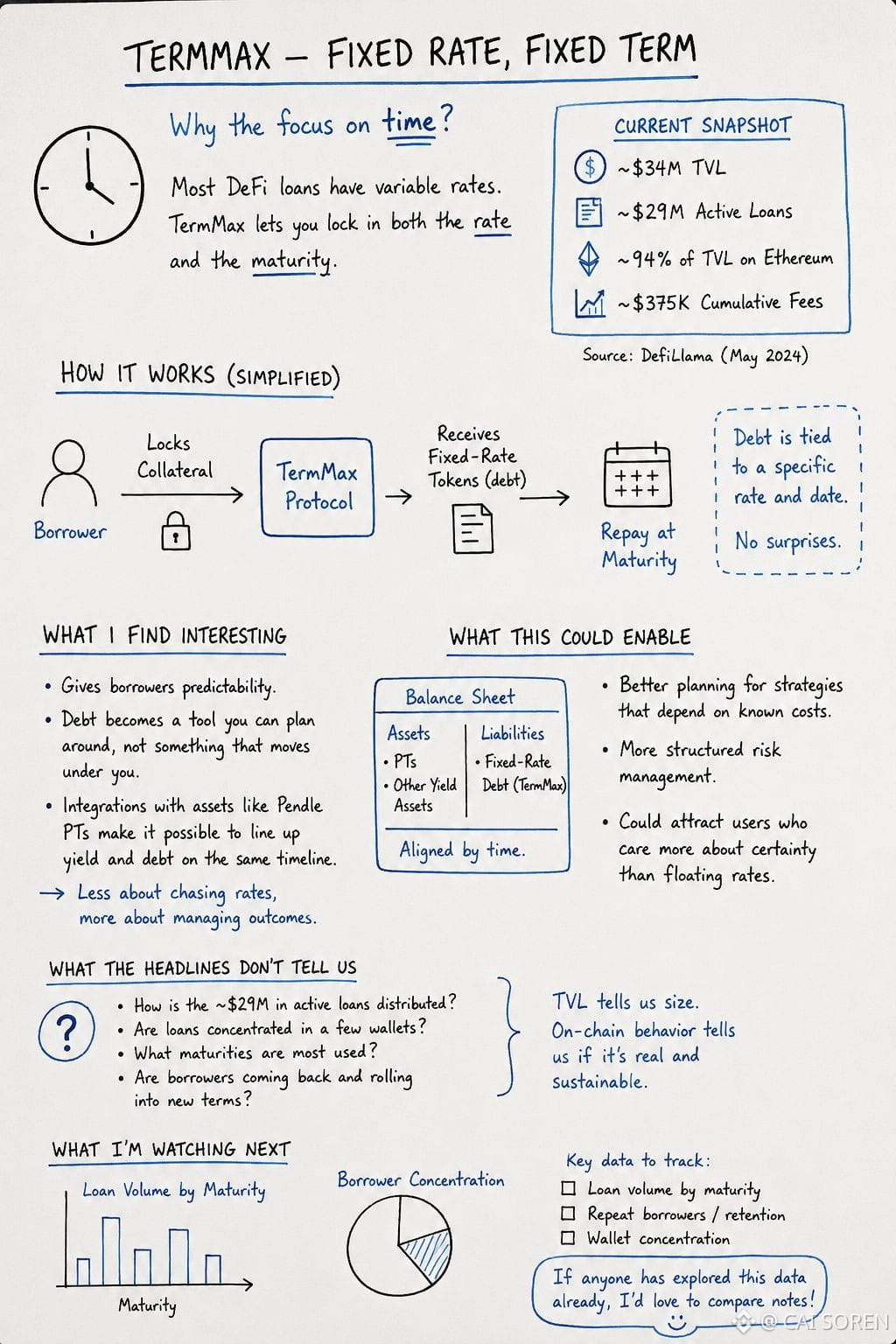
TermMax最近の話ですが、最初は本編ストーリーがかなり単純だと思っていました。つまり、多くの貸出金利が常に動いている市場における固定金利の借入です。
しかし深く見ていくほど、面白いのは実はTermMaxが「時間」をどう扱っているかだと思うようになりました。
借り手は、明日市場が提示する任意の金利でただローンを取るだけではありません。負債には定められた満期があり、固定金利トークン(Fixed-Rate Tokens)が、その日が来たときに返済する必要のあるものを表します。
すでにこの周りでは一定の動きがあります。TermMaxはTVLがおよそ34Mドルで、アクティブな融資は約29Mドル。その流動性の大半はまだイーサリアム上にあります。
これらの数字は背景として役立ちますが、モデルが機能しているかどうかを本質的に教えてくれるわけではありません。
私がより知りたいのは、人々がオンチェーンの負債を、実際の貸借対照表(バランスシート)のように管理し始めているかどうかです。つまり、自分が何をどれだけ負っていて、いくらかかり、いつ返済期限が来るのかを把握すること。
特に、Pendle PTsのような利回りを生む資産が、そのポジションの反対側に置ける場合に、これは非常に面白くなります。常に変動する金利ではなく、既知のタイムラインに対して利回りと負債がそれぞれ機能している可能性があるからです。
ユーザーが実際にこのように振る舞っているのかは別の問題です。
本当に見てみたいのは、このアクティブな融資のボリュームが、借り手と満期の間でどのように分布しているかです。同じユーザーが戻ってきて、負債を新しい条件へ借り換えてロールしているなら、TVLだけよりもはるかに多くのことが分かるはずです。
私はその部分をまだ探しています。
もし誰かがTermMaxのオンチェーンの借り手データを掘り下げているなら、見つけた内容を比較してみたいです。
@TermMax #TermMax
しかし深く見ていくほど、面白いのは実はTermMaxが「時間」をどう扱っているかだと思うようになりました。
借り手は、明日市場が提示する任意の金利でただローンを取るだけではありません。負債には定められた満期があり、固定金利トークン(Fixed-Rate Tokens)が、その日が来たときに返済する必要のあるものを表します。
すでにこの周りでは一定の動きがあります。TermMaxはTVLがおよそ34Mドルで、アクティブな融資は約29Mドル。その流動性の大半はまだイーサリアム上にあります。
これらの数字は背景として役立ちますが、モデルが機能しているかどうかを本質的に教えてくれるわけではありません。
私がより知りたいのは、人々がオンチェーンの負債を、実際の貸借対照表(バランスシート)のように管理し始めているかどうかです。つまり、自分が何をどれだけ負っていて、いくらかかり、いつ返済期限が来るのかを把握すること。
特に、Pendle PTsのような利回りを生む資産が、そのポジションの反対側に置ける場合に、これは非常に面白くなります。常に変動する金利ではなく、既知のタイムラインに対して利回りと負債がそれぞれ機能している可能性があるからです。
ユーザーが実際にこのように振る舞っているのかは別の問題です。
本当に見てみたいのは、このアクティブな融資のボリュームが、借り手と満期の間でどのように分布しているかです。同じユーザーが戻ってきて、負債を新しい条件へ借り換えてロールしているなら、TVLだけよりもはるかに多くのことが分かるはずです。
私はその部分をまだ探しています。
もし誰かがTermMaxのオンチェーンの借り手データを掘り下げているなら、見つけた内容を比較してみたいです。
@TermMax #TermMax
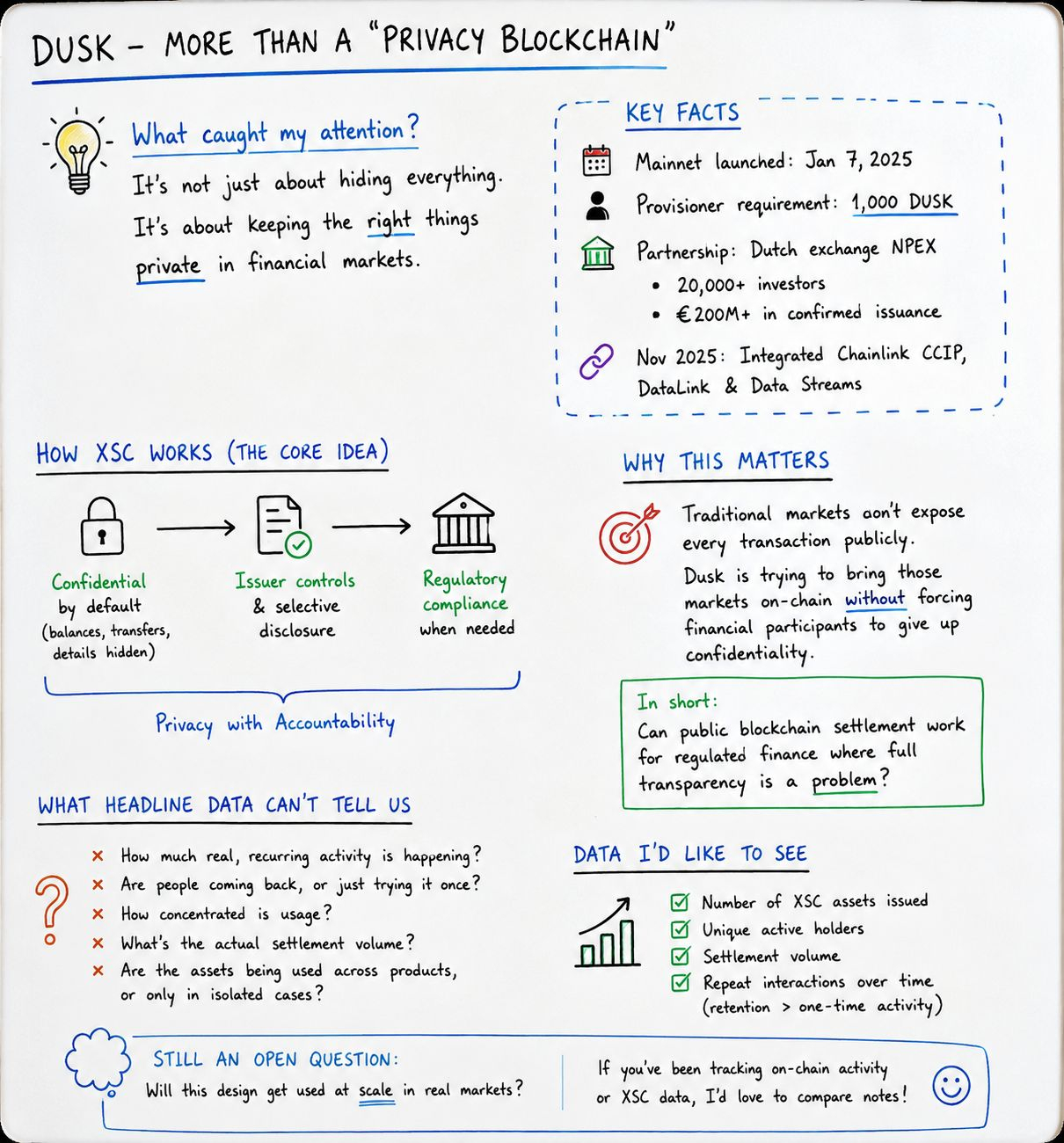
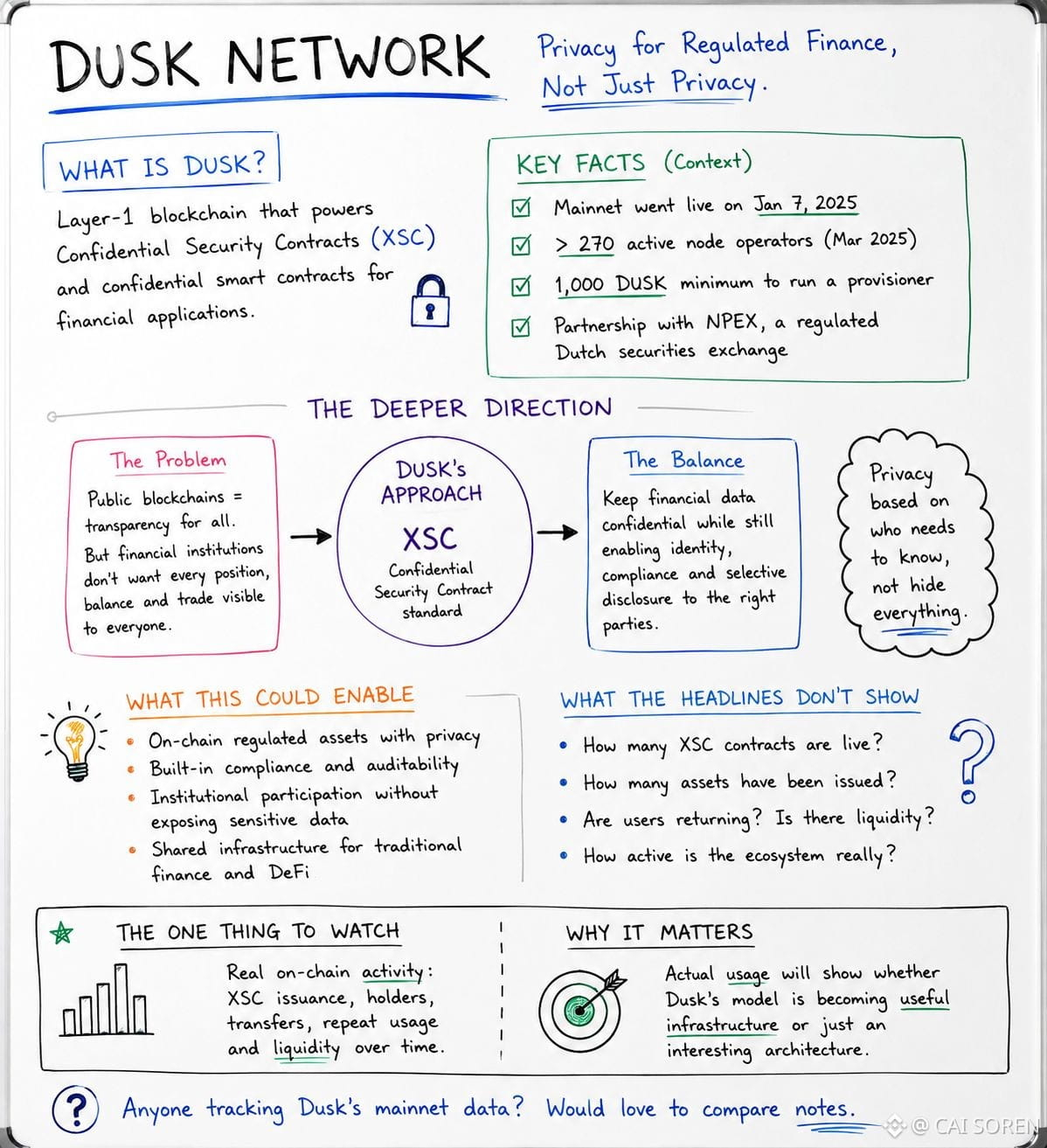
Duskについて少し時間をかけて調べていたら、考え方を変えるきっかけになることがありました。
最初は「金融のためのプライバシーブロックチェーン」が明らかな切り口に思えました。でも、もっと面白いのは、Duskが何を非公開にしようとしているのか——そして、意図的に何を非公開にしないのか——という点かもしれません。
メインネットは2025年1月から稼働しており、プロビジョナーを動かすには少なくとも1,000 DUSKが必要です。さらに興味深いのは、Duskがオランダの証券取引所NPEXと協業していて、同社には20,000人以上の投資家がおり、確定した発行額は€200M超だと述べていることです。
しかし、これらの数字はいずれも、それ自体ではあまり意味がありません。
私が注目しているのはXSCです。
狙いは金融活動を不可視にすることではありません。むしろ、有価証券の機密性を提供しつつ、必要に応じて発行体の管理や選択的な開示の余地を残す、といった方向に近いです。
この違いはかなり重要です。
従来の市場では、誰もが自分の保有ポジションや取引を公に放送することはありません。でも、それらの市場をオンチェーンにすると、まさにその問題が生まれてしまいます。Duskは、金融参加者に機密性を手放させずに、ブロックチェーン決済の有用な部分を保てるのかどうかを問いかけているように見えます。
紙の上では筋が通っているように聞こえます。実際に人々が使うかどうかは別問題ですが。
提携の発表やインフラ統合だけでは、それを確かめることはできません。
私はむしろ退屈なデータが見たいです。実際に何件のXSC資産が発行されているのか、どれくらいのウォレットがそれらとのやり取りを継続しているのか、そして決済の活動が最初の数回の取引を超えて伸びているのか。
もし誰かがDuskのその側面を追っているなら、ぜひ意見を交換して比べてみたいです。
@Dusk $DUSK #dusk
最初は「金融のためのプライバシーブロックチェーン」が明らかな切り口に思えました。でも、もっと面白いのは、Duskが何を非公開にしようとしているのか——そして、意図的に何を非公開にしないのか——という点かもしれません。
メインネットは2025年1月から稼働しており、プロビジョナーを動かすには少なくとも1,000 DUSKが必要です。さらに興味深いのは、Duskがオランダの証券取引所NPEXと協業していて、同社には20,000人以上の投資家がおり、確定した発行額は€200M超だと述べていることです。
しかし、これらの数字はいずれも、それ自体ではあまり意味がありません。
私が注目しているのはXSCです。
狙いは金融活動を不可視にすることではありません。むしろ、有価証券の機密性を提供しつつ、必要に応じて発行体の管理や選択的な開示の余地を残す、といった方向に近いです。
この違いはかなり重要です。
従来の市場では、誰もが自分の保有ポジションや取引を公に放送することはありません。でも、それらの市場をオンチェーンにすると、まさにその問題が生まれてしまいます。Duskは、金融参加者に機密性を手放させずに、ブロックチェーン決済の有用な部分を保てるのかどうかを問いかけているように見えます。
紙の上では筋が通っているように聞こえます。実際に人々が使うかどうかは別問題ですが。
提携の発表やインフラ統合だけでは、それを確かめることはできません。
私はむしろ退屈なデータが見たいです。実際に何件のXSC資産が発行されているのか、どれくらいのウォレットがそれらとのやり取りを継続しているのか、そして決済の活動が最初の数回の取引を超えて伸びているのか。
もし誰かがDuskのその側面を追っているなら、ぜひ意見を交換して比べてみたいです。
@Dusk $DUSK #dusk
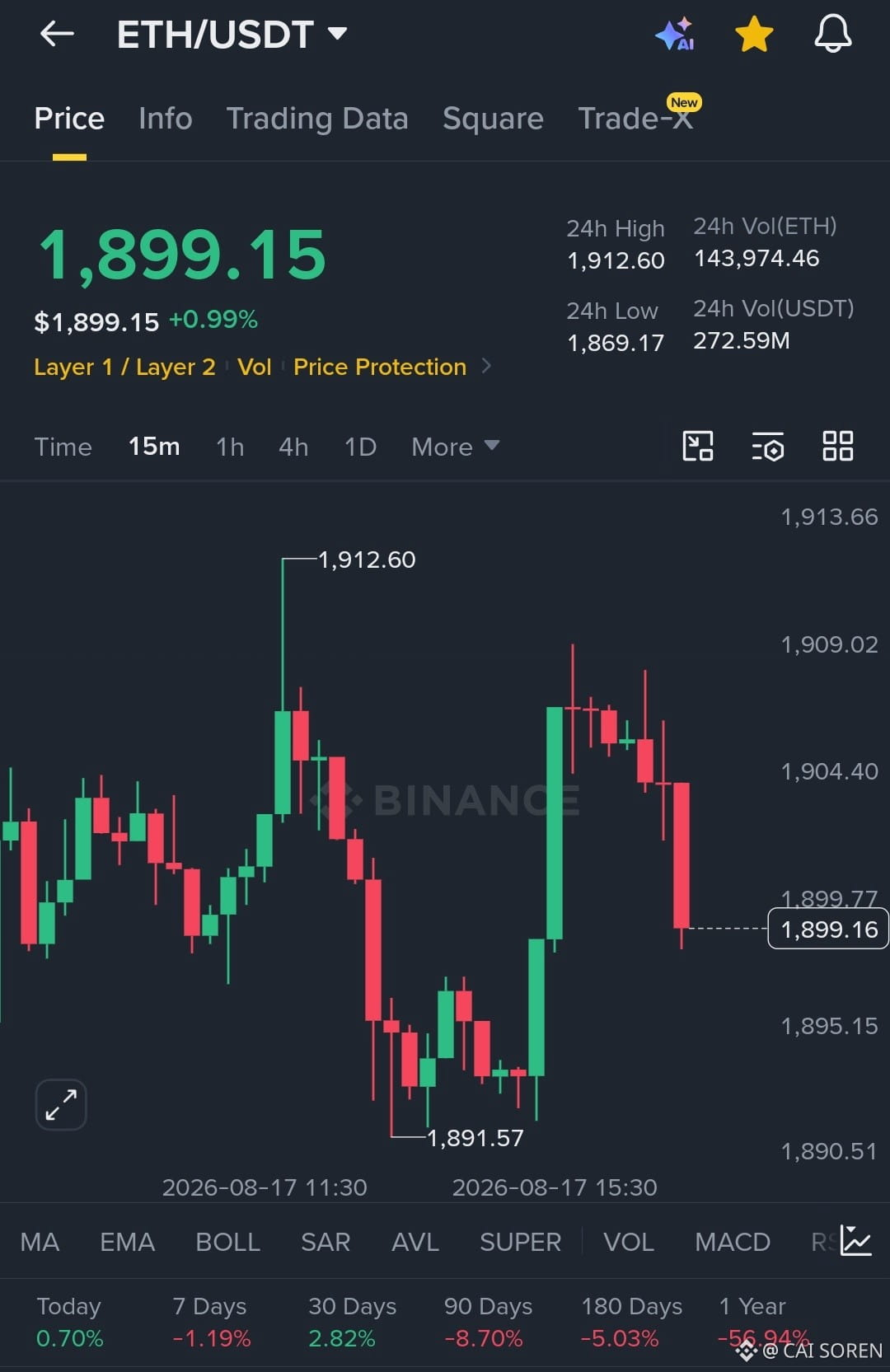
$ETH はここで面白くなってきています。
ETH/USDT は約 $1,899.15 で推移しており、過去 24H で 0.99% 上昇しています。
15分足チャートでは、ETH が $1,912.60 まで上昇した後に跳ね返され、$1,891.57 まで下落しました。その安値から買い手が強く押し目買いに入り、価格は再び $1,909 付近へ戻りましたが、売り手もまた反応しています。
主要数値:
24H 高値: $1,912.60
24H 安値: $1,869.17
24H 出来高: 143,974 ETH / $272.59M
現時点では、$1,891〜$1,895 は短期の買い手が守ろうとしているエリアのように見え、$1,904〜$1,912 は強気派が取り戻す必要があるゾーンです。
ボラティリティが上がってきています。ETH は、守られている下値と、上方向で繰り返される拒否の間に挟まれている状態です。
$1,912 を突破 → モメンタムが加速する可能性。
$1,891 が失敗 → 売り手が主導権を取り戻す。
このレンジはだんだん狭まっています。次のはっきりしたブレイクが、面白い部分になりそうです。
ETH/USDT は約 $1,899.15 で推移しており、過去 24H で 0.99% 上昇しています。
15分足チャートでは、ETH が $1,912.60 まで上昇した後に跳ね返され、$1,891.57 まで下落しました。その安値から買い手が強く押し目買いに入り、価格は再び $1,909 付近へ戻りましたが、売り手もまた反応しています。
主要数値:
24H 高値: $1,912.60
24H 安値: $1,869.17
24H 出来高: 143,974 ETH / $272.59M
現時点では、$1,891〜$1,895 は短期の買い手が守ろうとしているエリアのように見え、$1,904〜$1,912 は強気派が取り戻す必要があるゾーンです。
ボラティリティが上がってきています。ETH は、守られている下値と、上方向で繰り返される拒否の間に挟まれている状態です。
$1,912 を突破 → モメンタムが加速する可能性。
$1,891 が失敗 → 売り手が主導権を取り戻す。
このレンジはだんだん狭まっています。次のはっきりしたブレイクが、面白い部分になりそうです。
Duskについて少し調べていて、プロジェクトの捉え方を変えるようなことがありました。
最初は「金融のためのプライバシーブロックチェーン」という言葉がかなり分かりやすく聞こえました。金融データは非公開のままで、取引はオンチェーンで行われる。そこに驚きは特にありません。
でも、より面白いのはDuskが目指している“どんなプライバシー”なのかという点です。
メインネットは2025年1月に稼働開始し、その年の3月までにDuskは270以上のアクティブなノードオペレーターがいると報告しています。プロビジョナーを動かすには少なくとも1,000 DUSKが必要です。さらに規制を受けたオランダの証券取引所であるNPEXとの関係があり、これが従来の金融インフラとのつながりを連想させます。
それでも、これらの数字だけではあまり分かりません。
私の注意を引いたのは、Duskの機密セキュリティ標準であるXSCです。
パブリック・ブロックチェーンは、金融市場にとってちぐはぐな問題を生みます。機関側はブロックチェーンの決済や共有インフラを望むことはあっても、ポジション、残高、取引の詳細が誰にでも見える状態を望むとは限らないからです。
同時に、単に全部を隠すだけでもうまくいきません。規制された市場では、身元確認やコンプライアンスが必要で、また、適切な相手に情報を開示できるような場面も必要になります。
Duskは、こうした二つの極端のあいだの空間を見つけようとしているように見えます。
もしそのモデルが機能するなら、プライバシーは秘匿そのものというより、「誰が本当に何を見る必要があるのか」を決めることに近づいていきます。
ただ、ここからが本当の試練だと私は思っています。
私は、もう一つの提携の見出しを見るより、実際のXSCの活動が見たいです。発行された資産、行われる移転、時間の経過とともに増えていくリピートユーザーや流動性——そうしたものです。
それが、この設計が役に立つインフラになっていくのか、それとも面白いだけのアーキテクチャなのかを教えてくれるはずです。
Dusk上でそのデータを追跡している人はいますか?ぜひ率直に意見を比べたいです。
$DUSK @Dusk #dusk
最初は「金融のためのプライバシーブロックチェーン」という言葉がかなり分かりやすく聞こえました。金融データは非公開のままで、取引はオンチェーンで行われる。そこに驚きは特にありません。
でも、より面白いのはDuskが目指している“どんなプライバシー”なのかという点です。
メインネットは2025年1月に稼働開始し、その年の3月までにDuskは270以上のアクティブなノードオペレーターがいると報告しています。プロビジョナーを動かすには少なくとも1,000 DUSKが必要です。さらに規制を受けたオランダの証券取引所であるNPEXとの関係があり、これが従来の金融インフラとのつながりを連想させます。
それでも、これらの数字だけではあまり分かりません。
私の注意を引いたのは、Duskの機密セキュリティ標準であるXSCです。
パブリック・ブロックチェーンは、金融市場にとってちぐはぐな問題を生みます。機関側はブロックチェーンの決済や共有インフラを望むことはあっても、ポジション、残高、取引の詳細が誰にでも見える状態を望むとは限らないからです。
同時に、単に全部を隠すだけでもうまくいきません。規制された市場では、身元確認やコンプライアンスが必要で、また、適切な相手に情報を開示できるような場面も必要になります。
Duskは、こうした二つの極端のあいだの空間を見つけようとしているように見えます。
もしそのモデルが機能するなら、プライバシーは秘匿そのものというより、「誰が本当に何を見る必要があるのか」を決めることに近づいていきます。
ただ、ここからが本当の試練だと私は思っています。
私は、もう一つの提携の見出しを見るより、実際のXSCの活動が見たいです。発行された資産、行われる移転、時間の経過とともに増えていくリピートユーザーや流動性——そうしたものです。
それが、この設計が役に立つインフラになっていくのか、それとも面白いだけのアーキテクチャなのかを教えてくれるはずです。
Dusk上でそのデータを追跡している人はいますか?ぜひ率直に意見を比べたいです。
$DUSK @Dusk #dusk
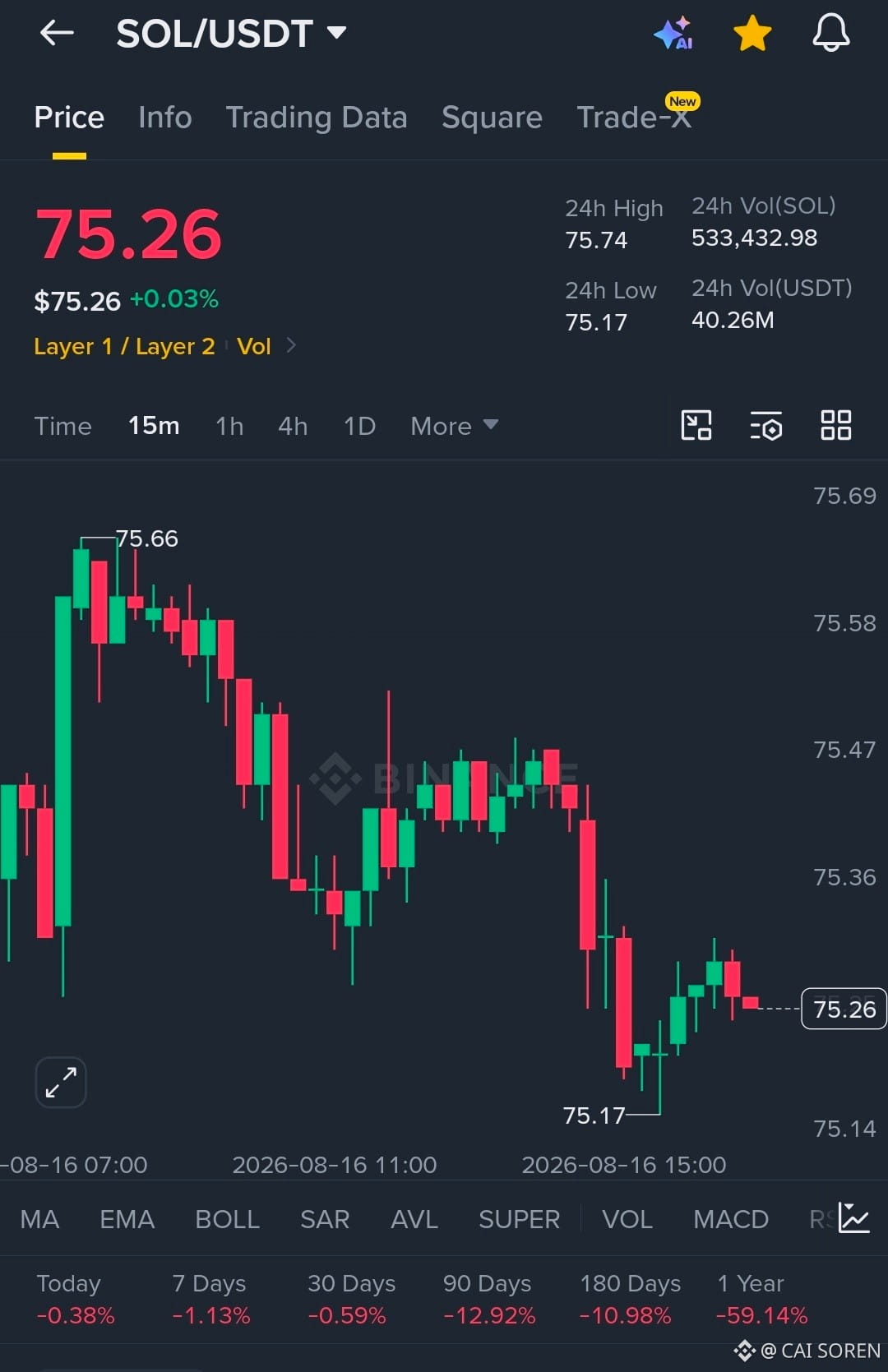
$SOL は$75.26をめぐって攻防中 👀
15mチャート:$75.66からのリジェクト後の“圧力”を示しており、SOLは一度$75.17まで下がってから反発しています。
24H 高値: $75.74
24H 安値: $75.17
出来高: 533K SOL / $40.26M
その$75.17のサポートが、今私が注目している水準です。ここを維持すれば、買い手にもう一度チャンスが来るかもしれません。失うと、一気に状況がヒートアップする可能性があります。
$SOL
15mチャート:$75.66からのリジェクト後の“圧力”を示しており、SOLは一度$75.17まで下がってから反発しています。
24H 高値: $75.74
24H 安値: $75.17
出来高: 533K SOL / $40.26M
その$75.17のサポートが、今私が注目している水準です。ここを維持すれば、買い手にもう一度チャンスが来るかもしれません。失うと、一気に状況がヒートアップする可能性があります。
$SOL
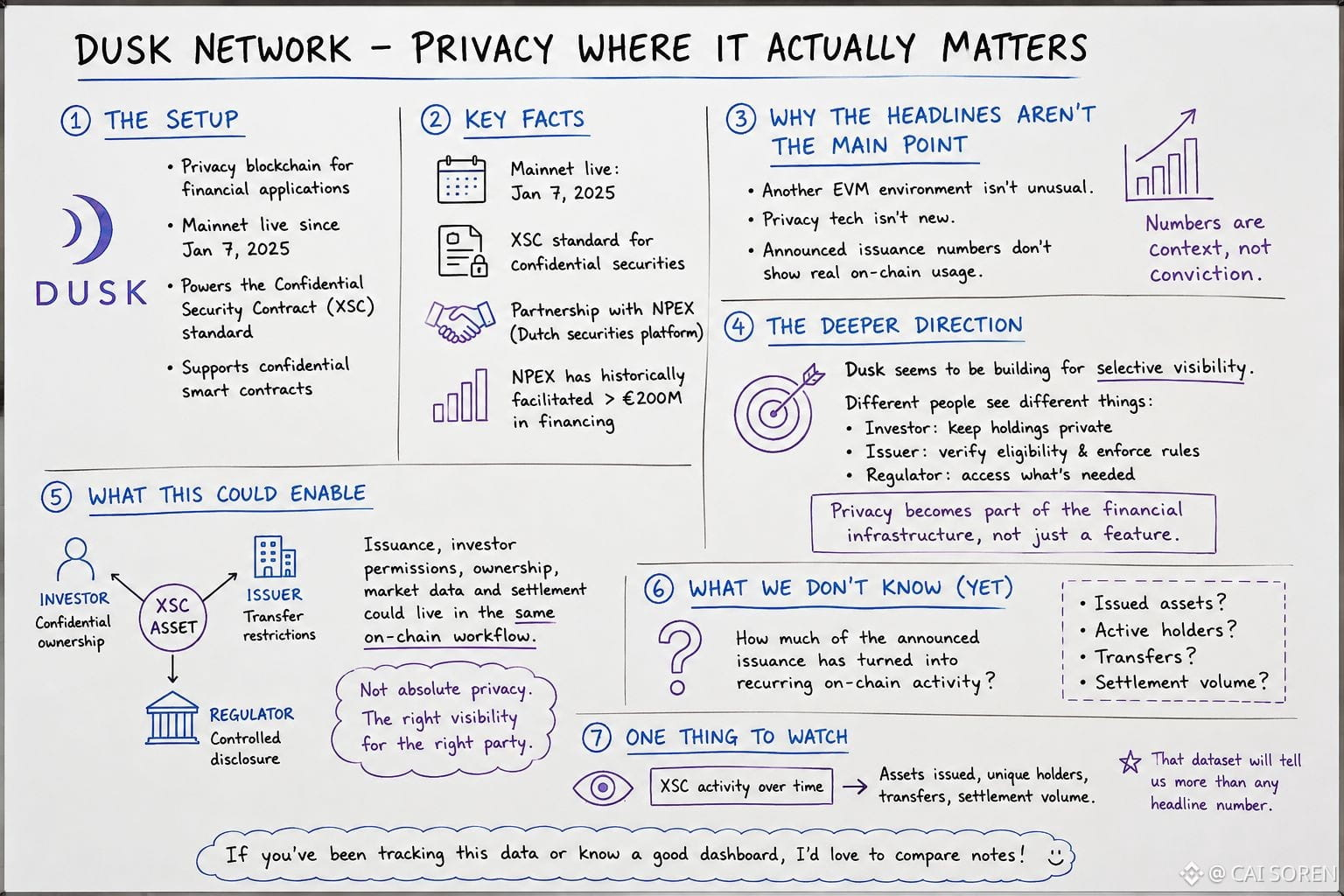
最初は、Duskを「金融アプリケーションにおけるプライバシーを実現しようとする別のブロックチェーン」として見ていました。しかしXSC(機密証券のための標準)を調べるほど、プライバシーそのものが面白い本質ではないのかもしれない、と気づきました。
Duskのメインネットは2025年1月に稼働を開始しました。それ以来、ネットワークは規制対象の資産を中心に構築を進めています。また、オランダの証券プラットフォームNPEXとの連携により、そのインフラは、これまでに200Mユーロ以上の資金調達を促してきたプラットフォームと接続されています。
これらの数字は状況を理解するうえで役立ちますが、Duskが実際に機能しているかどうかは分かりません。
私が注目したのは、設計されているプライバシーの種類です。
従来の金融では、すべてを隠す必要はほとんどありません。必要なのは、見せる相手によって見えるものを変えることです。
投資家は保有資産を非公開にしたいかもしれませんが、発行体は、その資産を保有する資格があることを検証する必要があります。規制当局は、自動的に公開されるべきではない情報にアクセスする必要があるかもしれません。
そうなると、Duskのアプローチは「プライバシーのためのプライバシー」と言うよりも、秘匿性とコンプライアンスが両立しなければならない場面で、公的ブロックチェーンのインフラを使えるようにしようとする試みのように感じられます。
それが本当に意味のあるものになるかどうかは、まだ未解決の問いです。
私が本当に見てみたい指標は、実際のXSCの利用状況です。稼働している資産はどれだけあるのか、ユニークな保有者は何人いるのか、発行後にどれくらいの移転や決済活動が行われているのか。
それは、発表された発行額の数字以上に多くを教えてくれるはずです。
もし誰かがそのデータを追跡しているのであれば、ぜひ情報を突き合わせてみたいです。
#dusk @Dusk $DUSK
Duskのメインネットは2025年1月に稼働を開始しました。それ以来、ネットワークは規制対象の資産を中心に構築を進めています。また、オランダの証券プラットフォームNPEXとの連携により、そのインフラは、これまでに200Mユーロ以上の資金調達を促してきたプラットフォームと接続されています。
これらの数字は状況を理解するうえで役立ちますが、Duskが実際に機能しているかどうかは分かりません。
私が注目したのは、設計されているプライバシーの種類です。
従来の金融では、すべてを隠す必要はほとんどありません。必要なのは、見せる相手によって見えるものを変えることです。
投資家は保有資産を非公開にしたいかもしれませんが、発行体は、その資産を保有する資格があることを検証する必要があります。規制当局は、自動的に公開されるべきではない情報にアクセスする必要があるかもしれません。
そうなると、Duskのアプローチは「プライバシーのためのプライバシー」と言うよりも、秘匿性とコンプライアンスが両立しなければならない場面で、公的ブロックチェーンのインフラを使えるようにしようとする試みのように感じられます。
それが本当に意味のあるものになるかどうかは、まだ未解決の問いです。
私が本当に見てみたい指標は、実際のXSCの利用状況です。稼働している資産はどれだけあるのか、ユニークな保有者は何人いるのか、発行後にどれくらいの移転や決済活動が行われているのか。
それは、発表された発行額の数字以上に多くを教えてくれるはずです。
もし誰かがそのデータを追跡しているのであれば、ぜひ情報を突き合わせてみたいです。
#dusk @Dusk $DUSK
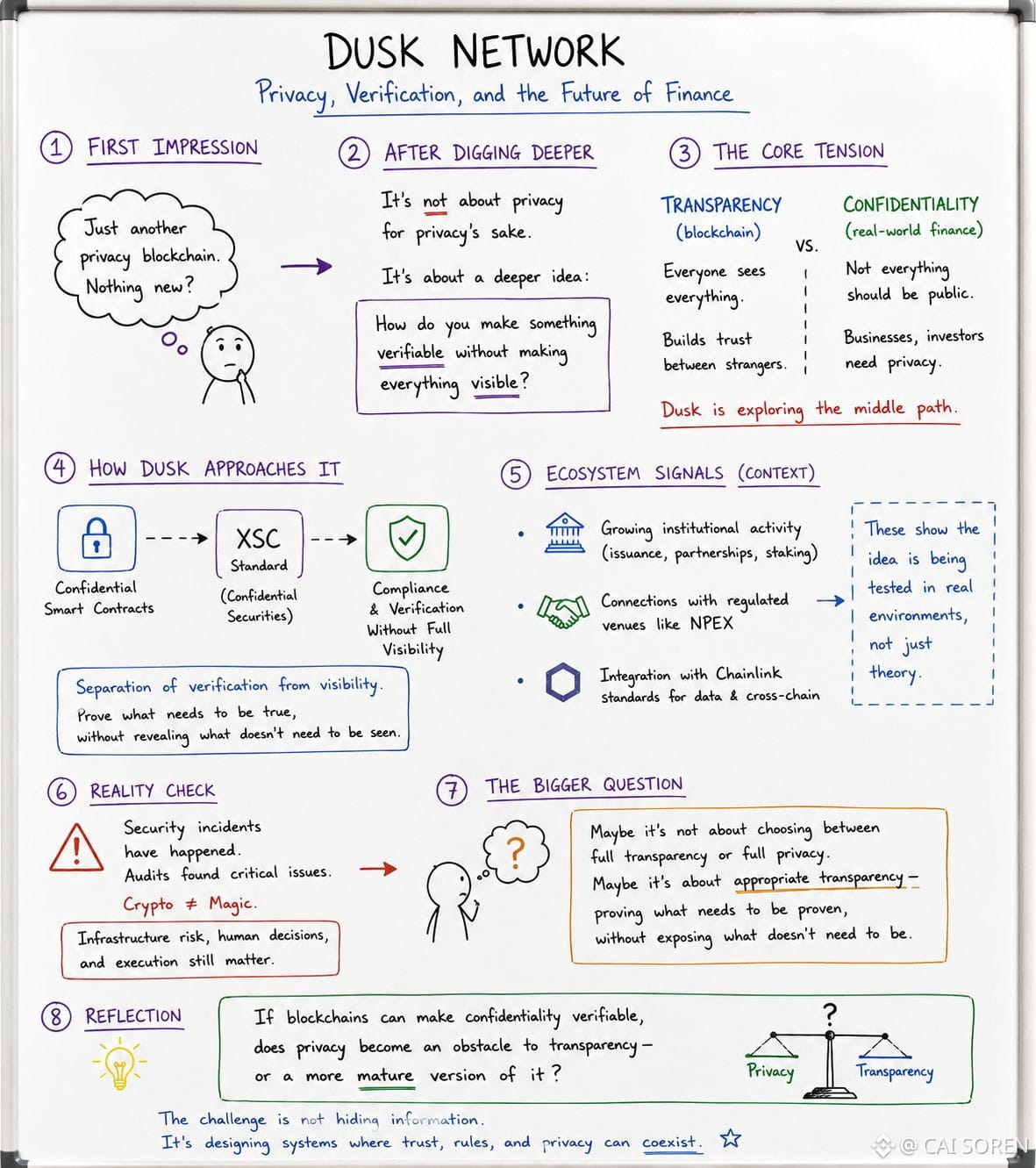
認めますが、最初にDuskを見つけたとき、私はそれを「プライバシーブロックチェーン」の箱に入れて先に進んでしまいました。その説明を使うプロジェクトは十分に多く、最初は違和感がありませんでした。
掘り下げてみると、私が注意を向けるべきものが変わりました。
面白いのは、プライバシー“それ自体”ではありません。何かがプライベートなままでありつつ、検証可能でもあり得るという考え方です。
それは小さな違いに聞こえるかもしれませんが、金融ではとても大きな意味があります。パブリック・ブロックチェーンは、透明性を信頼と結びつけるよう私たちに教えてくれました。台帳は誰もが検査できるので、誰かの言葉をただ信じる必要がないのです。ですが、現実の金融市場はもっと複雑です。投資家、企業、そして機関には、行っていることをすべて公開しない正当な理由があることがよくあります。
Duskは、その気まずい“ちょうど中間”に位置しているように見えます。
機密スマートコントラクトやXSC標準といったものは技術的な部品ですが、私がより興味を惹かれるのは根本の問題です。人々に対して、必要のない情報を渡さずに、ルールが守られたことを検証するのに十分な情報は与えられるでしょうか?
$DUSK をめぐる最近の機関投資家の動きが、この問いを単なる理論ではなく実感を伴うものにしています。同時に、過去のセキュリティ課題は、暗号が信頼の唯一の層ではないことを思い出させてくれます。コード、インフラ、ガバナンス、そして最終的には人々が依然として重要なのです。
私の見方を最も変えたのは、おそらくそこだったのでしょう。
たぶんブロックチェーンの金融には、最大限の透明性は不要です。必要なのは、適切な透明性なのかもしれません。
#dusk @Dusk
掘り下げてみると、私が注意を向けるべきものが変わりました。
面白いのは、プライバシー“それ自体”ではありません。何かがプライベートなままでありつつ、検証可能でもあり得るという考え方です。
それは小さな違いに聞こえるかもしれませんが、金融ではとても大きな意味があります。パブリック・ブロックチェーンは、透明性を信頼と結びつけるよう私たちに教えてくれました。台帳は誰もが検査できるので、誰かの言葉をただ信じる必要がないのです。ですが、現実の金融市場はもっと複雑です。投資家、企業、そして機関には、行っていることをすべて公開しない正当な理由があることがよくあります。
Duskは、その気まずい“ちょうど中間”に位置しているように見えます。
機密スマートコントラクトやXSC標準といったものは技術的な部品ですが、私がより興味を惹かれるのは根本の問題です。人々に対して、必要のない情報を渡さずに、ルールが守られたことを検証するのに十分な情報は与えられるでしょうか?
$DUSK をめぐる最近の機関投資家の動きが、この問いを単なる理論ではなく実感を伴うものにしています。同時に、過去のセキュリティ課題は、暗号が信頼の唯一の層ではないことを思い出させてくれます。コード、インフラ、ガバナンス、そして最終的には人々が依然として重要なのです。
私の見方を最も変えたのは、おそらくそこだったのでしょう。
たぶんブロックチェーンの金融には、最大限の透明性は不要です。必要なのは、適切な透明性なのかもしれません。
#dusk @Dusk
ログインして、さらにコンテンツを読む