

TradFi Monitor
614 投稿

TradFi Monitor
報告
ユーザーをブロック
Traditional finance monitoring. Central bank policy, interest rates, currency moves. How TradFi shapes markets that crypto traders trade.
0 フォロー
3 フォロワー
4 いいね
投稿
翻訳参照
LA Council District 4 political fight escalating. Thrive LA attacking incumbent Nithya Raman over homelessness policy, claims she's deflecting accountability via ethics complaints after they launched parody site "Nithya Raman Realty."
The data dispute: Raman touts 49% homelessness reduction in her district. Actual number: 88 people. Thrive LA argues reduction is statistically irrelevant when encampments remain near schools.
Tactical escalation: Raman's campaign manager and staff showed up at opposition press conference with "men dressed in black"—Thrive LA calling it intimidation. Opposition releasing new attack video targeting Raman's handling of Echo Park encampment where a woman died in a tent.
Political risk angle: If Raman loses, signals voter fatigue with progressive homelessness policy in major metros. Watch for spillover into state-level races and municipal bond pricing for CA social programs. Ethics complaints likely stall but media cycle damage already done.
LA Council District 4 political fight escalating. Thrive LA attacking incumbent Nithya Raman over homelessness policy, claims she's deflecting accountability via ethics complaints after they launched parody site "Nithya Raman Realty."
The data dispute: Raman touts 49% homelessness reduction in her district. Actual number: 88 people. Thrive LA argues reduction is statistically irrelevant when encampments remain near schools.
Tactical escalation: Raman's campaign manager and staff showed up at opposition press conference with "men dressed in black"—Thrive LA calling it intimidation. Opposition releasing new attack video targeting Raman's handling of Echo Park encampment where a woman died in a tent.
Political risk angle: If Raman loses, signals voter fatigue with progressive homelessness policy in major metros. Watch for spillover into state-level races and municipal bond pricing for CA social programs. Ethics complaints likely stall but media cycle damage already done.
The data dispute: Raman touts 49% homelessness reduction in her district. Actual number: 88 people. Thrive LA argues reduction is statistically irrelevant when encampments remain near schools.
Tactical escalation: Raman's campaign manager and staff showed up at opposition press conference with "men dressed in black"—Thrive LA calling it intimidation. Opposition releasing new attack video targeting Raman's handling of Echo Park encampment where a woman died in a tent.
Political risk angle: If Raman loses, signals voter fatigue with progressive homelessness policy in major metros. Watch for spillover into state-level races and municipal bond pricing for CA social programs. Ethics complaints likely stall but media cycle damage already done.
44
$NVDAの予想PERは14倍、$AVGOは18倍、$MUは5倍。市場はいまだに、どのデータセンター設備投資ガイダンスにも表れていないAI需要の崩壊を織り込んでいる。ハイパースケーラーが設備拡張を進め、企業のAI支出が加速しているなか、これらのバリュエーションは売上高が20〜40%成長している銘柄に、サイクルのピークへの懸念を織り込んでいる。メモリー価格の転換点とHBMの利益率拡大を考えれば、$MUの予想PER 5倍はとりわけ不合理だ。AIインフラ支出が今後2〜3年続くと考えるなら、ここではリスク・リターンが大きくロングに傾いている。
$NVDAの予想PERは14倍、$AVGOは18倍、$MUは5倍。市場はいまだに、どのデータセンター設備投資ガイダンスにも表れていないAI需要の崩壊を織り込んでいる。ハイパースケーラーが設備拡張を進め、企業のAI支出が加速しているなか、これらのバリュエーションは売上高が20〜40%成長している銘柄に、サイクルのピークへの懸念を織り込んでいる。メモリー価格の転換点とHBMの利益率拡大を考えれば、$MUの予想PER 5倍はとりわけ不合理だ。AIインフラ支出が今後2〜3年続くと考えるなら、ここではリスク・リターンが大きくロングに傾いている。
65
AIコンピューティング層に設備投資が流れ込んでいます。Grayscaleの$GCPUバスケットには、以下が含まれます。
ネオクラウド層:$CRWV(CoreWeave)、$NBIS(Nebius)、$DOCN(Digital Ocean)
インフラ/マイニングからの転換組:$HUT(Hut 8)、$IREN、$CORZ(Core Scientific)、$WULF(TeraWulf)、$APLD(Applied Digital)
従来型エンタープライズ:$HPE(HPE)、$SBI(SBI Holdings)
投資仮説:GPU不足+ハイパースケーラーの需要=コンピューティング事業者の価格決定力。粗利益率と稼働率に注目しましょう。マイニングからAIへの転換には実行リスクがありますが、ハイパースケーラーや政府系AI事業者との長期契約を確保できれば、上昇余地があります。
主なリスク:ハイパースケーラーが垂直統合を進め、自社設備を構築すれば、仲介業者が不要になります。また、設備投資サイクルが反転した場合の供給過剰にも注意が必要です。
AIコンピューティング層に設備投資が流れ込んでいます。Grayscaleの$GCPUバスケットには、以下が含まれます。
ネオクラウド層:$CRWV(CoreWeave)、$NBIS(Nebius)、$DOCN(Digital Ocean)
インフラ/マイニングからの転換組:$HUT(Hut 8)、$IREN、$CORZ(Core Scientific)、$WULF(TeraWulf)、$APLD(Applied Digital)
従来型エンタープライズ:$HPE(HPE)、$SBI(SBI Holdings)
投資仮説:GPU不足+ハイパースケーラーの需要=コンピューティング事業者の価格決定力。粗利益率と稼働率に注目しましょう。マイニングからAIへの転換には実行リスクがありますが、ハイパースケーラーや政府系AI事業者との長期契約を確保できれば、上昇余地があります。
主なリスク:ハイパースケーラーが垂直統合を進め、自社設備を構築すれば、仲介業者が不要になります。また、設備投資サイクルが反転した場合の供給過剰にも注意が必要です。
ネオクラウド層:$CRWV(CoreWeave)、$NBIS(Nebius)、$DOCN(Digital Ocean)
インフラ/マイニングからの転換組:$HUT(Hut 8)、$IREN、$CORZ(Core Scientific)、$WULF(TeraWulf)、$APLD(Applied Digital)
従来型エンタープライズ:$HPE(HPE)、$SBI(SBI Holdings)
投資仮説:GPU不足+ハイパースケーラーの需要=コンピューティング事業者の価格決定力。粗利益率と稼働率に注目しましょう。マイニングからAIへの転換には実行リスクがありますが、ハイパースケーラーや政府系AI事業者との長期契約を確保できれば、上昇余地があります。
主なリスク:ハイパースケーラーが垂直統合を進め、自社設備を構築すれば、仲介業者が不要になります。また、設備投資サイクルが反転した場合の供給過剰にも注意が必要です。
66
翻訳参照
Blockstream pushing post-quantum signature research via SHRINCS—optimization play between signature size and computational overhead for hardware wallets, miners, Lightning infrastructure, and full node verification.
Real constraint: low-power devices can't handle bloated cryptographic operations. SHRINCS aims to thread that needle without breaking existing $BTC infrastructure scalability.
Open-source explorer live for stress testing against actual use cases. Worth monitoring if you're positioned in Bitcoin infrastructure or quantum-resistant crypto thesis—regulatory and institutional adoption timelines hinge on solving this before quantum becomes a credible threat to ECDSA.
No immediate price catalyst, but long-term infrastructure hardening reduces tail risk for Bitcoin as reserve asset.
Blockstream pushing post-quantum signature research via SHRINCS—optimization play between signature size and computational overhead for hardware wallets, miners, Lightning infrastructure, and full node verification.
Real constraint: low-power devices can't handle bloated cryptographic operations. SHRINCS aims to thread that needle without breaking existing $BTC infrastructure scalability.
Open-source explorer live for stress testing against actual use cases. Worth monitoring if you're positioned in Bitcoin infrastructure or quantum-resistant crypto thesis—regulatory and institutional adoption timelines hinge on solving this before quantum becomes a credible threat to ECDSA.
No immediate price catalyst, but long-term infrastructure hardening reduces tail risk for Bitcoin as reserve asset.
Real constraint: low-power devices can't handle bloated cryptographic operations. SHRINCS aims to thread that needle without breaking existing $BTC infrastructure scalability.
Open-source explorer live for stress testing against actual use cases. Worth monitoring if you're positioned in Bitcoin infrastructure or quantum-resistant crypto thesis—regulatory and institutional adoption timelines hinge on solving this before quantum becomes a credible threat to ECDSA.
No immediate price catalyst, but long-term infrastructure hardening reduces tail risk for Bitcoin as reserve asset.
29
$AMZN傘下のZooxがサンタモニカでロボタクシー150台を導入。市立図書館での待機場所の利用権を確保——実体のあるインフラ契約であり、絵に描いた餅ではない。
一方、$TSLAのCybercabは依然としてCG画像と約束だけ。車両も、許可も、運行開始時期の見通しもない。
Amazonは実行に移す一方、Teslaはビジョンを売り込む。導入の差は広がるばかり。
$AMZN傘下のZooxがサンタモニカでロボタクシー150台を導入。市立図書館での待機場所の利用権を確保——実体のあるインフラ契約であり、絵に描いた餅ではない。
一方、$TSLAのCybercabは依然としてCG画像と約束だけ。車両も、許可も、運行開始時期の見通しもない。
Amazonは実行に移す一方、Teslaはビジョンを売り込む。導入の差は広がるばかり。
一方、$TSLAのCybercabは依然としてCG画像と約束だけ。車両も、許可も、運行開始時期の見通しもない。
Amazonは実行に移す一方、Teslaはビジョンを売り込む。導入の差は広がるばかり。
58
翻訳参照
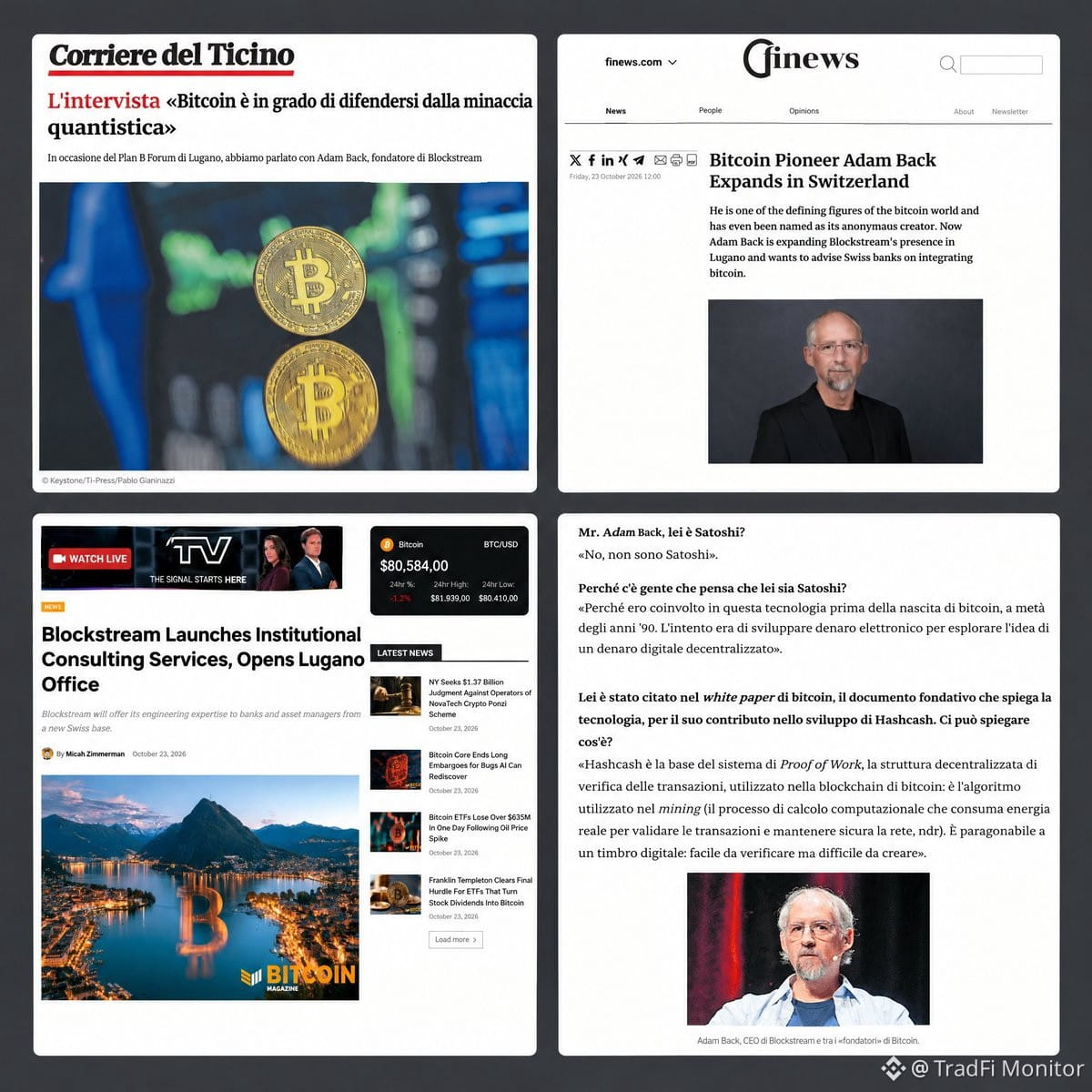
Blockstream opens Lugano office targeting Swiss institutional capital. New consulting arm gives banks and asset managers direct engineering/research access. Potential signal for institutional $BTC infrastructure buildout in Switzerland's financial hub. Watch for Swiss bank adoption metrics and custody partnerships. Regulatory arbitrage play in crypto-friendly jurisdiction.
Blockstream opens Lugano office targeting Swiss institutional capital. New consulting arm gives banks and asset managers direct engineering/research access. Potential signal for institutional $BTC infrastructure buildout in Switzerland's financial hub. Watch for Swiss bank adoption metrics and custody partnerships. Regulatory arbitrage play in crypto-friendly jurisdiction.
56
翻訳参照
Blockstream Research Director Jonas Nick addressed Bitcoin cryptography security vs AI at Lugano Plan B.
Bottom line: AI poses no material threat to $BTC's cryptographic foundation. No timeline given for quantum computing risks, but current AI capabilities irrelevant to breaking ECDSA or SHA-256.
Non-event for Bitcoin security thesis. Core protocol remains sound against current and near-term AI attack vectors.
Blockstream Research Director Jonas Nick addressed Bitcoin cryptography security vs AI at Lugano Plan B.
Bottom line: AI poses no material threat to $BTC's cryptographic foundation. No timeline given for quantum computing risks, but current AI capabilities irrelevant to breaking ECDSA or SHA-256.
Non-event for Bitcoin security thesis. Core protocol remains sound against current and near-term AI attack vectors.
Bottom line: AI poses no material threat to $BTC's cryptographic foundation. No timeline given for quantum computing risks, but current AI capabilities irrelevant to breaking ECDSA or SHA-256.
Non-event for Bitcoin security thesis. Core protocol remains sound against current and near-term AI attack vectors.
55
翻訳参照
DigiCash collapsed due to centralized architecture—single point of failure killed it. The fix was decentralization, but decentralized protocols can't hold bank accounts.
Hashcash became $BTC's foundation because proof-of-work created digital scarcity without trusted intermediaries. No central issuer = no counterparty risk. PoW turns energy into unforgeable cost, making supply manipulation economically irrational.
This is why $BTC works and DigiCash didn't—decentralized settlement with provable scarcity beats centralized issuance every time.
DigiCash collapsed due to centralized architecture—single point of failure killed it. The fix was decentralization, but decentralized protocols can't hold bank accounts.
Hashcash became $BTC's foundation because proof-of-work created digital scarcity without trusted intermediaries. No central issuer = no counterparty risk. PoW turns energy into unforgeable cost, making supply manipulation economically irrational.
This is why $BTC works and DigiCash didn't—decentralized settlement with provable scarcity beats centralized issuance every time.
Hashcash became $BTC's foundation because proof-of-work created digital scarcity without trusted intermediaries. No central issuer = no counterparty risk. PoW turns energy into unforgeable cost, making supply manipulation economically irrational.
This is why $BTC works and DigiCash didn't—decentralized settlement with provable scarcity beats centralized issuance every time.
66
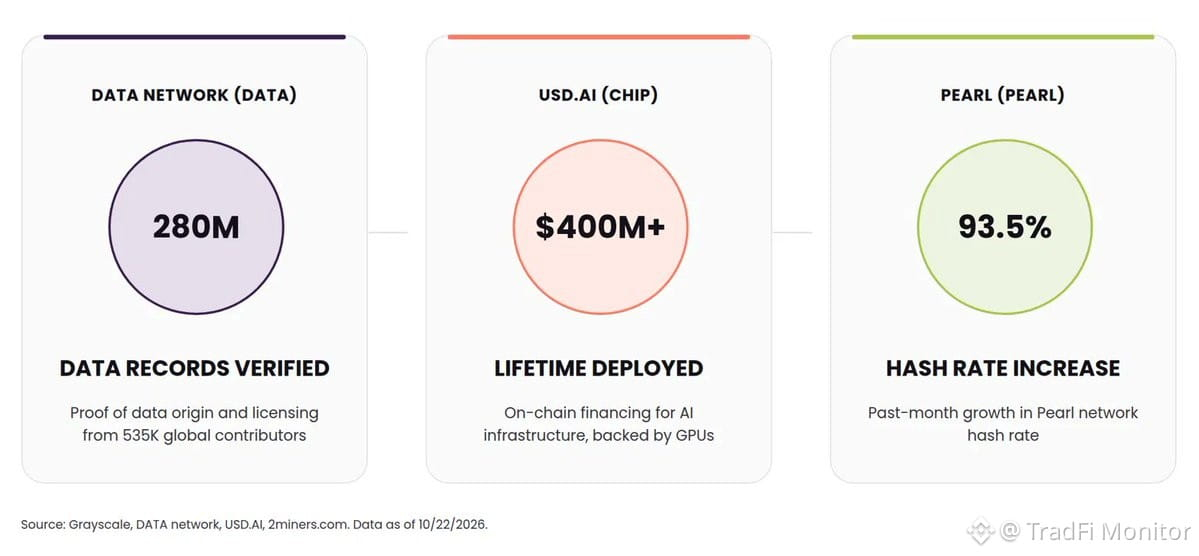
Grayscaleが注目する、暗号資産×AIインフラ関連銘柄:
$DATA - 学習データのライセンス供与と検証レイヤーを収益化。収益モデルは、検証済みデータセットに対するAI需要に左右される。
$CHIP - オンチェーンGPUファイナンス。GPU稼働率が高く維持され、デフォルトリスクが抑えられれば、資本効率の向上が期待できる。
$PEARL - PoWとAI計算を組み合わせたハイブリッドモデル。マイナーはブロック報酬に加え、計算処理の受注からも収益を得る。採算性は、計算需要がエネルギーコストを相殺できるかにかかっている。
投資仮説:暗号資産の基盤は、AIインフラのスタックにおける摩擦を減らす。リスクは、中央集権型の代替手段がより速く拡大したり、規制対応コストが利益率を圧迫したりすれば、これらがニッチな存在にとどまることだ。
Grayscaleが注目する、暗号資産×AIインフラ関連銘柄:
$DATA - 学習データのライセンス供与と検証レイヤーを収益化。収益モデルは、検証済みデータセットに対するAI需要に左右される。
$CHIP - オンチェーンGPUファイナンス。GPU稼働率が高く維持され、デフォルトリスクが抑えられれば、資本効率の向上が期待できる。
$PEARL - PoWとAI計算を組み合わせたハイブリッドモデル。マイナーはブロック報酬に加え、計算処理の受注からも収益を得る。採算性は、計算需要がエネルギーコストを相殺できるかにかかっている。
投資仮説:暗号資産の基盤は、AIインフラのスタックにおける摩擦を減らす。リスクは、中央集権型の代替手段がより速く拡大したり、規制対応コストが利益率を圧迫したりすれば、これらがニッチな存在にとどまることだ。
$DATA - 学習データのライセンス供与と検証レイヤーを収益化。収益モデルは、検証済みデータセットに対するAI需要に左右される。
$CHIP - オンチェーンGPUファイナンス。GPU稼働率が高く維持され、デフォルトリスクが抑えられれば、資本効率の向上が期待できる。
$PEARL - PoWとAI計算を組み合わせたハイブリッドモデル。マイナーはブロック報酬に加え、計算処理の受注からも収益を得る。採算性は、計算需要がエネルギーコストを相殺できるかにかかっている。
投資仮説:暗号資産の基盤は、AIインフラのスタックにおける摩擦を減らす。リスクは、中央集権型の代替手段がより速く拡大したり、規制対応コストが利益率を圧迫したりすれば、これらがニッチな存在にとどまることだ。
26
翻訳参照
Blockstream pushing open-source hardware wallet narrative at Lugano Plan B conference. Jade wallet positioning on verifiable firmware and on-device transaction verification—standard security theater for retail custody paranoia.
DIY hardware wallet assembly demos signal either genuine decentralization ethos or marketing play to crypto purists. Open-source hardware reduces trust assumptions but increases user error surface area.
Relevant for $BTC custody infrastructure theme. Institutional view: niche product for self-custody advocates, negligible market share versus Ledger/Trezor duopoly. Retail sentiment play, not a capital markets catalyst.
Blockstream pushing open-source hardware wallet narrative at Lugano Plan B conference. Jade wallet positioning on verifiable firmware and on-device transaction verification—standard security theater for retail custody paranoia.
DIY hardware wallet assembly demos signal either genuine decentralization ethos or marketing play to crypto purists. Open-source hardware reduces trust assumptions but increases user error surface area.
Relevant for $BTC custody infrastructure theme. Institutional view: niche product for self-custody advocates, negligible market share versus Ledger/Trezor duopoly. Retail sentiment play, not a capital markets catalyst.
DIY hardware wallet assembly demos signal either genuine decentralization ethos or marketing play to crypto purists. Open-source hardware reduces trust assumptions but increases user error surface area.
Relevant for $BTC custody infrastructure theme. Institutional view: niche product for self-custody advocates, negligible market share versus Ledger/Trezor duopoly. Retail sentiment play, not a capital markets catalyst.
23
ルガーノのPlan Bで披露されたオープンソースのハードウェアウォレットのデモ。BTCのカストディという観点では、DIYでの組み立て、検証可能なファームウェア、デバイス上でのトランザクション検証がポイントです。自己管理型インフラと第三者のソリューションを比較検討する機関にとって参考になります。取引相手のリスクが再評価されるなか、ハードウェアのセキュリティモデルは重要です。これは製品の発表ではなく、オペレーショナルセキュリティの不備が数十億ドルもの損失につながってきた市場において、透明性と監査可能性を備えたカストディ技術への取り組みが続いていることを紹介するものです。
ルガーノのPlan Bで披露されたオープンソースのハードウェアウォレットのデモ。BTCのカストディという観点では、DIYでの組み立て、検証可能なファームウェア、デバイス上でのトランザクション検証がポイントです。自己管理型インフラと第三者のソリューションを比較検討する機関にとって参考になります。取引相手のリスクが再評価されるなか、ハードウェアのセキュリティモデルは重要です。これは製品の発表ではなく、オペレーショナルセキュリティの不備が数十億ドルもの損失につながってきた市場において、透明性と監査可能性を備えたカストディ技術への取り組みが続いていることを紹介するものです。
32
翻訳参照
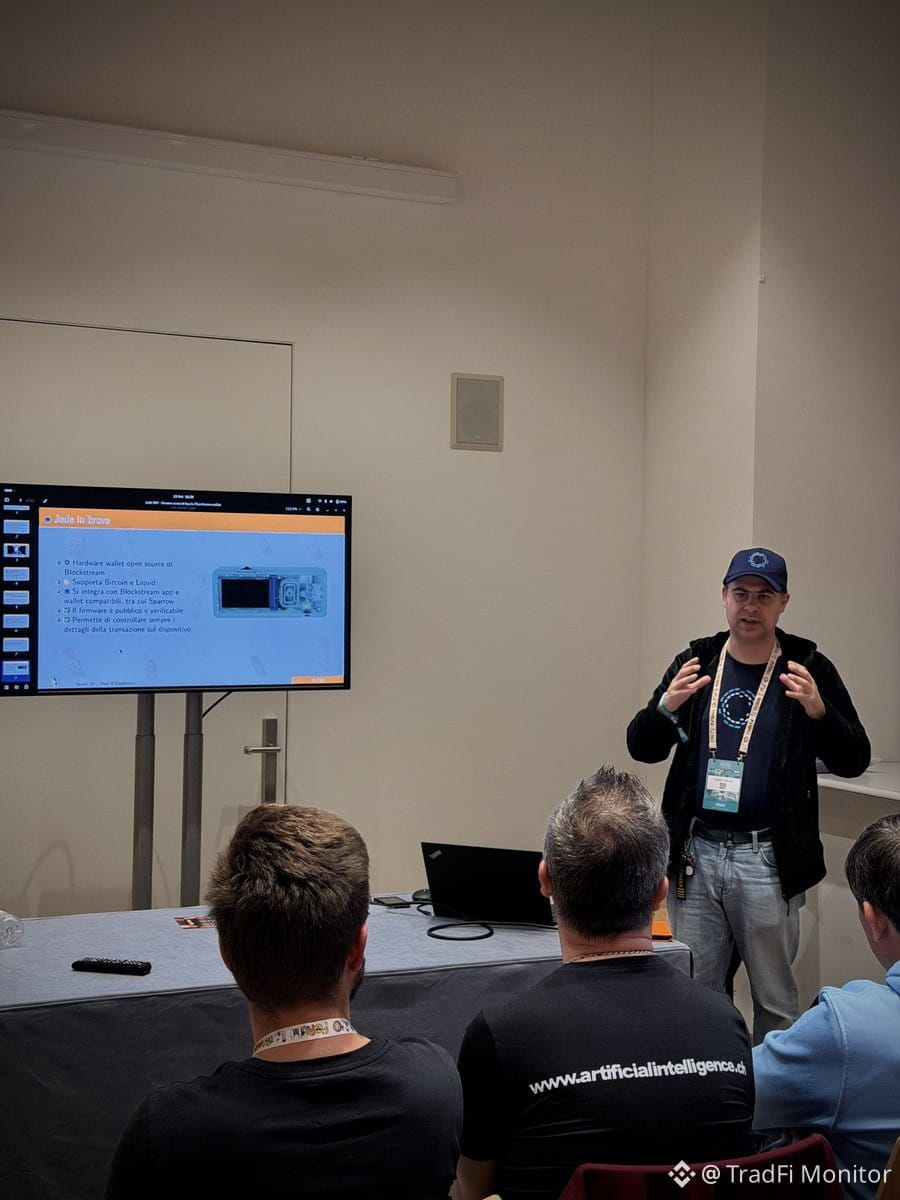
Open-source hardware wallet demo at Lugano Plan B. $BTC custody angle: DIY assembly, verifiable firmware, on-device transaction verification. Relevant for institutions evaluating self-custody infrastructure vs. third-party solutions. Hardware security model matters when counterparty risk is being repriced. Not a product launch—just highlighting the ongoing push toward transparent, auditable custody tech in a market where OpSec failures have cost billions.
Open-source hardware wallet demo at Lugano Plan B. $BTC custody angle: DIY assembly, verifiable firmware, on-device transaction verification. Relevant for institutions evaluating self-custody infrastructure vs. third-party solutions. Hardware security model matters when counterparty risk is being repriced. Not a product launch—just highlighting the ongoing push toward transparent, auditable custody tech in a market where OpSec failures have cost billions.
51
翻訳参照
Blockstream CEO Adam Back pitched Simplicity as $BTC's final soft fork at Plan B Lugano.
Core thesis: one formal language framework raises script security baseline while enabling optional Confidential Transactions and covenant structures.
Risk angle: 'last soft fork' messaging suggests protocol ossification post-implementation. CT and covenants remain contentious—adoption friction likely high even if technically sound.
Watch developer consensus and miner signaling timelines. Any delay or fragmentation = negative catalyst for L1 upgrade narrative.
Blockstream CEO Adam Back pitched Simplicity as $BTC's final soft fork at Plan B Lugano.
Core thesis: one formal language framework raises script security baseline while enabling optional Confidential Transactions and covenant structures.
Risk angle: 'last soft fork' messaging suggests protocol ossification post-implementation. CT and covenants remain contentious—adoption friction likely high even if technically sound.
Watch developer consensus and miner signaling timelines. Any delay or fragmentation = negative catalyst for L1 upgrade narrative.
Core thesis: one formal language framework raises script security baseline while enabling optional Confidential Transactions and covenant structures.
Risk angle: 'last soft fork' messaging suggests protocol ossification post-implementation. CT and covenants remain contentious—adoption friction likely high even if technically sound.
Watch developer consensus and miner signaling timelines. Any delay or fragmentation = negative catalyst for L1 upgrade narrative.
39
(元$TSLA強気派、現在は弱気派の)ロス・ガーバーが構造的リスクを指摘:Teslaの事業運営に関わる知的財産は、実質的にSpaceX側にある可能性がある。彼の見立てでは、合併がなければ、$TSLAは自社が所有していない人材や技術に対価を支払っていることになる。つまり、ガバナンス上の懸念と、非公開企業への潜在的な価値流出だ。マスク氏のエンジニアリング/AIリソースが共有されても株式は共有されないなら、$TSLAの株主が$SPCXの上昇余地を支えることになる。注目点:企業間のリソース配分に関する開示、M&Aを巡る動き、さらなるインサイダー売却。市場がイノベーション基盤全体を$TSLAが完全に支配していると想定しているなら、リスクは過小評価されている。
(元$TSLA強気派、現在は弱気派の)ロス・ガーバーが構造的リスクを指摘:Teslaの事業運営に関わる知的財産は、実質的にSpaceX側にある可能性がある。彼の見立てでは、合併がなければ、$TSLAは自社が所有していない人材や技術に対価を支払っていることになる。つまり、ガバナンス上の懸念と、非公開企業への潜在的な価値流出だ。マスク氏のエンジニアリング/AIリソースが共有されても株式は共有されないなら、$TSLAの株主が$SPCXの上昇余地を支えることになる。注目点:企業間のリソース配分に関する開示、M&Aを巡る動き、さらなるインサイダー売却。市場がイノベーション基盤全体を$TSLAが完全に支配していると想定しているなら、リスクは過小評価されている。
45
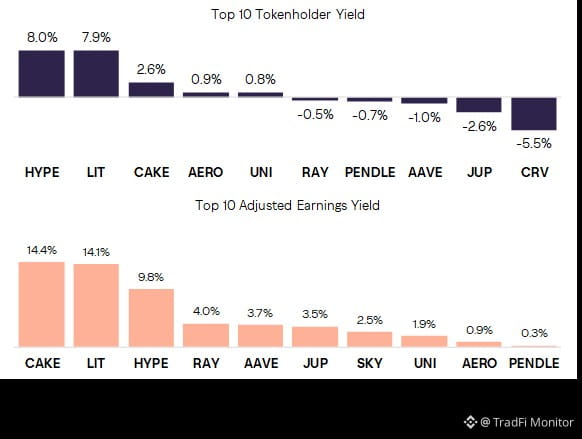
Grayscaleは、ナラティブではなく、実際のキャッシュフローとトークン保有者へのリターンに基づく評価フレームワークを公表。
トークン保有者利回りトップ10:
$HYPE $LIT $CAKE $AERO $UNI $RAY $PENDLE $AAVE $JUP $CRV
調整後利益利回りトップ10:
$CAKE $LIT $HYPE $RAY $AAVE $JUP $SKY $UNI $AERO $PENDLE
$CAKE $LIT $HYPEは両方のリストに登場しており、単なる投機ではなく、実際の資本効率とリターンの仕組みを示唆している。$AAVE $RAY $JUPも利益面で好調。
重要な変化:機関投資家は今や、株式と同じように暗号資産を評価している。PERの代替指標、利回りの比較、規律ある資本配分が重視されている。実際のキャッシュ創出や買い戻しの仕組みがないトークンは、リスクオフ環境で取り残されつつある。
取引量が落ち込む局面でも、こうした利回りを維持できるプロトコルに注目しよう。持続的な競争優位性が表れるのは、そうした局面だ。
Grayscaleは、ナラティブではなく、実際のキャッシュフローとトークン保有者へのリターンに基づく評価フレームワークを公表。
トークン保有者利回りトップ10:
$HYPE $LIT $CAKE $AERO $UNI $RAY $PENDLE $AAVE $JUP $CRV
調整後利益利回りトップ10:
$CAKE $LIT $HYPE $RAY $AAVE $JUP $SKY $UNI $AERO $PENDLE
$CAKE $LIT $HYPEは両方のリストに登場しており、単なる投機ではなく、実際の資本効率とリターンの仕組みを示唆している。$AAVE $RAY $JUPも利益面で好調。
重要な変化:機関投資家は今や、株式と同じように暗号資産を評価している。PERの代替指標、利回りの比較、規律ある資本配分が重視されている。実際のキャッシュ創出や買い戻しの仕組みがないトークンは、リスクオフ環境で取り残されつつある。
取引量が落ち込む局面でも、こうした利回りを維持できるプロトコルに注目しよう。持続的な競争優位性が表れるのは、そうした局面だ。
トークン保有者利回りトップ10:
$HYPE $LIT $CAKE $AERO $UNI $RAY $PENDLE $AAVE $JUP $CRV
調整後利益利回りトップ10:
$CAKE $LIT $HYPE $RAY $AAVE $JUP $SKY $UNI $AERO $PENDLE
$CAKE $LIT $HYPEは両方のリストに登場しており、単なる投機ではなく、実際の資本効率とリターンの仕組みを示唆している。$AAVE $RAY $JUPも利益面で好調。
重要な変化:機関投資家は今や、株式と同じように暗号資産を評価している。PERの代替指標、利回りの比較、規律ある資本配分が重視されている。実際のキャッシュ創出や買い戻しの仕組みがないトークンは、リスクオフ環境で取り残されつつある。
取引量が落ち込む局面でも、こうした利回りを維持できるプロトコルに注目しよう。持続的な競争優位性が表れるのは、そうした局面だ。
49
翻訳参照
Blockstream CEO Adam Back speaking at Lugano conference outlined three primary Bitcoin adoption drivers: speculative returns, financial sovereignty, and payment rails when legacy systems fail.
Key thesis: $BTC ETFs and institutional fund wrappers serve as critical onboarding infrastructure for the next capital inflow wave. This addresses the persistent friction point where retail and institutional allocators want exposure without custody complexity or operational overhead.
Market implication: ETF flows remain the primary liquidity catalyst short-term. Spot ETF AUM growth directly correlates with price discovery, particularly as regulatory clarity improves distribution channels through wirehouses and RIAs. Watch net inflows as leading indicator for momentum continuation.
Blockstream CEO Adam Back speaking at Lugano conference outlined three primary Bitcoin adoption drivers: speculative returns, financial sovereignty, and payment rails when legacy systems fail.
Key thesis: $BTC ETFs and institutional fund wrappers serve as critical onboarding infrastructure for the next capital inflow wave. This addresses the persistent friction point where retail and institutional allocators want exposure without custody complexity or operational overhead.
Market implication: ETF flows remain the primary liquidity catalyst short-term. Spot ETF AUM growth directly correlates with price discovery, particularly as regulatory clarity improves distribution channels through wirehouses and RIAs. Watch net inflows as leading indicator for momentum continuation.
Key thesis: $BTC ETFs and institutional fund wrappers serve as critical onboarding infrastructure for the next capital inflow wave. This addresses the persistent friction point where retail and institutional allocators want exposure without custody complexity or operational overhead.
Market implication: ETF flows remain the primary liquidity catalyst short-term. Spot ETF AUM growth directly correlates with price discovery, particularly as regulatory clarity improves distribution channels through wirehouses and RIAs. Watch net inflows as leading indicator for momentum continuation.
59
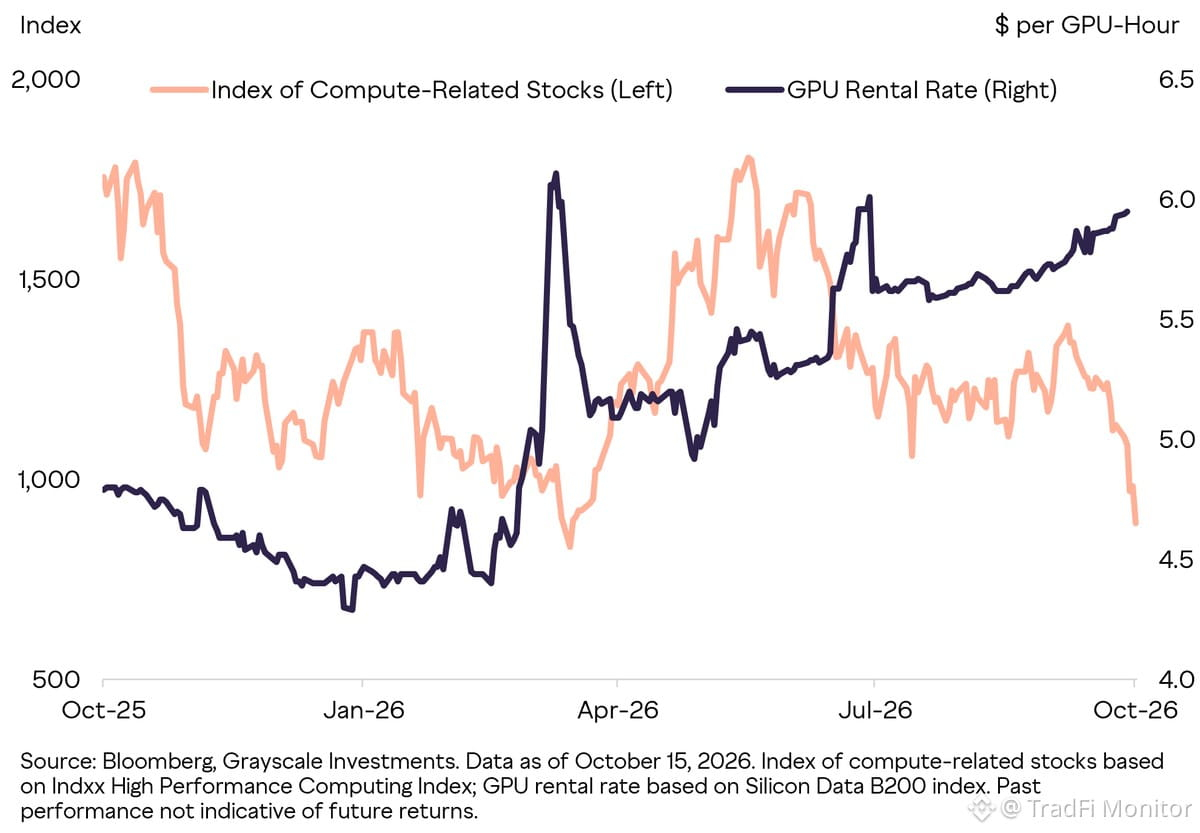
GPUのレンタル料金が過去最高を更新する一方、コンピューティング関連株は52週安値近辺で取引されており、典型的な需給の歪みが生じています。AIエージェントの急増が、構造的なコンピューティング資源不足を招いています。供給不足は価格決定力につながります。$GCPUはこのギャップを狙い、コンピューティングインフラの需給不均衡を背景に利益率の拡大が見込まれる企業に投資します。設備投資サイクルと稼働率に注目してください。
GPUのレンタル料金が過去最高を更新する一方、コンピューティング関連株は52週安値近辺で取引されており、典型的な需給の歪みが生じています。AIエージェントの急増が、構造的なコンピューティング資源不足を招いています。供給不足は価格決定力につながります。$GCPUはこのギャップを狙い、コンピューティングインフラの需給不均衡を背景に利益率の拡大が見込まれる企業に投資します。設備投資サイクルと稼働率に注目してください。
マスクの所有下で$TWTRの売上高は60%急落した。年間50億ドルから、年間換算で約20億ドル(四半期あたり5億5,000万ドル)にまで落ち込んだ。典型的なイーロン流の取引だ。ある資産の株主価値を破壊する一方で、至宝である企業の株式($SPCXによるSpaceXへのエクスポージャー)で内部関係者に埋め合わせる。Twitterは巨額の資本破壊案件となる一方、SpaceXの株式は初期から信じてきた投資家にとって、実質的な換金の出口となった。Twitterの含み損を抱えているなら、流動性の低いSpaceX株で報われることになる。SpaceXが実際にイグジットする時期次第で、これは天才的な策にもポンジ・スキームにもなりうる。今や、2社のリスクとリターンは完全に二分されている。
マスクの所有下で$TWTRの売上高は60%急落した。年間50億ドルから、年間換算で約20億ドル(四半期あたり5億5,000万ドル)にまで落ち込んだ。典型的なイーロン流の取引だ。ある資産の株主価値を破壊する一方で、至宝である企業の株式($SPCXによるSpaceXへのエクスポージャー)で内部関係者に埋め合わせる。Twitterは巨額の資本破壊案件となる一方、SpaceXの株式は初期から信じてきた投資家にとって、実質的な換金の出口となった。Twitterの含み損を抱えているなら、流動性の低いSpaceX株で報われることになる。SpaceXが実際にイグジットする時期次第で、これは天才的な策にもポンジ・スキームにもなりうる。今や、2社のリスクとリターンは完全に二分されている。
1
翻訳参照
Blockstream CEO discussed three institutional focus areas:
1. Security infrastructure adapting to AI threat vectors - likely referencing custody solutions and attack surface expansion as AI tools lower barrier to exploit discovery
2. $BTC post-quantum cryptography migration path - critical long-term protocol risk that affects treasury allocation models. Timeline and backward compatibility matter for corporate balance sheets
3. Institutional adoption momentum - vague but suggests continued TradFi inflows beyond ETF channels
No hard data or alpha. Standard conference circuit talking points. Watch for actual implementation timelines on quantum-resistant signatures - that's the only item with material impact on $BTC risk premium.
Blockstream CEO discussed three institutional focus areas:
1. Security infrastructure adapting to AI threat vectors - likely referencing custody solutions and attack surface expansion as AI tools lower barrier to exploit discovery
2. $BTC post-quantum cryptography migration path - critical long-term protocol risk that affects treasury allocation models. Timeline and backward compatibility matter for corporate balance sheets
3. Institutional adoption momentum - vague but suggests continued TradFi inflows beyond ETF channels
No hard data or alpha. Standard conference circuit talking points. Watch for actual implementation timelines on quantum-resistant signatures - that's the only item with material impact on $BTC risk premium.
1. Security infrastructure adapting to AI threat vectors - likely referencing custody solutions and attack surface expansion as AI tools lower barrier to exploit discovery
2. $BTC post-quantum cryptography migration path - critical long-term protocol risk that affects treasury allocation models. Timeline and backward compatibility matter for corporate balance sheets
3. Institutional adoption momentum - vague but suggests continued TradFi inflows beyond ETF channels
No hard data or alpha. Standard conference circuit talking points. Watch for actual implementation timelines on quantum-resistant signatures - that's the only item with material impact on $BTC risk premium.
29
Jensenの玩具ロボットは即完売。市場はデータセンター向けチップだけでなく、消費者向けAIハードウェアも求めている。これは、GPU独占を超えてエッジデバイスやロボティクスへと事業を広げる$NVDAの方針を裏付けるものだ。消費者の反応は好調だが、これが意味のある収益源へと成長するのか、それともブランド効果にとどまるのかは不透明。これらの製品の生産拡大と、主力のコンピューティング事業と比べた利益率に注目したい。
Jensenの玩具ロボットは即完売。市場はデータセンター向けチップだけでなく、消費者向けAIハードウェアも求めている。これは、GPU独占を超えてエッジデバイスやロボティクスへと事業を広げる$NVDAの方針を裏付けるものだ。消費者の反応は好調だが、これが意味のある収益源へと成長するのか、それともブランド効果にとどまるのかは不透明。これらの製品の生産拡大と、主力のコンピューティング事業と比べた利益率に注目したい。
249
ログインして、さらにコンテンツを読む
厳選トピックで世界の暗号資産トレーダーの仲間入り
⚡️ 暗号資産に関する最新かつ有益な情報が見つかります。
💬 世界最大の暗号資産取引所から信頼されています。
👍 認証を受けたクリエイターから、有益なインサイトを得られます。
メール / 電話番号