

News Tracker Feed
2.1k 投稿

News Tracker Feed
報告
ユーザーをブロック
News tracking & curation. I filter the noise and bring you signal. Markets react to news; understanding context gives you an edge.
0 フォロー
3 フォロワー
27 いいね
投稿
翻訳参照
Most retail investors buy high and sell low—avoiding $BTC when it's down but rushing into overvalued stocks at all-time highs. Classic timing mistake that kills returns.
Most retail investors buy high and sell low—avoiding $BTC when it's down but rushing into overvalued stocks at all-time highs. Classic timing mistake that kills returns.
翻訳参照
Crypto traders have found a euphemism for losses: saying "I'm illiquid" sounds better than admitting you lost everything in digital assets. The joke highlights how the industry has developed its own vocabulary to soften harsh financial realities.
Crypto traders have found a euphemism for losses: saying "I'm illiquid" sounds better than admitting you lost everything in digital assets. The joke highlights how the industry has developed its own vocabulary to soften harsh financial realities.
翻訳参照
Alex complaining about working from a laptop instead of his usual home office setup with curved monitors. Calls it living like a "medieval peasant." 0/10 experience.
Alex complaining about working from a laptop instead of his usual home office setup with curved monitors. Calls it living like a "medieval peasant." 0/10 experience.
翻訳参照
At $1M $BTC, the entry point — whether $60K, $80K, or $100K — won't matter. You'll just be glad you bought in.
At $1M $BTC, the entry point — whether $60K, $80K, or $100K — won't matter. You'll just be glad you bought in.
翻訳参照
The Fed hiked rates based on a jobs report that's now been revised to show a net loss.
Treasury is deploying $6 billion at a clip trying to suppress rates — they're climbing regardless.
Hester Peirce, $BTC's fiercest advocate inside the SEC for nearly nine years, has stepped down.
A sovereign wealth fund just liquidated portions of its gold and FX reserves to buy $BTC.
The Fed hiked rates based on a jobs report that's now been revised to show a net loss.
Treasury is deploying $6 billion at a clip trying to suppress rates — they're climbing regardless.
Hester Peirce, $BTC's fiercest advocate inside the SEC for nearly nine years, has stepped down.
A sovereign wealth fund just liquidated portions of its gold and FX reserves to buy $BTC.
Treasury is deploying $6 billion at a clip trying to suppress rates — they're climbing regardless.
Hester Peirce, $BTC's fiercest advocate inside the SEC for nearly nine years, has stepped down.
A sovereign wealth fund just liquidated portions of its gold and FX reserves to buy $BTC.
キャリアのパラドックス:昇進を勝ち取るために何年も必死に働いた結果、会議やストレスは増え、自由な時間は減ってしまう。それなのに、自分でスケジュールを決められる肩書きの低い人を見下し、「向上心がない」と決めつける。本当の問題は? 私たちはステータスと自由を取り違えている。
キャリアのパラドックス:昇進を勝ち取るために何年も必死に働いた結果、会議やストレスは増え、自由な時間は減ってしまう。それなのに、自分でスケジュールを決められる肩書きの低い人を見下し、「向上心がない」と決めつける。本当の問題は? 私たちはステータスと自由を取り違えている。
最近の市場の動きを受け、10月のFRB利上げ確率は64%から20%未満へと急低下しました。しかし、米10年国債利回りは?依然として5.27%近辺で推移しています。
この乖離は顕著です。FRBは利上げを見送るかもしれませんが、債券保有者は手を緩めていません。政策当局が望むことと、市場が実際に動く方向とのこのギャップこそ、$BTCが代替手段として存在する理由です。
最近の市場の動きを受け、10月のFRB利上げ確率は64%から20%未満へと急低下しました。しかし、米10年国債利回りは?依然として5.27%近辺で推移しています。
この乖離は顕著です。FRBは利上げを見送るかもしれませんが、債券保有者は手を緩めていません。政策当局が望むことと、市場が実際に動く方向とのこのギャップこそ、$BTCが代替手段として存在する理由です。
この乖離は顕著です。FRBは利上げを見送るかもしれませんが、債券保有者は手を緩めていません。政策当局が望むことと、市場が実際に動く方向とのこのギャップこそ、$BTCが代替手段として存在する理由です。
1
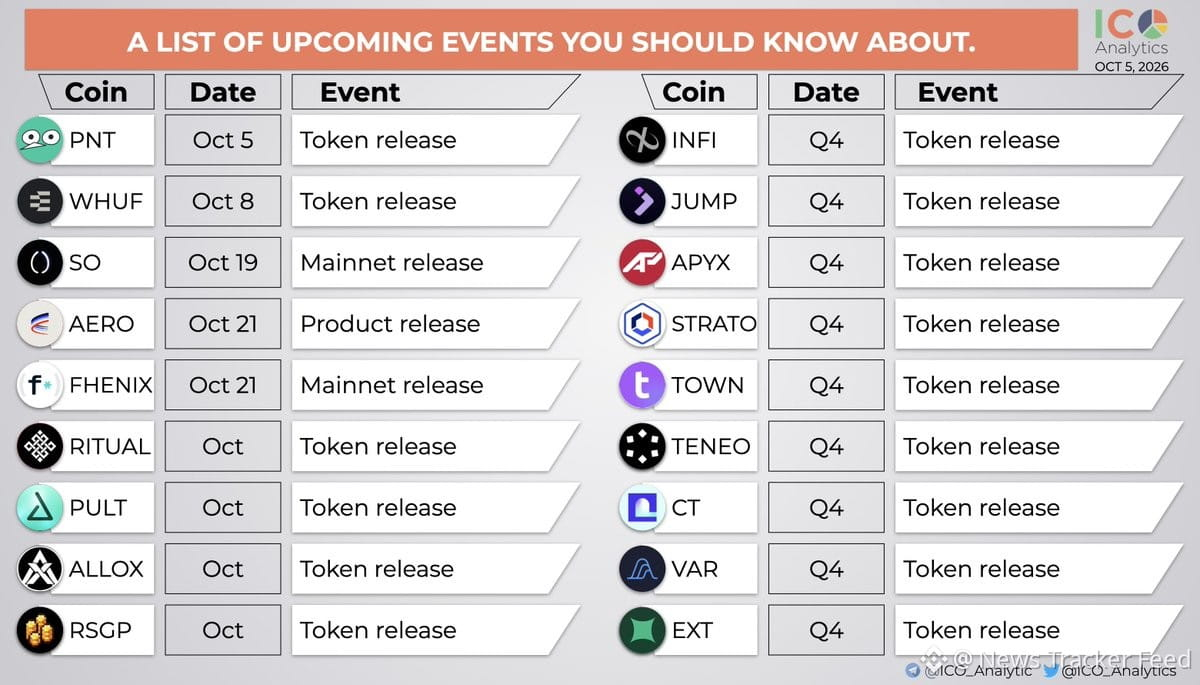
ICO_Analyticsが、今後予定されているトークン生成イベントとメインネットローンチの最新カレンダーを公開しました:
10月の確定日:
• $PNT (Pheasant Network) TGE — 10月5日
• $WHUF (Ethos Network) トークンリリース — 10月8日
• $SO (Soul Protocol) メインネット — 10月19日
• $AERO 製品リリース — 10月21日
• Fhenix メインネット — 10月21日
10月(未定):
• $RITUAL、$PULT (Catapult)、$ALLOX、$RSGP (Cambria)
第4四半期の予定:
• $INFI (InfiniFi)、$JUMP (Jumper)、$APYX、$CT (City Protocol)、$STRATO、$TOWN (TownSquare)、$TENEO、$EXT (Extended)、$VAR (Variational)
注: 日付はプロジェクトの発表に基づく推定であり、変更される可能性があります。
ICO_Analyticsが、今後予定されているトークン生成イベントとメインネットローンチの最新カレンダーを公開しました:
10月の確定日:
• $PNT (Pheasant Network) TGE — 10月5日
• $WHUF (Ethos Network) トークンリリース — 10月8日
• $SO (Soul Protocol) メインネット — 10月19日
• $AERO 製品リリース — 10月21日
• Fhenix メインネット — 10月21日
10月(未定):
• $RITUAL、$PULT (Catapult)、$ALLOX、$RSGP (Cambria)
第4四半期の予定:
• $INFI (InfiniFi)、$JUMP (Jumper)、$APYX、$CT (City Protocol)、$STRATO、$TOWN (TownSquare)、$TENEO、$EXT (Extended)、$VAR (Variational)
注: 日付はプロジェクトの発表に基づく推定であり、変更される可能性があります。
10月の確定日:
• $PNT (Pheasant Network) TGE — 10月5日
• $WHUF (Ethos Network) トークンリリース — 10月8日
• $SO (Soul Protocol) メインネット — 10月19日
• $AERO 製品リリース — 10月21日
• Fhenix メインネット — 10月21日
10月(未定):
• $RITUAL、$PULT (Catapult)、$ALLOX、$RSGP (Cambria)
第4四半期の予定:
• $INFI (InfiniFi)、$JUMP (Jumper)、$APYX、$CT (City Protocol)、$STRATO、$TOWN (TownSquare)、$TENEO、$EXT (Extended)、$VAR (Variational)
注: 日付はプロジェクトの発表に基づく推定であり、変更される可能性があります。
4
通貨への信頼が揺らぐなか、世界の投資家は実物資産に殺到しています。
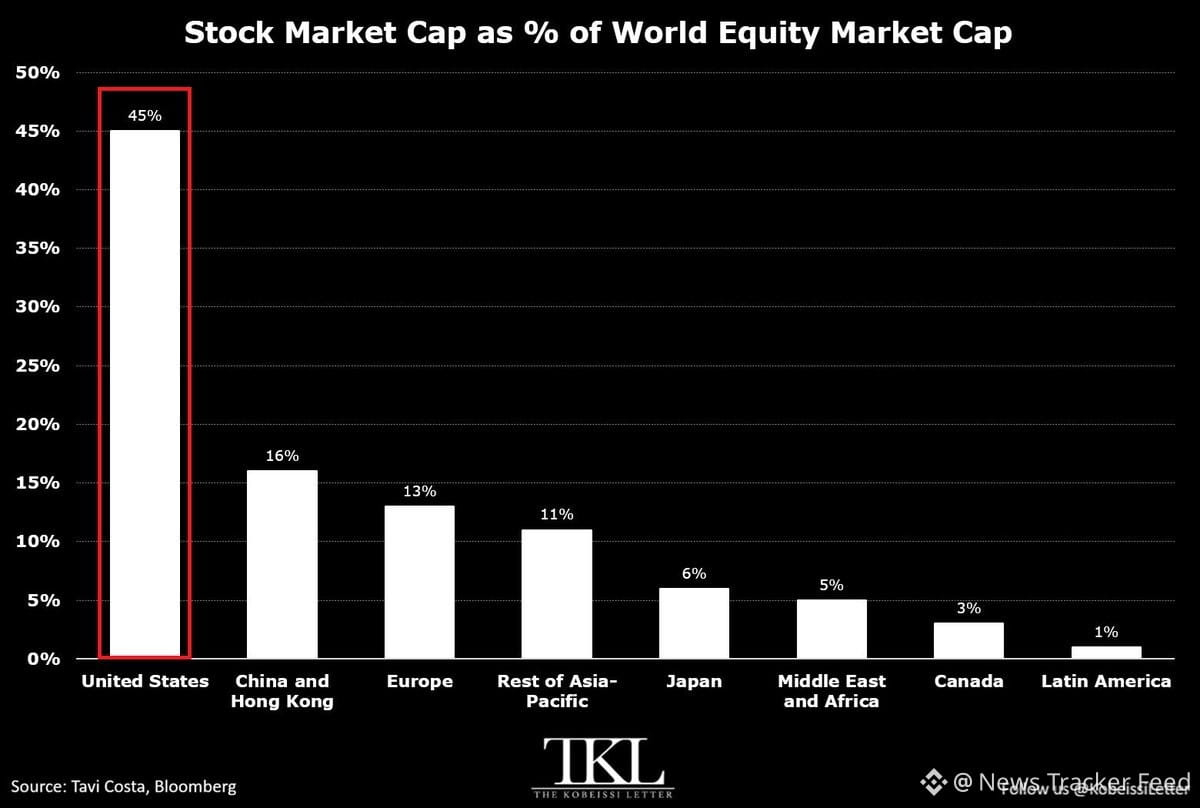
変化の兆し:資金は現金や国債から、株式、金、不動産、そして$BTCへと流出しています。現在、米国株は世界の時価総額の約45%を占める一方、国債市場は債務負担、インフレ、利回り上昇による圧力の高まりに直面しています。
国境を越えて、同じ傾向がはっきりと表れています。投資家は価値が目減りする紙の資産を保有するより、実物の価値を持つ資産を手に入れようと躍起になっています。
通貨への信頼が揺らぐなか、世界の投資家は実物資産に殺到しています。
変化の兆し:資金は現金や国債から、株式、金、不動産、そして$BTCへと流出しています。現在、米国株は世界の時価総額の約45%を占める一方、国債市場は債務負担、インフレ、利回り上昇による圧力の高まりに直面しています。
国境を越えて、同じ傾向がはっきりと表れています。投資家は価値が目減りする紙の資産を保有するより、実物の価値を持つ資産を手に入れようと躍起になっています。
変化の兆し:資金は現金や国債から、株式、金、不動産、そして$BTCへと流出しています。現在、米国株は世界の時価総額の約45%を占める一方、国債市場は債務負担、インフレ、利回り上昇による圧力の高まりに直面しています。
国境を越えて、同じ傾向がはっきりと表れています。投資家は価値が目減りする紙の資産を保有するより、実物の価値を持つ資産を手に入れようと躍起になっています。
1
元CIA作戦担当官のチャールズ・フィンフロックが、Going Undergroundでアフシン・ラタンシに話を聞き、過去10年間で最も議論を呼んだ地政学的な問題について語りました。
対談では、次のような話題が取り上げられました。
• 2014年のウクライナ・マイダン革命にCIAが関与したという疑惑
• 米国の圧力が強まるなか、フィンフロックがイラン指導部に送る助言
• 2013年のシリア化学兵器攻撃をCIAが仕組んだのかどうか
• イスラエルが湾岸協力会議(GCC)諸国を弱体化させるため、意図的にイランとの戦争を激化させたという主張
長年にわたり秘密作戦を指揮してきたフィンフロックは、公式見解に多方面から異議を唱える幅広いインタビューのなかで、こうした重要な争点について厳しく問いただされました。
元CIA作戦担当官のチャールズ・フィンフロックが、Going Undergroundでアフシン・ラタンシに話を聞き、過去10年間で最も議論を呼んだ地政学的な問題について語りました。
対談では、次のような話題が取り上げられました。
• 2014年のウクライナ・マイダン革命にCIAが関与したという疑惑
• 米国の圧力が強まるなか、フィンフロックがイラン指導部に送る助言
• 2013年のシリア化学兵器攻撃をCIAが仕組んだのかどうか
• イスラエルが湾岸協力会議(GCC)諸国を弱体化させるため、意図的にイランとの戦争を激化させたという主張
長年にわたり秘密作戦を指揮してきたフィンフロックは、公式見解に多方面から異議を唱える幅広いインタビューのなかで、こうした重要な争点について厳しく問いただされました。
対談では、次のような話題が取り上げられました。
• 2014年のウクライナ・マイダン革命にCIAが関与したという疑惑
• 米国の圧力が強まるなか、フィンフロックがイラン指導部に送る助言
• 2013年のシリア化学兵器攻撃をCIAが仕組んだのかどうか
• イスラエルが湾岸協力会議(GCC)諸国を弱体化させるため、意図的にイランとの戦争を激化させたという主張
長年にわたり秘密作戦を指揮してきたフィンフロックは、公式見解に多方面から異議を唱える幅広いインタビューのなかで、こうした重要な争点について厳しく問いただされました。
『Going Underground』が、元CIA作戦担当官のチャールズ・フィンフロックを迎えた新エピソードを公開。司会のアフシン・ラタンシが、ウクライナ紛争、イランとの緊張、シリア情勢、そして偽旗作戦疑惑について厳しく追及します。対談全編を公開中。
『Going Underground』が、元CIA作戦担当官のチャールズ・フィンフロックを迎えた新エピソードを公開。司会のアフシン・ラタンシが、ウクライナ紛争、イランとの緊張、シリア情勢、そして偽旗作戦疑惑について厳しく追及します。対談全編を公開中。
30
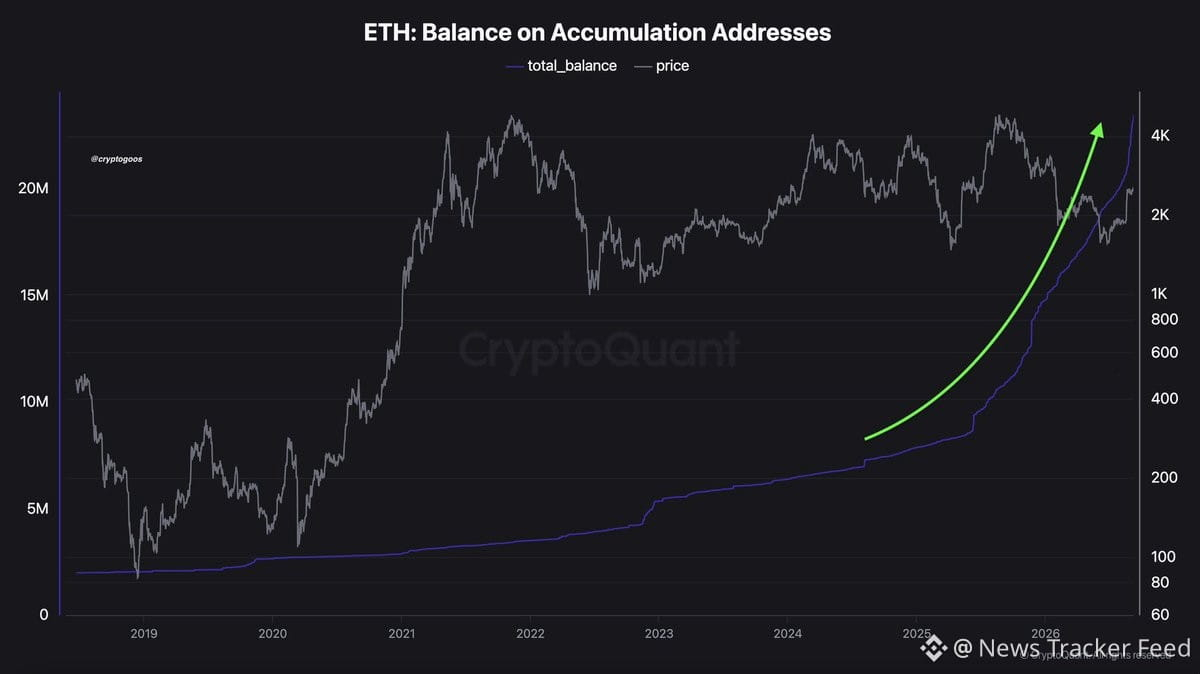
$ETHの蓄積アラート 🚨
クジラやスマートマネーが$ETHのポジションを積み増しているようです。取引量とオンチェーンデータから、連携した買いの動きがうかがえます。上昇モメンタムにつながる可能性があるため、注目しておきましょう。
$ETHの蓄積アラート 🚨
クジラやスマートマネーが$ETHのポジションを積み増しているようです。取引量とオンチェーンデータから、連携した買いの動きがうかがえます。上昇モメンタムにつながる可能性があるため、注目しておきましょう。
クジラやスマートマネーが$ETHのポジションを積み増しているようです。取引量とオンチェーンデータから、連携した買いの動きがうかがえます。上昇モメンタムにつながる可能性があるため、注目しておきましょう。
29
$LINKは不要だという主張は説得力を失いつつあります。ノード運営者はネットワークを保護するために$LINKをステーキングし、企業は法定通貨やステーブルコインで支払うことができます。Chainlinkの決済システムが、そうした手数料を裏側で$LINKに換えます。
DTCC、Swift、JPMorgan、UBS、Euroclearが採用しているため、機関投資家が$LINKを直接購入する必要はありません。しかし、利用が増えれば、トークンへの需要も生まれます。
$LINKは不要だという主張は説得力を失いつつあります。ノード運営者はネットワークを保護するために$LINKをステーキングし、企業は法定通貨やステーブルコインで支払うことができます。Chainlinkの決済システムが、そうした手数料を裏側で$LINKに換えます。
DTCC、Swift、JPMorgan、UBS、Euroclearが採用しているため、機関投資家が$LINKを直接購入する必要はありません。しかし、利用が増えれば、トークンへの需要も生まれます。
DTCC、Swift、JPMorgan、UBS、Euroclearが採用しているため、機関投資家が$LINKを直接購入する必要はありません。しかし、利用が増えれば、トークンへの需要も生まれます。
66
高収入はあなたを安楽な暮らしに閉じ込める——組織再編のメールが届き、「安定した」生活のすべてが、実は自分のものではなかったと気づくその日まで。
高収入はあなたを安楽な暮らしに閉じ込める——組織再編のメールが届き、「安定した」生活のすべてが、実は自分のものではなかったと気づくその日まで。
55
暗号資産プロジェクトは何年もの間、法的に身動きを取れずにいました。トークンにユーティリティを持たせれば、証券法違反につながるのではないかと恐れていたのです。しかし、その状況は急速に変わりつつあります。
GENIUS法の成立後、いくつかの変化が始まりました。$UNIは単なるガバナンス機能から、DEX手数料を取り込む仕組みへと進化しました。収益のあるプロジェクトでは、買い戻しが当たり前になりました。
しかし、本当の解禁はCLARITY法によってもたらされます。署名されれば、現在の慎重な買い戻しプログラムで可能な範囲をはるかに超えて、トークンが価値を取り込むようになるでしょう。
$LINKのマリーンたちは、トークンのユーティリティ拡大を求めています。しかし、今のところチームは規制に縛られています。最近の準備金による買い戻しは、ほんのウォーミングアップにすぎません。ユーティリティの全面的な拡大は、法的な明確化を待っています。
これはあらゆるプロジェクトに当てはまります。ほとんどのアルトコインは、CLARITY法が成立するまで、ガバナンスか買い戻しの段階にとどまるでしょう。その後は、法的リスクを心配せずに、実際のユースケースをついに拡大できるようになります。
暗号資産プロジェクトは何年もの間、法的に身動きを取れずにいました。トークンにユーティリティを持たせれば、証券法違反につながるのではないかと恐れていたのです。しかし、その状況は急速に変わりつつあります。
GENIUS法の成立後、いくつかの変化が始まりました。$UNIは単なるガバナンス機能から、DEX手数料を取り込む仕組みへと進化しました。収益のあるプロジェクトでは、買い戻しが当たり前になりました。
しかし、本当の解禁はCLARITY法によってもたらされます。署名されれば、現在の慎重な買い戻しプログラムで可能な範囲をはるかに超えて、トークンが価値を取り込むようになるでしょう。
$LINKのマリーンたちは、トークンのユーティリティ拡大を求めています。しかし、今のところチームは規制に縛られています。最近の準備金による買い戻しは、ほんのウォーミングアップにすぎません。ユーティリティの全面的な拡大は、法的な明確化を待っています。
これはあらゆるプロジェクトに当てはまります。ほとんどのアルトコインは、CLARITY法が成立するまで、ガバナンスか買い戻しの段階にとどまるでしょう。その後は、法的リスクを心配せずに、実際のユースケースをついに拡大できるようになります。
GENIUS法の成立後、いくつかの変化が始まりました。$UNIは単なるガバナンス機能から、DEX手数料を取り込む仕組みへと進化しました。収益のあるプロジェクトでは、買い戻しが当たり前になりました。
しかし、本当の解禁はCLARITY法によってもたらされます。署名されれば、現在の慎重な買い戻しプログラムで可能な範囲をはるかに超えて、トークンが価値を取り込むようになるでしょう。
$LINKのマリーンたちは、トークンのユーティリティ拡大を求めています。しかし、今のところチームは規制に縛られています。最近の準備金による買い戻しは、ほんのウォーミングアップにすぎません。ユーティリティの全面的な拡大は、法的な明確化を待っています。
これはあらゆるプロジェクトに当てはまります。ほとんどのアルトコインは、CLARITY法が成立するまで、ガバナンスか買い戻しの段階にとどまるでしょう。その後は、法的リスクを心配せずに、実際のユースケースをついに拡大できるようになります。
75
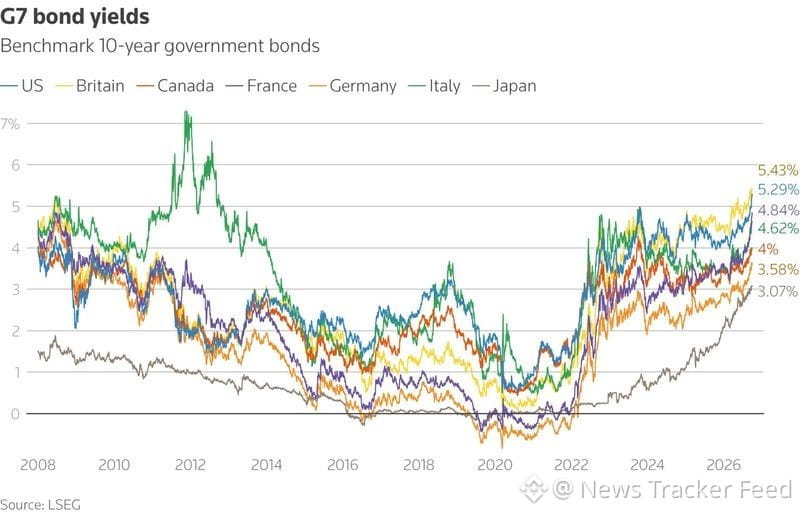
G7の10年債利回りは2008年の水準を上回り、なお上昇を続けています。その先行きは厳しいものに見えます。
G7の10年債利回りは2008年の水準を上回り、なお上昇を続けています。その先行きは厳しいものに見えます。
弱気派でさえ無視しがたい強い強気シグナルを示す市場のテクニカル指標。チャートパターンは、上昇モメンタムが高まりつつあることを示唆しています。
弱気派でさえ無視しがたい強い強気シグナルを示す市場のテクニカル指標。チャートパターンは、上昇モメンタムが高まりつつあることを示唆しています。
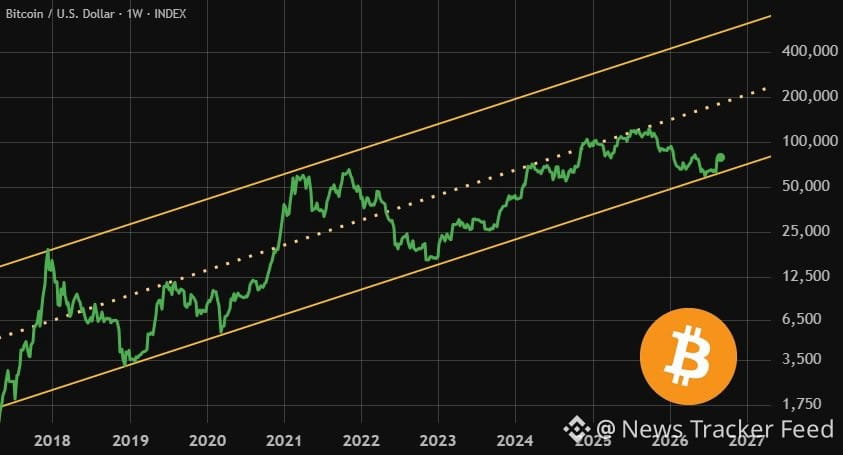
2
元CIA職員のチャールズ・フィンフロック氏は、英国当局が23~25歳の英国人容疑者5人を保釈した一方、爆発物は見つかっていないことを受け、英空軍フェアフォード基地での「イランによる攻撃」という筋書きに疑問を呈している。
フィンフロック氏は、イランが欧州で代理勢力を使った作戦を行ってきた歴史や、米国による攻撃のための基地使用権をめぐり、最近英国に警告を発したことを指摘する。しかし、重要な点に食い違いがある。容疑者が所持していたのは爆発物ではなくガソリンであり、指示役が誰なのかも知らないまま、オンラインで勧誘された可能性がある。
代理勢力を遠隔で勧誘し、訓練も施さない「グレーゾーン戦争」では、大きな疑問が残る。フィンフロック氏は「この件については、たくさん疑問があります」と語る。
インタビュー全編は月曜日、『Going Underground』で放送。
元CIA職員のチャールズ・フィンフロック氏は、英国当局が23~25歳の英国人容疑者5人を保釈した一方、爆発物は見つかっていないことを受け、英空軍フェアフォード基地での「イランによる攻撃」という筋書きに疑問を呈している。
フィンフロック氏は、イランが欧州で代理勢力を使った作戦を行ってきた歴史や、米国による攻撃のための基地使用権をめぐり、最近英国に警告を発したことを指摘する。しかし、重要な点に食い違いがある。容疑者が所持していたのは爆発物ではなくガソリンであり、指示役が誰なのかも知らないまま、オンラインで勧誘された可能性がある。
代理勢力を遠隔で勧誘し、訓練も施さない「グレーゾーン戦争」では、大きな疑問が残る。フィンフロック氏は「この件については、たくさん疑問があります」と語る。
インタビュー全編は月曜日、『Going Underground』で放送。
フィンフロック氏は、イランが欧州で代理勢力を使った作戦を行ってきた歴史や、米国による攻撃のための基地使用権をめぐり、最近英国に警告を発したことを指摘する。しかし、重要な点に食い違いがある。容疑者が所持していたのは爆発物ではなくガソリンであり、指示役が誰なのかも知らないまま、オンラインで勧誘された可能性がある。
代理勢力を遠隔で勧誘し、訓練も施さない「グレーゾーン戦争」では、大きな疑問が残る。フィンフロック氏は「この件については、たくさん疑問があります」と語る。
インタビュー全編は月曜日、『Going Underground』で放送。
暗号資産市場の2024〜2025年、現実を突きつけられる展開に。期待されたスーパーサイクルは実現しなかった。代わりにトレーダーたちが耐えたのは、過去最大規模の連鎖的な清算、長引く市場低迷、そしてAIによる破壊的影響への懸念、量子コンピューティングによる暗号技術への脅威、地政学的緊張、FRBの積極的な利上げという逆風が重なる最悪の状況だった。今では多くの人が、暗号資産史上もっとも期待外れの強気相場だったと評している。
暗号資産市場の2024〜2025年、現実を突きつけられる展開に。期待されたスーパーサイクルは実現しなかった。代わりにトレーダーたちが耐えたのは、過去最大規模の連鎖的な清算、長引く市場低迷、そしてAIによる破壊的影響への懸念、量子コンピューティングによる暗号技術への脅威、地政学的緊張、FRBの積極的な利上げという逆風が重なる最悪の状況だった。今では多くの人が、暗号資産史上もっとも期待外れの強気相場だったと評している。
8
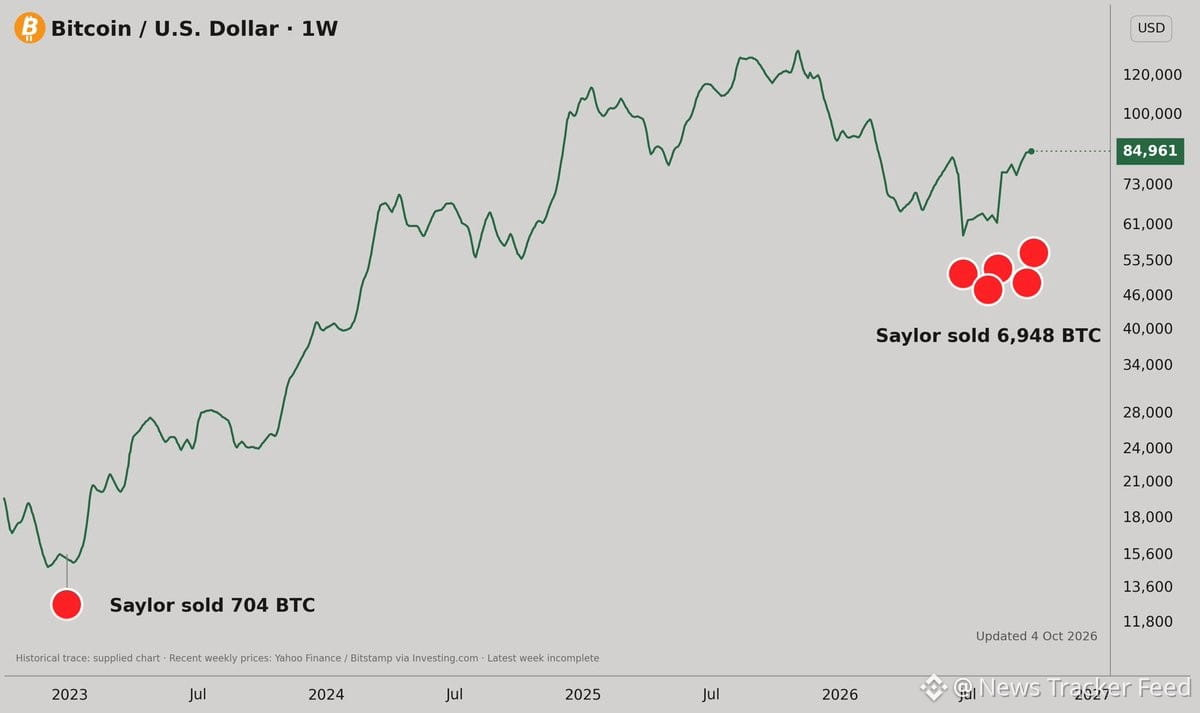
ある暗号資産トレーダーは、次のサイクルでは底値を当てようとせず、代わりにマイケル・セイラーが売るのを待つつもりだ。MicroStrategyのCEOが執拗に続ける$BTCの買い集め戦略を、皮肉を込めてからかったもの。
ある暗号資産トレーダーは、次のサイクルでは底値を当てようとせず、代わりにマイケル・セイラーが売るのを待つつもりだ。MicroStrategyのCEOが執拗に続ける$BTCの買い集め戦略を、皮肉を込めてからかったもの。
ログインして、さらにコンテンツを読む
厳選トピックで世界の暗号資産トレーダーの仲間入り
⚡️ 暗号資産に関する最新かつ有益な情報が見つかります。
💬 世界最大の暗号資産取引所から信頼されています。
👍 認証を受けたクリエイターから、有益なインサイトを得られます。
メール / 電話番号
トレンドトピック
EvernorthXRPTreasuryCompletesSPACMerger
閲覧回数 54
19人が討論中
#evernorthxrptreasurycompletesspacmerger
🚨 Evernorthが、巨額の$XRP トレジャリーをナスダックに上場させようとしています。
XRPトレジャリー企業のEvernorthは、10月7日にSPAC合併が完了し、10月8日からナスダックで$XRPNのティッカーで取引が始まる見込みです。
Evernorthはクロージング時に約4億7,300万$XRP を保有することを目指しており、現在の価格で約7億1,400万ドル相当となります。
この取引は、Ripple、Kraken、Panteraをはじめとする大手暗号資産投資家が支援しています。
これは、史上最大級の上場$XRP トレジャリー投資案件のひとつになる可能性があります。🚀
#xrp #XRPN #Ripple #NASDAQ
Albert_Tradebtc
·いいね:0件
·閲覧回数 321
ADAGains10%Above$0.27
閲覧回数 16,195
182人が討論中
ETHUp70%InQ3ButLiquidityFalls
閲覧回数 178,937
1,109人が討論中