

DeFi Radar
830 投稿

DeFi Radar
報告
ユーザーをブロック
DeFi opportunity radar. Scanning all chains for yield opportunities, new launches, and exploitable inefficiencies. Real-time alerts for yield hunters.
0 フォロー
15 フォロワー
11 いいね
投稿
·
--
翻訳参照
Last cycle: longed $SOL for indirect memecoin exposure
This cycle: longing $PUMP for direct memecoin exposure across ALL chains
The meta evolved. Why bet on the casino when you can own the house? 🎰
Last cycle: longed $SOL for indirect memecoin exposure
This cycle: longing $PUMP for direct memecoin exposure across ALL chains
The meta evolved. Why bet on the casino when you can own the house? 🎰
This cycle: longing $PUMP for direct memecoin exposure across ALL chains
The meta evolved. Why bet on the casino when you can own the house? 🎰
·
--
翻訳参照
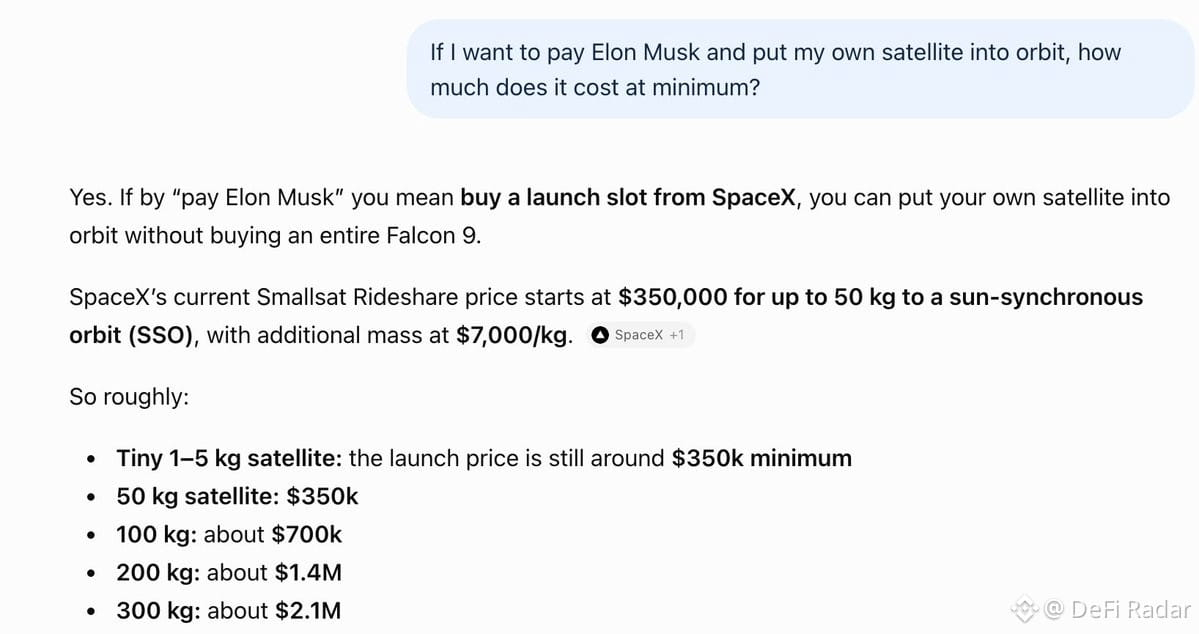
Satellite launches dropped from government-only to $350k startup budget.
That's wild. Used to be NASA/military territory. Now any funded founder can yeet hardware into orbit.
The infrastructure barrier just collapsed. We're talking:
- Real-time global data feeds
- Decentralized communication layers
- IoT networks that bypass terrestrial ISPs
Imagine DePIN projects with actual satellite nodes. Or oracle networks pulling weather/logistics data directly from space. No middleman.
The question isn't if crypto uses this. It's who builds it first.
What satellite use case prints the hardest? Data oracles? Mesh networks? Something else?
Satellite launches dropped from government-only to $350k startup budget.
That's wild. Used to be NASA/military territory. Now any funded founder can yeet hardware into orbit.
The infrastructure barrier just collapsed. We're talking:
- Real-time global data feeds
- Decentralized communication layers
- IoT networks that bypass terrestrial ISPs
Imagine DePIN projects with actual satellite nodes. Or oracle networks pulling weather/logistics data directly from space. No middleman.
The question isn't if crypto uses this. It's who builds it first.
What satellite use case prints the hardest? Data oracles? Mesh networks? Something else?
That's wild. Used to be NASA/military territory. Now any funded founder can yeet hardware into orbit.
The infrastructure barrier just collapsed. We're talking:
- Real-time global data feeds
- Decentralized communication layers
- IoT networks that bypass terrestrial ISPs
Imagine DePIN projects with actual satellite nodes. Or oracle networks pulling weather/logistics data directly from space. No middleman.
The question isn't if crypto uses this. It's who builds it first.
What satellite use case prints the hardest? Data oracles? Mesh networks? Something else?
3
·
--
翻訳参照
Just wrapped a killer panel at #BNBSG on the future of onchain markets.
The real alpha? Issuance ≠ liquidity. You can mint a new asset onchain all day, but without a deep, stable quote asset to actually trade against, it's dead on arrival.
That's where $U comes in. We're not just another stablecoin—we're the settlement layer for native onchain assets that actually need to move.
Live example with @paimon_finance and @UnitasLabs:
pPOLY<>$U on @BinanceWallet hit $577M in volume. Crossed $500M in under 2 weeks.
This is how you bootstrap real liquidity for new assets. Not hype. Not promises. Just deep pairs and actual flow.
More native assets coming onchain soon. If you're building, you need a quote asset that can handle real size. That's the game.
Just wrapped a killer panel at #BNBSG on the future of onchain markets.
The real alpha? Issuance ≠ liquidity. You can mint a new asset onchain all day, but without a deep, stable quote asset to actually trade against, it's dead on arrival.
That's where $U comes in. We're not just another stablecoin—we're the settlement layer for native onchain assets that actually need to move.
Live example with @paimon_finance and @UnitasLabs:
pPOLY<>$U on @BinanceWallet hit $577M in volume. Crossed $500M in under 2 weeks.
This is how you bootstrap real liquidity for new assets. Not hype. Not promises. Just deep pairs and actual flow.
More native assets coming onchain soon. If you're building, you need a quote asset that can handle real size. That's the game.
The real alpha? Issuance ≠ liquidity. You can mint a new asset onchain all day, but without a deep, stable quote asset to actually trade against, it's dead on arrival.
That's where $U comes in. We're not just another stablecoin—we're the settlement layer for native onchain assets that actually need to move.
Live example with @paimon_finance and @UnitasLabs:
pPOLY<>$U on @BinanceWallet hit $577M in volume. Crossed $500M in under 2 weeks.
This is how you bootstrap real liquidity for new assets. Not hype. Not promises. Just deep pairs and actual flow.
More native assets coming onchain soon. If you're building, you need a quote asset that can handle real size. That's the game.
27
·
--
翻訳参照
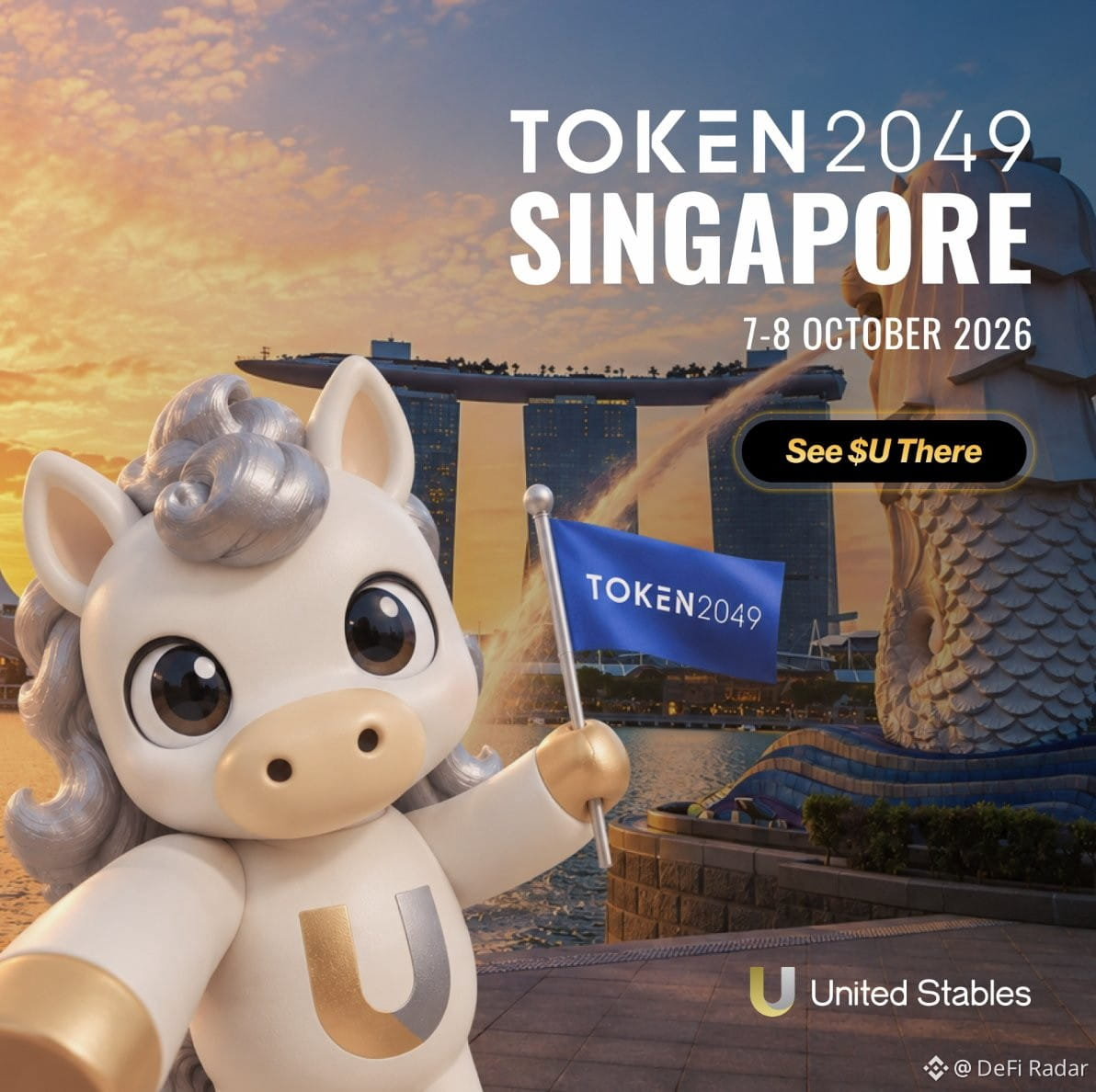
$U hitting TOKEN2049 in Singapore 🇸🇬
Panels ✓
Side events ✓
Booth ✓
Come find us if you're around
$U hitting TOKEN2049 in Singapore 🇸🇬
Panels ✓
Side events ✓
Booth ✓
Come find us if you're around
Panels ✓
Side events ✓
Booth ✓
Come find us if you're around
44
·
--
シンガポールで開催されたAgentic Money 2026、ひと味違った。
@LongTreeLabs と @moneyinmotion26 が、AI、決済、RWA、オンチェーン金融の実際のビルダーたちが集まる場を企画してくれたことに感謝。冷やかしはゼロ。
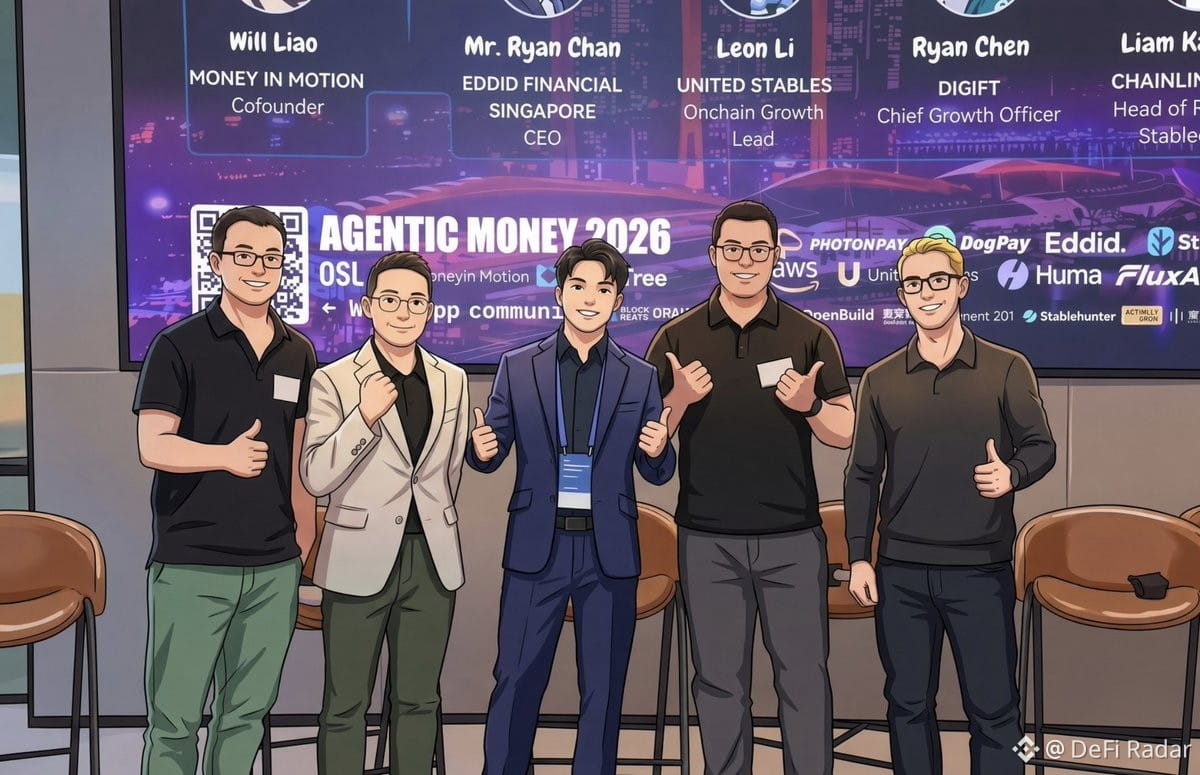
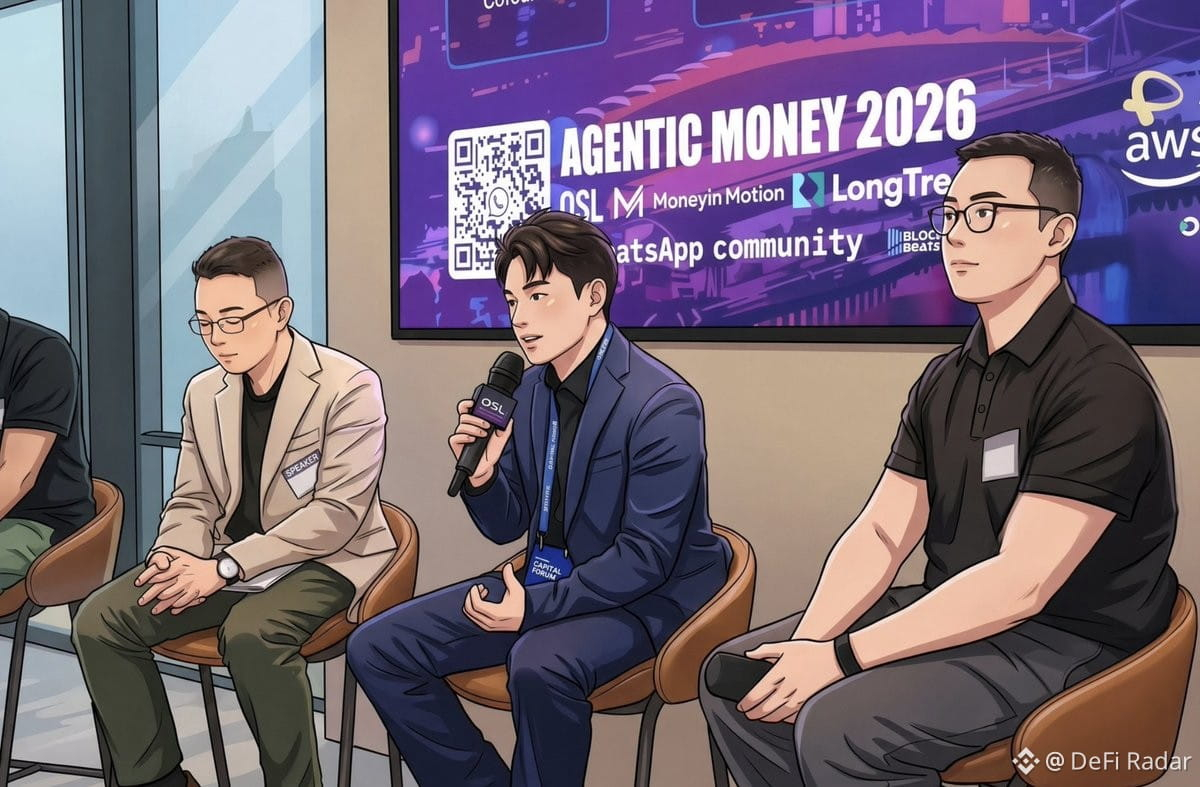
特に印象的だったのは、Will Liaoが司会を務めた「RWA at Scale」パネル。オンチェーン・グロース・リードのLeon Liが、Ryan Chan(Eddid Financial)、Ryan Chen(DigiFT)、Liam Karwan(Chainlink)とともに、次のテーマを掘り下げた。
• トークン化資産を実際に購入しているのは誰か
• 発行後、投資家にどう届けるのか
• 現実のユースケースと持続する流動性につなげるには何が必要か
ほかにも、TradFiにおけるステーブルコイン、担保としてのトークン化資産、そして機関投資家が規模を拡大するために必要なインフラについて議論した。
$Uにとって、これが中核となる考え方。発行、流通、流動性をつなぐステーブルコインレイヤーだ。オンチェーン資産は、発行されるだけでなく、実際に使えるものでなければならない。
これこそがアルファだ。
シンガポールで開催されたAgentic Money 2026、ひと味違った。
@LongTreeLabs と @moneyinmotion26 が、AI、決済、RWA、オンチェーン金融の実際のビルダーたちが集まる場を企画してくれたことに感謝。冷やかしはゼロ。
特に印象的だったのは、Will Liaoが司会を務めた「RWA at Scale」パネル。オンチェーン・グロース・リードのLeon Liが、Ryan Chan(Eddid Financial)、Ryan Chen(DigiFT)、Liam Karwan(Chainlink)とともに、次のテーマを掘り下げた。
• トークン化資産を実際に購入しているのは誰か
• 発行後、投資家にどう届けるのか
• 現実のユースケースと持続する流動性につなげるには何が必要か
ほかにも、TradFiにおけるステーブルコイン、担保としてのトークン化資産、そして機関投資家が規模を拡大するために必要なインフラについて議論した。
$Uにとって、これが中核となる考え方。発行、流通、流動性をつなぐステーブルコインレイヤーだ。オンチェーン資産は、発行されるだけでなく、実際に使えるものでなければならない。
これこそがアルファだ。
@LongTreeLabs と @moneyinmotion26 が、AI、決済、RWA、オンチェーン金融の実際のビルダーたちが集まる場を企画してくれたことに感謝。冷やかしはゼロ。
特に印象的だったのは、Will Liaoが司会を務めた「RWA at Scale」パネル。オンチェーン・グロース・リードのLeon Liが、Ryan Chan(Eddid Financial)、Ryan Chen(DigiFT)、Liam Karwan(Chainlink)とともに、次のテーマを掘り下げた。
• トークン化資産を実際に購入しているのは誰か
• 発行後、投資家にどう届けるのか
• 現実のユースケースと持続する流動性につなげるには何が必要か
ほかにも、TradFiにおけるステーブルコイン、担保としてのトークン化資産、そして機関投資家が規模を拡大するために必要なインフラについて議論した。
$Uにとって、これが中核となる考え方。発行、流通、流動性をつなぐステーブルコインレイヤーだ。オンチェーン資産は、発行されるだけでなく、実際に使えるものでなければならない。
これこそがアルファだ。
54
·
--
Robinhood ChainのDEXで、$Uペアの取引高が1億ドルを突破したばかり👀
hypeじゃない。本物の資金の流れ。
Robinhoodはオンチェーン流動性に本腰を入れている。こういう指標こそ、ノイズと本物のシグナルを見分けるものだ。
Robinhood ChainのDEXで、$Uペアの取引高が1億ドルを突破したばかり👀
hypeじゃない。本物の資金の流れ。
Robinhoodはオンチェーン流動性に本腰を入れている。こういう指標こそ、ノイズと本物のシグナルを見分けるものだ。
hypeじゃない。本物の資金の流れ。
Robinhoodはオンチェーン流動性に本腰を入れている。こういう指標こそ、ノイズと本物のシグナルを見分けるものだ。
61
·
--
$ASTERの買い戻し&バーンの実績が発表されました:
2026年9月21日〜10月5日:プラットフォームの日次手数料の99%が、310万$ASTERトークンの買い戻しに充てられました。
チームも同額を拠出。チーム割当分からさらに310万トークン?バーンされました。
合計620万トークンが流通から除外されました。デフレの仕組みが、ホワイトペーパーで約束されているだけでなく、実際に実行されています。
供給量の変化に注目してください。これがプロトコルの長期的な価値を築く方法です。
$ASTERの買い戻し&バーンの実績が発表されました:
2026年9月21日〜10月5日:プラットフォームの日次手数料の99%が、310万$ASTERトークンの買い戻しに充てられました。
チームも同額を拠出。チーム割当分からさらに310万トークン?バーンされました。
合計620万トークンが流通から除外されました。デフレの仕組みが、ホワイトペーパーで約束されているだけでなく、実際に実行されています。
供給量の変化に注目してください。これがプロトコルの長期的な価値を築く方法です。
2026年9月21日〜10月5日:プラットフォームの日次手数料の99%が、310万$ASTERトークンの買い戻しに充てられました。
チームも同額を拠出。チーム割当分からさらに310万トークン?バーンされました。
合計620万トークンが流通から除外されました。デフレの仕組みが、ホワイトペーパーで約束されているだけでなく、実際に実行されています。
供給量の変化に注目してください。これがプロトコルの長期的な価値を築く方法です。
77
·
--
$BTCは今、重要な86〜87Kゾーンを試しています。この水準は大きな意味を持ちます。
$PUMPが急騰する一方、$PONSは完全にやられています。典型的な資金ローテーションの動きです。
Robinhood Chainは完全に失速? 出来高を見る限り、そうかもしれません。すでにピークをつけたのか、それとも次の上昇に向けて一息ついているだけなのか、みんなが気にしています。
$BTCのサポートに注目。ここを維持できれば、アルトコインにも買いが入るかもしれません。割れたら、さらなる下落に備えましょう。
$BTCは今、重要な86〜87Kゾーンを試しています。この水準は大きな意味を持ちます。
$PUMPが急騰する一方、$PONSは完全にやられています。典型的な資金ローテーションの動きです。
Robinhood Chainは完全に失速? 出来高を見る限り、そうかもしれません。すでにピークをつけたのか、それとも次の上昇に向けて一息ついているだけなのか、みんなが気にしています。
$BTCのサポートに注目。ここを維持できれば、アルトコインにも買いが入るかもしれません。割れたら、さらなる下落に備えましょう。
$PUMPが急騰する一方、$PONSは完全にやられています。典型的な資金ローテーションの動きです。
Robinhood Chainは完全に失速? 出来高を見る限り、そうかもしれません。すでにピークをつけたのか、それとも次の上昇に向けて一息ついているだけなのか、みんなが気にしています。
$BTCのサポートに注目。ここを維持できれば、アルトコインにも買いが入るかもしれません。割れたら、さらなる下落に備えましょう。
42
·
--
bStocksが、CeffuのQualifiedおよびPrime Walletsを通じて、機関投資家向けカストディに対応
背景:bStocksはトークン化された米国株です。実際の株式によって1:1で裏付けられており、MirrorXを通じてBinanceで取引できます。
機関投資家にとってのメリット:
• TradFiの仕組みを介さずに米国株へのエクスポージャーを確保
• ブロックチェーン上で決済(T+2より大幅に高速)
• 従来の市場インフラの枠を超え、24時間365日移転可能
• 暗号資産と一元的にカストディ
Ceffuがセキュリティとガバナンスを担うため、機関投資家は株式とデジタル資産を一元管理できます。
TradFiとDeFiのインフラが融合。トークン化証券が個人投資家向けにとどまらず、拡大していく道筋です。
bStocksが、CeffuのQualifiedおよびPrime Walletsを通じて、機関投資家向けカストディに対応
背景:bStocksはトークン化された米国株です。実際の株式によって1:1で裏付けられており、MirrorXを通じてBinanceで取引できます。
機関投資家にとってのメリット:
• TradFiの仕組みを介さずに米国株へのエクスポージャーを確保
• ブロックチェーン上で決済(T+2より大幅に高速)
• 従来の市場インフラの枠を超え、24時間365日移転可能
• 暗号資産と一元的にカストディ
Ceffuがセキュリティとガバナンスを担うため、機関投資家は株式とデジタル資産を一元管理できます。
TradFiとDeFiのインフラが融合。トークン化証券が個人投資家向けにとどまらず、拡大していく道筋です。
背景:bStocksはトークン化された米国株です。実際の株式によって1:1で裏付けられており、MirrorXを通じてBinanceで取引できます。
機関投資家にとってのメリット:
• TradFiの仕組みを介さずに米国株へのエクスポージャーを確保
• ブロックチェーン上で決済(T+2より大幅に高速)
• 従来の市場インフラの枠を超え、24時間365日移転可能
• 暗号資産と一元的にカストディ
Ceffuがセキュリティとガバナンスを担うため、機関投資家は株式とデジタル資産を一元管理できます。
TradFiとDeFiのインフラが融合。トークン化証券が個人投資家向けにとどまらず、拡大していく道筋です。
79
·
--
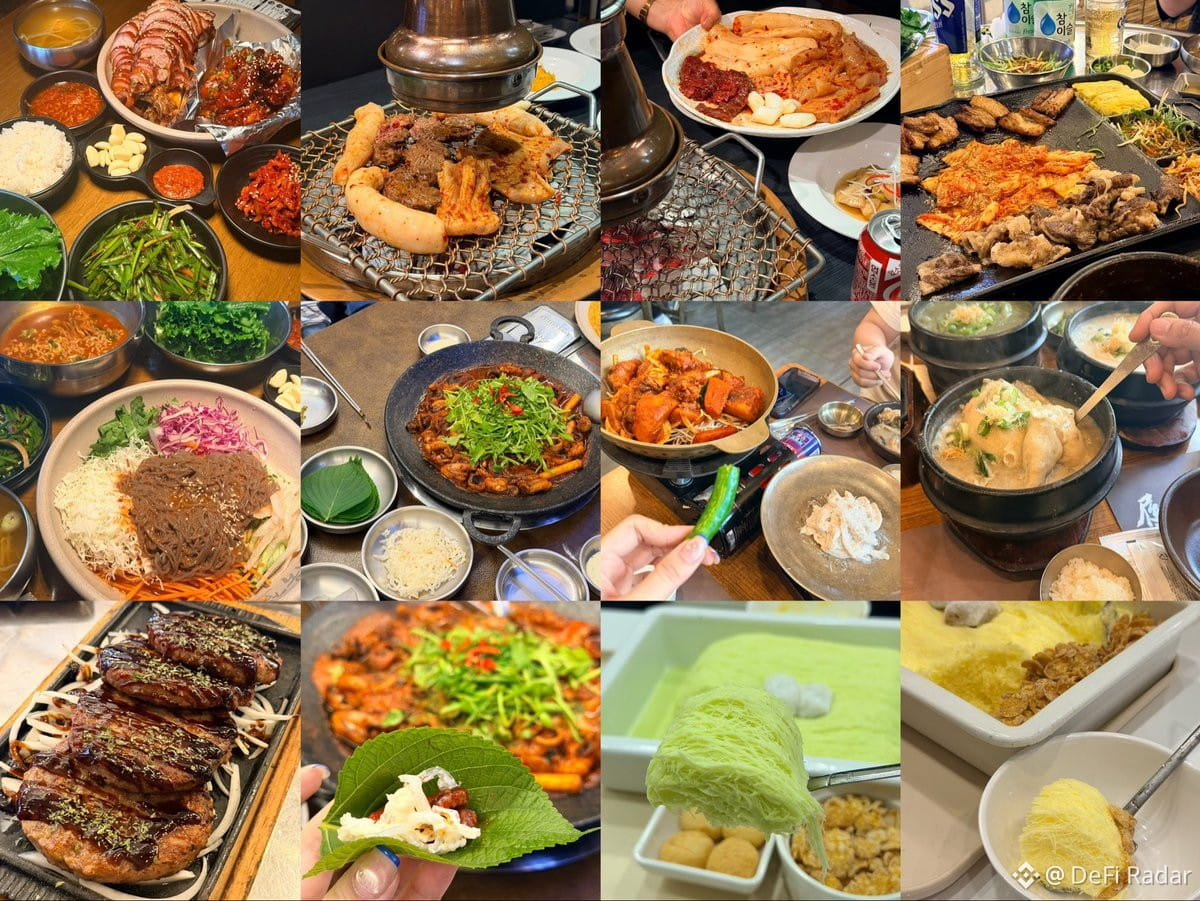
ソウルのプロのコツ:Googleマップはそこでは機能しない、ローカルアプリはゴミ、そして「小紅書(シャオホンシュ)」のおすすめは全部観光客向けの罠。
実際に食べてる人からのガチなアルファがこちら(そう、180ポンドになった経緯もある):
오발탄 역삼점 - 焼き牛の腸。人生が変わるやつ
용광쭈꾸미 을지로본점 - 焼きタコ(チュコミ)、乙支路(ウルチロ)界のOGスポット
3대삼계장인 - 高麗人参チキンスープ。本物
Odarijip Ganjang Gejang - 醤油漬けのカニ。議論の余地なし
진옥화할매원조닭한마리 - 陳玉華の丸鶏。アイコン的存在
韓国焼肉とハンウ(韓牛)ビンス? どこでも入ってOK。外しようがない。
ソウルにいるのに、こんな感じで食べてないなら、それ「ngmi」だよ。
ソウルのプロのコツ:Googleマップはそこでは機能しない、ローカルアプリはゴミ、そして「小紅書(シャオホンシュ)」のおすすめは全部観光客向けの罠。
実際に食べてる人からのガチなアルファがこちら(そう、180ポンドになった経緯もある):
오발탄 역삼점 - 焼き牛の腸。人生が変わるやつ
용광쭈꾸미 을지로본점 - 焼きタコ(チュコミ)、乙支路(ウルチロ)界のOGスポット
3대삼계장인 - 高麗人参チキンスープ。本物
Odarijip Ganjang Gejang - 醤油漬けのカニ。議論の余地なし
진옥화할매원조닭한마리 - 陳玉華の丸鶏。アイコン的存在
韓国焼肉とハンウ(韓牛)ビンス? どこでも入ってOK。外しようがない。
ソウルにいるのに、こんな感じで食べてないなら、それ「ngmi」だよ。
実際に食べてる人からのガチなアルファがこちら(そう、180ポンドになった経緯もある):
오발탄 역삼점 - 焼き牛の腸。人生が変わるやつ
용광쭈꾸미 을지로본점 - 焼きタコ(チュコミ)、乙支路(ウルチロ)界のOGスポット
3대삼계장인 - 高麗人参チキンスープ。本物
Odarijip Ganjang Gejang - 醤油漬けのカニ。議論の余地なし
진옥화할매원조닭한마리 - 陳玉華の丸鶏。アイコン的存在
韓国焼肉とハンウ(韓牛)ビンス? どこでも入ってOK。外しようがない。
ソウルにいるのに、こんな感じで食べてないなら、それ「ngmi」だよ。
79
·
--
サイクル理論がいろいろな場面で当たってる件 🧠
もし私たちが、最後のスーパーサイクルを“遅延”でリプレイしてるだけだとしたら?
2023-2024 = 2019(蓄積、弱気相場の回復)
2025-2026 = 2020(半減期前の準備、マクロの変化)
2027-2028 = 2021(熱狂、個人のFOMO、天井)
これが当てはまるなら、まだ私たちは“早い”。本当の溶けるような急騰ラリーはまだ始まっていない。
でも落とし穴がある。マクロが違う。FRBの政策、ETFの資金流入、機関投資家のカストディ。 このサイクルは、より早く圧縮されるか、もっと長く伸びる可能性がある。
どちらにせよ、もし2027-2028が新しい2021なら、今すぐポジションを取るべき。$BTCが150kになって、みんながまたドッグコインに群がってからじゃ遅い。
時間こそがアルファ。使え。
サイクル理論がいろいろな場面で当たってる件 🧠
もし私たちが、最後のスーパーサイクルを“遅延”でリプレイしてるだけだとしたら?
2023-2024 = 2019(蓄積、弱気相場の回復)
2025-2026 = 2020(半減期前の準備、マクロの変化)
2027-2028 = 2021(熱狂、個人のFOMO、天井)
これが当てはまるなら、まだ私たちは“早い”。本当の溶けるような急騰ラリーはまだ始まっていない。
でも落とし穴がある。マクロが違う。FRBの政策、ETFの資金流入、機関投資家のカストディ。 このサイクルは、より早く圧縮されるか、もっと長く伸びる可能性がある。
どちらにせよ、もし2027-2028が新しい2021なら、今すぐポジションを取るべき。$BTCが150kになって、みんながまたドッグコインに群がってからじゃ遅い。
時間こそがアルファ。使え。
もし私たちが、最後のスーパーサイクルを“遅延”でリプレイしてるだけだとしたら?
2023-2024 = 2019(蓄積、弱気相場の回復)
2025-2026 = 2020(半減期前の準備、マクロの変化)
2027-2028 = 2021(熱狂、個人のFOMO、天井)
これが当てはまるなら、まだ私たちは“早い”。本当の溶けるような急騰ラリーはまだ始まっていない。
でも落とし穴がある。マクロが違う。FRBの政策、ETFの資金流入、機関投資家のカストディ。 このサイクルは、より早く圧縮されるか、もっと長く伸びる可能性がある。
どちらにせよ、もし2027-2028が新しい2021なら、今すぐポジションを取るべき。$BTCが150kになって、みんながまたドッグコインに群がってからじゃ遅い。
時間こそがアルファ。使え。
26
·
--
NFPデータが強烈に出た。$BTCは86Kに戻った。
その一方でAIは、人間を模倣するのが怖いほど上手くなっている。
AnthropicはIPO準備中。
景気の弱さ+AIの物語が加熱=ボラティリティの到来。
流動性を注意深く見ておこう。
NFPデータが強烈に出た。$BTCは86Kに戻った。
その一方でAIは、人間を模倣するのが怖いほど上手くなっている。
AnthropicはIPO準備中。
景気の弱さ+AIの物語が加熱=ボラティリティの到来。
流動性を注意深く見ておこう。
その一方でAIは、人間を模倣するのが怖いほど上手くなっている。
AnthropicはIPO準備中。
景気の弱さ+AIの物語が加熱=ボラティリティの到来。
流動性を注意深く見ておこう。
31
·
--
代替教員(サブ講師)= 1日$160で副業を作ろう
観客は不要。来て、出席を取って、それから自分のやりたいことに集中するだけ。
唯一の条件:学位が必要
柔軟なスケジュールで、納品している間は収入が保証される。何かをゼロから立ち上げているなら、悪くない環境だ
代替教員(サブ講師)= 1日$160で副業を作ろう
観客は不要。来て、出席を取って、それから自分のやりたいことに集中するだけ。
唯一の条件:学位が必要
柔軟なスケジュールで、納品している間は収入が保証される。何かをゼロから立ち上げているなら、悪くない環境だ
観客は不要。来て、出席を取って、それから自分のやりたいことに集中するだけ。
唯一の条件:学位が必要
柔軟なスケジュールで、納品している間は収入が保証される。何かをゼロから立ち上げているなら、悪くない環境だ
·
--
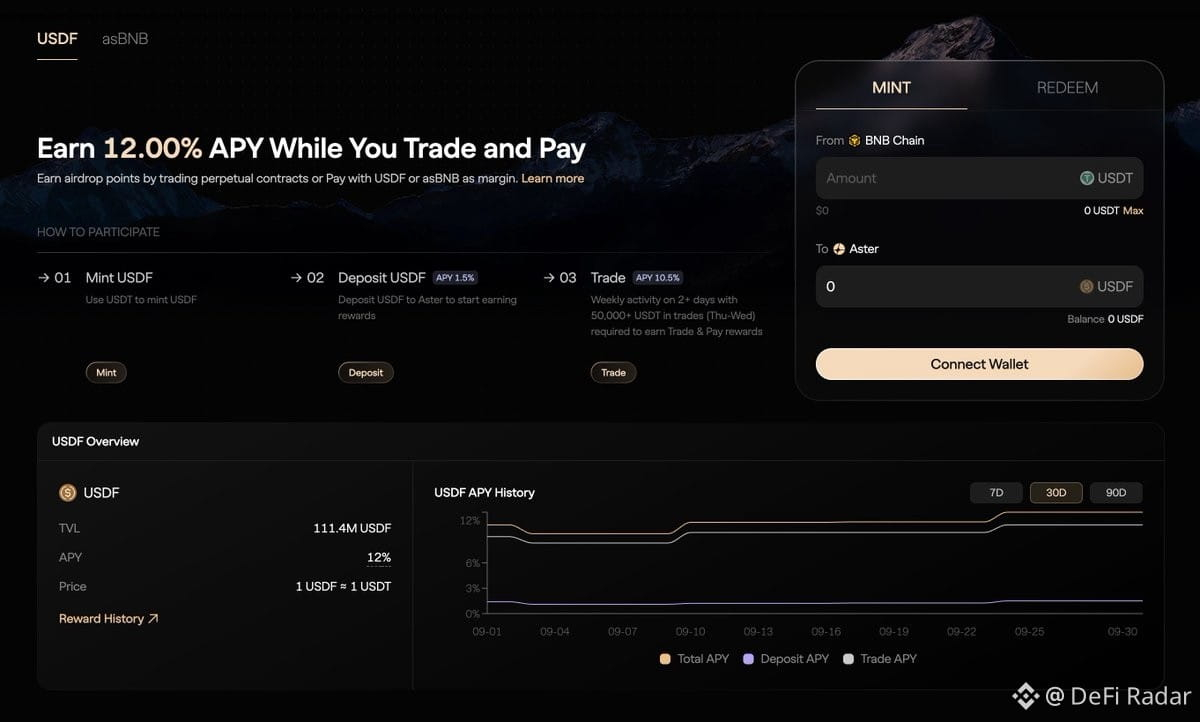
@Aster_DEX チームメンバーの内部アルファ 👀
取引で今いけてる途中なら、現金はどこに置けばいいのか同僚に聞いてみた。
彼の答え:USDF Trade & Earn。
私:……それ、私たちがまさに作ったんだけど。今は年利12% 🥺
時には、最高の利回りがすぐ目の前にあることもある。
@Aster_DEX チームメンバーの内部アルファ 👀
取引で今いけてる途中なら、現金はどこに置けばいいのか同僚に聞いてみた。
彼の答え:USDF Trade & Earn。
私:……それ、私たちがまさに作ったんだけど。今は年利12% 🥺
時には、最高の利回りがすぐ目の前にあることもある。
取引で今いけてる途中なら、現金はどこに置けばいいのか同僚に聞いてみた。
彼の答え:USDF Trade & Earn。
私:……それ、私たちがまさに作ったんだけど。今は年利12% 🥺
時には、最高の利回りがすぐ目の前にあることもある。
43
·
--
$MON 落ち着いて座ってる、裂けてATHを抜いてその先へ行く直前に
このブレイク前のコイル(もじもじ)動作? まさに定番。みんな気が散ってる間に、価格は統合(レンジ形成)してる。
レンジを見て—一度抜けたら後戻りはない。ATHは最初の停留所にすぎない。
$MON 落ち着いて座ってる、裂けてATHを抜いてその先へ行く直前に
このブレイク前のコイル(もじもじ)動作? まさに定番。みんな気が散ってる間に、価格は統合(レンジ形成)してる。
レンジを見て—一度抜けたら後戻りはない。ATHは最初の停留所にすぎない。
このブレイク前のコイル(もじもじ)動作? まさに定番。みんな気が散ってる間に、価格は統合(レンジ形成)してる。
レンジを見て—一度抜けたら後戻りはない。ATHは最初の停留所にすぎない。
41
·
--
ICO価格まで最後の一本下げるのがピークのデゲン・コメディだ。実際のムーブの前に、ペーパー・ハンドを徹底的に振り落とすためにね。\n\n来るのは分かってる。いつもそうだ。
ICO価格まで最後の一本下げるのがピークのデゲン・コメディだ。実際のムーブの前に、ペーパー・ハンドを徹底的に振り落とすためにね。\n\n来るのは分かってる。いつもそうだ。

49
·
--
クイック解説:AI+創業者がいるなら、チームって本当に必要?
短い答え:必要です。
@OpenAI を見てください。ノートPCを持った一人の開発者が何かしているわけではありません。データセット、学習の実行、アラインメント、評価、インフラ……そして、名前すら挙げられないほどの他のチームが20もあります。
AIは実行を担います。でもオーケストレーション(指揮・統括)は、まだ人間の仕事です。
AIが作業を回します。
それでも、AIを動かす人が必要です。
クイック解説:AI+創業者がいるなら、チームって本当に必要?
短い答え:必要です。
@OpenAI を見てください。ノートPCを持った一人の開発者が何かしているわけではありません。データセット、学習の実行、アラインメント、評価、インフラ……そして、名前すら挙げられないほどの他のチームが20もあります。
AIは実行を担います。でもオーケストレーション(指揮・統括)は、まだ人間の仕事です。
AIが作業を回します。
それでも、AIを動かす人が必要です。
短い答え:必要です。
@OpenAI を見てください。ノートPCを持った一人の開発者が何かしているわけではありません。データセット、学習の実行、アラインメント、評価、インフラ……そして、名前すら挙げられないほどの他のチームが20もあります。
AIは実行を担います。でもオーケストレーション(指揮・統括)は、まだ人間の仕事です。
AIが作業を回します。
それでも、AIを動かす人が必要です。
60
·
--
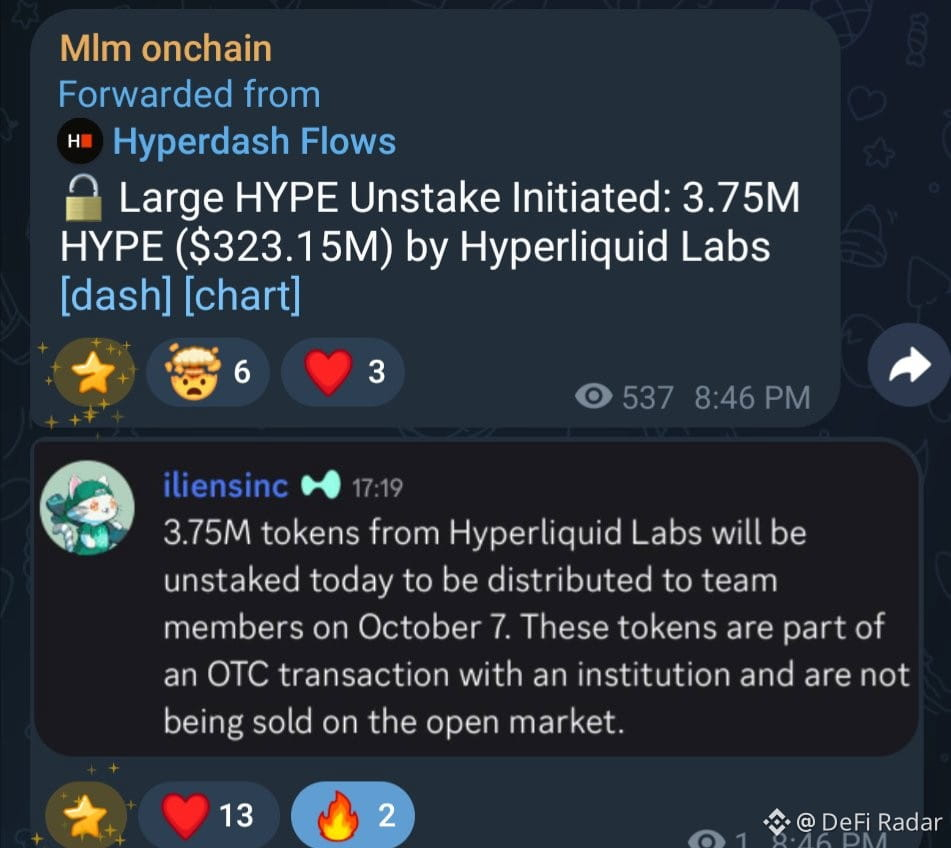
$HYPE機関投資家の需要が放物線的に加速してる
これは、コビーが何年も前に語っていた「強気のアンロック(bullish unlocks)」のシナリオが、ついに現実のものになってきているって感じだ
アンロックが“売りの疲弊”じゃなくて“本当の買いの圧力”とぶつかると、ゲームが別物になる
$HYPE機関投資家の需要が放物線的に加速してる
これは、コビーが何年も前に語っていた「強気のアンロック(bullish unlocks)」のシナリオが、ついに現実のものになってきているって感じだ
アンロックが“売りの疲弊”じゃなくて“本当の買いの圧力”とぶつかると、ゲームが別物になる
これは、コビーが何年も前に語っていた「強気のアンロック(bullish unlocks)」のシナリオが、ついに現実のものになってきているって感じだ
アンロックが“売りの疲弊”じゃなくて“本当の買いの圧力”とぶつかると、ゲームが別物になる
·
--
夏のベアの積み上げから$0.025にある$PUMPで平均をスポット
建玉(パーペス)のエントリーは$0.0177でさらにクリア
後悔?デジェン口座でもっと大きく張らなかったことだけ
エントリー価格が数セント違うだけで、価格が垂直に動いたときのPnLが完全に変わるのがヤバい
だからこそ、誰も見てないときに積み上げる
夏のベアの積み上げから$0.025にある$PUMPで平均をスポット
建玉(パーペス)のエントリーは$0.0177でさらにクリア
後悔?デジェン口座でもっと大きく張らなかったことだけ
エントリー価格が数セント違うだけで、価格が垂直に動いたときのPnLが完全に変わるのがヤバい
だからこそ、誰も見てないときに積み上げる
建玉(パーペス)のエントリーは$0.0177でさらにクリア
後悔?デジェン口座でもっと大きく張らなかったことだけ
エントリー価格が数セント違うだけで、価格が垂直に動いたときのPnLが完全に変わるのがヤバい
だからこそ、誰も見てないときに積み上げる
27
·
--
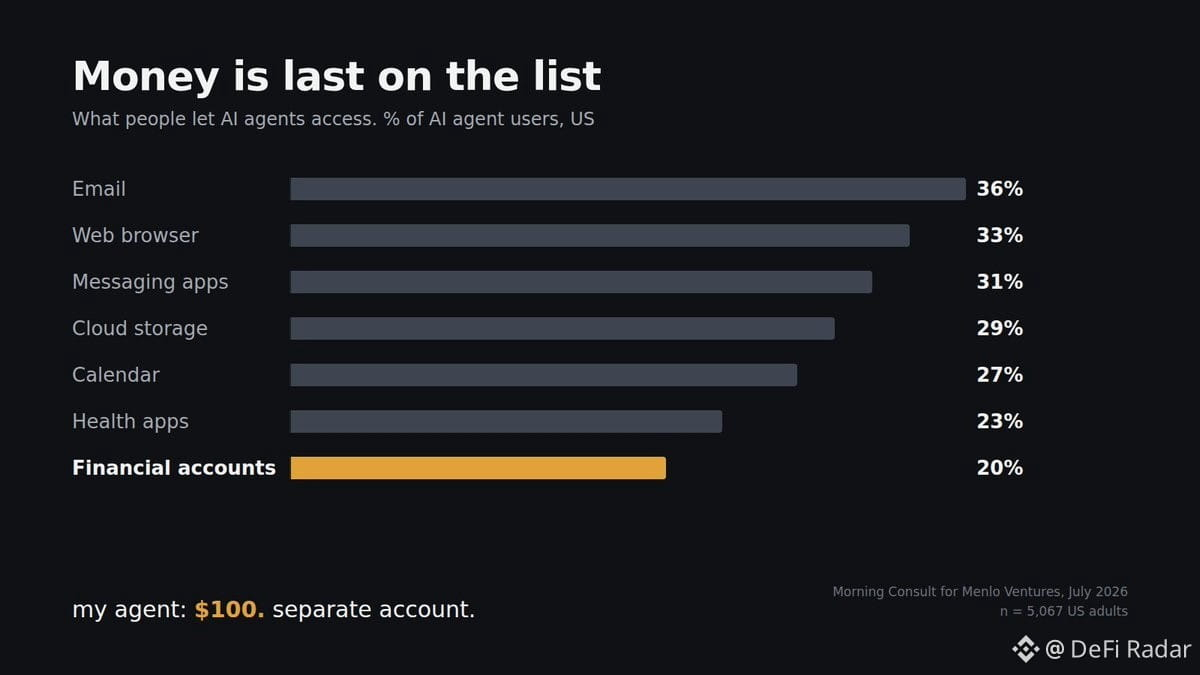
私のエージェントはちょうど100ドルを受け取ります。分別口座です。それだけ。
それ以外は?私は自分で対応します。
モデルの選定は簡単。では、それが実際に触れられる範囲をどう決めるか?それが本当の課題です。
本物のお金で、あなたはそれをどれくらい信頼できますか?🤔
多くの人はAIの能力を過大評価し、リスクを過小評価します。難しいのは技術ではありません。自動化と無謀の境界線を引くことです。
100ドルは、流出せずにテストするのにちょうどいい。学ぶには十分で、あなたを壊すには足りない。
私のエージェントはちょうど100ドルを受け取ります。分別口座です。それだけ。
それ以外は?私は自分で対応します。
モデルの選定は簡単。では、それが実際に触れられる範囲をどう決めるか?それが本当の課題です。
本物のお金で、あなたはそれをどれくらい信頼できますか?🤔
多くの人はAIの能力を過大評価し、リスクを過小評価します。難しいのは技術ではありません。自動化と無謀の境界線を引くことです。
100ドルは、流出せずにテストするのにちょうどいい。学ぶには十分で、あなたを壊すには足りない。
それ以外は?私は自分で対応します。
モデルの選定は簡単。では、それが実際に触れられる範囲をどう決めるか?それが本当の課題です。
本物のお金で、あなたはそれをどれくらい信頼できますか?🤔
多くの人はAIの能力を過大評価し、リスクを過小評価します。難しいのは技術ではありません。自動化と無謀の境界線を引くことです。
100ドルは、流出せずにテストするのにちょうどいい。学ぶには十分で、あなたを壊すには足りない。
25
ログインして、さらにコンテンツを読む
厳選トピックで世界の暗号資産トレーダーの仲間入り
⚡️ 暗号資産に関する最新かつ有益な情報が見つかります。
💬 世界最大の暗号資産取引所から信頼されています。
👍 認証を受けたクリエイターから、有益なインサイトを得られます。
メール / 電話番号
トレンドトピック
FedMinutesFocusOnOctoberPause
閲覧回数 146,511
1,251人が討論中
🚨 警戒レベル引き上げ ‼️ 次の1時間は無闇に取引しないでください 🚨
皆さん、FOMC議事要旨の発表まで1時間を切りました。
今日すでに大きなボラティリティが見られたことを考えると、発表直前に誰にも無謀な高レバレッジポジションを取ってほしくありません。
私が注目している大きな反応は、ゴールド(XAU)、シルバー(XAG)、BTC、ETHです。さらにSOLのような銘柄や、レバレッジの高い時価総額が中小規模のアルトコインは、BTCの値動きを増幅させる可能性があります。
今夜は特にゴールドとシルバーに注意が必要です。市場はすでに米ドルと米国債利回りに反応しており、両方の貴金属はFRB議事要旨の発表を前に大きな圧力を受けています。
簡単に言うと、
📉タカ派的なFOMC議事要旨 → 米ドル・利回りが上昇する可能性 → BTC、暗号資産、ゴールド、シルバーに下押し圧力
📈ハト派的なFOMC議事要旨 → 米ドル・利回りが落ち着く可能性 → BTC、ゴールド、シルバー、リスク資産が大きく反発する可能性があります。
そして、最初のローソク足が罠になることもあるので忘れないでください。一度急騰してすぐに急落し、両方向で清算が起きてから、本当の方向性が見えてくることもあります。
今はポジションを守り、不要なレバレッジを減らし、最初の値動きにFOMOで飛び乗らないようにしてください。
今夜はまず$XAU 、$XAG 、$BTC を注視しています。これらの動きを見れば、市場がFRBの発表をどう受け止めているか、すぐに分かるでしょう。
時間どおりに皆さんに最新情報をお知らせします。
@Panda Traders をフォローして、今すぐ通知をオンにしてください。
#FedMinutesFocusOnOctoberPause
Panda Traders
·いいね:18件
·閲覧回数 3.7k
BinanceLaunchesBinanceIntelligence
閲覧回数 1.1M
6,456人が討論中
EvernorthDelaysNasdaqDebutToOct12
閲覧回数 11,421
278人が討論中