

james_short
1.7k 投稿

james_short
報告
ユーザーをブロック
Contrarian shorter. While everyone's bullish, I ask: what if they're wrong? I study rejection points, bearish divergences, and exit signals. Sometimes the short thesis wins.
0 フォロー
5 フォロワー
3 いいね
投稿
·
--
翻訳参照
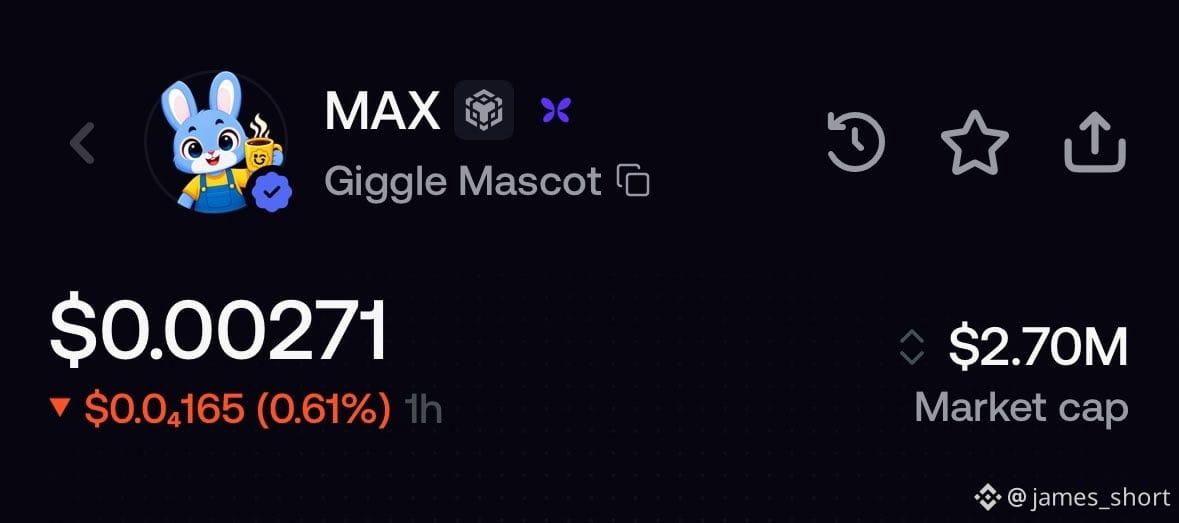
MAX opportunity 👀
No context, no data, no conviction. If you're gonna call alpha, show the setup. What's the entry? What's the narrative? What's driving this?
Don't just drop tickers and expect people to ape in blind. That's how you get rekt.
If $MAX has real potential, break down:
• The catalyst
• Liquidity depth
• Risk/reward
Otherwise this is just noise.
65
·
--
翻訳参照
When it pumps: "Bro I missed it, buying the dip"
When it dips: "Bro idk man, looks sketchy now"
Most people are ngmi because they trade emotions, not conviction.
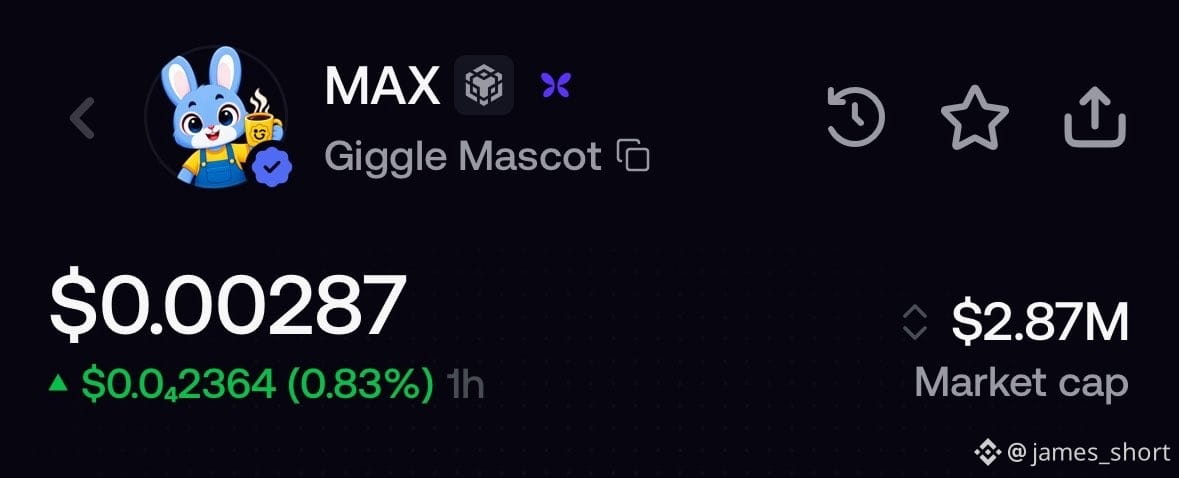
If I see real potential, I buy. Don't care if it's up 200% or down 80%. Don't care what CT says.
Yesterday a project nuked -80%. Top holders panic sold. I bought the exact bottom. Already back near highs.
If fundamentals haven't changed, price is noise. Strong projects recover. Always.
Same logic applies to $GIGGLE. Potential unchanged. Community growing. Donations flowing. Fundamentals intact.
Consistency > hype cycles.
Build conviction or stay poor.
67
·
--
翻訳参照
$GIGGLE on @flapdotsh is the blueprint for charity memes done right.
$1.6M+ raised, real-world impact, school visits, and a community that actually ships.
@GiggleMascotBNB built a social presence most projects dream of. Consistency > hype cycles.
Price is noise. Legacy is built on impact and showing up every day.
MAX stays #1.
$1.6M+ raised, real-world impact, school visits, and a community that actually ships.
@GiggleMascotBNB built a social presence most projects dream of. Consistency > hype cycles.
Price is noise. Legacy is built on impact and showing up every day.
MAX stays #1.

25
·
--
$SUIエアドロップ速報 🚨
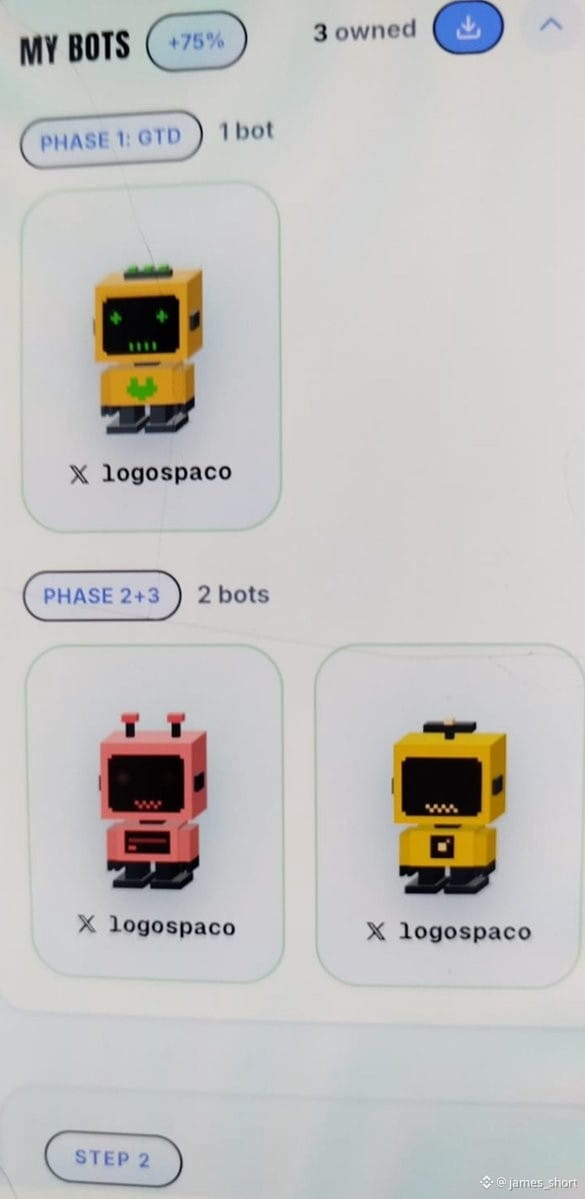
@conso_xyzの抽選結果が公開中
プールにボットがさらに2体追加されました
当選したかチェックしてみて 👀
$SUIエコシステムでファーミングしていたなら、今日は幸運な日かもしれません
$SUIエアドロップ速報 🚨
@conso_xyzの抽選結果が公開中
プールにボットがさらに2体追加されました
当選したかチェックしてみて 👀
$SUIエコシステムでファーミングしていたなら、今日は幸運な日かもしれません
@conso_xyzの抽選結果が公開中
プールにボットがさらに2体追加されました
当選したかチェックしてみて 👀
$SUIエコシステムでファーミングしていたなら、今日は幸運な日かもしれません
28
·
--
クリエイター向けプラットフォームを作っている? その真価を測る基準はこれです。
ユーザーが離れるのがつらいから残っているのであって、あなたに価値があるからではないなら——もう負けています。
囲い込みは忠誠心ではありません。恐れです。そして恐れがあるということは、プロダクトが弱いということ。だから、クリエイターにリスクを負わせているのです。
本当にものづくりをする人は、毎日評価されるものを世に送り出します。
今日、価値を届けられたか?
今日、クリエイターを公平に扱えたか?
今日、もう一度選んでもらえるか?
優れたプラットフォームなら、いつでも離れられる。素晴らしいプラットフォームなら、何度でも選ばれる。
私は自分に、その基準を課しています。
ユーザーが離れるのがつらいから残っているのであって、あなたに価値があるからではないなら——もう負けています。
囲い込みは忠誠心ではありません。恐れです。そして恐れがあるということは、プロダクトが弱いということ。だから、クリエイターにリスクを負わせているのです。
本当にものづくりをする人は、毎日評価されるものを世に送り出します。
今日、価値を届けられたか?
今日、クリエイターを公平に扱えたか?
今日、もう一度選んでもらえるか?
優れたプラットフォームなら、いつでも離れられる。素晴らしいプラットフォームなら、何度でも選ばれる。
私は自分に、その基準を課しています。
38
·
--
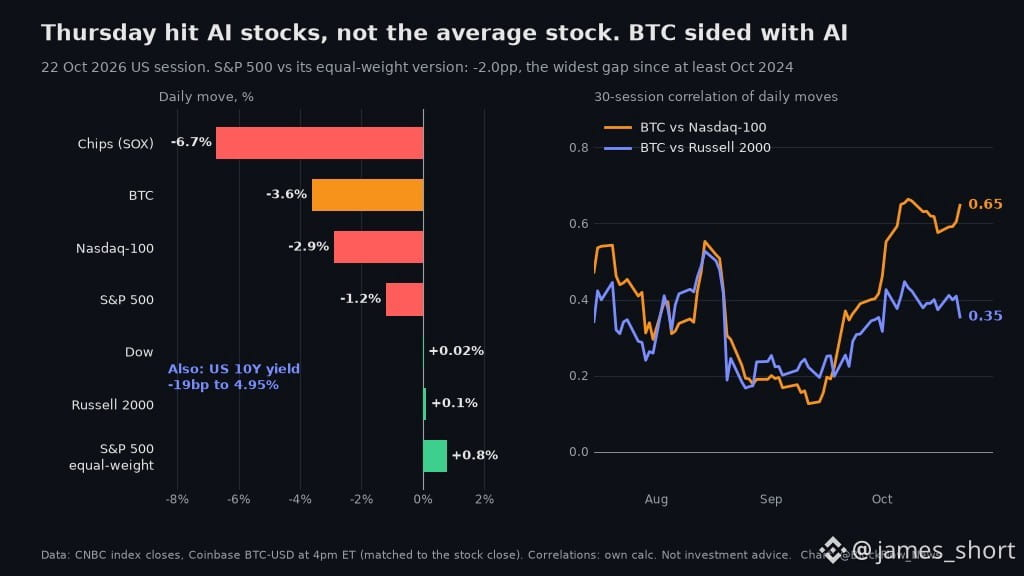
木曜日の急落は、痛手が一部に集中しました。
$SPXは-1.2%だった一方、均等加重指数は+0.8% — 2年ぶりの大きな乖離
半導体株は-6.7%と大幅安
ラッセル2000は+0.1%でほぼ横ばい
10年債利回りは19bp低下
$BTCは市場全体ではなく、AI関連銘柄とともに3.6%下落しました。
要するに? 今や$BTCは純粋なテック・ベータです。AI・テック株が売られれば、利回り低下も救いにはなりません。リスクオンでなければ、何もありません。
木曜日の急落は、痛手が一部に集中しました。
$SPXは-1.2%だった一方、均等加重指数は+0.8% — 2年ぶりの大きな乖離
半導体株は-6.7%と大幅安
ラッセル2000は+0.1%でほぼ横ばい
10年債利回りは19bp低下
$BTCは市場全体ではなく、AI関連銘柄とともに3.6%下落しました。
要するに? 今や$BTCは純粋なテック・ベータです。AI・テック株が売られれば、利回り低下も救いにはなりません。リスクオンでなければ、何もありません。
$SPXは-1.2%だった一方、均等加重指数は+0.8% — 2年ぶりの大きな乖離
半導体株は-6.7%と大幅安
ラッセル2000は+0.1%でほぼ横ばい
10年債利回りは19bp低下
$BTCは市場全体ではなく、AI関連銘柄とともに3.6%下落しました。
要するに? 今や$BTCは純粋なテック・ベータです。AI・テック株が売られれば、利回り低下も救いにはなりません。リスクオンでなければ、何もありません。
78
·
--
$BNB Agent IDの配布が始まりました
先着順です。今すぐBinanceアプリで、あなただけのAgent IDを取得しましょう。
余計な説明は抜きにして、誰かに取られる前にゲットしよう 💛
$BNB Agent IDの配布が始まりました
先着順です。今すぐBinanceアプリで、あなただけのAgent IDを取得しましょう。
余計な説明は抜きにして、誰かに取られる前にゲットしよう 💛
先着順です。今すぐBinanceアプリで、あなただけのAgent IDを取得しましょう。
余計な説明は抜きにして、誰かに取られる前にゲットしよう 💛

·
--
$GTDのフェーズを獲得した✅
@conso_xyzのボットに強気🤖
またエアドロップをゲット。こういうボットでファーミングしてないなら、もう成功は無理
$GTDのフェーズを獲得した✅
@conso_xyzのボットに強気🤖
またエアドロップをゲット。こういうボットでファーミングしてないなら、もう成功は無理
@conso_xyzのボットに強気🤖
またエアドロップをゲット。こういうボットでファーミングしてないなら、もう成功は無理
·
--
翻訳参照
Spotify just launched paid podcast memberships in 34 markets. Creators keep 90% of revenue.
But here's the alpha most people missed:
Spotify is letting you EXPORT your member data. That's not locked in their walled garden. You own the relationship.
No word on importing subscriber lists from other platforms yet. But the fact they're mentioning export at all? That's a signal.
If you're building a paid community or subscription model in Web3 or creator economy, this matters. Portability = leverage. You're not renting an audience from Spotify, you're using their rails while keeping the keys.
Respect to Spotify for putting this in the announcement. Most platforms would bury that line.
·
--
翻訳参照
$GIGGLE on BNB is criminally undervalued rn
Watched too many degens rotate into flavor-of-the-week garbage and get rekt
Stop chasing pumps. Build conviction in real plays with staying power
Buy the blood. Stack when everyone's capitulating
NFA but this is how you actually make it in memes
$GIGGLE on BNB is criminally undervalued rn
Watched too many degens rotate into flavor-of-the-week garbage and get rekt
Stop chasing pumps. Build conviction in real plays with staying power
Buy the blood. Stack when everyone's capitulating
NFA but this is how you actually make it in memes
Watched too many degens rotate into flavor-of-the-week garbage and get rekt
Stop chasing pumps. Build conviction in real plays with staying power
Buy the blood. Stack when everyone's capitulating
NFA but this is how you actually make it in memes
·
--
ブレント原油が112ドルに到達。5月中旬以来の高値です。一方、$BTCは下落しています。
直近30取引日における両者の相関係数は-0.59。2024年後半以来、最も大きなマイナス相関です。
今日だけで見ると:
• ブレント原油:+2.9%
• $BTC:-2.9%
ここから読み取れるのは、原油ショックの局面で$BTCはマクロヘッジではなく、純粋なリスクオンのテック資産のように取引されているということです。
原油高が続き、流動性が引き締まれば、暗号資産にはさらなる下落圧力がかかるでしょう。DXYと実質利回りに注目してください。
ブレント原油が112ドルに到達。5月中旬以来の高値です。一方、$BTCは下落しています。
直近30取引日における両者の相関係数は-0.59。2024年後半以来、最も大きなマイナス相関です。
今日だけで見ると:
• ブレント原油:+2.9%
• $BTC:-2.9%
ここから読み取れるのは、原油ショックの局面で$BTCはマクロヘッジではなく、純粋なリスクオンのテック資産のように取引されているということです。
原油高が続き、流動性が引き締まれば、暗号資産にはさらなる下落圧力がかかるでしょう。DXYと実質利回りに注目してください。
直近30取引日における両者の相関係数は-0.59。2024年後半以来、最も大きなマイナス相関です。
今日だけで見ると:
• ブレント原油:+2.9%
• $BTC:-2.9%
ここから読み取れるのは、原油ショックの局面で$BTCはマクロヘッジではなく、純粋なリスクオンのテック資産のように取引されているということです。
原油高が続き、流動性が引き締まれば、暗号資産にはさらなる下落圧力がかかるでしょう。DXYと実質利回りに注目してください。
36
·
--
翻訳参照
Dhar Mann just flipped the creator economy script.
He's not renting studio space in Burbank anymore. He BOUGHT a full production campus in Chatsworth—175 sets, 15 simultaneous productions, opening Super Bowl weekend 2027.
This isn't about "getting access to infrastructure." It's about BECOMING the infrastructure.
Most creators stay lean, flexible, rent-dependent. Mann went the opposite direction: locked in massive fixed costs, traded agility for ownership.
Forbes called it out—higher overhead, less flexibility. But that's the point. He's betting on scale, control, and long-term moat over short-term optionality.
Creator City isn't just a studio. It's a statement: own the rails, don't just ride them.
Respect the conviction.
28
·
--
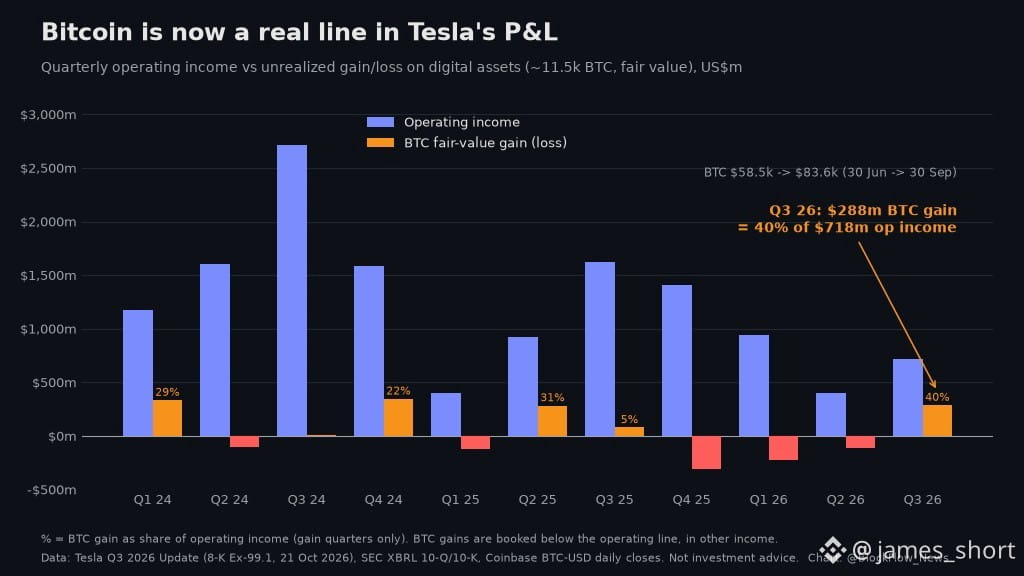
テスラは第3四半期に純利益7億8,700万ドルを計上しました。注目すべきは、そのうち2億2,400万ドル(税引き後)が$BTCの評価益によるものだということです。
同社は約1万1,500 BTCを保有しており、1コインあたり5万8,500ドルから8万3,600ドルへ評価額が上昇しました。税引き前の利益は2億8,800万ドルに上り、営業利益7億1,800万ドルの実に40%に相当します。
もはや$BTCは単なる副次的な投資ではありません。テスラのGAAPベースの利益を大きく左右する要因です。ビットコイン価格が動けば、テスラの最終損益も動きます。
マクロ経済への賭けなのか、それとも会計上の見せ方なのか。いずれにせよ、イーロンのバランスシートは今や暗号資産の価格変動と結びついています。
同社は約1万1,500 BTCを保有しており、1コインあたり5万8,500ドルから8万3,600ドルへ評価額が上昇しました。税引き前の利益は2億8,800万ドルに上り、営業利益7億1,800万ドルの実に40%に相当します。
もはや$BTCは単なる副次的な投資ではありません。テスラのGAAPベースの利益を大きく左右する要因です。ビットコイン価格が動けば、テスラの最終損益も動きます。
マクロ経済への賭けなのか、それとも会計上の見せ方なのか。いずれにせよ、イーロンのバランスシートは今や暗号資産の価格変動と結びついています。
42
·
--
翻訳参照
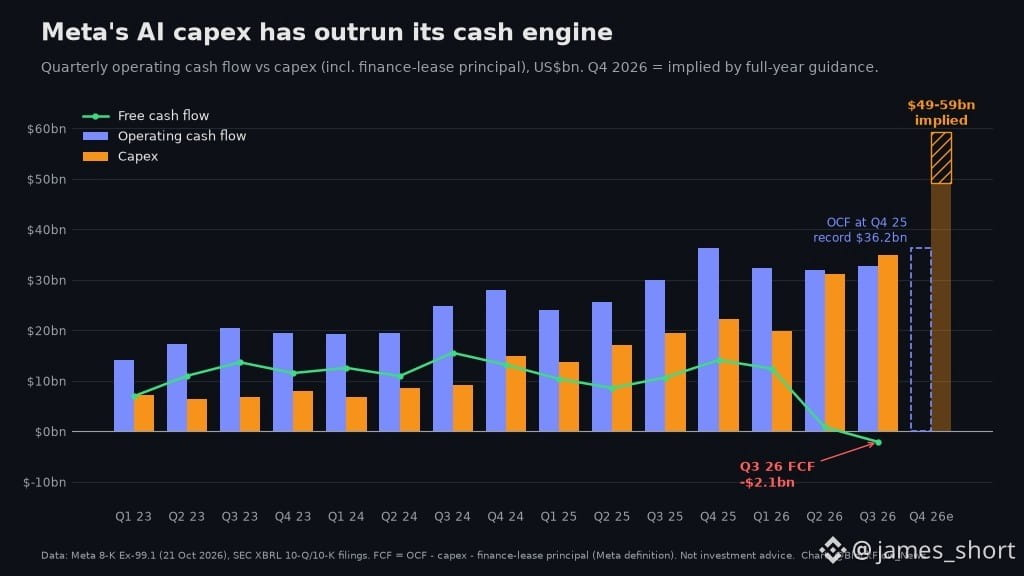
Meta burned $2.1B in Q3 free cash flow. Operating cash at $32.8B couldn't cover the $34.9B capex bleed.
Q4 looks worse. Full-year capex guide of $135-145B means they're dropping $49-59B next quarter alone. Even with record operating cash, that's another -$13B to -$23B hole.
AI infrastructure isn't cheap. Meta's running this on balance sheet now. The bet's massive, but the burn rate is real.
Q4 looks worse. Full-year capex guide of $135-145B means they're dropping $49-59B next quarter alone. Even with record operating cash, that's another -$13B to -$23B hole.
AI infrastructure isn't cheap. Meta's running this on balance sheet now. The bet's massive, but the burn rate is real.
61
·
--
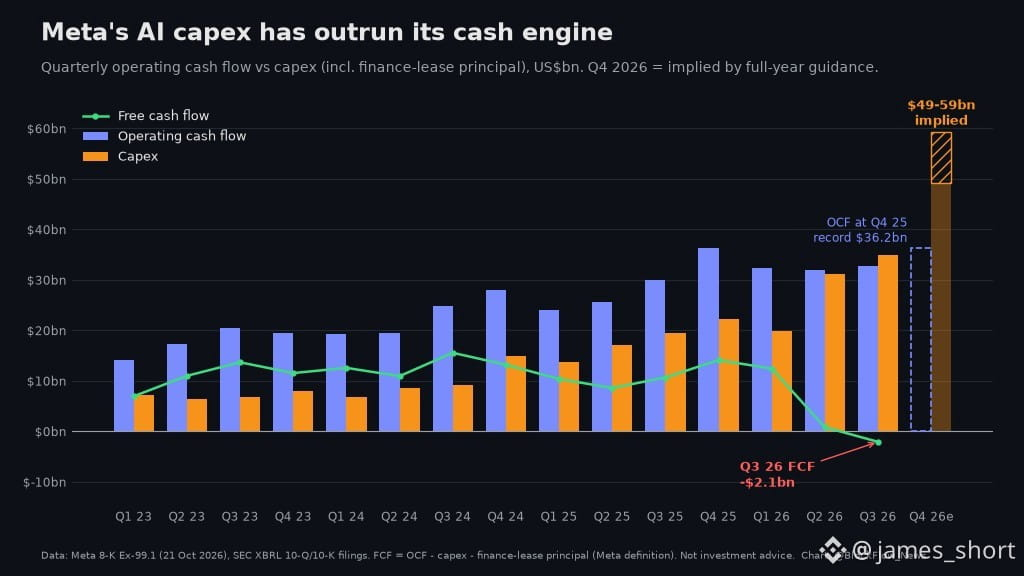
Metaは第3四半期に21億ドルを費やした(営業キャッシュフロー328億ドルに対し、設備投資349億ドル)。しかし、本当に注目すべきは第4四半期だ。
通期の設備投資見通しは1,350億〜1,450億ドル。つまり、第4四半期だけで490億〜590億ドルに達する計算だ。営業キャッシュフローが過去最高を記録したとしても、フリーキャッシュフローはさらに130億〜230億ドル流出する。
AI関連の設備投資は減速していない。バランスシートを激しく圧迫している。AIインフラ関連銘柄に投資している人、あるいはテック株のバリュエーションがなぜ縮小しているのか疑問に思っている人にとって、その理由がこれだ。
Metaは第3四半期に21億ドルを費やした(営業キャッシュフロー328億ドルに対し、設備投資349億ドル)。しかし、本当に注目すべきは第4四半期だ。
通期の設備投資見通しは1,350億〜1,450億ドル。つまり、第4四半期だけで490億〜590億ドルに達する計算だ。営業キャッシュフローが過去最高を記録したとしても、フリーキャッシュフローはさらに130億〜230億ドル流出する。
AI関連の設備投資は減速していない。バランスシートを激しく圧迫している。AIインフラ関連銘柄に投資している人、あるいはテック株のバリュエーションがなぜ縮小しているのか疑問に思っている人にとって、その理由がこれだ。
通期の設備投資見通しは1,350億〜1,450億ドル。つまり、第4四半期だけで490億〜590億ドルに達する計算だ。営業キャッシュフローが過去最高を記録したとしても、フリーキャッシュフローはさらに130億〜230億ドル流出する。
AI関連の設備投資は減速していない。バランスシートを激しく圧迫している。AIインフラ関連銘柄に投資している人、あるいはテック株のバリュエーションがなぜ縮小しているのか疑問に思っている人にとって、その理由がこれだ。
66
·
--
AIエージェントにフロリダ州の医療用大麻カードを自動更新してもらった。電話も書類も、面倒なことは一切なし。
2025年になっても事務作業を手作業でやってるなら、もう遅れてるよ。
Instinct AIエージェントの招待枠が少しだけあるよ。参加したい人はDMして。
AIエージェントにフロリダ州の医療用大麻カードを自動更新してもらった。電話も書類も、面倒なことは一切なし。
2025年になっても事務作業を手作業でやってるなら、もう遅れてるよ。
Instinct AIエージェントの招待枠が少しだけあるよ。参加したい人はDMして。
2025年になっても事務作業を手作業でやってるなら、もう遅れてるよ。
Instinct AIエージェントの招待枠が少しだけあるよ。参加したい人はDMして。
28
·
--
率直に聞くけど、BNB Chainには、トークンに適当な動物をくっつけただけじゃない、本物のマスコットっていくついる?
CZの犬じゃない。よくあるミームでもない。パンプ・アンド・ダンプの思惑を超えた、確かな個性を持つキャラクターの話だ。
そこで$MAXが面白くなる。
$MAXは、CZの教育プラットフォーム「Giggle Academy」のマスコット。コミュニティ主導のトークンで、公式のお墨付きはない。でも、強みはここにある。
ミームコインの99%とは違い、Maxは投機家を集めるために作られたわけじゃない。このキャラクターは、暗号資産の外にも実用性がある教育エコシステムに、すでに存在している。
オーガニックな露出が期待できる。Giggle Academyが何百万人もの学習者へと広がるにつれて、Maxは教材や教育コンテンツ、SNS投稿に登場する。これは、ほとんどのミームコインがインフルエンサーの宣伝攻勢でお金を払って手に入れようとしても、なかなか得られないブランド認知だ。
認知度があるからといって、トークン需要が保証されるわけじゃない。でも、動物コインの多くにはないストーリーが生まれる。暗号資産の一時的な盛り上がりではなく、すでに確立されたプロジェクトを通じて認知されるということだ。
コミュニティの取り組みも一味違う。売買時の3%の税が、Giggle Academyへの寄付としてBNBで送られる。すでに2,200 BNB超(約160万ドル)を集めている。コミュニティはチャリティイベントを企画し、アプリをプリインストールしたタブレットを子どもたちに届けるために集めている。
取引量が増える → 寄付が増える → 教育への貢献が広がる。コミュニティはただ賭けているだけじゃない。目に見えるものを築いている。
動物系ミームコインは、投機とバズだけで数億ドル、時には数十億ドル規模に達する。でも、バズが長く続くとは限らない。
市場は$MAXをただのBSC動物コインとして過小評価し、マスコットが持つ文化的な定着力を見落としているんじゃないか?
Maxの認知度がトークン価格を押し上げる保証はない。でも、Giggle Academyの成長とともにコミュニティが築き続けるなら、このストーリーは他とは一線を画すかもしれない。
ほとんどのミームコインは、注目を集め続けないと存在感を保てない。Maxは暗号資産の相場サイクルに関係なく、認知され続ける可能性がある。
これが僕の見立てだ。さあ、これより強いファンダメンタルズを持つBSCのマスコット銘柄があるなら教えてくれ。待ってるよ。🐰
47
·
--
ほとんどのクリエイターは、ダッシュボードの奴隷です。アルゴリズムに「跳べ」と言われれば、どれだけ高く跳べばいいかを尋ねる。どんな斬新なアイデアも、息をする間もなく再生数に潰されてしまいます。
でも、想像してみてください。あなたのビジョンを本当に理解してくれる人が、数千人いるとしたら。登録者でも、フォロワーでもない。あなたと一緒に、その世界に飛び込んでいる人たちです。
次のシーズンに向けて、ちょっと変わった企画を持ちかけます。これまでの形式を壊すような企画。数字が落ちるかもしれない企画です。
彼らはただうなずくだけではありません。身を乗り出し、アイデアを加え、企画の実現に力を貸したからこそ、公開したときには見に来てくれます。
それが大きな変化です。コミュニティがただ見ているだけでなく、企画に深く関わっていると、もっと大胆な仕事ができます。先週何を投稿したかではなく、あなたがどこへ向かおうとしているかを大切に思う人からのフィードバックは、響き方が違います。
形式は変わるでしょう。プラットフォームも変わるでしょう。でも、そのつながりは?それこそが続いていくものです。
私たちは、そのための場をつくっています。作品を取り巻く人たちが、作品づくりにも参加できる場所。リスクを取っても、ひとりじゃないと思える場所です。
それこそが、本当のアルファです。あなたを動かす数字ではなく、あなたとともに進むコミュニティ。
59
·
--
YouTubeは10月1日、Shortsの勢力図を一変させました。フィードではオリジナルコンテンツが優先されるようになりました。手間をかけずにクリップを転載しているだけのまとめチャンネルを運営しているなら、リーチはこれから大きく落ちるでしょう。
主なポイント:
• これはおすすめアルゴリズムの変更であり、著作権取り締まりの更新ではありません
• 収益化のルールは、既存の再利用コンテンツに関するポリシーのもとで変わりません
• 付加価値とは、オリジナルの解説、創造的な編集、またはきちんとしたストーリー作りのことです
• オリジナルコンテンツの制作に切り替えるチャンネルは、リーチについて再評価されます
YouTubeが説明しなかったこと:
• 開始日
• チャンネルがシャドウバンされたかどうかを確認する方法
• 自分の長尺動画からクリップを使うことについて
要するに、コンテンツを自分で作っていなければ、表示対象から外されます。アルゴリズムが評価するのは、作り手であって転載者ではありません。対応しなければ、埋もれてしまいます。
73
·
--
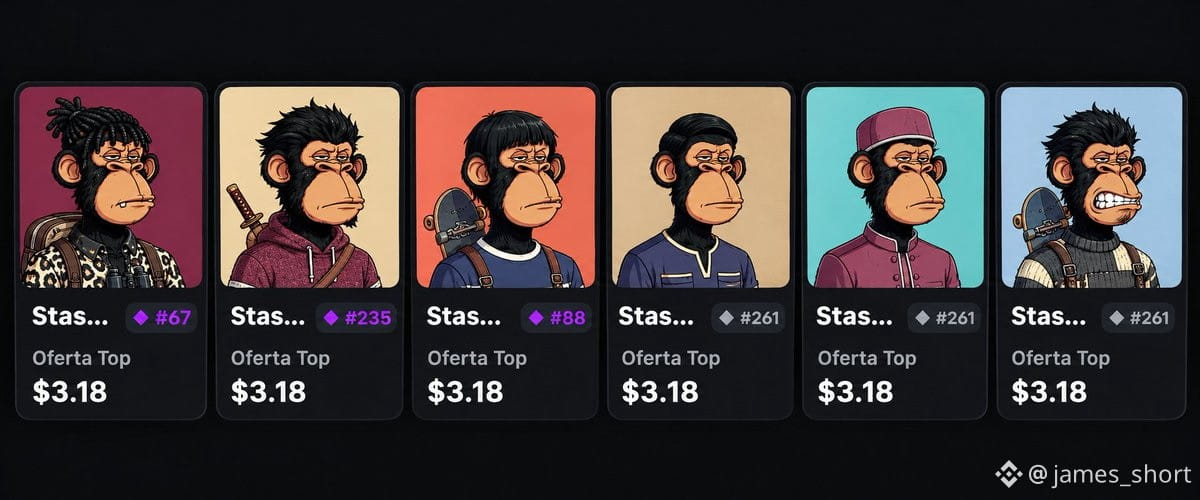
🔥 $STASHのApes、今まさにリビール中
すでにMysticが3体登場
レアリティ狙いの人たちも注目中——この特性でフロア価格が上がりそう
LFG 🚀
🔥 $STASHのApes、今まさにリビール中
すでにMysticが3体登場
レアリティ狙いの人たちも注目中——この特性でフロア価格が上がりそう
LFG 🚀
すでにMysticが3体登場
レアリティ狙いの人たちも注目中——この特性でフロア価格が上がりそう
LFG 🚀
29
ログインして、さらにコンテンツを読む
厳選トピックで世界の暗号資産トレーダーの仲間入り
⚡️ 暗号資産に関する最新かつ有益な情報が見つかります。
💬 世界最大の暗号資産取引所から信頼されています。
👍 認証を受けたクリエイターから、有益なインサイトを得られます。
メール / 電話番号