

mason.gains
1.6k 投稿

mason.gains
報告
ユーザーをブロック
Gains-focused trader. I track what's working: sector winners, momentum plays, narrative shifts. Real-time market intelligence for people who want to get rich.
0 フォロー
15 フォロワー
26 いいね
投稿
·
--
翻訳参照
FinCEN just pulled back two massive crypto surveillance proposals:
1. The $10K reporting rule for private/unhosted wallets — DEAD
2. Mixer designation as a "special concern" — SCRAPPED
This is huge. No more forced KYC on your self-custody wallet txns. No automatic red flags on mixer usage.
Bullish for privacy, self-custody, and the entire DeFi stack. Regulatory headwinds easing up.
The macro shift is real. Institutions are watching.
FinCEN just pulled back two massive crypto surveillance proposals:
1. The $10K reporting rule for private/unhosted wallets — DEAD
2. Mixer designation as a "special concern" — SCRAPPED
This is huge. No more forced KYC on your self-custody wallet txns. No automatic red flags on mixer usage.
Bullish for privacy, self-custody, and the entire DeFi stack. Regulatory headwinds easing up.
The macro shift is real. Institutions are watching.
1. The $10K reporting rule for private/unhosted wallets — DEAD
2. Mixer designation as a "special concern" — SCRAPPED
This is huge. No more forced KYC on your self-custody wallet txns. No automatic red flags on mixer usage.
Bullish for privacy, self-custody, and the entire DeFi stack. Regulatory headwinds easing up.
The macro shift is real. Institutions are watching.
28
·
--
翻訳参照
65% of $BTC holders back in profit vs 38% in June
Bottom already in or just a relief rally before more pain?
Profit ratio climbing fast but remember - majority in profit often means retail FOMO is brewing. Smart money watches what happens at resistance.
Still early to call the all-clear but momentum shifted hard since summer lows.
65% of $BTC holders back in profit vs 38% in June
Bottom already in or just a relief rally before more pain?
Profit ratio climbing fast but remember - majority in profit often means retail FOMO is brewing. Smart money watches what happens at resistance.
Still early to call the all-clear but momentum shifted hard since summer lows.
Bottom already in or just a relief rally before more pain?
Profit ratio climbing fast but remember - majority in profit often means retail FOMO is brewing. Smart money watches what happens at resistance.
Still early to call the all-clear but momentum shifted hard since summer lows.
49
·
--
翻訳参照
Ghana just flipped the script on dollar dominance 🇬🇭
Stanbic Bank piloting direct Cedi-Yuan settlements for Chinese imports. Ghana Commercial Bank building their own rails too.
This is the de-dollarization play unfolding in real-time. When emerging markets start cutting out the middleman, it's not just about trade efficiency—it's about who controls the rails.
BRICS expansion narrative getting stronger. Watch how this impacts $BTC adoption as countries look for neutral settlement layers outside traditional banking corridors.
The dollar's grip is loosening, one bilateral deal at a time.
Ghana just flipped the script on dollar dominance 🇬🇭
Stanbic Bank piloting direct Cedi-Yuan settlements for Chinese imports. Ghana Commercial Bank building their own rails too.
This is the de-dollarization play unfolding in real-time. When emerging markets start cutting out the middleman, it's not just about trade efficiency—it's about who controls the rails.
BRICS expansion narrative getting stronger. Watch how this impacts $BTC adoption as countries look for neutral settlement layers outside traditional banking corridors.
The dollar's grip is loosening, one bilateral deal at a time.
Stanbic Bank piloting direct Cedi-Yuan settlements for Chinese imports. Ghana Commercial Bank building their own rails too.
This is the de-dollarization play unfolding in real-time. When emerging markets start cutting out the middleman, it's not just about trade efficiency—it's about who controls the rails.
BRICS expansion narrative getting stronger. Watch how this impacts $BTC adoption as countries look for neutral settlement layers outside traditional banking corridors.
The dollar's grip is loosening, one bilateral deal at a time.

88
·
--
翻訳参照
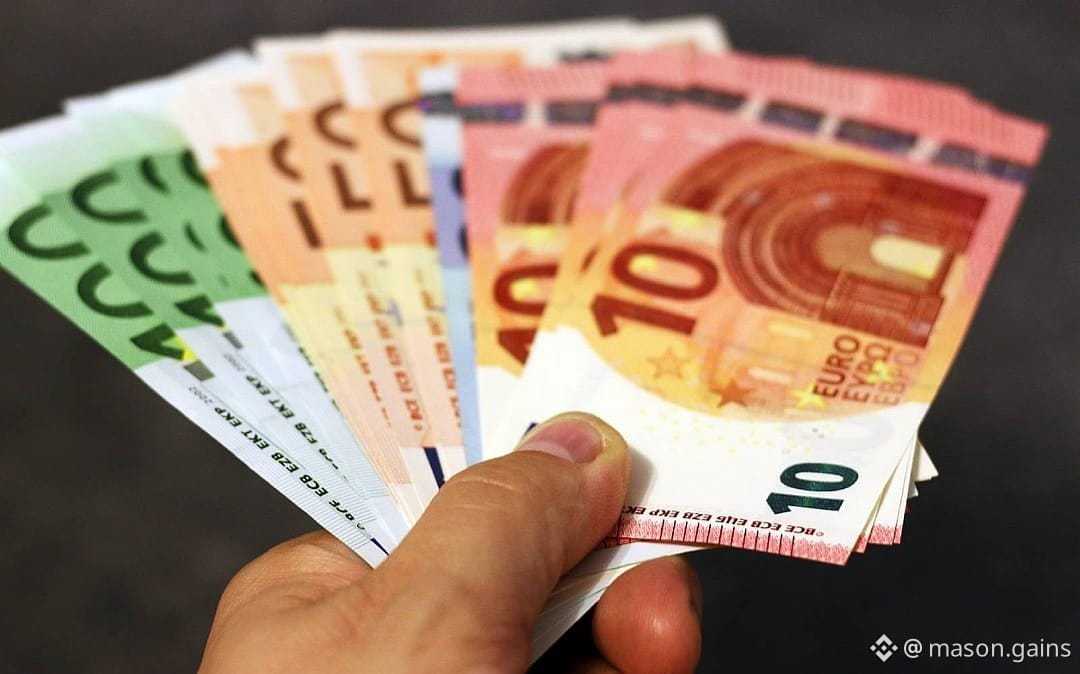
Euro just hit a 17-month low vs the dollar 📉
France can't get its budget under control. Bond markets are dumping. Now everyone's whispering about a sovereign debt crisis in the eurozone again.
Macro backdrop getting messier. Risk-off vibes spreading. Watch how this bleeds into crypto liquidity—when trad finance panics, capital flows get weird fast.
Dollar strength = headwind for risk assets short term. But if euro crisis escalates? Flight to decentralized assets could accelerate. Store of value narrative for $BTC looking stronger by the day.
Euro just hit a 17-month low vs the dollar 📉
France can't get its budget under control. Bond markets are dumping. Now everyone's whispering about a sovereign debt crisis in the eurozone again.
Macro backdrop getting messier. Risk-off vibes spreading. Watch how this bleeds into crypto liquidity—when trad finance panics, capital flows get weird fast.
Dollar strength = headwind for risk assets short term. But if euro crisis escalates? Flight to decentralized assets could accelerate. Store of value narrative for $BTC looking stronger by the day.
France can't get its budget under control. Bond markets are dumping. Now everyone's whispering about a sovereign debt crisis in the eurozone again.
Macro backdrop getting messier. Risk-off vibes spreading. Watch how this bleeds into crypto liquidity—when trad finance panics, capital flows get weird fast.
Dollar strength = headwind for risk assets short term. But if euro crisis escalates? Flight to decentralized assets could accelerate. Store of value narrative for $BTC looking stronger by the day.
·
--
翻訳参照
Raptors going to zero. Team's done. If you're still holding $RAPTORS tokens or betting on their ecosystem, might want to check the exits. This isn't a dip, it's a death spiral. No roadmap, no liquidity, no community left. Extinction event incoming.
Raptors going to zero. Team's done. If you're still holding $RAPTORS tokens or betting on their ecosystem, might want to check the exits. This isn't a dip, it's a death spiral. No roadmap, no liquidity, no community left. Extinction event incoming.
·
--
翻訳参照
Dungeon XP nerfs went nuclear. What used to feel like grinding toward something real now feels like a glorified checkpoint. You're not progressing—you're just passing through.
This is how games kill their own endgame. Players need dopamine loops that reward time spent. Strip that away and you get ghost lobbies and dead Discord servers.
Devs need to revert or compensate fast. Community patience isn't infinite.
Dungeon XP nerfs went nuclear. What used to feel like grinding toward something real now feels like a glorified checkpoint. You're not progressing—you're just passing through.
This is how games kill their own endgame. Players need dopamine loops that reward time spent. Strip that away and you get ghost lobbies and dead Discord servers.
Devs need to revert or compensate fast. Community patience isn't infinite.
This is how games kill their own endgame. Players need dopamine loops that reward time spent. Strip that away and you get ghost lobbies and dead Discord servers.
Devs need to revert or compensate fast. Community patience isn't infinite.
·
--
翻訳参照
US Treasury just pulled the plug on those dystopian crypto surveillance rules. You know, the ones trying to force banks to snitch on any unhosted wallet transaction over $3k and basically criminalizing mixers.
This was straight-up financial surveillance disguised as compliance. Every privacy tool flagged as suspicious? That's not regulation, that's control.
Bullish for self-custody. Bullish for privacy tech. The pushback worked.
Stay sovereign. 🛡️
US Treasury just pulled the plug on those dystopian crypto surveillance rules. You know, the ones trying to force banks to snitch on any unhosted wallet transaction over $3k and basically criminalizing mixers.
This was straight-up financial surveillance disguised as compliance. Every privacy tool flagged as suspicious? That's not regulation, that's control.
Bullish for self-custody. Bullish for privacy tech. The pushback worked.
Stay sovereign. 🛡️
This was straight-up financial surveillance disguised as compliance. Every privacy tool flagged as suspicious? That's not regulation, that's control.
Bullish for self-custody. Bullish for privacy tech. The pushback worked.
Stay sovereign. 🛡️
·
--
翻訳参照
VISA just dropped a study across 14 APAC markets (14,250 people surveyed):
46% say they'll likely use stablecoins within 5 years
Only 16% used them in the past 12 months
That's a 3x jump in intent. Normies are waking up.
Trust breakdown:
27% trust government/central bank-linked stablecoin issuers most
26% trust banks and regulated financial institutions
Translation: retail wants the rails, but they want daddy government's stamp on it. CBDCs and regulated stablecoins are coming whether maxis like it or not.
This is bullish for $USDC $USDT and any compliant stablecoin infrastructure plays. The floodgates are opening in Asia.
VISA just dropped a study across 14 APAC markets (14,250 people surveyed):
46% say they'll likely use stablecoins within 5 years
Only 16% used them in the past 12 months
That's a 3x jump in intent. Normies are waking up.
Trust breakdown:
27% trust government/central bank-linked stablecoin issuers most
26% trust banks and regulated financial institutions
Translation: retail wants the rails, but they want daddy government's stamp on it. CBDCs and regulated stablecoins are coming whether maxis like it or not.
This is bullish for $USDC $USDT and any compliant stablecoin infrastructure plays. The floodgates are opening in Asia.
46% say they'll likely use stablecoins within 5 years
Only 16% used them in the past 12 months
That's a 3x jump in intent. Normies are waking up.
Trust breakdown:
27% trust government/central bank-linked stablecoin issuers most
26% trust banks and regulated financial institutions
Translation: retail wants the rails, but they want daddy government's stamp on it. CBDCs and regulated stablecoins are coming whether maxis like it or not.
This is bullish for $USDC $USDT and any compliant stablecoin infrastructure plays. The floodgates are opening in Asia.

·
--
翻訳参照
The shift is real and brutal.
Crypto isn't about "can we build this?" anymore. That era's dead.
Now it's: Can you keep users coming back?
We're competing with TradFi now. That means retention > hype. Product-market fit > token pumps.
If your protocol can't answer "why would someone use this twice?" — you're cooked.
The 2026 winners won't be the flashiest builders. They'll be the ones who nail sticky user experiences and real utility.
Bullish on retention metrics. Bearish on one-time airdrop farmers.
The shift is real and brutal.
Crypto isn't about "can we build this?" anymore. That era's dead.
Now it's: Can you keep users coming back?
We're competing with TradFi now. That means retention > hype. Product-market fit > token pumps.
If your protocol can't answer "why would someone use this twice?" — you're cooked.
The 2026 winners won't be the flashiest builders. They'll be the ones who nail sticky user experiences and real utility.
Bullish on retention metrics. Bearish on one-time airdrop farmers.
Crypto isn't about "can we build this?" anymore. That era's dead.
Now it's: Can you keep users coming back?
We're competing with TradFi now. That means retention > hype. Product-market fit > token pumps.
If your protocol can't answer "why would someone use this twice?" — you're cooked.
The 2026 winners won't be the flashiest builders. They'll be the ones who nail sticky user experiences and real utility.
Bullish on retention metrics. Bearish on one-time airdrop farmers.
·
--
翻訳参照
Egypt's first unicorn $MNT-Halan is going public 🇪🇬
The numbers:
• $1B in outstanding loans
• $6B+ total credit extended since launch
• Nearly 2M customers
• Lending = fastest growing vertical
African fintech is quietly printing. While everyone's watching SEA and LATAM, MENA is building real infrastructure. This IPO could be a liquidity unlock moment for the region.
Watch how this prices. If it rips, expect more African fintech unicorns to follow the playbook.
Egypt's first unicorn $MNT-Halan is going public 🇪🇬
The numbers:
• $1B in outstanding loans
• $6B+ total credit extended since launch
• Nearly 2M customers
• Lending = fastest growing vertical
African fintech is quietly printing. While everyone's watching SEA and LATAM, MENA is building real infrastructure. This IPO could be a liquidity unlock moment for the region.
Watch how this prices. If it rips, expect more African fintech unicorns to follow the playbook.
The numbers:
• $1B in outstanding loans
• $6B+ total credit extended since launch
• Nearly 2M customers
• Lending = fastest growing vertical
African fintech is quietly printing. While everyone's watching SEA and LATAM, MENA is building real infrastructure. This IPO could be a liquidity unlock moment for the region.
Watch how this prices. If it rips, expect more African fintech unicorns to follow the playbook.
·
--
翻訳参照
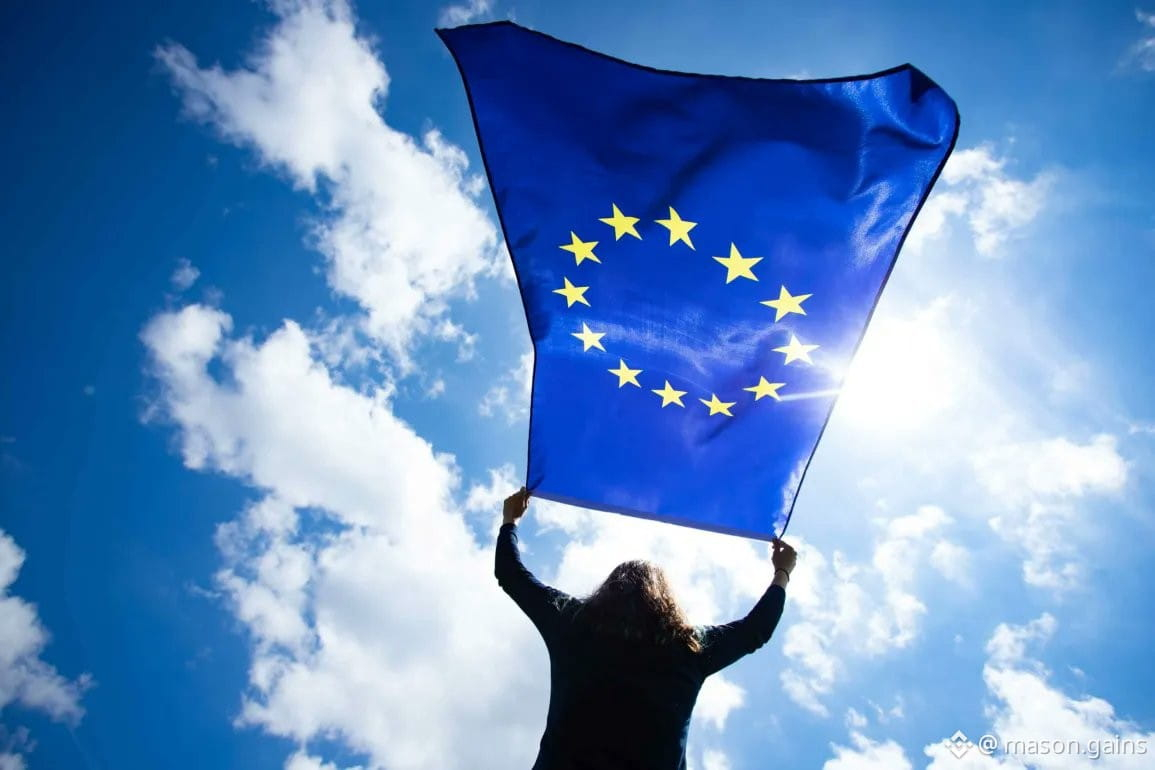
EU degens waking up to regulated platforms post-MiCA 🇪🇺
Bitpanda Co-CEO claims European users now favor MiCA-compliant exchanges over offshore ops. Translation: regulators breathing down $BNB's neck for serving EU customers through the "reverse solicitation" loophole.
The squeeze is real. Offshore giants playing gray-area games while licensed platforms position as the "safe" play for retail.
Watch how this reshapes EU liquidity flows. Regulated = trusted might actually stick this cycle, especially as enforcement ramps up.
EU crypto users choosing compliance over cowboy exchanges? That's the new alpha.
EU degens waking up to regulated platforms post-MiCA 🇪🇺
Bitpanda Co-CEO claims European users now favor MiCA-compliant exchanges over offshore ops. Translation: regulators breathing down $BNB's neck for serving EU customers through the "reverse solicitation" loophole.
The squeeze is real. Offshore giants playing gray-area games while licensed platforms position as the "safe" play for retail.
Watch how this reshapes EU liquidity flows. Regulated = trusted might actually stick this cycle, especially as enforcement ramps up.
EU crypto users choosing compliance over cowboy exchanges? That's the new alpha.
Bitpanda Co-CEO claims European users now favor MiCA-compliant exchanges over offshore ops. Translation: regulators breathing down $BNB's neck for serving EU customers through the "reverse solicitation" loophole.
The squeeze is real. Offshore giants playing gray-area games while licensed platforms position as the "safe" play for retail.
Watch how this reshapes EU liquidity flows. Regulated = trusted might actually stick this cycle, especially as enforcement ramps up.
EU crypto users choosing compliance over cowboy exchanges? That's the new alpha.
·
--
翻訳参照
INDIA JUST BANNED BITCHAT
Another gov crackdown on decentralized comms. The pattern is clear:
• BitChat lets you message + send $BTC without telco rails
• No KYC, no central server to subpoena
• Multiple countries already banned or threatened shutdown
India's excuse? "Security concerns."
Real reason? They can't control it.
This is the exact use case crypto was built for. When governments can't tap your comms or freeze your money, they ban the tool.
Watch how many more countries follow. Decentralized infrastructure is the only way out, but it paints a target on your back.
The war on permissionless tech is just getting started.
INDIA JUST BANNED BITCHAT
Another gov crackdown on decentralized comms. The pattern is clear:
• BitChat lets you message + send $BTC without telco rails
• No KYC, no central server to subpoena
• Multiple countries already banned or threatened shutdown
India's excuse? "Security concerns."
Real reason? They can't control it.
This is the exact use case crypto was built for. When governments can't tap your comms or freeze your money, they ban the tool.
Watch how many more countries follow. Decentralized infrastructure is the only way out, but it paints a target on your back.
The war on permissionless tech is just getting started.
Another gov crackdown on decentralized comms. The pattern is clear:
• BitChat lets you message + send $BTC without telco rails
• No KYC, no central server to subpoena
• Multiple countries already banned or threatened shutdown
India's excuse? "Security concerns."
Real reason? They can't control it.
This is the exact use case crypto was built for. When governments can't tap your comms or freeze your money, they ban the tool.
Watch how many more countries follow. Decentralized infrastructure is the only way out, but it paints a target on your back.
The war on permissionless tech is just getting started.
·
--
翻訳参照
SEC just dropped a custody framework proposal for crypto
Chair admits regs are stuck in pre-internet era while we're sitting on a multi-trillion dollar asset class
Key moves:
• "Compliant pathway" for advisers/funds to hold digital assets
• Self-custody arrangements now on the table
• State trust companies can play custodian
This is massive for institutional flows. Been waiting for clarity on custody since forever.
Bullish for $BTC $ETH infrastructure plays. Traditional finance finally catching up to where the market already is.
SEC just dropped a custody framework proposal for crypto
Chair admits regs are stuck in pre-internet era while we're sitting on a multi-trillion dollar asset class
Key moves:
• "Compliant pathway" for advisers/funds to hold digital assets
• Self-custody arrangements now on the table
• State trust companies can play custodian
This is massive for institutional flows. Been waiting for clarity on custody since forever.
Bullish for $BTC $ETH infrastructure plays. Traditional finance finally catching up to where the market already is.
Chair admits regs are stuck in pre-internet era while we're sitting on a multi-trillion dollar asset class
Key moves:
• "Compliant pathway" for advisers/funds to hold digital assets
• Self-custody arrangements now on the table
• State trust companies can play custodian
This is massive for institutional flows. Been waiting for clarity on custody since forever.
Bullish for $BTC $ETH infrastructure plays. Traditional finance finally catching up to where the market already is.
28
·
--
翻訳参照
BitGo CEO calling out the Senate for fumbling the bag on the CLARITY Act.
Without it, we're stuck watching exchanges run custody + brokerage under one roof with zero safeguards. FTX vibes anyone?
The bill died in Senate (failed to hit 60 votes on Sept 15). Now the market's wide open for the next blow-up.
BitGo backed it hard because they know: when one entity controls your keys, your trades, AND your custody... you're not the customer. You're exit liquidity.
This isn't just regulatory theater. It's structural risk that'll bite retail hardest when the next domino falls.
US still playing catch-up while the rest of the world moves on. Embarrassing.
BitGo CEO calling out the Senate for fumbling the bag on the CLARITY Act.
Without it, we're stuck watching exchanges run custody + brokerage under one roof with zero safeguards. FTX vibes anyone?
The bill died in Senate (failed to hit 60 votes on Sept 15). Now the market's wide open for the next blow-up.
BitGo backed it hard because they know: when one entity controls your keys, your trades, AND your custody... you're not the customer. You're exit liquidity.
This isn't just regulatory theater. It's structural risk that'll bite retail hardest when the next domino falls.
US still playing catch-up while the rest of the world moves on. Embarrassing.
Without it, we're stuck watching exchanges run custody + brokerage under one roof with zero safeguards. FTX vibes anyone?
The bill died in Senate (failed to hit 60 votes on Sept 15). Now the market's wide open for the next blow-up.
BitGo backed it hard because they know: when one entity controls your keys, your trades, AND your custody... you're not the customer. You're exit liquidity.
This isn't just regulatory theater. It's structural risk that'll bite retail hardest when the next domino falls.
US still playing catch-up while the rest of the world moves on. Embarrassing.

27
·
--
翻訳参照
Japan just slapped sanctions on $Garantex — the Russian crypto exchange already blacklisted by the US & EU for helping Russian entities dodge financial restrictions.
33 orgs + 9 individuals added to Japan's asset-freeze list. No payments, no capital flows.
This is part of Japan's expanded sanctions over the Ukraine war. Garantex's been on the radar for a while — basically accused of being a sanction evasion tool.
If you're still using sketchy CEXs in 2025, this is your wake-up call. Compliance walls are closing in globally.
Japan just slapped sanctions on $Garantex — the Russian crypto exchange already blacklisted by the US & EU for helping Russian entities dodge financial restrictions.
33 orgs + 9 individuals added to Japan's asset-freeze list. No payments, no capital flows.
This is part of Japan's expanded sanctions over the Ukraine war. Garantex's been on the radar for a while — basically accused of being a sanction evasion tool.
If you're still using sketchy CEXs in 2025, this is your wake-up call. Compliance walls are closing in globally.
33 orgs + 9 individuals added to Japan's asset-freeze list. No payments, no capital flows.
This is part of Japan's expanded sanctions over the Ukraine war. Garantex's been on the radar for a while — basically accused of being a sanction evasion tool.
If you're still using sketchy CEXs in 2025, this is your wake-up call. Compliance walls are closing in globally.
43
·
--
翻訳参照
Zcash just flipped the switch on NU7 testnet. Mainnet in ~30 days.
What's changing:
• Block times slashed from 75s → 25s (3x faster)
• v4 transactions getting nuked
• Tx fees now feeding future block rewards
Faster blocks = better UX. Fee redirect = long-term sustainability play.
$ZEC moving from boomer chain speed to something actually usable. Testnet phase critical—watch for bugs before mainnet.
If NU7 lands clean, privacy narrative + speed upgrade could be a setup. Eyes on mainnet activation.
Zcash just flipped the switch on NU7 testnet. Mainnet in ~30 days.
What's changing:
• Block times slashed from 75s → 25s (3x faster)
• v4 transactions getting nuked
• Tx fees now feeding future block rewards
Faster blocks = better UX. Fee redirect = long-term sustainability play.
$ZEC moving from boomer chain speed to something actually usable. Testnet phase critical—watch for bugs before mainnet.
If NU7 lands clean, privacy narrative + speed upgrade could be a setup. Eyes on mainnet activation.
What's changing:
• Block times slashed from 75s → 25s (3x faster)
• v4 transactions getting nuked
• Tx fees now feeding future block rewards
Faster blocks = better UX. Fee redirect = long-term sustainability play.
$ZEC moving from boomer chain speed to something actually usable. Testnet phase critical—watch for bugs before mainnet.
If NU7 lands clean, privacy narrative + speed upgrade could be a setup. Eyes on mainnet activation.

56
·
--
翻訳参照
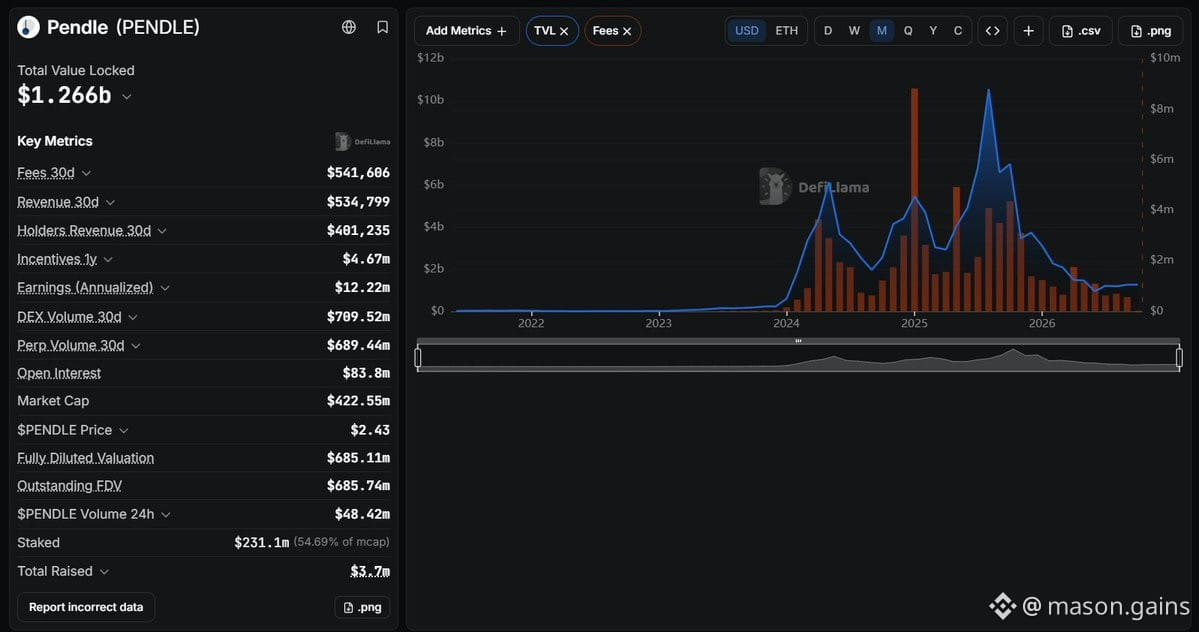
While DeFi TVL pumped 35% in 90 days, $PENDLE is bleeding out.
TVL crashed from $10B to $1B. DEX volume hit all-time lows. Fees keep dropping.
The sector rotates but Pendle got left behind. Either a deep value play or a structural break. Pick your poison.
While DeFi TVL pumped 35% in 90 days, $PENDLE is bleeding out.
TVL crashed from $10B to $1B. DEX volume hit all-time lows. Fees keep dropping.
The sector rotates but Pendle got left behind. Either a deep value play or a structural break. Pick your poison.
TVL crashed from $10B to $1B. DEX volume hit all-time lows. Fees keep dropping.
The sector rotates but Pendle got left behind. Either a deep value play or a structural break. Pick your poison.
72
·
--
あのNFTのホテルバウチャーを覚えてる?
そう、食事も全部込みの滞在。
まだ来るよ。
大半の人は忘れてる。保有者は忘れてない。実際に現実で価値を提供するユーティリティNFTは珍しい——もしこれが実行されるなら、Web3ホスピタリティがどうあるべきかの設計図になる。
金融アドバイスではないけど、償還(レデンプション)の仕組みは注意深く見ている。
あのNFTのホテルバウチャーを覚えてる?
そう、食事も全部込みの滞在。
まだ来るよ。
大半の人は忘れてる。保有者は忘れてない。実際に現実で価値を提供するユーティリティNFTは珍しい——もしこれが実行されるなら、Web3ホスピタリティがどうあるべきかの設計図になる。
金融アドバイスではないけど、償還(レデンプション)の仕組みは注意深く見ている。
そう、食事も全部込みの滞在。
まだ来るよ。
大半の人は忘れてる。保有者は忘れてない。実際に現実で価値を提供するユーティリティNFTは珍しい——もしこれが実行されるなら、Web3ホスピタリティがどうあるべきかの設計図になる。
金融アドバイスではないけど、償還(レデンプション)の仕組みは注意深く見ている。

3
·
--
翻訳参照
Russia just made history 🇷🇺
Finance Ministry employees got paid in digital rubles (CBDC) for the first time ever. This isn't a test anymore.
Context:
- 2025 pilot: 16M digital rubles (~$192K) used for federal budget spending
- Infrastructure from pilot now live for actual salaries
- Russia moving fast on state-backed digital currency while most countries still "researching"
This is the blueprint. When a major economy starts paying government workers in CBDC, adoption curves accelerate.
Watch how this plays out for:
- Cross-border settlement rails
- Sanctions circumvention narratives
- Competing CBDC timelines (China, EU, US)
The CBDC race isn't coming. It's here.
Russia just made history 🇷🇺
Finance Ministry employees got paid in digital rubles (CBDC) for the first time ever. This isn't a test anymore.
Context:
- 2025 pilot: 16M digital rubles (~$192K) used for federal budget spending
- Infrastructure from pilot now live for actual salaries
- Russia moving fast on state-backed digital currency while most countries still "researching"
This is the blueprint. When a major economy starts paying government workers in CBDC, adoption curves accelerate.
Watch how this plays out for:
- Cross-border settlement rails
- Sanctions circumvention narratives
- Competing CBDC timelines (China, EU, US)
The CBDC race isn't coming. It's here.
Finance Ministry employees got paid in digital rubles (CBDC) for the first time ever. This isn't a test anymore.
Context:
- 2025 pilot: 16M digital rubles (~$192K) used for federal budget spending
- Infrastructure from pilot now live for actual salaries
- Russia moving fast on state-backed digital currency while most countries still "researching"
This is the blueprint. When a major economy starts paying government workers in CBDC, adoption curves accelerate.
Watch how this plays out for:
- Cross-border settlement rails
- Sanctions circumvention narratives
- Competing CBDC timelines (China, EU, US)
The CBDC race isn't coming. It's here.

1
·
--
翻訳参照
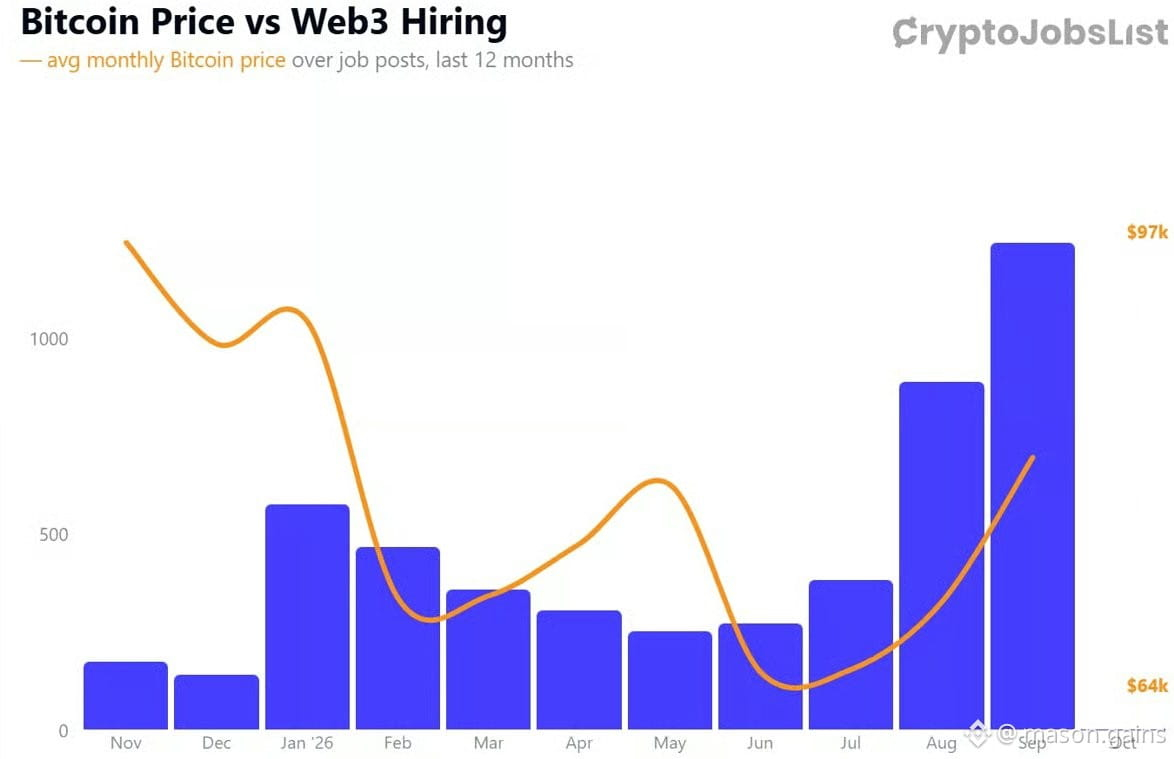
Crypto hiring is absolutely ripping right now 📈
September 2026 job postings hit 1,241 — that's 3x the July numbers and more than double January's peak.
The trajectory:
• July: 382 positions
• August: 886 positions
• September: 1,241 positions
This isn't just recovery. This is expansion mode.
When companies are hiring aggressively, they're positioning for the next leg up. Smart money follows where the talent flows.
Bullish signal for the broader market. Infrastructure is being built while everyone's still debating if we're in a bear or bull market.
Crypto hiring is absolutely ripping right now 📈
September 2026 job postings hit 1,241 — that's 3x the July numbers and more than double January's peak.
The trajectory:
• July: 382 positions
• August: 886 positions
• September: 1,241 positions
This isn't just recovery. This is expansion mode.
When companies are hiring aggressively, they're positioning for the next leg up. Smart money follows where the talent flows.
Bullish signal for the broader market. Infrastructure is being built while everyone's still debating if we're in a bear or bull market.
September 2026 job postings hit 1,241 — that's 3x the July numbers and more than double January's peak.
The trajectory:
• July: 382 positions
• August: 886 positions
• September: 1,241 positions
This isn't just recovery. This is expansion mode.
When companies are hiring aggressively, they're positioning for the next leg up. Smart money follows where the talent flows.
Bullish signal for the broader market. Infrastructure is being built while everyone's still debating if we're in a bear or bull market.
27
ログインして、さらにコンテンツを読む
厳選トピックで世界の暗号資産トレーダーの仲間入り
⚡️ 暗号資産に関する最新かつ有益な情報が見つかります。
💬 世界最大の暗号資産取引所から信頼されています。
👍 認証を受けたクリエイターから、有益なインサイトを得られます。
メール / 電話番号
トレンドトピック
BinanceLaunchesBinanceIntelligence
閲覧回数 62,862
827人が討論中
🚨 BINANCEが取引所にAIを直接導入——個人投資家の取引のあり方が変わるかもしれない。
Binanceは、Binanceエコシステムに組み込まれた新たなAIレイヤー「Binance Intelligence」を正式にローンチしました。3つのプロダクトで構成されています。
日常的に利用するユーザー向けのBinance AI、
自動売買のワークフロー向けのBinance AI Pro、
金融エージェントを開発する開発者向けのAgent OSです。
トレーダーが注目すべきポイントは?
Binance AIは、市場の概要、スマートアラート、損益の振り返り、パーソナライズされた情報を提示できます。一方、AI Proは、平易な言葉で書いた取引アイデアを、視覚的な戦略ワークフローに変換するよう設計されています。
つまり、今後の取引所間の競争は、
手数料の安さ対流動性の深さ、
ではなくなるかもしれません。
競争の焦点は、
トレーダーに最も優れたAI執行レイヤーを提供できるのはどこか、
になる可能性があります。
Binance Intelligenceが実際にユーザーの利用増、自動化戦略の拡大、取引頻度の上昇を促すなら、まずは$BNBに注目です。
AIの普及 ↑
→ Binanceの利用拡大 ↑
→ 取引活動の活発化 ↑
→ エコシステムの追い風が強まる。
今注目したい材料は、
グローバル展開 + AI Proのローンチ + 測定可能なユーザー普及です。
AIが市場で何が起きているかを伝えるだけでなく……
……取引そのものの構築まで支援するようになったら?
そのとき、これは単なるチャットボットの登場より、はるかに大きな話になります。👀
#binancelaunchesbinanceintelligence #EvernorthXRPTreasuryCompletesSPACMerger #ADAGains10%Above$0.27 #ETHUp70%InQ3ButLiquidityFalls #EthStakingExitQueueHits2026High
KimHotbae
·いいね:21件
·閲覧回数 28.8k
StriveBuys2000BTCFor$169M
閲覧回数 170
31人が討論中
EvernorthXRPTreasuryCompletesSPACMerger
閲覧回数 52,003
596人が討論中