
Bit Bull 1
80 投稿

Bit Bull 1
報告
ユーザーをブロック
Be greedy when others are afraid | Educational Chic —
Dm ~ http://t.me/AkaBullGurl
0 フォロー
0 フォロワー
0 いいね
投稿
·
--
翻訳参照
Two AI Tokens You Need To Watch🔥
The AI economy is often discussed as a race for chips, models and computing infrastructure. Projects such as $RENDER show how valuable access to distributed computing resources can become.
But intelligence also depends on data.
AI companies need current information about what people are discussing, which narratives are accelerating and who genuinely influences a community. Traditional social metrics provide follower counts and engagement totals, but those figures can miss context, relevance and authenticity.
This is where $KAITO ’s data infrastructure becomes interesting.
Kaito organizes information from social platforms, research, governance, news, podcasts and other sources. Its systems help transform those conversations into structured insights that AI labs, consumer applications, financial companies and smart-hardware businesses can use.
The bullish case for Kaito is not simply that crypto creators use its leaderboards, it is that Kaito is building a commercial intelligence layer capable of serving companies outside crypto.
Compute tells an AI system how much it can process, high quality data determines what it can understand.
If Kaito becomes one of the trusted sources for real-time attention and social intelligence, its market could extend across the entire AI economy.
Two AI Tokens You Need To Watch🔥
The AI economy is often discussed as a race for chips, models and computing infrastructure. Projects such as $RENDER show how valuable access to distributed computing resources can become.
But intelligence also depends on data.
AI companies need current information about what people are discussing, which narratives are accelerating and who genuinely influences a community. Traditional social metrics provide follower counts and engagement totals, but those figures can miss context, relevance and authenticity.
This is where $KAITO ’s data infrastructure becomes interesting.
Kaito organizes information from social platforms, research, governance, news, podcasts and other sources. Its systems help transform those conversations into structured insights that AI labs, consumer applications, financial companies and smart-hardware businesses can use.
The bullish case for Kaito is not simply that crypto creators use its leaderboards, it is that Kaito is building a commercial intelligence layer capable of serving companies outside crypto.
Compute tells an AI system how much it can process, high quality data determines what it can understand.
If Kaito becomes one of the trusted sources for real-time attention and social intelligence, its market could extend across the entire AI economy.
The AI economy is often discussed as a race for chips, models and computing infrastructure. Projects such as $RENDER show how valuable access to distributed computing resources can become.
But intelligence also depends on data.
AI companies need current information about what people are discussing, which narratives are accelerating and who genuinely influences a community. Traditional social metrics provide follower counts and engagement totals, but those figures can miss context, relevance and authenticity.
This is where $KAITO ’s data infrastructure becomes interesting.
Kaito organizes information from social platforms, research, governance, news, podcasts and other sources. Its systems help transform those conversations into structured insights that AI labs, consumer applications, financial companies and smart-hardware businesses can use.
The bullish case for Kaito is not simply that crypto creators use its leaderboards, it is that Kaito is building a commercial intelligence layer capable of serving companies outside crypto.
Compute tells an AI system how much it can process, high quality data determines what it can understand.
If Kaito becomes one of the trusted sources for real-time attention and social intelligence, its market could extend across the entire AI economy.
79
·
--
顧客はあなたの収益を見られる 🧾
ステーブルコインの支払いは、今年ずっと直面している流れです。受け入れるビジネスは、迅速な決済とほぼゼロの手数料を得られます。さらに、誰も売り込みの場では言わない副作用がひとつあります。つまり、その住所を調べるだけで、その売上の内容が誰にでも読めてしまうのです。
$SOL 上のステーブルコインは成長が十分に速く、これを現実の問題にしています。8月末までにSolana上のUSDC供給は$8.1Bを超え、さらに現在では全USDCの10%以上がそこに置かれています。
つまり競合は、あなたの月次売上を合計できます。サプライヤーは、交渉の前にあなたにどれだけ余地があるか見て取れます。そしてUSDCで支払われた相手なら、他のみんながいくら稼いでいるのかを計算できてしまいます。
カードネットワークは決してそういう仕組みではありません。そして、少し静かに見落とされがちですが、多くの企業が新しいレールのほうが安いのに、今も昔ながらの方法で決済している理由のひとつでもあります。
この解決策はトークン自体に組み込まれている必要があります。というのも、金額は設計上、Solana上のあらゆる送金に書き込まれてしまうからです。
それがC-SPLです。Arciumの機密トークン標準で、トークンが人々がすでに使っている同じウォレットやアプリを通って動き続ける間、送金金額を封印します。
まだリリースされていません。しかも、ArciumのエコシステムページにはすでにDinaroやStealfのような決済チームが掲載されているのに、あえてはっきりと言います。
現在動いているのは、その下にある計算レイヤーです。2月2日からMainnet Alpha上で稼働しており、2.5百万回以上の計算を実行してきました。機密計算であっても、その結果は普通の公開トランザクションとして決済されます。
ステーブルコインはすでにスピードとコストで勝っています。そして次の波のマーチャントは、決済が価格の公開をやめる週にやって来ると思います。
#Stablecoin #Solana
顧客はあなたの収益を見られる 🧾
ステーブルコインの支払いは、今年ずっと直面している流れです。受け入れるビジネスは、迅速な決済とほぼゼロの手数料を得られます。さらに、誰も売り込みの場では言わない副作用がひとつあります。つまり、その住所を調べるだけで、その売上の内容が誰にでも読めてしまうのです。
$SOL 上のステーブルコインは成長が十分に速く、これを現実の問題にしています。8月末までにSolana上のUSDC供給は$8.1Bを超え、さらに現在では全USDCの10%以上がそこに置かれています。
つまり競合は、あなたの月次売上を合計できます。サプライヤーは、交渉の前にあなたにどれだけ余地があるか見て取れます。そしてUSDCで支払われた相手なら、他のみんながいくら稼いでいるのかを計算できてしまいます。
カードネットワークは決してそういう仕組みではありません。そして、少し静かに見落とされがちですが、多くの企業が新しいレールのほうが安いのに、今も昔ながらの方法で決済している理由のひとつでもあります。
この解決策はトークン自体に組み込まれている必要があります。というのも、金額は設計上、Solana上のあらゆる送金に書き込まれてしまうからです。
それがC-SPLです。Arciumの機密トークン標準で、トークンが人々がすでに使っている同じウォレットやアプリを通って動き続ける間、送金金額を封印します。
まだリリースされていません。しかも、ArciumのエコシステムページにはすでにDinaroやStealfのような決済チームが掲載されているのに、あえてはっきりと言います。
現在動いているのは、その下にある計算レイヤーです。2月2日からMainnet Alpha上で稼働しており、2.5百万回以上の計算を実行してきました。機密計算であっても、その結果は普通の公開トランザクションとして決済されます。
ステーブルコインはすでにスピードとコストで勝っています。そして次の波のマーチャントは、決済が価格の公開をやめる週にやって来ると思います。
#Stablecoin #Solana
ステーブルコインの支払いは、今年ずっと直面している流れです。受け入れるビジネスは、迅速な決済とほぼゼロの手数料を得られます。さらに、誰も売り込みの場では言わない副作用がひとつあります。つまり、その住所を調べるだけで、その売上の内容が誰にでも読めてしまうのです。
$SOL 上のステーブルコインは成長が十分に速く、これを現実の問題にしています。8月末までにSolana上のUSDC供給は$8.1Bを超え、さらに現在では全USDCの10%以上がそこに置かれています。
つまり競合は、あなたの月次売上を合計できます。サプライヤーは、交渉の前にあなたにどれだけ余地があるか見て取れます。そしてUSDCで支払われた相手なら、他のみんながいくら稼いでいるのかを計算できてしまいます。
カードネットワークは決してそういう仕組みではありません。そして、少し静かに見落とされがちですが、多くの企業が新しいレールのほうが安いのに、今も昔ながらの方法で決済している理由のひとつでもあります。
この解決策はトークン自体に組み込まれている必要があります。というのも、金額は設計上、Solana上のあらゆる送金に書き込まれてしまうからです。
それがC-SPLです。Arciumの機密トークン標準で、トークンが人々がすでに使っている同じウォレットやアプリを通って動き続ける間、送金金額を封印します。
まだリリースされていません。しかも、ArciumのエコシステムページにはすでにDinaroやStealfのような決済チームが掲載されているのに、あえてはっきりと言います。
現在動いているのは、その下にある計算レイヤーです。2月2日からMainnet Alpha上で稼働しており、2.5百万回以上の計算を実行してきました。機密計算であっても、その結果は普通の公開トランザクションとして決済されます。
ステーブルコインはすでにスピードとコストで勝っています。そして次の波のマーチャントは、決済が価格の公開をやめる週にやって来ると思います。
#Stablecoin #Solana
53
·
--
翻訳参照
The next big AI trade? 🤖
I expect $VVV and $B3 to keep showing up as investors look for crypto-native ways to get exposure to the infrastructure behind AI growth.
VVV gives that exposure closer to the inference layer, where usage rises as more users and applications consume AI models.
But the bigger shift I’m watching is what happens underneath that usage.
As AI companies move into persistent production workloads, compute stops being a temporary cloud bill and starts becoming a real margin decision.
That is why B3IQ stands out to me.
B3IQ sold eight figures of GPUs in its first two weeks and has since seen more than nine figures in deployment demand, giving the ownership thesis real traction before compute becomes an even bigger part of the AI conversation.
The model is simple.
Builders can finance dedicated GPU infrastructure over time while B3 handles procurement, assembly, hosting and operations, with unused capacity able to generate value instead of sitting idle.
For me, that makes B3 one to watch as the AI trade moves from just accessing compute to actually owning it 🔥
#AI #Infrastructure
The next big AI trade? 🤖
I expect $VVV and $B3 to keep showing up as investors look for crypto-native ways to get exposure to the infrastructure behind AI growth.
VVV gives that exposure closer to the inference layer, where usage rises as more users and applications consume AI models.
But the bigger shift I’m watching is what happens underneath that usage.
As AI companies move into persistent production workloads, compute stops being a temporary cloud bill and starts becoming a real margin decision.
That is why B3IQ stands out to me.
B3IQ sold eight figures of GPUs in its first two weeks and has since seen more than nine figures in deployment demand, giving the ownership thesis real traction before compute becomes an even bigger part of the AI conversation.
The model is simple.
Builders can finance dedicated GPU infrastructure over time while B3 handles procurement, assembly, hosting and operations, with unused capacity able to generate value instead of sitting idle.
For me, that makes B3 one to watch as the AI trade moves from just accessing compute to actually owning it 🔥
#AI #Infrastructure
I expect $VVV and $B3 to keep showing up as investors look for crypto-native ways to get exposure to the infrastructure behind AI growth.
VVV gives that exposure closer to the inference layer, where usage rises as more users and applications consume AI models.
But the bigger shift I’m watching is what happens underneath that usage.
As AI companies move into persistent production workloads, compute stops being a temporary cloud bill and starts becoming a real margin decision.
That is why B3IQ stands out to me.
B3IQ sold eight figures of GPUs in its first two weeks and has since seen more than nine figures in deployment demand, giving the ownership thesis real traction before compute becomes an even bigger part of the AI conversation.
The model is simple.
Builders can finance dedicated GPU infrastructure over time while B3 handles procurement, assembly, hosting and operations, with unused capacity able to generate value instead of sitting idle.
For me, that makes B3 one to watch as the AI trade moves from just accessing compute to actually owning it 🔥
#AI #Infrastructure
35
·
--
翻訳参照
$SUI Is Building The Agent Economy Now 🔥
Most chains are still trying to explain what AI finance might look like.
Sui spent serious time putting the pieces into production.
• Aftermath Perps crossed $45M in volume with 30+ markets
• XStableAI $is bringing gold and FX markets onchain
• Loqua’s Lyra can execute chat-based swaps through Cetus
• WaaP showed how agent wallets can manage yield with gas abstracted
This is becoming a working financial stack for autonomous agents.
Sui Basecamp brings that entire direction to Singapore on October 7 and 8.
Raoul Pal and Adeniyi Abiodun are already pushing the AI and crypto conversation forward.
The AI Builder Lab will take it one step further.
Attendees can watch agents in action or learn how to build one themselves.
SUI may still be priced like another struggling L1, but its builders are preparing for an economy increasingly operated by software.
Basecamp could be where the wider market finally sees the scale of that ambition.
#Altcoin Season# #DeFi
$SUI Is Building The Agent Economy Now 🔥
Most chains are still trying to explain what AI finance might look like.
Sui spent serious time putting the pieces into production.
• Aftermath Perps crossed $45M in volume with 30+ markets
• XStableAI $is bringing gold and FX markets onchain
• Loqua’s Lyra can execute chat-based swaps through Cetus
• WaaP showed how agent wallets can manage yield with gas abstracted
This is becoming a working financial stack for autonomous agents.
Sui Basecamp brings that entire direction to Singapore on October 7 and 8.
Raoul Pal and Adeniyi Abiodun are already pushing the AI and crypto conversation forward.
The AI Builder Lab will take it one step further.
Attendees can watch agents in action or learn how to build one themselves.
SUI may still be priced like another struggling L1, but its builders are preparing for an economy increasingly operated by software.
Basecamp could be where the wider market finally sees the scale of that ambition.
#Altcoin Season# #DeFi
Most chains are still trying to explain what AI finance might look like.
Sui spent serious time putting the pieces into production.
• Aftermath Perps crossed $45M in volume with 30+ markets
• XStableAI $is bringing gold and FX markets onchain
• Loqua’s Lyra can execute chat-based swaps through Cetus
• WaaP showed how agent wallets can manage yield with gas abstracted
This is becoming a working financial stack for autonomous agents.
Sui Basecamp brings that entire direction to Singapore on October 7 and 8.
Raoul Pal and Adeniyi Abiodun are already pushing the AI and crypto conversation forward.
The AI Builder Lab will take it one step further.
Attendees can watch agents in action or learn how to build one themselves.
SUI may still be priced like another struggling L1, but its builders are preparing for an economy increasingly operated by software.
Basecamp could be where the wider market finally sees the scale of that ambition.
#Altcoin Season# #DeFi
69
·
--
アメリカにおけるパーペッツの未来は?🇺🇸
駆け引きするトレーダーたちが、アメリカで規制された道筋の中でどのエコシステムが最も有利な位置にあるのかを見極めるにつれて、$HYPE と $LIT がタイムライン全体に広がっていくことを期待しています。
ただしマクロ的な重要性は、単一のローンチや取引の場にとどまりません。
それは、株式市場ですでに測定可能な活動があり、それを支える機関投資家向けのインフラがどこにあるのかを検証する理由になります。
私が最も注視しているのはInjectiveのエコシステムです。
そのオンチェーン市場では、2025年に株式の出来高として45億ドルを記録しており、このナラティブが登場する前から、論拠となる意味のある活動の土台が築かれていたことになります。そして、機関投資家の基盤がその位置づけをさらに強固にしています。
Injectiveは、公式にSEC登録されたトランスファー・エージェントである初のレイヤー1ブロックチェーンです!
私にとっては、株式パーペッツがより規制された市場の会話に入っていく中で、INJが注目すべき銘柄です 🔥
#Macro Insights#
アメリカにおけるパーペッツの未来は?🇺🇸
駆け引きするトレーダーたちが、アメリカで規制された道筋の中でどのエコシステムが最も有利な位置にあるのかを見極めるにつれて、$HYPE と $LIT がタイムライン全体に広がっていくことを期待しています。
ただしマクロ的な重要性は、単一のローンチや取引の場にとどまりません。
それは、株式市場ですでに測定可能な活動があり、それを支える機関投資家向けのインフラがどこにあるのかを検証する理由になります。
私が最も注視しているのはInjectiveのエコシステムです。
そのオンチェーン市場では、2025年に株式の出来高として45億ドルを記録しており、このナラティブが登場する前から、論拠となる意味のある活動の土台が築かれていたことになります。そして、機関投資家の基盤がその位置づけをさらに強固にしています。
Injectiveは、公式にSEC登録されたトランスファー・エージェントである初のレイヤー1ブロックチェーンです!
私にとっては、株式パーペッツがより規制された市場の会話に入っていく中で、INJが注目すべき銘柄です 🔥
#Macro Insights#
駆け引きするトレーダーたちが、アメリカで規制された道筋の中でどのエコシステムが最も有利な位置にあるのかを見極めるにつれて、$HYPE と $LIT がタイムライン全体に広がっていくことを期待しています。
ただしマクロ的な重要性は、単一のローンチや取引の場にとどまりません。
それは、株式市場ですでに測定可能な活動があり、それを支える機関投資家向けのインフラがどこにあるのかを検証する理由になります。
私が最も注視しているのはInjectiveのエコシステムです。
そのオンチェーン市場では、2025年に株式の出来高として45億ドルを記録しており、このナラティブが登場する前から、論拠となる意味のある活動の土台が築かれていたことになります。そして、機関投資家の基盤がその位置づけをさらに強固にしています。
Injectiveは、公式にSEC登録されたトランスファー・エージェントである初のレイヤー1ブロックチェーンです!
私にとっては、株式パーペッツがより規制された市場の会話に入っていく中で、INJが注目すべき銘柄です 🔥
#Macro Insights#

56
·
--
翻訳参照
An Agent That Pays Its Own AI Bill 🤖
The agent economy narrative has been good to $VIRTUAL and $FET , but most agents still run on someone else's credit card.
Compute is the recurring cost. Inference bills arrive whether the agent earned anything that month or not.
Two things just landed on Base that change where that money comes from.
First, creators launching a token through Bankr choose what sits on the other side of the pool.
Six new Coinbase stock tokens are now available as pairing assets. Amazon, Microsoft, Strategy, SanDisk, SpaceX and Tesla.
Every swap in that pool returns fees to the creator, denominated in the asset they picked. A launch stops being a one-time event and starts behaving like a treasury.
Second, Bankr's LLM Gateway lets that treasury pay for intelligence directly.
Fable 5.1 and GPT-6 Astra sit alongside models from Anthropic, Google, OpenAI and xAI behind a single interface, and requests can be funded from token launch fees or supported balances already held in the wallet. Bankr swaps the asset and tops up the credits.
Put those together and the loop closes.
An agent launches a token paired against a real company, earns fees as that market trades, and spends those fees on the models it needs to keep operating.
No monthly subscription. No operator refilling a balance.
I would not call this solved.
Fee income depends on sustained volume, and a market that goes quiet funds nothing. Paired pools carry the usual liquidity risk, and upstream provider privacy policies still apply to anything routed through a gateway.
But the funding and the spending now sit in the same wallet, which is the part that was missing.
An agent that covers its own compute is the version of this narrative that does not need someone writing cheques forever.
#AI #RWA
An Agent That Pays Its Own AI Bill 🤖
The agent economy narrative has been good to $VIRTUAL and $FET , but most agents still run on someone else's credit card.
Compute is the recurring cost. Inference bills arrive whether the agent earned anything that month or not.
Two things just landed on Base that change where that money comes from.
First, creators launching a token through Bankr choose what sits on the other side of the pool.
Six new Coinbase stock tokens are now available as pairing assets. Amazon, Microsoft, Strategy, SanDisk, SpaceX and Tesla.
Every swap in that pool returns fees to the creator, denominated in the asset they picked. A launch stops being a one-time event and starts behaving like a treasury.
Second, Bankr's LLM Gateway lets that treasury pay for intelligence directly.
Fable 5.1 and GPT-6 Astra sit alongside models from Anthropic, Google, OpenAI and xAI behind a single interface, and requests can be funded from token launch fees or supported balances already held in the wallet. Bankr swaps the asset and tops up the credits.
Put those together and the loop closes.
An agent launches a token paired against a real company, earns fees as that market trades, and spends those fees on the models it needs to keep operating.
No monthly subscription. No operator refilling a balance.
I would not call this solved.
Fee income depends on sustained volume, and a market that goes quiet funds nothing. Paired pools carry the usual liquidity risk, and upstream provider privacy policies still apply to anything routed through a gateway.
But the funding and the spending now sit in the same wallet, which is the part that was missing.
An agent that covers its own compute is the version of this narrative that does not need someone writing cheques forever.
#AI #RWA
The agent economy narrative has been good to $VIRTUAL and $FET , but most agents still run on someone else's credit card.
Compute is the recurring cost. Inference bills arrive whether the agent earned anything that month or not.
Two things just landed on Base that change where that money comes from.
First, creators launching a token through Bankr choose what sits on the other side of the pool.
Six new Coinbase stock tokens are now available as pairing assets. Amazon, Microsoft, Strategy, SanDisk, SpaceX and Tesla.
Every swap in that pool returns fees to the creator, denominated in the asset they picked. A launch stops being a one-time event and starts behaving like a treasury.
Second, Bankr's LLM Gateway lets that treasury pay for intelligence directly.
Fable 5.1 and GPT-6 Astra sit alongside models from Anthropic, Google, OpenAI and xAI behind a single interface, and requests can be funded from token launch fees or supported balances already held in the wallet. Bankr swaps the asset and tops up the credits.
Put those together and the loop closes.
An agent launches a token paired against a real company, earns fees as that market trades, and spends those fees on the models it needs to keep operating.
No monthly subscription. No operator refilling a balance.
I would not call this solved.
Fee income depends on sustained volume, and a market that goes quiet funds nothing. Paired pools carry the usual liquidity risk, and upstream provider privacy policies still apply to anything routed through a gateway.
But the funding and the spending now sit in the same wallet, which is the part that was missing.
An agent that covers its own compute is the version of this narrative that does not need someone writing cheques forever.
#AI #RWA

55
·
--
翻訳参照
Bad Timing Can Hide Good Infrastructure ⏳
$DOT is a useful reminder that infrastructure networks are judged across cycles.
Their value takes time to show through developer adoption and recurring activity.
Launch-week price action cannot answer those questions.
October 10 was not a normal trading session.
The market suffered roughly 19 billion dollars in liquidations as leverage unwound across crypto.
A token only days into trading had no established market structure to absorb that shock.
I keep that context in mind when looking at VFY.
zkVerify is a purpose-built network that verifies proofs from multiple systems and makes the results reusable elsewhere.
$VFY is used to pay for verification on that network.
That gives the token a measurable infrastructure thesis.
More proofs submitted should mean more verification activity.
I view VFY as overlooked, while acknowledging that valuation is subjective.
Its first chart was shaped before the market had much time to understand the product beneath it.
I think it deserves a place in the top infrastructure conversation.
Proof volume and repeat verification demand are the metrics I would track from here.
#Altcoin Season#
Bad Timing Can Hide Good Infrastructure ⏳
$DOT is a useful reminder that infrastructure networks are judged across cycles.
Their value takes time to show through developer adoption and recurring activity.
Launch-week price action cannot answer those questions.
October 10 was not a normal trading session.
The market suffered roughly 19 billion dollars in liquidations as leverage unwound across crypto.
A token only days into trading had no established market structure to absorb that shock.
I keep that context in mind when looking at VFY.
zkVerify is a purpose-built network that verifies proofs from multiple systems and makes the results reusable elsewhere.
$VFY is used to pay for verification on that network.
That gives the token a measurable infrastructure thesis.
More proofs submitted should mean more verification activity.
I view VFY as overlooked, while acknowledging that valuation is subjective.
Its first chart was shaped before the market had much time to understand the product beneath it.
I think it deserves a place in the top infrastructure conversation.
Proof volume and repeat verification demand are the metrics I would track from here.
#Altcoin Season#
$DOT is a useful reminder that infrastructure networks are judged across cycles.
Their value takes time to show through developer adoption and recurring activity.
Launch-week price action cannot answer those questions.
October 10 was not a normal trading session.
The market suffered roughly 19 billion dollars in liquidations as leverage unwound across crypto.
A token only days into trading had no established market structure to absorb that shock.
I keep that context in mind when looking at VFY.
zkVerify is a purpose-built network that verifies proofs from multiple systems and makes the results reusable elsewhere.
$VFY is used to pay for verification on that network.
That gives the token a measurable infrastructure thesis.
More proofs submitted should mean more verification activity.
I view VFY as overlooked, while acknowledging that valuation is subjective.
Its first chart was shaped before the market had much time to understand the product beneath it.
I think it deserves a place in the top infrastructure conversation.
Proof volume and repeat verification demand are the metrics I would track from here.
#Altcoin Season#

60
·
--
トレーダーが動くためには理由が必要だ 👀
$AAVE と $JUP の粘り強さは、トレーダーがそれを理解して資金をそこに置き続けると、オンチェーンのワークフローがいかに“張り付く”ようになるかを示しています。
デリバティブの取引所でも同じことが起きます。
多くのトレーダーは、資金を移して別の場所でワークフローを作り直す前に、見慣れた制約には我慢できるものです。
その代わりに、彼らがすでに取引しているやり方を、より良くする必要があります。
私にとって最も強い理由は、資金を複数の取引所に分散せずにポートフォリオのより多くを管理できることです。これは、別の取引所を試す前に私が使う“乗り換えテスト”です。
Aevo は、オプションとパーペチュアルのためのクロスマージン口座をトレーダーに1つ提供し、そこでの取引に対する素晴らしい報酬も用意しています。
つまり、それが資金を移して新しい取引所を学ぶことを正当化し得るプロダクトの違いというわけです 🔥
#Macro Insights#
トレーダーが動くためには理由が必要だ 👀
$AAVE と $JUP の粘り強さは、トレーダーがそれを理解して資金をそこに置き続けると、オンチェーンのワークフローがいかに“張り付く”ようになるかを示しています。
デリバティブの取引所でも同じことが起きます。
多くのトレーダーは、資金を移して別の場所でワークフローを作り直す前に、見慣れた制約には我慢できるものです。
その代わりに、彼らがすでに取引しているやり方を、より良くする必要があります。
私にとって最も強い理由は、資金を複数の取引所に分散せずにポートフォリオのより多くを管理できることです。これは、別の取引所を試す前に私が使う“乗り換えテスト”です。
Aevo は、オプションとパーペチュアルのためのクロスマージン口座をトレーダーに1つ提供し、そこでの取引に対する素晴らしい報酬も用意しています。
つまり、それが資金を移して新しい取引所を学ぶことを正当化し得るプロダクトの違いというわけです 🔥
#Macro Insights#
$AAVE と $JUP の粘り強さは、トレーダーがそれを理解して資金をそこに置き続けると、オンチェーンのワークフローがいかに“張り付く”ようになるかを示しています。
デリバティブの取引所でも同じことが起きます。
多くのトレーダーは、資金を移して別の場所でワークフローを作り直す前に、見慣れた制約には我慢できるものです。
その代わりに、彼らがすでに取引しているやり方を、より良くする必要があります。
私にとって最も強い理由は、資金を複数の取引所に分散せずにポートフォリオのより多くを管理できることです。これは、別の取引所を試す前に私が使う“乗り換えテスト”です。
Aevo は、オプションとパーペチュアルのためのクロスマージン口座をトレーダーに1つ提供し、そこでの取引に対する素晴らしい報酬も用意しています。
つまり、それが資金を移して新しい取引所を学ぶことを正当化し得るプロダクトの違いというわけです 🔥
#Macro Insights#

52
·
--
すべてのトークン転送が金額を表示する 👁️
毎日、数百万件ものトークン転送が $SOL に決済され、その一つひとつの金額は、見る人なら誰でも確認できます。
それがトークン標準の仕組みなので、同じチェーン上で別のアプリに移動しても、何も変わりません。
これは特にソラナの問題というわけではなく、台帳が誰にでも検証可能でなければならないときに起きることです。
もう一つのバージョンはすでにイーサリアム上に存在しており、$ZAMA では機密トークン転送が動作していて、金額はそのままは表示されません。
うまく機能しており、現在は1秒あたり約20トランザクションで稼働しています。ソラナが扱う規模とは大きく異なります。
つまり、この業界には、保証はあるがスループットがない側と、スループットはあるが保証がない側の両方があるのです。
私が「これで完了」と呼ぶ前に、閉じられてほしいのはそのトレードオフです。
Arcium はソラナで先にデプロイされました。つまり、そこですでに動いているものは、チェーンを移ることなく、その機密コンピュート・ネットワークに到達できるということです。
そのネットワークの各ノードは計算の一部だけを保持するため、単一の運用者が入力全体を見ることはありません。
だから、計算は誰も組み立てたことのない「問い」に対する答えを返します。
この部分は 2月2日から稼働しており、4,000以上のノードと、本番稼働中の30以上のアプリがあります。その上で、取り組んでいるチームはこれまでに $7.5M 以上を調達しています。
しかし C-SPL が、トークン標準にも同じ考え方を持ち込みます。トークンがすでにそうであるように動き続ける一方で、転送金額を封印(シール)するのです。
まだ出荷されていません。誤解を招かないよう、はっきりそう言いたいです。
計算の封印は稼働中ですが、金額の封印はまだです。2つ目が出荷された週に、どのソラナDeFiアプリが移行するのかを私は見守ります。
#DeFi #Solana
すべてのトークン転送が金額を表示する 👁️
毎日、数百万件ものトークン転送が $SOL に決済され、その一つひとつの金額は、見る人なら誰でも確認できます。
それがトークン標準の仕組みなので、同じチェーン上で別のアプリに移動しても、何も変わりません。
これは特にソラナの問題というわけではなく、台帳が誰にでも検証可能でなければならないときに起きることです。
もう一つのバージョンはすでにイーサリアム上に存在しており、$ZAMA では機密トークン転送が動作していて、金額はそのままは表示されません。
うまく機能しており、現在は1秒あたり約20トランザクションで稼働しています。ソラナが扱う規模とは大きく異なります。
つまり、この業界には、保証はあるがスループットがない側と、スループットはあるが保証がない側の両方があるのです。
私が「これで完了」と呼ぶ前に、閉じられてほしいのはそのトレードオフです。
Arcium はソラナで先にデプロイされました。つまり、そこですでに動いているものは、チェーンを移ることなく、その機密コンピュート・ネットワークに到達できるということです。
そのネットワークの各ノードは計算の一部だけを保持するため、単一の運用者が入力全体を見ることはありません。
だから、計算は誰も組み立てたことのない「問い」に対する答えを返します。
この部分は 2月2日から稼働しており、4,000以上のノードと、本番稼働中の30以上のアプリがあります。その上で、取り組んでいるチームはこれまでに $7.5M 以上を調達しています。
しかし C-SPL が、トークン標準にも同じ考え方を持ち込みます。トークンがすでにそうであるように動き続ける一方で、転送金額を封印(シール)するのです。
まだ出荷されていません。誤解を招かないよう、はっきりそう言いたいです。
計算の封印は稼働中ですが、金額の封印はまだです。2つ目が出荷された週に、どのソラナDeFiアプリが移行するのかを私は見守ります。
#DeFi #Solana
毎日、数百万件ものトークン転送が $SOL に決済され、その一つひとつの金額は、見る人なら誰でも確認できます。
それがトークン標準の仕組みなので、同じチェーン上で別のアプリに移動しても、何も変わりません。
これは特にソラナの問題というわけではなく、台帳が誰にでも検証可能でなければならないときに起きることです。
もう一つのバージョンはすでにイーサリアム上に存在しており、$ZAMA では機密トークン転送が動作していて、金額はそのままは表示されません。
うまく機能しており、現在は1秒あたり約20トランザクションで稼働しています。ソラナが扱う規模とは大きく異なります。
つまり、この業界には、保証はあるがスループットがない側と、スループットはあるが保証がない側の両方があるのです。
私が「これで完了」と呼ぶ前に、閉じられてほしいのはそのトレードオフです。
Arcium はソラナで先にデプロイされました。つまり、そこですでに動いているものは、チェーンを移ることなく、その機密コンピュート・ネットワークに到達できるということです。
そのネットワークの各ノードは計算の一部だけを保持するため、単一の運用者が入力全体を見ることはありません。
だから、計算は誰も組み立てたことのない「問い」に対する答えを返します。
この部分は 2月2日から稼働しており、4,000以上のノードと、本番稼働中の30以上のアプリがあります。その上で、取り組んでいるチームはこれまでに $7.5M 以上を調達しています。
しかし C-SPL が、トークン標準にも同じ考え方を持ち込みます。トークンがすでにそうであるように動き続ける一方で、転送金額を封印(シール)するのです。
まだ出荷されていません。誤解を招かないよう、はっきりそう言いたいです。
計算の封印は稼働中ですが、金額の封印はまだです。2つ目が出荷された週に、どのソラナDeFiアプリが移行するのかを私は見守ります。
#DeFi #Solana

76
·
--
クライアントが語り出した 🎤 ほとんどのパートナーシップ関連ニュースは、小さい側が先に発表し、大きな名前が気づくことを期待している。今回はWisdomTreeが先に投稿した。総資産1,800億ドルの資産運用会社が、自社のスレッドでTheoriqがサンドボックス内で何を構築しているのかを正確に説明した。こちらから促さなくても認知されることがこのカテゴリで新しいわけではなく、$XAUt は以前、掲載の代金を誰かが払うこともないのに、外部のトラッカーによってランキングされた実績がある。実際にWisdomTreeが使ったのは「ステップ1はオンチェーンで構成可能なファンドを作ること、そして今はその合成可能性を実際に活かすものを構築している」という一文だった。誰も彼らにそのように言わせる必要はなかった。彼ら自身のアカウントから、彼ら自身のタイムラインで自然に出てきたのだ。この種の、台本なしの言及はこの業界では十分に珍しいので、起きたときは注目に値する。多くの発表は作り込まれ、タイミングも調整され、双方が投稿する前に綿密に連携される。これはそれとは正反対に見える――つまり、仕事自体が説明に値するほど価値があったからこそ、クライアントがベンダーの取り組みを説明している状態だ。数年前に$MKRが機関投資家の信頼を築くのを見ていた人に聞けば、それはチームが自分たちについて語ったのではなく、他の人がその取り組みを説明したことから生まれたのだと言うだろう。クライアントが、あなた自身のマーケティングよりも自分の役割をうまく説明してくれるなら、それはたいてい、その仕事が実際に届いているサインだ。私は、別のスポンサー付きスレッドよりも、そうした点にずっと多く注意を払っている。 #Altcoin Season# #RWA
クライアントが語り出した 🎤 ほとんどのパートナーシップ関連ニュースは、小さい側が先に発表し、大きな名前が気づくことを期待している。今回はWisdomTreeが先に投稿した。総資産1,800億ドルの資産運用会社が、自社のスレッドでTheoriqがサンドボックス内で何を構築しているのかを正確に説明した。こちらから促さなくても認知されることがこのカテゴリで新しいわけではなく、$XAUt は以前、掲載の代金を誰かが払うこともないのに、外部のトラッカーによってランキングされた実績がある。実際にWisdomTreeが使ったのは「ステップ1はオンチェーンで構成可能なファンドを作ること、そして今はその合成可能性を実際に活かすものを構築している」という一文だった。誰も彼らにそのように言わせる必要はなかった。彼ら自身のアカウントから、彼ら自身のタイムラインで自然に出てきたのだ。この種の、台本なしの言及はこの業界では十分に珍しいので、起きたときは注目に値する。多くの発表は作り込まれ、タイミングも調整され、双方が投稿する前に綿密に連携される。これはそれとは正反対に見える――つまり、仕事自体が説明に値するほど価値があったからこそ、クライアントがベンダーの取り組みを説明している状態だ。数年前に$MKRが機関投資家の信頼を築くのを見ていた人に聞けば、それはチームが自分たちについて語ったのではなく、他の人がその取り組みを説明したことから生まれたのだと言うだろう。クライアントが、あなた自身のマーケティングよりも自分の役割をうまく説明してくれるなら、それはたいてい、その仕事が実際に届いているサインだ。私は、別のスポンサー付きスレッドよりも、そうした点にずっと多く注意を払っている。 #Altcoin Season# #RWA
87
·
--
$TAO AIエージェントを現実の金融アクターにする 🔥 そしてウォレット基盤が追いつけていません。$SUI 上で、さらにあらゆる主要チェーンで動くAIエージェントにプライベートキーが渡されることで、支出制限も上書きもない“全能”のアクセス権が口座に付与されます。業界の回避策として信頼された隔離環境(トラステッド・エンクレーブ)やカストディアル(管理)ウォレットが採用されてきました。どちらも、1つの中央集権的な単一障害点を保持しており、侵害されたサーバーや不正なオペレーターが1人いれば、エージェントが触れるものをすべて引き出されてしまいます。Squid Modeは、Sui上の Ika の2PC-MPC に基づき、より強固なアプローチを取ります。プライベートキーは2つの暗号学的共有に分割され、そのうち1つはユーザーの手元に保持され、もう1つは100以上の独立したバリデーターノードに分散されます。単一のノードだけでは署名に必要な権限が足りません。ポリシーは開発者によって一度だけ定義され、エージェントが到達するすべてのチェーンで、署名の瞬間に強制適用されます。どちら側のオペレーターも、相手がいない状態では行動できません。そのポリシーは、EVMチェーン、Solana、そしてSuiにまたがって同時に、口座とともに移動します。これこそが、エージェント型ファイナンスに必要だったインフラです。権限モデルは境界付けされ、強制は暗号学的に行われ、チェーン上の単一の主体を信頼する必要はありません。鍵となるキー・アーキテクチャを正しく設計することが、実際にスケールするエージェント型DeFiと、悪用されてしまうエージェント型DeFiを分けるのです。私は、このインフラを作っているプロジェクトに関わっています。 #DeFi #AI
$TAO AIエージェントを現実の金融アクターにする 🔥 そしてウォレット基盤が追いつけていません。$SUI 上で、さらにあらゆる主要チェーンで動くAIエージェントにプライベートキーが渡されることで、支出制限も上書きもない“全能”のアクセス権が口座に付与されます。業界の回避策として信頼された隔離環境(トラステッド・エンクレーブ)やカストディアル(管理)ウォレットが採用されてきました。どちらも、1つの中央集権的な単一障害点を保持しており、侵害されたサーバーや不正なオペレーターが1人いれば、エージェントが触れるものをすべて引き出されてしまいます。Squid Modeは、Sui上の Ika の2PC-MPC に基づき、より強固なアプローチを取ります。プライベートキーは2つの暗号学的共有に分割され、そのうち1つはユーザーの手元に保持され、もう1つは100以上の独立したバリデーターノードに分散されます。単一のノードだけでは署名に必要な権限が足りません。ポリシーは開発者によって一度だけ定義され、エージェントが到達するすべてのチェーンで、署名の瞬間に強制適用されます。どちら側のオペレーターも、相手がいない状態では行動できません。そのポリシーは、EVMチェーン、Solana、そしてSuiにまたがって同時に、口座とともに移動します。これこそが、エージェント型ファイナンスに必要だったインフラです。権限モデルは境界付けされ、強制は暗号学的に行われ、チェーン上の単一の主体を信頼する必要はありません。鍵となるキー・アーキテクチャを正しく設計することが、実際にスケールするエージェント型DeFiと、悪用されてしまうエージェント型DeFiを分けるのです。私は、このインフラを作っているプロジェクトに関わっています。 #DeFi #AI
72
·
--
量子コンピュータはブロックチェーンにとって課題になるでしょう。 $ZEC は、セレモニーで生成された秘密にまつわるリスクに何年も向き合った後、信頼できるセットアップを必要とするプローフシステムからすでに距離を置いています。 $STRK は STARK プルーフを中心に構築されており、そのためセットアップは不要で、異なる暗号学的前提のもとで設計されています。 しかし、より強力なプルーフが生む別の問題があります。それは検証です。 STARK プルーフはサイズが大きく、オンチェーンで直接検証するにはコストが高いため、チームはそれをより安価なプルーフシステムで包んで、検証を現実的にすることがあります。 その結果、楕円曲線暗号や信頼できるセットアップが、もう一度プルーフの下に戻ってくる可能性があります。 VFY は、変換を必要とせずに Risc0、SP1、Plonky2 を含む STARK ファミリーのプルーフをネイティブに検証します。 重要なのは、量子コンピュータがもうここにあるということではありません。 暗号インフラを変更するには何年もかかり、今日下されている意思決定が、量子コンピュータが到来したときに何が検証可能なまま残るのかを左右する、ということです。 #Altcoin Season#
量子コンピュータはブロックチェーンにとって課題になるでしょう。 $ZEC は、セレモニーで生成された秘密にまつわるリスクに何年も向き合った後、信頼できるセットアップを必要とするプローフシステムからすでに距離を置いています。 $STRK は STARK プルーフを中心に構築されており、そのためセットアップは不要で、異なる暗号学的前提のもとで設計されています。 しかし、より強力なプルーフが生む別の問題があります。それは検証です。 STARK プルーフはサイズが大きく、オンチェーンで直接検証するにはコストが高いため、チームはそれをより安価なプルーフシステムで包んで、検証を現実的にすることがあります。 その結果、楕円曲線暗号や信頼できるセットアップが、もう一度プルーフの下に戻ってくる可能性があります。 VFY は、変換を必要とせずに Risc0、SP1、Plonky2 を含む STARK ファミリーのプルーフをネイティブに検証します。 重要なのは、量子コンピュータがもうここにあるということではありません。 暗号インフラを変更するには何年もかかり、今日下されている意思決定が、量子コンピュータが到来したときに何が検証可能なまま残るのかを左右する、ということです。 #Altcoin Season#
70
·
--
あなたの好きなDEXは取引を隠せない 🛠 ほとんどのエンジニアリングチームには暗号学者が常駐しておらず、そして最近まで、ブロックチェーン上で何か“プライベート”なものを作るには、その人物が必要でした。 そのツケは $ZEC で見て取れます。非公開プールに置かれた供給シェアは、2024年には約8%だったのが、専門チームが何年もかけて構築した成果として、2026年5月までに約30%にまで上がっています。 そのスキルが欠けていると、結果はすぐに表れます。 $TAO の上で構築するチームは、あらゆるスコアや報酬が公開される形でAI経済を丸ごと運用しており、彼らにとっては別のやり方は現実的ではありませんでした。 つまり、プライベートなアプリが不足していたのは、“それが欲しい人がいないから”ではありません。 Midnightの答えはコンパクト(Compact)です。これは、通常の開発者が「何を隠し、何を証明するのか」を判断できる言語で、しかも既に持っているスキルをそのまま使えます。 私が本当に気にしているのはこの点です。というのも、誰にも作れないプライバシー機能は“機能”ではなく、研究論文に過ぎないから。 そして、その機能を実装するためのチェーンは3月末以降ずっと稼働しており、作られたブロックは150万以上、ダウンタイムは報告されていません。 Compactは、専門的な暗号技術を“普通のWeb開発”の領域まで引き下げます。 これにより、ZKコードを書ける数百人の天井が、アプリを書ける数百万人へと押し広げられます。 そして、あらゆるチェーン上でのプライベートなプロダクトの数は、いつもこの2つ目の数に連動してきました。 #Privacy #ZK
あなたの好きなDEXは取引を隠せない 🛠 ほとんどのエンジニアリングチームには暗号学者が常駐しておらず、そして最近まで、ブロックチェーン上で何か“プライベート”なものを作るには、その人物が必要でした。 そのツケは $ZEC で見て取れます。非公開プールに置かれた供給シェアは、2024年には約8%だったのが、専門チームが何年もかけて構築した成果として、2026年5月までに約30%にまで上がっています。 そのスキルが欠けていると、結果はすぐに表れます。 $TAO の上で構築するチームは、あらゆるスコアや報酬が公開される形でAI経済を丸ごと運用しており、彼らにとっては別のやり方は現実的ではありませんでした。 つまり、プライベートなアプリが不足していたのは、“それが欲しい人がいないから”ではありません。 Midnightの答えはコンパクト(Compact)です。これは、通常の開発者が「何を隠し、何を証明するのか」を判断できる言語で、しかも既に持っているスキルをそのまま使えます。 私が本当に気にしているのはこの点です。というのも、誰にも作れないプライバシー機能は“機能”ではなく、研究論文に過ぎないから。 そして、その機能を実装するためのチェーンは3月末以降ずっと稼働しており、作られたブロックは150万以上、ダウンタイムは報告されていません。 Compactは、専門的な暗号技術を“普通のWeb開発”の領域まで引き下げます。 これにより、ZKコードを書ける数百人の天井が、アプリを書ける数百万人へと押し広げられます。 そして、あらゆるチェーン上でのプライベートなプロダクトの数は、いつもこの2つ目の数に連動してきました。 #Privacy #ZK
68
·
--
Space and Time は、すべてのコンプライアンス領域を一度に網羅しました 🔥 私は彼らが公開した CLARITY シリーズを一通り読みましたが、最も強く刺さったのは網羅性そのものではなく、「その多くがすでに稼働している」という気づきでした。 ガバナンス記録——誰がどれだけの重みで投票し、結果として何が変わったのか——が PDF に埋もれるのではなく、オンチェーンで実証されています。 継続的に更新される分散化指標——ホワイトペーパーの主張ではなく、あらゆる規制当局がいつでも引き出せるクエリ可能なオンチェーン・データセットです。 いつでも最新のプルーフ・オブ・リザーブ——「火曜の午後4時」に出されて、公開された瞬間から鮮度が落ちていくような保証ではありません。 実データに基づくオンチェーン挙動から適格性が証明された、アクティビティベースのステーブルコイン・リワード——誰が資格を持つかを決める中央データベースはありません。 証券会社・ディーラーの開示情報を、規制当局への直接提出に向けて構造化して連携し、オンチェーンで実際に起きたことと一致するトレードレポートが提供されます。 CLARITY のコンプライアンス・スタック全体は、プロトコルの透明性、トークン化、ステーブルコイン・リワード、そして市場とクレジットをカバーしており、すべての柱が Space and Time の検証済みコンピュート・レイヤー上で動いています。 あらゆる面で開示基準が同時に引き上げられていくことは、Space and Time の問題ではありません。 それが、Space and Time が作られた環境なのです。 $AAVE は、オンチェーン・クレジットと規制の精査の交点で動作し、$ZK は金融インフラにおいて検証可能な計算をデフォルトの期待として実現し続けてきました。 この2つは、同じ結論——Space and Time はそれらすべてを一度にカバーできる唯一のレイヤーだ——へ導いています。 #Altcoin Season# #RWA
Space and Time は、すべてのコンプライアンス領域を一度に網羅しました 🔥 私は彼らが公開した CLARITY シリーズを一通り読みましたが、最も強く刺さったのは網羅性そのものではなく、「その多くがすでに稼働している」という気づきでした。 ガバナンス記録——誰がどれだけの重みで投票し、結果として何が変わったのか——が PDF に埋もれるのではなく、オンチェーンで実証されています。 継続的に更新される分散化指標——ホワイトペーパーの主張ではなく、あらゆる規制当局がいつでも引き出せるクエリ可能なオンチェーン・データセットです。 いつでも最新のプルーフ・オブ・リザーブ——「火曜の午後4時」に出されて、公開された瞬間から鮮度が落ちていくような保証ではありません。 実データに基づくオンチェーン挙動から適格性が証明された、アクティビティベースのステーブルコイン・リワード——誰が資格を持つかを決める中央データベースはありません。 証券会社・ディーラーの開示情報を、規制当局への直接提出に向けて構造化して連携し、オンチェーンで実際に起きたことと一致するトレードレポートが提供されます。 CLARITY のコンプライアンス・スタック全体は、プロトコルの透明性、トークン化、ステーブルコイン・リワード、そして市場とクレジットをカバーしており、すべての柱が Space and Time の検証済みコンピュート・レイヤー上で動いています。 あらゆる面で開示基準が同時に引き上げられていくことは、Space and Time の問題ではありません。 それが、Space and Time が作られた環境なのです。 $AAVE は、オンチェーン・クレジットと規制の精査の交点で動作し、$ZK は金融インフラにおいて検証可能な計算をデフォルトの期待として実現し続けてきました。 この2つは、同じ結論——Space and Time はそれらすべてを一度にカバーできる唯一のレイヤーだ——へ導いています。 #Altcoin Season# #RWA
35
·
--
暗号の取引って、こんなに公開されるものじゃないはず 👀 $ZAMA が Morpho と Steakhouse とともに、Confidential USDC Yield Vault(機密USDCイールド・ボールト)をローンチしました。これは Ethereum 上で稼働している最初のシールド(密封)型DeFiイールド商品で、仕組みは単純で、FHE が暗号化されたデータの上で最初から最後まで直接計算するからです。 $NEAR は同じ保証を掲げて NEAR Intents をマーケティングしており、ユーザーが取引をオープンに公開せずに、あらゆる資産をあらゆるチェーンにまたいでスワップできるようにしています。 両チームとも、カテゴリーが先に検証されるのを待ちませんでした。 DeFiのイールドには常にトレードオフがあり、より高いリターンを得るには、プールを見ている全員に自分のポジションを開示する必要がありました。機関投資家がその理由で参加を見送ってきたのは事実です。 Zama が、そのトレードオフを“イールドを失わずに”取り除いたのは、今年出荷(実装)されるとは思っていなかった部分です。 Arcium は別の数学で同じ地点に到達しています。入力を独立したノード群に分割するためにマルチパーティ計算を使うことで、単一のシールドされたブロブが完全な全体像を保持することがありません。 ダークプールやブラインドオークションは、今日 Solana ではシールドされた入力をもとに決済されます。それに構築しているチームは、すでに $7.5 million 以上を調達しています。 暗号技術の道筋が2つ、それぞれ稼働していて、どちらも同じカテゴリーを指しています。 ARX は、これらの決済すべての裏側で動く計算を確実に保護します。 #DeFi #Solana
暗号の取引って、こんなに公開されるものじゃないはず 👀 $ZAMA が Morpho と Steakhouse とともに、Confidential USDC Yield Vault(機密USDCイールド・ボールト)をローンチしました。これは Ethereum 上で稼働している最初のシールド(密封)型DeFiイールド商品で、仕組みは単純で、FHE が暗号化されたデータの上で最初から最後まで直接計算するからです。 $NEAR は同じ保証を掲げて NEAR Intents をマーケティングしており、ユーザーが取引をオープンに公開せずに、あらゆる資産をあらゆるチェーンにまたいでスワップできるようにしています。 両チームとも、カテゴリーが先に検証されるのを待ちませんでした。 DeFiのイールドには常にトレードオフがあり、より高いリターンを得るには、プールを見ている全員に自分のポジションを開示する必要がありました。機関投資家がその理由で参加を見送ってきたのは事実です。 Zama が、そのトレードオフを“イールドを失わずに”取り除いたのは、今年出荷(実装)されるとは思っていなかった部分です。 Arcium は別の数学で同じ地点に到達しています。入力を独立したノード群に分割するためにマルチパーティ計算を使うことで、単一のシールドされたブロブが完全な全体像を保持することがありません。 ダークプールやブラインドオークションは、今日 Solana ではシールドされた入力をもとに決済されます。それに構築しているチームは、すでに $7.5 million 以上を調達しています。 暗号技術の道筋が2つ、それぞれ稼働していて、どちらも同じカテゴリーを指しています。 ARX は、これらの決済すべての裏側で動く計算を確実に保護します。 #DeFi #Solana
38
·
--
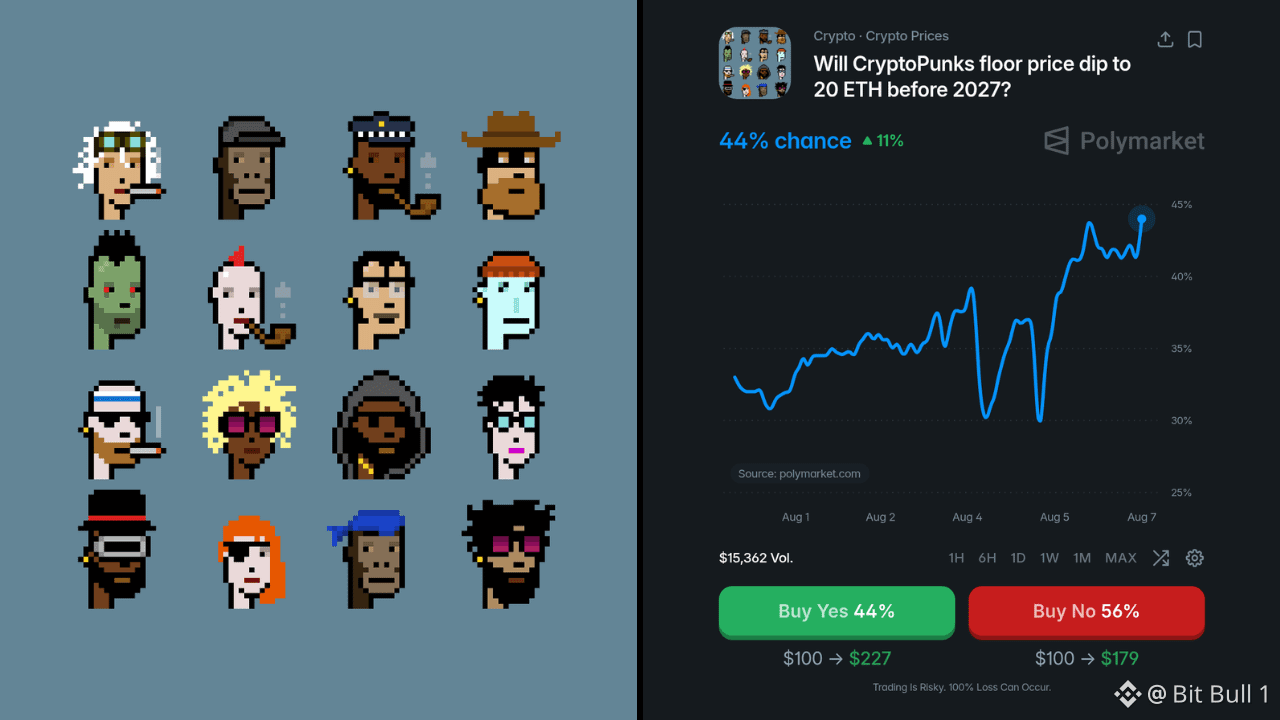
CryptoPunksは本当に20 ETHまで下がるのでしょうか?🚨 Punksは単なる別のNFTコレクションではありません。これがこのカテゴリ全体を始めた存在です。 だからこそ、取引高の数字が控えめに見えても、この市場にはこれだけ注目が集まるのです。 ただ見出しだけでなく、実際のチャートを見てください。 これは1週間以上ずっと上昇し続けています。 30台前半から、44%近くまで一気に上がりました。そこから最後の最後に、さらに強烈にスパイクしました。 それは偶然のノイズではありません。フェードアウトする動きではなく、チャートが次の局面へ加速しているものです。 $POL の保有ウォレットが、この期間を通じて特に活発でした。 チャートが最も強く押し上げられた日に、より濃く登場しています。 こうした連携した規模の大きさが伴う動きは、たいてい偶然ではありません。 技術的にはまだ44%でアンダードッグ側ですが、私はYesと見ています。 この手のブルーチップNFT市場は、波のように動きがちです。長い間は静かで、十分な圧力が溜まると一気にブレイクする。 このチャートは、まさにその「崩れる直前」に見えます。 迷っているなら、まだ本来あるべき値段より安い間は、この側に寄せるのがいいと思います。 Polymarketは、こうした読みを「ただ投稿して忘れるホットテイク」ではなく、実際のポジションに変えてくれます。 $MON で資金を入れるにせよ、別の手段であっても、論理はどちらでも成り立ちます。 #Altcoin Season#
CryptoPunksは本当に20 ETHまで下がるのでしょうか?🚨 Punksは単なる別のNFTコレクションではありません。これがこのカテゴリ全体を始めた存在です。 だからこそ、取引高の数字が控えめに見えても、この市場にはこれだけ注目が集まるのです。 ただ見出しだけでなく、実際のチャートを見てください。 これは1週間以上ずっと上昇し続けています。 30台前半から、44%近くまで一気に上がりました。そこから最後の最後に、さらに強烈にスパイクしました。 それは偶然のノイズではありません。フェードアウトする動きではなく、チャートが次の局面へ加速しているものです。 $POL の保有ウォレットが、この期間を通じて特に活発でした。 チャートが最も強く押し上げられた日に、より濃く登場しています。 こうした連携した規模の大きさが伴う動きは、たいてい偶然ではありません。 技術的にはまだ44%でアンダードッグ側ですが、私はYesと見ています。 この手のブルーチップNFT市場は、波のように動きがちです。長い間は静かで、十分な圧力が溜まると一気にブレイクする。 このチャートは、まさにその「崩れる直前」に見えます。 迷っているなら、まだ本来あるべき値段より安い間は、この側に寄せるのがいいと思います。 Polymarketは、こうした読みを「ただ投稿して忘れるホットテイク」ではなく、実際のポジションに変えてくれます。 $MON で資金を入れるにせよ、別の手段であっても、論理はどちらでも成り立ちます。 #Altcoin Season#
37
·
--
文化の両端に向けて作られたクリプト・カジノ。コミュニティギフトとして $BONK がソラナのウォレットに投下され、あっという間に文化的現象となった。純粋なデゲンのエネルギー。VCの後ろ盾はなく、ただスピード感を持ったコミュニティが動き続け、止まることがなかった。 $PENGU はまったく別のものを作り上げた。Pudgy Penguins は、世界でもっとも認知されたNFTブランドのひとつとなり、ウォルマートの店頭で販売される実物のトイへ。品質を重視するブルーチップ級のコミュニティで、その裏付けとなる実績も持っている。 クリプトカルチャーの、まったく異なる2つの角。どちらも YEET のカジノに集結している。そしてもう1つのつながりがある。Pudgy Penguins のCEO、ルカ・ネッツは YEET のエンジェル投資家だ。NFTの中でも特に信頼されるブランドの創業者が YEET を見て、資金を投じた。 BONK はすでに YEET でネイティブに対応済み。直接入金でき、変換も余計な手順も不要。YEET は BTC、ETH、SOL、XRP など、18+ のアセットに対応。 Yeet Originals はクリプトカルチャーをベースに構築。ライブディーラー、ライブチャット。Pragmatic Play、Evolution、Hacksaw、Nolimit City から 7,000+ のゲーム。最上位ティアから 5%〜25% のレイクバック。 眠らないデゲンカルチャーを築いたのは BONK。NFTカルチャーが信頼するプレミアムブランドを築いたのは PENGU。そして、Pudgy Penguins のCEOが投資したカジノを築いたのが YEET。 今すぐプレイ: #Meme Alpha#
文化の両端に向けて作られたクリプト・カジノ。コミュニティギフトとして $BONK がソラナのウォレットに投下され、あっという間に文化的現象となった。純粋なデゲンのエネルギー。VCの後ろ盾はなく、ただスピード感を持ったコミュニティが動き続け、止まることがなかった。 $PENGU はまったく別のものを作り上げた。Pudgy Penguins は、世界でもっとも認知されたNFTブランドのひとつとなり、ウォルマートの店頭で販売される実物のトイへ。品質を重視するブルーチップ級のコミュニティで、その裏付けとなる実績も持っている。 クリプトカルチャーの、まったく異なる2つの角。どちらも YEET のカジノに集結している。そしてもう1つのつながりがある。Pudgy Penguins のCEO、ルカ・ネッツは YEET のエンジェル投資家だ。NFTの中でも特に信頼されるブランドの創業者が YEET を見て、資金を投じた。 BONK はすでに YEET でネイティブに対応済み。直接入金でき、変換も余計な手順も不要。YEET は BTC、ETH、SOL、XRP など、18+ のアセットに対応。 Yeet Originals はクリプトカルチャーをベースに構築。ライブディーラー、ライブチャット。Pragmatic Play、Evolution、Hacksaw、Nolimit City から 7,000+ のゲーム。最上位ティアから 5%〜25% のレイクバック。 眠らないデゲンカルチャーを築いたのは BONK。NFTカルチャーが信頼するプレミアムブランドを築いたのは PENGU。そして、Pudgy Penguins のCEOが投資したカジノを築いたのが YEET。 今すぐプレイ: #Meme Alpha#
74
·
--
ストーリーのない流動性はただのノイズです。$UNI の保有者たちは、資本が最も信頼できる資産へ流れていくのを見てきました。DeFiは嘘をつきません。お金はチャートの下にある実体のあるものへ動きます。$DMC にはその実体があります。デロリアンのIP。世界で最もよく知られている自動車ブランドの一つです。暗号資産よりもはるか前から続いてきた40年の文化的な歴史。トークンが存在する前に築かれたブランド認知。流動性は常に、居続ける理由を探しています。ほとんどのトークンは、いまのサイクル以外にそれを与えられません。これは、それに40年もの理由を与えます。#Altcoin Season#
ストーリーのない流動性はただのノイズです。$UNI の保有者たちは、資本が最も信頼できる資産へ流れていくのを見てきました。DeFiは嘘をつきません。お金はチャートの下にある実体のあるものへ動きます。$DMC にはその実体があります。デロリアンのIP。世界で最もよく知られている自動車ブランドの一つです。暗号資産よりもはるか前から続いてきた40年の文化的な歴史。トークンが存在する前に築かれたブランド認知。流動性は常に、居続ける理由を探しています。ほとんどのトークンは、いまのサイクル以外にそれを与えられません。これは、それに40年もの理由を与えます。#Altcoin Season#
19
·
--
ソラナ上に封印された決済の土地 🔐 $SOL は、わずか1か月でトークン化された株式取引の出来高として 34.7億ドルを計上したばかりで、その金額はあらゆるチェーンを合わせたこのカテゴリー全体の約96%に相当します。 そのオンチェーンのスケールへの欲求が、まったく別のところにも現れています。 $TAO は、AIの計算需要を投資家が実際に価格付けできるものにしたトークンを構築し、その後も拡大を続けています。 この四半期には THORChain の統合と、新しい分散化ロードマップの両方が実現しました。 トークン化された債券とAI計算ジョブは、一見すると互いに関係がありません。 しかし、根底の弱点はまったく同じです。 ソラナ上のトークン化された取引は公開で決済され、Bittensor 上のAI計算ジョブは、投入されたデータが何かを正確に把握できるインフラ上で実行されます。 どちらのカテゴリーにも、処理中に本当に重要な「ポジションサイズ」や「入力データ」を秘匿に保つ手段がありません。 それが、DeFiが1日目から抱えてきたのと同じ構造的な露出であり、いまはより大きく、より機関投資家寄りのフローに適用されているだけです。 このギャップは、両方のカテゴリーが大きくなるほど高くつき、どちらも今まさに急速に拡大しています。 Arcium は、これら2つのブームが本当に同じ修正を必要としている瞬間のために作られています。 その MXE はすでに、封印された入力に対する金融決済を今日すでに実行しています。 そして、その保証を機械学習ジョブにも拡張すること――それが、AI専用レイヤーとして構築された目的です。 いずれの場合でも、単一のノードが全体像を再構成することはありません。 結果は、どちらの入力側でも正しく出力されますが、入力自体は決して再構成されません。 Mainnet Alpha は、ソラナにおいて2月からすでにそれを証明しています。 RWAブームの前、そして TAO の拡大がこの勢いを増す前からです。 ARX は、これら2つのブームが最終的に必要とする計算レイヤーを確保します。 #AI #DeFi
ソラナ上に封印された決済の土地 🔐 $SOL は、わずか1か月でトークン化された株式取引の出来高として 34.7億ドルを計上したばかりで、その金額はあらゆるチェーンを合わせたこのカテゴリー全体の約96%に相当します。 そのオンチェーンのスケールへの欲求が、まったく別のところにも現れています。 $TAO は、AIの計算需要を投資家が実際に価格付けできるものにしたトークンを構築し、その後も拡大を続けています。 この四半期には THORChain の統合と、新しい分散化ロードマップの両方が実現しました。 トークン化された債券とAI計算ジョブは、一見すると互いに関係がありません。 しかし、根底の弱点はまったく同じです。 ソラナ上のトークン化された取引は公開で決済され、Bittensor 上のAI計算ジョブは、投入されたデータが何かを正確に把握できるインフラ上で実行されます。 どちらのカテゴリーにも、処理中に本当に重要な「ポジションサイズ」や「入力データ」を秘匿に保つ手段がありません。 それが、DeFiが1日目から抱えてきたのと同じ構造的な露出であり、いまはより大きく、より機関投資家寄りのフローに適用されているだけです。 このギャップは、両方のカテゴリーが大きくなるほど高くつき、どちらも今まさに急速に拡大しています。 Arcium は、これら2つのブームが本当に同じ修正を必要としている瞬間のために作られています。 その MXE はすでに、封印された入力に対する金融決済を今日すでに実行しています。 そして、その保証を機械学習ジョブにも拡張すること――それが、AI専用レイヤーとして構築された目的です。 いずれの場合でも、単一のノードが全体像を再構成することはありません。 結果は、どちらの入力側でも正しく出力されますが、入力自体は決して再構成されません。 Mainnet Alpha は、ソラナにおいて2月からすでにそれを証明しています。 RWAブームの前、そして TAO の拡大がこの勢いを増す前からです。 ARX は、これら2つのブームが最終的に必要とする計算レイヤーを確保します。 #AI #DeFi
31
·
--
暗号資産における最大の嘘は、大規模な普及がやって来るということだ 👀 それは最初の玄関でずっと阻まれていた。私はこの分野に十分長くいて、人々がオンチェーンで暗号資産を使わない第一の理由が、価格でも規制でも認知不足でもないと知っている。多くの場合、それはシードフレーズだ。24語を書き留めて、安全に保管する。絶対に共有しない。失くせば、オンチェーン上であなたが所有しているものをすべて失う。これは、15年間すべてのチェーンで、オンボーディング体験としてずっと続いてきた。私は一部として$SUIにロングしているが、彼らは実際にこれを修正したからだ。zkLoginなら、既存のGoogleまたはAppleアカウントを使って、誰でもSuiウォレットを作成できる。シードフレーズ不要。ブラウザ拡張機能不要。覚えるべき新しいアカウント不要。すでに何十億もの人が毎日使っているのと同じログインで、業界で最も能力の高いL1に直接アクセスできる。これはギミックではない。セキュリティは、ZKプロoフに基づいて動作するからこそ保たれる。GoogleまたはAppleはあなたの秘密鍵を一切見ない。ウォレットはノンカストディアル。オンボーディングはただ普通だ。セットアップが難しすぎて暗号資産に触れたことのないユーザーの波は、摩擦と障害が減る。シームレスな体験は、本当の大規模普及につながる 🧠 #Altcoin Season# #DeFi
暗号資産における最大の嘘は、大規模な普及がやって来るということだ 👀 それは最初の玄関でずっと阻まれていた。私はこの分野に十分長くいて、人々がオンチェーンで暗号資産を使わない第一の理由が、価格でも規制でも認知不足でもないと知っている。多くの場合、それはシードフレーズだ。24語を書き留めて、安全に保管する。絶対に共有しない。失くせば、オンチェーン上であなたが所有しているものをすべて失う。これは、15年間すべてのチェーンで、オンボーディング体験としてずっと続いてきた。私は一部として$SUIにロングしているが、彼らは実際にこれを修正したからだ。zkLoginなら、既存のGoogleまたはAppleアカウントを使って、誰でもSuiウォレットを作成できる。シードフレーズ不要。ブラウザ拡張機能不要。覚えるべき新しいアカウント不要。すでに何十億もの人が毎日使っているのと同じログインで、業界で最も能力の高いL1に直接アクセスできる。これはギミックではない。セキュリティは、ZKプロoフに基づいて動作するからこそ保たれる。GoogleまたはAppleはあなたの秘密鍵を一切見ない。ウォレットはノンカストディアル。オンボーディングはただ普通だ。セットアップが難しすぎて暗号資産に触れたことのないユーザーの波は、摩擦と障害が減る。シームレスな体験は、本当の大規模普及につながる 🧠 #Altcoin Season# #DeFi
56
ログインして、さらにコンテンツを読む
厳選トピックで世界の暗号資産トレーダーの仲間入り
⚡️ 暗号資産に関する最新かつ有益な情報が見つかります。
💬 世界最大の暗号資産取引所から信頼されています。
👍 認証を受けたクリエイターから、有益なインサイトを得られます。
メール / 電話番号
トレンドトピック
SaylorHintsStrategyBitcoinBuy
閲覧回数 2.2M
11,135人が討論中
まだSaylorのあらゆるヒントを自動の買いシグナルとして扱っているなら、今すぐやめてください。
高額なミスは、企業の長期的なトレジャリー戦略を、自分のリスク許容度と混同することです。戦略は過酷な下落局面でも耐えられますが、FOMOで買う人はたった1本の見苦しいローソク足のあとにパニック売りしがちです。$BTC
Saylorの最新シグナルが既視感を覚えるのは、Strategyがこれまで弱さを利用してビットコインのポジションを築いてきたからです。つまり、ボラティリティを蓄積(アキュムレーション)に変えてきた。ですが今は市場が違います。スポット需要、マクロの流動性、そして競合する企業トレジャリーの思惑が、ひとりの声高な買い手が物語を独占するのではなく、価格に影響します。
Fear & Greedが75の今、群衆はすでに強欲に傾いています。だからこそ、過去のビットコインの急騰局面との比較は居心地が悪いものになります。強い確信は上昇材料になりますが、混み合った確信は、誰も話したくない「出口の流動性」を生み出してしまうこともあるのです。$USDTに資金がローテーションしているのを見たり、$ONDO を注視しているトレーダーたちも同じ疑問を抱えています。これは蓄積なのか、それともただのナラティブ(物語)追いなのか?
Saylorのやり方は、依然として最も賢いビットコインのトレジャリー戦略なのか。それとも投資家は、ひとりの買い手がこの市場をどれほど動かせるのかを過大評価しているのでしょうか? #SaylorHintsStrategyBitcoinBuy #BitcoinHolds #BitcoinUp23
minamium
·いいね:2件
·閲覧回数 104
BOJRaisesRatesTo31YearHigh
閲覧回数 167,876
2,542人が討論中
BuffettStepsDownAsBerkshireChairman
閲覧回数 80,895
1,303人が討論中