

Ajalaofweb3
63 投稿

Ajalaofweb3
報告
ユーザーをブロック
Ambassador at maple finance, DeFi Research Writer, and Content Marketer.
0 フォロー
2 フォロワー
0 いいね
投稿
·
--
ブロックチェーンがすぐに悲鳴を上げないで、4Bトークンをどう鋳造(ミント)するの?
それが、Harmonyの$ONEエクスプロイトで一番怖いところです。
報告によると、この攻撃は約4Bの無許可なONEを、流通量(供給)の約26%に相当する規模で作り出したようです。
しかし、より大きな問題は単なる「ミント」ではありませんでした。
問題は、次の間に見られたようなギャップです:
ブロックチェーンが受け付けたもの vs.
供給監視インフラが報告したもの。
悪意のあるトランザクションがバリデータによって受理される一方で、`totalSupply` のチェックが、新たに作成されたトークンを即座に反映できない場合、取引所、ウォレット、監視システムは古い情報のまま動いてしまう可能性があります。
それが危険な「猶予期間」を生みます。
攻撃者:
→ 新しいONEを作成
→ ウォレットを経由して移動
→ 取引所へ入金
→ 販売を開始
→ 市場が薄まり(希薄化)を後から認識
だからこそ、供給の整合性はCoinMarketCap上の数字以上の意味を持ちます。
Harmonyにとって今の重要な問いは:
無許可の発行が「有効な状態」になることを許した、正確な検証(バリデーション)経路は何だったのか?
その答えが出るまで、今回のパッチは不具合の“症状”を直すものであって、必ずしも根本的な脆弱性を直すものではないかもしれません。
Harmonyは緊急のバリデータ向けパッチをリリースし、インシデントを調査しながら復旧/凍結(freeze)措置を進めています。
ブロックチェーンがすぐに悲鳴を上げないで、4Bトークンをどう鋳造(ミント)するの?
それが、Harmonyの$ONEエクスプロイトで一番怖いところです。
報告によると、この攻撃は約4Bの無許可なONEを、流通量(供給)の約26%に相当する規模で作り出したようです。
しかし、より大きな問題は単なる「ミント」ではありませんでした。
問題は、次の間に見られたようなギャップです:
ブロックチェーンが受け付けたもの vs.
供給監視インフラが報告したもの。
悪意のあるトランザクションがバリデータによって受理される一方で、`totalSupply` のチェックが、新たに作成されたトークンを即座に反映できない場合、取引所、ウォレット、監視システムは古い情報のまま動いてしまう可能性があります。
それが危険な「猶予期間」を生みます。
攻撃者:
→ 新しいONEを作成
→ ウォレットを経由して移動
→ 取引所へ入金
→ 販売を開始
→ 市場が薄まり(希薄化)を後から認識
だからこそ、供給の整合性はCoinMarketCap上の数字以上の意味を持ちます。
Harmonyにとって今の重要な問いは:
無許可の発行が「有効な状態」になることを許した、正確な検証(バリデーション)経路は何だったのか?
その答えが出るまで、今回のパッチは不具合の“症状”を直すものであって、必ずしも根本的な脆弱性を直すものではないかもしれません。
Harmonyは緊急のバリデータ向けパッチをリリースし、インシデントを調査しながら復旧/凍結(freeze)措置を進めています。
それが、Harmonyの$ONEエクスプロイトで一番怖いところです。
報告によると、この攻撃は約4Bの無許可なONEを、流通量(供給)の約26%に相当する規模で作り出したようです。
しかし、より大きな問題は単なる「ミント」ではありませんでした。
問題は、次の間に見られたようなギャップです:
ブロックチェーンが受け付けたもの vs.
供給監視インフラが報告したもの。
悪意のあるトランザクションがバリデータによって受理される一方で、`totalSupply` のチェックが、新たに作成されたトークンを即座に反映できない場合、取引所、ウォレット、監視システムは古い情報のまま動いてしまう可能性があります。
それが危険な「猶予期間」を生みます。
攻撃者:
→ 新しいONEを作成
→ ウォレットを経由して移動
→ 取引所へ入金
→ 販売を開始
→ 市場が薄まり(希薄化)を後から認識
だからこそ、供給の整合性はCoinMarketCap上の数字以上の意味を持ちます。
Harmonyにとって今の重要な問いは:
無許可の発行が「有効な状態」になることを許した、正確な検証(バリデーション)経路は何だったのか?
その答えが出るまで、今回のパッチは不具合の“症状”を直すものであって、必ずしも根本的な脆弱性を直すものではないかもしれません。
Harmonyは緊急のバリデータ向けパッチをリリースし、インシデントを調査しながら復旧/凍結(freeze)措置を進めています。
84
·
--
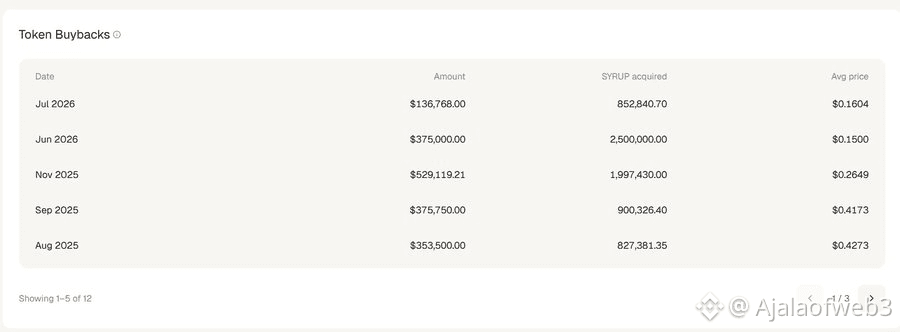
MapleはMIP-021の下で最初のSYRUP買い戻しを完了しました:
• 852,840 SYRUPを取得
• 136,768 USDTを支出
• 平均価格:$0.1604
これは裁量によるものではありません。
MIP-021では、買い戻しの規模を月次のネット・プロトコル収益に直接連動させており、買い戻しはすべて公開され、完全な透明性のもとで追跡されます。
実際の収益。実際の買い戻し。オンチェーンでの説明責任。🧵
MapleはMIP-021の下で最初のSYRUP買い戻しを完了しました:
• 852,840 SYRUPを取得
• 136,768 USDTを支出
• 平均価格:$0.1604
これは裁量によるものではありません。
MIP-021では、買い戻しの規模を月次のネット・プロトコル収益に直接連動させており、買い戻しはすべて公開され、完全な透明性のもとで追跡されます。
実際の収益。実際の買い戻し。オンチェーンでの説明責任。🧵
• 852,840 SYRUPを取得
• 136,768 USDTを支出
• 平均価格:$0.1604
これは裁量によるものではありません。
MIP-021では、買い戻しの規模を月次のネット・プロトコル収益に直接連動させており、買い戻しはすべて公開され、完全な透明性のもとで追跡されます。
実際の収益。実際の買い戻し。オンチェーンでの説明責任。🧵
80
·
--
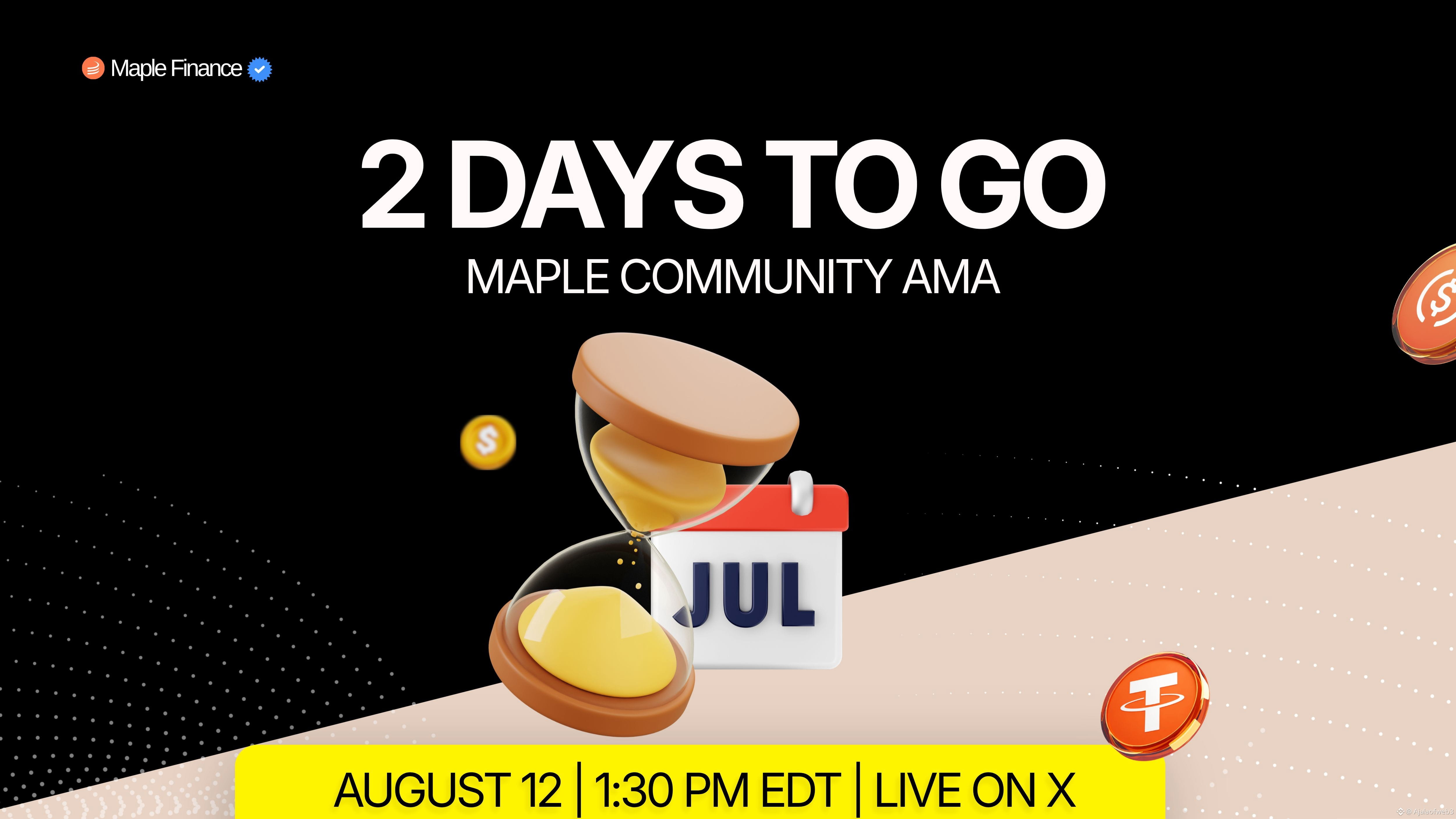
あと2日 🌲 MapleのコミュニティAMAが間もなく開催されます。Gleb ShumakovがSyrupSidと一緒に座談し、7月のパフォーマンスを振り返り、コミュニティからの質問にお答えします。 📅 8月12日 🕐 午後1時30分(EDT) 𝕏 Xでライブ配信 質問をぜひお持ちください。会場でお会いしましょう。
あと2日 🌲 MapleのコミュニティAMAが間もなく開催されます。Gleb ShumakovがSyrupSidと一緒に座談し、7月のパフォーマンスを振り返り、コミュニティからの質問にお答えします。 📅 8月12日 🕐 午後1時30分(EDT) 𝕏 Xでライブ配信 質問をぜひお持ちください。会場でお会いしましょう。
69
·
--
メープルが、かなり大きな注目すべき一手を打ちました。@maplefinance は、syrupUSDC と syrupUSDT を支える USD 流動性バッファにおいて、エテナの GENIUS 準拠 USDtb をコア保有として選択しています。これらのプロダクトには流動的な USD 資産が約 $400M あり、これは単なる追加配分ではありません。メープルは、エテナのホワイトラベル・リクイディティにいち早くアクセスし、機関投資家レベルのステーブルコイン流動性をさらにオンチェーンへと導きます。インフラはますます深くなっています。🧵
メープルが、かなり大きな注目すべき一手を打ちました。@maplefinance は、syrupUSDC と syrupUSDT を支える USD 流動性バッファにおいて、エテナの GENIUS 準拠 USDtb をコア保有として選択しています。これらのプロダクトには流動的な USD 資産が約 $400M あり、これは単なる追加配分ではありません。メープルは、エテナのホワイトラベル・リクイディティにいち早くアクセスし、機関投資家レベルのステーブルコイン流動性をさらにオンチェーンへと導きます。インフラはますます深くなっています。🧵
65
·
--
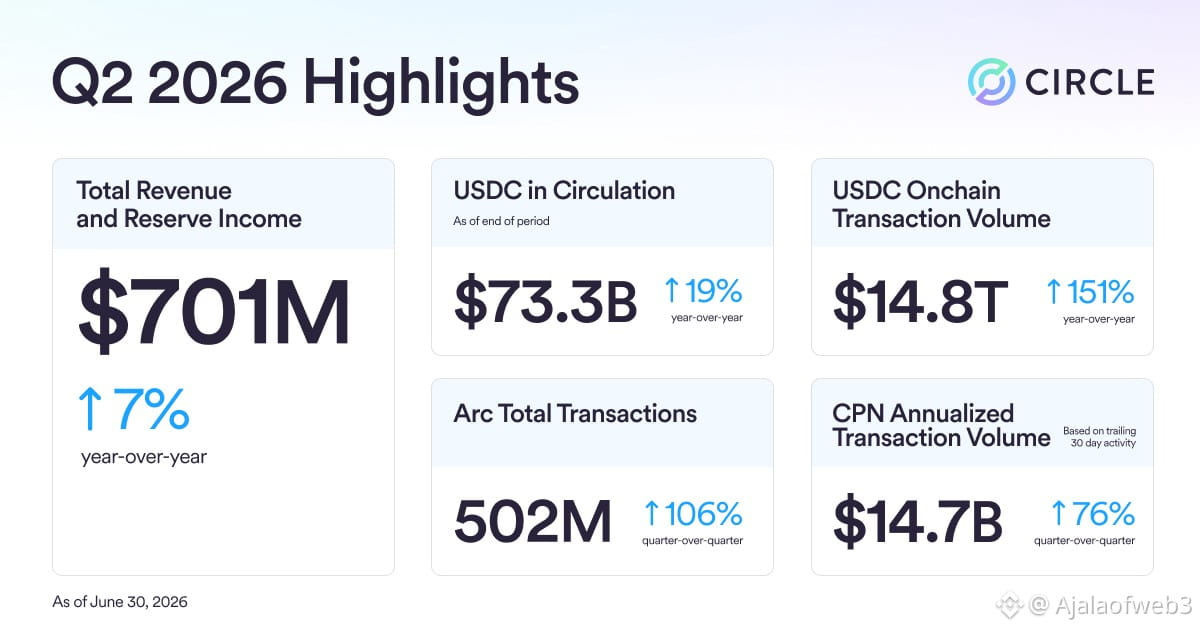
CircleがスタックされたQ2アップデートを公開: 🔹 アーク・メインネットは9月16日ローンチ 🔹 設立バリデータ:BlackRock、DTCC、Galaxy、ICE、Mastercard、Visa、Standard Chartered & ほか 🔹 Circle National TrustがOCCから連邦銀行チャーターを取得。同チャーターを受けた最初期のステーブルコイン発行体の1つ 🔹 USDCは6月にステーブルコイントランザクション量の約70%を獲得(Visa Onchain Analytics経由) 機関向けのステーブルコイン・インフラはもう来るだけではない。ここにある。 🏦⚡
CircleがスタックされたQ2アップデートを公開: 🔹 アーク・メインネットは9月16日ローンチ 🔹 設立バリデータ:BlackRock、DTCC、Galaxy、ICE、Mastercard、Visa、Standard Chartered & ほか 🔹 Circle National TrustがOCCから連邦銀行チャーターを取得。同チャーターを受けた最初期のステーブルコイン発行体の1つ 🔹 USDCは6月にステーブルコイントランザクション量の約70%を獲得(Visa Onchain Analytics経由) 機関向けのステーブルコイン・インフラはもう来るだけではない。ここにある。 🏦⚡
89
·
--
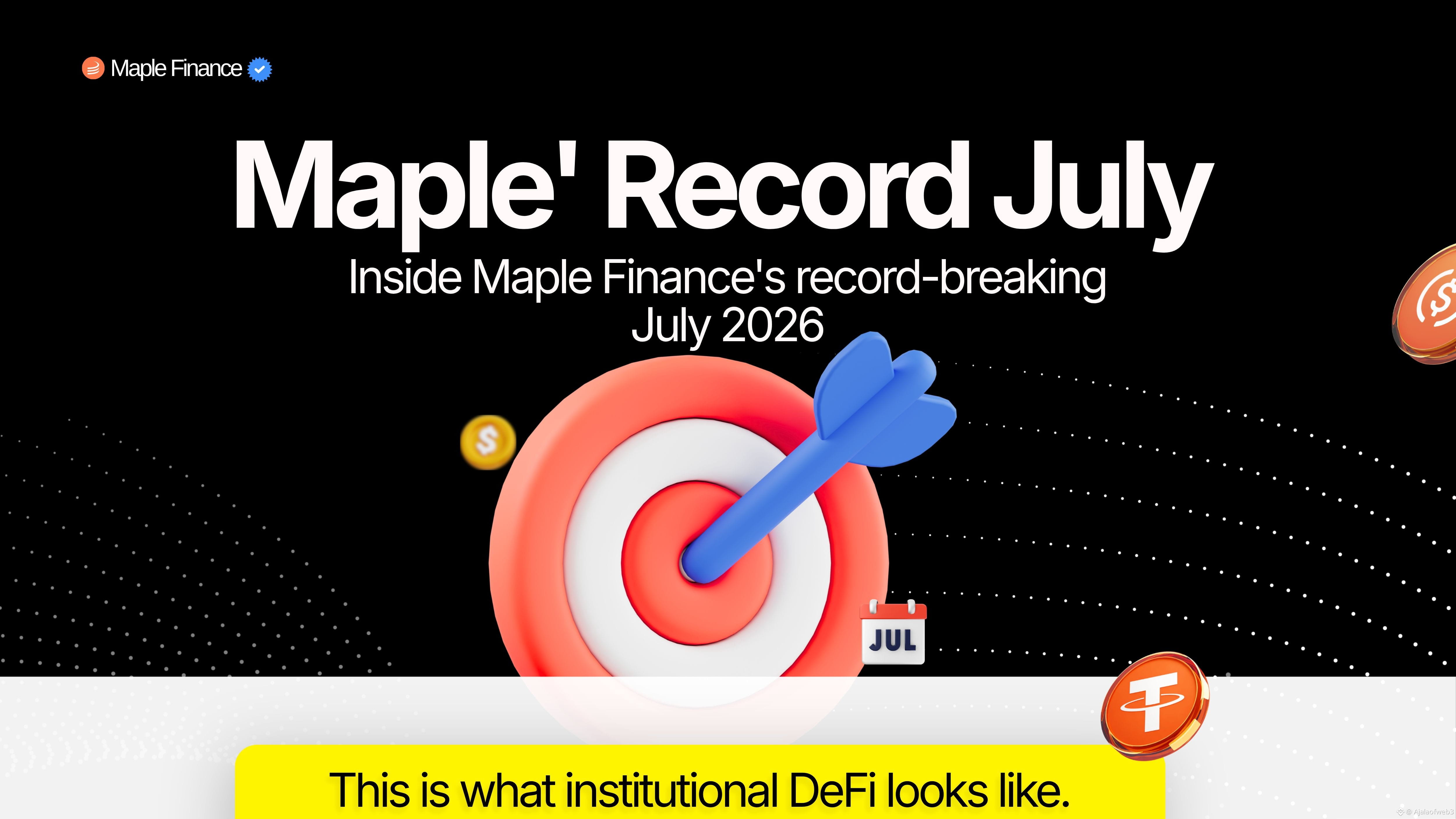
夏の間、多くのDeFiはTVLの下落に手を焼く一方で、Maple Financeは記録づくりに忙しくしていました。機関投資家向けクレジットのプロトコルは2026年上半期を、運用資産(AUM)46億ドル、前年同期比81%増、四半期売上も47%増で締めくくりました。より広い市場とのズレが物語っているのは次の点です。投資家はインセンティブ目当てのイールドファームから離れ、透明でキャッシュフローに裏づけられたオンチェーン融資へと資金を回しています。 新シロップ、新たな加速 今月の主役はsyrupUSDGで、Mapleにとって2年ぶりの新しいSyrupプロダクトです。Robinhood Chain上で構築され、Global Dollarによって裏づけられています。これにより、Robinhood Earnで機関グレードのクレジットが小口のリテールユーザーの手に直接届くようになりました。市場の反応は早く、syrupUSDGはわずか8日でAUM2億ドルを突破し、前作のsyrupUSDTの伸びを大きく上回りました。 自動化されたバイバック 7月にはMIP-021も稼働し、SYRUPのルールベースのバイバック(買い戻し)システムが導入されました。月次の売上が150万ドル未満なら10%がバイバックに回され、200万ドルを超えると配分は30%まで引き上げられます。シンプルな仕組みですが、トークン価値をプロトコルのパフォーマンスに直接連動させます。裁量なし、推測なしです。 Krakenが参入 Mapleはまた、Krakenとの倉庫型レンディングの提携も実現しました。これにより、破産隔離型の融資、機関投資家向けのカストディ、そしてBTCとETHを裏づけにしたシニアの過剰担保ローンを組み合わせています。これは、従来型のクレジット・インフラが、リスク基準の手抜きをすることなく、レンガを一つずつ積むようにオンチェーンで再構築されていることを示すさらなるサインです。 より大きな全体像 Mapleのモデルは、トークンの発行(エミッション)で稼ぐのではなく、実際に機関投資家の借り手が支払う利息から利回りを得るものです。そのため、DeFiの多くが停滞する中でも成長を続けられました。この見立ては、より広範なトークン化された実世界資産市場によって裏づけられています。現在は約335億ドルで、前年同期比184%増。しかも、そのうちDeFiクレジットとして稼働しているのは10%未満です。言い換えれば、まだ伸びしろは十分に残っています。
夏の間、多くのDeFiはTVLの下落に手を焼く一方で、Maple Financeは記録づくりに忙しくしていました。機関投資家向けクレジットのプロトコルは2026年上半期を、運用資産(AUM)46億ドル、前年同期比81%増、四半期売上も47%増で締めくくりました。より広い市場とのズレが物語っているのは次の点です。投資家はインセンティブ目当てのイールドファームから離れ、透明でキャッシュフローに裏づけられたオンチェーン融資へと資金を回しています。 新シロップ、新たな加速 今月の主役はsyrupUSDGで、Mapleにとって2年ぶりの新しいSyrupプロダクトです。Robinhood Chain上で構築され、Global Dollarによって裏づけられています。これにより、Robinhood Earnで機関グレードのクレジットが小口のリテールユーザーの手に直接届くようになりました。市場の反応は早く、syrupUSDGはわずか8日でAUM2億ドルを突破し、前作のsyrupUSDTの伸びを大きく上回りました。 自動化されたバイバック 7月にはMIP-021も稼働し、SYRUPのルールベースのバイバック(買い戻し)システムが導入されました。月次の売上が150万ドル未満なら10%がバイバックに回され、200万ドルを超えると配分は30%まで引き上げられます。シンプルな仕組みですが、トークン価値をプロトコルのパフォーマンスに直接連動させます。裁量なし、推測なしです。 Krakenが参入 Mapleはまた、Krakenとの倉庫型レンディングの提携も実現しました。これにより、破産隔離型の融資、機関投資家向けのカストディ、そしてBTCとETHを裏づけにしたシニアの過剰担保ローンを組み合わせています。これは、従来型のクレジット・インフラが、リスク基準の手抜きをすることなく、レンガを一つずつ積むようにオンチェーンで再構築されていることを示すさらなるサインです。 より大きな全体像 Mapleのモデルは、トークンの発行(エミッション)で稼ぐのではなく、実際に機関投資家の借り手が支払う利息から利回りを得るものです。そのため、DeFiの多くが停滞する中でも成長を続けられました。この見立ては、より広範なトークン化された実世界資産市場によって裏づけられています。現在は約335億ドルで、前年同期比184%増。しかも、そのうちDeFiクレジットとして稼働しているのは10%未満です。言い換えれば、まだ伸びしろは十分に残っています。
68
·
--
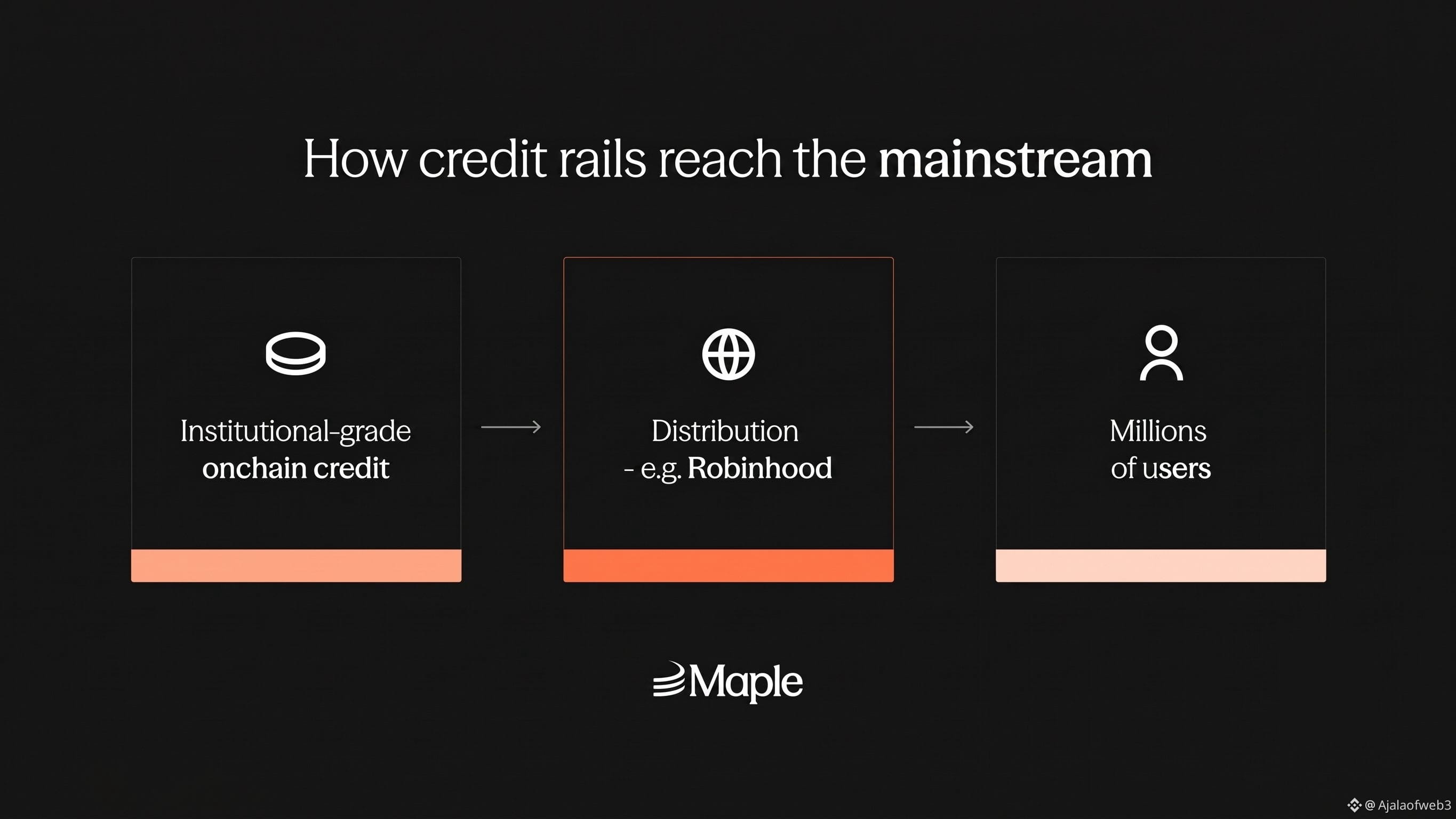
皆さんは利回りに注目しています。私は流通(ディストリビューション)に注目しています。Mapleは、オンチェーン・クレジットに対する機関投資家の需要がすでにあることを証明済みです。Robinhood Chainは、そのアクセスを拡大します。機関投資家レベルのクレジット・レールが、いま何百万人ものユーザーの前に。これが、オンチェーン・クレジットを主流にする方法です。
皆さんは利回りに注目しています。私は流通(ディストリビューション)に注目しています。Mapleは、オンチェーン・クレジットに対する機関投資家の需要がすでにあることを証明済みです。Robinhood Chainは、そのアクセスを拡大します。機関投資家レベルのクレジット・レールが、いま何百万人ものユーザーの前に。これが、オンチェーン・クレジットを主流にする方法です。
65
·
--
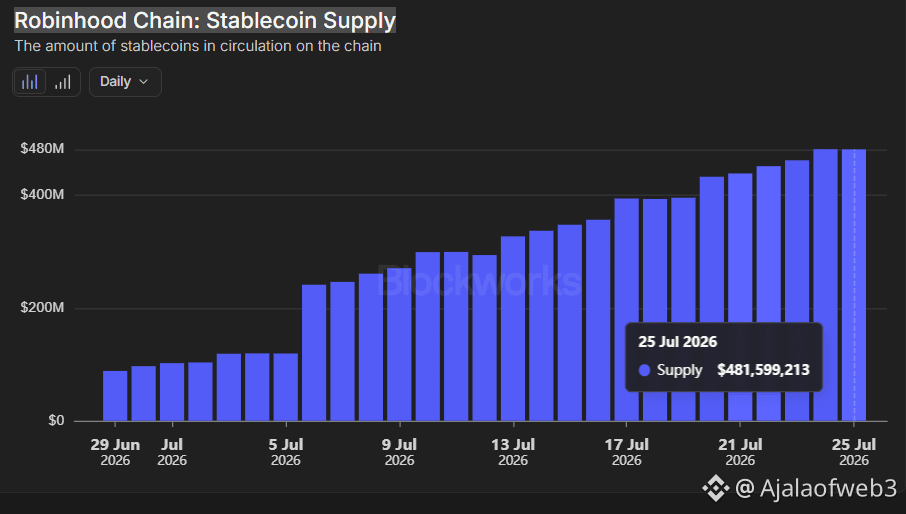
Robinhood Chainはメインネットに展開されてからまだ数か月しか経っていません。ステーブルコインの供給量はすでに5億ドルに迫っています。インフラが到着しています。流動性も続いています。これは、暗号資産界最大級のチェーンの台頭をリアルタイムで目撃しているのでしょうか?答えは時間が教えてくれます。
Robinhood Chainはメインネットに展開されてからまだ数か月しか経っていません。ステーブルコインの供給量はすでに5億ドルに迫っています。インフラが到着しています。流動性も続いています。これは、暗号資産界最大級のチェーンの台頭をリアルタイムで目撃しているのでしょうか?答えは時間が教えてくれます。
5
·
--
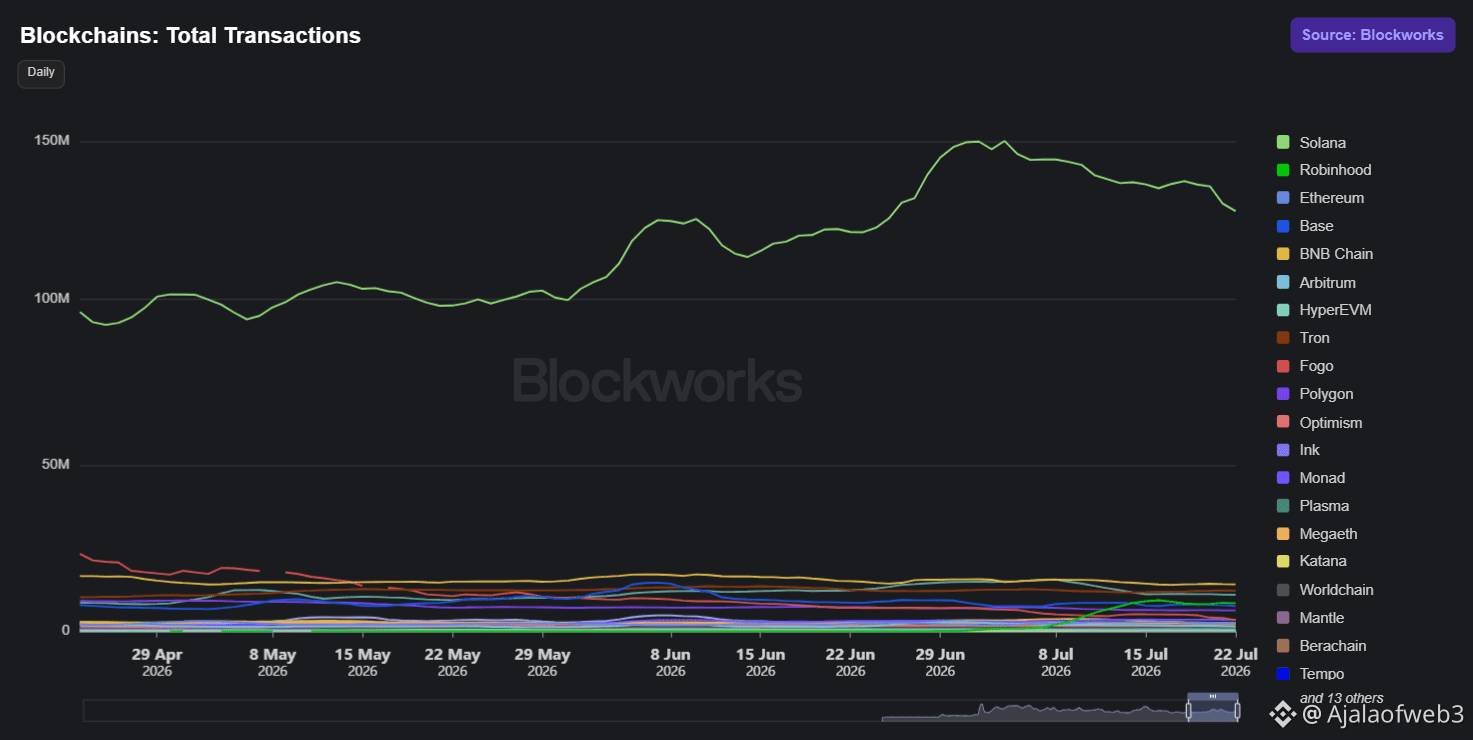
1つのチャートは多くを物語ります。ソラナは7月22日に126.5M件の取引を処理し、次に近いチェーン(BNBチェーン)が扱ったのは14.1M件でした。その差はわずかなものではなく、ほぼ9倍です。強気でもそうでなくても、ユーザーがどこで取引しているのかを無視するのは難しいでしょう。
1つのチャートは多くを物語ります。ソラナは7月22日に126.5M件の取引を処理し、次に近いチェーン(BNBチェーン)が扱ったのは14.1M件でした。その差はわずかなものではなく、ほぼ9倍です。強気でもそうでなくても、ユーザーがどこで取引しているのかを無視するのは難しいでしょう。
70
·
--
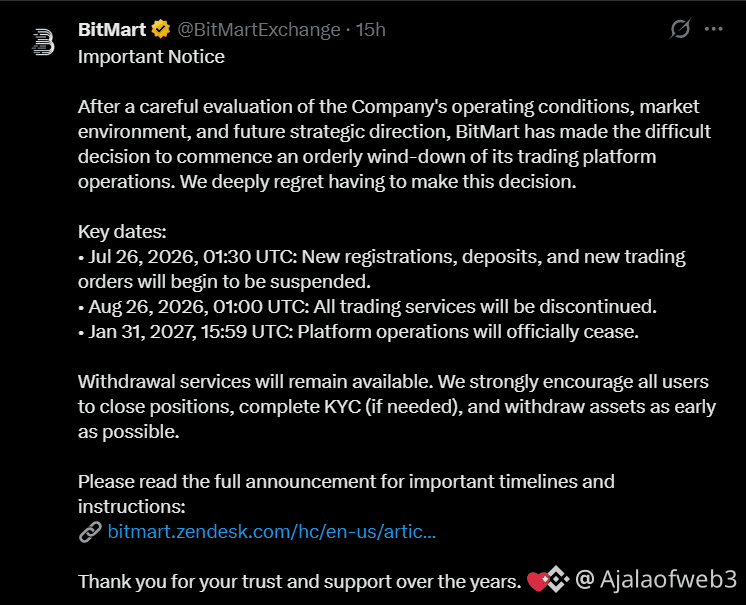
BitMartが取引業務を停止へ BitMartは、運営状況、市場環境、今後の戦略的方針を理由に、取引プラットフォームの秩序ある停止(ウィンドダウン)を発表しました。
BitMartが取引業務を停止へ BitMartは、運営状況、市場環境、今後の戦略的方針を理由に、取引プラットフォームの秩序ある停止(ウィンドダウン)を発表しました。
79
·
--
ステーブルコインはアイドル状態でいる必要はありません。MapleのsyrupUSDCおよびsyrupUSDTが1inchで利用可能になったことで、ユーザーは複数のチェーンにまたがるトークン化された機関向けレンディングポジションへシームレスにスワップできます。これは、RWAをより流動的にし、より身近にし、日常のDeFiに統合していくためのもう一つの前進です。🌐📈
ステーブルコインはアイドル状態でいる必要はありません。MapleのsyrupUSDCおよびsyrupUSDTが1inchで利用可能になったことで、ユーザーは複数のチェーンにまたがるトークン化された機関向けレンディングポジションへシームレスにスワップできます。これは、RWAをより流動的にし、より身近にし、日常のDeFiに統合していくためのもう一つの前進です。🌐📈
72
·
--
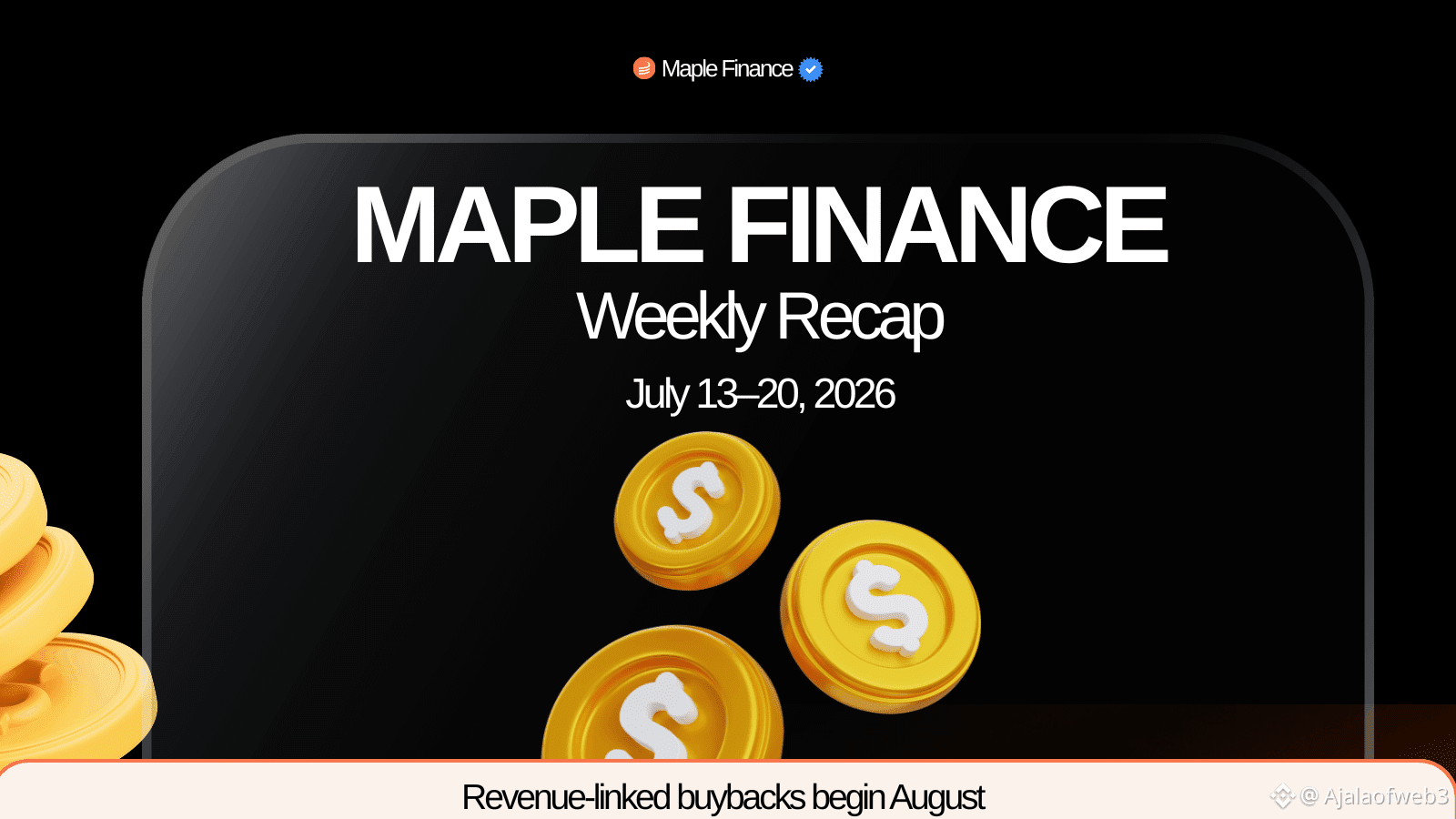
Maple Finance 週間リキャップ | 2026年7月13日〜20日
MIP-021の成立、つまりプロトコルのルールに基づくSYRUP買戻し提案が成功したことにより、Maple Financeにとってまた一段と強い1週間となりました。承認は99.97%の賛成で、提案は8月から始まる収益連動型の月次買戻しを導入し、すべての取引はMapleのTransparency Dashboard(透明性ダッシュボード)で公開されます。
製品面では、syrupUSDGの立ち上げが引き続き目覚ましく進み、運用資産が2億ドル超に到達する一方で、EthereumおよびRobinhood Chainの両方へ拡大しました。
コミュニティも活発で、CEOのSid Powellがステーブルコインの採用に関する見解を共有し、さらにMapleは今後のCommunity AMA(コミュニティ向けQ&A)およびQuarterly Ecosystem Update(四半期エコシステム更新)への参加をユーザーに呼びかけました。
Maple FinanceのQ2およびH1 2026の結果から生まれた勢いも継続し、プロトコルはAUM(運用資産総額)を約46億ドルで維持し、未払いのローン残高は記録となる19億ドルに達しました。より強固なファンダメンタルズと改善されたトークンエコノミクスを背景に、SYRUPは週を通してポジティブな市場センチメントも見られました。
全体として、より強いガバナンス、拡大するプロダクト採用、そしてMaple Financeに対する機関投資家ベースの継続的な追い風によって定義される1週間でした。
Maple Finance 週間リキャップ | 2026年7月13日〜20日
MIP-021の成立、つまりプロトコルのルールに基づくSYRUP買戻し提案が成功したことにより、Maple Financeにとってまた一段と強い1週間となりました。承認は99.97%の賛成で、提案は8月から始まる収益連動型の月次買戻しを導入し、すべての取引はMapleのTransparency Dashboard(透明性ダッシュボード)で公開されます。
製品面では、syrupUSDGの立ち上げが引き続き目覚ましく進み、運用資産が2億ドル超に到達する一方で、EthereumおよびRobinhood Chainの両方へ拡大しました。
コミュニティも活発で、CEOのSid Powellがステーブルコインの採用に関する見解を共有し、さらにMapleは今後のCommunity AMA(コミュニティ向けQ&A)およびQuarterly Ecosystem Update(四半期エコシステム更新)への参加をユーザーに呼びかけました。
Maple FinanceのQ2およびH1 2026の結果から生まれた勢いも継続し、プロトコルはAUM(運用資産総額)を約46億ドルで維持し、未払いのローン残高は記録となる19億ドルに達しました。より強固なファンダメンタルズと改善されたトークンエコノミクスを背景に、SYRUPは週を通してポジティブな市場センチメントも見られました。
全体として、より強いガバナンス、拡大するプロダクト採用、そしてMaple Financeに対する機関投資家ベースの継続的な追い風によって定義される1週間でした。
MIP-021の成立、つまりプロトコルのルールに基づくSYRUP買戻し提案が成功したことにより、Maple Financeにとってまた一段と強い1週間となりました。承認は99.97%の賛成で、提案は8月から始まる収益連動型の月次買戻しを導入し、すべての取引はMapleのTransparency Dashboard(透明性ダッシュボード)で公開されます。
製品面では、syrupUSDGの立ち上げが引き続き目覚ましく進み、運用資産が2億ドル超に到達する一方で、EthereumおよびRobinhood Chainの両方へ拡大しました。
コミュニティも活発で、CEOのSid Powellがステーブルコインの採用に関する見解を共有し、さらにMapleは今後のCommunity AMA(コミュニティ向けQ&A)およびQuarterly Ecosystem Update(四半期エコシステム更新)への参加をユーザーに呼びかけました。
Maple FinanceのQ2およびH1 2026の結果から生まれた勢いも継続し、プロトコルはAUM(運用資産総額)を約46億ドルで維持し、未払いのローン残高は記録となる19億ドルに達しました。より強固なファンダメンタルズと改善されたトークンエコノミクスを背景に、SYRUPは週を通してポジティブな市場センチメントも見られました。
全体として、より強いガバナンス、拡大するプロダクト採用、そしてMaple Financeに対する機関投資家ベースの継続的な追い風によって定義される1週間でした。
77
·
--
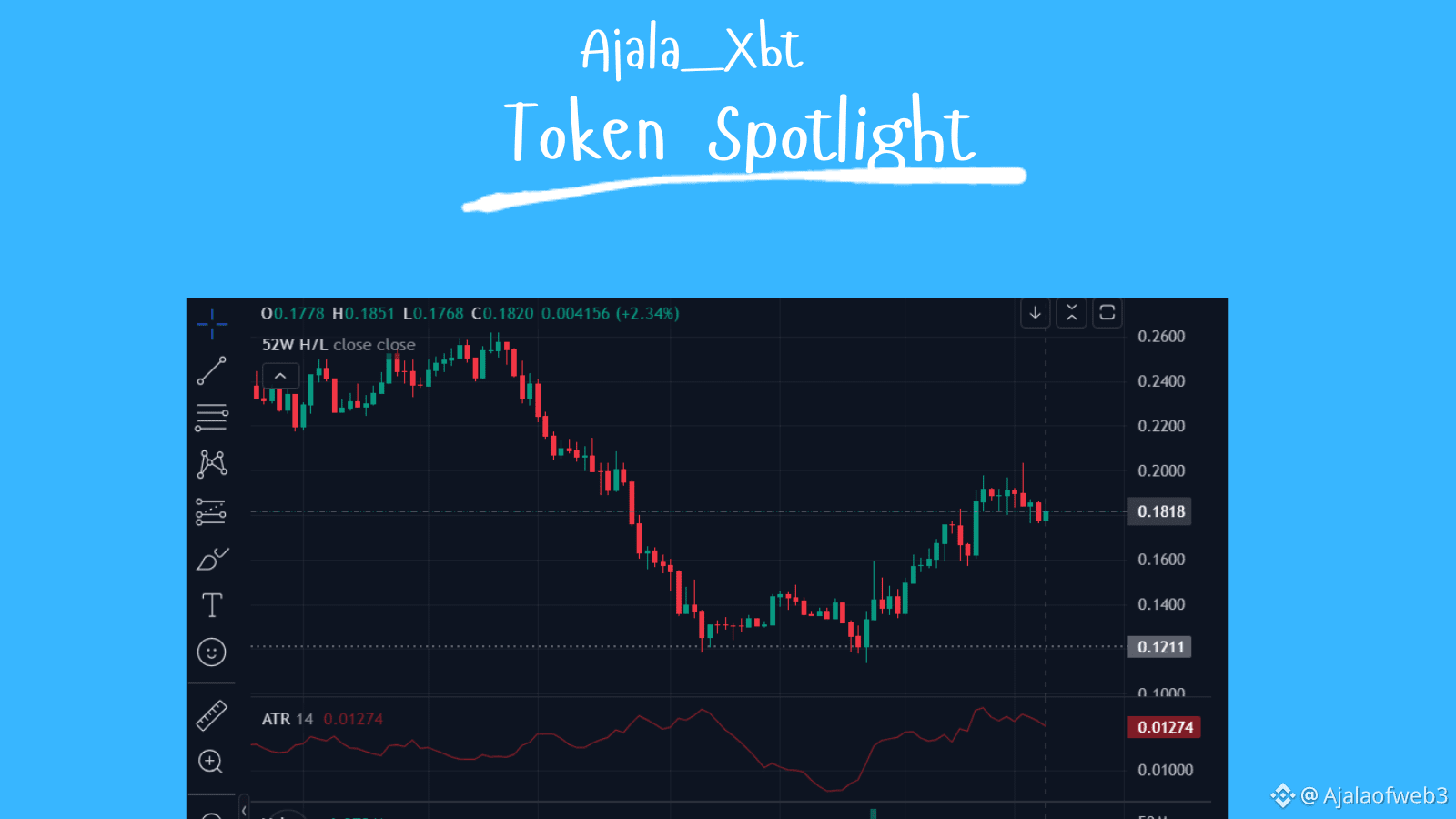
$SYRUP は相対的な強さを示し続けています。📈 価格: $0.182(+2.6%)💰 24時間出来高: $7.1M この動きは、プロトコル固有のニュースというより、市場のセンチメント改善によって引き起こされているようです。買い手が $0.17 を守るなら、次のテストは $0.19 です。出来高の拡大が主要な確認ポイントになります。
$SYRUP は相対的な強さを示し続けています。📈 価格: $0.182(+2.6%)💰 24時間出来高: $7.1M この動きは、プロトコル固有のニュースというより、市場のセンチメント改善によって引き起こされているようです。買い手が $0.17 を守るなら、次のテストは $0.19 です。出来高の拡大が主要な確認ポイントになります。
84
·
--
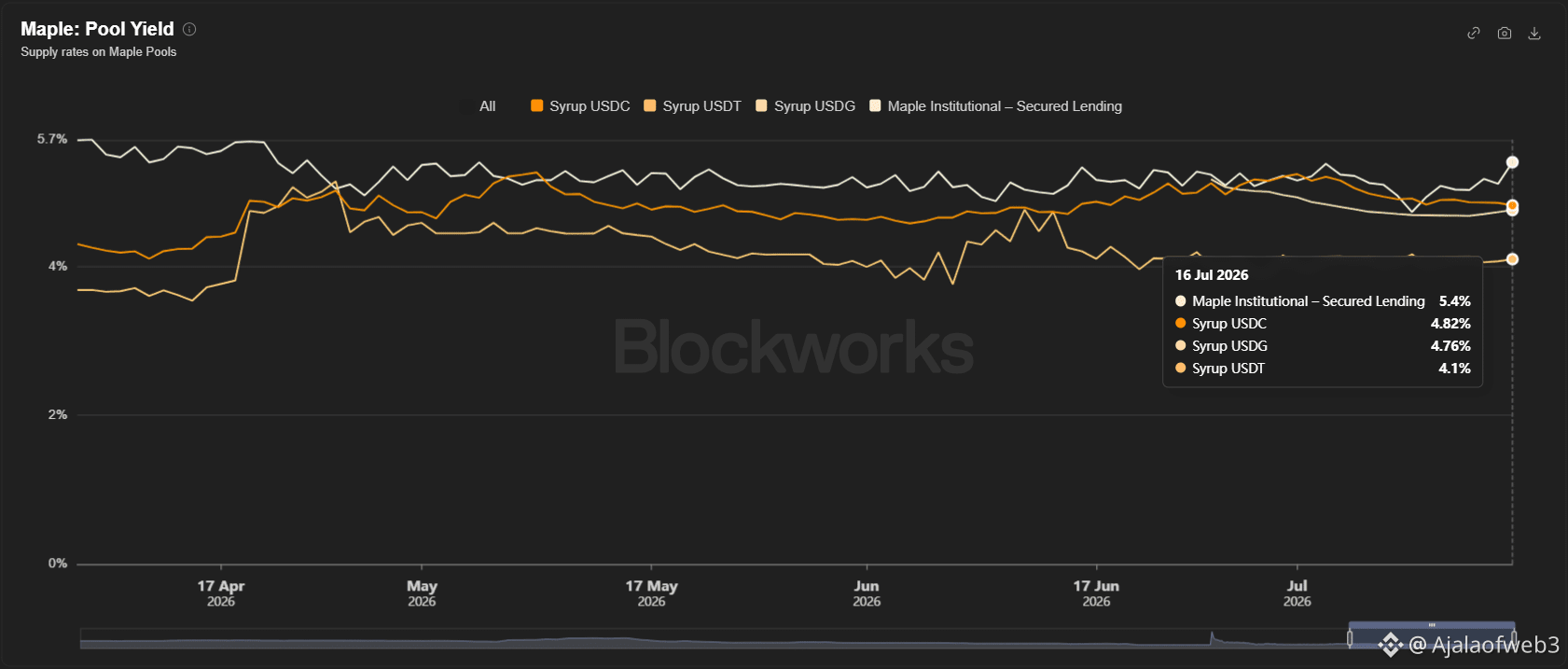
メープルのイールドチャートをズームアウトすると、一つ際立つ点があります——スパイクではなく、安定性です。ほとんどのDeFiが持続不可能な高APYを追いかける中、メープルのプール(Syrup USDC/USDT/USDG + Institutional Secured Lending)は、数か月にわたり4〜5.5%の範囲にきっちり収まっています。継続性 > 熱狂。
メープルのイールドチャートをズームアウトすると、一つ際立つ点があります——スパイクではなく、安定性です。ほとんどのDeFiが持続不可能な高APYを追いかける中、メープルのプール(Syrup USDC/USDT/USDG + Institutional Secured Lending)は、数か月にわたり4〜5.5%の範囲にきっちり収まっています。継続性 > 熱狂。
95
·
--
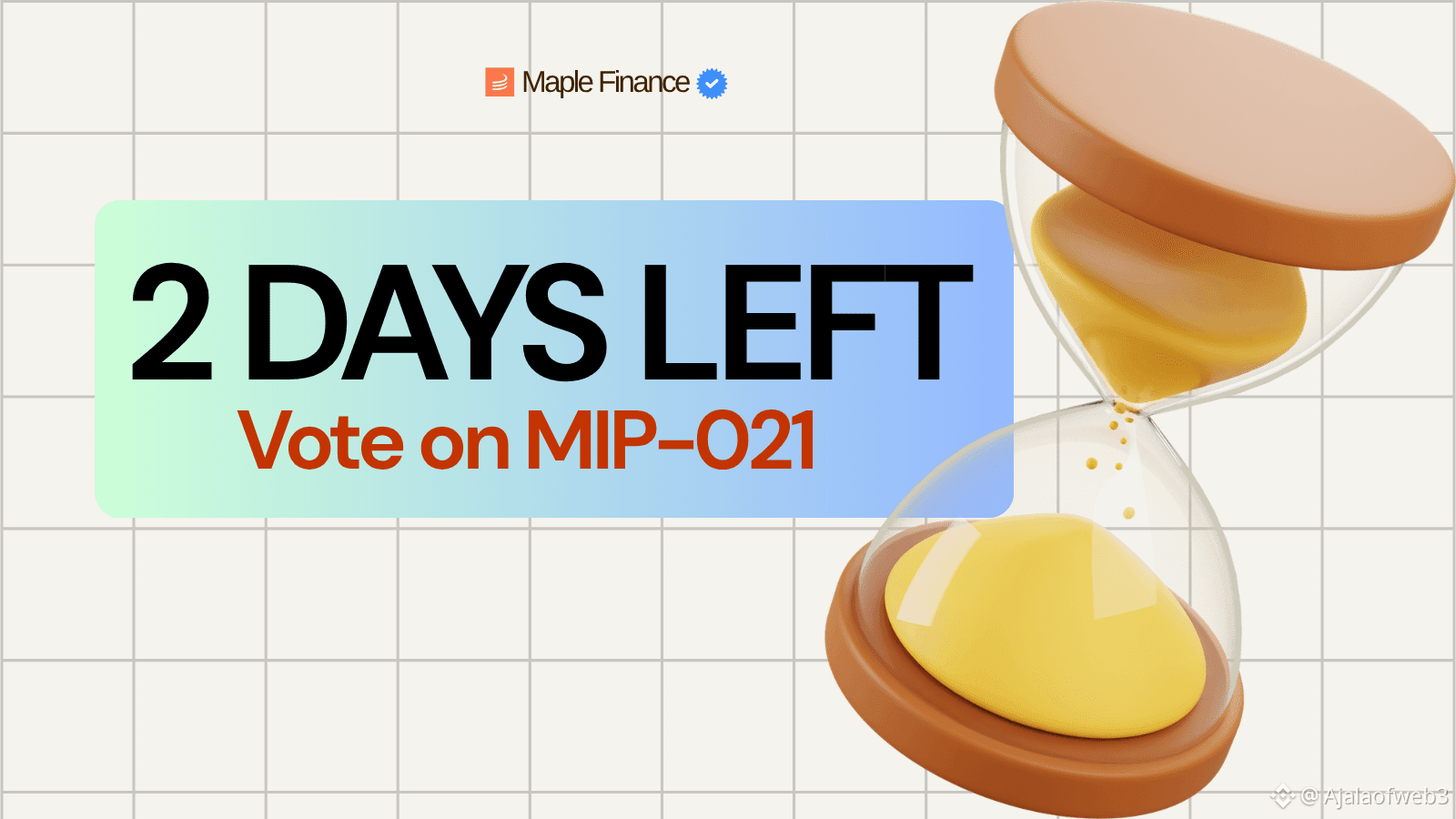
⏳ MIP-021への投票まで残り2日。
本提案は、ルールに基づくSYRUPの買い戻し(バイバック)枠組みを導入し、買い戻しをMapleの月間収益に直接連動させます。
🔹 月間収益が150万ドル未満 → 10%
🔹 月間収益が150万〜200万ドル → 20%
🔹 月間収益が200万ドル超 → 30%
月次の透明なレポーティングと6か月の実装期間を通じて、MIP-021は買い戻しをより予測可能にし、Mapleの成長と整合させることを目指します。
SYRUP保有者の方は、7月17日までに投票するチャンスをお見逃しなく。
⏳ MIP-021への投票まで残り2日。
本提案は、ルールに基づくSYRUPの買い戻し(バイバック)枠組みを導入し、買い戻しをMapleの月間収益に直接連動させます。
🔹 月間収益が150万ドル未満 → 10%
🔹 月間収益が150万〜200万ドル → 20%
🔹 月間収益が200万ドル超 → 30%
月次の透明なレポーティングと6か月の実装期間を通じて、MIP-021は買い戻しをより予測可能にし、Mapleの成長と整合させることを目指します。
SYRUP保有者の方は、7月17日までに投票するチャンスをお見逃しなく。
本提案は、ルールに基づくSYRUPの買い戻し(バイバック)枠組みを導入し、買い戻しをMapleの月間収益に直接連動させます。
🔹 月間収益が150万ドル未満 → 10%
🔹 月間収益が150万〜200万ドル → 20%
🔹 月間収益が200万ドル超 → 30%
月次の透明なレポーティングと6か月の実装期間を通じて、MIP-021は買い戻しをより予測可能にし、Mapleの成長と整合させることを目指します。
SYRUP保有者の方は、7月17日までに投票するチャンスをお見逃しなく。
94
·
--
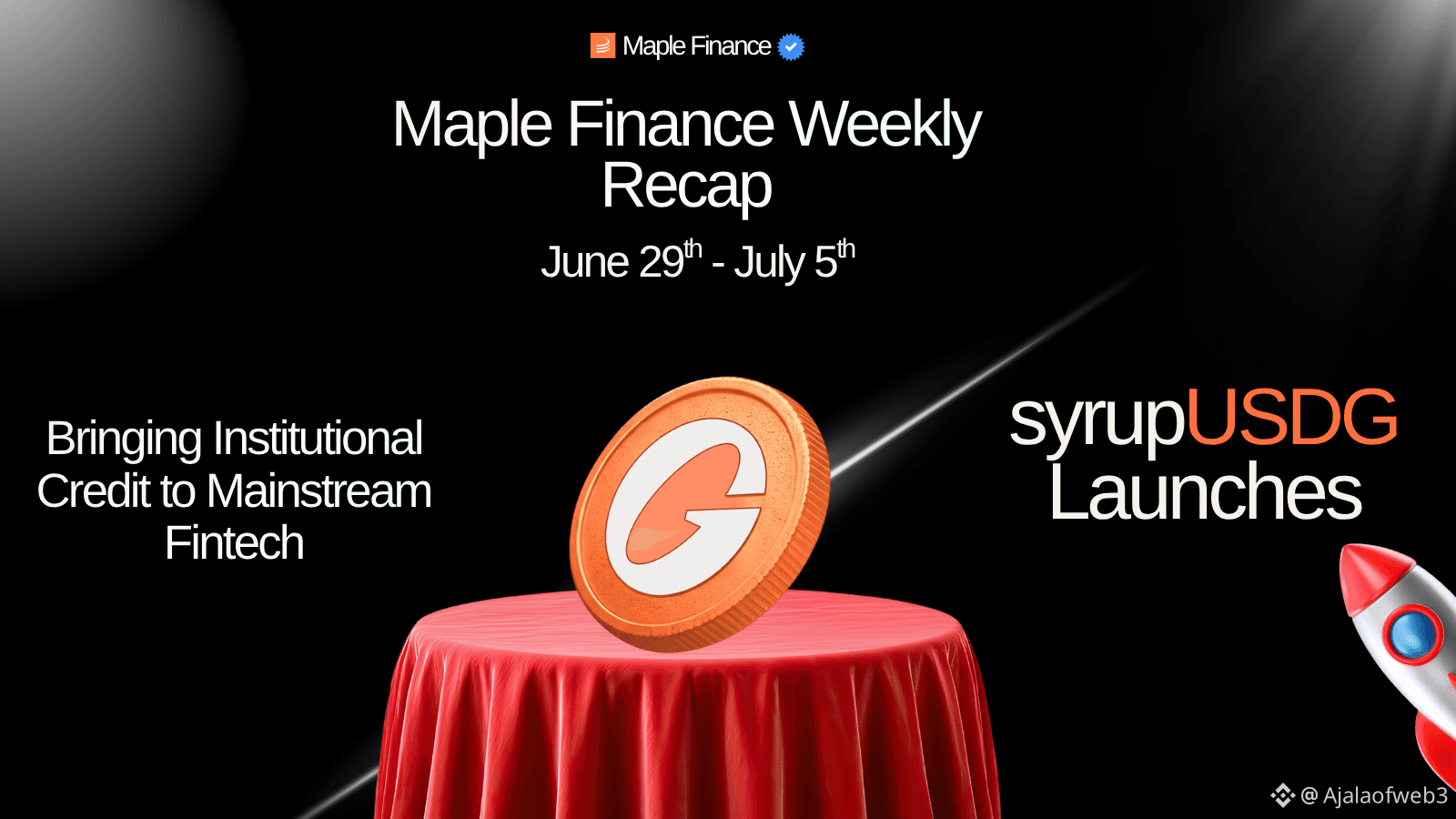
メープル・ファイナンス・ウィークリー・リキャップ(2026年6月29日〜7月5日)
今週、メープル・ファイナンスは、過去2年間で初となる新しいシロップ・イールド商品「syrupUSDG」のローンチにより、機関投資家向けクレジットを主流の金融へ取り込むための、最大級の一歩を踏み出しました。
PaxosおよびGlobal Dollar Networkによって発行された、規制対象のステーブルコインUSDGを基盤とするsyrupUSDGは、メープルの過剰担保型の機関投資家向け融資戦略から生み出される利回りを、ユーザーが獲得できるようにします。この商品は現在、EthereumおよびRobinhood Chainで稼働しており、追加のネットワーク拡大も計画されています。
ローンチは、Robinhood、Paxos、Morpho、Steakhouse Financialを含む強力なエコシステムの支援を受けました。これにより、メープルの機関投資家向けクレジット基盤がフィンテック・プラットフォームで利用可能になり、さらに間もなくRobinhood Earnを通じて、数百万人規模のRobinhoodユーザーにも届く見込みです。
週を通して、メープルは主要な強みを再確認しました。2022年以来で220億ドル超の機関投資家向けローンを組成していること、オンチェーン上で透明なProof of Reserves(準備金の証明)を公開していること、そして急速に成長する貸付ビジネスです。プロトコルは、規制対象のステーブルコインと現実世界の機関投資家向けクレジットの架け橋としての位置づけを引き続き強化しています。
また勢いは、Krakenとの最近発表された倉庫型(ウェアハウス)レンディング・パートナーシップからも引き継がれ、機関投資家向けオンチェーン貸付におけるリーダーシップがさらに強まりました。
今後に向けて注目されるのは、7月8日に開催される第2四半期(Q2)投資家向けコールです。チームは四半期の業績を振り返り、syrupUSDGのローンチについて議論し、2026年後半に向けたメープルのロードマップを提示します。
要点:今週は新しいプロダクトをローンチしただけではありません。DeFiを越えてメインストリームのフィンテックへと拡大し、より幅広い層に機関投資家水準のオンチェーンクレジットを届ける節目の週でした。
メープル・ファイナンス・ウィークリー・リキャップ(2026年6月29日〜7月5日)
今週、メープル・ファイナンスは、過去2年間で初となる新しいシロップ・イールド商品「syrupUSDG」のローンチにより、機関投資家向けクレジットを主流の金融へ取り込むための、最大級の一歩を踏み出しました。
PaxosおよびGlobal Dollar Networkによって発行された、規制対象のステーブルコインUSDGを基盤とするsyrupUSDGは、メープルの過剰担保型の機関投資家向け融資戦略から生み出される利回りを、ユーザーが獲得できるようにします。この商品は現在、EthereumおよびRobinhood Chainで稼働しており、追加のネットワーク拡大も計画されています。
ローンチは、Robinhood、Paxos、Morpho、Steakhouse Financialを含む強力なエコシステムの支援を受けました。これにより、メープルの機関投資家向けクレジット基盤がフィンテック・プラットフォームで利用可能になり、さらに間もなくRobinhood Earnを通じて、数百万人規模のRobinhoodユーザーにも届く見込みです。
週を通して、メープルは主要な強みを再確認しました。2022年以来で220億ドル超の機関投資家向けローンを組成していること、オンチェーン上で透明なProof of Reserves(準備金の証明)を公開していること、そして急速に成長する貸付ビジネスです。プロトコルは、規制対象のステーブルコインと現実世界の機関投資家向けクレジットの架け橋としての位置づけを引き続き強化しています。
また勢いは、Krakenとの最近発表された倉庫型(ウェアハウス)レンディング・パートナーシップからも引き継がれ、機関投資家向けオンチェーン貸付におけるリーダーシップがさらに強まりました。
今後に向けて注目されるのは、7月8日に開催される第2四半期(Q2)投資家向けコールです。チームは四半期の業績を振り返り、syrupUSDGのローンチについて議論し、2026年後半に向けたメープルのロードマップを提示します。
要点:今週は新しいプロダクトをローンチしただけではありません。DeFiを越えてメインストリームのフィンテックへと拡大し、より幅広い層に機関投資家水準のオンチェーンクレジットを届ける節目の週でした。
今週、メープル・ファイナンスは、過去2年間で初となる新しいシロップ・イールド商品「syrupUSDG」のローンチにより、機関投資家向けクレジットを主流の金融へ取り込むための、最大級の一歩を踏み出しました。
PaxosおよびGlobal Dollar Networkによって発行された、規制対象のステーブルコインUSDGを基盤とするsyrupUSDGは、メープルの過剰担保型の機関投資家向け融資戦略から生み出される利回りを、ユーザーが獲得できるようにします。この商品は現在、EthereumおよびRobinhood Chainで稼働しており、追加のネットワーク拡大も計画されています。
ローンチは、Robinhood、Paxos、Morpho、Steakhouse Financialを含む強力なエコシステムの支援を受けました。これにより、メープルの機関投資家向けクレジット基盤がフィンテック・プラットフォームで利用可能になり、さらに間もなくRobinhood Earnを通じて、数百万人規模のRobinhoodユーザーにも届く見込みです。
週を通して、メープルは主要な強みを再確認しました。2022年以来で220億ドル超の機関投資家向けローンを組成していること、オンチェーン上で透明なProof of Reserves(準備金の証明)を公開していること、そして急速に成長する貸付ビジネスです。プロトコルは、規制対象のステーブルコインと現実世界の機関投資家向けクレジットの架け橋としての位置づけを引き続き強化しています。
また勢いは、Krakenとの最近発表された倉庫型(ウェアハウス)レンディング・パートナーシップからも引き継がれ、機関投資家向けオンチェーン貸付におけるリーダーシップがさらに強まりました。
今後に向けて注目されるのは、7月8日に開催される第2四半期(Q2)投資家向けコールです。チームは四半期の業績を振り返り、syrupUSDGのローンチについて議論し、2026年後半に向けたメープルのロードマップを提示します。
要点:今週は新しいプロダクトをローンチしただけではありません。DeFiを越えてメインストリームのフィンテックへと拡大し、より幅広い層に機関投資家水準のオンチェーンクレジットを届ける節目の週でした。
64
·
--
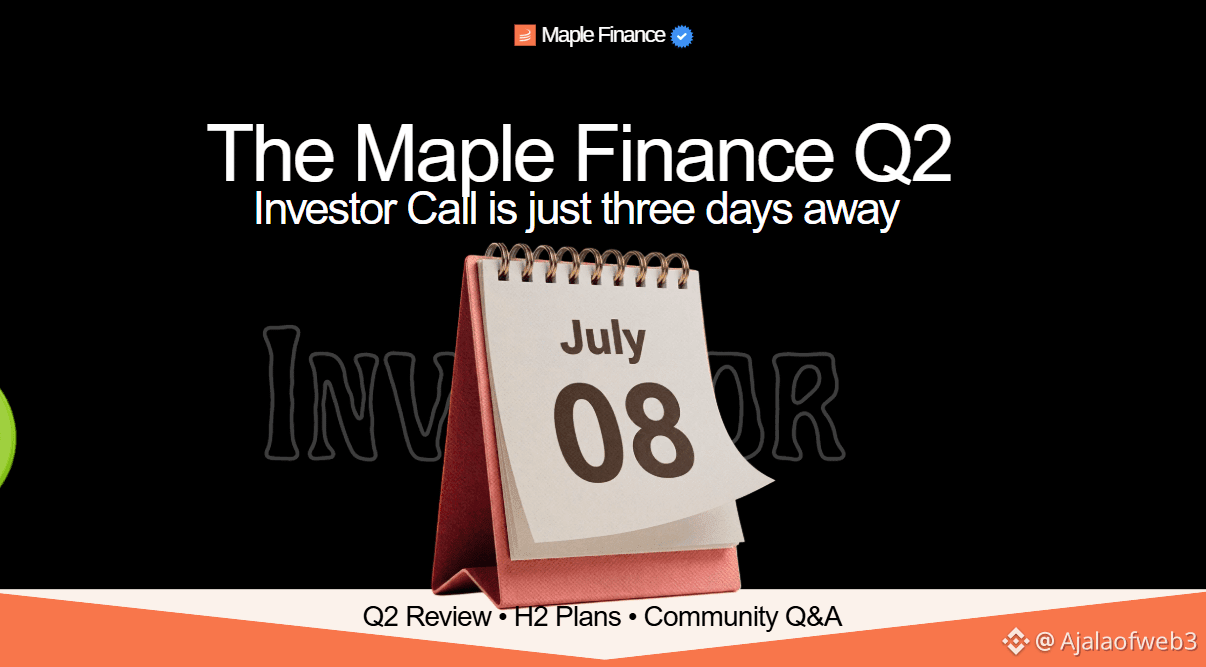
カウントダウンが始まりました。残り3日です。⏳ 7月8日 午前11時(ET)に、MapleのQ2インベスター・コールへ @joe_defi と @syrupsid をお迎えします。そこで彼らが話す内容: • Q2の財務および事業パフォーマンス • 四半期の主要なマイルストーン • 2026年下半期(H2)の戦略的優先事項 • コミュニティQ&A 取り上げてほしいことがあれば、下に質問を送ってください。👇
カウントダウンが始まりました。残り3日です。⏳ 7月8日 午前11時(ET)に、MapleのQ2インベスター・コールへ @joe_defi と @syrupsid をお迎えします。そこで彼らが話す内容: • Q2の財務および事業パフォーマンス • 四半期の主要なマイルストーン • 2026年下半期(H2)の戦略的優先事項 • コミュニティQ&A 取り上げてほしいことがあれば、下に質問を送ってください。👇
67
·
--
@MapleFinanceからの大きな動きです。syrupUSDGは単なる別の利回り商品ではなく、機関投資家向けの信用インフラを、組み込みのリターンを備えた最初期の主要な規制済みステーブルコインのひとつとしてパッケージ化したものです。より多くのユーティリティ。より高い資本効率。機関がMapleを選び続けるための、より多くの理由があります。
@MapleFinanceからの大きな動きです。syrupUSDGは単なる別の利回り商品ではなく、機関投資家向けの信用インフラを、組み込みのリターンを備えた最初期の主要な規制済みステーブルコインのひとつとしてパッケージ化したものです。より多くのユーティリティ。より高い資本効率。機関がMapleを選び続けるための、より多くの理由があります。
74
·
--
メープルは過去数年にわたり、オンチェーンの機関投資家向けクレジットが「可能」なだけでなく「スケール可能」であることを証明してきました。
複数の市場サイクルにわたって22億ドル超のローン組成実績を積み上げ、オンチェーンの機関投資家向けクレジットのアセットマネージャーとして、静かにトップの存在になっています。いま、そのエンジンが再び拡大します。
シロップUSDGのローンチは、単なる新製品ではありません。メープルにとって2年ぶりとなる新しい「シロップ」アセットであり、機関投資家レベルの利回りを幅広いユーザーへ届けるための大きな一歩です。
これが重要な理由:
• syrupUSDGは、メープルの実証済みのクレジット戦略を、syrupUSDCおよびsyrupUSDTの枠を超えて拡張します。
• Global Dollar(USDG)に、機関投資家グレードの、過剰担保型の貸付利回りをもたらします。
• Steakhouse Financialがキュレーションし、Morphoのインフラに構築されたボールトを通じて、Robinhood Earnを支えます。
• 暗号ネイティブの参加者に限定せず、何百万人ものフィンテックユーザーにメープルのクレジット・エンジンを開放します。
さらに大きな全体像は、もっとワクワクするものです。
長年、機関投資家向けクレジットはプライベートファンドや伝統的な金融機関の裏側にありました。メープルは、規制されたステーブルコインと消費者向けフィンテック・プラットフォームを通じて、透明性のあるオンチェーンのクレジット戦略を誰でも利用できるようにすることで、それを変えようとしています。
それぞれの参加者には、明確な役割があります:
→ メープルが機関投資家向けローンを組成し、運用します。
→ Paxosが規制されたUSDGステーブルコインを発行します。
→ Steakhouse Financialがリスクをキュレーションします。
→ Morphoが貸付のインフラを提供します。
→ Robinhoodが、何百万人ものユーザーへプロダクトを提供します。
このモジュール型のアプローチこそが、機関投資家向け金融をオンチェーンに持ち込むべき方法です。
メープルのエコシステムにとって、syrupUSDGは次の成長エンジンを生み出します。
対応アセットの増加 → より多くのTVL → より多いローン需要 → より多いプロトコル収益 → SYRUPエコシステムを通じて流れる価値が増える。
オンチェーンの機関投資家向けアセットマネージャーとしてナンバーワンの地位を確立したのち、
syrupUSDGのローンチは、この道のりにおけるもう一つの大きなマイルストーンです。🌿
メープルは過去数年にわたり、オンチェーンの機関投資家向けクレジットが「可能」なだけでなく「スケール可能」であることを証明してきました。
複数の市場サイクルにわたって22億ドル超のローン組成実績を積み上げ、オンチェーンの機関投資家向けクレジットのアセットマネージャーとして、静かにトップの存在になっています。いま、そのエンジンが再び拡大します。
シロップUSDGのローンチは、単なる新製品ではありません。メープルにとって2年ぶりとなる新しい「シロップ」アセットであり、機関投資家レベルの利回りを幅広いユーザーへ届けるための大きな一歩です。
これが重要な理由:
• syrupUSDGは、メープルの実証済みのクレジット戦略を、syrupUSDCおよびsyrupUSDTの枠を超えて拡張します。
• Global Dollar(USDG)に、機関投資家グレードの、過剰担保型の貸付利回りをもたらします。
• Steakhouse Financialがキュレーションし、Morphoのインフラに構築されたボールトを通じて、Robinhood Earnを支えます。
• 暗号ネイティブの参加者に限定せず、何百万人ものフィンテックユーザーにメープルのクレジット・エンジンを開放します。
さらに大きな全体像は、もっとワクワクするものです。
長年、機関投資家向けクレジットはプライベートファンドや伝統的な金融機関の裏側にありました。メープルは、規制されたステーブルコインと消費者向けフィンテック・プラットフォームを通じて、透明性のあるオンチェーンのクレジット戦略を誰でも利用できるようにすることで、それを変えようとしています。
それぞれの参加者には、明確な役割があります:
→ メープルが機関投資家向けローンを組成し、運用します。
→ Paxosが規制されたUSDGステーブルコインを発行します。
→ Steakhouse Financialがリスクをキュレーションします。
→ Morphoが貸付のインフラを提供します。
→ Robinhoodが、何百万人ものユーザーへプロダクトを提供します。
このモジュール型のアプローチこそが、機関投資家向け金融をオンチェーンに持ち込むべき方法です。
メープルのエコシステムにとって、syrupUSDGは次の成長エンジンを生み出します。
対応アセットの増加 → より多くのTVL → より多いローン需要 → より多いプロトコル収益 → SYRUPエコシステムを通じて流れる価値が増える。
オンチェーンの機関投資家向けアセットマネージャーとしてナンバーワンの地位を確立したのち、
syrupUSDGのローンチは、この道のりにおけるもう一つの大きなマイルストーンです。🌿
複数の市場サイクルにわたって22億ドル超のローン組成実績を積み上げ、オンチェーンの機関投資家向けクレジットのアセットマネージャーとして、静かにトップの存在になっています。いま、そのエンジンが再び拡大します。
シロップUSDGのローンチは、単なる新製品ではありません。メープルにとって2年ぶりとなる新しい「シロップ」アセットであり、機関投資家レベルの利回りを幅広いユーザーへ届けるための大きな一歩です。
これが重要な理由:
• syrupUSDGは、メープルの実証済みのクレジット戦略を、syrupUSDCおよびsyrupUSDTの枠を超えて拡張します。
• Global Dollar(USDG)に、機関投資家グレードの、過剰担保型の貸付利回りをもたらします。
• Steakhouse Financialがキュレーションし、Morphoのインフラに構築されたボールトを通じて、Robinhood Earnを支えます。
• 暗号ネイティブの参加者に限定せず、何百万人ものフィンテックユーザーにメープルのクレジット・エンジンを開放します。
さらに大きな全体像は、もっとワクワクするものです。
長年、機関投資家向けクレジットはプライベートファンドや伝統的な金融機関の裏側にありました。メープルは、規制されたステーブルコインと消費者向けフィンテック・プラットフォームを通じて、透明性のあるオンチェーンのクレジット戦略を誰でも利用できるようにすることで、それを変えようとしています。
それぞれの参加者には、明確な役割があります:
→ メープルが機関投資家向けローンを組成し、運用します。
→ Paxosが規制されたUSDGステーブルコインを発行します。
→ Steakhouse Financialがリスクをキュレーションします。
→ Morphoが貸付のインフラを提供します。
→ Robinhoodが、何百万人ものユーザーへプロダクトを提供します。
このモジュール型のアプローチこそが、機関投資家向け金融をオンチェーンに持ち込むべき方法です。
メープルのエコシステムにとって、syrupUSDGは次の成長エンジンを生み出します。
対応アセットの増加 → より多くのTVL → より多いローン需要 → より多いプロトコル収益 → SYRUPエコシステムを通じて流れる価値が増える。
オンチェーンの機関投資家向けアセットマネージャーとしてナンバーワンの地位を確立したのち、
syrupUSDGのローンチは、この道のりにおけるもう一つの大きなマイルストーンです。🌿
61
·
--
Maple Financeは好調な1週間をさらに更新し、機関投資家向けオンチェーン融資と実世界資産ファイナンスのリーダーとしての地位を強固にしました。
今回の主な発表は、Krakenとの画期的な提携により、デジタル資産担保ローン向けの機関投資家グレードのオンチェーン・ウォーレス(倉庫)施設を立ち上げたことです。この仕組みにより、KrakenのOTC(店頭取引)クライアントは、BTCおよびETHの保有資産を売却することなく、その保有分を担保にUSDCを借り入れられるようになります。一方でMapleの貸し手は、透明性の高い、過剰担保された信用機会にアクセスできます。これは、従来型のストラクチャード・クレジットのインフラを完全にオンチェーンへ持ち込むことの、これまでで最も分かりやすい事例の一つです。
またMapleは新しい「Transparency(透明性)」ページを公開し、AUM、預金、収益、プロダクトのパフォーマンス、さらにSyrup Strategic Fund(シロップ・ストラテジック・ファンド)を含む、ライブのプロトコルデータを誰でも検証できるようにしました。これらはすべてDune Analyticsと突合して整合されています。
成長面では、Mapleは月次収益を100万ドル超の水準で維持し、アクティブローンは約17億ドルという記録的な水準に到達、プロトコル資産も40億ドルの目標に向けて引き続き上昇しています。機関投資家の採用が加速する中、7月8日に予定されているQ2インベスター・コールに向けて、Mapleは引き続き、伝統的な金融とオンチェーンの資本市場をつなぐインフラを構築しています。
Maple Financeは好調な1週間をさらに更新し、機関投資家向けオンチェーン融資と実世界資産ファイナンスのリーダーとしての地位を強固にしました。
今回の主な発表は、Krakenとの画期的な提携により、デジタル資産担保ローン向けの機関投資家グレードのオンチェーン・ウォーレス(倉庫)施設を立ち上げたことです。この仕組みにより、KrakenのOTC(店頭取引)クライアントは、BTCおよびETHの保有資産を売却することなく、その保有分を担保にUSDCを借り入れられるようになります。一方でMapleの貸し手は、透明性の高い、過剰担保された信用機会にアクセスできます。これは、従来型のストラクチャード・クレジットのインフラを完全にオンチェーンへ持ち込むことの、これまでで最も分かりやすい事例の一つです。
またMapleは新しい「Transparency(透明性)」ページを公開し、AUM、預金、収益、プロダクトのパフォーマンス、さらにSyrup Strategic Fund(シロップ・ストラテジック・ファンド)を含む、ライブのプロトコルデータを誰でも検証できるようにしました。これらはすべてDune Analyticsと突合して整合されています。
成長面では、Mapleは月次収益を100万ドル超の水準で維持し、アクティブローンは約17億ドルという記録的な水準に到達、プロトコル資産も40億ドルの目標に向けて引き続き上昇しています。機関投資家の採用が加速する中、7月8日に予定されているQ2インベスター・コールに向けて、Mapleは引き続き、伝統的な金融とオンチェーンの資本市場をつなぐインフラを構築しています。
今回の主な発表は、Krakenとの画期的な提携により、デジタル資産担保ローン向けの機関投資家グレードのオンチェーン・ウォーレス(倉庫)施設を立ち上げたことです。この仕組みにより、KrakenのOTC(店頭取引)クライアントは、BTCおよびETHの保有資産を売却することなく、その保有分を担保にUSDCを借り入れられるようになります。一方でMapleの貸し手は、透明性の高い、過剰担保された信用機会にアクセスできます。これは、従来型のストラクチャード・クレジットのインフラを完全にオンチェーンへ持ち込むことの、これまでで最も分かりやすい事例の一つです。
またMapleは新しい「Transparency(透明性)」ページを公開し、AUM、預金、収益、プロダクトのパフォーマンス、さらにSyrup Strategic Fund(シロップ・ストラテジック・ファンド)を含む、ライブのプロトコルデータを誰でも検証できるようにしました。これらはすべてDune Analyticsと突合して整合されています。
成長面では、Mapleは月次収益を100万ドル超の水準で維持し、アクティブローンは約17億ドルという記録的な水準に到達、プロトコル資産も40億ドルの目標に向けて引き続き上昇しています。機関投資家の採用が加速する中、7月8日に予定されているQ2インベスター・コールに向けて、Mapleは引き続き、伝統的な金融とオンチェーンの資本市場をつなぐインフラを構築しています。
62
ログインして、さらにコンテンツを読む
厳選トピックで世界の暗号資産トレーダーの仲間入り
⚡️ 暗号資産に関する最新かつ有益な情報が見つかります。
💬 世界最大の暗号資産取引所から信頼されています。
👍 認証を受けたクリエイターから、有益なインサイトを得られます。
メール / 電話番号
トレンドトピック
NvidiaApproves$150BBuyback
閲覧回数 20
6人が討論中
🚨 $NVDA — NVIDIAは自社株に1500億ドルを投入した。
NVIDIAの取締役会は追加の1500億ドルの株式買い戻し(自社株買い)を承認し、2028年度末までの残りの買い戻し枠を2350億ドルまで引き上げました。これは米国の企業による買い戻しプログラムとして記録史上最大の増額です。
そして注目すべきは、そのタイミングです。
より広い市場は、原油高、上昇する米国債利回り、そして再び強まるFRBの引き締め懸念などで圧力を受けていました——それでも$NVDA は発表後に上昇しました。
ジェンセン・フアンからのメッセージは明確です:
NVIDIAはAIへの投資を積極的に続けたい…それと同時に、過去最高規模で自社株も買い戻す。
つまり同社は、実質的に2つのことに同時に賭けているということです:
AI需要は巨大なままであり続ける。
$NVDA は、この歴史的な上昇の後でも、保有する価値があります。
企業が、S&P500銘柄の大半の時価総額を上回る規模で買い戻しを承認すると、トレーダーは注目します。
AIブームに1500億ドルの信任投票が入った。👀
#NvidiaApproves$150BBuyback #OpenAIDelaysGPT6.1OverSafetyIssues #AMDToAcquireWorldLabsFor$8.2B #AnthropicIPOProspectusCouldValueItOver$2T #SECSaysDecentralizedTokenBuybacksNotInvestmentContracts
KimHotbae
·いいね:0件
·閲覧回数 18
OpenAIDelaysGPT6.1OverSafetyIssues
閲覧回数 443
31人が討論中
AMDToAcquireWorldLabsFor$8.2B
閲覧回数 60
14人が討論中