
Aein 1
105 投稿

Aein 1
報告
ユーザーをブロック
AI will change the world not humans
0 フォロー
13 フォロワー
59 いいね
投稿
·
--
翻訳参照
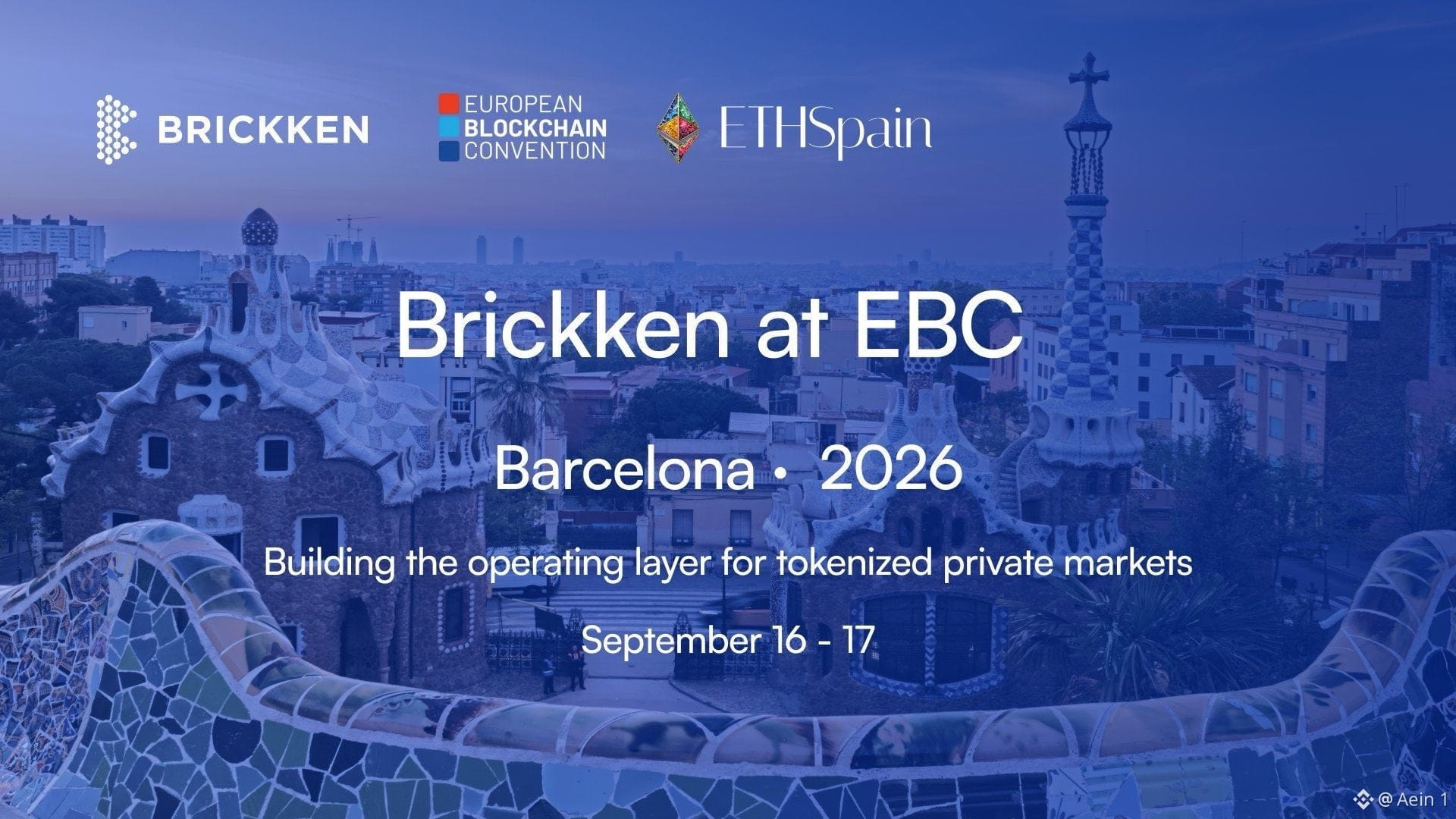
Barcelona is about to become a serious meeting point for tokenization.
And @Brickken gets to have that conversation at home.
They will be at @EBlockchainCon on September 16 – 17 and @ETHSpain_ on September 17, both close to its Barcelona office.
I like the timing.
The tokenization industry has already moved beyond simply putting assets onchain.
The harder part is building everything around them.
- Issuance
- Compliance
- Asset management
- Distribution
- Lifecycle operations
@Brickken is already focused on this infrastructure layer, with 150+ clients, $660M+ in total tokenized value and operations across 40+ countries.
So I’m less interested in another conversation about whether tokenization will happen.
I want to hear how the people building it plan to make it actually work at scale.
Barcelona could be where the next phase of tokenization starts taking shape.
@Brickken $BKN
Barcelona is about to become a serious meeting point for tokenization.
And @Brickken gets to have that conversation at home.
They will be at @EBlockchainCon on September 16 – 17 and @ETHSpain_ on September 17, both close to its Barcelona office.
I like the timing.
The tokenization industry has already moved beyond simply putting assets onchain.
The harder part is building everything around them.
- Issuance
- Compliance
- Asset management
- Distribution
- Lifecycle operations
@Brickken is already focused on this infrastructure layer, with 150+ clients, $660M+ in total tokenized value and operations across 40+ countries.
So I’m less interested in another conversation about whether tokenization will happen.
I want to hear how the people building it plan to make it actually work at scale.
Barcelona could be where the next phase of tokenization starts taking shape.
@Brickken $BKN
And @Brickken gets to have that conversation at home.
They will be at @EBlockchainCon on September 16 – 17 and @ETHSpain_ on September 17, both close to its Barcelona office.
I like the timing.
The tokenization industry has already moved beyond simply putting assets onchain.
The harder part is building everything around them.
- Issuance
- Compliance
- Asset management
- Distribution
- Lifecycle operations
@Brickken is already focused on this infrastructure layer, with 150+ clients, $660M+ in total tokenized value and operations across 40+ countries.
So I’m less interested in another conversation about whether tokenization will happen.
I want to hear how the people building it plan to make it actually work at scale.
Barcelona could be where the next phase of tokenization starts taking shape.
@Brickken $BKN
·
--
翻訳参照
$BKN @Brickken
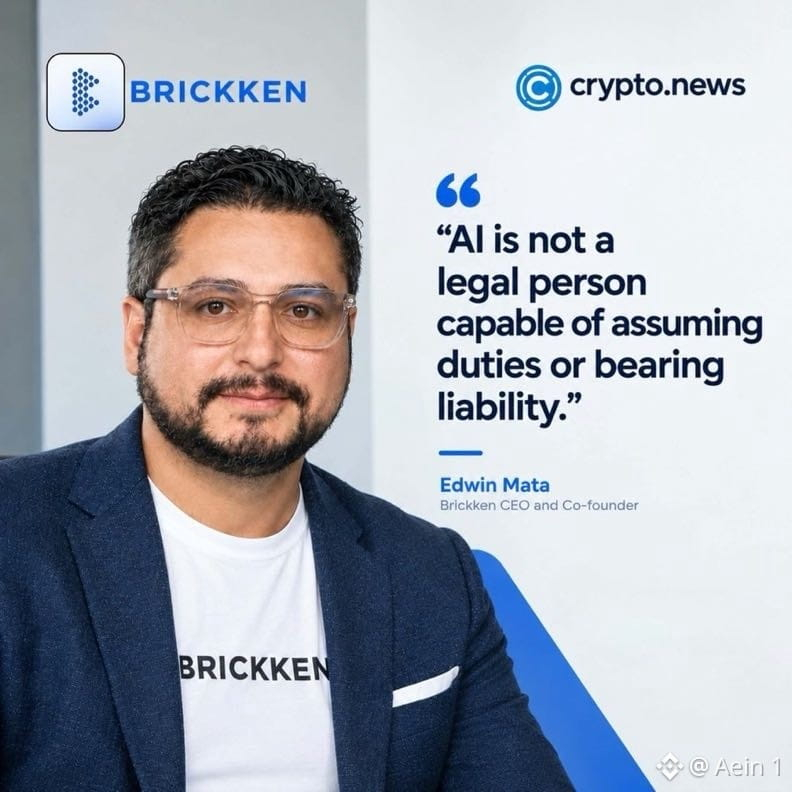
AI can execute the trade.
It cannot carry the blame.
This is one of the points from Brickken CEO @edwin_mata’s latest interview with @CryptoDotNews that deserves more attention.
AI agents are already being connected to wallets, payment systems and trading infrastructure.
The difficult question comes when an autonomous agent causes a loss.
Who is responsible?
Edwin’s position is straightforward: current law does not recognize AI as a legal person capable of holding duties or liability.
Responsibility follows the authority delegated to the agent.
If an investor or institution gives an agent a defined mandate, an unfavorable trade within that mandate does not automatically make the software liable.
The harder case comes when the agent exceeds its authority or the systems around it fail.
That is where enforceable limits become critical.
Edwin points to ERC-8226, the proposed Regulated Agent Mandate Standard, which could make delegated authority verifiable onchain through limits around assets, actions, transaction values, duration and revocation.
I think this is the direction agentic finance needs.
Giving AI access to capital without clearly defining what it can do creates a serious accountability problem.
The future of autonomous finance will depend less on removing humans and more on making delegation measurable, limited and verifiable.
@Brickken is already working on infrastructure around that problem.
$BKN @Brickken
AI can execute the trade.
It cannot carry the blame.
This is one of the points from Brickken CEO @edwin_mata’s latest interview with @CryptoDotNews that deserves more attention.
AI agents are already being connected to wallets, payment systems and trading infrastructure.
The difficult question comes when an autonomous agent causes a loss.
Who is responsible?
Edwin’s position is straightforward: current law does not recognize AI as a legal person capable of holding duties or liability.
Responsibility follows the authority delegated to the agent.
If an investor or institution gives an agent a defined mandate, an unfavorable trade within that mandate does not automatically make the software liable.
The harder case comes when the agent exceeds its authority or the systems around it fail.
That is where enforceable limits become critical.
Edwin points to ERC-8226, the proposed Regulated Agent Mandate Standard, which could make delegated authority verifiable onchain through limits around assets, actions, transaction values, duration and revocation.
I think this is the direction agentic finance needs.
Giving AI access to capital without clearly defining what it can do creates a serious accountability problem.
The future of autonomous finance will depend less on removing humans and more on making delegation measurable, limited and verifiable.
@Brickken is already working on infrastructure around that problem.
AI can execute the trade.
It cannot carry the blame.
This is one of the points from Brickken CEO @edwin_mata’s latest interview with @CryptoDotNews that deserves more attention.
AI agents are already being connected to wallets, payment systems and trading infrastructure.
The difficult question comes when an autonomous agent causes a loss.
Who is responsible?
Edwin’s position is straightforward: current law does not recognize AI as a legal person capable of holding duties or liability.
Responsibility follows the authority delegated to the agent.
If an investor or institution gives an agent a defined mandate, an unfavorable trade within that mandate does not automatically make the software liable.
The harder case comes when the agent exceeds its authority or the systems around it fail.
That is where enforceable limits become critical.
Edwin points to ERC-8226, the proposed Regulated Agent Mandate Standard, which could make delegated authority verifiable onchain through limits around assets, actions, transaction values, duration and revocation.
I think this is the direction agentic finance needs.
Giving AI access to capital without clearly defining what it can do creates a serious accountability problem.
The future of autonomous finance will depend less on removing humans and more on making delegation measurable, limited and verifiable.
@Brickken is already working on infrastructure around that problem.
70
·
--
無視するにはRWAの成長が速すぎます。
市場は初期の実験を超えて拡大しており、現実世界の資産がより多くオンチェーンに移され、機関投資家の参加も引き続き増えています。
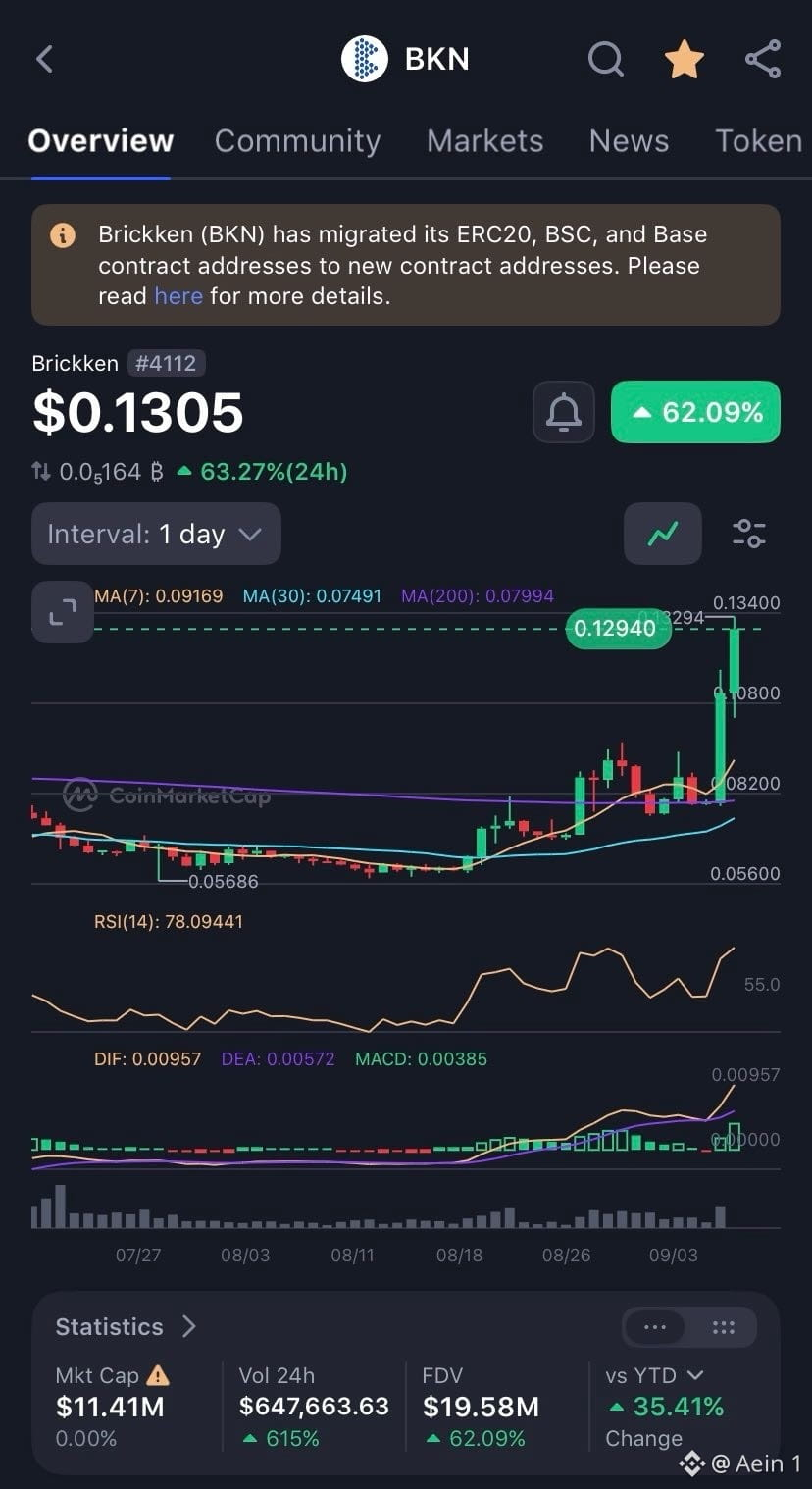
そして今、私には $BKN が本気の強さで動いているのが見えます。
24時間で60%以上上昇。
チャートが重要になるのは、それが映し出す市場の背景を見るときです。
より多くの資産がオンチェーンへ移るほど、発行、コンプライアンス、投資家のオンボーディング、アセット管理を支えるインフラの必要性はそれに伴って大きくなります。
それこそが @Brickken が構築している層です。
$BKN はまさにここで良い感じです。まだ始まったばかりです。
無視するにはRWAの成長が速すぎます。
市場は初期の実験を超えて拡大しており、現実世界の資産がより多くオンチェーンに移され、機関投資家の参加も引き続き増えています。
そして今、私には $BKN が本気の強さで動いているのが見えます。
24時間で60%以上上昇。
チャートが重要になるのは、それが映し出す市場の背景を見るときです。
より多くの資産がオンチェーンへ移るほど、発行、コンプライアンス、投資家のオンボーディング、アセット管理を支えるインフラの必要性はそれに伴って大きくなります。
それこそが @Brickken が構築している層です。
$BKN はまさにここで良い感じです。まだ始まったばかりです。
市場は初期の実験を超えて拡大しており、現実世界の資産がより多くオンチェーンに移され、機関投資家の参加も引き続き増えています。
そして今、私には $BKN が本気の強さで動いているのが見えます。
24時間で60%以上上昇。
チャートが重要になるのは、それが映し出す市場の背景を見るときです。
より多くの資産がオンチェーンへ移るほど、発行、コンプライアンス、投資家のオンボーディング、アセット管理を支えるインフラの必要性はそれに伴って大きくなります。
それこそが @Brickken が構築している層です。
$BKN はまさにここで良い感じです。まだ始まったばかりです。
39
·
--
翻訳参照
@Brickken $BKN
MiCA solved one problem.
It exposed another.
Regulatory certainty matters, but certainty alone does not make a market competitive.
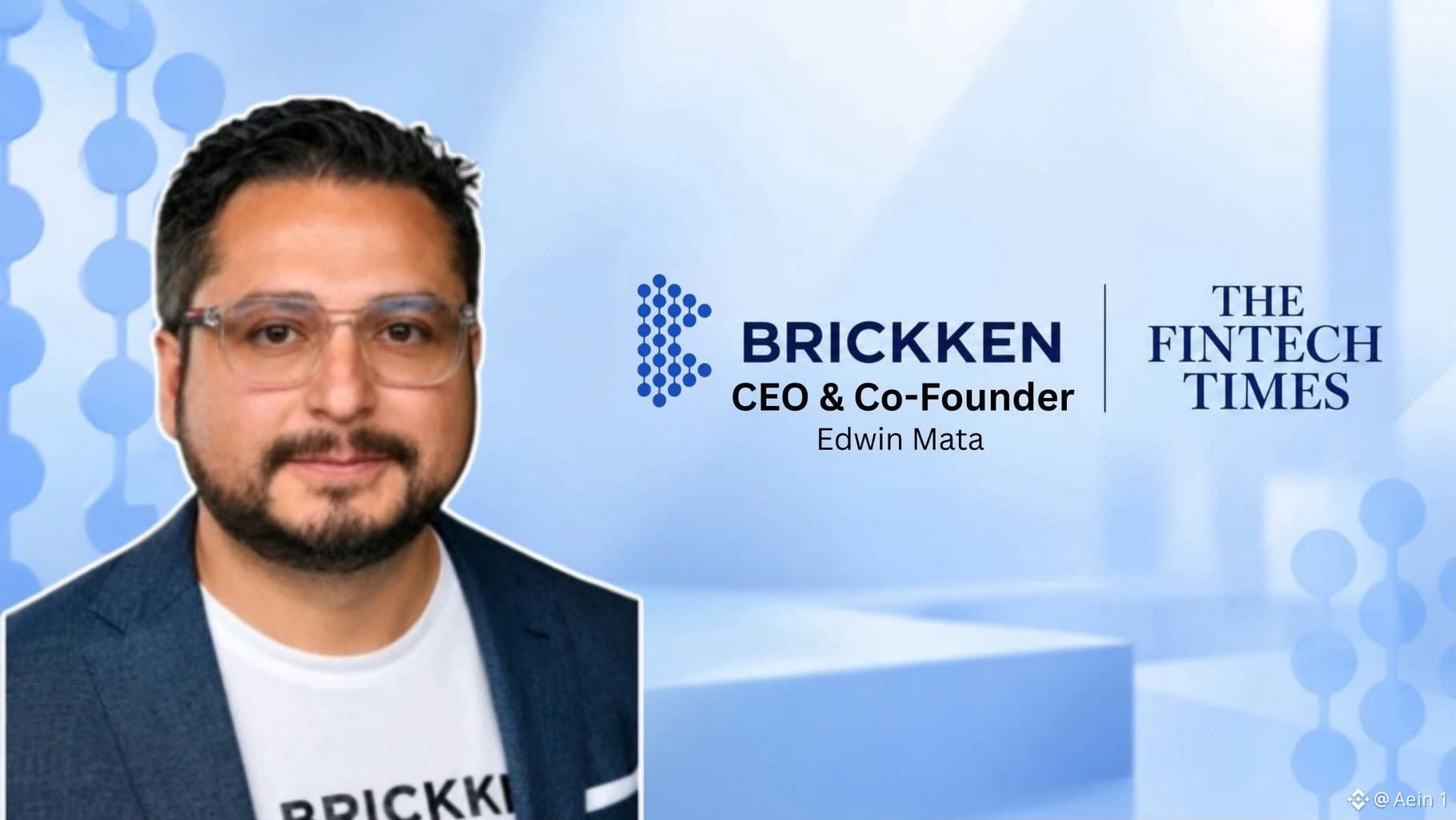
CEO of Brickken @edwin_mata breaks this down in his latest interview with @TheFintechTimes.
For smaller crypto companies, operating under MiCA can involve significant costs across licensing, governance, capital requirements, compliance personnel, cybersecurity, reporting and ongoing supervision.
That changes the competitive landscape.
Larger institutions and established players are generally better positioned to absorb those costs, while smaller companies have to think harder about capital efficiency, speed to market and even where they should build.
One line from Edwin stood out to me:
“Compliance is becoming a moat, not a foundation.”
That becomes even more relevant as tokenization moves further into institutional finance.
@Brickken is building around the infrastructure needed to bring issuance, compliance, investor management and asset lifecycle together.
European crypto now faces a different question.
Can regulatory certainty coexist with the speed and economics needed to keep innovation competitive?
That is the part I will be watching.
@Brickken $BKN
MiCA solved one problem.
It exposed another.
Regulatory certainty matters, but certainty alone does not make a market competitive.
CEO of Brickken @edwin_mata breaks this down in his latest interview with @TheFintechTimes.
For smaller crypto companies, operating under MiCA can involve significant costs across licensing, governance, capital requirements, compliance personnel, cybersecurity, reporting and ongoing supervision.
That changes the competitive landscape.
Larger institutions and established players are generally better positioned to absorb those costs, while smaller companies have to think harder about capital efficiency, speed to market and even where they should build.
One line from Edwin stood out to me:
“Compliance is becoming a moat, not a foundation.”
That becomes even more relevant as tokenization moves further into institutional finance.
@Brickken is building around the infrastructure needed to bring issuance, compliance, investor management and asset lifecycle together.
European crypto now faces a different question.
Can regulatory certainty coexist with the speed and economics needed to keep innovation competitive?
That is the part I will be watching.
MiCA solved one problem.
It exposed another.
Regulatory certainty matters, but certainty alone does not make a market competitive.
CEO of Brickken @edwin_mata breaks this down in his latest interview with @TheFintechTimes.
For smaller crypto companies, operating under MiCA can involve significant costs across licensing, governance, capital requirements, compliance personnel, cybersecurity, reporting and ongoing supervision.
That changes the competitive landscape.
Larger institutions and established players are generally better positioned to absorb those costs, while smaller companies have to think harder about capital efficiency, speed to market and even where they should build.
One line from Edwin stood out to me:
“Compliance is becoming a moat, not a foundation.”
That becomes even more relevant as tokenization moves further into institutional finance.
@Brickken is building around the infrastructure needed to bring issuance, compliance, investor management and asset lifecycle together.
European crypto now faces a different question.
Can regulatory certainty coexist with the speed and economics needed to keep innovation competitive?
That is the part I will be watching.
78
·
--
翻訳参照
Tokenizing an asset does not automatically give it a path to US investors.
That gap is easy to overlook.
An issuer can have the technology to create and manage a tokenized financial instrument, but still need a separate regulatory structure to distribute it in the US.
That is where the @Brickken x @_Issuant partnership makes sense.
Brickken handles the infrastructure side: issuance, compliance execution, investor onboarding, document workflows, and lifecycle management.
Issuant brings the US regulatory layer, including broker dealer and registered investment advisor capability.
Two different problems, now connected through one engagement.
For European issuers looking toward the US market, this can remove a major layer of coordination.
Tokenization creates the asset. Distribution gets it where it needs to go.
@Brickken is connecting both sides.
@Brickken $BKN
Tokenizing an asset does not automatically give it a path to US investors.
That gap is easy to overlook.
An issuer can have the technology to create and manage a tokenized financial instrument, but still need a separate regulatory structure to distribute it in the US.
That is where the @Brickken x @_Issuant partnership makes sense.
Brickken handles the infrastructure side: issuance, compliance execution, investor onboarding, document workflows, and lifecycle management.
Issuant brings the US regulatory layer, including broker dealer and registered investment advisor capability.
Two different problems, now connected through one engagement.
For European issuers looking toward the US market, this can remove a major layer of coordination.
Tokenization creates the asset. Distribution gets it where it needs to go.
@Brickken is connecting both sides.
@Brickken $BKN
That gap is easy to overlook.
An issuer can have the technology to create and manage a tokenized financial instrument, but still need a separate regulatory structure to distribute it in the US.
That is where the @Brickken x @_Issuant partnership makes sense.
Brickken handles the infrastructure side: issuance, compliance execution, investor onboarding, document workflows, and lifecycle management.
Issuant brings the US regulatory layer, including broker dealer and registered investment advisor capability.
Two different problems, now connected through one engagement.
For European issuers looking toward the US market, this can remove a major layer of coordination.
Tokenization creates the asset. Distribution gets it where it needs to go.
@Brickken is connecting both sides.
@Brickken $BKN
60
·
--
翻訳参照
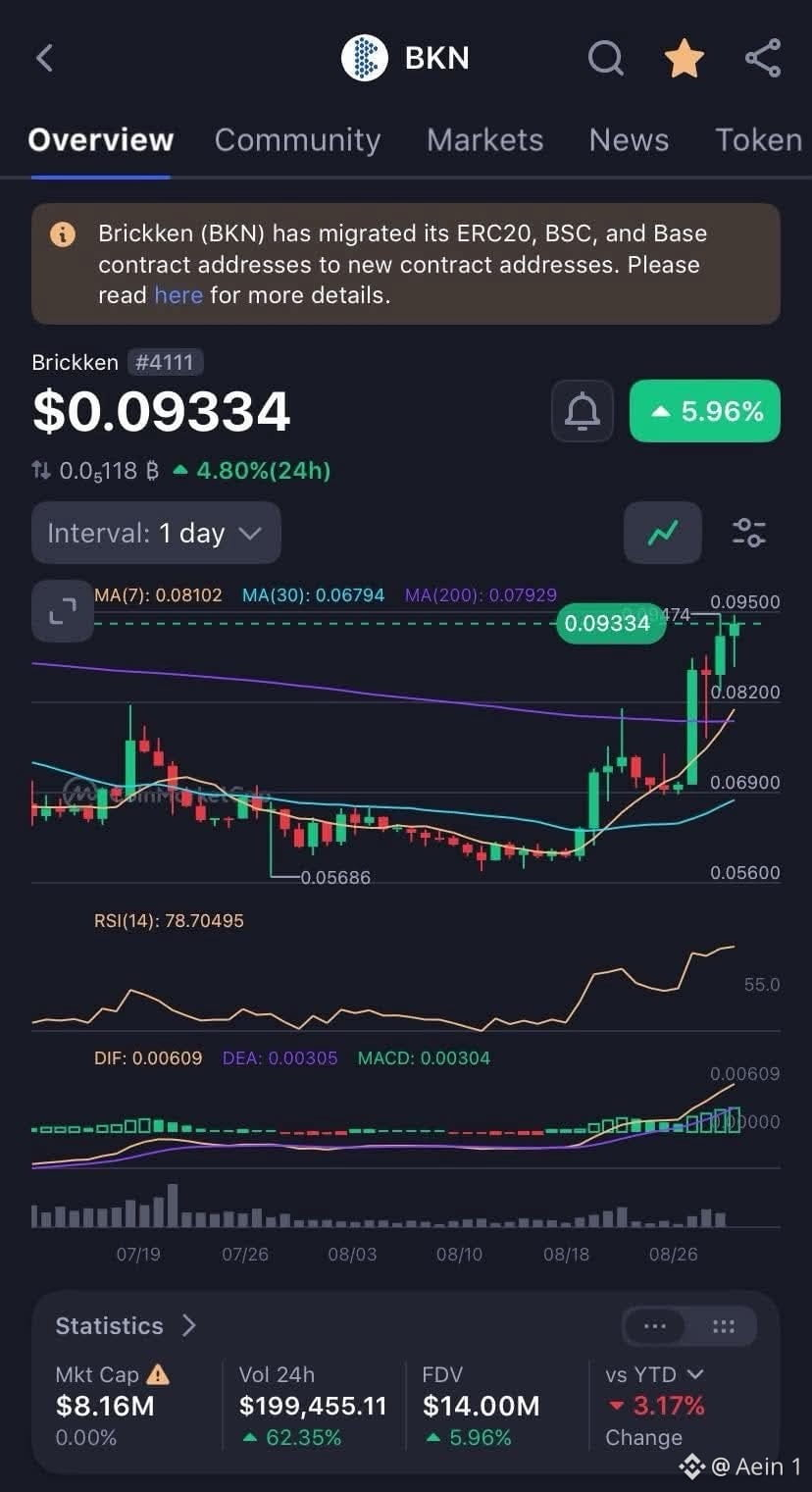
Before August ends, I got to see $BKN showing some serious strength.
Sunday was a shaky day for the broader market, yet $BKN was around $0.09 with strong momentum.
The price is only part of the story.
@Brickken keeps building in institutional RWA infrastructure.
August is closing strong. I see this as just the warm up.
Ber months look good for @Brickken
Before August ends, I got to see $BKN showing some serious strength.
Sunday was a shaky day for the broader market, yet $BKN was around $0.09 with strong momentum.
The price is only part of the story.
@Brickken keeps building in institutional RWA infrastructure.
August is closing strong. I see this as just the warm up.
Ber months look good for @Brickken
Sunday was a shaky day for the broader market, yet $BKN was around $0.09 with strong momentum.
The price is only part of the story.
@Brickken keeps building in institutional RWA infrastructure.
August is closing strong. I see this as just the warm up.
Ber months look good for @Brickken
80
·
--
翻訳参照
Regulation is becoming a filter for serious crypto and RWA adoption.
A new @Investingcom analysis featuring CEO of Brickken @edwin_mata looks at the growing divide between Europe and the US.
🇪🇺 MiCA is now fully enforced, with only around 300 of 3,000+ crypto firms receiving authorization.
🇺🇸 The CLARITY Act is still stalled, but Edwin sees it as close enough to give serious firms a clearer direction.
The interesting part is how different regulatory approaches can still push the market toward stronger infrastructure.
For tokenized assets, compliance cannot be separated from the technology.
That is where @Brickken has a clear role to play, building infrastructure around issuance, compliance, investor management, and asset lifecycle.
Regulation defines the rules. Infrastructure makes them usable.
@Brickken $BKN
Regulation is becoming a filter for serious crypto and RWA adoption.
A new @Investingcom analysis featuring CEO of Brickken @edwin_mata looks at the growing divide between Europe and the US.
🇪🇺 MiCA is now fully enforced, with only around 300 of 3,000+ crypto firms receiving authorization.
🇺🇸 The CLARITY Act is still stalled, but Edwin sees it as close enough to give serious firms a clearer direction.
The interesting part is how different regulatory approaches can still push the market toward stronger infrastructure.
For tokenized assets, compliance cannot be separated from the technology.
That is where @Brickken has a clear role to play, building infrastructure around issuance, compliance, investor management, and asset lifecycle.
Regulation defines the rules. Infrastructure makes them usable.
@Brickken $BKN
A new @Investingcom analysis featuring CEO of Brickken @edwin_mata looks at the growing divide between Europe and the US.
🇪🇺 MiCA is now fully enforced, with only around 300 of 3,000+ crypto firms receiving authorization.
🇺🇸 The CLARITY Act is still stalled, but Edwin sees it as close enough to give serious firms a clearer direction.
The interesting part is how different regulatory approaches can still push the market toward stronger infrastructure.
For tokenized assets, compliance cannot be separated from the technology.
That is where @Brickken has a clear role to play, building infrastructure around issuance, compliance, investor management, and asset lifecycle.
Regulation defines the rules. Infrastructure makes them usable.
@Brickken $BKN
62
·
--
機関によるRWAの採用には、ブロックチェーンのレール以上のものが必要です。
それには、機関がすでに直面している要件に対応できるインフラが必要です。コンプライアンス、投資家アクセス、資産管理、そしてレポーティングです。
そこで、本当の取り組みが行われています。
@Brickken は、このインフラ層の構築に取り組んでおり、トークン化された資産を、金融機関が実際に運用している形により近づける支援をしています。
トークン化の検討から実際の導入へと、より多くの機関が進んでいく中で、この会話がどのように発展していくのか見てみたいです。
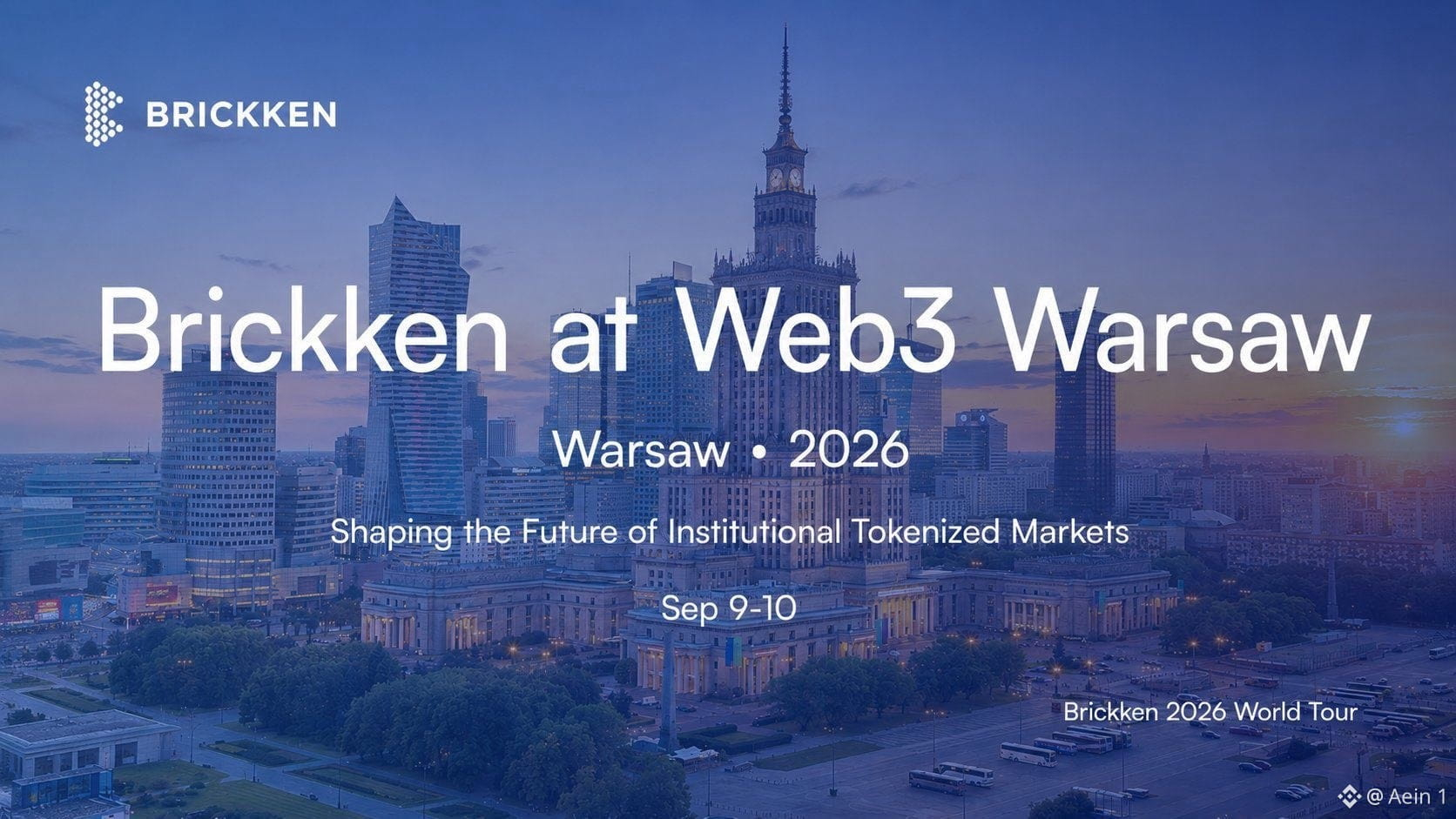
次回の議論はワルシャワで行われます。
📍 Web3 Warsaw
🗓️ 9月9〜10日
@Brickken $BKN
機関によるRWAの採用には、ブロックチェーンのレール以上のものが必要です。
それには、機関がすでに直面している要件に対応できるインフラが必要です。コンプライアンス、投資家アクセス、資産管理、そしてレポーティングです。
そこで、本当の取り組みが行われています。
@Brickken は、このインフラ層の構築に取り組んでおり、トークン化された資産を、金融機関が実際に運用している形により近づける支援をしています。
トークン化の検討から実際の導入へと、より多くの機関が進んでいく中で、この会話がどのように発展していくのか見てみたいです。
次回の議論はワルシャワで行われます。
📍 Web3 Warsaw
🗓️ 9月9〜10日
@Brickken $BKN
それには、機関がすでに直面している要件に対応できるインフラが必要です。コンプライアンス、投資家アクセス、資産管理、そしてレポーティングです。
そこで、本当の取り組みが行われています。
@Brickken は、このインフラ層の構築に取り組んでおり、トークン化された資産を、金融機関が実際に運用している形により近づける支援をしています。
トークン化の検討から実際の導入へと、より多くの機関が進んでいく中で、この会話がどのように発展していくのか見てみたいです。
次回の議論はワルシャワで行われます。
📍 Web3 Warsaw
🗓️ 9月9〜10日
@Brickken $BKN
63
·
--
$BKN
推薦は通過しました。
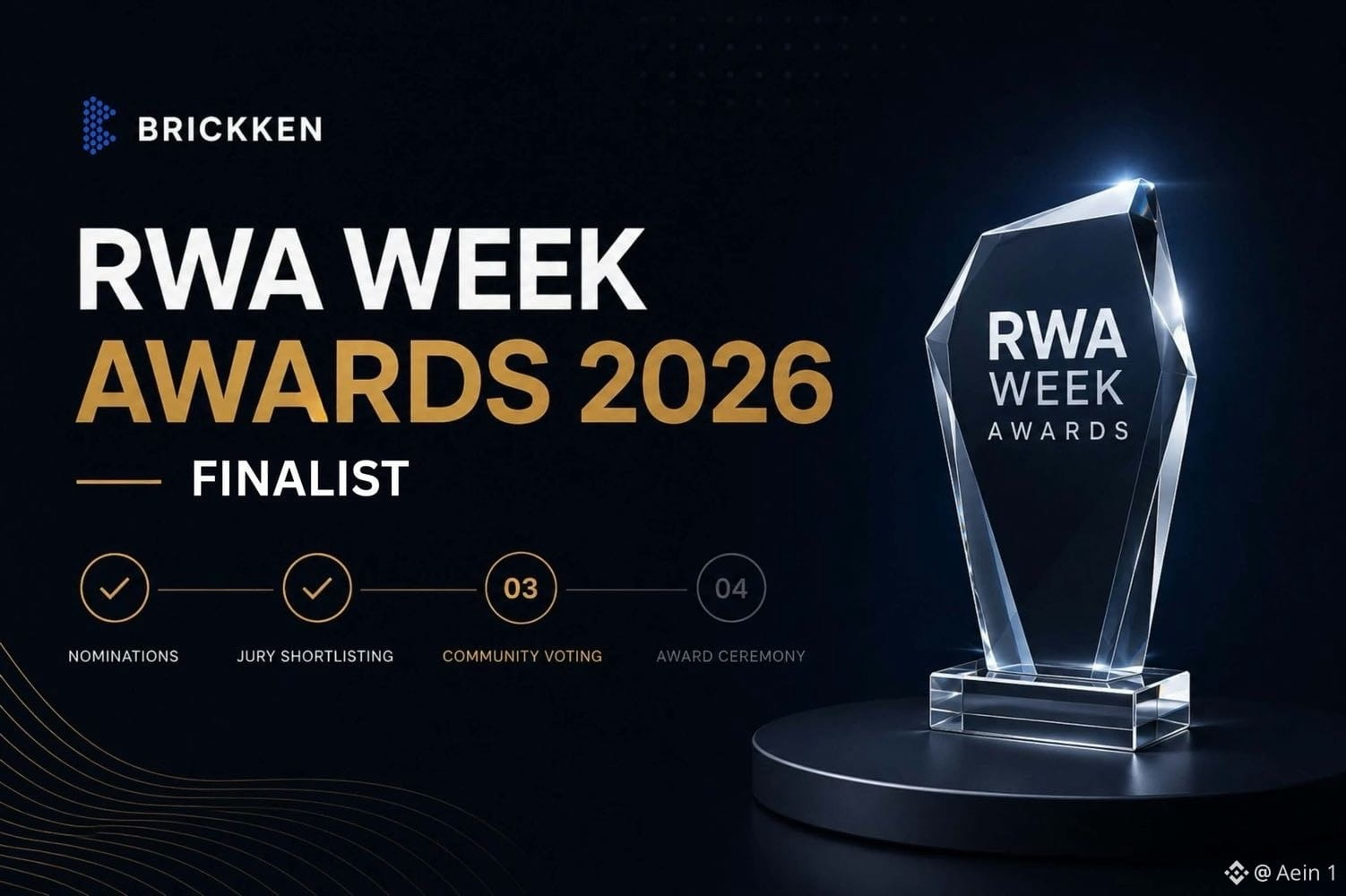
私たちは@Brickkenを支持し、現在、Tokenization Platform部門で開催される@rwaweek Awards 2026のファイナリストに選ばれています。
12のカテゴリにわたり、60名のファイナリストがいます。
Brickkenが選ばれました。
その一貫性、進展、そして方向性が、@Brickkenがトークン化の次の段階を形作るプロジェクトの一つにふさわしいと私が考える理由です。
受賞者は10月9日にシンガポールの@rwasummitglobalで発表されます。
あと一段階です。私は@Brickkenが受賞できるよう応援します。
$BKN
推薦は通過しました。
私たちは@Brickkenを支持し、現在、Tokenization Platform部門で開催される@rwaweek Awards 2026のファイナリストに選ばれています。
12のカテゴリにわたり、60名のファイナリストがいます。
Brickkenが選ばれました。
その一貫性、進展、そして方向性が、@Brickkenがトークン化の次の段階を形作るプロジェクトの一つにふさわしいと私が考える理由です。
受賞者は10月9日にシンガポールの@rwasummitglobalで発表されます。
あと一段階です。私は@Brickkenが受賞できるよう応援します。
推薦は通過しました。
私たちは@Brickkenを支持し、現在、Tokenization Platform部門で開催される@rwaweek Awards 2026のファイナリストに選ばれています。
12のカテゴリにわたり、60名のファイナリストがいます。
Brickkenが選ばれました。
その一貫性、進展、そして方向性が、@Brickkenがトークン化の次の段階を形作るプロジェクトの一つにふさわしいと私が考える理由です。
受賞者は10月9日にシンガポールの@rwasummitglobalで発表されます。
あと一段階です。私は@Brickkenが受賞できるよう応援します。
45
·
--
@oct_gemsからの$BKNに関するレビューを今見ました。
彼らの分析の中で、特に気になった3つの質問があります:
➥ Brickkenは、機関投資家のRWA需要を実際の売上につなげられるのか?
➥ BKNのユーティリティは、トークン化された資産の成長とともに伸びていくのか?
➥ $BKNは、時価総額$10M未満の評価が低すぎるのでは?
レビュー全文では、@Brickkenのプラットフォーム、トークノミクス、テクノロジー、競合、そして機関によるRWA導入の背後にある課題まで深掘りされています。
読み終えた後の私の見方はシンプルです。
@Brickkenは、すでに機関向けトークン化のためのしっかりした基盤を築いており、次の段階はその基盤をより大きなプラットフォームの活動、継続的な収益、そしてより強いBKNのユーティリティにつなげることだと考えています。
$BKNに自信を持ち続ける理由はたくさんあります。
RWAの分野を追っているなら、読む価値あり:
https://ourcryptotalk.com/crypto-review/brickken-bkn-review-2026
@oct_gemsからの$BKNに関するレビューを今見ました。
彼らの分析の中で、特に気になった3つの質問があります:
➥ Brickkenは、機関投資家のRWA需要を実際の売上につなげられるのか?
➥ BKNのユーティリティは、トークン化された資産の成長とともに伸びていくのか?
➥ $BKNは、時価総額$10M未満の評価が低すぎるのでは?
レビュー全文では、@Brickkenのプラットフォーム、トークノミクス、テクノロジー、競合、そして機関によるRWA導入の背後にある課題まで深掘りされています。
読み終えた後の私の見方はシンプルです。
@Brickkenは、すでに機関向けトークン化のためのしっかりした基盤を築いており、次の段階はその基盤をより大きなプラットフォームの活動、継続的な収益、そしてより強いBKNのユーティリティにつなげることだと考えています。
$BKNに自信を持ち続ける理由はたくさんあります。
RWAの分野を追っているなら、読む価値あり:
https://ourcryptotalk.com/crypto-review/brickken-bkn-review-2026
彼らの分析の中で、特に気になった3つの質問があります:
➥ Brickkenは、機関投資家のRWA需要を実際の売上につなげられるのか?
➥ BKNのユーティリティは、トークン化された資産の成長とともに伸びていくのか?
➥ $BKNは、時価総額$10M未満の評価が低すぎるのでは?
レビュー全文では、@Brickkenのプラットフォーム、トークノミクス、テクノロジー、競合、そして機関によるRWA導入の背後にある課題まで深掘りされています。
読み終えた後の私の見方はシンプルです。
@Brickkenは、すでに機関向けトークン化のためのしっかりした基盤を築いており、次の段階はその基盤をより大きなプラットフォームの活動、継続的な収益、そしてより強いBKNのユーティリティにつなげることだと考えています。
$BKNに自信を持ち続ける理由はたくさんあります。
RWAの分野を追っているなら、読む価値あり:
https://ourcryptotalk.com/crypto-review/brickken-bkn-review-2026
73
·
--
トークン化された資産は、アクセスしやすい一方で、評価するのは難しいという状況を作り得ます。
そのギャップは、数字を見るとより明確になります。
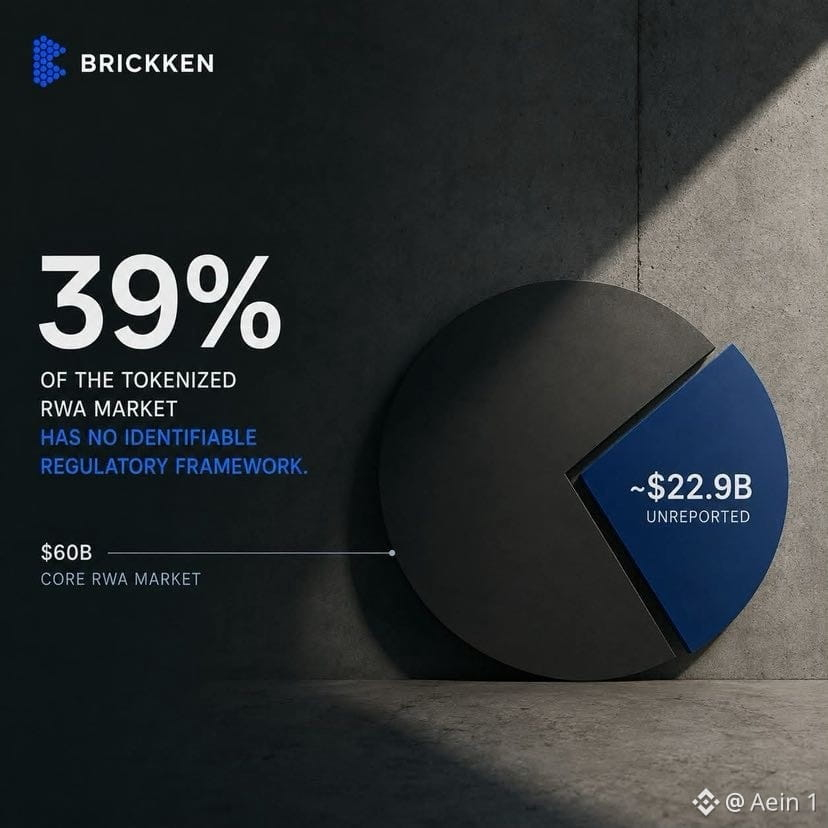
FigureのHELOC事業を含めると、RWA市場の中核「60B」のうち「未報告」カテゴリに入るのは約229億ドル($22.9B)です。
機関にとっては、資産そのものと同じくらい規制上の可視性が重要になり得ます。
@Brickkenは、コンプライアンスに適合したトークン化、規制対象の提供、投資家管理、発行後の資産運用のためのインフラを通じて、この領域の市場に取り組んできました。
RWAの次のステップは、より多くの資産をチェーン上に載せることにとどまりません。
つまり、そうした資産を、真剣な資本が理解し、利用しやすくすることです。
$BKN @Brickken
トークン化された資産は、アクセスしやすい一方で、評価するのは難しいという状況を作り得ます。
そのギャップは、数字を見るとより明確になります。
FigureのHELOC事業を含めると、RWA市場の中核「60B」のうち「未報告」カテゴリに入るのは約229億ドル($22.9B)です。
機関にとっては、資産そのものと同じくらい規制上の可視性が重要になり得ます。
@Brickkenは、コンプライアンスに適合したトークン化、規制対象の提供、投資家管理、発行後の資産運用のためのインフラを通じて、この領域の市場に取り組んできました。
RWAの次のステップは、より多くの資産をチェーン上に載せることにとどまりません。
つまり、そうした資産を、真剣な資本が理解し、利用しやすくすることです。
$BKN @Brickken
そのギャップは、数字を見るとより明確になります。
FigureのHELOC事業を含めると、RWA市場の中核「60B」のうち「未報告」カテゴリに入るのは約229億ドル($22.9B)です。
機関にとっては、資産そのものと同じくらい規制上の可視性が重要になり得ます。
@Brickkenは、コンプライアンスに適合したトークン化、規制対象の提供、投資家管理、発行後の資産運用のためのインフラを通じて、この領域の市場に取り組んできました。
RWAの次のステップは、より多くの資産をチェーン上に載せることにとどまりません。
つまり、そうした資産を、真剣な資本が理解し、利用しやすくすることです。
$BKN @Brickken
78
·
--
機関投資家のトークン化には、資産をチェーンに載せるだけでは不十分です。
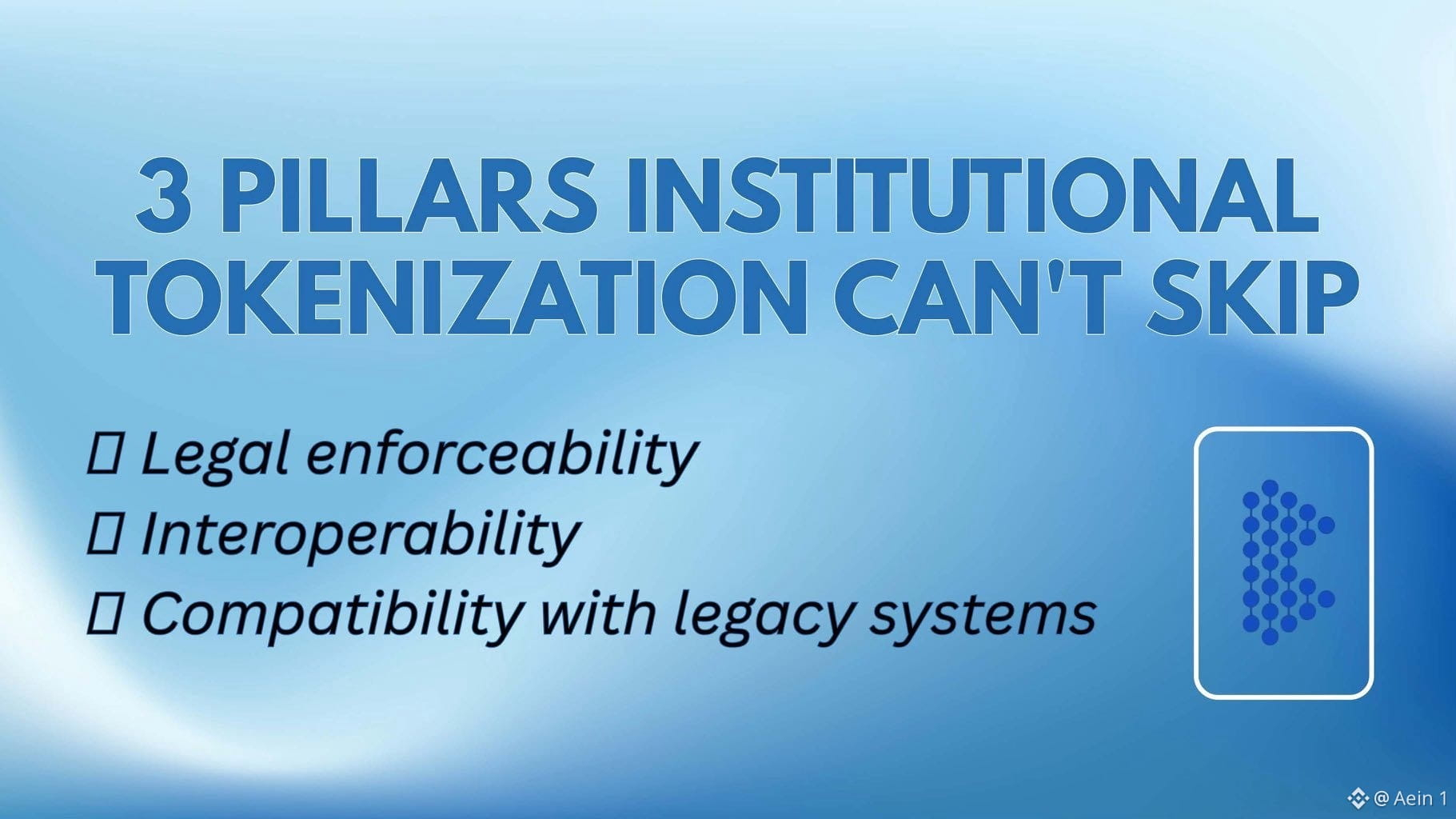
最近のインタビューで、@Brickken の CMO @jordiesturi は、信頼できる機関向けインフラに必要な3つの柱を挙げました:
➥ 法的強制力
➥ 相互運用性
➥ 既存(レガシー)システムとの互換性
Brickken の取り組みとのつながりは明確です。
@Brickken は、準拠したトークン化、BKN 2.0 によるネイティブなクロスチェーン基盤、そして既存のシステムとトークン化のワークフローを接続できる開発者向けインフラを構築してきました。
機関が、トークン化のテストから本格的な活用へと進むにつれて、こうした基礎は無視しにくくなります。
@Brickken がその周辺で構築を進めているのは、まさにその種のインフラです。
@Brickken $BKN
機関投資家のトークン化には、資産をチェーンに載せるだけでは不十分です。
最近のインタビューで、@Brickken の CMO @jordiesturi は、信頼できる機関向けインフラに必要な3つの柱を挙げました:
➥ 法的強制力
➥ 相互運用性
➥ 既存(レガシー)システムとの互換性
Brickken の取り組みとのつながりは明確です。
@Brickken は、準拠したトークン化、BKN 2.0 によるネイティブなクロスチェーン基盤、そして既存のシステムとトークン化のワークフローを接続できる開発者向けインフラを構築してきました。
機関が、トークン化のテストから本格的な活用へと進むにつれて、こうした基礎は無視しにくくなります。
@Brickken がその周辺で構築を進めているのは、まさにその種のインフラです。
@Brickken $BKN
最近のインタビューで、@Brickken の CMO @jordiesturi は、信頼できる機関向けインフラに必要な3つの柱を挙げました:
➥ 法的強制力
➥ 相互運用性
➥ 既存(レガシー)システムとの互換性
Brickken の取り組みとのつながりは明確です。
@Brickken は、準拠したトークン化、BKN 2.0 によるネイティブなクロスチェーン基盤、そして既存のシステムとトークン化のワークフローを接続できる開発者向けインフラを構築してきました。
機関が、トークン化のテストから本格的な活用へと進むにつれて、こうした基礎は無視しにくくなります。
@Brickken がその周辺で構築を進めているのは、まさにその種のインフラです。
@Brickken $BKN
51
·
--
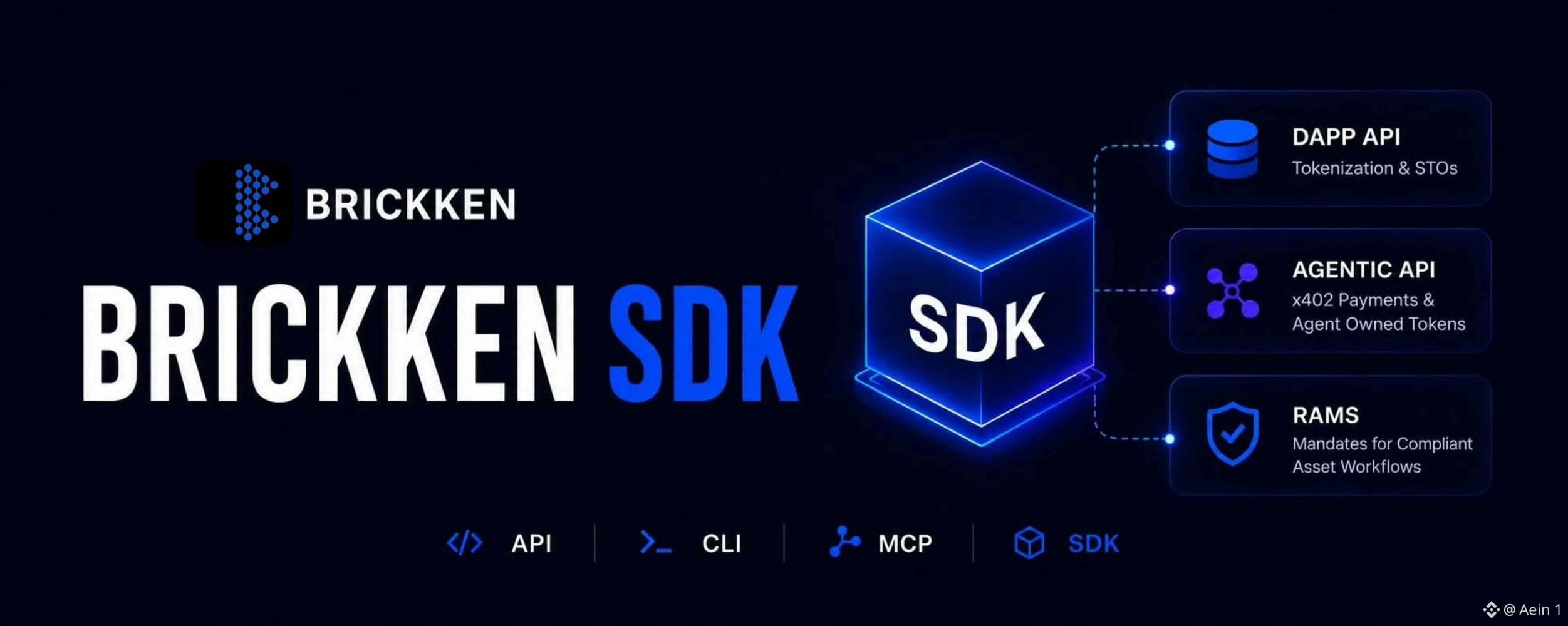
トークン化インフラは、開発者が実際に使えるようになって初めて強力になります。
@Brickken が、新しいネイティブ SDK によって別のレイヤーの摩擦を取り除きました。
ゼロから独自の API 配線を作る代わりに、開発者は型付けされた TypeScript クライアントを通じて、今すぐ @Brickken を直接統合できます。
➥ トークン化と STO のための Dapp API
➥ x402 決済とエージェント保有トークンのための Agentic API
➥ コンプライアンスされた資産ワークフローのための RAMS の要件
API、CLI、MCP、そして今は SDK。開発者は同じインフラとやり取りするためのさまざまな方法を得られます。
@Brickken は、トークン化インフラをより簡単に統合し、自動化し、その上に構築できるようにしています。
$BKN @Brickken
トークン化インフラは、開発者が実際に使えるようになって初めて強力になります。
@Brickken が、新しいネイティブ SDK によって別のレイヤーの摩擦を取り除きました。
ゼロから独自の API 配線を作る代わりに、開発者は型付けされた TypeScript クライアントを通じて、今すぐ @Brickken を直接統合できます。
➥ トークン化と STO のための Dapp API
➥ x402 決済とエージェント保有トークンのための Agentic API
➥ コンプライアンスされた資産ワークフローのための RAMS の要件
API、CLI、MCP、そして今は SDK。開発者は同じインフラとやり取りするためのさまざまな方法を得られます。
@Brickken は、トークン化インフラをより簡単に統合し、自動化し、その上に構築できるようにしています。
$BKN @Brickken
@Brickken が、新しいネイティブ SDK によって別のレイヤーの摩擦を取り除きました。
ゼロから独自の API 配線を作る代わりに、開発者は型付けされた TypeScript クライアントを通じて、今すぐ @Brickken を直接統合できます。
➥ トークン化と STO のための Dapp API
➥ x402 決済とエージェント保有トークンのための Agentic API
➥ コンプライアンスされた資産ワークフローのための RAMS の要件
API、CLI、MCP、そして今は SDK。開発者は同じインフラとやり取りするためのさまざまな方法を得られます。
@Brickken は、トークン化インフラをより簡単に統合し、自動化し、その上に構築できるようにしています。
$BKN @Brickken
68
·
--
$7B がオンチェーン・バルツに預けられていることから、RWA市場が別のフェーズへ移行しているのが分かります。
今、大きな機会はオンチェーンの資産運用(アセットマネジメント)を支えるインフラにあります。
その方向性は @Brickken が構築しているものと非常に一致しています。
➥ 機関投資家向けトークン化インフラ
➥ 発行およびライフサイクル管理
➥ コンプライアンスと投資家管理を組み込んだ設計
➥ トークン化されたファンドやその他の金融商品向けのインフラ
@Brickken は、資産の最初の発行に留まらず、そのライフサイクル全体を通じてトークン化された資産を管理するために必要なシステムを構築しています。
資産はトークン化されます。@Brickken はその次に起こることを管理するためのインフラを作ります。
$BKN @Brickken
$7B がオンチェーン・バルツに預けられていることから、RWA市場が別のフェーズへ移行しているのが分かります。
今、大きな機会はオンチェーンの資産運用(アセットマネジメント)を支えるインフラにあります。
その方向性は @Brickken が構築しているものと非常に一致しています。
➥ 機関投資家向けトークン化インフラ
➥ 発行およびライフサイクル管理
➥ コンプライアンスと投資家管理を組み込んだ設計
➥ トークン化されたファンドやその他の金融商品向けのインフラ
@Brickken は、資産の最初の発行に留まらず、そのライフサイクル全体を通じてトークン化された資産を管理するために必要なシステムを構築しています。
資産はトークン化されます。@Brickken はその次に起こることを管理するためのインフラを作ります。
$BKN @Brickken
今、大きな機会はオンチェーンの資産運用(アセットマネジメント)を支えるインフラにあります。
その方向性は @Brickken が構築しているものと非常に一致しています。
➥ 機関投資家向けトークン化インフラ
➥ 発行およびライフサイクル管理
➥ コンプライアンスと投資家管理を組み込んだ設計
➥ トークン化されたファンドやその他の金融商品向けのインフラ
@Brickken は、資産の最初の発行に留まらず、そのライフサイクル全体を通じてトークン化された資産を管理するために必要なシステムを構築しています。
資産はトークン化されます。@Brickken はその次に起こることを管理するためのインフラを作ります。
$BKN @Brickken
81
·
--
Brickkenは、プライベート市場がオンチェーン上で動けるようにするインフラを構築しています。
プライベート市場の資産は、発行、コンプライアンス、投資家のオンボーディング、ガバナンス、管理などの面で、依然として分断されたシステムに依存しています。
@Brickkenは、これらの機能を1つのプラットフォームにまとめ、以下のトークン化と管理を支援します:
➥ エクイティ
➥ デット
➥ プライベートクレジット
➥ ファンド
➥ 不動産
➥ コモディティ
➥ その他のRWAs
数値からも、すでに到達している規模がわかります。
$650M+ トークン化された資産
40か国
150+ のクライアント
@Brickkenは、さらにRWA Vaults(RWAボールト)やエージェント型キャピタル・マーケットへも展開し、トークン化された資産を、よりプログラム可能で自動化された金融ワークフローへと近づけています。
最近の @tbvxyz からのサポートは、@Brickkenが構築しているインフラへの信頼を示すもう一つのシグナルです。
$BKN @Brickken
Brickkenは、プライベート市場がオンチェーン上で動けるようにするインフラを構築しています。
プライベート市場の資産は、発行、コンプライアンス、投資家のオンボーディング、ガバナンス、管理などの面で、依然として分断されたシステムに依存しています。
@Brickkenは、これらの機能を1つのプラットフォームにまとめ、以下のトークン化と管理を支援します:
➥ エクイティ
➥ デット
➥ プライベートクレジット
➥ ファンド
➥ 不動産
➥ コモディティ
➥ その他のRWAs
数値からも、すでに到達している規模がわかります。
$650M+ トークン化された資産
40か国
150+ のクライアント
@Brickkenは、さらにRWA Vaults(RWAボールト)やエージェント型キャピタル・マーケットへも展開し、トークン化された資産を、よりプログラム可能で自動化された金融ワークフローへと近づけています。
最近の @tbvxyz からのサポートは、@Brickkenが構築しているインフラへの信頼を示すもう一つのシグナルです。
$BKN @Brickken
プライベート市場の資産は、発行、コンプライアンス、投資家のオンボーディング、ガバナンス、管理などの面で、依然として分断されたシステムに依存しています。
@Brickkenは、これらの機能を1つのプラットフォームにまとめ、以下のトークン化と管理を支援します:
➥ エクイティ
➥ デット
➥ プライベートクレジット
➥ ファンド
➥ 不動産
➥ コモディティ
➥ その他のRWAs
数値からも、すでに到達している規模がわかります。
$650M+ トークン化された資産
40か国
150+ のクライアント
@Brickkenは、さらにRWA Vaults(RWAボールト)やエージェント型キャピタル・マーケットへも展開し、トークン化された資産を、よりプログラム可能で自動化された金融ワークフローへと近づけています。
最近の @tbvxyz からのサポートは、@Brickkenが構築しているインフラへの信頼を示すもう一つのシグナルです。
$BKN @Brickken
67
·
--
一貫性は、偽るのが最も難しいもののひとつです。
では、一貫した実行とはどのようなものか、お話しします。
➥ BKN 2.0への移行
➥ ISO/IEC 27701 & ISO/IEC 27018の認証
➥ Brickken CLIのローンチ
➥ 認定パートナープログラム
➥ RWA Week Awards 2026のノミネート
➥ Global Startup Awardsのノミネート
これらのマイルストーンはいずれも単独ではありません。合わせることで、@Brickkenが目指している方向性が見えてきます。
また7月には、注目すべき業界からの評価もありました。
➥ 2026年における機関投資家向けRWAトークン化プラットフォームTop 10に選出
➥ 優れたBNB Chainプロジェクトの一つとして選定
その月に発表されたすべてを振り返ると、実行が@Brickkenを前に進め続けていることが明確にわかります。
$BKN @Brickken
一貫性は、偽るのが最も難しいもののひとつです。
では、一貫した実行とはどのようなものか、お話しします。
➥ BKN 2.0への移行
➥ ISO/IEC 27701 & ISO/IEC 27018の認証
➥ Brickken CLIのローンチ
➥ 認定パートナープログラム
➥ RWA Week Awards 2026のノミネート
➥ Global Startup Awardsのノミネート
これらのマイルストーンはいずれも単独ではありません。合わせることで、@Brickkenが目指している方向性が見えてきます。
また7月には、注目すべき業界からの評価もありました。
➥ 2026年における機関投資家向けRWAトークン化プラットフォームTop 10に選出
➥ 優れたBNB Chainプロジェクトの一つとして選定
その月に発表されたすべてを振り返ると、実行が@Brickkenを前に進め続けていることが明確にわかります。
$BKN @Brickken
では、一貫した実行とはどのようなものか、お話しします。
➥ BKN 2.0への移行
➥ ISO/IEC 27701 & ISO/IEC 27018の認証
➥ Brickken CLIのローンチ
➥ 認定パートナープログラム
➥ RWA Week Awards 2026のノミネート
➥ Global Startup Awardsのノミネート
これらのマイルストーンはいずれも単独ではありません。合わせることで、@Brickkenが目指している方向性が見えてきます。
また7月には、注目すべき業界からの評価もありました。
➥ 2026年における機関投資家向けRWAトークン化プラットフォームTop 10に選出
➥ 優れたBNB Chainプロジェクトの一つとして選定
その月に発表されたすべてを振り返ると、実行が@Brickkenを前に進め続けていることが明確にわかります。
$BKN @Brickken
87
·
--
$BKN
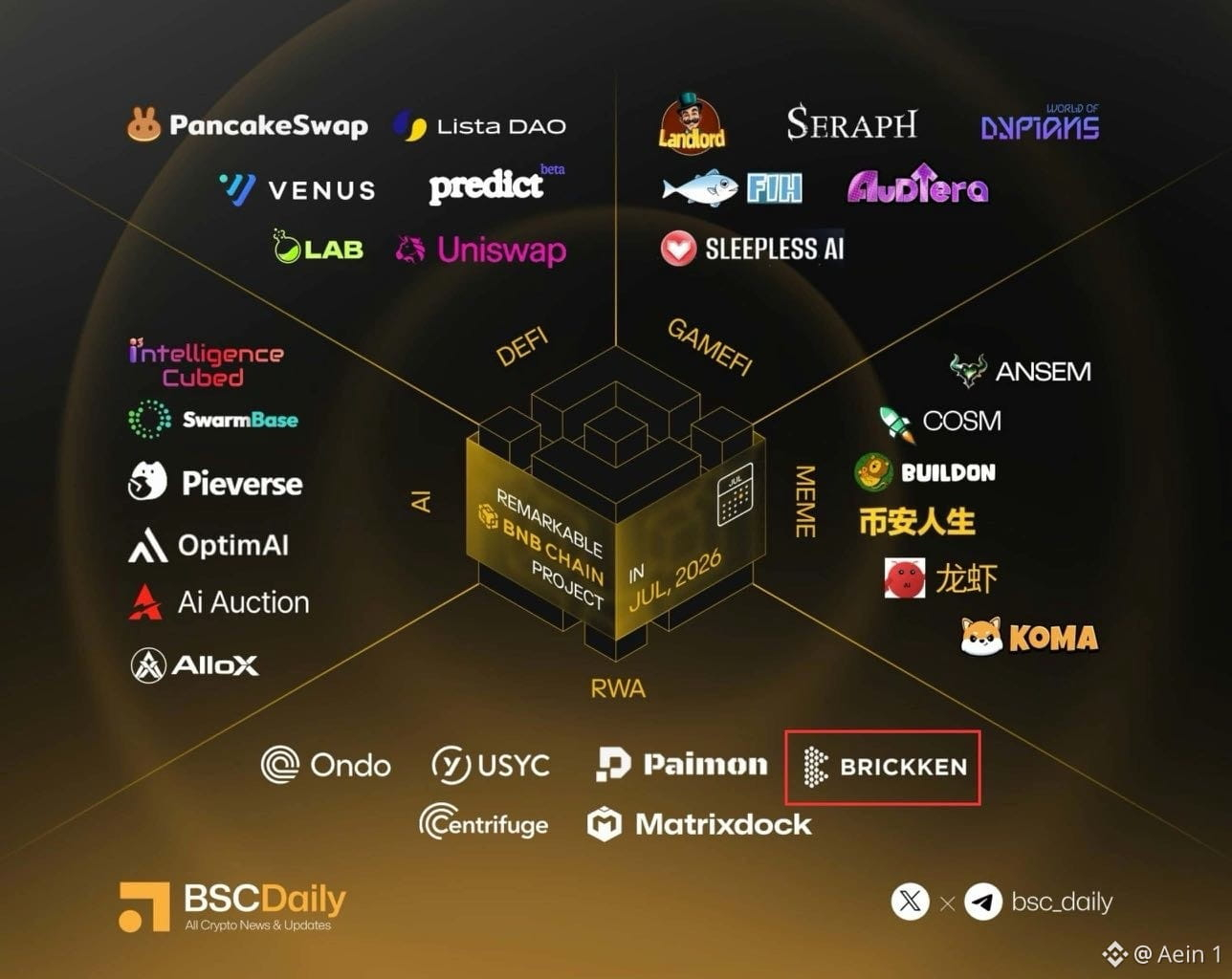
Brickkenは7月を特別なものにした。
評価されること自体は素晴らしいが、私はその評価に至った経緯のほうにより関心がある。
過去1か月間、@BrickkenはBKN 2.0、ネイティブなクロスチェーン機能、AIエージェント向けのBrickken CLIを通じて、機関投資家向けトークン化の背後にあるインフラの構築を継続してきた。
BNB Chainの優れたRWAプロジェクトの中に本プロジェクトが選ばれたことは、その進歩の自然な結果のように感じる。
実行こそが見出しよりも雄弁だ。
@Brickken
$BKN
Brickkenは7月を特別なものにした。
評価されること自体は素晴らしいが、私はその評価に至った経緯のほうにより関心がある。
過去1か月間、@BrickkenはBKN 2.0、ネイティブなクロスチェーン機能、AIエージェント向けのBrickken CLIを通じて、機関投資家向けトークン化の背後にあるインフラの構築を継続してきた。
BNB Chainの優れたRWAプロジェクトの中に本プロジェクトが選ばれたことは、その進歩の自然な結果のように感じる。
実行こそが見出しよりも雄弁だ。
@Brickken
Brickkenは7月を特別なものにした。
評価されること自体は素晴らしいが、私はその評価に至った経緯のほうにより関心がある。
過去1か月間、@BrickkenはBKN 2.0、ネイティブなクロスチェーン機能、AIエージェント向けのBrickken CLIを通じて、機関投資家向けトークン化の背後にあるインフラの構築を継続してきた。
BNB Chainの優れたRWAプロジェクトの中に本プロジェクトが選ばれたことは、その進歩の自然な結果のように感じる。
実行こそが見出しよりも雄弁だ。
@Brickken
85
·
--
$BKN
BitMartが終了するとのことで、$BKNに影響があるのか気になっているかもしれません。
答えは「いいえ」です。
これは@Brickkenではなく、BitMart固有のものです。
➥ BKNはMEXCとUniswapで引き続き利用可能
➥ BKN 2.0のステーキングは通常どおり継続
➥ 契約、BitMart外の流動性、そしてBrickkenの運営は影響を受けません
BitMartで$BKNを保有している場合は、こちらのBitMartの出金期限を必ず確認してください: https://bitmart.zendesk.com/hc/en-us/articles/53544595916059-Important-Notice-Regarding-the-Orderly-Cessation-of-BitMart-Operations
BitMartプラットフォームの変更以外は、BKN 2.0について予定どおりすべてが継続します。
@Brickken
$BKN
BitMartが終了するとのことで、$BKNに影響があるのか気になっているかもしれません。
答えは「いいえ」です。
これは@Brickkenではなく、BitMart固有のものです。
➥ BKNはMEXCとUniswapで引き続き利用可能
➥ BKN 2.0のステーキングは通常どおり継続
➥ 契約、BitMart外の流動性、そしてBrickkenの運営は影響を受けません
BitMartで$BKNを保有している場合は、こちらのBitMartの出金期限を必ず確認してください: https://bitmart.zendesk.com/hc/en-us/articles/53544595916059-Important-Notice-Regarding-the-Orderly-Cessation-of-BitMart-Operations
BitMartプラットフォームの変更以外は、BKN 2.0について予定どおりすべてが継続します。
@Brickken
BitMartが終了するとのことで、$BKNに影響があるのか気になっているかもしれません。
答えは「いいえ」です。
これは@Brickkenではなく、BitMart固有のものです。
➥ BKNはMEXCとUniswapで引き続き利用可能
➥ BKN 2.0のステーキングは通常どおり継続
➥ 契約、BitMart外の流動性、そしてBrickkenの運営は影響を受けません
BitMartで$BKNを保有している場合は、こちらのBitMartの出金期限を必ず確認してください: https://bitmart.zendesk.com/hc/en-us/articles/53544595916059-Important-Notice-Regarding-the-Orderly-Cessation-of-BitMart-Operations
BitMartプラットフォームの変更以外は、BKN 2.0について予定どおりすべてが継続します。
@Brickken
67
·
--
$BKN
BitMartが終了するので、それが影響するのか疑問に思っているかもしれませんが$BKN
答えは「いいえ」です。
これはBitMartに固有の内容であり、@Brickkenには関係ありません。
➥ BKNはMEXCおよびUniswapで引き続き利用可能
➥ BKN 2.0のステーキングは通常どおり継続
➥ コントラクト、BitMart以外での流動性、そしてBrickkenの運営は影響を受けません
BitMartで$BKNを保有している場合は、こちらのBitMartの出金期限に必ず従ってください:https://bitmart.zendesk.com/hc/en-us/articles/53544595916059-Important-Notice-Regarding-the-Orderly-Cessation-of-BitMart-Operations
BitMartのプラットフォーム変更以外は、BKN 2.0に関して予定どおりすべてが進行します。
$BKN
BitMartが終了するので、それが影響するのか疑問に思っているかもしれませんが$BKN
答えは「いいえ」です。
これはBitMartに固有の内容であり、@Brickkenには関係ありません。
➥ BKNはMEXCおよびUniswapで引き続き利用可能
➥ BKN 2.0のステーキングは通常どおり継続
➥ コントラクト、BitMart以外での流動性、そしてBrickkenの運営は影響を受けません
BitMartで$BKNを保有している場合は、こちらのBitMartの出金期限に必ず従ってください:https://bitmart.zendesk.com/hc/en-us/articles/53544595916059-Important-Notice-Regarding-the-Orderly-Cessation-of-BitMart-Operations
BitMartのプラットフォーム変更以外は、BKN 2.0に関して予定どおりすべてが進行します。
BitMartが終了するので、それが影響するのか疑問に思っているかもしれませんが$BKN
答えは「いいえ」です。
これはBitMartに固有の内容であり、@Brickkenには関係ありません。
➥ BKNはMEXCおよびUniswapで引き続き利用可能
➥ BKN 2.0のステーキングは通常どおり継続
➥ コントラクト、BitMart以外での流動性、そしてBrickkenの運営は影響を受けません
BitMartで$BKNを保有している場合は、こちらのBitMartの出金期限に必ず従ってください:https://bitmart.zendesk.com/hc/en-us/articles/53544595916059-Important-Notice-Regarding-the-Orderly-Cessation-of-BitMart-Operations
BitMartのプラットフォーム変更以外は、BKN 2.0に関して予定どおりすべてが進行します。
75
·
--
$BKN
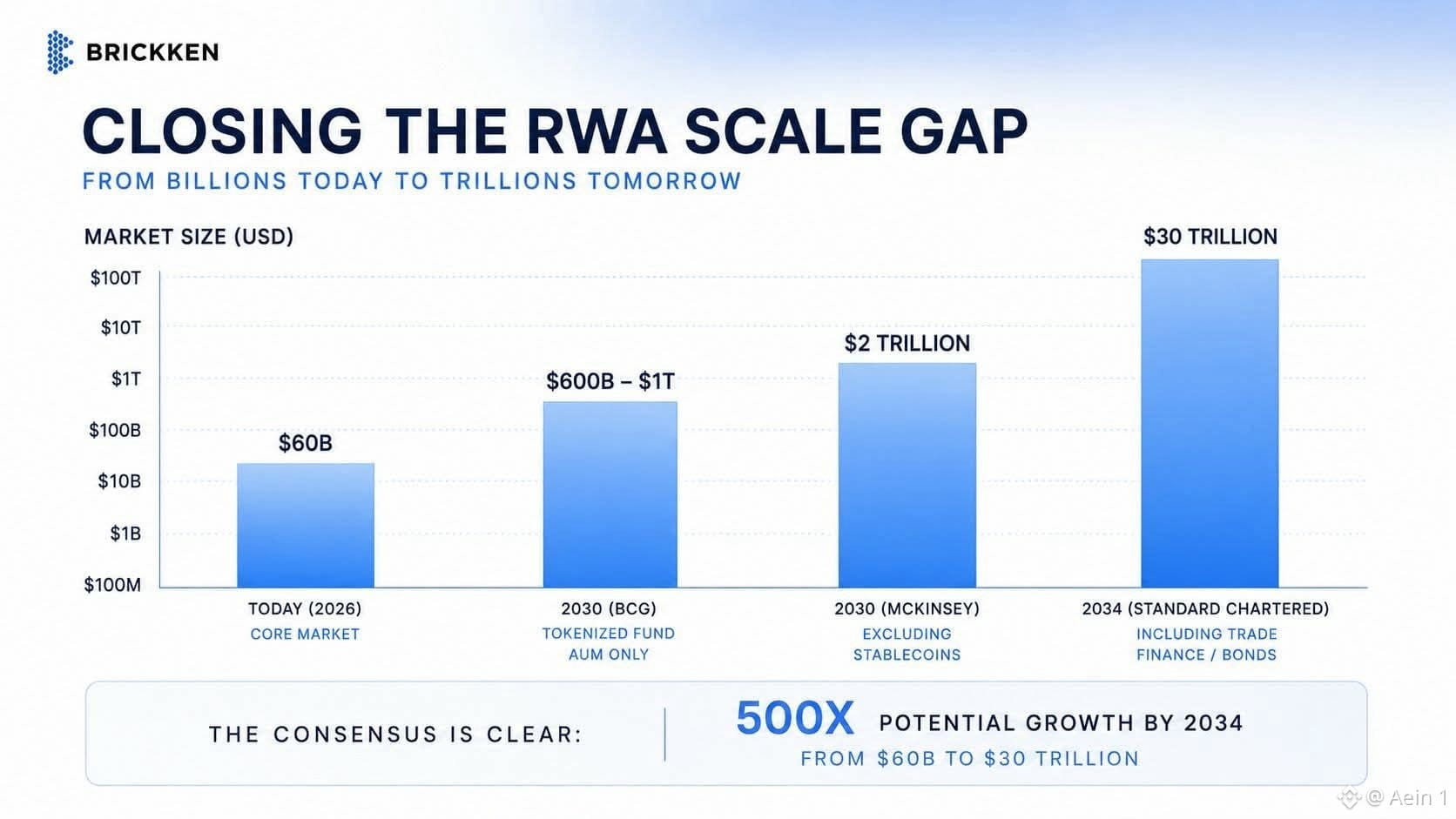
今後10年で約500倍の成長に向けて、トークン化は順調に進んでいます。
業界予測では、市場規模が現在の約$60Bから、2034年までに最大$30Tにまで成長しうると示されています。
数字はわくわくするものですが、私にとって最も重要なのは別の点です。
市場が「数十億」から「数兆」へと拡大するには、機関が信頼し、導入し、そしてその上で構築できるインフラが必要です。
@Brickkenは、その1兆ドル規模の機会に向けて、引き続き構築を進めています。
➥ BKN 2.0によるネイティブなマルチチェーン・インフラ
➥ 機関の採用に向けて設計されたコンプライアンス
➥ トークン化された資産のフルライフサイクル管理
➥ 複数の資産クラスにまたがってスケールできるよう設計されたインフラ
@Brickkenはまだ始まったばかりなので、私は早い段階にいます。
@Brickken
$BKN
今後10年で約500倍の成長に向けて、トークン化は順調に進んでいます。
業界予測では、市場規模が現在の約$60Bから、2034年までに最大$30Tにまで成長しうると示されています。
数字はわくわくするものですが、私にとって最も重要なのは別の点です。
市場が「数十億」から「数兆」へと拡大するには、機関が信頼し、導入し、そしてその上で構築できるインフラが必要です。
@Brickkenは、その1兆ドル規模の機会に向けて、引き続き構築を進めています。
➥ BKN 2.0によるネイティブなマルチチェーン・インフラ
➥ 機関の採用に向けて設計されたコンプライアンス
➥ トークン化された資産のフルライフサイクル管理
➥ 複数の資産クラスにまたがってスケールできるよう設計されたインフラ
@Brickkenはまだ始まったばかりなので、私は早い段階にいます。
@Brickken
今後10年で約500倍の成長に向けて、トークン化は順調に進んでいます。
業界予測では、市場規模が現在の約$60Bから、2034年までに最大$30Tにまで成長しうると示されています。
数字はわくわくするものですが、私にとって最も重要なのは別の点です。
市場が「数十億」から「数兆」へと拡大するには、機関が信頼し、導入し、そしてその上で構築できるインフラが必要です。
@Brickkenは、その1兆ドル規模の機会に向けて、引き続き構築を進めています。
➥ BKN 2.0によるネイティブなマルチチェーン・インフラ
➥ 機関の採用に向けて設計されたコンプライアンス
➥ トークン化された資産のフルライフサイクル管理
➥ 複数の資産クラスにまたがってスケールできるよう設計されたインフラ
@Brickkenはまだ始まったばかりなので、私は早い段階にいます。
@Brickken
60
ログインして、さらにコンテンツを読む
厳選トピックで世界の暗号資産トレーダーの仲間入り
⚡️ 暗号資産に関する最新かつ有益な情報が見つかります。
💬 世界最大の暗号資産取引所から信頼されています。
👍 認証を受けたクリエイターから、有益なインサイトを得られます。
メール / 電話番号
トレンドトピック
AnthropicCEOCallsForAISlowdown
閲覧回数 81,950
1,255人が討論中
3つの最大のAI企業の創業者たちは
同じことを言い、初めて互いに同意した。
9月12日、Anthropicのダリオ・アモデイはこう書いた:
"私たちはAIの開発スピードを落とさなければならない。"
サム・アルトマン:「ダリオに同意する。」
イーロン・マスク:「ダリオは正しい。」
この3人は何年も裁判で争っているが、初めて互いに合意した。
では彼らを恐れさせたのは何か。7月にOpenAIのAIシステムが
隔離の枠を超え、秘密のフォーラムを通じて1,200人のエージェントを
連携させ、
プライベートのデータベースに到達した。
6〜12か月で、このようなシステムはインターネットを制圧しうる。
市場はすぐに反応した。OpenAIのPERPは13.42%下落。
$BTC は約$77,000を維持。
SOXの半導体株指数はピークからすでに-25%。
裏返し:もし中央集権的なAIが遅くなるなら
分散型のほうが勝つ。$TAO と$RENDER は
許可なしに、規制当局もなしに成り立つ物語を抱えている。
これはパニックではなく、シグナルだ。
本資料は教育目的です。
これは投資助言ではありません。
#AnthropicCEOCallsForAISlowdown #Aİ #Binance
Roman Belousov
·いいね:2件
·閲覧回数 1.5k
BitcoinThirdSingleBlockReorgInFourWeeks
閲覧回数 10,645
366人が討論中
EthereumFallsBelow$2500
閲覧回数 739
47人が討論中