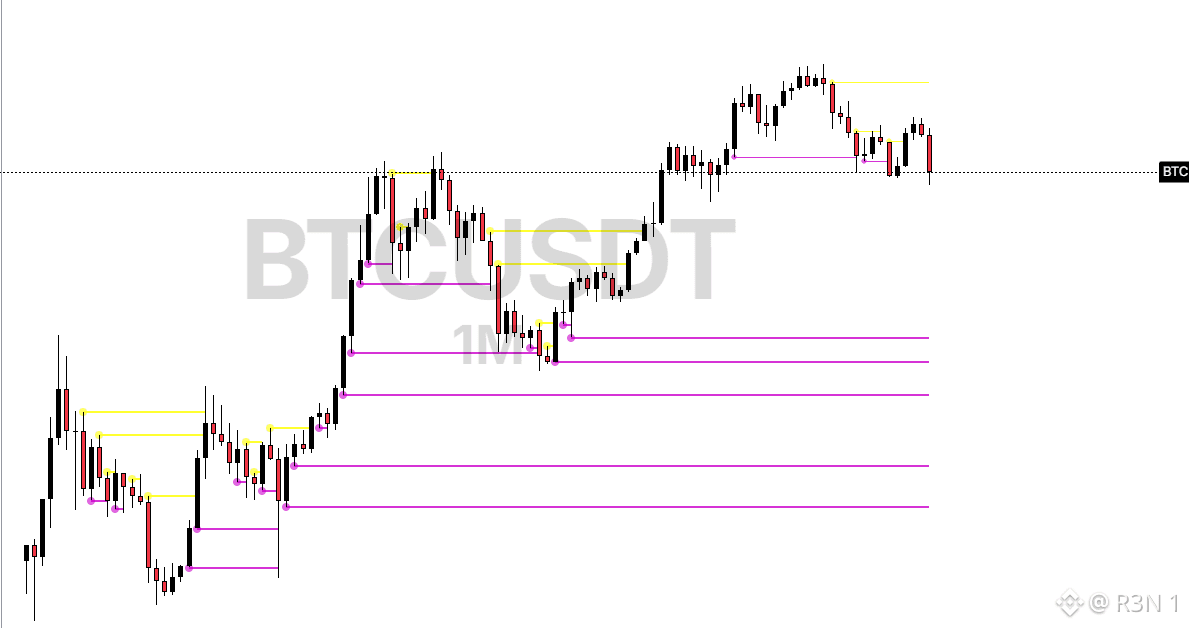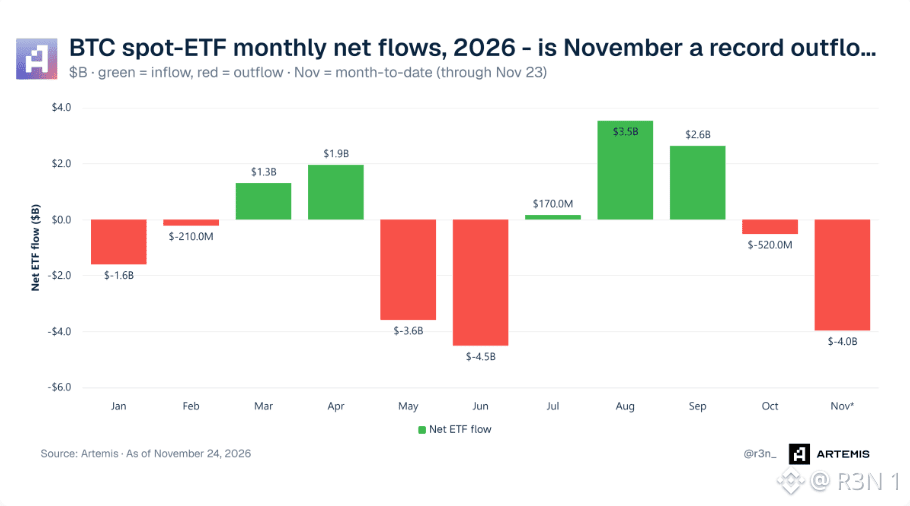
ETFs have dumped roughly $4.7 billion worth of Bitcoin this month, yet BTC is still fighting around the $60K zone.
That raises a simple question: if institutions are pulling money out, who is left to buy?
According to SoSoValue data, US spot Bitcoin ETFs have seen record monthly outflows, surpassing previous withdrawal records. The latest selling pressure comes as markets digest tighter financial conditions, a stronger dollar, and growing uncertainty around risk assets.
At first glance, the ETF flows look bearish. For much of this cycle, institutional demand was one of Bitcoin's strongest narratives. When that demand weakens, traders naturally begin questioning where the next wave of liquidity will come from.
Yet price action tells a more complicated story.
Despite persistent ETF selling, Bitcoin has continued finding buyers near major support levels. That suggests the market is not being supported by a single group. Long-term believers, treasury allocators, value buyers, and sidelined capital may still be viewing sharp declines as opportunities rather than reasons to exit.
The bullish case is that ETF outflows represent temporary positioning rather than a permanent shift in demand. If macro conditions improve and flows stabilise, sentiment could reverse faster than most expect.
The bearish case is straightforward: if institutional selling continues while new demand remains weak, liquidity could thin out and volatility could increase.
Right now, $60K is becoming more than a price level. It's a test of conviction.
When one of Bitcoin's biggest demand engines is selling, the market eventually reveals who still wants exposure and who was only here for the momentum. #BTC Price Analysis# $BTC $ETH #Altcoin Season#