𝐇𝐨𝐰 𝐒𝐭𝐚𝐛𝐥𝐞𝐜𝐨𝐢𝐧𝐬 𝐀𝐫𝐞 𝐑𝐞𝐬𝐡𝐚𝐩𝐢𝐧𝐠 𝐆𝐥𝐨𝐛𝐚𝐥 𝐏𝐚𝐲𝐦𝐞𝐧𝐭𝐬 𝐚𝐧𝐝 𝐂𝐫𝐨𝐬𝐬-𝐁𝐨𝐫𝐝𝐞𝐫 𝐒𝐞𝐭𝐭𝐥𝐞𝐦𝐞𝐧𝐭
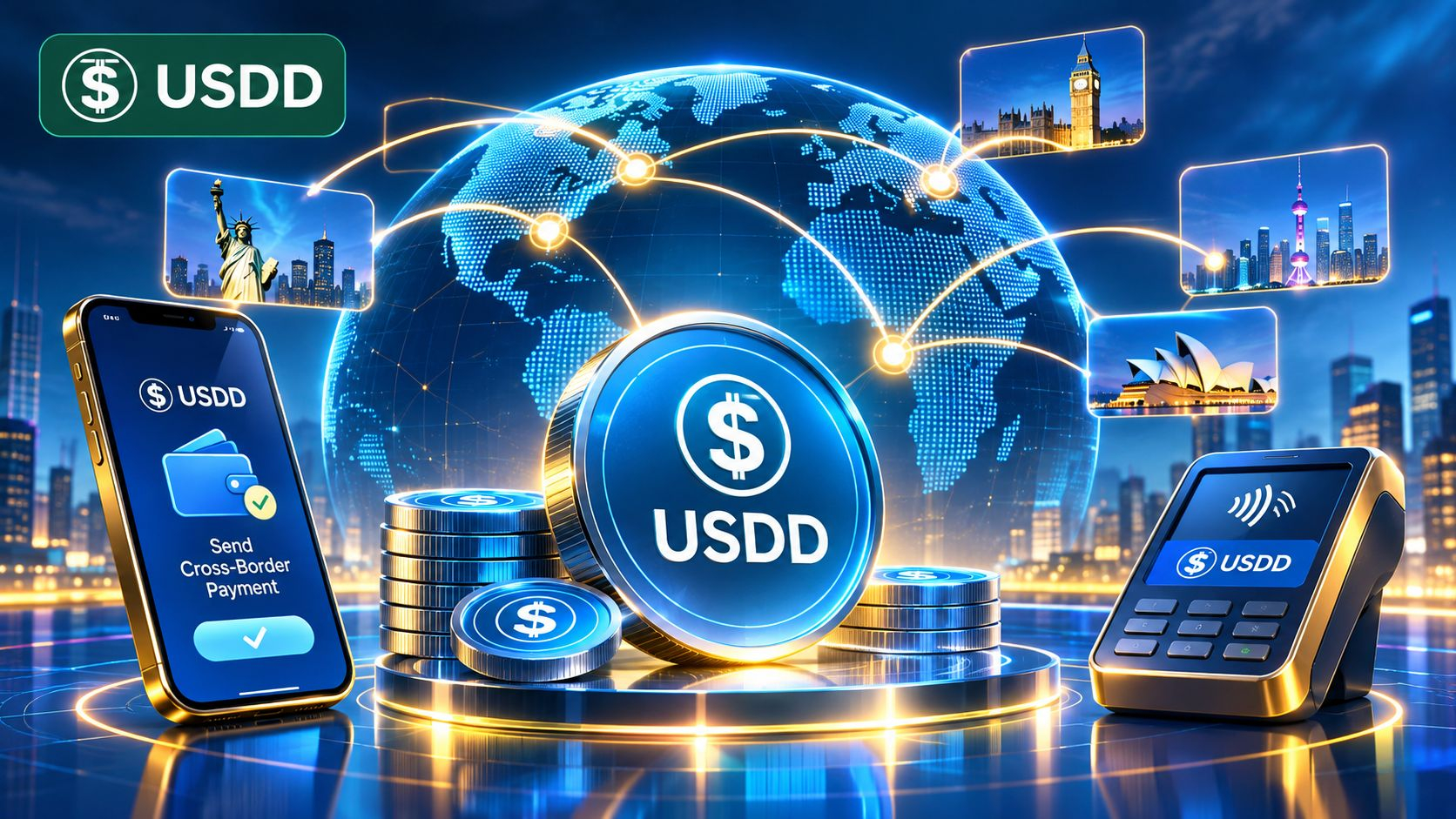
Cross-border payments have long suffered from slow correspondent banking chains, high remittance fees, and limited weekend settlement. Visualizing global transfers flowing seamlessly across digital wallets, worldwide networks, and payment terminals illustrates how stablecoins turn international value transfer into an instant, borderless experience.
𝐖𝐡𝐲 𝐒𝐭𝐚𝐛𝐥𝐞𝐜𝐨𝐢𝐧𝐬 𝐎𝐮𝐭𝐩𝐞𝐫𝐟𝐨𝐫𝐦 𝐋𝐞𝐠𝐚𝐜𝐲 𝐂𝐫𝐨𝐬𝐬-𝐁𝐨𝐫𝐝𝐞𝐫 𝐑𝐚𝐢𝐥𝐬 In my experience using stablecoins on TRON for everyday transfers, the practical difference compared to traditional international wires comes down to speed, cost, and accessibility:
Transfers settle peer-to-peer across borders in seconds rather than taking days to clear through multiple intermediary banks.
Predictable, low network fees make both small merchant payments and larger cross-border remittances economically practical.
Integration with mobile digital wallets and modern payment terminals allows recipients to receive, hold, or spend digital dollars directly without complex banking hurdles.
𝐖𝐡𝐲 𝐓𝐡𝐢𝐬 𝐌𝐚𝐭𝐭𝐞𝐫𝐬 𝐟𝐨𝐫 𝐆𝐥𝐨𝐛𝐚𝐥 𝐂𝐨𝐦𝐦𝐞𝐫𝐜𝐞 𝐚𝐧𝐝 𝐑𝐞𝐦𝐢𝐭𝐭𝐚𝐧𝐜𝐞𝐬 For freelancers, merchants, and families sending money internationally, stablecoins remove geographic friction from everyday commerce. Backed by high-throughput blockchain networks like TRON, global stablecoin rails provide reliable 24/7 settlement infrastructure accessible to anyone with an internet connection.
𝐐𝐮𝐞𝐬𝐭𝐢𝐨𝐧 𝐟𝐨𝐫 𝐆𝐥𝐨𝐛𝐚𝐥 𝐖𝐞𝐛𝟑 𝐔𝐬𝐞𝐫𝐬 In your experience, where have stablecoin payments made the biggest real-world difference so far—fast cross-border remittances, international freelance settlements, or everyday merchant checkout?
@Justin Sun孙宇晨 @USDD - Decentralized USD #TRONEcoStar