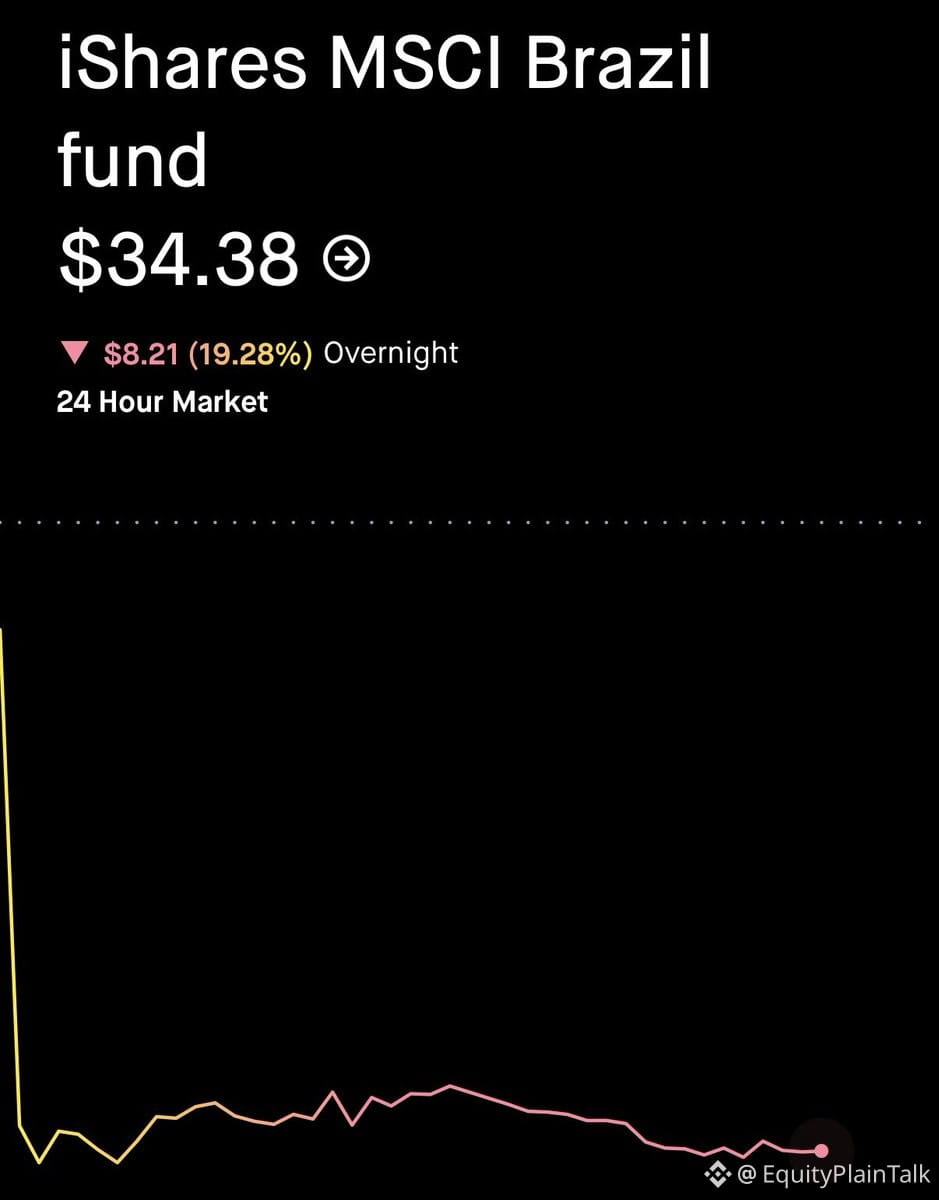
Brazil's stock market just cratered 20% after Lula's unexpected re-election win.
Markets hate uncertainty. When a left-leaning candidate wins against expectations, investors immediately price in potential policy shifts—higher taxes, more regulation, increased government spending.
This isn't about politics. It's about capital flows and risk assessment. Foreign investors pull back. Domestic money moves to the sidelines. Currency weakens. Equities get hammered.
We've seen this pattern before in emerging markets. The initial shock is often overdone. But the repricing is real. Brazilian equities were already trading at a discount to other emerging markets. Now that gap just widened.
Watch the Brazilian Real and how it impacts dollar-denominated debt. Also keep an eye on commodity exporters—Brazil is a major player in iron ore, soybeans, and oil. A weaker Real could actually help exporters over time.
Short term pain. Long term? Depends entirely on policy execution and whether Lula can reassure markets he won't wreck the fiscal situation.