Let me tell you about one of my friends.
He was the kind of guy everyone liked. Good at math, obsessed with science, and the first to help when someone was stuck. When he started trading crypto, he did it the smart way. A small account, a plan, and a stop-loss written on a sticky note on his monitor. For months it worked. Small wins, small losses.
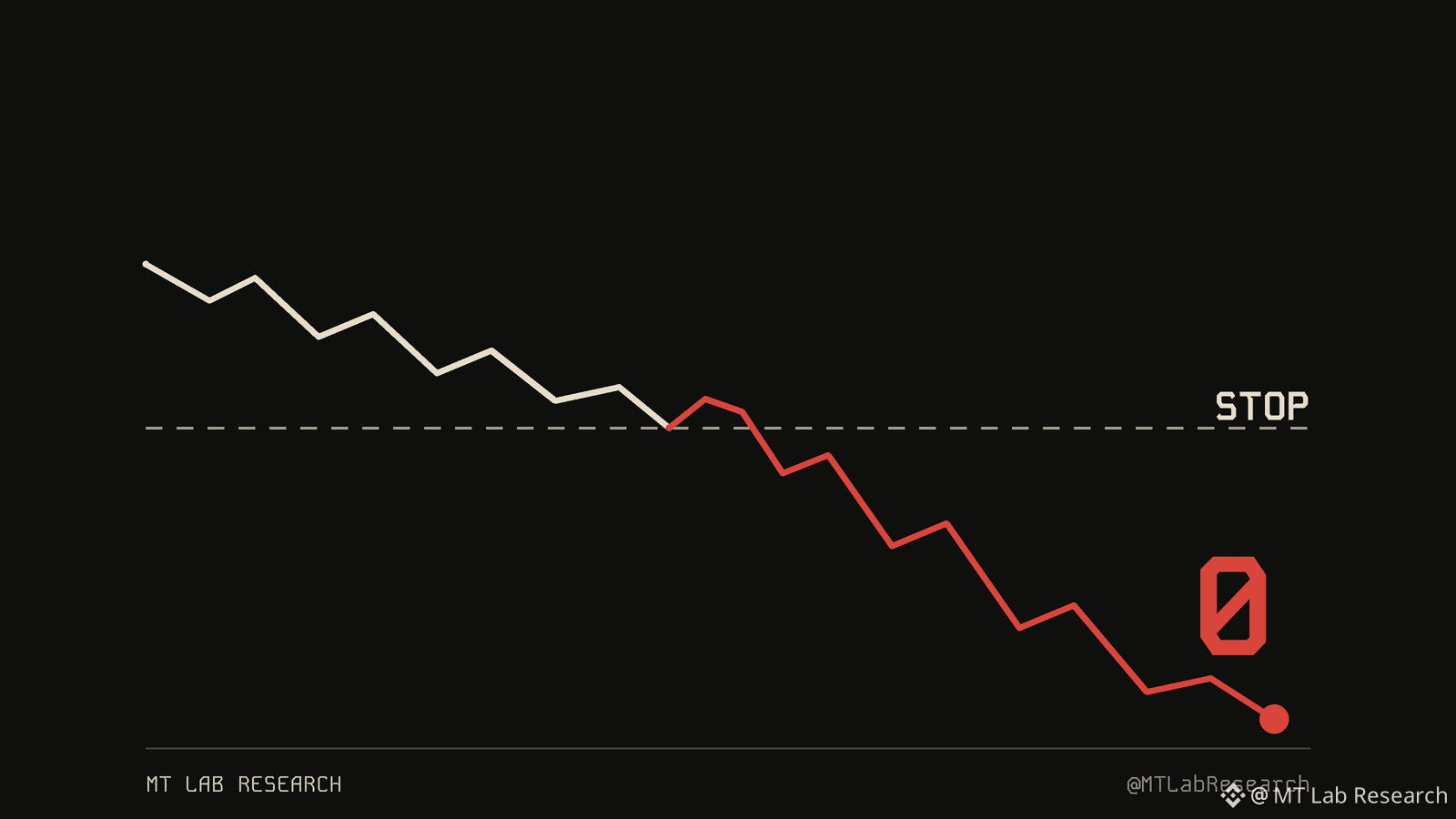
Then one night, a coin he believed in started to dump. When the price hit his stop, he cancelled it. The price kept falling. He told himself the math said it was oversold, so he added. Then he added again with leverage. When his own money ran out, he did something he had never done in his life: he lied to his girlfriend about “an emergency” and pulled out the savings they had put aside together. Then the email came: Liquidated.
At 4:40, my phone rang. When I picked up, I didn’t recognize the voice. It was flat and hollow, like a man reading his own name off a tombstone.
“I lost everything,” he said. “Everything. And her money too.”
Then there was a long silence, and the way he said “I don’t know who I am anymore” scared me more than the number did. I put on my shoes, drove over, and sat with him until the sun came up. He cried like I’d never seen a grown man cry.
The next week, he came to my door and asked to borrow $2,000. “Just to win it back,” he said. I looked at him, my smartest friend, and saw the exact same man who had cancelled his stop. I said no. I said it with a broken heart, and he walked away angry. I didn’t hear from him for 3 weeks.
When he came back, he wasn’t angry anymore.
“You were right,” he said. “I wasn’t broke because the market beat me. I was broke because I stopped listening to myself.”
He told his girlfriend everything. It took months to rebuild that trust, and he’s still paying it back. Today he trades tiny, with a hard stop-loss set the second he enters. He never cancels it and never moves it down. When people ask what changed, he says:
“A small loss is tuition. A liquidation is a funeral. A mosquito knows when to stop.”