

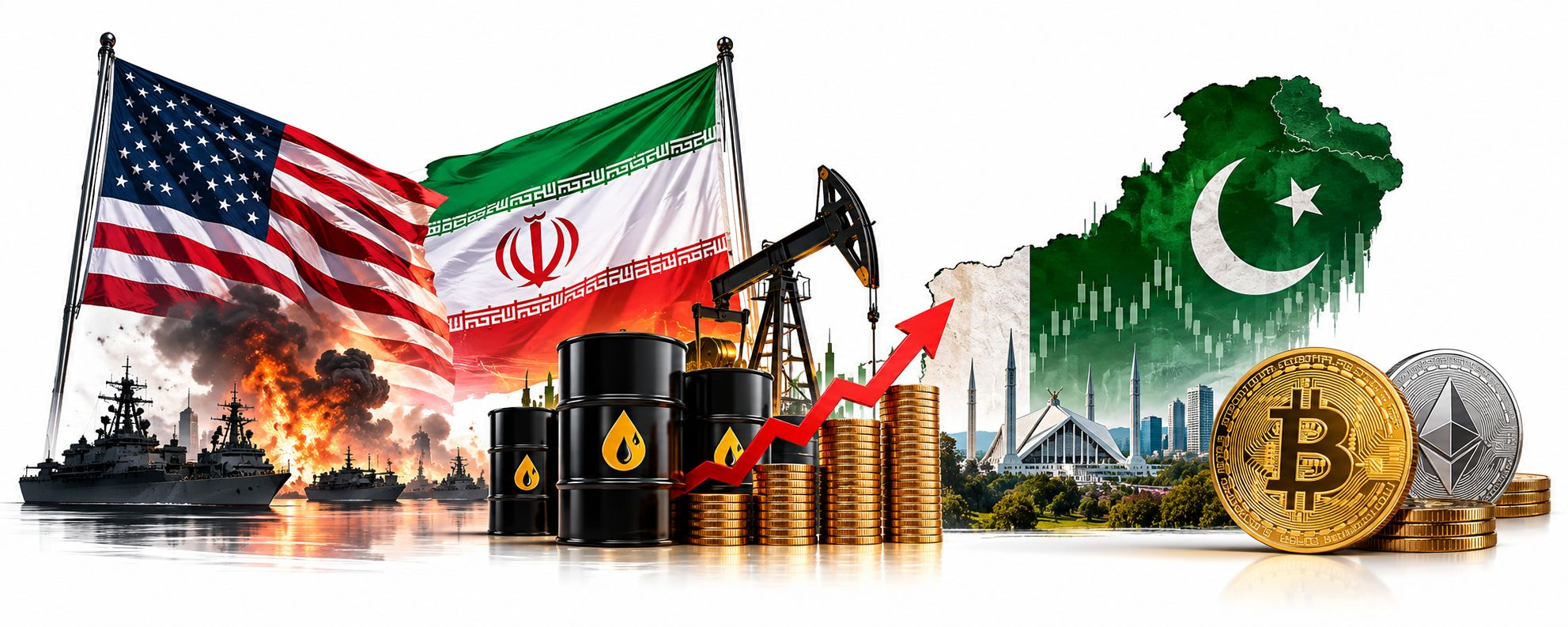


The US-Iran tensions have made me look more closely at how global economic pressure reaches Pakistan and how these changes could influence the crypto market over time. I’ve been watching how quickly uncertainty around oil supplies, regional security, and international trade can change the mood of financial markets. What interests me is not just the immediate reaction, but how these events gradually affect the decisions people make about money, savings, and risk.
Pakistan is in a position where developments in the Middle East can have consequences far beyond foreign policy. The country relies on imported energy, so a sustained increase in oil prices can put pressure on the rupee, raise transportation costs, and make everyday goods more expensive. These changes do not always appear overnight. Sometimes the impact begins with fuel prices and gradually reaches businesses, household budgets, and consumer spending.
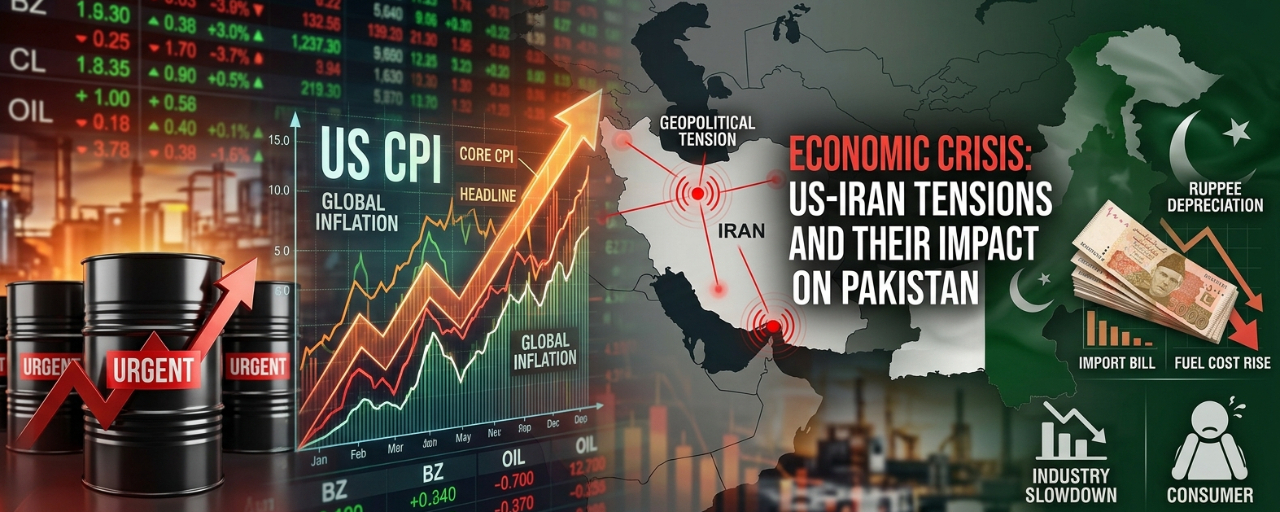
I think the bigger concern is how long this pressure lasts. Pakistan already has to manage inflation, foreign exchange requirements, and the cost of maintaining economic stability. If energy imports become more expensive, the country may need additional foreign currency to cover the same essential needs. That can make an already difficult situation more complicated, especially if global uncertainty continues.
When I look at this situation from a crypto market perspective, I do not immediately assume that geopolitical tensions will push Bitcoin higher. I have seen how market expectations can change within hours. Investors may become interested in alternative assets during uncertain periods, but they may also sell their holdings when they need cash or want to reduce exposure to risk. Both reactions are possible, and neither should be treated as inevitable.
Bitcoin has characteristics that distinguish it from traditional currencies, particularly its limited supply and decentralised network. However, these features do not protect its market price from every external shock. Interest rates, dollar strength, liquidity, and investor sentiment can all influence how it trades. A global crisis may strengthen the argument for holding an alternative asset over the long term while creating selling pressure in the short term.
This is where I think people sometimes misunderstand the relationship between cryptocurrency and economic uncertainty. Bitcoin is often presented as a straightforward answer to currency weakness or declining purchasing power. The reality is more complicated. Someone concerned about financial stability may appreciate Bitcoin's monetary design, but they also have to consider its volatility and whether they can afford to hold it through a prolonged downturn.
For people in Pakistan, the conversation is not limited to Bitcoin. Stablecoins and other digital payment tools may offer practical ways to transfer value across borders, depending on the services available and the applicable regulations. For someone receiving money from abroad, transaction costs, settlement times, and access to funds can matter much more than short-term market movements.
Still, a digital asset does not automatically solve the problems created by economic pressure. A dollar-pegged stablecoin may help someone hold a digital representation of the US dollar, but it cannot guarantee purchasing power within Pakistan or eliminate the risks associated with its issuer and the platforms used to access it. The ability to convert funds into local currency when needed remains an important part of the picture.
I also think it is worth paying attention to how crypto behaves when traditional markets become unsettled. As digital assets have become more connected to institutional investors and broader financial markets, they have become more exposed to changes in risk appetite. If oil prices remain high and investors begin expecting tighter monetary conditions, Bitcoin could face pressure alongside other risk-sensitive assets. Its reaction will depend on the wider market environment rather than on geopolitical news alone.
For Pakistan, the consequences will depend on several factors, including how energy prices develop, how the government manages external financial pressures, and how long regional uncertainty continues. Higher import costs can create difficulties, but the eventual impact will also depend on domestic economic conditions and the country's ability to absorb the shock.
I am particularly interested in whether crypto can offer genuine value under these circumstances without being treated as a solution to every financial problem. Faster transfers, more accessible payment infrastructure, and alternative ways to hold digital value may be useful in specific situations. But those benefits need to be weighed against volatility, fees, regulatory requirements, and the reliability of the services involved.
The US-Iran tensions are a reminder that financial markets remain closely connected to events in the physical world. Energy supplies, trade routes, government decisions, and currency movements still influence the choices available to businesses and households. Cryptocurrency operates within that same environment, even when its underlying technology follows a different structure.
For now, I would rather observe how these developments unfold than make a firm prediction about Bitcoin or the wider market. Pakistan's economic exposure deserves attention in its own right, while crypto's role should be judged by what it can actually deliver. The important question is not whether geopolitical uncertainty will make digital assets more popular, but whether these systems can remain useful, accessible, and reliable when people face real financial pressure.