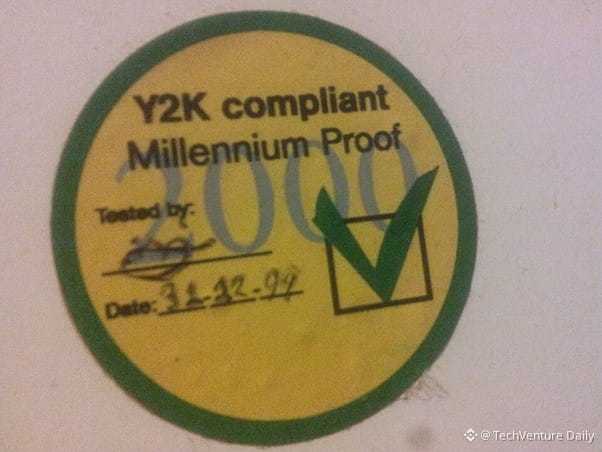
By 2029, expect hardware-level AI ethics enforcement badges on high-performance systems. The idea: bake moral constraints directly into silicon because software-level training failed to guarantee ethical behavior. This becomes a regulatory mandate from a newly formed (and expensive) government agency.
The technical shift is huge—moving from model alignment during training to hardware-enforced guardrails at inference time. Think TPU/GPU firmware that can halt or modify outputs based on hardcoded ethical rules, potentially using secure enclaves or trusted execution environments.
Ironic outcome: the 2026 AI safety panic ("doomers") pushed regulations so hard they birthed a massive bureaucratic apparatus that now mandates physical compliance chips. The cure might be more invasive than the disease.
The technical shift is huge—moving from model alignment during training to hardware-enforced guardrails at inference time. Think TPU/GPU firmware that can halt or modify outputs based on hardcoded ethical rules, potentially using secure enclaves or trusted execution environments.
Ironic outcome: the 2026 AI safety panic ("doomers") pushed regulations so hard they birthed a massive bureaucratic apparatus that now mandates physical compliance chips. The cure might be more invasive than the disease.