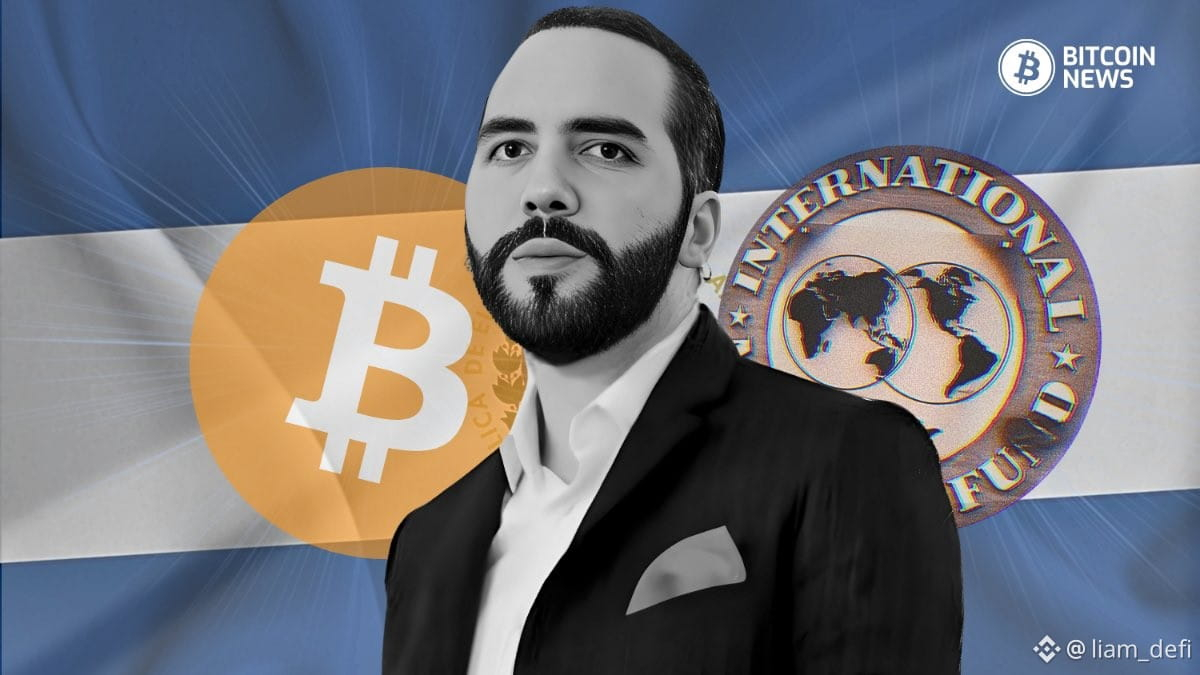
El Salvador just made a quiet but massive pivot 5 years into its $BTC legal tender experiment.
They're now pushing stablecoins to the front via Sivar — a national app integrating identity, gov services, and on-chain finance. The focus? Stablecoin wallets and transfers.
Why the shift?
The data doesn't lie:
In the first 7 months of 2026, El Salvador received $5.92B in remittances. Only $41.1M went through crypto wallets — that's 0.7%.
5 years proved one thing: $BTC works as a reserve asset, but asking everyday people to buy groceries, get paid, or send money home in BTC? Adoption stayed low.
Stablecoins are just more practical.
You keep the benefits — on-chain rails, low-cost cross-border transfers — but peg it to the dollar. For Salvadorans already using USD, there's zero mental friction.
This is worth watching.
$BTC stays as the reserve play. Stablecoins handle payments and remittances.
If this model works, El Salvador's biggest lesson won't be "can Bitcoin be money?" — it'll be that different crypto assets naturally settle into completely different use cases.
They're now pushing stablecoins to the front via Sivar — a national app integrating identity, gov services, and on-chain finance. The focus? Stablecoin wallets and transfers.
Why the shift?
The data doesn't lie:
In the first 7 months of 2026, El Salvador received $5.92B in remittances. Only $41.1M went through crypto wallets — that's 0.7%.
5 years proved one thing: $BTC works as a reserve asset, but asking everyday people to buy groceries, get paid, or send money home in BTC? Adoption stayed low.
Stablecoins are just more practical.
You keep the benefits — on-chain rails, low-cost cross-border transfers — but peg it to the dollar. For Salvadorans already using USD, there's zero mental friction.
This is worth watching.
$BTC stays as the reserve play. Stablecoins handle payments and remittances.
If this model works, El Salvador's biggest lesson won't be "can Bitcoin be money?" — it'll be that different crypto assets naturally settle into completely different use cases.