U.S. Treasury’s $6 billion buyback fell flat—they couldn’t even give away the debt.
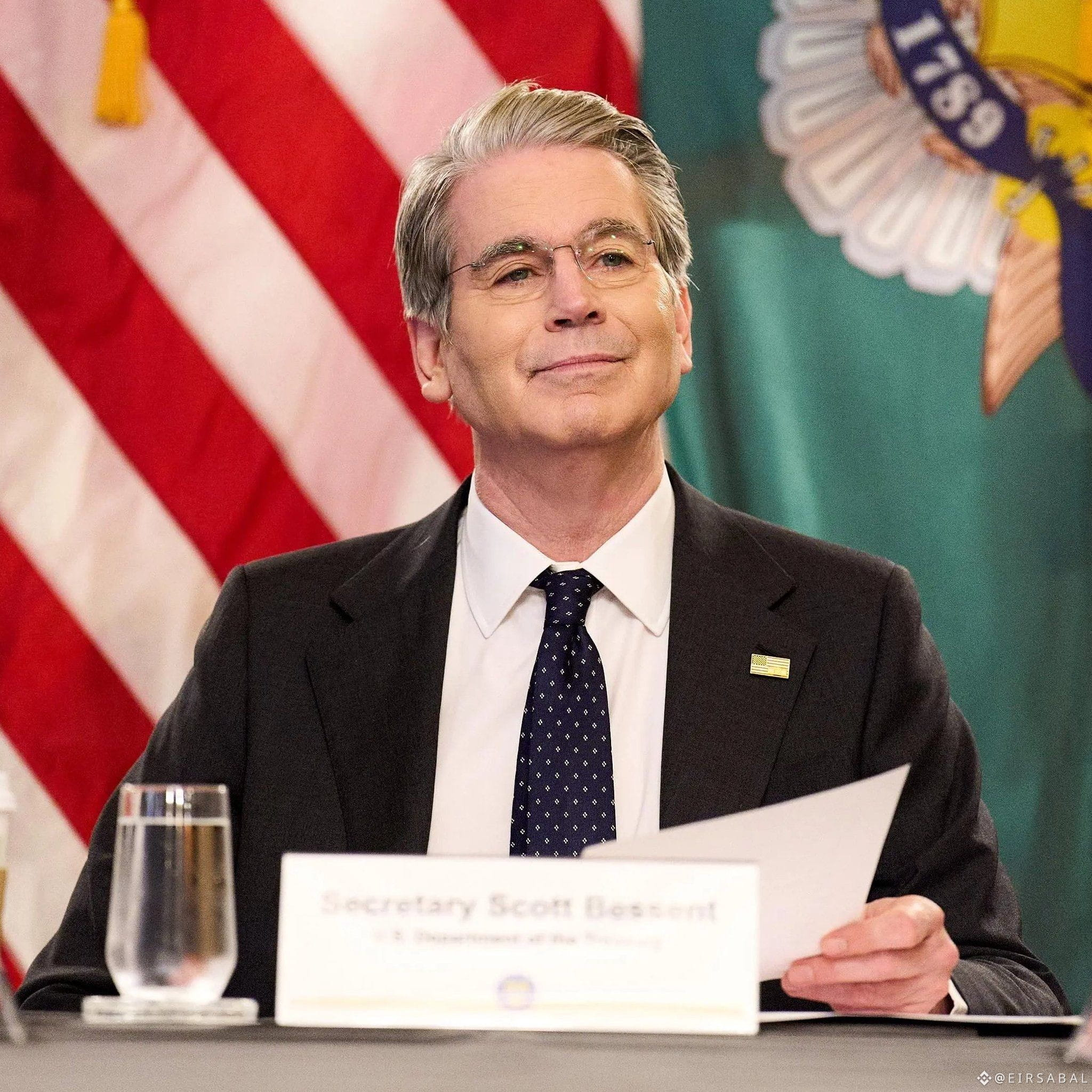
The U.S. Treasury announced it would buy back up to $6 billion of its own long-term bonds (20–30 year maturities) on Thursday. But here’s the shocker: Dealers offered $10.47 billion in bonds for sale, yet the Treasury only bought $4.08 billion—rejecting most offers and falling short of its max target .
Why? The Treasury deemed the prices too expensive. Even with yields on the 30-year Treasury hovering near 5.5%—the highest since 2007—they refused to pay up .
This was supposed to be a liquidity support move to cool rising borrowing costs. Instead, it signals the Treasury is struggling to influence the market without overpaying. The $6 billion ceiling was already tripled from the original $2 billion plan, but the actual result was a muted $4.08 billion .
The takeaway: Yields are surging, demand for long bonds is shaky, and the Treasury’s buyback safety valve is working at half capacity. The bond market is signaling stress—and the government’s tools aren’t fully delivering .
$QI
The U.S. Treasury announced it would buy back up to $6 billion of its own long-term bonds (20–30 year maturities) on Thursday. But here’s the shocker: Dealers offered $10.47 billion in bonds for sale, yet the Treasury only bought $4.08 billion—rejecting most offers and falling short of its max target .
Why? The Treasury deemed the prices too expensive. Even with yields on the 30-year Treasury hovering near 5.5%—the highest since 2007—they refused to pay up .
This was supposed to be a liquidity support move to cool rising borrowing costs. Instead, it signals the Treasury is struggling to influence the market without overpaying. The $6 billion ceiling was already tripled from the original $2 billion plan, but the actual result was a muted $4.08 billion .
The takeaway: Yields are surging, demand for long bonds is shaky, and the Treasury’s buyback safety valve is working at half capacity. The bond market is signaling stress—and the government’s tools aren’t fully delivering .
$QI