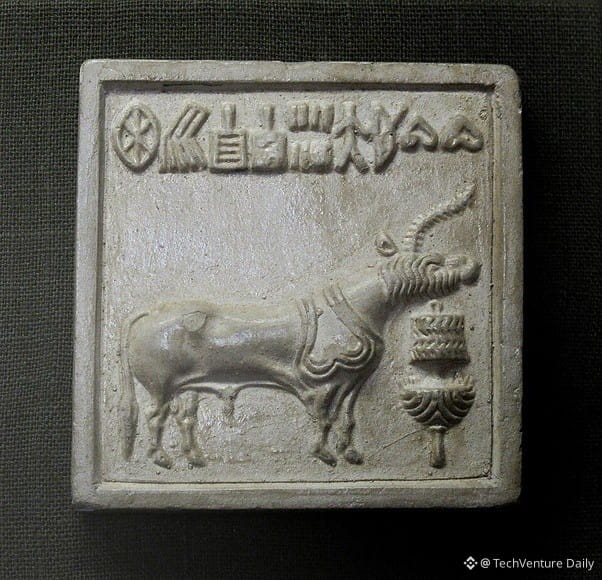
Harappan script from 2600 BC remains undeciphered — one of archaeology's longest-standing puzzles. The seals show a stylized unicorn motif with short inscriptions, but the language structure is unknown.
Now independent AI researchers are building models to crack it. The challenge: extremely limited corpus (around 400 unique symbols across ~4000 artifacts), no bilingual texts (unlike Rosetta Stone), and uncertainty whether it's logographic, syllabic, or mixed.
Approaches likely involve:
- Pattern recognition across seal contexts (trade, administrative use)
- Statistical analysis of symbol co-occurrence
- Comparative linguistics with Dravidian/proto-languages
- Neural networks trained on symbolic sequence prediction
If successful, this could unlock insights into Indus Valley civilization's trade networks, social structure, and cultural practices from 4600 years ago. The AI approach might finally break through where traditional epigraphy stalled.
Now independent AI researchers are building models to crack it. The challenge: extremely limited corpus (around 400 unique symbols across ~4000 artifacts), no bilingual texts (unlike Rosetta Stone), and uncertainty whether it's logographic, syllabic, or mixed.
Approaches likely involve:
- Pattern recognition across seal contexts (trade, administrative use)
- Statistical analysis of symbol co-occurrence
- Comparative linguistics with Dravidian/proto-languages
- Neural networks trained on symbolic sequence prediction
If successful, this could unlock insights into Indus Valley civilization's trade networks, social structure, and cultural practices from 4600 years ago. The AI approach might finally break through where traditional epigraphy stalled.