Crude Oil Cools, but Diesel, LNG and Logistics Stay Tight
🛢 Brent ended the September 14–18 week lower for the first time in three weeks after briefly approaching $110 per barrel. WTI remained above $100 and posted a modest weekly gain, with price action driven mainly by shifting Middle East logistics risks.
🚢 Early in the week, disruptions to the East–West pipeline and Yanbu loadings pushed crude higher. By Friday, Saudi Arabia had increased transfers through Oman and moved toward restoring around 50% of pipeline capacity, easing part of the crude risk premium.
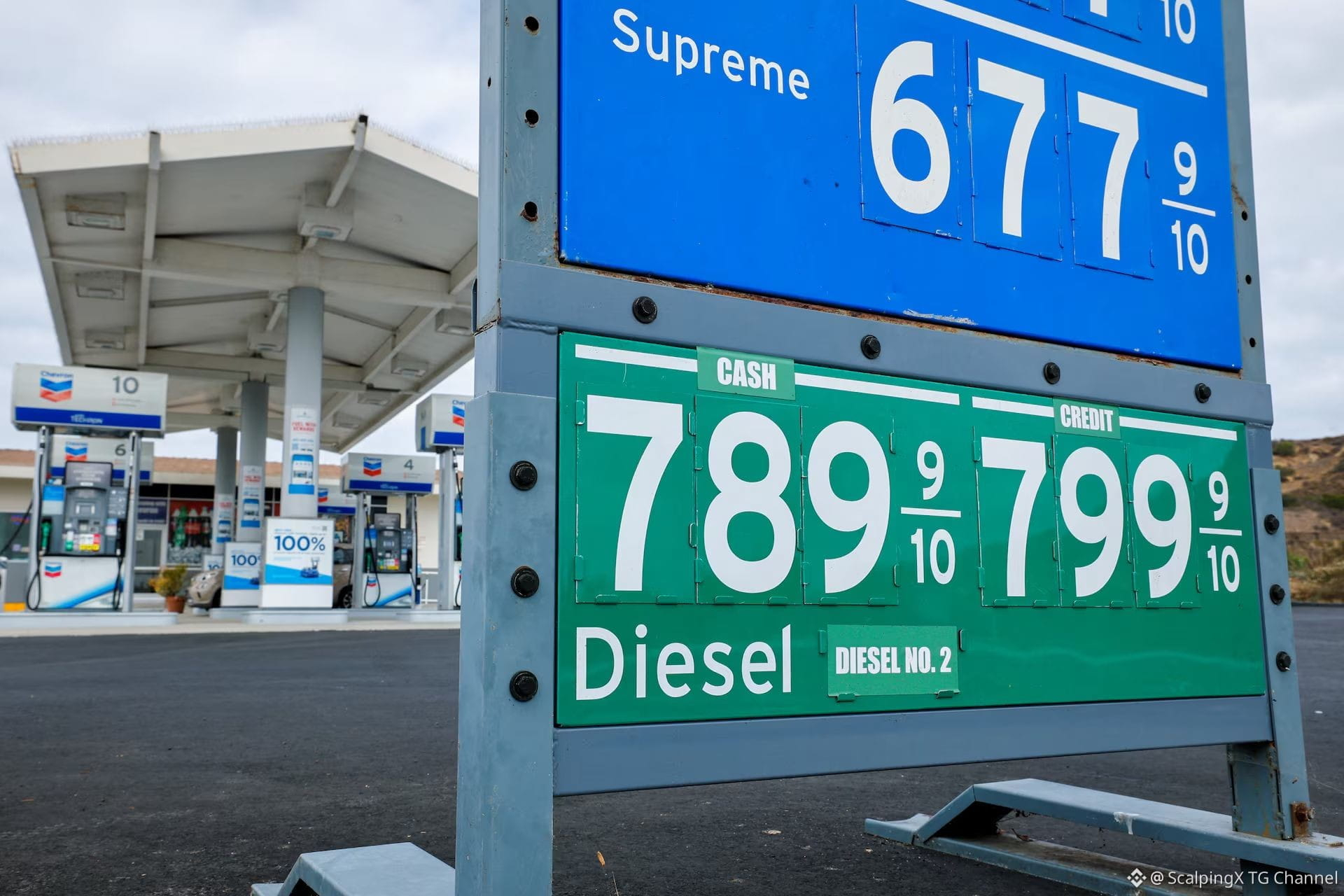
⛽ Refined products remain much tighter. Diesel cracks across several regions are still near $80–100 per barrel, while U.S. distillate inventories remain roughly 13% below the five-year average. Supply pressure is therefore more visible in diesel and middle distillates than in crude itself.
🌍 Regional conditions are also diverging. Aramco continues redirecting significant volumes through Ras Tanura and Sohar toward Asian buyers, while some European term customers received no Saudi crude allocation for October. Paper crude can weaken even as physical European premiums stay elevated.
🚛 Shipping costs remain extreme, with VLCC rates on the Oman–China route near $0.9 million per day and some Gulf-to-Asia routes above $1 million. Delivered import costs therefore remain high despite softer Brent prices.
🔥 Gas markets show a similar split. Henry Hub stays near $2.90/MMBtu, while JKM and TTF remain around $26 as Qatari LNG supply and Hormuz flows have not fully normalized.
📌 Next week, the focus remains on the East–West pipeline, Hormuz and whether diesel can sustain its premium. Crude stress has eased, but the broader energy market remains tight.
#EnergyMarkets
$CL $NATGAS
🛢 Brent ended the September 14–18 week lower for the first time in three weeks after briefly approaching $110 per barrel. WTI remained above $100 and posted a modest weekly gain, with price action driven mainly by shifting Middle East logistics risks.
🚢 Early in the week, disruptions to the East–West pipeline and Yanbu loadings pushed crude higher. By Friday, Saudi Arabia had increased transfers through Oman and moved toward restoring around 50% of pipeline capacity, easing part of the crude risk premium.
⛽ Refined products remain much tighter. Diesel cracks across several regions are still near $80–100 per barrel, while U.S. distillate inventories remain roughly 13% below the five-year average. Supply pressure is therefore more visible in diesel and middle distillates than in crude itself.
🌍 Regional conditions are also diverging. Aramco continues redirecting significant volumes through Ras Tanura and Sohar toward Asian buyers, while some European term customers received no Saudi crude allocation for October. Paper crude can weaken even as physical European premiums stay elevated.
🚛 Shipping costs remain extreme, with VLCC rates on the Oman–China route near $0.9 million per day and some Gulf-to-Asia routes above $1 million. Delivered import costs therefore remain high despite softer Brent prices.
🔥 Gas markets show a similar split. Henry Hub stays near $2.90/MMBtu, while JKM and TTF remain around $26 as Qatari LNG supply and Hormuz flows have not fully normalized.
📌 Next week, the focus remains on the East–West pipeline, Hormuz and whether diesel can sustain its premium. Crude stress has eased, but the broader energy market remains tight.
#EnergyMarkets
$CL $NATGAS