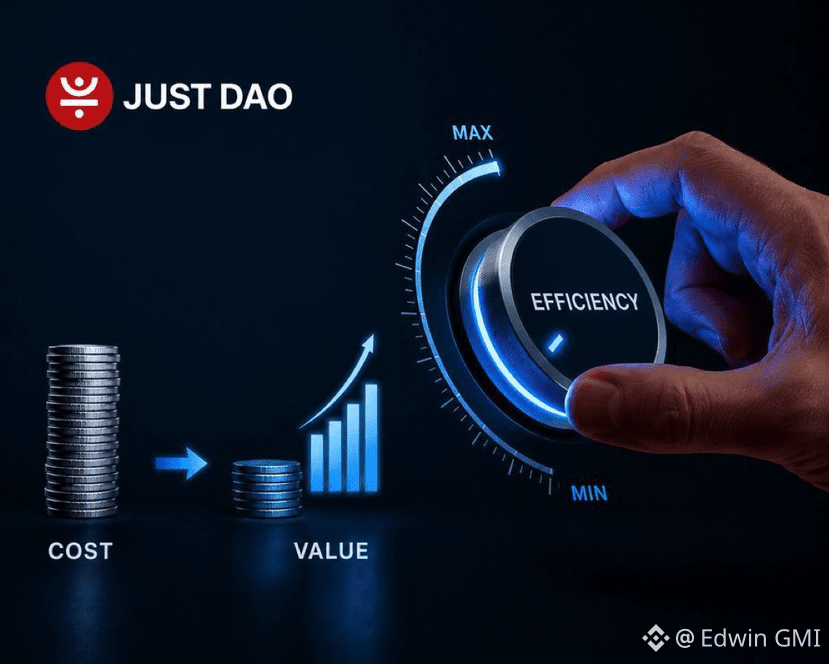
𝗚𝗥𝗢𝗪𝗧𝗛 𝗗𝗢𝗘𝗦𝗡’𝗧 𝗔𝗟𝗪𝗔𝗬𝗦 𝗠𝗘𝗔𝗡 𝗕𝗨𝗜𝗟𝗗𝗜𝗡 𝗠𝗢𝗥𝗘.
Sometimes, it means getting more from what you already have.
More capital isn't automatically better.
More resources aren't automatically better.
More people, more infrastructure, and more spending don't guarantee better results.
The real advantage comes from how effectively those resources are used.
␥ 𝗧𝗛𝗜𝗦 𝗜𝗦 𝗪𝗛𝗘𝗥𝗘 𝗢𝗣𝗧𝗜𝗠𝗜𝗭𝗔𝗧𝗜𝗢𝗡 𝗕𝗘𝗖𝗢𝗠𝗘𝗦 𝗔 𝗚𝗥𝗢𝗪𝗧𝗛 𝗦𝗧𝗥𝗔𝗧𝗘𝗚𝗬.
When a system becomes more efficient, the same resources can potentially produce more value.
Lower unnecessary costs create room to operate.
Better allocation reduces waste.
Streamlined processes improve execution.
And efficient infrastructure creates more room to scale.
➢ 𝗧𝗛𝗘 𝗤𝗨𝗘𝗦𝗧𝗜𝗢𝗡 𝗜𝗦𝗡’𝗧 𝗝𝗨𝗦𝗧 “𝗛𝗢𝗪 𝗠𝗨𝗖𝗛 𝗖𝗔𝗡 𝗪𝗘 𝗔𝗗𝗗?”
It should also be:
“What can we improve before we add more?”
That mindset changes everything.
Instead of constantly increasing inputs, you start examining the system itself.
Where is value being lost?
Which processes can be simplified?
Which resources are underutilized?
Where can technology remove unnecessary friction?
➜ 𝗘𝗙𝗙𝗜𝗖𝗜𝗘𝗡𝗖𝗬 𝗖𝗥𝗘𝗔𝗧𝗘𝗦 𝗟𝗘𝗩𝗘𝗥𝗔𝗚𝗘.
A business that spends less to achieve the same outcome has more flexibility.
A network that uses resources efficiently has more room to handle demand.
A team that removes unnecessary processes can focus more energy on meaningful work.
Optimization doesn't necessarily mean doing less.
It means making every input count more.
@justinsuntron
#TRONEcoStar @TRON DAO
Sometimes, it means getting more from what you already have.
More capital isn't automatically better.
More resources aren't automatically better.
More people, more infrastructure, and more spending don't guarantee better results.
The real advantage comes from how effectively those resources are used.
␥ 𝗧𝗛𝗜𝗦 𝗜𝗦 𝗪𝗛𝗘𝗥𝗘 𝗢𝗣𝗧𝗜𝗠𝗜𝗭𝗔𝗧𝗜𝗢𝗡 𝗕𝗘𝗖𝗢𝗠𝗘𝗦 𝗔 𝗚𝗥𝗢𝗪𝗧𝗛 𝗦𝗧𝗥𝗔𝗧𝗘𝗚𝗬.
When a system becomes more efficient, the same resources can potentially produce more value.
Lower unnecessary costs create room to operate.
Better allocation reduces waste.
Streamlined processes improve execution.
And efficient infrastructure creates more room to scale.
➢ 𝗧𝗛𝗘 𝗤𝗨𝗘𝗦𝗧𝗜𝗢𝗡 𝗜𝗦𝗡’𝗧 𝗝𝗨𝗦𝗧 “𝗛𝗢𝗪 𝗠𝗨𝗖𝗛 𝗖𝗔𝗡 𝗪𝗘 𝗔𝗗𝗗?”
It should also be:
“What can we improve before we add more?”
That mindset changes everything.
Instead of constantly increasing inputs, you start examining the system itself.
Where is value being lost?
Which processes can be simplified?
Which resources are underutilized?
Where can technology remove unnecessary friction?
➜ 𝗘𝗙𝗙𝗜𝗖𝗜𝗘𝗡𝗖𝗬 𝗖𝗥𝗘𝗔𝗧𝗘𝗦 𝗟𝗘𝗩𝗘𝗥𝗔𝗚𝗘.
A business that spends less to achieve the same outcome has more flexibility.
A network that uses resources efficiently has more room to handle demand.
A team that removes unnecessary processes can focus more energy on meaningful work.
Optimization doesn't necessarily mean doing less.
It means making every input count more.
@justinsuntron
#TRONEcoStar @TRON DAO