HORMUZ IS NOT OPEN — THE WAR IS STILL THE LOCK
IRAN HAS JUST PUT THE WORLD ON NOTICE.
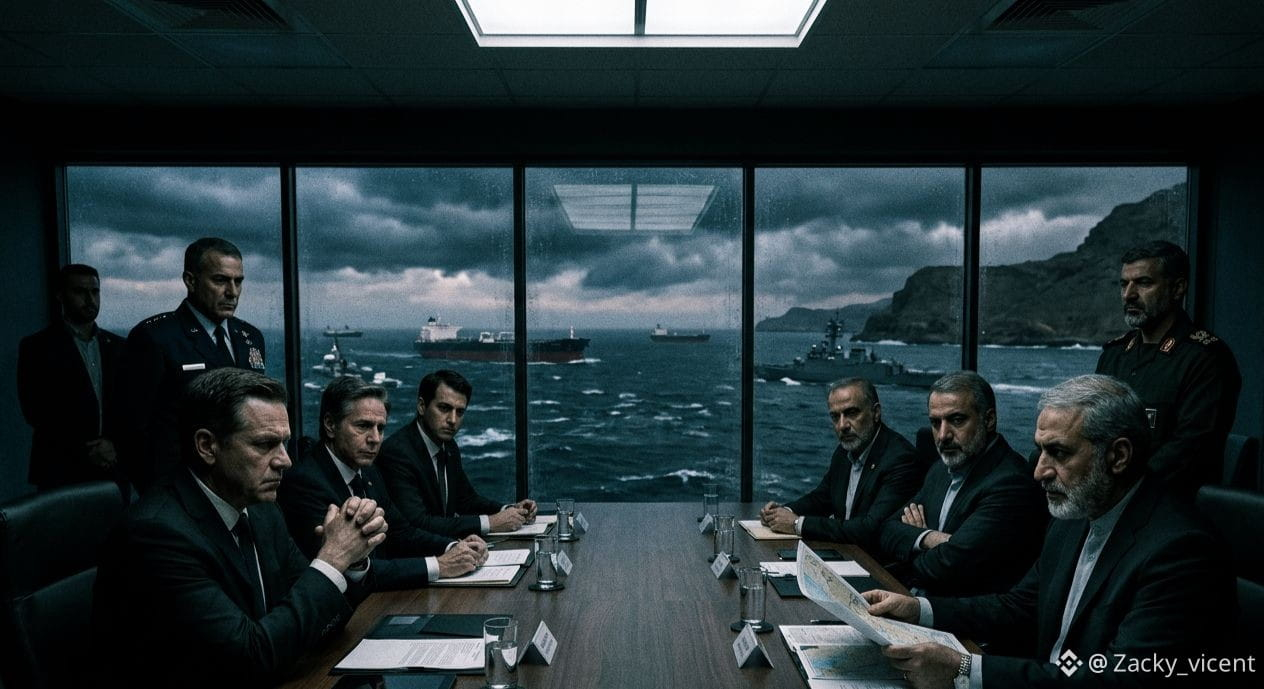
Diplomacy with Washington, according to Iranian Foreign Minister Abbas Araghchi, is “not impossible.”
But Tehran is making one thing brutally clear:
THE STRAIT OF HORMUZ WILL NOT SIMPLY RETURN TO NORMAL WHILE THE REGIONAL WAR MACHINE KEEPS BURNING.
Iran says any serious understanding over Hormuz must be tied to an end to military operations across the region.
Gaza must stop burning.
Israel must withdraw from Lebanon.
Israeli attacks on Syria must stop.
And Washington must understand one simple reality:
PRESSURE DOES NOT CREATE TRUST.
Araghchi says the U.S. must build trust, speak with respect, recognize Iran’s rights and honor its commitments before diplomacy can move again.
Meanwhile, Donald Trump says Washington is not interested in talking to Tehran and remains focused on economic pressure.
That is where the real confrontation begins.
America is tightening the economic noose.
Iran is tightening its conditions.
And sitting between them is one of the most important energy chokepoints on Earth:
THE STRAIT OF HORMUZ.
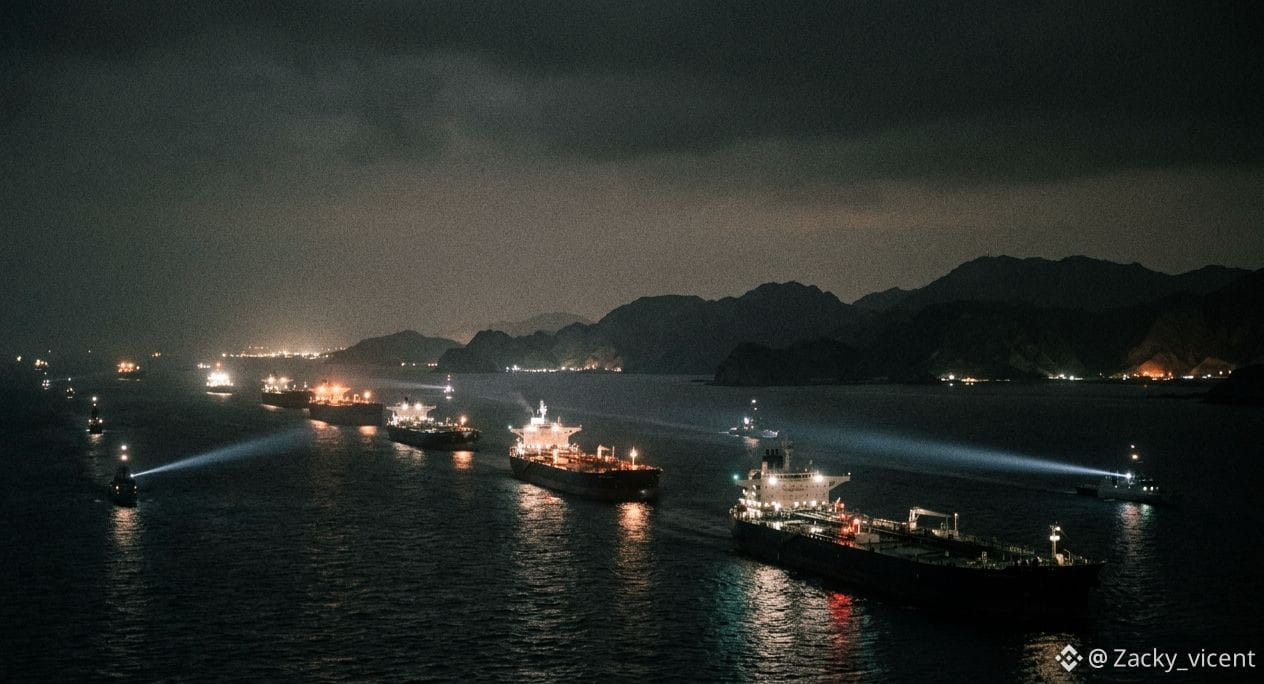
Iran says limited and temporary maritime corridors are now being allowed.
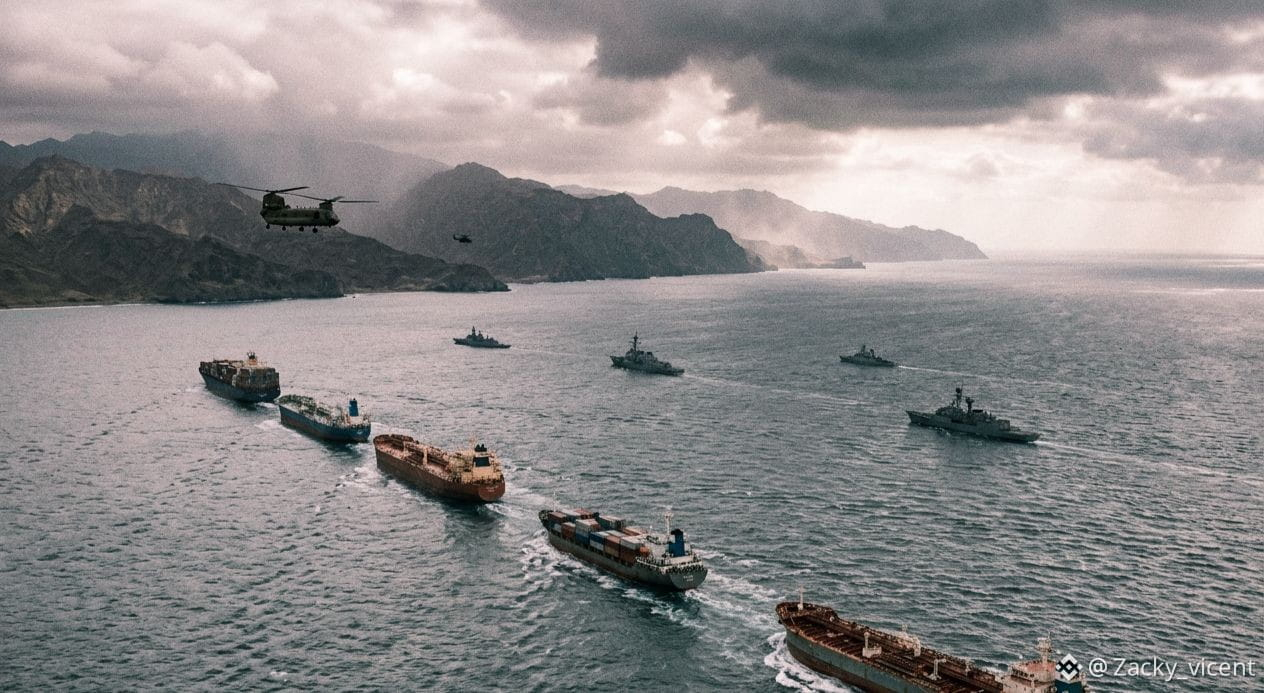
Oman and Iran have also discussed a temporary shipping route and mine-clearing operations.
The U.S. says CENTCOM has helped facilitate the transit of roughly 1,500 commercial vessels and 750 million barrels of crude oil over recent months.
But the numbers tell a much uglier story.
Before the war, roughly 130 vessels could cross Hormuz under normal conditions.
Kpler data reportedly showed only five vessels crossing on Tuesday.
Five.
That is not normal maritime traffic.
That is a global energy artery operating under extreme geopolitical pressure.
And this is why oil markets are watching every move.
Brent was around $89.63 per barrel, while WTI stood around $83.11 in the reported trading session.
The market is not stupid.
It knows exactly what is sitting behind those numbers.
IRAN HAS JUST PUT THE WORLD ON NOTICE.
Diplomacy with Washington, according to Iranian Foreign Minister Abbas Araghchi, is “not impossible.”
But Tehran is making one thing brutally clear:
THE STRAIT OF HORMUZ WILL NOT SIMPLY RETURN TO NORMAL WHILE THE REGIONAL WAR MACHINE KEEPS BURNING.
Iran says any serious understanding over Hormuz must be tied to an end to military operations across the region.
Gaza must stop burning.
Israel must withdraw from Lebanon.
Israeli attacks on Syria must stop.
And Washington must understand one simple reality:
PRESSURE DOES NOT CREATE TRUST.
Araghchi says the U.S. must build trust, speak with respect, recognize Iran’s rights and honor its commitments before diplomacy can move again.
Meanwhile, Donald Trump says Washington is not interested in talking to Tehran and remains focused on economic pressure.
That is where the real confrontation begins.
America is tightening the economic noose.
Iran is tightening its conditions.
And sitting between them is one of the most important energy chokepoints on Earth:
THE STRAIT OF HORMUZ.
Iran says limited and temporary maritime corridors are now being allowed.
Oman and Iran have also discussed a temporary shipping route and mine-clearing operations.
The U.S. says CENTCOM has helped facilitate the transit of roughly 1,500 commercial vessels and 750 million barrels of crude oil over recent months.
But the numbers tell a much uglier story.
Before the war, roughly 130 vessels could cross Hormuz under normal conditions.
Kpler data reportedly showed only five vessels crossing on Tuesday.
Five.
That is not normal maritime traffic.
That is a global energy artery operating under extreme geopolitical pressure.
And this is why oil markets are watching every move.
Brent was around $89.63 per barrel, while WTI stood around $83.11 in the reported trading session.
The market is not stupid.
It knows exactly what is sitting behind those numbers.