
Sonu7856
73 投稿

Sonu7856
I am good trader in spot . Binance is a good platform for people
取引を発注
高頻度トレーダー
6.2か月
475 フォロー
4.0K+ フォロワー
490 いいね
投稿
ポートフォリオ
翻訳参照
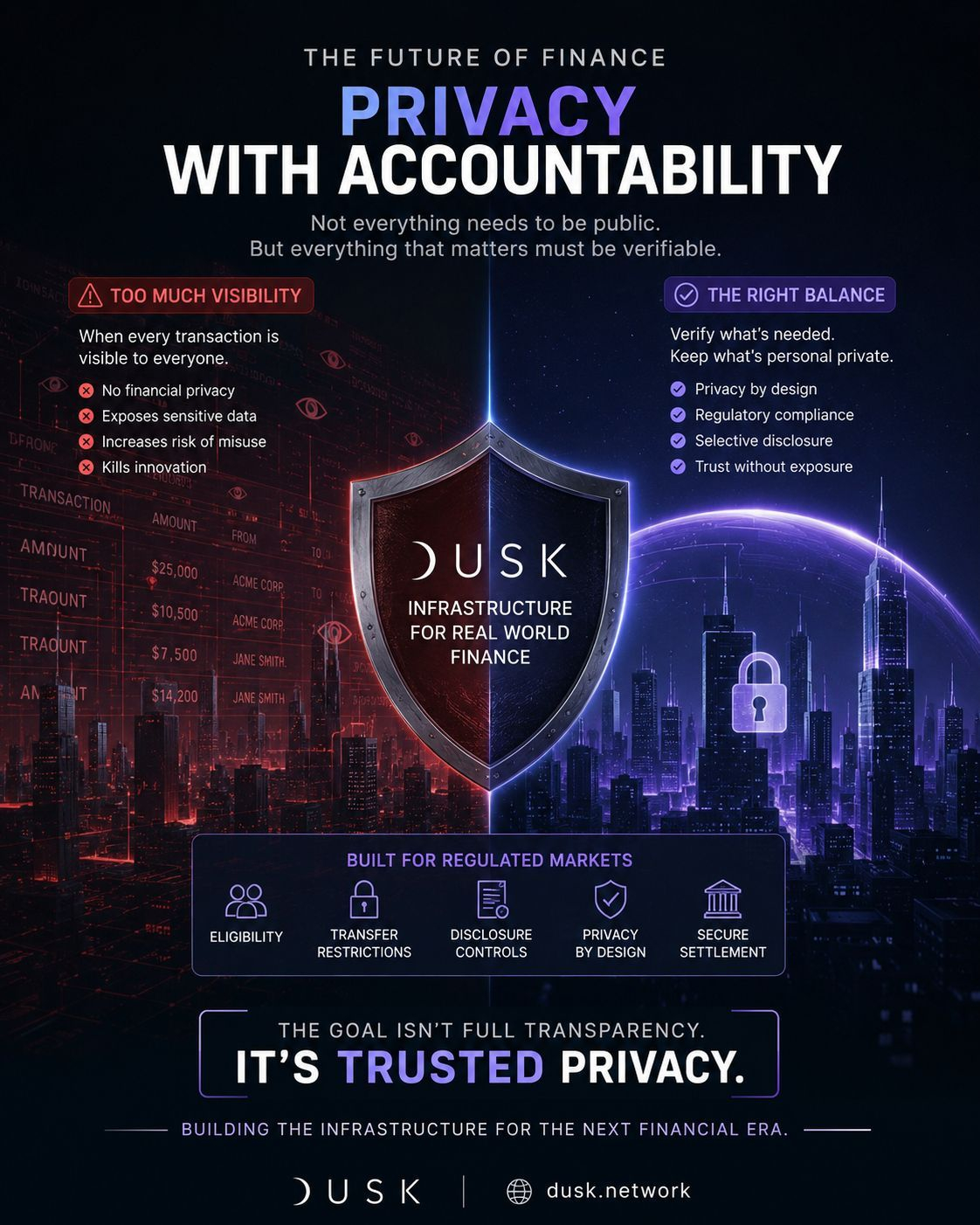
Random thought I had the other day — what if every financial transaction I made was visible to everyone, name and all? Sounds like a simple thought experiment, right? But sit with it for a second and it gets uncomfortable fast.
Because that's not actually how real financial markets work. Not everything is public. Who owns what, who's allowed to buy it, what needs to be disclosed and to whom, what stays private — that tension is basically the whole structure of finance. And that's what got me thinking about Dusk.
Full transparency isn't really the goal here. It's almost the opposite question: how do you verify what needs verifying without exposing someone's entire financial life to the world?
This matters even more with regulated assets. Slapping a token on something doesn't magically bring real market rules with it. Eligibility, transfer restrictions, privacy, disclosure requirements, settlement — all of that has to actually be built into the system, not bolted on after. That's the problem Dusk seems to be going after.
But here's what I keep coming back to: building this kind of infrastructure is obviously hard. The real question is whether future financial markets actually want more transparency — or whether what they really want is privacy paired with accountability.
I think that's where the real test is. Guess we'll find out 👍
@Dusk $DUSK #dusk
Because that's not actually how real financial markets work. Not everything is public. Who owns what, who's allowed to buy it, what needs to be disclosed and to whom, what stays private — that tension is basically the whole structure of finance. And that's what got me thinking about Dusk.
Full transparency isn't really the goal here. It's almost the opposite question: how do you verify what needs verifying without exposing someone's entire financial life to the world?
This matters even more with regulated assets. Slapping a token on something doesn't magically bring real market rules with it. Eligibility, transfer restrictions, privacy, disclosure requirements, settlement — all of that has to actually be built into the system, not bolted on after. That's the problem Dusk seems to be going after.
But here's what I keep coming back to: building this kind of infrastructure is obviously hard. The real question is whether future financial markets actually want more transparency — or whether what they really want is privacy paired with accountability.
I think that's where the real test is. Guess we'll find out 👍
@Dusk $DUSK #dusk
イーサリアム(ETH)は、スマートコントラクトや分散型アプリケーション(dApps)を動かすため、最も重要な暗号資産の1つです。支払いのみに使われるデジタル通貨とは異なり、イーサリアムは開発者がDeFiプラットフォーム、NFT、ブロックチェーンゲーム、その他の革新的なサービスを構築できるようにします。ETHはさらに、ネットワークのトランザクション手数料の支払いにも使われ、ステーキングによってブロックチェーンを保護することで、成長するWeb3エコシステムの重要な一部となっています。
#ClaimYourReward #claimRedPacket #Ethereum #BinanceSquareFamily
#ClaimYourReward #claimRedPacket #Ethereum #BinanceSquareFamily
翻訳参照
#dusk $DUSK @Dusk
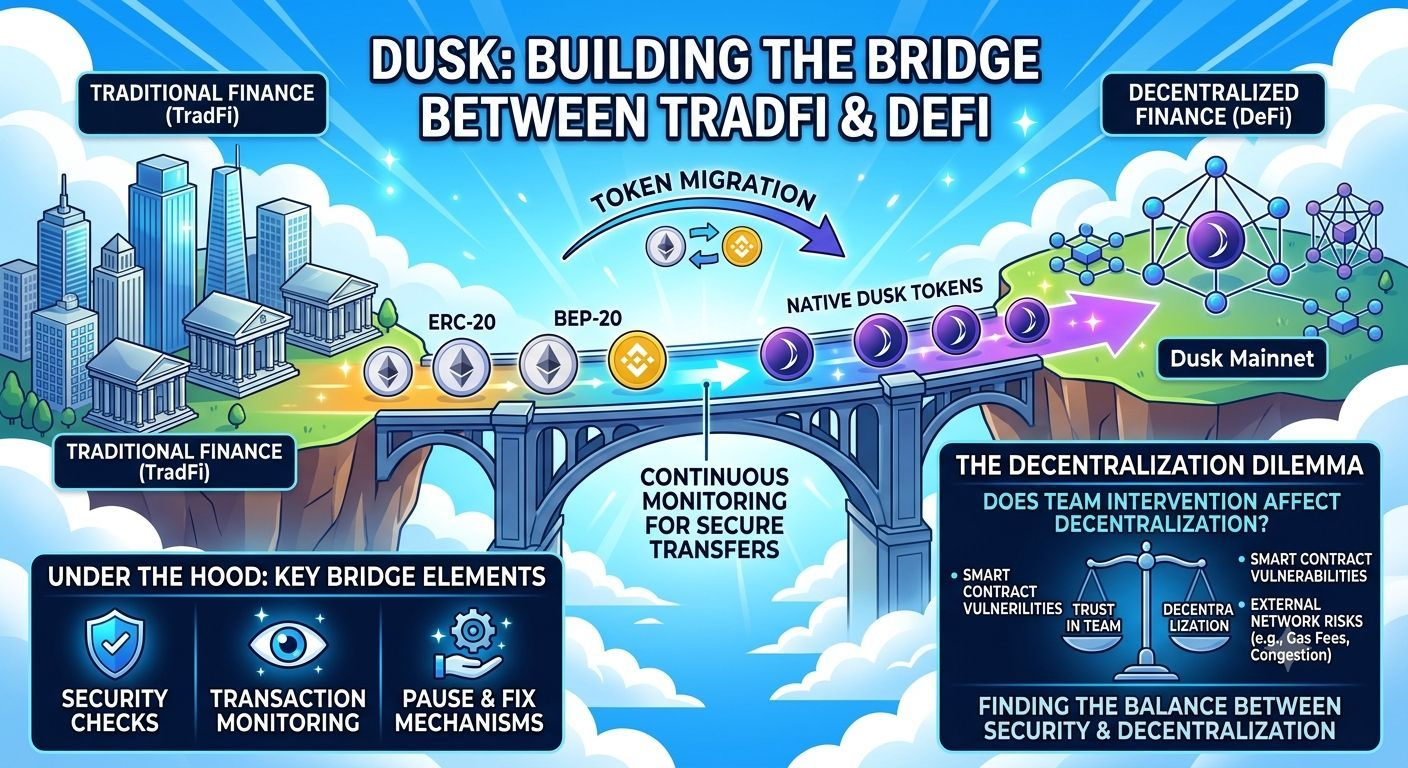
Earlier today, I was chatting with my brother about Dusk. He mentioned that Dusk’s main goal is to build a bridge between traditional finance (TradFi) and decentralized finance (DeFi).
That got me thinking: How does this bridge and token migration actually work under the hood?
At first, it sounds simple enough. You swap your ERC-20 or BEP-20 $DUSK tokens for native Dusk Mainnet tokens, or move them back whenever you need to. On paper, a bridge just moves assets from one network to another.
But when you look closer, it’s about way more than just transferring tokens.
To keep things secure, the bridge constantly monitors transactions. If something looks suspicious or a technical glitch happens, the team can step in to pause or fix it. On one hand, that extra layer of protection is great for safety. But on the other hand, it raises a big question: Does having that kind of control make the system less decentralized?
Whenever a team can intervene, you have to trust them to make the right call. On top of that, you still have to deal with typical crypto risks:
Smart contract vulnerabilities
External network issues (like high gas fees or congestion on Ethereum and BNB Chain slowing things down)
We often think of crypto bridges as simple, invisible tunnels. In reality, they are a complex mix of security checks, manual controls, and reliance on outside blockchains.
I'm not saying the Dusk bridge is unsafe—far from it. But it highlights a really interesting dilemma: How secure a system is on a technical level isn't the same as how decentralized it is in practice.
Finding the right balance between the two is where the real challenge lies.
#dusk @Dusk $DUSK
Earlier today, I was chatting with my brother about Dusk. He mentioned that Dusk’s main goal is to build a bridge between traditional finance (TradFi) and decentralized finance (DeFi).
That got me thinking: How does this bridge and token migration actually work under the hood?
At first, it sounds simple enough. You swap your ERC-20 or BEP-20 $DUSK tokens for native Dusk Mainnet tokens, or move them back whenever you need to. On paper, a bridge just moves assets from one network to another.
But when you look closer, it’s about way more than just transferring tokens.
To keep things secure, the bridge constantly monitors transactions. If something looks suspicious or a technical glitch happens, the team can step in to pause or fix it. On one hand, that extra layer of protection is great for safety. But on the other hand, it raises a big question: Does having that kind of control make the system less decentralized?
Whenever a team can intervene, you have to trust them to make the right call. On top of that, you still have to deal with typical crypto risks:
Smart contract vulnerabilities
External network issues (like high gas fees or congestion on Ethereum and BNB Chain slowing things down)
We often think of crypto bridges as simple, invisible tunnels. In reality, they are a complex mix of security checks, manual controls, and reliance on outside blockchains.
I'm not saying the Dusk bridge is unsafe—far from it. But it highlights a really interesting dilemma: How secure a system is on a technical level isn't the same as how decentralized it is in practice.
Finding the right balance between the two is where the real challenge lies.
#dusk @Dusk $DUSK
確認済み
#dusk $DUSK @Dusk
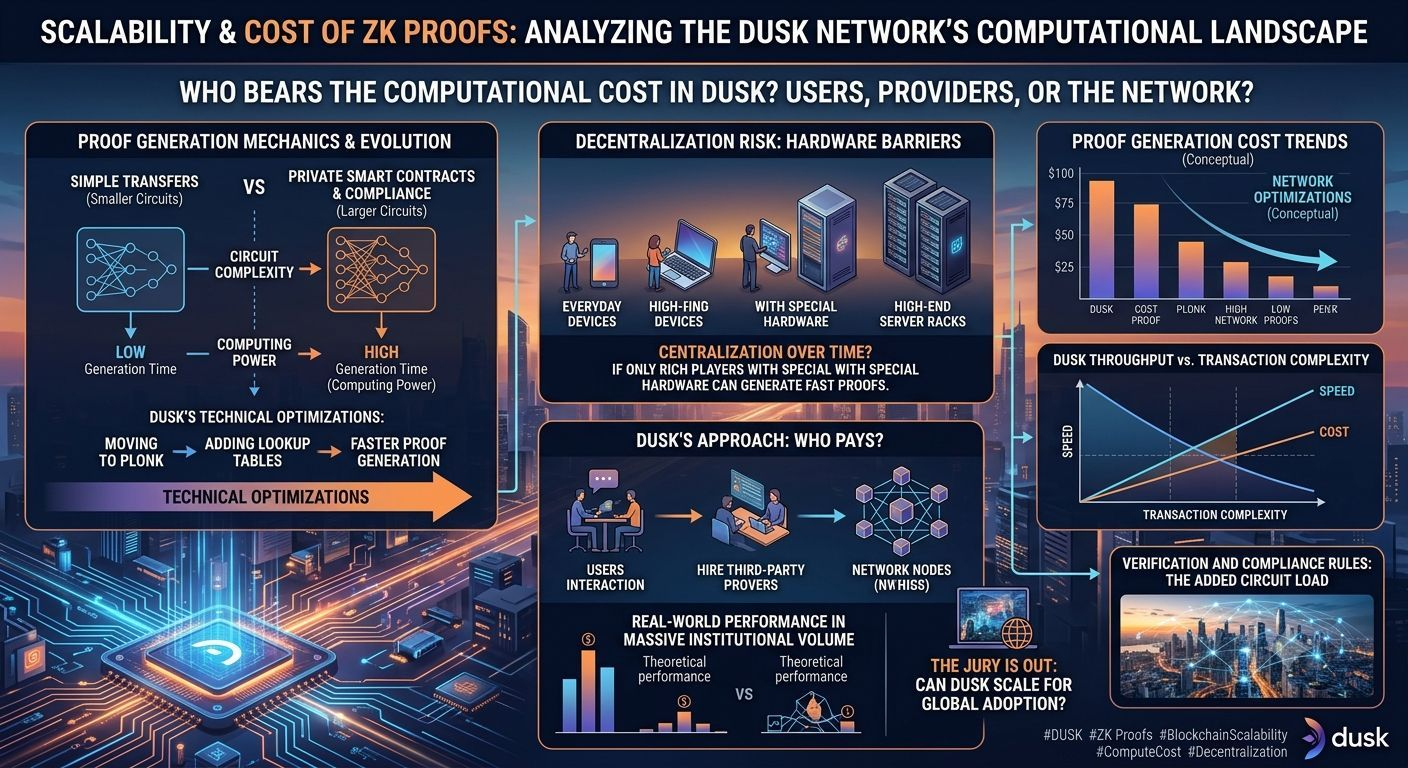
@Dusk_Foundationのデザインの中で、私が最も率直に不安を感じているのは、規模に応じた証明生成コストです。
zk-SNARKの証明生成は無料ではありません——計算コストは回路の複雑さに比例し、またzkシステム全般において、複雑な回路の証明時間はハードウェアや制約数によって、0.1秒未満から数十秒まで幅があります。
準拠(コンプライアンス)ロジックが組み込まれた機密スマートコントラクトは、ほぼ定義上、単純な送金よりも複雑な回路になります。これは実際に影響を及ぼします。誰が証明コストを負担するのか(ユーザーの端末か、委任されたプローバーか、ノードか)。そして、十分なリソースを持つプローバーだけが十分に速く証明を生成できるなら、それは中央集権化の圧力を生むことにならないのか?
Duskはこの点について(PLONK、さらに複雑な証明を高速化するためのルックアップテーブル付きのPlonKupといった形で)反復改善してきました。つまり、このボトルネックを意識していることは示されています。機関投資家レベルの取引量に対応するまでに、完全に解決されているかどうかは、答えが出たというより実データ次第の、なお検証を要する問題であって、私としてはそれを信じ切ることはできません。
$DUSK #dusk
@Dusk_Foundationのデザインの中で、私が最も率直に不安を感じているのは、規模に応じた証明生成コストです。
zk-SNARKの証明生成は無料ではありません——計算コストは回路の複雑さに比例し、またzkシステム全般において、複雑な回路の証明時間はハードウェアや制約数によって、0.1秒未満から数十秒まで幅があります。
準拠(コンプライアンス)ロジックが組み込まれた機密スマートコントラクトは、ほぼ定義上、単純な送金よりも複雑な回路になります。これは実際に影響を及ぼします。誰が証明コストを負担するのか(ユーザーの端末か、委任されたプローバーか、ノードか)。そして、十分なリソースを持つプローバーだけが十分に速く証明を生成できるなら、それは中央集権化の圧力を生むことにならないのか?
Duskはこの点について(PLONK、さらに複雑な証明を高速化するためのルックアップテーブル付きのPlonKupといった形で)反復改善してきました。つまり、このボトルネックを意識していることは示されています。機関投資家レベルの取引量に対応するまでに、完全に解決されているかどうかは、答えが出たというより実データ次第の、なお検証を要する問題であって、私としてはそれを信じ切ることはできません。
$DUSK #dusk
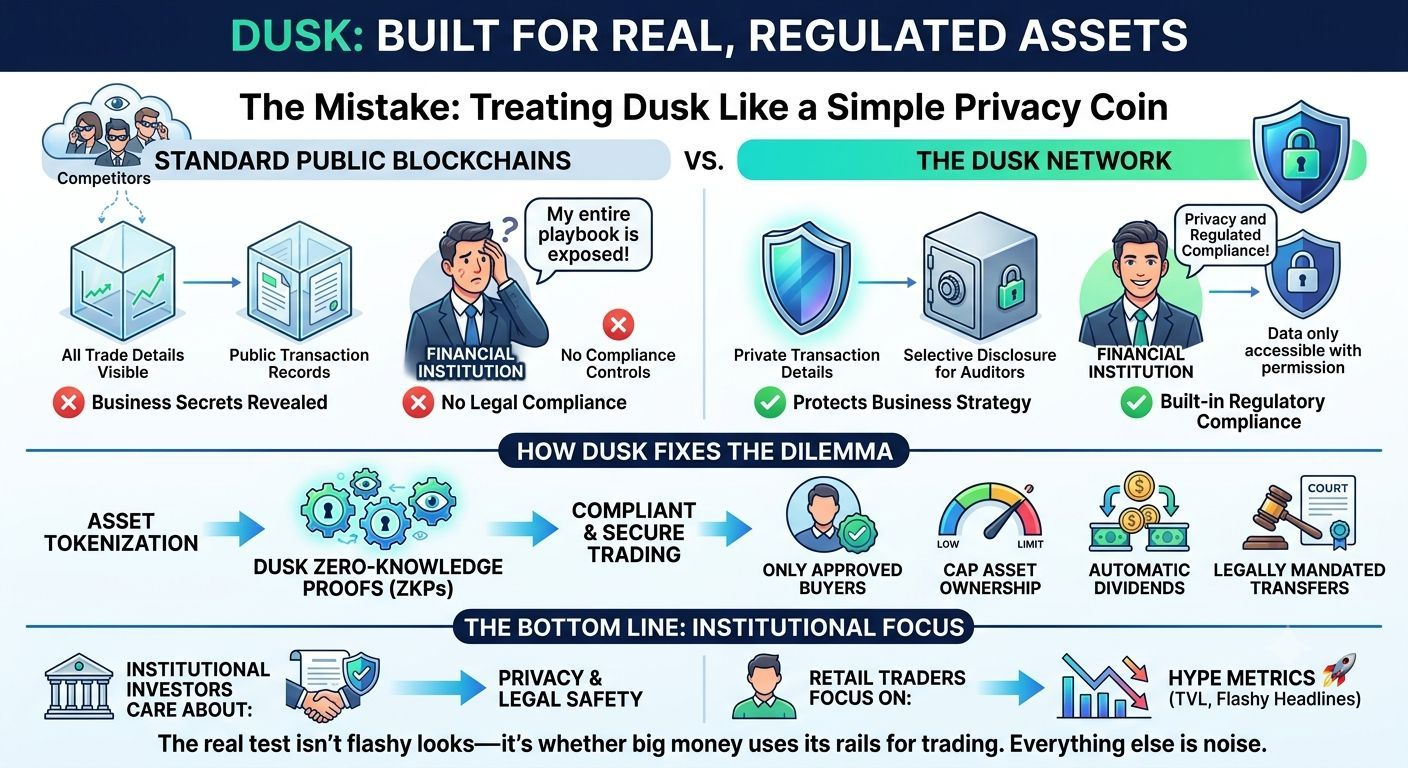
人々は「基本的なプライバシー・コイン」と一緒くたにして、Duskを見過ごしています。これは大きな誤りです。
Duskはお金を隠すだけのものではなく、実在の規制された資産のために作られています。
通常のブロックチェーンの大問題
実世界の資産をトークン化するのは簡単です。難しいのは、ビジネス上の秘密を公開せずに、それを取引することです。
標準的なブロックチェーンではすべてが公開されます。大手の金融機関は、次の2つのどちらかを選ばされることになるため使いません。
競合に対して事業の詳細な手順書をすべて見せること。
ブロックチェーンを完全に使わないこと。
Duskがそれを解決する方法
大口投資家にはプライバシーが必要ですが、同時に厳格な法的ルールにも従わなければなりません。必要なのは:
承認された人物だけが特定のトークンを購入できるようにすること。
ある人が保有できる資産の上限を定めること。
配当を自動的に支払うこと。
法的に譲渡が必要な場合、裁判所命令を遵守すること。
Duskは選択的開示を使います。取引の詳細を一般の人々から隠しつつ、必要なときには監査人や規制当局に対して機関が証明を提示できるようにします。
結論
個人のトレーダーは、総ロック額(TVL)といった単純な指標に気を取られがちです。しかし大手機関は、誇大な指標(ハイプ)など気にしません。彼らが重視するのは、プライバシーと法的な安全性です。
本当の試金石は、今日Duskがどれだけ派手に見えるかではありません。大口のお金が、明日取引のために実際にその仕組み(レール)を使うかどうかです。
#dusk $DUSK @Dusk
Duskはお金を隠すだけのものではなく、実在の規制された資産のために作られています。
通常のブロックチェーンの大問題
実世界の資産をトークン化するのは簡単です。難しいのは、ビジネス上の秘密を公開せずに、それを取引することです。
標準的なブロックチェーンではすべてが公開されます。大手の金融機関は、次の2つのどちらかを選ばされることになるため使いません。
競合に対して事業の詳細な手順書をすべて見せること。
ブロックチェーンを完全に使わないこと。
Duskがそれを解決する方法
大口投資家にはプライバシーが必要ですが、同時に厳格な法的ルールにも従わなければなりません。必要なのは:
承認された人物だけが特定のトークンを購入できるようにすること。
ある人が保有できる資産の上限を定めること。
配当を自動的に支払うこと。
法的に譲渡が必要な場合、裁判所命令を遵守すること。
Duskは選択的開示を使います。取引の詳細を一般の人々から隠しつつ、必要なときには監査人や規制当局に対して機関が証明を提示できるようにします。
結論
個人のトレーダーは、総ロック額(TVL)といった単純な指標に気を取られがちです。しかし大手機関は、誇大な指標(ハイプ)など気にしません。彼らが重視するのは、プライバシーと法的な安全性です。
本当の試金石は、今日Duskがどれだけ派手に見えるかではありません。大口のお金が、明日取引のために実際にその仕組み(レール)を使うかどうかです。
#dusk $DUSK @Dusk
確認済み
#dusk $DUSK @Dusk
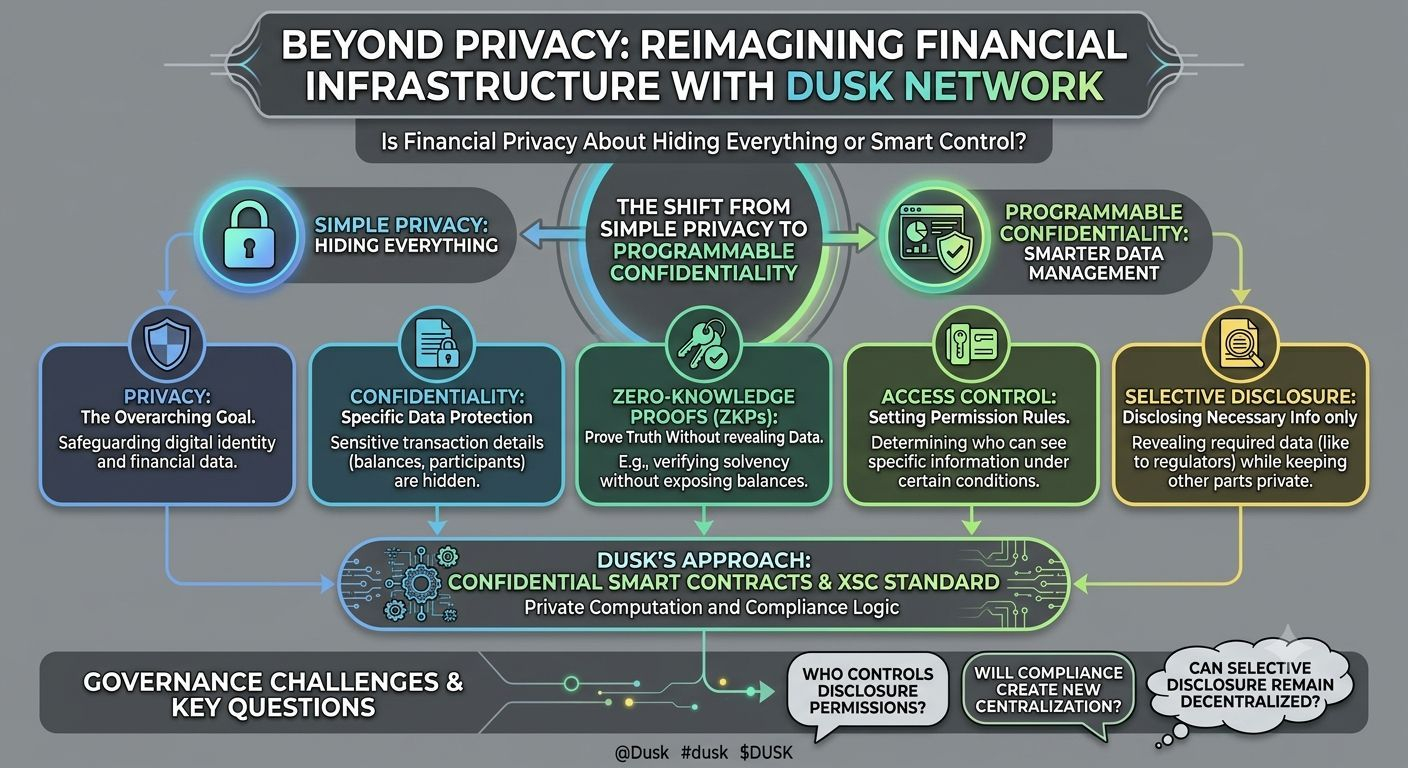
私が $DUSK を最初に探り始めたとき、頭にあったのはとてもシンプルな疑問です。金融プライバシーとは、本当に「すべてを隠すこと」を意味するのでしょうか?
私は、公的なブロックチェーンは、一般の人にとっては大口の資本や大規模な機関に対してほど透明ではない可能性があると考えています。そして、まさにそこが Dusk (@Dusk) の面白いところです。
大規模な機関投資家の金融では、取引パターン、残高、取引相手、ポジションを機密に保つ必要があります。一方で、規制当局や監査人に対しては検証可能な証明を同時に提供しなければなりません。
ここでこれらの用語の違いを理解することが重要です:
プライバシーは、全体としての大目標です。
機密性とは、機微なデータが誰にでも公開されないようにすることです。
ゼロ知識証明(ZKP)によって、実際の基礎データを明かすことなく真実であることを証明できます。
アクセス制御は、誰がデータにアクセスできるかを決めます。
選択的開示とは、相手が必要としている、または権限を与えられている情報だけを示すことです。
機密スマートコントラクトと XSC 規格を通じて、Dusk はこの枠組みを、実際の金融インフラへ持ち込もうとしています。
しかし、本当の問題はガバナンスにあります:
開示の許可を誰が管理するのか?
そして、コンプライアンスのルールが意図せず新たな中央集権化の要点を生み出してしまわないか?
さらに、現実の規制圧力に直面したとき、選択的開示は本当に分散したままでいられるのか?
私は Dusk がすべての完璧な解決策だと言っているわけではありません。ただ、彼らが狙っている課題は非常に現実的です。
あなたはどう思いますか? プログラム可能な制御(つまり、誰が何を見ることができるか)が、単に「取引をプライベートにする」こと以上に、今後より重要になっていくのでしょうか?
@Dusk #dusk $DUSK
私が $DUSK を最初に探り始めたとき、頭にあったのはとてもシンプルな疑問です。金融プライバシーとは、本当に「すべてを隠すこと」を意味するのでしょうか?
私は、公的なブロックチェーンは、一般の人にとっては大口の資本や大規模な機関に対してほど透明ではない可能性があると考えています。そして、まさにそこが Dusk (@Dusk) の面白いところです。
大規模な機関投資家の金融では、取引パターン、残高、取引相手、ポジションを機密に保つ必要があります。一方で、規制当局や監査人に対しては検証可能な証明を同時に提供しなければなりません。
ここでこれらの用語の違いを理解することが重要です:
プライバシーは、全体としての大目標です。
機密性とは、機微なデータが誰にでも公開されないようにすることです。
ゼロ知識証明(ZKP)によって、実際の基礎データを明かすことなく真実であることを証明できます。
アクセス制御は、誰がデータにアクセスできるかを決めます。
選択的開示とは、相手が必要としている、または権限を与えられている情報だけを示すことです。
機密スマートコントラクトと XSC 規格を通じて、Dusk はこの枠組みを、実際の金融インフラへ持ち込もうとしています。
しかし、本当の問題はガバナンスにあります:
開示の許可を誰が管理するのか?
そして、コンプライアンスのルールが意図せず新たな中央集権化の要点を生み出してしまわないか?
さらに、現実の規制圧力に直面したとき、選択的開示は本当に分散したままでいられるのか?
私は Dusk がすべての完璧な解決策だと言っているわけではありません。ただ、彼らが狙っている課題は非常に現実的です。
あなたはどう思いますか? プログラム可能な制御(つまり、誰が何を見ることができるか)が、単に「取引をプライベートにする」こと以上に、今後より重要になっていくのでしょうか?
@Dusk #dusk $DUSK
#dusk $DUSK @Dusk
#BOME はまた0.0014で反発する、ロングする
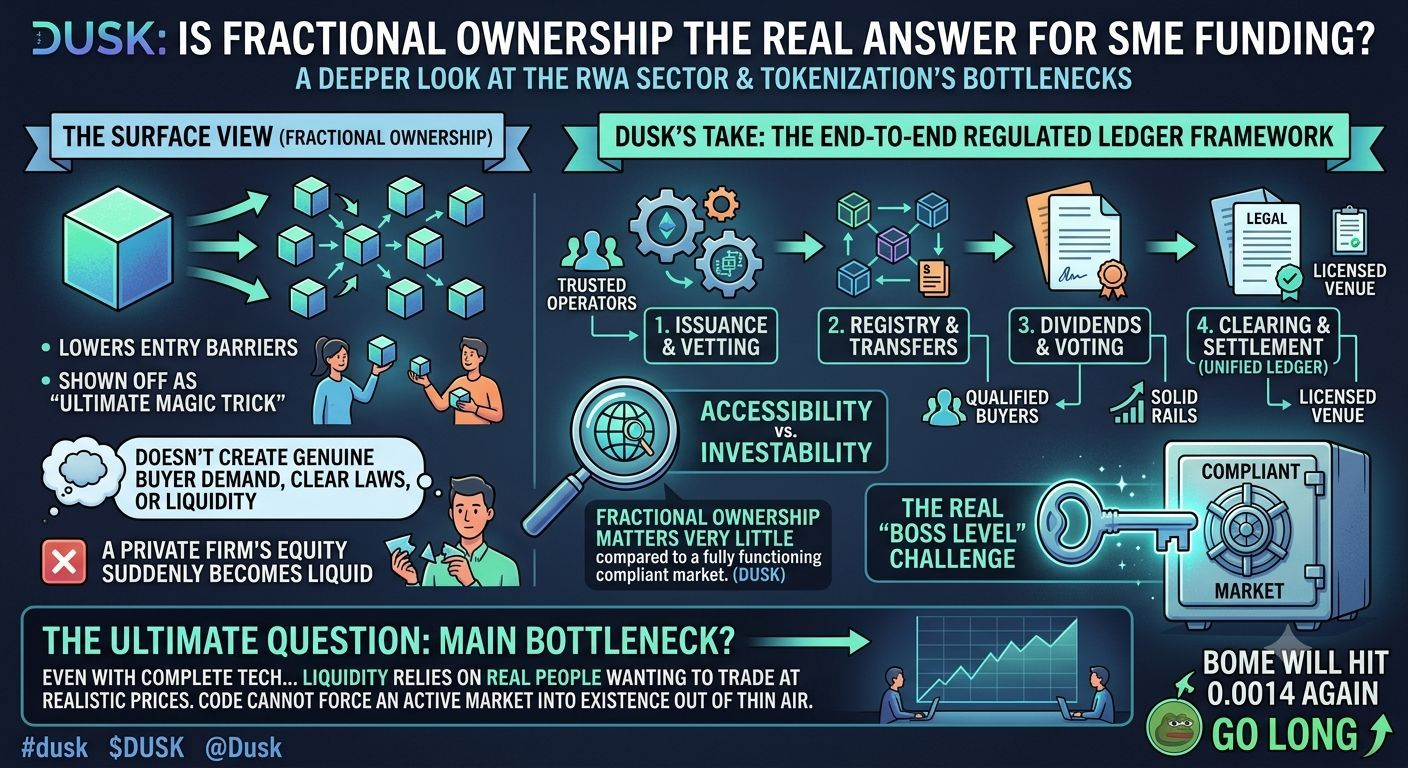
SMEの資金調達についてDuskが書いた最新記事を読んで、ある一文が強く印象に残った。
小口(分割)所有は、実際にはほとんど重要ではない。
資産を分割すると“究極の魔法の手品”のように言われるRWA分野では、それがかなり荒唐無稽に聞こえる。
でもDuskの見解は、はるかに現実的だ。
小さい取り分(小口)なら参入障壁は下がるが、真の買い手需要や明確な法律、二次流動性を“作り出す”ことはできない。
プライベート企業の株式は、それをもっと多くのトークンに刻んだからといって、急に流動化するわけではない。
ちょっと待って。
つまり、アクセスしやすさと投資可能性はまったく別物だということが証明される。
トークン化を本当にSMEの助けにするなら、Duskは「所有のプロセス全体が機能する必要がある」と主張している。発行、投資家の審査、台帳、移転、配当、議決権、清算は、統一された台帳(レジャー)で一体化される必要がある。
その資産には、信頼できる運営者、適格な買い手、堅実な取引基盤、そしてライセンスを持つ取引の場も必要だ。
この視点を評価している。見せびらかしの部分から焦点をずらしてくれるからだ。
トークンを分割するのは簡単に見せられる。
しかし、それらのためにコンプライアンスを満たした市場を用意するのが、本当の“最終ボス”だ。
技術が完全でも、流動性は結局「現実的な価格で取引したいと思う人間」に依存する。コードは事務負担を減らすが、薄っぺらい空想だけで、アクティブな市場を存在させることはできない。
このエンドツーエンドの枠組みは、SMEの株式に本当に幅広い参加への道を開くのか?それとも、現実の需要という“頑固なボトルネック”が、トークン化ではどうしても解決できないのか?
DuskのSMEトークン化:最大のボトルネック?
#dusk @Dusk
#BOME はまた0.0014で反発する、ロングする
SMEの資金調達についてDuskが書いた最新記事を読んで、ある一文が強く印象に残った。
小口(分割)所有は、実際にはほとんど重要ではない。
資産を分割すると“究極の魔法の手品”のように言われるRWA分野では、それがかなり荒唐無稽に聞こえる。
でもDuskの見解は、はるかに現実的だ。
小さい取り分(小口)なら参入障壁は下がるが、真の買い手需要や明確な法律、二次流動性を“作り出す”ことはできない。
プライベート企業の株式は、それをもっと多くのトークンに刻んだからといって、急に流動化するわけではない。
ちょっと待って。
つまり、アクセスしやすさと投資可能性はまったく別物だということが証明される。
トークン化を本当にSMEの助けにするなら、Duskは「所有のプロセス全体が機能する必要がある」と主張している。発行、投資家の審査、台帳、移転、配当、議決権、清算は、統一された台帳(レジャー)で一体化される必要がある。
その資産には、信頼できる運営者、適格な買い手、堅実な取引基盤、そしてライセンスを持つ取引の場も必要だ。
この視点を評価している。見せびらかしの部分から焦点をずらしてくれるからだ。
トークンを分割するのは簡単に見せられる。
しかし、それらのためにコンプライアンスを満たした市場を用意するのが、本当の“最終ボス”だ。
技術が完全でも、流動性は結局「現実的な価格で取引したいと思う人間」に依存する。コードは事務負担を減らすが、薄っぺらい空想だけで、アクティブな市場を存在させることはできない。
このエンドツーエンドの枠組みは、SMEの株式に本当に幅広い参加への道を開くのか?それとも、現実の需要という“頑固なボトルネック”が、トークン化ではどうしても解決できないのか?
DuskのSMEトークン化:最大のボトルネック?
#dusk @Dusk
#dusk $DUSK @Dusk
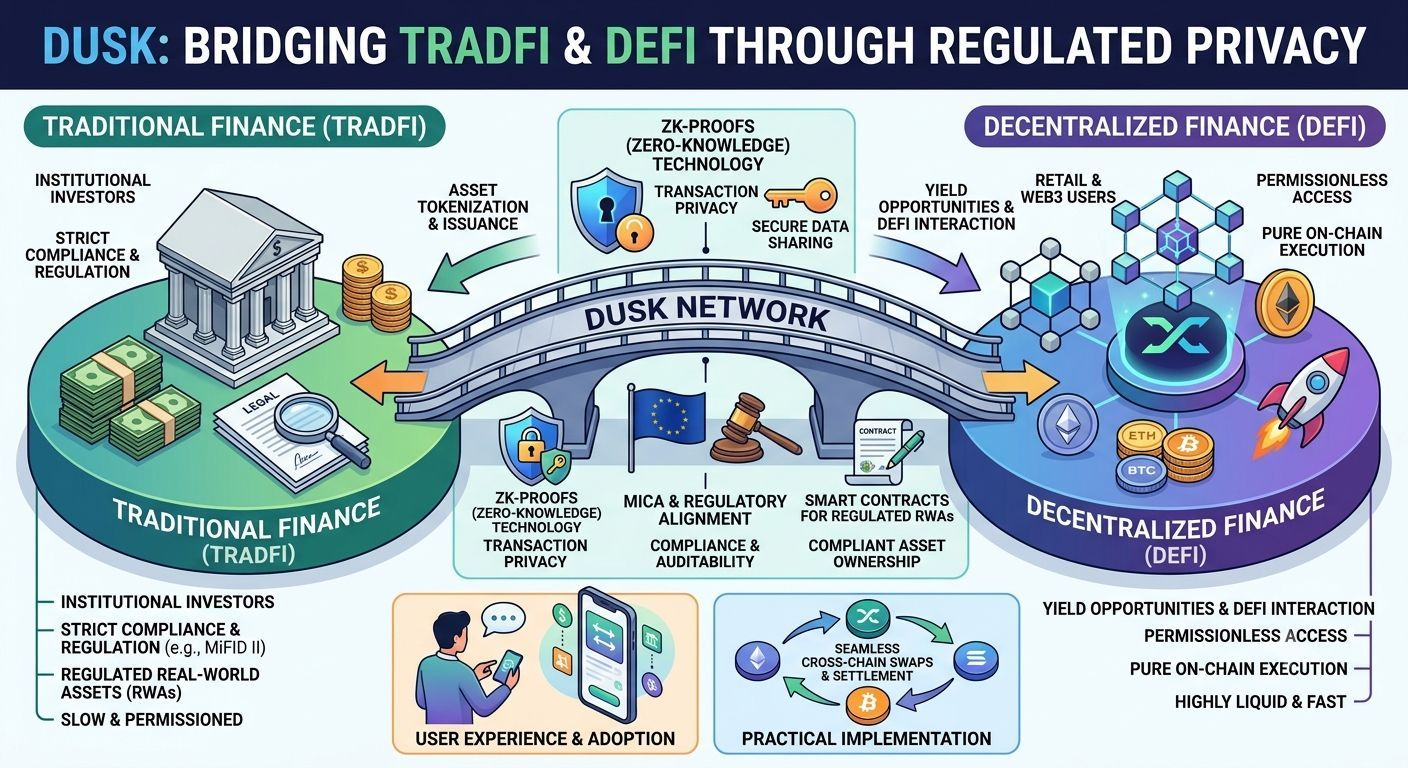
今朝目が覚めて、@Duskについてもう少し深く掘り下げたくなった。特に、TradFi(伝統的金融)とDeFiをつなぐという彼らの考えについてだ。
考えてみると、本当に興味深い領域だ。片方には、規制やコンプライアンスがすべてである伝統的金融がある。もう片方には、DeFiがある。
では、実際にこの2つの世界をうまく結びつけることはどれほど簡単なのだろう? それは、ぜひ考えてみる価値がある。
私が@Duskプロジェクトに惹かれたのは、まさにそこだった。規制された現実世界の資産をブロックチェーン上に取り込もうとしている。しかし、私たちが知っている通り、資産をトークン化するだけでは不十分だ。どのように規制されるのか、誰がそれにアクセスできるのか、そして取引中にユーザーのプライバシーをどう守るのかを考えなければならない。
私にとって特に際立っているのは、MiCAやMiFID IIのような欧州の枠組みとの整合性だ。DeFiの本質的な自由と、TradFiの硬直した要求のバランスを取るのは簡単ではない。目標がいつも一致するわけではない。もしDuskのスマートコントラクト設計が、それら両方にうまく対応できるのなら、これは単なるトークン化をはるかに超える。ブロックチェーン基盤と、規制された金融市場の間における本当の架け橋になる。
それでも、私にとって大きな疑問は残っている。紙の上でのプライバシーとコンプライアンスの両立は一つのことだが、現実の世界でそれをシームレスで、実用的で、ユーザーフレンドリーにするのは別の話だ。
結局のところ、本当の試金石は技術だけではない。こうしたバランスが、実際の場面でどれだけうまく機能するかだ。
まだこの件を考え中だ!
@Dusk $DUSK #dusk
今朝目が覚めて、@Duskについてもう少し深く掘り下げたくなった。特に、TradFi(伝統的金融)とDeFiをつなぐという彼らの考えについてだ。
考えてみると、本当に興味深い領域だ。片方には、規制やコンプライアンスがすべてである伝統的金融がある。もう片方には、DeFiがある。
では、実際にこの2つの世界をうまく結びつけることはどれほど簡単なのだろう? それは、ぜひ考えてみる価値がある。
私が@Duskプロジェクトに惹かれたのは、まさにそこだった。規制された現実世界の資産をブロックチェーン上に取り込もうとしている。しかし、私たちが知っている通り、資産をトークン化するだけでは不十分だ。どのように規制されるのか、誰がそれにアクセスできるのか、そして取引中にユーザーのプライバシーをどう守るのかを考えなければならない。
私にとって特に際立っているのは、MiCAやMiFID IIのような欧州の枠組みとの整合性だ。DeFiの本質的な自由と、TradFiの硬直した要求のバランスを取るのは簡単ではない。目標がいつも一致するわけではない。もしDuskのスマートコントラクト設計が、それら両方にうまく対応できるのなら、これは単なるトークン化をはるかに超える。ブロックチェーン基盤と、規制された金融市場の間における本当の架け橋になる。
それでも、私にとって大きな疑問は残っている。紙の上でのプライバシーとコンプライアンスの両立は一つのことだが、現実の世界でそれをシームレスで、実用的で、ユーザーフレンドリーにするのは別の話だ。
結局のところ、本当の試金石は技術だけではない。こうしたバランスが、実際の場面でどれだけうまく機能するかだ。
まだこの件を考え中だ!
@Dusk $DUSK #dusk
確認済み
#dusk $DUSK @Dusk
昨夜、ノートPCを開いたところ、@Dusk からの通知が表示されていました。それに興味を持った私は、Dusk Trade のエコシステムについてもう少し深掘りしてみることにしました。
最初見たときは、かなり分かりやすく見えます。トークン化された株式、債券、ファンド、ETF、マネーマーケットファンドなど、規制対象の資産を見つけて取引できる「一つの場所」がある、というものです。
しかし、さらに調べるほど、より大きな全体像が見えてきて、だんだん面白くなっていきました。
特に目を引いたのが、NPEX と Dusk Trade の提携です。NPEX は AFM に監督されるオランダの取引所で、MTF と ECSP のライセンスを持っています。100 回以上の資金調達ラウンドを支援しており、調達額は 2.17 億ユーロ超、アクティブな投資家は 2 万人超です。
これらの数字は、規制されたデジタル市場が「ただのアイデア」段階をすでに越えて進んでいることを示唆しています。
そしてここからが面白いところです。
Dusk はプライバシー保護のためのインフラを提供し、NPEX は規制された取引環境を提供します。つまり、プライバシーと規制が別々のパーツとして扱われるのではなく、同じ流れの中に取り込まれているのです。
これは重要です。というのも、トークン化そのものは最も難しい部分ではないからです。
本当の難題は、発行、投資家の適格性、プライバシー、取引、コンプライアンス、決済といったライフサイクル全体を、1 つのシームレスなオンチェーン体験の中でつなげることにあります。
技術だけでは導入は保証されません。
そこで残った疑問はこれです。
規制された金融市場のライフサイクル全体は、本当にオンチェーン上にあるだけで、これほどまでにシンプルで誰にでもアクセスできるようになるのでしょうか?
私はまだ考えています。🤔
あなたはどう思いますか?
P.S. Dusk Trade のプレローンチ・ウェイティングリストは公開中です。メンバーには、トークン化された RWA($500 相当)の抽選に参加できるチャンスもあるかもしれません。
@Dusk $DUSK #dusk
昨夜、ノートPCを開いたところ、@Dusk からの通知が表示されていました。それに興味を持った私は、Dusk Trade のエコシステムについてもう少し深掘りしてみることにしました。
最初見たときは、かなり分かりやすく見えます。トークン化された株式、債券、ファンド、ETF、マネーマーケットファンドなど、規制対象の資産を見つけて取引できる「一つの場所」がある、というものです。
しかし、さらに調べるほど、より大きな全体像が見えてきて、だんだん面白くなっていきました。
特に目を引いたのが、NPEX と Dusk Trade の提携です。NPEX は AFM に監督されるオランダの取引所で、MTF と ECSP のライセンスを持っています。100 回以上の資金調達ラウンドを支援しており、調達額は 2.17 億ユーロ超、アクティブな投資家は 2 万人超です。
これらの数字は、規制されたデジタル市場が「ただのアイデア」段階をすでに越えて進んでいることを示唆しています。
そしてここからが面白いところです。
Dusk はプライバシー保護のためのインフラを提供し、NPEX は規制された取引環境を提供します。つまり、プライバシーと規制が別々のパーツとして扱われるのではなく、同じ流れの中に取り込まれているのです。
これは重要です。というのも、トークン化そのものは最も難しい部分ではないからです。
本当の難題は、発行、投資家の適格性、プライバシー、取引、コンプライアンス、決済といったライフサイクル全体を、1 つのシームレスなオンチェーン体験の中でつなげることにあります。
技術だけでは導入は保証されません。
そこで残った疑問はこれです。
規制された金融市場のライフサイクル全体は、本当にオンチェーン上にあるだけで、これほどまでにシンプルで誰にでもアクセスできるようになるのでしょうか?
私はまだ考えています。🤔
あなたはどう思いますか?
P.S. Dusk Trade のプレローンチ・ウェイティングリストは公開中です。メンバーには、トークン化された RWA($500 相当)の抽選に参加できるチャンスもあるかもしれません。
@Dusk $DUSK #dusk
#dusk $DUSK @Dusk
ブロックチェーンについて学べば学ぶほど、すべてを公開することが常に最善だとは限らないと分かってきました。
もし私がビジネスを運営したり、ブロックチェーン上で重要な金融活動を扱ったりする立場なら、信頼を築くのに役立つ透明性は望みます。けれども、すべてのプライベートな詳細まで誰もが見られるようにはしたくありません。
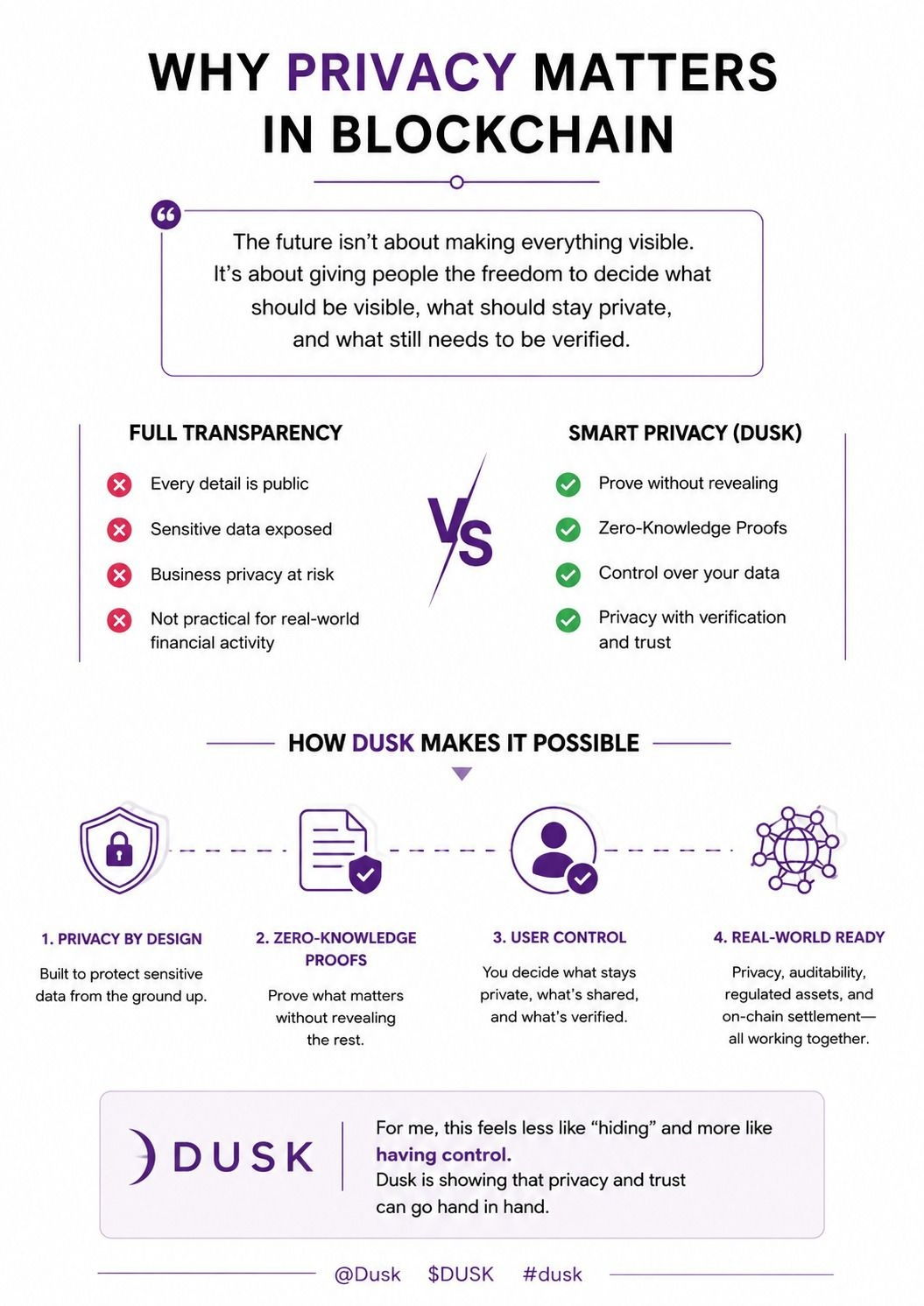
その点で、Duskが私には特に印象的です。プライバシー技術やゼロ知識証明を使って、本当に重要なことだけを検証しつつ、その裏にあるすべてをさらけ出さないという発想は、とても理にかなっています。
私にとってプライバシーとは、何かを隠すことではありません。共有する内容や、誰に見せるのかをコントロールできることです。
プライバシーと透明性が対立するものとして扱われるのではなく、共に機能できるようになれば、ブロックチェーンにはもっと大きな可能性があると思います。
もしかすると未来は、すべてを見せ出すことではないのかもしれません。
それは、人々に「何を公開すべきか」「何を非公開にすべきか」「そして何をまだ検証する必要があるのか」を選べるようにすることなのかもしれません。
そのバランスこそが、ブロックチェーンを実際のビジネスや日常のユーザーにとってより役立つものにする大きな要素になるはずです。
@Dusk $DUSK #dusk
ブロックチェーンについて学べば学ぶほど、すべてを公開することが常に最善だとは限らないと分かってきました。
もし私がビジネスを運営したり、ブロックチェーン上で重要な金融活動を扱ったりする立場なら、信頼を築くのに役立つ透明性は望みます。けれども、すべてのプライベートな詳細まで誰もが見られるようにはしたくありません。
その点で、Duskが私には特に印象的です。プライバシー技術やゼロ知識証明を使って、本当に重要なことだけを検証しつつ、その裏にあるすべてをさらけ出さないという発想は、とても理にかなっています。
私にとってプライバシーとは、何かを隠すことではありません。共有する内容や、誰に見せるのかをコントロールできることです。
プライバシーと透明性が対立するものとして扱われるのではなく、共に機能できるようになれば、ブロックチェーンにはもっと大きな可能性があると思います。
もしかすると未来は、すべてを見せ出すことではないのかもしれません。
それは、人々に「何を公開すべきか」「何を非公開にすべきか」「そして何をまだ検証する必要があるのか」を選べるようにすることなのかもしれません。
そのバランスこそが、ブロックチェーンを実際のビジネスや日常のユーザーにとってより役立つものにする大きな要素になるはずです。
@Dusk $DUSK #dusk
#dusk $DUSK @Dusk
私はDusk上のZedgerをさらに深掘りしていて、ある点が特に際立っています。
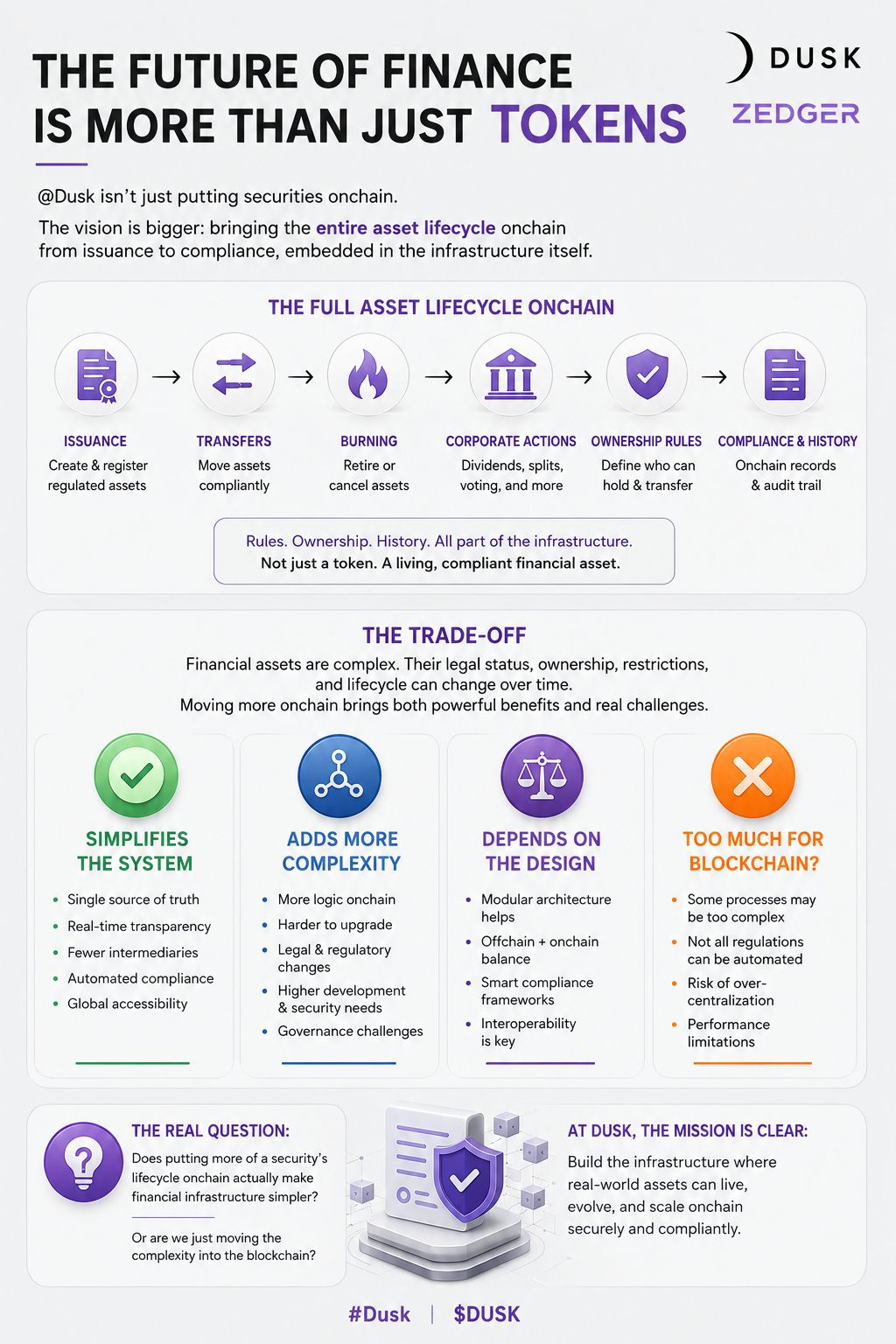
@Duskは単に有価証券をオンチェーンに載せようとしているわけではありません。より大きな狙いは、実際の資産ライフサイクルのより多くをオンチェーンに持ち込むことです。
規制対象の資産を想像してみてください。そうした資産は、ただ作られて取引されるだけではありません。発行、移転、焼却、コーポレートアクション、所有に関するルール、コンプライアンス、そして資産に起きることの完全な履歴があります。
それによって、ブロックチェーン基盤の捉え方が変わります。
チェーンが、どこか別の場所にある資産を表すトークンを保持するだけではなく、その金融資産を管理するルール自体が、基盤(インフラ)の一部になり得るのです。
そして率直に言えば、それが面白い部分です。
ただしトレードオフもあります。
金融資産は複雑です。法的な地位、所有、制約、そしてライフサイクルは時間とともに変わり得ます。そのプロセスのより多くをオンチェーンに移すことは、システムをよりつながりやすく、透明で、プログラム可能にする可能性があります。
しかし同時に、プロトコルがより多くの現実の複雑さを吸収しなければならないことも意味します。
そこで私にとってのより大きな問いはこうです:
セキュリティのライフサイクルをオンチェーンにより多く載せることは、実際に金融インフラを簡素化するのでしょうか?
それとも、単に複雑さをブロックチェーンへ移しているだけでしょうか?
システムを簡素化する
より多くの複雑さを追加する
設計次第
ブロックチェーンには多すぎる
#dusk @Dusk $DUSK
私はDusk上のZedgerをさらに深掘りしていて、ある点が特に際立っています。
@Duskは単に有価証券をオンチェーンに載せようとしているわけではありません。より大きな狙いは、実際の資産ライフサイクルのより多くをオンチェーンに持ち込むことです。
規制対象の資産を想像してみてください。そうした資産は、ただ作られて取引されるだけではありません。発行、移転、焼却、コーポレートアクション、所有に関するルール、コンプライアンス、そして資産に起きることの完全な履歴があります。
それによって、ブロックチェーン基盤の捉え方が変わります。
チェーンが、どこか別の場所にある資産を表すトークンを保持するだけではなく、その金融資産を管理するルール自体が、基盤(インフラ)の一部になり得るのです。
そして率直に言えば、それが面白い部分です。
ただしトレードオフもあります。
金融資産は複雑です。法的な地位、所有、制約、そしてライフサイクルは時間とともに変わり得ます。そのプロセスのより多くをオンチェーンに移すことは、システムをよりつながりやすく、透明で、プログラム可能にする可能性があります。
しかし同時に、プロトコルがより多くの現実の複雑さを吸収しなければならないことも意味します。
そこで私にとってのより大きな問いはこうです:
セキュリティのライフサイクルをオンチェーンにより多く載せることは、実際に金融インフラを簡素化するのでしょうか?
それとも、単に複雑さをブロックチェーンへ移しているだけでしょうか?
システムを簡素化する
より多くの複雑さを追加する
設計次第
ブロックチェーンには多すぎる
#dusk @Dusk $DUSK
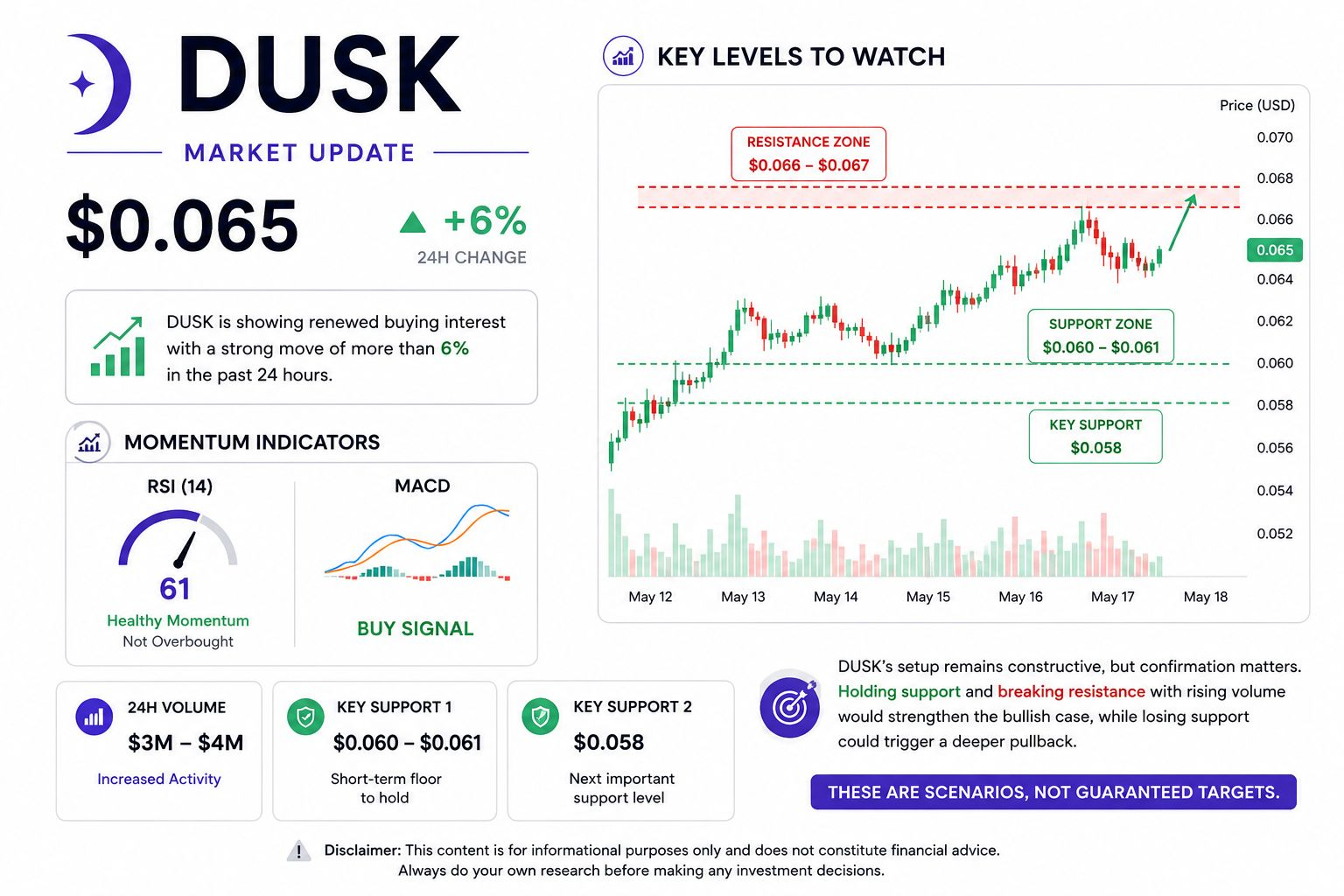
DUSKは買いが再燃しており、トークンは約$0.065で取引されていて、過去24時間で6%超の上昇を記録しています。動きは好材料に見えるものの、トレンドが継続するとは決めつけず、いくつか重要な水準を確認しておくべきです。
最初の主要なサポートは$0.060〜$0.061付近です。ここは最近、下値の受け皿として機能しており、この水準より上を維持できれば、DUSKの短期的な強気構造を保つ助けになります。もし売り圧力が強まるなら、次の重要なサポートは$0.058付近で、買い手が価格防衛に動く可能性があります。
上方向では、$0.066〜$0.067の領域が注目すべき主要なレジスタンスです。このレンジを明確に上抜け、特に取引高が増えている場合は、買い手の勢いが強まっており、さらに上方向の余地が開けることを示唆するかもしれません。
出来高も重要な要素です。24時間の取引が約$3〜4百万の水準で推移しており、直近の値動きとともに参加が増えています。
モメンタム指標も概ねポジティブです。RSIは約61で、強いモメンタムを示している一方で、深い過熱(買われすぎ)には至っていません。MACDは現在買いシグナルを出しています。
総合すると、DUSKの状況は前向きですが、確証が重要です。サポートを維持し、出来高の増加とともにレジスタンスをブレイクできれば強気材料が強まります。一方でサポートを失うと、より深い押し戻しが起きる可能性があります。これらはシナリオであり、保証された目標ではありません。
#dusk $DUSK @Dusk
最初の主要なサポートは$0.060〜$0.061付近です。ここは最近、下値の受け皿として機能しており、この水準より上を維持できれば、DUSKの短期的な強気構造を保つ助けになります。もし売り圧力が強まるなら、次の重要なサポートは$0.058付近で、買い手が価格防衛に動く可能性があります。
上方向では、$0.066〜$0.067の領域が注目すべき主要なレジスタンスです。このレンジを明確に上抜け、特に取引高が増えている場合は、買い手の勢いが強まっており、さらに上方向の余地が開けることを示唆するかもしれません。
出来高も重要な要素です。24時間の取引が約$3〜4百万の水準で推移しており、直近の値動きとともに参加が増えています。
モメンタム指標も概ねポジティブです。RSIは約61で、強いモメンタムを示している一方で、深い過熱(買われすぎ)には至っていません。MACDは現在買いシグナルを出しています。
総合すると、DUSKの状況は前向きですが、確証が重要です。サポートを維持し、出来高の増加とともにレジスタンスをブレイクできれば強気材料が強まります。一方でサポートを失うと、より深い押し戻しが起きる可能性があります。これらはシナリオであり、保証された目標ではありません。
#dusk $DUSK @Dusk
#dusk $DUSK @Dusk
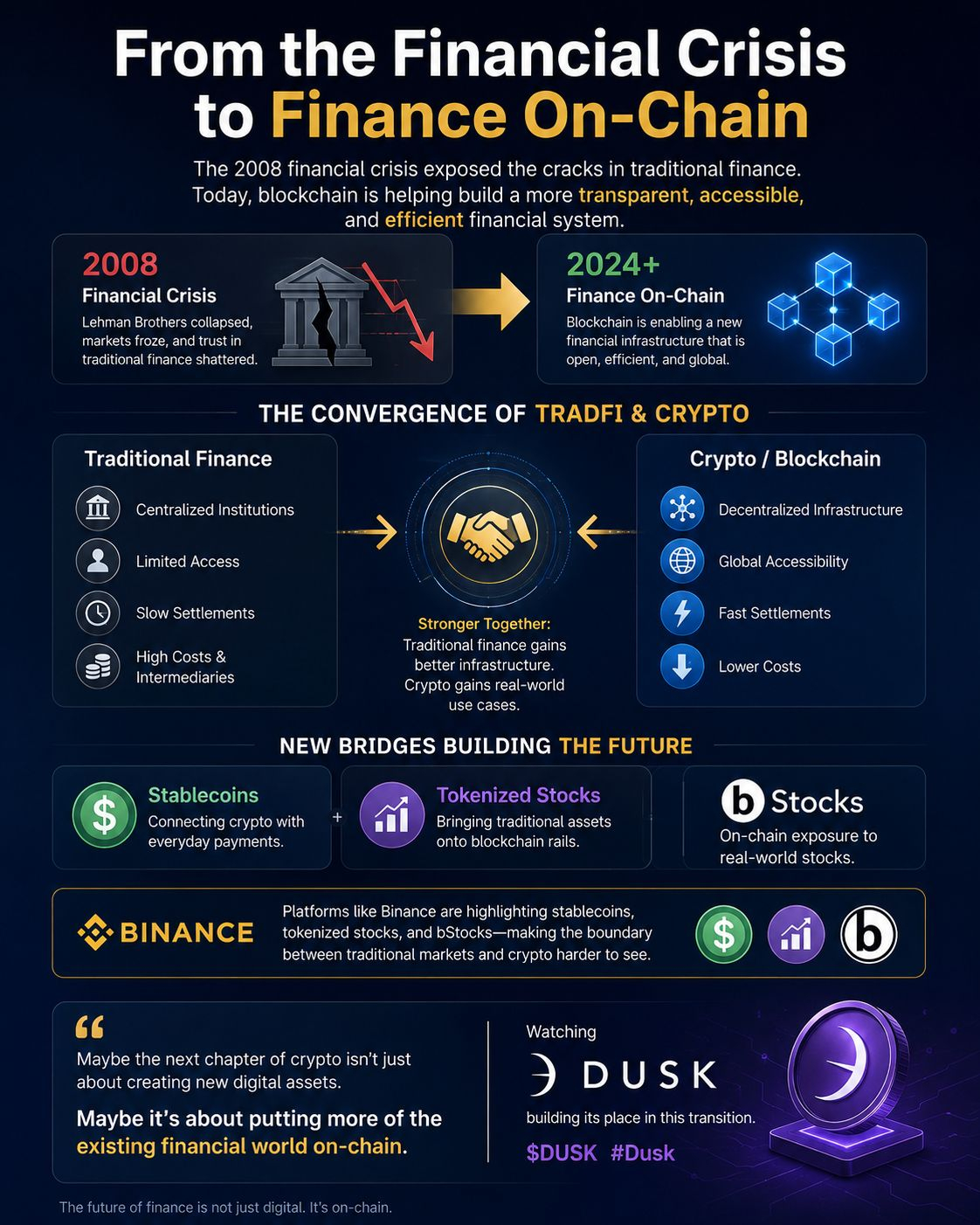
2008年の金融危機を覚えていますか? リーマン・ブラザーズが崩壊し、市場は凍りつき、世界中の人々が、従来の金融システムがいかに脆いものになり得るかを目の当たりにしました。
その危機は、金融テクノロジーに対しても次の問いを突きつけました。お金や資産は、もっと透明で、アクセスしやすく、効率的な形で動かせないのか?
そして時は進み、今日ではブロックチェーンがその答えの一部になりつつあります。
ステーブルコインは暗号資産を日常の決済につなぎ、トークン化された株式は従来の資産をブロックチェーンのレールへと運び込んでいます。考え方はシンプルです。金融資産を、よりアクセスしやすくし、取引しやすくし、そして移動しやすくすることです。
ここで、TradFi(伝統的金融)とクリプトが交わり始めます。伝統的な金融はブロックチェーンのインフラから恩恵を受けられ、クリプトは現実世界での金融ユースケースを手に入れられるのです。
バイナンスのようなプラットフォームが、ステーブルコイン、トークン化された株式、bStocksを取り上げることで、従来の市場とクリプトの境界線が見えにくくなってきています。
そして、@Duskがこの移行の中でどのように居場所を築いているのかを見ています。$DUSK #Dusk
もしかすると、クリプトの次の章は、新しいデジタル資産を作ることだけではないのかもしれません。
もしかすると、それは、既存の金融の世界をもっとオンチェーンにすることなのです。
2008年の金融危機を覚えていますか? リーマン・ブラザーズが崩壊し、市場は凍りつき、世界中の人々が、従来の金融システムがいかに脆いものになり得るかを目の当たりにしました。
その危機は、金融テクノロジーに対しても次の問いを突きつけました。お金や資産は、もっと透明で、アクセスしやすく、効率的な形で動かせないのか?
そして時は進み、今日ではブロックチェーンがその答えの一部になりつつあります。
ステーブルコインは暗号資産を日常の決済につなぎ、トークン化された株式は従来の資産をブロックチェーンのレールへと運び込んでいます。考え方はシンプルです。金融資産を、よりアクセスしやすくし、取引しやすくし、そして移動しやすくすることです。
ここで、TradFi(伝統的金融)とクリプトが交わり始めます。伝統的な金融はブロックチェーンのインフラから恩恵を受けられ、クリプトは現実世界での金融ユースケースを手に入れられるのです。
バイナンスのようなプラットフォームが、ステーブルコイン、トークン化された株式、bStocksを取り上げることで、従来の市場とクリプトの境界線が見えにくくなってきています。
そして、@Duskがこの移行の中でどのように居場所を築いているのかを見ています。$DUSK #Dusk
もしかすると、クリプトの次の章は、新しいデジタル資産を作ることだけではないのかもしれません。
もしかすると、それは、既存の金融の世界をもっとオンチェーンにすることなのです。
#dusk $DUSK @Dusk
ブロックチェーンが、あなたの金融ストーリーを全員に語る 🔐
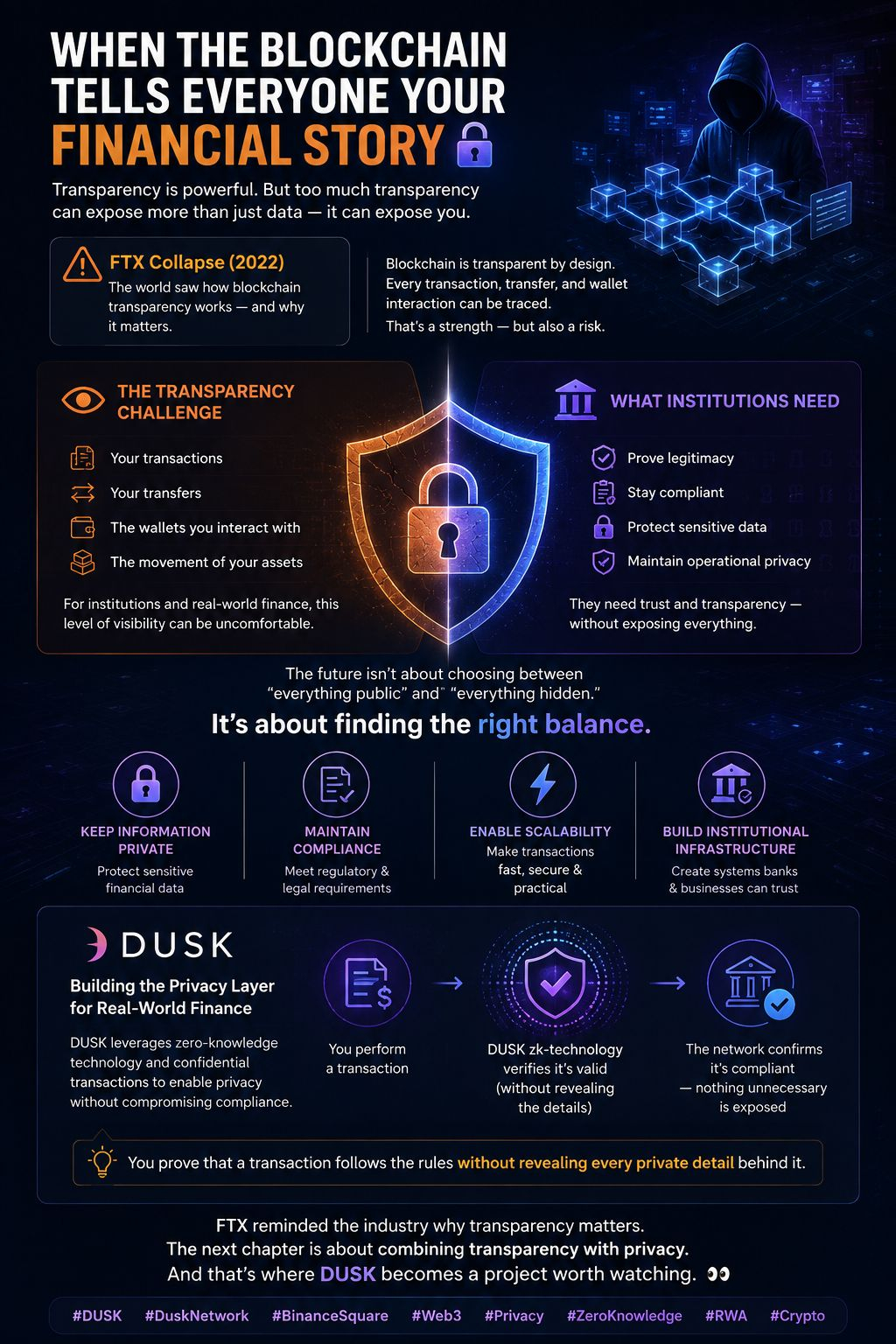
2022年、FTXの崩壊は、ブロックチェーンについて重要なことを世界に示しました。
ブロックチェーンの取引は、設計上透明性が高いです。
それは強みのように聞こえます — 実際その通りです。
しかし、あなたの金融生活が、あなたのウォレットアドレスを知っている誰にでも丸見えだと想像してみてください。
あなたの取引。
あなたの送金。
あなたがやり取りするウォレット。
あなたの資産の動き。
機関投資家や現実の金融の世界では、このレベルの透明性は居心地が悪くなることがあります。
銀行、投資会社、ビジネスは、取引が正当で規制に準拠していることを証明する必要があるかもしれませんが、だからといって、その金融活動のすべての詳細を公にさらしたいわけではありません。
そしてここからが、Web3に関するプライバシーの議論がぐっと面白くなるポイントです。
未来は単に「すべて公開」か「すべて非公開」かを選ぶことだけではありません。
本当の課題は、中間地点を見つけることです:
🔐 機微な金融情報は非公開のままにする
📜 コンプライアンスと規制要件を維持する
⚡ 取引をスケーラブルで実用的にする
🏦 金融機関が実際に使えるインフラを構築する
この方向性を、DUSKのようなプロジェクトはゼロ知識技術やコンフィデンシャル・トランザクションを通じて探っています。
発想は強力です:
取引がルールに従っていることを、背後にあるすべてのプライベートな詳細を明かさずに証明できるはずです。
現実世界の資産や金融サービスが、より多くオンチェーンへ移っていくほど、これはWeb3における最大級の課題のひとつになるかもしれません。
FTXは、なぜ透明性が重要なのかを業界に思い出させました。
次の章は、「透明性」と「プライバシー」をどう両立させるかを見つけることになるのかもしれません。
そしてそこにこそ、DUSKが注目に値するプロジェクトである理由があります。 👀
#DUSK #DuskNetwork #Web3 #Crypto
ブロックチェーンが、あなたの金融ストーリーを全員に語る 🔐
2022年、FTXの崩壊は、ブロックチェーンについて重要なことを世界に示しました。
ブロックチェーンの取引は、設計上透明性が高いです。
それは強みのように聞こえます — 実際その通りです。
しかし、あなたの金融生活が、あなたのウォレットアドレスを知っている誰にでも丸見えだと想像してみてください。
あなたの取引。
あなたの送金。
あなたがやり取りするウォレット。
あなたの資産の動き。
機関投資家や現実の金融の世界では、このレベルの透明性は居心地が悪くなることがあります。
銀行、投資会社、ビジネスは、取引が正当で規制に準拠していることを証明する必要があるかもしれませんが、だからといって、その金融活動のすべての詳細を公にさらしたいわけではありません。
そしてここからが、Web3に関するプライバシーの議論がぐっと面白くなるポイントです。
未来は単に「すべて公開」か「すべて非公開」かを選ぶことだけではありません。
本当の課題は、中間地点を見つけることです:
🔐 機微な金融情報は非公開のままにする
📜 コンプライアンスと規制要件を維持する
⚡ 取引をスケーラブルで実用的にする
🏦 金融機関が実際に使えるインフラを構築する
この方向性を、DUSKのようなプロジェクトはゼロ知識技術やコンフィデンシャル・トランザクションを通じて探っています。
発想は強力です:
取引がルールに従っていることを、背後にあるすべてのプライベートな詳細を明かさずに証明できるはずです。
現実世界の資産や金融サービスが、より多くオンチェーンへ移っていくほど、これはWeb3における最大級の課題のひとつになるかもしれません。
FTXは、なぜ透明性が重要なのかを業界に思い出させました。
次の章は、「透明性」と「プライバシー」をどう両立させるかを見つけることになるのかもしれません。
そしてそこにこそ、DUSKが注目に値するプロジェクトである理由があります。 👀
#DUSK #DuskNetwork #Web3 #Crypto
なぜSolana(SOL)は暗号資産で重要なのか
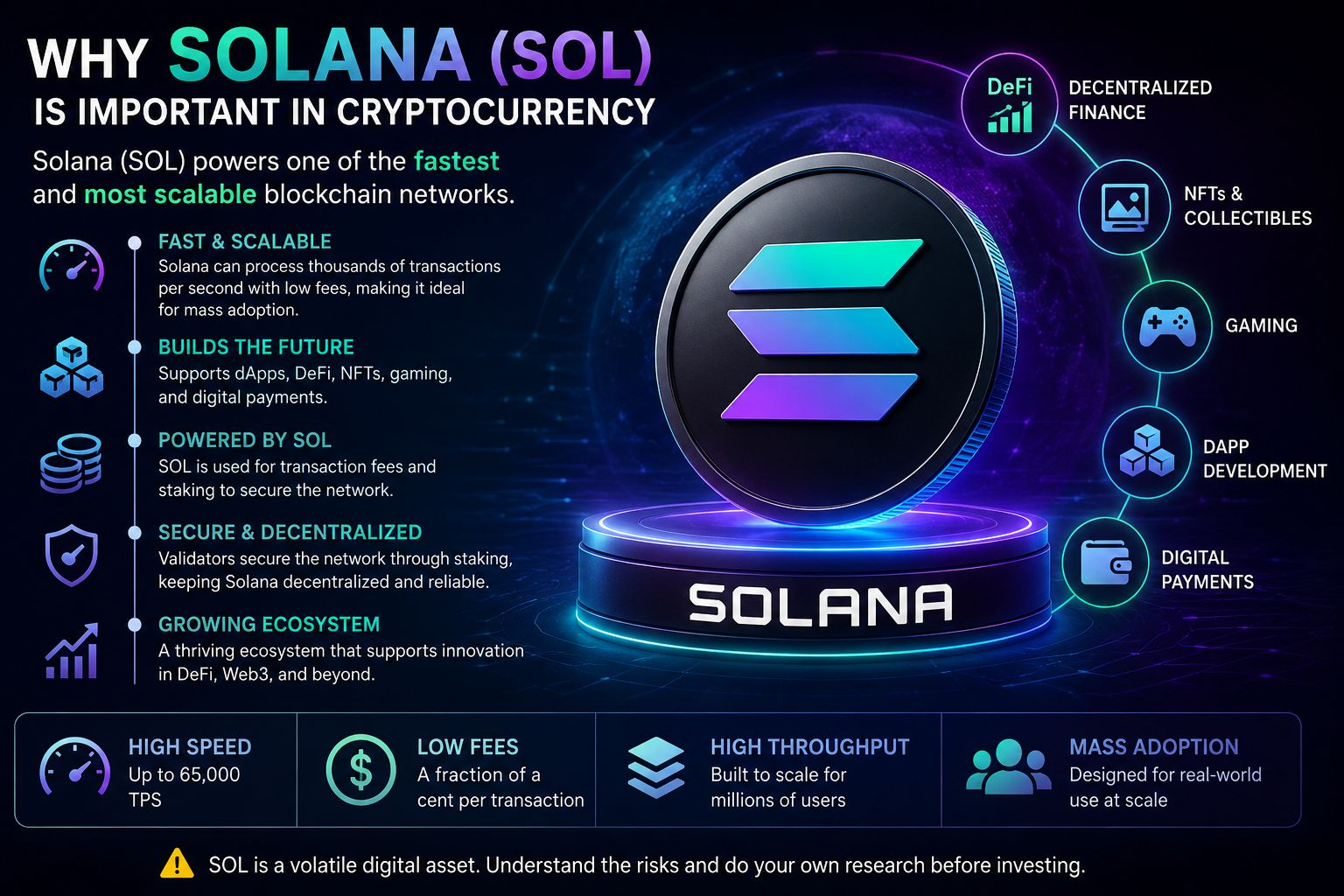
Solana(SOL)は、暗号資産エコシステムにおける最速かつ最もスケーラブルなブロックチェーンネットワークの一つを支えているため、重要な暗号資産です。Solanaは、トランザクションを迅速に、かつ比較的低コストで処理するよう設計されており、分散型アプリケーション(dApps)、DeFi、NFT、ゲーム、デジタル決済などに適しています。SOLはトランザクション手数料の支払いに使われ、ステーキングによってネットワークのセキュリティにも参加します。高いスループットにより、開発者は従来の中央集権的な仕組みに依存せず、多くのユーザーに対応できるアプリケーションを構築しやすくなります。さらに、成長を続けるSolanaのエコシステムは、分散型金融やWeb3といった分野でのイノベーションも後押ししています。SOLは大きな機会を提供し得る一方で、依然として価格変動のあるデジタル資産であるため、投資家はリスクを理解し、投資前に自ら調査を行うべきです。
#ClaimYourRewards #BinanceSquareFamily #cryptouniverseofficial $USDT
Solana(SOL)は、暗号資産エコシステムにおける最速かつ最もスケーラブルなブロックチェーンネットワークの一つを支えているため、重要な暗号資産です。Solanaは、トランザクションを迅速に、かつ比較的低コストで処理するよう設計されており、分散型アプリケーション(dApps)、DeFi、NFT、ゲーム、デジタル決済などに適しています。SOLはトランザクション手数料の支払いに使われ、ステーキングによってネットワークのセキュリティにも参加します。高いスループットにより、開発者は従来の中央集権的な仕組みに依存せず、多くのユーザーに対応できるアプリケーションを構築しやすくなります。さらに、成長を続けるSolanaのエコシステムは、分散型金融やWeb3といった分野でのイノベーションも後押ししています。SOLは大きな機会を提供し得る一方で、依然として価格変動のあるデジタル資産であるため、投資家はリスクを理解し、投資前に自ら調査を行うべきです。
#ClaimYourRewards #BinanceSquareFamily #cryptouniverseofficial $USDT
イーサリアム(ETH)は、スマートコントラクトや分散型アプリケーション(dApps)に電力を供給するため、最も重要な暗号資産の一つです。支払いのみに使われるデジタル通貨とは異なり、イーサリアムは開発者がDeFiプラットフォーム、NFT、ブロックチェーンゲーム、その他の革新的なサービスを構築できるようにします。ETHはまた、ネットワークの取引手数料の支払いにも使われ、ステーキングによってブロックチェーンを保護するため、成長するWeb3エコシステムの重要な一部となっています。
#ClaimYourReward #claimRedPacket #Ethereum #BinanceSquareFamily
#ClaimYourReward #claimRedPacket #Ethereum #BinanceSquareFamily
ビットコインは依然として主要な暗号資産であり、デジタル資産市場全体に影響を与え続けています。その価格は、投資家心理、機関投資家の採用、マクロ経済状況、需給ダイナミクスといった要因によって左右されます。短期的なボラティリティはよく見られるものの、多くの投資家は、2100万枚という固定された供給量によりビットコインを長期的な価値の保存手段と捉えています。ブロックチェーンの採用が進み、デジタル金融への世界的な関心が高まるにつれて、ビットコイン市場は暗号資産のトレンドを示す重要な指標であり続けると見込まれます。投資家は投資判断を行う前に、常に慎重に調査し、リスクを管理する必要があります。
#ClaimYourReward #claimRedPacket
#ClaimYourReward #claimRedPacket
ビットコインは世界初の分散型デジタル通貨であり、銀行や政府を介さずに安全なピアツーピア取引を可能にします。ブロックチェーン技術によって支えられ、透明性、限られた供給量、強固なセキュリティを提供します。多くの投資家はビットコインを価値の保存手段、そしてインフレに対するヘッジとして見ています。世界中での採用が広がるにつれ、ビットコインは金融、デジタル決済、そして分散型技術の未来に引き続き大きな影響を与えています。
#ClaimYourReward #BinanceSquareFamily
#ClaimYourReward #BinanceSquareFamily

ビットコインは、世界初の分散型デジタル通貨であり、銀行や仲介業者なしで人々がお金の送受信を行えるようにします。透明性、安全性、そして供給量が限られていることが特長で、価値の保存手段として人気があります。多くの投資家は、ビットコインをインフレや経済的不確実性に対するヘッジ(備え)として捉えています。世界的な普及の進展、迅速な国境を越えた送金、そしてブロックチェーン技術が、金融を引き続き再構築し、ビットコインをデジタル経済における最も影響力のある革新のひとつにしています。
#bitcoin.” #Bitcoinhaving #Bitcoin❗ #BinanceSquareFamily
#bitcoin.” #Bitcoinhaving #Bitcoin❗ #BinanceSquareFamily
ログインして、さらにコンテンツを読む