
ALIZY PK RAI KHARAL
14.1k 投稿

ALIZY PK RAI KHARAL
 厳選トピック確認済+
Investing today for a better tomorrow 🌍 | Building wealth through knowledge 📚
1.8K+ フォロー
34.0K+ フォロワー
22.1K+ いいね
投稿
すべて
引用
ライブ
🎙️ trade on #dusk and generate maximum volume
終了
05 時間 59 分 58 秒
808
0
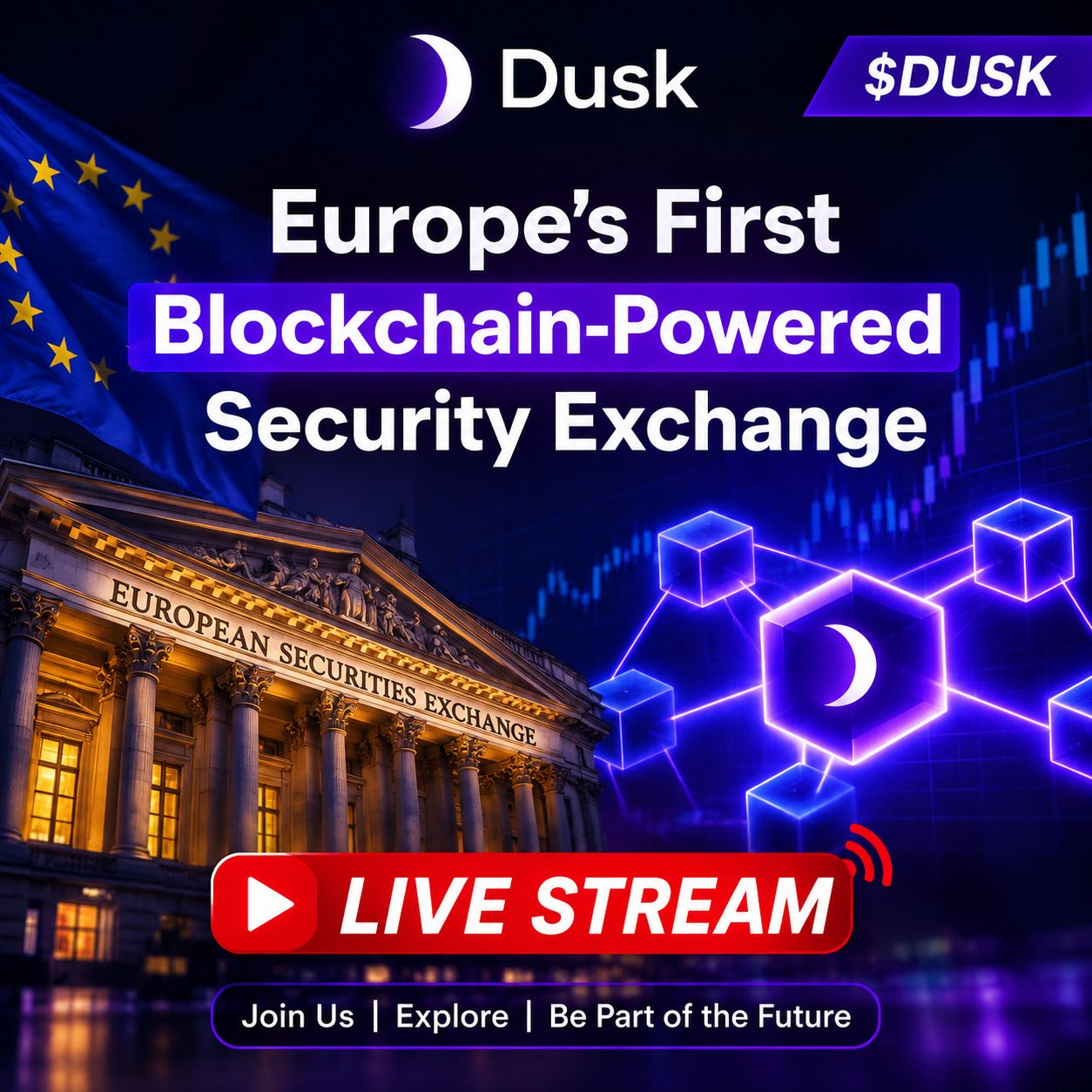
🎙️ $DUSK: ヨーロッパ初のブロックチェーンによるセキュリティ取引所

終了
03 時間 25 分 09 秒
281
1
確認済み
翻訳参照
#dusk $DUSK @Dusk
If you’re watching how Dusk is building real financial infrastructure, this update is worth paying attention to.
While researching the new EURQ integration, I initially thought it was simply another stablecoin being added to a blockchain. The more I looked into it, the more important the difference became.
EURQ is described as an Electronic Money Token designed to comply with MiCA requirements, giving Dusk a regulated euro-based payment asset rather than just another crypto-native token.
That matters because the harder part of on-chain finance isn’t only issuing assets. You also need a reliable payment leg behind them.
With NPEX and Quantoz Payments involved, Dusk is working toward connecting regulated securities, euro-denominated payments and on-chain settlement in the same ecosystem.
One figure from the announcement stood out to me: the planned on-chain stock exchange is described as bringing around €300 million in assets onto Dusk.
I think this is where the story becomes more practical. If investors can use a regulated digital euro to participate in tokenized financial markets, the blockchain can increasingly become infrastructure operating quietly in the background.
I wouldn’t reduce EURQ to “just a stablecoin.”
For me, the interesting question is whether regulated payment rails can make on-chain financial markets feel normal rather than technically complicated.
Would you trust a blockchain-based financial market more if the payment side was a regulated digital euro?
$TUT $PORTAL
If you’re watching how Dusk is building real financial infrastructure, this update is worth paying attention to.
While researching the new EURQ integration, I initially thought it was simply another stablecoin being added to a blockchain. The more I looked into it, the more important the difference became.
EURQ is described as an Electronic Money Token designed to comply with MiCA requirements, giving Dusk a regulated euro-based payment asset rather than just another crypto-native token.
That matters because the harder part of on-chain finance isn’t only issuing assets. You also need a reliable payment leg behind them.
With NPEX and Quantoz Payments involved, Dusk is working toward connecting regulated securities, euro-denominated payments and on-chain settlement in the same ecosystem.
One figure from the announcement stood out to me: the planned on-chain stock exchange is described as bringing around €300 million in assets onto Dusk.
I think this is where the story becomes more practical. If investors can use a regulated digital euro to participate in tokenized financial markets, the blockchain can increasingly become infrastructure operating quietly in the background.
I wouldn’t reduce EURQ to “just a stablecoin.”
For me, the interesting question is whether regulated payment rails can make on-chain financial markets feel normal rather than technically complicated.
Would you trust a blockchain-based financial market more if the payment side was a regulated digital euro?
$TUT $PORTAL
翻訳参照
#dusk $DUSK @Dusk
I had one of those moments while reading the Dusk whitepaper where I had to stop and go back a few lines.
The consensus section was more complicated than I expected. At first, I was looking for the usual simple explanation of how blocks get approved, but Dusk’s approach made me slow down and actually follow the process.
What stood out was the idea of separating ordinary transaction nodes from the heavier verification, voting and notarisation work. I initially wondered if that would make the network harder to coordinate. Then the reasoning became clearer: keeping those intensive tasks with Provisioners can reduce unnecessary network communication while still supporting the consensus process.
The paper describes Dusk’s SBA* consensus as aiming for a balance between security, efficiency and flexibility. One detail I noted was the stated finality range in the paper: under its described assumptions, block finality could occur after as few as 2 rounds, while the worst-case scenario was described as 9 rounds.
I wouldn’t take an old whitepaper figure as a current performance promise. That’s where I corrected my own thinking.
For me, the interesting part wasn’t the number anyway. It was seeing how much of Dusk’s design starts with the problem of coordinating privacy, participation and finality without making the network unnecessarily heavy.
That made me look at $DUSK a little differently.
How much attention do you give consensus design when evaluating a blockchain?
#dusk @Dusk $TRUMP
What matters most when evaluating Dusk’s blockchain architecture?
I had one of those moments while reading the Dusk whitepaper where I had to stop and go back a few lines.
The consensus section was more complicated than I expected. At first, I was looking for the usual simple explanation of how blocks get approved, but Dusk’s approach made me slow down and actually follow the process.
What stood out was the idea of separating ordinary transaction nodes from the heavier verification, voting and notarisation work. I initially wondered if that would make the network harder to coordinate. Then the reasoning became clearer: keeping those intensive tasks with Provisioners can reduce unnecessary network communication while still supporting the consensus process.
The paper describes Dusk’s SBA* consensus as aiming for a balance between security, efficiency and flexibility. One detail I noted was the stated finality range in the paper: under its described assumptions, block finality could occur after as few as 2 rounds, while the worst-case scenario was described as 9 rounds.
I wouldn’t take an old whitepaper figure as a current performance promise. That’s where I corrected my own thinking.
For me, the interesting part wasn’t the number anyway. It was seeing how much of Dusk’s design starts with the problem of coordinating privacy, participation and finality without making the network unnecessarily heavy.
That made me look at $DUSK a little differently.
How much attention do you give consensus design when evaluating a blockchain?
#dusk @Dusk $TRUMP
What matters most when evaluating Dusk’s blockchain architecture?
Consensus & Finality
100%
Network Efficiency
0%
Security & Verification
0%
All of these
0%
2 投票 • 投票は終了しました
翻訳参照
#dusk I was looking into how settlement actually works when real regulated assets try to move onchain, and one requirement kept surfacing that most chains treat as secondary.
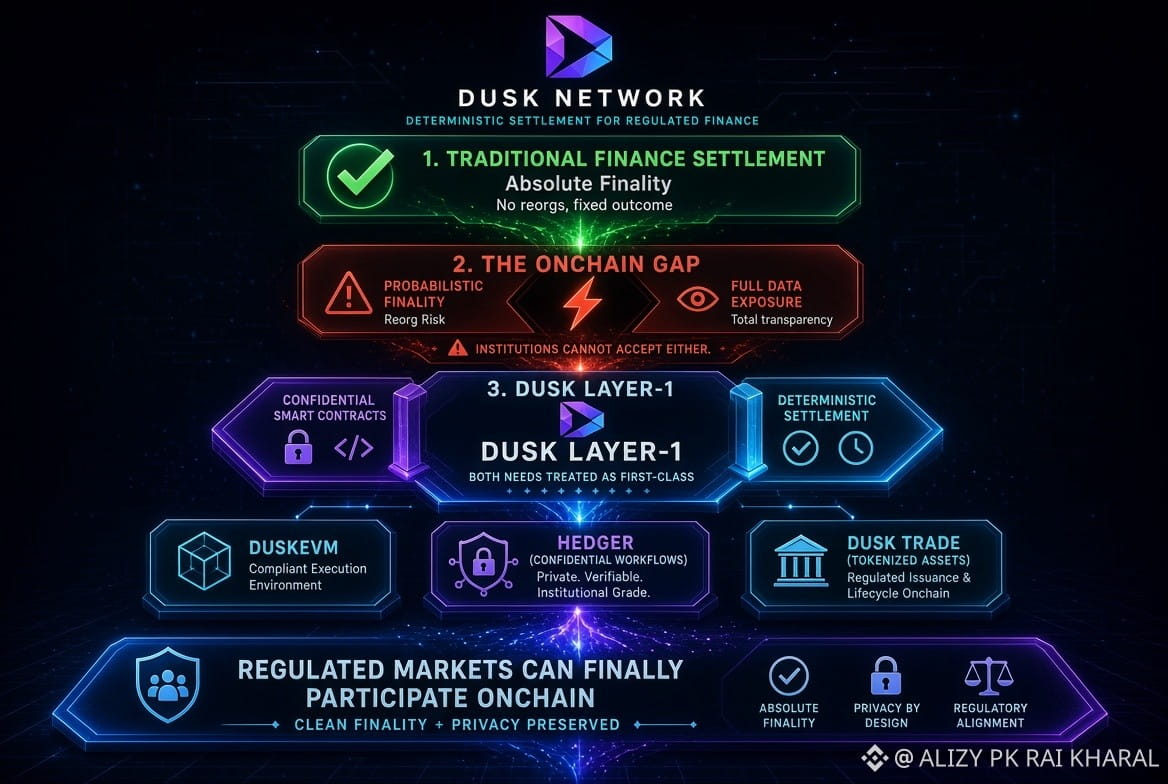
In traditional finance, once a trade is done, finality is absolute. There is no waiting to see if the chain might reorganise, no probabilistic confirmation window that institutions can simply absorb. Regulated markets need settlement that is deterministic — the outcome is fixed, predictable, and final according to clear rules. At the same time those same markets cannot broadcast every position, counterparty detail, or internal workflow.
Dusk is built as a Layer-1 that treats both needs as first-class. Confidential smart contracts let sensitive logic and data stay private, while the settlement layer itself is designed for deterministic finality. The recent work around DuskEVM, Hedger for confidential workflows, and Dusk Trade for tokenised assets sits on top of that foundation, making it possible to bring regulated instruments onchain without forcing institutions to accept either full exposure or uncertain settlement.
It is a quieter design choice than pure speed or pure privacy, but it may be the one that actually lets traditional venues participate.
What do you think matters more for regulated markets onchain — stronger privacy tools, or settlement that behaves the way institutions already expect?
$DUSK $BCH $ENA @Dusk #dusk
In traditional finance, once a trade is done, finality is absolute. There is no waiting to see if the chain might reorganise, no probabilistic confirmation window that institutions can simply absorb. Regulated markets need settlement that is deterministic — the outcome is fixed, predictable, and final according to clear rules. At the same time those same markets cannot broadcast every position, counterparty detail, or internal workflow.
Dusk is built as a Layer-1 that treats both needs as first-class. Confidential smart contracts let sensitive logic and data stay private, while the settlement layer itself is designed for deterministic finality. The recent work around DuskEVM, Hedger for confidential workflows, and Dusk Trade for tokenised assets sits on top of that foundation, making it possible to bring regulated instruments onchain without forcing institutions to accept either full exposure or uncertain settlement.
It is a quieter design choice than pure speed or pure privacy, but it may be the one that actually lets traditional venues participate.
What do you think matters more for regulated markets onchain — stronger privacy tools, or settlement that behaves the way institutions already expect?
$DUSK $BCH $ENA @Dusk #dusk
翻訳参照
#dusk I spent some time reading through how Dusk approaches regulated finance onchain, and one idea kept standing out.
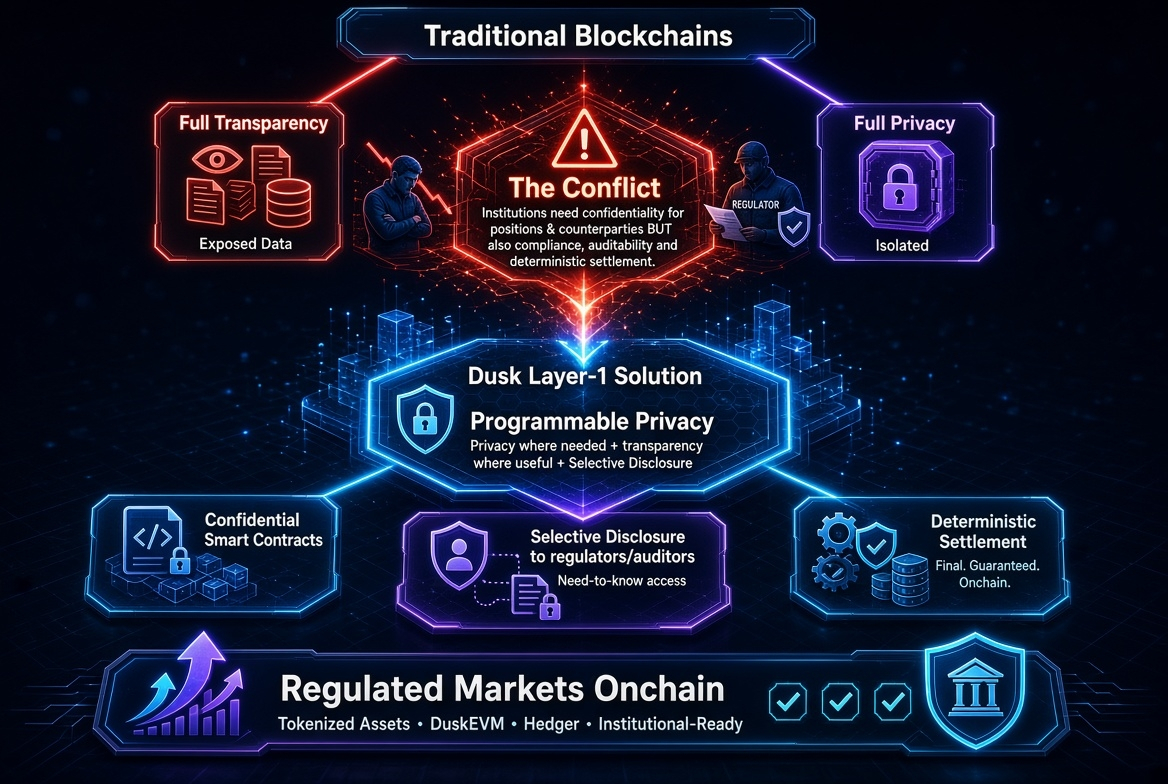
Most public chains force a hard choice: everything is transparent, or everything is hidden. Real financial markets cannot work that way. Institutions need to keep positions, counterparties, and certain transaction details confidential, yet they also need to prove compliance, settle deterministically, and allow selective disclosure when a regulator or auditor asks. Dusk is built around programmable privacy — privacy where it is required, transparency where it is useful. Confidential smart contracts and selective disclosure sit at the core, so regulated assets can move onchain without forcing participants to expose more than necessary. The recent work around DuskEVM, Hedger for confidential workflows, and Dusk Trade for tokenized assets feels like a practical extension of that same principle rather than a pivot.
It is less about making finance “private” and more about making the right information visible to the right parties at the right time.
How do you see the balance between confidentiality and auditability evolving as more traditional markets experiment with onchain settlement?
@Dusk $BOME $DUSK
$NEIRO
Most public chains force a hard choice: everything is transparent, or everything is hidden. Real financial markets cannot work that way. Institutions need to keep positions, counterparties, and certain transaction details confidential, yet they also need to prove compliance, settle deterministically, and allow selective disclosure when a regulator or auditor asks. Dusk is built around programmable privacy — privacy where it is required, transparency where it is useful. Confidential smart contracts and selective disclosure sit at the core, so regulated assets can move onchain without forcing participants to expose more than necessary. The recent work around DuskEVM, Hedger for confidential workflows, and Dusk Trade for tokenized assets feels like a practical extension of that same principle rather than a pivot.
It is less about making finance “private” and more about making the right information visible to the right parties at the right time.
How do you see the balance between confidentiality and auditability evolving as more traditional markets experiment with onchain settlement?
@Dusk $BOME $DUSK
$NEIRO
確認済み
Duskを注意深く追っているなら、この見出しの先まで読んでみる価値があるアップデートの一つだと思います。
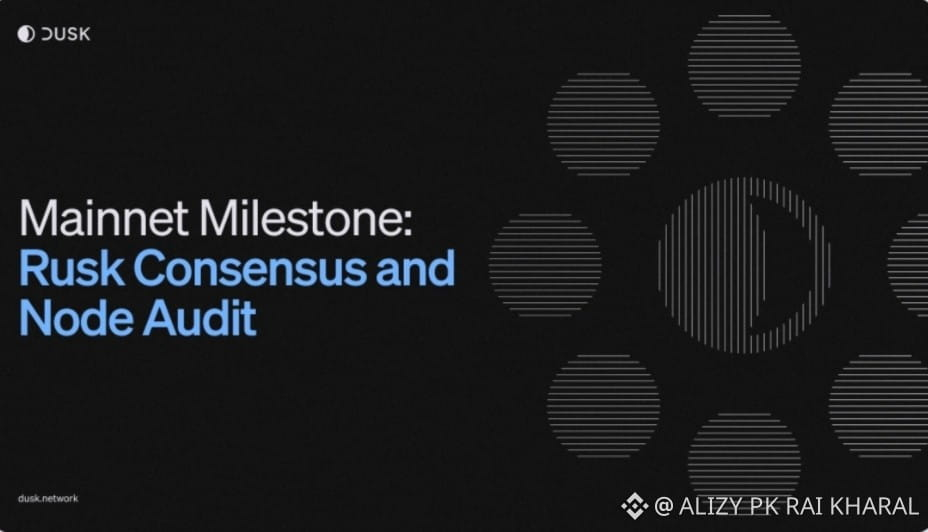
最近のメインネットのマイルストーンを見ていたとき、Rusk ConsensusとNodeの監査が目に留まりました。トレーダーとして私は、まずネットワークの動き、採用状況、そしてより大きな市場全体の見取り図に注目することが多いです。ですがこのアップデートを深く掘り下げるほど、チャートの裏で起きていることからどれだけの確信が生まれるのかを、より強く実感しました。
Duskは、インフラの重要な2つの部分を見直すためにOak Securityを招きました。それがRusk ConsensusとRusk Node Libraryです。ここで私が良いと思ったのは、プロセスそのものです。3名の専門監査人が手作業でコードを精査し、見解を突き合わせ、その後Duskチームがフィードバックを反映して、さらなるレビューのためにコードを提出しました。
これは私にとって重要です。
プロトコルには面白いアイデアがあっても、基盤となるコンセンサスやノードのインフラが丁寧に検討されていなければ、まだ大きな疑問符が残ります。
最終レポートでは、コードは読みやすく明確であり、特定された課題は解決済み、または認識された状態でした。監査は「今後決して問題が起きないことの保証」にはならないとは思いますが、メインネットのマイルストーン前における重要な説明責任の層だとも感じます。
Duskを調べる中で、これは物語(ナラティブ)から目をそらして、よりエンジニアリングに注意を向けさせてくれたアップデートの一つでした。
あなたにとって、メインネット前により重要なのは、強い技術、独立した監査、あるいは実際のネットワーク利用のどれでしょう?
#dusk @Dusk $DUSK
$CYS
$SNDK
最近のメインネットのマイルストーンを見ていたとき、Rusk ConsensusとNodeの監査が目に留まりました。トレーダーとして私は、まずネットワークの動き、採用状況、そしてより大きな市場全体の見取り図に注目することが多いです。ですがこのアップデートを深く掘り下げるほど、チャートの裏で起きていることからどれだけの確信が生まれるのかを、より強く実感しました。
Duskは、インフラの重要な2つの部分を見直すためにOak Securityを招きました。それがRusk ConsensusとRusk Node Libraryです。ここで私が良いと思ったのは、プロセスそのものです。3名の専門監査人が手作業でコードを精査し、見解を突き合わせ、その後Duskチームがフィードバックを反映して、さらなるレビューのためにコードを提出しました。
これは私にとって重要です。
プロトコルには面白いアイデアがあっても、基盤となるコンセンサスやノードのインフラが丁寧に検討されていなければ、まだ大きな疑問符が残ります。
最終レポートでは、コードは読みやすく明確であり、特定された課題は解決済み、または認識された状態でした。監査は「今後決して問題が起きないことの保証」にはならないとは思いますが、メインネットのマイルストーン前における重要な説明責任の層だとも感じます。
Duskを調べる中で、これは物語(ナラティブ)から目をそらして、よりエンジニアリングに注意を向けさせてくれたアップデートの一つでした。
あなたにとって、メインネット前により重要なのは、強い技術、独立した監査、あるいは実際のネットワーク利用のどれでしょう?
#dusk @Dusk $DUSK
$CYS
$SNDK


#dusk $DUSK @Dusk
DUSKコイン:プライバシー+リーガルDeFi+RWAsを解説
こんにちは、兄弟姉妹の皆さん👋
今日は、シンプルにDUSKコインとDusk Networkを理解していきましょう。
Duskは、株式、債券、不動産などの現実世界の資産(RWAs)をブロックチェーン上に取り込むことに注力する分散型ブロックチェーンであり、プライバシーと規制順守の両立を維持します。
目的は、従来の銀行やブローカーに完全に依存することなく、取引・決済・資金調達をより効率化することです。重要な特徴の一つが高速な決済で、またトークン化によって現実世界の資産へのアクセスと流動性を高めることができます。
さらにDuskは、欧州の規制を含むコンプライアンス要件とDeFi機能を組み合わせた「規制対応DeFi」にも注目しています。
さて、面白いのはその技術です。
Duskは2つのスマートコントラクトモデルを使用します:PhoenixとMoonlight。
Phoenixは、ゼロ知識証明(ZK証明)によるシールド取引をサポートします。金額、送信者、受信者などの取引詳細を非公開のままにしつつ、取引の有効性は検証できます。
Moonlightは、公的で透明な環境を提供します。
両者は同じチェーン上で動作しており、ユーザーはプライバシーと透明性のどちらを選ぶかを決められます。これは「プログラマブル・プライバシー」と呼ばれ、取引、資金調達、コンプライアンスのための機密スマートコントラクトにも対応できます。
Dusk Foundationのより広いビジョンは、経済的包摂です。小規模な投資家と機関の両方に、ブロックチェーンを基盤とする金融インフラへのアクセスを提供することを目指しています。
DUSKトークンは、手数料、ステーキング、ガバナンスに使用されます。
Duskメインネットは稼働中で、エコシステムにはBSCとの双方向ブリッジも含まれています。
正確な情報を得るためには、必ず公式のDuskドキュメントとウェブサイトを確認し、偽サイトに注意してください。
プライバシー+コンプライアンス+RWAsの組み合わせは、Duskが注目される理由になります。
これは教育目的のみであり、投資助言ではありません。
あなたはDUSKに投資していますか?それともまだ調査中ですか?👇
これ、どう思いますか……
$PORTAL $BLESS
DUSKコイン:プライバシー+リーガルDeFi+RWAsを解説
こんにちは、兄弟姉妹の皆さん👋
今日は、シンプルにDUSKコインとDusk Networkを理解していきましょう。
Duskは、株式、債券、不動産などの現実世界の資産(RWAs)をブロックチェーン上に取り込むことに注力する分散型ブロックチェーンであり、プライバシーと規制順守の両立を維持します。
目的は、従来の銀行やブローカーに完全に依存することなく、取引・決済・資金調達をより効率化することです。重要な特徴の一つが高速な決済で、またトークン化によって現実世界の資産へのアクセスと流動性を高めることができます。
さらにDuskは、欧州の規制を含むコンプライアンス要件とDeFi機能を組み合わせた「規制対応DeFi」にも注目しています。
さて、面白いのはその技術です。
Duskは2つのスマートコントラクトモデルを使用します:PhoenixとMoonlight。
Phoenixは、ゼロ知識証明(ZK証明)によるシールド取引をサポートします。金額、送信者、受信者などの取引詳細を非公開のままにしつつ、取引の有効性は検証できます。
Moonlightは、公的で透明な環境を提供します。
両者は同じチェーン上で動作しており、ユーザーはプライバシーと透明性のどちらを選ぶかを決められます。これは「プログラマブル・プライバシー」と呼ばれ、取引、資金調達、コンプライアンスのための機密スマートコントラクトにも対応できます。
Dusk Foundationのより広いビジョンは、経済的包摂です。小規模な投資家と機関の両方に、ブロックチェーンを基盤とする金融インフラへのアクセスを提供することを目指しています。
DUSKトークンは、手数料、ステーキング、ガバナンスに使用されます。
Duskメインネットは稼働中で、エコシステムにはBSCとの双方向ブリッジも含まれています。
正確な情報を得るためには、必ず公式のDuskドキュメントとウェブサイトを確認し、偽サイトに注意してください。
プライバシー+コンプライアンス+RWAsの組み合わせは、Duskが注目される理由になります。
これは教育目的のみであり、投資助言ではありません。
あなたはDUSKに投資していますか?それともまだ調査中ですか?👇
これ、どう思いますか……
$PORTAL $BLESS
upward 👆
83%
downward 👇
17%
want more discussion
0%
6 投票 • 投票は終了しました

確認済み
#dusk $DUSK @Dusk
Duskの上に構築したいのに、すでに知っているツールを捨てたくない場合、何が起きるのでしょうか?
私がDuskEVMを調べ始めたとき、まず最初に考えたのがこれでした。
「通常の“EVM互換”という主張」を想定していましたが、実際のセットアップは、トランザクションの流れを追ってみるとより納得できる内容でした。開発者は、よく知られたSolidityまたはVyperのワークフロー、標準的なEVMウォレット、FoundryやHardhatのようなツールを使えます。一方でDUSKは実行コストに使われます。
より興味深かったのは、DuskEVMがどのようにDuskのインフラへ接続しているかです。
トランザクションはまずDuskEVMの実行環境を通ります。次に、バッチとトランザクションデータがDuskDSに公開され、状態コミットメントが、その結果得られた状態をDuskの決済およびデータ可用性レイヤーへと接続します。
ここには小さな違いがあって、見落とされやすいと思います。高速なトランザクションの取り込み(inclusion)と、最終的な決済(final settlement)は自動的に同じものではない、という点です。
そのおかげで私は、DuskEVMを単なる別のEVM環境としてではなく、Duskの基盤となるネットワークにつながった実行レイヤーとして捉えるようになりました。
そして、構築しているものによって、まだ選択肢があります。EVMアプリケーションはDuskEVMを使えますが、Rust/WASMのコントラクトはDuskVMとDusk L1を直接利用できます。
私にとって面白いのは、EVM互換性そのものだけではなく、馴染みのある開発とDuskのネイティブなインフラをつなぐブリッジです。
$APR
$TUT
DuskEVMについて最も重要なのは何ですか?
Duskの上に構築したいのに、すでに知っているツールを捨てたくない場合、何が起きるのでしょうか?
私がDuskEVMを調べ始めたとき、まず最初に考えたのがこれでした。
「通常の“EVM互換”という主張」を想定していましたが、実際のセットアップは、トランザクションの流れを追ってみるとより納得できる内容でした。開発者は、よく知られたSolidityまたはVyperのワークフロー、標準的なEVMウォレット、FoundryやHardhatのようなツールを使えます。一方でDUSKは実行コストに使われます。
より興味深かったのは、DuskEVMがどのようにDuskのインフラへ接続しているかです。
トランザクションはまずDuskEVMの実行環境を通ります。次に、バッチとトランザクションデータがDuskDSに公開され、状態コミットメントが、その結果得られた状態をDuskの決済およびデータ可用性レイヤーへと接続します。
ここには小さな違いがあって、見落とされやすいと思います。高速なトランザクションの取り込み(inclusion)と、最終的な決済(final settlement)は自動的に同じものではない、という点です。
そのおかげで私は、DuskEVMを単なる別のEVM環境としてではなく、Duskの基盤となるネットワークにつながった実行レイヤーとして捉えるようになりました。
そして、構築しているものによって、まだ選択肢があります。EVMアプリケーションはDuskEVMを使えますが、Rust/WASMのコントラクトはDuskVMとDusk L1を直接利用できます。
私にとって面白いのは、EVM互換性そのものだけではなく、馴染みのある開発とDuskのネイティブなインフラをつなぐブリッジです。
$APR
$TUT
DuskEVMについて最も重要なのは何ですか?
Familiar EVM tools & wallets
71%
DUSK for gas
29%
DuskDS settlement
0%
Access to Dusk infrastructure
0%
7 投票 • 投票は終了しました
#dusk $DUSK @Dusk
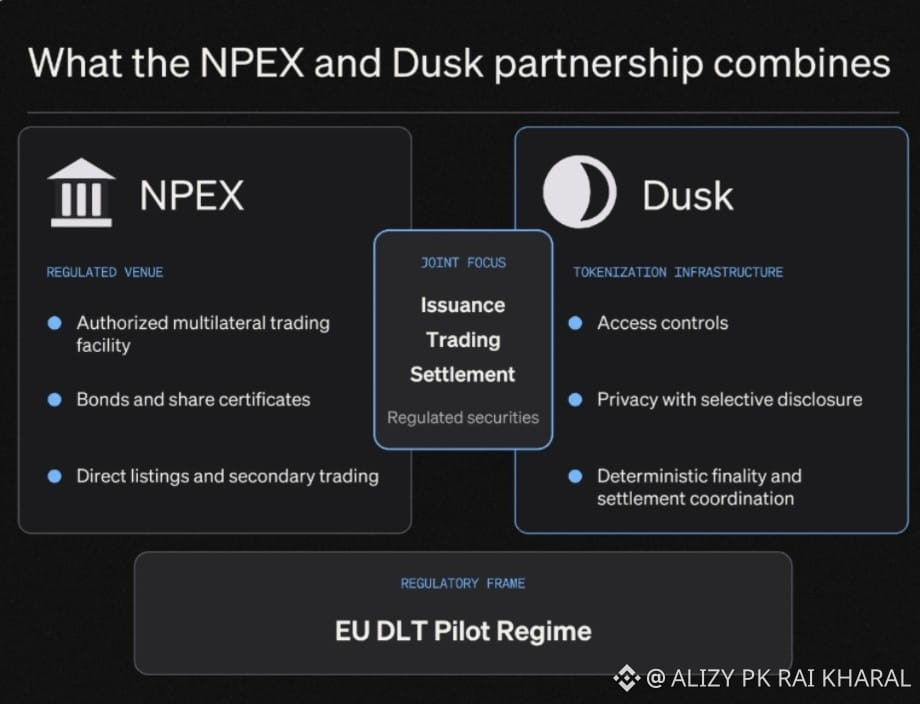
トークン化の本当の課題が「資産をオンチェーンに載せること」ではなく、「誰がそれを所有しているのか、誰がアクセスできるのか、そしてその所有権が実際にどのように移転するのか」を証明することにあるとしたら?
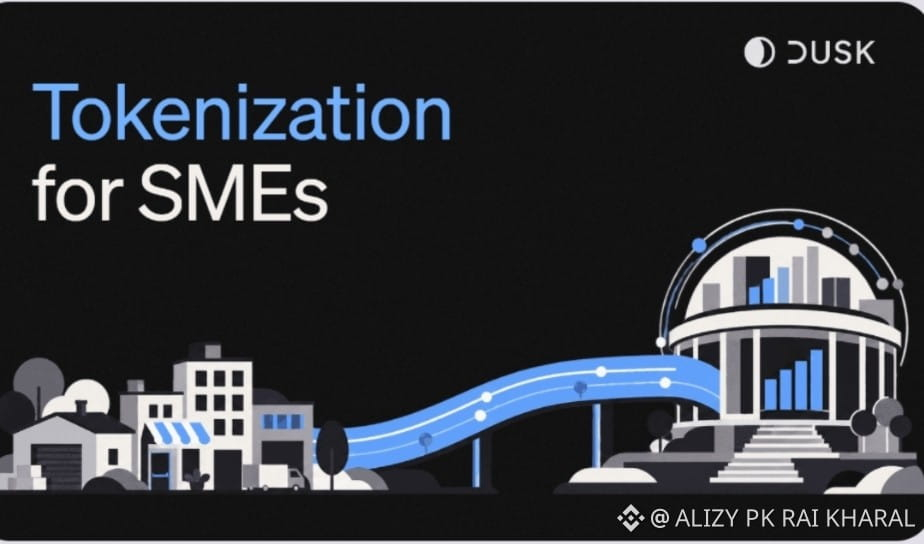
私はDuskとSME(中小企業)向けファイナンスの取り組みを調べている間、その問いがずっと頭から離れませんでした。
以前は、トークン化を主に、伝統的な資産をデジタル化すること、あるいはそれらをより小さな単位に分割することだと捉えていました。ですが、より深く調べるほど、重要なのはそこではないように思えてきました。
中小企業にとって、難しい道のりは資産が作られた後に始まります。
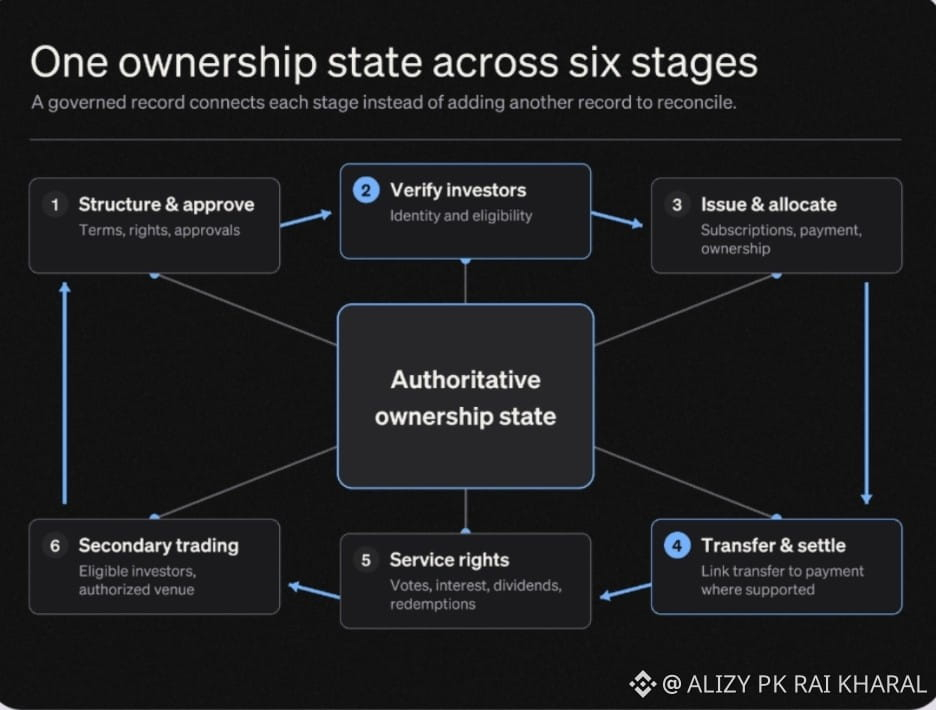
投資家の適格性、申し込み(サブスクリプション)、所有権の記録、支払い、移転、配当、議決権、そして最終的にはセカンダリ取引まで、すべてが連動しなければなりません。もし参加者がそれぞれ別々の記録を維持しているなら、トークン化は単に、突き合わせ(照合)が必要な別のシステムを作るだけになり得ます。
その点で、Duskが私の注目を集めました。
同社のインフラは、機密性の高い取引情報を非公開に保ちつつ、検証が必要な場合には選択的開示をサポートしながら、これらの段階を統制されたオンチェーンのプロセスでつなぐよう設計されています。
NPEXのパートナーシップが、さらに私を惹きつけました。NPEXはオランダにおける規制市場での運用経験を持ち、Duskは規制下での発行・取引・決済のためのインフラを提供します。
とはいえ、トークン化が流動性を魔法のように解決するとは言えません。適格な投資家、購入者、売り手、法的プロセス、そして説明責任のある機関が、やはり必要です。
いま私が考えるに、大きなチャンスは単に「資産をデジタルにすること」だけではありません。
それは、所有権の旅程を、より断片化しない形にすることです。
$DUSK #dusk
トークン化の本当の課題が「資産をオンチェーンに載せること」ではなく、「誰がそれを所有しているのか、誰がアクセスできるのか、そしてその所有権が実際にどのように移転するのか」を証明することにあるとしたら?
私はDuskとSME(中小企業)向けファイナンスの取り組みを調べている間、その問いがずっと頭から離れませんでした。
以前は、トークン化を主に、伝統的な資産をデジタル化すること、あるいはそれらをより小さな単位に分割することだと捉えていました。ですが、より深く調べるほど、重要なのはそこではないように思えてきました。
中小企業にとって、難しい道のりは資産が作られた後に始まります。
投資家の適格性、申し込み(サブスクリプション)、所有権の記録、支払い、移転、配当、議決権、そして最終的にはセカンダリ取引まで、すべてが連動しなければなりません。もし参加者がそれぞれ別々の記録を維持しているなら、トークン化は単に、突き合わせ(照合)が必要な別のシステムを作るだけになり得ます。
その点で、Duskが私の注目を集めました。
同社のインフラは、機密性の高い取引情報を非公開に保ちつつ、検証が必要な場合には選択的開示をサポートしながら、これらの段階を統制されたオンチェーンのプロセスでつなぐよう設計されています。
NPEXのパートナーシップが、さらに私を惹きつけました。NPEXはオランダにおける規制市場での運用経験を持ち、Duskは規制下での発行・取引・決済のためのインフラを提供します。
とはいえ、トークン化が流動性を魔法のように解決するとは言えません。適格な投資家、購入者、売り手、法的プロセス、そして説明責任のある機関が、やはり必要です。
いま私が考えるに、大きなチャンスは単に「資産をデジタルにすること」だけではありません。
それは、所有権の旅程を、より断片化しない形にすることです。
$DUSK #dusk

確認済み
#dusk $DUSK @Dusk
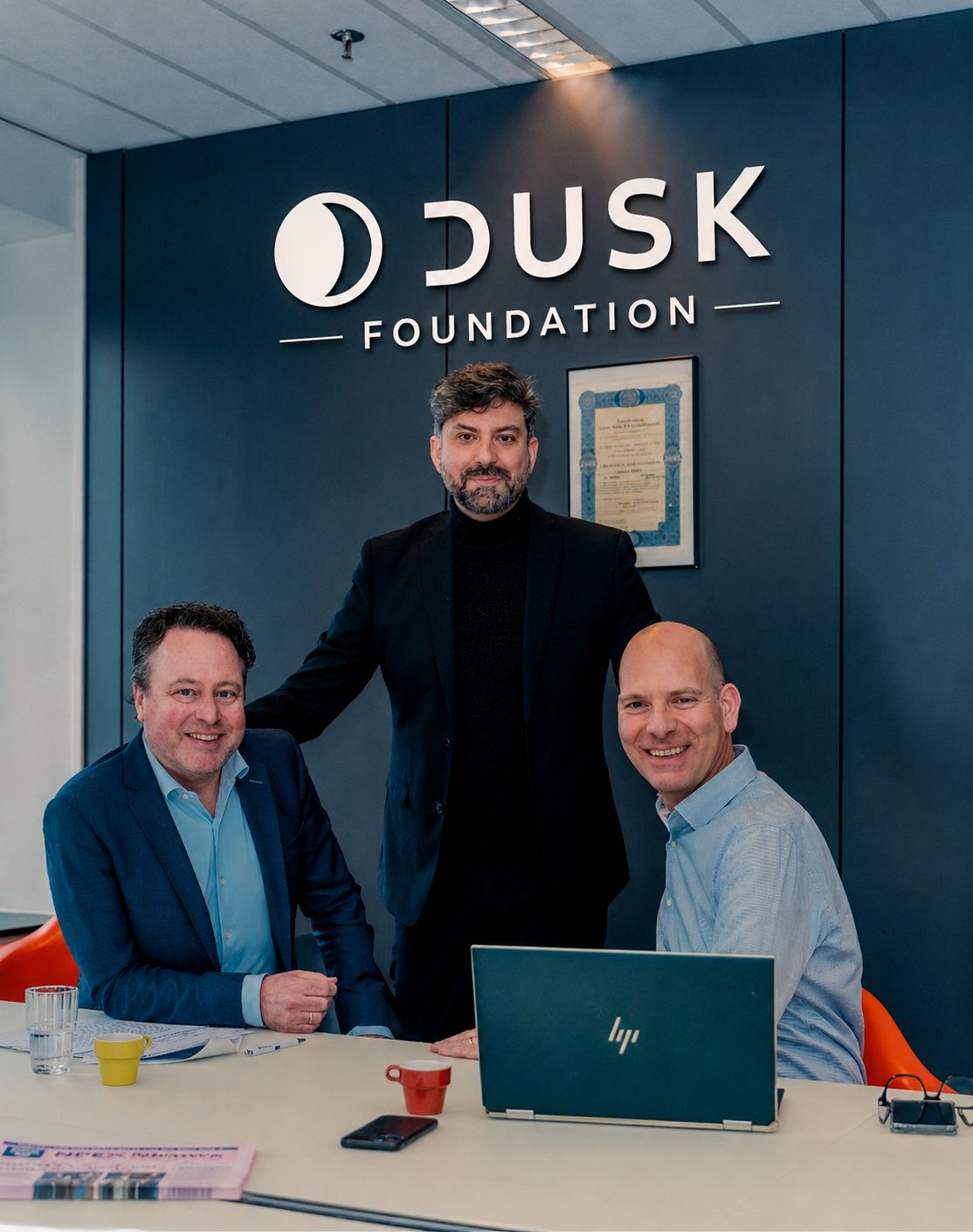
Duskについて調査していたところ、NPEXとの提携に出会い、内容を2回読み返しました。
私の関心を引いたのは、「ブロックチェーン」という言葉そのものだけではありませんでした。NPEXがオランダにおける規制対象の証券取引所であること、そして合意が、規制された金融商品をオンチェーンで発行し、取引し、トークン化することに焦点を当てている点です。
実世界資産(RWA)については多くの議論を見てきましたが、これによってDuskを少し違う角度から見ることになりました。
ブロックチェーンを、いずれ金融資産が現れるかもしれない「別の場所」として考えるのではなく、Duskはインフラのレベルで取り組もうとしているのです。この違いは重要です。
私が最も実用的だと感じたのは、決済の部分でした。Duskは、金融取引がこれまでかかっていた日単位のプロセスから、和解(決済)を秒単位へと移行できるようにするモデルを説明しています。そのうえで、照合(リコンシリエーション)やインフラ上の摩擦を減らすことを目指しています。
私はそこで立ち止まりました。こここそが、ブロックチェーンが新しい資産クラスのように聞こえる度合いが下がり、金融市場が実際にどう機能するかを変えるものに近づいてくるポイントだと感じたからです。
NPEXの合意は、このアイデアに現実味も与えています。Duskのプライバシーとコンプライアンス重視のインフラが、確立された規制済みの金融環境と結びつくのです。
調査で分かったもう1つの詳細として、インセンティブ付きのテストネットは、発表時点でアクティブノードが8,000を超えていたと報じられていました。
私にとって興味深い問いは、RWAsがオンチェーンに来るかどうかではありません。
むしろ、その下にあるインフラが、プライバシーとコンプライアンスを犠牲にすることなく、従来の金融を本当にシンプルにできるかどうかです。
$AIO
$WAL
Duskについて調査していたところ、NPEXとの提携に出会い、内容を2回読み返しました。
私の関心を引いたのは、「ブロックチェーン」という言葉そのものだけではありませんでした。NPEXがオランダにおける規制対象の証券取引所であること、そして合意が、規制された金融商品をオンチェーンで発行し、取引し、トークン化することに焦点を当てている点です。
実世界資産(RWA)については多くの議論を見てきましたが、これによってDuskを少し違う角度から見ることになりました。
ブロックチェーンを、いずれ金融資産が現れるかもしれない「別の場所」として考えるのではなく、Duskはインフラのレベルで取り組もうとしているのです。この違いは重要です。
私が最も実用的だと感じたのは、決済の部分でした。Duskは、金融取引がこれまでかかっていた日単位のプロセスから、和解(決済)を秒単位へと移行できるようにするモデルを説明しています。そのうえで、照合(リコンシリエーション)やインフラ上の摩擦を減らすことを目指しています。
私はそこで立ち止まりました。こここそが、ブロックチェーンが新しい資産クラスのように聞こえる度合いが下がり、金融市場が実際にどう機能するかを変えるものに近づいてくるポイントだと感じたからです。
NPEXの合意は、このアイデアに現実味も与えています。Duskのプライバシーとコンプライアンス重視のインフラが、確立された規制済みの金融環境と結びつくのです。
調査で分かったもう1つの詳細として、インセンティブ付きのテストネットは、発表時点でアクティブノードが8,000を超えていたと報じられていました。
私にとって興味深い問いは、RWAsがオンチェーンに来るかどうかではありません。
むしろ、その下にあるインフラが、プライバシーとコンプライアンスを犠牲にすることなく、従来の金融を本当にシンプルにできるかどうかです。
$AIO
$WAL
#dusk $DUSK @Dusk
今日、私は『Dusk』を読み進めていて、最初にひとつだけ混乱した点がありました。
私は普段、ブロックチェーンのプライバシーとは「透明性を手放すこと」だと結びつけて考えています。
取引の詳細が隠されているなら、実際に現実の金融資産が関わってきたとき、コンプライアンスはどう機能するのだろうとずっと疑問に思っていました。
そこで、見出しで止まらず、少し深掘りしました。
面白いと感じたのは、Duskがこの問題に対して別のアプローチを取っている点です。取引はオンチェーン上で非公開のまま維持でき、一方で、必要な場面では選択的開示によって検証や監査が可能になります。
それによって、プライバシーの考え方が私にとってずいぶん現実的に感じられました。
また、ネットワークがどのように構築されているかも調べました。Duskは、既存の仕組みに単にプライバシーを「追加」しているのではなく、そのためのインフラ、ウォレットのツール群、仮想マシンがこの用途を前提に設計されているのです。
ブラウザ上でゼロ知識計算を扱うという発想に惹かれました。これは、その技術がユーザーが実際に触れるものにつながっていることを示しているからです。
私が何度も立ち返ったのは、Duskのテストネット・エクスプローラーです。
取引は、通常の金額やアドレスを公開せずに記録されます。
それを見たことで、技術的な説明を読むだけよりも、私にとって概念を理解しやすくなりました。
読み進めるほど、焦点はより明確になり、金融活動のためのプライバシーを確保しつつ、重要なことを検証する能力は失わない、という点がはっきりしてきました。
規制対象の資産がオンチェーンで移動する場合、そのバランスは、プライバシー「だけ」よりも重要になるかもしれません。
$ACE
$EDEN
今日、私は『Dusk』を読み進めていて、最初にひとつだけ混乱した点がありました。
私は普段、ブロックチェーンのプライバシーとは「透明性を手放すこと」だと結びつけて考えています。
取引の詳細が隠されているなら、実際に現実の金融資産が関わってきたとき、コンプライアンスはどう機能するのだろうとずっと疑問に思っていました。
そこで、見出しで止まらず、少し深掘りしました。
面白いと感じたのは、Duskがこの問題に対して別のアプローチを取っている点です。取引はオンチェーン上で非公開のまま維持でき、一方で、必要な場面では選択的開示によって検証や監査が可能になります。
それによって、プライバシーの考え方が私にとってずいぶん現実的に感じられました。
また、ネットワークがどのように構築されているかも調べました。Duskは、既存の仕組みに単にプライバシーを「追加」しているのではなく、そのためのインフラ、ウォレットのツール群、仮想マシンがこの用途を前提に設計されているのです。
ブラウザ上でゼロ知識計算を扱うという発想に惹かれました。これは、その技術がユーザーが実際に触れるものにつながっていることを示しているからです。
私が何度も立ち返ったのは、Duskのテストネット・エクスプローラーです。
取引は、通常の金額やアドレスを公開せずに記録されます。
それを見たことで、技術的な説明を読むだけよりも、私にとって概念を理解しやすくなりました。
読み進めるほど、焦点はより明確になり、金融活動のためのプライバシーを確保しつつ、重要なことを検証する能力は失わない、という点がはっきりしてきました。
規制対象の資産がオンチェーンで移動する場合、そのバランスは、プライバシー「だけ」よりも重要になるかもしれません。
$ACE
$EDEN
確認済み
#dusk $DUSK @Dusk
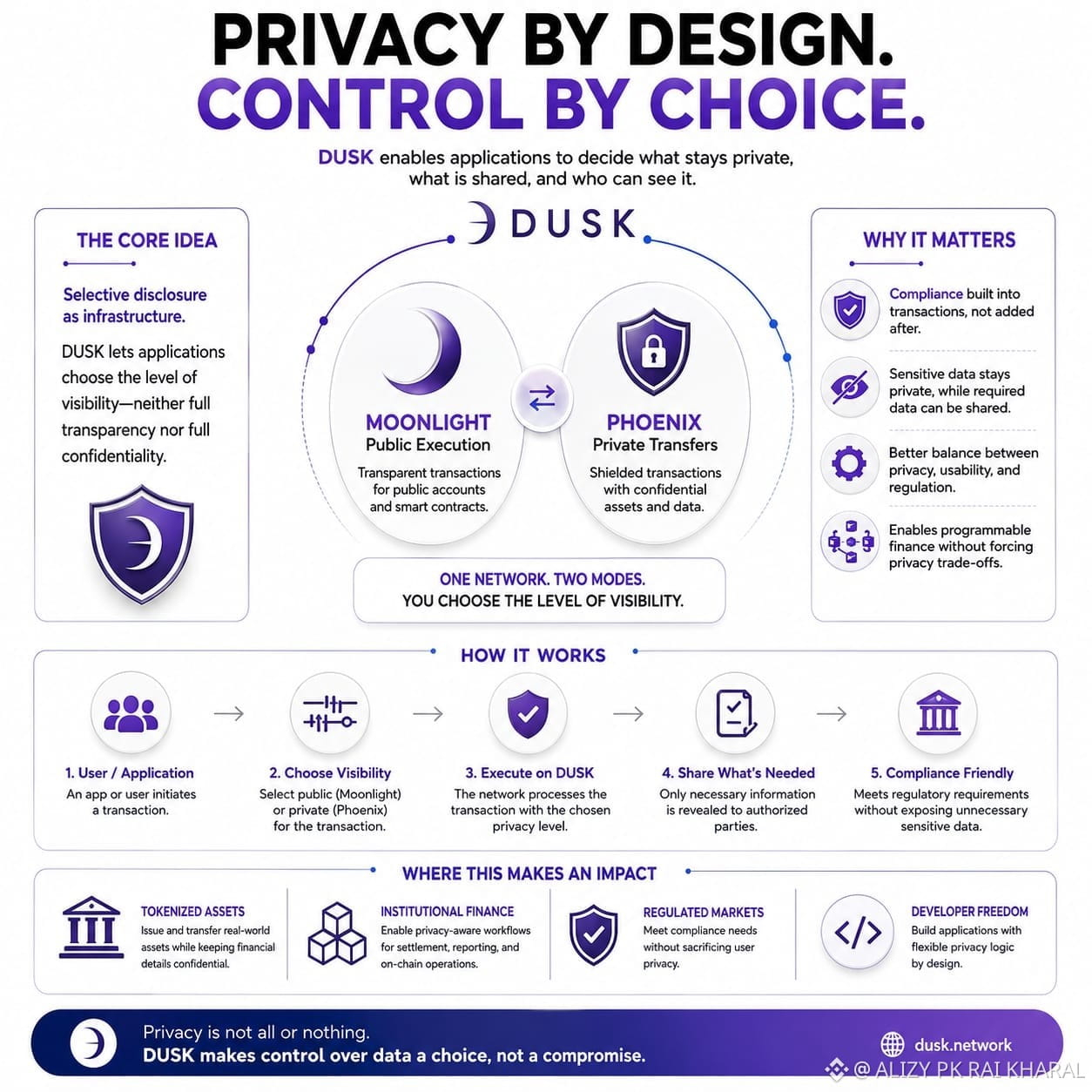
私がDUSKに惹かれるのは、単にそのプライバシーレイヤーがあることではなく、プライバシーがネットワーク設計のどこに位置しているかです。Duskは公開アカウントのフローにMoonlightを、シールドされた送金にPhoenixをサポートしています。これは重要です。規制された市場では、すべてを隠す必要はめったにありません。必要なのは、何が、誰に、そしていつ見えるのかについてのコントロールです。
より深い考え方は、インフラとしての選択的開示です。すべてのアプリケーションに対して完全な透明性か完全な機密性を強制するのではなく、DUSKはワークフローが可視性のレベルを選べるようにします。
これは、トークン化された資産の作られ方を変えうるでしょう。コンプライアンスは、後から付け足される外部プロセスではなく、取引アーキテクチャの一部になります。真の試金石は、この設計によってプライバシーを妥協することなく、規制された金融をプログラマブルにできるかどうかです。
$LAB $BULLA
私がDUSKに惹かれるのは、単にそのプライバシーレイヤーがあることではなく、プライバシーがネットワーク設計のどこに位置しているかです。Duskは公開アカウントのフローにMoonlightを、シールドされた送金にPhoenixをサポートしています。これは重要です。規制された市場では、すべてを隠す必要はめったにありません。必要なのは、何が、誰に、そしていつ見えるのかについてのコントロールです。
より深い考え方は、インフラとしての選択的開示です。すべてのアプリケーションに対して完全な透明性か完全な機密性を強制するのではなく、DUSKはワークフローが可視性のレベルを選べるようにします。
これは、トークン化された資産の作られ方を変えうるでしょう。コンプライアンスは、後から付け足される外部プロセスではなく、取引アーキテクチャの一部になります。真の試金石は、この設計によってプライバシーを妥協することなく、規制された金融をプログラマブルにできるかどうかです。
$LAB $BULLA


ログインして、さらにコンテンツを読む