

Bitcoin’s market structure has changed dramatically in just a few days.
CryptoQuant CEO Ki Young Ju said on Aug. 21 that rallies like this during bear markets often signal that the bottom is in, adding that the “bear phase is pretty much done.”
The data increasingly supports his view—but it is too early to call the bottom confirmed.
BTC broke out of a six-week $62K–$67K range and surged to around $79.4K. More importantly, the move was accompanied by improving spot and perpetual demand, strong U.S. spot Bitcoin ETF inflows, and the recovery of key on-chain cost-basis levels.
U.S. spot Bitcoin ETFs recorded roughly $1.92 billion in net inflows over five trading days, suggesting that the rally was not driven solely by derivatives.
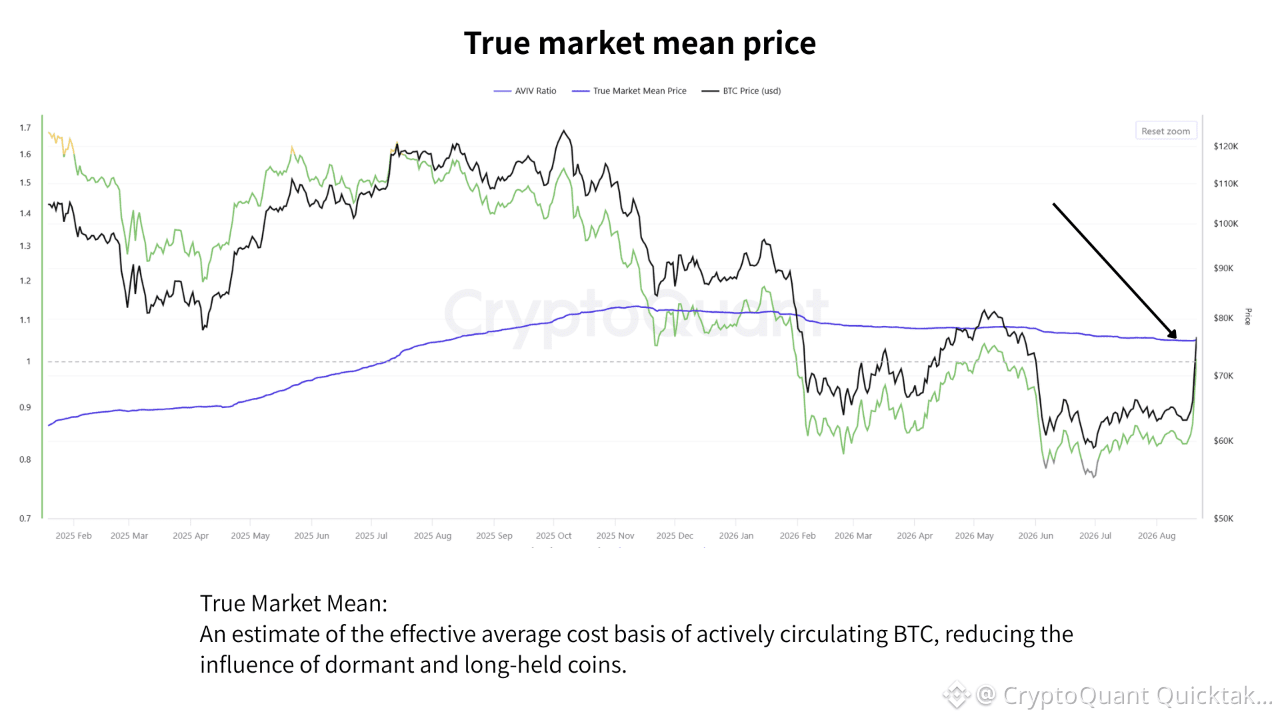
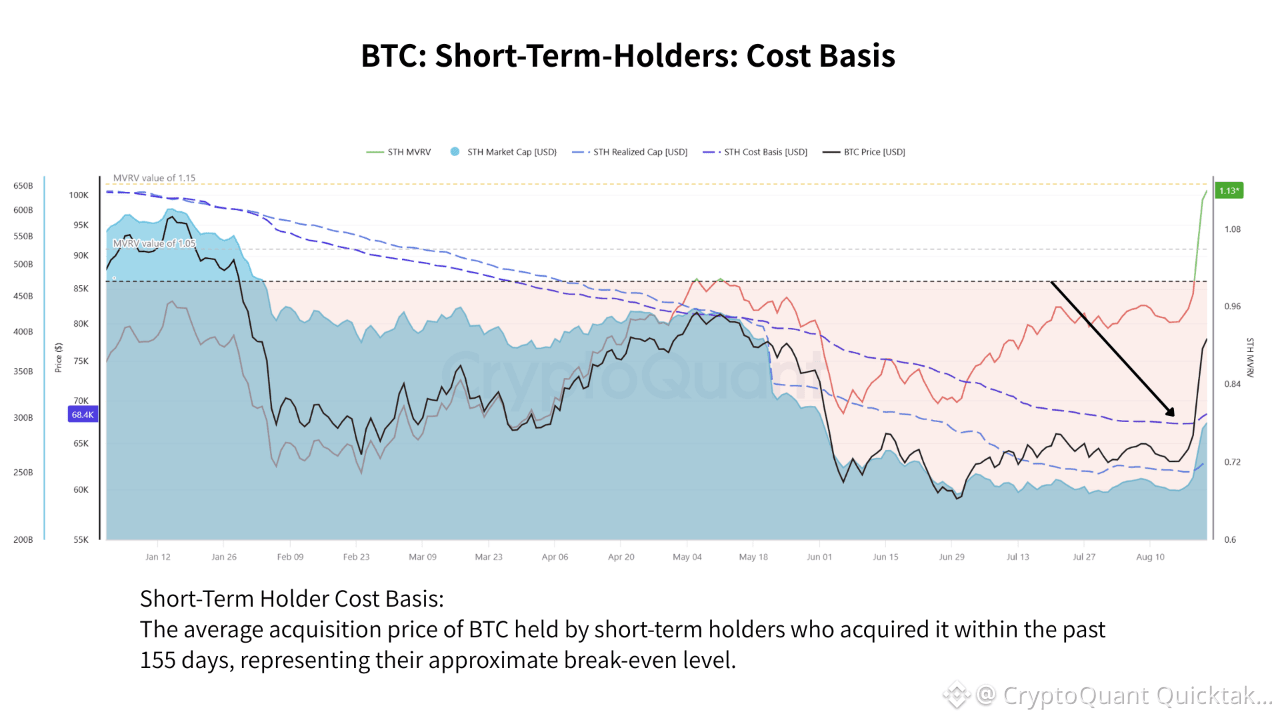
On-chain data also improved sharply. Glassnode’s Aug. 19 levels placed the Short-Term Holder Cost Basis near $68.5K and the True Market Mean near $75.8K. BTC subsequently reclaimed both.
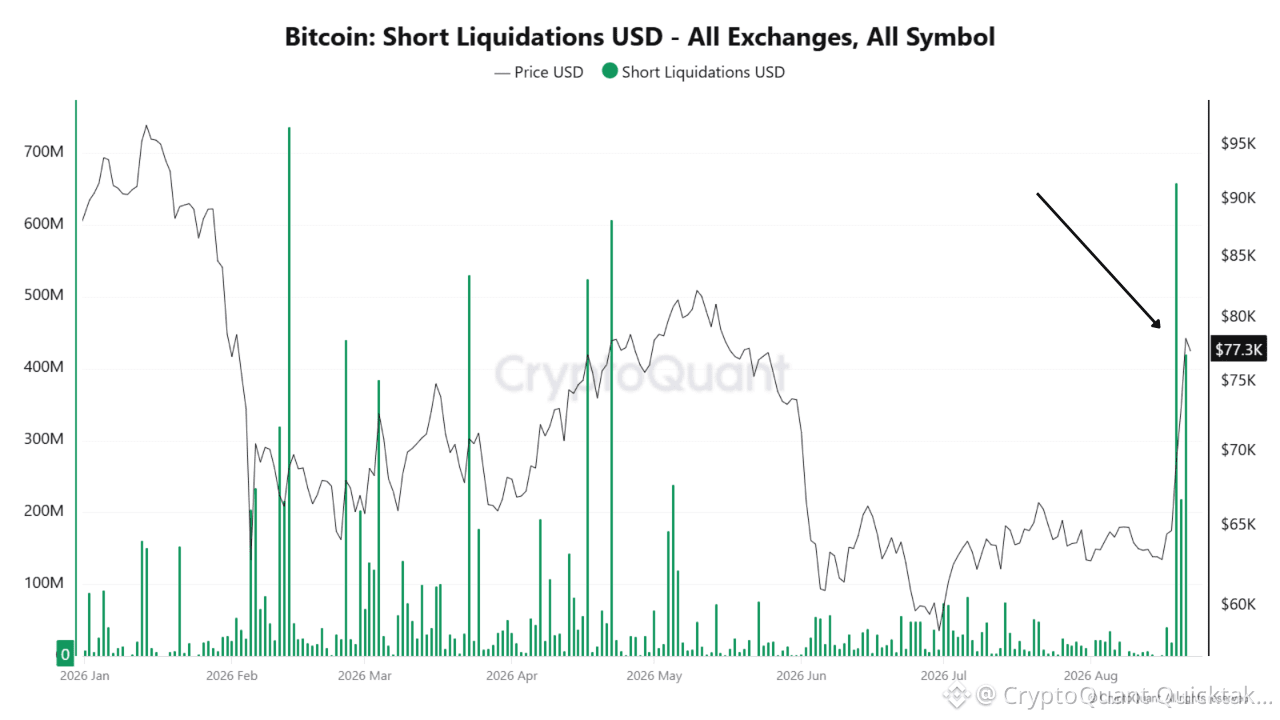
However, caution is still warranted. The breakout triggered roughly $3 billion in short liquidations, meaning a major short squeeze amplified the move. Bitcoin also rallied from around $60K to $82K earlier this year before that move ultimately proved to be a bear-market bounce.
The key test is therefore what happens next.
If BTC can hold around $75K–$76K, break $80K and then clear the previous $82K–$83K resistance zone while ETF and spot demand remain strong, the case for a genuine regime change becomes much stronger.
The important point is not simply that Ki Young Ju turned bullish. It is that the underlying data changed enough for a previously bearish analyst to change his view.
For now, the most accurate conclusion is: the probability that the ~$60K area marked the cycle bottom has risen significantly—but confirmation still requires sustained spot demand and price strength above key cost-basis levels.
Written by XWIN Japan