単純なWenLong体験の裏で何が起こっているのでしょうか?
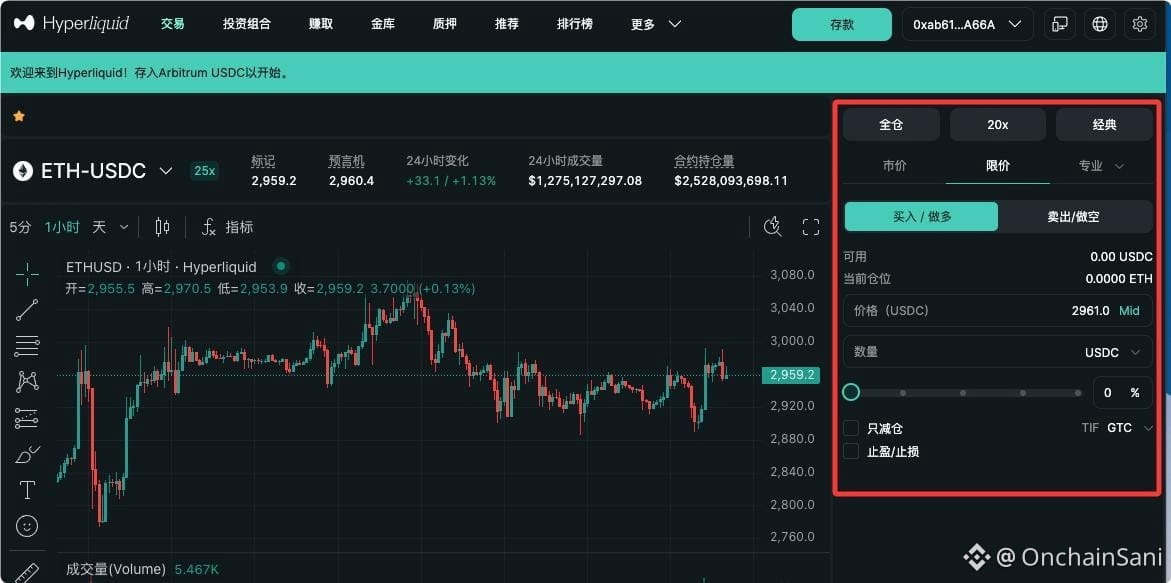
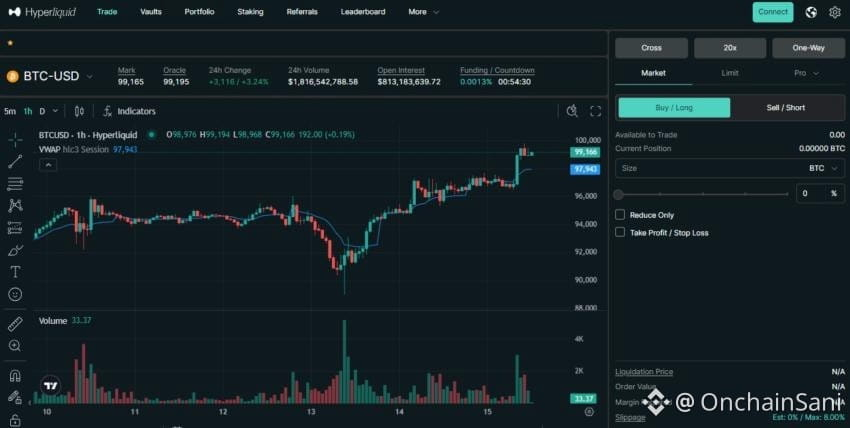
Telegram内でWenLongを調べていて、最初は目に見える部分、つまりHyperliquidの取引インターフェースに注目していました。
しかし、もっと面白いのは、取引がHyperliquidに到達する前に何が起きているかです。
ユーザーはTON上でUSDTから始められますが、HyperliquidのフローではArbitrum上のUSDCが必要になります。
つまり、それらの環境の間を移動する方法が必要です。
そこで、STON.fiのOmnistonが役割を果たします。
Omnistonは、スワップの片道(スワップレッグ)に関するクロスチェーンのルーティングと実行のためのインフラを提供するため、ユーザーは各ステップを手作業で組み立てる必要がありません。
簡略化した流れは次のとおりです:
TON上のUSDT
↓
Omniston
↓
Arbitrum上のUSDC
↓
Hyperliquid
このアプローチで私が良いと思うのは、責務が分離されている点です。
WenLongは、ユーザーにTelegram上での取引体験を提供することに集中します。
STON.fiが開発したOmnistonが、その裏側でクロスチェーンの実行を担当します。
ユーザーはよりシンプルな道のりを得られ、複雑なインフラはバックグラウンドに隠れます。
そして、クロスチェーンのUXはまさにここに向かうべきだと思います。
必ずしもユーザーにインフラをより理解させる必要はありません。インフラがよりうまく機能するようにして、ユーザーがそれについて考えることを減らすのです。
@ston_fi
DYOR(必ず調べてください)、特にレバレッジ商品とやり取りする際は。
Telegram内でWenLongを調べていて、最初は目に見える部分、つまりHyperliquidの取引インターフェースに注目していました。
しかし、もっと面白いのは、取引がHyperliquidに到達する前に何が起きているかです。
ユーザーはTON上でUSDTから始められますが、HyperliquidのフローではArbitrum上のUSDCが必要になります。
つまり、それらの環境の間を移動する方法が必要です。
そこで、STON.fiのOmnistonが役割を果たします。
Omnistonは、スワップの片道(スワップレッグ)に関するクロスチェーンのルーティングと実行のためのインフラを提供するため、ユーザーは各ステップを手作業で組み立てる必要がありません。
簡略化した流れは次のとおりです:
TON上のUSDT
↓
Omniston
↓
Arbitrum上のUSDC
↓
Hyperliquid
このアプローチで私が良いと思うのは、責務が分離されている点です。
WenLongは、ユーザーにTelegram上での取引体験を提供することに集中します。
STON.fiが開発したOmnistonが、その裏側でクロスチェーンの実行を担当します。
ユーザーはよりシンプルな道のりを得られ、複雑なインフラはバックグラウンドに隠れます。
そして、クロスチェーンのUXはまさにここに向かうべきだと思います。
必ずしもユーザーにインフラをより理解させる必要はありません。インフラがよりうまく機能するようにして、ユーザーがそれについて考えることを減らすのです。
@ston_fi
DYOR(必ず調べてください)、特にレバレッジ商品とやり取りする際は。