#dusk $DUSK @Dusk
私は暗号資産に十分長く関わってきたので、「透明性」や「分散化」という言葉を誰かが口にするたびに興奮することはなくなりました。これらの言葉は聞こえはいいのですが、実際にそれが一般の金融活動にとって何を意味するのかを考えると話は別です。
私はずっと疑問に思っています。私たちは本当に、誰もがすべてを見られる状態にしたいのでしょうか?
ウォレットの残高、支払い、ビジネス上の取引、企業が資金を移動する行為——これらが必ずしも間違っているわけではありません。でもだからといって、世界の誰もが最前列で見物する必要はないはずです。この緊張関係は何度も繰り返し出てきて、そしてほとんどの場合、単純な答えはありません。
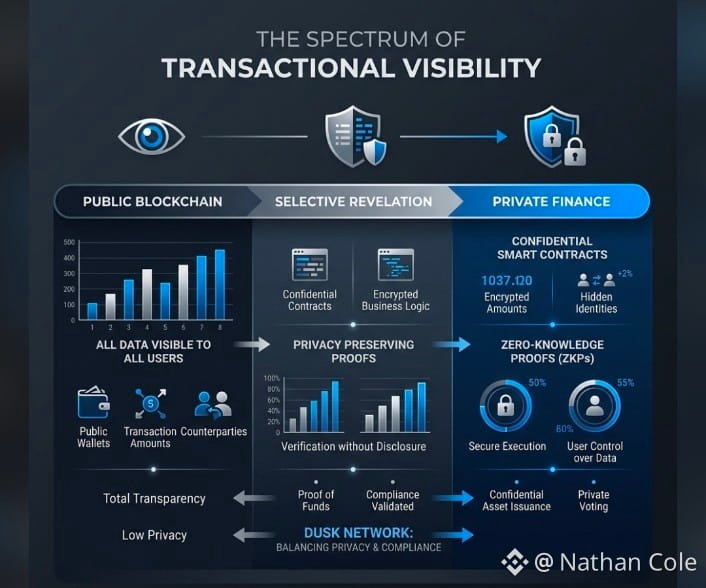
だからこそ、私にとってDusk Networkが興味深いのです。金融アプリケーションのためのプライバシー、機密のスマートコントラクト、そしてXSC標準に焦点を当てているところが、十分に注目されていない課題とつながっているように感じます。金融システムは、すべての細部を公開しなくても検証可能になり得るのではないでしょうか。
ただ、私はまだ慎重です。プライバシーは魔法ではありません。規制当局には可視性が必要になるかもしれません。企業には証拠が必要かもしれません。ユーザーは、自分がどこまで明かすかをコントロールしたいはずです。こうしたバランスを正しく取ることは、それについて書くよりもずっと難しいのです。
私は、これらのトレードオフをすでに解決したと主張するプロジェクトを全面的には信じていません。
Dusk Networkの場合は、約束よりも問いのほうに惹かれます。何が実際に公開されるべきで、何が非公開のままであるべきなのでしょうか?
暗号資産のサイクルを何度も見てきた今、その問いは、もう一つのキラキラした物語よりも重要だと感じています。
私は暗号資産に十分長く関わってきたので、「透明性」や「分散化」という言葉を誰かが口にするたびに興奮することはなくなりました。これらの言葉は聞こえはいいのですが、実際にそれが一般の金融活動にとって何を意味するのかを考えると話は別です。
私はずっと疑問に思っています。私たちは本当に、誰もがすべてを見られる状態にしたいのでしょうか?
ウォレットの残高、支払い、ビジネス上の取引、企業が資金を移動する行為——これらが必ずしも間違っているわけではありません。でもだからといって、世界の誰もが最前列で見物する必要はないはずです。この緊張関係は何度も繰り返し出てきて、そしてほとんどの場合、単純な答えはありません。
だからこそ、私にとってDusk Networkが興味深いのです。金融アプリケーションのためのプライバシー、機密のスマートコントラクト、そしてXSC標準に焦点を当てているところが、十分に注目されていない課題とつながっているように感じます。金融システムは、すべての細部を公開しなくても検証可能になり得るのではないでしょうか。
ただ、私はまだ慎重です。プライバシーは魔法ではありません。規制当局には可視性が必要になるかもしれません。企業には証拠が必要かもしれません。ユーザーは、自分がどこまで明かすかをコントロールしたいはずです。こうしたバランスを正しく取ることは、それについて書くよりもずっと難しいのです。
私は、これらのトレードオフをすでに解決したと主張するプロジェクトを全面的には信じていません。
Dusk Networkの場合は、約束よりも問いのほうに惹かれます。何が実際に公開されるべきで、何が非公開のままであるべきなのでしょうか?
暗号資産のサイクルを何度も見てきた今、その問いは、もう一つのキラキラした物語よりも重要だと感じています。