I keep thinking about this whenever I look at tokenized bonds.
Imagine you hold a bond on a fully public blockchain. Every time interest gets paid, people can potentially watch the movement, estimate what you hold, and start connecting the dots about your position.
You never said anything publicly. The blockchain did it for you.
And honestly, that’s where I think the privacy problem gets really interesting.
Regulated markets obviously need automation, transparency and proper settlement. But does that mean every investor balance and transaction should be visible to everyone?
That’s why Dusk caught my attention.
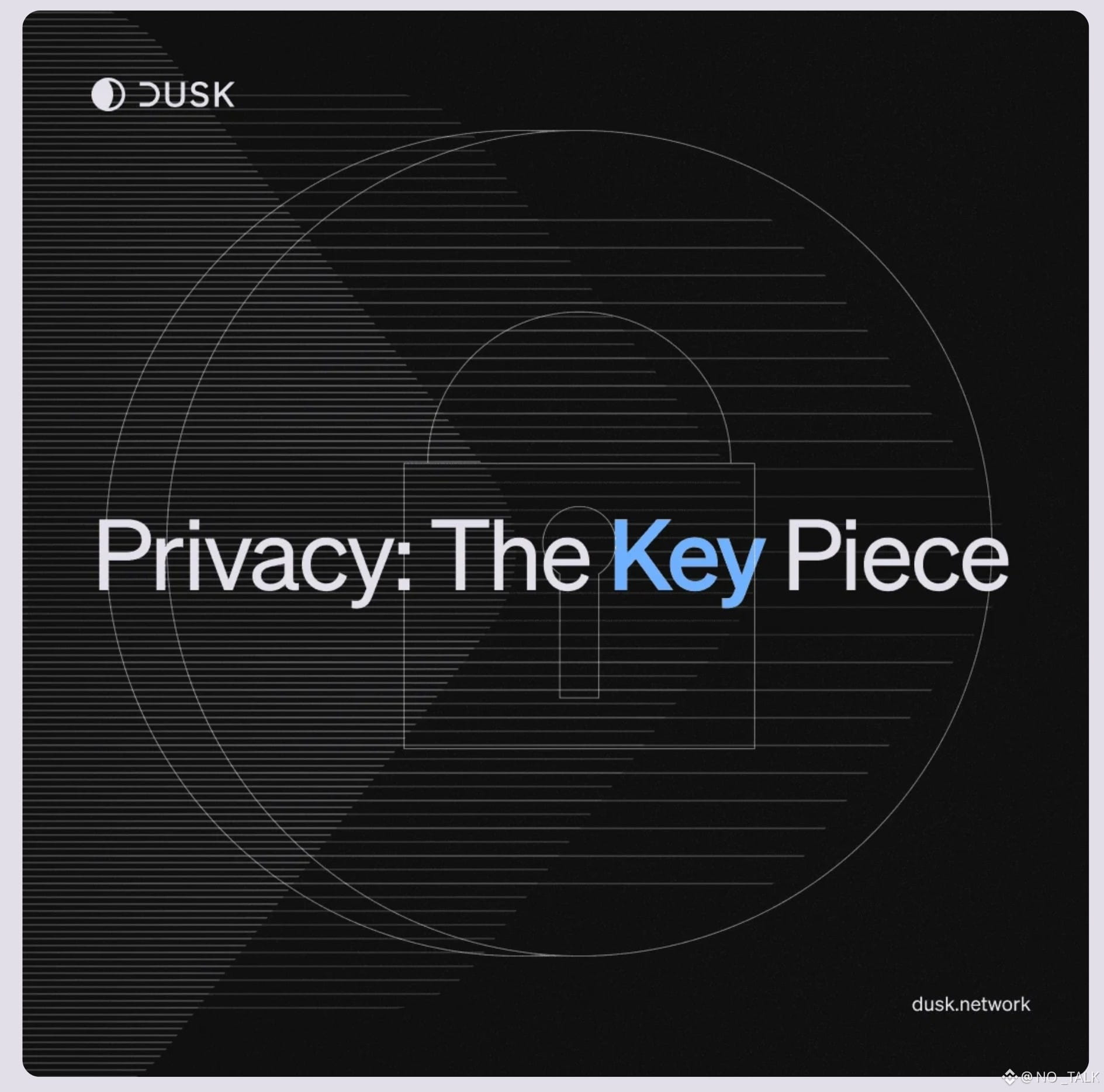
Instead of making everything public, Dusk uses shielded transactions, zero-knowledge proofs and selective disclosure. So sensitive information can stay private, while issuers, auditors or regulators can still access what they’re actually authorized to see.
That feels much more practical to me.
Because institutions don’t necessarily need less transparency. They need the right transparency for the right people.
The more I look into Dusk, the more I think that’s the interesting part. It’s not just about putting financial assets on-chain. It’s about making them programmable and settleable without exposing the entire financial picture to the whole internet.
Maybe that’s what regulated on-chain finance actually needs.
Privacy where it matters. Transparency where it’s required.
Would you personally prefer fully public on-chain finance, or privacy with selective disclosure?
@Dusk
#dusk
$DUSK
Imagine you hold a bond on a fully public blockchain. Every time interest gets paid, people can potentially watch the movement, estimate what you hold, and start connecting the dots about your position.
You never said anything publicly. The blockchain did it for you.
And honestly, that’s where I think the privacy problem gets really interesting.
Regulated markets obviously need automation, transparency and proper settlement. But does that mean every investor balance and transaction should be visible to everyone?
That’s why Dusk caught my attention.
Instead of making everything public, Dusk uses shielded transactions, zero-knowledge proofs and selective disclosure. So sensitive information can stay private, while issuers, auditors or regulators can still access what they’re actually authorized to see.
That feels much more practical to me.
Because institutions don’t necessarily need less transparency. They need the right transparency for the right people.
The more I look into Dusk, the more I think that’s the interesting part. It’s not just about putting financial assets on-chain. It’s about making them programmable and settleable without exposing the entire financial picture to the whole internet.
Maybe that’s what regulated on-chain finance actually needs.
Privacy where it matters. Transparency where it’s required.
Would you personally prefer fully public on-chain finance, or privacy with selective disclosure?
@Dusk
#dusk
$DUSK