Dusk Trade について考えれば考えるほど、褒め言葉のように聞こえるのに実は複雑な質問だと感じる何かに行き着く
ほとんどの DeFi のリスクはスマートコントラクトのリスクです。コードは正しいのか、担保は正直なのか、オラクルはストレス下で耐えられるのか。プロトコルの多くは、この前提のために作られてきました
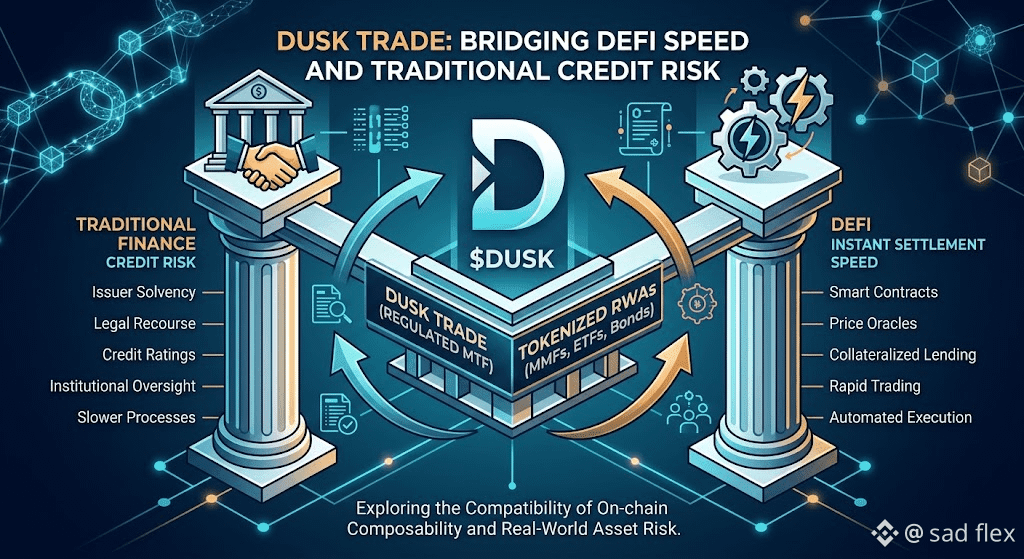
Dusk Trade は MMF、ETF、そして債券を DuskEVM に持ち込みますが、それらの資産が主に抱えるのはそのリスクではありません。むしろ信用リスク、発行体リスクです。これは TradFi が何十年もかけて価格付けしてきた領域で、DeFi はほとんど手を付けていない
だから問題は、これらの資産をオンチェーンにすることに価値があるのかどうかではない
価値は明らかです。トークン化された RWA は、今この分野で最も信頼できる成長ストーリーの一つです
では問題は、リスクがコードのリスクではなくなったとき、コンポーザビリティが成り立つのかどうか
つまり、債券の発行体が支払い能力を保ったままでいられるのか、ということです
これは DeFi が、担保付融資のループを超えて成熟するのに必要だった資産です。ファンドの持分や債券には実際のキャッシュフローがあります。法的な手段があり、MTF 構造を通じて機関としての監督が働きます。暗号資産だけを裏付けにした資産より、より堅牢な基盤です
それは本当の進歩
ただし、コンポーザビリティは別の種類のリスクに合わせて作られてきました。即時決済は、取引対象がオラクルで価格付けされ、コードで決済されるときにうまく機能します。信用リスクはそんなに速く動きませんし、発行体の支払い能力は価格フィードのようにリアルタイムに更新されるわけではありません。そのギャップこそが、問題が増幅する前に、TradFi のより遅いプロセスが問題を拾えるポイントです
信用インスツルメントを DeFi のスピードで包んでも、信用リスクが同じように速く動くようにはなりません。ただ、取引レイヤーだけが、取引しているリスクよりも速く動くということになります
Dusk Trade は、EU の規則のもと規制された MTF として運営されています。そのギャップが現実に存在するからこそ、コンポーザビリティが価格付けできないリスクを処理するための構造がある
私がまだ決めきれていないのは、DeFi のスピードと TradFi の信用リスクが両立できるのか、それとも Dusk Trade の本当のイノベーションが、シームレスに見える言葉で包まれた形で、別のインフラが必要だという証明なのか、という点です
#dusk $DUSK @Dusk
$PORTAL
$ONG
ほとんどの DeFi のリスクはスマートコントラクトのリスクです。コードは正しいのか、担保は正直なのか、オラクルはストレス下で耐えられるのか。プロトコルの多くは、この前提のために作られてきました
Dusk Trade は MMF、ETF、そして債券を DuskEVM に持ち込みますが、それらの資産が主に抱えるのはそのリスクではありません。むしろ信用リスク、発行体リスクです。これは TradFi が何十年もかけて価格付けしてきた領域で、DeFi はほとんど手を付けていない
だから問題は、これらの資産をオンチェーンにすることに価値があるのかどうかではない
価値は明らかです。トークン化された RWA は、今この分野で最も信頼できる成長ストーリーの一つです
では問題は、リスクがコードのリスクではなくなったとき、コンポーザビリティが成り立つのかどうか
つまり、債券の発行体が支払い能力を保ったままでいられるのか、ということです
これは DeFi が、担保付融資のループを超えて成熟するのに必要だった資産です。ファンドの持分や債券には実際のキャッシュフローがあります。法的な手段があり、MTF 構造を通じて機関としての監督が働きます。暗号資産だけを裏付けにした資産より、より堅牢な基盤です
それは本当の進歩
ただし、コンポーザビリティは別の種類のリスクに合わせて作られてきました。即時決済は、取引対象がオラクルで価格付けされ、コードで決済されるときにうまく機能します。信用リスクはそんなに速く動きませんし、発行体の支払い能力は価格フィードのようにリアルタイムに更新されるわけではありません。そのギャップこそが、問題が増幅する前に、TradFi のより遅いプロセスが問題を拾えるポイントです
信用インスツルメントを DeFi のスピードで包んでも、信用リスクが同じように速く動くようにはなりません。ただ、取引レイヤーだけが、取引しているリスクよりも速く動くということになります
Dusk Trade は、EU の規則のもと規制された MTF として運営されています。そのギャップが現実に存在するからこそ、コンポーザビリティが価格付けできないリスクを処理するための構造がある
私がまだ決めきれていないのは、DeFi のスピードと TradFi の信用リスクが両立できるのか、それとも Dusk Trade の本当のイノベーションが、シームレスに見える言葉で包まれた形で、別のインフラが必要だという証明なのか、という点です
#dusk $DUSK @Dusk
$PORTAL
$ONG