
ŘeGáL TraÐér
13.6k 投稿

ŘeGáL TraÐér
 厳選トピック確認済+
📢Binance Square KOL 🎯 | Signal Provider 📈 | Square Visionary |X/Twitter: @mir_mudassir872 Follow for trading signals
取引を発注
超高頻度トレーダー
3年
1.2K+ フォロー
42.8K+ フォロワー
32.1K+ いいね
投稿
ポートフォリオ
すべて
引用
動画
ライブ
確認済み
翻訳参照
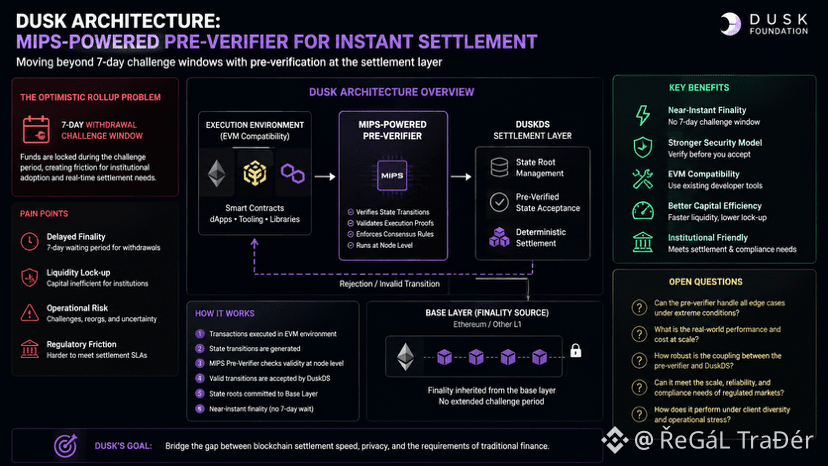
I observed optimistic rollups within the @Dusk ecosystem, and what stood out to me was that these systems have promised EVM compatibility, but they often continue carrying the same seven-day withdrawal challenge window. This remains a major friction point for institutions that require faster and more predictable settlement.
This is where Dusk’s approach becomes interesting. They are attempting to integrate a MIPS-powered pre-verifier inside the settlement layer, allowing execution verification to potentially happen without relying on an extended challenge period. After examining the architecture, I understood that state transitions from the execution environment are verified before being accepted by DuskDS.
Technically, this changes the assumption behind optimistic systems. Instead of accepting transactions first and challenging them later, verification happens before settlement acceptance. Since the pre-verifier operates at the node level, finality can potentially remain closer to the base layer’s timing.
I find the design interesting because it tries to preserve EVM compatibility while addressing delayed finality. However, I remain cautious. I have seen early validation approaches perform well in controlled environments but face pressure from network scale, client diversity, and operational complexity.
Dusk’s tight integration between the pre-verifier and settlement layer may reduce external dependencies, but the real question is whether it can meet the reliability and scalability demands of regulated financial markets.
The bigger question is whether this architecture can perform with the same strength under real-world financial volumes, compliance pressures, and institutional demands as it appears to on paper. That remains the key challenge.
#dusk $DUSK @Dusk .
This is where Dusk’s approach becomes interesting. They are attempting to integrate a MIPS-powered pre-verifier inside the settlement layer, allowing execution verification to potentially happen without relying on an extended challenge period. After examining the architecture, I understood that state transitions from the execution environment are verified before being accepted by DuskDS.
Technically, this changes the assumption behind optimistic systems. Instead of accepting transactions first and challenging them later, verification happens before settlement acceptance. Since the pre-verifier operates at the node level, finality can potentially remain closer to the base layer’s timing.
I find the design interesting because it tries to preserve EVM compatibility while addressing delayed finality. However, I remain cautious. I have seen early validation approaches perform well in controlled environments but face pressure from network scale, client diversity, and operational complexity.
Dusk’s tight integration between the pre-verifier and settlement layer may reduce external dependencies, but the real question is whether it can meet the reliability and scalability demands of regulated financial markets.
The bigger question is whether this architecture can perform with the same strength under real-world financial volumes, compliance pressures, and institutional demands as it appears to on paper. That remains the key challenge.
#dusk $DUSK @Dusk .
·
--
🎙️ Dusk Network: Privacy & Compliance in Financial Blockchain..!
終了
29 分 16 秒
61
0
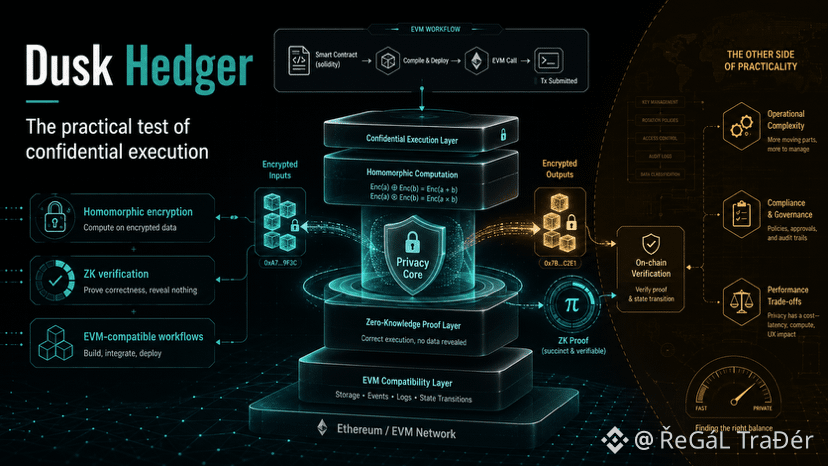
以前、EVMにおけるプライバシーの難しい部分は「隠された情報でもなお信頼できることを証明すること」だと思っていました。時間の経過とともにさまざまなアプローチを見ていくうちに、別の問題に気づきました。暗号技術が機能していても、それを取り巻くシステムを誰かが作り、運用し、それを信頼しなければならないのです。
その点が、私にとってHedgerを面白いものとして感じさせました。多くのプライバシー・ソリューションは「何を隠せるか」に焦点を当てていますが、「そのプライバシーが既存の開発者環境にどう組み込まれるか」まで十分に時間をかけるものは多くありません。Hedgerは、EVM互換の枠組みの中で機密計算(confidential computation)を探ることで、別の道を進んでいます。準同型暗号とゼロ知識証明を組み合わせることで、検証を可能にしながら機密性の高い値を非公開に保つことを目指します。さらに、プリコンパイルド・コントラクトによって、こうした機能が開発者がすでに知っているSolidityのワークフローにより近づきます。
しかし、実務上の疑問は残ります。暗号化された計算にはコストがかかります。性能、鍵管理、そしてコンプライアンス手続きが、依然として摩擦を生みます。私は、技術的に非常に見事で、制御された条件下では説得力があるように見えるシステムを見てきましたが、実際の金融オペレーションに到達すると、より複雑になっていくのを見てきました。
私は、Hedgerが取り組んでいる問題は、過小評価されやすいものだと考えています。機関にとってのプライバシーは、情報を隠すことだけではありません。守るべきルールや責任がすでに存在するシステムの中に、機密性を適切に組み込むことでもあります。トレードオフが簡単に管理できるかどうか、現時点ではまだ確信はありませんが、私がこれまで追ってきた多くの先行アプローチよりも、より現実に根ざした取り組みのように感じています。@Dusk $DUSK #dusk #dusk
その点が、私にとってHedgerを面白いものとして感じさせました。多くのプライバシー・ソリューションは「何を隠せるか」に焦点を当てていますが、「そのプライバシーが既存の開発者環境にどう組み込まれるか」まで十分に時間をかけるものは多くありません。Hedgerは、EVM互換の枠組みの中で機密計算(confidential computation)を探ることで、別の道を進んでいます。準同型暗号とゼロ知識証明を組み合わせることで、検証を可能にしながら機密性の高い値を非公開に保つことを目指します。さらに、プリコンパイルド・コントラクトによって、こうした機能が開発者がすでに知っているSolidityのワークフローにより近づきます。
しかし、実務上の疑問は残ります。暗号化された計算にはコストがかかります。性能、鍵管理、そしてコンプライアンス手続きが、依然として摩擦を生みます。私は、技術的に非常に見事で、制御された条件下では説得力があるように見えるシステムを見てきましたが、実際の金融オペレーションに到達すると、より複雑になっていくのを見てきました。
私は、Hedgerが取り組んでいる問題は、過小評価されやすいものだと考えています。機関にとってのプライバシーは、情報を隠すことだけではありません。守るべきルールや責任がすでに存在するシステムの中に、機密性を適切に組み込むことでもあります。トレードオフが簡単に管理できるかどうか、現時点ではまだ確信はありませんが、私がこれまで追ってきた多くの先行アプローチよりも、より現実に根ざした取り組みのように感じています。@Dusk $DUSK #dusk #dusk
30日間の取引:$DUSK2.1K USDT
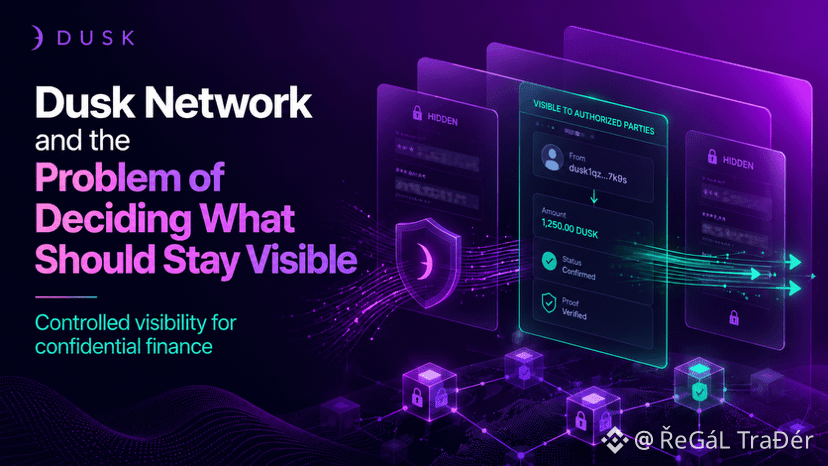
今日、私はDuskの機密(コンフィデンシャル)な金融へのアプローチを見ていたのですが、あることがずっと引っかかっていました。
プライバシーは通常「情報を隠すこと」として語られます。
でも私は、それだけではないと思っています。
Duskの設計を見れば見るほど、難しい問題は「誰が、何を、いつ見られるべきか」を決めることだと感じました。
Duskは、機密スマートコントラクトと、Confidential Security Contract(XSC)標準を通じてこの課題に取り組んでいます。単に取引を見えなくするだけではありません。金融活動は検証可能なまま維持しつつ、機微な情報が不必要に公開されない仕組みを作ることが狙いです。
最初は、これは主にプライバシーの改善だと思いました。
しかし、今は見方が変わりました。
金融アプリケーションにおいては、機密性(コンフィデンシャリティ)はしばしば実務上の懸念と結びつきます。所有権の詳細、役職や立場、そして取引情報には、現実の商業的価値があります。すべてを明らかにするシステムは透明性があるかもしれませんが、その分、機関として参加しにくくなる可能性もあります。
プライバシーは別の課題も生みます。
金融システムは、参加者がその下で何が起きているのかを信じられなくなるほど、極端にプライベートになってはいけません。
このバランスこそが、おそらくDuskの本当の試金石なのでしょう。
時には、最も重要な設計判断とは「ネットワークが誰に何を見せるか」ではなく、「意図的に何を開示しないか」にあるのです。
@Dusk $DUSK #dusk
プライバシーは通常「情報を隠すこと」として語られます。
でも私は、それだけではないと思っています。
Duskの設計を見れば見るほど、難しい問題は「誰が、何を、いつ見られるべきか」を決めることだと感じました。
Duskは、機密スマートコントラクトと、Confidential Security Contract(XSC)標準を通じてこの課題に取り組んでいます。単に取引を見えなくするだけではありません。金融活動は検証可能なまま維持しつつ、機微な情報が不必要に公開されない仕組みを作ることが狙いです。
最初は、これは主にプライバシーの改善だと思いました。
しかし、今は見方が変わりました。
金融アプリケーションにおいては、機密性(コンフィデンシャリティ)はしばしば実務上の懸念と結びつきます。所有権の詳細、役職や立場、そして取引情報には、現実の商業的価値があります。すべてを明らかにするシステムは透明性があるかもしれませんが、その分、機関として参加しにくくなる可能性もあります。
プライバシーは別の課題も生みます。
金融システムは、参加者がその下で何が起きているのかを信じられなくなるほど、極端にプライベートになってはいけません。
このバランスこそが、おそらくDuskの本当の試金石なのでしょう。
時には、最も重要な設計判断とは「ネットワークが誰に何を見せるか」ではなく、「意図的に何を開示しないか」にあるのです。
@Dusk $DUSK #dusk
·
--
🎙️ Dusk Network: Can Privacy Become Finance’s Next Layer?
終了
01 時間 14 分 31 秒
162

BNB
残高
0%
0
30日間の取引:$DUSK2K USDT
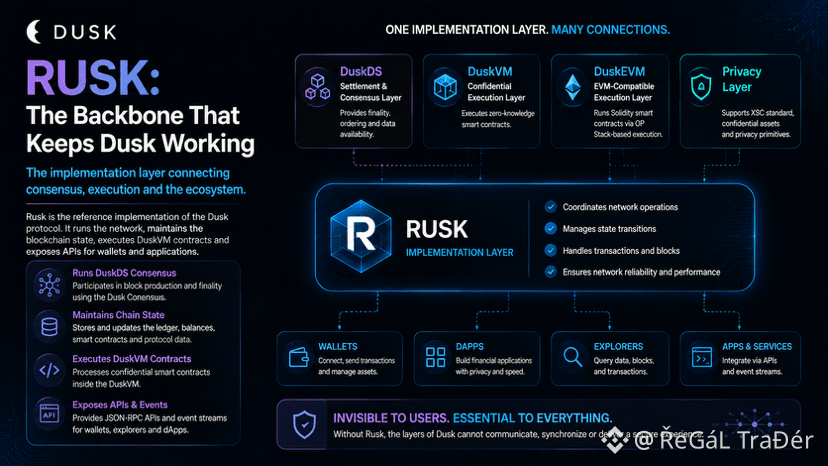
私は、Duskのさまざまな構成要素がそれぞれ別々に語られるのを何度も見かけました。DuskDS、DuskVM、DuskEVM とプライバシーレイヤーです。でも、ずっと私に返ってくる疑問がありました。では、いったい何がこれらの部品を一緒に動かし続けているのだろう?
その答えにたどり着いたのが Rusk です。
最初は、ノード上で動く単なるソフトウェアのように思いました。ですが調べれば調べるほど、もっと大きな役割を担っていることに気づきました。Rusk は、Dusk のコンセンサスを実行し、ブロックチェーンの状態を維持し、DuskVM のコントラクトを実行し、そしてAPIを通じて外部アプリケーションを接続する実装レイヤーです。
私の目を引いたのは、Rusk が、ユーザーが通常語るような「機能」ではないという点です。派手なプライバシーの見出しもなく、それを中心に据えた分かりやすいアプリもありません。
だからこそ際立っています。
ブロックチェーンのアーキテクチャがよりモジュール化されていくほど、重要なのは個々の機能だけでなく、その連携(コーディネーション)です。強力な実行レイヤーがあっても、基盤となる仕組みがすべてを同期させ続けられなければ意味はありません。
その代わり、コアレイヤーが担う責任が増えるほど、信頼性とセキュリティの重要性はより高まります。
もしかすると、将来のブロックチェーン基盤は、ユーザーが目にする機能だけで定義されるのではなく、それらの機能を静かに実現している見えないレイヤーによって形づくられるのかもしれません。@Dusk $DUSK #dusk #dusk
その答えにたどり着いたのが Rusk です。
最初は、ノード上で動く単なるソフトウェアのように思いました。ですが調べれば調べるほど、もっと大きな役割を担っていることに気づきました。Rusk は、Dusk のコンセンサスを実行し、ブロックチェーンの状態を維持し、DuskVM のコントラクトを実行し、そしてAPIを通じて外部アプリケーションを接続する実装レイヤーです。
私の目を引いたのは、Rusk が、ユーザーが通常語るような「機能」ではないという点です。派手なプライバシーの見出しもなく、それを中心に据えた分かりやすいアプリもありません。
だからこそ際立っています。
ブロックチェーンのアーキテクチャがよりモジュール化されていくほど、重要なのは個々の機能だけでなく、その連携(コーディネーション)です。強力な実行レイヤーがあっても、基盤となる仕組みがすべてを同期させ続けられなければ意味はありません。
その代わり、コアレイヤーが担う責任が増えるほど、信頼性とセキュリティの重要性はより高まります。
もしかすると、将来のブロックチェーン基盤は、ユーザーが目にする機能だけで定義されるのではなく、それらの機能を静かに実現している見えないレイヤーによって形づくられるのかもしれません。@Dusk $DUSK #dusk #dusk
#termmax @TermMax .
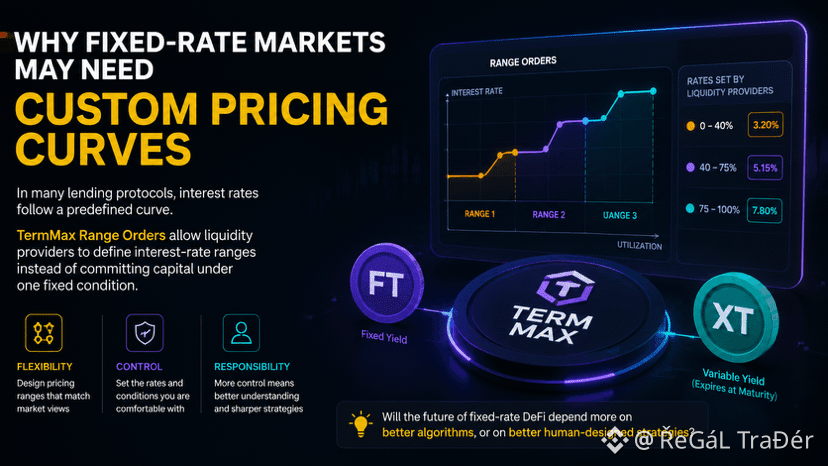
私は固定金利市場を見ていて、ふとシンプルな疑問が湧きました。そもそも「公正」な金利は、誰がどのように決めるのでしょうか?
多くの貸付プロトコルでは、市場はあらかじめ定義されたカーブに従います。@TermMax はレンジオーダーという別のアプローチを採用し、固定の条件に資金をコミットするのではなく、流動性提供者が金利のレンジを定義できるようにしています。
最初は、それが不要な複雑さのように思えました。なぜユーザー自身が価格カーブを形作る必要があるのでしょうか?しかし、借入需要が実際にどのように振る舞うかを見ると、この考えはより面白くなります。需要は、完全に予測可能なパターンで動くことはほとんどありません。流動性需要が低いときにはある金利を受け入れても、より多くの資本が消費されるにつれて、別の価格設定を想定するかもしれません。
ここが興味深いところです。市場は、単一の数式が示唆するほど、そう簡単に予測できないことが多いのです。単一の市場カーブでは、誰もが同じリスク観と需要観を共有している前提に立っています。レンジオーダーは、さまざまな金利ゾーンにわたって、異なる流動性提供者がそれぞれ異なる価格嗜好を表現できるようにし、より柔軟な市場構造を生み出します。
この柔軟性が主な利点ですが、同時に新たな課題も生まれます。より多くのコントロールは、より多くの責任を意味するからです。ユーザーには、流動性を提供して実行を待つだけでなく、効率的なカーブをどう設計するかをより深く理解する必要があります。
私が繰り返し考えているのは、カスタマイズ可能な市場が、より賢い流動性判断につながるのか、それとも単に複雑さをプロトコルから参加者へ移すだけなのか、という点です。
固定金利DeFiの未来は、より優れたアルゴリズムにより左右されるのでしょうか?それとも、人間が設計するより良い戦略によってより左右されるのでしょうか?
私は固定金利市場を見ていて、ふとシンプルな疑問が湧きました。そもそも「公正」な金利は、誰がどのように決めるのでしょうか?
多くの貸付プロトコルでは、市場はあらかじめ定義されたカーブに従います。@TermMax はレンジオーダーという別のアプローチを採用し、固定の条件に資金をコミットするのではなく、流動性提供者が金利のレンジを定義できるようにしています。
最初は、それが不要な複雑さのように思えました。なぜユーザー自身が価格カーブを形作る必要があるのでしょうか?しかし、借入需要が実際にどのように振る舞うかを見ると、この考えはより面白くなります。需要は、完全に予測可能なパターンで動くことはほとんどありません。流動性需要が低いときにはある金利を受け入れても、より多くの資本が消費されるにつれて、別の価格設定を想定するかもしれません。
ここが興味深いところです。市場は、単一の数式が示唆するほど、そう簡単に予測できないことが多いのです。単一の市場カーブでは、誰もが同じリスク観と需要観を共有している前提に立っています。レンジオーダーは、さまざまな金利ゾーンにわたって、異なる流動性提供者がそれぞれ異なる価格嗜好を表現できるようにし、より柔軟な市場構造を生み出します。
この柔軟性が主な利点ですが、同時に新たな課題も生まれます。より多くのコントロールは、より多くの責任を意味するからです。ユーザーには、流動性を提供して実行を待つだけでなく、効率的なカーブをどう設計するかをより深く理解する必要があります。
私が繰り返し考えているのは、カスタマイズ可能な市場が、より賢い流動性判断につながるのか、それとも単に複雑さをプロトコルから参加者へ移すだけなのか、という点です。
固定金利DeFiの未来は、より優れたアルゴリズムにより左右されるのでしょうか?それとも、人間が設計するより良い戦略によってより左右されるのでしょうか?
#TermMax
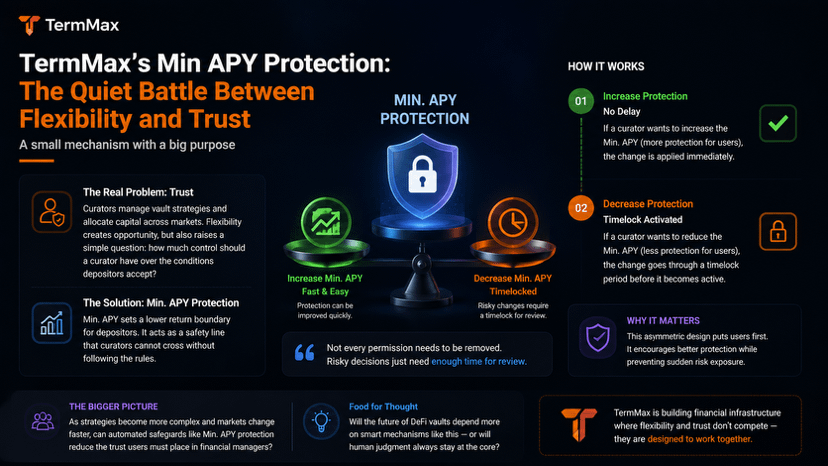
あなたの5分間の注意をください。今日、ほとんど見落としていた小さなTermMaxのヴォルト詳細を共有したいのです——最低APY(Min. APY)保護メカニズムです。
最初は、ただの別のリスク指標だと思っていました。でも調べてみると、もっと大きな話につながっていると気づきました……ユーザーはヴォルトのキュレーター(運用者)に、どれくらいの信頼を置くべきなのでしょうか?
@TermMax のヴォルトでは、キュレーターが戦略全体にどのように資本を配分するかを決めます。その柔軟性は役立ちますが、一方で預金者は裏側で下された判断に依存することになります。
Min. APYの設定は、より低いリターンの下限を作ります。これを引き上げることは素早くできると思いますが、下げるにはタイムロック期間が必要です。
私は、この非対称的なアプローチが実際に好きです。よりリスクの高い変更とは別に、ユーザー保護の扱いを変えるからです。キュレーターは安全性をより速く改善できますが、保護を下げる場合は、ユーザーが気づいて対応するための時間が与えられます。
これは私にとって、なかなか興味深い設計の選択です。DeFiには必ずしも権限を減らす必要はなく、ときには「より良く設計された権限」が必要になるのです。
ヴォルトの戦略がより複雑になるにつれて、こうした仕組みがユーザーと自動化された金融の間の新しい信頼の層になり得るのか、気になります。#TermMax
$BTW
$BIO
$BOME
あなたの5分間の注意をください。今日、ほとんど見落としていた小さなTermMaxのヴォルト詳細を共有したいのです——最低APY(Min. APY)保護メカニズムです。
最初は、ただの別のリスク指標だと思っていました。でも調べてみると、もっと大きな話につながっていると気づきました……ユーザーはヴォルトのキュレーター(運用者)に、どれくらいの信頼を置くべきなのでしょうか?
@TermMax のヴォルトでは、キュレーターが戦略全体にどのように資本を配分するかを決めます。その柔軟性は役立ちますが、一方で預金者は裏側で下された判断に依存することになります。
Min. APYの設定は、より低いリターンの下限を作ります。これを引き上げることは素早くできると思いますが、下げるにはタイムロック期間が必要です。
私は、この非対称的なアプローチが実際に好きです。よりリスクの高い変更とは別に、ユーザー保護の扱いを変えるからです。キュレーターは安全性をより速く改善できますが、保護を下げる場合は、ユーザーが気づいて対応するための時間が与えられます。
これは私にとって、なかなか興味深い設計の選択です。DeFiには必ずしも権限を減らす必要はなく、ときには「より良く設計された権限」が必要になるのです。
ヴォルトの戦略がより複雑になるにつれて、こうした仕組みがユーザーと自動化された金融の間の新しい信頼の層になり得るのか、気になります。#TermMax
$BTW
$BIO
$BOME
確認済み
#dusk $DUSK
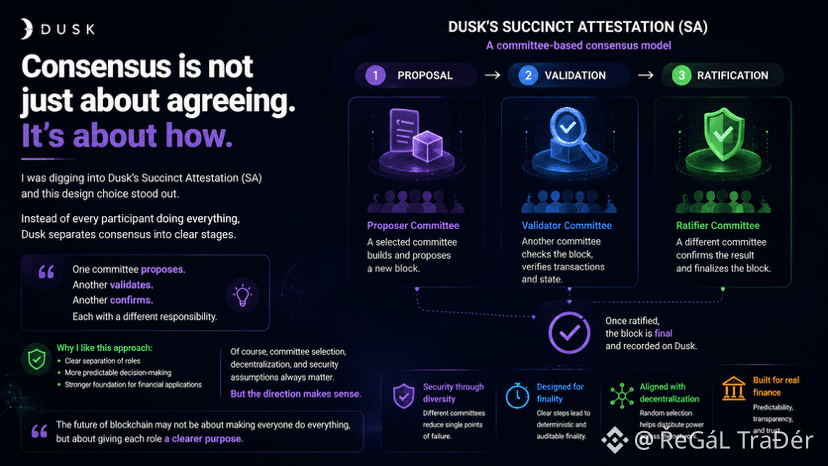
あなたの注意をわずか5分だけください。コンセンサス設計を見ていく中で、うっかり見落としそうになったDuskの細部について共有したいことがあります。
最初は、より大きな全体像……プライバシー、スマートコントラクト、そして金融アプリケーションに注目していました。ですが、その後Succinct Attestationにもっと時間を使っているうちに、この小さな設計上の選択が目を引きました。
@Dusk は、すべての参加者にまったく同じ役割を要求しません。代わりに、コンセンサスはステージに分けられています。ある委員会が提案し、別の委員会が検証し、さらに別の委員会が最終結果を確定します。
正直、もう一度この部分を読みたくなりました。アイデア自体は単純に聞こえるのに、最初に思った以上にインパクトが大きいからです。
私にとって面白いのは、責任の分離です。金融アプリケーションを支えるネットワークには、速い取引だけでは足りません。意思決定が構造化され、予測可能になるようなプロセスが必要です。もちろん、委員会の選定、分散性、そしてセキュリティ前提についての問いも出てきます。
でも私は、この方向性が好きです……たぶん将来のブロックチェーンは、誰もがすべてをやることでスケールするのではなく、それぞれの役割により明確な目的を与えることでスケールしていくのかもしれません。
時には、隠れた設計上の選択が、そのプロトコルの本当の物語を語ってくれます。
#dusk
$BOME
$MRNAon #CryptoRally
あなたの注意をわずか5分だけください。コンセンサス設計を見ていく中で、うっかり見落としそうになったDuskの細部について共有したいことがあります。
最初は、より大きな全体像……プライバシー、スマートコントラクト、そして金融アプリケーションに注目していました。ですが、その後Succinct Attestationにもっと時間を使っているうちに、この小さな設計上の選択が目を引きました。
@Dusk は、すべての参加者にまったく同じ役割を要求しません。代わりに、コンセンサスはステージに分けられています。ある委員会が提案し、別の委員会が検証し、さらに別の委員会が最終結果を確定します。
正直、もう一度この部分を読みたくなりました。アイデア自体は単純に聞こえるのに、最初に思った以上にインパクトが大きいからです。
私にとって面白いのは、責任の分離です。金融アプリケーションを支えるネットワークには、速い取引だけでは足りません。意思決定が構造化され、予測可能になるようなプロセスが必要です。もちろん、委員会の選定、分散性、そしてセキュリティ前提についての問いも出てきます。
でも私は、この方向性が好きです……たぶん将来のブロックチェーンは、誰もがすべてをやることでスケールするのではなく、それぞれの役割により明確な目的を与えることでスケールしていくのかもしれません。
時には、隠れた設計上の選択が、そのプロトコルの本当の物語を語ってくれます。
#dusk
$BOME
$MRNAon #CryptoRally
確認済み
30日間の取引:$DUSK1.7K USDT
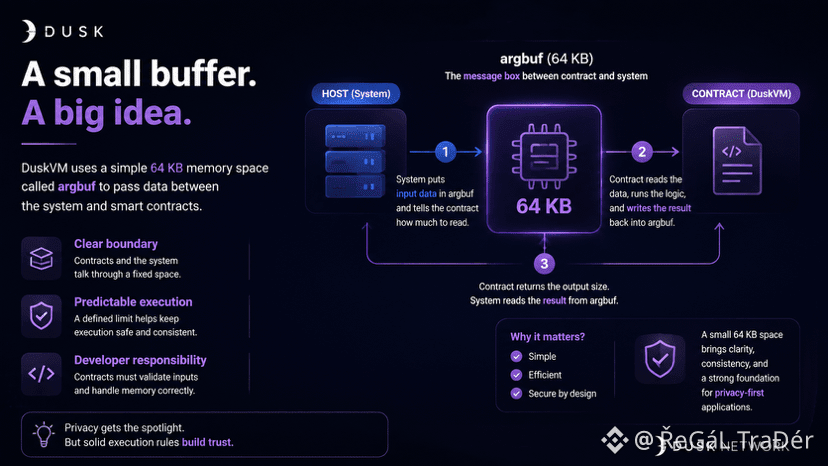
たった5分だけください…小さな@Dusk 個の事柄を共有したいんです。最初は退屈そうに見えるかもしれないけど、実はDuskVMがどのように設計されているかをかなり物語っています。それはargbufと呼ばれるものです。
基本的に、DuskVMの中で動いているスマートコントラクトがデータを受け取ったり返したりする必要があるとき、情報をただ自由に受け渡すわけではありません。Duskは、コントラクトとシステムの間にある一時的なメッセージボックスのように機能する固定の64KBのメモリ空間を用意します。
システムは、そこにどれだけのデータが置かれたかをコントラクトに伝えます。コントラクトはそれを読み取り、仕事を行ったあと、その同じ空間に結果を書き戻します。
これはシンプルな発想…ですが、私は実は気に入っています。
コントラクトと、その周囲の環境との間には明確な境界があり、実行をより予測しやすくできます。同時に、開発者はそれでも入力やメモリを慎重に扱う必要があります。VMは、悪いコントラクトロジックを保存してはくれません。
そして将来的に見ると、Duskが本格的な金融アプリケーションを惹きつけていく中で、このような細部の重要性はさらに増していくと思います。
プライバシーには注目が集まりがちですが、ときにはこうした静かな実行ルールのほうが、システムへの信頼を築きやすくするのです。
$DUSK
$GAIX
$BTW
基本的に、DuskVMの中で動いているスマートコントラクトがデータを受け取ったり返したりする必要があるとき、情報をただ自由に受け渡すわけではありません。Duskは、コントラクトとシステムの間にある一時的なメッセージボックスのように機能する固定の64KBのメモリ空間を用意します。
システムは、そこにどれだけのデータが置かれたかをコントラクトに伝えます。コントラクトはそれを読み取り、仕事を行ったあと、その同じ空間に結果を書き戻します。
これはシンプルな発想…ですが、私は実は気に入っています。
コントラクトと、その周囲の環境との間には明確な境界があり、実行をより予測しやすくできます。同時に、開発者はそれでも入力やメモリを慎重に扱う必要があります。VMは、悪いコントラクトロジックを保存してはくれません。
そして将来的に見ると、Duskが本格的な金融アプリケーションを惹きつけていく中で、このような細部の重要性はさらに増していくと思います。
プライバシーには注目が集まりがちですが、ときにはこうした静かな実行ルールのほうが、システムへの信頼を築きやすくするのです。
$DUSK
$GAIX
$BTW
確認済み
#TermMax
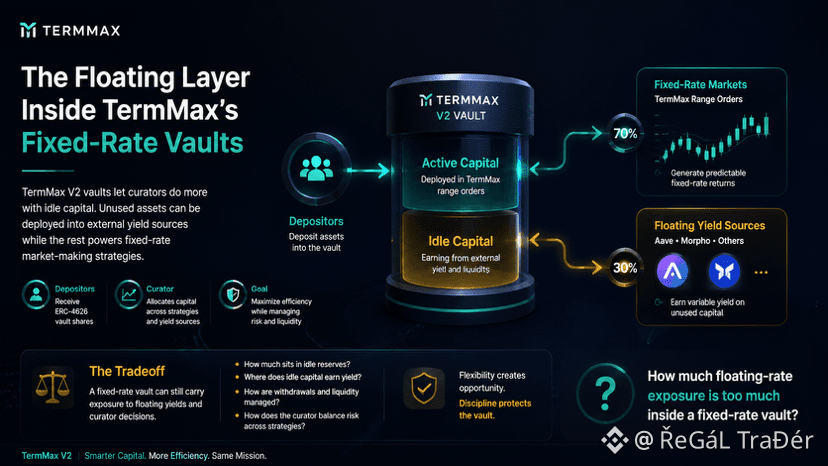
私に5分だけください。@TermMax について面白いことを共有したいです。TermMaxのV2のヴォールト設計を読んでいて、ある点がずっと気になって戻ってきていました。アイドル資本は、必ずしもアイドルのままではありません。
キュレーターは、未使用の資産をAaveやMorphoのようなベース利回りのソースにルーティングできます。一方で、残りのヴォールト資本はTermMaxのレンジ注文に投入されます。預金者はERC-4626のヴォールトシェアを引き続き保有しますが、その下で生まれるリターンは複数の場所から来る可能性があります。
最初は、それがすぐに良いと思えました。USDCが置きっぱなしなら、何か稼げるのに放置する理由はないですよね?
でも考えれば考えるほど、「固定金利」というラベルが思ったより単純ではないと感じ始めました。
ヴォールトの一部は、変動する外部の利回りにさらされるかもしれませんし、同時にキュレーターは、引き出しにどれくらいの資本を残すのか、どれくらいをアクティブな注文に回すのか、そしてアイドル資産をどこに駐機させるのかを決めています。
この柔軟性は役に立ちますが、その反面、預金者はTermMaxの固定金利市場構造だけでなく、キュレーターの資本配分の判断にも一部を委ねることになります。
今後、ヴォールトが大きくなるほど、これはより重要になってくると思います。見出しの利回りはシンプルに見えても、その下の仕組みは同時にいくつもの仕事をこなしているのです。
固定金利のマーケットを中心に作られたヴォールトの中で、変動金利へのエクスポージャーはどれくらいまでが許容範囲なのでしょうか?
$BTW
$VELVET
$LAB
私に5分だけください。@TermMax について面白いことを共有したいです。TermMaxのV2のヴォールト設計を読んでいて、ある点がずっと気になって戻ってきていました。アイドル資本は、必ずしもアイドルのままではありません。
キュレーターは、未使用の資産をAaveやMorphoのようなベース利回りのソースにルーティングできます。一方で、残りのヴォールト資本はTermMaxのレンジ注文に投入されます。預金者はERC-4626のヴォールトシェアを引き続き保有しますが、その下で生まれるリターンは複数の場所から来る可能性があります。
最初は、それがすぐに良いと思えました。USDCが置きっぱなしなら、何か稼げるのに放置する理由はないですよね?
でも考えれば考えるほど、「固定金利」というラベルが思ったより単純ではないと感じ始めました。
ヴォールトの一部は、変動する外部の利回りにさらされるかもしれませんし、同時にキュレーターは、引き出しにどれくらいの資本を残すのか、どれくらいをアクティブな注文に回すのか、そしてアイドル資産をどこに駐機させるのかを決めています。
この柔軟性は役に立ちますが、その反面、預金者はTermMaxの固定金利市場構造だけでなく、キュレーターの資本配分の判断にも一部を委ねることになります。
今後、ヴォールトが大きくなるほど、これはより重要になってくると思います。見出しの利回りはシンプルに見えても、その下の仕組みは同時にいくつもの仕事をこなしているのです。
固定金利のマーケットを中心に作られたヴォールトの中で、変動金利へのエクスポージャーはどれくらいまでが許容範囲なのでしょうか?
$BTW
$VELVET
$LAB
#TermMax の固定金利設計で私が奇妙だと思うのは、そのトークンの1つが、通常なら多くのトークン保有者が嫌うはずのことを“まさにその通りに”やっている点です。つまりゼロへ向かっていくことです。
しかしXTの場合、それは失敗ではありません。構造の一部なのです。
各固定金利市場はFTとXTをリンクさせ、1 FT+1 XT が1つの債務トークンに等しくなるようにしています。FTは最終的に償還価値に到達する側を表し、XTは満期時に価値が消えていく補完的なピースです。
そう考えると、XTは最初に見えるよりも判断しにくいと思います。
通常、私はトークンを見るとき、時間の経過とともに需要を維持し続けられる要因が何かを問いかけます。XTはその問いをほぼ逆転させます。終点はすでに分かっているので、重要なのはそこに至るまでに起こるすべてのことです。トレーダーが残り時間をどう評価するのか、流動性が十分に深い状態を保てるのか、そして満期が近づくにつれてそのトークンがまだ何に使えるのか。
それにより、TermMaxの固定利回りも私には少し違って見えます。
システムの予測可能な側が作られるのと同時に、意図的に一時的なものも作られています。2つのピースがまったく異なる役割を担っているという点で、そのロジックは気に入っていますが、それは同時に、XTが普通のトークンと同じ考え方では本質的に判断できないことも意味します。
私にとって本当の試験は、XTが最終的にゼロに到達するかどうかではありません。ゼロへ向かう途中で、その残りの有用性に対する価格付けを、市場が妥当な形で維持できるかどうかです。@TermMax #TermMax 。
👉XTのゼロへの道は…
しかしXTの場合、それは失敗ではありません。構造の一部なのです。
各固定金利市場はFTとXTをリンクさせ、1 FT+1 XT が1つの債務トークンに等しくなるようにしています。FTは最終的に償還価値に到達する側を表し、XTは満期時に価値が消えていく補完的なピースです。
そう考えると、XTは最初に見えるよりも判断しにくいと思います。
通常、私はトークンを見るとき、時間の経過とともに需要を維持し続けられる要因が何かを問いかけます。XTはその問いをほぼ逆転させます。終点はすでに分かっているので、重要なのはそこに至るまでに起こるすべてのことです。トレーダーが残り時間をどう評価するのか、流動性が十分に深い状態を保てるのか、そして満期が近づくにつれてそのトークンがまだ何に使えるのか。
それにより、TermMaxの固定利回りも私には少し違って見えます。
システムの予測可能な側が作られるのと同時に、意図的に一時的なものも作られています。2つのピースがまったく異なる役割を担っているという点で、そのロジックは気に入っていますが、それは同時に、XTが普通のトークンと同じ考え方では本質的に判断できないことも意味します。
私にとって本当の試験は、XTが最終的にゼロに到達するかどうかではありません。ゼロへ向かう途中で、その残りの有用性に対する価格付けを、市場が妥当な形で維持できるかどうかです。@TermMax #TermMax 。
👉XTのゼロへの道は…
Smart by design
50%
Hard to price
0%
Liquidity dependent
50%
Too time-sensitive
0%
2 投票 • 投票は終了しました
確認済み
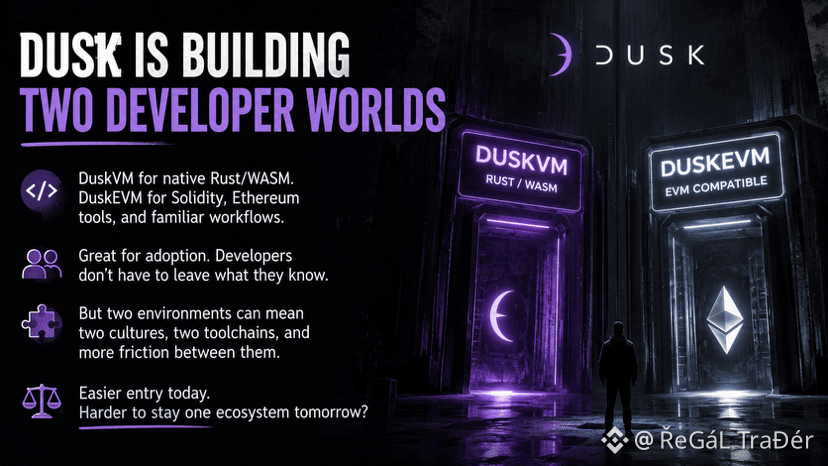
私を引きつけたのは、Duskが2つの実行環境をサポートしているという事実そのものではありませんでした。問題は、その選択が後になって気まずくなり得る理由です。
そこでDuskVMはネイティブのRust/WASM開発者に独自の道を用意し、DuskEVMはSolidityチームをおなじみのツール群の中に留まらせます。これは実用的です。Duskで開発するために、いままでに分かっていることを全部捨てる必要がありません。
ややこしさが表面化するのは、導入がうまく機能し始めた後です。両方の環境に現実のアプリが集まってくるなら、Duskは結果として、2つの開発文化が並んで成長していく状態に陥るかもしれません。ツールが違う、コントラクトの習慣が違う、アプリがどのように相互作用するべきかについての期待が違う。
それが直ちに何かを壊すとは限りません。でも、生態系を一つに保つのを難しくする可能性はあります。
私が面白いと思うのは、Duskがある種の摩擦を減らしつつ、静かに別の摩擦を生み出しているかもしれない点です。開発者を惹きつけることは簡単になる一方で、2つの世界を一つのネットワークのように感じさせることは難しくなるかもしれません。
ユーザーが、アプリがどの環境に属しているかを気にしなくなった時に何が起きるのかを見ていたいです。おそらく、この設計選択が本当に試されるのはそのときでしょう。
@Dusk $DUSK #dusk
そこでDuskVMはネイティブのRust/WASM開発者に独自の道を用意し、DuskEVMはSolidityチームをおなじみのツール群の中に留まらせます。これは実用的です。Duskで開発するために、いままでに分かっていることを全部捨てる必要がありません。
ややこしさが表面化するのは、導入がうまく機能し始めた後です。両方の環境に現実のアプリが集まってくるなら、Duskは結果として、2つの開発文化が並んで成長していく状態に陥るかもしれません。ツールが違う、コントラクトの習慣が違う、アプリがどのように相互作用するべきかについての期待が違う。
それが直ちに何かを壊すとは限りません。でも、生態系を一つに保つのを難しくする可能性はあります。
私が面白いと思うのは、Duskがある種の摩擦を減らしつつ、静かに別の摩擦を生み出しているかもしれない点です。開発者を惹きつけることは簡単になる一方で、2つの世界を一つのネットワークのように感じさせることは難しくなるかもしれません。
ユーザーが、アプリがどの環境に属しているかを気にしなくなった時に何が起きるのかを見ていたいです。おそらく、この設計選択が本当に試されるのはそのときでしょう。
@Dusk $DUSK #dusk
確認済み
TermMax V2をより詳しく見てきて、あることが何度も頭に浮かびます。面白いのは、ユーザーが固定金利で借りたり貸したりできることだけではありません。重要なのは、@TermMax がそれらの金利を実際のライブ市場で本当に使える形にしようとしている点です。
V2は、キュレーターのレンジ指値注文と個別の指値注文をまとめ、利用可能な流動性を1つの取引にルーティングします。貸し手は受け入れ可能な最低金利を決められ、借り手は支払う用意がある最大金利を設定できます。
一見すると、紙の上では小さな取引改善に見えるかもしれません。しかし実際には、かなり大きな意味があると思います。
固定金利の流動性は、さまざまなアセット、担保の種類、そして満期にまたがって散らばりやすいです。その結果、画面上では魅力的に見える金利でも、意味のある規模で執行するのは難しいことがあります。$GPS のロングを取りに行くと、$TUT も上昇していますが、$LAB 😏 みたいな偽物のポンプだと思います。だから損切りを設定してください。
うーん、指値注文はユーザーにより多くのコントロールを与えますが、落とし穴があります。より良い金利だからといって、誰かが本当にあなたの注文を埋めてくれるとは限りません。
それが、私がTermMaxで最も興味を持っている部分です。本当の試練は、固定金利を提示できるかどうかではなく、それぞれの満期の周りに十分な流動性を構築し、その金利を本当に頼れるものにできるかどうかかもしれません。
TermMaxは、正しい固定金利を待つことに価値を持たせられるでしょうか?
#termmax @TermMax
V2は、キュレーターのレンジ指値注文と個別の指値注文をまとめ、利用可能な流動性を1つの取引にルーティングします。貸し手は受け入れ可能な最低金利を決められ、借り手は支払う用意がある最大金利を設定できます。
一見すると、紙の上では小さな取引改善に見えるかもしれません。しかし実際には、かなり大きな意味があると思います。
固定金利の流動性は、さまざまなアセット、担保の種類、そして満期にまたがって散らばりやすいです。その結果、画面上では魅力的に見える金利でも、意味のある規模で執行するのは難しいことがあります。$GPS のロングを取りに行くと、$TUT も上昇していますが、$LAB 😏 みたいな偽物のポンプだと思います。だから損切りを設定してください。
うーん、指値注文はユーザーにより多くのコントロールを与えますが、落とし穴があります。より良い金利だからといって、誰かが本当にあなたの注文を埋めてくれるとは限りません。
それが、私がTermMaxで最も興味を持っている部分です。本当の試練は、固定金利を提示できるかどうかではなく、それぞれの満期の周りに十分な流動性を構築し、その金利を本当に頼れるものにできるかどうかかもしれません。
TermMaxは、正しい固定金利を待つことに価値を持たせられるでしょうか?
#termmax @TermMax
Yes, with deeper liquidity
61%
Only for major markets
17%
Not without more volume
11%
Too early to judge
11%
18 投票 • 投票は終了しました
確認済み
#dusk @Dusk .
昨日、$ACE が私から$80を奪った 😭
私はそれがだいたい$0.37から$0.14まで投げ売りみたいに落ちていくのを見ていました。正直…認めたい以上に、こっちの方が痛かったです。
一方で、$HEMI は今日の上昇率上位にいるみたいですが、ボラティリティが今の自分にはちょっと荒すぎます。私は手を出しません。ボタンを押さないのも、トレードです。
さて、@Dusk をもう一度見ていたら、正直あまり予想していなかった“プライバシー面”を見つけました。
Duskのプライバシーは主にゼロ知識証明とPhoenixのことだと思っていました。
ええと。そこにKadcastが登場しました。
近くのあらゆるピアにメッセージを氾濫させる代わりに、KadcastはKademlia風のXORルーティングを使い、異なる論理距離にある選ばれたピアへメッセージを中継します。
それによって、不要なネットワークの雑音を減らせます。
でも、私がさらに気になったのは、それによって元の配信者がより分かりにくくなる可能性もあることです。
ただしそれは、取引の所有権を暗号学的に隠すのとは別です。
誰かが十分な量のネットワークを観測できるなら、最初の配信に関するメタデータが依然として重要になり得ます。
だから、プライバシーは“オンチェーンにあるもの”だけの話ではないのかもしれません。
@Dusk $DUSK #dusk
Duskは、プライベートな取引をめぐるネットワーク挙動をどこまで守るべきでしょうか?
昨日、$ACE が私から$80を奪った 😭
私はそれがだいたい$0.37から$0.14まで投げ売りみたいに落ちていくのを見ていました。正直…認めたい以上に、こっちの方が痛かったです。
一方で、$HEMI は今日の上昇率上位にいるみたいですが、ボラティリティが今の自分にはちょっと荒すぎます。私は手を出しません。ボタンを押さないのも、トレードです。
さて、@Dusk をもう一度見ていたら、正直あまり予想していなかった“プライバシー面”を見つけました。
Duskのプライバシーは主にゼロ知識証明とPhoenixのことだと思っていました。
ええと。そこにKadcastが登場しました。
近くのあらゆるピアにメッセージを氾濫させる代わりに、KadcastはKademlia風のXORルーティングを使い、異なる論理距離にある選ばれたピアへメッセージを中継します。
それによって、不要なネットワークの雑音を減らせます。
でも、私がさらに気になったのは、それによって元の配信者がより分かりにくくなる可能性もあることです。
ただしそれは、取引の所有権を暗号学的に隠すのとは別です。
誰かが十分な量のネットワークを観測できるなら、最初の配信に関するメタデータが依然として重要になり得ます。
だから、プライバシーは“オンチェーンにあるもの”だけの話ではないのかもしれません。
@Dusk $DUSK #dusk
Duskは、プライベートな取引をめぐるネットワーク挙動をどこまで守るべきでしょうか?
Protect on-chain privacy
50%
Hide network metadata too
42%
Both??
8%
12 投票 • 投票は終了しました
しばらくDuskの取引モデルを振り返っているうちに、1つの詳細がMoonlightとPhoenixについて考え方を変えるきっかけになりました。
私はそれらを、ほぼ別々の金融の世界として扱っていました。
Moonlightは公開されていて、口座ベースです。Phoenixはシールドされたノート、プライベートな送金、そしてゼロ知識証明を扱います。表面的には、価値を移す方法としてまったく異なる2つのやり方に見えます。
しかし、最終的にはどちらも同じTransferコントラクトを経由します。加えて、私は$COW & $ACE を実際に取引しています。
だからこそ、そこが私の頭に残りました。
Duskは、透明な活動用の決済システムと、秘匿な活動用の決済システムを別々に作っているわけではありません。Transferコントラクトは両方の取引ファミリーを受け入れ、それぞれに必要な検証ロジックを適用し、手数料を処理し、決済の状態を一貫して保ちます。
つまり、プライバシーの選択はもっと早い段階で行われます。
決済レイヤーには、中心が1つあります。
機関にとっては、それは便利に聞こえるかもしれません。透明なワークフローならMoonlightを使えますし、機密性が重要な場面では別のプロセスでPhoenixを使うこともでき、そのまま完全に別の決済環境に移行する必要はありません。
ですが、その後はチェーンのことだけでなく、それにつながるあらゆるものについて考えるようになりました。
取引所、カストディアン、または会計システムは単に「Duskの取引」を見てそこで終わりにはできません。どの取引ファミリーを読んでいるのか、そのモデルに属するどのイベントが関係しているのか、そしてそれらのイベントが実際に何を意味するのかを理解する必要があります。
これは小さな警告ですが、かなり大きな含意があります。
ブロックチェーンは両方のモデルを完璧に決済していても、それ以外にある統合側が、その活動を誤って解釈してしまう可能性があります。
だから、Duskのデュアルモデルで面白いのは、ユーザーが透明性とプライバシーの間で選択できるという点だけではないのかもしれません。
それは、Duskの周りのあらゆるシステムが、その選択も理解できるほど賢くならなければならない、ということです。
最終的に、それが洗練された柔軟性のように感じられるのか、それとも機関が決済の段階では避けた複雑さが、さらに一段外に出たところで再び現れてしまうだけだと気づくのか——私はまだ分かりません。
@Dusk $DUSK #dusk
私はそれらを、ほぼ別々の金融の世界として扱っていました。
Moonlightは公開されていて、口座ベースです。Phoenixはシールドされたノート、プライベートな送金、そしてゼロ知識証明を扱います。表面的には、価値を移す方法としてまったく異なる2つのやり方に見えます。
しかし、最終的にはどちらも同じTransferコントラクトを経由します。加えて、私は$COW & $ACE を実際に取引しています。
だからこそ、そこが私の頭に残りました。
Duskは、透明な活動用の決済システムと、秘匿な活動用の決済システムを別々に作っているわけではありません。Transferコントラクトは両方の取引ファミリーを受け入れ、それぞれに必要な検証ロジックを適用し、手数料を処理し、決済の状態を一貫して保ちます。
つまり、プライバシーの選択はもっと早い段階で行われます。
決済レイヤーには、中心が1つあります。
機関にとっては、それは便利に聞こえるかもしれません。透明なワークフローならMoonlightを使えますし、機密性が重要な場面では別のプロセスでPhoenixを使うこともでき、そのまま完全に別の決済環境に移行する必要はありません。
ですが、その後はチェーンのことだけでなく、それにつながるあらゆるものについて考えるようになりました。
取引所、カストディアン、または会計システムは単に「Duskの取引」を見てそこで終わりにはできません。どの取引ファミリーを読んでいるのか、そのモデルに属するどのイベントが関係しているのか、そしてそれらのイベントが実際に何を意味するのかを理解する必要があります。
これは小さな警告ですが、かなり大きな含意があります。
ブロックチェーンは両方のモデルを完璧に決済していても、それ以外にある統合側が、その活動を誤って解釈してしまう可能性があります。
だから、Duskのデュアルモデルで面白いのは、ユーザーが透明性とプライバシーの間で選択できるという点だけではないのかもしれません。
それは、Duskの周りのあらゆるシステムが、その選択も理解できるほど賢くならなければならない、ということです。
最終的に、それが洗練された柔軟性のように感じられるのか、それとも機関が決済の段階では避けた複雑さが、さらに一段外に出たところで再び現れてしまうだけだと気づくのか——私はまだ分かりません。
@Dusk $DUSK #dusk
LONG💚?
67%
SHORT ❤️?
33%
36 投票 • 投票は終了しました
$ROBO USDT — 新たな勢いがボードに参入
$ROBOUSDT は、力強い +42.61% の日次急騰のあと、$0.02008 前後で推移しています。ここがまさに忍耐が重要なポイントです。パーセンテージが刺激的だからといってすぐに買うのではなく、値動きが落ち着くまで待ち、調整後も需要が生き残るかどうかを見極めましょう。
$ROBOUSDT は、力強い +42.61% の日次急騰のあと、$0.02008 前後で推移しています。ここがまさに忍耐が重要なポイントです。パーセンテージが刺激的だからといってすぐに買うのではなく、値動きが落ち着くまで待ち、調整後も需要が生き残るかどうかを見極めましょう。
$VELVET USDT — 1ドルが清算されました
$VELVETUSDTは$1.0701まで押し上げられ、本日+47.97%上昇しました。心理的な1ドルの壁は現在価格を下回っているため、私はリテストに注目します。$1がレジスタンスからサポートに変われば、構造はさらに面白くなります。
$VELVETUSDTは$1.0701まで押し上げられ、本日+47.97%上昇しました。心理的な1ドルの壁は現在価格を下回っているため、私はリテストに注目します。$1がレジスタンスからサポートに変われば、構造はさらに面白くなります。
$ACE USDT — 爆発の後に来る本当の試練
$ACEUSDTは約$0.25978で推移しており、それでも過去24時間で+92.14%と驚異的に上昇しています。この段階では、買い手がこの上昇をどれだけ守れるかにより注目しています。このようなボラティリティの後に安定した土台ができれば、もう一度の突然の急騰よりもはるかに多くを示すでしょう。
$ACEUSDTは約$0.25978で推移しており、それでも過去24時間で+92.14%と驚異的に上昇しています。この段階では、買い手がこの上昇をどれだけ守れるかにより注目しています。このようなボラティリティの後に安定した土台ができれば、もう一度の突然の急騰よりもはるかに多くを示すでしょう。
$VELVET USDT — 1ドルが物語になる
$VELVETUSDTは強力な+42.89%の上昇の後、現在約$0.9955で推移しています。
目の前の戦場はもう$1です。きれいに抜けることはひとつの話ですし、売り手が反応した後にそれを上回り続けることは別の話です。私は方向性を決める前に、その水準付近での上値受け入れ(ディフェンス)を見ています。
$VELVETUSDTは強力な+42.89%の上昇の後、現在約$0.9955で推移しています。
目の前の戦場はもう$1です。きれいに抜けることはひとつの話ですし、売り手が反応した後にそれを上回り続けることは別の話です。私は方向性を決める前に、その水準付近での上値受け入れ(ディフェンス)を見ています。
ログインして、さらにコンテンツを読む