
MR JOHNS
4.1k 投稿

MR JOHNS
取引を発注
超高頻度トレーダー
7.4か月
6 フォロー
10.7K+ フォロワー
3.8K+ いいね
投稿
ポートフォリオ
すべて
引用
ライブ
翻訳参照
I’ve been looking at the NPEX × Dusk partnership less from the usual tokenized securities angle and more from a workflow perspective.
That changes the picture quite a bit.
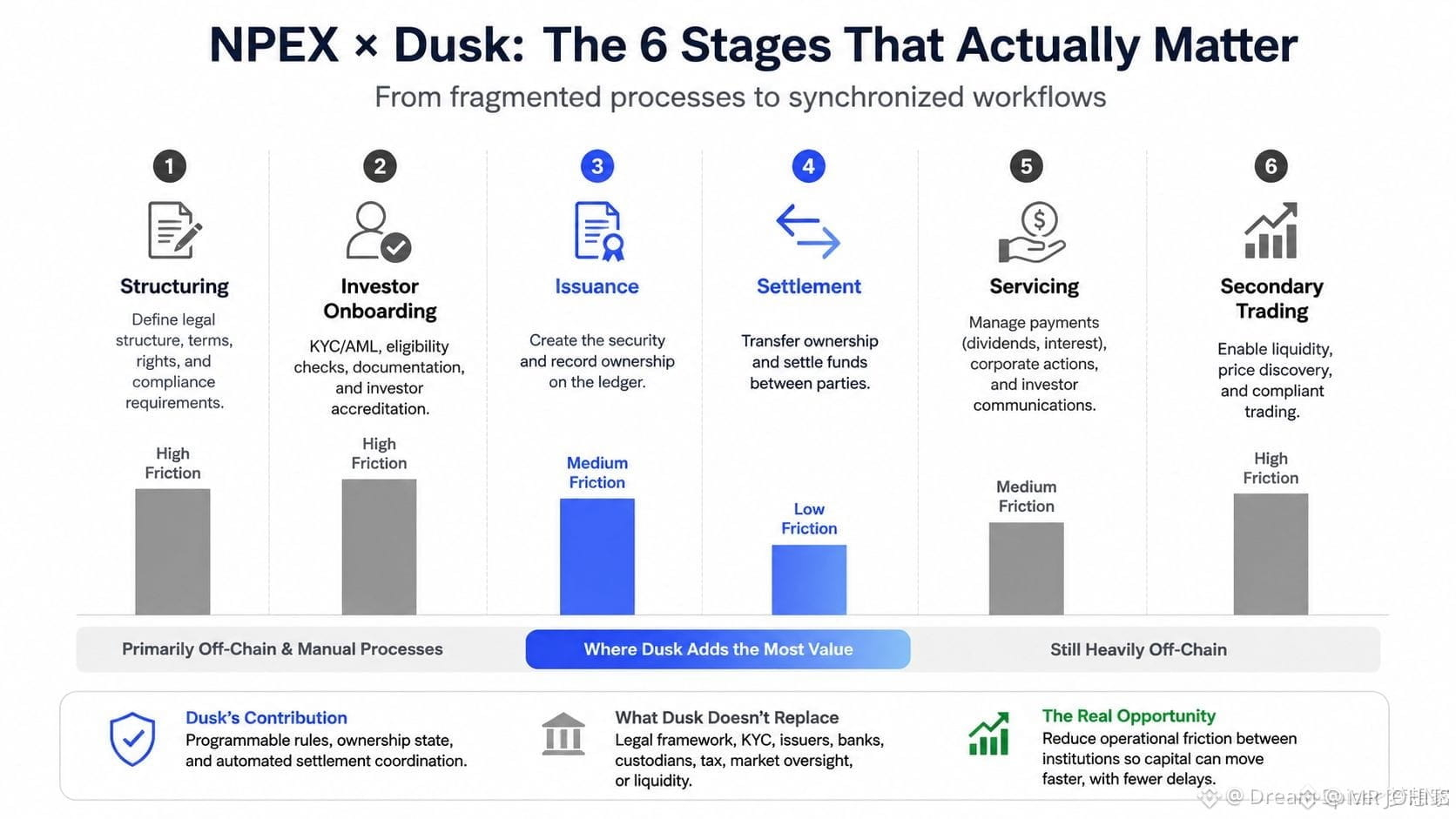
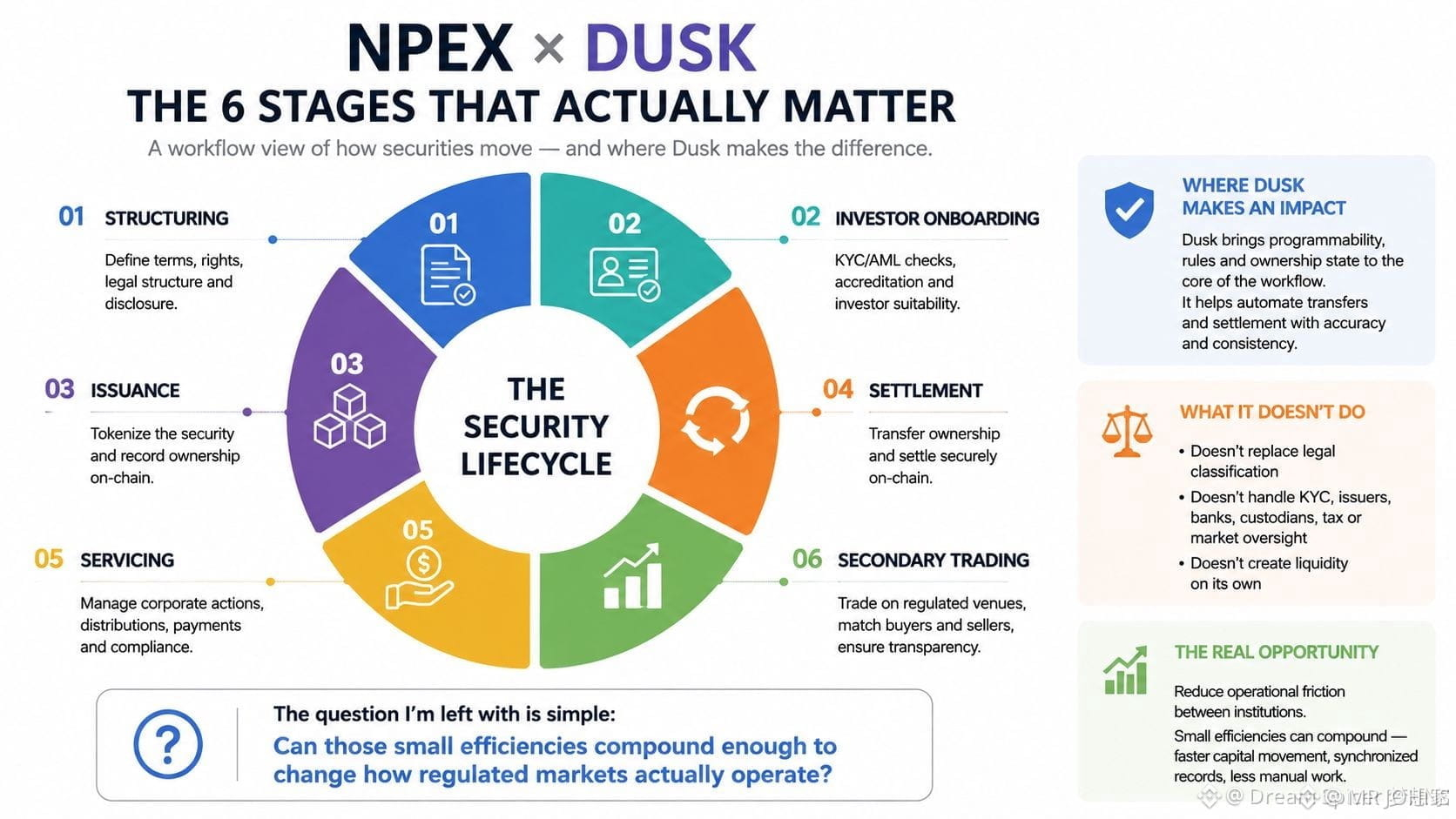
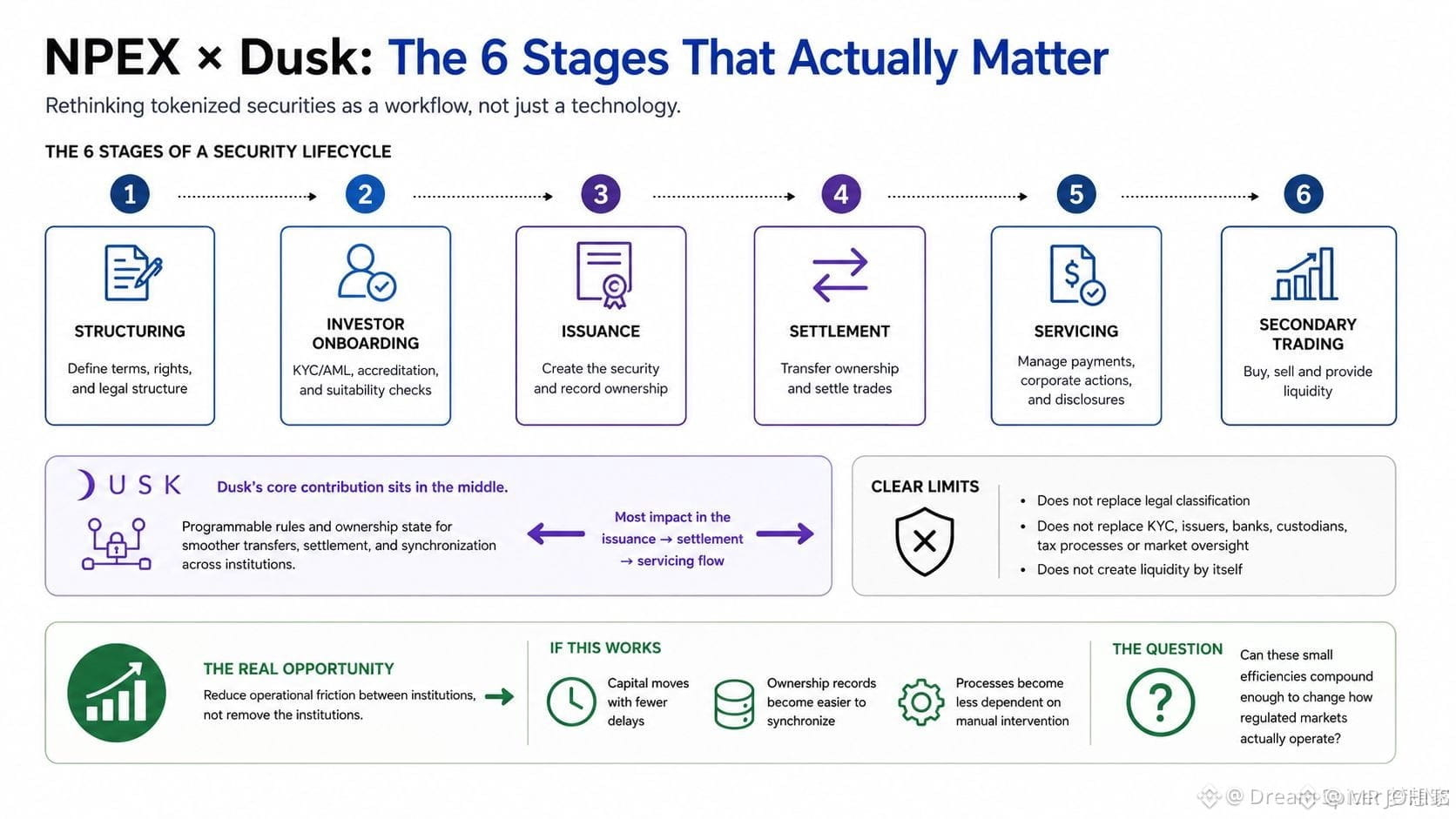
Before $DUSK becomes part of the process, a security can move through several separate stages: structuring, investor onboarding, issuance, settlement, servicing and eventually secondary trading. Each stage can involve different systems, records, intermediaries and manual reconciliation.
@Dusk doesn’t remove that entire structure. Its more interesting contribution is in the middle of that workflow, where certain ownership states, transfer rules and settlement processes can become programmable and easier to coordinate.
But there is an important limit.
Dusk cannot replace legal classification, KYC, issuers, banks, custodians, tax procedures or market oversight. And tokenization by itself does not automatically create liquidity.
That distinction matters.
The real opportunity here may be much less about removing institutions and much more about reducing the operational friction between them.
If ownership records can stay synchronized, settlement can become more coordinated, and fewer steps depend on manual intervention, even relatively small improvements could compound across the market.
So the question I keep coming back to is simple:
Can these small operational efficiencies become significant enough to actually change how regulated markets function?
That, to me, is the more interesting part of the NPEX × Dusk story.
@Dusk $DUSK #dusk
That changes the picture quite a bit.
Before $DUSK becomes part of the process, a security can move through several separate stages: structuring, investor onboarding, issuance, settlement, servicing and eventually secondary trading. Each stage can involve different systems, records, intermediaries and manual reconciliation.
@Dusk doesn’t remove that entire structure. Its more interesting contribution is in the middle of that workflow, where certain ownership states, transfer rules and settlement processes can become programmable and easier to coordinate.
But there is an important limit.
Dusk cannot replace legal classification, KYC, issuers, banks, custodians, tax procedures or market oversight. And tokenization by itself does not automatically create liquidity.
That distinction matters.
The real opportunity here may be much less about removing institutions and much more about reducing the operational friction between them.
If ownership records can stay synchronized, settlement can become more coordinated, and fewer steps depend on manual intervention, even relatively small improvements could compound across the market.
So the question I keep coming back to is simple:
Can these small operational efficiencies become significant enough to actually change how regulated markets function?
That, to me, is the more interesting part of the NPEX × Dusk story.
@Dusk $DUSK #dusk
翻訳参照
@Dusk The more I think about Dusk’s August 19 AMA, the more I see a project caught between two very different worlds.
On one side is the technology: confidential compliance, regulated financial infrastructure, and a blockchain designed around institutional requirements. On the other is the reality of crypto markets, where attention, liquidity, community growth, and retail participation can matter just as much.
That creates an interesting tension.#dusk
Dusk may have spent years building infrastructure that fits where European regulation is heading, but having the right technology does not automatically create deep liquidity or massive adoption.
What stood out to me most was the gap between technical ambition and market execution. The team appears deeply focused on building the machinery first. But eventually, that machinery needs users, capital, developers, and real financial activity.
So the bigger question for me isn't whether Dusk can build the technology.
It's whether the team can turn that technology into an ecosystem people actually use.
If Dusk manages to combine its regulatory positioning with stronger market execution, this could become a very different story from the typical crypto infrastructure project.
But the transition from building to scaling may be its biggest test yet.
$DUSK
$HYPE
$BANK
On one side is the technology: confidential compliance, regulated financial infrastructure, and a blockchain designed around institutional requirements. On the other is the reality of crypto markets, where attention, liquidity, community growth, and retail participation can matter just as much.
That creates an interesting tension.#dusk
Dusk may have spent years building infrastructure that fits where European regulation is heading, but having the right technology does not automatically create deep liquidity or massive adoption.
What stood out to me most was the gap between technical ambition and market execution. The team appears deeply focused on building the machinery first. But eventually, that machinery needs users, capital, developers, and real financial activity.
So the bigger question for me isn't whether Dusk can build the technology.
It's whether the team can turn that technology into an ecosystem people actually use.
If Dusk manages to combine its regulatory positioning with stronger market execution, this could become a very different story from the typical crypto infrastructure project.
But the transition from building to scaling may be its biggest test yet.
$DUSK
$HYPE
$BANK
I'm waiting for an influx of
100%
Marketing is more important
0%
Need more dApps
0%
Technology willsolveeverything
0%
1 投票 • 投票は終了しました
@Dusk 発行から実際の利用へ
Duskを見れば見るほど、次の導入フェーズは単にオンチェーン上により多くの資産を載せることではなくなるのではないかと思います。
重要なのは、それらの資産が行き先を持つ市場をつくることです。
発行は重要な出発点ですが、インフラが実際に役立つようになっているのかは分かりません。より強いシグナルは、トークン化された資産が参加者間で移動し、取引が決済され、そして繰り返される金融活動の一部になっていく様子を見ることです。#dusk
そこで、私が特に注目するのがDusk Tradeです。
ユーザーがトークン化された資産を保有するだけでなく、能動的に取引して決済できるなら、ネットワークは単なる発行プラットフォームというより、金融インフラのように見えてきます。
また、活動が一過性のバーストとして現れるのではなく、継続的になるかどうかにも注目したいです。
大きな単発の取引は強い見出しを作れます。しかし、繰り返しの活動は作り出しにくく、私の見解では、はるかに有益で情報量の多いものです。
Duskにとって本質的な問いは、最終的にはシンプルかもしれません。
トークン化された資産は、オンチェーン上に置かれているだけの資産ではなく、活発な金融商品になれるのでしょうか?
その移行こそが、私が最も注意深く見ていきたい点です。
#USCanadaTradeTalksCollapseCanadaVowsRetaliation #SP500EndsWeeklyWinStreak #SandboxSANDSuspectedInfiniteMintFlawOnBase #GrayscaleFilesFifthZECETFAmendment
$DUSK
$DEXE
$BMNR
Duskを見れば見るほど、次の導入フェーズは単にオンチェーン上により多くの資産を載せることではなくなるのではないかと思います。
重要なのは、それらの資産が行き先を持つ市場をつくることです。
発行は重要な出発点ですが、インフラが実際に役立つようになっているのかは分かりません。より強いシグナルは、トークン化された資産が参加者間で移動し、取引が決済され、そして繰り返される金融活動の一部になっていく様子を見ることです。#dusk
そこで、私が特に注目するのがDusk Tradeです。
ユーザーがトークン化された資産を保有するだけでなく、能動的に取引して決済できるなら、ネットワークは単なる発行プラットフォームというより、金融インフラのように見えてきます。
また、活動が一過性のバーストとして現れるのではなく、継続的になるかどうかにも注目したいです。
大きな単発の取引は強い見出しを作れます。しかし、繰り返しの活動は作り出しにくく、私の見解では、はるかに有益で情報量の多いものです。
Duskにとって本質的な問いは、最終的にはシンプルかもしれません。
トークン化された資産は、オンチェーン上に置かれているだけの資産ではなく、活発な金融商品になれるのでしょうか?
その移行こそが、私が最も注意深く見ていきたい点です。
#USCanadaTradeTalksCollapseCanadaVowsRetaliation #SP500EndsWeeklyWinStreak #SandboxSANDSuspectedInfiniteMintFlawOnBase #GrayscaleFilesFifthZECETFAmendment
$DUSK
$DEXE
$BMNR
🏗️ Beyond Asset Issuance
50%
🔄 Repeated Market Activity
0%
💱Active Financial Instruments
0%
📈 Consistent Real Usage
50%
2 投票 • 投票は終了しました
とても良い

JOHNS KING
·
--
ブリッシュ私がふとあるシンプルな疑問を考え始めたとき、Dusk Networkが私の目に留まりました。もし金融活動のより多くがオンチェーンに移っていくなら、すべての細部を本当に誰もが見える状態にする必要があるのでしょうか?
正直、そんな必要はないと思います。
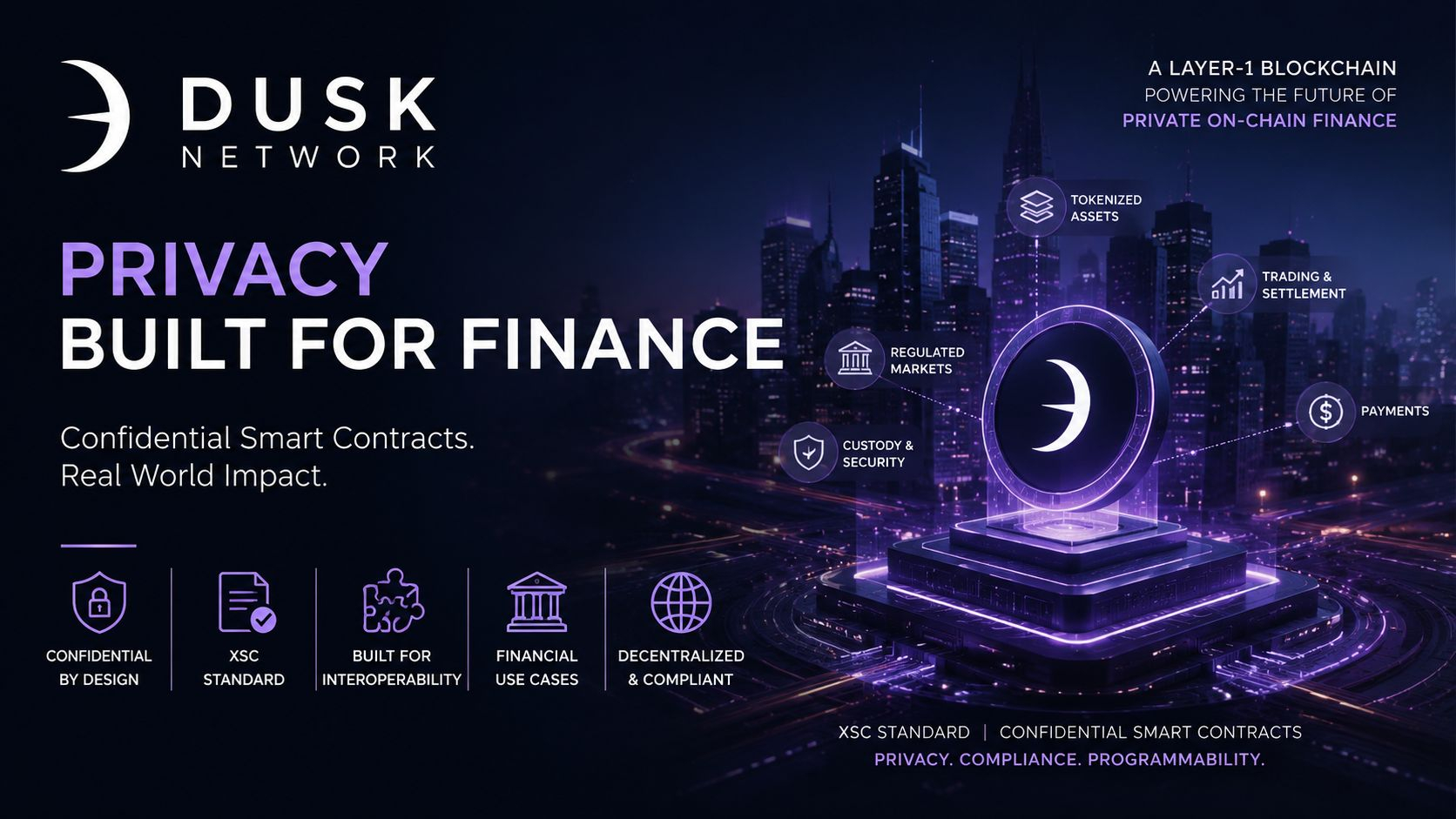
私はDuskについて調べ始め、これがブロックチェーンのレベルでその課題の解決を目指していることに気づきました。Duskは、金融アプリケーションを前提に設計されたレイヤー1であり、機密性の高いスマートコントラクトとXSC標準を使って、オンチェーン上で資産が機能する方法にプライバシーを取り込もうとしています。
私が特に惹かれたのは、Duskがプライバシーを「物語の全部」として扱っていない点です。プログラマブルな資産、コンプライアンス、取引、決済、そして金融市場が実際にブロックチェーン基盤をどう活用できるか、そうしたことまで考えています。
エコシステム側の動きも追っています。トークン化された資産、規制された市場、決済、カストディ(保管)、そして相互運用性に関する取り組みが、このプロジェクトをより的確に感じさせます。
ここで私が良いと思うのは、彼らが取り組もうとしている課題そのものです。金融機関にはブロックチェーンの恩恵が必要ですが、同時にセンシティブな情報に対するコントロールも必要です。そのバランスを見つけるのは簡単ではありません。
面白い部分は、まだこれからだと思います。
私にとって本当の問いは、アーキテクチャがどれだけ良く聞こえるかではありません。開発者や機関、そして実際の金融アプリケーションが本当にそれを使い始めるかどうかです。
それを私は見ていきます。Duskを掘り下げるほど、このアプローチがどこへ辿り着けるのか、ますます気になってきました。
@Dusk #dusk $DUSK
正直、そんな必要はないと思います。
私はDuskについて調べ始め、これがブロックチェーンのレベルでその課題の解決を目指していることに気づきました。Duskは、金融アプリケーションを前提に設計されたレイヤー1であり、機密性の高いスマートコントラクトとXSC標準を使って、オンチェーン上で資産が機能する方法にプライバシーを取り込もうとしています。
私が特に惹かれたのは、Duskがプライバシーを「物語の全部」として扱っていない点です。プログラマブルな資産、コンプライアンス、取引、決済、そして金融市場が実際にブロックチェーン基盤をどう活用できるか、そうしたことまで考えています。
エコシステム側の動きも追っています。トークン化された資産、規制された市場、決済、カストディ(保管)、そして相互運用性に関する取り組みが、このプロジェクトをより的確に感じさせます。
ここで私が良いと思うのは、彼らが取り組もうとしている課題そのものです。金融機関にはブロックチェーンの恩恵が必要ですが、同時にセンシティブな情報に対するコントロールも必要です。そのバランスを見つけるのは簡単ではありません。
面白い部分は、まだこれからだと思います。
私にとって本当の問いは、アーキテクチャがどれだけ良く聞こえるかではありません。開発者や機関、そして実際の金融アプリケーションが本当にそれを使い始めるかどうかです。
それを私は見ていきます。Duskを掘り下げるほど、このアプローチがどこへ辿り着けるのか、ますます気になってきました。
@Dusk #dusk $DUSK
@Dusk 資産の背後にある活動
Duskについて考えれば考えるほど、採用(アダプション)は資産基盤の規模だけで測るべきではないと感じます。
トークン化された価値の大きさは印象的に見えることもありますが、それらの資産が実際に繰り返し移転され、取引され、決済されているときにこそ、はるかに意味のあるものになります。#dusk
だからこそ、私にとって決済頻度が重要なのです。
同じ資産プールが時間の経過とともにより多くの取引を生み出し続けているなら、そのネットワークは「資産が発行されて保管されるだけの場所」ではなく、能動的な金融ワークフローの一部になりつつあることを示唆します。
Dusk Tradeは、この点で特に注視している領域です。
興味深いのは、どれだけの資産がオンチェーンに到着するかというだけではありません。ユーザーが取引のために繰り返し戻ってくるかどうかが重要です。
私にとってそれは、見出しとしてのトークン化と、インフラとしてのトークン化の違いです。
TVLは、ネットワーク上に「何が置かれているか」を教えてくれます。
一方で決済の活動は、「実際に何が起きているか」を教えてくれます。
そしてもしDuskが、増え続ける資産基盤を一貫した、繰り返し可能な決済へと変えられるなら、それは本当の採用を示すはるかに強いシグナルになるでしょう。$DUSK
$HOME
$T
Duskについて考えれば考えるほど、採用(アダプション)は資産基盤の規模だけで測るべきではないと感じます。
トークン化された価値の大きさは印象的に見えることもありますが、それらの資産が実際に繰り返し移転され、取引され、決済されているときにこそ、はるかに意味のあるものになります。#dusk
だからこそ、私にとって決済頻度が重要なのです。
同じ資産プールが時間の経過とともにより多くの取引を生み出し続けているなら、そのネットワークは「資産が発行されて保管されるだけの場所」ではなく、能動的な金融ワークフローの一部になりつつあることを示唆します。
Dusk Tradeは、この点で特に注視している領域です。
興味深いのは、どれだけの資産がオンチェーンに到着するかというだけではありません。ユーザーが取引のために繰り返し戻ってくるかどうかが重要です。
私にとってそれは、見出しとしてのトークン化と、インフラとしてのトークン化の違いです。
TVLは、ネットワーク上に「何が置かれているか」を教えてくれます。
一方で決済の活動は、「実際に何が起きているか」を教えてくれます。
そしてもしDuskが、増え続ける資産基盤を一貫した、繰り返し可能な決済へと変えられるなら、それは本当の採用を示すはるかに強いシグナルになるでしょう。$DUSK
$HOME
$T
🔍 Beyond Asset Size
33%
🔄 Repeat Settlement Matters
0%
🏦 Active Financial Workflow
0%
📊 Activity Shows Adoption
67%
3 投票 • 投票は終了しました
とても良い
JOHNS KING
·
--
ブリッシュ夕暮れネットワークが目に留まったのは、オンチェーン・ファイナンスには透明性以上のものが必要だと思ったからです。
Duskが、機密スマートコントラクトと中核となるXSC標準を備えた金融アプリケーション向けのレイヤー1を構築していることに気づきました。
ここで私が良いと感じているのは、プライバシーやルール、そして実際の金融ユースケースを考慮しながら、資産をプログラム可能にすることへの重点です。
エコシステムがどのように発展していくかはまだ見守っていますが、Duskは間違いなく注目して追い続けたいプロジェクトです。
@Dusk #dusk $DUSK
Duskが、機密スマートコントラクトと中核となるXSC標準を備えた金融アプリケーション向けのレイヤー1を構築していることに気づきました。
ここで私が良いと感じているのは、プライバシーやルール、そして実際の金融ユースケースを考慮しながら、資産をプログラム可能にすることへの重点です。
エコシステムがどのように発展していくかはまだ見守っていますが、Duskは間違いなく注目して追い続けたいプロジェクトです。
@Dusk #dusk $DUSK
確認済み
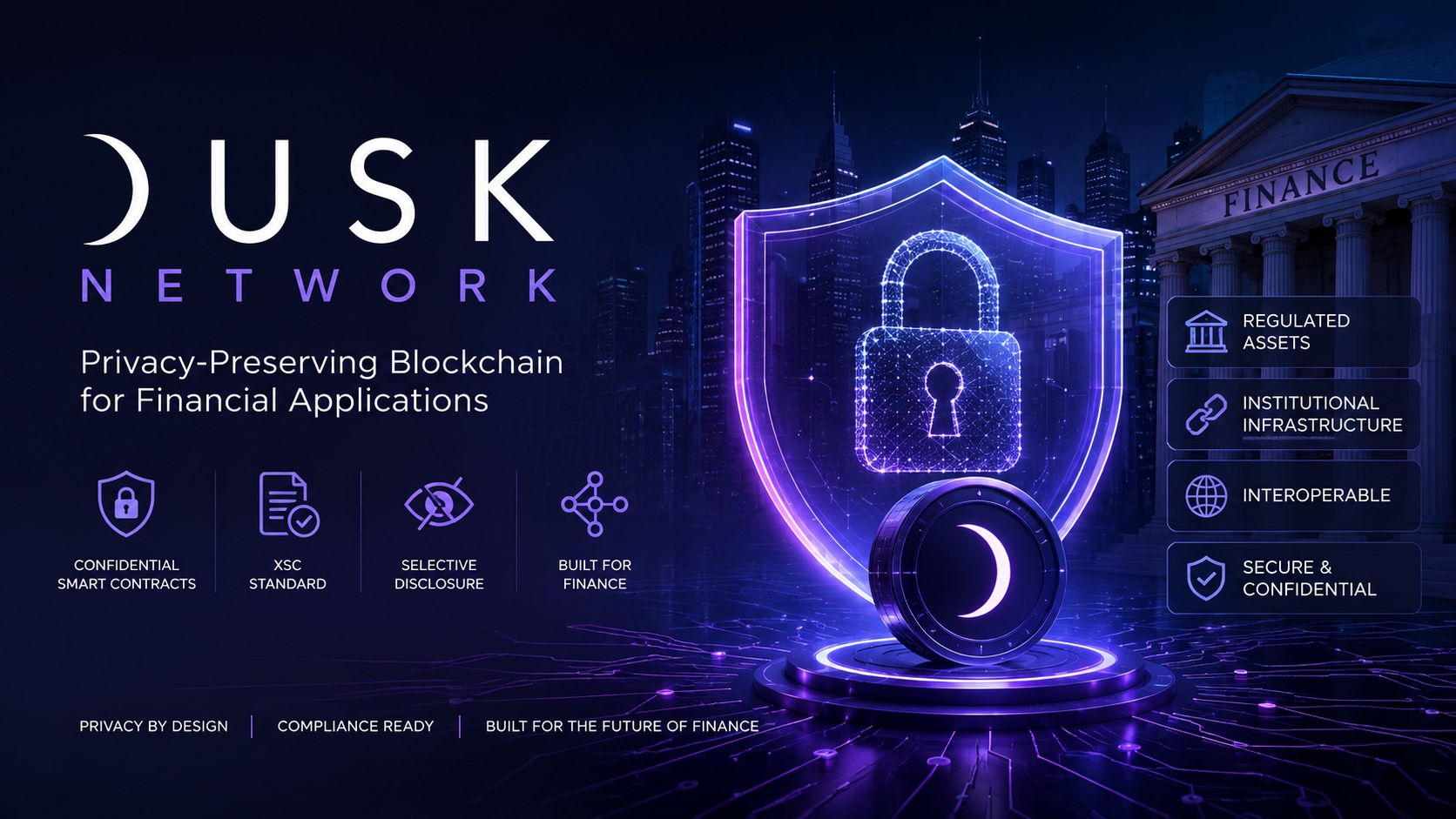
ブロックチェーンのプロジェクトがプライバシーについて語るのをたくさん見てきましたが、そのメッセージは同じように感じられてしまうことがあります。私がDusk Networkについて特に注目したのは、「プライバシーが実際に重要になる場所」に焦点を当てている点、つまり金融アプリケーションです。
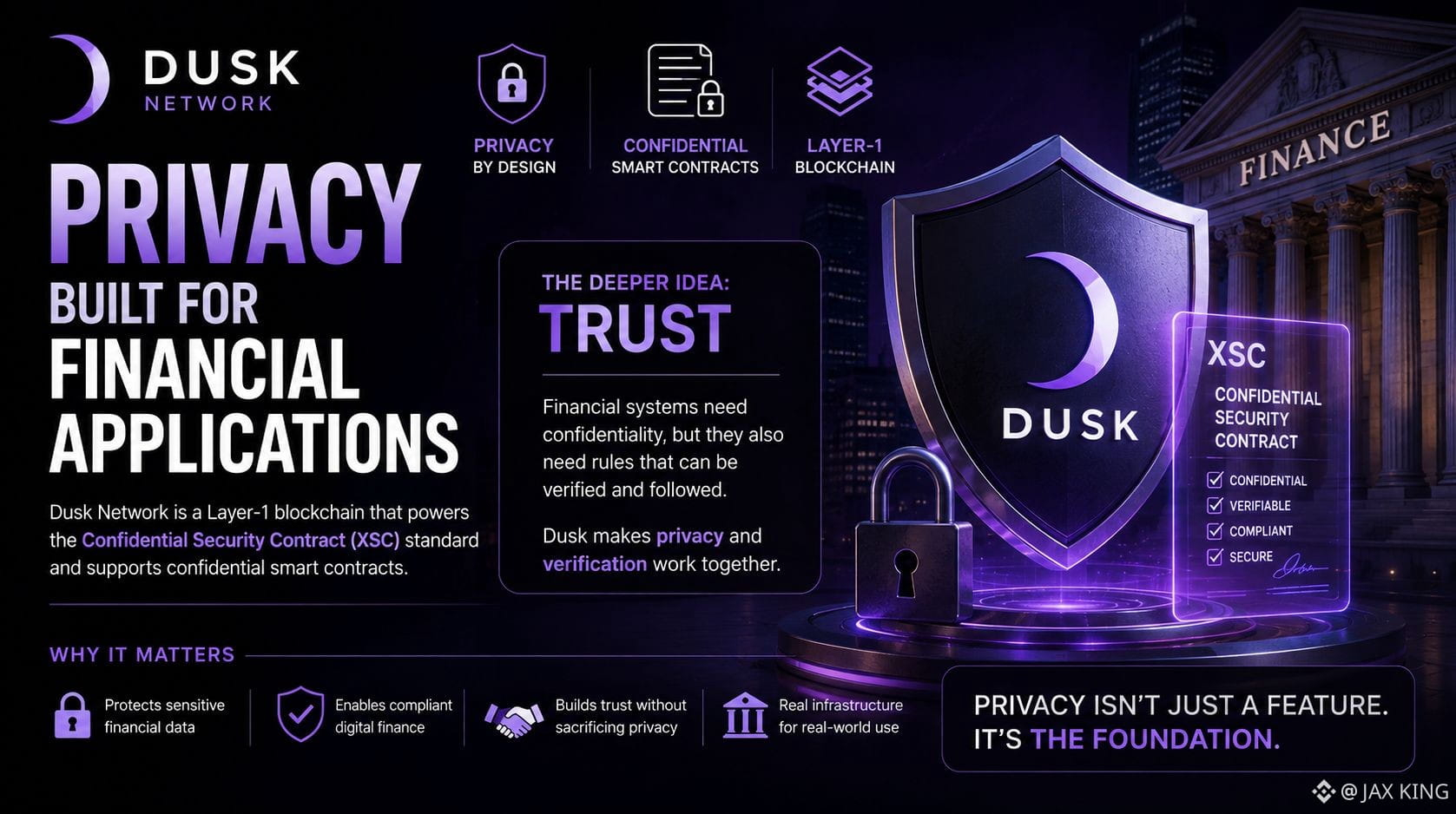
私にとってより大きな問いは、情報を機密に保ちながら、信頼と説明責任を失わないにはどうすればいいのか、ということです。Duskはその課題に対して、レイヤー1ブロックチェーンであるConfidential Security Contract(XSC)標準と、機密スマートコントラクトによって取り組んでいます。
それによって、発想がより実用的に感じられます。ここでのプライバシーは単なる機能ではなく、実際の金融利用のために構築されているインフラの一部なのです。
だからこそDuskは注目に値します。
#dusk $DUSK @Dusk
私にとってより大きな問いは、情報を機密に保ちながら、信頼と説明責任を失わないにはどうすればいいのか、ということです。Duskはその課題に対して、レイヤー1ブロックチェーンであるConfidential Security Contract(XSC)標準と、機密スマートコントラクトによって取り組んでいます。
それによって、発想がより実用的に感じられます。ここでのプライバシーは単なる機能ではなく、実際の金融利用のために構築されているインフラの一部なのです。
だからこそDuskは注目に値します。
#dusk $DUSK @Dusk
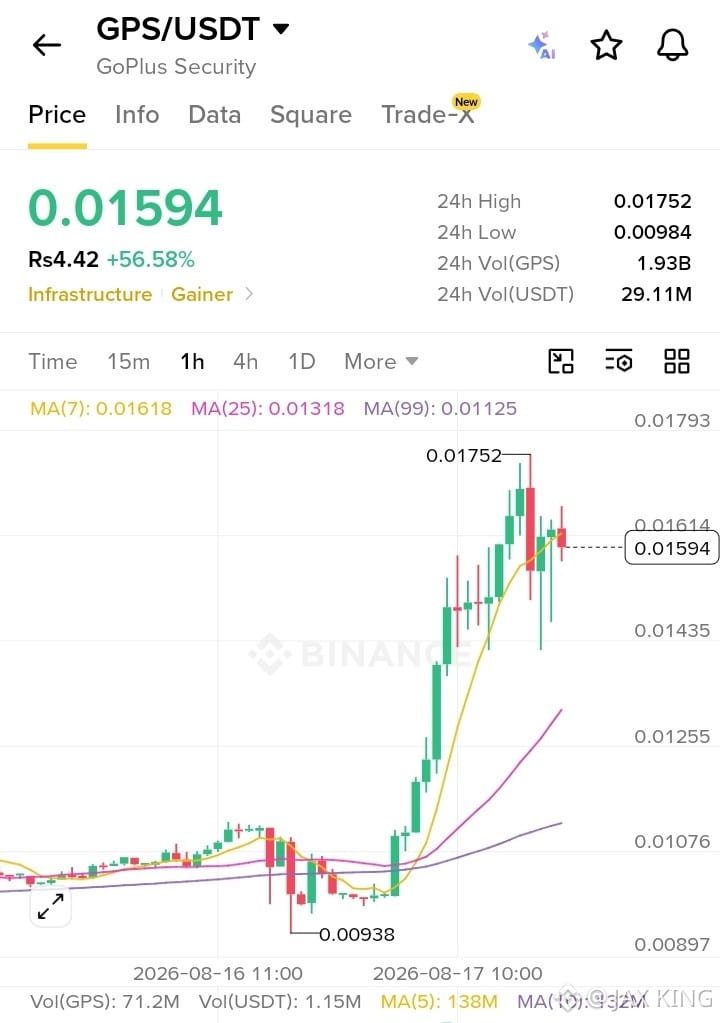
$GPS /USDT — モメンタム・セットアップ
エントリーゾーン 🎯 0.0152–0.0158
TP1 🚀 0.0168
TP2 🚀 0.0178
TP3 🚀 0.0190
ストップロス 🛑 0.0146
強いモメンタムですが、ポンプを追いかけないでください。エントリーゾーンへの綺麗な押し目を待ちましょう。
⚡ スマートにトレードしよう!
エントリーゾーン 🎯 0.0152–0.0158
TP1 🚀 0.0168
TP2 🚀 0.0178
TP3 🚀 0.0190
ストップロス 🛑 0.0146
強いモメンタムですが、ポンプを追いかけないでください。エントリーゾーンへの綺麗な押し目を待ちましょう。
⚡ スマートにトレードしよう!
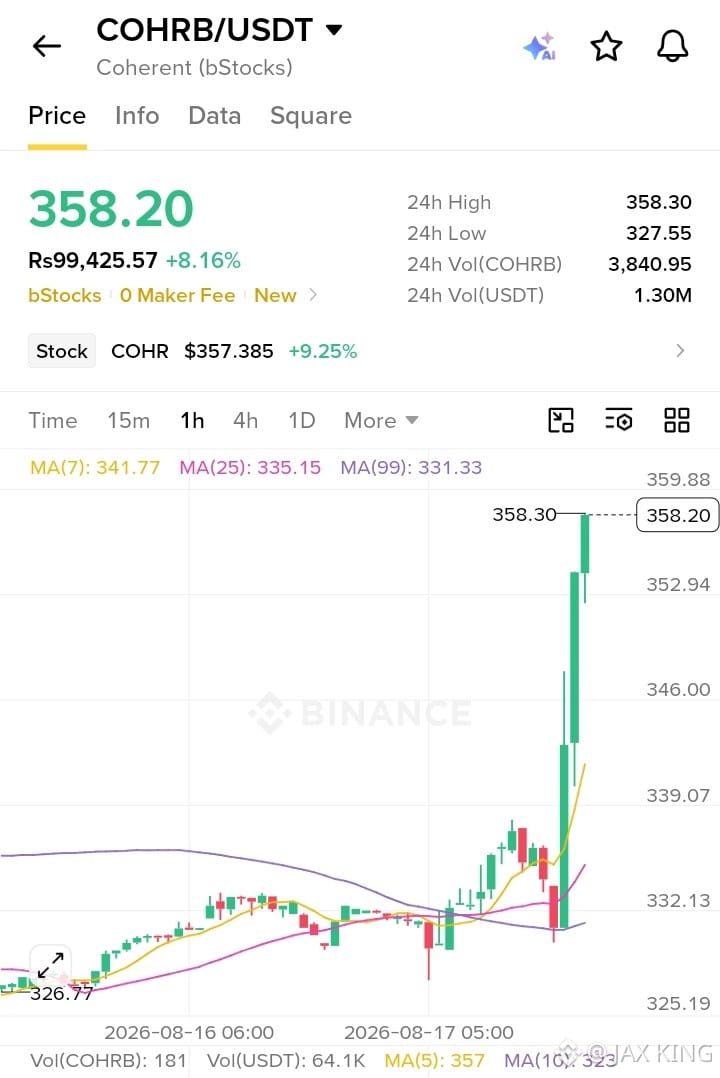
$COHRB /USDT — モメンタム・セットアップ
エントリーゾーン 🎯 352–355
TP1 🚀 362
TP2 🚀 370
TP3 🚀 380
ストップロス 🛑 346
バイアス:価格がエントリーゾーンを維持している間は強気。出来高を伴う強い1Hブレイク—上値を追わず、きれいな押し目を待ちましょう。
賢くトレードしよう! ⚡
エントリーゾーン 🎯 352–355
TP1 🚀 362
TP2 🚀 370
TP3 🚀 380
ストップロス 🛑 346
バイアス:価格がエントリーゾーンを維持している間は強気。出来高を伴う強い1Hブレイク—上値を追わず、きれいな押し目を待ちましょう。
賢くトレードしよう! ⚡
$GPS /USDT — ブレイクアウト取引セットアップ
価格: 0.01400 🔥
見通し: 0.01220 を上抜けたら強気
🟢 買いゾーン: 0.01220 – 0.01280
🎯 TP1: 0.01400
🎯 TP2: 0.01550
🎯 TP3: 0.01700
🛑 損切り: 0.01130
出来高の拡大を伴う強い1Hブレイクアウト。急騰を追わず、買いゾーンのクリアなリテストを待ちましょう。
⚡ スマートに取引しよう。リスク管理を!
#USToPressNationsToPickUSOrChinaAICoalition #SECReviewsSix3xLeveragedCommodityETFs #SECCancelsCryptoRulemakingMeeting #CardanoSplitsDijkstraUpgradeIntoTwoPhases #SP500EarningsBeatExpectations
$HOME
$RIF
価格: 0.01400 🔥
見通し: 0.01220 を上抜けたら強気
🟢 買いゾーン: 0.01220 – 0.01280
🎯 TP1: 0.01400
🎯 TP2: 0.01550
🎯 TP3: 0.01700
🛑 損切り: 0.01130
出来高の拡大を伴う強い1Hブレイクアウト。急騰を追わず、買いゾーンのクリアなリテストを待ちましょう。
⚡ スマートに取引しよう。リスク管理を!
#USToPressNationsToPickUSOrChinaAICoalition #SECReviewsSix3xLeveragedCommodityETFs #SECCancelsCryptoRulemakingMeeting #CardanoSplitsDijkstraUpgradeIntoTwoPhases #SP500EarningsBeatExpectations
$HOME
$RIF
🚀 Bullish Breakout Setup
80%
🟢 Clean Retest Entry
7%
🎯 Multi-Level Targets
0%
🛡️ Risk Managed Trade
13%
15 投票 • 投票は終了しました
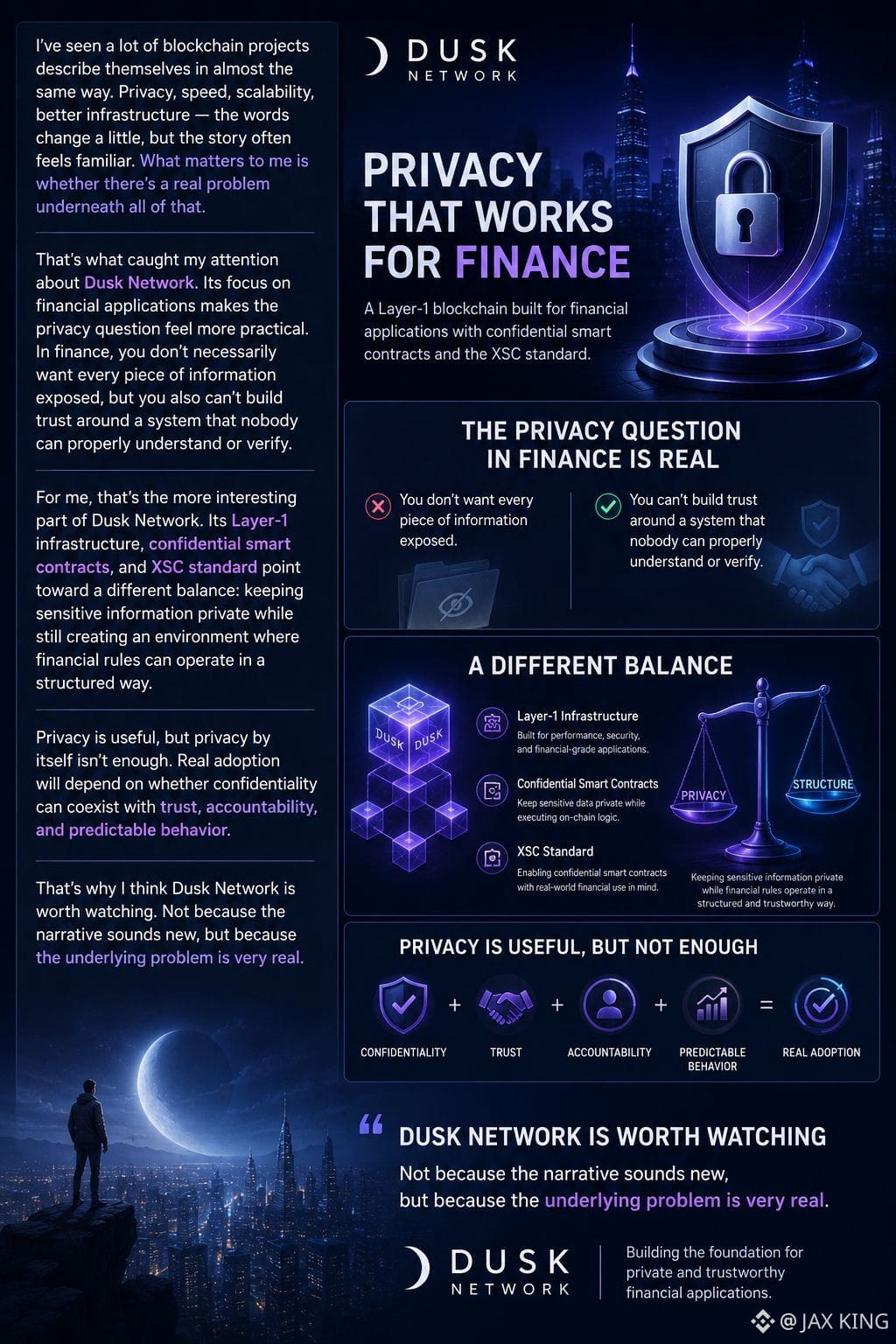
私はこれまで、多くのブロックチェーン・プロジェクトがほぼ同じような言葉で自分たちを説明しているのを見てきました。プライバシー、スピード、スケーラビリティ、より良いインフラ——言葉は少しずつ変わっても、物語としての感触はいつもどこか似ています。私にとって重要なのは、そのすべての下に本当に解決すべき課題があるのかどうかです。
その点で、Dusk Networkに注目しました。金融アプリケーションに焦点を当てているため、「プライバシー」という問いがより実践的に感じられるのです。金融の世界では、すべての情報を公開したいわけではありませんが、同時に、誰も正しく理解したり検証できなかったりする仕組みに対して信頼を築くこともできません。
私にとってDusk Networkのより面白いところはそこにあります。同社のLayer-1インフラ、機密スマートコントラクト、そしてXSC標準は、別のバランスを示唆しています。つまり、機微な情報は非公開のまま維持しつつ、金融ルールを構造化された形で運用できる環境をつくることです。
プライバシーは役に立ちますが、プライバシーだけでは不十分です。本当の普及は、機密性が信頼・説明責任・予測可能なふるまいと共存できるかどうかにかかっています。
だからこそ、私はDusk Networkを見ておく価値があると思っています。物語が新しいからではなく、その根底にある課題が非常に現実的だからです。
@Dusk #dusk $DUSK
$AKE
$ACE
その点で、Dusk Networkに注目しました。金融アプリケーションに焦点を当てているため、「プライバシー」という問いがより実践的に感じられるのです。金融の世界では、すべての情報を公開したいわけではありませんが、同時に、誰も正しく理解したり検証できなかったりする仕組みに対して信頼を築くこともできません。
私にとってDusk Networkのより面白いところはそこにあります。同社のLayer-1インフラ、機密スマートコントラクト、そしてXSC標準は、別のバランスを示唆しています。つまり、機微な情報は非公開のまま維持しつつ、金融ルールを構造化された形で運用できる環境をつくることです。
プライバシーは役に立ちますが、プライバシーだけでは不十分です。本当の普及は、機密性が信頼・説明責任・予測可能なふるまいと共存できるかどうかにかかっています。
だからこそ、私はDusk Networkを見ておく価値があると思っています。物語が新しいからではなく、その根底にある課題が非常に現実的だからです。
@Dusk #dusk $DUSK
$AKE
$ACE
とても良い
JOHNS KING
·
--
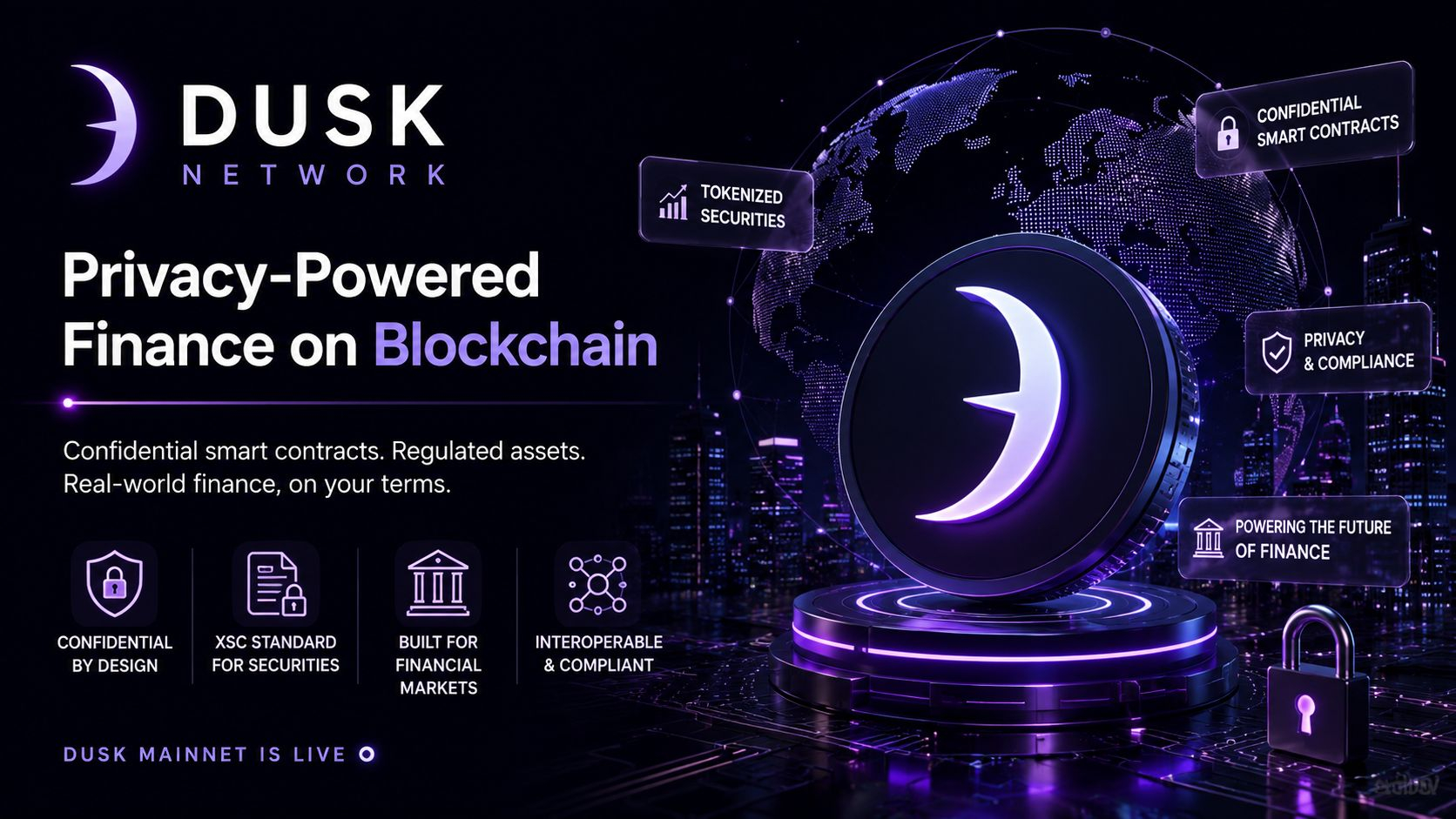
ブリッシュDusk Networkが目に留まったのは、ブロックチェーンがまだきちんと解決できていないと思う課題に取り組んでいるからです。それは「すべてを公開せずに、どうやって本物の金融活動をオンチェーンに持ち込むのか?」ということ。
私はDuskのプライバシーへの取り組み、機密スマートコントラクト、そしてXSC規格が気に入っています。さらに、メインネット、エコシステムの成長、金融面でのパートナーシップ、トークン化された資産に関する取り組みも注視しています。
私にとって面白いのは、単なるプライバシーだけではありません。機密情報を外に出さずに、ブロックチェーンを金融で使えるようにするという考え方があるからです。
だからこそ、私は今もDuskを注意深く見ています。
@Dusk #dusk $DUSK
私はDuskのプライバシーへの取り組み、機密スマートコントラクト、そしてXSC規格が気に入っています。さらに、メインネット、エコシステムの成長、金融面でのパートナーシップ、トークン化された資産に関する取り組みも注視しています。
私にとって面白いのは、単なるプライバシーだけではありません。機密情報を外に出さずに、ブロックチェーンを金融で使えるようにするという考え方があるからです。
だからこそ、私は今もDuskを注意深く見ています。
@Dusk #dusk $DUSK
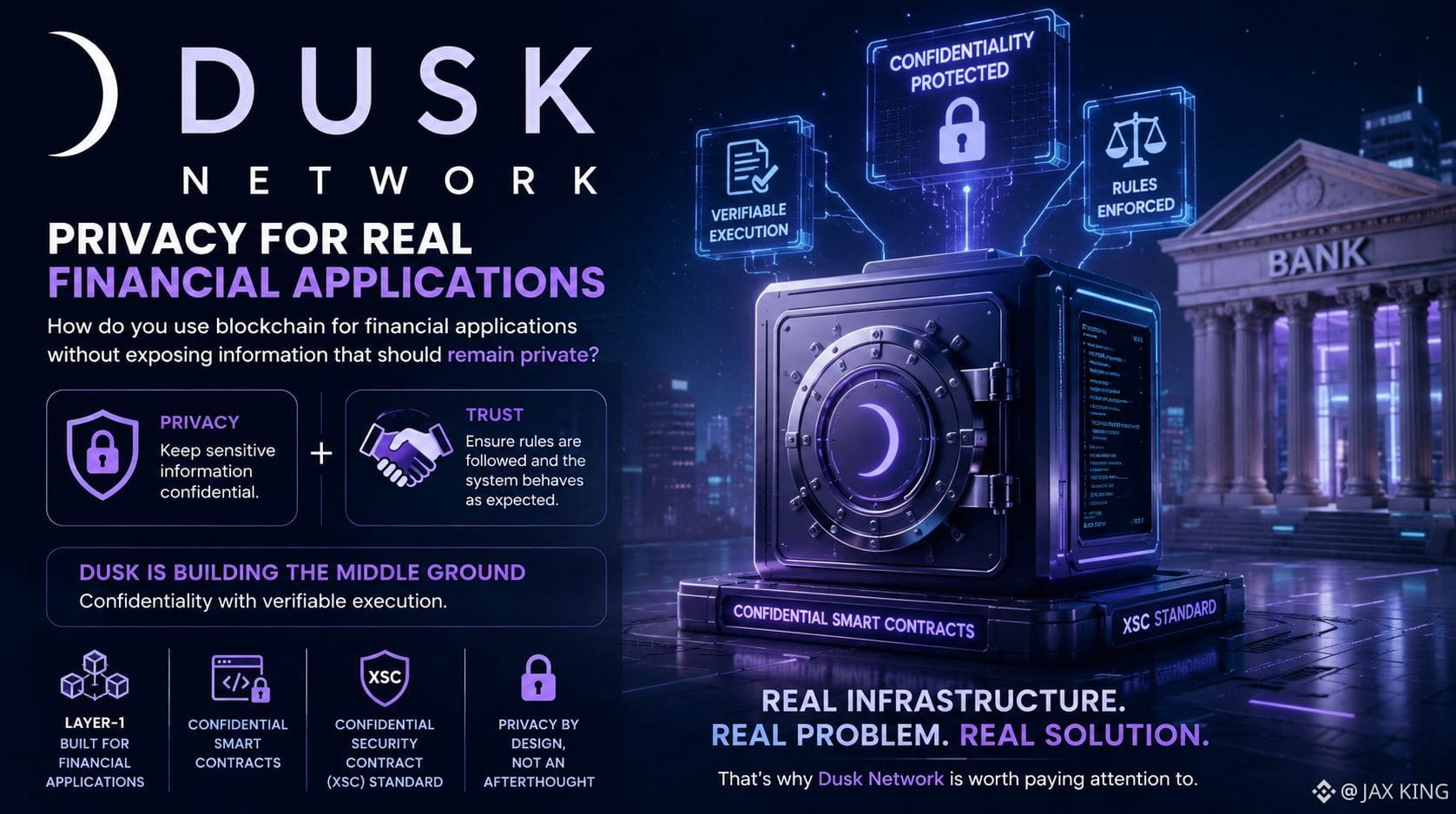
しばらくすると、多くのブロックチェーン・プロジェクトが似たような話し方になっていくのを目にしてきました。物語は変わり、用語も変わりますが、根底にある売り込み(ピッチ)が繰り返しに感じられることが多いのです。Dusk Networkに惹かれたのは、その焦点が実は暗号資産の外側に存在する現実の課題に結びついていると感じたからです。つまり、「プライベートに保つべき情報を公開することなく、ブロックチェーンを金融アプリケーションにどう活用するのか?」という問題です。
私にとっては、ここがこそプロジェクトをより面白くしてくれます。プライバシーだけが物語の全てではありません。より大きな論点は信頼です。金融システムでは機密性が必要ですが、同時に、ルールが守られていること、そしてシステムが想定どおりに動いていることを何らかの形で確認する手段も必要です。
Duskは、金融アプリケーション向けに構築されたレイヤー1ブロックチェーン、機密スマートコントラクト、そしてその「Confidential Security Contract(XSC)」標準によって、この問題に取り組んでいます。
私が特に注目したのは、プライバシーが後付けの要素というより、基盤の一部として組み込まれているように見えることです。というのも、ブロックチェーンのインフラが実際の金融取引を扱い始めると、単にすべてを公開台帳に載せるだけでは、常に現実的とは限らないからです。
私はDuskを「大きな約束をする別のプロジェクト」として見ているわけではありません。もっと関心があるのは、このアプローチが本当のインフラ課題を解決できるのかどうかです。それが、Dusk Networkに注目する価値がある理由だと思っています。
@Dusk $DUSK #dusk
私にとっては、ここがこそプロジェクトをより面白くしてくれます。プライバシーだけが物語の全てではありません。より大きな論点は信頼です。金融システムでは機密性が必要ですが、同時に、ルールが守られていること、そしてシステムが想定どおりに動いていることを何らかの形で確認する手段も必要です。
Duskは、金融アプリケーション向けに構築されたレイヤー1ブロックチェーン、機密スマートコントラクト、そしてその「Confidential Security Contract(XSC)」標準によって、この問題に取り組んでいます。
私が特に注目したのは、プライバシーが後付けの要素というより、基盤の一部として組み込まれているように見えることです。というのも、ブロックチェーンのインフラが実際の金融取引を扱い始めると、単にすべてを公開台帳に載せるだけでは、常に現実的とは限らないからです。
私はDuskを「大きな約束をする別のプロジェクト」として見ているわけではありません。もっと関心があるのは、このアプローチが本当のインフラ課題を解決できるのかどうかです。それが、Dusk Networkに注目する価値がある理由だと思っています。
@Dusk $DUSK #dusk
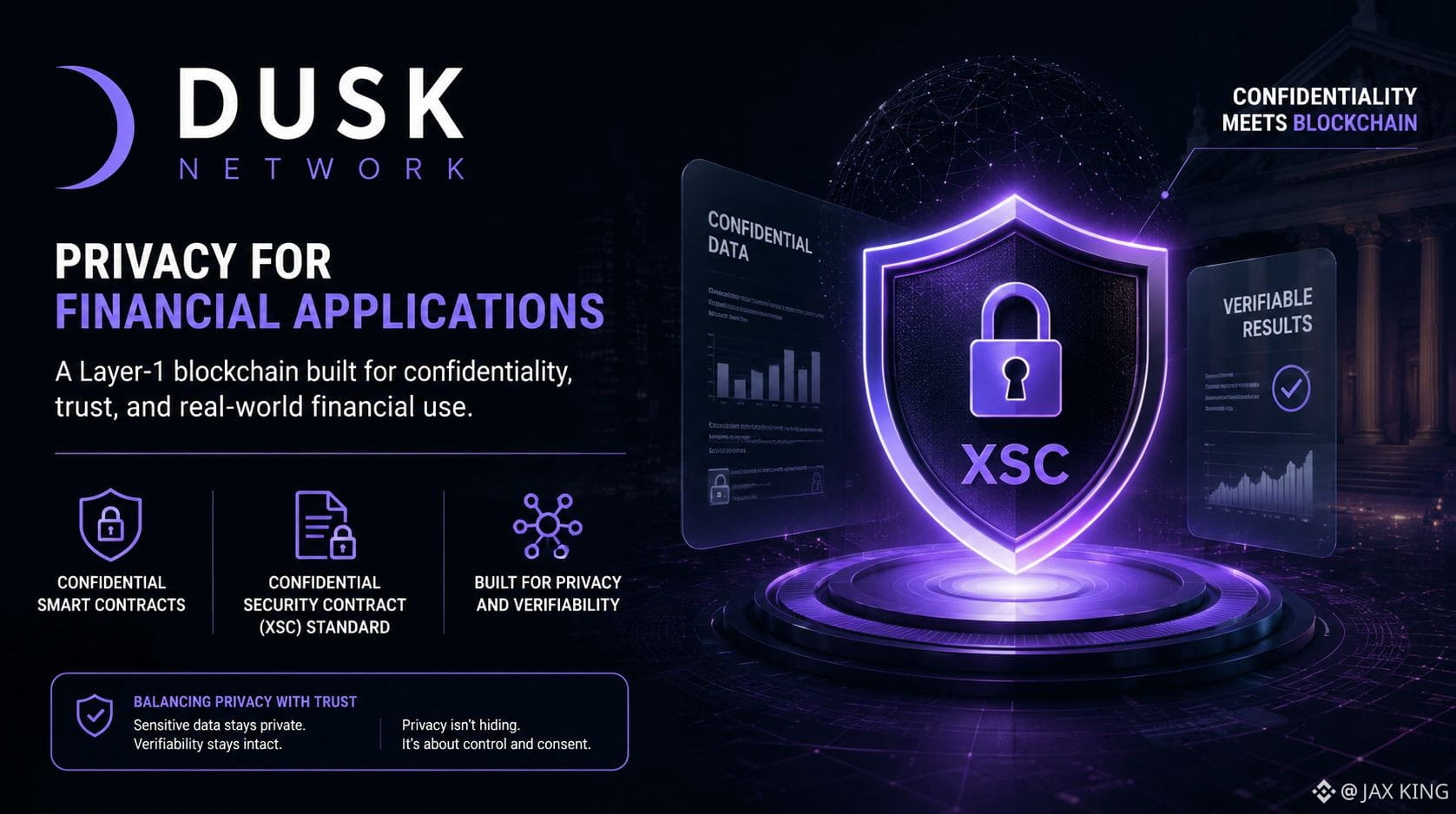
@Dusk 私は多くのブロックチェーン・プロジェクトが同じパターンを踏襲しているのを見てきました。大きな約束、複雑な専門用語、そして、それが何になり得るのかについての注目がたくさん集まることです。しばらくすると、もっとシンプルな質問をするようになります。実際に解決されている“本当の問題”は何なのか?
それが、私にとってDusk Networkが際立って見えた理由です。
金融アプリケーションのためのプライバシーに注力している点が、より現実的だと感じました。金融システムでは、人々が何が起きているかを確認する必要があります。しかし、それは、機微な情報のあらゆる部分を誰もが見えるようにすべきだという意味ではありません。そのバランスを取るのは難しく、さらにブロックチェーン技術が現実の金融利用に近づくほど、その重要性は増していきます。#dusk
Duskは、レイヤー1のインフラストラクチャであるConfidential Security Contract(XSC)規格と、機密スマートコントラクトのサポートによって、この課題に取り組んでいます。
私にとって面白いのは、「プライバシー」という言葉そのものではありません。プライバシーを、信頼や検証と一緒に機能させるという考え方です。ブロックチェーンが真剣な金融活動に使われるのなら、それらを別々の懸念として扱うことは、実際にはできません。
私の関心を引いたのは、Duskが最初からその緊張関係を中心に構築している点です。だからこそ、いつものブロックチェーンの語り口で判断するより、むしろ注意深く見守りたいと思えるプロジェクトです。$DUSK
$ACE
$AKE
それが、私にとってDusk Networkが際立って見えた理由です。
金融アプリケーションのためのプライバシーに注力している点が、より現実的だと感じました。金融システムでは、人々が何が起きているかを確認する必要があります。しかし、それは、機微な情報のあらゆる部分を誰もが見えるようにすべきだという意味ではありません。そのバランスを取るのは難しく、さらにブロックチェーン技術が現実の金融利用に近づくほど、その重要性は増していきます。#dusk
Duskは、レイヤー1のインフラストラクチャであるConfidential Security Contract(XSC)規格と、機密スマートコントラクトのサポートによって、この課題に取り組んでいます。
私にとって面白いのは、「プライバシー」という言葉そのものではありません。プライバシーを、信頼や検証と一緒に機能させるという考え方です。ブロックチェーンが真剣な金融活動に使われるのなら、それらを別々の懸念として扱うことは、実際にはできません。
私の関心を引いたのは、Duskが最初からその緊張関係を中心に構築している点です。だからこそ、いつものブロックチェーンの語り口で判断するより、むしろ注意深く見守りたいと思えるプロジェクトです。$DUSK
$ACE
$AKE
$SNDKB /USDT — モメンタム取引セットアップ 🚀
SNDKBは強力なブレイクアウトの後、1,644付近で堅調に推移しています。1Hのトレンドはサポートゾーン上で引き続き強気です。
🟢 エントリーゾーン: 1,620 – 1,640
🎯 TP1: 1,667
🎯 TP2: 1,700
🎯 TP3: 1,740
🛑 ストップロス: 1,585
⚡ エントリーゾーンで確定(コンファメーション)と出来高を確認してください。価格が1,640を上回って推移するなら、モメンタムは目標へ向かって継続する可能性があります。
🔥 勝負はスマートに — リスク管理を!
#SP500ClosesAtRecordHigh #SanDiskExtendsGainsTo11% #DeepSeekLaunchesHarnessCodeAgentBeta #TapestryFallsNearly15%OnEarnings #EthereumFoundationDropsPoseidonForL1
$AKE
$EDEN
SNDKBは強力なブレイクアウトの後、1,644付近で堅調に推移しています。1Hのトレンドはサポートゾーン上で引き続き強気です。
🟢 エントリーゾーン: 1,620 – 1,640
🎯 TP1: 1,667
🎯 TP2: 1,700
🎯 TP3: 1,740
🛑 ストップロス: 1,585
⚡ エントリーゾーンで確定(コンファメーション)と出来高を確認してください。価格が1,640を上回って推移するなら、モメンタムは目標へ向かって継続する可能性があります。
🔥 勝負はスマートに — リスク管理を!
#SP500ClosesAtRecordHigh #SanDiskExtendsGainsTo11% #DeepSeekLaunchesHarnessCodeAgentBeta #TapestryFallsNearly15%OnEarnings #EthereumFoundationDropsPoseidonForL1
$AKE
$EDEN
Long 💚
30%
Short ❤️
70%
23 投票 • 投票は終了しました
とても良い
JOHNS KING
·
--
ブリッシュDusk Networkを、少し違った角度から見てきました。興味深い問いは単にブロックチェーンがプライベートになれるかどうかだけではないと思います。より難しい問いは、説明責任を失わずに、金融市場はプライバシーを得られるのかどうかです。
多くのパブリック・ブロックチェーンには明確な問題があります。検証のための透明性は有用ですが、金融機関が、すべての投資家のポジション、取引の詳細、あるいは商業的な関係を、そのネットワーク全体に現実的に公開することはできません。従来の金融は仲介者によってこれを解決していますが、それによって複雑さや中央集権的なシステムへの依存が生まれます。
Duskは、この問題にインフラのレベルから取り組もうとしています。レイヤー1のアーキテクチャは、機密取引、スマートコントラクト、アイデンティティ・ツール、そして金融資産に焦点を当てた機能を組み合わせています。機密セキュリティ・コントラクト(XSC)の概念は特に興味深く、金融資産を単なるトークン以上のものとして扱います。所有、移転、コンプライアンスに関するルールが、基盤となるコントラクトの一部になり得るのです。
私が最も興味を持っているのは、選択的開示です。役に立つ金融プライバシーとは、すべてを隠すことではありません。必要なものを証明しつつ、不要な情報は機密のままにしておくことを意味します。
しかし、未回答の問いも見えてきます。開示をコントロールするのは誰でしょうか。機関はどれくらい容易にシステムを統合できるのでしょうか。プログラマブルなコンプライアンスは、法域をまたいでも柔軟性を保てるのでしょうか。そして、プライバシーは、新たな門番を生むことなく分散したままでいられるのでしょうか。
私にとって、Duskの本当の実験は「プライベートなブロックチェーン」ではありません。
同じインフラ上で、金融プライバシーと検証可能な説明責任を、ついに共存させられるかどうかです。
$DUSK @Dusk #dusk
$BANK
$LAB
多くのパブリック・ブロックチェーンには明確な問題があります。検証のための透明性は有用ですが、金融機関が、すべての投資家のポジション、取引の詳細、あるいは商業的な関係を、そのネットワーク全体に現実的に公開することはできません。従来の金融は仲介者によってこれを解決していますが、それによって複雑さや中央集権的なシステムへの依存が生まれます。
Duskは、この問題にインフラのレベルから取り組もうとしています。レイヤー1のアーキテクチャは、機密取引、スマートコントラクト、アイデンティティ・ツール、そして金融資産に焦点を当てた機能を組み合わせています。機密セキュリティ・コントラクト(XSC)の概念は特に興味深く、金融資産を単なるトークン以上のものとして扱います。所有、移転、コンプライアンスに関するルールが、基盤となるコントラクトの一部になり得るのです。
私が最も興味を持っているのは、選択的開示です。役に立つ金融プライバシーとは、すべてを隠すことではありません。必要なものを証明しつつ、不要な情報は機密のままにしておくことを意味します。
しかし、未回答の問いも見えてきます。開示をコントロールするのは誰でしょうか。機関はどれくらい容易にシステムを統合できるのでしょうか。プログラマブルなコンプライアンスは、法域をまたいでも柔軟性を保てるのでしょうか。そして、プライバシーは、新たな門番を生むことなく分散したままでいられるのでしょうか。
私にとって、Duskの本当の実験は「プライベートなブロックチェーン」ではありません。
同じインフラ上で、金融プライバシーと検証可能な説明責任を、ついに共存させられるかどうかです。
$DUSK @Dusk #dusk
$BANK
$LAB
私はDuskをプライバシーの問題として見始めました。

ITS ME ANJAN_0
·
--
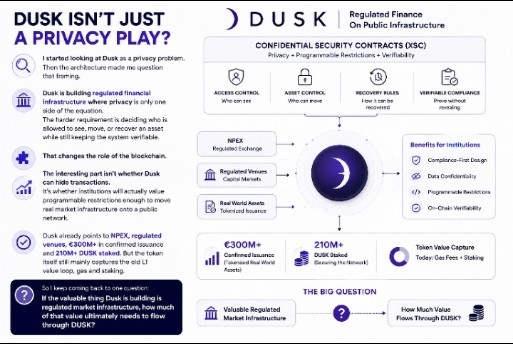
#dusk $DUSK 私は、Duskをプライバシーの問題として見つめ始めました。
しかし、そのアーキテクチャによって、その捉え方に疑問を持つようになりました。
Duskは、プライバシーが方程式の片側にすぎないような、規制された金融インフラを構築しています。より難しい要件は、システムが検証可能であり続ける一方で、誰が資産を見たり、移動したり、回復したりできるかを決めることです。
それによって、ブロックチェーンの役割が変わります。
面白いのは、Duskが取引を隠せるかどうかではありません。機関が、プログラム可能な制約を本当に価値あるものとして捉え、実際の市場インフラをパブリックネットワークに移すだけの動機を持つかどうかです。
DuskはすでにNPEX、規制された取引所、確定発行額で€300M+、ステークされたDUSKが210M+であることを示しています。
ただし、そのトークン自体が主に捉えているのは、依然として従来のL1の価値循環です。つまりガスとステーキングです。
そこで、私は次の問いに立ち返り続けています。
Duskが構築している価値あるものが規制された市場インフラであるなら、その価値のうち最終的にどれくらいがDUSKを通じて流れる必要があるのか?
@Dusk
しかし、そのアーキテクチャによって、その捉え方に疑問を持つようになりました。
Duskは、プライバシーが方程式の片側にすぎないような、規制された金融インフラを構築しています。より難しい要件は、システムが検証可能であり続ける一方で、誰が資産を見たり、移動したり、回復したりできるかを決めることです。
それによって、ブロックチェーンの役割が変わります。
面白いのは、Duskが取引を隠せるかどうかではありません。機関が、プログラム可能な制約を本当に価値あるものとして捉え、実際の市場インフラをパブリックネットワークに移すだけの動機を持つかどうかです。
DuskはすでにNPEX、規制された取引所、確定発行額で€300M+、ステークされたDUSKが210M+であることを示しています。
ただし、そのトークン自体が主に捉えているのは、依然として従来のL1の価値循環です。つまりガスとステーキングです。
そこで、私は次の問いに立ち返り続けています。
Duskが構築している価値あるものが規制された市場インフラであるなら、その価値のうち最終的にどれくらいがDUSKを通じて流れる必要があるのか?
@Dusk
しばらくすると、多くのブロックチェーン・プロジェクトが似たような雰囲気になっていくことに気づきました。大抵は大きなビジョンがあり、技術的な言葉が多く、そしてプロジェクトが将来どうなるのかに注目が集まります。難しいのは、そのアイデアが人々によって実際に使われ始めたとき、本当に筋が通っているのかどうかです。
それが、私にとって Dusk Network が興味深かった理由です。
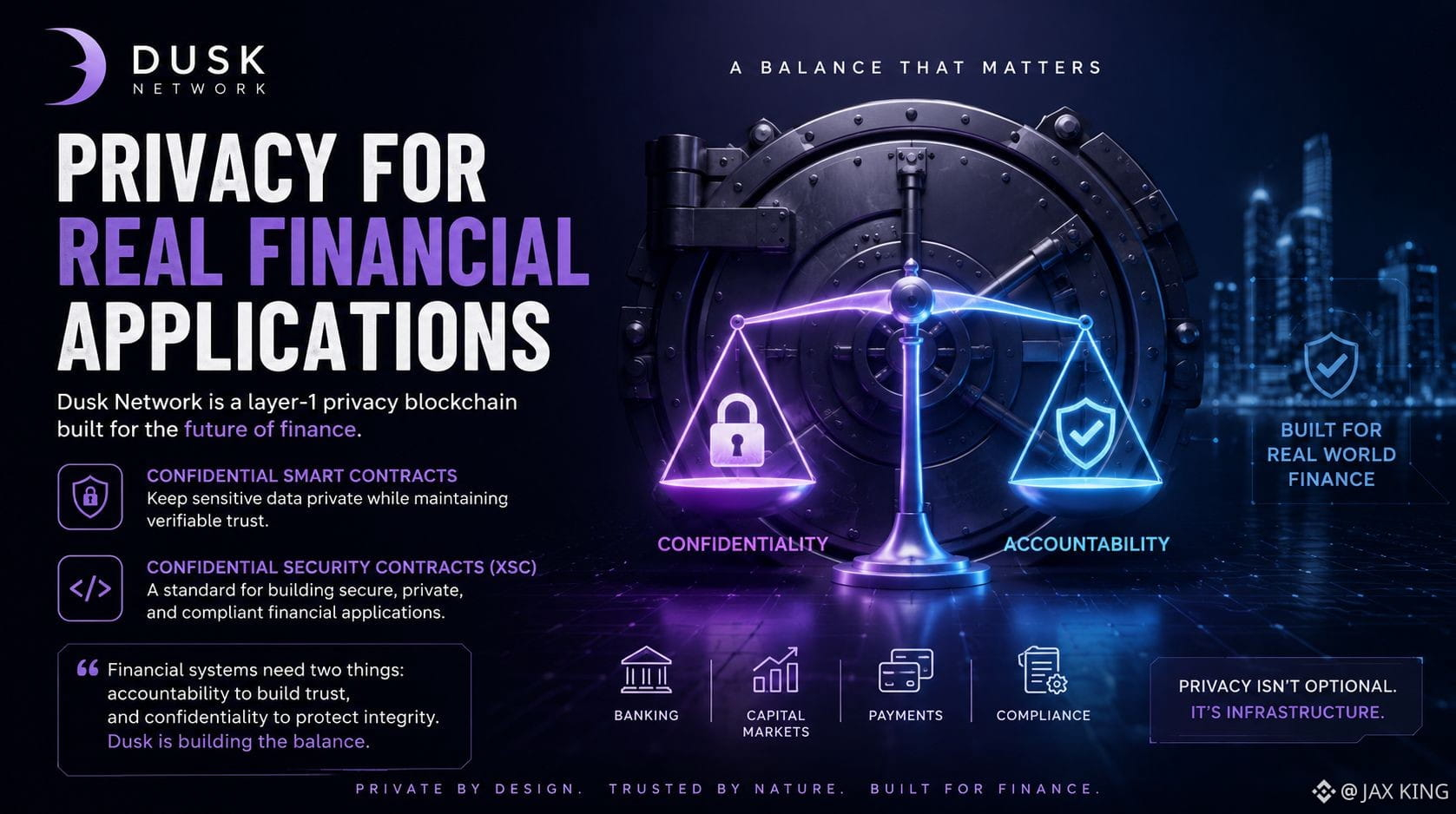
Dusk は、金融アプリケーション向けのプライバシーに焦点を当てたレイヤー1であり、機密スマートコントラクトと、Confidential Security Contract(XSC)標準を備えています。私の目を引いたのは、単にプライバシーという切り口だけではありません。そこにある「問題」そのものが、重要だと感じたのです。
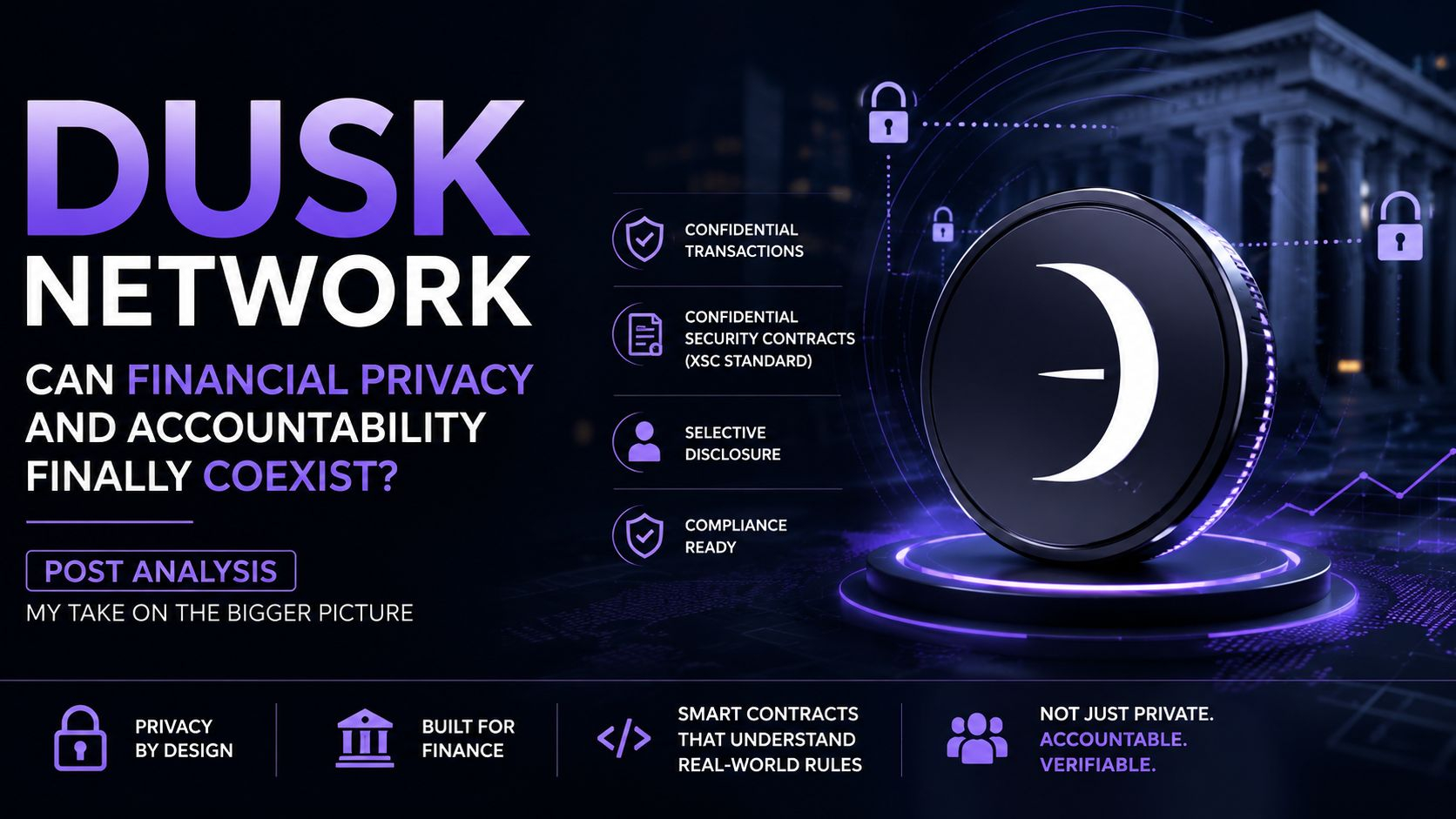
金融活動には、しばしば相反するように見える2つの要素が必要になります。説明責任と機密性です。信頼を築くには十分な透明性が必要ですが、すべての機微な金融情報を誰にでも公開すべきとは限りません。
私にとって、このバランスこそが Dusk のより意味のあるアイデアだと思わせます。ブロックチェーンが投機の段階を超えて、実際の金融利用を支えるようになるのなら、プライバシーを常に「オプション機能」として扱うわけにはいきません。
私は技術が実際にどのように発展していくのかにも関心がありますが、その根本の課題は現実のものです。そして、時にはそれこそが、もう一つの大きな約束よりも注目するより良い理由になります
@Dusk $DUSK #dusk
それが、私にとって Dusk Network が興味深かった理由です。
Dusk は、金融アプリケーション向けのプライバシーに焦点を当てたレイヤー1であり、機密スマートコントラクトと、Confidential Security Contract(XSC)標準を備えています。私の目を引いたのは、単にプライバシーという切り口だけではありません。そこにある「問題」そのものが、重要だと感じたのです。
金融活動には、しばしば相反するように見える2つの要素が必要になります。説明責任と機密性です。信頼を築くには十分な透明性が必要ですが、すべての機微な金融情報を誰にでも公開すべきとは限りません。
私にとって、このバランスこそが Dusk のより意味のあるアイデアだと思わせます。ブロックチェーンが投機の段階を超えて、実際の金融利用を支えるようになるのなら、プライバシーを常に「オプション機能」として扱うわけにはいきません。
私は技術が実際にどのように発展していくのかにも関心がありますが、その根本の課題は現実のものです。そして、時にはそれこそが、もう一つの大きな約束よりも注目するより良い理由になります
@Dusk $DUSK #dusk
$KORUB /USDT — 強気のセットアップ 🚀
KORUBは強い値動きの後、約20.03付近で推移しています。押し目のゾーンを確認して、きれいなエントリーを狙いましょう! ⚡
🟢 エントリーゾーン: 19.80 – 20.05
🎯 TP1: 20.45
🎯 TP2: 20.95
🎯 TP3: 21.30
🛑 ストップロス: 19.55
📌 ポイント: 強気の継続のために19.65を上回ってホールド。
賢くトレードして、リスク管理を。 🚀 行きましょう! 🔥
$NBISB
$BANK
KORUBは強い値動きの後、約20.03付近で推移しています。押し目のゾーンを確認して、きれいなエントリーを狙いましょう! ⚡
🟢 エントリーゾーン: 19.80 – 20.05
🎯 TP1: 20.45
🎯 TP2: 20.95
🎯 TP3: 21.30
🛑 ストップロス: 19.55
📌 ポイント: 強気の継続のために19.65を上回ってホールド。
賢くトレードして、リスク管理を。 🚀 行きましょう! 🔥
$NBISB
$BANK
🟢 Strong Entry Zone 🤔
67%
📈 Bullish Momentum Holds 🔐
0%
🎯 Upside Targets Ahead 👀
0%
🛡️ Risk Managed Setup 🤖
33%
3 投票 • 投票は終了しました
$NBISB /USDT — モメンタム・セットアップ 🚀
NBISBは強い値動きの後、深刻な買いのモメンタムを示しています! ⚡ むやみに追いかけず、押し目のゾーンで確認しましょう。
🟢 エントリーゾーン:245 – 252
🎯 TP1:265
🎯 TP2:280
🎯 TP3:300
🛑 ストップロス:235
🚀 モメンタムは加熱中。規律を保ち、確認を待ち、リスク管理を行いましょう。
🔥 さあ取引しよう!
$TST
$BNT
NBISBは強い値動きの後、深刻な買いのモメンタムを示しています! ⚡ むやみに追いかけず、押し目のゾーンで確認しましょう。
🟢 エントリーゾーン:245 – 252
🎯 TP1:265
🎯 TP2:280
🎯 TP3:300
🛑 ストップロス:235
🚀 モメンタムは加熱中。規律を保ち、確認を待ち、リスク管理を行いましょう。
🔥 さあ取引しよう!
$TST
$BNT
⚡ Strong Buying Momentum
100%
🟢 Pullback Entry Zone
0%
🛡️ Disciplined Risk Control
0%
🎯 Upside Targets Ahead
0%
1 投票 • 投票は終了しました
ログインして、さらにコンテンツを読む