

P r o f e s s o r _AM04
6.3k 投稿

P r o f e s s o r _AM04
 厳選トピック確認済+
報告
ユーザーをブロック
Data-driven crypto trader | DeFi strategist | Building edge on Binance
333 フォロー
38.1K+ フォロワー
32.5K+ いいね
投稿
すべて
引用
ライブ
·
--
ブリッシュ
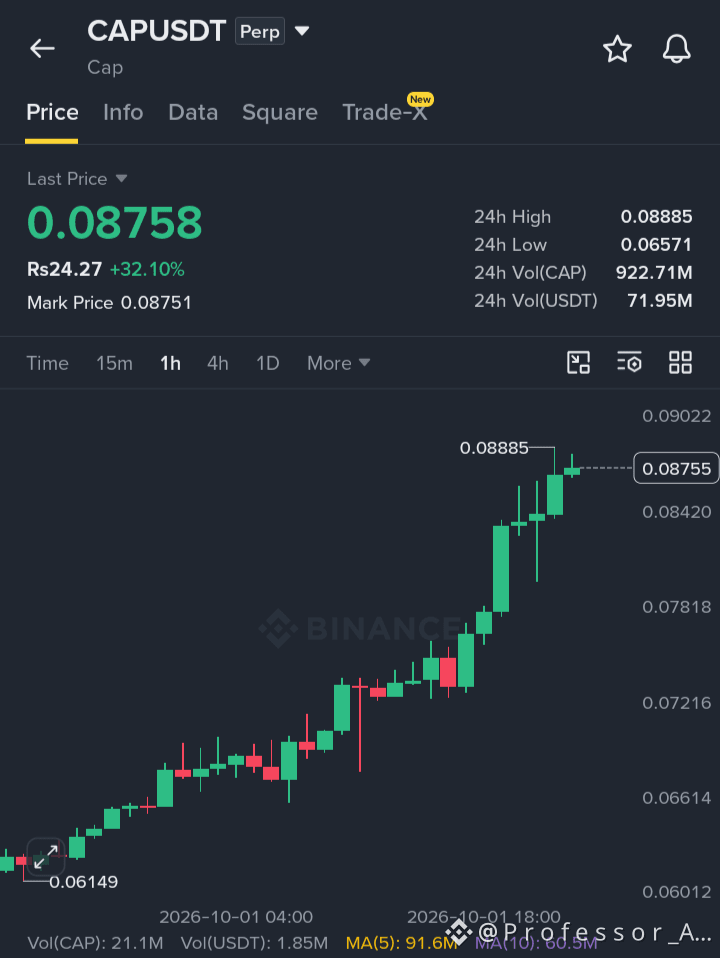
$CAP
高値を維持する買い手の強い圧力による確かなブレイクアウト。価格がエントリーエリアを尊重している間は、セットアップは魅力的なままです。
EP: 0.08738
TP1: 0.09200
TP2: 0.09800
TP3: 0.10500
SL: 0.08300
$CAP
高値を維持する買い手の強い圧力による確かなブレイクアウト。価格がエントリーエリアを尊重している間は、セットアップは魅力的なままです。
EP: 0.08738
TP1: 0.09200
TP2: 0.09800
TP3: 0.10500
SL: 0.08300
高値を維持する買い手の強い圧力による確かなブレイクアウト。価格がエントリーエリアを尊重している間は、セットアップは魅力的なままです。
EP: 0.08738
TP1: 0.09200
TP2: 0.09800
TP3: 0.10500
SL: 0.08300
184
·
--
ブリッシュ
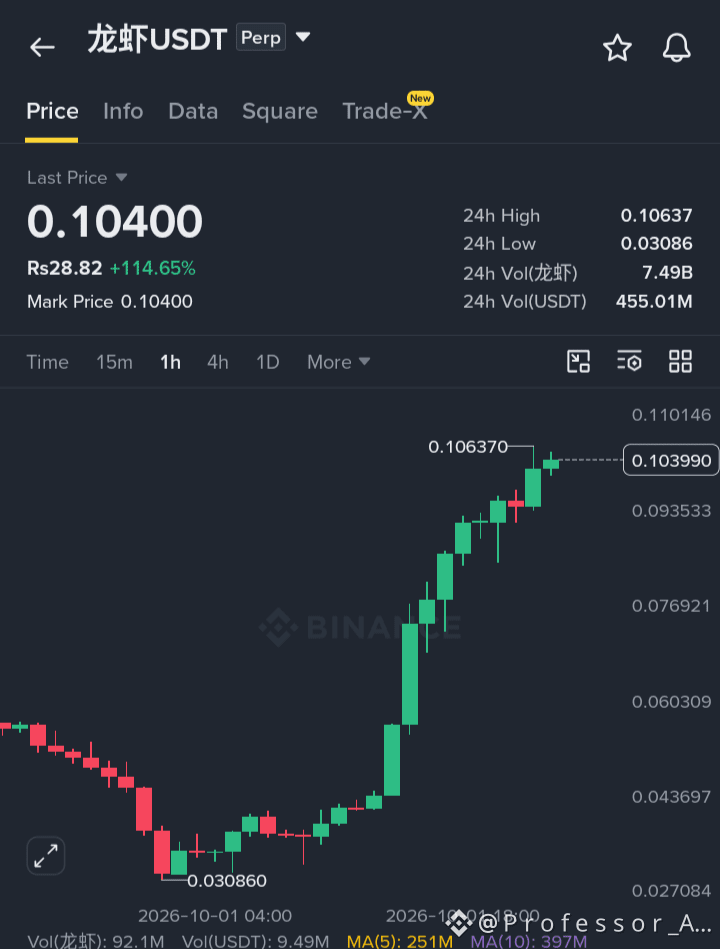
$龙虾 その強い拡大の後、モメンタムは買い手側に明確に付いています。今の鍵は、値動きを追いかけるのではなく、エントリーゾーンを維持することです。
EP: 0.10397
TP1: 0.11000
TP2: 0.11600
TP3: 0.12300
SL: 0.09900
$龙虾 その強い拡大の後、モメンタムは買い手側に明確に付いています。今の鍵は、値動きを追いかけるのではなく、エントリーゾーンを維持することです。
EP: 0.10397
TP1: 0.11000
TP2: 0.11600
TP3: 0.12300
SL: 0.09900
EP: 0.10397
TP1: 0.11000
TP2: 0.11600
TP3: 0.12300
SL: 0.09900
889
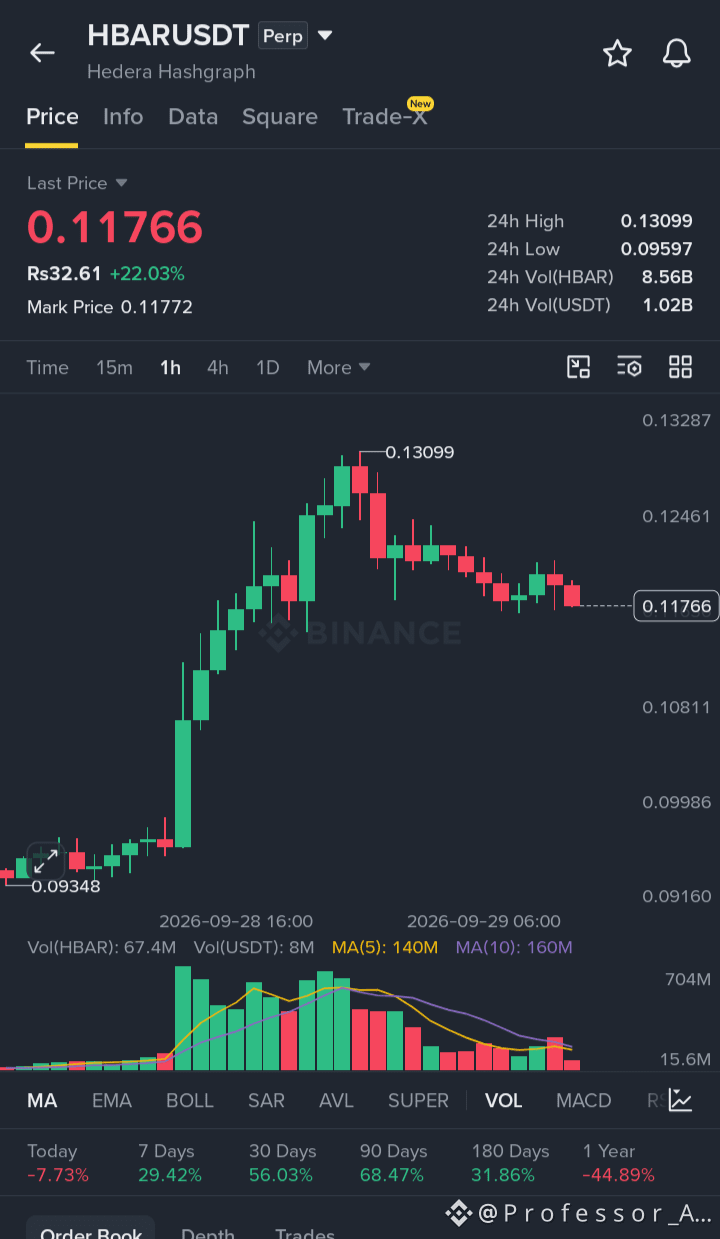
$HBAR
急激なブレイクアウトの後もモメンタムは依然として強い。エントリー・ゾーン上での維持により、強気の構造は維持されます。
EP: $0.1165–$0.1180
TP: $0.1220 | $0.1260 | $0.1300
SL: $0.1130
#OpenAIDelaysGPT6.1OverSafetyIssues #HackersDrainOver12.4MXRPFromDCENTWallets #ChainlinkLaunchesCCIP2WithEnterpriseVerification
$HBAR
急激なブレイクアウトの後もモメンタムは依然として強い。エントリー・ゾーン上での維持により、強気の構造は維持されます。
EP: $0.1165–$0.1180
TP: $0.1220 | $0.1260 | $0.1300
SL: $0.1130
#OpenAIDelaysGPT6.1OverSafetyIssues #HackersDrainOver12.4MXRPFromDCENTWallets #ChainlinkLaunchesCCIP2WithEnterpriseVerification
急激なブレイクアウトの後もモメンタムは依然として強い。エントリー・ゾーン上での維持により、強気の構造は維持されます。
EP: $0.1165–$0.1180
TP: $0.1220 | $0.1260 | $0.1300
SL: $0.1130
#OpenAIDelaysGPT6.1OverSafetyIssues #HackersDrainOver12.4MXRPFromDCENTWallets #ChainlinkLaunchesCCIP2WithEnterpriseVerification
141
$ONE は +25.12% のモメンタムで加速しています。ブレイクアウト・エリア上での継続的な維持が、継続の可能性を引き続き注目させます。
EP: 0.00260–0.00264
TP: 0.00275 / 0.00290 / 0.00305
SL: 0.00252
$ONE は +25.12% のモメンタムで加速しています。ブレイクアウト・エリア上での継続的な維持が、継続の可能性を引き続き注目させます。
EP: 0.00260–0.00264
TP: 0.00275 / 0.00290 / 0.00305
SL: 0.00252
EP: 0.00260–0.00264
TP: 0.00275 / 0.00290 / 0.00305
SL: 0.00252
1
214
$BTW は+26.82%の上昇後も力強い勢いを維持しています。価格がエントリー・ゾーン上で推移する限り、買い手が主導権を保っています。
EP: 1.320–1.340
TP: 1.390 / 1.450 / 1.520
SL: 1.285
$BTW は+26.82%の上昇後も力強い勢いを維持しています。価格がエントリー・ゾーン上で推移する限り、買い手が主導権を保っています。
EP: 1.320–1.340
TP: 1.390 / 1.450 / 1.520
SL: 1.285
EP: 1.320–1.340
TP: 1.390 / 1.450 / 1.520
SL: 1.285
261
·
--
ブリッシュ
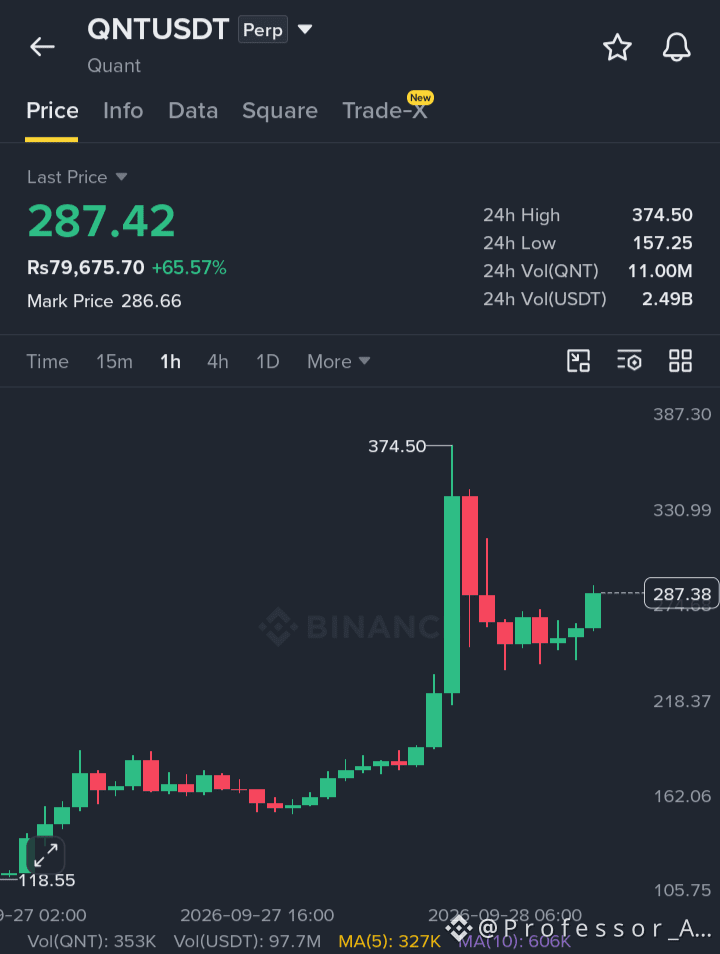
$QNT は+65.43%の力強さで並外れた勢いを見せています。ブレイクアウトゾーン上では、トレンド継続が依然として優勢です。
EP: 284.00–288.00
TP: 300.00 / 315.00 / 330.00
SL: 274.00
$QNT は+65.43%の力強さで並外れた勢いを見せています。ブレイクアウトゾーン上では、トレンド継続が依然として優勢です。
EP: 284.00–288.00
TP: 300.00 / 315.00 / 330.00
SL: 274.00
EP: 284.00–288.00
TP: 300.00 / 315.00 / 330.00
SL: 274.00
268
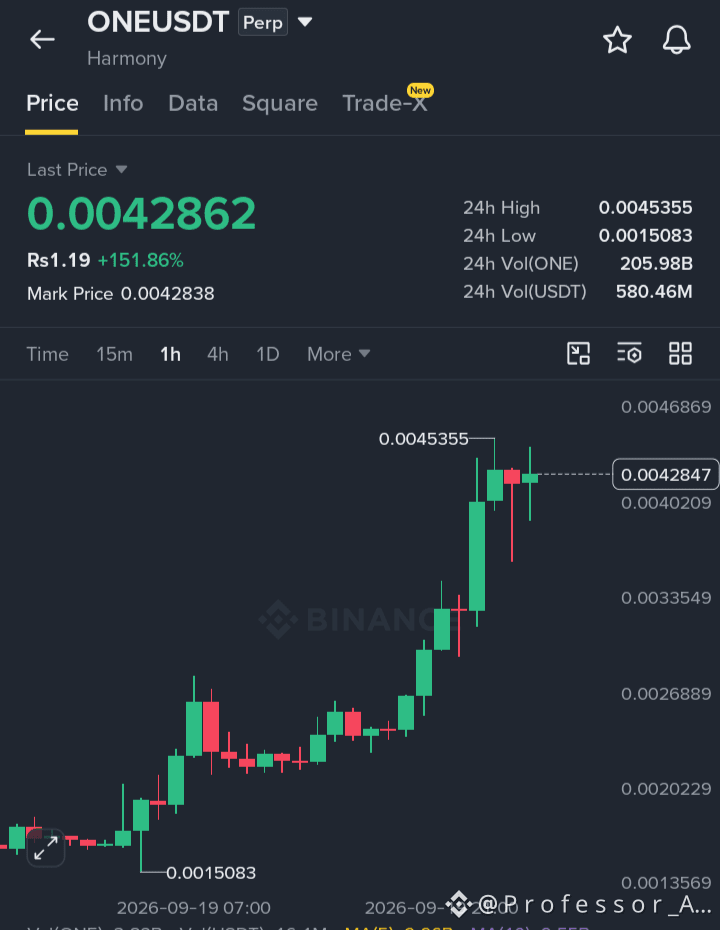
$ONE は、急激な 152.53% の上昇の後も強い勢いを見せており、買い手が引き続きしっかりと主導権を握っています。
ロング
EP: 0.00420–0.00430
TP1: 0.00455
TP2: 0.00485
TP3: 0.00520
SL: 0.00402
エントリーゾーン上では勢いが依然強いです。コントロールされた押し戻しと、その後の継続を見ています。SL により下方向のリスクは明確に管理されています。
$ONE は、急激な 152.53% の上昇の後も強い勢いを見せており、買い手が引き続きしっかりと主導権を握っています。
ロング
EP: 0.00420–0.00430
TP1: 0.00455
TP2: 0.00485
TP3: 0.00520
SL: 0.00402
エントリーゾーン上では勢いが依然強いです。コントロールされた押し戻しと、その後の継続を見ています。SL により下方向のリスクは明確に管理されています。
ロング
EP: 0.00420–0.00430
TP1: 0.00455
TP2: 0.00485
TP3: 0.00520
SL: 0.00402
エントリーゾーン上では勢いが依然強いです。コントロールされた押し戻しと、その後の継続を見ています。SL により下方向のリスクは明確に管理されています。
355
·
--
ブリッシュ
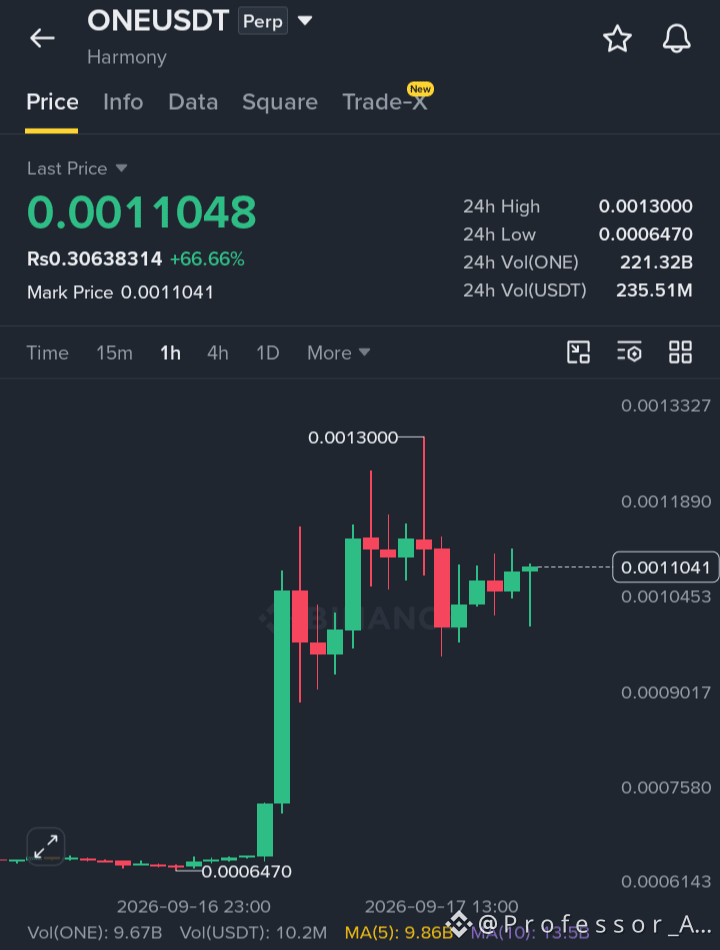
$ONE I’m keeping ONE on my radar after this sharp expansion. The momentum is clear, but I want my entry close to support for better risk control.
EP: 0.001075–0.001095
TP: 0.001150 / 0.001220 / 0.001300
SL: 0.001030
I’ll stay disciplined and let price confirm.
$ONE I’m keeping ONE on my radar after this sharp expansion. The momentum is clear, but I want my entry close to support for better risk control.
EP: 0.001075–0.001095
TP: 0.001150 / 0.001220 / 0.001300
SL: 0.001030
I’ll stay disciplined and let price confirm.
EP: 0.001075–0.001095
TP: 0.001150 / 0.001220 / 0.001300
SL: 0.001030
I’ll stay disciplined and let price confirm.
134
·
--
ブリッシュ
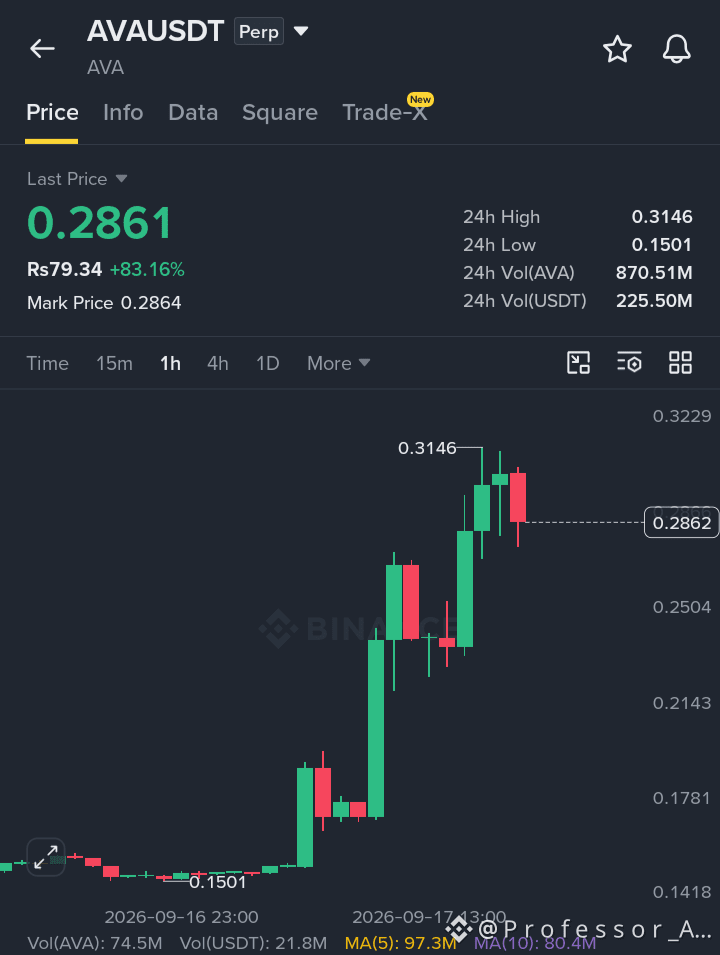
$AVA このムーブの継続を見ています。価格はブレイクアウトエリアをしっかり維持しており強いモメンタムがあるので、追いかけるよりも、抑えた弱さ(押し目)で買いたいです。
EP: 0.2820–0.2870
TP: 0.3000 / 0.3150 / 0.3300
SL: 0.2690
私のリスクはサポート下にて定義したままです。
$AVA このムーブの継続を見ています。価格はブレイクアウトエリアをしっかり維持しており強いモメンタムがあるので、追いかけるよりも、抑えた弱さ(押し目)で買いたいです。
EP: 0.2820–0.2870
TP: 0.3000 / 0.3150 / 0.3300
SL: 0.2690
私のリスクはサポート下にて定義したままです。
EP: 0.2820–0.2870
TP: 0.3000 / 0.3150 / 0.3300
SL: 0.2690
私のリスクはサポート下にて定義したままです。
177
本人確認中
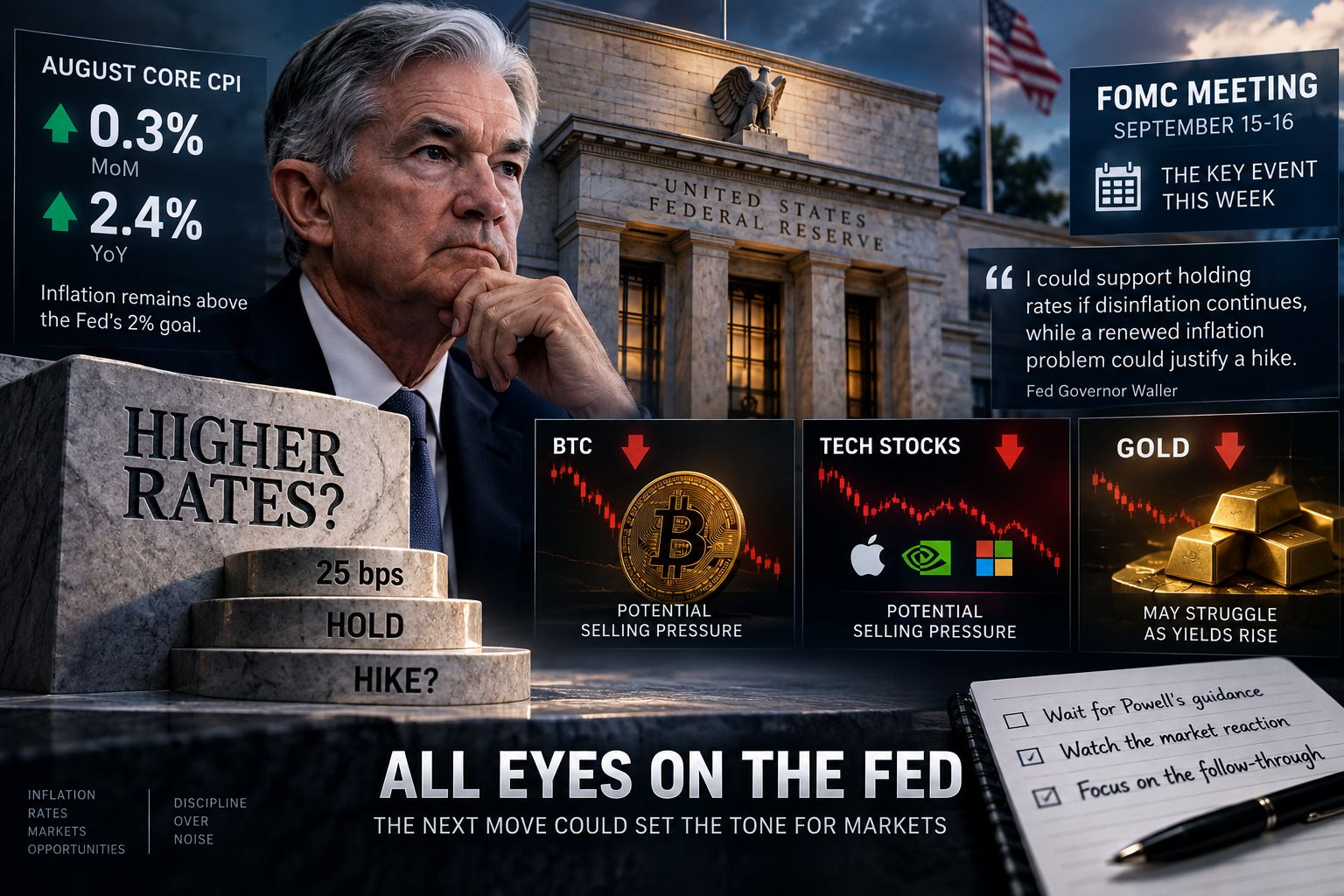
今週はFRBに注目しています。
8月のコアCPIは前月比0.3%上昇、前年比2.4%上昇で、インフレはFRBの2%目標を上回ったままです。
9月15〜16日のFOMC会合が今や重要なイベントです。
私の見方はシンプルです。
現時点では、25bp利上げを長い利上げサイクルの開始だとはみなしません。
ウォラーFRB理事は最近、ディスインフレが続くなら金利据え置きを支持できると述べましたが、一方でインフレ問題が再燃すれば利上げが正当化され得るとも警告しました。
FRBが利上げを行うなら、最初の反応はリスクオフになると見ています。
BTCやテック株は売り圧力に直面し得ますし、利回りとドルが上昇して反応するなら金も苦戦する可能性があります。
見出しは追いません。
パウエルのガイダンスを待ち、その後に市場の反応を取引します。
私にとって重要なのは最初の一手よりも、その後の継続です。
#FedRateWatch
今週はFRBに注目しています。
8月のコアCPIは前月比0.3%上昇、前年比2.4%上昇で、インフレはFRBの2%目標を上回ったままです。
9月15〜16日のFOMC会合が今や重要なイベントです。
私の見方はシンプルです。
現時点では、25bp利上げを長い利上げサイクルの開始だとはみなしません。
ウォラーFRB理事は最近、ディスインフレが続くなら金利据え置きを支持できると述べましたが、一方でインフレ問題が再燃すれば利上げが正当化され得るとも警告しました。
FRBが利上げを行うなら、最初の反応はリスクオフになると見ています。
BTCやテック株は売り圧力に直面し得ますし、利回りとドルが上昇して反応するなら金も苦戦する可能性があります。
見出しは追いません。
パウエルのガイダンスを待ち、その後に市場の反応を取引します。
私にとって重要なのは最初の一手よりも、その後の継続です。
#FedRateWatch
8月のコアCPIは前月比0.3%上昇、前年比2.4%上昇で、インフレはFRBの2%目標を上回ったままです。
9月15〜16日のFOMC会合が今や重要なイベントです。
私の見方はシンプルです。
現時点では、25bp利上げを長い利上げサイクルの開始だとはみなしません。
ウォラーFRB理事は最近、ディスインフレが続くなら金利据え置きを支持できると述べましたが、一方でインフレ問題が再燃すれば利上げが正当化され得るとも警告しました。
FRBが利上げを行うなら、最初の反応はリスクオフになると見ています。
BTCやテック株は売り圧力に直面し得ますし、利回りとドルが上昇して反応するなら金も苦戦する可能性があります。
見出しは追いません。
パウエルのガイダンスを待ち、その後に市場の反応を取引します。
私にとって重要なのは最初の一手よりも、その後の継続です。
#FedRateWatch
2
145
·
--
ブリッシュ
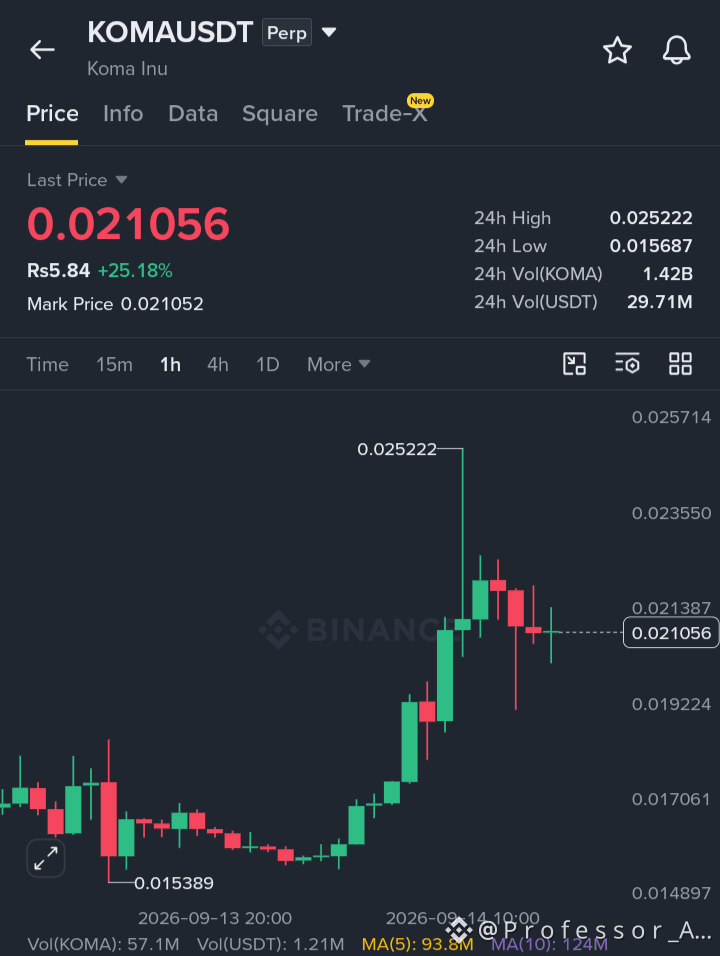
$KOMA は、買い手が直近の構造を守りながら、強気のモメンタムを維持しています。エントリー・ゾーンがリテストで維持されるなら、継続を狙っています。
EP: 0.02040–0.02090
TP1: 0.02200
TP2: 0.02350
TP3: 0.02500
SL: 0.01940
このセットアップは、価格が定められたリスク水準を尊重する限り有効です。
$KOMA は、買い手が直近の構造を守りながら、強気のモメンタムを維持しています。エントリー・ゾーンがリテストで維持されるなら、継続を狙っています。
EP: 0.02040–0.02090
TP1: 0.02200
TP2: 0.02350
TP3: 0.02500
SL: 0.01940
このセットアップは、価格が定められたリスク水準を尊重する限り有効です。
EP: 0.02040–0.02090
TP1: 0.02200
TP2: 0.02350
TP3: 0.02500
SL: 0.01940
このセットアップは、価格が定められたリスク水準を尊重する限り有効です。
84
·
--
ブリッシュ
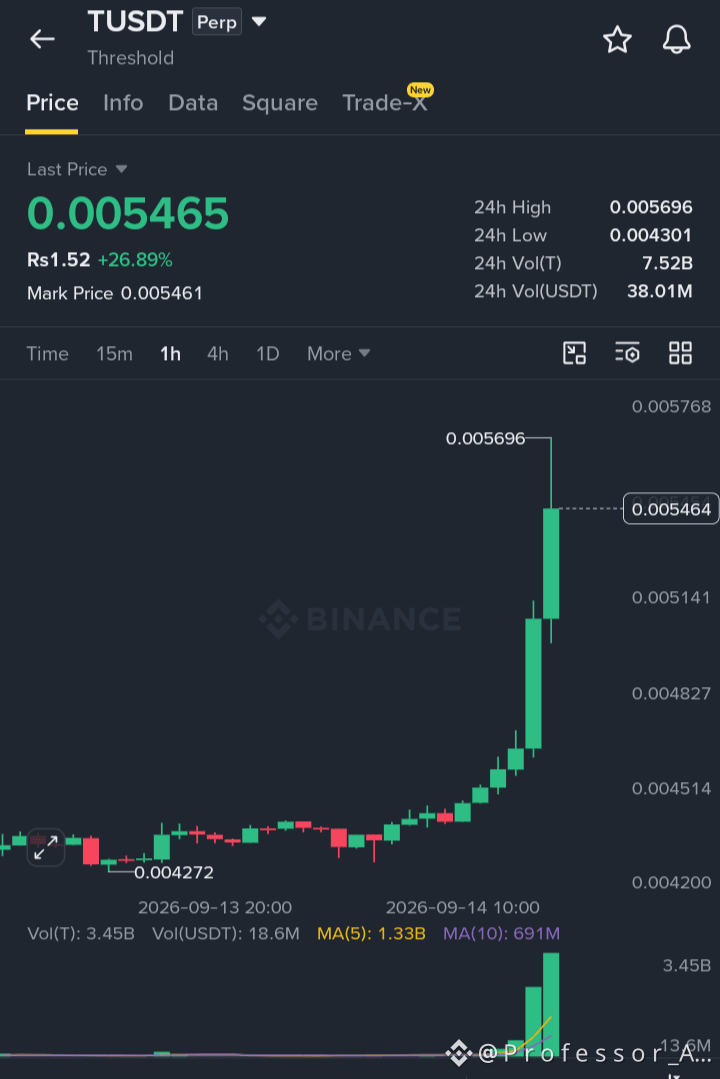
$T は強いプッシュの後、興味深くなってきています。私は、買い手がブレイクアウト・エリアを維持し、さらにもう一段高い安値を作れるかどうかに注目しています。
EP: 0.00545–0.00560
TP1: 0.00590
TP2: 0.00625
TP3: 0.00670
SL: 0.00520
追いかけではなく、確認がほしいです。リスクはサポートの下で定義されたままです。
$T は強いプッシュの後、興味深くなってきています。私は、買い手がブレイクアウト・エリアを維持し、さらにもう一段高い安値を作れるかどうかに注目しています。
EP: 0.00545–0.00560
TP1: 0.00590
TP2: 0.00625
TP3: 0.00670
SL: 0.00520
追いかけではなく、確認がほしいです。リスクはサポートの下で定義されたままです。
EP: 0.00545–0.00560
TP1: 0.00590
TP2: 0.00625
TP3: 0.00670
SL: 0.00520
追いかけではなく、確認がほしいです。リスクはサポートの下で定義されたままです。
111
·
--
ブリッシュ
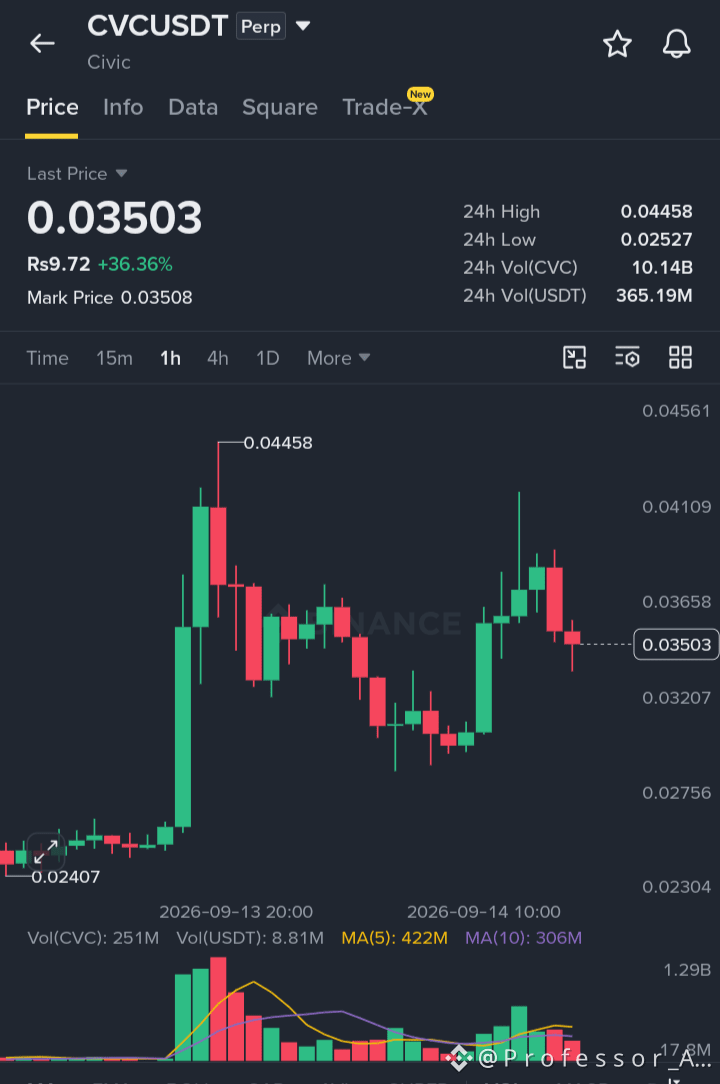
$CVC は、最新の値動きの後に健全な強気(ブル)構造を示しています。次の波に入る前に、現在のサポート・ゾーンでの確認を見ています。
EP: 0.03480–0.03550
TP1: 0.03750
TP2: 0.04000
TP3: 0.04300
SL: 0.03300
買い手がエントリー・ゾーンを守る限り、継続は魅力的です。
$CVC は、最新の値動きの後に健全な強気(ブル)構造を示しています。次の波に入る前に、現在のサポート・ゾーンでの確認を見ています。
EP: 0.03480–0.03550
TP1: 0.03750
TP2: 0.04000
TP3: 0.04300
SL: 0.03300
買い手がエントリー・ゾーンを守る限り、継続は魅力的です。
EP: 0.03480–0.03550
TP1: 0.03750
TP2: 0.04000
TP3: 0.04300
SL: 0.03300
買い手がエントリー・ゾーンを守る限り、継続は魅力的です。
123
·
--
ブリッシュ
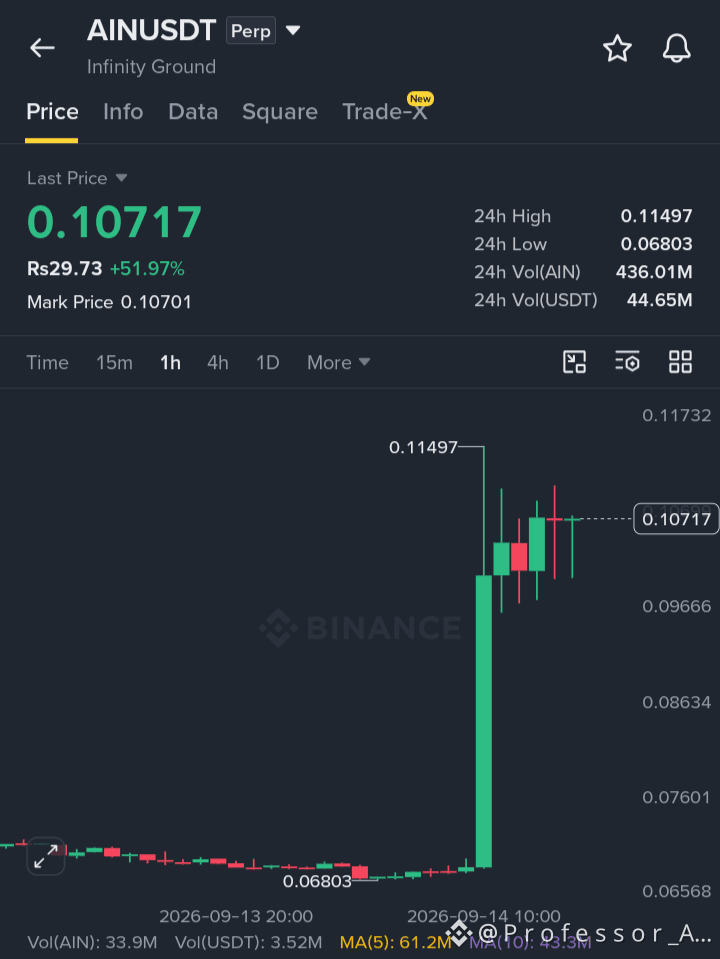
$AIN は強く上昇しており、モメンタムはまだ見えている。私は、エクステンションに直で買うよりも、抑制された弱さでエントリーしたい。
EP: 0.10100–0.10400
TP1: 0.11000
TP2: 0.11800
TP3: 0.12800
SL: 0.09600
出来高を伴う堅実なリテイク(再上昇)は、セットアップを強化するだろう。
$AIN は強く上昇しており、モメンタムはまだ見えている。私は、エクステンションに直で買うよりも、抑制された弱さでエントリーしたい。
EP: 0.10100–0.10400
TP1: 0.11000
TP2: 0.11800
TP3: 0.12800
SL: 0.09600
出来高を伴う堅実なリテイク(再上昇)は、セットアップを強化するだろう。
EP: 0.10100–0.10400
TP1: 0.11000
TP2: 0.11800
TP3: 0.12800
SL: 0.09600
出来高を伴う堅実なリテイク(再上昇)は、セットアップを強化するだろう。
132
·
--
ブリッシュ
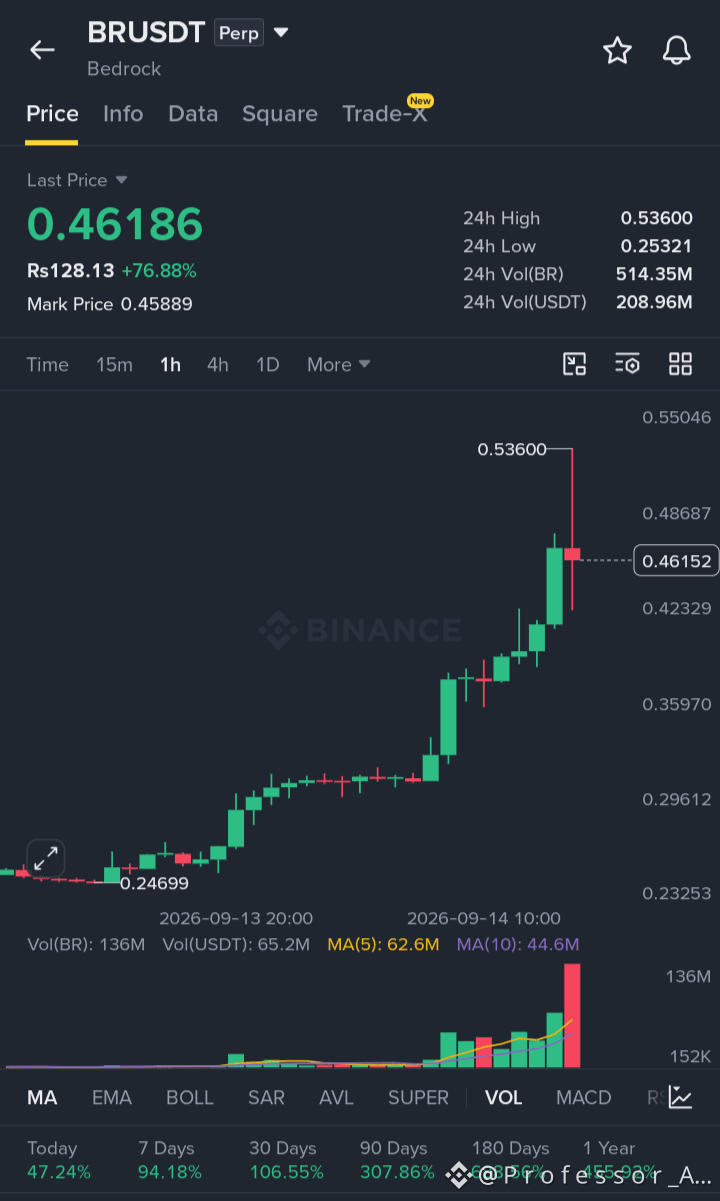
$BR は最近の拡大後も堅調を維持しています。急騰を追いかけたいとは思っていません。明確なリテストと、再び買いの勢いが出るのを見ています。
EP: 0.44800–0.45400
TP1: 0.47000
TP2: 0.49000
TP3: 0.51500
SL: 0.42800
サポートが維持されている限り、構造は建設的なままです。
$BR は最近の拡大後も堅調を維持しています。急騰を追いかけたいとは思っていません。明確なリテストと、再び買いの勢いが出るのを見ています。
EP: 0.44800–0.45400
TP1: 0.47000
TP2: 0.49000
TP3: 0.51500
SL: 0.42800
サポートが維持されている限り、構造は建設的なままです。
EP: 0.44800–0.45400
TP1: 0.47000
TP2: 0.49000
TP3: 0.51500
SL: 0.42800
サポートが維持されている限り、構造は建設的なままです。
264
$STEEM は27%の上昇後に延長しています。私はリジェクション(反落)とコントロールされた押し戻しを監視しています。
EP: 0.06068
TP1: 0.05780
TP2: 0.05480
TP3: 0.05180
SL: 0.06420
モメンタムは高いままなので、確認と引き締まったリスク管理が重要です。
$STEEM は27%の上昇後に延長しています。私はリジェクション(反落)とコントロールされた押し戻しを監視しています。
EP: 0.06068
TP1: 0.05780
TP2: 0.05480
TP3: 0.05180
SL: 0.06420
モメンタムは高いままなので、確認と引き締まったリスク管理が重要です。
EP: 0.06068
TP1: 0.05780
TP2: 0.05480
TP3: 0.05180
SL: 0.06420
モメンタムは高いままなので、確認と引き締まったリスク管理が重要です。
325
·
--
ブリッシュ
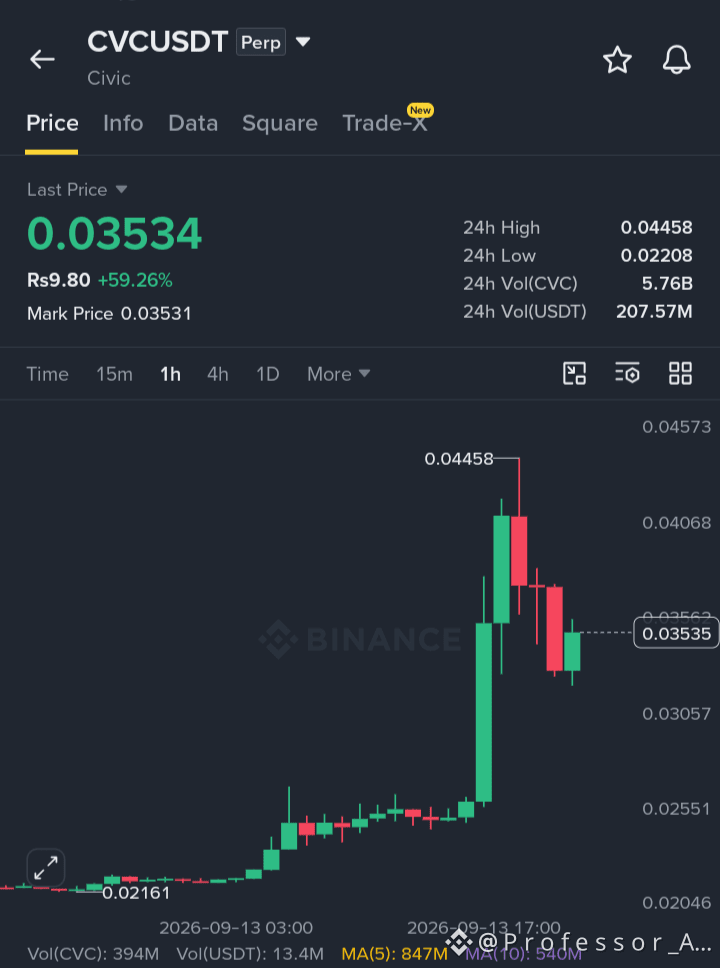
$CVC は58%の上昇後も強い勢いを維持していますが、エクステンション(伸び)は、管理された押し戻しの余地を残しています。
EP: 0.03514
TP1: 0.03320
TP2: 0.03140
TP3: 0.02950
SL: 0.03720
抵抗線の上でリスクを明確にしつつ、平均回帰を狙っています。
$CVC は58%の上昇後も強い勢いを維持していますが、エクステンション(伸び)は、管理された押し戻しの余地を残しています。
EP: 0.03514
TP1: 0.03320
TP2: 0.03140
TP3: 0.02950
SL: 0.03720
抵抗線の上でリスクを明確にしつつ、平均回帰を狙っています。
EP: 0.03514
TP1: 0.03320
TP2: 0.03140
TP3: 0.02950
SL: 0.03720
抵抗線の上でリスクを明確にしつつ、平均回帰を狙っています。
289
$ALCH +20%の強さが明確な買い手の主導を示しています。ブレイクアウト水準がサポートされている限り、継続を狙っています。
EP: 0.0390–0.0396
TP: 0.0420 / 0.0450 / 0.0490
SL: 0.0372
$ALCH +20%の強さが明確な買い手の主導を示しています。ブレイクアウト水準がサポートされている限り、継続を狙っています。
EP: 0.0390–0.0396
TP: 0.0420 / 0.0450 / 0.0490
SL: 0.0372
EP: 0.0390–0.0396
TP: 0.0420 / 0.0450 / 0.0490
SL: 0.0372
99
$HYPE
私は$80を注意深く見ています。最近の弱さがここでは警戒心を強めており、動きに追随するよりも、確実な反落(拒否)を確認したうえでショートしたいです。
EP: $80.20–$80.60
TP: $79.20 / $78.30 / $77.40
SL: $81.35
#US2YearYieldRisesTo4.61% #US10YearTreasuryYieldNears5% #RevolutConfirmsFakeGovEmailDataBreach
$HYPE
私は$80を注意深く見ています。最近の弱さがここでは警戒心を強めており、動きに追随するよりも、確実な反落(拒否)を確認したうえでショートしたいです。
EP: $80.20–$80.60
TP: $79.20 / $78.30 / $77.40
SL: $81.35
#US2YearYieldRisesTo4.61% #US10YearTreasuryYieldNears5% #RevolutConfirmsFakeGovEmailDataBreach
私は$80を注意深く見ています。最近の弱さがここでは警戒心を強めており、動きに追随するよりも、確実な反落(拒否)を確認したうえでショートしたいです。
EP: $80.20–$80.60
TP: $79.20 / $78.30 / $77.40
SL: $81.35
#US2YearYieldRisesTo4.61% #US10YearTreasuryYieldNears5% #RevolutConfirmsFakeGovEmailDataBreach
231
·
--
ブリッシュ
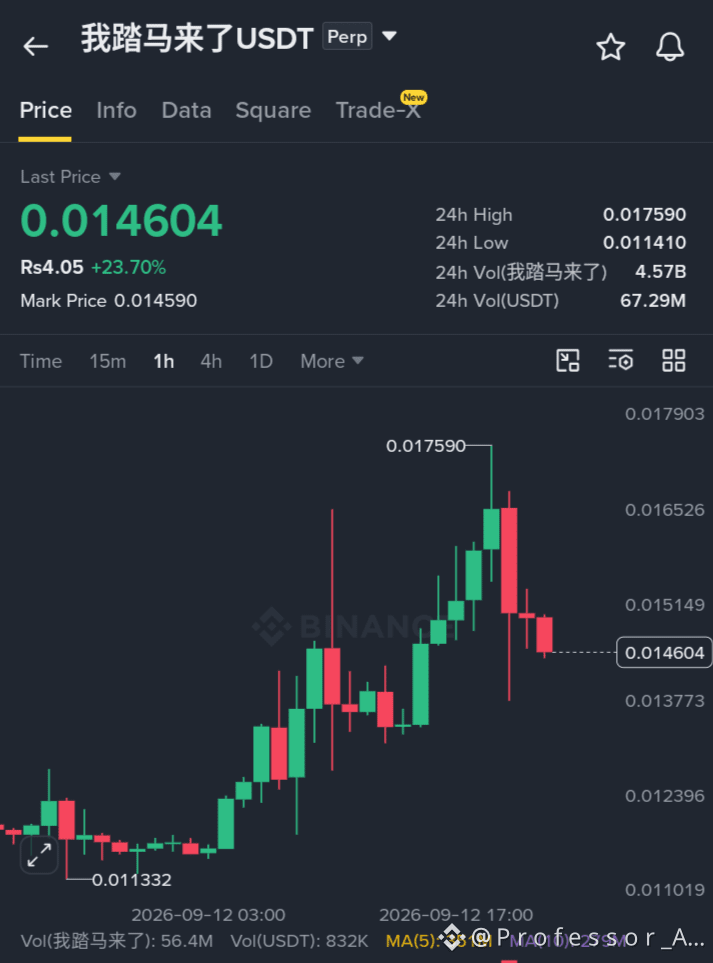
$我踏马来了 トレンドは加速しており、買い手が直近のブレイクアウトを防衛しています。私は現在の構造の上での継続を監視しています。
EP: 0.0145–0.0149
TP: 0.0158 / 0.0170 / 0.0185
SL: 0.0136
出来高と価格の拡大がこのセットアップを支持しています。サポートを下回る領域では、エクスポージャーを規律ある形で維持してください。
$我踏马来了 トレンドは加速しており、買い手が直近のブレイクアウトを防衛しています。私は現在の構造の上での継続を監視しています。
EP: 0.0145–0.0149
TP: 0.0158 / 0.0170 / 0.0185
SL: 0.0136
出来高と価格の拡大がこのセットアップを支持しています。サポートを下回る領域では、エクスポージャーを規律ある形で維持してください。
EP: 0.0145–0.0149
TP: 0.0158 / 0.0170 / 0.0185
SL: 0.0136
出来高と価格の拡大がこのセットアップを支持しています。サポートを下回る領域では、エクスポージャーを規律ある形で維持してください。
224
ログインして、さらにコンテンツを読む
厳選トピックで世界の暗号資産トレーダーの仲間入り
⚡️ 暗号資産に関する最新かつ有益な情報が見つかります。
💬 世界最大の暗号資産取引所から信頼されています。
👍 認証を受けたクリエイターから、有益なインサイトを得られます。
メール / 電話番号
トレンドトピック
SECProposesCryptoCustodyRules
閲覧回数 901
60人が討論中
#secproposescryptocustodyrules
ついにSECが落ち着きました!🧘♂️ 議長のポール・アトキンスの下で、「Project Crypto」のもと、新たな提案が出されました。資産運用会社や投資顧問が、従来の銀行に強制的にまとめられるのではなく、自己保管するか、州認可の信託を使えるようにする内容です。
トレーダーは守られる?
もちろん! 伝統的な銀行の締め付けなしに、機関投資家の資金を安全に保ち、つまり市場の流動性が大幅に増えます。日常のトレーダーにとっても、イノベーションを殺さずに安心をもたらします。ゲイリー・ゲンスラーはどこかでたぶん泣いています。😢
トレーダーは何をすべき?
落ち着いて、ポジションを維持してください。この機関投資家向けの“グリーンライト”は、構造的に暗号資産インフラにとって強気です。お気に入りの資産を安全に積み上げましょう!
投資助言ではありません!コード VINHTOCDO または登録リンク:https://www.binance.com/register?ref=VINHTOCDO
下の取引をクリックして応援してください!👇
$BTC
$ETH
$BNB
#CryptoRegulation #SECProjectCrypto #CryptoCustody #DeFi #VINHTOCDO #SEC
Vinhtocdo
·いいね:3件
·閲覧回数 200
SECApproves3xLongCryptoCommodityETPs
閲覧回数 1,805
101人が討論中
G7PlansToReleaseUpTo100MBarrelsOilDiesel
閲覧回数 3,441
149人が討論中