

#scaling
scaling
閲覧回数 80,314
633人が討論中
注目
最新

$BNB が本日レイヤー2スケーリングを開始、ボラティリティ拡大の大きな局面が到来 ⚡ 💥
エコシステムでは、$BNB 上の取引手数料を大幅に削減し、処理速度を高めるレイヤー2実行エンジンの展開が進んでいます。🌊 オーダーブックが取引の活発化に備えるなか、エコシステムのインフラへの資金移動はすでに勢いを増しています。
⚡ 取引容量の拡大によってネットワークの実用性が大きく高まる一方、スケーリングの初期段階では流動性の動向が試され、上下に急激な値動きが起きることも珍しくありません。💡 賢明な投資家は、初動を追いかけるのではなく、構造的な買い需要を見据えてポジションを取っています。
💬 このアーキテクチャのアップグレードは$BNB の持続的な上昇相場につながるのでしょうか?それとも、初期のボラティリティで過剰なレバレッジをかけたポジションが先に一掃されるのでしょうか?👇
⚠️ 金融アドバイスではありません。常にリスク管理を徹底してください。🛡️
🏷️ #BNB #Layer2 #Scaling #Crypto
⚡ 🐂
$BNB が本日レイヤー2スケーリングを開始、ボラティリティ拡大の大きな局面が到来 ⚡ 💥
エコシステムでは、$BNB 上の取引手数料を大幅に削減し、処理速度を高めるレイヤー2実行エンジンの展開が進んでいます。🌊 オーダーブックが取引の活発化に備えるなか、エコシステムのインフラへの資金移動はすでに勢いを増しています。
⚡ 取引容量の拡大によってネットワークの実用性が大きく高まる一方、スケーリングの初期段階では流動性の動向が試され、上下に急激な値動きが起きることも珍しくありません。💡 賢明な投資家は、初動を追いかけるのではなく、構造的な買い需要を見据えてポジションを取っています。
💬 このアーキテクチャのアップグレードは$BNB の持続的な上昇相場につながるのでしょうか?それとも、初期のボラティリティで過剰なレバレッジをかけたポジションが先に一掃されるのでしょうか?👇
⚠️ 金融アドバイスではありません。常にリスク管理を徹底してください。🛡️
🏷️ #BNB #Layer2 #Scaling #Crypto
⚡ 🐂
エコシステムでは、$BNB 上の取引手数料を大幅に削減し、処理速度を高めるレイヤー2実行エンジンの展開が進んでいます。🌊 オーダーブックが取引の活発化に備えるなか、エコシステムのインフラへの資金移動はすでに勢いを増しています。
⚡ 取引容量の拡大によってネットワークの実用性が大きく高まる一方、スケーリングの初期段階では流動性の動向が試され、上下に急激な値動きが起きることも珍しくありません。💡 賢明な投資家は、初動を追いかけるのではなく、構造的な買い需要を見据えてポジションを取っています。
💬 このアーキテクチャのアップグレードは$BNB の持続的な上昇相場につながるのでしょうか?それとも、初期のボラティリティで過剰なレバレッジをかけたポジションが先に一掃されるのでしょうか?👇
⚠️ 金融アドバイスではありません。常にリスク管理を徹底してください。🛡️
🏷️ #BNB #Layer2 #Scaling #Crypto
⚡ 🐂


1


·
--
🚨 Sepoliaテストの数時間前にEthereumのバリデータクライアントが修正され、1ブロックあたり2億ガスが可能に。
この直前の修正により、安定性を損なうことなく処理能力の向上が期待されます。
賢明な投資家は、これをメインネットのスケーリングに向けた準備と捉え、混雑リスクの低減につながると見るかもしれません。
普及が進めば、ETHの手数料上昇圧力が和らぐ可能性があります。
このテストは、Ethereumの長期的なスケーラビリティへの信頼を高めるでしょうか?
#スケーリング
$ETH #TradingSignal #暗号資産分析
🚨 Sepoliaテストの数時間前にEthereumのバリデータクライアントが修正され、1ブロックあたり2億ガスが可能に。
この直前の修正により、安定性を損なうことなく処理能力の向上が期待されます。
賢明な投資家は、これをメインネットのスケーリングに向けた準備と捉え、混雑リスクの低減につながると見るかもしれません。
普及が進めば、ETHの手数料上昇圧力が和らぐ可能性があります。
このテストは、Ethereumの長期的なスケーラビリティへの信頼を高めるでしょうか?
#スケーリング
$ETH #TradingSignal #暗号資産分析
この直前の修正により、安定性を損なうことなく処理能力の向上が期待されます。
賢明な投資家は、これをメインネットのスケーリングに向けた準備と捉え、混雑リスクの低減につながると見るかもしれません。
普及が進めば、ETHの手数料上昇圧力が和らぐ可能性があります。
このテストは、Ethereumの長期的なスケーラビリティへの信頼を高めるでしょうか?
#スケーリング
$ETH #TradingSignal #暗号資産分析

21

なぜ誰も、イーサリアム財団が最新の物語を追いかけるほかの誰かより先に、静かにZKAPIONメインネットを立ち上げたことについて話題にしないのでしょうか?
トレーダーは予測不能なガス代でやられ続け、得た利益が吹き飛び、$ETHへのあらゆるエントリーをそのたびに後悔してしまっています。混雑によってチャンスの窓を逃す——その話は、私たちの多くがあまりにもよく知っているものです。
このローンチの背後にあるゼロ知識技術は、私たちが慣れ親しんできた妥協なしに、ブロックチェーン活動をスケールさせることを目的としています。イーサリアムのL2およびZKエコシステムは引き続き拡大しており、$ETH aが実際のボリュームでの実用性へ向かう、より明確な道筋を示しています。
「これがすべてを一夜にして変える」とは言いません。ですが、価格変動だけに注目しながらインフラの変化を無視することこそが、人々が本当のチャンスを見逃してしまう理由です。
いまのポジションを見てください。より安い取引が$ETHでの戦略をどう変え得るか確認し、$ZKのようなZK分野のトークンにも注目してください。
ほかの人たちも、これをただの別のメインネット発表以上のものだと感じていますか?
#Ethereum #ZK #Scaling
なぜ誰も、イーサリアム財団が最新の物語を追いかけるほかの誰かより先に、静かにZKAPIONメインネットを立ち上げたことについて話題にしないのでしょうか?
トレーダーは予測不能なガス代でやられ続け、得た利益が吹き飛び、$ETH へのあらゆるエントリーをそのたびに後悔してしまっています。混雑によってチャンスの窓を逃す——その話は、私たちの多くがあまりにもよく知っているものです。
このローンチの背後にあるゼロ知識技術は、私たちが慣れ親しんできた妥協なしに、ブロックチェーン活動をスケールさせることを目的としています。イーサリアムのL2およびZKエコシステムは引き続き拡大しており、$ETH aが実際のボリュームでの実用性へ向かう、より明確な道筋を示しています。
「これがすべてを一夜にして変える」とは言いません。ですが、価格変動だけに注目しながらインフラの変化を無視することこそが、人々が本当のチャンスを見逃してしまう理由です。
いまのポジションを見てください。より安い取引が$ETH での戦略をどう変え得るか確認し、$ZK のようなZK分野のトークンにも注目してください。
ほかの人たちも、これをただの別のメインネット発表以上のものだと感じていますか?
#Ethereum #ZK #Scaling
トレーダーは予測不能なガス代でやられ続け、得た利益が吹き飛び、$ETH へのあらゆるエントリーをそのたびに後悔してしまっています。混雑によってチャンスの窓を逃す——その話は、私たちの多くがあまりにもよく知っているものです。
このローンチの背後にあるゼロ知識技術は、私たちが慣れ親しんできた妥協なしに、ブロックチェーン活動をスケールさせることを目的としています。イーサリアムのL2およびZKエコシステムは引き続き拡大しており、$ETH aが実際のボリュームでの実用性へ向かう、より明確な道筋を示しています。
「これがすべてを一夜にして変える」とは言いません。ですが、価格変動だけに注目しながらインフラの変化を無視することこそが、人々が本当のチャンスを見逃してしまう理由です。
いまのポジションを見てください。より安い取引が$ETH での戦略をどう変え得るか確認し、$ZK のようなZK分野のトークンにも注目してください。
ほかの人たちも、これをただの別のメインネット発表以上のものだと感じていますか?
#Ethereum #ZK #Scaling

214
·
--
🚨 プリズム 7.2.0 がフォークに備えることで、イーサリアムの L1 スケーリングが勢いを増しています。バリデーターは 200M ガス上限をオプトインできるようになりましたが、明示的な設定が必要です。これは、レイヤー2への依存なしでより強いスループット志向が高まっていることを示唆します。オンチェーン活動の増加や、ETH需要の動きの変化に注目してください。
ガス急増に向けてネットワークは準備できていますか?
#Scaling
$ETH #TradingSignal #CryptoAnalysis
🚨 プリズム 7.2.0 がフォークに備えることで、イーサリアムの L1 スケーリングが勢いを増しています。バリデーターは 200M ガス上限をオプトインできるようになりましたが、明示的な設定が必要です。これは、レイヤー2への依存なしでより強いスループット志向が高まっていることを示唆します。オンチェーン活動の増加や、ETH需要の動きの変化に注目してください。
ガス急増に向けてネットワークは準備できていますか?
#Scaling
$ETH #TradingSignal #CryptoAnalysis
ガス急増に向けてネットワークは準備できていますか?
#Scaling
$ETH #TradingSignal #CryptoAnalysis

18

·
--
🚨 イーサリアムのスケーリングは、冗長な作業を減らすことで大きく前進する可能性があります。より安価な証明により、参加者は同じタスクを繰り返すことなく検証できるようになります。ビルダーやプローバーは依然としてデータフローを必要としますが、効率化によってコストが下がりスループットが向上するかもしれません。この変化は、ロールアップがスケールするにつれてETHのユーティリティを強化する可能性があります。
「繰り返しが減るほど、より多くの採用につながるのか?」
#Scaling
$ETH #TradingSignal #CryptoAnalysis
🚨 イーサリアムのスケーリングは、冗長な作業を減らすことで大きく前進する可能性があります。より安価な証明により、参加者は同じタスクを繰り返すことなく検証できるようになります。ビルダーやプローバーは依然としてデータフローを必要としますが、効率化によってコストが下がりスループットが向上するかもしれません。この変化は、ロールアップがスケールするにつれてETHのユーティリティを強化する可能性があります。
「繰り返しが減るほど、より多くの採用につながるのか?」
#Scaling
$ETH #TradingSignal #CryptoAnalysis
「繰り返しが減るほど、より多くの採用につながるのか?」
#Scaling
$ETH #TradingSignal #CryptoAnalysis

14

·
--

記事
ライトニングファスト:グローバルコマースのためのビットコインのスケーリング ⚡
分散型システムが世界中の何十億ものアクティブな参加者にサービスを提供することを目指す中、セカンダリーインフラ層が不可欠になってきています。ライトニングネットワークは、基本プロトコルの上に直接構築された重要なレイヤー2スケーリングエンジンとして、巨大な技術的ブレークスルーを表しています。日常のトランザクショナルマイクロペイメントをプライマリーチェーンから安全なP2P決済チャネルに移すことで、スケーラビリティの制限を解決します。ユーザーは分数の$BTC を転送できます。
ライトニングファスト:
グローバルコマースのためのビットコインのスケーリング ⚡
分散型システムが世界中の何十億ものアクティブな参加者にサービスを提供することを目指す中、セカンダリーインフラ層が不可欠になってきています。ライトニングネットワークは、基本プロトコルの上に直接構築された重要なレイヤー2スケーリングエンジンとして、巨大な技術的ブレークスルーを表しています。日常のトランザクショナルマイクロペイメントをプライマリーチェーンから安全なP2P決済チャネルに移すことで、スケーラビリティの制限を解決します。ユーザーは分数の$BTC を転送できます。
分散型システムが世界中の何十億ものアクティブな参加者にサービスを提供することを目指す中、セカンダリーインフラ層が不可欠になってきています。ライトニングネットワークは、基本プロトコルの上に直接構築された重要なレイヤー2スケーリングエンジンとして、巨大な技術的ブレークスルーを表しています。日常のトランザクショナルマイクロペイメントをプライマリーチェーンから安全なP2P決済チャネルに移すことで、スケーラビリティの制限を解決します。ユーザーは分数の$BTC を転送できます。
62
本人確認中
$BNB 次世代L1ロードマップで次の段階へ進むCHAIN DROP — 50msレイテンシ 🚀
BNB Chainは、サブ50ミリ秒のレイテンシと100,000 TPSを目標にした新しいLayer1ネットワークを構築しています。これは、ほとんどの現行チェーンを上回る水準です。テストネットは2026年に予定されており、つまり開発サイクルは本物で、確かなリソースで裏付けられています。
これは絵空事ではありません。チームは着実にスケールしており、このロードマップはインフラ面で長期戦を見据えていることを裏付けています。$BNB を保有している人にとって、これはエコシステムトークンへの長期的な需要を押し上げ得る、基本的なカタリストになり得ます。
あなたはどう見ていますか — 2026年のテストネット予定は“寝ている間に勝つ”タイプの好機ですか?それともただのノイズですか?
投資助言ではありません。常にリスク管理をしてください。
#BNB #Layer1 #Scaling #CryptoNews
🚀
$BNB 次世代L1ロードマップで次の段階へ進むCHAIN DROP — 50msレイテンシ 🚀
BNB Chainは、サブ50ミリ秒のレイテンシと100,000 TPSを目標にした新しいLayer1ネットワークを構築しています。これは、ほとんどの現行チェーンを上回る水準です。テストネットは2026年に予定されており、つまり開発サイクルは本物で、確かなリソースで裏付けられています。
これは絵空事ではありません。チームは着実にスケールしており、このロードマップはインフラ面で長期戦を見据えていることを裏付けています。$BNB を保有している人にとって、これはエコシステムトークンへの長期的な需要を押し上げ得る、基本的なカタリストになり得ます。
あなたはどう見ていますか — 2026年のテストネット予定は“寝ている間に勝つ”タイプの好機ですか?それともただのノイズですか?
投資助言ではありません。常にリスク管理をしてください。
#BNB #Layer1 #Scaling #CryptoNews
🚀
BNB Chainは、サブ50ミリ秒のレイテンシと100,000 TPSを目標にした新しいLayer1ネットワークを構築しています。これは、ほとんどの現行チェーンを上回る水準です。テストネットは2026年に予定されており、つまり開発サイクルは本物で、確かなリソースで裏付けられています。
これは絵空事ではありません。チームは着実にスケールしており、このロードマップはインフラ面で長期戦を見据えていることを裏付けています。$BNB を保有している人にとって、これはエコシステムトークンへの長期的な需要を押し上げ得る、基本的なカタリストになり得ます。
あなたはどう見ていますか — 2026年のテストネット予定は“寝ている間に勝つ”タイプの好機ですか?それともただのノイズですか?
投資助言ではありません。常にリスク管理をしてください。
#BNB #Layer1 #Scaling #CryptoNews
🚀
1
1.7k


·
--
ブリッシュ
より多くのTPSは、より多くのネットワークトラフィックを生みます ⚡
$APT と $SUI は、ブロックチェーンが以前のアーキテクチャのスループット制限を受け入れるべきではない、という考えに基づいて設計されました。
並列実行、最適化されたコンセンサス、そしてますます強力になっていくバリデータ用ハードウェアによって、ネットワークが実行できる作業量を増やすことができます。
しかし、追加されるすべてのトランザクションは、どこかへ移動していかなければならない情報を生み出します。
トランザクションはインフラへ到達し、ブロックは伝播し、バリデータは通信し、アプリケーションはRPCシステムを通じてデータを返してもらう必要があります。
それによって、実行そのものとは別の「2つ目のスケーリング曲線」が生まれます。
DoubleZero はこの曲線に基づいて設計されており、専用の帯域幅を集約してトランスポート層とし、分散システムのトラフィックが、高スループットかつ低遅延に最適化された経路を通って移動できるようにします。
#Scaling #Layer1
より多くのTPSは、より多くのネットワークトラフィックを生みます ⚡
$APT と $SUI は、ブロックチェーンが以前のアーキテクチャのスループット制限を受け入れるべきではない、という考えに基づいて設計されました。
並列実行、最適化されたコンセンサス、そしてますます強力になっていくバリデータ用ハードウェアによって、ネットワークが実行できる作業量を増やすことができます。
しかし、追加されるすべてのトランザクションは、どこかへ移動していかなければならない情報を生み出します。
トランザクションはインフラへ到達し、ブロックは伝播し、バリデータは通信し、アプリケーションはRPCシステムを通じてデータを返してもらう必要があります。
それによって、実行そのものとは別の「2つ目のスケーリング曲線」が生まれます。
DoubleZero はこの曲線に基づいて設計されており、専用の帯域幅を集約してトランスポート層とし、分散システムのトラフィックが、高スループットかつ低遅延に最適化された経路を通って移動できるようにします。
#Scaling #Layer1
$APT と $SUI は、ブロックチェーンが以前のアーキテクチャのスループット制限を受け入れるべきではない、という考えに基づいて設計されました。
並列実行、最適化されたコンセンサス、そしてますます強力になっていくバリデータ用ハードウェアによって、ネットワークが実行できる作業量を増やすことができます。
しかし、追加されるすべてのトランザクションは、どこかへ移動していかなければならない情報を生み出します。
トランザクションはインフラへ到達し、ブロックは伝播し、バリデータは通信し、アプリケーションはRPCシステムを通じてデータを返してもらう必要があります。
それによって、実行そのものとは別の「2つ目のスケーリング曲線」が生まれます。
DoubleZero はこの曲線に基づいて設計されており、専用の帯域幅を集約してトランスポート層とし、分散システムのトラフィックが、高スループットかつ低遅延に最適化された経路を通って移動できるようにします。
#Scaling #Layer1

326

◎ レイヤー2ソリューションとは:セキュリティを犠牲にせずブロックチェーンをスケールする方法
2026年7月4日、Ethereum $ETH は1,759.89ドルで、大規模なエコシステムを支えていますが、基盤となるレイヤー(L1)では1秒あたりの処理可能トランザクション数が限られています。レイヤー2ソリューションは、この課題をオフチェーンでトランザクションを処理しつつ、セキュリティにはL1を使用することで解決します。
人気のL2のタイプには、ロールアップ(OptimisticおよびZK)やサイドチェーンがあります。これらは多数のトランザクションをまとめ、メインチェーンに単一の証明(プローフ)を提出することで、手数料を大幅に下げつつスループットを向上させます。
これらのソリューションは、イーサリアムのスケーリングロードマップにとって重要です。これにより、$ETH は理論上、毎秒数百万件のトランザクションを処理できる一方で、メインネットのセキュリティを継承します。
📌 要点:
レイヤー2ソリューションはブロックチェーンのスケーラビリティの鍵です。イーサリアムのようなネットワークが、分散化を損なうことなく世界規模の取引量を扱えるようにします。
#Layer2 #Scaling #Educational
#BinanceAlphaAlert
◎ レイヤー2ソリューションとは:セキュリティを犠牲にせずブロックチェーンをスケールする方法
2026年7月4日、Ethereum $ETH は1,759.89ドルで、大規模なエコシステムを支えていますが、基盤となるレイヤー(L1)では1秒あたりの処理可能トランザクション数が限られています。レイヤー2ソリューションは、この課題をオフチェーンでトランザクションを処理しつつ、セキュリティにはL1を使用することで解決します。
人気のL2のタイプには、ロールアップ(OptimisticおよびZK)やサイドチェーンがあります。これらは多数のトランザクションをまとめ、メインチェーンに単一の証明(プローフ)を提出することで、手数料を大幅に下げつつスループットを向上させます。
これらのソリューションは、イーサリアムのスケーリングロードマップにとって重要です。これにより、$ETH は理論上、毎秒数百万件のトランザクションを処理できる一方で、メインネットのセキュリティを継承します。
📌 要点:
レイヤー2ソリューションはブロックチェーンのスケーラビリティの鍵です。イーサリアムのようなネットワークが、分散化を損なうことなく世界規模の取引量を扱えるようにします。
#Layer2 #Scaling #Educational
#BinanceAlphaAlert
2026年7月4日、Ethereum $ETH は1,759.89ドルで、大規模なエコシステムを支えていますが、基盤となるレイヤー(L1)では1秒あたりの処理可能トランザクション数が限られています。レイヤー2ソリューションは、この課題をオフチェーンでトランザクションを処理しつつ、セキュリティにはL1を使用することで解決します。
人気のL2のタイプには、ロールアップ(OptimisticおよびZK)やサイドチェーンがあります。これらは多数のトランザクションをまとめ、メインチェーンに単一の証明(プローフ)を提出することで、手数料を大幅に下げつつスループットを向上させます。
これらのソリューションは、イーサリアムのスケーリングロードマップにとって重要です。これにより、$ETH は理論上、毎秒数百万件のトランザクションを処理できる一方で、メインネットのセキュリティを継承します。
📌 要点:
レイヤー2ソリューションはブロックチェーンのスケーラビリティの鍵です。イーサリアムのようなネットワークが、分散化を損なうことなく世界規模の取引量を扱えるようにします。
#Layer2 #Scaling #Educational
#BinanceAlphaAlert
40
🚀 $ETH 再帰的スターク・メンプールでスラッシュガスに設定! 🟢
📊 VitalikのEIP‑8288は、署名と証明をコアの外へ押し出し、ノードがメンプール上でSTARKをバッチ処理できるようにします。結果は?量子耐性トランザクションが10 M Gasから数万単位まで落ち込み、単一のEVM変更なしにFalcon、ML‑DSA、そしてプライベートなアカウント抽象化への道が開かれます。 🌊
⚡ この低オーバーヘッド設計(ブロックあたり≈100‑300 KB + ステートメントあたり96 バイト)は、いわゆる“賢い資金”の定石であり、RISC‑Vベースの再帰的証明エンジンと、プライバシー重視のdAppsの新たな波にネットワークを備えさせます。 🦈
💬 これは次のアップグレード・サイクルで、あなたの$ETH 戦略をどう変えますか? 👇
⚠️ 金融助言ではありません。常にリスクを管理してください。 🛡️
🏷️ #ETH #EIP8288 #Scaling #Crypto
🔥 💎
🚀 $ETH 再帰的スターク・メンプールでスラッシュガスに設定! 🟢
📊 VitalikのEIP‑8288は、署名と証明をコアの外へ押し出し、ノードがメンプール上でSTARKをバッチ処理できるようにします。結果は?量子耐性トランザクションが10 M Gasから数万単位まで落ち込み、単一のEVM変更なしにFalcon、ML‑DSA、そしてプライベートなアカウント抽象化への道が開かれます。 🌊
⚡ この低オーバーヘッド設計(ブロックあたり≈100‑300 KB + ステートメントあたり96 バイト)は、いわゆる“賢い資金”の定石であり、RISC‑Vベースの再帰的証明エンジンと、プライバシー重視のdAppsの新たな波にネットワークを備えさせます。 🦈
💬 これは次のアップグレード・サイクルで、あなたの$ETH 戦略をどう変えますか? 👇
⚠️ 金融助言ではありません。常にリスクを管理してください。 🛡️
🏷️ #ETH #EIP8288 #Scaling #Crypto
🔥 💎
📊 VitalikのEIP‑8288は、署名と証明をコアの外へ押し出し、ノードがメンプール上でSTARKをバッチ処理できるようにします。結果は?量子耐性トランザクションが10 M Gasから数万単位まで落ち込み、単一のEVM変更なしにFalcon、ML‑DSA、そしてプライベートなアカウント抽象化への道が開かれます。 🌊
⚡ この低オーバーヘッド設計(ブロックあたり≈100‑300 KB + ステートメントあたり96 バイト)は、いわゆる“賢い資金”の定石であり、RISC‑Vベースの再帰的証明エンジンと、プライバシー重視のdAppsの新たな波にネットワークを備えさせます。 🦈
💬 これは次のアップグレード・サイクルで、あなたの$ETH 戦略をどう変えますか? 👇
⚠️ 金融助言ではありません。常にリスクを管理してください。 🛡️
🏷️ #ETH #EIP8288 #Scaling #Crypto
🔥 💎
38

Robinhood Chainは今、期待を上回る動きを見せています。日次の取引量は見事な15億ドルで安定している一方で、平均取引手数料は驚異的に97%も急落しました。コストが大幅に下がっているにもかかわらずネットワーク活動が鈍化していないことは、スケーリングの素晴らしい成果を示しています。手数料の低さは、日常的な利用者と開発者の双方を引き付け、持続可能な大規模普及への道を切り開いています。効率よくスケールしながら安価な状態を保てるネットワークが、長期的に常に勝ちます。#CryptoNews #Layer2 #Scaling
Robinhood Chainは今、期待を上回る動きを見せています。日次の取引量は見事な15億ドルで安定している一方で、平均取引手数料は驚異的に97%も急落しました。コストが大幅に下がっているにもかかわらずネットワーク活動が鈍化していないことは、スケーリングの素晴らしい成果を示しています。手数料の低さは、日常的な利用者と開発者の双方を引き付け、持続可能な大規模普及への道を切り開いています。効率よくスケールしながら安価な状態を保てるネットワークが、長期的に常に勝ちます。#CryptoNews #Layer2 #Scaling
1
17
📚 レイヤー2を解説:セキュリティを犠牲にせずにイーサリアムがスケールする方法
2026年7月11日、イーサリアム$ETH が日々数十億ドル規模の価値を処理する中で、スケーリングにおけるレイヤー2ソリューションは不可欠です。L2は、$ETH の上に構築されたセカンダリープロトコルで、取引をオフチェーンで処理し、証明をメインチェーンに投稿します。
この仕組みにより、基盤レイヤーのセキュリティを維持しながら、イーサリアムは1秒あたり数千件の取引を処理できます。代表的なL2にはOptimistic Rollups(オプティミスティック・ロールアップ)やZK-Rollups(ゼロ知識ロールアップ)があります。
$ETH が$1,795で、日次出来高が$7.44Bという状況からも、L2スケーリングへの需要が明らかです。これらのソリューションは、分散化を損なうことなく手数料を下げ、スループットを向上させます。
📌 要点:
レイヤー2ソリューションにより、イーサリアムはセキュアなまま数百万ユーザーにスケール可能になり、数千TPSを処理しながら安全性を維持します。
#Ethereum #Layer2 #Scaling
#BinanceAlphaAlert
📚 レイヤー2を解説:セキュリティを犠牲にせずにイーサリアムがスケールする方法
2026年7月11日、イーサリアム$ETH が日々数十億ドル規模の価値を処理する中で、スケーリングにおけるレイヤー2ソリューションは不可欠です。L2は、$ETH の上に構築されたセカンダリープロトコルで、取引をオフチェーンで処理し、証明をメインチェーンに投稿します。
この仕組みにより、基盤レイヤーのセキュリティを維持しながら、イーサリアムは1秒あたり数千件の取引を処理できます。代表的なL2にはOptimistic Rollups(オプティミスティック・ロールアップ)やZK-Rollups(ゼロ知識ロールアップ)があります。
$ETH が$1,795で、日次出来高が$7.44Bという状況からも、L2スケーリングへの需要が明らかです。これらのソリューションは、分散化を損なうことなく手数料を下げ、スループットを向上させます。
📌 要点:
レイヤー2ソリューションにより、イーサリアムはセキュアなまま数百万ユーザーにスケール可能になり、数千TPSを処理しながら安全性を維持します。
#Ethereum #Layer2 #Scaling
#BinanceAlphaAlert
2026年7月11日、イーサリアム$ETH が日々数十億ドル規模の価値を処理する中で、スケーリングにおけるレイヤー2ソリューションは不可欠です。L2は、$ETH の上に構築されたセカンダリープロトコルで、取引をオフチェーンで処理し、証明をメインチェーンに投稿します。
この仕組みにより、基盤レイヤーのセキュリティを維持しながら、イーサリアムは1秒あたり数千件の取引を処理できます。代表的なL2にはOptimistic Rollups(オプティミスティック・ロールアップ)やZK-Rollups(ゼロ知識ロールアップ)があります。
$ETH が$1,795で、日次出来高が$7.44Bという状況からも、L2スケーリングへの需要が明らかです。これらのソリューションは、分散化を損なうことなく手数料を下げ、スループットを向上させます。
📌 要点:
レイヤー2ソリューションにより、イーサリアムはセキュアなまま数百万ユーザーにスケール可能になり、数千TPSを処理しながら安全性を維持します。
#Ethereum #Layer2 #Scaling
#BinanceAlphaAlert
30
◎ 初心者向けレイヤー2ソリューション:セキュリティを犠牲にせずにブロックチェーンをスケール
2026年7月16日、レイヤー2ソリューションはブロックチェーンのスケーラビリティにとって重要です。レイヤー2とは、ベースレイヤー(例:Ethereum $ETH)の上に構築されたセカンダリプロトコルで、取引をオフチェーンで処理した後、メインチェーンに決済(反映)します。
代表的なL2の種類には、ロールアップ(OptimisticおよびZK)、ステートチャネル、サイドチェーンがあります。これらは、基盤となるレイヤー1ブロックチェーンのセキュリティを継承しつつ、手数料の低さと高いスループットを実現します。
ただしトレードオフは複雑さです。ユーザーはレイヤー間で資産をブリッジする必要があり、複数のL2にまたがる断片化は、ユーザー体験を悪化させます。理想のL2は「見えない」存在であるべきで、ユーザーは自分がそれを使っていることすら意識する必要がありません。
📌 要点:
レイヤー2ソリューションは、取引をオフチェーンで処理することでブロックチェーンをスケールします。ベースレイヤーのセキュリティを継承しながら、手数料の低さと高速化を提供します。残る最大の課題は、断片化(フラグメンテーション)です。
#Layer2 #Scaling
#BinanceAlphaAlert
◎ 初心者向けレイヤー2ソリューション:セキュリティを犠牲にせずにブロックチェーンをスケール
2026年7月16日、レイヤー2ソリューションはブロックチェーンのスケーラビリティにとって重要です。レイヤー2とは、ベースレイヤー(例:Ethereum $ETH )の上に構築されたセカンダリプロトコルで、取引をオフチェーンで処理した後、メインチェーンに決済(反映)します。
代表的なL2の種類には、ロールアップ(OptimisticおよびZK)、ステートチャネル、サイドチェーンがあります。これらは、基盤となるレイヤー1ブロックチェーンのセキュリティを継承しつつ、手数料の低さと高いスループットを実現します。
ただしトレードオフは複雑さです。ユーザーはレイヤー間で資産をブリッジする必要があり、複数のL2にまたがる断片化は、ユーザー体験を悪化させます。理想のL2は「見えない」存在であるべきで、ユーザーは自分がそれを使っていることすら意識する必要がありません。
📌 要点:
レイヤー2ソリューションは、取引をオフチェーンで処理することでブロックチェーンをスケールします。ベースレイヤーのセキュリティを継承しながら、手数料の低さと高速化を提供します。残る最大の課題は、断片化(フラグメンテーション)です。
#Layer2 #Scaling
#BinanceAlphaAlert
2026年7月16日、レイヤー2ソリューションはブロックチェーンのスケーラビリティにとって重要です。レイヤー2とは、ベースレイヤー(例:Ethereum $ETH )の上に構築されたセカンダリプロトコルで、取引をオフチェーンで処理した後、メインチェーンに決済(反映)します。
代表的なL2の種類には、ロールアップ(OptimisticおよびZK)、ステートチャネル、サイドチェーンがあります。これらは、基盤となるレイヤー1ブロックチェーンのセキュリティを継承しつつ、手数料の低さと高いスループットを実現します。
ただしトレードオフは複雑さです。ユーザーはレイヤー間で資産をブリッジする必要があり、複数のL2にまたがる断片化は、ユーザー体験を悪化させます。理想のL2は「見えない」存在であるべきで、ユーザーは自分がそれを使っていることすら意識する必要がありません。
📌 要点:
レイヤー2ソリューションは、取引をオフチェーンで処理することでブロックチェーンをスケールします。ベースレイヤーのセキュリティを継承しながら、手数料の低さと高速化を提供します。残る最大の課題は、断片化(フラグメンテーション)です。
#Layer2 #Scaling
#BinanceAlphaAlert
43


·
--
本人確認中
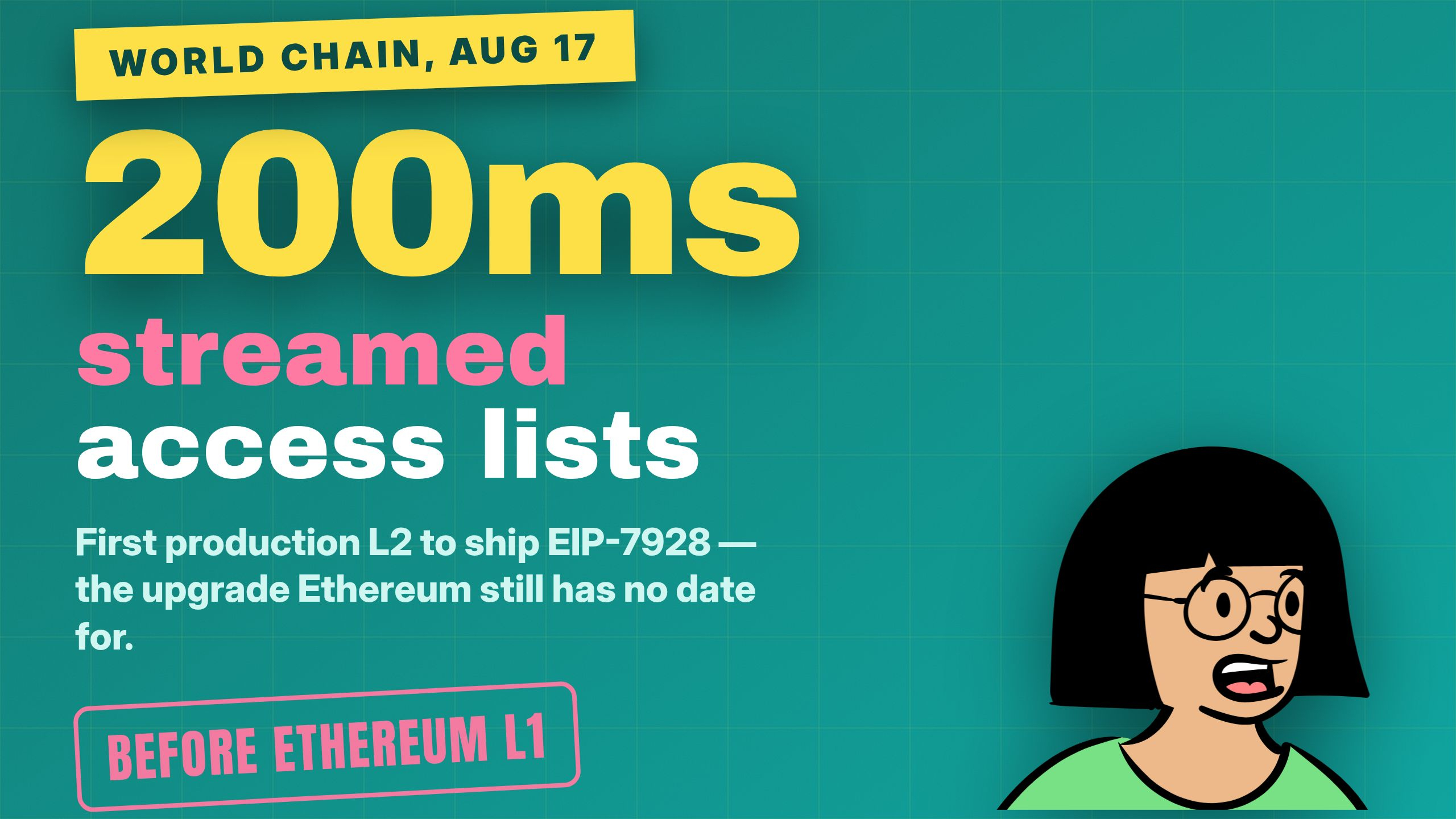
World Chainは明日、EthereumのEIP-7928を出荷し、200msごとにアクセスリストをストリーミング配信します——Ethereum自身がそれに日付を出していない前に。
強気シナリオ:8月17日に、$WLDのチェーンがストリーム配信されたブロックレベル・アクセスリストを実運用する初のL2になります。BALは、ブロックが触れるすべてのアカウントとストレージスロットを記録し、検証を逐次ではなく並列で行えるようにします。World Chainは、そのドラフト標準を拡張して、各フラッシュブロックの内部でそのリストを約200msごとにストリーミングすることで、ブロックがまだ組み立てられている最中から検証を開始します。バリデータ用のハードウェアを増やさずに、最大1ギガガス/秒を狙います。注目すべき展開の詳細は、ハードフォークではなくランタイムフラグである点です。そのため、ネットワーク全体での調整されたアップグレードは不要です。$ETH は、ロックされた日付がまだないGlamsterdam経由でも同じEIPを取得します。
弱気シナリオ:最初に出すことは、実証済みであることを意味しません。1ギガガス/秒は目標であって計測ではなく、ランタイムフラグは、調整されたフォークが強いるよりも敵対的なテストが少なくて済みます。さらに重要なのは、World Chainはまだ提案段階のEIPを拡張しているという点です。最終的なEthereumの仕様が分岐すれば、先行者が移行コストを負担することになります。そして、スループットがここでの制約だったわけではありません。このチェーンの上限は、ブロックをどれだけ速く検証できるかではなく、それが提供するアイデンティティ製品の採用状況や規制上の立ち位置によって決まります。
私たちの見立て:トークン価値以上に、L2ガバナンスのスピードについて語る“実際のエンジニアリング成果”です。反証可能です——8月17日後の計測スループットと、他のL2がストリーミング方式をコピーするかどうかを見てください。コピーするなら、これは標準設定でした。Glamsterdamが登場するまで単独のままだったなら、見出し(ニュース)止まりです。
これは投資助言ではありません。DYOR.
#WorldChain #Ethereum #L2 #Scaling
World Chainは明日、EthereumのEIP-7928を出荷し、200msごとにアクセスリストをストリーミング配信します——Ethereum自身がそれに日付を出していない前に。
強気シナリオ:8月17日に、$WLD のチェーンがストリーム配信されたブロックレベル・アクセスリストを実運用する初のL2になります。BALは、ブロックが触れるすべてのアカウントとストレージスロットを記録し、検証を逐次ではなく並列で行えるようにします。World Chainは、そのドラフト標準を拡張して、各フラッシュブロックの内部でそのリストを約200msごとにストリーミングすることで、ブロックがまだ組み立てられている最中から検証を開始します。バリデータ用のハードウェアを増やさずに、最大1ギガガス/秒を狙います。注目すべき展開の詳細は、ハードフォークではなくランタイムフラグである点です。そのため、ネットワーク全体での調整されたアップグレードは不要です。$ETH は、ロックされた日付がまだないGlamsterdam経由でも同じEIPを取得します。
弱気シナリオ:最初に出すことは、実証済みであることを意味しません。1ギガガス/秒は目標であって計測ではなく、ランタイムフラグは、調整されたフォークが強いるよりも敵対的なテストが少なくて済みます。さらに重要なのは、World Chainはまだ提案段階のEIPを拡張しているという点です。最終的なEthereumの仕様が分岐すれば、先行者が移行コストを負担することになります。そして、スループットがここでの制約だったわけではありません。このチェーンの上限は、ブロックをどれだけ速く検証できるかではなく、それが提供するアイデンティティ製品の採用状況や規制上の立ち位置によって決まります。
私たちの見立て:トークン価値以上に、L2ガバナンスのスピードについて語る“実際のエンジニアリング成果”です。反証可能です——8月17日後の計測スループットと、他のL2がストリーミング方式をコピーするかどうかを見てください。コピーするなら、これは標準設定でした。Glamsterdamが登場するまで単独のままだったなら、見出し(ニュース)止まりです。
これは投資助言ではありません。DYOR.
#WorldChain #Ethereum #L2 #Scaling
強気シナリオ:8月17日に、$WLD のチェーンがストリーム配信されたブロックレベル・アクセスリストを実運用する初のL2になります。BALは、ブロックが触れるすべてのアカウントとストレージスロットを記録し、検証を逐次ではなく並列で行えるようにします。World Chainは、そのドラフト標準を拡張して、各フラッシュブロックの内部でそのリストを約200msごとにストリーミングすることで、ブロックがまだ組み立てられている最中から検証を開始します。バリデータ用のハードウェアを増やさずに、最大1ギガガス/秒を狙います。注目すべき展開の詳細は、ハードフォークではなくランタイムフラグである点です。そのため、ネットワーク全体での調整されたアップグレードは不要です。$ETH は、ロックされた日付がまだないGlamsterdam経由でも同じEIPを取得します。
弱気シナリオ:最初に出すことは、実証済みであることを意味しません。1ギガガス/秒は目標であって計測ではなく、ランタイムフラグは、調整されたフォークが強いるよりも敵対的なテストが少なくて済みます。さらに重要なのは、World Chainはまだ提案段階のEIPを拡張しているという点です。最終的なEthereumの仕様が分岐すれば、先行者が移行コストを負担することになります。そして、スループットがここでの制約だったわけではありません。このチェーンの上限は、ブロックをどれだけ速く検証できるかではなく、それが提供するアイデンティティ製品の採用状況や規制上の立ち位置によって決まります。
私たちの見立て:トークン価値以上に、L2ガバナンスのスピードについて語る“実際のエンジニアリング成果”です。反証可能です——8月17日後の計測スループットと、他のL2がストリーミング方式をコピーするかどうかを見てください。コピーするなら、これは標準設定でした。Glamsterdamが登場するまで単独のままだったなら、見出し(ニュース)止まりです。
これは投資助言ではありません。DYOR.
#WorldChain #Ethereum #L2 #Scaling
123
⚖️ レイヤー2スケーリング:セキュリティを犠牲にしないスピード:ロールアップとサイドチェーンがブロックチェーンの混雑を解決する方法
2026年7月29日、暗号エコシステムが日次で$63.42Bの取引量を処理する中でも、スケーラビリティは依然として重要です。レイヤー2のソリューションは主要なブロックチェーン上での処理ではなく、別の場所で取引を処理しつつ、そこからセキュリティ上の保証を引き継ぎます。ロールアップ(オプティミスティック型およびゼロ知識型)は、数百件の取引を1つのバッチにまとめ、基盤となるレイヤーに送信します。
これらの技術により、手数料とレイテンシーが大幅に削減されます。10.12%の支配的シェアを持つイーサリアムのネットワークは、Arbitrum、Optimism、zkSyncを含む活気あるL2エコシステムの恩恵を受けています。開発者が混雑なく次の10億人のユーザーをオンボードしようとするにつれて、導入は継続しています。
📌 要点:
レイヤー2のソリューションは、取引をオフチェーンで処理しつつベースレイヤーのセキュリティを引き継ぐことで、ブロックチェーンのトリレンマを解決し、大規模な普及をトレードオフなしで実現します。
#Layer2 #Scaling #Rollups
#BinanceAlphaAlert
⚖️ レイヤー2スケーリング:セキュリティを犠牲にしないスピード:ロールアップとサイドチェーンがブロックチェーンの混雑を解決する方法
2026年7月29日、暗号エコシステムが日次で$63.42Bの取引量を処理する中でも、スケーラビリティは依然として重要です。レイヤー2のソリューションは主要なブロックチェーン上での処理ではなく、別の場所で取引を処理しつつ、そこからセキュリティ上の保証を引き継ぎます。ロールアップ(オプティミスティック型およびゼロ知識型)は、数百件の取引を1つのバッチにまとめ、基盤となるレイヤーに送信します。
これらの技術により、手数料とレイテンシーが大幅に削減されます。10.12%の支配的シェアを持つイーサリアムのネットワークは、Arbitrum、Optimism、zkSyncを含む活気あるL2エコシステムの恩恵を受けています。開発者が混雑なく次の10億人のユーザーをオンボードしようとするにつれて、導入は継続しています。
📌 要点:
レイヤー2のソリューションは、取引をオフチェーンで処理しつつベースレイヤーのセキュリティを引き継ぐことで、ブロックチェーンのトリレンマを解決し、大規模な普及をトレードオフなしで実現します。
#Layer2 #Scaling #Rollups
#BinanceAlphaAlert
2026年7月29日、暗号エコシステムが日次で$63.42Bの取引量を処理する中でも、スケーラビリティは依然として重要です。レイヤー2のソリューションは主要なブロックチェーン上での処理ではなく、別の場所で取引を処理しつつ、そこからセキュリティ上の保証を引き継ぎます。ロールアップ(オプティミスティック型およびゼロ知識型)は、数百件の取引を1つのバッチにまとめ、基盤となるレイヤーに送信します。
これらの技術により、手数料とレイテンシーが大幅に削減されます。10.12%の支配的シェアを持つイーサリアムのネットワークは、Arbitrum、Optimism、zkSyncを含む活気あるL2エコシステムの恩恵を受けています。開発者が混雑なく次の10億人のユーザーをオンボードしようとするにつれて、導入は継続しています。
📌 要点:
レイヤー2のソリューションは、取引をオフチェーンで処理しつつベースレイヤーのセキュリティを引き継ぐことで、ブロックチェーンのトリレンマを解決し、大規模な普及をトレードオフなしで実現します。
#Layer2 #Scaling #Rollups
#BinanceAlphaAlert
188
1000回送信してもスケールしないブロック 📡
$ETH と$SOL は、ブロック生成に対して根本的に異なるアプローチを取っていますが、どちらも、比較的少数の情報源から、はるかに大規模な台数の機械へと情報が広がることに依存しています。
通常のインターネットでは、多くの宛先に同じ情報を送るには、宛先ごとに別々のコピーを作成し、何度も送信することを意味する場合があります。
受信者の数やデータ量が増えるほど、それはますます非効率になります。
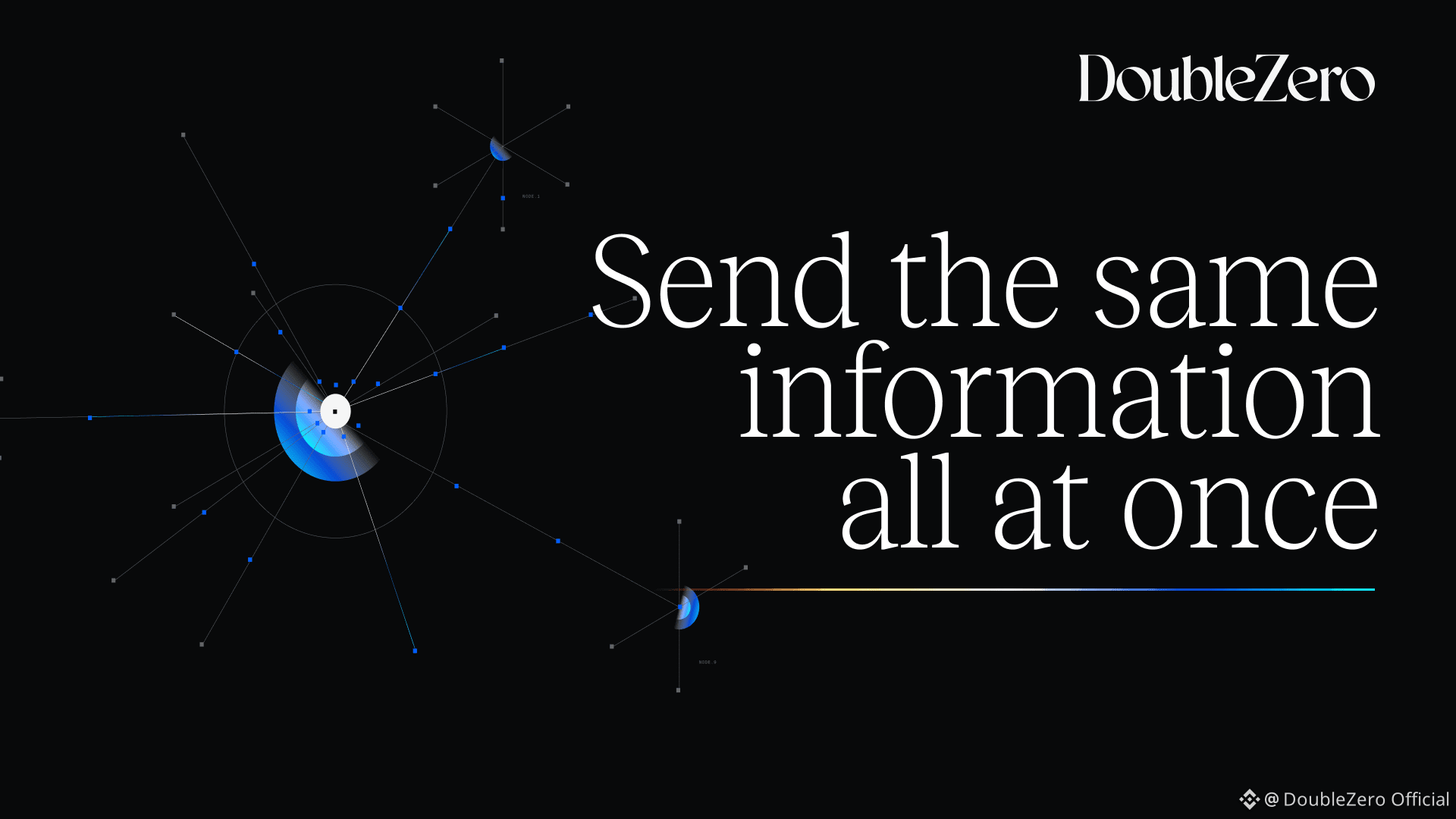
DoubleZeroの内部ネットワークはマルチキャストを支えるよう設計されています。
送信者に対して、同じストリームをすべての宛先へ個別に送らせるのではなく、データはネットワークに1回入るだけで、複数の受信者へ向かう途中でネットワーク内部で複製されます。
この違いが重要なのは、同じ情報を受け取る機械の台数に応じて、送信側の帯域幅を同じペースで増やす必要がなくなるためです。
ブロックチェーンは、ブロック生成を高速化するために膨大なエンジニアリング努力を注ぎます。
しかし、ブロックが存在した後も、誰かがそれを皆に伝えなければなりません。
#blockchain #Scaling
1000回送信してもスケールしないブロック 📡
$ETH と$SOL は、ブロック生成に対して根本的に異なるアプローチを取っていますが、どちらも、比較的少数の情報源から、はるかに大規模な台数の機械へと情報が広がることに依存しています。
通常のインターネットでは、多くの宛先に同じ情報を送るには、宛先ごとに別々のコピーを作成し、何度も送信することを意味する場合があります。
受信者の数やデータ量が増えるほど、それはますます非効率になります。
DoubleZeroの内部ネットワークはマルチキャストを支えるよう設計されています。
送信者に対して、同じストリームをすべての宛先へ個別に送らせるのではなく、データはネットワークに1回入るだけで、複数の受信者へ向かう途中でネットワーク内部で複製されます。
この違いが重要なのは、同じ情報を受け取る機械の台数に応じて、送信側の帯域幅を同じペースで増やす必要がなくなるためです。
ブロックチェーンは、ブロック生成を高速化するために膨大なエンジニアリング努力を注ぎます。
しかし、ブロックが存在した後も、誰かがそれを皆に伝えなければなりません。
#blockchain #Scaling
$ETH と$SOL は、ブロック生成に対して根本的に異なるアプローチを取っていますが、どちらも、比較的少数の情報源から、はるかに大規模な台数の機械へと情報が広がることに依存しています。
通常のインターネットでは、多くの宛先に同じ情報を送るには、宛先ごとに別々のコピーを作成し、何度も送信することを意味する場合があります。
受信者の数やデータ量が増えるほど、それはますます非効率になります。
DoubleZeroの内部ネットワークはマルチキャストを支えるよう設計されています。
送信者に対して、同じストリームをすべての宛先へ個別に送らせるのではなく、データはネットワークに1回入るだけで、複数の受信者へ向かう途中でネットワーク内部で複製されます。
この違いが重要なのは、同じ情報を受け取る機械の台数に応じて、送信側の帯域幅を同じペースで増やす必要がなくなるためです。
ブロックチェーンは、ブロック生成を高速化するために膨大なエンジニアリング努力を注ぎます。
しかし、ブロックが存在した後も、誰かがそれを皆に伝えなければなりません。
#blockchain #Scaling
119

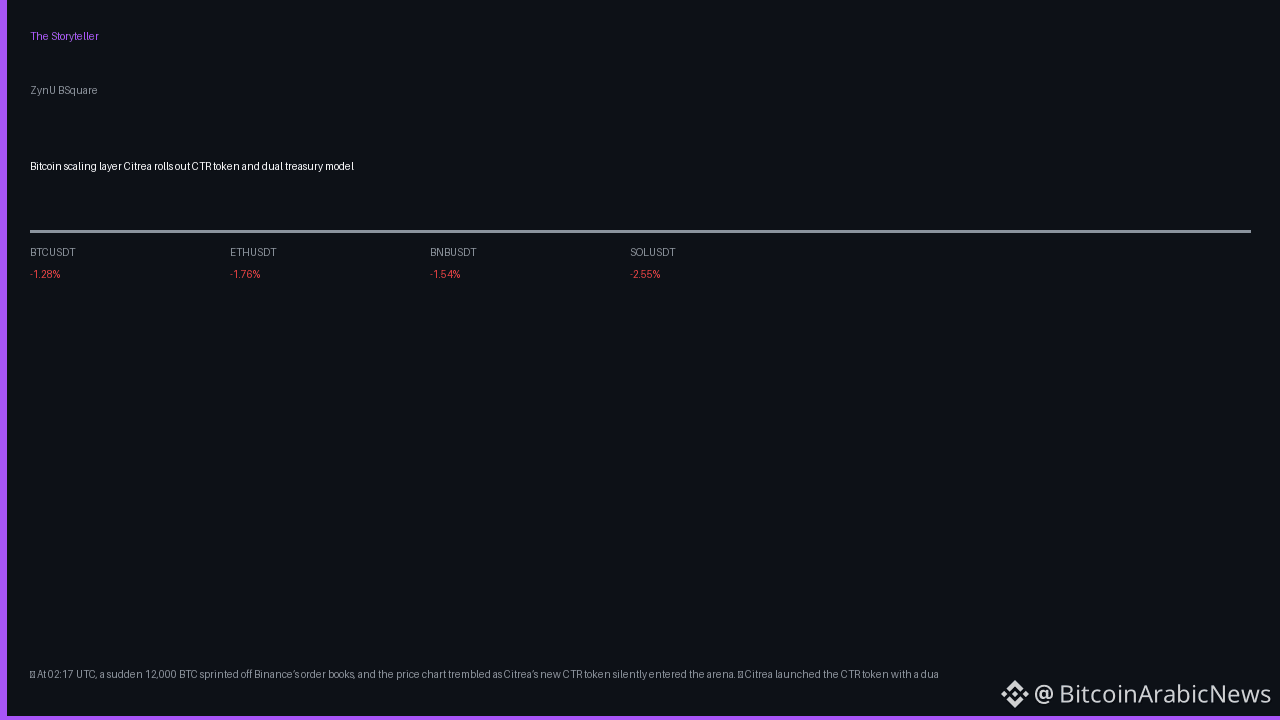
🔥 UTC 02:17、12,000 BTCが突如Binanceの注文板から駆け去り、Citreaの新しいCTRトークンが静かに参戦するなか、価格チャートが震えた。
📊 Citreaはデュアル・トレジャリー・モデルでCTRトークンをローンチした。ガバナンスに使われるxCTRのみが新たな流動性報酬を得られ、ステーキングしたまま動かされないCTRは、アンステーキング時のペナルティに充てられるだけだ。この動きが起きた時点で、ビットコインは81,496ドル(-1.28%)で取引され、センチメントは「強欲」を示す63。先物OIは76.3億ドル、資金調達率は+0.0099%へとわずかに上昇しており、新たなトレジャリーの原資となり得る、ロング側が支払う圧力がかすかに見えている。#Bitcoin #Scaling #DeFi
💡 意外な展開:これまでSolanaを買い上げてきたスマートマネーのウォレットが、今度はCTRを買い集めている。弱気に見えるRSI 42.6が、流動性の流入を促す隠れた起爆剤へと変わりつつある。
❓ このデュアル・トレジャリー・モデルは、ビットコインのスケーリングレイヤーを次のゴールドラッシュへ押し上げるのか。それとも、過剰に複雑化した金融の戒めとなるのか?
🔥 UTC 02:17、12,000 BTCが突如Binanceの注文板から駆け去り、Citreaの新しいCTRトークンが静かに参戦するなか、価格チャートが震えた。
📊 Citreaはデュアル・トレジャリー・モデルでCTRトークンをローンチした。ガバナンスに使われるxCTRのみが新たな流動性報酬を得られ、ステーキングしたまま動かされないCTRは、アンステーキング時のペナルティに充てられるだけだ。この動きが起きた時点で、ビットコインは81,496ドル(-1.28%)で取引され、センチメントは「強欲」を示す63。先物OIは76.3億ドル、資金調達率は+0.0099%へとわずかに上昇しており、新たなトレジャリーの原資となり得る、ロング側が支払う圧力がかすかに見えている。#Bitcoin #Scaling #DeFi
💡 意外な展開:これまでSolanaを買い上げてきたスマートマネーのウォレットが、今度はCTRを買い集めている。弱気に見えるRSI 42.6が、流動性の流入を促す隠れた起爆剤へと変わりつつある。
❓ このデュアル・トレジャリー・モデルは、ビットコインのスケーリングレイヤーを次のゴールドラッシュへ押し上げるのか。それとも、過剰に複雑化した金融の戒めとなるのか?
📊 Citreaはデュアル・トレジャリー・モデルでCTRトークンをローンチした。ガバナンスに使われるxCTRのみが新たな流動性報酬を得られ、ステーキングしたまま動かされないCTRは、アンステーキング時のペナルティに充てられるだけだ。この動きが起きた時点で、ビットコインは81,496ドル(-1.28%)で取引され、センチメントは「強欲」を示す63。先物OIは76.3億ドル、資金調達率は+0.0099%へとわずかに上昇しており、新たなトレジャリーの原資となり得る、ロング側が支払う圧力がかすかに見えている。#Bitcoin #Scaling #DeFi
💡 意外な展開:これまでSolanaを買い上げてきたスマートマネーのウォレットが、今度はCTRを買い集めている。弱気に見えるRSI 42.6が、流動性の流入を促す隠れた起爆剤へと変わりつつある。
❓ このデュアル・トレジャリー・モデルは、ビットコインのスケーリングレイヤーを次のゴールドラッシュへ押し上げるのか。それとも、過剰に複雑化した金融の戒めとなるのか?
9
ログインして、さらにコンテンツを読む
厳選トピックで世界の暗号資産トレーダーの仲間入り
⚡️ 暗号資産に関する最新かつ有益な情報が見つかります。
💬 世界最大の暗号資産取引所から信頼されています。
👍 認証を受けたクリエイターから、有益なインサイトを得られます。
メール / 電話番号
トレンドトピック
1
#CanMicrosoftDeliverOnAI
閲覧回数 34,334
515人が討論中
2
#CanGoogleDefindItsCore
閲覧回数 17,206
402人が討論中
3
#FOMCWatch
閲覧回数 9M
27,655人が討論中
4
#EthereumDropsBelow$2300
閲覧回数 8,994
142人が討論中
5
#BitcoinSlipsBelow$80KAgain
閲覧回数 25,013
108人が討論中
6
#ThailandLaunchesWORPTStablecoinToQRPaymentApp
閲覧回数 48,209
717人が討論中
7
#StrategySkipsBitcoinPurchasesSpends$205MOnSTRCBuybacks
閲覧回数 9,789
93人が討論中
8
#BitmineAdds10452ETH
閲覧回数 89,037
1,099人が討論中
9
#SouthKoreaConsidersEducationTaxOnCryptoExchanges
閲覧回数 47,865
806人が討論中
10
#OCCUrgesCommunityBanksToEnterStablecoinPayments
閲覧回数 36,814
572人が討論中