
#russiancrypto
russiancrypto
閲覧回数 842
15人が討論中
注目
最新

翻訳参照
How are Russian corporations using digital financial assets (DFAs) for corporate borrowingRussian corporations and major financial institutions have increasingly utilized Digital Financial Assets (DFAs) to bypass traditional credit friction, navigate high domestic interest rates, and streamline complex business transactions.
Operating under specialized platforms authorized by the Central Bank (such as Sber’s platform, Atomyze, and Lighthouse), DFAs have transformed from an experimental legal framework into a core instrument for corporate finance.
1. Alternative Corporate Borrowing & Debt Issuance
High benchmark interest rates and restrictions on accessing international capital markets have driven Russian companies to turn to domestic DFAs for agile corporate fundraising.
Speed and Lower Administrative Overhead: Traditional bond issuances or syndicated loans involve lengthy regulatory disclosures, underwriting syndicates, and heavy administrative costs. DFA issuances are tokenized on permissioned ledgers, drastically reducing time-to-market. Companies can launch commercial paper, short-term digital bonds, and monetary claims in a matter of days.Flexible Yields and Maturities: Corporations frequently issue short-term DFAs (ranging from 1 to 12 months) with tailored structures—such as monthly coupon payments or yields tied to specific asset performance—allowing them to attract targeted liquidity directly from institutional portfolios and qualified retail investors without going through traditional exchange listing hurdles.Fractionalized Debt: DFAs enable companies to split massive corporate debt requirements into small, highly divisible digital tokens, broadening the investor base and speeding up subscription periods.
2. Supply Chain Financing & Factoring
Supply chain operations and B2B settlements have historically suffered from payment delays, trapped working capital, and traditional factoring bottlenecks. DFAs have modernized these flows:
Tokenized Monetary Claims (Digital Factoring): When a supplier delivers goods to a major enterprise buyer, the payment is often deferred for 60 to 90 days. Instead of waiting or paying high fees to traditional commercial factors, the supplier can convert their right of monetary claim (an invoice equivalent) into a DFA.Instant Liquidity and Transferability: This digital invoice token can be sold instantly on-chain to banks or other liquidity providers. The supplier receives immediate working capital, while the purchasing corporation settles the obligation at maturity on-chain.Smart-Contract Automation: Utilizing programmable smart contracts embedded in DFA platforms, obligations, discounts for early payment, and final settlements execute automatically upon fulfillment confirmation, eliminating manual reconciliation overhead and reducing counterparty risk.
3. Asset-Backed and Hybrid Financing
Beyond traditional corporate debt, Russian firms are leveraging DFAs to monetize balance-sheet assets directly:
Commodity-Backed Instruments: Mining, energy, and agricultural firms issue DFAs legally pegged to physical commodities or precious metals. This allows corporations to borrow against future production or pre-sell goods directly to industrial partners.Cross-Border Supply Chain Bridges: With traditional Western banking channels restricted, companies are increasingly exploring tokenized digital rights and Russian-issued stablecoin/DFA mechanisms to settle cross-border supply chain obligations with friendly trading partners.
#RussianCrypto #SberbankBTC #USD
How are Russian corporations using digital financial assets (DFAs) for corporate borrowing
Russian corporations and major financial institutions have increasingly utilized Digital Financial Assets (DFAs) to bypass traditional credit friction, navigate high domestic interest rates, and streamline complex business transactions.
Operating under specialized platforms authorized by the Central Bank (such as Sber’s platform, Atomyze, and Lighthouse), DFAs have transformed from an experimental legal framework into a core instrument for corporate finance.
1. Alternative Corporate Borrowing & Debt Issuance
High benchmark interest rates and restrictions on accessing international capital markets have driven Russian companies to turn to domestic DFAs for agile corporate fundraising.
Speed and Lower Administrative Overhead: Traditional bond issuances or syndicated loans involve lengthy regulatory disclosures, underwriting syndicates, and heavy administrative costs. DFA issuances are tokenized on permissioned ledgers, drastically reducing time-to-market. Companies can launch commercial paper, short-term digital bonds, and monetary claims in a matter of days.Flexible Yields and Maturities: Corporations frequently issue short-term DFAs (ranging from 1 to 12 months) with tailored structures—such as monthly coupon payments or yields tied to specific asset performance—allowing them to attract targeted liquidity directly from institutional portfolios and qualified retail investors without going through traditional exchange listing hurdles.Fractionalized Debt: DFAs enable companies to split massive corporate debt requirements into small, highly divisible digital tokens, broadening the investor base and speeding up subscription periods.
2. Supply Chain Financing & Factoring
Supply chain operations and B2B settlements have historically suffered from payment delays, trapped working capital, and traditional factoring bottlenecks. DFAs have modernized these flows:
Tokenized Monetary Claims (Digital Factoring): When a supplier delivers goods to a major enterprise buyer, the payment is often deferred for 60 to 90 days. Instead of waiting or paying high fees to traditional commercial factors, the supplier can convert their right of monetary claim (an invoice equivalent) into a DFA.Instant Liquidity and Transferability: This digital invoice token can be sold instantly on-chain to banks or other liquidity providers. The supplier receives immediate working capital, while the purchasing corporation settles the obligation at maturity on-chain.Smart-Contract Automation: Utilizing programmable smart contracts embedded in DFA platforms, obligations, discounts for early payment, and final settlements execute automatically upon fulfillment confirmation, eliminating manual reconciliation overhead and reducing counterparty risk.
3. Asset-Backed and Hybrid Financing
Beyond traditional corporate debt, Russian firms are leveraging DFAs to monetize balance-sheet assets directly:
Commodity-Backed Instruments: Mining, energy, and agricultural firms issue DFAs legally pegged to physical commodities or precious metals. This allows corporations to borrow against future production or pre-sell goods directly to industrial partners.Cross-Border Supply Chain Bridges: With traditional Western banking channels restricted, companies are increasingly exploring tokenized digital rights and Russian-issued stablecoin/DFA mechanisms to settle cross-border supply chain obligations with friendly trading partners.
#RussianCrypto #SberbankBTC #USD
1


·
--
弱気相場
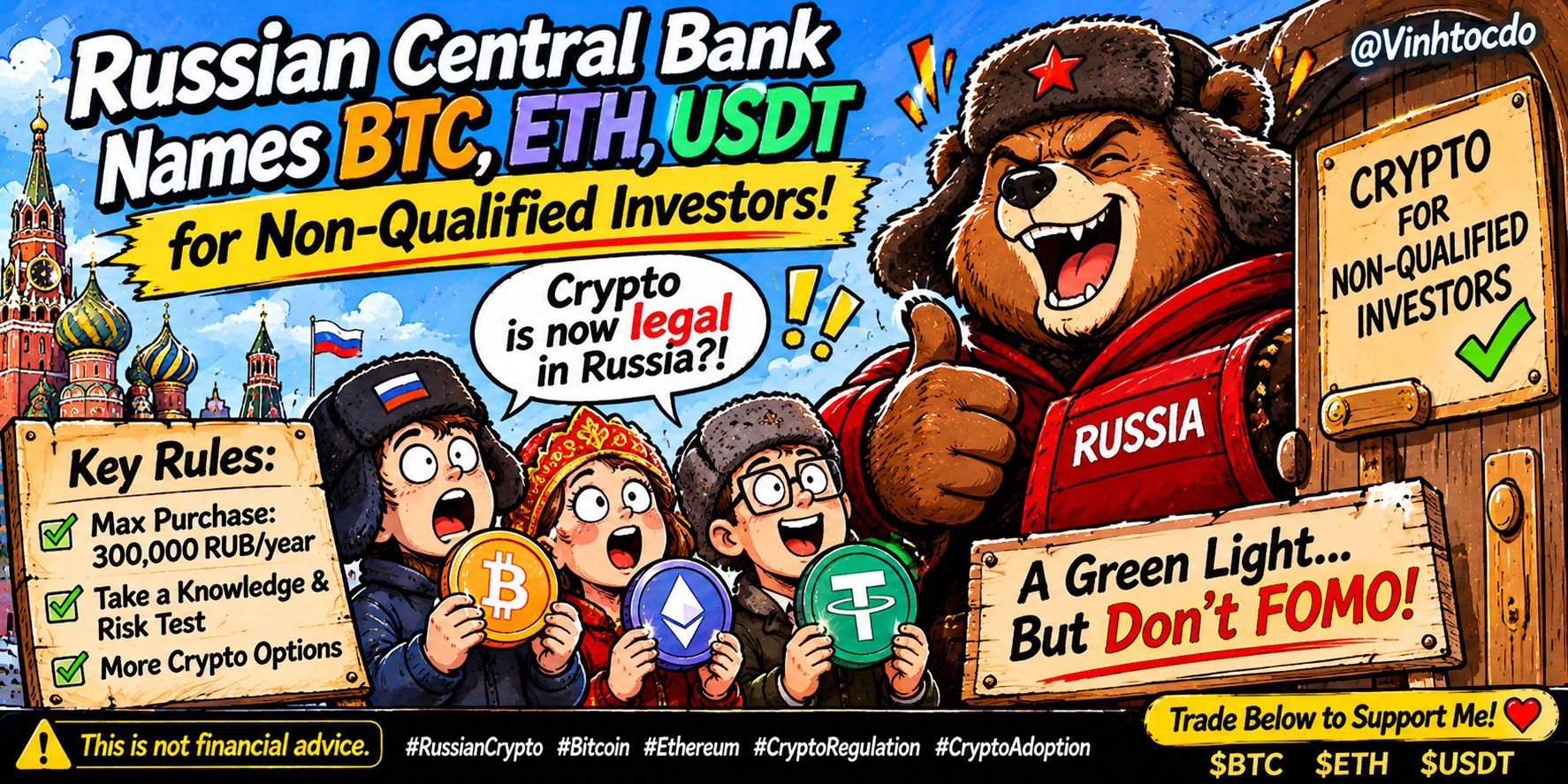
🐻 **ロシアのクマが暗号資産に門戸を開く――でも、まだ順番待ち!** 🇷🇺
白樺の国からビッグニュース!ロシア中央銀行は、BTC、ETH、USDTの3銘柄を、一般投資家が取引できる暗号資産のリストに加えました。
🚀 これは、ロシアにおける暗号資産市場の合法化と規制に向けた、注目すべきシグナルです。
でも、祝うのはまだ早い!ロシアのクマは、すでに定規を手にしています。
- 各仲介業者での購入上限は、年間300,000 RUBです。
- 投資家は知識とリスクに関するテストに合格する必要があります。
- 条件を満たした投資家は、より多くの資産にアクセスできます。
🎯 **トレーダーはどうすべき?**
資金の流れとBTC、ETH、USDTの流動性を注視しましょう。暗号資産の普及にとって前向きなシグナルかもしれませんが、焦ってFOMOに飛びつかないように。ロシアのクマは青信号を出しましたが、価格が急騰するとは限りません!😂
⚠️ これは金融アドバイスではありません。
👇 下記から取引して、応援してください ❤️
$BTC
{spot}(BTCUSDT)
$ETH
{spot}(ETHUSDT)
$UAI
{future}(UAIUSDT)
#RussianCentralBankNamesBTCETHUSDTForNonQualifiedInvestors #RussianCrypto #Bitcoin #Ethereum #CryptoRegulation #VINHTOCDO #CryptoAdoption
🐻 **ロシアのクマが暗号資産に門戸を開く――でも、まだ順番待ち!** 🇷🇺
白樺の国からビッグニュース!ロシア中央銀行は、BTC、ETH、USDTの3銘柄を、一般投資家が取引できる暗号資産のリストに加えました。
🚀 これは、ロシアにおける暗号資産市場の合法化と規制に向けた、注目すべきシグナルです。
でも、祝うのはまだ早い!ロシアのクマは、すでに定規を手にしています。
- 各仲介業者での購入上限は、年間300,000 RUBです。
- 投資家は知識とリスクに関するテストに合格する必要があります。
- 条件を満たした投資家は、より多くの資産にアクセスできます。
🎯 **トレーダーはどうすべき?**
資金の流れとBTC、ETH、USDTの流動性を注視しましょう。暗号資産の普及にとって前向きなシグナルかもしれませんが、焦ってFOMOに飛びつかないように。ロシアのクマは青信号を出しましたが、価格が急騰するとは限りません!😂
⚠️ これは金融アドバイスではありません。
👇 下記から取引して、応援してください ❤️
$BTC
$ETH
$UAI
#RussianCentralBankNamesBTCETHUSDTForNonQualifiedInvestors #RussianCrypto #Bitcoin #Ethereum #CryptoRegulation #VINHTOCDO #CryptoAdoption
2
751

·
--
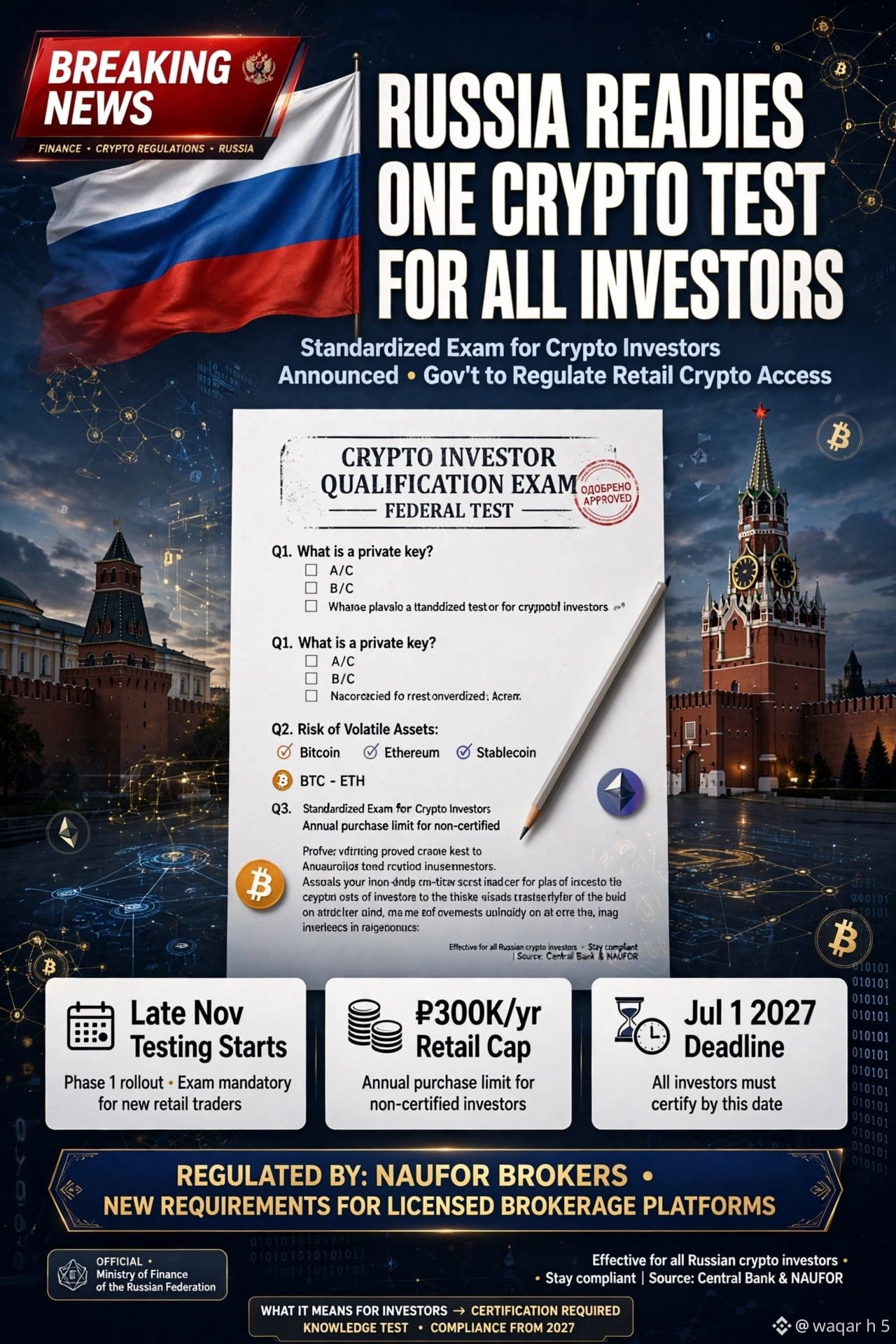
#RussiaPlansStandardizedTestForCryptoInvestors 🚨速報:ロシア、すべての投資家を対象とする暗号資産テストを準備中
🇷🇺 ロシア、暗号資産投資家向けの統一試験を計画!
NAUFORによると、証券会社は近く、すべての個人投資家に暗号資産資格試験への合格を義務付ける可能性があります。
*主な詳細:*
📅 11月下旬 — 試験開始(第1段階)
💰 年間30万ルーブル — 認定を受けていない投資家の上限
🪙 対象資産:新ルールの下でBTC、ETH
⏰ 2027年7月1日 — 完全遵守の期限
意味するところ:試験を受けなければ、暗号資産へのアクセスが制限されます。合格すれば、取引は無制限です。
ロシアは暗号資産をより安全にしているのでしょうか、それとも単にアクセスしにくくしているのでしょうか?
普及にとって強気?それとも弱気?コメントで教えてください 👇
#ロシア #暗号資産ニュース $BTC $ETH #breakingnews #CryptoRegulation #NAUFOR #RussianCrypto
1
1
129
ログインして、さらにコンテンツを読む
厳選トピックで世界の暗号資産トレーダーの仲間入り
⚡️ 暗号資産に関する最新かつ有益な情報が見つかります。
💬 世界最大の暗号資産取引所から信頼されています。
👍 認証を受けたクリエイターから、有益なインサイトを得られます。
メール / 電話番号
トレンドトピック
1
#NVDASoarsOnJensenReturn
閲覧回数 1,852
74人が討論中
2
#Bitcoin'sReboundFadesBelow$60K
閲覧回数 13,333
160人が討論中
3
#NVIDIAReinstatesJensenHuangasCEO
閲覧回数 280,274
1,818人が討論中
4
#WillMarketsStageAThanksgivingReliefRally?
閲覧回数 351,038
2,528人が討論中
5
#WillOctCorePCEShiftFedHikeExpectations?
閲覧回数 127,807
1,258人が討論中
6
#EvolveAtBinanceBlockchainWeek
閲覧回数 249,869
1,574人が討論中
7
#SouthKoreaBeginsCryptoProviderShareholderReviews
閲覧回数 6,573
139人が討論中
8
#USAddsMegaspeedToEntityList
閲覧回数 13,565
218人が討論中
9
#GrayscaleLaunches2xLeveragedZcashETF
閲覧回数 7,233
137人が討論中
10
#StrategyValueFallsBelowItsBitcoinHoldings
閲覧回数 6,278
138人が討論中