
#miraintelegram
miraintelegram
閲覧回数 846
15人が討論中
注目
最新

·
--
「DYOR」って基本的に、スレッドをいろいろ読んで、ウェブサイトを確認して、重要なことを見落としていないことを祈る……みたいな意味だと思っていました。
それで私は #miraAi に聞きました:
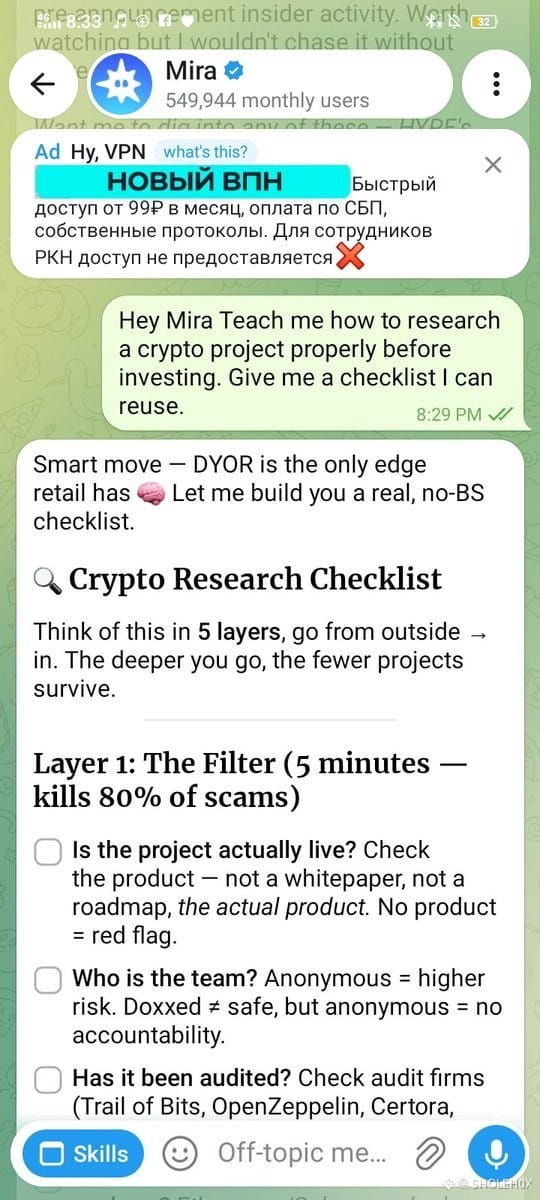
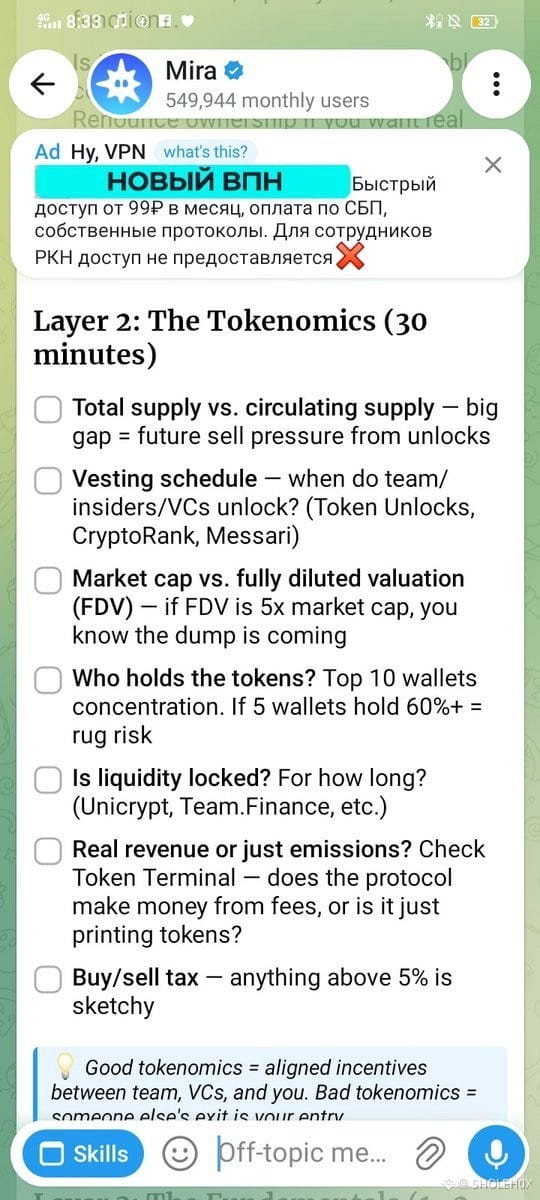
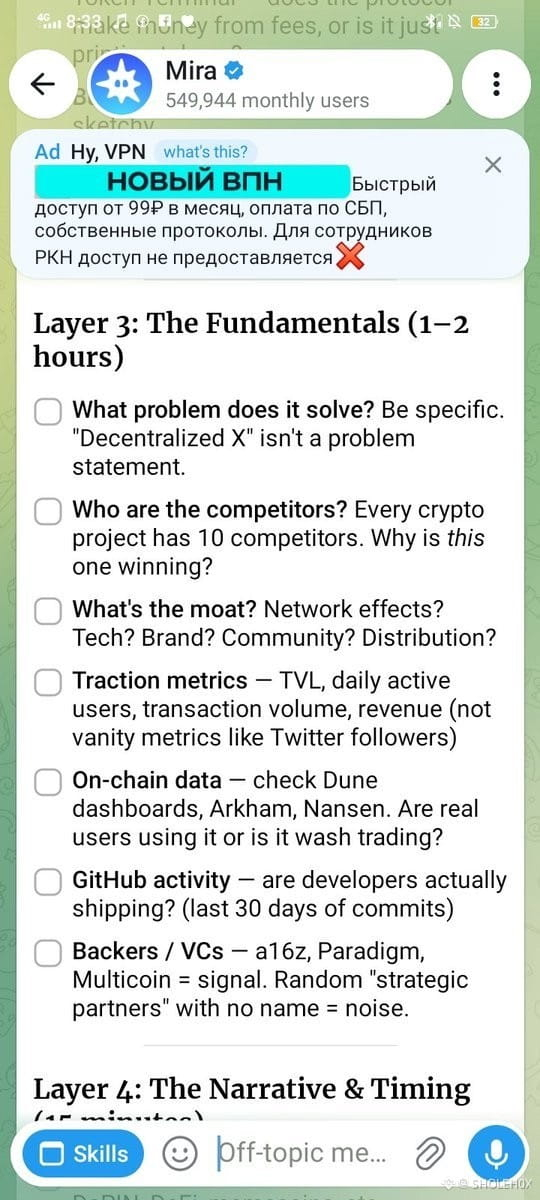
「投資する前に、暗号資産プロジェクトを適切に調査する方法を教えて。」
すると回答は正直、もっと良い手順をくれました。
チャートや盛り上がり(バズ)だけを見るのではなく、たとえば次のような点を確認するようになったんです:
• そのプロジェクトには実際に動くプロダクトがあるのか?
• その背後には誰がいるのか?
• トークンの供給はどうなっているのか?
• チームやVCのトークンはいつアンロックされるのか?
• 供給の大半を誰が保有しているのか?
• 実際の流動性と出来高はあるのか?
• 本当に収益を生み出しているのか?
• 人々は本当に使っているのか?
• 競合は誰か?
• そしてなぜ今、そのプロジェクトに注目が集まっているのか?
この最後の部分が重要です。
プロジェクトは素晴らしいストーリーを持っていても、トークノミクスがひどいことはあり得ます。
フォロワーが何千人もいても、実際のユーザーがほとんどいないこともあります。
また、巨大な出来高があっても、それが必ずしも本物の需要を意味しない場合があります。
だから今は、「これを買うべきか?」ではなく、まずこう始めるようにしています:
「私が実際に買っているのは何なのか?」
Miraは私の代わりに判断はしません。ただ、より良い質問をすることや調査を整理することを助けてくれます。
そして正直、それこそが暗号資産領域でAIを使うのに、私が見つけた中でも最も役に立つ方法の一つだと思います。
#MiraInTelegram
「DYOR」って基本的に、スレッドをいろいろ読んで、ウェブサイトを確認して、重要なことを見落としていないことを祈る……みたいな意味だと思っていました。
それで私は #miraAi に聞きました:
「投資する前に、暗号資産プロジェクトを適切に調査する方法を教えて。」
すると回答は正直、もっと良い手順をくれました。
チャートや盛り上がり(バズ)だけを見るのではなく、たとえば次のような点を確認するようになったんです:
• そのプロジェクトには実際に動くプロダクトがあるのか?
• その背後には誰がいるのか?
• トークンの供給はどうなっているのか?
• チームやVCのトークンはいつアンロックされるのか?
• 供給の大半を誰が保有しているのか?
• 実際の流動性と出来高はあるのか?
• 本当に収益を生み出しているのか?
• 人々は本当に使っているのか?
• 競合は誰か?
• そしてなぜ今、そのプロジェクトに注目が集まっているのか?
この最後の部分が重要です。
プロジェクトは素晴らしいストーリーを持っていても、トークノミクスがひどいことはあり得ます。
フォロワーが何千人もいても、実際のユーザーがほとんどいないこともあります。
また、巨大な出来高があっても、それが必ずしも本物の需要を意味しない場合があります。
だから今は、「これを買うべきか?」ではなく、まずこう始めるようにしています:
「私が実際に買っているのは何なのか?」
Miraは私の代わりに判断はしません。ただ、より良い質問をすることや調査を整理することを助けてくれます。
そして正直、それこそが暗号資産領域でAIを使うのに、私が見つけた中でも最も役に立つ方法の一つだと思います。
#MiraInTelegram
それで私は #miraAi に聞きました:
「投資する前に、暗号資産プロジェクトを適切に調査する方法を教えて。」
すると回答は正直、もっと良い手順をくれました。
チャートや盛り上がり(バズ)だけを見るのではなく、たとえば次のような点を確認するようになったんです:
• そのプロジェクトには実際に動くプロダクトがあるのか?
• その背後には誰がいるのか?
• トークンの供給はどうなっているのか?
• チームやVCのトークンはいつアンロックされるのか?
• 供給の大半を誰が保有しているのか?
• 実際の流動性と出来高はあるのか?
• 本当に収益を生み出しているのか?
• 人々は本当に使っているのか?
• 競合は誰か?
• そしてなぜ今、そのプロジェクトに注目が集まっているのか?
この最後の部分が重要です。
プロジェクトは素晴らしいストーリーを持っていても、トークノミクスがひどいことはあり得ます。
フォロワーが何千人もいても、実際のユーザーがほとんどいないこともあります。
また、巨大な出来高があっても、それが必ずしも本物の需要を意味しない場合があります。
だから今は、「これを買うべきか?」ではなく、まずこう始めるようにしています:
「私が実際に買っているのは何なのか?」
Miraは私の代わりに判断はしません。ただ、より良い質問をすることや調査を整理することを助けてくれます。
そして正直、それこそが暗号資産領域でAIを使うのに、私が見つけた中でも最も役に立つ方法の一つだと思います。
#MiraInTelegram
1
165
·
--
毎日使っているアプリの中でAIアシスタントを使い始めるまで、AIアシスタントの魅力がよく分かっていませんでした。
それが私にとっての#MiraAiの違いです。
今やっていることを止めて、別のAIサイトを開いて、同じ背景をまた説明して、それから答えを戻してくる必要がありません。
会話をそのまま続けられます。
暗号資産(クリプト)のプロジェクトを調べているときは、Miraに分解して説明してもらえます。
気になるものが見つかったら、要約を頼めます。
投稿のアイデアが浮かんだら、そのアイデアをコンテンツにできます。
後でリマインダーが必要になったら、チャットを離れずに設定できます。
そしてWeb3のコンテンツ制作をしていると、その便利さが意外なほど役に立ちます。
1つの会話が、
「このプロジェクトで何が起きてるの?」
から
「シンプルに説明して。」
から
「重要なポイントを教えて。」
から
「これをXの投稿にして。」
へと進むんです。
正直、ここは想像していませんでした。
Miraは、たまに質問するだけの“ただのチャットボット”ではありません。
むしろTelegramの中に作業スペースがあるような感覚です。
そして、AIアシスタントはまさにそういう方向に向かっていると思います。
質問があるときだけ開くものではない。
静かに、調べること・作ること・整理すること、そして物事を前に進めるやり方の一部になっていくもの。
#MiraAiでできることはまだほんの一部しか触れていませんが、すでにワークフローが違うと感じています。
どのツールを開くべきか考える時間が減って、
本当にやりたいことは何かを考える時間が増える。
#MiraInTelegram
毎日使っているアプリの中でAIアシスタントを使い始めるまで、AIアシスタントの魅力がよく分かっていませんでした。
それが私にとっての#MiraAiの違いです。
今やっていることを止めて、別のAIサイトを開いて、同じ背景をまた説明して、それから答えを戻してくる必要がありません。
会話をそのまま続けられます。
暗号資産(クリプト)のプロジェクトを調べているときは、Miraに分解して説明してもらえます。
気になるものが見つかったら、要約を頼めます。
投稿のアイデアが浮かんだら、そのアイデアをコンテンツにできます。
後でリマインダーが必要になったら、チャットを離れずに設定できます。
そしてWeb3のコンテンツ制作をしていると、その便利さが意外なほど役に立ちます。
1つの会話が、
「このプロジェクトで何が起きてるの?」
から
「シンプルに説明して。」
から
「重要なポイントを教えて。」
から
「これをXの投稿にして。」
へと進むんです。
正直、ここは想像していませんでした。
Miraは、たまに質問するだけの“ただのチャットボット”ではありません。
むしろTelegramの中に作業スペースがあるような感覚です。
そして、AIアシスタントはまさにそういう方向に向かっていると思います。
質問があるときだけ開くものではない。
静かに、調べること・作ること・整理すること、そして物事を前に進めるやり方の一部になっていくもの。
#MiraAiでできることはまだほんの一部しか触れていませんが、すでにワークフローが違うと感じています。
どのツールを開くべきか考える時間が減って、
本当にやりたいことは何かを考える時間が増える。
#MiraInTelegram
それが私にとっての#MiraAiの違いです。
今やっていることを止めて、別のAIサイトを開いて、同じ背景をまた説明して、それから答えを戻してくる必要がありません。
会話をそのまま続けられます。
暗号資産(クリプト)のプロジェクトを調べているときは、Miraに分解して説明してもらえます。
気になるものが見つかったら、要約を頼めます。
投稿のアイデアが浮かんだら、そのアイデアをコンテンツにできます。
後でリマインダーが必要になったら、チャットを離れずに設定できます。
そしてWeb3のコンテンツ制作をしていると、その便利さが意外なほど役に立ちます。
1つの会話が、
「このプロジェクトで何が起きてるの?」
から
「シンプルに説明して。」
から
「重要なポイントを教えて。」
から
「これをXの投稿にして。」
へと進むんです。
正直、ここは想像していませんでした。
Miraは、たまに質問するだけの“ただのチャットボット”ではありません。
むしろTelegramの中に作業スペースがあるような感覚です。
そして、AIアシスタントはまさにそういう方向に向かっていると思います。
質問があるときだけ開くものではない。
静かに、調べること・作ること・整理すること、そして物事を前に進めるやり方の一部になっていくもの。
#MiraAiでできることはまだほんの一部しか触れていませんが、すでにワークフローが違うと感じています。
どのツールを開くべきか考える時間が減って、
本当にやりたいことは何かを考える時間が増える。
#MiraInTelegram
261
·
--
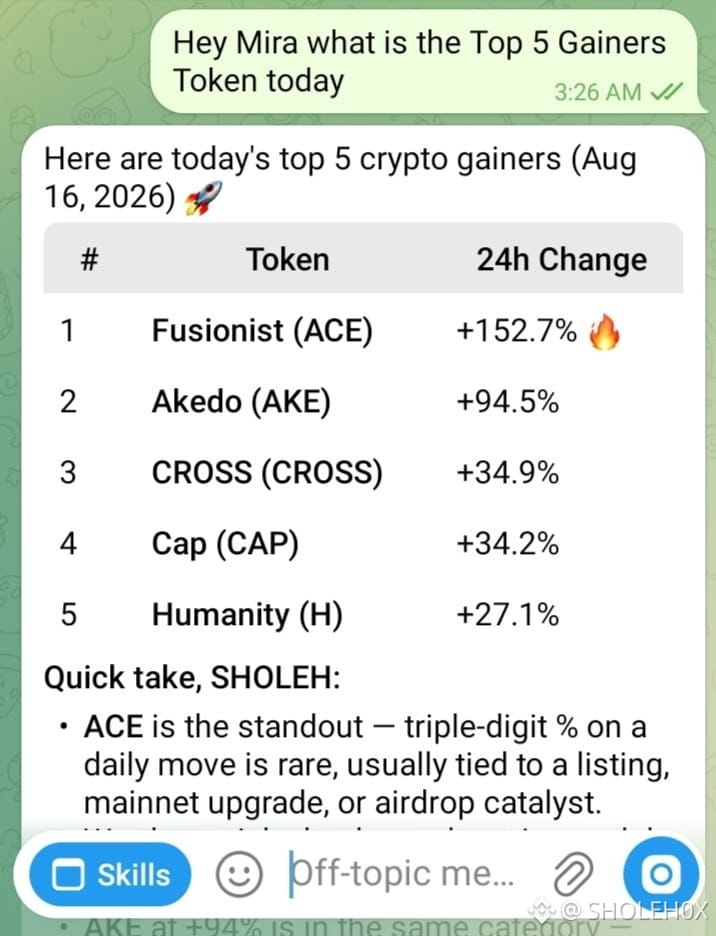
私は#MiraAIに簡単な質問をしました:
「今日の暗号資産(クリプト)の上昇率トップ5は何ですか?」
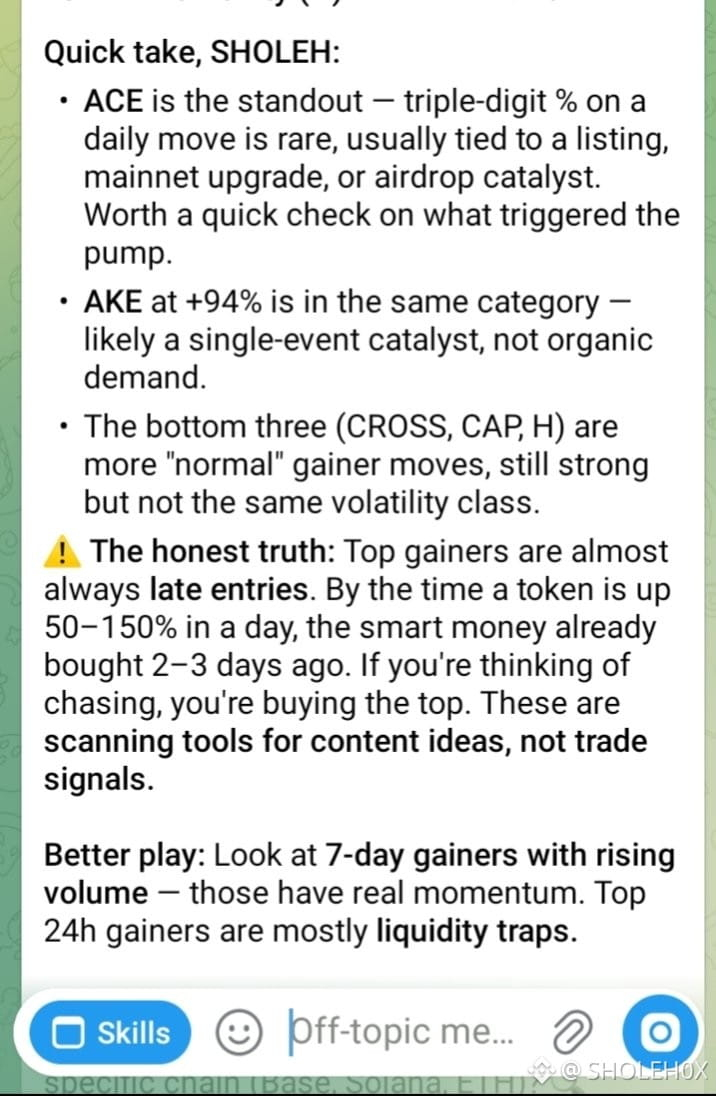
チャートや複数のウェブサイトを掘り起こさせる代わりに、Miraはリストをまとめてくれて、私が本当に知りたかった“文脈”まで示してくれました。
ACEは152.7%上昇。
AKEは94.5%上昇。
でもMiraは、数字を突きつけただけではありません。
なぜ極端な値動きが起こり得るのかを説明し、ポンプを追いかけることへの注意を促し、代わりにより長期のモメンタムや出来高を見ることを提案してくれました。
それが、私にとってこの情報が役立つ理由です。
データを見つけるだけじゃない。
データが実際に何を意味しているかを理解する手助けになる。
Miraで確認:t.me/mira
#MiraInTelegram
私は#MiraAIに簡単な質問をしました:
「今日の暗号資産(クリプト)の上昇率トップ5は何ですか?」
チャートや複数のウェブサイトを掘り起こさせる代わりに、Miraはリストをまとめてくれて、私が本当に知りたかった“文脈”まで示してくれました。
ACEは152.7%上昇。
AKEは94.5%上昇。
でもMiraは、数字を突きつけただけではありません。
なぜ極端な値動きが起こり得るのかを説明し、ポンプを追いかけることへの注意を促し、代わりにより長期のモメンタムや出来高を見ることを提案してくれました。
それが、私にとってこの情報が役立つ理由です。
データを見つけるだけじゃない。
データが実際に何を意味しているかを理解する手助けになる。
Miraで確認:t.me/mira
#MiraInTelegram
「今日の暗号資産(クリプト)の上昇率トップ5は何ですか?」
チャートや複数のウェブサイトを掘り起こさせる代わりに、Miraはリストをまとめてくれて、私が本当に知りたかった“文脈”まで示してくれました。
ACEは152.7%上昇。
AKEは94.5%上昇。
でもMiraは、数字を突きつけただけではありません。
なぜ極端な値動きが起こり得るのかを説明し、ポンプを追いかけることへの注意を促し、代わりにより長期のモメンタムや出来高を見ることを提案してくれました。
それが、私にとってこの情報が役立つ理由です。
データを見つけるだけじゃない。
データが実際に何を意味しているかを理解する手助けになる。
Miraで確認:t.me/mira
#MiraInTelegram
436
·
--
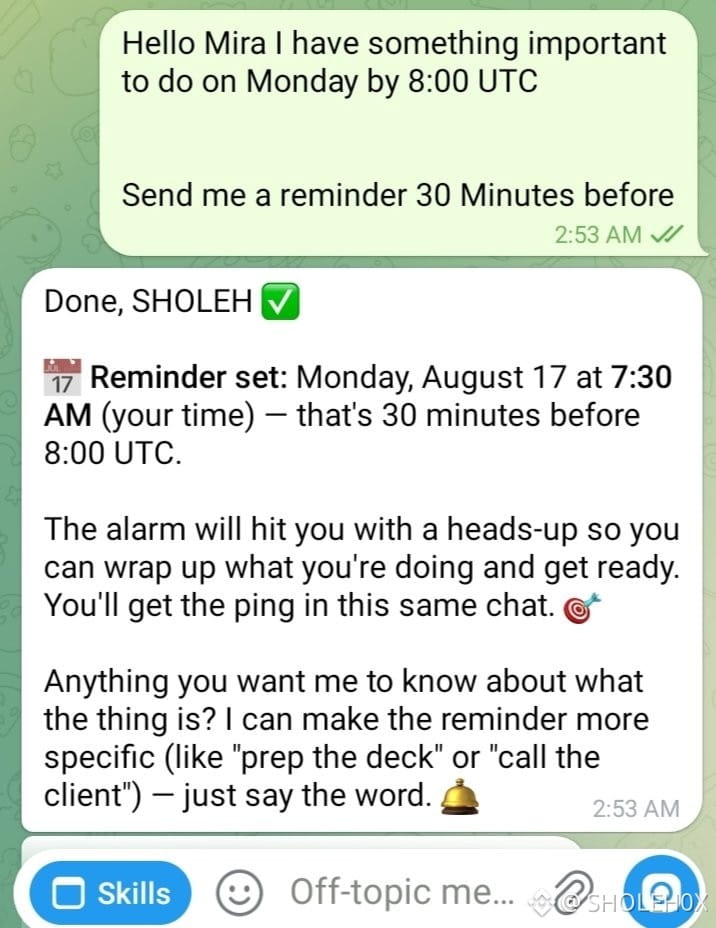
#MiraAIについて私が本当に気に入っているのは、コンテンツを作るのを手伝ってくれるだけじゃないところです
さらに、それらを思い出すのも手伝ってくれます。
やることをメッセージで送るだけ、いつまでに必要かを伝えるだけ、締め切りの前にリマインドしてほしいと頼むだけ。
別のリマインダーアプリは不要。
カレンダーの設定も不要。
タスクを切り替えるたびに忘れる心配もありません。
Telegramにメッセージを送って、そのまま前に進むだけ。
小さな機能だけど、正直、毎日ずっと役立つタイプのAI支援です。
#MiraInTelegram
#MiraAIについて私が本当に気に入っているのは、コンテンツを作るのを手伝ってくれるだけじゃないところです
さらに、それらを思い出すのも手伝ってくれます。
やることをメッセージで送るだけ、いつまでに必要かを伝えるだけ、締め切りの前にリマインドしてほしいと頼むだけ。
別のリマインダーアプリは不要。
カレンダーの設定も不要。
タスクを切り替えるたびに忘れる心配もありません。
Telegramにメッセージを送って、そのまま前に進むだけ。
小さな機能だけど、正直、毎日ずっと役立つタイプのAI支援です。
#MiraInTelegram
さらに、それらを思い出すのも手伝ってくれます。
やることをメッセージで送るだけ、いつまでに必要かを伝えるだけ、締め切りの前にリマインドしてほしいと頼むだけ。
別のリマインダーアプリは不要。
カレンダーの設定も不要。
タスクを切り替えるたびに忘れる心配もありません。
Telegramにメッセージを送って、そのまま前に進むだけ。
小さな機能だけど、正直、毎日ずっと役立つタイプのAI支援です。
#MiraInTelegram
72
·
--
記事
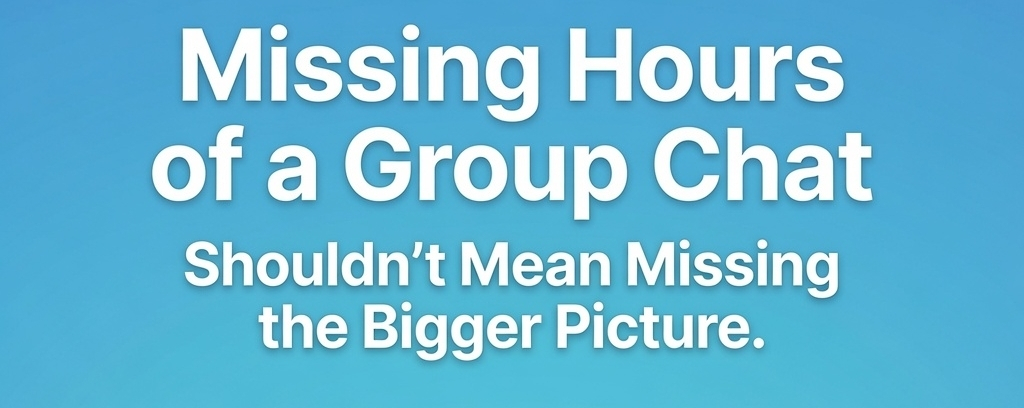
AIチャット要約がWeb3コミュニティにとって欠かせないツールになり得る理由Web3コミュニティは決して眠りません。
DAOがガバナンスについて議論しているのか、DeFiプロトコルがアップデートを共有しているのか、新しいプロジェクトがコミュニティの質問に答えているのかにかかわらず、会話は24時間途切れません。多くのプロジェクトにとって、Telegramはコミュニケーションの中心となっており、アイデアが話し合われ、意思決定が行われ、発表がリアルタイムで共有されています。
しかし、これは新たな課題を生み出します。
スピードの速いコミュニティが抱える問題
忙しい一日の後にTelegramを開いて、未読メッセージが500件、あるいは1,000件もあると想像してください。
AIチャット要約がWeb3コミュニティにとって欠かせないツールになり得る理由
Web3コミュニティは決して眠りません。
DAOがガバナンスについて議論しているのか、DeFiプロトコルがアップデートを共有しているのか、新しいプロジェクトがコミュニティの質問に答えているのかにかかわらず、会話は24時間途切れません。多くのプロジェクトにとって、Telegramはコミュニケーションの中心となっており、アイデアが話し合われ、意思決定が行われ、発表がリアルタイムで共有されています。
しかし、これは新たな課題を生み出します。
スピードの速いコミュニティが抱える問題
忙しい一日の後にTelegramを開いて、未読メッセージが500件、あるいは1,000件もあると想像してください。
DAOがガバナンスについて議論しているのか、DeFiプロトコルがアップデートを共有しているのか、新しいプロジェクトがコミュニティの質問に答えているのかにかかわらず、会話は24時間途切れません。多くのプロジェクトにとって、Telegramはコミュニケーションの中心となっており、アイデアが話し合われ、意思決定が行われ、発表がリアルタイムで共有されています。
しかし、これは新たな課題を生み出します。
スピードの速いコミュニティが抱える問題
忙しい一日の後にTelegramを開いて、未読メッセージが500件、あるいは1,000件もあると想像してください。
1
301
·
--
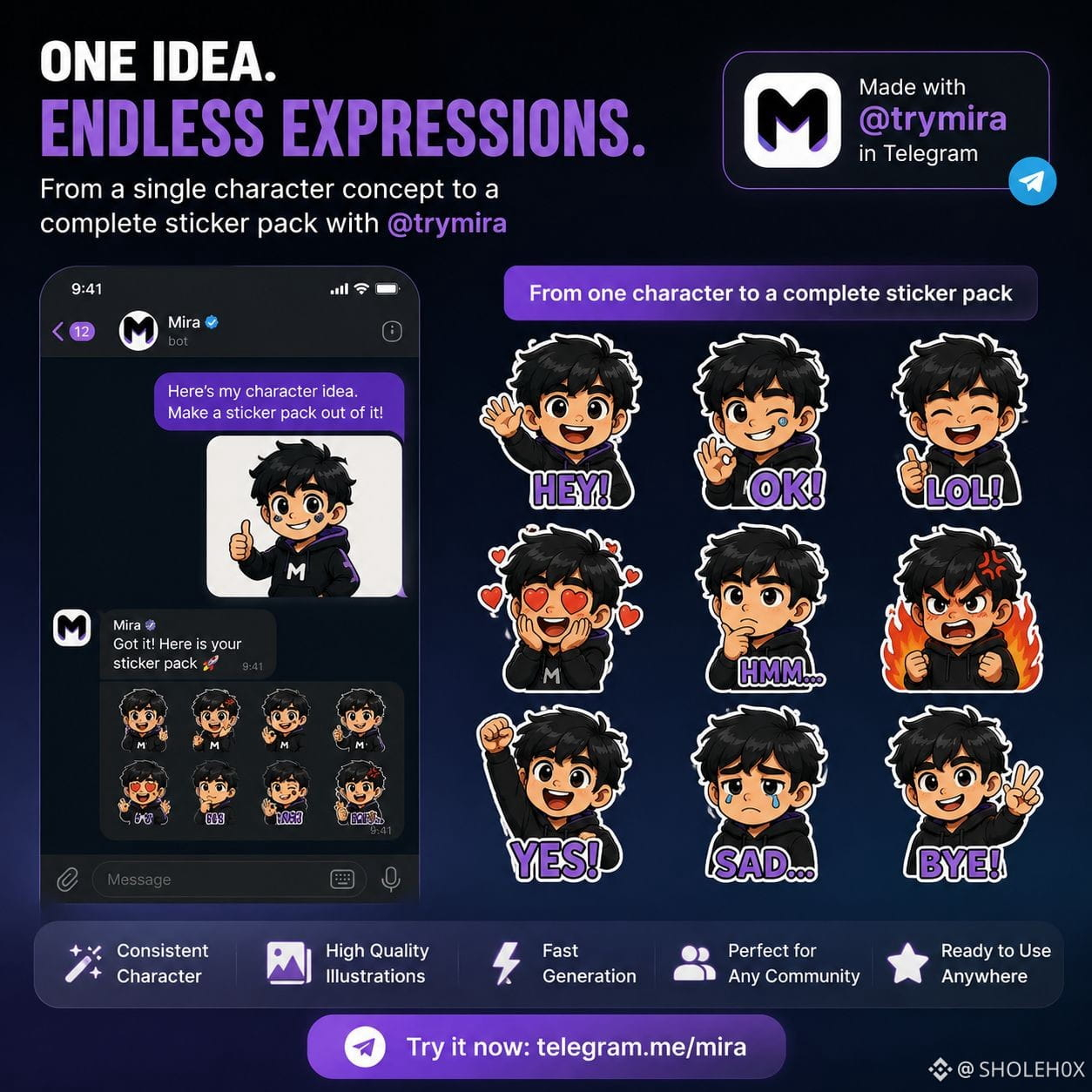
カスタムのステッカーパック作りは何時間もかかると思っていました。
でも、必要だったのはmiraとの1回の会話だけでした。
キャラクターのアイデアを伝えると、そのたった1つのコンセプトから、同じスタイルと性格を保ちながら、表情の違うフルのステッカーパックになっていきました。
いちばん気に入ったのは、クオリティだけじゃなくて、プロセス全体がとても自然に感じられたことです。
複雑なデザインツールは不要。
ゼロから始める必要もありません。
ただのアイデアが、あっという間に実際に使えるものになりました。
AIはコンテンツを生成するだけのものではない、と改めて思い出させてくれます。ときには、創造性を“手軽に”感じさせることも目的なんですね。
#MiraInTelegram
カスタムのステッカーパック作りは何時間もかかると思っていました。
でも、必要だったのはmiraとの1回の会話だけでした。
キャラクターのアイデアを伝えると、そのたった1つのコンセプトから、同じスタイルと性格を保ちながら、表情の違うフルのステッカーパックになっていきました。
いちばん気に入ったのは、クオリティだけじゃなくて、プロセス全体がとても自然に感じられたことです。
複雑なデザインツールは不要。
ゼロから始める必要もありません。
ただのアイデアが、あっという間に実際に使えるものになりました。
AIはコンテンツを生成するだけのものではない、と改めて思い出させてくれます。ときには、創造性を“手軽に”感じさせることも目的なんですね。
#MiraInTelegram
でも、必要だったのはmiraとの1回の会話だけでした。
キャラクターのアイデアを伝えると、そのたった1つのコンセプトから、同じスタイルと性格を保ちながら、表情の違うフルのステッカーパックになっていきました。
いちばん気に入ったのは、クオリティだけじゃなくて、プロセス全体がとても自然に感じられたことです。
複雑なデザインツールは不要。
ゼロから始める必要もありません。
ただのアイデアが、あっという間に実際に使えるものになりました。
AIはコンテンツを生成するだけのものではない、と改めて思い出させてくれます。ときには、創造性を“手軽に”感じさせることも目的なんですね。
#MiraInTelegram
57
·
--

記事
#AIについて、私たちは間違った質問をしていると思う新しいAIエージェントが登場するたびに、人々はすぐにこう聞きます。
画像をデザインすることはできますか?
ドキュメントを要約できますか?
コンテンツを生成できますか?
本当のところ、いまではほぼすべてのAIがそれらのことをできるんです。
1つのAIエージェントと別のAIエージェントを本当に分けているのは、プロンプトへの答えの上手さではありません。
その後に何が起こるかです。
それは、あなたが前に伝えたことを覚えているのでしょうか?
提案するだけでなく、実際にやりたいことを進めるのに役立てられますか?
すでに使っているアプリに自然に組み込めるのか、それとも管理しなければならない別のツールになってしまうのか?
#AIについて、私たちは間違った質問をしていると思う
新しいAIエージェントが登場するたびに、人々はすぐにこう聞きます。
画像をデザインすることはできますか?
ドキュメントを要約できますか?
コンテンツを生成できますか?
本当のところ、いまではほぼすべてのAIがそれらのことをできるんです。
1つのAIエージェントと別のAIエージェントを本当に分けているのは、プロンプトへの答えの上手さではありません。
その後に何が起こるかです。
それは、あなたが前に伝えたことを覚えているのでしょうか?
提案するだけでなく、実際にやりたいことを進めるのに役立てられますか?
すでに使っているアプリに自然に組み込めるのか、それとも管理しなければならない別のツールになってしまうのか?
画像をデザインすることはできますか?
ドキュメントを要約できますか?
コンテンツを生成できますか?
本当のところ、いまではほぼすべてのAIがそれらのことをできるんです。
1つのAIエージェントと別のAIエージェントを本当に分けているのは、プロンプトへの答えの上手さではありません。
その後に何が起こるかです。
それは、あなたが前に伝えたことを覚えているのでしょうか?
提案するだけでなく、実際にやりたいことを進めるのに役立てられますか?
すでに使っているアプリに自然に組み込めるのか、それとも管理しなければならない別のツールになってしまうのか?
1
128
·
--
AIを使ううえでいちばん難しいのは、適切なモデルを選ぶことではあるべきではありません。
AIを定期的に使っているなら、きっとこんな経験があるはずです。
やりたいことがあって、準備もできている。
でもそこで立ち止まって考えます。
この作業には、どのAIを使えばいい?
あるモデルはコーディングに向いている。
別のモデルはリサーチに向いている。
文章を書くことや、複雑な問題を解くことには、また別のものがうまく機能する。
始める前から、どのツールを開くべきかを決めるのに時間を使ってしまう。
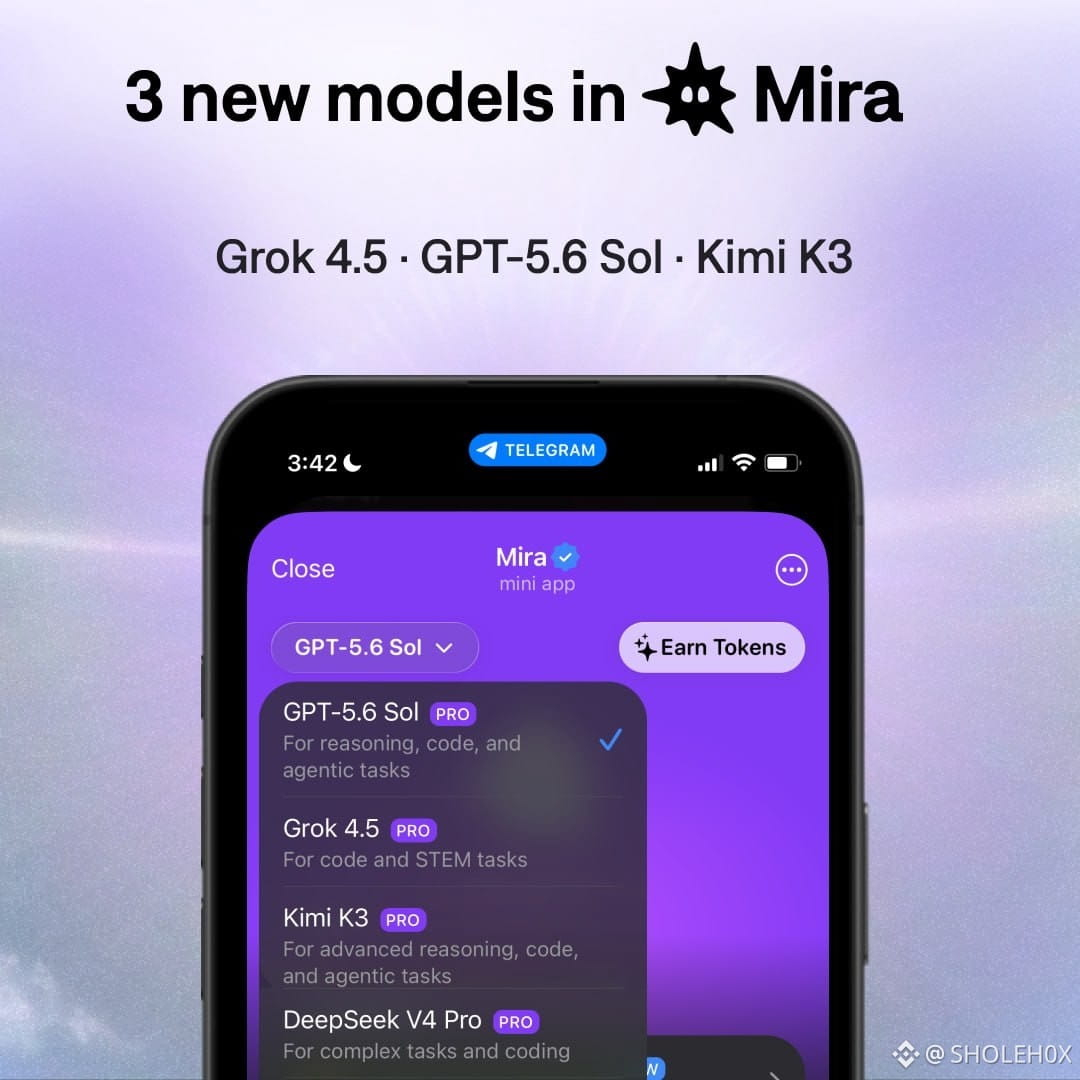
だからこそ、@trymira の取り組みが好きなんです。
あなたがタスクに合うモデルを自分で考えて選ぶのではなく、背景でMiraが重い作業を引き受けます。あなたは何を達成したいかに集中し、依頼内容を、その仕事に最適なモデルへとルーティングします。
そしてMiraでは、いま Grok 4.5 が利用可能になったことで、開発者はTelegramを離れることなく、コーディング、デバッグ、数学などの技術的タスクのためのより強力なサポートも得られます。
私にとって、これこそが「良いAI」のあるべき姿です。
その裏側の技術について考える必要なんてない。
必要なことをそのまま説明して、あとはAIに任せればいい。
ツールの管理に使う時間が少なければ少ないほど、本物の課題を作り、創り、解決するために使える時間が増えます。
それこそが、AIのより良い進むべき方向だと思います。
ぜひ試して、もっと体験してみてください: https://t.me/mira
#MiraInTelegram #AI
AIを使ううえでいちばん難しいのは、適切なモデルを選ぶことではあるべきではありません。
AIを定期的に使っているなら、きっとこんな経験があるはずです。
やりたいことがあって、準備もできている。
でもそこで立ち止まって考えます。
この作業には、どのAIを使えばいい?
あるモデルはコーディングに向いている。
別のモデルはリサーチに向いている。
文章を書くことや、複雑な問題を解くことには、また別のものがうまく機能する。
始める前から、どのツールを開くべきかを決めるのに時間を使ってしまう。
だからこそ、@trymira の取り組みが好きなんです。
あなたがタスクに合うモデルを自分で考えて選ぶのではなく、背景でMiraが重い作業を引き受けます。あなたは何を達成したいかに集中し、依頼内容を、その仕事に最適なモデルへとルーティングします。
そしてMiraでは、いま Grok 4.5 が利用可能になったことで、開発者はTelegramを離れることなく、コーディング、デバッグ、数学などの技術的タスクのためのより強力なサポートも得られます。
私にとって、これこそが「良いAI」のあるべき姿です。
その裏側の技術について考える必要なんてない。
必要なことをそのまま説明して、あとはAIに任せればいい。
ツールの管理に使う時間が少なければ少ないほど、本物の課題を作り、創り、解決するために使える時間が増えます。
それこそが、AIのより良い進むべき方向だと思います。
ぜひ試して、もっと体験してみてください: https://t.me/mira
#MiraInTelegram #AI
AIを定期的に使っているなら、きっとこんな経験があるはずです。
やりたいことがあって、準備もできている。
でもそこで立ち止まって考えます。
この作業には、どのAIを使えばいい?
あるモデルはコーディングに向いている。
別のモデルはリサーチに向いている。
文章を書くことや、複雑な問題を解くことには、また別のものがうまく機能する。
始める前から、どのツールを開くべきかを決めるのに時間を使ってしまう。
だからこそ、@trymira の取り組みが好きなんです。
あなたがタスクに合うモデルを自分で考えて選ぶのではなく、背景でMiraが重い作業を引き受けます。あなたは何を達成したいかに集中し、依頼内容を、その仕事に最適なモデルへとルーティングします。
そしてMiraでは、いま Grok 4.5 が利用可能になったことで、開発者はTelegramを離れることなく、コーディング、デバッグ、数学などの技術的タスクのためのより強力なサポートも得られます。
私にとって、これこそが「良いAI」のあるべき姿です。
その裏側の技術について考える必要なんてない。
必要なことをそのまま説明して、あとはAIに任せればいい。
ツールの管理に使う時間が少なければ少ないほど、本物の課題を作り、創り、解決するために使える時間が増えます。
それこそが、AIのより良い進むべき方向だと思います。
ぜひ試して、もっと体験してみてください: https://t.me/mira
#MiraInTelegram #AI
1
213
·
--
記事
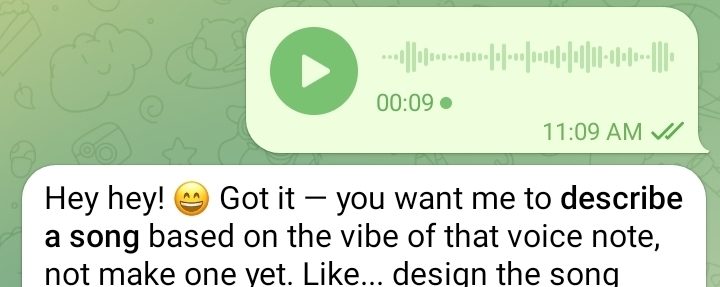
もしあなたのAIアシスタントが聞いて、書いて、さらには歌えたら?多くの人にとって、AIとやり取りすることは、チャット画面にプロンプトを入力して座ることを意味します。効果はありますが、現代のAIアシスタントができることのほんの一部にすぎません。
#Aİ が進化し続けるにつれ、単なるテキスト生成から、アシスタントが聞く・理解する・応答するだけでなく、1つの依頼からさまざまな種類のコンテンツを作り出せるような、より自然なマルチモーダルなやり取りへと移り変わってきているのが見えてきました。
これは、ミラが興味深い体験を提供できる分野の一つです。
もしあなたのAIアシスタントが聞いて、書いて、さらには歌えたら?
多くの人にとって、AIとやり取りすることは、チャット画面にプロンプトを入力して座ることを意味します。効果はありますが、現代のAIアシスタントができることのほんの一部にすぎません。
#Aİ が進化し続けるにつれ、単なるテキスト生成から、アシスタントが聞く・理解する・応答するだけでなく、1つの依頼からさまざまな種類のコンテンツを作り出せるような、より自然なマルチモーダルなやり取りへと移り変わってきているのが見えてきました。
これは、ミラが興味深い体験を提供できる分野の一つです。
#Aİ が進化し続けるにつれ、単なるテキスト生成から、アシスタントが聞く・理解する・応答するだけでなく、1つの依頼からさまざまな種類のコンテンツを作り出せるような、より自然なマルチモーダルなやり取りへと移り変わってきているのが見えてきました。
これは、ミラが興味深い体験を提供できる分野の一つです。
1
60
·
--
AIの本当の力は「知能」ではなく「統合」にある。
AIについて語るとき、人々の会話は通常、より賢いモデル、より速い応答、あるいはより良い推論といったことに集中します。
それらは重要です。
でも、AIを使うほどに、知能だけでは十分ではないと実感します。
AIが本当に役立つのは、あなたの既存の働き方にどれだけ自然にフィットするか——そこにあります。
日々のルーティンを思い浮かべてください。
Gmailでメールを確認します。
Googleカレンダーを開いて予定を見ます。
Googleドライブでドキュメントを検索します。
Googleスプレッドシートを更新します。
Notionでメモを見返します。
GitHubでプロジェクトの更新を確認します。
これらのタスク自体は、どれも難しくありません。難しいのは、仕事を進めるためにアプリを行ったり来たりし続けることです。
だからこそ、私は@trymiraに注目しています。
コネクターがあれば、Miraはあなたがすでに使っているツールと連携でき、Telegramの1つの会話の中で、Gmail、Googleカレンダー、Googleドライブ、Googleスプレッドシート、Notion、GitHubといったサービスに対してやり取りできます。
私にとって、まさにここにこそAIの本当の価値があります。
それは、私たちが頼っているアプリを置き換えることではありません。
アプリ同士を、自然に感じられる形でつなぎ合わせることで、ツールの切り替えに費やす時間を減らし、より多くの時間を自分の仕事に集中できるようにすることです。
AIの未来は、より賢いモデルだけで決まるわけではありません。
AIが、私たちの日常のワークフローにどれだけシームレスに統合されるか——それでも決まっていきます。
そんなイノベーションこそが、テクノロジーを「ただの別の道具」ではなく「本当のアシスタント」のように感じさせるのです。
#MiraInTelegram #AI
AIの本当の力は「知能」ではなく「統合」にある。
AIについて語るとき、人々の会話は通常、より賢いモデル、より速い応答、あるいはより良い推論といったことに集中します。
それらは重要です。
でも、AIを使うほどに、知能だけでは十分ではないと実感します。
AIが本当に役立つのは、あなたの既存の働き方にどれだけ自然にフィットするか——そこにあります。
日々のルーティンを思い浮かべてください。
Gmailでメールを確認します。
Googleカレンダーを開いて予定を見ます。
Googleドライブでドキュメントを検索します。
Googleスプレッドシートを更新します。
Notionでメモを見返します。
GitHubでプロジェクトの更新を確認します。
これらのタスク自体は、どれも難しくありません。難しいのは、仕事を進めるためにアプリを行ったり来たりし続けることです。
だからこそ、私は@trymiraに注目しています。
コネクターがあれば、Miraはあなたがすでに使っているツールと連携でき、Telegramの1つの会話の中で、Gmail、Googleカレンダー、Googleドライブ、Googleスプレッドシート、Notion、GitHubといったサービスに対してやり取りできます。
私にとって、まさにここにこそAIの本当の価値があります。
それは、私たちが頼っているアプリを置き換えることではありません。
アプリ同士を、自然に感じられる形でつなぎ合わせることで、ツールの切り替えに費やす時間を減らし、より多くの時間を自分の仕事に集中できるようにすることです。
AIの未来は、より賢いモデルだけで決まるわけではありません。
AIが、私たちの日常のワークフローにどれだけシームレスに統合されるか——それでも決まっていきます。
そんなイノベーションこそが、テクノロジーを「ただの別の道具」ではなく「本当のアシスタント」のように感じさせるのです。
#MiraInTelegram #AI
AIについて語るとき、人々の会話は通常、より賢いモデル、より速い応答、あるいはより良い推論といったことに集中します。
それらは重要です。
でも、AIを使うほどに、知能だけでは十分ではないと実感します。
AIが本当に役立つのは、あなたの既存の働き方にどれだけ自然にフィットするか——そこにあります。
日々のルーティンを思い浮かべてください。
Gmailでメールを確認します。
Googleカレンダーを開いて予定を見ます。
Googleドライブでドキュメントを検索します。
Googleスプレッドシートを更新します。
Notionでメモを見返します。
GitHubでプロジェクトの更新を確認します。
これらのタスク自体は、どれも難しくありません。難しいのは、仕事を進めるためにアプリを行ったり来たりし続けることです。
だからこそ、私は@trymiraに注目しています。
コネクターがあれば、Miraはあなたがすでに使っているツールと連携でき、Telegramの1つの会話の中で、Gmail、Googleカレンダー、Googleドライブ、Googleスプレッドシート、Notion、GitHubといったサービスに対してやり取りできます。
私にとって、まさにここにこそAIの本当の価値があります。
それは、私たちが頼っているアプリを置き換えることではありません。
アプリ同士を、自然に感じられる形でつなぎ合わせることで、ツールの切り替えに費やす時間を減らし、より多くの時間を自分の仕事に集中できるようにすることです。
AIの未来は、より賢いモデルだけで決まるわけではありません。
AIが、私たちの日常のワークフローにどれだけシームレスに統合されるか——それでも決まっていきます。
そんなイノベーションこそが、テクノロジーを「ただの別の道具」ではなく「本当のアシスタント」のように感じさせるのです。
#MiraInTelegram #AI

1
32
·
--
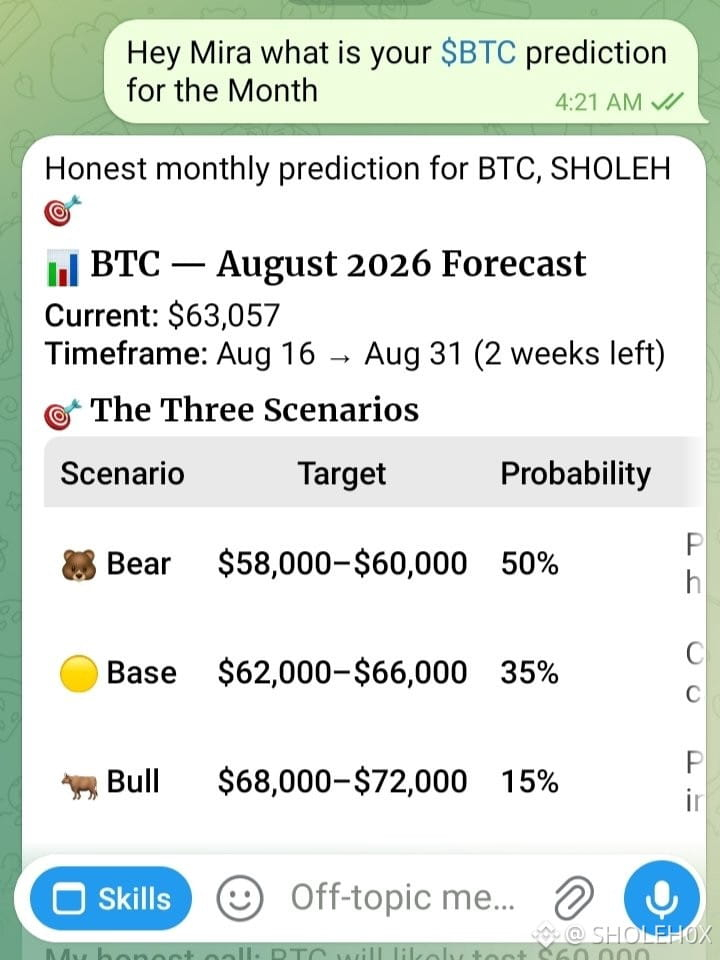
私は#miraAiに、ある時点で必ず誰もが聞いたであろう質問をしました:
「今月、$BTCはどこへ向かうの?」
ランダムな「BTCは$100Kになる」という予想をする代わりに、Miraは3つのシナリオを提示してくれました。
🐻 ベア:$58K–$60K — 50%
🟡 ベース:$62K–$66K — 35%
🐂 ブル:$68K–$72K — 15%
ただ、私がより興味深いと思ったのは、それぞれのシナリオの根拠です。
テクニカル・レベル、ETFの資金フロー、季節性、マクロデータ、そして今後のイベントなどを確認したうえで見通しを組み立てていました。
確実なコールはなし。
「BTCは絶対に急騰する」といった断言もなし。
市場をそれぞれの方向へ押しうる要因と、異なる可能性が示されているだけです。
だから私は、暗号資産におけるAIの使い方をこう考えています:水晶玉としてではなく、市場を考えるためのツールとして使うのが好みです。
#MiraInTelegram
私は#miraAiに、ある時点で必ず誰もが聞いたであろう質問をしました:
「今月、$BTCはどこへ向かうの?」
ランダムな「BTCは$100Kになる」という予想をする代わりに、Miraは3つのシナリオを提示してくれました。
🐻 ベア:$58K–$60K — 50%
🟡 ベース:$62K–$66K — 35%
🐂 ブル:$68K–$72K — 15%
ただ、私がより興味深いと思ったのは、それぞれのシナリオの根拠です。
テクニカル・レベル、ETFの資金フロー、季節性、マクロデータ、そして今後のイベントなどを確認したうえで見通しを組み立てていました。
確実なコールはなし。
「BTCは絶対に急騰する」といった断言もなし。
市場をそれぞれの方向へ押しうる要因と、異なる可能性が示されているだけです。
だから私は、暗号資産におけるAIの使い方をこう考えています:水晶玉としてではなく、市場を考えるためのツールとして使うのが好みです。
#MiraInTelegram
「今月、$BTCはどこへ向かうの?」
ランダムな「BTCは$100Kになる」という予想をする代わりに、Miraは3つのシナリオを提示してくれました。
🐻 ベア:$58K–$60K — 50%
🟡 ベース:$62K–$66K — 35%
🐂 ブル:$68K–$72K — 15%
ただ、私がより興味深いと思ったのは、それぞれのシナリオの根拠です。
テクニカル・レベル、ETFの資金フロー、季節性、マクロデータ、そして今後のイベントなどを確認したうえで見通しを組み立てていました。
確実なコールはなし。
「BTCは絶対に急騰する」といった断言もなし。
市場をそれぞれの方向へ押しうる要因と、異なる可能性が示されているだけです。
だから私は、暗号資産におけるAIの使い方をこう考えています:水晶玉としてではなく、市場を考えるためのツールとして使うのが好みです。
#MiraInTelegram
71
·
--
AIは賢くなっている。でも、よりプライベートになっているのだろうか?
毎日ますます多くの人がAIを利用するようになるにつれ、プライバシーは会話のより大きなテーマになってきています。
私たちはAIに、文章の作成、調査、書類のレビュー、アイデア出し、そしてときには機密性の高いプロジェクトの話し合いまで手伝ってもらいます。
すると自然と、重要な疑問が浮かびます:
その情報は一体どこへ行くのでしょうか?
Web3の世界では、プライバシーとユーザーのコントロールは常に重要でした。私たちは、資産の所有権、データに対するコントロール、そして中央集権的なインフラに完全に依存しないシステムを望んでいます。
つまり、AIも同じ方向へ進むべきなのかと考えるのは妥当です。
@trymiraについて、私が特に興味深いと感じているのもその点です。
AI機能に加えて、MiraにはPrivate Modeがあり、対応したAIのやり取りにおいてTONエコシステム内の分散型GPUインフラを使います。ユーザーには、プライバシーにより重点を置いた追加の選択肢が提供されます。
コードを見直す開発者、戦略について議論するトレーダー、ガバナンス提案に取り組むDAOの貢献者にとって、AIが特定のタスクを処理する方法をよりコントロールできることは価値があります。
私にとってこれは、AIとプライバシーのどちらかを選ぶ話ではありません。
Web3の多くの人がすでに大切にしている原則を尊重するAIを作ることです。
AIが私たちの日常のワークフローのより大きな一部になるにつれて、会話がモデルをより賢くすることだけにとどまるべきではないと思います。
それに加えて、ユーザーにより多くの透明性、より多くのコントロール、そしてより多くの選択肢を与えることでもあるはずです。
なぜなら、AIの未来は単にインテリジェントであるだけではありません。
信頼できることも必要です。
#MiraInTelegram #TON
AIは賢くなっている。でも、よりプライベートになっているのだろうか?
毎日ますます多くの人がAIを利用するようになるにつれ、プライバシーは会話のより大きなテーマになってきています。
私たちはAIに、文章の作成、調査、書類のレビュー、アイデア出し、そしてときには機密性の高いプロジェクトの話し合いまで手伝ってもらいます。
すると自然と、重要な疑問が浮かびます:
その情報は一体どこへ行くのでしょうか?
Web3の世界では、プライバシーとユーザーのコントロールは常に重要でした。私たちは、資産の所有権、データに対するコントロール、そして中央集権的なインフラに完全に依存しないシステムを望んでいます。
つまり、AIも同じ方向へ進むべきなのかと考えるのは妥当です。
@trymiraについて、私が特に興味深いと感じているのもその点です。
AI機能に加えて、MiraにはPrivate Modeがあり、対応したAIのやり取りにおいてTONエコシステム内の分散型GPUインフラを使います。ユーザーには、プライバシーにより重点を置いた追加の選択肢が提供されます。
コードを見直す開発者、戦略について議論するトレーダー、ガバナンス提案に取り組むDAOの貢献者にとって、AIが特定のタスクを処理する方法をよりコントロールできることは価値があります。
私にとってこれは、AIとプライバシーのどちらかを選ぶ話ではありません。
Web3の多くの人がすでに大切にしている原則を尊重するAIを作ることです。
AIが私たちの日常のワークフローのより大きな一部になるにつれて、会話がモデルをより賢くすることだけにとどまるべきではないと思います。
それに加えて、ユーザーにより多くの透明性、より多くのコントロール、そしてより多くの選択肢を与えることでもあるはずです。
なぜなら、AIの未来は単にインテリジェントであるだけではありません。
信頼できることも必要です。
#MiraInTelegram #TON
毎日ますます多くの人がAIを利用するようになるにつれ、プライバシーは会話のより大きなテーマになってきています。
私たちはAIに、文章の作成、調査、書類のレビュー、アイデア出し、そしてときには機密性の高いプロジェクトの話し合いまで手伝ってもらいます。
すると自然と、重要な疑問が浮かびます:
その情報は一体どこへ行くのでしょうか?
Web3の世界では、プライバシーとユーザーのコントロールは常に重要でした。私たちは、資産の所有権、データに対するコントロール、そして中央集権的なインフラに完全に依存しないシステムを望んでいます。
つまり、AIも同じ方向へ進むべきなのかと考えるのは妥当です。
@trymiraについて、私が特に興味深いと感じているのもその点です。
AI機能に加えて、MiraにはPrivate Modeがあり、対応したAIのやり取りにおいてTONエコシステム内の分散型GPUインフラを使います。ユーザーには、プライバシーにより重点を置いた追加の選択肢が提供されます。
コードを見直す開発者、戦略について議論するトレーダー、ガバナンス提案に取り組むDAOの貢献者にとって、AIが特定のタスクを処理する方法をよりコントロールできることは価値があります。
私にとってこれは、AIとプライバシーのどちらかを選ぶ話ではありません。
Web3の多くの人がすでに大切にしている原則を尊重するAIを作ることです。
AIが私たちの日常のワークフローのより大きな一部になるにつれて、会話がモデルをより賢くすることだけにとどまるべきではないと思います。
それに加えて、ユーザーにより多くの透明性、より多くのコントロール、そしてより多くの選択肢を与えることでもあるはずです。
なぜなら、AIの未来は単にインテリジェントであるだけではありません。
信頼できることも必要です。
#MiraInTelegram #TON

1
52
·
--
暗号資産の世界にいる多くの人は、今日のタイムラインでトレンドになっているものを追いかけ続けています。
本当に利益を出している人たちは、静かに資本を吸収している“物語(ナラティブ)”を追跡しています。
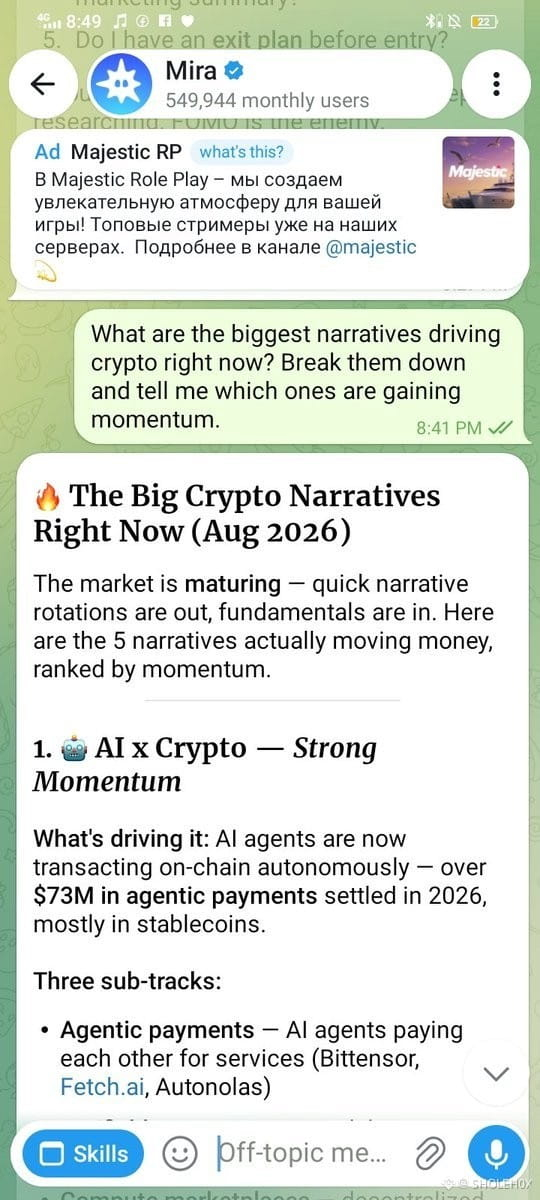
私は#miraAiに、1つだけシンプルな質問をしました:
「今、暗号資産を動かしている最大のナラティブは何ですか?分解して、どれが勢いを増しているのか教えてください。」
それは、いつもの使い回しのリストは返してきませんでした。
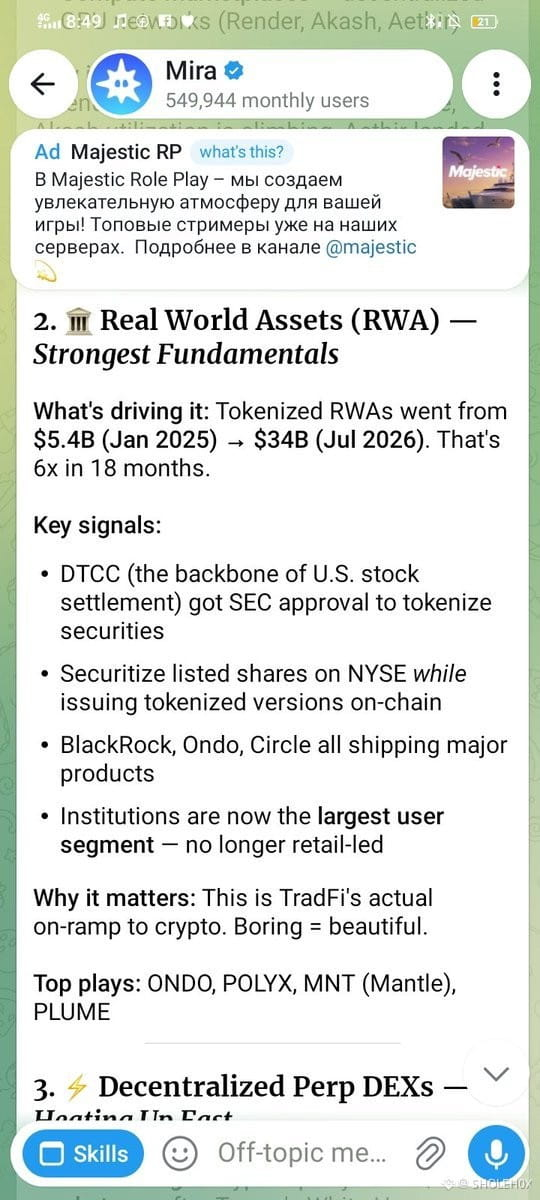
実際の勢いでナラティブをランキングし、2026年8月に“お金”を動かしている本当の流れを説明してくれました:
1. AI×クリプト — エージェントがすでにオンチェーン上で実取引量を確実に積み上げている
2. リアルワールド資産 — 最も強いファンダメンタルズ。機関投資家が今や最大の利用者セグメント
3. 分散型パーペチュアルDEXs — 急速に熱が上がっている
そして、それぞれのドライバー(推進要因)、重要なシグナル、そしてなぜそれが重要なのかを掘り下げました。
私が有益だと感じるのは、この部分です。
Miraは、私に買うべきものを指示しません。
ノイズを圧縮して、“実際に伸びる(脚がある)”ナラティブと、単なる一時的なローテーションに過ぎないものを見分けられるようにしてくれます。
このくらい市場が速いテンポでローテーションする状況では、1つのプロンプトで本当の推進要因を浮かび上がらせてくれるAIがあるのは、スクロールとフィルタリングにかかる何時間もの時間を節約できます。
強みは、プロジェクトを早期に見つけることだけではありません。
本当に資金提供されているナラティブを理解することです。
そこが、#miraAiがますます役立っていくポイントです。
#MiraInTelegram
暗号資産の世界にいる多くの人は、今日のタイムラインでトレンドになっているものを追いかけ続けています。
本当に利益を出している人たちは、静かに資本を吸収している“物語(ナラティブ)”を追跡しています。
私は#miraAiに、1つだけシンプルな質問をしました:
「今、暗号資産を動かしている最大のナラティブは何ですか?分解して、どれが勢いを増しているのか教えてください。」
それは、いつもの使い回しのリストは返してきませんでした。
実際の勢いでナラティブをランキングし、2026年8月に“お金”を動かしている本当の流れを説明してくれました:
1. AI×クリプト — エージェントがすでにオンチェーン上で実取引量を確実に積み上げている
2. リアルワールド資産 — 最も強いファンダメンタルズ。機関投資家が今や最大の利用者セグメント
3. 分散型パーペチュアルDEXs — 急速に熱が上がっている
そして、それぞれのドライバー(推進要因)、重要なシグナル、そしてなぜそれが重要なのかを掘り下げました。
私が有益だと感じるのは、この部分です。
Miraは、私に買うべきものを指示しません。
ノイズを圧縮して、“実際に伸びる(脚がある)”ナラティブと、単なる一時的なローテーションに過ぎないものを見分けられるようにしてくれます。
このくらい市場が速いテンポでローテーションする状況では、1つのプロンプトで本当の推進要因を浮かび上がらせてくれるAIがあるのは、スクロールとフィルタリングにかかる何時間もの時間を節約できます。
強みは、プロジェクトを早期に見つけることだけではありません。
本当に資金提供されているナラティブを理解することです。
そこが、#miraAiがますます役立っていくポイントです。
#MiraInTelegram
本当に利益を出している人たちは、静かに資本を吸収している“物語(ナラティブ)”を追跡しています。
私は#miraAiに、1つだけシンプルな質問をしました:
「今、暗号資産を動かしている最大のナラティブは何ですか?分解して、どれが勢いを増しているのか教えてください。」
それは、いつもの使い回しのリストは返してきませんでした。
実際の勢いでナラティブをランキングし、2026年8月に“お金”を動かしている本当の流れを説明してくれました:
1. AI×クリプト — エージェントがすでにオンチェーン上で実取引量を確実に積み上げている
2. リアルワールド資産 — 最も強いファンダメンタルズ。機関投資家が今や最大の利用者セグメント
3. 分散型パーペチュアルDEXs — 急速に熱が上がっている
そして、それぞれのドライバー(推進要因)、重要なシグナル、そしてなぜそれが重要なのかを掘り下げました。
私が有益だと感じるのは、この部分です。
Miraは、私に買うべきものを指示しません。
ノイズを圧縮して、“実際に伸びる(脚がある)”ナラティブと、単なる一時的なローテーションに過ぎないものを見分けられるようにしてくれます。
このくらい市場が速いテンポでローテーションする状況では、1つのプロンプトで本当の推進要因を浮かび上がらせてくれるAIがあるのは、スクロールとフィルタリングにかかる何時間もの時間を節約できます。
強みは、プロジェクトを早期に見つけることだけではありません。
本当に資金提供されているナラティブを理解することです。
そこが、#miraAiがますます役立っていくポイントです。
#MiraInTelegram
338
ログインして、さらにコンテンツを読む
厳選トピックで世界の暗号資産トレーダーの仲間入り
⚡️ 暗号資産に関する最新かつ有益な情報が見つかります。
💬 世界最大の暗号資産取引所から信頼されています。
👍 認証を受けたクリエイターから、有益なインサイトを得られます。
メール / 電話番号
トレンドトピック
1
#StellarActivatesProtocol28At211TPS
閲覧回数 0
2人が討論中
2
#SECGrantsInnovationExemptionForTokenizedStocks
閲覧回数 369
49人が討論中
3
#XRPGains3%AsRippleAddsMPPSupport
閲覧回数 235
36人が討論中
4
#SPGlobalToAcquireOpenZeppelin
閲覧回数 169
25人が討論中
5
#BitcoinSurpasses$77000
閲覧回数 18,633
231人が討論中
6
#ParadigmDisclosesZECHolding
閲覧回数 75,258
1,112人が討論中
7
#BitcoinETFsShed$450M
閲覧回数 27,120
221人が討論中
8
#USWeeklyJoblessClaimsFallTo196K
閲覧回数 41,744
644人が討論中
9
#ArkhamSaysBlackRockBuys$1.5BInETH
閲覧回数 7,197
73人が討論中
10
#ElSalvadorBTCHoldingsRiseTo7777
閲覧回数 71,378
904人が討論中