

#macroanalysis
macroanalysis
閲覧回数 260,857
1,857人が討論中
注目
最新


·
--
本人確認中
😱 FRBによる米国債購入、36億5,300万ドル…ビットコインに強気材料?
見出しだけ見ると、市場に新たな流動性が流入しているように聞こえますが、トレーダーが見落としてはいけない重要な点があります。
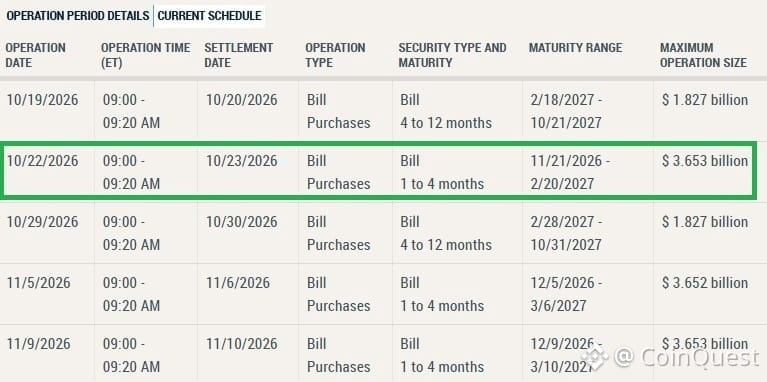
ニューヨーク連銀が10月22日に実施したオペでは、米国短期国債を36億5,300万ドル分購入し、決済は10月23日に行われました。
この購入は、11月13日まで実施される146億ドル規模の再投資プログラムの一環です。
これは、新たに36億5,300万ドルの流動性を注入するものではありません。
FRBは政府機関債の元本返済分を米国債に再投資しています。このオペでは保有資産の構成を変えているのであり、保有額を増やしているわけではありません。
では、$BTC 強気派は祝うべきでしょうか?
この見出しだけでは、そうとは言えません。再投資のための購入は通常のオペであり、新たな量的緩和(QE)プログラムが始まった証拠ではありません。
暗号資産にとってより重要なのは、金融環境全体や流動性が実際に改善するかどうかです。
BTCにとって強気のシグナル?それともFRBの通常業務?🤔
#CryptoNews #BTC #MacroAnalysis
😱 FRBによる米国債購入、36億5,300万ドル…ビットコインに強気材料?
見出しだけ見ると、市場に新たな流動性が流入しているように聞こえますが、トレーダーが見落としてはいけない重要な点があります。
ニューヨーク連銀が10月22日に実施したオペでは、米国短期国債を36億5,300万ドル分購入し、決済は10月23日に行われました。
この購入は、11月13日まで実施される146億ドル規模の再投資プログラムの一環です。
これは、新たに36億5,300万ドルの流動性を注入するものではありません。
FRBは政府機関債の元本返済分を米国債に再投資しています。このオペでは保有資産の構成を変えているのであり、保有額を増やしているわけではありません。
では、$BTC 強気派は祝うべきでしょうか?
この見出しだけでは、そうとは言えません。再投資のための購入は通常のオペであり、新たな量的緩和(QE)プログラムが始まった証拠ではありません。
暗号資産にとってより重要なのは、金融環境全体や流動性が実際に改善するかどうかです。
BTCにとって強気のシグナル?それともFRBの通常業務?🤔
#CryptoNews #BTC #MacroAnalysis
見出しだけ見ると、市場に新たな流動性が流入しているように聞こえますが、トレーダーが見落としてはいけない重要な点があります。
ニューヨーク連銀が10月22日に実施したオペでは、米国短期国債を36億5,300万ドル分購入し、決済は10月23日に行われました。
この購入は、11月13日まで実施される146億ドル規模の再投資プログラムの一環です。
これは、新たに36億5,300万ドルの流動性を注入するものではありません。
FRBは政府機関債の元本返済分を米国債に再投資しています。このオペでは保有資産の構成を変えているのであり、保有額を増やしているわけではありません。
では、$BTC 強気派は祝うべきでしょうか?
この見出しだけでは、そうとは言えません。再投資のための購入は通常のオペであり、新たな量的緩和(QE)プログラムが始まった証拠ではありません。
暗号資産にとってより重要なのは、金融環境全体や流動性が実際に改善するかどうかです。
BTCにとって強気のシグナル?それともFRBの通常業務?🤔
#CryptoNews #BTC #MacroAnalysis
3
544

⚡ $TRUMP 件のコメントが世界のエネルギー情勢を揺るがし、マクロ市場のボラティリティが拡大!🌍
📌 地政学的な言説がマクロ資産全体の重大なヘッドラインリスクを高め、相関性のある市場に深刻な非効率ゾーンを生み出しています。📊 エネルギー市場の不確実性が急上昇すると、資本がシステミックリスクやインフレ期待を再評価するなか、機関投資家の流動性は急速に移動する傾向があります。
🔍 市場を見極める参加者は、このマクロ的な摩擦が流動性の高い代替資産への持続的な逃避を引き起こすかどうか、注文フローを注意深く監視しています。💬 エネルギーと政治をめぐる緊張の高まりは、今四半期の暗号資産の流動性にどれほど大きな影響を与えるでしょうか?👇
⚠️ 金融アドバイスではありません。常にリスクを管理しましょう。🛡️
🏷️ #TRUMP #MacroAnalysis #EnergyMarkets #Liquidity #Crypto
🎯 🦈
⚡ $TRUMP 件のコメントが世界のエネルギー情勢を揺るがし、マクロ市場のボラティリティが拡大!🌍
📌 地政学的な言説がマクロ資産全体の重大なヘッドラインリスクを高め、相関性のある市場に深刻な非効率ゾーンを生み出しています。📊 エネルギー市場の不確実性が急上昇すると、資本がシステミックリスクやインフレ期待を再評価するなか、機関投資家の流動性は急速に移動する傾向があります。
🔍 市場を見極める参加者は、このマクロ的な摩擦が流動性の高い代替資産への持続的な逃避を引き起こすかどうか、注文フローを注意深く監視しています。💬 エネルギーと政治をめぐる緊張の高まりは、今四半期の暗号資産の流動性にどれほど大きな影響を与えるでしょうか?👇
⚠️ 金融アドバイスではありません。常にリスクを管理しましょう。🛡️
🏷️ #TRUMP #MacroAnalysis #EnergyMarkets #Liquidity #Crypto
🎯 🦈
📌 地政学的な言説がマクロ資産全体の重大なヘッドラインリスクを高め、相関性のある市場に深刻な非効率ゾーンを生み出しています。📊 エネルギー市場の不確実性が急上昇すると、資本がシステミックリスクやインフレ期待を再評価するなか、機関投資家の流動性は急速に移動する傾向があります。
🔍 市場を見極める参加者は、このマクロ的な摩擦が流動性の高い代替資産への持続的な逃避を引き起こすかどうか、注文フローを注意深く監視しています。💬 エネルギーと政治をめぐる緊張の高まりは、今四半期の暗号資産の流動性にどれほど大きな影響を与えるでしょうか?👇
⚠️ 金融アドバイスではありません。常にリスクを管理しましょう。🛡️
🏷️ #TRUMP #MacroAnalysis #EnergyMarkets #Liquidity #Crypto
🎯 🦈
1
10
🏛️ シタデルのトップ、AIバブルの動向がマクロ資本フローに与える影響に警鐘 🔍
変革をもたらすテクノロジーのサイクルを通じた資本配分の歪みに、機関投資家の大物たちが警戒を強めています。🌊 初期の熱狂はしばしば構造的な非効率や過剰なプレミアムを生みますが、過去の事例を見ると、サイクルのピーク時に市場が急速に圧縮されることで、後発の参加者が振るい落とされ、その後、長期的な市場を牽引する企業が確立される傾向があります。
💡 賢明な投資家がこうしたバリュエーションの過熱をどう乗り越えるかを観察することは、世界的な流動性の循環を理解するうえで重要な手がかりとなります。💬 現在のAI関連のバリュエーション拡大は、マクロ的な平均回帰を迎えると思いますか?それとも、まだ拡大の初期段階にあるのでしょうか?👇
⚠️ 金融アドバイスではありません。常にリスク管理を徹底してください。🛡️
🏷️ #AI #MarketStructure #Liquidity #MacroAnalysis
🎯 🦈
🏛️ シタデルのトップ、AIバブルの動向がマクロ資本フローに与える影響に警鐘 🔍
変革をもたらすテクノロジーのサイクルを通じた資本配分の歪みに、機関投資家の大物たちが警戒を強めています。🌊 初期の熱狂はしばしば構造的な非効率や過剰なプレミアムを生みますが、過去の事例を見ると、サイクルのピーク時に市場が急速に圧縮されることで、後発の参加者が振るい落とされ、その後、長期的な市場を牽引する企業が確立される傾向があります。
💡 賢明な投資家がこうしたバリュエーションの過熱をどう乗り越えるかを観察することは、世界的な流動性の循環を理解するうえで重要な手がかりとなります。💬 現在のAI関連のバリュエーション拡大は、マクロ的な平均回帰を迎えると思いますか?それとも、まだ拡大の初期段階にあるのでしょうか?👇
⚠️ 金融アドバイスではありません。常にリスク管理を徹底してください。🛡️
🏷️ #AI #MarketStructure #Liquidity #MacroAnalysis
🎯 🦈
変革をもたらすテクノロジーのサイクルを通じた資本配分の歪みに、機関投資家の大物たちが警戒を強めています。🌊 初期の熱狂はしばしば構造的な非効率や過剰なプレミアムを生みますが、過去の事例を見ると、サイクルのピーク時に市場が急速に圧縮されることで、後発の参加者が振るい落とされ、その後、長期的な市場を牽引する企業が確立される傾向があります。
💡 賢明な投資家がこうしたバリュエーションの過熱をどう乗り越えるかを観察することは、世界的な流動性の循環を理解するうえで重要な手がかりとなります。💬 現在のAI関連のバリュエーション拡大は、マクロ的な平均回帰を迎えると思いますか?それとも、まだ拡大の初期段階にあるのでしょうか?👇
⚠️ 金融アドバイスではありません。常にリスク管理を徹底してください。🛡️
🏷️ #AI #MarketStructure #Liquidity #MacroAnalysis
🎯 🦈
4

·
--
金利は、あらゆる暗号資産サイクルを形づくる目に見えない重力です。それなのに、ほとんどのトレーダーはそれを無視しています。
実質金利(名目金利からインフレ率を差し引いたもの)が大幅なマイナスになると、現金を保有しているだけで購買力が目減りします。資本は希少性の高い資産や、生産性のある資産、あるいは投機的な資産へと移り、暗号資産はまさにこうした環境で力を発揮します。2020~2021年の強気相場は偶然ではありません。近代史上、最も極端な金融拡大と並行して進行したのです。
2022年にFRBが積極的な金融引き締めを行うと、リスク資産全般で価格が見直されました。暗号資産が最も大きな打撃を受けたのは、将来の成長を織り込む期間が最も長かったからです。つまり、将来への期待を最も多く先取りしていました。デュレーションリスクは、上にも下にも働きます。
今は転換局面にあります。金利サイクルは下降に転じつつあり、重要なのは、金利の正常化が完全に終わる前と後のどちらで、資本がデュレーションの長い資産へ戻るかという点です。
歴史的に見ると、暗号資産の最も力強い値動きは、金利が底を打ったときではなく、利下げサイクルの初期に始まります。実際の利下げよりも、その予想が大きく作用するのです。
$BTC は、この資産クラスで最もハードな資産として、まず恩恵を受けます。$ETH は、利回りを生む決済レイヤーとして続きます。$SOL は、リスク選好の拡大がイールドカーブのさらに先まで進むにつれて、その恩恵を受けます。
チャートパターンよりも、米国債2年物利回りに注目してください。実質金利が低下すると、重力は弱まり、暗号資産は浮かび上がります。
#Bitcoin #Crypto #MacroAnalysis #CryptoMarkets #金利
金利は、あらゆる暗号資産サイクルを形づくる目に見えない重力です。それなのに、ほとんどのトレーダーはそれを無視しています。
実質金利(名目金利からインフレ率を差し引いたもの)が大幅なマイナスになると、現金を保有しているだけで購買力が目減りします。資本は希少性の高い資産や、生産性のある資産、あるいは投機的な資産へと移り、暗号資産はまさにこうした環境で力を発揮します。2020~2021年の強気相場は偶然ではありません。近代史上、最も極端な金融拡大と並行して進行したのです。
2022年にFRBが積極的な金融引き締めを行うと、リスク資産全般で価格が見直されました。暗号資産が最も大きな打撃を受けたのは、将来の成長を織り込む期間が最も長かったからです。つまり、将来への期待を最も多く先取りしていました。デュレーションリスクは、上にも下にも働きます。
今は転換局面にあります。金利サイクルは下降に転じつつあり、重要なのは、金利の正常化が完全に終わる前と後のどちらで、資本がデュレーションの長い資産へ戻るかという点です。
歴史的に見ると、暗号資産の最も力強い値動きは、金利が底を打ったときではなく、利下げサイクルの初期に始まります。実際の利下げよりも、その予想が大きく作用するのです。
$BTC は、この資産クラスで最もハードな資産として、まず恩恵を受けます。$ETH は、利回りを生む決済レイヤーとして続きます。$SOL は、リスク選好の拡大がイールドカーブのさらに先まで進むにつれて、その恩恵を受けます。
チャートパターンよりも、米国債2年物利回りに注目してください。実質金利が低下すると、重力は弱まり、暗号資産は浮かび上がります。
#Bitcoin #Crypto #MacroAnalysis #CryptoMarkets #金利
実質金利(名目金利からインフレ率を差し引いたもの)が大幅なマイナスになると、現金を保有しているだけで購買力が目減りします。資本は希少性の高い資産や、生産性のある資産、あるいは投機的な資産へと移り、暗号資産はまさにこうした環境で力を発揮します。2020~2021年の強気相場は偶然ではありません。近代史上、最も極端な金融拡大と並行して進行したのです。
2022年にFRBが積極的な金融引き締めを行うと、リスク資産全般で価格が見直されました。暗号資産が最も大きな打撃を受けたのは、将来の成長を織り込む期間が最も長かったからです。つまり、将来への期待を最も多く先取りしていました。デュレーションリスクは、上にも下にも働きます。
今は転換局面にあります。金利サイクルは下降に転じつつあり、重要なのは、金利の正常化が完全に終わる前と後のどちらで、資本がデュレーションの長い資産へ戻るかという点です。
歴史的に見ると、暗号資産の最も力強い値動きは、金利が底を打ったときではなく、利下げサイクルの初期に始まります。実際の利下げよりも、その予想が大きく作用するのです。
$BTC は、この資産クラスで最もハードな資産として、まず恩恵を受けます。$ETH は、利回りを生む決済レイヤーとして続きます。$SOL は、リスク選好の拡大がイールドカーブのさらに先まで進むにつれて、その恩恵を受けます。
チャートパターンよりも、米国債2年物利回りに注目してください。実質金利が低下すると、重力は弱まり、暗号資産は浮かび上がります。
#Bitcoin #Crypto #MacroAnalysis #CryptoMarkets #金利
54

·
--
🚨 世界的なエネルギー危機、$BTC をめぐるマクロ再評価が進むなか2028年まで長期化!🌊
スマートマネーの注文フローは、原油先物カーブが2028年まで続く構造的な供給不足を織り込むなか、マクロ環境の見通しを積極的に再評価しています。📊 期先のブレント価格が過去最高値の86ドルに達し、軽油価格が1,000ドルを突破するなか、根強いエネルギーインフレが世界の中央銀行による金融緩和サイクルを直接脅かしています。🌊
💡 機関投資家の資金が複数年にわたる供給制約や根強い地政学的プレミアムに直面すると、市場の流動性は供給弾力性の低い実物資産へと再配分されます。🔍 根強いエネルギーインフレは、機関投資家の資金を$BTC へと逃避させるのでしょうか。それとも、マクロ流動性の縮小を招くのでしょうか?💬
⚠️ これは投資助言ではありません。常にリスク管理を徹底してください。🛡️
🏷️ #BTC #MacroAnalysis #Inflation #Crypto
🎯 🦈
🚨 世界的なエネルギー危機、$BTC をめぐるマクロ再評価が進むなか2028年まで長期化!🌊
スマートマネーの注文フローは、原油先物カーブが2028年まで続く構造的な供給不足を織り込むなか、マクロ環境の見通しを積極的に再評価しています。📊 期先のブレント価格が過去最高値の86ドルに達し、軽油価格が1,000ドルを突破するなか、根強いエネルギーインフレが世界の中央銀行による金融緩和サイクルを直接脅かしています。🌊
💡 機関投資家の資金が複数年にわたる供給制約や根強い地政学的プレミアムに直面すると、市場の流動性は供給弾力性の低い実物資産へと再配分されます。🔍 根強いエネルギーインフレは、機関投資家の資金を$BTC へと逃避させるのでしょうか。それとも、マクロ流動性の縮小を招くのでしょうか?💬
⚠️ これは投資助言ではありません。常にリスク管理を徹底してください。🛡️
🏷️ #BTC #MacroAnalysis #Inflation #Crypto
🎯 🦈
スマートマネーの注文フローは、原油先物カーブが2028年まで続く構造的な供給不足を織り込むなか、マクロ環境の見通しを積極的に再評価しています。📊 期先のブレント価格が過去最高値の86ドルに達し、軽油価格が1,000ドルを突破するなか、根強いエネルギーインフレが世界の中央銀行による金融緩和サイクルを直接脅かしています。🌊
💡 機関投資家の資金が複数年にわたる供給制約や根強い地政学的プレミアムに直面すると、市場の流動性は供給弾力性の低い実物資産へと再配分されます。🔍 根強いエネルギーインフレは、機関投資家の資金を$BTC へと逃避させるのでしょうか。それとも、マクロ流動性の縮小を招くのでしょうか?💬
⚠️ これは投資助言ではありません。常にリスク管理を徹底してください。🛡️
🏷️ #BTC #MacroAnalysis #Inflation #Crypto
🎯 🦈
16
🚨 $ETH と主要資産のマクロサイクル拡大目標 📈
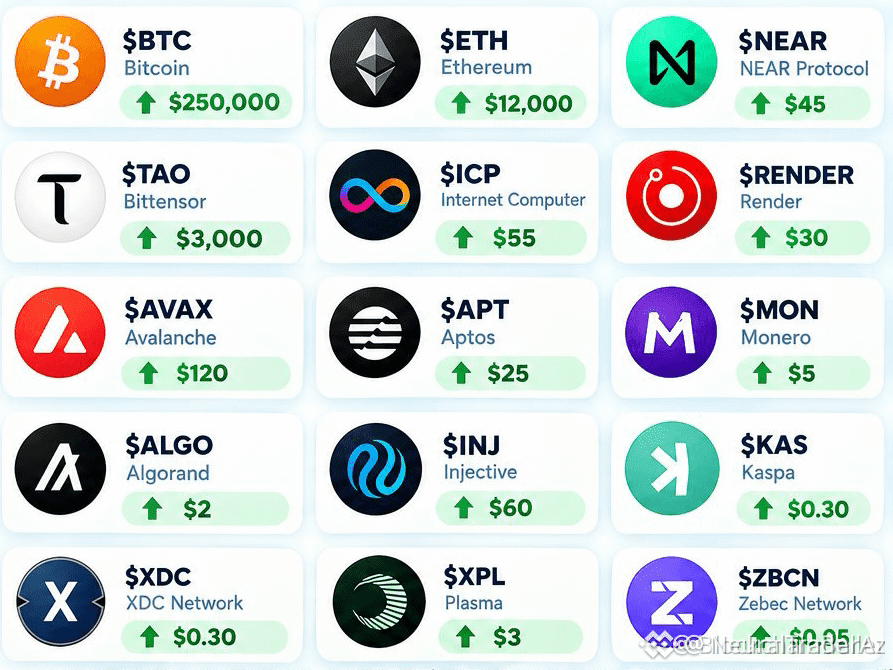
目標:12,000 🎯
マクロ構造の予測では、野心的なサイクル拡大目標が示されています。$ETH は12,000の流動性プールに向かい、$SOL と$BNB には大幅な上値拡張が見込まれます。📊 機関投資家の注文フローの観点から見ると、これらの複数年にわたる目標に到達するには、高い時間足で非効率な価格帯を継続的に埋め、構造的なブレイクを連続して達成する必要があります。
上位時間足のモメンタムは依然として有望ですが、機関投資家の資金は、急騰に飛び乗るのではなく、レンジを着実に奪還する過程で蓄積されます。💡 長期的な分配は、プレミアム価格帯にある買い手側の流動性が一掃されて初めて進行します。
💬 これらのマクロ目標のうち、あなたのポートフォリオにとって最も現実的な構造的道筋を示しているのはどれですか?
⚠️ 投資助言ではありません。常にリスク管理を行ってください。🛡️
🏷️ #ETH #MacroAnalysis #Altcoins #MarketStructure
🎯 🦈
🚨 $ETH と主要資産のマクロサイクル拡大目標 📈
目標:12,000 🎯
マクロ構造の予測では、野心的なサイクル拡大目標が示されています。$ETH は12,000の流動性プールに向かい、$SOL と$BNB には大幅な上値拡張が見込まれます。📊 機関投資家の注文フローの観点から見ると、これらの複数年にわたる目標に到達するには、高い時間足で非効率な価格帯を継続的に埋め、構造的なブレイクを連続して達成する必要があります。
上位時間足のモメンタムは依然として有望ですが、機関投資家の資金は、急騰に飛び乗るのではなく、レンジを着実に奪還する過程で蓄積されます。💡 長期的な分配は、プレミアム価格帯にある買い手側の流動性が一掃されて初めて進行します。
💬 これらのマクロ目標のうち、あなたのポートフォリオにとって最も現実的な構造的道筋を示しているのはどれですか?
⚠️ 投資助言ではありません。常にリスク管理を行ってください。🛡️
🏷️ #ETH #MacroAnalysis #Altcoins #MarketStructure
🎯 🦈
目標:12,000 🎯
マクロ構造の予測では、野心的なサイクル拡大目標が示されています。$ETH は12,000の流動性プールに向かい、$SOL と$BNB には大幅な上値拡張が見込まれます。📊 機関投資家の注文フローの観点から見ると、これらの複数年にわたる目標に到達するには、高い時間足で非効率な価格帯を継続的に埋め、構造的なブレイクを連続して達成する必要があります。
上位時間足のモメンタムは依然として有望ですが、機関投資家の資金は、急騰に飛び乗るのではなく、レンジを着実に奪還する過程で蓄積されます。💡 長期的な分配は、プレミアム価格帯にある買い手側の流動性が一掃されて初めて進行します。
💬 これらのマクロ目標のうち、あなたのポートフォリオにとって最も現実的な構造的道筋を示しているのはどれですか?
⚠️ 投資助言ではありません。常にリスク管理を行ってください。🛡️
🏷️ #ETH #MacroAnalysis #Altcoins #MarketStructure
🎯 🦈
9
·
--
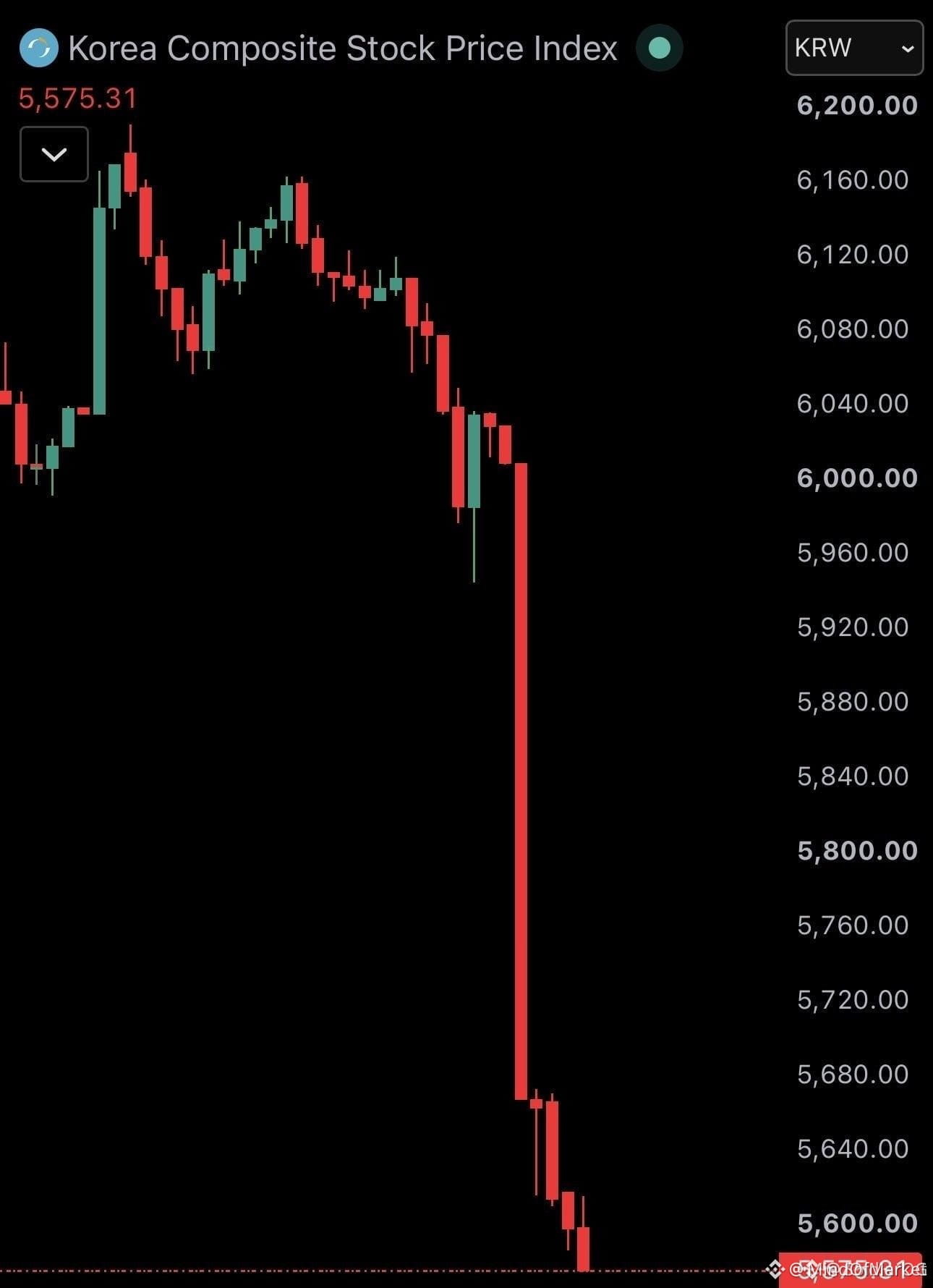
🚨 KOSPIが7%急落し、マクロ構造を揺るがす:流動性は$WAL に流入するのか? 📉
ベンチマーク指数が7%下落するなか、アジア全域の株式市場では深刻な注文フローの不均衡が生じており、システミックな追証と機関投資家の資金流出のどちらが起きているのか、早急な懸念が高まっています。🌊 従来の株価指数で連鎖的な清算が発生すると、機関投資家はより広範な市場への波及に備え、ヘッジ目的で代替的な流動性プールを探ることがよくあります。🔍
このマクロ構造へのショックが、$WAL のような資産全般にわたる局所的なリスク削減を引き起こすのか、それとも割安な評価水準でのスマートマネーの買い集めにつながるのかは、今後の日々の取引終了までに注文板がどれだけ売買を吸収できるかにかかっています。📊
💬 機関投資家の取引デスクは広範なリスクオフの清算を引き起こすと思いますか?それとも代替資産がこの資金のローテーションを吸収するでしょうか?
⚠️ 金融アドバイスではありません。常にリスクを管理してください。🛡️
🏷️ #WAL #MacroAnalysis #Liquidity #MarketStructure
🎯 🦈
🚨 KOSPIが7%急落し、マクロ構造を揺るがす:流動性は$WAL に流入するのか? 📉
ベンチマーク指数が7%下落するなか、アジア全域の株式市場では深刻な注文フローの不均衡が生じており、システミックな追証と機関投資家の資金流出のどちらが起きているのか、早急な懸念が高まっています。🌊 従来の株価指数で連鎖的な清算が発生すると、機関投資家はより広範な市場への波及に備え、ヘッジ目的で代替的な流動性プールを探ることがよくあります。🔍
このマクロ構造へのショックが、$WAL のような資産全般にわたる局所的なリスク削減を引き起こすのか、それとも割安な評価水準でのスマートマネーの買い集めにつながるのかは、今後の日々の取引終了までに注文板がどれだけ売買を吸収できるかにかかっています。📊
💬 機関投資家の取引デスクは広範なリスクオフの清算を引き起こすと思いますか?それとも代替資産がこの資金のローテーションを吸収するでしょうか?
⚠️ 金融アドバイスではありません。常にリスクを管理してください。🛡️
🏷️ #WAL #MacroAnalysis #Liquidity #MarketStructure
🎯 🦈
ベンチマーク指数が7%下落するなか、アジア全域の株式市場では深刻な注文フローの不均衡が生じており、システミックな追証と機関投資家の資金流出のどちらが起きているのか、早急な懸念が高まっています。🌊 従来の株価指数で連鎖的な清算が発生すると、機関投資家はより広範な市場への波及に備え、ヘッジ目的で代替的な流動性プールを探ることがよくあります。🔍
このマクロ構造へのショックが、$WAL のような資産全般にわたる局所的なリスク削減を引き起こすのか、それとも割安な評価水準でのスマートマネーの買い集めにつながるのかは、今後の日々の取引終了までに注文板がどれだけ売買を吸収できるかにかかっています。📊
💬 機関投資家の取引デスクは広範なリスクオフの清算を引き起こすと思いますか?それとも代替資産がこの資金のローテーションを吸収するでしょうか?
⚠️ 金融アドバイスではありません。常にリスクを管理してください。🛡️
🏷️ #WAL #MacroAnalysis #Liquidity #MarketStructure
🎯 🦈
13
·
--
ビットコインは、単なる投機資産ではなく、世界の流動性を測るバロメーターとしての性格を強めています。
データが繰り返し示しているのは、$BTC が従来の市場のリスク資産に数週間先行して底を打ち、底固めする傾向があり、世界のM2マネーサプライの転換点と歩調を合わせているということです。欧州、日本、中国、米国の中央銀行がバランスシートを拡大すると、新たな流動性の波は、世界中から最もアクセスしやすく、国境のない資産であるビットコインにまず流れ込みます。
これは重要な点です。多くのアナリストは、ビットコインを今も半減期、オンチェーン指標、取引所への資金流出入といった、暗号資産固有の視点だけで捉えているからです。こうしたシグナルも重要です。しかし、より大きなマクロのリズムを決めているのは、世界的な流動性サイクルです。
実際的な示唆としては、世界のM2の変化率、特にFRB、中国人民銀行、ECBが同じ方向に動いているときに注目すれば、ビットコインがこれから取引されるマクロ環境を早い段階で把握できます。完璧なタイミングを測るツールではありませんが、ほとんどのサイクルモデルよりも実態に即しています。
BTCの底固めが確認されると、$ETH と$SOL がそれに続く傾向があります。アルトコインは値動きを増幅します。この順序を動かすのはナラティブではなく、流動性です。
教訓は、細部を見る前に視野を広げること。暗号資産の値動きでは、シグナルが現れる場所はしばしば最後です。
#Bitcoin #Crypto #MacroAnalysis #Altcoins #暗号資産市場
ビットコインは、単なる投機資産ではなく、世界の流動性を測るバロメーターとしての性格を強めています。
データが繰り返し示しているのは、$BTC が従来の市場のリスク資産に数週間先行して底を打ち、底固めする傾向があり、世界のM2マネーサプライの転換点と歩調を合わせているということです。欧州、日本、中国、米国の中央銀行がバランスシートを拡大すると、新たな流動性の波は、世界中から最もアクセスしやすく、国境のない資産であるビットコインにまず流れ込みます。
これは重要な点です。多くのアナリストは、ビットコインを今も半減期、オンチェーン指標、取引所への資金流出入といった、暗号資産固有の視点だけで捉えているからです。こうしたシグナルも重要です。しかし、より大きなマクロのリズムを決めているのは、世界的な流動性サイクルです。
実際的な示唆としては、世界のM2の変化率、特にFRB、中国人民銀行、ECBが同じ方向に動いているときに注目すれば、ビットコインがこれから取引されるマクロ環境を早い段階で把握できます。完璧なタイミングを測るツールではありませんが、ほとんどのサイクルモデルよりも実態に即しています。
BTCの底固めが確認されると、$ETH と$SOL がそれに続く傾向があります。アルトコインは値動きを増幅します。この順序を動かすのはナラティブではなく、流動性です。
教訓は、細部を見る前に視野を広げること。暗号資産の値動きでは、シグナルが現れる場所はしばしば最後です。
#Bitcoin #Crypto #MacroAnalysis #Altcoins #暗号資産市場
データが繰り返し示しているのは、$BTC が従来の市場のリスク資産に数週間先行して底を打ち、底固めする傾向があり、世界のM2マネーサプライの転換点と歩調を合わせているということです。欧州、日本、中国、米国の中央銀行がバランスシートを拡大すると、新たな流動性の波は、世界中から最もアクセスしやすく、国境のない資産であるビットコインにまず流れ込みます。
これは重要な点です。多くのアナリストは、ビットコインを今も半減期、オンチェーン指標、取引所への資金流出入といった、暗号資産固有の視点だけで捉えているからです。こうしたシグナルも重要です。しかし、より大きなマクロのリズムを決めているのは、世界的な流動性サイクルです。
実際的な示唆としては、世界のM2の変化率、特にFRB、中国人民銀行、ECBが同じ方向に動いているときに注目すれば、ビットコインがこれから取引されるマクロ環境を早い段階で把握できます。完璧なタイミングを測るツールではありませんが、ほとんどのサイクルモデルよりも実態に即しています。
BTCの底固めが確認されると、$ETH と$SOL がそれに続く傾向があります。アルトコインは値動きを増幅します。この順序を動かすのはナラティブではなく、流動性です。
教訓は、細部を見る前に視野を広げること。暗号資産の値動きでは、シグナルが現れる場所はしばしば最後です。
#Bitcoin #Crypto #MacroAnalysis #Altcoins #暗号資産市場
147
·
--
📉 82,528ドルで$BTC がインフレ圧力を吸収、マクロ流動性に変化 ⚡
原油価格の急騰でCPI上昇への警戒が強まるなか、エネルギー主導のマクロ環境の変動が注文板にも波及しています。📊 機関投資家は幅広い資産クラスで積極的にリスクを縮小し、構造的な割安水準を探る動きから、$BTC は1.4%下落して82,528の水準に近づいています。
🔍 賢明な投資家は、地政学的なニュースによる急変が、明確なトレンド転換というより、絶好の流動性一掃を引き起こすことが多いと理解しています。🌊 インフレ指標の発表前に、この調整局面で遅れて参入したレバレッジ勢が効率的に一掃されれば、重要なオーダーブロックで機関投資家による明確な吸収が期待できます。🤔 さらに深い売りの流動性一掃を予想しますか? それとも、この構造的なゾーンを買い手が守ると見ていますか? 👇
⚠️ 金融上の助言ではありません。常にリスク管理を徹底してください。🛡️
🏷️ #BTC #MacroAnalysis #MarketStructure #Bitcoin
🎯 🦈
📉 82,528ドルで$BTC がインフレ圧力を吸収、マクロ流動性に変化 ⚡
原油価格の急騰でCPI上昇への警戒が強まるなか、エネルギー主導のマクロ環境の変動が注文板にも波及しています。📊 機関投資家は幅広い資産クラスで積極的にリスクを縮小し、構造的な割安水準を探る動きから、$BTC は1.4%下落して82,528の水準に近づいています。
🔍 賢明な投資家は、地政学的なニュースによる急変が、明確なトレンド転換というより、絶好の流動性一掃を引き起こすことが多いと理解しています。🌊 インフレ指標の発表前に、この調整局面で遅れて参入したレバレッジ勢が効率的に一掃されれば、重要なオーダーブロックで機関投資家による明確な吸収が期待できます。🤔 さらに深い売りの流動性一掃を予想しますか? それとも、この構造的なゾーンを買い手が守ると見ていますか? 👇
⚠️ 金融上の助言ではありません。常にリスク管理を徹底してください。🛡️
🏷️ #BTC #MacroAnalysis #MarketStructure #Bitcoin
🎯 🦈
原油価格の急騰でCPI上昇への警戒が強まるなか、エネルギー主導のマクロ環境の変動が注文板にも波及しています。📊 機関投資家は幅広い資産クラスで積極的にリスクを縮小し、構造的な割安水準を探る動きから、$BTC は1.4%下落して82,528の水準に近づいています。
🔍 賢明な投資家は、地政学的なニュースによる急変が、明確なトレンド転換というより、絶好の流動性一掃を引き起こすことが多いと理解しています。🌊 インフレ指標の発表前に、この調整局面で遅れて参入したレバレッジ勢が効率的に一掃されれば、重要なオーダーブロックで機関投資家による明確な吸収が期待できます。🤔 さらに深い売りの流動性一掃を予想しますか? それとも、この構造的なゾーンを買い手が守ると見ていますか? 👇
⚠️ 金融上の助言ではありません。常にリスク管理を徹底してください。🛡️
🏷️ #BTC #MacroAnalysis #MarketStructure #Bitcoin
🎯 🦈
25

·
--
マクロシフト:エネルギー緩和が次の機関投資家による$BTC 拡大の引き金になる可能性 ⚡ 📊
ロシアの燃料供給の変化の可能性に関する報道は、世界のエネルギー指標$CL 全体で見出しインフレ鈍化を促す可能性があります。マクロのエネルギー圧力が和らげば、機関投資家の割引率が調整されるにつれて、リスク資産が流動性を急速に吸収すると予想されます。🌊
一方、Glassnodeのデータは、再利用されたアドレスプールに4.33M $BTC が滞留していることを示しており、スマートマネーが積極的に監視している大規模な潜在供給の分配パターンを示唆しています。📊 マクロの追い風とオンチェーンの構造的な集約が組み合わさることで、流動性回収にとって理想的な環境が生まれます。💡
💬 このマクロエネルギーの決着に向けて、あなたはどのようにリスクを構築していますか?👇
⚠️ 投資助言ではありません。常にリスク管理を行ってください。🛡️
🏷️ #BTC #MacroAnalysis #MarketStructure #Crypto
🎯 🦈
マクロシフト:エネルギー緩和が次の機関投資家による$BTC 拡大の引き金になる可能性 ⚡ 📊
ロシアの燃料供給の変化の可能性に関する報道は、世界のエネルギー指標$CL 全体で見出しインフレ鈍化を促す可能性があります。マクロのエネルギー圧力が和らげば、機関投資家の割引率が調整されるにつれて、リスク資産が流動性を急速に吸収すると予想されます。🌊
一方、Glassnodeのデータは、再利用されたアドレスプールに4.33M $BTC が滞留していることを示しており、スマートマネーが積極的に監視している大規模な潜在供給の分配パターンを示唆しています。📊 マクロの追い風とオンチェーンの構造的な集約が組み合わさることで、流動性回収にとって理想的な環境が生まれます。💡
💬 このマクロエネルギーの決着に向けて、あなたはどのようにリスクを構築していますか?👇
⚠️ 投資助言ではありません。常にリスク管理を行ってください。🛡️
🏷️ #BTC #MacroAnalysis #MarketStructure #Crypto
🎯 🦈
ロシアの燃料供給の変化の可能性に関する報道は、世界のエネルギー指標$CL 全体で見出しインフレ鈍化を促す可能性があります。マクロのエネルギー圧力が和らげば、機関投資家の割引率が調整されるにつれて、リスク資産が流動性を急速に吸収すると予想されます。🌊
一方、Glassnodeのデータは、再利用されたアドレスプールに4.33M $BTC が滞留していることを示しており、スマートマネーが積極的に監視している大規模な潜在供給の分配パターンを示唆しています。📊 マクロの追い風とオンチェーンの構造的な集約が組み合わさることで、流動性回収にとって理想的な環境が生まれます。💡
💬 このマクロエネルギーの決着に向けて、あなたはどのようにリスクを構築していますか?👇
⚠️ 投資助言ではありません。常にリスク管理を行ってください。🛡️
🏷️ #BTC #MacroAnalysis #MarketStructure #Crypto
🎯 🦈

16
·
--
🚨 $BTC マクロサイクルのタイムラインが、機関投資家の蓄積から強気拡大局面への移行を裏付ける 📈
過去のサイクル指標は、市場のタイミングにおける構造的な精度を示しています。拡大が1064日続いた後、分配が364日続きました。📊 マクロの売り手が力尽きるなか、スマートマネーのポジショニングもこの構造的な転換に沿っており、長期目標として$BTC は190,000ドル、$ETH は8,800ドルが視野に入っています。
ベテランのチャーティストが600,000ドルまでの長期目標レンジを示すなか、機関投資家の流動性は底値圏での蓄積からマクロ拡大局面へと移行しています。🔍 オーダーフローのシグナルは、弱気相場の底が完全に打ち消されたことを示しています。🤔 過去のサイクルの対称性は今回のマクロ拡大でも続くと思いますか?それとも、機関投資家のオーダーフローがタイムラインを先取りするでしょうか?👇
⚠️ 金融アドバイスではありません。常にリスク管理を徹底してください。🛡️
🏷️ #BTC #Crypto #MarketStructure #MacroAnalysis
📊 🦈
🚨 $BTC マクロサイクルのタイムラインが、機関投資家の蓄積から強気拡大局面への移行を裏付ける 📈
過去のサイクル指標は、市場のタイミングにおける構造的な精度を示しています。拡大が1064日続いた後、分配が364日続きました。📊 マクロの売り手が力尽きるなか、スマートマネーのポジショニングもこの構造的な転換に沿っており、長期目標として$BTC は190,000ドル、$ETH は8,800ドルが視野に入っています。
ベテランのチャーティストが600,000ドルまでの長期目標レンジを示すなか、機関投資家の流動性は底値圏での蓄積からマクロ拡大局面へと移行しています。🔍 オーダーフローのシグナルは、弱気相場の底が完全に打ち消されたことを示しています。🤔 過去のサイクルの対称性は今回のマクロ拡大でも続くと思いますか?それとも、機関投資家のオーダーフローがタイムラインを先取りするでしょうか?👇
⚠️ 金融アドバイスではありません。常にリスク管理を徹底してください。🛡️
🏷️ #BTC #Crypto #MarketStructure #MacroAnalysis
📊 🦈
過去のサイクル指標は、市場のタイミングにおける構造的な精度を示しています。拡大が1064日続いた後、分配が364日続きました。📊 マクロの売り手が力尽きるなか、スマートマネーのポジショニングもこの構造的な転換に沿っており、長期目標として$BTC は190,000ドル、$ETH は8,800ドルが視野に入っています。
ベテランのチャーティストが600,000ドルまでの長期目標レンジを示すなか、機関投資家の流動性は底値圏での蓄積からマクロ拡大局面へと移行しています。🔍 オーダーフローのシグナルは、弱気相場の底が完全に打ち消されたことを示しています。🤔 過去のサイクルの対称性は今回のマクロ拡大でも続くと思いますか?それとも、機関投資家のオーダーフローがタイムラインを先取りするでしょうか?👇
⚠️ 金融アドバイスではありません。常にリスク管理を徹底してください。🛡️
🏷️ #BTC #Crypto #MarketStructure #MacroAnalysis
📊 🦈
37
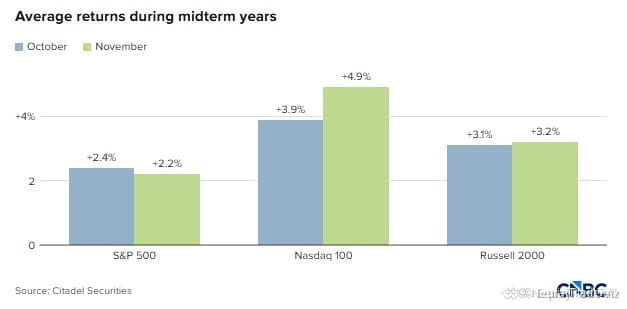
中間選挙シーズンの歴史的な追い風が近づく中、機関投資家の流動性が$BTC を中心に高まる ⚡ 📊
過去のデータから、中間選挙の年には10月から11月にかけてマクロ資産が力強く上昇するという、繰り返し見られる構造的な変化が明らかになっています。政治的不透明感の中で通常は待機している機関投資家の資金も、立法面の見通しが明確になると再び市場に流れ込み始めます。 📊
こうした底堅さは偶然ではありません。個人投資家が一時的な見出しの騒音に注目する一方、賢明な投資家はマクロ流動性の拡大や季節的な注文フローの動向を追い、構造的な拡大に先回りしてポジションを取ります。 💡
短期的な急変動に反応するよりも、こうしたマクロ環境を理解することがはるかに重要です。 💬 季節性によるボラティリティの転換を前に、どのようにリスク配分を組み立てていますか? 👇
⚠️ 金融アドバイスではありません。常にリスク管理を徹底してください。 🛡️
🏷️ #BTC #MacroAnalysis #MarketStructure #Crypto
🎯 🦈
中間選挙シーズンの歴史的な追い風が近づく中、機関投資家の流動性が$BTC を中心に高まる ⚡ 📊
過去のデータから、中間選挙の年には10月から11月にかけてマクロ資産が力強く上昇するという、繰り返し見られる構造的な変化が明らかになっています。政治的不透明感の中で通常は待機している機関投資家の資金も、立法面の見通しが明確になると再び市場に流れ込み始めます。 📊
こうした底堅さは偶然ではありません。個人投資家が一時的な見出しの騒音に注目する一方、賢明な投資家はマクロ流動性の拡大や季節的な注文フローの動向を追い、構造的な拡大に先回りしてポジションを取ります。 💡
短期的な急変動に反応するよりも、こうしたマクロ環境を理解することがはるかに重要です。 💬 季節性によるボラティリティの転換を前に、どのようにリスク配分を組み立てていますか? 👇
⚠️ 金融アドバイスではありません。常にリスク管理を徹底してください。 🛡️
🏷️ #BTC #MacroAnalysis #MarketStructure #Crypto
🎯 🦈
過去のデータから、中間選挙の年には10月から11月にかけてマクロ資産が力強く上昇するという、繰り返し見られる構造的な変化が明らかになっています。政治的不透明感の中で通常は待機している機関投資家の資金も、立法面の見通しが明確になると再び市場に流れ込み始めます。 📊
こうした底堅さは偶然ではありません。個人投資家が一時的な見出しの騒音に注目する一方、賢明な投資家はマクロ流動性の拡大や季節的な注文フローの動向を追い、構造的な拡大に先回りしてポジションを取ります。 💡
短期的な急変動に反応するよりも、こうしたマクロ環境を理解することがはるかに重要です。 💬 季節性によるボラティリティの転換を前に、どのようにリスク配分を組み立てていますか? 👇
⚠️ 金融アドバイスではありません。常にリスク管理を徹底してください。 🛡️
🏷️ #BTC #MacroAnalysis #MarketStructure #Crypto
🎯 🦈
36

·
--
レーダー マクロ - PCEが今日を決める
BTC:US$83.7kは安定。市場は微妙な均衡状態。#MacroAnalysis
今日重要なこと:
PCEが弱い -> 利回りが低下 -> BTC/テックにとってプラス
PCEが強い -> 利回りとドルが上昇 -> リスクに圧力
背景:$BTC
• 原油が供給の正常化を始めている
• 米国債10年はまだ5.22%(リスク)
• 今日:PCE+ミクロンの決算
私の見立て:今日の市場はインフレ次第です。PCEが、金利が息をつけるのか、あるいはリスク資産に対して再び圧力がかかるのかを決めます。
出所:CME / TradingView
レーダー マクロ - PCEが今日を決める
BTC:US$83.7kは安定。市場は微妙な均衡状態。#MacroAnalysis
今日重要なこと:
PCEが弱い -> 利回りが低下 -> BTC/テックにとってプラス
PCEが強い -> 利回りとドルが上昇 -> リスクに圧力
背景:$BTC
• 原油が供給の正常化を始めている
• 米国債10年はまだ5.22%(リスク)
• 今日:PCE+ミクロンの決算
私の見立て:今日の市場はインフレ次第です。PCEが、金利が息をつけるのか、あるいはリスク資産に対して再び圧力がかかるのかを決めます。
出所:CME / TradingView
BTC:US$83.7kは安定。市場は微妙な均衡状態。#MacroAnalysis
今日重要なこと:
PCEが弱い -> 利回りが低下 -> BTC/テックにとってプラス
PCEが強い -> 利回りとドルが上昇 -> リスクに圧力
背景:$BTC
• 原油が供給の正常化を始めている
• 米国債10年はまだ5.22%(リスク)
• 今日:PCE+ミクロンの決算
私の見立て:今日の市場はインフレ次第です。PCEが、金利が息をつけるのか、あるいはリスク資産に対して再び圧力がかかるのかを決めます。
出所:CME / TradingView
104

·
--
🚨 BOND SHORT SQUEEZE WARNING SIGNALS MACRO VOLATILITY RIPPLES ACROSS $MOVR AND ALTS! ⚡
マクロの固定金利(債券)市場でのミスアロケーション(歪み)が、短期的に流動性が荒れる背景を整えている可能性があります。債券市場のショート(空売り)エクスポージャーが潜在的に強制的な巻き戻し(アンワインド)に直面すると、ボラティリティの高い流動性環境が形成されやすくなります。🦈 機関投資家の注文フローは、急激な利回りショックが歴史的にベータ(値動きの大きさ)が大きい資産クラスへ直接波及し、より広い市場におけるリスクオンのセンチメントを再構築してきたことを示唆しています。
💡 ソブリン債(国家債)の利回りが急にスクイーズ(踏み上げ)されると、スマートマネーは素早く資本を再配分し、市場の非効率を吸収しつつバランスシート上のエクスポージャーを調整します。📊 このボラティリティが、$PHA や$ESPORTS のようなアルトにおける流動性プールを不安定化させるのか、それとも安堵(リリーフ)のラリーを引き起こすのか——それが中心となる構造的な転換点です。💬 この想定されるマクロ金利の再評価(レプリシング)に先立って、あなたは流動性をどうポジショニングしますか?👇
⚠️ これは金融助言ではありません。必ずリスク管理を行ってください。🛡️
🏷️ #MOVR #MacroAnalysis #Liquidity #MarketStructure #Crypto
🎯 🦈
🚨 BOND SHORT SQUEEZE WARNING SIGNALS MACRO VOLATILITY RIPPLES ACROSS $MOVR AND ALTS! ⚡
マクロの固定金利(債券)市場でのミスアロケーション(歪み)が、短期的に流動性が荒れる背景を整えている可能性があります。債券市場のショート(空売り)エクスポージャーが潜在的に強制的な巻き戻し(アンワインド)に直面すると、ボラティリティの高い流動性環境が形成されやすくなります。🦈 機関投資家の注文フローは、急激な利回りショックが歴史的にベータ(値動きの大きさ)が大きい資産クラスへ直接波及し、より広い市場におけるリスクオンのセンチメントを再構築してきたことを示唆しています。
💡 ソブリン債(国家債)の利回りが急にスクイーズ(踏み上げ)されると、スマートマネーは素早く資本を再配分し、市場の非効率を吸収しつつバランスシート上のエクスポージャーを調整します。📊 このボラティリティが、$PHA や$ESPORTS のようなアルトにおける流動性プールを不安定化させるのか、それとも安堵(リリーフ)のラリーを引き起こすのか——それが中心となる構造的な転換点です。💬 この想定されるマクロ金利の再評価(レプリシング)に先立って、あなたは流動性をどうポジショニングしますか?👇
⚠️ これは金融助言ではありません。必ずリスク管理を行ってください。🛡️
🏷️ #MOVR #MacroAnalysis #Liquidity #MarketStructure #Crypto
🎯 🦈
マクロの固定金利(債券)市場でのミスアロケーション(歪み)が、短期的に流動性が荒れる背景を整えている可能性があります。債券市場のショート(空売り)エクスポージャーが潜在的に強制的な巻き戻し(アンワインド)に直面すると、ボラティリティの高い流動性環境が形成されやすくなります。🦈 機関投資家の注文フローは、急激な利回りショックが歴史的にベータ(値動きの大きさ)が大きい資産クラスへ直接波及し、より広い市場におけるリスクオンのセンチメントを再構築してきたことを示唆しています。
💡 ソブリン債(国家債)の利回りが急にスクイーズ(踏み上げ)されると、スマートマネーは素早く資本を再配分し、市場の非効率を吸収しつつバランスシート上のエクスポージャーを調整します。📊 このボラティリティが、$PHA や$ESPORTS のようなアルトにおける流動性プールを不安定化させるのか、それとも安堵(リリーフ)のラリーを引き起こすのか——それが中心となる構造的な転換点です。💬 この想定されるマクロ金利の再評価(レプリシング)に先立って、あなたは流動性をどうポジショニングしますか?👇
⚠️ これは金融助言ではありません。必ずリスク管理を行ってください。🛡️
🏷️ #MOVR #MacroAnalysis #Liquidity #MarketStructure #Crypto
🎯 🦈

303

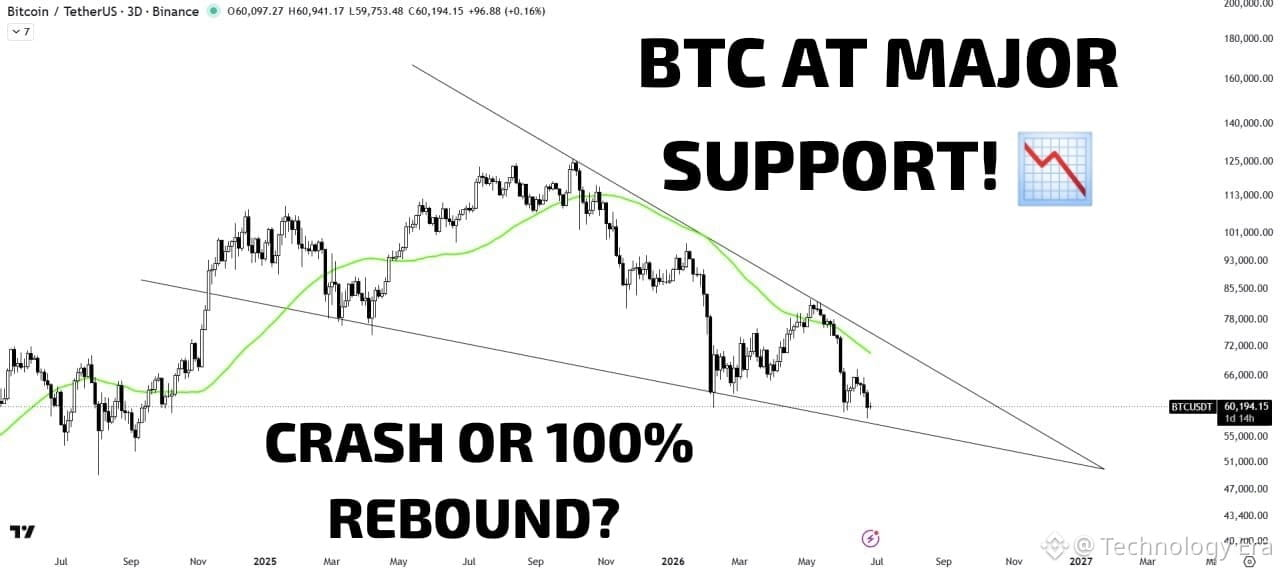
🚨 $BTC 巨大マクロ・ウェッジ:勝負の分岐点! 📉 それとも 🚀?
ビットコインはマクロの3日チャート上で、複数カ月にわたる下落のフォールディング・ウェッジ・パターンの中に押し縮められています。現在は約$60,194で推移しており、「勝負の分岐となる」下側サポートラインのど真ん中に位置しています。
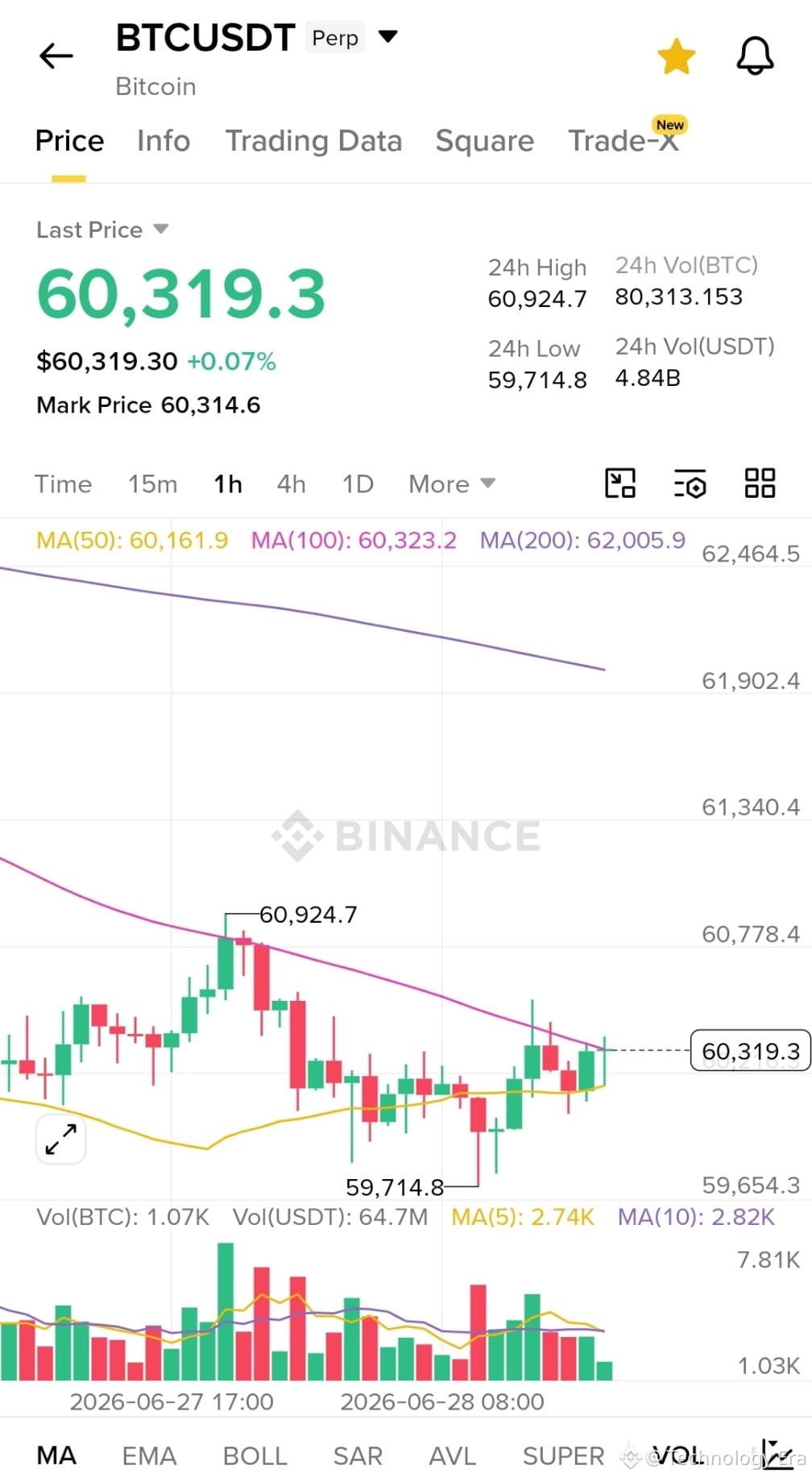
1時間足の短期では、価格は直近の移動平均と強く拮抗しており、$60,319付近を行ったり来たりしています。この極端な圧縮は、強力な構造的ムーブがすぐそこに迫っていることを意味します!
📊 マクロ・ウェッジの公式:
マクロ・サポートのスクイーズ + 短期のレンジ形成 = 高ボラティリティのブレイクアウト
🎯 注目すべき主要マクロ・レベル
1.究極のサポート・フロア:マクロ・ウェッジの下端トレンドラインがちょうど $58,000〜$60,000 に重なっています。ここが崩れると、より深い調整が視野に入ります。
2.レジスタンスの壁:大きなトレンド転換を起こすには、ビットコインは頭上の下降トレンドラインを明確に上抜けする必要があります。現在、それは $66,000 を大きく上回る位置にあります。
3.私の戦略:この局面では売り手と買い手の我慢比べになっています。なぜなら、私たちはまさに主要なマクロ・サポート上にいるため、ここでショートするのは「罠に捕まる」リスクが高いからです。攻撃的なスイング・セットアップを計画する前に、日足および3日足のローソク足のクローズを、反発の確定パターンが出るまで厳密に監視しています。
この高スクイーズ地帯では、資金を守り、規律を保ちましょう!
💬 あなたの目標は? マクロ・ウェッジのサポートが起動して上部トレンドラインまで大きく反発するのか、それとも $59K を下抜けていくのか? 下に投票してください! 👇
免責事項:これは教育目的のみです。取引に入る前に必ず自己調査(DYOR)を行ってください。
📸 画像出典:Binance & TradingView
#TechnicalAnalysisn #MacroAnalysis
#KioxiaADRFallsOver14% #ModernaRisesOver12% #FINMAAcceleratesAIForCryptoOversight
$BTC
{future}(BTCUSDT)
🚨 $BTC 巨大マクロ・ウェッジ:勝負の分岐点! 📉 それとも 🚀?
ビットコインはマクロの3日チャート上で、複数カ月にわたる下落のフォールディング・ウェッジ・パターンの中に押し縮められています。現在は約$60,194で推移しており、「勝負の分岐となる」下側サポートラインのど真ん中に位置しています。
1時間足の短期では、価格は直近の移動平均と強く拮抗しており、$60,319付近を行ったり来たりしています。この極端な圧縮は、強力な構造的ムーブがすぐそこに迫っていることを意味します!
📊 マクロ・ウェッジの公式:
マクロ・サポートのスクイーズ + 短期のレンジ形成 = 高ボラティリティのブレイクアウト
🎯 注目すべき主要マクロ・レベル
1.究極のサポート・フロア:マクロ・ウェッジの下端トレンドラインがちょうど $58,000〜$60,000 に重なっています。ここが崩れると、より深い調整が視野に入ります。
2.レジスタンスの壁:大きなトレンド転換を起こすには、ビットコインは頭上の下降トレンドラインを明確に上抜けする必要があります。現在、それは $66,000 を大きく上回る位置にあります。
3.私の戦略:この局面では売り手と買い手の我慢比べになっています。なぜなら、私たちはまさに主要なマクロ・サポート上にいるため、ここでショートするのは「罠に捕まる」リスクが高いからです。攻撃的なスイング・セットアップを計画する前に、日足および3日足のローソク足のクローズを、反発の確定パターンが出るまで厳密に監視しています。
この高スクイーズ地帯では、資金を守り、規律を保ちましょう!
💬 あなたの目標は? マクロ・ウェッジのサポートが起動して上部トレンドラインまで大きく反発するのか、それとも $59K を下抜けていくのか? 下に投票してください! 👇
免責事項:これは教育目的のみです。取引に入る前に必ず自己調査(DYOR)を行ってください。
📸 画像出典:Binance & TradingView
#TechnicalAnalysisn #MacroAnalysis
#KioxiaADRFallsOver14% #ModernaRisesOver12% #FINMAAcceleratesAIForCryptoOversight
$BTC
ビットコインはマクロの3日チャート上で、複数カ月にわたる下落のフォールディング・ウェッジ・パターンの中に押し縮められています。現在は約$60,194で推移しており、「勝負の分岐となる」下側サポートラインのど真ん中に位置しています。
1時間足の短期では、価格は直近の移動平均と強く拮抗しており、$60,319付近を行ったり来たりしています。この極端な圧縮は、強力な構造的ムーブがすぐそこに迫っていることを意味します!
📊 マクロ・ウェッジの公式:
マクロ・サポートのスクイーズ + 短期のレンジ形成 = 高ボラティリティのブレイクアウト
🎯 注目すべき主要マクロ・レベル
1.究極のサポート・フロア:マクロ・ウェッジの下端トレンドラインがちょうど $58,000〜$60,000 に重なっています。ここが崩れると、より深い調整が視野に入ります。
2.レジスタンスの壁:大きなトレンド転換を起こすには、ビットコインは頭上の下降トレンドラインを明確に上抜けする必要があります。現在、それは $66,000 を大きく上回る位置にあります。
3.私の戦略:この局面では売り手と買い手の我慢比べになっています。なぜなら、私たちはまさに主要なマクロ・サポート上にいるため、ここでショートするのは「罠に捕まる」リスクが高いからです。攻撃的なスイング・セットアップを計画する前に、日足および3日足のローソク足のクローズを、反発の確定パターンが出るまで厳密に監視しています。
この高スクイーズ地帯では、資金を守り、規律を保ちましょう!
💬 あなたの目標は? マクロ・ウェッジのサポートが起動して上部トレンドラインまで大きく反発するのか、それとも $59K を下抜けていくのか? 下に投票してください! 👇
免責事項:これは教育目的のみです。取引に入る前に必ず自己調査(DYOR)を行ってください。
📸 画像出典:Binance & TradingView
#TechnicalAnalysisn #MacroAnalysis
#KioxiaADRFallsOver14% #ModernaRisesOver12% #FINMAAcceleratesAIForCryptoOversight
$BTC
97

🚨 石油が利益を消し去る — 流動性はリスク資産へ戻っているのか? 🛢️📉🚀
原油は先ほどまでの上昇分を打ち消した。これはインフレ懸念を和らげ、マクロのセンチメントを再びリスク資産へ寄せる可能性がある。
重要な理由 👇
✅ 原油価格の下落=インフレ圧力の軽減
✅ 中銀による強気な政策の可能性が低下
✅ 流動性見通しの改善
✅ ビットコインおよびアルトコインへの需要増
✅ リスクオンのセンチメントが想定より早く戻るかもしれない
マクロが市場を動かす。エネルギー価格が冷え続けるなら、仮想通貨は最大の恩恵を受ける可能性がある。
👀 <$BTC >と、より広いアルトコイン市場の動きを注視している。
#Bitcoin #Crypto #BTC #Altcoins #MacroAnalysis $BTC
{future}(BTCUSDT)
$ETH
{future}(ETHUSDT)
🚨 石油が利益を消し去る — 流動性はリスク資産へ戻っているのか? 🛢️📉🚀
原油は先ほどまでの上昇分を打ち消した。これはインフレ懸念を和らげ、マクロのセンチメントを再びリスク資産へ寄せる可能性がある。
重要な理由 👇
✅ 原油価格の下落=インフレ圧力の軽減
✅ 中銀による強気な政策の可能性が低下
✅ 流動性見通しの改善
✅ ビットコインおよびアルトコインへの需要増
✅ リスクオンのセンチメントが想定より早く戻るかもしれない
マクロが市場を動かす。エネルギー価格が冷え続けるなら、仮想通貨は最大の恩恵を受ける可能性がある。
👀 <$BTC >と、より広いアルトコイン市場の動きを注視している。
#Bitcoin #Crypto #BTC #Altcoins #MacroAnalysis $BTC
$ETH
原油は先ほどまでの上昇分を打ち消した。これはインフレ懸念を和らげ、マクロのセンチメントを再びリスク資産へ寄せる可能性がある。
重要な理由 👇
✅ 原油価格の下落=インフレ圧力の軽減
✅ 中銀による強気な政策の可能性が低下
✅ 流動性見通しの改善
✅ ビットコインおよびアルトコインへの需要増
✅ リスクオンのセンチメントが想定より早く戻るかもしれない
マクロが市場を動かす。エネルギー価格が冷え続けるなら、仮想通貨は最大の恩恵を受ける可能性がある。
👀 <$BTC >と、より広いアルトコイン市場の動きを注視している。
#Bitcoin #Crypto #BTC #Altcoins #MacroAnalysis $BTC
$ETH
1
30

·
--
本人確認中

記事
⚠️ XAUUSDの高度な分析: 地政学的ノイズ、石油の相関、インフレの反転ゴールド($XAU )は現在、リテールの考え方と機関の実行を分ける魅力的なアノマリーを示しています。教科書的な論理では「和平交渉はゴールドの下落を意味する」とされていますが、実際の市場メカニクスは、原油、インフレ、そして連邦準備制度の次の動きとの間のより深いインターマーケット関係によって駆動されています。
市場が基本的なリテールの期待を裏切っている理由の最新のマクロブレイクダウンをお届けします。
📌 石油とインフレの関係: なぜゴールドがポンプアップしているのか
米国とイランの交渉に関する最近の見出しは、表面的な地政学を超えており、世界のエネルギーコリドーに直接影響を与えています。
⚠️ XAUUSDの高度な分析: 地政学的ノイズ、石油の相関、インフレの反転
ゴールド($XAU )は現在、リテールの考え方と機関の実行を分ける魅力的なアノマリーを示しています。教科書的な論理では「和平交渉はゴールドの下落を意味する」とされていますが、実際の市場メカニクスは、原油、インフレ、そして連邦準備制度の次の動きとの間のより深いインターマーケット関係によって駆動されています。
市場が基本的なリテールの期待を裏切っている理由の最新のマクロブレイクダウンをお届けします。
📌 石油とインフレの関係: なぜゴールドがポンプアップしているのか
米国とイランの交渉に関する最近の見出しは、表面的な地政学を超えており、世界のエネルギーコリドーに直接影響を与えています。
市場が基本的なリテールの期待を裏切っている理由の最新のマクロブレイクダウンをお届けします。
📌 石油とインフレの関係: なぜゴールドがポンプアップしているのか
米国とイランの交渉に関する最近の見出しは、表面的な地政学を超えており、世界のエネルギーコリドーに直接影響を与えています。
1
211
·
--
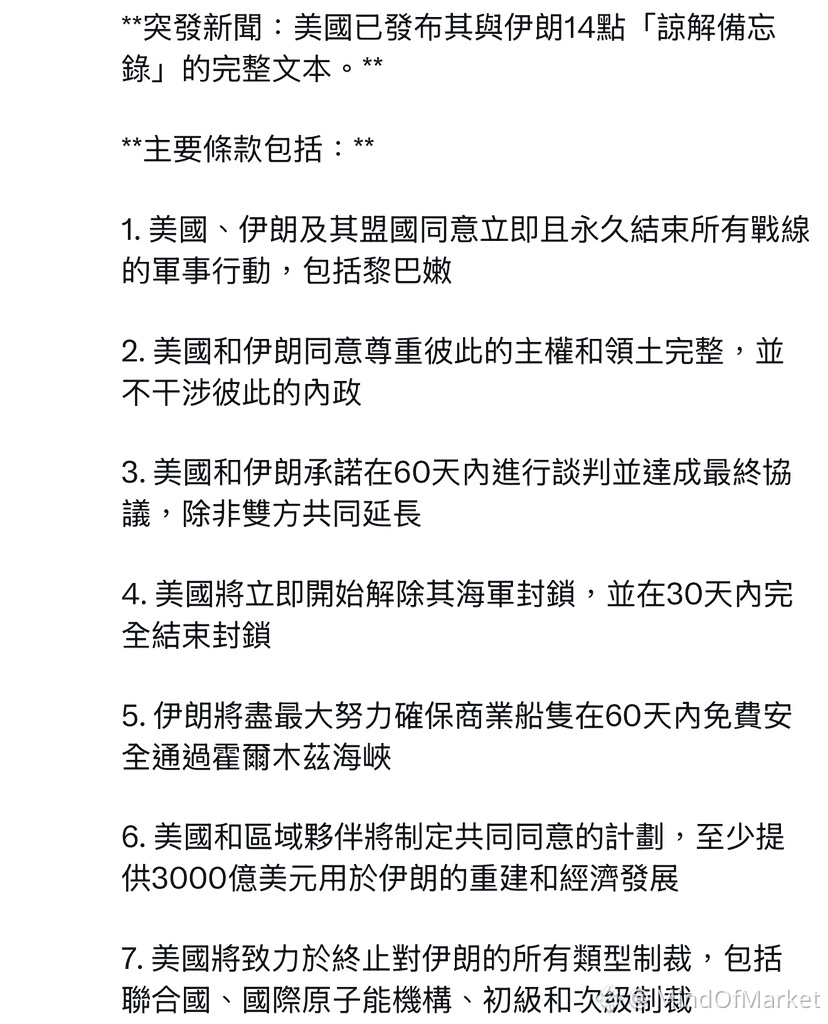
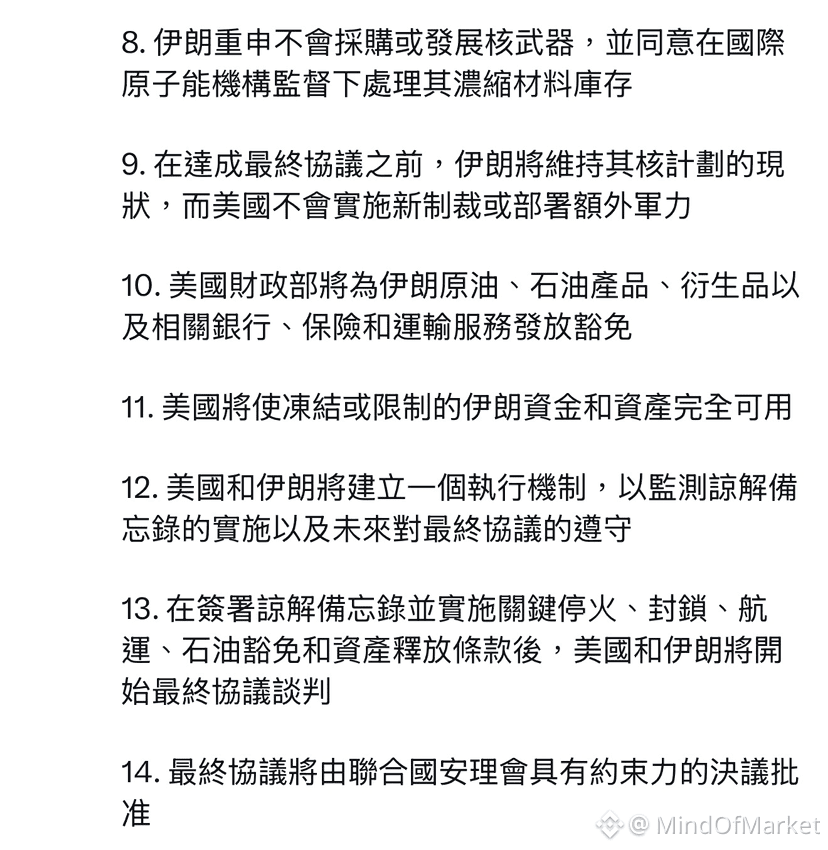
中東における地政学的な緊張緩和が、世界の市場流動性の転換を示唆 ⚡
米国とイラン間の報じられた正常化は、地域リスクプレミアムの大幅な低下を示している。制裁の解除の可能性やホルムズ海峡の安定化により、安全資産からリスクオンの投資商品へと資金フローが向かう変化が起こる可能性が高い。
エネルギーのサプライチェーンや世界の商品市場は、この新たな前提に適応している。機関投資家の流動性が地政学的緊張の低下に応じて回転する中で、$BTC and $XAU がこのマクロの転換にどう反応するかを注視してほしい。あなたは、この転換が現在のポートフォリオ配分にどのような影響を与えると見込んでいるか?
※金融助言ではない。常にリスク管理を行ってください。
#BTC #XAU #MacroAnalysis #MarketStructure #Geopolitics
⚡
中東における地政学的な緊張緩和が、世界の市場流動性の転換を示唆 ⚡
米国とイラン間の報じられた正常化は、地域リスクプレミアムの大幅な低下を示している。制裁の解除の可能性やホルムズ海峡の安定化により、安全資産からリスクオンの投資商品へと資金フローが向かう変化が起こる可能性が高い。
エネルギーのサプライチェーンや世界の商品市場は、この新たな前提に適応している。機関投資家の流動性が地政学的緊張の低下に応じて回転する中で、$BTC and $XAU がこのマクロの転換にどう反応するかを注視してほしい。あなたは、この転換が現在のポートフォリオ配分にどのような影響を与えると見込んでいるか?
※金融助言ではない。常にリスク管理を行ってください。
#BTC #XAU #MacroAnalysis #MarketStructure #Geopolitics
⚡
米国とイラン間の報じられた正常化は、地域リスクプレミアムの大幅な低下を示している。制裁の解除の可能性やホルムズ海峡の安定化により、安全資産からリスクオンの投資商品へと資金フローが向かう変化が起こる可能性が高い。
エネルギーのサプライチェーンや世界の商品市場は、この新たな前提に適応している。機関投資家の流動性が地政学的緊張の低下に応じて回転する中で、$BTC and $XAU がこのマクロの転換にどう反応するかを注視してほしい。あなたは、この転換が現在のポートフォリオ配分にどのような影響を与えると見込んでいるか?
※金融助言ではない。常にリスク管理を行ってください。
#BTC #XAU #MacroAnalysis #MarketStructure #Geopolitics
⚡
61
📊 $BTC 下降するドローダウン:2026年の底はすでに訪れているのか? 📉
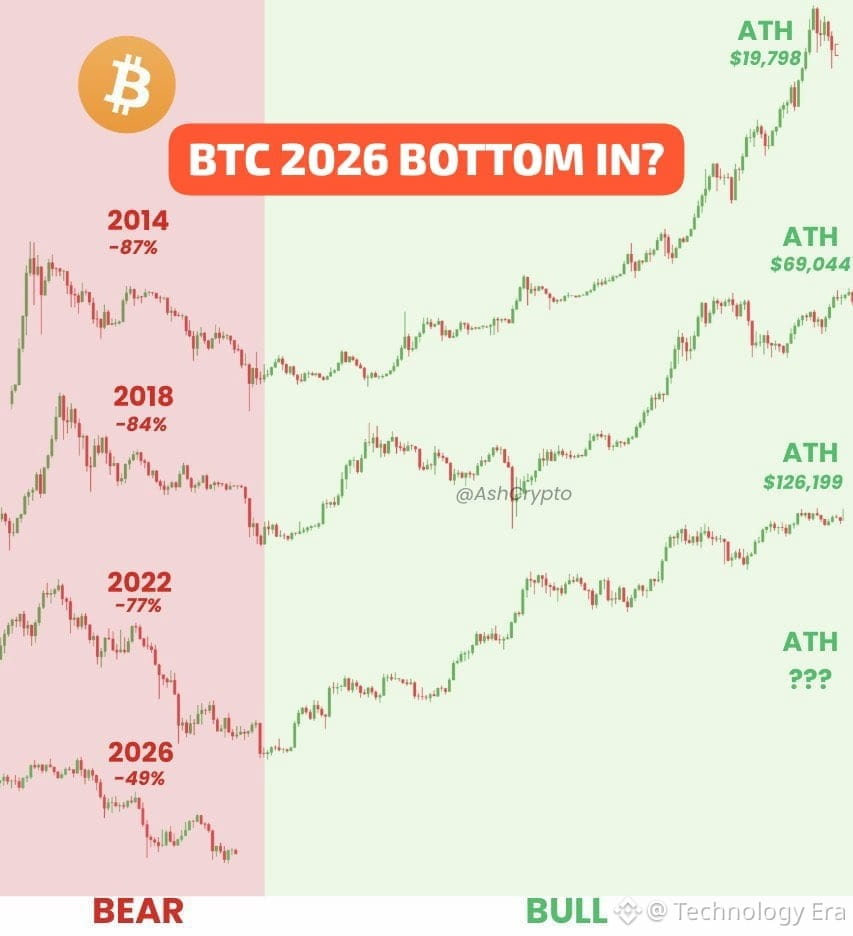
過去のマクロ比較チャートは、ビットコインの主要な市場サイクル全体にまたがる巨大な構造的パターンを浮き彫りにしています。主要なベアマーケットが訪れるたびに、下落率(ドローダウン)がより小さくなっており、BTCがマクロ資産として成熟してきていることを示唆しています。
🔍 過去のベア→ブルのパターン
2014年:-87%の厳しい下落の後、$19,798の史上最高値(ATH)へ到達。
2018年:-84%の下落(調整)で市場を一掃し、$69,044のATHへ。
2022年:-77%のドローダウンが、歴史的な$126,199のサイクル最高値につながった。
2026年の現在状況:ピークから-49%のドローダウンの位置におり、価格は現在およそ$62,500〜$63,000付近で安定しつつあります。
🌐 下降するボラティリティ(変動)式:
ベアマーケットのドローダウン(-87%→-- 49%)= 資産の成熟 & 底堅さ(フロアの安定)
💡 ライブ市場の洞察:
オンチェーンデータが、売り手の枯渇(セラー・エグゾースト)を示しており、循環供給の50%以上が現在、未実現損失を抱えている状態です。これにより、ビットコインは重要なサポート水準の上でしっかりと踏みとどまっています。過去のサイクルが繰り返されるなら、このより緩やかな-49%の下落は、次のマクロ・ブル相場の局面に移る前の2026年の構造的な底になり得るかもしれません。そしてその後、これまで未踏のまったく新しいATHへ向けて追跡が始まる可能性があります。
💬 今回のサイクルでベアが得るのは-49%の下落までなのか、それとももっと深いキャピタル・パニック(投げ売りの局面)が来るのでしょうか? 次の$BTC ATHへの予想を下に投稿してください! 👇
免責事項:本内容は教育目的のみです。取引を行う前に必ずご自身で調査をしてください(DYOR)。
📸 画像出典:AshCrypto & TradingView
#MacroAnalysis #TechnicalAnalysis #CryptoTrading. #BrentRises12%Weekly #NikkeiFalls5%WorstSinceMarch
$BTC
{future}(BTCUSDT)
📊 $BTC 下降するドローダウン:2026年の底はすでに訪れているのか? 📉
過去のマクロ比較チャートは、ビットコインの主要な市場サイクル全体にまたがる巨大な構造的パターンを浮き彫りにしています。主要なベアマーケットが訪れるたびに、下落率(ドローダウン)がより小さくなっており、BTCがマクロ資産として成熟してきていることを示唆しています。
🔍 過去のベア→ブルのパターン
2014年:-87%の厳しい下落の後、$19,798の史上最高値(ATH)へ到達。
2018年:-84%の下落(調整)で市場を一掃し、$69,044のATHへ。
2022年:-77%のドローダウンが、歴史的な$126,199のサイクル最高値につながった。
2026年の現在状況:ピークから-49%のドローダウンの位置におり、価格は現在およそ$62,500〜$63,000付近で安定しつつあります。
🌐 下降するボラティリティ(変動)式:
ベアマーケットのドローダウン(-87%→-- 49%)= 資産の成熟 & 底堅さ(フロアの安定)
💡 ライブ市場の洞察:
オンチェーンデータが、売り手の枯渇(セラー・エグゾースト)を示しており、循環供給の50%以上が現在、未実現損失を抱えている状態です。これにより、ビットコインは重要なサポート水準の上でしっかりと踏みとどまっています。過去のサイクルが繰り返されるなら、このより緩やかな-49%の下落は、次のマクロ・ブル相場の局面に移る前の2026年の構造的な底になり得るかもしれません。そしてその後、これまで未踏のまったく新しいATHへ向けて追跡が始まる可能性があります。
💬 今回のサイクルでベアが得るのは-49%の下落までなのか、それとももっと深いキャピタル・パニック(投げ売りの局面)が来るのでしょうか? 次の$BTC ATHへの予想を下に投稿してください! 👇
免責事項:本内容は教育目的のみです。取引を行う前に必ずご自身で調査をしてください(DYOR)。
📸 画像出典:AshCrypto & TradingView
#MacroAnalysis #TechnicalAnalysis #CryptoTrading. #BrentRises12%Weekly #NikkeiFalls5%WorstSinceMarch
$BTC
過去のマクロ比較チャートは、ビットコインの主要な市場サイクル全体にまたがる巨大な構造的パターンを浮き彫りにしています。主要なベアマーケットが訪れるたびに、下落率(ドローダウン)がより小さくなっており、BTCがマクロ資産として成熟してきていることを示唆しています。
🔍 過去のベア→ブルのパターン
2014年:-87%の厳しい下落の後、$19,798の史上最高値(ATH)へ到達。
2018年:-84%の下落(調整)で市場を一掃し、$69,044のATHへ。
2022年:-77%のドローダウンが、歴史的な$126,199のサイクル最高値につながった。
2026年の現在状況:ピークから-49%のドローダウンの位置におり、価格は現在およそ$62,500〜$63,000付近で安定しつつあります。
🌐 下降するボラティリティ(変動)式:
ベアマーケットのドローダウン(-87%→-- 49%)= 資産の成熟 & 底堅さ(フロアの安定)
💡 ライブ市場の洞察:
オンチェーンデータが、売り手の枯渇(セラー・エグゾースト)を示しており、循環供給の50%以上が現在、未実現損失を抱えている状態です。これにより、ビットコインは重要なサポート水準の上でしっかりと踏みとどまっています。過去のサイクルが繰り返されるなら、このより緩やかな-49%の下落は、次のマクロ・ブル相場の局面に移る前の2026年の構造的な底になり得るかもしれません。そしてその後、これまで未踏のまったく新しいATHへ向けて追跡が始まる可能性があります。
💬 今回のサイクルでベアが得るのは-49%の下落までなのか、それとももっと深いキャピタル・パニック(投げ売りの局面)が来るのでしょうか? 次の$BTC ATHへの予想を下に投稿してください! 👇
免責事項:本内容は教育目的のみです。取引を行う前に必ずご自身で調査をしてください(DYOR)。
📸 画像出典:AshCrypto & TradingView
#MacroAnalysis #TechnicalAnalysis #CryptoTrading. #BrentRises12%Weekly #NikkeiFalls5%WorstSinceMarch
$BTC
2
2
322

·
--
モルガン・スタンレー、NDXが混雑したポジションを解消する中でマクロ部門ローテーションを示唆 🦈 📊
機関投資家の資金は、マクロの天井を示すというより、混雑したテックのポジショニングから構造的にローテーションを実行しています。 📊 資金は、高品質なグロースの非効率領域や、収益の見通しが高い再評価済みの半導体のオーダーブロックへ積極的に配分し直しています。
長期金利の上昇は、データセンターや電力網にまたがるインフラ支出の拡大を反映しています。 💡 「賢い資金」は、構造的な再評価が進行する中で、成長機会と資本調達コストのバランスを取り続けています。 💬 ここでリスク資産が均衡点を見つけると思いますか、それとも先に流動性の低いプールを掃いて下方向へ動くのでしょうか? 👇
⚠️ 金融アドバイスではありません。常にリスクを管理してください。 🛡️
🏷️ #NDX #MacroAnalysis #MarketStructure #Liquidity
🦈 👁️
モルガン・スタンレー、NDXが混雑したポジションを解消する中でマクロ部門ローテーションを示唆 🦈 📊
機関投資家の資金は、マクロの天井を示すというより、混雑したテックのポジショニングから構造的にローテーションを実行しています。 📊 資金は、高品質なグロースの非効率領域や、収益の見通しが高い再評価済みの半導体のオーダーブロックへ積極的に配分し直しています。
長期金利の上昇は、データセンターや電力網にまたがるインフラ支出の拡大を反映しています。 💡 「賢い資金」は、構造的な再評価が進行する中で、成長機会と資本調達コストのバランスを取り続けています。 💬 ここでリスク資産が均衡点を見つけると思いますか、それとも先に流動性の低いプールを掃いて下方向へ動くのでしょうか? 👇
⚠️ 金融アドバイスではありません。常にリスクを管理してください。 🛡️
🏷️ #NDX #MacroAnalysis #MarketStructure #Liquidity
🦈 👁️
機関投資家の資金は、マクロの天井を示すというより、混雑したテックのポジショニングから構造的にローテーションを実行しています。 📊 資金は、高品質なグロースの非効率領域や、収益の見通しが高い再評価済みの半導体のオーダーブロックへ積極的に配分し直しています。
長期金利の上昇は、データセンターや電力網にまたがるインフラ支出の拡大を反映しています。 💡 「賢い資金」は、構造的な再評価が進行する中で、成長機会と資本調達コストのバランスを取り続けています。 💬 ここでリスク資産が均衡点を見つけると思いますか、それとも先に流動性の低いプールを掃いて下方向へ動くのでしょうか? 👇
⚠️ 金融アドバイスではありません。常にリスクを管理してください。 🛡️
🏷️ #NDX #MacroAnalysis #MarketStructure #Liquidity
🦈 👁️
22
ログインして、さらにコンテンツを読む
厳選トピックで世界の暗号資産トレーダーの仲間入り
⚡️ 暗号資産に関する最新かつ有益な情報が見つかります。
💬 世界最大の暗号資産取引所から信頼されています。
👍 認証を受けたクリエイターから、有益なインサイトを得られます。
メール / 電話番号
トレンドトピック
1
#BinancePick
閲覧回数 3.3M
161,596人が討論中
2
#EarningsSeason
閲覧回数 5.4M
26,545人が討論中
3
#StrategySkipsBitcoinPurchasesSpends$205MOnSTRCBuybacks
閲覧回数 56
6人が討論中
4
#BitmineAdds10452ETH
閲覧回数 3,875
108人が討論中
5
#SouthKoreaConsidersEducationTaxOnCryptoExchanges
閲覧回数 4,018
100人が討論中
6
#OCCUrgesCommunityBanksToEnterStablecoinPayments
閲覧回数 3,121
64人が討論中
7
#RippleWinsFullApprovalAsNationalTrustBank
閲覧回数 2,872
65人が討論中
8
#AkashSelectsSolanaAsMigrationTarget
閲覧回数 1,235
25人が討論中
9
#OndoToOpenSubscriptionsForOpenAIPreIPOTokenizedNotes
閲覧回数 120
7人が討論中
10
#AnthropicTTMRevenueGrewAbout1200%
閲覧回数 51,483
539人が討論中