

#forextrading
forextrading
閲覧回数 313,826
1,213人が討論中
注目
最新

·
--
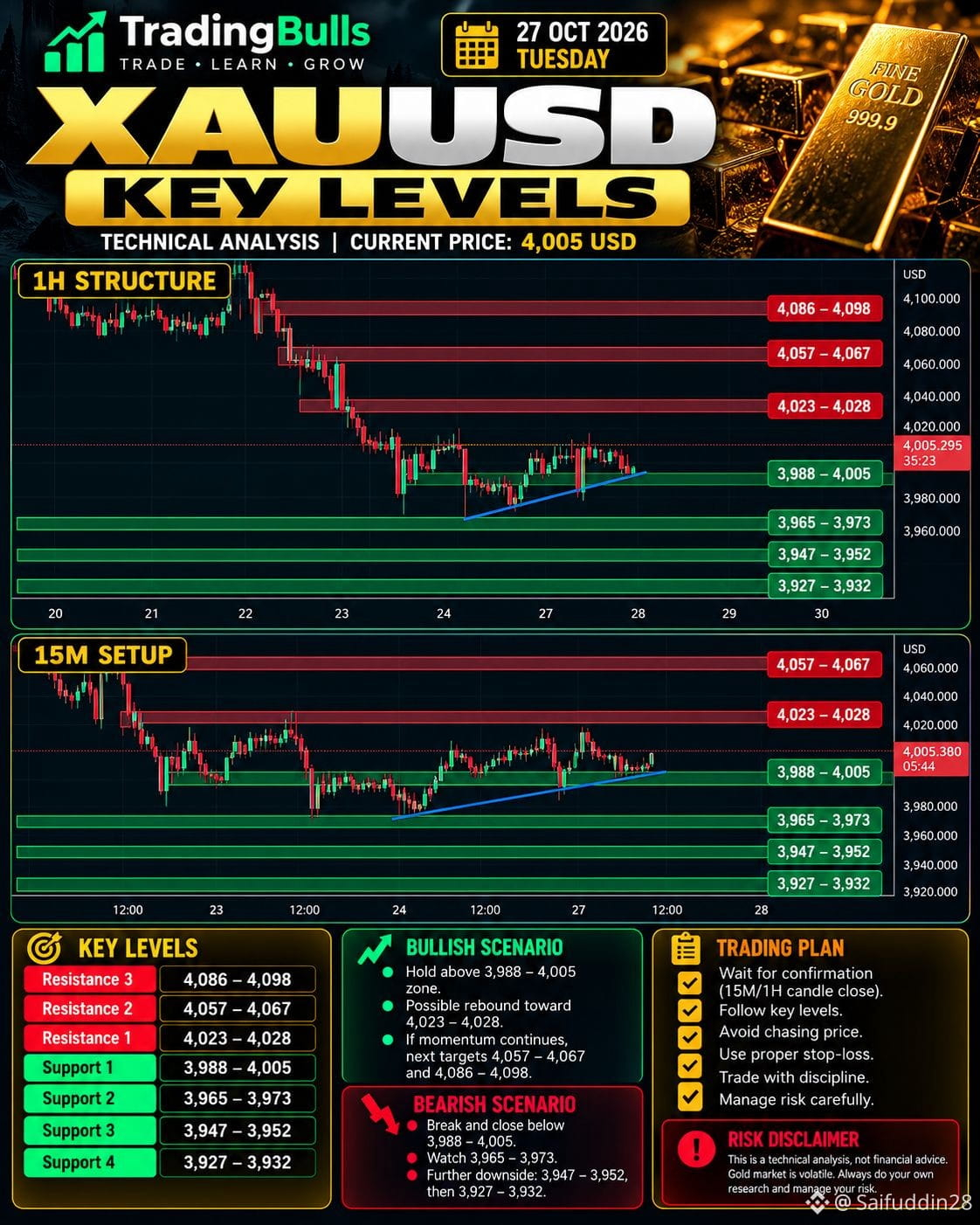
📊 XAUUSD 分析 | 2026年10月27日
🔥 金は4,005ドル — 注目すべき重要レベル
$XAU
金は依然として弱気圧力下にあり、急落後は重要なサポートゾーン付近で持ち合っています。
🔴 レジスタンスゾーン
• 4,023–4,028
• 4,057–4,067
• 4,086–4,098
🟢 サポートゾーン
• 3,988–4,005
• 3,965–3,973
• 3,947–3,952
• 3,927–3,932
📈 強気シナリオ: 3,988–4,005を上回って維持できれば、4,023–4,028への反発を引き起こす可能性があります。
📉 弱気シナリオ: サポートを下抜けることが確認されれば、3,965–3,973が意識され、その後さらに下のサポートゾーンが開かれます。
⚠️ トレードプラン: 15分足/1時間足の足確定を待ってください。価格を追いかけず、厳格なリスク管理を行いましょう。
💡 日々の市場分析はTradingBullsをフォローしてください。
$XAU
{future}(XAUUSDT)
#XAUUSD #Gold #ForexTrading
⚠️ 免責事項: 教育目的の分析のみであり、投資助言ではありません。責任を持って取引してください。
📊 XAUUSD 分析 | 2026年10月27日
🔥 金は4,005ドル — 注目すべき重要レベル
$XAU
金は依然として弱気圧力下にあり、急落後は重要なサポートゾーン付近で持ち合っています。
🔴 レジスタンスゾーン
• 4,023–4,028
• 4,057–4,067
• 4,086–4,098
🟢 サポートゾーン
• 3,988–4,005
• 3,965–3,973
• 3,947–3,952
• 3,927–3,932
📈 強気シナリオ: 3,988–4,005を上回って維持できれば、4,023–4,028への反発を引き起こす可能性があります。
📉 弱気シナリオ: サポートを下抜けることが確認されれば、3,965–3,973が意識され、その後さらに下のサポートゾーンが開かれます。
⚠️ トレードプラン: 15分足/1時間足の足確定を待ってください。価格を追いかけず、厳格なリスク管理を行いましょう。
💡 日々の市場分析はTradingBullsをフォローしてください。
$XAU
#XAUUSD #Gold #ForexTrading
⚠️ 免責事項: 教育目的の分析のみであり、投資助言ではありません。責任を持って取引してください。
🔥 金は4,005ドル — 注目すべき重要レベル
$XAU
金は依然として弱気圧力下にあり、急落後は重要なサポートゾーン付近で持ち合っています。
🔴 レジスタンスゾーン
• 4,023–4,028
• 4,057–4,067
• 4,086–4,098
🟢 サポートゾーン
• 3,988–4,005
• 3,965–3,973
• 3,947–3,952
• 3,927–3,932
📈 強気シナリオ: 3,988–4,005を上回って維持できれば、4,023–4,028への反発を引き起こす可能性があります。
📉 弱気シナリオ: サポートを下抜けることが確認されれば、3,965–3,973が意識され、その後さらに下のサポートゾーンが開かれます。
⚠️ トレードプラン: 15分足/1時間足の足確定を待ってください。価格を追いかけず、厳格なリスク管理を行いましょう。
💡 日々の市場分析はTradingBullsをフォローしてください。
$XAU
#XAUUSD #Gold #ForexTrading
⚠️ 免責事項: 教育目的の分析のみであり、投資助言ではありません。責任を持って取引してください。
196

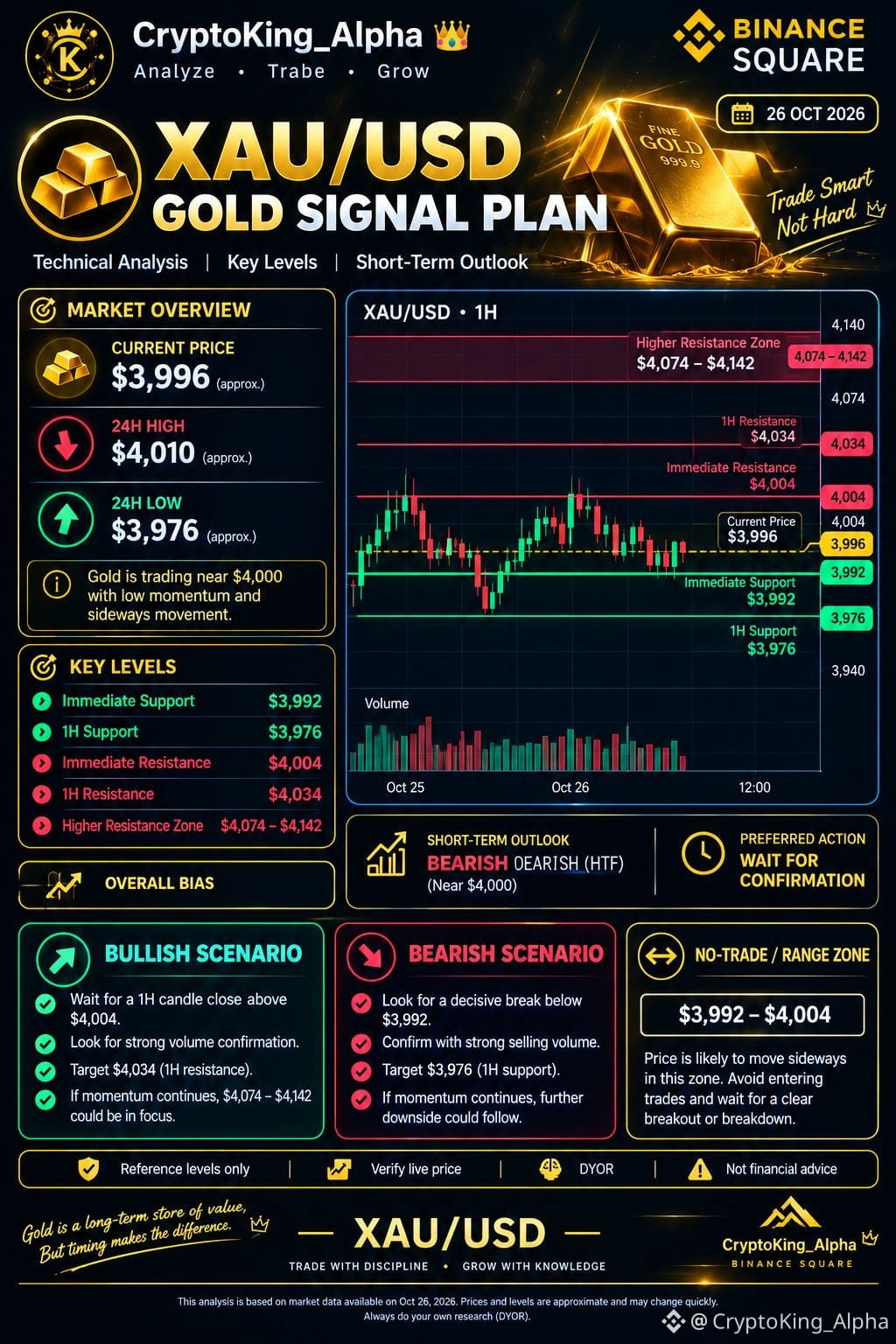
$XAU /USD ゴールドシグナルプラン
金価格は心理的節目である4,000ドル付近で推移しており、短期的には値動きが落ち着き、売り圧力が見られます。
🔴 直近のレジスタンス:4,004ドル
🔴 重要なレジスタンス:4,034ドル
🚀 上値抵抗帯:4,074~4,142ドル
🟢 直近のサポート:3,992ドル
🟢 重要なサポート:3,976ドル
📈 強気シナリオ:1時間足が4,004ドルを上回って確定し、出来高も増加すれば、4,034ドルを目指す展開となる可能性があります。
📉 弱気シナリオ:強い売り出来高を伴って3,992ドルを明確に下抜けた場合、3,976ドルが意識される可能性があります。
⏳ 様子見ゾーン:3,992~4,004ドルの間では、無理に取引せず、ブレイクアウトまたはブレイクダウンの確認を待ちましょう。
⚠️ これらの水準は概算であり、急変する可能性があります。取引前に、ブローカーのXAU/USDライブ価格を確認してください。必ずリスク管理を行ってください。これは金融アドバイスではありません。
💬 次のゴールドの行き先は4,034ドル、それとも3,976ドル?ぜひ下にあなたの見解を投稿してください!
#XAUUSD #Gold #GoldAnalysis #ForexTrading #BinanceSquare $XAU
$XAU /USD ゴールドシグナルプラン
金価格は心理的節目である4,000ドル付近で推移しており、短期的には値動きが落ち着き、売り圧力が見られます。
🔴 直近のレジスタンス:4,004ドル
🔴 重要なレジスタンス:4,034ドル
🚀 上値抵抗帯:4,074~4,142ドル
🟢 直近のサポート:3,992ドル
🟢 重要なサポート:3,976ドル
📈 強気シナリオ:1時間足が4,004ドルを上回って確定し、出来高も増加すれば、4,034ドルを目指す展開となる可能性があります。
📉 弱気シナリオ:強い売り出来高を伴って3,992ドルを明確に下抜けた場合、3,976ドルが意識される可能性があります。
⏳ 様子見ゾーン:3,992~4,004ドルの間では、無理に取引せず、ブレイクアウトまたはブレイクダウンの確認を待ちましょう。
⚠️ これらの水準は概算であり、急変する可能性があります。取引前に、ブローカーのXAU/USDライブ価格を確認してください。必ずリスク管理を行ってください。これは金融アドバイスではありません。
💬 次のゴールドの行き先は4,034ドル、それとも3,976ドル?ぜひ下にあなたの見解を投稿してください!
#XAUUSD #Gold #GoldAnalysis #ForexTrading #BinanceSquare $XAU
金価格は心理的節目である4,000ドル付近で推移しており、短期的には値動きが落ち着き、売り圧力が見られます。
🔴 直近のレジスタンス:4,004ドル
🔴 重要なレジスタンス:4,034ドル
🚀 上値抵抗帯:4,074~4,142ドル
🟢 直近のサポート:3,992ドル
🟢 重要なサポート:3,976ドル
📈 強気シナリオ:1時間足が4,004ドルを上回って確定し、出来高も増加すれば、4,034ドルを目指す展開となる可能性があります。
📉 弱気シナリオ:強い売り出来高を伴って3,992ドルを明確に下抜けた場合、3,976ドルが意識される可能性があります。
⏳ 様子見ゾーン:3,992~4,004ドルの間では、無理に取引せず、ブレイクアウトまたはブレイクダウンの確認を待ちましょう。
⚠️ これらの水準は概算であり、急変する可能性があります。取引前に、ブローカーのXAU/USDライブ価格を確認してください。必ずリスク管理を行ってください。これは金融アドバイスではありません。
💬 次のゴールドの行き先は4,034ドル、それとも3,976ドル?ぜひ下にあなたの見解を投稿してください!
#XAUUSD #Gold #GoldAnalysis #ForexTrading #BinanceSquare $XAU
102
·
--
ブリッシュ
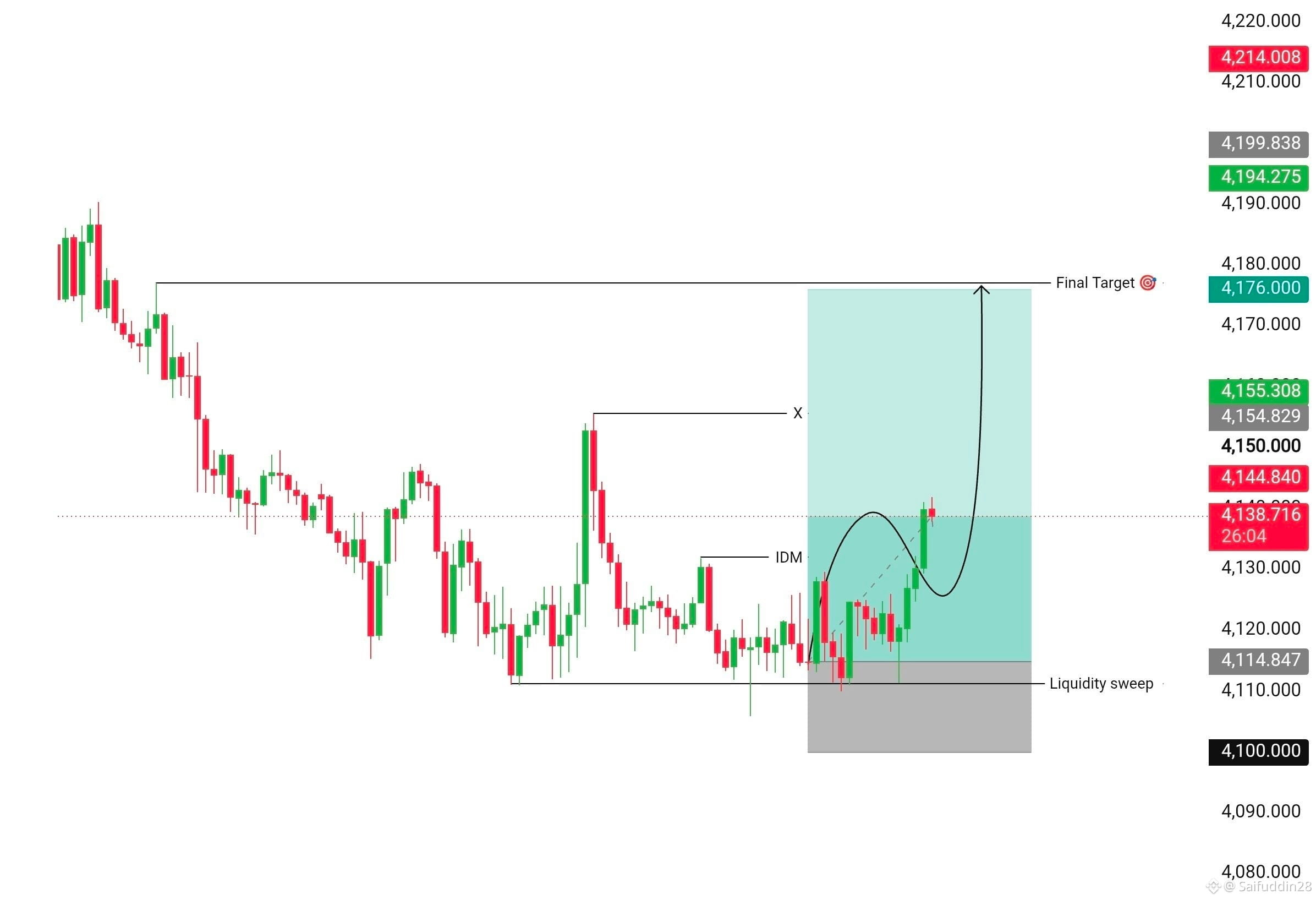
🥇 XAUUSD ゴールド最新情報 | 強気のセットアップ? 📈
ゴールドは4,110のサポートゾーン付近の流動性を一掃した後、強気に反転する可能性を示しています。買い手が参入し、価格は上昇を試みています。👀
🎯 重要な価格水準
- 🟢 エントリーゾーン:4,114~4,120
- 🔴 損切り:4,100を下回った水準
- 🎯 利確目標1:4,155
- 🎯 最終目標:4,176
📊 トレードのアイデア:強気の勢いが続き、価格が近くのレジスタンスを上抜けたことを確認できれば、ゴールドは4,155、さらに4,176まで上昇する可能性があります。
⚠️ シナリオの無効化:4,100を下回る動きが続けば、この強気シナリオは弱まります。
💡 確認を待ち、リスクを管理し、根拠なくエントリーするのは避けましょう。これはテクニカル分析に基づくシナリオであり、結果を保証するものではありません。
🔥 TradingBulls — トレード • 学ぶ • 成長する
#XAUUSD #GOLD #goldtrading #ForexTrading #TradingBulls
$XAU
{future}(XAUUSDT)
🥇 XAUUSD ゴールド最新情報 | 強気のセットアップ? 📈
ゴールドは4,110のサポートゾーン付近の流動性を一掃した後、強気に反転する可能性を示しています。買い手が参入し、価格は上昇を試みています。👀
🎯 重要な価格水準
- 🟢 エントリーゾーン:4,114~4,120
- 🔴 損切り:4,100を下回った水準
- 🎯 利確目標1:4,155
- 🎯 最終目標:4,176
📊 トレードのアイデア:強気の勢いが続き、価格が近くのレジスタンスを上抜けたことを確認できれば、ゴールドは4,155、さらに4,176まで上昇する可能性があります。
⚠️ シナリオの無効化:4,100を下回る動きが続けば、この強気シナリオは弱まります。
💡 確認を待ち、リスクを管理し、根拠なくエントリーするのは避けましょう。これはテクニカル分析に基づくシナリオであり、結果を保証するものではありません。
🔥 TradingBulls — トレード • 学ぶ • 成長する
#XAUUSD #GOLD #goldtrading #ForexTrading #TradingBulls
$XAU
ゴールドは4,110のサポートゾーン付近の流動性を一掃した後、強気に反転する可能性を示しています。買い手が参入し、価格は上昇を試みています。👀
🎯 重要な価格水準
- 🟢 エントリーゾーン:4,114~4,120
- 🔴 損切り:4,100を下回った水準
- 🎯 利確目標1:4,155
- 🎯 最終目標:4,176
📊 トレードのアイデア:強気の勢いが続き、価格が近くのレジスタンスを上抜けたことを確認できれば、ゴールドは4,155、さらに4,176まで上昇する可能性があります。
⚠️ シナリオの無効化:4,100を下回る動きが続けば、この強気シナリオは弱まります。
💡 確認を待ち、リスクを管理し、根拠なくエントリーするのは避けましょう。これはテクニカル分析に基づくシナリオであり、結果を保証するものではありません。
🔥 TradingBulls — トレード • 学ぶ • 成長する
#XAUUSD #GOLD #goldtrading #ForexTrading #TradingBulls
$XAU
156
·
--
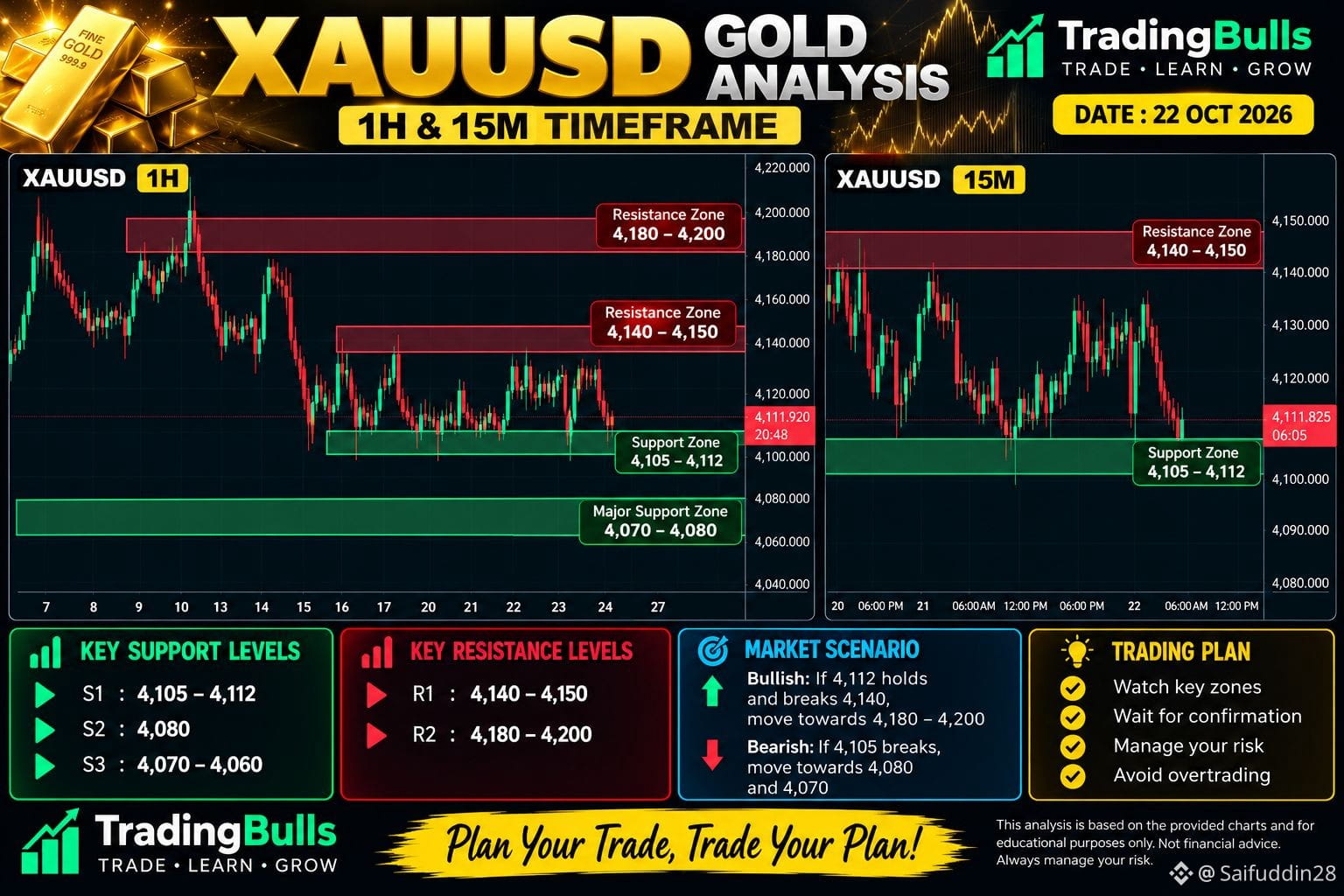
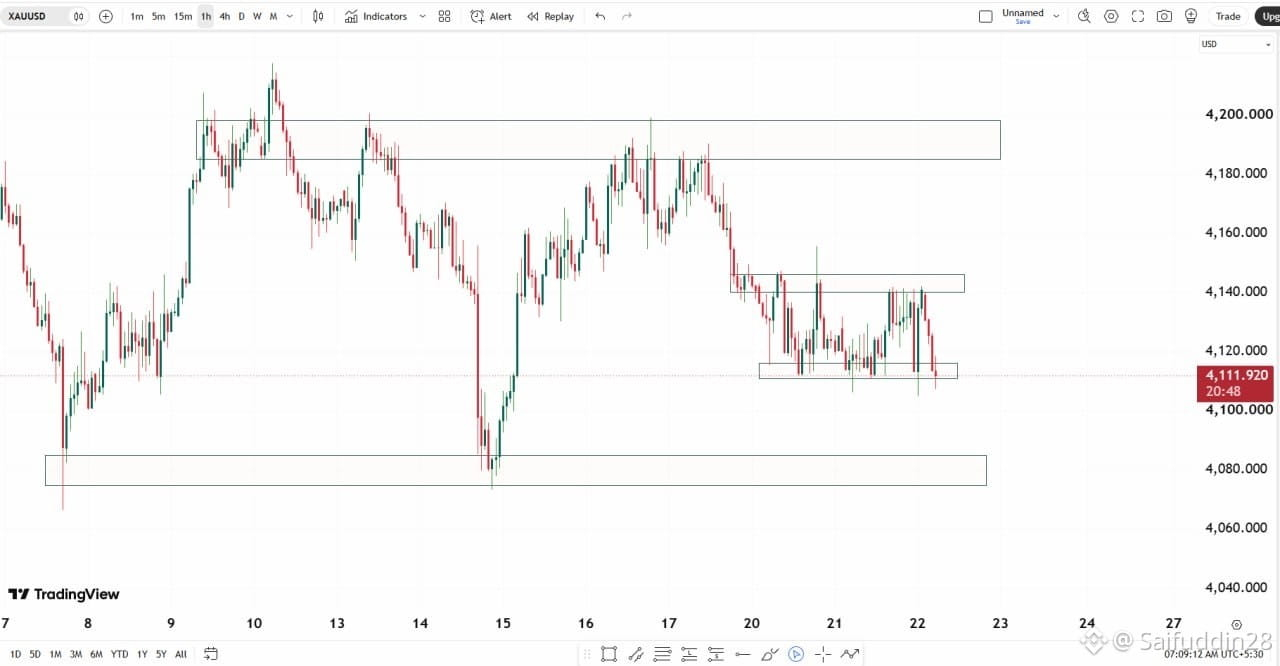
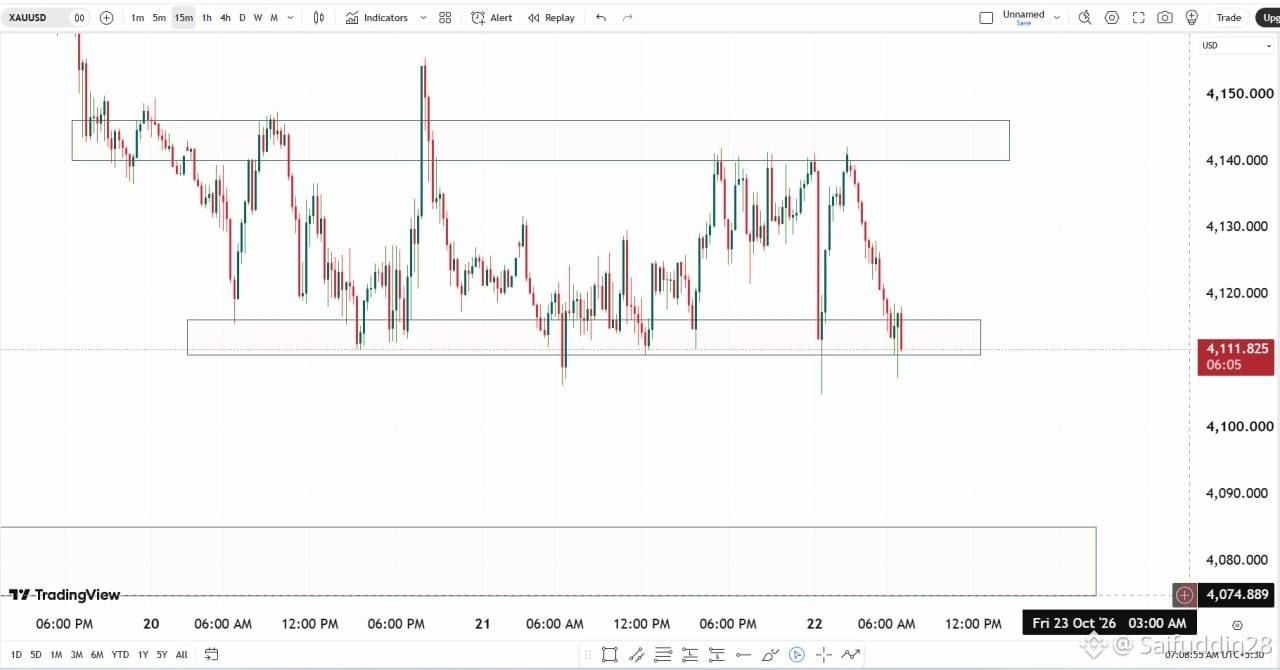
📊 XAUUSD ゴールド分析 | 2026年10月22日 🥇
ゴールドは重要なサポートゾーンを試しています!👀
🔹 現在価格:4,112
🟢 サポートゾーン:4,105–4,112
🟢 主要サポート:4,070–4,080
🔴 レジスタンス1:4,140–4,150
🔴 レジスタンス2:4,180–4,200
📈 強気シナリオ:サポートが維持され、ゴールドが4,140–4,150を回復すれば、次の目標候補ゾーンは4,180–4,200です。
📉 弱気シナリオ:4,105を下回るブレイクダウンが確認された場合、4,080、さらに4,070まで下落する可能性があります。
⚠️ トレード計画:重要な価格水準での値動きを確認しましょう。値動いを追いかけるのは避け、リスクを管理し、必ず損切りを設定してください。
🔥 TradingBulls — トレード • 学ぶ • 成長する
#XAUUSD❤️ #GOLD #goldanalysis #ForexTrading #TradingBulls
$XAU
{future}(XAUUSDT)
📊 XAUUSD ゴールド分析 | 2026年10月22日 🥇
ゴールドは重要なサポートゾーンを試しています!👀
🔹 現在価格:4,112
🟢 サポートゾーン:4,105–4,112
🟢 主要サポート:4,070–4,080
🔴 レジスタンス1:4,140–4,150
🔴 レジスタンス2:4,180–4,200
📈 強気シナリオ:サポートが維持され、ゴールドが4,140–4,150を回復すれば、次の目標候補ゾーンは4,180–4,200です。
📉 弱気シナリオ:4,105を下回るブレイクダウンが確認された場合、4,080、さらに4,070まで下落する可能性があります。
⚠️ トレード計画:重要な価格水準での値動きを確認しましょう。値動いを追いかけるのは避け、リスクを管理し、必ず損切りを設定してください。
🔥 TradingBulls — トレード • 学ぶ • 成長する
#XAUUSD❤️ #GOLD #goldanalysis #ForexTrading #TradingBulls
$XAU
ゴールドは重要なサポートゾーンを試しています!👀
🔹 現在価格:4,112
🟢 サポートゾーン:4,105–4,112
🟢 主要サポート:4,070–4,080
🔴 レジスタンス1:4,140–4,150
🔴 レジスタンス2:4,180–4,200
📈 強気シナリオ:サポートが維持され、ゴールドが4,140–4,150を回復すれば、次の目標候補ゾーンは4,180–4,200です。
📉 弱気シナリオ:4,105を下回るブレイクダウンが確認された場合、4,080、さらに4,070まで下落する可能性があります。
⚠️ トレード計画:重要な価格水準での値動きを確認しましょう。値動いを追いかけるのは避け、リスクを管理し、必ず損切りを設定してください。
🔥 TradingBulls — トレード • 学ぶ • 成長する
#XAUUSD❤️ #GOLD #goldanalysis #ForexTrading #TradingBulls
$XAU
186

·
--
弱気相場
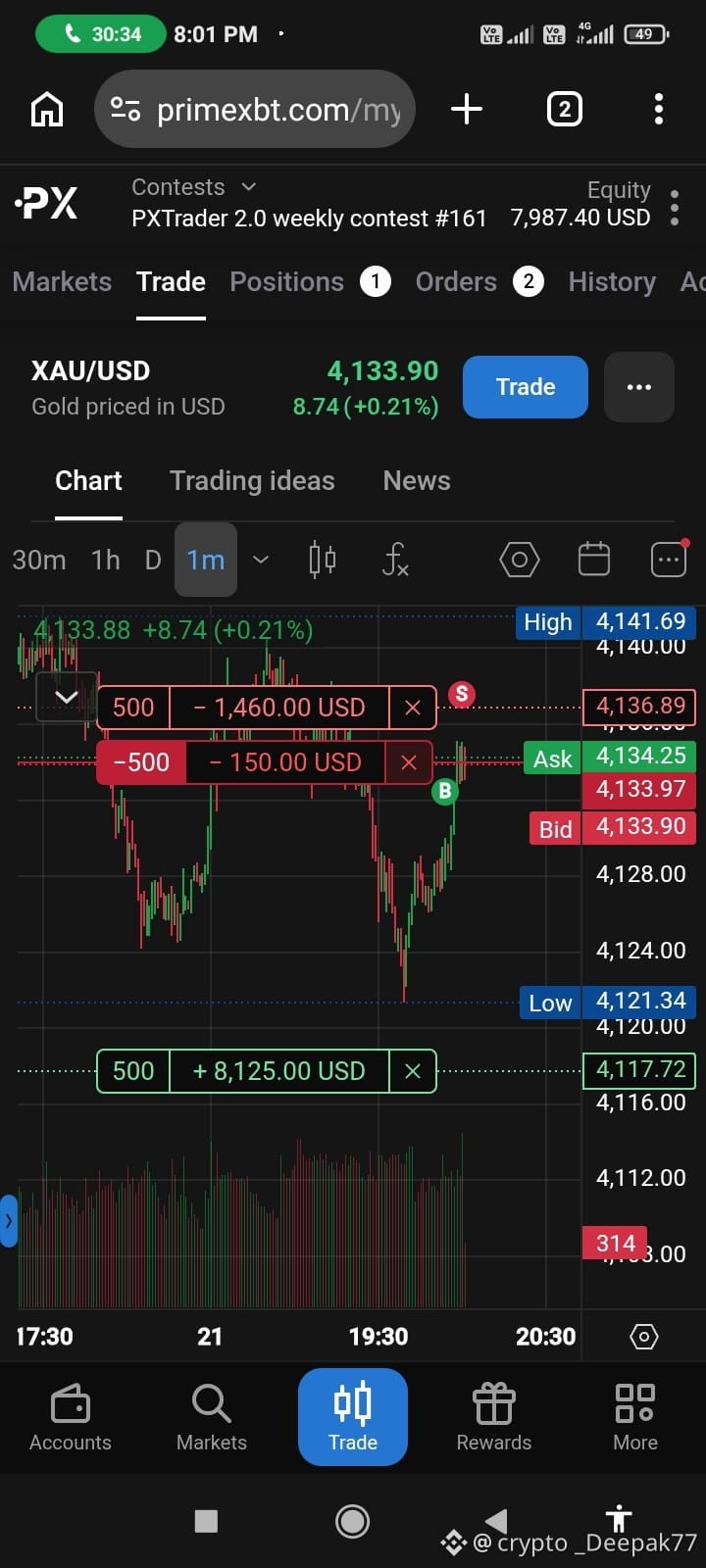
🟡 GOLD ($XAU /USD) — 強気の回復を注視
📊 現在価格: $4,133.90
📈 1日の値動き: +0.21%
金価格は$4,121.34付近まで急落した後、回復しています。買いが入り始めていますが、$4,136~$4,142のゾーンが注目すべき重要なレジスタンスです。
🎯 重要水準
レジスタンス1: $4,136.90
レジスタンス2: $4,141.69
サポート1: $4,128.00
強力なサポート: $4,121.34
🚀 トレードプラン $4,142を上抜ければ、さらに上昇する可能性があります。価格が反落した場合は、金価格が$4,128~$4,121のサポートゾーンを再び試す可能性があります。
⚠️ エントリー前に確認を待ちましょう。リスクを慎重に管理してください。
#Gold #XAUUSD #GoldTrading #TradingSignals #TechnicalAnalysisPost #forextrading
🟡 GOLD ($XAU /USD) — 強気の回復を注視
📊 現在価格: $4,133.90
📈 1日の値動き: +0.21%
金価格は$4,121.34付近まで急落した後、回復しています。買いが入り始めていますが、$4,136~$4,142のゾーンが注目すべき重要なレジスタンスです。
🎯 重要水準
レジスタンス1: $4,136.90
レジスタンス2: $4,141.69
サポート1: $4,128.00
強力なサポート: $4,121.34
🚀 トレードプラン $4,142を上抜ければ、さらに上昇する可能性があります。価格が反落した場合は、金価格が$4,128~$4,121のサポートゾーンを再び試す可能性があります。
⚠️ エントリー前に確認を待ちましょう。リスクを慎重に管理してください。
#Gold #XAUUSD #GoldTrading #TradingSignals #TechnicalAnalysisPost #forextrading
📊 現在価格: $4,133.90
📈 1日の値動き: +0.21%
金価格は$4,121.34付近まで急落した後、回復しています。買いが入り始めていますが、$4,136~$4,142のゾーンが注目すべき重要なレジスタンスです。
🎯 重要水準
レジスタンス1: $4,136.90
レジスタンス2: $4,141.69
サポート1: $4,128.00
強力なサポート: $4,121.34
🚀 トレードプラン $4,142を上抜ければ、さらに上昇する可能性があります。価格が反落した場合は、金価格が$4,128~$4,121のサポートゾーンを再び試す可能性があります。
⚠️ エントリー前に確認を待ちましょう。リスクを慎重に管理してください。
#Gold #XAUUSD #GoldTrading #TradingSignals #TechnicalAnalysisPost #forextrading
2
111

🟡 ゴールド(XAUUSD)市場分析 📊
🔥 ゴールド市場アップデート | 2026年10月21日
📈 注目市場:ゴールド(XAUUSD)
💡 取引戦略:✅ 市場の方向性が明確になるまで待ちましょう。 ✅ 強いサポートラインとレジスタンスラインを見極めましょう。 ✅ 取引に入る前にセットアップを確認しましょう。 ✅ 適切なリスク管理を徹底しましょう。
⚠️ 忘れないでください:感情に流されて取引に入らないこと。忍耐と規律が、取引で成功する鍵です。
🎯 賢く取引 | リスクを管理 | 規律を守る
💬 今日のゴールド相場をどう予想しますか? 🟢 BUY(買い)それとも 🔴 SELL(売り)? #XAUUSD #GoldTrading #BinanceSquareFamily #TradingAnalysis #ForexTrading
🟡 ゴールド(XAUUSD)市場分析 📊
🔥 ゴールド市場アップデート | 2026年10月21日
📈 注目市場:ゴールド(XAUUSD)
💡 取引戦略:✅ 市場の方向性が明確になるまで待ちましょう。 ✅ 強いサポートラインとレジスタンスラインを見極めましょう。 ✅ 取引に入る前にセットアップを確認しましょう。 ✅ 適切なリスク管理を徹底しましょう。
⚠️ 忘れないでください:感情に流されて取引に入らないこと。忍耐と規律が、取引で成功する鍵です。
🎯 賢く取引 | リスクを管理 | 規律を守る
💬 今日のゴールド相場をどう予想しますか? 🟢 BUY(買い)それとも 🔴 SELL(売り)? #XAUUSD #GoldTrading #BinanceSquareFamily #TradingAnalysis #ForexTrading
🔥 ゴールド市場アップデート | 2026年10月21日
📈 注目市場:ゴールド(XAUUSD)
💡 取引戦略:✅ 市場の方向性が明確になるまで待ちましょう。 ✅ 強いサポートラインとレジスタンスラインを見極めましょう。 ✅ 取引に入る前にセットアップを確認しましょう。 ✅ 適切なリスク管理を徹底しましょう。
⚠️ 忘れないでください:感情に流されて取引に入らないこと。忍耐と規律が、取引で成功する鍵です。
🎯 賢く取引 | リスクを管理 | 規律を守る
💬 今日のゴールド相場をどう予想しますか? 🟢 BUY(買い)それとも 🔴 SELL(売り)? #XAUUSD #GoldTrading #BinanceSquareFamily #TradingAnalysis #ForexTrading

1
191

·
--
ブリッシュ
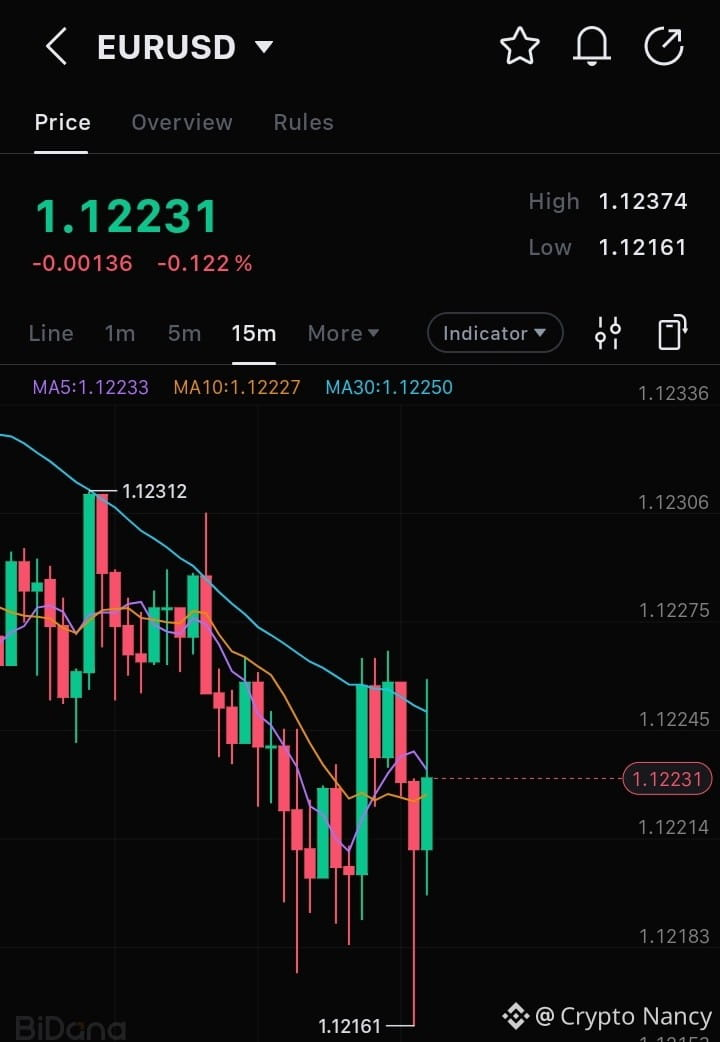
#CFTCSeeksCommentOnRetailDigitalAssetFramework $EUR /USD:依然として売り手優勢**
EUR/USDは1.12231で取引されており、短期的な大きなトレンドが引き続き弱いなか、1.12250のレジスタンスゾーンを下回って苦戦しています。
**弱気の確認条件:** 15分足が1.12161を下回って確定し、その後のリテストに失敗した場合、1.12140に向けてさらに下落する可能性があります。1.12250を上抜ければ、このシナリオは弱まります。
#EURUSD #ForexTrading
目標:1.12140
#CFTCSeeksCommentOnRetailDigitalAssetFramework #SwitzerlandApprovesFirstBitcoinETF #SwitzerlandApprovesFirstBitcoinETF
#CFTCSeeksCommentOnRetailDigitalAssetFramework $EUR /USD:依然として売り手優勢**
EUR/USDは1.12231で取引されており、短期的な大きなトレンドが引き続き弱いなか、1.12250のレジスタンスゾーンを下回って苦戦しています。
**弱気の確認条件:** 15分足が1.12161を下回って確定し、その後のリテストに失敗した場合、1.12140に向けてさらに下落する可能性があります。1.12250を上抜ければ、このシナリオは弱まります。
#EURUSD #ForexTrading
目標:1.12140
#CFTCSeeksCommentOnRetailDigitalAssetFramework #SwitzerlandApprovesFirstBitcoinETF #SwitzerlandApprovesFirstBitcoinETF
EUR/USDは1.12231で取引されており、短期的な大きなトレンドが引き続き弱いなか、1.12250のレジスタンスゾーンを下回って苦戦しています。
**弱気の確認条件:** 15分足が1.12161を下回って確定し、その後のリテストに失敗した場合、1.12140に向けてさらに下落する可能性があります。1.12250を上抜ければ、このシナリオは弱まります。
#EURUSD #ForexTrading
目標:1.12140
#CFTCSeeksCommentOnRetailDigitalAssetFramework #SwitzerlandApprovesFirstBitcoinETF #SwitzerlandApprovesFirstBitcoinETF
1
48

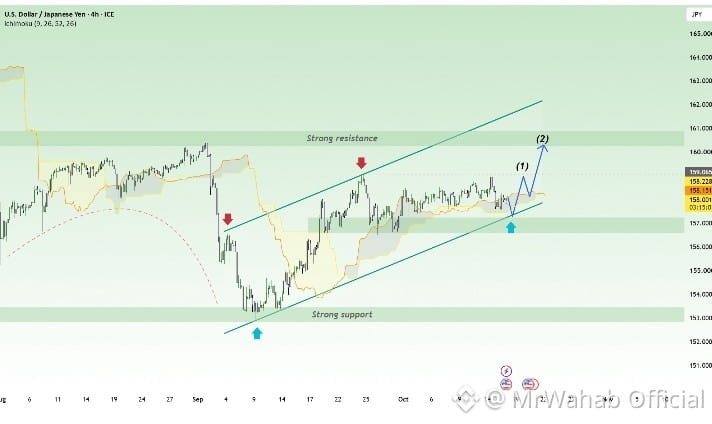
📊 $JPY.ETF 分析:押し目が買い手にチャンスをもたらす!🚀
USD/JPYは、現在の押し目によって買い手が再び市場に参入できる可能性があり、上昇のチャンスが見られます。
🟢 強気シナリオ:価格がサポートを維持し、強気の反転が確認されれば、通貨ペアはさらに上昇する可能性があります。
🔴 弱気リスク:サポートを明確に下抜けると、強気の見通しが弱まり、さらなる下落につながる可能性があります。
📌 取引戦略:取引に入る前に、値動きの確認を待ちましょう。適切なリスク管理を行い、必ず損切りを設定してください。
💬 **皆さんはどう思いますか?USD/JPYは上昇するでしょうか、それとも下落するでしょうか?ぜひ下に分析を投稿してください!
#USDJPY #ForexTrading #MarketOutlook
📊 $JPY.ETF 分析:押し目が買い手にチャンスをもたらす!🚀
USD/JPYは、現在の押し目によって買い手が再び市場に参入できる可能性があり、上昇のチャンスが見られます。
🟢 強気シナリオ:価格がサポートを維持し、強気の反転が確認されれば、通貨ペアはさらに上昇する可能性があります。
🔴 弱気リスク:サポートを明確に下抜けると、強気の見通しが弱まり、さらなる下落につながる可能性があります。
📌 取引戦略:取引に入る前に、値動きの確認を待ちましょう。適切なリスク管理を行い、必ず損切りを設定してください。
💬 **皆さんはどう思いますか?USD/JPYは上昇するでしょうか、それとも下落するでしょうか?ぜひ下に分析を投稿してください!
#USDJPY #ForexTrading #MarketOutlook
USD/JPYは、現在の押し目によって買い手が再び市場に参入できる可能性があり、上昇のチャンスが見られます。
🟢 強気シナリオ:価格がサポートを維持し、強気の反転が確認されれば、通貨ペアはさらに上昇する可能性があります。
🔴 弱気リスク:サポートを明確に下抜けると、強気の見通しが弱まり、さらなる下落につながる可能性があります。
📌 取引戦略:取引に入る前に、値動きの確認を待ちましょう。適切なリスク管理を行い、必ず損切りを設定してください。
💬 **皆さんはどう思いますか?USD/JPYは上昇するでしょうか、それとも下落するでしょうか?ぜひ下に分析を投稿してください!
#USDJPY #ForexTrading #MarketOutlook
31

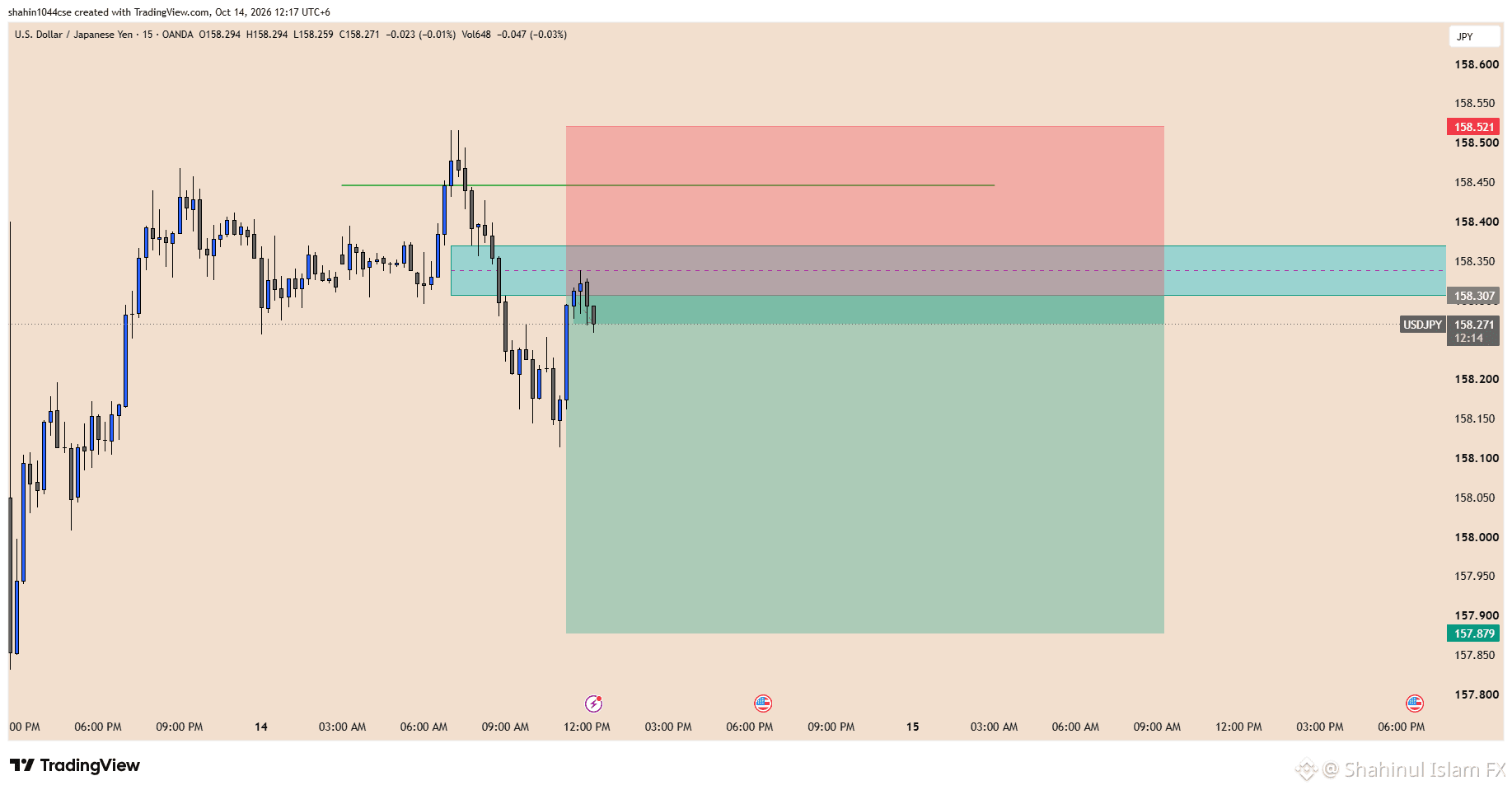
📊 USDJPY | 15分足 弱気セットアップ
市場見通し:弱気継続の可能性
USDJPYは、158.45付近のレジスタンスを上抜けた動きを維持できず、反落の兆しを見せています。反落後、価格は158.15付近まで弱気方向に大きく動いた後、158.30~158.37のゾーンまで戻しました。
売り手が主導権を維持することを条件に、このエリアでの弱気継続の可能性を注視しています。
━━━━━━━━━━━━━━━━━━
🔴 トレード計画 — USDJPYを売り
エントリーゾーン:158.307 – 158.370
損切り:158.521
利確:157.879
📐 リスクリワード比:約1:2
━━━━━━━━━━━━━━━━━━
🔎 テクニカル分析
• レジスタンスでの反落:158.45付近で上昇の勢いを維持できず、売り圧力が強まる可能性を示唆しています。
• 弱気方向への急変動:158.15付近までの急落は、短期的なモメンタムの転換を示しています。
• 供給ゾーン候補:158.30~158.37のエリアは、売り圧力が再び強まるかを確認するための重要な戻りゾーンです。
• 下値目標:弱気の勢いが続けば、157.879が主な目標となります。
━━━━━━━━━━━━━━━━━━
⚠️ トレードの確認と無効化条件
エントリー前に、弱気の反転ローソク足、流動性スイープ、または下位足でのBOS/CHOCHを確認したいと考えています。
15分足が158.521を明確に上回って確定した場合、このトレード案は無効となります。
確認がなければ、取引しません。価格が強い上昇モメンタムを伴って供給ゾーンを上抜けた場合、ショートのセットアップは有効でなくなる可能性があります。
#JPY #forextrading #DayTradingTips
📊 USDJPY | 15分足 弱気セットアップ
市場見通し:弱気継続の可能性
USDJPYは、158.45付近のレジスタンスを上抜けた動きを維持できず、反落の兆しを見せています。反落後、価格は158.15付近まで弱気方向に大きく動いた後、158.30~158.37のゾーンまで戻しました。
売り手が主導権を維持することを条件に、このエリアでの弱気継続の可能性を注視しています。
━━━━━━━━━━━━━━━━━━
🔴 トレード計画 — USDJPYを売り
エントリーゾーン:158.307 – 158.370
損切り:158.521
利確:157.879
📐 リスクリワード比:約1:2
━━━━━━━━━━━━━━━━━━
🔎 テクニカル分析
• レジスタンスでの反落:158.45付近で上昇の勢いを維持できず、売り圧力が強まる可能性を示唆しています。
• 弱気方向への急変動:158.15付近までの急落は、短期的なモメンタムの転換を示しています。
• 供給ゾーン候補:158.30~158.37のエリアは、売り圧力が再び強まるかを確認するための重要な戻りゾーンです。
• 下値目標:弱気の勢いが続けば、157.879が主な目標となります。
━━━━━━━━━━━━━━━━━━
⚠️ トレードの確認と無効化条件
エントリー前に、弱気の反転ローソク足、流動性スイープ、または下位足でのBOS/CHOCHを確認したいと考えています。
15分足が158.521を明確に上回って確定した場合、このトレード案は無効となります。
確認がなければ、取引しません。価格が強い上昇モメンタムを伴って供給ゾーンを上抜けた場合、ショートのセットアップは有効でなくなる可能性があります。
#JPY #forextrading #DayTradingTips
市場見通し:弱気継続の可能性
USDJPYは、158.45付近のレジスタンスを上抜けた動きを維持できず、反落の兆しを見せています。反落後、価格は158.15付近まで弱気方向に大きく動いた後、158.30~158.37のゾーンまで戻しました。
売り手が主導権を維持することを条件に、このエリアでの弱気継続の可能性を注視しています。
━━━━━━━━━━━━━━━━━━
🔴 トレード計画 — USDJPYを売り
エントリーゾーン:158.307 – 158.370
損切り:158.521
利確:157.879
📐 リスクリワード比:約1:2
━━━━━━━━━━━━━━━━━━
🔎 テクニカル分析
• レジスタンスでの反落:158.45付近で上昇の勢いを維持できず、売り圧力が強まる可能性を示唆しています。
• 弱気方向への急変動:158.15付近までの急落は、短期的なモメンタムの転換を示しています。
• 供給ゾーン候補:158.30~158.37のエリアは、売り圧力が再び強まるかを確認するための重要な戻りゾーンです。
• 下値目標:弱気の勢いが続けば、157.879が主な目標となります。
━━━━━━━━━━━━━━━━━━
⚠️ トレードの確認と無効化条件
エントリー前に、弱気の反転ローソク足、流動性スイープ、または下位足でのBOS/CHOCHを確認したいと考えています。
15分足が158.521を明確に上回って確定した場合、このトレード案は無効となります。
確認がなければ、取引しません。価格が強い上昇モメンタムを伴って供給ゾーンを上抜けた場合、ショートのセットアップは有効でなくなる可能性があります。
#JPY #forextrading #DayTradingTips
79

·
--
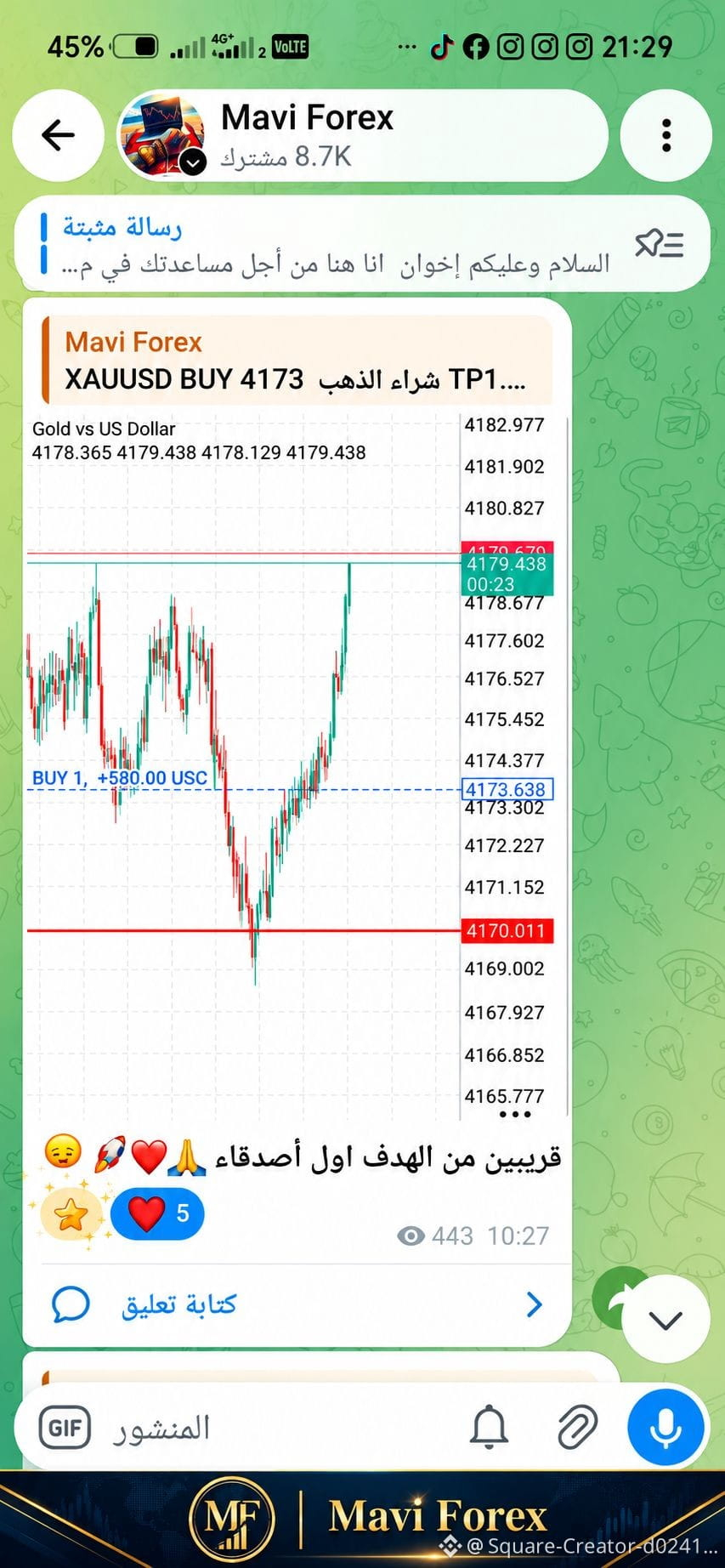
الحمد لله、4173からの金の買いポジションは、第一目標の達成に向けて進んでいます 🚀📈
トレードの成功は運ではなく、正しい分析、忍耐、そして資金管理の徹底によってもたらされます。 💰🛡️
金の分析や今後のチャンスを活用するため、Mavi Forexをフォローしてください。 🔥
⚠️ トレードにはリスクが伴います。適切なロットを使い、許容できる範囲を超えてリスクを取らないでください。
#MaviForex #金 #トレード #外国為替 #XAUUSD #GoldRush #forextrading #إدارة_رأس_المال
الحمد لله、4173からの金の買いポジションは、第一目標の達成に向けて進んでいます 🚀📈
トレードの成功は運ではなく、正しい分析、忍耐、そして資金管理の徹底によってもたらされます。 💰🛡️
金の分析や今後のチャンスを活用するため、Mavi Forexをフォローしてください。 🔥
⚠️ トレードにはリスクが伴います。適切なロットを使い、許容できる範囲を超えてリスクを取らないでください。
#MaviForex #金 #トレード #外国為替 #XAUUSD #GoldRush #forextrading #إدارة_رأس_المال
トレードの成功は運ではなく、正しい分析、忍耐、そして資金管理の徹底によってもたらされます。 💰🛡️
金の分析や今後のチャンスを活用するため、Mavi Forexをフォローしてください。 🔥
⚠️ トレードにはリスクが伴います。適切なロットを使い、許容できる範囲を超えてリスクを取らないでください。
#MaviForex #金 #トレード #外国為替 #XAUUSD #GoldRush #forextrading #إدارة_رأس_المال
135

·
--
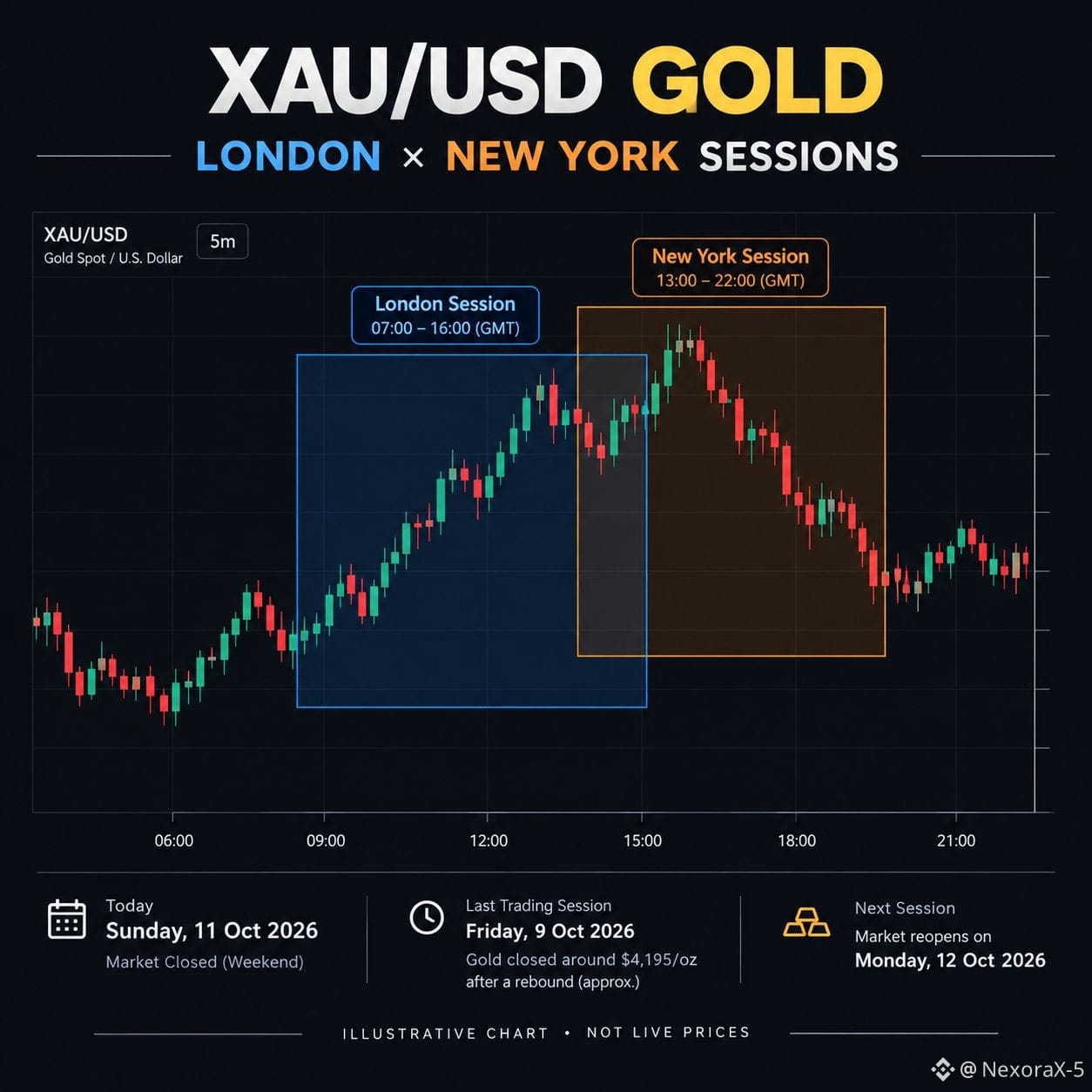
XAU/USD GOLD:ロンドン × ニューヨークの取引セッション 📊
ロンドンセッション、ニューヨークセッション、および日中の重要な値動きを確認しましょう。
🔹 ロンドンセッション:07:00~16:00 GMT
🟠 ニューヨークセッション:13:00~22:00 GMT
取引を検討する前に、流動性の掃討、ブレイクアウト、リテストに注意しましょう。
参考用チャート — リアルタイムの市場データではありません。
#XAUUSD #GoldTrading #ForexTrading #LondonSession #NewYorkSession #TradingView #TechnicalAnalysis
XAU/USD GOLD:ロンドン × ニューヨークの取引セッション 📊
ロンドンセッション、ニューヨークセッション、および日中の重要な値動きを確認しましょう。
🔹 ロンドンセッション:07:00~16:00 GMT
🟠 ニューヨークセッション:13:00~22:00 GMT
取引を検討する前に、流動性の掃討、ブレイクアウト、リテストに注意しましょう。
参考用チャート — リアルタイムの市場データではありません。
#XAUUSD #GoldTrading #ForexTrading #LondonSession #NewYorkSession #TradingView #TechnicalAnalysis
ロンドンセッション、ニューヨークセッション、および日中の重要な値動きを確認しましょう。
🔹 ロンドンセッション:07:00~16:00 GMT
🟠 ニューヨークセッション:13:00~22:00 GMT
取引を検討する前に、流動性の掃討、ブレイクアウト、リテストに注意しましょう。
参考用チャート — リアルタイムの市場データではありません。
#XAUUSD #GoldTrading #ForexTrading #LondonSession #NewYorkSession #TradingView #TechnicalAnalysis
150

·
--
ブリッシュ
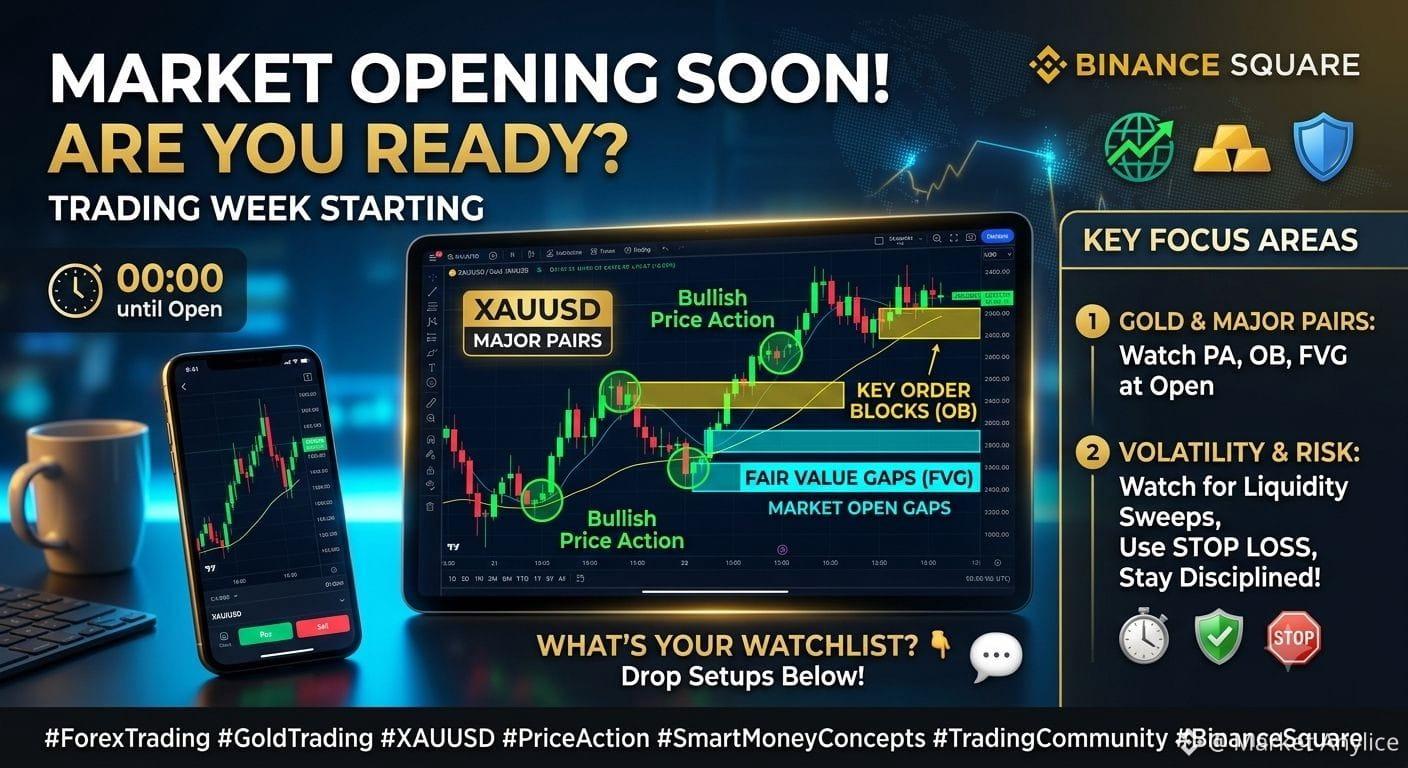
🚀 市場オープンまであと少し!トレーダーの皆さん、準備はできていますか? 📈
またエキサイティングな取引週がもうすぐ始まります!まもなく外国為替市場が再開するので、気を引き締めて取引計画を確認しましょう。
来週の注目ポイント:
ゴールド(XAUUSD)と主要通貨ペア:市場オープン直後の値動き、主要なオーダーブロック(OB)、フェアバリューギャップ(FVG)を注意深くチェックしましょう。
ボラティリティとリスク管理:市場オープン時間帯の流動性スイープに注意しましょう。常にリスク許容範囲を守り、厳格なストップロスを設定してください。規律を保ち、感情的な取引は避けましょう。
今週注目している通貨ペアや商品は何ですか?コメント欄で取引プランをぜひ教えてください! 👇
#ForexTrading #GoldTrading #XAUUSD #PriceAction #SmartMoneyConcepts
🚀 市場オープンまであと少し!トレーダーの皆さん、準備はできていますか? 📈
またエキサイティングな取引週がもうすぐ始まります!まもなく外国為替市場が再開するので、気を引き締めて取引計画を確認しましょう。
来週の注目ポイント:
ゴールド(XAUUSD)と主要通貨ペア:市場オープン直後の値動き、主要なオーダーブロック(OB)、フェアバリューギャップ(FVG)を注意深くチェックしましょう。
ボラティリティとリスク管理:市場オープン時間帯の流動性スイープに注意しましょう。常にリスク許容範囲を守り、厳格なストップロスを設定してください。規律を保ち、感情的な取引は避けましょう。
今週注目している通貨ペアや商品は何ですか?コメント欄で取引プランをぜひ教えてください! 👇
#ForexTrading #GoldTrading #XAUUSD #PriceAction #SmartMoneyConcepts
またエキサイティングな取引週がもうすぐ始まります!まもなく外国為替市場が再開するので、気を引き締めて取引計画を確認しましょう。
来週の注目ポイント:
ゴールド(XAUUSD)と主要通貨ペア:市場オープン直後の値動き、主要なオーダーブロック(OB)、フェアバリューギャップ(FVG)を注意深くチェックしましょう。
ボラティリティとリスク管理:市場オープン時間帯の流動性スイープに注意しましょう。常にリスク許容範囲を守り、厳格なストップロスを設定してください。規律を保ち、感情的な取引は避けましょう。
今週注目している通貨ペアや商品は何ですか?コメント欄で取引プランをぜひ教えてください! 👇
#ForexTrading #GoldTrading #XAUUSD #PriceAction #SmartMoneyConcepts
159

·
--
🟡 XAU/USD(金)スイングトレード戦略:相場見通し 📊
金価格は現在、4,120~4,130ドル付近で推移しており、重要なサポートを試すなか、短期的には調整基調が続いています。確認が取れていない取引を急ぐのではなく、エントリー候補として注目したい2つの明確なスイングシナリオをご紹介します。
🎯 1. 強気のスイング(買いシナリオ)
* セットアップ:価格が4,070~4,100ドルの主要サポートゾーンを試し、H4または日足で強い反転パターン(ハンマー、または強気の包み足)を形成するのを待ちます。
* エントリー:約4,085~4,100ドル
* 損切り(SL):4,055ドル
* 利確(TP):4,180ドル/4,220ドル
🎯 2. 弱気のスイング(売りシナリオ)
* セットアップ:4,070ドルの重要サポートを下回ってH4ローソク足が明確に確定し、その後のリテストを確認します。
* エントリー:約4,065ドル(リテスト時)
* 損切り(SL):4,110ドル
* 利確(TP):4,010ドル/3,980ドル
💡 トレードのヒント:価格が4,180ドルのレジスタンスゾーンを上抜けるまでは、全体的なモメンタムは中立から弱気のままです。厳格なリスク管理を徹底し、1回の取引あたりのリスクは1~2%に抑えましょう。
金の見通しは?強気 🐂 それとも弱気 🐻?
ぜひ下のコメント欄で分析をシェアしてください! 👇
#BinanceSquare #XAUUSD #GoldTrading #CryptoCommunity #TradingSetup #ForexTrading
🟡 XAU/USD(金)スイングトレード戦略:相場見通し 📊
金価格は現在、4,120~4,130ドル付近で推移しており、重要なサポートを試すなか、短期的には調整基調が続いています。確認が取れていない取引を急ぐのではなく、エントリー候補として注目したい2つの明確なスイングシナリオをご紹介します。
🎯 1. 強気のスイング(買いシナリオ)
* セットアップ:価格が4,070~4,100ドルの主要サポートゾーンを試し、H4または日足で強い反転パターン(ハンマー、または強気の包み足)を形成するのを待ちます。
* エントリー:約4,085~4,100ドル
* 損切り(SL):4,055ドル
* 利確(TP):4,180ドル/4,220ドル
🎯 2. 弱気のスイング(売りシナリオ)
* セットアップ:4,070ドルの重要サポートを下回ってH4ローソク足が明確に確定し、その後のリテストを確認します。
* エントリー:約4,065ドル(リテスト時)
* 損切り(SL):4,110ドル
* 利確(TP):4,010ドル/3,980ドル
💡 トレードのヒント:価格が4,180ドルのレジスタンスゾーンを上抜けるまでは、全体的なモメンタムは中立から弱気のままです。厳格なリスク管理を徹底し、1回の取引あたりのリスクは1~2%に抑えましょう。
金の見通しは?強気 🐂 それとも弱気 🐻?
ぜひ下のコメント欄で分析をシェアしてください! 👇
#BinanceSquare #XAUUSD #GoldTrading #CryptoCommunity #TradingSetup #ForexTrading
金価格は現在、4,120~4,130ドル付近で推移しており、重要なサポートを試すなか、短期的には調整基調が続いています。確認が取れていない取引を急ぐのではなく、エントリー候補として注目したい2つの明確なスイングシナリオをご紹介します。
🎯 1. 強気のスイング(買いシナリオ)
* セットアップ:価格が4,070~4,100ドルの主要サポートゾーンを試し、H4または日足で強い反転パターン(ハンマー、または強気の包み足)を形成するのを待ちます。
* エントリー:約4,085~4,100ドル
* 損切り(SL):4,055ドル
* 利確(TP):4,180ドル/4,220ドル
🎯 2. 弱気のスイング(売りシナリオ)
* セットアップ:4,070ドルの重要サポートを下回ってH4ローソク足が明確に確定し、その後のリテストを確認します。
* エントリー:約4,065ドル(リテスト時)
* 損切り(SL):4,110ドル
* 利確(TP):4,010ドル/3,980ドル
💡 トレードのヒント:価格が4,180ドルのレジスタンスゾーンを上抜けるまでは、全体的なモメンタムは中立から弱気のままです。厳格なリスク管理を徹底し、1回の取引あたりのリスクは1~2%に抑えましょう。
金の見通しは?強気 🐂 それとも弱気 🐻?
ぜひ下のコメント欄で分析をシェアしてください! 👇
#BinanceSquare #XAUUSD #GoldTrading #CryptoCommunity #TradingSetup #ForexTrading
140

🔥 トレーダーの皆さん、決着をつけましょう!
今後30日間で「1つの市場だけ」を取引するなら、どれを選びますか?👇
🥇 ゴールド — $XAU
🥈 FX — $EUR
🥉 指数 — $SPX
💬 あなたの選択肢をコメントして、理由も教えてください!
ただ投票するだけじゃなく、選んだ理由を語ってください。👀
トレーダーが本当に最も信頼している市場を見てみましょう!
📈 毎日のマーケットインサイト、セットアップ、取引コンテンツをフォロー!
#XAUUSD #EURUSD #SPX #daytrading #ForexTrading
{spot}(XAUTUSDT)
{spot}(EURUSDT)
{future}(SPXUSDT)
🔥 トレーダーの皆さん、決着をつけましょう!
今後30日間で「1つの市場だけ」を取引するなら、どれを選びますか?👇
🥇 ゴールド — $XAU
🥈 FX — $EUR
🥉 指数 — $SPX
💬 あなたの選択肢をコメントして、理由も教えてください!
ただ投票するだけじゃなく、選んだ理由を語ってください。👀
トレーダーが本当に最も信頼している市場を見てみましょう!
📈 毎日のマーケットインサイト、セットアップ、取引コンテンツをフォロー!
#XAUUSD #EURUSD #SPX #daytrading #ForexTrading
今後30日間で「1つの市場だけ」を取引するなら、どれを選びますか?👇
🥇 ゴールド — $XAU
🥈 FX — $EUR
🥉 指数 — $SPX
💬 あなたの選択肢をコメントして、理由も教えてください!
ただ投票するだけじゃなく、選んだ理由を語ってください。👀
トレーダーが本当に最も信頼している市場を見てみましょう!
📈 毎日のマーケットインサイト、セットアップ、取引コンテンツをフォロー!
#XAUUSD #EURUSD #SPX #daytrading #ForexTrading
1
197

米ドル指数DXYは最新の取引時間帯で短期的に急落し、15ポイント下落したことで為替市場が大きく変動した。チャート上のデータによると、非米ドル通貨は総じて圧力を受けており、EUR/USDは日中で0.50%下落した。GBP/USDは1.32の水準を割り込み、NZD/USDも同様に0.56のサポートを下回った。
テクニカル面では、為替市場の集団的な押し戻しは、短期流動性の急速な再調整を映し出しており、米ドル一方向の強さによる絶対的な抑圧を意味するものではない。DXYの短期急落15ポイントは、局所的なテクニカルなダイバージェンスのシグナルを解消しつつあり、主要な法定通貨の押し戻し(リトレース)は重要なサポートエリアで底打ちの構造を形成しつつある。
こうした為替の変動は全面的なパニックにつながっておらず、むしろ伝統的およびオルタナティブなリスク資産にとって息継ぎの時間枠を提供している。米国債利回りと為替変動の連動効果は次第に鈍化してきており、資金が継続的にヘッジ(避難)側へ流入していないため、市場全体のリスク選好は依然として健全に保たれている。
暗号資産市場に関しては、$BTC とマーケット(大型)トークンが、法定通貨の変動から切り離される特徴がより一層明確になっている。DXYのテクニカルな下落局面と流動性の再配分が起きるなかで、資金の高ベータのリスク資産への回帰を見込む期待が高まり、押し目買いは構造的な強気相場のさらなる上振れ余地を押し広げ続ける見通しだ。📈
#DXY #ForexTrading #CryptoLiquidity
米ドル指数DXYは最新の取引時間帯で短期的に急落し、15ポイント下落したことで為替市場が大きく変動した。チャート上のデータによると、非米ドル通貨は総じて圧力を受けており、EUR/USDは日中で0.50%下落した。GBP/USDは1.32の水準を割り込み、NZD/USDも同様に0.56のサポートを下回った。
テクニカル面では、為替市場の集団的な押し戻しは、短期流動性の急速な再調整を映し出しており、米ドル一方向の強さによる絶対的な抑圧を意味するものではない。DXYの短期急落15ポイントは、局所的なテクニカルなダイバージェンスのシグナルを解消しつつあり、主要な法定通貨の押し戻し(リトレース)は重要なサポートエリアで底打ちの構造を形成しつつある。
こうした為替の変動は全面的なパニックにつながっておらず、むしろ伝統的およびオルタナティブなリスク資産にとって息継ぎの時間枠を提供している。米国債利回りと為替変動の連動効果は次第に鈍化してきており、資金が継続的にヘッジ(避難)側へ流入していないため、市場全体のリスク選好は依然として健全に保たれている。
暗号資産市場に関しては、$BTC とマーケット(大型)トークンが、法定通貨の変動から切り離される特徴がより一層明確になっている。DXYのテクニカルな下落局面と流動性の再配分が起きるなかで、資金の高ベータのリスク資産への回帰を見込む期待が高まり、押し目買いは構造的な強気相場のさらなる上振れ余地を押し広げ続ける見通しだ。📈
#DXY #ForexTrading #CryptoLiquidity
テクニカル面では、為替市場の集団的な押し戻しは、短期流動性の急速な再調整を映し出しており、米ドル一方向の強さによる絶対的な抑圧を意味するものではない。DXYの短期急落15ポイントは、局所的なテクニカルなダイバージェンスのシグナルを解消しつつあり、主要な法定通貨の押し戻し(リトレース)は重要なサポートエリアで底打ちの構造を形成しつつある。
こうした為替の変動は全面的なパニックにつながっておらず、むしろ伝統的およびオルタナティブなリスク資産にとって息継ぎの時間枠を提供している。米国債利回りと為替変動の連動効果は次第に鈍化してきており、資金が継続的にヘッジ(避難)側へ流入していないため、市場全体のリスク選好は依然として健全に保たれている。
暗号資産市場に関しては、$BTC とマーケット(大型)トークンが、法定通貨の変動から切り離される特徴がより一層明確になっている。DXYのテクニカルな下落局面と流動性の再配分が起きるなかで、資金の高ベータのリスク資産への回帰を見込む期待が高まり、押し目買いは構造的な強気相場のさらなる上振れ余地を押し広げ続ける見通しだ。📈
#DXY #ForexTrading #CryptoLiquidity
184

·
--
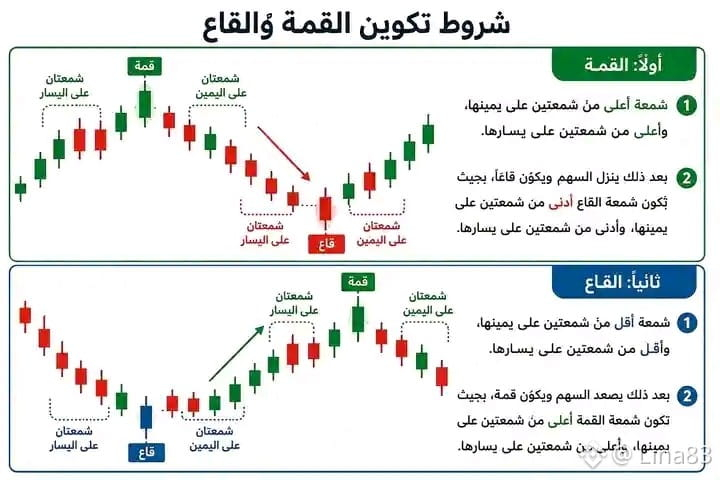
高値と安値を形成する条件 続けてレッスンを提供し、失敗しないために 😅🤑🤭🥳🥳🥳🥳
まず:高値
1. 右側の2本のローソク足よりも高い、かつ左側の2本のローソク足よりも高いローソク足。
2. その後、ローソク足は下がって底(安値)を形成し、底のローソク足が右側の2本のローソク足よりも低く、かつ左側の2本のローソク足よりも低くなるようにする。
次に:安値
1. 右側の2本のローソク足よりも低い、かつ左側の2本のローソク足よりも低いローソク足。
2. その後、価格は上昇して高値(トップ)を形成し、高値のローソク足が右側の2本のローソク足よりも高く、かつ左側の2本のローソク足よりも高くなるようにする。
#取引 #FX #ICT #スマートマネー #流動性 #テクニカル分析 #プライスアクション #金の取引 #リスク管理 #Forex #ForexTrading #DogecoinETFsPostBiggestWeekSinceLaunch
高値と安値を形成する条件 続けてレッスンを提供し、失敗しないために 😅🤑🤭🥳🥳🥳🥳
まず:高値
1. 右側の2本のローソク足よりも高い、かつ左側の2本のローソク足よりも高いローソク足。
2. その後、ローソク足は下がって底(安値)を形成し、底のローソク足が右側の2本のローソク足よりも低く、かつ左側の2本のローソク足よりも低くなるようにする。
次に:安値
1. 右側の2本のローソク足よりも低い、かつ左側の2本のローソク足よりも低いローソク足。
2. その後、価格は上昇して高値(トップ)を形成し、高値のローソク足が右側の2本のローソク足よりも高く、かつ左側の2本のローソク足よりも高くなるようにする。
#取引 #FX #ICT #スマートマネー #流動性 #テクニカル分析 #プライスアクション #金の取引 #リスク管理 #Forex #ForexTrading #DogecoinETFsPostBiggestWeekSinceLaunch
まず:高値
1. 右側の2本のローソク足よりも高い、かつ左側の2本のローソク足よりも高いローソク足。
2. その後、ローソク足は下がって底(安値)を形成し、底のローソク足が右側の2本のローソク足よりも低く、かつ左側の2本のローソク足よりも低くなるようにする。
次に:安値
1. 右側の2本のローソク足よりも低い、かつ左側の2本のローソク足よりも低いローソク足。
2. その後、価格は上昇して高値(トップ)を形成し、高値のローソク足が右側の2本のローソク足よりも高く、かつ左側の2本のローソク足よりも高くなるようにする。
#取引 #FX #ICT #スマートマネー #流動性 #テクニカル分析 #プライスアクション #金の取引 #リスク管理 #Forex #ForexTrading #DogecoinETFsPostBiggestWeekSinceLaunch
183

·
--
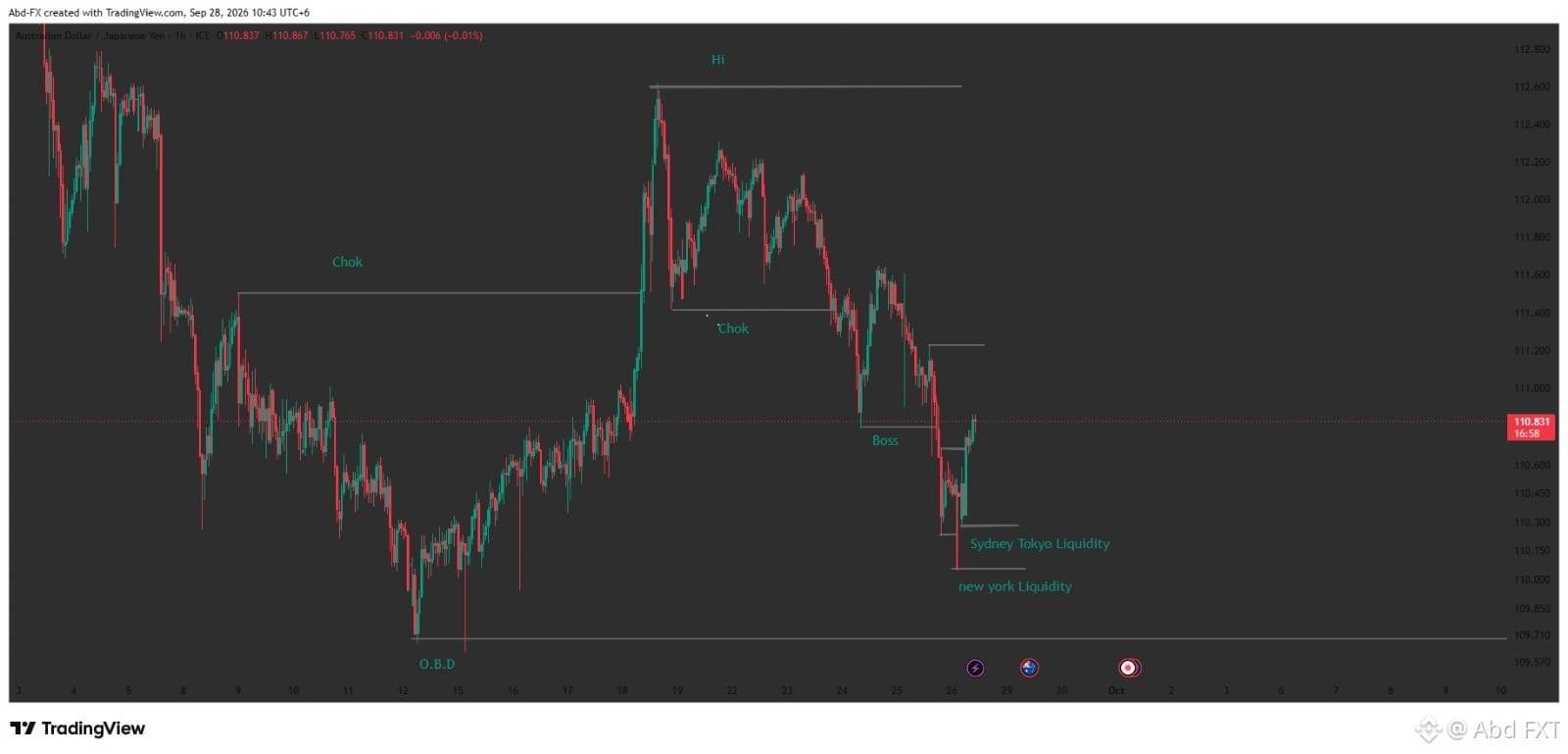
AUD/JPY - 1H分析 📉
高値をスイープ ✅
チョップ+ボスで弱気の構造を確認
シドニー/東京 & ニューヨークの流動性を奪取
内部の流動性を回収した後、下方向への継続を想定。
あなたはどう思いますか? 強気?弱気? 👇
#AUDJPY #SMC #tradingview #forextrading #forexmarkets
AUD/JPY - 1H分析 📉
高値をスイープ ✅
チョップ+ボスで弱気の構造を確認
シドニー/東京 & ニューヨークの流動性を奪取
内部の流動性を回収した後、下方向への継続を想定。
あなたはどう思いますか? 強気?弱気? 👇
#AUDJPY #SMC #tradingview #forextrading #forexmarkets
高値をスイープ ✅
チョップ+ボスで弱気の構造を確認
シドニー/東京 & ニューヨークの流動性を奪取
内部の流動性を回収した後、下方向への継続を想定。
あなたはどう思いますか? 強気?弱気? 👇
#AUDJPY #SMC #tradingview #forextrading #forexmarkets
105

·
--
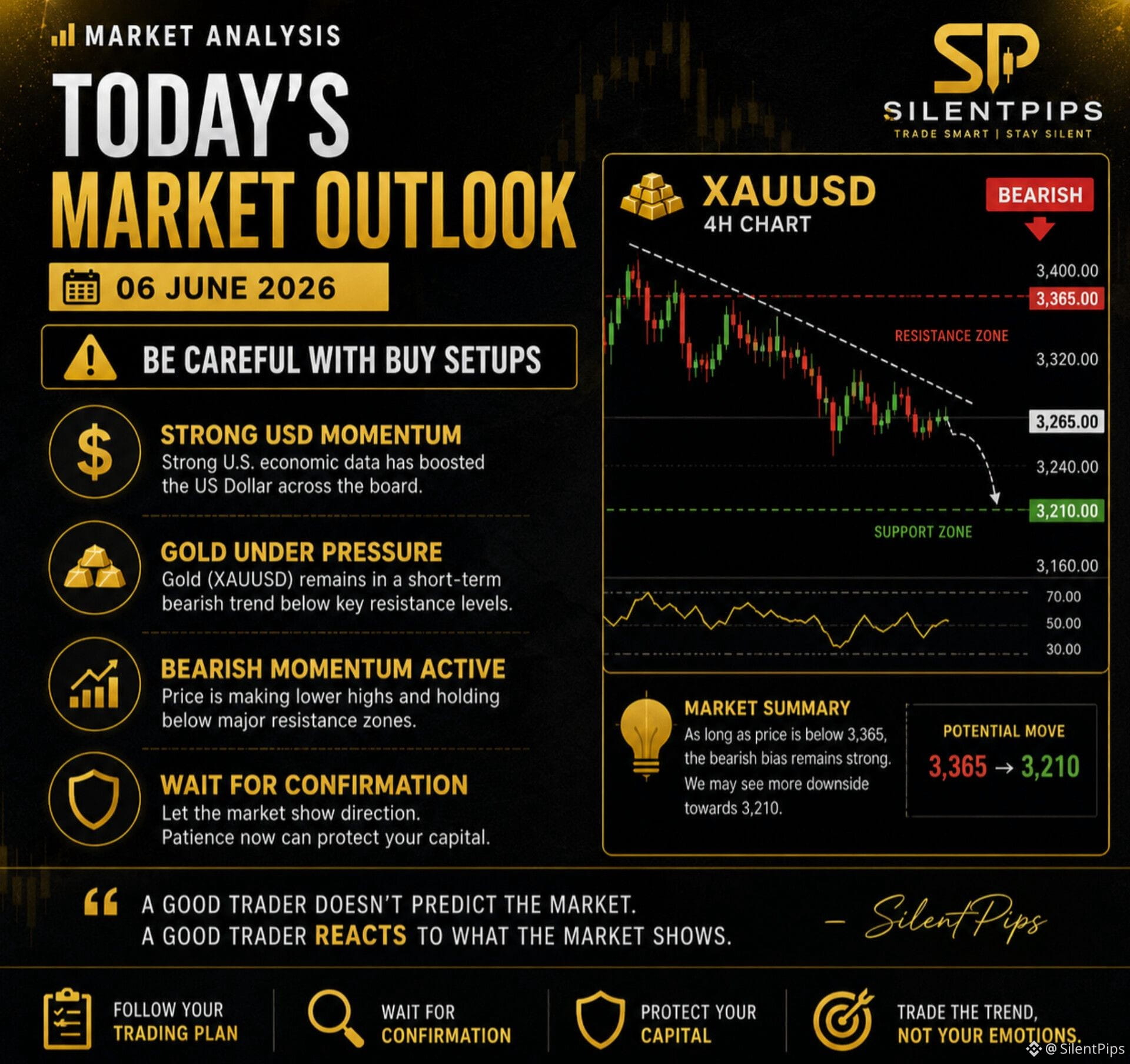
📊 今日の市場分析 (2026年6月6日)
🚨 市場の見通し: バイセットアップには注意
強いアメリカの経済データが米ドルを押し上げ、ゴールド (XAUUSD)、EURUSD、GBPUSDに圧力をかけています。ゴールドは重要なレジスタンスレベルを下回る短期的なベアトレンドにあり、トレーダーは中央銀行の政策や地政学的な動向を注視しています。
ゴールドは圧力を受けている ⚠️
市場は強いUSDのモメンタムを示しており、ゴールドは主要なサポートゾーンを維持するのに苦労しています。
🔹 ゴールドは主要なレジスタンスの下に留まっている
🔹 強いアメリカのデータがドルを支持
🔹 ベアリッシュモメンタムはまだアクティブ
🔹 トレーダーは購入前に確認を待つべき
💡 トレンドに従い、感情に流されるな。
良いトレーダーは市場を予測しない。
良いトレーダーは市場が示すものに反応する。
📄 キャプション
ゴールドトレーダーは今日、忍耐を持つべきです。
米ドルはポジティブな経済データを受けて力を増しており、これがゴールド価格に圧力をかけています。一部のサポートゾーンは買い手を引き寄せていますが、全体的な短期トレンドは主要なレジスタンスレベルが破られるまでベアです。
✅ トレーディングプランに従う
✅ 確認を待つ
✅ 資本を守る
#XAUUSD #GoldTrading #ForexTrading #PriceAction #トレーディング心理 #RiskManagement #フォレックスシグナル #デイトレード #サイレントピップス 📊🔥
📊 今日の市場分析 (2026年6月6日)
🚨 市場の見通し: バイセットアップには注意
強いアメリカの経済データが米ドルを押し上げ、ゴールド (XAUUSD)、EURUSD、GBPUSDに圧力をかけています。ゴールドは重要なレジスタンスレベルを下回る短期的なベアトレンドにあり、トレーダーは中央銀行の政策や地政学的な動向を注視しています。
ゴールドは圧力を受けている ⚠️
市場は強いUSDのモメンタムを示しており、ゴールドは主要なサポートゾーンを維持するのに苦労しています。
🔹 ゴールドは主要なレジスタンスの下に留まっている
🔹 強いアメリカのデータがドルを支持
🔹 ベアリッシュモメンタムはまだアクティブ
🔹 トレーダーは購入前に確認を待つべき
💡 トレンドに従い、感情に流されるな。
良いトレーダーは市場を予測しない。
良いトレーダーは市場が示すものに反応する。
📄 キャプション
ゴールドトレーダーは今日、忍耐を持つべきです。
米ドルはポジティブな経済データを受けて力を増しており、これがゴールド価格に圧力をかけています。一部のサポートゾーンは買い手を引き寄せていますが、全体的な短期トレンドは主要なレジスタンスレベルが破られるまでベアです。
✅ トレーディングプランに従う
✅ 確認を待つ
✅ 資本を守る
#XAUUSD #GoldTrading #ForexTrading #PriceAction #トレーディング心理 #RiskManagement #フォレックスシグナル #デイトレード #サイレントピップス 📊🔥
🚨 市場の見通し: バイセットアップには注意
強いアメリカの経済データが米ドルを押し上げ、ゴールド (XAUUSD)、EURUSD、GBPUSDに圧力をかけています。ゴールドは重要なレジスタンスレベルを下回る短期的なベアトレンドにあり、トレーダーは中央銀行の政策や地政学的な動向を注視しています。
ゴールドは圧力を受けている ⚠️
市場は強いUSDのモメンタムを示しており、ゴールドは主要なサポートゾーンを維持するのに苦労しています。
🔹 ゴールドは主要なレジスタンスの下に留まっている
🔹 強いアメリカのデータがドルを支持
🔹 ベアリッシュモメンタムはまだアクティブ
🔹 トレーダーは購入前に確認を待つべき
💡 トレンドに従い、感情に流されるな。
良いトレーダーは市場を予測しない。
良いトレーダーは市場が示すものに反応する。
📄 キャプション
ゴールドトレーダーは今日、忍耐を持つべきです。
米ドルはポジティブな経済データを受けて力を増しており、これがゴールド価格に圧力をかけています。一部のサポートゾーンは買い手を引き寄せていますが、全体的な短期トレンドは主要なレジスタンスレベルが破られるまでベアです。
✅ トレーディングプランに従う
✅ 確認を待つ
✅ 資本を守る
#XAUUSD #GoldTrading #ForexTrading #PriceAction #トレーディング心理 #RiskManagement #フォレックスシグナル #デイトレード #サイレントピップス 📊🔥
132


記事
🚨 バイナリ vs. FX取引:2026年に本当にあなたをリッチにするのはどっち? 🚨自分のスタイルに合う取引市場を見極めようとして、せっかくのお金を失っていませんか?バイナリーオプションとFX取引で迷っているなら、当てずっぽうをやめて稼ぎ始められるように、残酷な現実をわかりやすく整理します。🧵👇
🕒 1. バイナリ取引:スピード感抜群!
バイナリ取引はシンプルです。それは「オール・オア・ナッシング(全か無か)」のゲームです。たとえば1分、5分といった一定の時間制限の中で、価格が「上がる」か「下がる」かを予測します。
良い点:1回の取引で最大80〜90%もの高い利益を、文字どおり数秒で狙えます。クリックする前に、どれだけ勝って(または負けて)いくらになるのかがはっきり分かります。
🚨 バイナリ vs. FX取引:2026年に本当にあなたをリッチにするのはどっち? 🚨
自分のスタイルに合う取引市場を見極めようとして、せっかくのお金を失っていませんか?バイナリーオプションとFX取引で迷っているなら、当てずっぽうをやめて稼ぎ始められるように、残酷な現実をわかりやすく整理します。🧵👇
🕒 1. バイナリ取引:スピード感抜群!
バイナリ取引はシンプルです。それは「オール・オア・ナッシング(全か無か)」のゲームです。たとえば1分、5分といった一定の時間制限の中で、価格が「上がる」か「下がる」かを予測します。
良い点:1回の取引で最大80〜90%もの高い利益を、文字どおり数秒で狙えます。クリックする前に、どれだけ勝って(または負けて)いくらになるのかがはっきり分かります。
🕒 1. バイナリ取引:スピード感抜群!
バイナリ取引はシンプルです。それは「オール・オア・ナッシング(全か無か)」のゲームです。たとえば1分、5分といった一定の時間制限の中で、価格が「上がる」か「下がる」かを予測します。
良い点:1回の取引で最大80〜90%もの高い利益を、文字どおり数秒で狙えます。クリックする前に、どれだけ勝って(または負けて)いくらになるのかがはっきり分かります。
2
153

·
--
私はちょうどFXトレードの旅を始めたばかりで、まだ学ぶことがたくさんあります。初心者の頃に知っておけばよかったヒント、戦略、または学びがあれば、コメントでぜひ教えてください。とても助かります!
#forextrading
私はちょうどFXトレードの旅を始めたばかりで、まだ学ぶことがたくさんあります。初心者の頃に知っておけばよかったヒント、戦略、または学びがあれば、コメントでぜひ教えてください。とても助かります!
#forextrading
#forextrading
104
ログインして、さらにコンテンツを読む
厳選トピックで世界の暗号資産トレーダーの仲間入り
⚡️ 暗号資産に関する最新かつ有益な情報が見つかります。
💬 世界最大の暗号資産取引所から信頼されています。
👍 認証を受けたクリエイターから、有益なインサイトを得られます。
メール / 電話番号
トレンドトピック
1
#CanMicrosoftDeliverOnAI
閲覧回数 44,121
565人が討論中
2
#CanGoogleDefindItsCore
閲覧回数 22,069
430人が討論中
3
#FOMCWatch
閲覧回数 9M
27,728人が討論中
4
#EthereumDropsBelow$2300
閲覧回数 9,530
146人が討論中
5
#BitcoinSlipsBelow$80KAgain
閲覧回数 26,496
113人が討論中
6
#ThailandLaunchesWORPTStablecoinToQRPaymentApp
閲覧回数 52,022
724人が討論中
7
#StrategySkipsBitcoinPurchasesSpends$205MOnSTRCBuybacks
閲覧回数 10,164
94人が討論中
8
#BitmineAdds10452ETH
閲覧回数 93,336
1,112人が討論中
9
#SouthKoreaConsidersEducationTaxOnCryptoExchanges
閲覧回数 50,670
810人が討論中
10
#OCCUrgesCommunityBanksToEnterStablecoinPayments
閲覧回数 38,460
579人が討論中