
#exchangeflows
exchangeflows
閲覧回数 4,968
50人が討論中
注目
最新

·
--
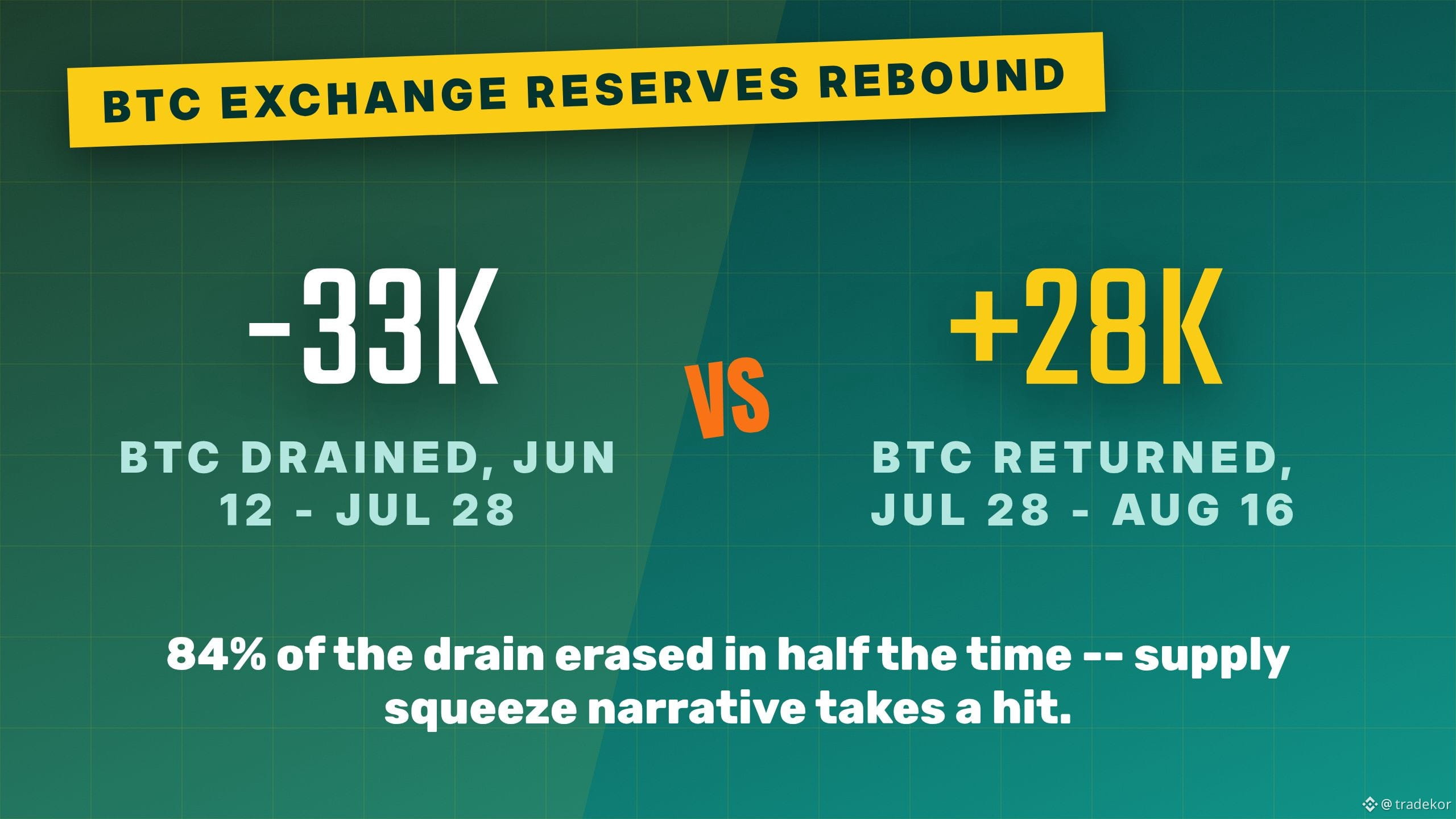
ビットコインの取引所保有残高が、6週間にわたるドレインの84%を3週間以内に帳消しにした――7月28日以降、28,000BTCが取引所へ戻った。
データ:サンティメントによると、BTCの取引所保有残高は6月12日に1.337M BTCでピークを付け、その後7月28日に1.304M BTCまで下落(33,000BTCの引き出し)した後、8月16日までに約1.332M BTCへ反発した――ドレインに要した時間の半分以下で28,000BTCを回復した。現在の残高は6月のピークから約5,200BTC差の水準で、6月15日以来の最高水準だ。
落とし穴:取引所にあるBTCが増えるということは、より多くの流動的で、すぐに売れる供給が増えるということ――数週間前に示された「ETF需要が取引可能なBTCを吸い上げている」という“物語”とは逆の動きだ。サンティメント自体も、この反発が必ずしも積極的な売りを意味するわけではないと指摘しており、OTC決済、裁定取引のフロー、あるいはETFの設定/償還メカニズムによって、保有者が投げ売りしているのではなくコインが移動している可能性がある。
見立て:これは一度に両面に作用する――供給逼迫(スクイーズ)を後押しする強気の見立てを弱める一方で、弱気シナリオも裏付けるわけではない。検証可能な注視ポイント:この残高水準は6月のピークに向けてさらに上がり続けるのか、それとも一時的な反転だったのか?
取引所保有残高の増加は、BTCの供給ストーリーに対するあなたの見方を変えますか?それとも、単なるフロー上のノイズにすぎませんか?
これは金融助言ではありません。自己調査(DYOR)を。
$BTC #Bitcoin #OnChain #ExchangeFlows #CryptoNews
ビットコインの取引所保有残高が、6週間にわたるドレインの84%を3週間以内に帳消しにした――7月28日以降、28,000BTCが取引所へ戻った。
データ:サンティメントによると、BTCの取引所保有残高は6月12日に1.337M BTCでピークを付け、その後7月28日に1.304M BTCまで下落(33,000BTCの引き出し)した後、8月16日までに約1.332M BTCへ反発した――ドレインに要した時間の半分以下で28,000BTCを回復した。現在の残高は6月のピークから約5,200BTC差の水準で、6月15日以来の最高水準だ。
落とし穴:取引所にあるBTCが増えるということは、より多くの流動的で、すぐに売れる供給が増えるということ――数週間前に示された「ETF需要が取引可能なBTCを吸い上げている」という“物語”とは逆の動きだ。サンティメント自体も、この反発が必ずしも積極的な売りを意味するわけではないと指摘しており、OTC決済、裁定取引のフロー、あるいはETFの設定/償還メカニズムによって、保有者が投げ売りしているのではなくコインが移動している可能性がある。
見立て:これは一度に両面に作用する――供給逼迫(スクイーズ)を後押しする強気の見立てを弱める一方で、弱気シナリオも裏付けるわけではない。検証可能な注視ポイント:この残高水準は6月のピークに向けてさらに上がり続けるのか、それとも一時的な反転だったのか?
取引所保有残高の増加は、BTCの供給ストーリーに対するあなたの見方を変えますか?それとも、単なるフロー上のノイズにすぎませんか?
これは金融助言ではありません。自己調査(DYOR)を。
$BTC #Bitcoin #OnChain #ExchangeFlows #CryptoNews
データ:サンティメントによると、BTCの取引所保有残高は6月12日に1.337M BTCでピークを付け、その後7月28日に1.304M BTCまで下落(33,000BTCの引き出し)した後、8月16日までに約1.332M BTCへ反発した――ドレインに要した時間の半分以下で28,000BTCを回復した。現在の残高は6月のピークから約5,200BTC差の水準で、6月15日以来の最高水準だ。
落とし穴:取引所にあるBTCが増えるということは、より多くの流動的で、すぐに売れる供給が増えるということ――数週間前に示された「ETF需要が取引可能なBTCを吸い上げている」という“物語”とは逆の動きだ。サンティメント自体も、この反発が必ずしも積極的な売りを意味するわけではないと指摘しており、OTC決済、裁定取引のフロー、あるいはETFの設定/償還メカニズムによって、保有者が投げ売りしているのではなくコインが移動している可能性がある。
見立て:これは一度に両面に作用する――供給逼迫(スクイーズ)を後押しする強気の見立てを弱める一方で、弱気シナリオも裏付けるわけではない。検証可能な注視ポイント:この残高水準は6月のピークに向けてさらに上がり続けるのか、それとも一時的な反転だったのか?
取引所保有残高の増加は、BTCの供給ストーリーに対するあなたの見方を変えますか?それとも、単なるフロー上のノイズにすぎませんか?
これは金融助言ではありません。自己調査(DYOR)を。
$BTC #Bitcoin #OnChain #ExchangeFlows #CryptoNews
15

$BSB の取引フローが注目される 🔎
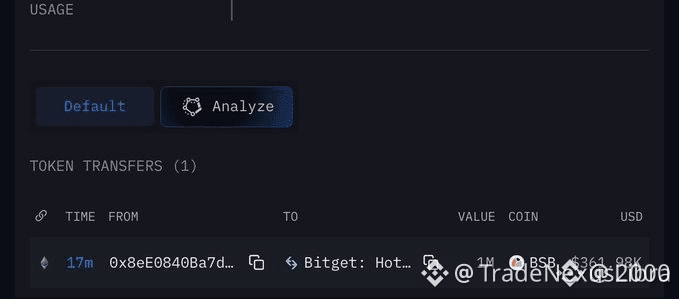
1,000,000 $BSB が、約$361.98Kの価値で特定のウォレットからトップティアの取引所ホットウォレットに移動されました。この種の動きは注視に値します。なぜなら、取引所インフラへの預金が流動性活動、リバランス、または潜在的なショート準備に先行することがあるからです。
今のところ、重要なのは単一の移動に過剰反応しないことです。より有用なシグナルは、フォロースルーから得られます:ボリュームの拡大、オーダーブックの動き、そして価格が近くの需要を下回るかどうかです。
これは金融アドバイスではありません。リスクを管理してください。
#BSB #OnChain #CryptoNews #ExchangeFlows
⚡
$BSB の取引フローが注目される 🔎
1,000,000 $BSB が、約$361.98Kの価値で特定のウォレットからトップティアの取引所ホットウォレットに移動されました。この種の動きは注視に値します。なぜなら、取引所インフラへの預金が流動性活動、リバランス、または潜在的なショート準備に先行することがあるからです。
今のところ、重要なのは単一の移動に過剰反応しないことです。より有用なシグナルは、フォロースルーから得られます:ボリュームの拡大、オーダーブックの動き、そして価格が近くの需要を下回るかどうかです。
これは金融アドバイスではありません。リスクを管理してください。
#BSB #OnChain #CryptoNews #ExchangeFlows
⚡
1,000,000 $BSB が、約$361.98Kの価値で特定のウォレットからトップティアの取引所ホットウォレットに移動されました。この種の動きは注視に値します。なぜなら、取引所インフラへの預金が流動性活動、リバランス、または潜在的なショート準備に先行することがあるからです。
今のところ、重要なのは単一の移動に過剰反応しないことです。より有用なシグナルは、フォロースルーから得られます:ボリュームの拡大、オーダーブックの動き、そして価格が近くの需要を下回るかどうかです。
これは金融アドバイスではありません。リスクを管理してください。
#BSB #OnChain #CryptoNews #ExchangeFlows
⚡
202

·
--
📉 BTC取引所の資金流出が、誰も聞きたくない警告サインを点滅させている
データが示すもの:
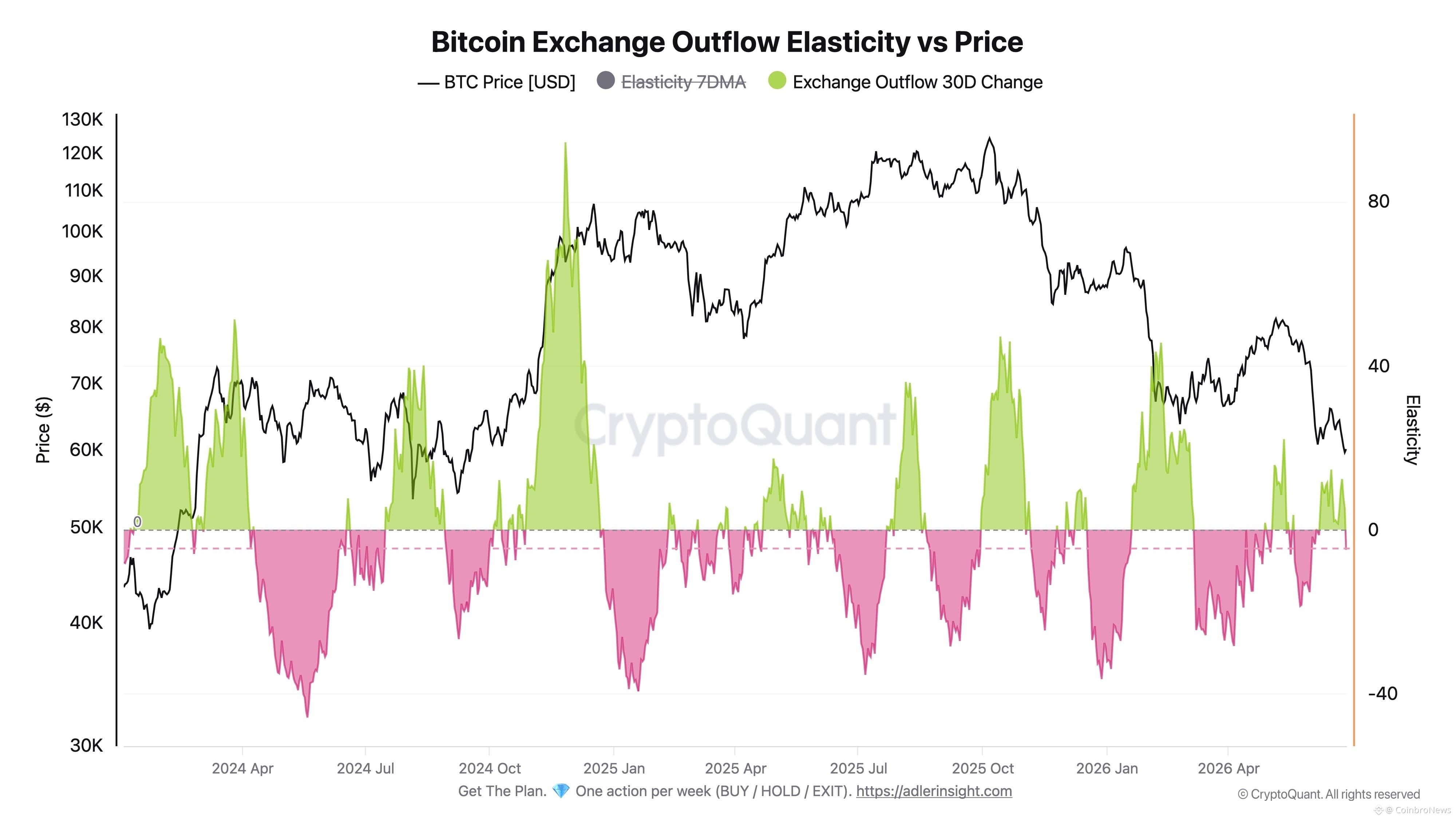
取引所流出=取引所から引き出されたBTC=買い手が自己管理(カストディ)に移している=強気シグナル。
しかし、そのシグナルが今、崩れた。
30日間の取引所流出のモメンタムが赤に転じた――30D平均は現在、1カ月前の水準より4.9%下。買い手は以前のように供給を吸収できていない。Bitcoin Foundation
全体像はさらに悪い:
昨日だけで――6,963万ドル($696.3 million)が、たった1日でビットコインETFから流出。6月として最大の日次流出。6月のETF総流出は36.1億ドル($3.61 billion)に到達。年初来の純流出は46億ドル($4.6 billion)。CoinDCX
ETFの総純資産(Total Net Assets)は726億ドル($72.6 billion)まで低下――2025年10月のピーク1695億ドル($169.5 billion)から57%減。CoinDCX
3つの需要シグナルが、同時にすべて赤に:
❌ 取引所流出が弱まる――スポット買いが消える
❌ ETF流出が加速――機関が撤退
❌ 戦略的なビットコイン購入が6月は3,600BTCに減速――5月の25,000BTCから大幅減 Bitcoin Foundation
この3本の需要の柱が同時に弱まるなら、価格には下支えがない。
唯一の明るい材料:
6月23日は、数週間ぶりにETFの資金流入がプラスとなった初日――ARKBとMSBT主導で、純流入は3,920万ドル($39.2M)。Bitcoin Foundation
一日だけ。反転と決めるには早すぎる。でも注視する価値はある。
私の見立て:
恐怖と強欲(Fear & Greed Index)が6月25日に12へ――極端な恐怖。Yahoo Finance
極端な恐怖のときに相場は底を打つこともある。だが、極端な恐怖はさらに極端になることもある。
問題は「BTCが安いかどうか」。それは確かに安い。
問題は「誰が買うのか?」
取引所流出が語っているのは、まだ十分な買い手がいないということ。👀
あなたの見立てを下に👇
投資助言ではありません。DYOR。
出典:CoinStats、@CryptoQuant_Quicktake 、InteractiveCrypto — 2026年6月26日
#ETF #OnChain #CryptoMarket #ExchangeFlows #CoinbroNews
📉 BTC取引所の資金流出が、誰も聞きたくない警告サインを点滅させている
データが示すもの:
取引所流出=取引所から引き出されたBTC=買い手が自己管理(カストディ)に移している=強気シグナル。
しかし、そのシグナルが今、崩れた。
30日間の取引所流出のモメンタムが赤に転じた――30D平均は現在、1カ月前の水準より4.9%下。買い手は以前のように供給を吸収できていない。Bitcoin Foundation
全体像はさらに悪い:
昨日だけで――6,963万ドル($696.3 million)が、たった1日でビットコインETFから流出。6月として最大の日次流出。6月のETF総流出は36.1億ドル($3.61 billion)に到達。年初来の純流出は46億ドル($4.6 billion)。CoinDCX
ETFの総純資産(Total Net Assets)は726億ドル($72.6 billion)まで低下――2025年10月のピーク1695億ドル($169.5 billion)から57%減。CoinDCX
3つの需要シグナルが、同時にすべて赤に:
❌ 取引所流出が弱まる――スポット買いが消える
❌ ETF流出が加速――機関が撤退
❌ 戦略的なビットコイン購入が6月は3,600BTCに減速――5月の25,000BTCから大幅減 Bitcoin Foundation
この3本の需要の柱が同時に弱まるなら、価格には下支えがない。
唯一の明るい材料:
6月23日は、数週間ぶりにETFの資金流入がプラスとなった初日――ARKBとMSBT主導で、純流入は3,920万ドル($39.2M)。Bitcoin Foundation
一日だけ。反転と決めるには早すぎる。でも注視する価値はある。
私の見立て:
恐怖と強欲(Fear & Greed Index)が6月25日に12へ――極端な恐怖。Yahoo Finance
極端な恐怖のときに相場は底を打つこともある。だが、極端な恐怖はさらに極端になることもある。
問題は「BTCが安いかどうか」。それは確かに安い。
問題は「誰が買うのか?」
取引所流出が語っているのは、まだ十分な買い手がいないということ。👀
あなたの見立てを下に👇
投資助言ではありません。DYOR。
出典:CoinStats、@CryptoQuant Quicktake 、InteractiveCrypto — 2026年6月26日
#ETF #OnChain #CryptoMarket #ExchangeFlows #CoinbroNews
データが示すもの:
取引所流出=取引所から引き出されたBTC=買い手が自己管理(カストディ)に移している=強気シグナル。
しかし、そのシグナルが今、崩れた。
30日間の取引所流出のモメンタムが赤に転じた――30D平均は現在、1カ月前の水準より4.9%下。買い手は以前のように供給を吸収できていない。Bitcoin Foundation
全体像はさらに悪い:
昨日だけで――6,963万ドル($696.3 million)が、たった1日でビットコインETFから流出。6月として最大の日次流出。6月のETF総流出は36.1億ドル($3.61 billion)に到達。年初来の純流出は46億ドル($4.6 billion)。CoinDCX
ETFの総純資産(Total Net Assets)は726億ドル($72.6 billion)まで低下――2025年10月のピーク1695億ドル($169.5 billion)から57%減。CoinDCX
3つの需要シグナルが、同時にすべて赤に:
❌ 取引所流出が弱まる――スポット買いが消える
❌ ETF流出が加速――機関が撤退
❌ 戦略的なビットコイン購入が6月は3,600BTCに減速――5月の25,000BTCから大幅減 Bitcoin Foundation
この3本の需要の柱が同時に弱まるなら、価格には下支えがない。
唯一の明るい材料:
6月23日は、数週間ぶりにETFの資金流入がプラスとなった初日――ARKBとMSBT主導で、純流入は3,920万ドル($39.2M)。Bitcoin Foundation
一日だけ。反転と決めるには早すぎる。でも注視する価値はある。
私の見立て:
恐怖と強欲(Fear & Greed Index)が6月25日に12へ――極端な恐怖。Yahoo Finance
極端な恐怖のときに相場は底を打つこともある。だが、極端な恐怖はさらに極端になることもある。
問題は「BTCが安いかどうか」。それは確かに安い。
問題は「誰が買うのか?」
取引所流出が語っているのは、まだ十分な買い手がいないということ。👀
あなたの見立てを下に👇
投資助言ではありません。DYOR。
出典:CoinStats、@CryptoQuant Quicktake 、InteractiveCrypto — 2026年6月26日
#ETF #OnChain #CryptoMarket #ExchangeFlows #CoinbroNews
109

·
--
ビットコインは5万3千ドルへ?取引所の入金が急増
ビットコインの取引所預け入れがここ数セッションで急増しており、アナリストは今後のボラティリティ上昇に警鐘を鳴らしています。取引データでは、市場参加者が目先の値動きに対する不確実性が高まるなかでポートフォリオを組み替える動きが見られ、主要なプラットフォームで資金流入が顕著になっています。
過去のパターンでは、こうした預け入れの急増が大きな価格変動の前兆となることが多いと示されています。一方で、オンチェーン分析では相反するシグナルが確認されます。長期保有者は引き続き買い増しを行う一方、短期トレーダーはレバレッジを高めており、注文板の両側に技術的な緊張が生じています。
このタイミングは、より広範なマクロ経済の不透明感や主要市場で進行中の規制協議とも一致しています。機関投資家は慎重な姿勢を維持しつつ、個人投資家の心理はFOMO(買い煽りによる強気心理)と利確への懸念の間で揺れ動いています。取引所の準備金データは、清算(売り)圧力が蓄積しつつある可能性を示唆しています。
この入金ラッシュは、差し迫ったブレイクアウト、あるいは急な下落を示すものなのでしょうか?市場アナリストの見解は割れており、積み上げ(蓄積)シグナルだと見る向きもあれば、準備的な売りの圧力だと解釈する向きもあります。 #BitcoinVolatility #ExchangeFlows #MarketAnalysis
ビットコインは5万3千ドルへ?取引所の入金が急増
ビットコインの取引所預け入れがここ数セッションで急増しており、アナリストは今後のボラティリティ上昇に警鐘を鳴らしています。取引データでは、市場参加者が目先の値動きに対する不確実性が高まるなかでポートフォリオを組み替える動きが見られ、主要なプラットフォームで資金流入が顕著になっています。
過去のパターンでは、こうした預け入れの急増が大きな価格変動の前兆となることが多いと示されています。一方で、オンチェーン分析では相反するシグナルが確認されます。長期保有者は引き続き買い増しを行う一方、短期トレーダーはレバレッジを高めており、注文板の両側に技術的な緊張が生じています。
このタイミングは、より広範なマクロ経済の不透明感や主要市場で進行中の規制協議とも一致しています。機関投資家は慎重な姿勢を維持しつつ、個人投資家の心理はFOMO(買い煽りによる強気心理)と利確への懸念の間で揺れ動いています。取引所の準備金データは、清算(売り)圧力が蓄積しつつある可能性を示唆しています。
この入金ラッシュは、差し迫ったブレイクアウト、あるいは急な下落を示すものなのでしょうか?市場アナリストの見解は割れており、積み上げ(蓄積)シグナルだと見る向きもあれば、準備的な売りの圧力だと解釈する向きもあります。 #BitcoinVolatility #ExchangeFlows #MarketAnalysis
ビットコインの取引所預け入れがここ数セッションで急増しており、アナリストは今後のボラティリティ上昇に警鐘を鳴らしています。取引データでは、市場参加者が目先の値動きに対する不確実性が高まるなかでポートフォリオを組み替える動きが見られ、主要なプラットフォームで資金流入が顕著になっています。
過去のパターンでは、こうした預け入れの急増が大きな価格変動の前兆となることが多いと示されています。一方で、オンチェーン分析では相反するシグナルが確認されます。長期保有者は引き続き買い増しを行う一方、短期トレーダーはレバレッジを高めており、注文板の両側に技術的な緊張が生じています。
このタイミングは、より広範なマクロ経済の不透明感や主要市場で進行中の規制協議とも一致しています。機関投資家は慎重な姿勢を維持しつつ、個人投資家の心理はFOMO(買い煽りによる強気心理)と利確への懸念の間で揺れ動いています。取引所の準備金データは、清算(売り)圧力が蓄積しつつある可能性を示唆しています。
この入金ラッシュは、差し迫ったブレイクアウト、あるいは急な下落を示すものなのでしょうか?市場アナリストの見解は割れており、積み上げ(蓄積)シグナルだと見る向きもあれば、準備的な売りの圧力だと解釈する向きもあります。 #BitcoinVolatility #ExchangeFlows #MarketAnalysis
39

🦈 $BTC EXCHANGE ウォレットが吸収される:7日で4,701 BTC — 機関投資家向け会場が75%を占有 📥
📊 Coinglassの7日間フロー・レジャーは明瞭:集中型のレールに4,701 BTCが流入し、機関投資家グレードの会場が3,540 BTCを飲み込んだ——シェアは75%。これはリテールの投げ売りのパニックではなく、重量級がチップをテーブルへ引き寄せているようなものだ。
🦈 世界のスポット首位はわずか577 BTCで、ベテランのオフショア会場は458 BTCを受け取った——メインイベントの横では小銭程度。スマートマネーの回廊が“4桁台”のBTC入金を吸収するなら、蓄積のための事前ポジショニングか、フロア(板)をまたぐ準備としてのブロックトレード移行のどちらかだ。
💡 合図は次の48時間で明確になる:スポット取引量が膨らみ、買いがサポートを守るなら、この流入は次の上昇局面への燃料になる。 💬 これは蓄積の弾薬か、それとも仮面を被った分配(売り)の警告か? 👇
⚠️ 金融助言ではありません。常にリスク管理を行ってください。 🛡️
🏷️ #BTC #ExchangeFlows #WhaleWatch #OnChain
🦈 💎
🦈 $BTC EXCHANGE ウォレットが吸収される:7日で4,701 BTC — 機関投資家向け会場が75%を占有 📥
📊 Coinglassの7日間フロー・レジャーは明瞭:集中型のレールに4,701 BTCが流入し、機関投資家グレードの会場が3,540 BTCを飲み込んだ——シェアは75%。これはリテールの投げ売りのパニックではなく、重量級がチップをテーブルへ引き寄せているようなものだ。
🦈 世界のスポット首位はわずか577 BTCで、ベテランのオフショア会場は458 BTCを受け取った——メインイベントの横では小銭程度。スマートマネーの回廊が“4桁台”のBTC入金を吸収するなら、蓄積のための事前ポジショニングか、フロア(板)をまたぐ準備としてのブロックトレード移行のどちらかだ。
💡 合図は次の48時間で明確になる:スポット取引量が膨らみ、買いがサポートを守るなら、この流入は次の上昇局面への燃料になる。 💬 これは蓄積の弾薬か、それとも仮面を被った分配(売り)の警告か? 👇
⚠️ 金融助言ではありません。常にリスク管理を行ってください。 🛡️
🏷️ #BTC #ExchangeFlows #WhaleWatch #OnChain
🦈 💎
📊 Coinglassの7日間フロー・レジャーは明瞭:集中型のレールに4,701 BTCが流入し、機関投資家グレードの会場が3,540 BTCを飲み込んだ——シェアは75%。これはリテールの投げ売りのパニックではなく、重量級がチップをテーブルへ引き寄せているようなものだ。
🦈 世界のスポット首位はわずか577 BTCで、ベテランのオフショア会場は458 BTCを受け取った——メインイベントの横では小銭程度。スマートマネーの回廊が“4桁台”のBTC入金を吸収するなら、蓄積のための事前ポジショニングか、フロア(板)をまたぐ準備としてのブロックトレード移行のどちらかだ。
💡 合図は次の48時間で明確になる:スポット取引量が膨らみ、買いがサポートを守るなら、この流入は次の上昇局面への燃料になる。 💬 これは蓄積の弾薬か、それとも仮面を被った分配(売り)の警告か? 👇
⚠️ 金融助言ではありません。常にリスク管理を行ってください。 🛡️
🏷️ #BTC #ExchangeFlows #WhaleWatch #OnChain
🦈 💎
28

·
--
🚨 $BTC WITHDRAWAL WAVES が見出しの裏にある実態を暴く 🔍
📡 コールドストレージからホットウォレットへの 367.65 BTC の送金 — 約 $23.92M — が今、チェーン上に記録されました。これは偶然のシャッフルではありません。先月、取引所の停止を発表したところから、今週2回目の目に見える動きです。
🌊 これらの繰り返されるスイープは、相場を動かす需要というより、ユーザーの出金による静かな仕組みです。ですが、より鋭い示唆もあります。循環供給が大規模に手渡されており、市場がパニックなくそれを吸収しているということ。 📊 このようなオーダーフローは、デリバティブのポジション調整がリセットされる局面の前触れになることがよくあります。
💡 本当のシグナルは? 価格がその場を保つ一方で、流動性が裏で組み替えられていることです。 🔍 オンチェーンのフローを警告サインとして読んでいますか?それとも次の構造的な動きに向けた“巻き上げ(コイルド・スプリング)”ですか? 💬
⚠️ これは金融助言ではありません。必ずリスク管理を行ってください。 🛡️
🏷️ #BTC #OnChain #ExchangeFlows #CryptoInsights
⚡ 🦈
🚨 $BTC WITHDRAWAL WAVES が見出しの裏にある実態を暴く 🔍
📡 コールドストレージからホットウォレットへの 367.65 BTC の送金 — 約 $23.92M — が今、チェーン上に記録されました。これは偶然のシャッフルではありません。先月、取引所の停止を発表したところから、今週2回目の目に見える動きです。
🌊 これらの繰り返されるスイープは、相場を動かす需要というより、ユーザーの出金による静かな仕組みです。ですが、より鋭い示唆もあります。循環供給が大規模に手渡されており、市場がパニックなくそれを吸収しているということ。 📊 このようなオーダーフローは、デリバティブのポジション調整がリセットされる局面の前触れになることがよくあります。
💡 本当のシグナルは? 価格がその場を保つ一方で、流動性が裏で組み替えられていることです。 🔍 オンチェーンのフローを警告サインとして読んでいますか?それとも次の構造的な動きに向けた“巻き上げ(コイルド・スプリング)”ですか? 💬
⚠️ これは金融助言ではありません。必ずリスク管理を行ってください。 🛡️
🏷️ #BTC #OnChain #ExchangeFlows #CryptoInsights
⚡ 🦈
📡 コールドストレージからホットウォレットへの 367.65 BTC の送金 — 約 $23.92M — が今、チェーン上に記録されました。これは偶然のシャッフルではありません。先月、取引所の停止を発表したところから、今週2回目の目に見える動きです。
🌊 これらの繰り返されるスイープは、相場を動かす需要というより、ユーザーの出金による静かな仕組みです。ですが、より鋭い示唆もあります。循環供給が大規模に手渡されており、市場がパニックなくそれを吸収しているということ。 📊 このようなオーダーフローは、デリバティブのポジション調整がリセットされる局面の前触れになることがよくあります。
💡 本当のシグナルは? 価格がその場を保つ一方で、流動性が裏で組み替えられていることです。 🔍 オンチェーンのフローを警告サインとして読んでいますか?それとも次の構造的な動きに向けた“巻き上げ(コイルド・スプリング)”ですか? 💬
⚠️ これは金融助言ではありません。必ずリスク管理を行ってください。 🛡️
🏷️ #BTC #OnChain #ExchangeFlows #CryptoInsights
⚡ 🦈
28

·
--
$BTC EXCHANGE INFLOW FROM GALAXY DIGITAL RAISES SELLING PRESSURE CONCERNS 🔥
エントリー:提供されていません
ターゲット:提供されていません
ストップロス:提供されていません
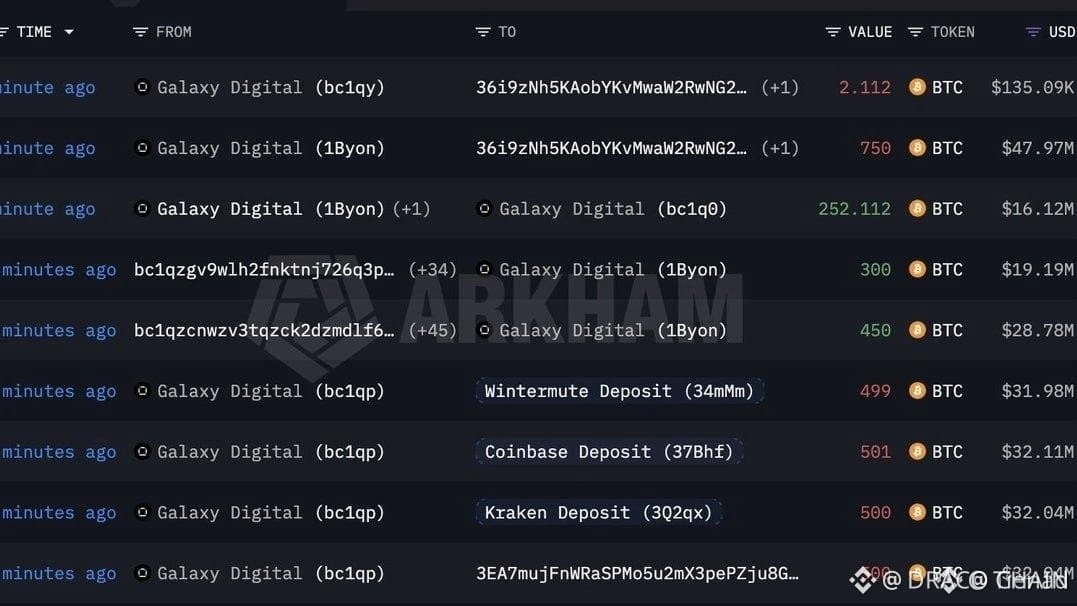
オンチェーンデータによると、Galaxy Digitalは過去24時間で交換(取引所)ウォレットに2,500 BTC(約1.6億ドル)を移動させました。今月の中央集権型取引所への最大の単一主体による送金であり、過去の傾向としては配布(分配)に先行することが多いです。価格は約64,000ドル周辺でまだ踏みとどまっていますが、この供給が板に届けば、直近のレンジ安値を下回るところまで流動性をなぞる(リキディティ・スイープ)動きが起こり得ます。
30分足では出来高の乖離がすでに見られ、買い支えが薄くなっています。ここでは下落のブレイクダウンを想定していますか、それとも押し目買いのチャンスでしょうか?
※投資助言ではありません。常にリスク管理を行ってください。
#BTC #OnChain #ExchangeFlows #Bitcoin
🔥
$BTC EXCHANGE INFLOW FROM GALAXY DIGITAL RAISES SELLING PRESSURE CONCERNS 🔥
エントリー:提供されていません
ターゲット:提供されていません
ストップロス:提供されていません
オンチェーンデータによると、Galaxy Digitalは過去24時間で交換(取引所)ウォレットに2,500 BTC(約1.6億ドル)を移動させました。今月の中央集権型取引所への最大の単一主体による送金であり、過去の傾向としては配布(分配)に先行することが多いです。価格は約64,000ドル周辺でまだ踏みとどまっていますが、この供給が板に届けば、直近のレンジ安値を下回るところまで流動性をなぞる(リキディティ・スイープ)動きが起こり得ます。
30分足では出来高の乖離がすでに見られ、買い支えが薄くなっています。ここでは下落のブレイクダウンを想定していますか、それとも押し目買いのチャンスでしょうか?
※投資助言ではありません。常にリスク管理を行ってください。
#BTC #OnChain #ExchangeFlows #Bitcoin
🔥
エントリー:提供されていません
ターゲット:提供されていません
ストップロス:提供されていません
オンチェーンデータによると、Galaxy Digitalは過去24時間で交換(取引所)ウォレットに2,500 BTC(約1.6億ドル)を移動させました。今月の中央集権型取引所への最大の単一主体による送金であり、過去の傾向としては配布(分配)に先行することが多いです。価格は約64,000ドル周辺でまだ踏みとどまっていますが、この供給が板に届けば、直近のレンジ安値を下回るところまで流動性をなぞる(リキディティ・スイープ)動きが起こり得ます。
30分足では出来高の乖離がすでに見られ、買い支えが薄くなっています。ここでは下落のブレイクダウンを想定していますか、それとも押し目買いのチャンスでしょうか?
※投資助言ではありません。常にリスク管理を行ってください。
#BTC #OnChain #ExchangeFlows #Bitcoin
🔥

31

📊 取引所への入金が急増、トレーダーが変動に備える:取引所での活発化は価格変動の予兆を示唆
2026年7月20日、取引所ウォレットでは、トレーダーが次の大きな動きに備えることで入金活動が高まっています。市場全体の取引量は440.23億ドルで、うち$BTC volumeだけでも179.1億ドルに達しており、このデータはボラティリティへの準備を示していると考えられます。
低ボラティリティの局面で取引所への入金が増える場合、それはしばしば、トレーダーが見込んでいるブレイクアウトのために事前ポジションを取っているサインになります。現在のパターンは、これまでの大きな価格拡大の前に見られた準備状況に似ています。
$BTC が主導し、取引所の出来高は179.1億ドル。次いで$ETH が71.2億ドルです。上位アセットへの入金が集中していることから、ブレイクアウトが起きる場合も、大型の暗号資産が主導する可能性が高いと見られます。
📌 要点:
低ボラティリティ期間における取引所入金の急増は、迫り来るボラティリティ拡大の典型的な前兆です—市場はコイル状に巻かれている状態です。
#CryptoMarkets #ExchangeFlows
#BinanceAlphaAlert
📊 取引所への入金が急増、トレーダーが変動に備える:取引所での活発化は価格変動の予兆を示唆
2026年7月20日、取引所ウォレットでは、トレーダーが次の大きな動きに備えることで入金活動が高まっています。市場全体の取引量は440.23億ドルで、うち$BTC volumeだけでも179.1億ドルに達しており、このデータはボラティリティへの準備を示していると考えられます。
低ボラティリティの局面で取引所への入金が増える場合、それはしばしば、トレーダーが見込んでいるブレイクアウトのために事前ポジションを取っているサインになります。現在のパターンは、これまでの大きな価格拡大の前に見られた準備状況に似ています。
$BTC が主導し、取引所の出来高は179.1億ドル。次いで$ETH が71.2億ドルです。上位アセットへの入金が集中していることから、ブレイクアウトが起きる場合も、大型の暗号資産が主導する可能性が高いと見られます。
📌 要点:
低ボラティリティ期間における取引所入金の急増は、迫り来るボラティリティ拡大の典型的な前兆です—市場はコイル状に巻かれている状態です。
#CryptoMarkets #ExchangeFlows
#BinanceAlphaAlert
2026年7月20日、取引所ウォレットでは、トレーダーが次の大きな動きに備えることで入金活動が高まっています。市場全体の取引量は440.23億ドルで、うち$BTC volumeだけでも179.1億ドルに達しており、このデータはボラティリティへの準備を示していると考えられます。
低ボラティリティの局面で取引所への入金が増える場合、それはしばしば、トレーダーが見込んでいるブレイクアウトのために事前ポジションを取っているサインになります。現在のパターンは、これまでの大きな価格拡大の前に見られた準備状況に似ています。
$BTC が主導し、取引所の出来高は179.1億ドル。次いで$ETH が71.2億ドルです。上位アセットへの入金が集中していることから、ブレイクアウトが起きる場合も、大型の暗号資産が主導する可能性が高いと見られます。
📌 要点:
低ボラティリティ期間における取引所入金の急増は、迫り来るボラティリティ拡大の典型的な前兆です—市場はコイル状に巻かれている状態です。
#CryptoMarkets #ExchangeFlows
#BinanceAlphaAlert
12

🟠 ビットコイン:価格は維持も、送金ベースは減少
$BTC は77,396ドルから80,262ドルのレンジ内で推移しており、NVTゴールデンクロスは0.18まで上昇。評価は横ばいながら、決済送金価値は弱まっていることを示している。
NRPLは前月比で**60%減の3.43億ドル**となり、利益確定のペースは加速ではなく減速していることを示唆する。
取引所フローはなお二極化している。バイナンスは**+557 BTC/日**を吸収した一方、取引所全体のフローはコインベースからの流出が主となり、-1,880 BTC/日を記録した。
バイナンスのステーブルコイン純流入は前月比101%増の+1.09億ドルとなり、市場をある程度下支えしているが、流動性が大きく拡大したことを示すには規模がまだ小さい。
Coinbaseプレミアムが-0.05まで低下したことで供給圧力はやや和らいだように見えるが、買い注文はまだ大きく増えていない。
価格が上昇を続けるには、プレミアムがプラスに転じ、バイナンスへのステーブルコイン流入が大幅に拡大する必要があるかもしれない。
#bitcoin #BTC #OnChain #BitcoinAnalysis #ExchangeFlows
🟠 ビットコイン:価格は維持も、送金ベースは減少
$BTC は77,396ドルから80,262ドルのレンジ内で推移しており、NVTゴールデンクロスは0.18まで上昇。評価は横ばいながら、決済送金価値は弱まっていることを示している。
NRPLは前月比で**60%減の3.43億ドル**となり、利益確定のペースは加速ではなく減速していることを示唆する。
取引所フローはなお二極化している。バイナンスは**+557 BTC/日**を吸収した一方、取引所全体のフローはコインベースからの流出が主となり、-1,880 BTC/日を記録した。
バイナンスのステーブルコイン純流入は前月比101%増の+1.09億ドルとなり、市場をある程度下支えしているが、流動性が大きく拡大したことを示すには規模がまだ小さい。
Coinbaseプレミアムが-0.05まで低下したことで供給圧力はやや和らいだように見えるが、買い注文はまだ大きく増えていない。
価格が上昇を続けるには、プレミアムがプラスに転じ、バイナンスへのステーブルコイン流入が大幅に拡大する必要があるかもしれない。
#bitcoin #BTC #OnChain #BitcoinAnalysis #ExchangeFlows
$BTC は77,396ドルから80,262ドルのレンジ内で推移しており、NVTゴールデンクロスは0.18まで上昇。評価は横ばいながら、決済送金価値は弱まっていることを示している。
NRPLは前月比で**60%減の3.43億ドル**となり、利益確定のペースは加速ではなく減速していることを示唆する。
取引所フローはなお二極化している。バイナンスは**+557 BTC/日**を吸収した一方、取引所全体のフローはコインベースからの流出が主となり、-1,880 BTC/日を記録した。
バイナンスのステーブルコイン純流入は前月比101%増の+1.09億ドルとなり、市場をある程度下支えしているが、流動性が大きく拡大したことを示すには規模がまだ小さい。
Coinbaseプレミアムが-0.05まで低下したことで供給圧力はやや和らいだように見えるが、買い注文はまだ大きく増えていない。
価格が上昇を続けるには、プレミアムがプラスに転じ、バイナンスへのステーブルコイン流入が大幅に拡大する必要があるかもしれない。
#bitcoin #BTC #OnChain #BitcoinAnalysis #ExchangeFlows
91

📈 センチメント:価格上昇にもかかわらず取引所からのETH引き出しが継続
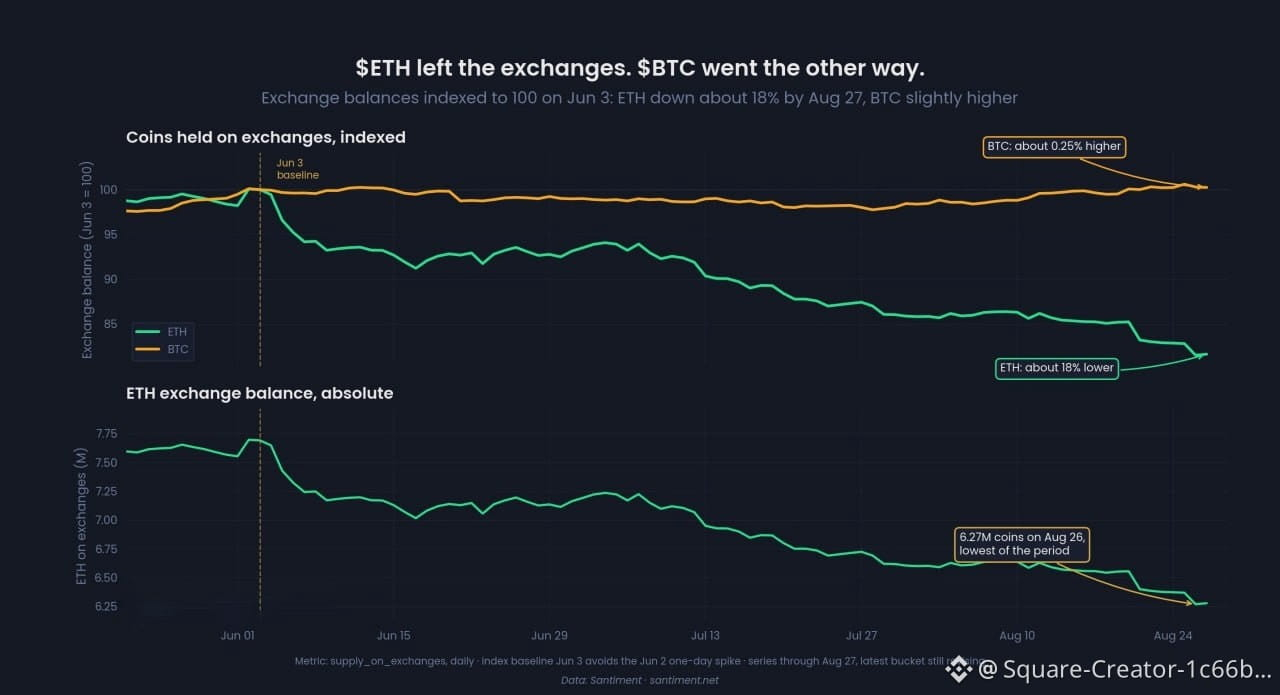
取引所に保管されているイーサリアム(ETH)の量は、6月3日の約769万ETHから8月27日には約628万ETHへと減少し、約18%の下落となりました。
一方で、同じ12週間では取引所のビットコイン(BTC)残高は約0.25%上昇し、直近のレンジ上限に近づいています。
注目すべき点は、価格が上昇してもETHの取引所からの流出が止まっていないことです。8月19日以降、さらに約275,000ETHが取引所から引き出されました。
🔎 通常、取引所での通貨残高の減少は、直近の即時取引に利用可能な流動性(売買に使える供給)の減少を示唆する可能性がありますが、上昇が続くことを保証するものではありません。市場の動きは、流動性、需要、景気などのマクロ環境、そして投資家の資金フローに左右されます。
$ETH
{future}(ETHUSDT)
#ETH #Ethereum #BTC #Bitcoin #Santiment #Crypto #OnChain #ExchangeFlows #Binance #イーサリアム #ビットコイン #オンチェーン分析 #暗号資産 #仮想通貨取引
📈 センチメント:価格上昇にもかかわらず取引所からのETH引き出しが継続
取引所に保管されているイーサリアム(ETH)の量は、6月3日の約769万ETHから8月27日には約628万ETHへと減少し、約18%の下落となりました。
一方で、同じ12週間では取引所のビットコイン(BTC)残高は約0.25%上昇し、直近のレンジ上限に近づいています。
注目すべき点は、価格が上昇してもETHの取引所からの流出が止まっていないことです。8月19日以降、さらに約275,000ETHが取引所から引き出されました。
🔎 通常、取引所での通貨残高の減少は、直近の即時取引に利用可能な流動性(売買に使える供給)の減少を示唆する可能性がありますが、上昇が続くことを保証するものではありません。市場の動きは、流動性、需要、景気などのマクロ環境、そして投資家の資金フローに左右されます。
$ETH
#ETH #Ethereum #BTC #Bitcoin #Santiment #Crypto #OnChain #ExchangeFlows #Binance #イーサリアム #ビットコイン #オンチェーン分析 #暗号資産 #仮想通貨取引
取引所に保管されているイーサリアム(ETH)の量は、6月3日の約769万ETHから8月27日には約628万ETHへと減少し、約18%の下落となりました。
一方で、同じ12週間では取引所のビットコイン(BTC)残高は約0.25%上昇し、直近のレンジ上限に近づいています。
注目すべき点は、価格が上昇してもETHの取引所からの流出が止まっていないことです。8月19日以降、さらに約275,000ETHが取引所から引き出されました。
🔎 通常、取引所での通貨残高の減少は、直近の即時取引に利用可能な流動性(売買に使える供給)の減少を示唆する可能性がありますが、上昇が続くことを保証するものではありません。市場の動きは、流動性、需要、景気などのマクロ環境、そして投資家の資金フローに左右されます。
$ETH
#ETH #Ethereum #BTC #Bitcoin #Santiment #Crypto #OnChain #ExchangeFlows #Binance #イーサリアム #ビットコイン #オンチェーン分析 #暗号資産 #仮想通貨取引
139
翻訳参照
$HYPE WHALE'S $93M TRADING ENDS IN $406K LOSS — EXCHANGE TRANSFERS SPOTTED 🦈📉
Smart money isn't always smart. This $HYPE player churned $93.25M in spot volume since December — buying 1.37M tokens, selling 1.25M — and the scoreboard reads a $406K deficit. 📊 That's the sound of a high-frequency battle where fees and slippage chewed up the edge.
Now 20,000 $HYPE ($1.15M) just unstaked and moved to a top-tier exchange for a likely sell-off. Another 24,950 followed last week. 🦈 This wallet is distributing, not accumulating — and the order book feels the gravity. 🌊
Volume doesn't equal alpha. This trader fought the tape for months and lost to the house spread. 💡 Are you tracking exchange inflows, or just staring at the chart? 🤔
⚠️ Not financial advice. Always manage your risk. 🛡️
🏷️ #HYPE #WhaleWatch #CryptoAnalysis #ExchangeFlows #TradingPsychology
🦈 💡
$HYPE WHALE'S $93M TRADING ENDS IN $406K LOSS — EXCHANGE TRANSFERS SPOTTED 🦈📉
Smart money isn't always smart. This $HYPE player churned $93.25M in spot volume since December — buying 1.37M tokens, selling 1.25M — and the scoreboard reads a $406K deficit. 📊 That's the sound of a high-frequency battle where fees and slippage chewed up the edge.
Now 20,000 $HYPE ($1.15M) just unstaked and moved to a top-tier exchange for a likely sell-off. Another 24,950 followed last week. 🦈 This wallet is distributing, not accumulating — and the order book feels the gravity. 🌊
Volume doesn't equal alpha. This trader fought the tape for months and lost to the house spread. 💡 Are you tracking exchange inflows, or just staring at the chart? 🤔
⚠️ Not financial advice. Always manage your risk. 🛡️
🏷️ #HYPE #WhaleWatch #CryptoAnalysis #ExchangeFlows #TradingPsychology
🦈 💡
Smart money isn't always smart. This $HYPE player churned $93.25M in spot volume since December — buying 1.37M tokens, selling 1.25M — and the scoreboard reads a $406K deficit. 📊 That's the sound of a high-frequency battle where fees and slippage chewed up the edge.
Now 20,000 $HYPE ($1.15M) just unstaked and moved to a top-tier exchange for a likely sell-off. Another 24,950 followed last week. 🦈 This wallet is distributing, not accumulating — and the order book feels the gravity. 🌊
Volume doesn't equal alpha. This trader fought the tape for months and lost to the house spread. 💡 Are you tracking exchange inflows, or just staring at the chart? 🤔
⚠️ Not financial advice. Always manage your risk. 🛡️
🏷️ #HYPE #WhaleWatch #CryptoAnalysis #ExchangeFlows #TradingPsychology
🦈 💡
66

·
--
$BTC LARGE DEPOSITS TO EXCHANGES SIGNAL POTENTIAL SELL PRESSURE 🔥
アブラクサス・キャピタルは、トップクラスの取引所に向けて資産1,800万ドルを移動しました。内訳は、Binanceに1,000万ドルのUSDTと400万ドルのXAUT、さらにBitfinexにもう400万ドルのXAUTです。このような規模のボリュームがオーダーブックに流れ込むのは、主要プレイヤーによる配分(ディストリビューション)やポジションの組み替えの前兆となることがよくあります。
BTCの4H構造は、重要なレジスタンスの下ではすでに脆弱です。流動性が低い時間帯の大口入金は、弱気シナリオにさらに重みを加えます。エクスポージャーをヘッジしていますか?それとも、先に流動性のスイープが起きるのを待っていますか?
投資助言ではありません。常にリスク管理を行ってください。
#BTC #XAUT #ExchangeFlows #MarketStructure #Crypto
⚡
$BTC LARGE DEPOSITS TO EXCHANGES SIGNAL POTENTIAL SELL PRESSURE 🔥
アブラクサス・キャピタルは、トップクラスの取引所に向けて資産1,800万ドルを移動しました。内訳は、Binanceに1,000万ドルのUSDTと400万ドルのXAUT、さらにBitfinexにもう400万ドルのXAUTです。このような規模のボリュームがオーダーブックに流れ込むのは、主要プレイヤーによる配分(ディストリビューション)やポジションの組み替えの前兆となることがよくあります。
BTCの4H構造は、重要なレジスタンスの下ではすでに脆弱です。流動性が低い時間帯の大口入金は、弱気シナリオにさらに重みを加えます。エクスポージャーをヘッジしていますか?それとも、先に流動性のスイープが起きるのを待っていますか?
投資助言ではありません。常にリスク管理を行ってください。
#BTC #XAUT #ExchangeFlows #MarketStructure #Crypto
⚡
アブラクサス・キャピタルは、トップクラスの取引所に向けて資産1,800万ドルを移動しました。内訳は、Binanceに1,000万ドルのUSDTと400万ドルのXAUT、さらにBitfinexにもう400万ドルのXAUTです。このような規模のボリュームがオーダーブックに流れ込むのは、主要プレイヤーによる配分(ディストリビューション)やポジションの組み替えの前兆となることがよくあります。
BTCの4H構造は、重要なレジスタンスの下ではすでに脆弱です。流動性が低い時間帯の大口入金は、弱気シナリオにさらに重みを加えます。エクスポージャーをヘッジしていますか?それとも、先に流動性のスイープが起きるのを待っていますか?
投資助言ではありません。常にリスク管理を行ってください。
#BTC #XAUT #ExchangeFlows #MarketStructure #Crypto
⚡
17

$BNB が注目を集める中、BinanceがWODLとレッドパケットのエンゲージメントを推進🎁
Binanceの最新のプロモーショントラフィックは、WODLやレッドパケットの活動に関して、即時の価格発見よりもユーザー保持とプラットフォームの粘着性に重きを置いている。メッセージは明確だ: 取引所は、リテールの注目をそのエコシステム内に保つために、ゲーミファイドな配布に依存している。マーケット用語で言えば、これは通常、目に見えるスポットオーダーフローの変化に先立ってエンゲージメント指標をサポートする。
私の見解は、これは注目と流動性のイベントであり、方向性のカタリストではないということ。リテールはこれらのドロップを孤立した特典として扱うことが多いが、機関投資家はより広範な影響を注視している: 繰り返されるキャンペーンは会場の忠誠心を強化し、取引の頻度を高め、トップティア取引所コンプレックスを通じた資本のローテーションを持続させることができる。$BNBにとって、これは重要だ。なぜなら、エコシステムの活動は、より広いテープがレンジバウンドのままであっても、需要期待を静かに支えることができるからだ。
これは投資アドバイスではない。これは市場のコメントであり、買いまたは売りの推奨ではない。
#BNB #Binance #CryptoMarkets #ExchangeFlows
{future}(BNBUSDT)
$BNB が注目を集める中、BinanceがWODLとレッドパケットのエンゲージメントを推進🎁
Binanceの最新のプロモーショントラフィックは、WODLやレッドパケットの活動に関して、即時の価格発見よりもユーザー保持とプラットフォームの粘着性に重きを置いている。メッセージは明確だ: 取引所は、リテールの注目をそのエコシステム内に保つために、ゲーミファイドな配布に依存している。マーケット用語で言えば、これは通常、目に見えるスポットオーダーフローの変化に先立ってエンゲージメント指標をサポートする。
私の見解は、これは注目と流動性のイベントであり、方向性のカタリストではないということ。リテールはこれらのドロップを孤立した特典として扱うことが多いが、機関投資家はより広範な影響を注視している: 繰り返されるキャンペーンは会場の忠誠心を強化し、取引の頻度を高め、トップティア取引所コンプレックスを通じた資本のローテーションを持続させることができる。$BNB にとって、これは重要だ。なぜなら、エコシステムの活動は、より広いテープがレンジバウンドのままであっても、需要期待を静かに支えることができるからだ。
これは投資アドバイスではない。これは市場のコメントであり、買いまたは売りの推奨ではない。
#BNB #Binance #CryptoMarkets #ExchangeFlows
Binanceの最新のプロモーショントラフィックは、WODLやレッドパケットの活動に関して、即時の価格発見よりもユーザー保持とプラットフォームの粘着性に重きを置いている。メッセージは明確だ: 取引所は、リテールの注目をそのエコシステム内に保つために、ゲーミファイドな配布に依存している。マーケット用語で言えば、これは通常、目に見えるスポットオーダーフローの変化に先立ってエンゲージメント指標をサポートする。
私の見解は、これは注目と流動性のイベントであり、方向性のカタリストではないということ。リテールはこれらのドロップを孤立した特典として扱うことが多いが、機関投資家はより広範な影響を注視している: 繰り返されるキャンペーンは会場の忠誠心を強化し、取引の頻度を高め、トップティア取引所コンプレックスを通じた資本のローテーションを持続させることができる。$BNB にとって、これは重要だ。なぜなら、エコシステムの活動は、より広いテープがレンジバウンドのままであっても、需要期待を静かに支えることができるからだ。
これは投資アドバイスではない。これは市場のコメントであり、買いまたは売りの推奨ではない。
#BNB #Binance #CryptoMarkets #ExchangeFlows

268
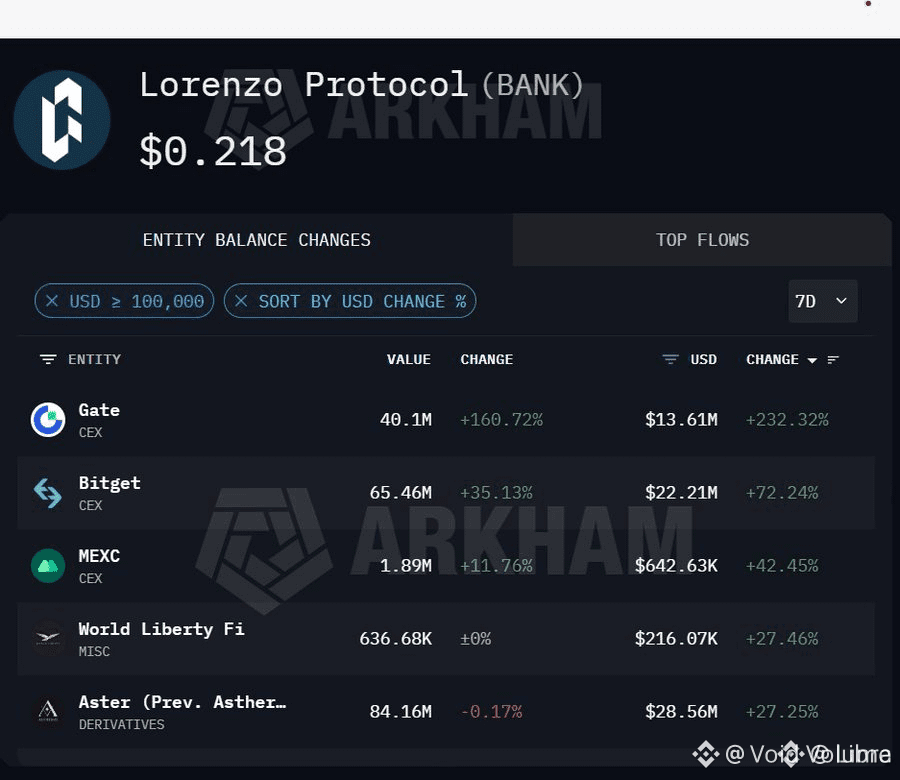
🦈 $BANK 取引所残高が上昇中 – クジラは仕込み中?それとも撤退中? 📊
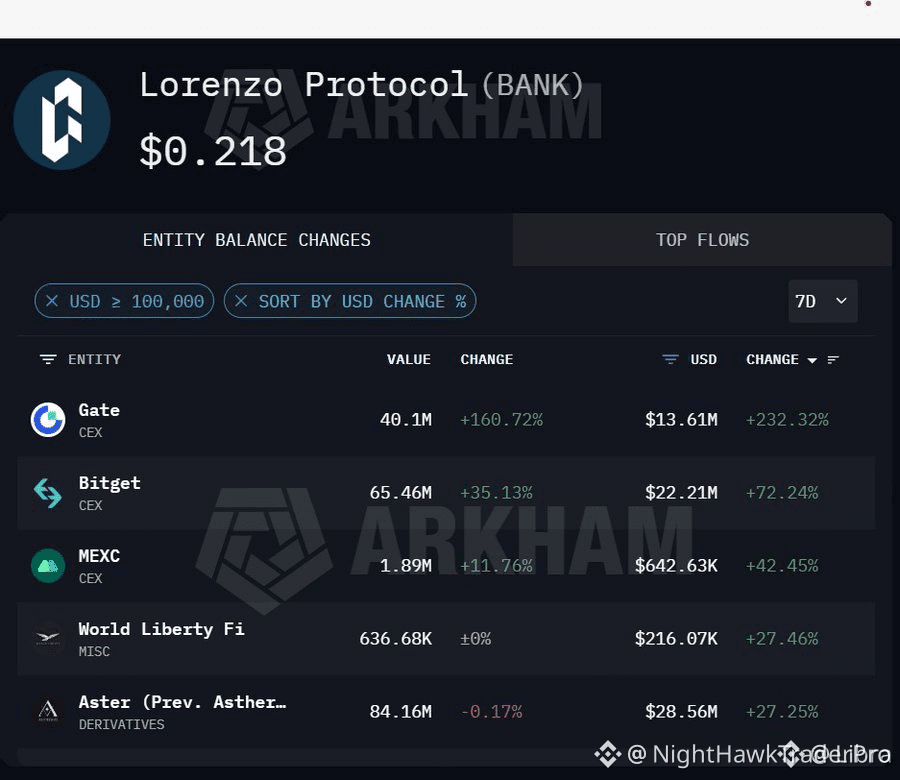
7日間の流入がプラスのまま、上位クラスの取引所の板の上に大きな売買スタックが積まれています。それでも、まだ売りの急襲(強い売り)によるテープへの打撃は起きていません。この供給の過剰感は危険な分岐を生みます――次の上昇前の蓄積か、あるいは分配(手放し)の前の我慢か。
📌 買い方は堅調ですが、どんなスパイクも拡大せずに吸収されています。彼らが強く投げているなら、出来高(ボラリティ)やスピードが見えてくるはずです。ですがテープ上では、意図的に積み上げている動きが確認できます――資金の賢いポジショニングによる“次の動き”の準備です。 🔍 仕掛けのきっかけとなる出来高の触媒(ボリューム・カタリスト)を見ています。
💬 これらのクジラはベースを作っているのか、それとも投下準備(売り出し準備)をしているのか? $BANK のフローについてあなたの見立ては? 👇
⚠️ 金融助言ではありません。常にリスク管理をしてください。 🛡️
🏷️ #BANK #OnChain #ExchangeFlows #Crypto #DYOR
🦈 📊
🦈 $BANK 取引所残高が上昇中 – クジラは仕込み中?それとも撤退中? 📊
7日間の流入がプラスのまま、上位クラスの取引所の板の上に大きな売買スタックが積まれています。それでも、まだ売りの急襲(強い売り)によるテープへの打撃は起きていません。この供給の過剰感は危険な分岐を生みます――次の上昇前の蓄積か、あるいは分配(手放し)の前の我慢か。
📌 買い方は堅調ですが、どんなスパイクも拡大せずに吸収されています。彼らが強く投げているなら、出来高(ボラリティ)やスピードが見えてくるはずです。ですがテープ上では、意図的に積み上げている動きが確認できます――資金の賢いポジショニングによる“次の動き”の準備です。 🔍 仕掛けのきっかけとなる出来高の触媒(ボリューム・カタリスト)を見ています。
💬 これらのクジラはベースを作っているのか、それとも投下準備(売り出し準備)をしているのか? $BANK のフローについてあなたの見立ては? 👇
⚠️ 金融助言ではありません。常にリスク管理をしてください。 🛡️
🏷️ #BANK #OnChain #ExchangeFlows #Crypto #DYOR
🦈 📊
7日間の流入がプラスのまま、上位クラスの取引所の板の上に大きな売買スタックが積まれています。それでも、まだ売りの急襲(強い売り)によるテープへの打撃は起きていません。この供給の過剰感は危険な分岐を生みます――次の上昇前の蓄積か、あるいは分配(手放し)の前の我慢か。
📌 買い方は堅調ですが、どんなスパイクも拡大せずに吸収されています。彼らが強く投げているなら、出来高(ボラリティ)やスピードが見えてくるはずです。ですがテープ上では、意図的に積み上げている動きが確認できます――資金の賢いポジショニングによる“次の動き”の準備です。 🔍 仕掛けのきっかけとなる出来高の触媒(ボリューム・カタリスト)を見ています。
💬 これらのクジラはベースを作っているのか、それとも投下準備(売り出し準備)をしているのか? $BANK のフローについてあなたの見立ては? 👇
⚠️ 金融助言ではありません。常にリスク管理をしてください。 🛡️
🏷️ #BANK #OnChain #ExchangeFlows #Crypto #DYOR
🦈 📊
234
·
--
🚨 $BNB 資本集中シグナル:77の取引所が10億ドル失う中でAS 77が低迷💥
6月以降、世界の77の取引所が純流出で約10億ドルを失う一方、バイナンスは純流入として3,690万ドルを記録しました。📊 この格差は、機関投資家のアナリストが「流動性の質への逃避(リクイディティ・フライト・トゥ・クオリティ)」と呼ぶ現象を示しています。つまり、裏付けのある準備(レザーブ)、透明なオンチェーンウォレット、そして10億ドル規模のSAFUファンドを備えたプラットフォームへ資本が集中するのです。
💡 無期限先物取引の出来高におけるバイナンスの36%シェア、ならびにCEXの準備資産における55%は、市場が極度の不安局面でも「厚い流動性」と「健全性(ソルベンシー)」を好むことを裏付けています。6月のBTC ETFでの45億ドルの償還(レデンプション)と、取引所への23億ドルのステーブルコイン流入は、「リスク回避による統合」の物語をさらに強めます。💬 検証可能な準備証明(プローフ・オブ・リザーブ)をまだ保有している取引所のウォレットを追跡していますか?👇
⚠️ 金融アドバイスではありません。常にリスクを管理してください。🛡️
🏷️ #BNB #ExchangeFlows #SmartMoney #Liquidity #Crypto
🦈 🔍
🚨 $BNB 資本集中シグナル:77の取引所が10億ドル失う中でAS 77が低迷💥
6月以降、世界の77の取引所が純流出で約10億ドルを失う一方、バイナンスは純流入として3,690万ドルを記録しました。📊 この格差は、機関投資家のアナリストが「流動性の質への逃避(リクイディティ・フライト・トゥ・クオリティ)」と呼ぶ現象を示しています。つまり、裏付けのある準備(レザーブ)、透明なオンチェーンウォレット、そして10億ドル規模のSAFUファンドを備えたプラットフォームへ資本が集中するのです。
💡 無期限先物取引の出来高におけるバイナンスの36%シェア、ならびにCEXの準備資産における55%は、市場が極度の不安局面でも「厚い流動性」と「健全性(ソルベンシー)」を好むことを裏付けています。6月のBTC ETFでの45億ドルの償還(レデンプション)と、取引所への23億ドルのステーブルコイン流入は、「リスク回避による統合」の物語をさらに強めます。💬 検証可能な準備証明(プローフ・オブ・リザーブ)をまだ保有している取引所のウォレットを追跡していますか?👇
⚠️ 金融アドバイスではありません。常にリスクを管理してください。🛡️
🏷️ #BNB #ExchangeFlows #SmartMoney #Liquidity #Crypto
🦈 🔍
6月以降、世界の77の取引所が純流出で約10億ドルを失う一方、バイナンスは純流入として3,690万ドルを記録しました。📊 この格差は、機関投資家のアナリストが「流動性の質への逃避(リクイディティ・フライト・トゥ・クオリティ)」と呼ぶ現象を示しています。つまり、裏付けのある準備(レザーブ)、透明なオンチェーンウォレット、そして10億ドル規模のSAFUファンドを備えたプラットフォームへ資本が集中するのです。
💡 無期限先物取引の出来高におけるバイナンスの36%シェア、ならびにCEXの準備資産における55%は、市場が極度の不安局面でも「厚い流動性」と「健全性(ソルベンシー)」を好むことを裏付けています。6月のBTC ETFでの45億ドルの償還(レデンプション)と、取引所への23億ドルのステーブルコイン流入は、「リスク回避による統合」の物語をさらに強めます。💬 検証可能な準備証明(プローフ・オブ・リザーブ)をまだ保有している取引所のウォレットを追跡していますか?👇
⚠️ 金融アドバイスではありません。常にリスクを管理してください。🛡️
🏷️ #BNB #ExchangeFlows #SmartMoney #Liquidity #Crypto
🦈 🔍
23

·
--
取引所フローの乖離:見えないところに潜むシグナル
多くのトレーダーは価格を見ます。賢い資金は取引所のフローを見ます。そして、入金と出金の乖離が、まさに今説得力のある物語を語っています。
ネットの取引所フローが持続的にマイナスに転じる(出金が入金を一貫して上回る)場合、それは蓄積を示します。取引所から移動するコインは、すぐに売り圧力となるための流動性を減らします。歴史的に、継続的なネット出超の期間は、最も大きな価格変動の前触れとなってきました。なぜなら、どちらも同じ根本的な現実を反映しているからです。つまり、情報を持つ保有者が“売りに回る”のではなく、“ポジションを取っている”ということです。
ニュアンスは重要です。すべての出金が同じではありません。コールドストレージへ移されるコインは、ステーキング契約やDeFiプロトコルへ移されるコインとは挙動が異なります。自己保管(セルフカストディ)へのBTC出金は、最も明確な蓄積シグナルです。ETHがステーキングへ移動するのは構造的な供給ロックを意味し、すぐに現物市場へ戻ってくるものではありません。SOLのバリデーター基盤への流入も、同様の機能を果たします。
裏返しもあります。急な入金スパイク、特に休眠アドレスからのものは、しばしばローカルの天井(高値)に先行します。クジラは相場で売りません。まず取引所へ移します。
まとめ:次の大きな動きの前に、取引所のネットフローデータは変化します。必ずそうなります。はっきり見える前に読み取れるようになること——それが、ほとんどの個人トレーダーが身につけられない優位性です。
$BTC $ETH $SOL
#CryptoInsights #OnChainAnalysis #BitcoinAccumulation #ExchangeFlows #CryptoStrategy
取引所フローの乖離:見えないところに潜むシグナル
多くのトレーダーは価格を見ます。賢い資金は取引所のフローを見ます。そして、入金と出金の乖離が、まさに今説得力のある物語を語っています。
ネットの取引所フローが持続的にマイナスに転じる(出金が入金を一貫して上回る)場合、それは蓄積を示します。取引所から移動するコインは、すぐに売り圧力となるための流動性を減らします。歴史的に、継続的なネット出超の期間は、最も大きな価格変動の前触れとなってきました。なぜなら、どちらも同じ根本的な現実を反映しているからです。つまり、情報を持つ保有者が“売りに回る”のではなく、“ポジションを取っている”ということです。
ニュアンスは重要です。すべての出金が同じではありません。コールドストレージへ移されるコインは、ステーキング契約やDeFiプロトコルへ移されるコインとは挙動が異なります。自己保管(セルフカストディ)へのBTC出金は、最も明確な蓄積シグナルです。ETHがステーキングへ移動するのは構造的な供給ロックを意味し、すぐに現物市場へ戻ってくるものではありません。SOLのバリデーター基盤への流入も、同様の機能を果たします。
裏返しもあります。急な入金スパイク、特に休眠アドレスからのものは、しばしばローカルの天井(高値)に先行します。クジラは相場で売りません。まず取引所へ移します。
まとめ:次の大きな動きの前に、取引所のネットフローデータは変化します。必ずそうなります。はっきり見える前に読み取れるようになること——それが、ほとんどの個人トレーダーが身につけられない優位性です。
$BTC $ETH $SOL
#CryptoInsights #OnChainAnalysis #BitcoinAccumulation #ExchangeFlows #CryptoStrategy
多くのトレーダーは価格を見ます。賢い資金は取引所のフローを見ます。そして、入金と出金の乖離が、まさに今説得力のある物語を語っています。
ネットの取引所フローが持続的にマイナスに転じる(出金が入金を一貫して上回る)場合、それは蓄積を示します。取引所から移動するコインは、すぐに売り圧力となるための流動性を減らします。歴史的に、継続的なネット出超の期間は、最も大きな価格変動の前触れとなってきました。なぜなら、どちらも同じ根本的な現実を反映しているからです。つまり、情報を持つ保有者が“売りに回る”のではなく、“ポジションを取っている”ということです。
ニュアンスは重要です。すべての出金が同じではありません。コールドストレージへ移されるコインは、ステーキング契約やDeFiプロトコルへ移されるコインとは挙動が異なります。自己保管(セルフカストディ)へのBTC出金は、最も明確な蓄積シグナルです。ETHがステーキングへ移動するのは構造的な供給ロックを意味し、すぐに現物市場へ戻ってくるものではありません。SOLのバリデーター基盤への流入も、同様の機能を果たします。
裏返しもあります。急な入金スパイク、特に休眠アドレスからのものは、しばしばローカルの天井(高値)に先行します。クジラは相場で売りません。まず取引所へ移します。
まとめ:次の大きな動きの前に、取引所のネットフローデータは変化します。必ずそうなります。はっきり見える前に読み取れるようになること——それが、ほとんどの個人トレーダーが身につけられない優位性です。
$BTC $ETH $SOL
#CryptoInsights #OnChainAnalysis #BitcoinAccumulation #ExchangeFlows #CryptoStrategy
77

·
--
$BANK EXCHANGE BALANCES TELL A TELLING STORY – WHALES HOLDING FIRM 🦈📊
🗺️ オンチェーンの指紋は、$BANK がGate、Bitget、MEXC上で依然として重く滞留していることを示しています——取引所ウォレットは動いていません。直近7日間のプラスの流入は、蓄積のフローが継続していることを裏づけており、まだ構造的な分配の兆候は出ていません。🦈🔍
これは「海岸(coast)」のシナリオではありません。もしスマートマネーが分配しているなら、大口のまとまった出金でスパイクが見えるはずです。ですが、データは蓄積が進行中だと示唆しています。💰💡 次のカタリストとして、毎日の取引所ネットフローを見ています——プラスからマイナスへの転換があれば、流動性の「空白」が形成されつつあることを裏付けることになります。💬 あなたはこれらの取引所の水準を追っていますか?それとも、取引所の資金が流出したことが確認されるまで待ちますか?👇
⚠️ 投資助言ではありません。必ずリスク管理をしてください。🛡️
🏷️ #BANK #Altcoin #WhaleActivity #ExchangeFlows #Crypto
🦈 📊
$BANK EXCHANGE BALANCES TELL A TELLING STORY – WHALES HOLDING FIRM 🦈📊
🗺️ オンチェーンの指紋は、$BANK がGate、Bitget、MEXC上で依然として重く滞留していることを示しています——取引所ウォレットは動いていません。直近7日間のプラスの流入は、蓄積のフローが継続していることを裏づけており、まだ構造的な分配の兆候は出ていません。🦈🔍
これは「海岸(coast)」のシナリオではありません。もしスマートマネーが分配しているなら、大口のまとまった出金でスパイクが見えるはずです。ですが、データは蓄積が進行中だと示唆しています。💰💡 次のカタリストとして、毎日の取引所ネットフローを見ています——プラスからマイナスへの転換があれば、流動性の「空白」が形成されつつあることを裏付けることになります。💬 あなたはこれらの取引所の水準を追っていますか?それとも、取引所の資金が流出したことが確認されるまで待ちますか?👇
⚠️ 投資助言ではありません。必ずリスク管理をしてください。🛡️
🏷️ #BANK #Altcoin #WhaleActivity #ExchangeFlows #Crypto
🦈 📊
🗺️ オンチェーンの指紋は、$BANK がGate、Bitget、MEXC上で依然として重く滞留していることを示しています——取引所ウォレットは動いていません。直近7日間のプラスの流入は、蓄積のフローが継続していることを裏づけており、まだ構造的な分配の兆候は出ていません。🦈🔍
これは「海岸(coast)」のシナリオではありません。もしスマートマネーが分配しているなら、大口のまとまった出金でスパイクが見えるはずです。ですが、データは蓄積が進行中だと示唆しています。💰💡 次のカタリストとして、毎日の取引所ネットフローを見ています——プラスからマイナスへの転換があれば、流動性の「空白」が形成されつつあることを裏付けることになります。💬 あなたはこれらの取引所の水準を追っていますか?それとも、取引所の資金が流出したことが確認されるまで待ちますか?👇
⚠️ 投資助言ではありません。必ずリスク管理をしてください。🛡️
🏷️ #BANK #Altcoin #WhaleActivity #ExchangeFlows #Crypto
🦈 📊
172
BNBはその地盤を維持し、Binanceのオーダーフローは堅調です 📌
BNBのスポット活動は、Binanceの深い流動性プロファイルと、市場の不均一なリスク選好の期間中に大規模で中央集権的な会場を好む傾向によって支えられています。テープは、より選別的である市場を示しており、熱狂的ではありません。これは通常、強力な取引所レベルの売買高を持つ資産に有利に働き、供給が劇的な価格の乱れなしに吸収されることができます。
私の見解では、小口投資家は見出しのノイズに焦点を合わせがちですが、機関投資家は流動性がトップティアの取引所のオーダーブック間でどこに移動するかを注視しています。資本のローテーションが高ボラティリティの会場トークンや決済関連資産を優先し続けるなら、BNBは取引所活動やバランスシートの信頼感の代理として関連性を維持し続けるでしょう。重要な変数は単なるモメンタムではなく、需要が構造的サポートを失うことなく上方の供給を吸収し続けられるかどうかです。
これは投資アドバイスではありません。市場は急速に反転する可能性があり、すべてのポジショニングはあなた自身のリスク許容度と時間のホライズンに対して評価されるべきです。
#Binance #BNB #CryptoMarkets #ExchangeFlows
BNBはその地盤を維持し、Binanceのオーダーフローは堅調です 📌
BNBのスポット活動は、Binanceの深い流動性プロファイルと、市場の不均一なリスク選好の期間中に大規模で中央集権的な会場を好む傾向によって支えられています。テープは、より選別的である市場を示しており、熱狂的ではありません。これは通常、強力な取引所レベルの売買高を持つ資産に有利に働き、供給が劇的な価格の乱れなしに吸収されることができます。
私の見解では、小口投資家は見出しのノイズに焦点を合わせがちですが、機関投資家は流動性がトップティアの取引所のオーダーブック間でどこに移動するかを注視しています。資本のローテーションが高ボラティリティの会場トークンや決済関連資産を優先し続けるなら、BNBは取引所活動やバランスシートの信頼感の代理として関連性を維持し続けるでしょう。重要な変数は単なるモメンタムではなく、需要が構造的サポートを失うことなく上方の供給を吸収し続けられるかどうかです。
これは投資アドバイスではありません。市場は急速に反転する可能性があり、すべてのポジショニングはあなた自身のリスク許容度と時間のホライズンに対して評価されるべきです。
#Binance #BNB #CryptoMarkets #ExchangeFlows
BNBのスポット活動は、Binanceの深い流動性プロファイルと、市場の不均一なリスク選好の期間中に大規模で中央集権的な会場を好む傾向によって支えられています。テープは、より選別的である市場を示しており、熱狂的ではありません。これは通常、強力な取引所レベルの売買高を持つ資産に有利に働き、供給が劇的な価格の乱れなしに吸収されることができます。
私の見解では、小口投資家は見出しのノイズに焦点を合わせがちですが、機関投資家は流動性がトップティアの取引所のオーダーブック間でどこに移動するかを注視しています。資本のローテーションが高ボラティリティの会場トークンや決済関連資産を優先し続けるなら、BNBは取引所活動やバランスシートの信頼感の代理として関連性を維持し続けるでしょう。重要な変数は単なるモメンタムではなく、需要が構造的サポートを失うことなく上方の供給を吸収し続けられるかどうかです。
これは投資アドバイスではありません。市場は急速に反転する可能性があり、すべてのポジショニングはあなた自身のリスク許容度と時間のホライズンに対して評価されるべきです。
#Binance #BNB #CryptoMarkets #ExchangeFlows
73

·
--
🦈 $BTC FEAR サイクル反転 — ハードウェア攻撃が7,300 BTCを取引所へ押し戻す 🚨
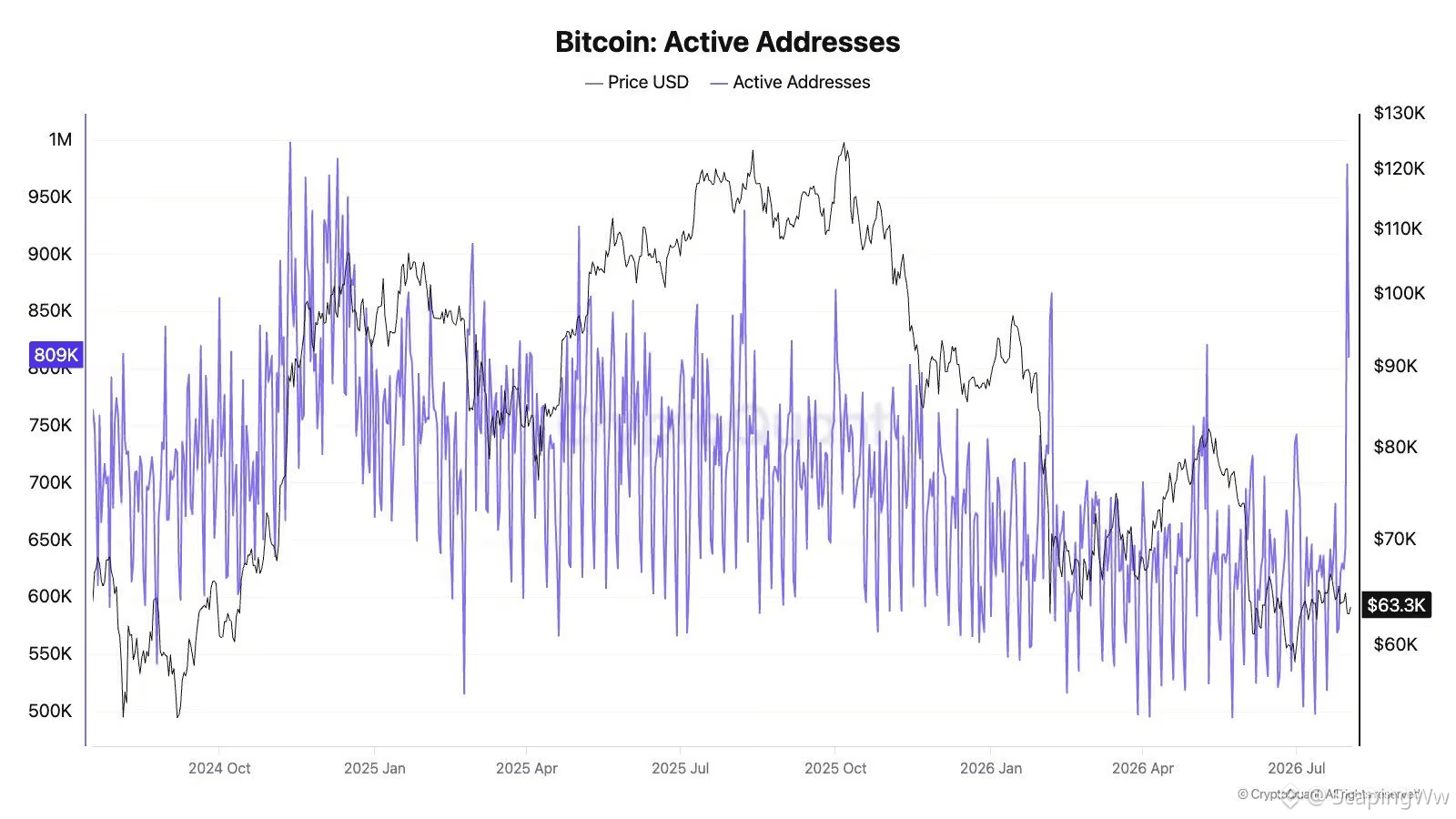
8,900万ドルのコールドストレージ侵害が、自己管理の実行手順をまさに反転させました。📊 FTX後、保有者は取引所からハードウェアウォレットへ逃げました。ところが今、同じ人々が再び行進している——10 BTC未満の入金が7,300 BTCに達し、7月31日には2月以来最も大きい取引所の急増となりました。🌊
ネット流入総額は11,163 BTCに到達し、日次のアクティブアドレスは100万の水準へ迫りました。つまり、どちらかが先に注文フローを握るための「恐怖による燃料」です。🔍
重要なニュアンス:この欠陥は、自己管理全体というより特定のColdcardデバイスに限定されています。とはいえ、認識が変われば、価格はファンダメンタルズよりも速く追随します。💬 あなたは売り方のパニックを先回りしますか、それともこの流入スパイクを縮小(フェード)しますか? 👇
⚠️ 投資助言ではありません。常にリスクを管理してください。🛡️
🏷️ #BTC #Bitcoin #Crypto #ExchangeFlows #MarketAnalysis
🦈 👁️
🦈 $BTC FEAR サイクル反転 — ハードウェア攻撃が7,300 BTCを取引所へ押し戻す 🚨
8,900万ドルのコールドストレージ侵害が、自己管理の実行手順をまさに反転させました。📊 FTX後、保有者は取引所からハードウェアウォレットへ逃げました。ところが今、同じ人々が再び行進している——10 BTC未満の入金が7,300 BTCに達し、7月31日には2月以来最も大きい取引所の急増となりました。🌊
ネット流入総額は11,163 BTCに到達し、日次のアクティブアドレスは100万の水準へ迫りました。つまり、どちらかが先に注文フローを握るための「恐怖による燃料」です。🔍
重要なニュアンス:この欠陥は、自己管理全体というより特定のColdcardデバイスに限定されています。とはいえ、認識が変われば、価格はファンダメンタルズよりも速く追随します。💬 あなたは売り方のパニックを先回りしますか、それともこの流入スパイクを縮小(フェード)しますか? 👇
⚠️ 投資助言ではありません。常にリスクを管理してください。🛡️
🏷️ #BTC #Bitcoin #Crypto #ExchangeFlows #MarketAnalysis
🦈 👁️
8,900万ドルのコールドストレージ侵害が、自己管理の実行手順をまさに反転させました。📊 FTX後、保有者は取引所からハードウェアウォレットへ逃げました。ところが今、同じ人々が再び行進している——10 BTC未満の入金が7,300 BTCに達し、7月31日には2月以来最も大きい取引所の急増となりました。🌊
ネット流入総額は11,163 BTCに到達し、日次のアクティブアドレスは100万の水準へ迫りました。つまり、どちらかが先に注文フローを握るための「恐怖による燃料」です。🔍
重要なニュアンス:この欠陥は、自己管理全体というより特定のColdcardデバイスに限定されています。とはいえ、認識が変われば、価格はファンダメンタルズよりも速く追随します。💬 あなたは売り方のパニックを先回りしますか、それともこの流入スパイクを縮小(フェード)しますか? 👇
⚠️ 投資助言ではありません。常にリスクを管理してください。🛡️
🏷️ #BTC #Bitcoin #Crypto #ExchangeFlows #MarketAnalysis
🦈 👁️
85
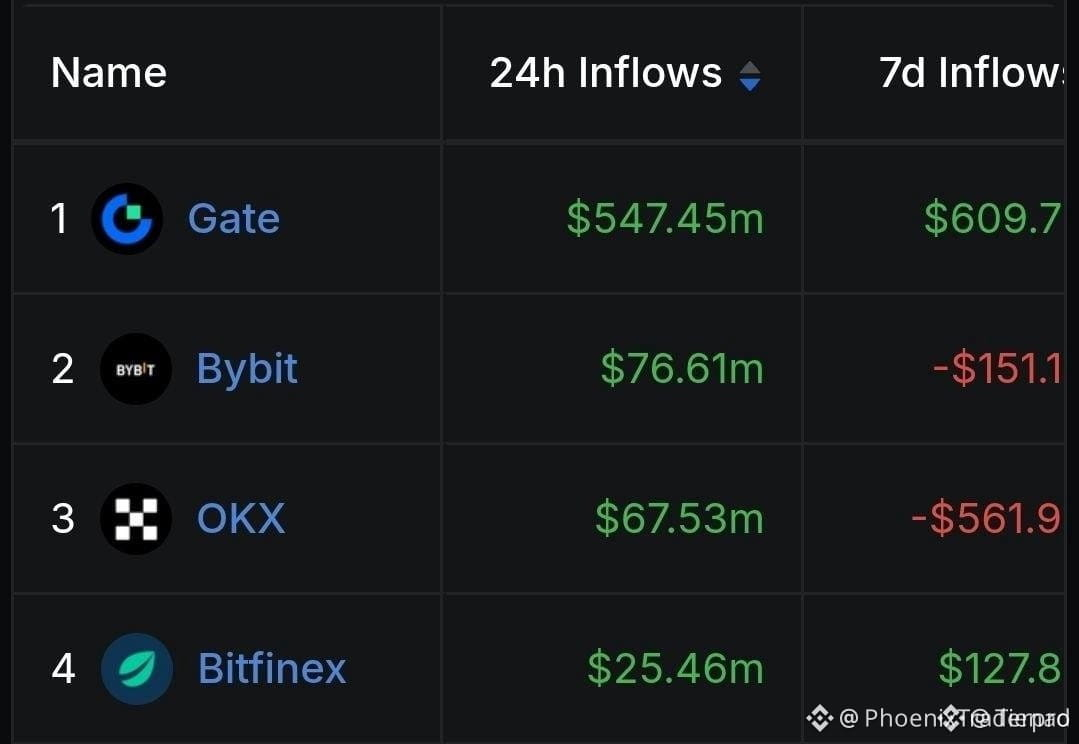
🚨 1つの取引所に5億4700万ドルが注ぎ込まれる — $1000SATS $UTK $1000RATSが高警戒 💥
一流の取引所が、わずか24時間で5億4700万ドルの純流入を吸収しました——それは最も近い取引所より4億7100万ドル多い額です。📊 これはそのプラットフォームにおける今年最大の単日入金であり、賢い資金が計画なしにこのような動きはしません。
強気の見方:帳簿に入った新しい資金は、資本がオーダーブックへ動き始めたときにモメンタムの火種になります。🐂 ただし、集中した流入は両面に作用します——利益確定が始まれば、同じ流動性が素早く流出することもあります。⚠️
現在の水準で$1000SATS 、$UTK、$1000RATSがどう反応するか注目してください。これは規模の大きい資本の組み替えであり、次の動きで真の方向性が見えてくるかもしれません。💬 これを「発射の燃料」と見るか、「混雑した出口が迫っている」と見るか、あなたはどう思いますか? 👇
⚠️ 投資助言ではありません。必ずリスク管理をしてください。🛡️
🏷️ #1000SATS #UTK #1000RATS #ExchangeFlows #Crypto
🦈 📊
🚨 1つの取引所に5億4700万ドルが注ぎ込まれる — $1000SATS $UTK $1000RATSが高警戒 💥
一流の取引所が、わずか24時間で5億4700万ドルの純流入を吸収しました——それは最も近い取引所より4億7100万ドル多い額です。📊 これはそのプラットフォームにおける今年最大の単日入金であり、賢い資金が計画なしにこのような動きはしません。
強気の見方:帳簿に入った新しい資金は、資本がオーダーブックへ動き始めたときにモメンタムの火種になります。🐂 ただし、集中した流入は両面に作用します——利益確定が始まれば、同じ流動性が素早く流出することもあります。⚠️
現在の水準で$1000SATS 、$UTK、$1000RATSがどう反応するか注目してください。これは規模の大きい資本の組み替えであり、次の動きで真の方向性が見えてくるかもしれません。💬 これを「発射の燃料」と見るか、「混雑した出口が迫っている」と見るか、あなたはどう思いますか? 👇
⚠️ 投資助言ではありません。必ずリスク管理をしてください。🛡️
🏷️ #1000SATS #UTK #1000RATS #ExchangeFlows #Crypto
🦈 📊
一流の取引所が、わずか24時間で5億4700万ドルの純流入を吸収しました——それは最も近い取引所より4億7100万ドル多い額です。📊 これはそのプラットフォームにおける今年最大の単日入金であり、賢い資金が計画なしにこのような動きはしません。
強気の見方:帳簿に入った新しい資金は、資本がオーダーブックへ動き始めたときにモメンタムの火種になります。🐂 ただし、集中した流入は両面に作用します——利益確定が始まれば、同じ流動性が素早く流出することもあります。⚠️
現在の水準で$1000SATS 、$UTK、$1000RATSがどう反応するか注目してください。これは規模の大きい資本の組み替えであり、次の動きで真の方向性が見えてくるかもしれません。💬 これを「発射の燃料」と見るか、「混雑した出口が迫っている」と見るか、あなたはどう思いますか? 👇
⚠️ 投資助言ではありません。必ずリスク管理をしてください。🛡️
🏷️ #1000SATS #UTK #1000RATS #ExchangeFlows #Crypto
🦈 📊
338
ログインして、さらにコンテンツを読む
厳選トピックで世界の暗号資産トレーダーの仲間入り
⚡️ 暗号資産に関する最新かつ有益な情報が見つかります。
💬 世界最大の暗号資産取引所から信頼されています。
👍 認証を受けたクリエイターから、有益なインサイトを得られます。
メール / 電話番号
トレンドトピック
1
#OstiumLoanDisputeHearingSetInNYFederalCourt
閲覧回数 0
0人が討論中
2
#SKPoliceRefer18PolymarketUsersToProsecutors
閲覧回数 941
79人が討論中
3
#FedSEPProjects2026RateAt4.1%
閲覧回数 2,920
125人が討論中
4
#USHouseAdvancesBitcoinReserveBill
閲覧回数 2,840
113人が討論中
5
#AmazonGetsWarrantsToBuyGeneracStock
閲覧回数 3,385
131人が討論中
6
#DotPlotSignalsOneMoreHikeIn2026
閲覧回数 23,817
499人が討論中
7
#RobinhoodToSupportCircleArcNetwork
閲覧回数 6,302
171人が討論中
8
#FedHikes25BpsUSStocksClose
閲覧回数 34,200
434人が討論中
9
#AaveToLaunchRWAMarketOnAvalanche
閲覧回数 7,982
186人が討論中
10
#CryptoVCFundingRebounds$5.6BInQ2
閲覧回数 8,610
47人が討論中