
#cryptoprivacy
cryptoprivacy
閲覧回数 135,528
732人が討論中
注目
最新

·
--
透明性がますます重視されるWeb3の世界において、プライバシーは依然として最も議論されているテーマの一つです。プライバシー保護プロトコルの中でも、かつてZcoinとして知られていたFiroは、規制上の逆風にもかかわらず革新を続けるプロジェクトとして際立っています。
Firoの技術の中核にあるのがLelantus Sparkプロトコルです。Sparkは、信頼不要の金融プライバシーにおける大きな飛躍を表しています。ユーザーは取引金額、送信者・受信者アドレス、そして取引グラフそのものを隠すことができます。従来のプライバシー技術と異なり、Sparkは信頼できるセットアップを必要としないため、高い安全性と分散性を備えています。さらにFiroは、Spark Assetsにも取り組んでおり、同様の強力なプライバシー保護を、そのチェーン上で作成される他のトークンにも広げることを目指しています。
またFiroは、FiroPOWというコンセンサスメカニズムによって、日常のユーザーにとっても利用しやすい形を保っています。このアルゴリズムはGPUマイニング向けに特別に最適化されており、ASICマイニングの支配によって引き起こされがちな中央集権化を防ぎます。そして分散したコミュニティによってネットワークの安全性が維持されます。
しかし、プライバシーコインを取り巻く環境は厳しいものです。主要なグローバル取引所は、規制枠組みの変化に伴い、プライバシー資産に監視タグを付与してきました。Firoはこの点で先手を打っています。コンプライアンスを全面的に拒否するのではなく、閲覧キーといった機能をサポートしています。このツールにより、ユーザーは税務当局や監査人などの第三者に対して、自発的に取引履歴を開示できる一方で、公的ブロックチェーン上からはデータが完全に非公開のまま保たれます。
Firoは、プライバシーとは不正行為を隠すことではなく、デジタル時代における個人の自由、企業秘密、そして金融データを守ることだという考えを、引き続き訴え続けています。分散型アイデンティティやデータ主権が暗号資産分野でさらに熱いテーマになる中で、Firoの技術的な土台は、注目すべき粘り強い存在としての立ち位置を与えています。
Firoのようなプライバシーコインの将来について、あなたはどう考えますか?技術と規制は、持続可能な折り合い点を見つけることができるでしょうか?
#Firo #PrivacyCoins #CryptoPrivacy
透明性がますます重視されるWeb3の世界において、プライバシーは依然として最も議論されているテーマの一つです。プライバシー保護プロトコルの中でも、かつてZcoinとして知られていたFiroは、規制上の逆風にもかかわらず革新を続けるプロジェクトとして際立っています。
Firoの技術の中核にあるのがLelantus Sparkプロトコルです。Sparkは、信頼不要の金融プライバシーにおける大きな飛躍を表しています。ユーザーは取引金額、送信者・受信者アドレス、そして取引グラフそのものを隠すことができます。従来のプライバシー技術と異なり、Sparkは信頼できるセットアップを必要としないため、高い安全性と分散性を備えています。さらにFiroは、Spark Assetsにも取り組んでおり、同様の強力なプライバシー保護を、そのチェーン上で作成される他のトークンにも広げることを目指しています。
またFiroは、FiroPOWというコンセンサスメカニズムによって、日常のユーザーにとっても利用しやすい形を保っています。このアルゴリズムはGPUマイニング向けに特別に最適化されており、ASICマイニングの支配によって引き起こされがちな中央集権化を防ぎます。そして分散したコミュニティによってネットワークの安全性が維持されます。
しかし、プライバシーコインを取り巻く環境は厳しいものです。主要なグローバル取引所は、規制枠組みの変化に伴い、プライバシー資産に監視タグを付与してきました。Firoはこの点で先手を打っています。コンプライアンスを全面的に拒否するのではなく、閲覧キーといった機能をサポートしています。このツールにより、ユーザーは税務当局や監査人などの第三者に対して、自発的に取引履歴を開示できる一方で、公的ブロックチェーン上からはデータが完全に非公開のまま保たれます。
Firoは、プライバシーとは不正行為を隠すことではなく、デジタル時代における個人の自由、企業秘密、そして金融データを守ることだという考えを、引き続き訴え続けています。分散型アイデンティティやデータ主権が暗号資産分野でさらに熱いテーマになる中で、Firoの技術的な土台は、注目すべき粘り強い存在としての立ち位置を与えています。
Firoのようなプライバシーコインの将来について、あなたはどう考えますか?技術と規制は、持続可能な折り合い点を見つけることができるでしょうか?
#Firo #PrivacyCoins #CryptoPrivacy
Firoの技術の中核にあるのがLelantus Sparkプロトコルです。Sparkは、信頼不要の金融プライバシーにおける大きな飛躍を表しています。ユーザーは取引金額、送信者・受信者アドレス、そして取引グラフそのものを隠すことができます。従来のプライバシー技術と異なり、Sparkは信頼できるセットアップを必要としないため、高い安全性と分散性を備えています。さらにFiroは、Spark Assetsにも取り組んでおり、同様の強力なプライバシー保護を、そのチェーン上で作成される他のトークンにも広げることを目指しています。
またFiroは、FiroPOWというコンセンサスメカニズムによって、日常のユーザーにとっても利用しやすい形を保っています。このアルゴリズムはGPUマイニング向けに特別に最適化されており、ASICマイニングの支配によって引き起こされがちな中央集権化を防ぎます。そして分散したコミュニティによってネットワークの安全性が維持されます。
しかし、プライバシーコインを取り巻く環境は厳しいものです。主要なグローバル取引所は、規制枠組みの変化に伴い、プライバシー資産に監視タグを付与してきました。Firoはこの点で先手を打っています。コンプライアンスを全面的に拒否するのではなく、閲覧キーといった機能をサポートしています。このツールにより、ユーザーは税務当局や監査人などの第三者に対して、自発的に取引履歴を開示できる一方で、公的ブロックチェーン上からはデータが完全に非公開のまま保たれます。
Firoは、プライバシーとは不正行為を隠すことではなく、デジタル時代における個人の自由、企業秘密、そして金融データを守ることだという考えを、引き続き訴え続けています。分散型アイデンティティやデータ主権が暗号資産分野でさらに熱いテーマになる中で、Firoの技術的な土台は、注目すべき粘り強い存在としての立ち位置を与えています。
Firoのようなプライバシーコインの将来について、あなたはどう考えますか?技術と規制は、持続可能な折り合い点を見つけることができるでしょうか?
#Firo #PrivacyCoins #CryptoPrivacy
70
·
--
パブリック・レジャーと取引追跡がますます支配的になっているWeb3の世界において、プライバシーは暗号資産で最も議論されるトピックの一つであり続けています。この議論の中心にあるのが、金融機密性の先駆者であるZcash(ZEC)です。2016年にローンチされたZcashは、ゼロ知識証明(Zero-Knowledge Proofs)—とりわけzk-SNARKs—の実装によって際立っています。これにより、送信者・受信者・金額といった取引の詳細をユーザーが秘匿しつつも、安全で分散化されたネットワークを維持できます。
現在、Zcashは興味深い移行期を歩んでいます。市場の観点では、プライバシー・コインは二面性のある“刃”を抱えています。ひとつは、世界各国の監視機関による規制圧力が、一部の取引所の上場廃止につながり、ZECの価格動向に逆風を生んでいることです。もうひとつは、一方でデジタル・プライバシーへの世界的な需要はかつてないほど高まっているという点で、特にAIやデータ収集が拡大する中でその傾向が強まっています。
技術面でも、Zcashのエコシステムは止まっていません。Electric Coin CompanyとZcash Foundationは、ネットワークをProof-of-WorkからProof-of-Stakeへ移行するために精力的に取り組んでいます。この転換は、環境負荷を減らし、保有者向けのステーキング報酬を導入し、取引速度を高めることを目的としており、ZECが現代のブロックチェーン時代において非常に競争力の高い存在になることを目指しています。
さらに、ZcashはBitcoinと同様の希少なトークノミクスを持ち、上限は2,100万枚です。この内蔵された希少性に、最先端の暗号学的プライバシーが組み合わさることで、ZECは、プライバシーを不正行為のための手段ではなく、人間の基本的な権利として捉える人にとって、唯一無二の資産になります。
MiCAのような規制枠組みが欧州で形になっていく中で、Zcashがどのように適応していくかが重要になります。Proof-of-Stakeへの移行と、ユーザーフレンドリーなモバイル用シールディング・アプリの統合は、ZECの新たな積み増し局面を引き起こすのでしょうか。確かなことが一つあります。分散型金融の未来において、プライバシーは単なる機能ではなく、不可欠な柱なのです。
あなたはプライバシー・コインの今後についてどう考えますか?Zcashは現在過小評価されているのでしょうか?
#Zcash #ZEC #CryptoPrivacy
パブリック・レジャーと取引追跡がますます支配的になっているWeb3の世界において、プライバシーは暗号資産で最も議論されるトピックの一つであり続けています。この議論の中心にあるのが、金融機密性の先駆者であるZcash(ZEC)です。2016年にローンチされたZcashは、ゼロ知識証明(Zero-Knowledge Proofs)—とりわけzk-SNARKs—の実装によって際立っています。これにより、送信者・受信者・金額といった取引の詳細をユーザーが秘匿しつつも、安全で分散化されたネットワークを維持できます。
現在、Zcashは興味深い移行期を歩んでいます。市場の観点では、プライバシー・コインは二面性のある“刃”を抱えています。ひとつは、世界各国の監視機関による規制圧力が、一部の取引所の上場廃止につながり、ZECの価格動向に逆風を生んでいることです。もうひとつは、一方でデジタル・プライバシーへの世界的な需要はかつてないほど高まっているという点で、特にAIやデータ収集が拡大する中でその傾向が強まっています。
技術面でも、Zcashのエコシステムは止まっていません。Electric Coin CompanyとZcash Foundationは、ネットワークをProof-of-WorkからProof-of-Stakeへ移行するために精力的に取り組んでいます。この転換は、環境負荷を減らし、保有者向けのステーキング報酬を導入し、取引速度を高めることを目的としており、ZECが現代のブロックチェーン時代において非常に競争力の高い存在になることを目指しています。
さらに、ZcashはBitcoinと同様の希少なトークノミクスを持ち、上限は2,100万枚です。この内蔵された希少性に、最先端の暗号学的プライバシーが組み合わさることで、ZECは、プライバシーを不正行為のための手段ではなく、人間の基本的な権利として捉える人にとって、唯一無二の資産になります。
MiCAのような規制枠組みが欧州で形になっていく中で、Zcashがどのように適応していくかが重要になります。Proof-of-Stakeへの移行と、ユーザーフレンドリーなモバイル用シールディング・アプリの統合は、ZECの新たな積み増し局面を引き起こすのでしょうか。確かなことが一つあります。分散型金融の未来において、プライバシーは単なる機能ではなく、不可欠な柱なのです。
あなたはプライバシー・コインの今後についてどう考えますか?Zcashは現在過小評価されているのでしょうか?
#Zcash #ZEC #CryptoPrivacy
現在、Zcashは興味深い移行期を歩んでいます。市場の観点では、プライバシー・コインは二面性のある“刃”を抱えています。ひとつは、世界各国の監視機関による規制圧力が、一部の取引所の上場廃止につながり、ZECの価格動向に逆風を生んでいることです。もうひとつは、一方でデジタル・プライバシーへの世界的な需要はかつてないほど高まっているという点で、特にAIやデータ収集が拡大する中でその傾向が強まっています。
技術面でも、Zcashのエコシステムは止まっていません。Electric Coin CompanyとZcash Foundationは、ネットワークをProof-of-WorkからProof-of-Stakeへ移行するために精力的に取り組んでいます。この転換は、環境負荷を減らし、保有者向けのステーキング報酬を導入し、取引速度を高めることを目的としており、ZECが現代のブロックチェーン時代において非常に競争力の高い存在になることを目指しています。
さらに、ZcashはBitcoinと同様の希少なトークノミクスを持ち、上限は2,100万枚です。この内蔵された希少性に、最先端の暗号学的プライバシーが組み合わさることで、ZECは、プライバシーを不正行為のための手段ではなく、人間の基本的な権利として捉える人にとって、唯一無二の資産になります。
MiCAのような規制枠組みが欧州で形になっていく中で、Zcashがどのように適応していくかが重要になります。Proof-of-Stakeへの移行と、ユーザーフレンドリーなモバイル用シールディング・アプリの統合は、ZECの新たな積み増し局面を引き起こすのでしょうか。確かなことが一つあります。分散型金融の未来において、プライバシーは単なる機能ではなく、不可欠な柱なのです。
あなたはプライバシー・コインの今後についてどう考えますか?Zcashは現在過小評価されているのでしょうか?
#Zcash #ZEC #CryptoPrivacy
165

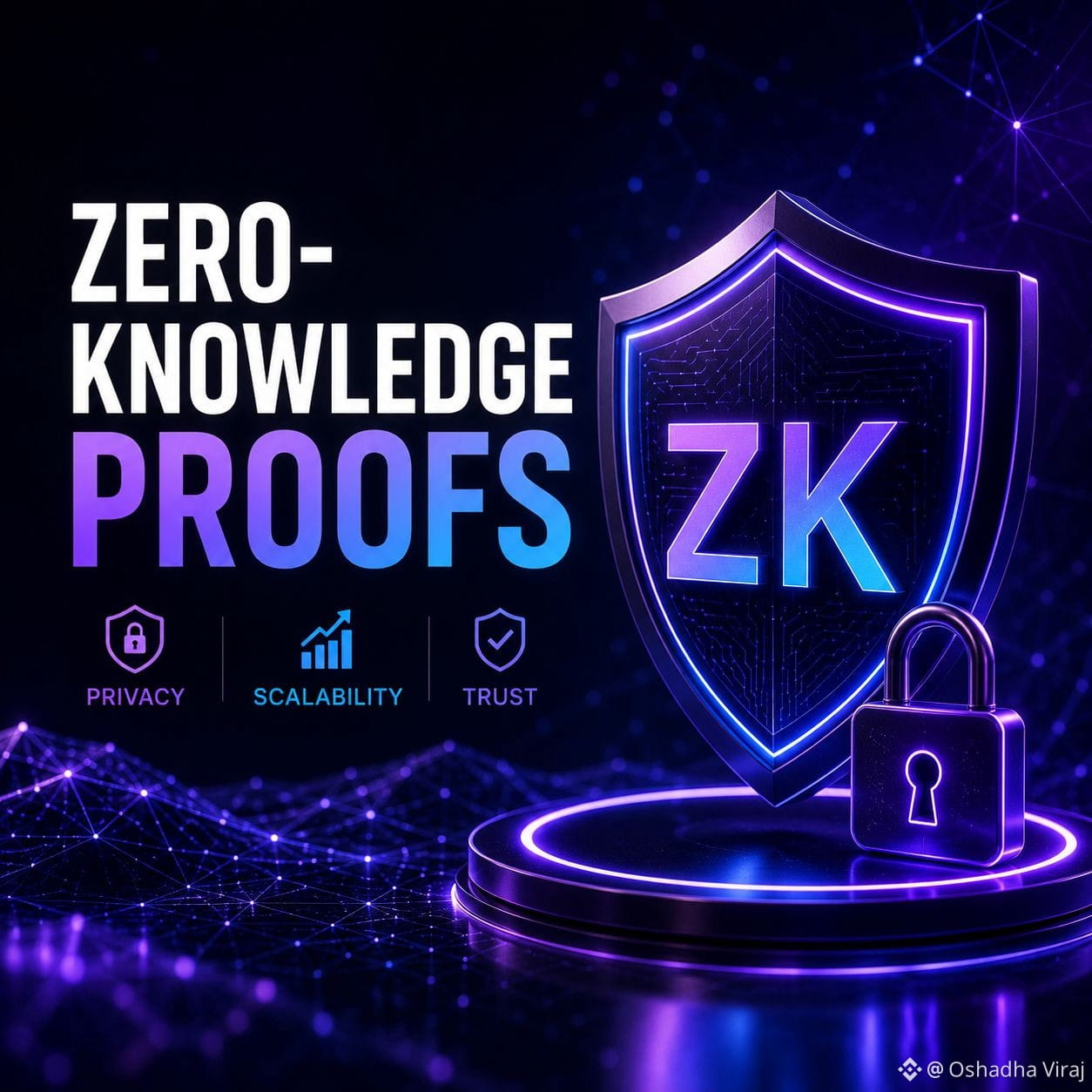
🔐 ゼロ知識証明:プライバシーは暗号の次の大ブームになるのか?
「何かを知っていることを証明する…しかし何であるかは明かさない。」
それがゼロ知識証明(ZKPs)の力です。ZKPsは、暗号がプライバシー、スケーラビリティ、検証を扱う方法を根本的に変える可能性があります。
🚀 ZKが重要な理由:
🔹 プライバシー → 身元・残高・資格などを、機密情報を公開せずに証明できます。
🔹 スケーラビリティ → ZKロールアップは何千もの取引を1つの証明にまとめ、L2をより速く・より安くするのに役立ちます。
🔹 選択的開示 → 必要な情報だけを共有し、残りは非公開のままにできます。
🔹 信頼不要の検証 → 第三者に頼らずとも、誰でもその証明を検証できます。
zkSyncやScrollからAztec、Polygon zkEVM、Starknetまで、ZKエコシステムは急速に進化しています。
私たちは次の段階に進みつつあるかもしれません:
「デフォルトで透明」→「設計によってプライベート」。
そしてより大きな問いは…
🔥 ゼロ知識証明は、2027年までに主要なブロックチェーンの標準機能になるでしょうか?
あなたはZKに強気ですか?それとも透明なブロックチェーンが依然として主流だと思いますか?
👇 下にあなたの見解をコメントしてください。
$ZK $STRK $DUSK
#ZeroKnowledge #CryptoPrivacy #ZKRollups #Web3 #Blockchain
🔐 ゼロ知識証明:プライバシーは暗号の次の大ブームになるのか?
「何かを知っていることを証明する…しかし何であるかは明かさない。」
それがゼロ知識証明(ZKPs)の力です。ZKPsは、暗号がプライバシー、スケーラビリティ、検証を扱う方法を根本的に変える可能性があります。
🚀 ZKが重要な理由:
🔹 プライバシー → 身元・残高・資格などを、機密情報を公開せずに証明できます。
🔹 スケーラビリティ → ZKロールアップは何千もの取引を1つの証明にまとめ、L2をより速く・より安くするのに役立ちます。
🔹 選択的開示 → 必要な情報だけを共有し、残りは非公開のままにできます。
🔹 信頼不要の検証 → 第三者に頼らずとも、誰でもその証明を検証できます。
zkSyncやScrollからAztec、Polygon zkEVM、Starknetまで、ZKエコシステムは急速に進化しています。
私たちは次の段階に進みつつあるかもしれません:
「デフォルトで透明」→「設計によってプライベート」。
そしてより大きな問いは…
🔥 ゼロ知識証明は、2027年までに主要なブロックチェーンの標準機能になるでしょうか?
あなたはZKに強気ですか?それとも透明なブロックチェーンが依然として主流だと思いますか?
👇 下にあなたの見解をコメントしてください。
$ZK $STRK $DUSK
#ZeroKnowledge #CryptoPrivacy #ZKRollups #Web3 #Blockchain
「何かを知っていることを証明する…しかし何であるかは明かさない。」
それがゼロ知識証明(ZKPs)の力です。ZKPsは、暗号がプライバシー、スケーラビリティ、検証を扱う方法を根本的に変える可能性があります。
🚀 ZKが重要な理由:
🔹 プライバシー → 身元・残高・資格などを、機密情報を公開せずに証明できます。
🔹 スケーラビリティ → ZKロールアップは何千もの取引を1つの証明にまとめ、L2をより速く・より安くするのに役立ちます。
🔹 選択的開示 → 必要な情報だけを共有し、残りは非公開のままにできます。
🔹 信頼不要の検証 → 第三者に頼らずとも、誰でもその証明を検証できます。
zkSyncやScrollからAztec、Polygon zkEVM、Starknetまで、ZKエコシステムは急速に進化しています。
私たちは次の段階に進みつつあるかもしれません:
「デフォルトで透明」→「設計によってプライベート」。
そしてより大きな問いは…
🔥 ゼロ知識証明は、2027年までに主要なブロックチェーンの標準機能になるでしょうか?
あなたはZKに強気ですか?それとも透明なブロックチェーンが依然として主流だと思いますか?
👇 下にあなたの見解をコメントしてください。
$ZK $STRK $DUSK
#ZeroKnowledge #CryptoPrivacy #ZKRollups #Web3 #Blockchain
2
332
·
--
Zcash($ZEC)のプライバシーを大幅にアップグレード!Zakura Commonは、ネットワーク側のボトルネックではなくウォレット側のボトルネックに取り組み、プライベートなトランザクションの作成を大幅に高速化します。
一番良い点は?統合にネットワークのアップグレードやコンセンサスの変更は不要なことです。このシームレスな最適化は、ユーザー体験を大きく改善し、オンチェーン・プライバシーの採用を加速させる可能性があります。 この開発に注目してください。🛡️
#Zcash #CryptoPrivacy #Web3
Zcash($ZEC )のプライバシーを大幅にアップグレード!Zakura Commonは、ネットワーク側のボトルネックではなくウォレット側のボトルネックに取り組み、プライベートなトランザクションの作成を大幅に高速化します。
一番良い点は?統合にネットワークのアップグレードやコンセンサスの変更は不要なことです。このシームレスな最適化は、ユーザー体験を大きく改善し、オンチェーン・プライバシーの採用を加速させる可能性があります。 この開発に注目してください。🛡️
#Zcash #CryptoPrivacy #Web3
一番良い点は?統合にネットワークのアップグレードやコンセンサスの変更は不要なことです。このシームレスな最適化は、ユーザー体験を大きく改善し、オンチェーン・プライバシーの採用を加速させる可能性があります。 この開発に注目してください。🛡️
#Zcash #CryptoPrivacy #Web3
159

·
--
🛡️ Zcash($ZEC)が再び注目を集める理由!🚀
ビットコインの絶対的な希少性と高度な金融プライバシーを兼ね備えたプロジェクトを探しているなら、注目すべきはZcash($ZEC)です。
$ZEC が特にユニークな理由はこちら:
🔹 最先端のプライバシーテクノロジー:zk-SNARKs(ゼロ知識証明)を利用しています。これにより、送信者・受信者・金額が完全に非公開のまま、完全に暗号化された「シールド(shielded)」取引を行うことができます。
🔹 ビットコインのDNAに基づく:BTCと同様に、Zcashは最大発行量が厳格に固定されており、2100万枚に制限されています。そのため非常にデフレ的です。
🔹 柔軟性&コンプライアンス:透明アドレスとシールドアドレスの両方を提供しており、必要に応じてプライバシーを選びながら、規制対応のための任意開示も維持できます。
🔹 大規模な機関投資家の勢い:Grayscaleは最近、NYSE ArcaでスポットZcash ETFを上場するための規制対応を前進させており、機関投資家の関心が急増し、市場の出来高も大きく伸びています。
プライバシーがデジタル主権における重要なテーマになっている今、ZcashはWeb3の金融エコシステムにおける先駆者であり続けています。
あなたは$ZECを保有していますか?それとも取引していますか?以下にあなたの考えを教えてください!👇
#zcash #CryptoPrivacy #Binance #CryptoNews $ZEC
{spot}(ZECUSDT)
🛡️ Zcash($ZEC )が再び注目を集める理由!🚀
ビットコインの絶対的な希少性と高度な金融プライバシーを兼ね備えたプロジェクトを探しているなら、注目すべきはZcash($ZEC )です。
$ZEC が特にユニークな理由はこちら:
🔹 最先端のプライバシーテクノロジー:zk-SNARKs(ゼロ知識証明)を利用しています。これにより、送信者・受信者・金額が完全に非公開のまま、完全に暗号化された「シールド(shielded)」取引を行うことができます。
🔹 ビットコインのDNAに基づく:BTCと同様に、Zcashは最大発行量が厳格に固定されており、2100万枚に制限されています。そのため非常にデフレ的です。
🔹 柔軟性&コンプライアンス:透明アドレスとシールドアドレスの両方を提供しており、必要に応じてプライバシーを選びながら、規制対応のための任意開示も維持できます。
🔹 大規模な機関投資家の勢い:Grayscaleは最近、NYSE ArcaでスポットZcash ETFを上場するための規制対応を前進させており、機関投資家の関心が急増し、市場の出来高も大きく伸びています。
プライバシーがデジタル主権における重要なテーマになっている今、ZcashはWeb3の金融エコシステムにおける先駆者であり続けています。
あなたは$ZEC を保有していますか?それとも取引していますか?以下にあなたの考えを教えてください!👇
#zcash #CryptoPrivacy #Binance #CryptoNews $ZEC
ビットコインの絶対的な希少性と高度な金融プライバシーを兼ね備えたプロジェクトを探しているなら、注目すべきはZcash($ZEC )です。
$ZEC が特にユニークな理由はこちら:
🔹 最先端のプライバシーテクノロジー:zk-SNARKs(ゼロ知識証明)を利用しています。これにより、送信者・受信者・金額が完全に非公開のまま、完全に暗号化された「シールド(shielded)」取引を行うことができます。
🔹 ビットコインのDNAに基づく:BTCと同様に、Zcashは最大発行量が厳格に固定されており、2100万枚に制限されています。そのため非常にデフレ的です。
🔹 柔軟性&コンプライアンス:透明アドレスとシールドアドレスの両方を提供しており、必要に応じてプライバシーを選びながら、規制対応のための任意開示も維持できます。
🔹 大規模な機関投資家の勢い:Grayscaleは最近、NYSE ArcaでスポットZcash ETFを上場するための規制対応を前進させており、機関投資家の関心が急増し、市場の出来高も大きく伸びています。
プライバシーがデジタル主権における重要なテーマになっている今、ZcashはWeb3の金融エコシステムにおける先駆者であり続けています。
あなたは$ZEC を保有していますか?それとも取引していますか?以下にあなたの考えを教えてください!👇
#zcash #CryptoPrivacy #Binance #CryptoNews $ZEC
1
4
265
·
--
Zcashは大規模なカムバックの準備ができているのでしょうか?暗号資産市場全体がスケーラビリティとレイヤー2ソリューションに注目する中、ゼロ知識(Zero-Knowledge)技術の先駆者であるZcash(ZEC)は、静かに大きな進化に向けて布石を打っています。
これまで、zk-SNARKsによって駆動される「ゴールド・スタンダード」のプライバシー機能で知られてきたZcashは、現在大きな転換を進めています。Electric Coin CompanyとZcash Foundationは、Proof of Work(PoW)からProof of Stake(PoS)への移行を積極的に推し進めています。この動きは重要です。高いエネルギー消費をなくし、マイナーの売却によるインフレ圧力を軽減し、ZEC保有者にネイティブのステーキング報酬を導入することを狙っています。PoSへ移行することで、ZcashはESGを重視する機関投資家にとって、より魅力的になる可能性があります。
さらに、ゼロ知識(ZK)技術をめぐる物語の強さはかつてないほどです。新しいレイヤー2のロールアップが見出しを独占する一方で、ZcashはZKプローフの「OG(元祖)」です。プロトコルは継続的に使い勝手をアップグレードしています。モバイルファーストのウォレットと、デフォルトで保護される(shielded-by-default)トランザクションへの最近の注力により、Zcashのユーザー体験は、ついにその強力な暗号技術に追いつきつつあります。
もちろん、プライバシー重視の資産にとって規制面の逆風は最大の課題のままです。いくつかの取引所が特定の管轄区域でプライバシーコインを制限しています。しかし、Zcashには独自の強みがあります。ビューイングキー(閲覧鍵)です。完全に匿名のコインとは異なり、Zcashはユーザーが監査や税務の目的のために取引の詳細を選択的に共有できるようにしています。こうしたオプトイン型のコンプライアンスが、変化し続ける規制環境を生き残るための最終的な鍵になるかもしれません。
市場の観点では、ZECは長期間にわたり、歴史的に低い水準で統合(レンジ形成)してきました。PoSへの移行が成功し、市場が「本物で、かつコンプライアンスに沿ったプライバシー」を評価し始めれば、Zcashはユースケースと投資家の関心の面で、大規模な再浮上を見せる可能性があります。
あなたはZECを長期保有していますか?それとも、規制圧力が成長を制限すると考えていますか?コメントで教えてください。
#Zcash #CryptoPrivacy #ZeroKnowledge
Zcashは大規模なカムバックの準備ができているのでしょうか?暗号資産市場全体がスケーラビリティとレイヤー2ソリューションに注目する中、ゼロ知識(Zero-Knowledge)技術の先駆者であるZcash(ZEC)は、静かに大きな進化に向けて布石を打っています。
これまで、zk-SNARKsによって駆動される「ゴールド・スタンダード」のプライバシー機能で知られてきたZcashは、現在大きな転換を進めています。Electric Coin CompanyとZcash Foundationは、Proof of Work(PoW)からProof of Stake(PoS)への移行を積極的に推し進めています。この動きは重要です。高いエネルギー消費をなくし、マイナーの売却によるインフレ圧力を軽減し、ZEC保有者にネイティブのステーキング報酬を導入することを狙っています。PoSへ移行することで、ZcashはESGを重視する機関投資家にとって、より魅力的になる可能性があります。
さらに、ゼロ知識(ZK)技術をめぐる物語の強さはかつてないほどです。新しいレイヤー2のロールアップが見出しを独占する一方で、ZcashはZKプローフの「OG(元祖)」です。プロトコルは継続的に使い勝手をアップグレードしています。モバイルファーストのウォレットと、デフォルトで保護される(shielded-by-default)トランザクションへの最近の注力により、Zcashのユーザー体験は、ついにその強力な暗号技術に追いつきつつあります。
もちろん、プライバシー重視の資産にとって規制面の逆風は最大の課題のままです。いくつかの取引所が特定の管轄区域でプライバシーコインを制限しています。しかし、Zcashには独自の強みがあります。ビューイングキー(閲覧鍵)です。完全に匿名のコインとは異なり、Zcashはユーザーが監査や税務の目的のために取引の詳細を選択的に共有できるようにしています。こうしたオプトイン型のコンプライアンスが、変化し続ける規制環境を生き残るための最終的な鍵になるかもしれません。
市場の観点では、ZECは長期間にわたり、歴史的に低い水準で統合(レンジ形成)してきました。PoSへの移行が成功し、市場が「本物で、かつコンプライアンスに沿ったプライバシー」を評価し始めれば、Zcashはユースケースと投資家の関心の面で、大規模な再浮上を見せる可能性があります。
あなたはZECを長期保有していますか?それとも、規制圧力が成長を制限すると考えていますか?コメントで教えてください。
#Zcash #CryptoPrivacy #ZeroKnowledge
これまで、zk-SNARKsによって駆動される「ゴールド・スタンダード」のプライバシー機能で知られてきたZcashは、現在大きな転換を進めています。Electric Coin CompanyとZcash Foundationは、Proof of Work(PoW)からProof of Stake(PoS)への移行を積極的に推し進めています。この動きは重要です。高いエネルギー消費をなくし、マイナーの売却によるインフレ圧力を軽減し、ZEC保有者にネイティブのステーキング報酬を導入することを狙っています。PoSへ移行することで、ZcashはESGを重視する機関投資家にとって、より魅力的になる可能性があります。
さらに、ゼロ知識(ZK)技術をめぐる物語の強さはかつてないほどです。新しいレイヤー2のロールアップが見出しを独占する一方で、ZcashはZKプローフの「OG(元祖)」です。プロトコルは継続的に使い勝手をアップグレードしています。モバイルファーストのウォレットと、デフォルトで保護される(shielded-by-default)トランザクションへの最近の注力により、Zcashのユーザー体験は、ついにその強力な暗号技術に追いつきつつあります。
もちろん、プライバシー重視の資産にとって規制面の逆風は最大の課題のままです。いくつかの取引所が特定の管轄区域でプライバシーコインを制限しています。しかし、Zcashには独自の強みがあります。ビューイングキー(閲覧鍵)です。完全に匿名のコインとは異なり、Zcashはユーザーが監査や税務の目的のために取引の詳細を選択的に共有できるようにしています。こうしたオプトイン型のコンプライアンスが、変化し続ける規制環境を生き残るための最終的な鍵になるかもしれません。
市場の観点では、ZECは長期間にわたり、歴史的に低い水準で統合(レンジ形成)してきました。PoSへの移行が成功し、市場が「本物で、かつコンプライアンスに沿ったプライバシー」を評価し始めれば、Zcashはユースケースと投資家の関心の面で、大規模な再浮上を見せる可能性があります。
あなたはZECを長期保有していますか?それとも、規制圧力が成長を制限すると考えていますか?コメントで教えてください。
#Zcash #CryptoPrivacy #ZeroKnowledge
304

·
--
🚀 トレンド分析:Dusk Networkと金融プライバシーの未来! 🚀
暗号資産市場は今日の水曜日、勢いよく動いています。大型銘柄の動きだけでなく、技術的な開発力が目を引くプロジェクトもあり、投資家の関心を集めています。話題なのは $DUSK です。
Dusk Networkは、規制遵守を前提とした金融アプリケーションのプライバシーに特化して設計されたレイヤー1ブロックチェーンとして、エコシステム内で確固たる地位を築いています。革新的なConfidential Security Contract(XSC)標準により、完全に機密性のあるスマートコントラクトを作成できます。
機関投資家の安全性とデータのプライバシーが、世界的な規制によってますます厳しく求められる市場サイクルにおいて、Duskのアプローチは強固で現実的なインフラを提供します。Binance Squareで現在展開されているキャンペーンは、このプロトコルへのコミュニティの強い支持を物語っています。
実世界の資産のトークン化に向けた、このブロックチェーンの技術的ポテンシャルについてどう思いますか?コメント欄でぜひ聞かせてください! 📈👇
#DuskNetwork #CryptoPrivacy
#dusk $DUSK @Dusk_Foundation
{spot}(DUSKUSDT)
🚀 トレンド分析:Dusk Networkと金融プライバシーの未来! 🚀
暗号資産市場は今日の水曜日、勢いよく動いています。大型銘柄の動きだけでなく、技術的な開発力が目を引くプロジェクトもあり、投資家の関心を集めています。話題なのは $DUSK です。
Dusk Networkは、規制遵守を前提とした金融アプリケーションのプライバシーに特化して設計されたレイヤー1ブロックチェーンとして、エコシステム内で確固たる地位を築いています。革新的なConfidential Security Contract(XSC)標準により、完全に機密性のあるスマートコントラクトを作成できます。
機関投資家の安全性とデータのプライバシーが、世界的な規制によってますます厳しく求められる市場サイクルにおいて、Duskのアプローチは強固で現実的なインフラを提供します。Binance Squareで現在展開されているキャンペーンは、このプロトコルへのコミュニティの強い支持を物語っています。
実世界の資産のトークン化に向けた、このブロックチェーンの技術的ポテンシャルについてどう思いますか?コメント欄でぜひ聞かせてください! 📈👇
#DuskNetwork #CryptoPrivacy
#dusk $DUSK @Dusk
暗号資産市場は今日の水曜日、勢いよく動いています。大型銘柄の動きだけでなく、技術的な開発力が目を引くプロジェクトもあり、投資家の関心を集めています。話題なのは $DUSK です。
Dusk Networkは、規制遵守を前提とした金融アプリケーションのプライバシーに特化して設計されたレイヤー1ブロックチェーンとして、エコシステム内で確固たる地位を築いています。革新的なConfidential Security Contract(XSC)標準により、完全に機密性のあるスマートコントラクトを作成できます。
機関投資家の安全性とデータのプライバシーが、世界的な規制によってますます厳しく求められる市場サイクルにおいて、Duskのアプローチは強固で現実的なインフラを提供します。Binance Squareで現在展開されているキャンペーンは、このプロトコルへのコミュニティの強い支持を物語っています。
実世界の資産のトークン化に向けた、このブロックチェーンの技術的ポテンシャルについてどう思いますか?コメント欄でぜひ聞かせてください! 📈👇
#DuskNetwork #CryptoPrivacy
#dusk $DUSK @Dusk
86

·
--
ブリッシュ
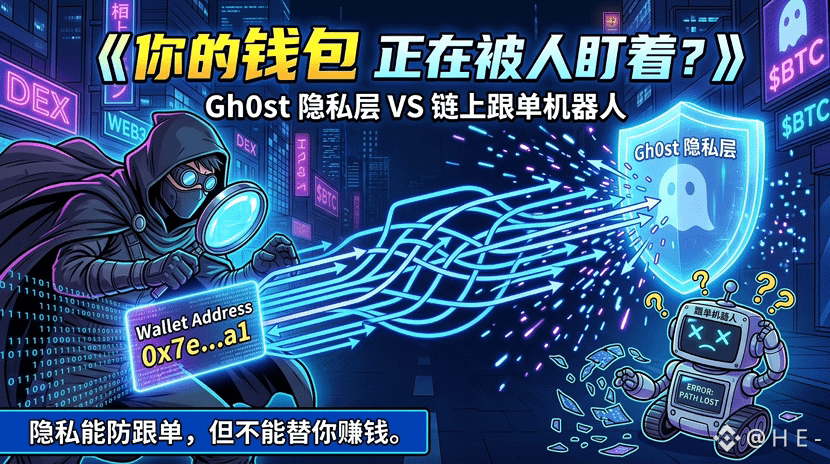
オンチェーンには「ウォレットを監視する」という魔法のような商売がある。
あるグループが、利益を上げているアドレスをじっと見守っていて、君がポジションを持った瞬間、向こうのロボットがコピーを始める。君が何を買うか、彼も何を買うか、まるで他人の研究成果をタダで拝借しているかのようだ。
でも、逆の立場になって考えてみよう。君がその監視されている人だったら?
一生懸命に研究して作り上げたポジションが、入場した途端にたくさんの人に真似され、さらには価格を押し上げられて、結局は自分が資金を出してフォロワーを助けていることになる。
問題は、オンチェーンは元々公開された帳簿だということだ。君の一挙手一投足は、他人に見られている。だから「見られる」ということは、単なるプライバシーの問題ではなく、利益の問題でもある。
Genius Terminal の Gh0st プライバシーレイヤーは、まさにこの痛点を狙っている。MPC技術を利用して、一つの取引を多数の中間アドレスに分割して実行し、メインウォレットと実際の取引行為との追跡経路を断ち、フォローロボットが完全なポジションを復元するのを難しくしている。
ただ、ここでの最大の見どころは、プライバシーではなく、「コンプライアンスプライバシー」を提案しているところだ。
一般の人が見えないことを望む一方で、規制当局が検証できることを強調している。しかし、プライバシーと監査可能性は元々矛盾するものだ。検証権限がどれほど大きいか、誰が持つか、いつトリガーされるか、これらの重要な詳細は現在公開されている資料では不十分だ。
だから私の見解では、Gh0st が解決しているのは「他人に見られる」という問題であって、「君をお金持ちにする」という問題ではない。
プライバシーは道具であって、チートではない。方向性を間違えたら、いくら隠れても同じように損をする。
しかし少なくとも、Genius が押さえたニーズは確かに存在する。
#Genius #GENIUS #DeFi #Web3 #CryptoPrivacy @GeniusOfficial $GENIUS
{future}(GENIUSUSDT)
オンチェーンには「ウォレットを監視する」という魔法のような商売がある。
あるグループが、利益を上げているアドレスをじっと見守っていて、君がポジションを持った瞬間、向こうのロボットがコピーを始める。君が何を買うか、彼も何を買うか、まるで他人の研究成果をタダで拝借しているかのようだ。
でも、逆の立場になって考えてみよう。君がその監視されている人だったら?
一生懸命に研究して作り上げたポジションが、入場した途端にたくさんの人に真似され、さらには価格を押し上げられて、結局は自分が資金を出してフォロワーを助けていることになる。
問題は、オンチェーンは元々公開された帳簿だということだ。君の一挙手一投足は、他人に見られている。だから「見られる」ということは、単なるプライバシーの問題ではなく、利益の問題でもある。
Genius Terminal の Gh0st プライバシーレイヤーは、まさにこの痛点を狙っている。MPC技術を利用して、一つの取引を多数の中間アドレスに分割して実行し、メインウォレットと実際の取引行為との追跡経路を断ち、フォローロボットが完全なポジションを復元するのを難しくしている。
ただ、ここでの最大の見どころは、プライバシーではなく、「コンプライアンスプライバシー」を提案しているところだ。
一般の人が見えないことを望む一方で、規制当局が検証できることを強調している。しかし、プライバシーと監査可能性は元々矛盾するものだ。検証権限がどれほど大きいか、誰が持つか、いつトリガーされるか、これらの重要な詳細は現在公開されている資料では不十分だ。
だから私の見解では、Gh0st が解決しているのは「他人に見られる」という問題であって、「君をお金持ちにする」という問題ではない。
プライバシーは道具であって、チートではない。方向性を間違えたら、いくら隠れても同じように損をする。
しかし少なくとも、Genius が押さえたニーズは確かに存在する。
#Genius #GENIUS #DeFi #Web3 #CryptoPrivacy @GeniusOfficial $GENIUS
あるグループが、利益を上げているアドレスをじっと見守っていて、君がポジションを持った瞬間、向こうのロボットがコピーを始める。君が何を買うか、彼も何を買うか、まるで他人の研究成果をタダで拝借しているかのようだ。
でも、逆の立場になって考えてみよう。君がその監視されている人だったら?
一生懸命に研究して作り上げたポジションが、入場した途端にたくさんの人に真似され、さらには価格を押し上げられて、結局は自分が資金を出してフォロワーを助けていることになる。
問題は、オンチェーンは元々公開された帳簿だということだ。君の一挙手一投足は、他人に見られている。だから「見られる」ということは、単なるプライバシーの問題ではなく、利益の問題でもある。
Genius Terminal の Gh0st プライバシーレイヤーは、まさにこの痛点を狙っている。MPC技術を利用して、一つの取引を多数の中間アドレスに分割して実行し、メインウォレットと実際の取引行為との追跡経路を断ち、フォローロボットが完全なポジションを復元するのを難しくしている。
ただ、ここでの最大の見どころは、プライバシーではなく、「コンプライアンスプライバシー」を提案しているところだ。
一般の人が見えないことを望む一方で、規制当局が検証できることを強調している。しかし、プライバシーと監査可能性は元々矛盾するものだ。検証権限がどれほど大きいか、誰が持つか、いつトリガーされるか、これらの重要な詳細は現在公開されている資料では不十分だ。
だから私の見解では、Gh0st が解決しているのは「他人に見られる」という問題であって、「君をお金持ちにする」という問題ではない。
プライバシーは道具であって、チートではない。方向性を間違えたら、いくら隠れても同じように損をする。
しかし少なくとも、Genius が押さえたニーズは確かに存在する。
#Genius #GENIUS #DeFi #Web3 #CryptoPrivacy @GeniusOfficial $GENIUS
70

·
--
みんなが人気のAIチャットボットを使うのは完全に安全だと思っているけど、実際にはプライベートデータを銀盤の上に載せて渡しているんだ。
ほとんどの人は、検索クエリ、ウォレットアドレス、個人戦略が中央集権型サーバーに保存されていることに気づいていない。一度のデータベース漏洩で、あなたのWeb3の足跡が完全に暴露される可能性があるんだ。
従来のAIを考えてみて。プライベート日記を読まないと約束する会社に送るようなものさ。盲目的な信頼に頼るのではなく、日記が家を出る前にロックするシステムが必要だ。$OPG ネットワークがこれを実現する方法は2つある。まず、あなたのプロンプトはデバイス上でローカルに暗号化される。次に、あなたのアイデンティティはデータから切り離され、誰もあなたのクエリを$BNB ウォレットにリンクできないということだ。
「私たちを信じて」というシフトから「私たちを検証して」というのは、私たち全員が要求すべき基準だ。
AIツールを使用する際、プライバシーをどれくらい重視する?
#CryptoPrivacy #DecentralizedAI #Web3Security
みんなが人気のAIチャットボットを使うのは完全に安全だと思っているけど、実際にはプライベートデータを銀盤の上に載せて渡しているんだ。
ほとんどの人は、検索クエリ、ウォレットアドレス、個人戦略が中央集権型サーバーに保存されていることに気づいていない。一度のデータベース漏洩で、あなたのWeb3の足跡が完全に暴露される可能性があるんだ。
従来のAIを考えてみて。プライベート日記を読まないと約束する会社に送るようなものさ。盲目的な信頼に頼るのではなく、日記が家を出る前にロックするシステムが必要だ。$OPG ネットワークがこれを実現する方法は2つある。まず、あなたのプロンプトはデバイス上でローカルに暗号化される。次に、あなたのアイデンティティはデータから切り離され、誰もあなたのクエリを$BNB ウォレットにリンクできないということだ。
「私たちを信じて」というシフトから「私たちを検証して」というのは、私たち全員が要求すべき基準だ。
AIツールを使用する際、プライバシーをどれくらい重視する?
#CryptoPrivacy #DecentralizedAI #Web3Security
ほとんどの人は、検索クエリ、ウォレットアドレス、個人戦略が中央集権型サーバーに保存されていることに気づいていない。一度のデータベース漏洩で、あなたのWeb3の足跡が完全に暴露される可能性があるんだ。
従来のAIを考えてみて。プライベート日記を読まないと約束する会社に送るようなものさ。盲目的な信頼に頼るのではなく、日記が家を出る前にロックするシステムが必要だ。$OPG ネットワークがこれを実現する方法は2つある。まず、あなたのプロンプトはデバイス上でローカルに暗号化される。次に、あなたのアイデンティティはデータから切り離され、誰もあなたのクエリを$BNB ウォレットにリンクできないということだ。
「私たちを信じて」というシフトから「私たちを検証して」というのは、私たち全員が要求すべき基準だ。
AIツールを使用する際、プライバシーをどれくらい重視する?
#CryptoPrivacy #DecentralizedAI #Web3Security
43
·
--
記事
クッキーを拒否してもインターネットが壊れてはいけないこう想像してみてください。大手のWeb2サイトでクッキーを拒否した途端に、画面全体が壊れてしまい、基本機能から締め出されるのです。私たちは誰もが、個人データを引き渡して引き換えに基本的なオンラインサービスにアクセスすることを迫られる、あの苛立たしい究極の選択を経験してきました。デジタルプライバシーを守ることと、そもそも現代のインターネットを使えることの間で、常に戦っているように感じます。
この“強制的なトレードオフ”こそが、Web3プロジェクトが解体しようとしているものです。Web2の世界では、パーソナライズのトラッカーをオフにすると、システムが壊れてしまいます。これは、閲覧履歴をこっそり収集する代わりに、ユーザーの注目に対して報酬を与えることでルールをひっくり返す$BATの分散型モデルと比較してみてください。機能を人質に取るのではなく、Web3のアーキテクチャなら、ユーザーが自分の条件でデータ共有にオプトインできます。
クッキーを拒否してもインターネットが壊れてはいけない
こう想像してみてください。大手のWeb2サイトでクッキーを拒否した途端に、画面全体が壊れてしまい、基本機能から締め出されるのです。私たちは誰もが、個人データを引き渡して引き換えに基本的なオンラインサービスにアクセスすることを迫られる、あの苛立たしい究極の選択を経験してきました。デジタルプライバシーを守ることと、そもそも現代のインターネットを使えることの間で、常に戦っているように感じます。
この“強制的なトレードオフ”こそが、Web3プロジェクトが解体しようとしているものです。Web2の世界では、パーソナライズのトラッカーをオフにすると、システムが壊れてしまいます。これは、閲覧履歴をこっそり収集する代わりに、ユーザーの注目に対して報酬を与えることでルールをひっくり返す$BAT の分散型モデルと比較してみてください。機能を人質に取るのではなく、Web3のアーキテクチャなら、ユーザーが自分の条件でデータ共有にオプトインできます。
この“強制的なトレードオフ”こそが、Web3プロジェクトが解体しようとしているものです。Web2の世界では、パーソナライズのトラッカーをオフにすると、システムが壊れてしまいます。これは、閲覧履歴をこっそり収集する代わりに、ユーザーの注目に対して報酬を与えることでルールをひっくり返す$BAT の分散型モデルと比較してみてください。機能を人質に取るのではなく、Web3のアーキテクチャなら、ユーザーが自分の条件でデータ共有にオプトインできます。
77


·
--
FHE: 暗号プライバシーの聖杯 🤫
完全同型暗号(FHE)は、AIモデルがブロックチェーンデータを暗号化されたままで処理できるようにする技術です。完全なプライバシーと高度な自動化が融合します。
#FHE #CryptoPrivacy #AdvancedTech #Blockchain .
FHE: 暗号プライバシーの聖杯 🤫
完全同型暗号(FHE)は、AIモデルがブロックチェーンデータを暗号化されたままで処理できるようにする技術です。完全なプライバシーと高度な自動化が融合します。
#FHE #CryptoPrivacy #AdvancedTech #Blockchain .
完全同型暗号(FHE)は、AIモデルがブロックチェーンデータを暗号化されたままで処理できるようにする技術です。完全なプライバシーと高度な自動化が融合します。
#FHE #CryptoPrivacy #AdvancedTech #Blockchain .
1
302

·
--
記事
DeFiフロントエンドはあなたのウォレットを静かに追跡している私たちが分散化を称えながら、主要なDeFiのフロントエンドで毎回黙って「すべてのクッキーを許可」をクリックしていることに気づいたことはありますか?
ほとんどのトレーダーは、自分のウォレットアドレスが物理的なIPアドレスや閲覧習慣と結び付けられていることに気づいていません。このデータの露出により、標的型フィッシング攻撃やMEVボットによるトレードの先回りに対して脆弱になります。
プライバシーポリシーの変更におけるユニスワップの事例をケーススタディとして見てみましょう。$UNI ユーザーがメインインターフェースとやり取りすると、第三者トラッカーや機能系のクッキーが、パフォーマンス向上の名目でユーザーデータを収集します。実際には、これは分散型アプリケーションがデータを収集し、最終的に中央集権型の分析プロバイダーと共有されることを意味します。これらのトラッカーをブロックすると、インターフェースが完全に動かなくなることが多く、プライバシーと使いやすさのどちらかを選ばざるを得なくなります。
DeFiフロントエンドはあなたのウォレットを静かに追跡している
私たちが分散化を称えながら、主要なDeFiのフロントエンドで毎回黙って「すべてのクッキーを許可」をクリックしていることに気づいたことはありますか?
ほとんどのトレーダーは、自分のウォレットアドレスが物理的なIPアドレスや閲覧習慣と結び付けられていることに気づいていません。このデータの露出により、標的型フィッシング攻撃やMEVボットによるトレードの先回りに対して脆弱になります。
プライバシーポリシーの変更におけるユニスワップの事例をケーススタディとして見てみましょう。$UNI ユーザーがメインインターフェースとやり取りすると、第三者トラッカーや機能系のクッキーが、パフォーマンス向上の名目でユーザーデータを収集します。実際には、これは分散型アプリケーションがデータを収集し、最終的に中央集権型の分析プロバイダーと共有されることを意味します。これらのトラッカーをブロックすると、インターフェースが完全に動かなくなることが多く、プライバシーと使いやすさのどちらかを選ばざるを得なくなります。
ほとんどのトレーダーは、自分のウォレットアドレスが物理的なIPアドレスや閲覧習慣と結び付けられていることに気づいていません。このデータの露出により、標的型フィッシング攻撃やMEVボットによるトレードの先回りに対して脆弱になります。
プライバシーポリシーの変更におけるユニスワップの事例をケーススタディとして見てみましょう。$UNI ユーザーがメインインターフェースとやり取りすると、第三者トラッカーや機能系のクッキーが、パフォーマンス向上の名目でユーザーデータを収集します。実際には、これは分散型アプリケーションがデータを収集し、最終的に中央集権型の分析プロバイダーと共有されることを意味します。これらのトラッカーをブロックすると、インターフェースが完全に動かなくなることが多く、プライバシーと使いやすさのどちらかを選ばざるを得なくなります。
143
·
--
記事
スマートコントラクトに盲目的に署名しないでください取引しているネットワークの土台となるインフラを、まだ無視しているのなら今すぐやめてください。
多くのトレーダーが、何が裏側で起きているのかを理解せずに、盲目的なスマートコントラクトの承認に署名して人生の貯えを失っています。私たちは流行を追いかけがちですが、基本的なセキュリティとプライバシーは譲れないものです。
それは、個人データを追跡せずに動作を維持するための、あの“必須”のWebサイトクッキーのように考えてください。暗号資産では、$ETH や$SOL のようなバリデータ・ネットワークなどの中核インフラを、常に稼働させておく必要があります。コストを抑えるためにこれらの基盤レイヤーを迂回しようとすると、いずれ取引全体の処理フローが壊れてしまいます。
スマートコントラクトに盲目的に署名しないでください
取引しているネットワークの土台となるインフラを、まだ無視しているのなら今すぐやめてください。
多くのトレーダーが、何が裏側で起きているのかを理解せずに、盲目的なスマートコントラクトの承認に署名して人生の貯えを失っています。私たちは流行を追いかけがちですが、基本的なセキュリティとプライバシーは譲れないものです。
それは、個人データを追跡せずに動作を維持するための、あの“必須”のWebサイトクッキーのように考えてください。暗号資産では、$ETH や$SOL のようなバリデータ・ネットワークなどの中核インフラを、常に稼働させておく必要があります。コストを抑えるためにこれらの基盤レイヤーを迂回しようとすると、いずれ取引全体の処理フローが壊れてしまいます。
多くのトレーダーが、何が裏側で起きているのかを理解せずに、盲目的なスマートコントラクトの承認に署名して人生の貯えを失っています。私たちは流行を追いかけがちですが、基本的なセキュリティとプライバシーは譲れないものです。
それは、個人データを追跡せずに動作を維持するための、あの“必須”のWebサイトクッキーのように考えてください。暗号資産では、$ETH や$SOL のようなバリデータ・ネットワークなどの中核インフラを、常に稼働させておく必要があります。コストを抑えるためにこれらの基盤レイヤーを迂回しようとすると、いずれ取引全体の処理フローが壊れてしまいます。
61

·
--
🔒 SECコミッショナーのピアースが暗号プライバシーツールを支持
$SECコミッショナーのヘスター・ピアースは、プライバシー重視の暗号ツールの使用を擁護し、これらが過剰な監視からユーザーデータを守ると主張しました。この立場は、$ZEC や$XMRのようなプライバシーコインの開発と採用を支援します。
これは、プライバシー中心の資産に対する投資家の信頼を高め、規制の明確化が進むにつれて価格を押し上げる可能性があります。
#CryptoPrivacy #RegulatoryUpdate #SEC
🔒 SECコミッショナーのピアースが暗号プライバシーツールを支持
$SECコミッショナーのヘスター・ピアースは、プライバシー重視の暗号ツールの使用を擁護し、これらが過剰な監視からユーザーデータを守ると主張しました。この立場は、$ZEC や$XMRのようなプライバシーコインの開発と採用を支援します。
これは、プライバシー中心の資産に対する投資家の信頼を高め、規制の明確化が進むにつれて価格を押し上げる可能性があります。
#CryptoPrivacy #RegulatoryUpdate #SEC
$SECコミッショナーのヘスター・ピアースは、プライバシー重視の暗号ツールの使用を擁護し、これらが過剰な監視からユーザーデータを守ると主張しました。この立場は、$ZEC や$XMRのようなプライバシーコインの開発と採用を支援します。
これは、プライバシー中心の資産に対する投資家の信頼を高め、規制の明確化が進むにつれて価格を押し上げる可能性があります。
#CryptoPrivacy #RegulatoryUpdate #SEC
1
89

記事
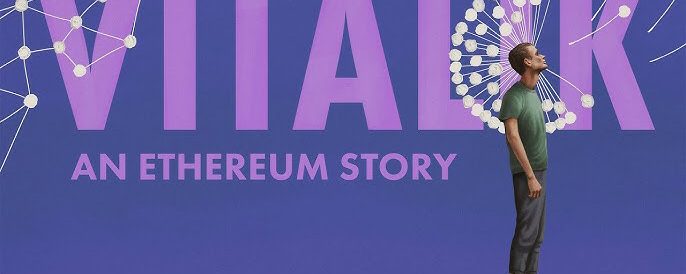
🛡️⚗️ イーサリアムにおけるネイティブプライバシー🛡️⚗️ イーサリアムにおけるネイティブプライバシー:ヴィタリック・ブテリンが短期的な3つのテクニカルステップを明らかに
Web3におけるプライバシーは、もはや遠い理想ではなく、実行可能なコードへと変わりつつあります。イーサリアムの共同創設者ヴィタリック・ブテリンが、メインネット(レイヤー1)にネイティブなプライバシーを統合するための短期的な戦略を発表しました。中心となる目標は明確です:バリデーターがプライベートなトランザクションを検閲するのを防ぎ、ユーザーが知らず知らずのうちに情報を漏らすチャネルを封鎖することです。🌐💻
🛡️⚗️ イーサリアムにおけるネイティブプライバシー
🛡️⚗️ イーサリアムにおけるネイティブプライバシー:ヴィタリック・ブテリンが短期的な3つのテクニカルステップを明らかに
Web3におけるプライバシーは、もはや遠い理想ではなく、実行可能なコードへと変わりつつあります。イーサリアムの共同創設者ヴィタリック・ブテリンが、メインネット(レイヤー1)にネイティブなプライバシーを統合するための短期的な戦略を発表しました。中心となる目標は明確です:バリデーターがプライベートなトランザクションを検閲するのを防ぎ、ユーザーが知らず知らずのうちに情報を漏らすチャネルを封鎖することです。🌐💻
Web3におけるプライバシーは、もはや遠い理想ではなく、実行可能なコードへと変わりつつあります。イーサリアムの共同創設者ヴィタリック・ブテリンが、メインネット(レイヤー1)にネイティブなプライバシーを統合するための短期的な戦略を発表しました。中心となる目標は明確です:バリデーターがプライベートなトランザクションを検閲するのを防ぎ、ユーザーが知らず知らずのうちに情報を漏らすチャネルを封鎖することです。🌐💻
2
133

·
--
まだ考えずに「すべて許可」をクリックしているなら、今すぐやめましょう。
暗号トレーダーはウォレットのプライバシーに執着しているのに、その後何の気なしに「お菓子みたいに無料」で閲覧パターンを差し出します。データは「集計され匿名化されている」かもしれませんが、それでもプラットフォームが訪問、トラフィックの出どころ、人気ページ、死んだゾーン、そしてユーザーの動き方を測るのに役立ちます。
これは要するに、オンチェーン分析のweb2版です。$BTC flowsや$ETH whaleウォレットを追跡するほど透明ではないものの、考え方は同じです。パターンは重要です。人が何を見て、どこから入って、どこで離れて、何が無視されるかが、次にプラットフォームが最適化する内容を左右し得ます。
その代償は、利便性とプライバシーのトレードオフです。パフォーマンス・クッキーを無効にすると、サイトはあなたの訪問を把握できなくなり、パフォーマンスを同等に監視できなくなります。受け入れれば、機械はより賢くなるのを手伝うことになります。$BNB usersが一日中分散化について議論しているのに、直面する“本当のボス戦”は結局クッキー設定というのが面白いところですね。
役に立つ分析と不要な追跡の線引きは、どこにありますか?
#CryptoPrivacy #Web3 #Binance
まだ考えずに「すべて許可」をクリックしているなら、今すぐやめましょう。
暗号トレーダーはウォレットのプライバシーに執着しているのに、その後何の気なしに「お菓子みたいに無料」で閲覧パターンを差し出します。データは「集計され匿名化されている」かもしれませんが、それでもプラットフォームが訪問、トラフィックの出どころ、人気ページ、死んだゾーン、そしてユーザーの動き方を測るのに役立ちます。
これは要するに、オンチェーン分析のweb2版です。$BTC flowsや$ETH whaleウォレットを追跡するほど透明ではないものの、考え方は同じです。パターンは重要です。人が何を見て、どこから入って、どこで離れて、何が無視されるかが、次にプラットフォームが最適化する内容を左右し得ます。
その代償は、利便性とプライバシーのトレードオフです。パフォーマンス・クッキーを無効にすると、サイトはあなたの訪問を把握できなくなり、パフォーマンスを同等に監視できなくなります。受け入れれば、機械はより賢くなるのを手伝うことになります。$BNB usersが一日中分散化について議論しているのに、直面する“本当のボス戦”は結局クッキー設定というのが面白いところですね。
役に立つ分析と不要な追跡の線引きは、どこにありますか?
#CryptoPrivacy #Web3 #Binance
暗号トレーダーはウォレットのプライバシーに執着しているのに、その後何の気なしに「お菓子みたいに無料」で閲覧パターンを差し出します。データは「集計され匿名化されている」かもしれませんが、それでもプラットフォームが訪問、トラフィックの出どころ、人気ページ、死んだゾーン、そしてユーザーの動き方を測るのに役立ちます。
これは要するに、オンチェーン分析のweb2版です。$BTC flowsや$ETH whaleウォレットを追跡するほど透明ではないものの、考え方は同じです。パターンは重要です。人が何を見て、どこから入って、どこで離れて、何が無視されるかが、次にプラットフォームが最適化する内容を左右し得ます。
その代償は、利便性とプライバシーのトレードオフです。パフォーマンス・クッキーを無効にすると、サイトはあなたの訪問を把握できなくなり、パフォーマンスを同等に監視できなくなります。受け入れれば、機械はより賢くなるのを手伝うことになります。$BNB usersが一日中分散化について議論しているのに、直面する“本当のボス戦”は結局クッキー設定というのが面白いところですね。
役に立つ分析と不要な追跡の線引きは、どこにありますか?
#CryptoPrivacy #Web3 #Binance
29
·
--
なぜ誰も、単なる別のチャート物語ではなく「実際のプロダクト」としてプライバシー・プロジェクトについて語らないのだろう?
暗号資産の投資家の多くは、ローソク足がすでに縦に伸びたあとでしかユーティリティに気づかない。だから人々はFOMO(高値掴みの恐怖)で熱狂に飛び込み、エントリーを逃し、物語が色褪せた頃に結局バッグを抱えることになる。
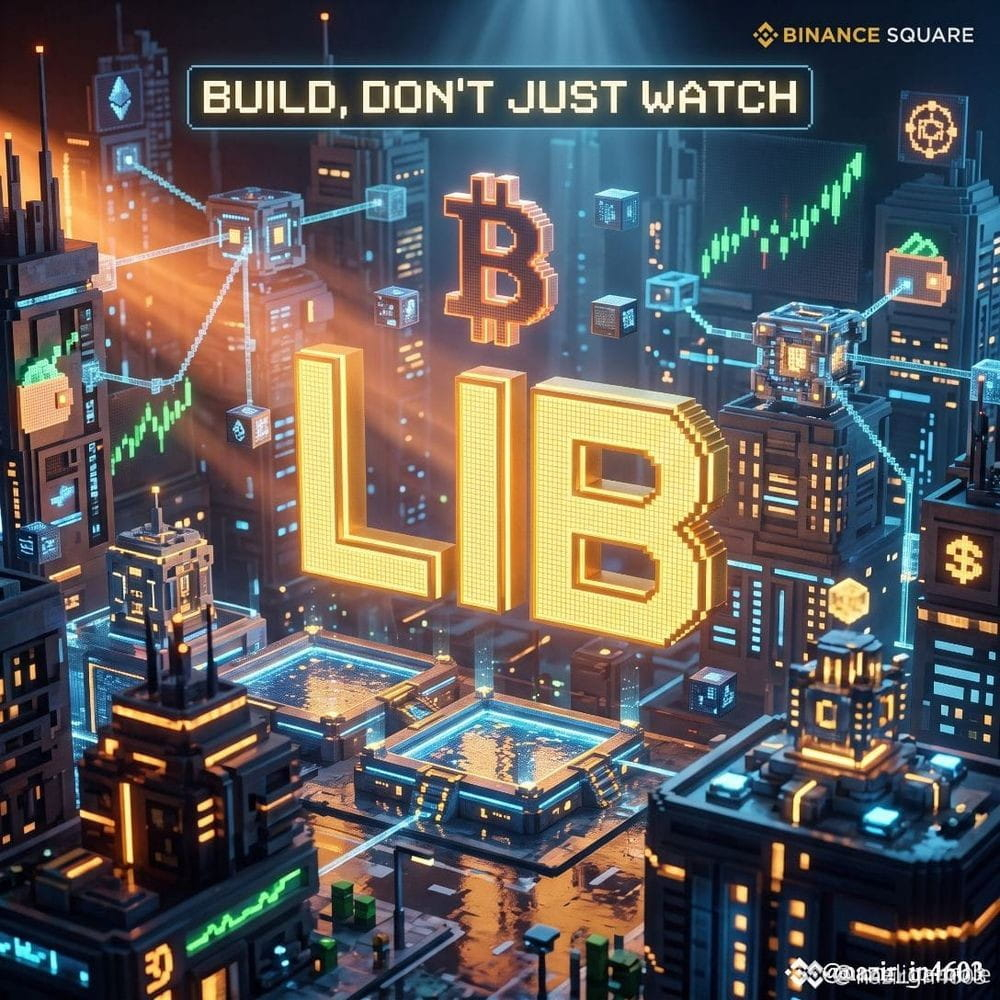
Liberdusは、1つの孤立した機能を売っているわけではない点で、興味深いケーススタディだ。1つのエコシステムの中に、セキュアなメッセージング、デジタル決済、そして分散化という3つの中核要素を統合している。ここが重要なのは、プライバシーは単に取引を隠すことだけではなく、同じデジタル環境の中でデータ、アイデンティティ、そして資産をコントロールすることだからだ。
辛口の見立て:$LIBのようなプロジェクトは、多くの大きな喧伝(より騒がしい)ストーリーよりも、元々の暗号資産の理念に近いかもしれない。$BTC によってセルフカストディが主流になり、$BNB によって暗号資産の決済が日常利用へ押し広められた。そしてLiberdusは、コミュニケーションと保有(オーナーシップ)を結びつけようとしている。もし、すべての$LIBが稼ぐものがそのエコシステムへの参加を表すのだとしたら、真の問いは「市場が織り込む前に、ユーザーがプライベートなインフラの価値を評価するのか?」だ。
またしてもプライバシーの実用性が過小評価されているのか、それとも市場が警戒的でいるのは正しいのか?
#Liberdus #CryptoPrivacy #Web3
なぜ誰も、単なる別のチャート物語ではなく「実際のプロダクト」としてプライバシー・プロジェクトについて語らないのだろう?
暗号資産の投資家の多くは、ローソク足がすでに縦に伸びたあとでしかユーティリティに気づかない。だから人々はFOMO(高値掴みの恐怖)で熱狂に飛び込み、エントリーを逃し、物語が色褪せた頃に結局バッグを抱えることになる。
Liberdusは、1つの孤立した機能を売っているわけではない点で、興味深いケーススタディだ。1つのエコシステムの中に、セキュアなメッセージング、デジタル決済、そして分散化という3つの中核要素を統合している。ここが重要なのは、プライバシーは単に取引を隠すことだけではなく、同じデジタル環境の中でデータ、アイデンティティ、そして資産をコントロールすることだからだ。
辛口の見立て:$LIBのようなプロジェクトは、多くの大きな喧伝(より騒がしい)ストーリーよりも、元々の暗号資産の理念に近いかもしれない。$BTC によってセルフカストディが主流になり、$BNB によって暗号資産の決済が日常利用へ押し広められた。そしてLiberdusは、コミュニケーションと保有(オーナーシップ)を結びつけようとしている。もし、すべての$LIBが稼ぐものがそのエコシステムへの参加を表すのだとしたら、真の問いは「市場が織り込む前に、ユーザーがプライベートなインフラの価値を評価するのか?」だ。
またしてもプライバシーの実用性が過小評価されているのか、それとも市場が警戒的でいるのは正しいのか?
#Liberdus #CryptoPrivacy #Web3
暗号資産の投資家の多くは、ローソク足がすでに縦に伸びたあとでしかユーティリティに気づかない。だから人々はFOMO(高値掴みの恐怖)で熱狂に飛び込み、エントリーを逃し、物語が色褪せた頃に結局バッグを抱えることになる。
Liberdusは、1つの孤立した機能を売っているわけではない点で、興味深いケーススタディだ。1つのエコシステムの中に、セキュアなメッセージング、デジタル決済、そして分散化という3つの中核要素を統合している。ここが重要なのは、プライバシーは単に取引を隠すことだけではなく、同じデジタル環境の中でデータ、アイデンティティ、そして資産をコントロールすることだからだ。
辛口の見立て:$LIBのようなプロジェクトは、多くの大きな喧伝(より騒がしい)ストーリーよりも、元々の暗号資産の理念に近いかもしれない。$BTC によってセルフカストディが主流になり、$BNB によって暗号資産の決済が日常利用へ押し広められた。そしてLiberdusは、コミュニケーションと保有(オーナーシップ)を結びつけようとしている。もし、すべての$LIBが稼ぐものがそのエコシステムへの参加を表すのだとしたら、真の問いは「市場が織り込む前に、ユーザーがプライベートなインフラの価値を評価するのか?」だ。
またしてもプライバシーの実用性が過小評価されているのか、それとも市場が警戒的でいるのは正しいのか?
#Liberdus #CryptoPrivacy #Web3
42
·
--
暗号資産におけるプライバシーを「任意(オプション)」だと思ってまだ扱っているなら、今すぐやめてください。
トレーダーが失うのは、エントリーやイグジットだけではありません。利便性がセキュリティに勝ってしまうせいで、データ、身元、そして時には資金までコントロールできなくなります。
リベルダスは別の考え方を推しています。3つの要素を1つのエコシステムに統合することです。セキュアなメッセージング、デジタル決済、そして分散化です。強気の見通しは明らかです。暗号資産が本当に「所有」を意味するのなら、ユーザーは会話を守り、価値を移し、身元を管理するためだけに、別々のツールを用意する必要がないはずです。
弱気の見通しは? オールインワンのエコシステムは複雑になりすぎる可能性があり、またプライバシー重視のプロダクトは、人々が実際に使って初めて意味を持ちます。でも私は、この方向性に強気です。価格目標の $BTC に、物語の $ETH 、そしてユーティリティの $BNB に夢中になっている市場では、次に本当の議論になるのは、ユーザーがついにデジタルライフのコントロールを求めるのかどうか、という点かもしれません。
プライバシーは再びコアな暗号ユースケースになりつつあるのでしょうか?それとも、ほとんどのユーザーは相変わらず所有よりも利便性を選んでいるのでしょうか?
#CryptoPrivacy #Web3 #DeFi
暗号資産におけるプライバシーを「任意(オプション)」だと思ってまだ扱っているなら、今すぐやめてください。
トレーダーが失うのは、エントリーやイグジットだけではありません。利便性がセキュリティに勝ってしまうせいで、データ、身元、そして時には資金までコントロールできなくなります。
リベルダスは別の考え方を推しています。3つの要素を1つのエコシステムに統合することです。セキュアなメッセージング、デジタル決済、そして分散化です。強気の見通しは明らかです。暗号資産が本当に「所有」を意味するのなら、ユーザーは会話を守り、価値を移し、身元を管理するためだけに、別々のツールを用意する必要がないはずです。
弱気の見通しは? オールインワンのエコシステムは複雑になりすぎる可能性があり、またプライバシー重視のプロダクトは、人々が実際に使って初めて意味を持ちます。でも私は、この方向性に強気です。価格目標の $BTC に、物語の $ETH 、そしてユーティリティの $BNB に夢中になっている市場では、次に本当の議論になるのは、ユーザーがついにデジタルライフのコントロールを求めるのかどうか、という点かもしれません。
プライバシーは再びコアな暗号ユースケースになりつつあるのでしょうか?それとも、ほとんどのユーザーは相変わらず所有よりも利便性を選んでいるのでしょうか?
#CryptoPrivacy #Web3 #DeFi
トレーダーが失うのは、エントリーやイグジットだけではありません。利便性がセキュリティに勝ってしまうせいで、データ、身元、そして時には資金までコントロールできなくなります。
リベルダスは別の考え方を推しています。3つの要素を1つのエコシステムに統合することです。セキュアなメッセージング、デジタル決済、そして分散化です。強気の見通しは明らかです。暗号資産が本当に「所有」を意味するのなら、ユーザーは会話を守り、価値を移し、身元を管理するためだけに、別々のツールを用意する必要がないはずです。
弱気の見通しは? オールインワンのエコシステムは複雑になりすぎる可能性があり、またプライバシー重視のプロダクトは、人々が実際に使って初めて意味を持ちます。でも私は、この方向性に強気です。価格目標の $BTC に、物語の $ETH 、そしてユーティリティの $BNB に夢中になっている市場では、次に本当の議論になるのは、ユーザーがついにデジタルライフのコントロールを求めるのかどうか、という点かもしれません。
プライバシーは再びコアな暗号ユースケースになりつつあるのでしょうか?それとも、ほとんどのユーザーは相変わらず所有よりも利便性を選んでいるのでしょうか?
#CryptoPrivacy #Web3 #DeFi
27
·
--
EUがあなたのプライベートな暗号資産メッセージをスキャンできるって知っていましたか?
これはEUの「チャット・コントロール」ルールの拡大案に関する話です。要するに、EUはオンライン・プラットフォームに対して、違法な内容がないかプライベートメッセージをスキャンすることを認めようとしており、それが2028年まで延長される可能性があります。子どもを守る意図はあるものの、特に暗号分野における分散型コミュニケーションでは、プライバシーに関する大きな問題が生じます。暗号資産の取引や投資についてのDMが、大規模にスキャンされるとしたら—それが懸念点です。これは従来のメッセージングアプリだけの話ではなく、特定の暗号資産プラットフォーム上でのコミュニケーションのあり方にも影響し得ます。#CryptoPrivacy #DigitalRights
たとえるなら、今あなたのプライベートな暗号資産の会話は、封をした封筒に入れて手紙を送るようなものです。この新しい提案は、郵便局がすべての封筒を開けて、特定のものを探すためにスキャンするようなものになる可能性があります。危険な内容を見つけるためだと言っていますが、プライベートなやり取りという根本的な考え方が変わってしまいます。
ここでの大きなポイントは、オンラインのプライバシーをめぐる議論が加熱していて、それが暗号資産の領域に直結しているということです。これらの規制に関する議論は、今後の暗号資産の使い方や関わり方を形作り得るため、最新情報を把握しておくことが重要です。 #CryptoRegulation
EUがプライベートメッセージをスキャンする可能性について、あなたはどう思いますか?また、それは暗号資産の利用者にどのような影響を与えると思いますか?
EUがあなたのプライベートな暗号資産メッセージをスキャンできるって知っていましたか?
これはEUの「チャット・コントロール」ルールの拡大案に関する話です。要するに、EUはオンライン・プラットフォームに対して、違法な内容がないかプライベートメッセージをスキャンすることを認めようとしており、それが2028年まで延長される可能性があります。子どもを守る意図はあるものの、特に暗号分野における分散型コミュニケーションでは、プライバシーに関する大きな問題が生じます。暗号資産の取引や投資についてのDMが、大規模にスキャンされるとしたら—それが懸念点です。これは従来のメッセージングアプリだけの話ではなく、特定の暗号資産プラットフォーム上でのコミュニケーションのあり方にも影響し得ます。#CryptoPrivacy #DigitalRights
たとえるなら、今あなたのプライベートな暗号資産の会話は、封をした封筒に入れて手紙を送るようなものです。この新しい提案は、郵便局がすべての封筒を開けて、特定のものを探すためにスキャンするようなものになる可能性があります。危険な内容を見つけるためだと言っていますが、プライベートなやり取りという根本的な考え方が変わってしまいます。
ここでの大きなポイントは、オンラインのプライバシーをめぐる議論が加熱していて、それが暗号資産の領域に直結しているということです。これらの規制に関する議論は、今後の暗号資産の使い方や関わり方を形作り得るため、最新情報を把握しておくことが重要です。 #CryptoRegulation
EUがプライベートメッセージをスキャンする可能性について、あなたはどう思いますか?また、それは暗号資産の利用者にどのような影響を与えると思いますか?
これはEUの「チャット・コントロール」ルールの拡大案に関する話です。要するに、EUはオンライン・プラットフォームに対して、違法な内容がないかプライベートメッセージをスキャンすることを認めようとしており、それが2028年まで延長される可能性があります。子どもを守る意図はあるものの、特に暗号分野における分散型コミュニケーションでは、プライバシーに関する大きな問題が生じます。暗号資産の取引や投資についてのDMが、大規模にスキャンされるとしたら—それが懸念点です。これは従来のメッセージングアプリだけの話ではなく、特定の暗号資産プラットフォーム上でのコミュニケーションのあり方にも影響し得ます。#CryptoPrivacy #DigitalRights
たとえるなら、今あなたのプライベートな暗号資産の会話は、封をした封筒に入れて手紙を送るようなものです。この新しい提案は、郵便局がすべての封筒を開けて、特定のものを探すためにスキャンするようなものになる可能性があります。危険な内容を見つけるためだと言っていますが、プライベートなやり取りという根本的な考え方が変わってしまいます。
ここでの大きなポイントは、オンラインのプライバシーをめぐる議論が加熱していて、それが暗号資産の領域に直結しているということです。これらの規制に関する議論は、今後の暗号資産の使い方や関わり方を形作り得るため、最新情報を把握しておくことが重要です。 #CryptoRegulation
EUがプライベートメッセージをスキャンする可能性について、あなたはどう思いますか?また、それは暗号資産の利用者にどのような影響を与えると思いますか?
29

·
--
🚨 仮想通貨の匿名性は終わったのか?新しいEUのAMLルールを解説! 🚨
Post Body:
まだ仮想通貨の取引が完全に匿名だと思ってる?それなら、戦略をアップデートする時が来た。
欧州連合(EU)は、仮想通貨のプライバシーを世界的に変える大規模な新しいマネーロンダリング防止(AML)ルールを可決した。
ここで知っておくべき主な変更点は以下の通り:
1️⃣ 匿名ウォレットは終了:EUでは、匿名の仮想通貨アカウントやホスティングされたウォレットが禁止される。厳格なKYC(顧客確認)が今や必須の基準だ。 2️⃣ トラベルルールの実施:従来の銀行送金と同様、仮想通貨プラットフォームは、送信者と受信者の実際の身元(名前やアカウント詳細)をすべての取引において追跡し、共有することが法的に義務付けられた。 3️⃣ プライバシーコインへの取り締まり:Monero($XMR)やZcash($ZEC)などのプライバシー重視のコインは、その追跡不可能な特性が新しい規制枠組みと直接対立するため、厳しい制限や上場廃止に直面している。
当局は実際にどのように仮想通貨を追跡しているのか?ブロックチェーンは公開台帳—オープンブックだということを忘れないで。あなたの個人銀行口座をリンクしたり、主要な取引所で身元を確認(KYC)した瞬間に、あなたの匿名性は消えてしまう。高度なブロックチェーン分析ツールは、そのウォレットの全取引履歴を即座にあなたにまで遡ることができる。
結論:仮想通貨は急速に大衆受け入れに向かっているが、それは従来の銀行と同じくらい規制されることを意味する。これにより、より多くのセキュリティと詐欺の減少がもたらされるが、純粋な金融プライバシーの核心的な精神には大きな打撃となる。
👇 あなたの考えは?これらの規制は仮想通貨の本来の目的を破壊しているのか、それとも大衆受け入れには必要なのか?コメントで教えて!
Hashtags:
#CryptoRegulations #AML #BitcoinNews #CryptoPrivacy #BinanceSquareTalks #BlockchainTech $BTC
{spot}(BTCUSDT)
🚨 仮想通貨の匿名性は終わったのか?新しいEUのAMLルールを解説! 🚨
Post Body:
まだ仮想通貨の取引が完全に匿名だと思ってる?それなら、戦略をアップデートする時が来た。
欧州連合(EU)は、仮想通貨のプライバシーを世界的に変える大規模な新しいマネーロンダリング防止(AML)ルールを可決した。
ここで知っておくべき主な変更点は以下の通り:
1️⃣ 匿名ウォレットは終了:EUでは、匿名の仮想通貨アカウントやホスティングされたウォレットが禁止される。厳格なKYC(顧客確認)が今や必須の基準だ。 2️⃣ トラベルルールの実施:従来の銀行送金と同様、仮想通貨プラットフォームは、送信者と受信者の実際の身元(名前やアカウント詳細)をすべての取引において追跡し、共有することが法的に義務付けられた。 3️⃣ プライバシーコインへの取り締まり:Monero($XMR)やZcash($ZEC)などのプライバシー重視のコインは、その追跡不可能な特性が新しい規制枠組みと直接対立するため、厳しい制限や上場廃止に直面している。
当局は実際にどのように仮想通貨を追跡しているのか?ブロックチェーンは公開台帳—オープンブックだということを忘れないで。あなたの個人銀行口座をリンクしたり、主要な取引所で身元を確認(KYC)した瞬間に、あなたの匿名性は消えてしまう。高度なブロックチェーン分析ツールは、そのウォレットの全取引履歴を即座にあなたにまで遡ることができる。
結論:仮想通貨は急速に大衆受け入れに向かっているが、それは従来の銀行と同じくらい規制されることを意味する。これにより、より多くのセキュリティと詐欺の減少がもたらされるが、純粋な金融プライバシーの核心的な精神には大きな打撃となる。
👇 あなたの考えは?これらの規制は仮想通貨の本来の目的を破壊しているのか、それとも大衆受け入れには必要なのか?コメントで教えて!
Hashtags:
#CryptoRegulations #AML #BitcoinNews #CryptoPrivacy #BinanceSquareTalks #BlockchainTech $BTC
Post Body:
まだ仮想通貨の取引が完全に匿名だと思ってる?それなら、戦略をアップデートする時が来た。
欧州連合(EU)は、仮想通貨のプライバシーを世界的に変える大規模な新しいマネーロンダリング防止(AML)ルールを可決した。
ここで知っておくべき主な変更点は以下の通り:
1️⃣ 匿名ウォレットは終了:EUでは、匿名の仮想通貨アカウントやホスティングされたウォレットが禁止される。厳格なKYC(顧客確認)が今や必須の基準だ。 2️⃣ トラベルルールの実施:従来の銀行送金と同様、仮想通貨プラットフォームは、送信者と受信者の実際の身元(名前やアカウント詳細)をすべての取引において追跡し、共有することが法的に義務付けられた。 3️⃣ プライバシーコインへの取り締まり:Monero($XMR)やZcash($ZEC)などのプライバシー重視のコインは、その追跡不可能な特性が新しい規制枠組みと直接対立するため、厳しい制限や上場廃止に直面している。
当局は実際にどのように仮想通貨を追跡しているのか?ブロックチェーンは公開台帳—オープンブックだということを忘れないで。あなたの個人銀行口座をリンクしたり、主要な取引所で身元を確認(KYC)した瞬間に、あなたの匿名性は消えてしまう。高度なブロックチェーン分析ツールは、そのウォレットの全取引履歴を即座にあなたにまで遡ることができる。
結論:仮想通貨は急速に大衆受け入れに向かっているが、それは従来の銀行と同じくらい規制されることを意味する。これにより、より多くのセキュリティと詐欺の減少がもたらされるが、純粋な金融プライバシーの核心的な精神には大きな打撃となる。
👇 あなたの考えは?これらの規制は仮想通貨の本来の目的を破壊しているのか、それとも大衆受け入れには必要なのか?コメントで教えて!
Hashtags:
#CryptoRegulations #AML #BitcoinNews #CryptoPrivacy #BinanceSquareTalks #BlockchainTech $BTC
178
ログインして、さらにコンテンツを読む
厳選トピックで世界の暗号資産トレーダーの仲間入り
⚡️ 暗号資産に関する最新かつ有益な情報が見つかります。
💬 世界最大の暗号資産取引所から信頼されています。
👍 認証を受けたクリエイターから、有益なインサイトを得られます。
メール / 電話番号
トレンドトピック
1
#SECReceivesGrayscaleLitecoinTrustETFFiling
閲覧回数 23,967
486人が討論中
2
#ClarityActFacesProceduralVoteSept15
閲覧回数 128,441
1,484人が討論中
3
#US10YearTreasuryYieldNears5%
閲覧回数 43,697
760人が討論中
4
#CryptoLiquidations$674MIn24H
閲覧回数 9,660
131人が討論中
5
#TokenizedStockHoldersUp619.1%
閲覧回数 44,297
685人が討論中
6
#RevolutConfirmsFakeGovEmailDataBreach
閲覧回数 71,734
958人が討論中
7
#CanadaOSFISaysTokenizedDepositsEqualTraditionalDeposits
閲覧回数 4,274
87人が討論中
8
#USBankCompletesCrossBorderPaymentPilotOnStellar
閲覧回数 63,524
1,022人が討論中
9
#NvidiaInTalksToInvestUpTo$10BInAnthropicIPO
閲覧回数 4,572
78人が討論中
10
#EtherRalliesAsBearishBetsLiquidate
閲覧回数 94,133
1,288人が討論中