

#cryptoinfrastructure
cryptoinfrastructure
閲覧回数 287,145
4,360人が討論中
注目
最新

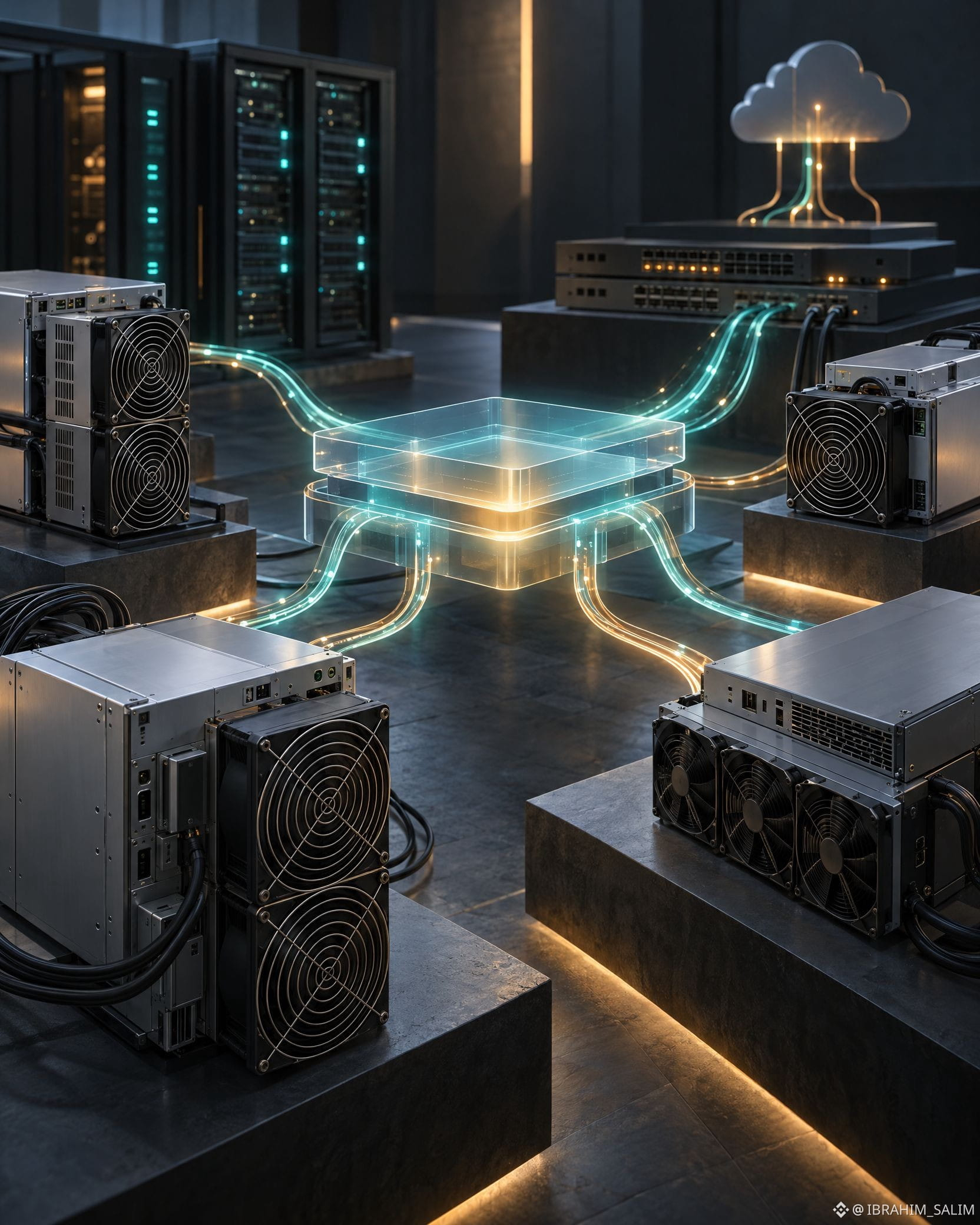
ビットコインマイニングの次のボトルネックは、ハードウェアだけでなくソフトウェアかもしれません。
Tetherによると、Bitdeer、BITMAIN、Canaan、F2Pool、Foundryなど、15のマイニング事業者、ASICメーカー、マイニングプールが、オープンソースのMining Development Kit(MDK)向けの統合機能を構築・維持することに合意しました。共通インターフェースにより、アプリケーションが、通常は別々に運用されている機器やプールのシステム間で動作できるようにすることを目指しています。Tetherによると、同社のQVACマイニングエージェントはすでにMDK上で稼働しています。
重要な違いがあります。これは、参加各社のシステムに対応する変換レイヤー「Workers」の構築に関する合意であり、15件の統合がすでに完了したという意味ではありません。Tetherは年末までに、安定版MDK 1.0をリリースすることを目指しています。
共通のソフトウェアレイヤーによって、ベンダーをまたいだマイニングの自動化は容易になるでしょうか?その答えは、実際にいくつの統合機能が提供されるかにかかっています。
情報源:
Tetherの発表(10月24日 11:16 UTC):https://tether.io/news/tethers-mdk-gains-broad-industry-backing-to-accelerate-the-next-generation-of-bitcoin-mining-automation/
MDKの初回発表(4月27日):https://tether.io/news/tether-launches-mdk-an-open-infrastructure-layer-for-bitcoin-mining/
CoinNessの報道(10月24日 11:35 UTC):https://coinness.com/en/news/1172837
結論
$BTC マイニングは共通インターフェースの恩恵を受ける可能性がありますが、これは合意に基づく展開であり、幅広い導入が実証されたわけではありません。
Binance公式BTC/USDTチャート:
https://www.binance.com/en/trade/BTC_USDT?type=spot
ご自身でチャートを確認し、独自に調査したうえで、責任を持って取引してください。
#Bitcoin #BTCMining #CryptoInfrastructure #AI
ビットコインマイニングの次のボトルネックは、ハードウェアだけでなくソフトウェアかもしれません。
Tetherによると、Bitdeer、BITMAIN、Canaan、F2Pool、Foundryなど、15のマイニング事業者、ASICメーカー、マイニングプールが、オープンソースのMining Development Kit(MDK)向けの統合機能を構築・維持することに合意しました。共通インターフェースにより、アプリケーションが、通常は別々に運用されている機器やプールのシステム間で動作できるようにすることを目指しています。Tetherによると、同社のQVACマイニングエージェントはすでにMDK上で稼働しています。
重要な違いがあります。これは、参加各社のシステムに対応する変換レイヤー「Workers」の構築に関する合意であり、15件の統合がすでに完了したという意味ではありません。Tetherは年末までに、安定版MDK 1.0をリリースすることを目指しています。
共通のソフトウェアレイヤーによって、ベンダーをまたいだマイニングの自動化は容易になるでしょうか?その答えは、実際にいくつの統合機能が提供されるかにかかっています。
情報源:
Tetherの発表(10月24日 11:16 UTC):https://tether.io/news/tethers-mdk-gains-broad-industry-backing-to-accelerate-the-next-generation-of-bitcoin-mining-automation/
MDKの初回発表(4月27日):https://tether.io/news/tether-launches-mdk-an-open-infrastructure-layer-for-bitcoin-mining/
CoinNessの報道(10月24日 11:35 UTC):https://coinness.com/en/news/1172837
結論
$BTC マイニングは共通インターフェースの恩恵を受ける可能性がありますが、これは合意に基づく展開であり、幅広い導入が実証されたわけではありません。
Binance公式BTC/USDTチャート:
https://www.binance.com/en/trade/BTC_USDT?type=spot
ご自身でチャートを確認し、独自に調査したうえで、責任を持って取引してください。
#Bitcoin #BTCMining #CryptoInfrastructure #AI
Tetherによると、Bitdeer、BITMAIN、Canaan、F2Pool、Foundryなど、15のマイニング事業者、ASICメーカー、マイニングプールが、オープンソースのMining Development Kit(MDK)向けの統合機能を構築・維持することに合意しました。共通インターフェースにより、アプリケーションが、通常は別々に運用されている機器やプールのシステム間で動作できるようにすることを目指しています。Tetherによると、同社のQVACマイニングエージェントはすでにMDK上で稼働しています。
重要な違いがあります。これは、参加各社のシステムに対応する変換レイヤー「Workers」の構築に関する合意であり、15件の統合がすでに完了したという意味ではありません。Tetherは年末までに、安定版MDK 1.0をリリースすることを目指しています。
共通のソフトウェアレイヤーによって、ベンダーをまたいだマイニングの自動化は容易になるでしょうか?その答えは、実際にいくつの統合機能が提供されるかにかかっています。
情報源:
Tetherの発表(10月24日 11:16 UTC):https://tether.io/news/tethers-mdk-gains-broad-industry-backing-to-accelerate-the-next-generation-of-bitcoin-mining-automation/
MDKの初回発表(4月27日):https://tether.io/news/tether-launches-mdk-an-open-infrastructure-layer-for-bitcoin-mining/
CoinNessの報道(10月24日 11:35 UTC):https://coinness.com/en/news/1172837
結論
$BTC マイニングは共通インターフェースの恩恵を受ける可能性がありますが、これは合意に基づく展開であり、幅広い導入が実証されたわけではありません。
Binance公式BTC/USDTチャート:
https://www.binance.com/en/trade/BTC_USDT?type=spot
ご自身でチャートを確認し、独自に調査したうえで、責任を持って取引してください。
#Bitcoin #BTCMining #CryptoInfrastructure #AI
45

🚨 $TRX 必須のノードアップグレードでネットワークの円滑な運用を確保 💎
Empedoclesの愛称で知られるGreatVoyage‑v4.8.2.4へのアップグレードでは、まれに発生する特殊なケースでの障害を修正し、コントラクトのストレージとメタデータの処理を改善することで、プロトコルの障害耐性を強化します。 📊
トレーダーにとって、ノードの安定化はスプレッドの縮小、注文処理の低レイテンシ化、オンチェーンデータの精度向上につながり、正確な出来高の把握に不可欠です。 ⚡ このささやかな効率向上は、コアチームが継続的に取り組んでいることの表れです。レジリエンスの高いエコシステムに資金を配分する前に、賢明な投資家が注目するサインでもあります。 📌
💬 この安定性向上のアップグレードは、今後数週間のTRXのオンチェーン活動にどのような影響を与えると思いますか? 👇
⚠️ 金融アドバイスではありません。常にリスクを管理しましょう。 🛡️
🏷️ #TRX #NodeUpgrade #NetworkStability #CryptoInfrastructure
🔥 💎
🚨 $TRX 必須のノードアップグレードでネットワークの円滑な運用を確保 💎
Empedoclesの愛称で知られるGreatVoyage‑v4.8.2.4へのアップグレードでは、まれに発生する特殊なケースでの障害を修正し、コントラクトのストレージとメタデータの処理を改善することで、プロトコルの障害耐性を強化します。 📊
トレーダーにとって、ノードの安定化はスプレッドの縮小、注文処理の低レイテンシ化、オンチェーンデータの精度向上につながり、正確な出来高の把握に不可欠です。 ⚡ このささやかな効率向上は、コアチームが継続的に取り組んでいることの表れです。レジリエンスの高いエコシステムに資金を配分する前に、賢明な投資家が注目するサインでもあります。 📌
💬 この安定性向上のアップグレードは、今後数週間のTRXのオンチェーン活動にどのような影響を与えると思いますか? 👇
⚠️ 金融アドバイスではありません。常にリスクを管理しましょう。 🛡️
🏷️ #TRX #NodeUpgrade #NetworkStability #CryptoInfrastructure
🔥 💎
Empedoclesの愛称で知られるGreatVoyage‑v4.8.2.4へのアップグレードでは、まれに発生する特殊なケースでの障害を修正し、コントラクトのストレージとメタデータの処理を改善することで、プロトコルの障害耐性を強化します。 📊
トレーダーにとって、ノードの安定化はスプレッドの縮小、注文処理の低レイテンシ化、オンチェーンデータの精度向上につながり、正確な出来高の把握に不可欠です。 ⚡ このささやかな効率向上は、コアチームが継続的に取り組んでいることの表れです。レジリエンスの高いエコシステムに資金を配分する前に、賢明な投資家が注目するサインでもあります。 📌
💬 この安定性向上のアップグレードは、今後数週間のTRXのオンチェーン活動にどのような影響を与えると思いますか? 👇
⚠️ 金融アドバイスではありません。常にリスクを管理しましょう。 🛡️
🏷️ #TRX #NodeUpgrade #NetworkStability #CryptoInfrastructure
🔥 💎
6

·
--
⚡ OpenAIがエージェント向けインフラを大幅アップグレード、$AI セクターが注視! 🔍
💡 機関投資家は構造的な効率性を追跡しています。OpenAIはこのたび、継続稼働するエージェント向けのコンテキストキャッシュのコスト構造を刷新しました。キャッシュの保持期間を最大12時間に延長することで、繰り返し発生する処理ループの計算コストを最大95%削減でき、実世界での自律型ワークフローを加速します。
📊 AIの基盤アーキテクチャが運用面での優位性を強めるなか、スマートマネーは分散型コンピューティングのテーマに関連するインフラトークンを引き続き注視しています。💬 この開発の加速が、分散型コンピューティング関連トークンへの次のモメンタムローテーションを引き起こすと思いますか? 👇
⚠️ 金融アドバイスではありません。常にリスク管理を徹底してください。 🛡️
🏷️ #AI #ArtificialIntelligence #Web3AI #CryptoInfrastructure
🎯 🦈
⚡ OpenAIがエージェント向けインフラを大幅アップグレード、$AI セクターが注視! 🔍
💡 機関投資家は構造的な効率性を追跡しています。OpenAIはこのたび、継続稼働するエージェント向けのコンテキストキャッシュのコスト構造を刷新しました。キャッシュの保持期間を最大12時間に延長することで、繰り返し発生する処理ループの計算コストを最大95%削減でき、実世界での自律型ワークフローを加速します。
📊 AIの基盤アーキテクチャが運用面での優位性を強めるなか、スマートマネーは分散型コンピューティングのテーマに関連するインフラトークンを引き続き注視しています。💬 この開発の加速が、分散型コンピューティング関連トークンへの次のモメンタムローテーションを引き起こすと思いますか? 👇
⚠️ 金融アドバイスではありません。常にリスク管理を徹底してください。 🛡️
🏷️ #AI #ArtificialIntelligence #Web3AI #CryptoInfrastructure
🎯 🦈
💡 機関投資家は構造的な効率性を追跡しています。OpenAIはこのたび、継続稼働するエージェント向けのコンテキストキャッシュのコスト構造を刷新しました。キャッシュの保持期間を最大12時間に延長することで、繰り返し発生する処理ループの計算コストを最大95%削減でき、実世界での自律型ワークフローを加速します。
📊 AIの基盤アーキテクチャが運用面での優位性を強めるなか、スマートマネーは分散型コンピューティングのテーマに関連するインフラトークンを引き続き注視しています。💬 この開発の加速が、分散型コンピューティング関連トークンへの次のモメンタムローテーションを引き起こすと思いますか? 👇
⚠️ 金融アドバイスではありません。常にリスク管理を徹底してください。 🛡️
🏷️ #AI #ArtificialIntelligence #Web3AI #CryptoInfrastructure
🎯 🦈
6

·
--
Binanceの取引インフラは、2026年上半期を通じて、ボラティリティの高まりや大規模なプラットフォームアップグレードの際も、現物、マージン、先物の各市場でAPI稼働率100%を達成しました。
BTC、ETH、$USDT 、$BNB 、SOLの主要な入出金ルートは、本日も正常です。継続的な自動監視により、24時間365日稼働する市場をスムーズに保っています。
信頼性こそが基盤です。自信を持って取引しましょう。🚀
#Binance #BNB #CryptoInfrastructure #Uptime
Binanceの取引インフラは、2026年上半期を通じて、ボラティリティの高まりや大規模なプラットフォームアップグレードの際も、現物、マージン、先物の各市場でAPI稼働率100%を達成しました。
BTC、ETH、$USDT 、$BNB 、SOLの主要な入出金ルートは、本日も正常です。継続的な自動監視により、24時間365日稼働する市場をスムーズに保っています。
信頼性こそが基盤です。自信を持って取引しましょう。🚀
#Binance #BNB #CryptoInfrastructure #Uptime
BTC、ETH、$USDT 、$BNB 、SOLの主要な入出金ルートは、本日も正常です。継続的な自動監視により、24時間365日稼働する市場をスムーズに保っています。
信頼性こそが基盤です。自信を持って取引しましょう。🚀
#Binance #BNB #CryptoInfrastructure #Uptime
80

·
--
次の大きな暗号資産のトレンドを予測できるとしたら、どこに注目しますか?
注目している3つのセクター:
DeFi — $CRV
想定価格:$0.70
分散型ストレージ — $AR
想定価格:$15
ブロックチェーン・インフラ — $QNT
想定価格:$120
それぞれの想定価格は、現在の価格、トークン供給量、そしてその評価額を支えるために必要な時価総額によって変わります。これらはあくまで投機的なシナリオであり、将来の価格を保証するものではありません。
本当に問うべきなのは、どのコインのコミュニティが最も声高かではありません。どのプロジェクトが持続可能な需要を生み出せるかです。
次の市場サイクルで、あなたならどのセクターに賭けますか?
#DeFi #CryptoInfrastructure #altcoins
次の大きな暗号資産のトレンドを予測できるとしたら、どこに注目しますか?
注目している3つのセクター:
DeFi — $CRV
想定価格:$0.70
分散型ストレージ — $AR
想定価格:$15
ブロックチェーン・インフラ — $QNT
想定価格:$120
それぞれの想定価格は、現在の価格、トークン供給量、そしてその評価額を支えるために必要な時価総額によって変わります。これらはあくまで投機的なシナリオであり、将来の価格を保証するものではありません。
本当に問うべきなのは、どのコインのコミュニティが最も声高かではありません。どのプロジェクトが持続可能な需要を生み出せるかです。
次の市場サイクルで、あなたならどのセクターに賭けますか?
#DeFi #CryptoInfrastructure #altcoins
注目している3つのセクター:
DeFi — $CRV
想定価格:$0.70
分散型ストレージ — $AR
想定価格:$15
ブロックチェーン・インフラ — $QNT
想定価格:$120
それぞれの想定価格は、現在の価格、トークン供給量、そしてその評価額を支えるために必要な時価総額によって変わります。これらはあくまで投機的なシナリオであり、将来の価格を保証するものではありません。
本当に問うべきなのは、どのコインのコミュニティが最も声高かではありません。どのプロジェクトが持続可能な需要を生み出せるかです。
次の市場サイクルで、あなたならどのセクターに賭けますか?
#DeFi #CryptoInfrastructure #altcoins

843

·
--
AI + 暗号資産:ZKコプロセッサが欠けているインフラ層である理由
AIと暗号資産を結びつける議論の多くは、計算処理に対するトークン報酬に焦点を当てています。しかし、それではより根本的なアーキテクチャ上の問題を見落としています。スマートコントラクトは、AIモデルが正しく実行されたことをどう検証するのでしょうか?
$ETHでGPUノードに支払いはできますが、支払いは正しさの証明にはなりません。悪意のあるノードや故障したノードは誤った出力を返す可能性があり、ブロックチェーンにはそれを見分ける方法がありません。
そこで登場するのがZKコプロセッサです。特定の入力に対して、特定のモデル推論が正しく実行されたことを証明するゼロ知識証明を生成します。証明は小さく、オンチェーンでの検証も高速で、暗号学的に改ざんできません。信頼を前提とする必要はなく、必要なのは数学だけです。
これにより、まだ大規模には存在していない新たなカテゴリー、すなわち検証可能なAIアプリケーションが実現します。操作できないDeFi向けオンチェーンリスクエンジン、監査可能な意思決定ログを持つ自律エージェント、あるいはモデルの出力に正しさの証明が付随するオラクルネットワークなどが考えられます。
$SOL と$ETH のL2エコシステムは、zkVMネイティブなAIパイプラインの受け入れを競っています。$BNB Chainの垂直統合型スタックは、実証の場として自然な選択肢です。EVMとの互換性に加え、ファイナリティが高速なため、証明検証に伴うレイテンシコストを抑えられます。
現時点でのボトルネックは、証明生成の速度とコストです。ただし、ハードウェアアクセラレーションの進歩は、初期のGPUスケーリングを思わせます。この課題を解決するチームが、大々的に発表することはないでしょう。価格チャートではなく、テストネットのデプロイ先アドレスやzkVMベンチマークに注目してください。
検証可能なAI推論は、機能のひとつではなく、基盤です。
#AIAndCrypto #ZeroKnowledge #DeFi #CryptoInfrastructure
AI + 暗号資産:ZKコプロセッサが欠けているインフラ層である理由
AIと暗号資産を結びつける議論の多くは、計算処理に対するトークン報酬に焦点を当てています。しかし、それではより根本的なアーキテクチャ上の問題を見落としています。スマートコントラクトは、AIモデルが正しく実行されたことをどう検証するのでしょうか?
$ETH でGPUノードに支払いはできますが、支払いは正しさの証明にはなりません。悪意のあるノードや故障したノードは誤った出力を返す可能性があり、ブロックチェーンにはそれを見分ける方法がありません。
そこで登場するのがZKコプロセッサです。特定の入力に対して、特定のモデル推論が正しく実行されたことを証明するゼロ知識証明を生成します。証明は小さく、オンチェーンでの検証も高速で、暗号学的に改ざんできません。信頼を前提とする必要はなく、必要なのは数学だけです。
これにより、まだ大規模には存在していない新たなカテゴリー、すなわち検証可能なAIアプリケーションが実現します。操作できないDeFi向けオンチェーンリスクエンジン、監査可能な意思決定ログを持つ自律エージェント、あるいはモデルの出力に正しさの証明が付随するオラクルネットワークなどが考えられます。
$SOL と$ETH のL2エコシステムは、zkVMネイティブなAIパイプラインの受け入れを競っています。$BNB Chainの垂直統合型スタックは、実証の場として自然な選択肢です。EVMとの互換性に加え、ファイナリティが高速なため、証明検証に伴うレイテンシコストを抑えられます。
現時点でのボトルネックは、証明生成の速度とコストです。ただし、ハードウェアアクセラレーションの進歩は、初期のGPUスケーリングを思わせます。この課題を解決するチームが、大々的に発表することはないでしょう。価格チャートではなく、テストネットのデプロイ先アドレスやzkVMベンチマークに注目してください。
検証可能なAI推論は、機能のひとつではなく、基盤です。
#AIAndCrypto #ZeroKnowledge #DeFi #CryptoInfrastructure
AIと暗号資産を結びつける議論の多くは、計算処理に対するトークン報酬に焦点を当てています。しかし、それではより根本的なアーキテクチャ上の問題を見落としています。スマートコントラクトは、AIモデルが正しく実行されたことをどう検証するのでしょうか?
$ETH でGPUノードに支払いはできますが、支払いは正しさの証明にはなりません。悪意のあるノードや故障したノードは誤った出力を返す可能性があり、ブロックチェーンにはそれを見分ける方法がありません。
そこで登場するのがZKコプロセッサです。特定の入力に対して、特定のモデル推論が正しく実行されたことを証明するゼロ知識証明を生成します。証明は小さく、オンチェーンでの検証も高速で、暗号学的に改ざんできません。信頼を前提とする必要はなく、必要なのは数学だけです。
これにより、まだ大規模には存在していない新たなカテゴリー、すなわち検証可能なAIアプリケーションが実現します。操作できないDeFi向けオンチェーンリスクエンジン、監査可能な意思決定ログを持つ自律エージェント、あるいはモデルの出力に正しさの証明が付随するオラクルネットワークなどが考えられます。
$SOL と$ETH のL2エコシステムは、zkVMネイティブなAIパイプラインの受け入れを競っています。$BNB Chainの垂直統合型スタックは、実証の場として自然な選択肢です。EVMとの互換性に加え、ファイナリティが高速なため、証明検証に伴うレイテンシコストを抑えられます。
現時点でのボトルネックは、証明生成の速度とコストです。ただし、ハードウェアアクセラレーションの進歩は、初期のGPUスケーリングを思わせます。この課題を解決するチームが、大々的に発表することはないでしょう。価格チャートではなく、テストネットのデプロイ先アドレスやzkVMベンチマークに注目してください。
検証可能なAI推論は、機能のひとつではなく、基盤です。
#AIAndCrypto #ZeroKnowledge #DeFi #CryptoInfrastructure
39

⚡ $BTC が主要プラットフォーム間をシームレスに移動可能に!大規模な流動性レールが解放 🌊
Zerohashがシームレスなクロスプラットフォーム決済を展開し、暗号資産インフラが大きく前進しました。手動でブロックチェーンネットワークを操作しなくても、連携済みの取引所アカウントと600以上のセルフカストディウォレットの間で、資金を簡単に移動できるようになりました。💡
複数の大手取引所や取引プラットフォームですでに利用が始まっており、$BTC 、ステーブルコイン、トークン化資産の間で、摩擦のない流動性の移動が実現しつつあります。資産の移動がこれほどスムーズになれば、賢い資金はより速く動き、市場の勢いも増していきます。📊
💬 この摩擦のないブリッジングは、主流の資金が次々と流入するきっかけになるでしょうか?それとも、手動での送金を続けたいですか?👇
⚠️ 金融アドバイスではありません。常にリスクを管理しましょう。🛡️
🏷️ #BTC #CryptoInfrastructure #Liquidity #Web3 #Crypto
⚡ 💎
⚡ $BTC が主要プラットフォーム間をシームレスに移動可能に!大規模な流動性レールが解放 🌊
Zerohashがシームレスなクロスプラットフォーム決済を展開し、暗号資産インフラが大きく前進しました。手動でブロックチェーンネットワークを操作しなくても、連携済みの取引所アカウントと600以上のセルフカストディウォレットの間で、資金を簡単に移動できるようになりました。💡
複数の大手取引所や取引プラットフォームですでに利用が始まっており、$BTC 、ステーブルコイン、トークン化資産の間で、摩擦のない流動性の移動が実現しつつあります。資産の移動がこれほどスムーズになれば、賢い資金はより速く動き、市場の勢いも増していきます。📊
💬 この摩擦のないブリッジングは、主流の資金が次々と流入するきっかけになるでしょうか?それとも、手動での送金を続けたいですか?👇
⚠️ 金融アドバイスではありません。常にリスクを管理しましょう。🛡️
🏷️ #BTC #CryptoInfrastructure #Liquidity #Web3 #Crypto
⚡ 💎
Zerohashがシームレスなクロスプラットフォーム決済を展開し、暗号資産インフラが大きく前進しました。手動でブロックチェーンネットワークを操作しなくても、連携済みの取引所アカウントと600以上のセルフカストディウォレットの間で、資金を簡単に移動できるようになりました。💡
複数の大手取引所や取引プラットフォームですでに利用が始まっており、$BTC 、ステーブルコイン、トークン化資産の間で、摩擦のない流動性の移動が実現しつつあります。資産の移動がこれほどスムーズになれば、賢い資金はより速く動き、市場の勢いも増していきます。📊
💬 この摩擦のないブリッジングは、主流の資金が次々と流入するきっかけになるでしょうか?それとも、手動での送金を続けたいですか?👇
⚠️ 金融アドバイスではありません。常にリスクを管理しましょう。🛡️
🏷️ #BTC #CryptoInfrastructure #Liquidity #Web3 #Crypto
⚡ 💎
18
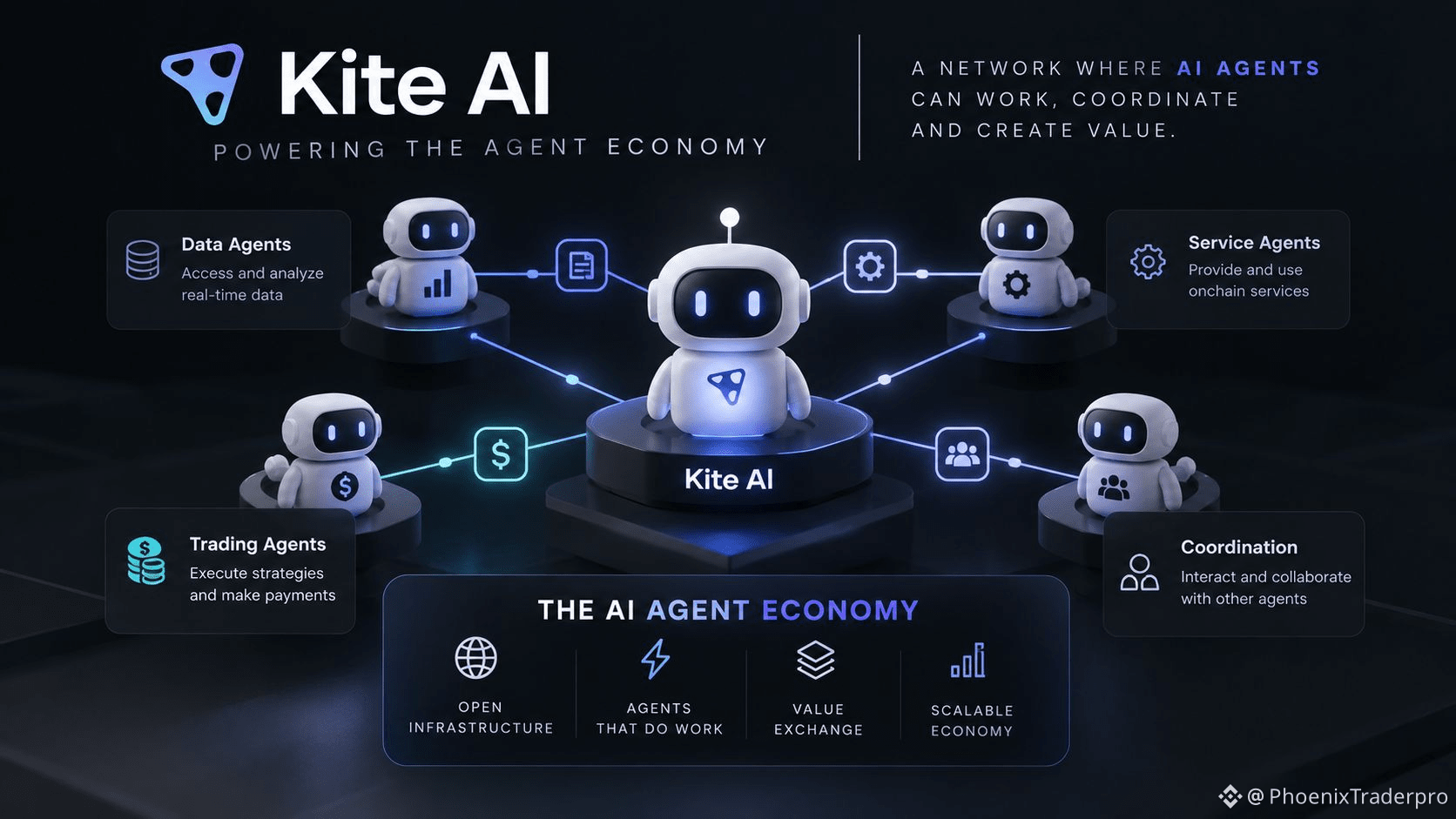
⚡ $KITE が切り拓く、次なる巨大なフロンティア:自律型AIエージェント経済!💡
受動的なチャットボットから、分散型ネットワーク上で複雑なタスクを実行する能動的な経済エージェントへと、パラダイムが移り変わっています。💡 自律型エージェントが計算リソースの利用料を支払い、データにアクセスし、マイクロトランザクションをネイティブに決済するには、専用の調整基盤が必要です。
$KITE は、この基盤インフラ層のまさに中心に位置しています。🌊 賢明な資本が機械間の流動性や取引基盤を先回りし始めると、初期のアーキテクチャを手がけたプロジェクトは、大きな注目を集める傾向があります。
💭 次のサイクルでは、自律型マシン経済のオンチェーン取引量が人間を上回るでしょうか?👇
⚠️ 投資助言ではありません。常にリスク管理を心がけましょう。🛡️
🏷️ #KITE #AIAgents #CryptoInfrastructure #Web3AI
⚡ 💎
⚡ $KITE が切り拓く、次なる巨大なフロンティア:自律型AIエージェント経済!💡
受動的なチャットボットから、分散型ネットワーク上で複雑なタスクを実行する能動的な経済エージェントへと、パラダイムが移り変わっています。💡 自律型エージェントが計算リソースの利用料を支払い、データにアクセスし、マイクロトランザクションをネイティブに決済するには、専用の調整基盤が必要です。
$KITE は、この基盤インフラ層のまさに中心に位置しています。🌊 賢明な資本が機械間の流動性や取引基盤を先回りし始めると、初期のアーキテクチャを手がけたプロジェクトは、大きな注目を集める傾向があります。
💭 次のサイクルでは、自律型マシン経済のオンチェーン取引量が人間を上回るでしょうか?👇
⚠️ 投資助言ではありません。常にリスク管理を心がけましょう。🛡️
🏷️ #KITE #AIAgents #CryptoInfrastructure #Web3AI
⚡ 💎
受動的なチャットボットから、分散型ネットワーク上で複雑なタスクを実行する能動的な経済エージェントへと、パラダイムが移り変わっています。💡 自律型エージェントが計算リソースの利用料を支払い、データにアクセスし、マイクロトランザクションをネイティブに決済するには、専用の調整基盤が必要です。
$KITE は、この基盤インフラ層のまさに中心に位置しています。🌊 賢明な資本が機械間の流動性や取引基盤を先回りし始めると、初期のアーキテクチャを手がけたプロジェクトは、大きな注目を集める傾向があります。
💭 次のサイクルでは、自律型マシン経済のオンチェーン取引量が人間を上回るでしょうか?👇
⚠️ 投資助言ではありません。常にリスク管理を心がけましょう。🛡️
🏷️ #KITE #AIAgents #CryptoInfrastructure #Web3AI
⚡ 💎
5

·
--
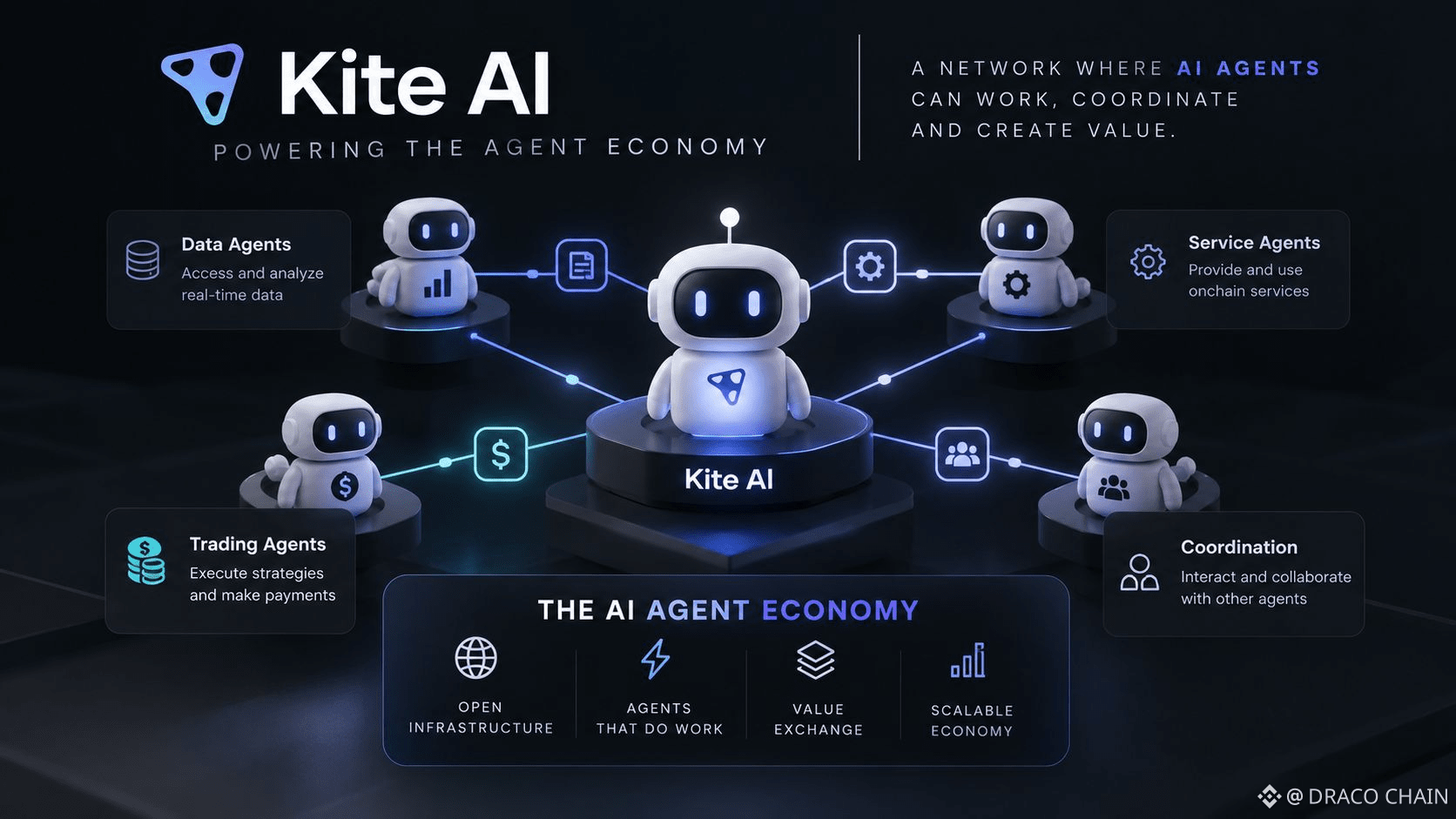
🦈 $KITE は、自律型エージェントの流動性フローを支える制度的な基盤を構築中! ⚡
AIにおける真の構造的変化は、対話型インターフェースではなく、自律的な経済活動の実行にあります。$KITE は、主権を持つエージェントがサービスのプールを見つけ、インセンティブを調整し、人間の介在による摩擦なくネイティブに価値を取引できる、基盤となる決済レイヤーを開発しています。 🔍
自律システムが孤立したツールから、積極的に市場へ参加する存在へと移行すると、分散型の調整レイヤーが基盤となる流動性を取り込みます。 🌊 ネットワーク全体で取引量が加速する前に、構造を支えるインフラへ戦略的に投資することが重要です。 💡
💬 今サイクルで、自律型エージェント間の決済が分散型価値の主要な推進力になるでしょうか? 👇
⚠️ 金融アドバイスではありません。常にリスクを管理してください。 🛡️
🏷️ #KITE #AIAgents #CryptoInfrastructure #Web3AI
🎯 🦈
🦈 $KITE は、自律型エージェントの流動性フローを支える制度的な基盤を構築中! ⚡
AIにおける真の構造的変化は、対話型インターフェースではなく、自律的な経済活動の実行にあります。$KITE は、主権を持つエージェントがサービスのプールを見つけ、インセンティブを調整し、人間の介在による摩擦なくネイティブに価値を取引できる、基盤となる決済レイヤーを開発しています。 🔍
自律システムが孤立したツールから、積極的に市場へ参加する存在へと移行すると、分散型の調整レイヤーが基盤となる流動性を取り込みます。 🌊 ネットワーク全体で取引量が加速する前に、構造を支えるインフラへ戦略的に投資することが重要です。 💡
💬 今サイクルで、自律型エージェント間の決済が分散型価値の主要な推進力になるでしょうか? 👇
⚠️ 金融アドバイスではありません。常にリスクを管理してください。 🛡️
🏷️ #KITE #AIAgents #CryptoInfrastructure #Web3AI
🎯 🦈
AIにおける真の構造的変化は、対話型インターフェースではなく、自律的な経済活動の実行にあります。$KITE は、主権を持つエージェントがサービスのプールを見つけ、インセンティブを調整し、人間の介在による摩擦なくネイティブに価値を取引できる、基盤となる決済レイヤーを開発しています。 🔍
自律システムが孤立したツールから、積極的に市場へ参加する存在へと移行すると、分散型の調整レイヤーが基盤となる流動性を取り込みます。 🌊 ネットワーク全体で取引量が加速する前に、構造を支えるインフラへ戦略的に投資することが重要です。 💡
💬 今サイクルで、自律型エージェント間の決済が分散型価値の主要な推進力になるでしょうか? 👇
⚠️ 金融アドバイスではありません。常にリスクを管理してください。 🛡️
🏷️ #KITE #AIAgents #CryptoInfrastructure #Web3AI
🎯 🦈
14

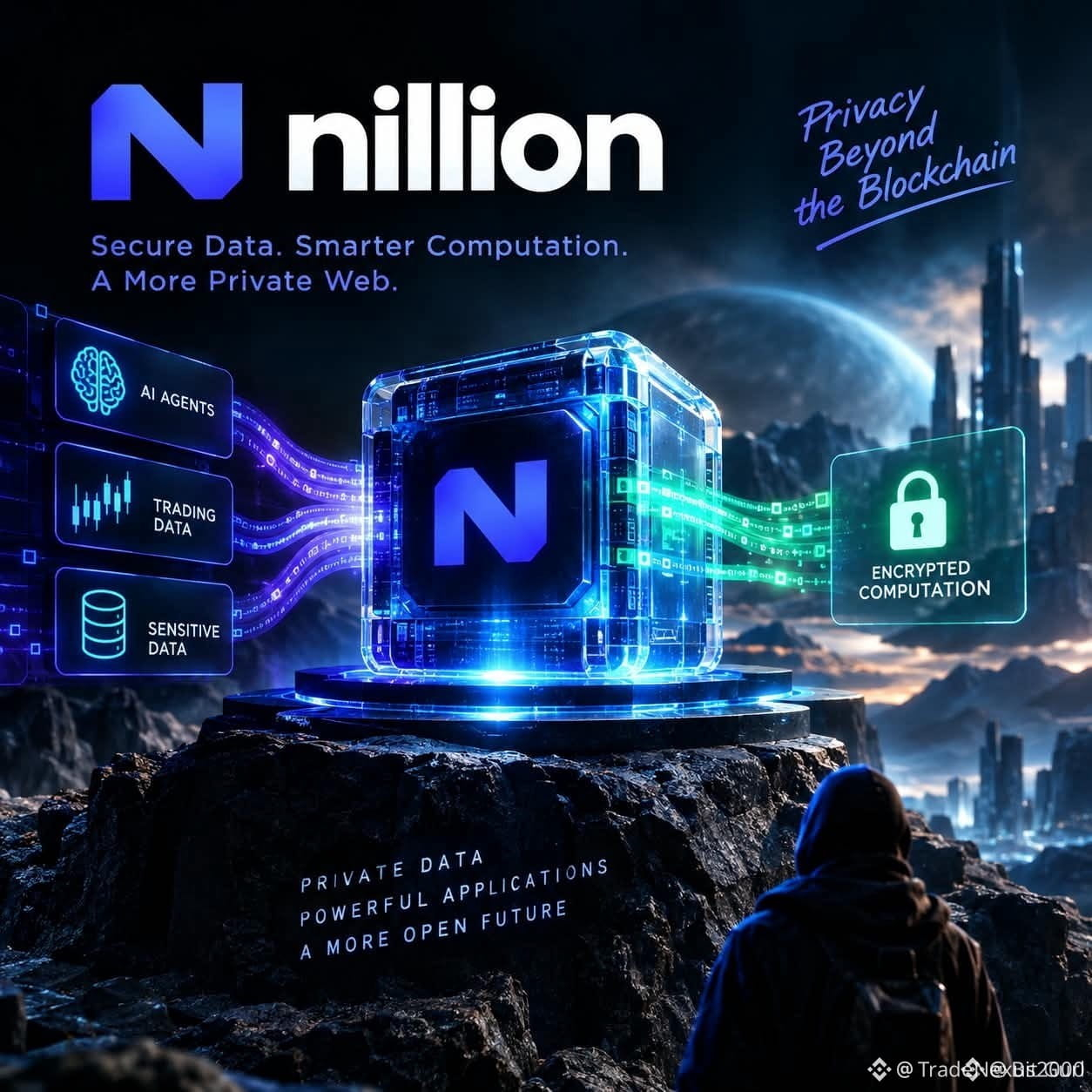
🦈 $NIL 機密計算が機関投資家のアルゴリズム執行とオンチェーンエージェントを実現する可能性 💡
賢明な投資家は、執行ロジックや注文フローがオンチェーンに漏れた瞬間に、アルファが失われることを理解しています。$NIL は、暗号化推論スタックを単なる汎用的なプライバシー技術としてではなく、自動執行に不可欠な基盤アーキテクチャとして位置づけています。🔍
フロントランニングをめぐる議論を追うよりも、注目すべき構造的な転換点は、ブラインド計算やBlacklightのワークフローにおける開発者の実際の採用状況です。情報の非対称性を生じさせずに執行できることが機関投資家の取引システムに求められるとき、ストレージから暗号化計算への移行は、基盤となる実用性を持つようになります。🌊
🤔 暗号化された執行は自律型エージェントにとって必須のインフラになるのでしょうか。それとも、市場はこの実用性を織り込むのが早すぎるのでしょうか? 👇
⚠️ 金融アドバイスではありません。常にリスクを管理してください。🛡️
🏷️ #NIL #SmartMoney #CryptoInfrastructure #AIAgents
🎯 🦈
🦈 $NIL 機密計算が機関投資家のアルゴリズム執行とオンチェーンエージェントを実現する可能性 💡
賢明な投資家は、執行ロジックや注文フローがオンチェーンに漏れた瞬間に、アルファが失われることを理解しています。$NIL は、暗号化推論スタックを単なる汎用的なプライバシー技術としてではなく、自動執行に不可欠な基盤アーキテクチャとして位置づけています。🔍
フロントランニングをめぐる議論を追うよりも、注目すべき構造的な転換点は、ブラインド計算やBlacklightのワークフローにおける開発者の実際の採用状況です。情報の非対称性を生じさせずに執行できることが機関投資家の取引システムに求められるとき、ストレージから暗号化計算への移行は、基盤となる実用性を持つようになります。🌊
🤔 暗号化された執行は自律型エージェントにとって必須のインフラになるのでしょうか。それとも、市場はこの実用性を織り込むのが早すぎるのでしょうか? 👇
⚠️ 金融アドバイスではありません。常にリスクを管理してください。🛡️
🏷️ #NIL #SmartMoney #CryptoInfrastructure #AIAgents
🎯 🦈
賢明な投資家は、執行ロジックや注文フローがオンチェーンに漏れた瞬間に、アルファが失われることを理解しています。$NIL は、暗号化推論スタックを単なる汎用的なプライバシー技術としてではなく、自動執行に不可欠な基盤アーキテクチャとして位置づけています。🔍
フロントランニングをめぐる議論を追うよりも、注目すべき構造的な転換点は、ブラインド計算やBlacklightのワークフローにおける開発者の実際の採用状況です。情報の非対称性を生じさせずに執行できることが機関投資家の取引システムに求められるとき、ストレージから暗号化計算への移行は、基盤となる実用性を持つようになります。🌊
🤔 暗号化された執行は自律型エージェントにとって必須のインフラになるのでしょうか。それとも、市場はこの実用性を織り込むのが早すぎるのでしょうか? 👇
⚠️ 金融アドバイスではありません。常にリスクを管理してください。🛡️
🏷️ #NIL #SmartMoney #CryptoInfrastructure #AIAgents
🎯 🦈
6


·
--
ブリッシュ
本人確認中
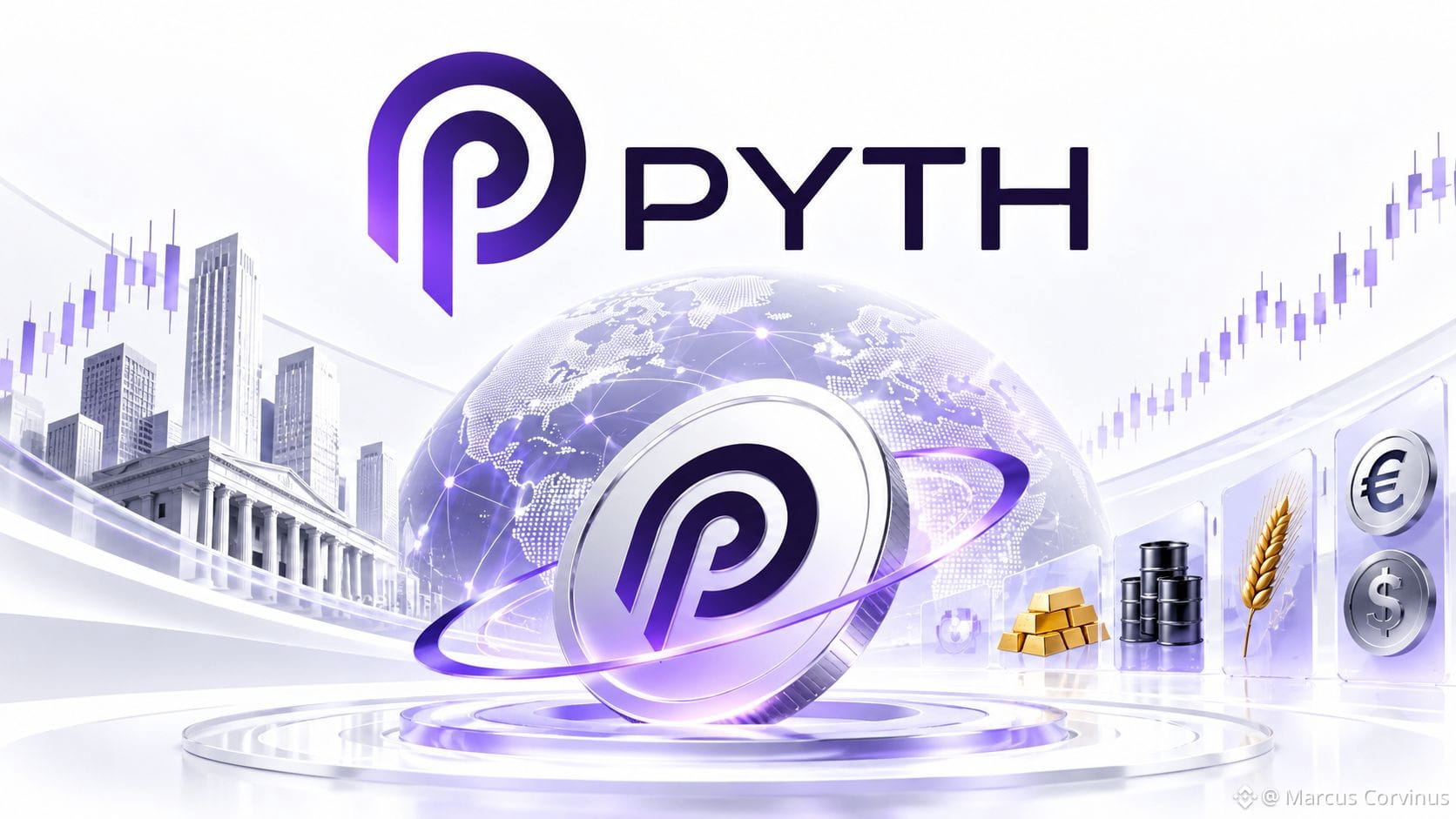
Pyth Networkは、金融市場データの未来を担う有力な存在になりつつあります。
金融データの多くは仲介業者を経由します。Pythは、価格を生み出す機関から直接データを取得します。
• 累計3.25兆ドル超の取引高を保護
• 710社以上の企業がPythのデータを利用
• 114以上のブロックチェーンにフィードを提供
• 125以上の機関がデータを配信
• オンチェーン無期限先物市場の60%を占める
事業面での成長も同じくらい注目に値します。
→ Pyth Proはローンチから数か月でARRが600万ドルを突破。
→ サブスクリプションARRは前四半期比109%成長。
→ 3か月連続で新規ARRの総額が100万ドルを超過。
Pythは基本的な価格フィードの領域を超えて拡大しています。
• Pyth Pro → 機関投資家向けのマルチアセット価格情報
• Pyth Indices → 24時間365日取引される市場向けの常時価格情報
• Data Marketplace → 機関向けデータ配信
• AI Agents → 自律型金融を支える信頼性の高いデータ
$LINK がより幅広いオラクル基盤に注力し、$ONDO がトークン化資産をターゲットにする一方、Pythは金融市場に必要な価格情報のインフラに注力しています。
$PYTH は、ネットワークのガバナンスとエコシステムの機能を支えるネイティブトークンであり、事業収益の所有権を示すものではありません。
→ 世界の金融市場が24時間365日の運営へと移行するなか、信頼性の高い一次データは不可欠なインフラになりつつあります。
さあ、行きましょう 🤝
NFA + DYOR
#PYTH #CryptoInfrastructure
Pyth Networkは、金融市場データの未来を担う有力な存在になりつつあります。
金融データの多くは仲介業者を経由します。Pythは、価格を生み出す機関から直接データを取得します。
• 累計3.25兆ドル超の取引高を保護
• 710社以上の企業がPythのデータを利用
• 114以上のブロックチェーンにフィードを提供
• 125以上の機関がデータを配信
• オンチェーン無期限先物市場の60%を占める
事業面での成長も同じくらい注目に値します。
→ Pyth Proはローンチから数か月でARRが600万ドルを突破。
→ サブスクリプションARRは前四半期比109%成長。
→ 3か月連続で新規ARRの総額が100万ドルを超過。
Pythは基本的な価格フィードの領域を超えて拡大しています。
• Pyth Pro → 機関投資家向けのマルチアセット価格情報
• Pyth Indices → 24時間365日取引される市場向けの常時価格情報
• Data Marketplace → 機関向けデータ配信
• AI Agents → 自律型金融を支える信頼性の高いデータ
$LINK がより幅広いオラクル基盤に注力し、$ONDO がトークン化資産をターゲットにする一方、Pythは金融市場に必要な価格情報のインフラに注力しています。
$PYTH は、ネットワークのガバナンスとエコシステムの機能を支えるネイティブトークンであり、事業収益の所有権を示すものではありません。
→ 世界の金融市場が24時間365日の運営へと移行するなか、信頼性の高い一次データは不可欠なインフラになりつつあります。
さあ、行きましょう 🤝
NFA + DYOR
#PYTH #CryptoInfrastructure
金融データの多くは仲介業者を経由します。Pythは、価格を生み出す機関から直接データを取得します。
• 累計3.25兆ドル超の取引高を保護
• 710社以上の企業がPythのデータを利用
• 114以上のブロックチェーンにフィードを提供
• 125以上の機関がデータを配信
• オンチェーン無期限先物市場の60%を占める
事業面での成長も同じくらい注目に値します。
→ Pyth Proはローンチから数か月でARRが600万ドルを突破。
→ サブスクリプションARRは前四半期比109%成長。
→ 3か月連続で新規ARRの総額が100万ドルを超過。
Pythは基本的な価格フィードの領域を超えて拡大しています。
• Pyth Pro → 機関投資家向けのマルチアセット価格情報
• Pyth Indices → 24時間365日取引される市場向けの常時価格情報
• Data Marketplace → 機関向けデータ配信
• AI Agents → 自律型金融を支える信頼性の高いデータ
$LINK がより幅広いオラクル基盤に注力し、$ONDO がトークン化資産をターゲットにする一方、Pythは金融市場に必要な価格情報のインフラに注力しています。
$PYTH は、ネットワークのガバナンスとエコシステムの機能を支えるネイティブトークンであり、事業収益の所有権を示すものではありません。
→ 世界の金融市場が24時間365日の運営へと移行するなか、信頼性の高い一次データは不可欠なインフラになりつつあります。
さあ、行きましょう 🤝
NFA + DYOR
#PYTH #CryptoInfrastructure
NovaElen:
Real adoption and sustainable revenue are the key metrics to watch.
88
102
36.8k

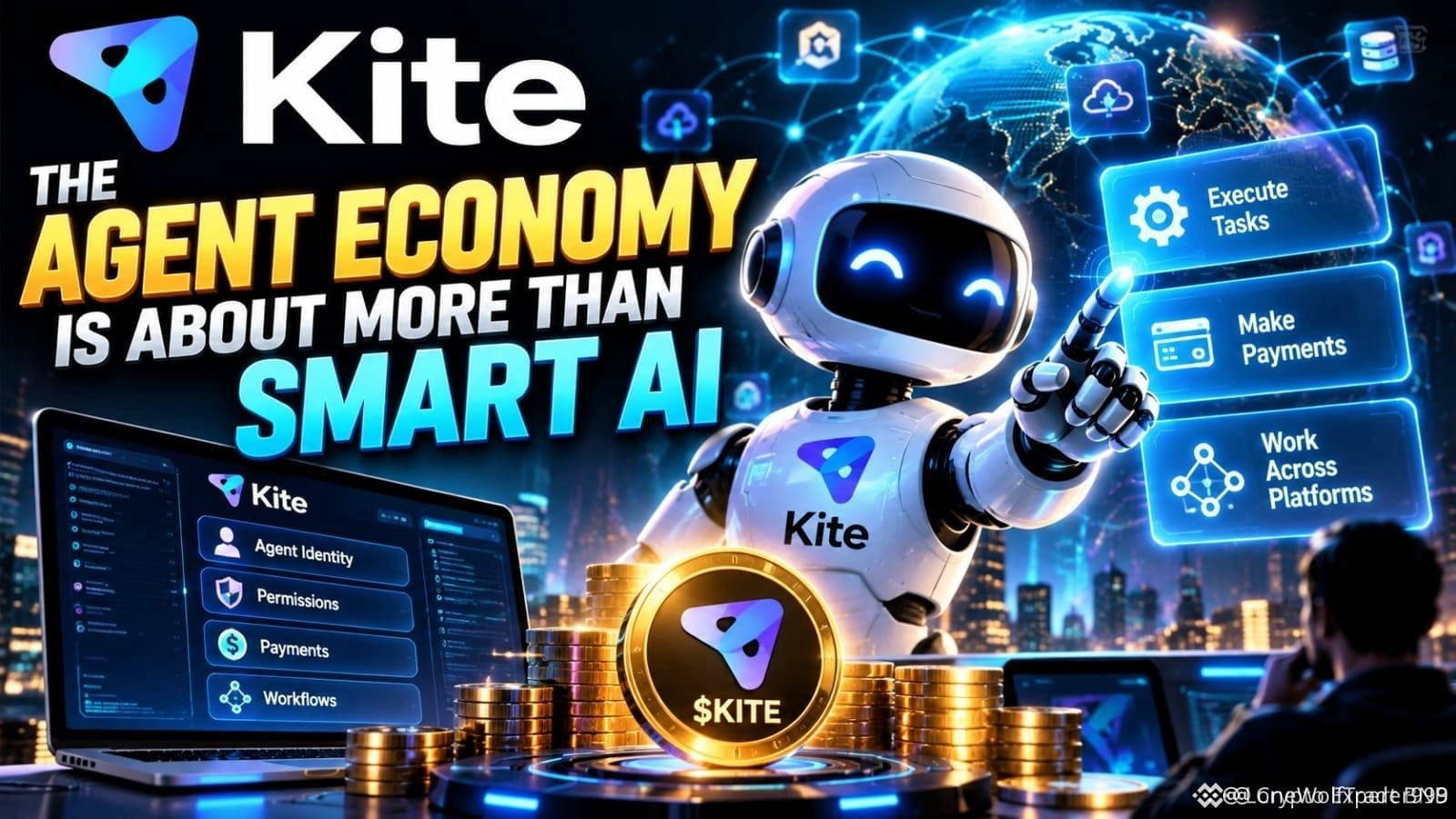
⚡ 自律型エージェント革命の鍵を握るのは$KITE インフラ 💡
賢明な投資家たちは、AIをめぐる物語が単純なチャットボットから、資本取引を実行する自律型の経済エージェントへと移り変わる様子に注目しています。アルゴリズムが独自に資金を運用し、サービスを雇うようになれば、検証可能な安全策こそが最大の価値を持つようになります。💡
そこで$KITE がまさに脚光を浴びます。🔍 委任型決済アーキテクチャと並行して、エージェント固有のアイデンティティを構築することで、ユーザーの管理権を損なうことなく、真のマシン間取引が実現します。⚡
🤔 エージェント経済の次の段階を支えるのは何だと思いますか?検証可能な信頼の基盤、プログラム可能な決済、それともモデル自体の純粋な知能?👇
⚠️ 金融アドバイスではありません。常にリスクを管理してください。🛡️
🏷️ #KITE #AIAgents #CryptoInfrastructure #Web3AI
⚡ 💎
⚡ 自律型エージェント革命の鍵を握るのは$KITE インフラ 💡
賢明な投資家たちは、AIをめぐる物語が単純なチャットボットから、資本取引を実行する自律型の経済エージェントへと移り変わる様子に注目しています。アルゴリズムが独自に資金を運用し、サービスを雇うようになれば、検証可能な安全策こそが最大の価値を持つようになります。💡
そこで$KITE がまさに脚光を浴びます。🔍 委任型決済アーキテクチャと並行して、エージェント固有のアイデンティティを構築することで、ユーザーの管理権を損なうことなく、真のマシン間取引が実現します。⚡
🤔 エージェント経済の次の段階を支えるのは何だと思いますか?検証可能な信頼の基盤、プログラム可能な決済、それともモデル自体の純粋な知能?👇
⚠️ 金融アドバイスではありません。常にリスクを管理してください。🛡️
🏷️ #KITE #AIAgents #CryptoInfrastructure #Web3AI
⚡ 💎
賢明な投資家たちは、AIをめぐる物語が単純なチャットボットから、資本取引を実行する自律型の経済エージェントへと移り変わる様子に注目しています。アルゴリズムが独自に資金を運用し、サービスを雇うようになれば、検証可能な安全策こそが最大の価値を持つようになります。💡
そこで$KITE がまさに脚光を浴びます。🔍 委任型決済アーキテクチャと並行して、エージェント固有のアイデンティティを構築することで、ユーザーの管理権を損なうことなく、真のマシン間取引が実現します。⚡
🤔 エージェント経済の次の段階を支えるのは何だと思いますか?検証可能な信頼の基盤、プログラム可能な決済、それともモデル自体の純粋な知能?👇
⚠️ 金融アドバイスではありません。常にリスクを管理してください。🛡️
🏷️ #KITE #AIAgents #CryptoInfrastructure #Web3AI
⚡ 💎
4
·
--
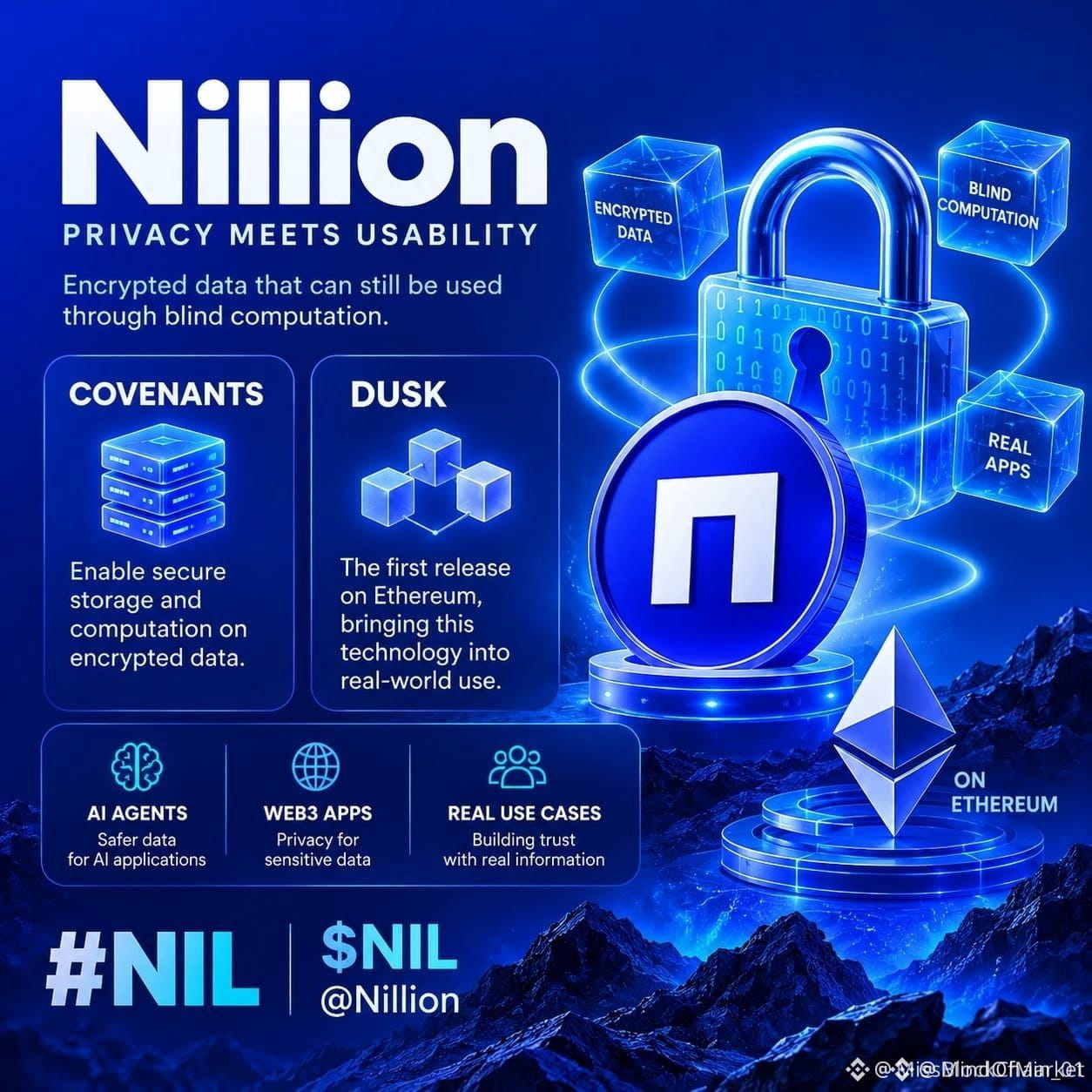
🦈 機関投資家向けインフラとブラインド計算の融合:$NIL が構造的な精査に値する理由 🔍
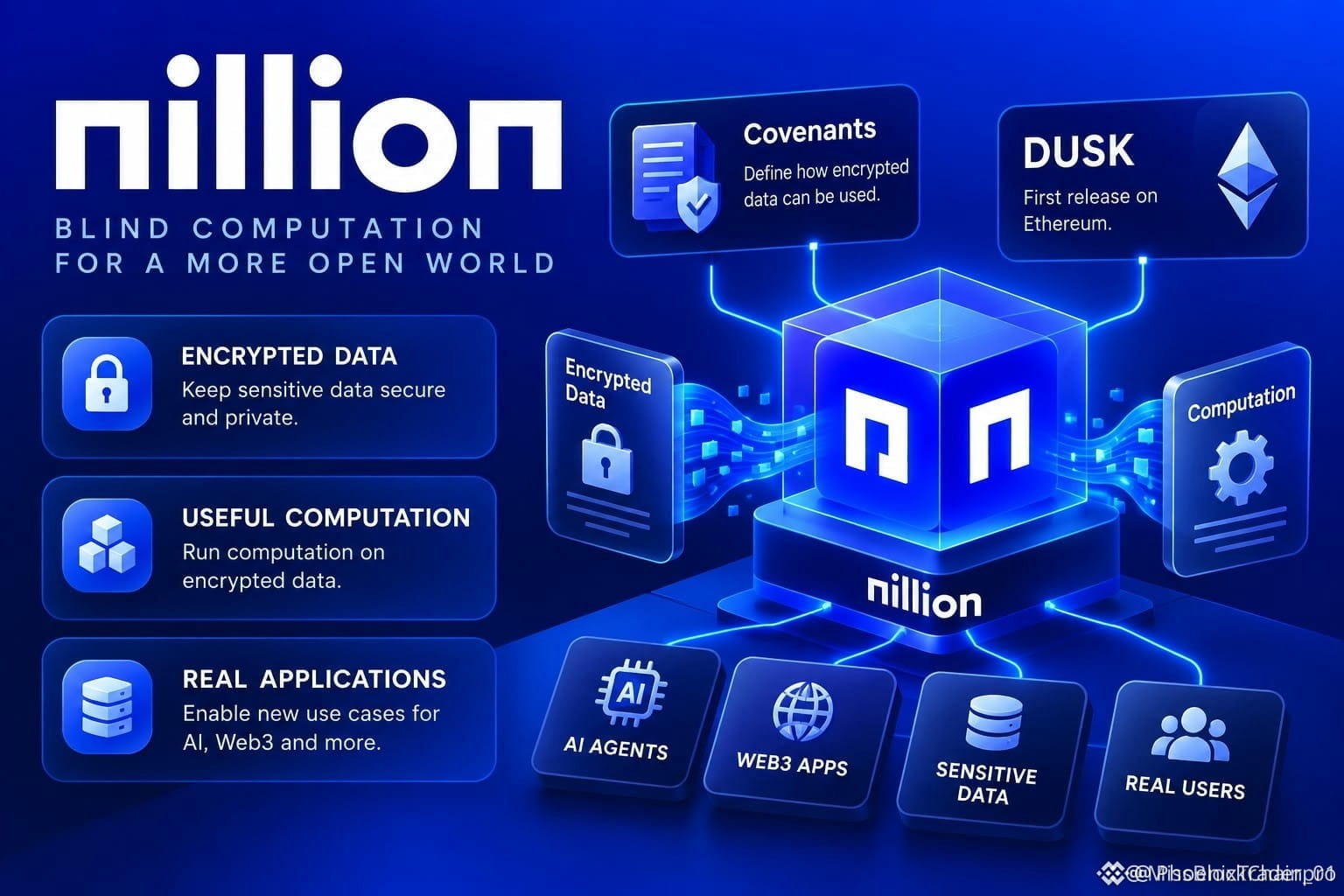
個人投資家が一時的な価格ノイズを追いかける一方で、スマートマネーは$NIL を取り巻く、静かに進展するインフラ基盤に注目しています。🔍 Ethereum上でCovenantsとDUSKが統合されることで、実用的なブラインド計算が可能になり、機密性の高いWeb3データや自律型AIエージェントに対する、真の機関投資家向けユースケースが実現します。
未確認の勢いを先回りして追うのではなく、持続的な構造的再評価は、開発者の取り組みと目に見えるネットワークの実用性によって生み出されます。📊 資本の蓄積は、より広い市場がファンダメンタルズに基づく注文フローを認識するずっと前から、一貫して起きています。
🤔 群衆に先んじてプロトコルの価値を見極めていますか?それとも、変化を裏付ける遅れて流入する流動性を待っていますか? 👇
⚠️ これは金融アドバイスではありません。常にリスクを管理してください。🛡️
🏷️ #NIL #SmartMoney #CryptoInfrastructure #Web3AI
🎯 🦈
🦈 機関投資家向けインフラとブラインド計算の融合:$NIL が構造的な精査に値する理由 🔍
個人投資家が一時的な価格ノイズを追いかける一方で、スマートマネーは$NIL を取り巻く、静かに進展するインフラ基盤に注目しています。🔍 Ethereum上でCovenantsとDUSKが統合されることで、実用的なブラインド計算が可能になり、機密性の高いWeb3データや自律型AIエージェントに対する、真の機関投資家向けユースケースが実現します。
未確認の勢いを先回りして追うのではなく、持続的な構造的再評価は、開発者の取り組みと目に見えるネットワークの実用性によって生み出されます。📊 資本の蓄積は、より広い市場がファンダメンタルズに基づく注文フローを認識するずっと前から、一貫して起きています。
🤔 群衆に先んじてプロトコルの価値を見極めていますか?それとも、変化を裏付ける遅れて流入する流動性を待っていますか? 👇
⚠️ これは金融アドバイスではありません。常にリスクを管理してください。🛡️
🏷️ #NIL #SmartMoney #CryptoInfrastructure #Web3AI
🎯 🦈
個人投資家が一時的な価格ノイズを追いかける一方で、スマートマネーは$NIL を取り巻く、静かに進展するインフラ基盤に注目しています。🔍 Ethereum上でCovenantsとDUSKが統合されることで、実用的なブラインド計算が可能になり、機密性の高いWeb3データや自律型AIエージェントに対する、真の機関投資家向けユースケースが実現します。
未確認の勢いを先回りして追うのではなく、持続的な構造的再評価は、開発者の取り組みと目に見えるネットワークの実用性によって生み出されます。📊 資本の蓄積は、より広い市場がファンダメンタルズに基づく注文フローを認識するずっと前から、一貫して起きています。
🤔 群衆に先んじてプロトコルの価値を見極めていますか?それとも、変化を裏付ける遅れて流入する流動性を待っていますか? 👇
⚠️ これは金融アドバイスではありません。常にリスクを管理してください。🛡️
🏷️ #NIL #SmartMoney #CryptoInfrastructure #Web3AI
🎯 🦈
16
·
--
すべての主要な入出金ネットワークは正常に稼働しています — $BTC、$ETH、$USDT、$BNB、$SOL など。
この信頼性は、Binanceが築き上げてきたものの中核です。単なる取引所ではなく、暗号資産を大規模に支えるインフラです。
最も厚い流動性と価格発見機能(1日あたり数十億ドルの取引高、2025年の累計取引額は34兆ドル超)
3億人以上のユーザーに、安全な資産管理と規制に準拠した決済ネットワークを提供
BNB Chain、Binance Wallet、決済インフラを通じたシームレスなCeDeFiへのアクセス
価値を安全に移動できるよう、ネットワークのアップグレードを継続的にサポート
インフラは華やかではありません。しかし、市場の流動性、資産の安全性、そしてエコシステムの24時間365日の稼働を支えています。
リアルタイムの稼働状況を確認: binance.com/en/network
#Binance #BNB #CryptoInfrastructure
すべての主要な入出金ネットワークは正常に稼働しています — $BTC、$ETH、$USDT、$BNB、$SOL など。
この信頼性は、Binanceが築き上げてきたものの中核です。単なる取引所ではなく、暗号資産を大規模に支えるインフラです。
最も厚い流動性と価格発見機能(1日あたり数十億ドルの取引高、2025年の累計取引額は34兆ドル超)
3億人以上のユーザーに、安全な資産管理と規制に準拠した決済ネットワークを提供
BNB Chain、Binance Wallet、決済インフラを通じたシームレスなCeDeFiへのアクセス
価値を安全に移動できるよう、ネットワークのアップグレードを継続的にサポート
インフラは華やかではありません。しかし、市場の流動性、資産の安全性、そしてエコシステムの24時間365日の稼働を支えています。
リアルタイムの稼働状況を確認: binance.com/en/network
#Binance #BNB #CryptoInfrastructure
この信頼性は、Binanceが築き上げてきたものの中核です。単なる取引所ではなく、暗号資産を大規模に支えるインフラです。
最も厚い流動性と価格発見機能(1日あたり数十億ドルの取引高、2025年の累計取引額は34兆ドル超)
3億人以上のユーザーに、安全な資産管理と規制に準拠した決済ネットワークを提供
BNB Chain、Binance Wallet、決済インフラを通じたシームレスなCeDeFiへのアクセス
価値を安全に移動できるよう、ネットワークのアップグレードを継続的にサポート
インフラは華やかではありません。しかし、市場の流動性、資産の安全性、そしてエコシステムの24時間365日の稼働を支えています。
リアルタイムの稼働状況を確認: binance.com/en/network
#Binance #BNB #CryptoInfrastructure
1
82
⚡ $NIL がイーサリアムにブラインド計算をもたらす!DUSKがオンチェーンの高度な実用性を解き放つ! 🦈
群衆が一時的なローソク足を追いかける一方で、賢明な資本はWeb3最大のボトルネック、つまり暗号化された高価値データをオンチェーンで扱う課題を解決するインフラに注目しています。🌊 DUSKがイーサリアムのエコシステムに直接導入されることで、ブラインド計算はホワイトペーパーの中だけの構想から、実際の運用へと進みます。💡
本当の試金石は短期的な値動きではなく、開発者がこのプライバシー技術を本番環境向けアプリケーションの基盤に据えるかどうかです。🔍 プライバシーを保護する計算が理論から開発者による実際の採用へと移行すれば、歴史的に見て、注文フローは真の構造的需要に続いてきました。💬 ブラインド計算はイーサリアムの次なる主要テーマとなるのでしょうか?それとも市場はこのインフラの変化を見過ごしているのでしょうか?👇
⚠️ 金融アドバイスではありません。常にリスクを管理してください。🛡️
🏷️ #NIL #Ethereum #Web3 #CryptoInfrastructure
🎯 🦈
⚡ $NIL がイーサリアムにブラインド計算をもたらす!DUSKがオンチェーンの高度な実用性を解き放つ! 🦈
群衆が一時的なローソク足を追いかける一方で、賢明な資本はWeb3最大のボトルネック、つまり暗号化された高価値データをオンチェーンで扱う課題を解決するインフラに注目しています。🌊 DUSKがイーサリアムのエコシステムに直接導入されることで、ブラインド計算はホワイトペーパーの中だけの構想から、実際の運用へと進みます。💡
本当の試金石は短期的な値動きではなく、開発者がこのプライバシー技術を本番環境向けアプリケーションの基盤に据えるかどうかです。🔍 プライバシーを保護する計算が理論から開発者による実際の採用へと移行すれば、歴史的に見て、注文フローは真の構造的需要に続いてきました。💬 ブラインド計算はイーサリアムの次なる主要テーマとなるのでしょうか?それとも市場はこのインフラの変化を見過ごしているのでしょうか?👇
⚠️ 金融アドバイスではありません。常にリスクを管理してください。🛡️
🏷️ #NIL #Ethereum #Web3 #CryptoInfrastructure
🎯 🦈
群衆が一時的なローソク足を追いかける一方で、賢明な資本はWeb3最大のボトルネック、つまり暗号化された高価値データをオンチェーンで扱う課題を解決するインフラに注目しています。🌊 DUSKがイーサリアムのエコシステムに直接導入されることで、ブラインド計算はホワイトペーパーの中だけの構想から、実際の運用へと進みます。💡
本当の試金石は短期的な値動きではなく、開発者がこのプライバシー技術を本番環境向けアプリケーションの基盤に据えるかどうかです。🔍 プライバシーを保護する計算が理論から開発者による実際の採用へと移行すれば、歴史的に見て、注文フローは真の構造的需要に続いてきました。💬 ブラインド計算はイーサリアムの次なる主要テーマとなるのでしょうか?それとも市場はこのインフラの変化を見過ごしているのでしょうか?👇
⚠️ 金融アドバイスではありません。常にリスクを管理してください。🛡️
🏷️ #NIL #Ethereum #Web3 #CryptoInfrastructure
🎯 🦈
8

·
--
$XPL & $XRP $ETH : 決済インフラを研究する3つの方法
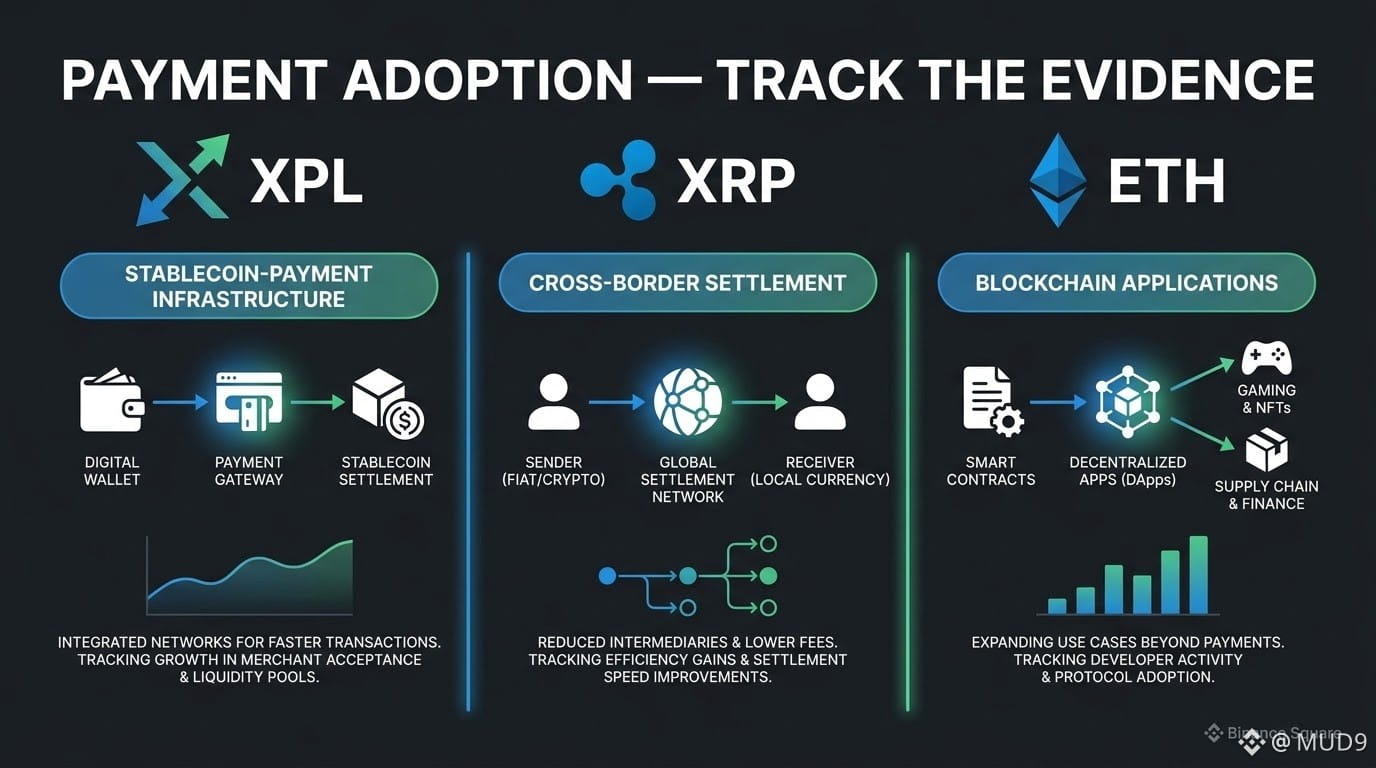
XPLは、報じられているステーブルコイン決済の動向をめぐり注目を集めています。XRPは国境を越えた決済の文脈でよく議論される一方、Ethereumは幅広いステーブルコインや分散型アプリケーションのエコシステムを支えています。
これらは、トークンエコノミクスも異なる別々のプロジェクトです。テクノロジーをめぐる見方の強さと、トークンへの直接的な需要を示す証拠を区別し、発表をうのみにする前に内容を確認しましょう。
長期的に最も有望だと思う決済インフラのモデルはどれですか?
#XPL #XRP #Ethereum #StablecoinPayments #CryptoInfrastructure #BinanceSquareTalk s
{spot}(XRPUSDT)
{spot}(ETHUSDT)
{spot}(XPLUSDT)
$XPL & $XRP $ETH : 決済インフラを研究する3つの方法
XPLは、報じられているステーブルコイン決済の動向をめぐり注目を集めています。XRPは国境を越えた決済の文脈でよく議論される一方、Ethereumは幅広いステーブルコインや分散型アプリケーションのエコシステムを支えています。
これらは、トークンエコノミクスも異なる別々のプロジェクトです。テクノロジーをめぐる見方の強さと、トークンへの直接的な需要を示す証拠を区別し、発表をうのみにする前に内容を確認しましょう。
長期的に最も有望だと思う決済インフラのモデルはどれですか?
#XPL #XRP #Ethereum #StablecoinPayments #CryptoInfrastructure #BinanceSquareTalk s
XPLは、報じられているステーブルコイン決済の動向をめぐり注目を集めています。XRPは国境を越えた決済の文脈でよく議論される一方、Ethereumは幅広いステーブルコインや分散型アプリケーションのエコシステムを支えています。
これらは、トークンエコノミクスも異なる別々のプロジェクトです。テクノロジーをめぐる見方の強さと、トークンへの直接的な需要を示す証拠を区別し、発表をうのみにする前に内容を確認しましょう。
長期的に最も有望だと思う決済インフラのモデルはどれですか?
#XPL #XRP #Ethereum #StablecoinPayments #CryptoInfrastructure #BinanceSquareTalk s
1
76

大口投資家は、将来のハードウェアによる解読の脅威に備えるため、暗号資産業界の大手9社が「Quantum Alliance」を結成したことを受け、世代を超えるインフラの転換を静かに織り込みつつあります。Googleが最近発表したWillowチップの画期的な成果により、脆弱な初期ウォレットに現在保管されている640万枚の旧式コインをめぐる緊急性が一気に高まり、各運用チームは$BTCの長期リスクモデルを見直さざるを得なくなっています。現物市場の流動性は引き続き、より広範なマクロ要因による資金フローに吸収される一方、パニック売りと機関投資家による着実な買い集めのどちらが主導権を握るのかを見極めるため、65,000 USDTの重要な構造的サポートと、69,000 USDT付近の上値抵抗に注目しましょう。62,500 USDTの無効化水準を下回れば、短期的な積極的ヘッジが確認されるでしょう。こうした量子技術の節目を前にコールドストレージの保有リスクを減らしていますか?それとも、アライアンス結成のニュースを単なるノイズと捉えていますか?
$BTC $SOL $BNB
#QuantumAlliance #BitcoinSecurity #CryptoInfrastructure #DerivativesFlow
大口投資家は、将来のハードウェアによる解読の脅威に備えるため、暗号資産業界の大手9社が「Quantum Alliance」を結成したことを受け、世代を超えるインフラの転換を静かに織り込みつつあります。Googleが最近発表したWillowチップの画期的な成果により、脆弱な初期ウォレットに現在保管されている640万枚の旧式コインをめぐる緊急性が一気に高まり、各運用チームは$BTC の長期リスクモデルを見直さざるを得なくなっています。現物市場の流動性は引き続き、より広範なマクロ要因による資金フローに吸収される一方、パニック売りと機関投資家による着実な買い集めのどちらが主導権を握るのかを見極めるため、65,000 USDTの重要な構造的サポートと、69,000 USDT付近の上値抵抗に注目しましょう。62,500 USDTの無効化水準を下回れば、短期的な積極的ヘッジが確認されるでしょう。こうした量子技術の節目を前にコールドストレージの保有リスクを減らしていますか?それとも、アライアンス結成のニュースを単なるノイズと捉えていますか?
$BTC $SOL $BNB
#QuantumAlliance #BitcoinSecurity #CryptoInfrastructure #DerivativesFlow
$BTC $SOL $BNB
#QuantumAlliance #BitcoinSecurity #CryptoInfrastructure #DerivativesFlow
55
·
--
Binanceのインフラは安定して稼働しています。✅
現物、先物、オプション、コアシステムはすべて正常に稼働しています。
BNB Smart Chainは引き続き、高いスループット、低い手数料、迅速なファイナリティを実現し、DeFi、決済などを支えています。
ネットワークのアップグレードを定期的にサポートし、高い可用性を維持しているため、24時間365日、安心して取引や送金を行えます。
最新のお知らせとルートのステータスはこちら:[お知らせまたはサポートへのリンク]
あらゆる金融を、Binanceで。🔶
#Binance #BNB #BNBChain #CryptoInfrastructure
Binanceのインフラは安定して稼働しています。✅
現物、先物、オプション、コアシステムはすべて正常に稼働しています。
BNB Smart Chainは引き続き、高いスループット、低い手数料、迅速なファイナリティを実現し、DeFi、決済などを支えています。
ネットワークのアップグレードを定期的にサポートし、高い可用性を維持しているため、24時間365日、安心して取引や送金を行えます。
最新のお知らせとルートのステータスはこちら:[お知らせまたはサポートへのリンク]
あらゆる金融を、Binanceで。🔶
#Binance #BNB #BNBChain #CryptoInfrastructure
現物、先物、オプション、コアシステムはすべて正常に稼働しています。
BNB Smart Chainは引き続き、高いスループット、低い手数料、迅速なファイナリティを実現し、DeFi、決済などを支えています。
ネットワークのアップグレードを定期的にサポートし、高い可用性を維持しているため、24時間365日、安心して取引や送金を行えます。
最新のお知らせとルートのステータスはこちら:[お知らせまたはサポートへのリンク]
あらゆる金融を、Binanceで。🔶
#Binance #BNB #BNBChain #CryptoInfrastructure
97

🔥「安い」という理由でSOLを買うのは賭けではありません。次の暗号資産の波を支えるインフラ層への戦略的な投資です。
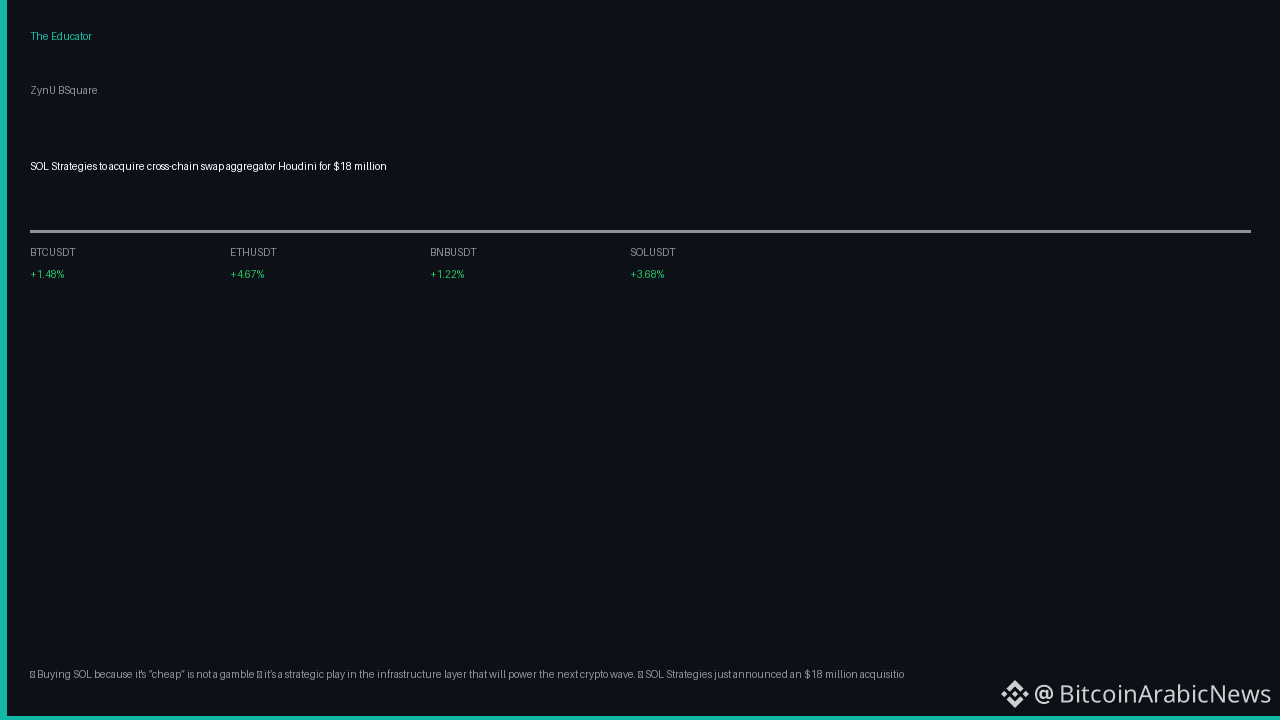
📊 SOL Strategiesは、安定した収益源を確保し、変動の激しい市場サイクルへの依存を減らすため、クロスチェーン・スワップアグリゲーターのHoudiniを1,800万ドルで買収すると発表しました。#Solana #CrossChain
💡 #DeFi のプロジェクトが真の成長エンジンである市場において、この動きは、SOLの強気なMACDゴールデンクロス(106ドル、24時間で+3.68%)や、Solanaを積極的に買っているRIZO、FTR、PUMPのようなスマートウォレットのオンチェーン活動とも合致しています。BTCとETHの先物ファンディングレートが引き続きプラス(+0.0025%および+0.0038%)で、市場全体のセンチメントが「強欲」63を示すなか、価格変動に左右されずキャッシュフローを生み出せる、実用性重視の資産に資金が集まっています。#CryptoInfrastructure
✅ 実践的なポイント:今のうちに分散投資のコア配分にSOLを加え、台頭するアグリゲーターでのステーキングや流動性提供も検討しましょう。これらのポジションは、価格上昇の恩恵に加え、Houdini統合による今後の手数料収入からも利益を得られるでしょう。
❓ SOLやクロスチェーン・アグリゲーターのようなインフラ関連銘柄には、どのような戦略で投資していますか?買って保有する、ステーキングする、それともさらにデータが出るのを待つ?
🔥「安い」という理由でSOLを買うのは賭けではありません。次の暗号資産の波を支えるインフラ層への戦略的な投資です。
📊 SOL Strategiesは、安定した収益源を確保し、変動の激しい市場サイクルへの依存を減らすため、クロスチェーン・スワップアグリゲーターのHoudiniを1,800万ドルで買収すると発表しました。#Solana #CrossChain
💡 #DeFi のプロジェクトが真の成長エンジンである市場において、この動きは、SOLの強気なMACDゴールデンクロス(106ドル、24時間で+3.68%)や、Solanaを積極的に買っているRIZO、FTR、PUMPのようなスマートウォレットのオンチェーン活動とも合致しています。BTCとETHの先物ファンディングレートが引き続きプラス(+0.0025%および+0.0038%)で、市場全体のセンチメントが「強欲」63を示すなか、価格変動に左右されずキャッシュフローを生み出せる、実用性重視の資産に資金が集まっています。#CryptoInfrastructure
✅ 実践的なポイント:今のうちに分散投資のコア配分にSOLを加え、台頭するアグリゲーターでのステーキングや流動性提供も検討しましょう。これらのポジションは、価格上昇の恩恵に加え、Houdini統合による今後の手数料収入からも利益を得られるでしょう。
❓ SOLやクロスチェーン・アグリゲーターのようなインフラ関連銘柄には、どのような戦略で投資していますか?買って保有する、ステーキングする、それともさらにデータが出るのを待つ?
📊 SOL Strategiesは、安定した収益源を確保し、変動の激しい市場サイクルへの依存を減らすため、クロスチェーン・スワップアグリゲーターのHoudiniを1,800万ドルで買収すると発表しました。#Solana #CrossChain
💡 #DeFi のプロジェクトが真の成長エンジンである市場において、この動きは、SOLの強気なMACDゴールデンクロス(106ドル、24時間で+3.68%)や、Solanaを積極的に買っているRIZO、FTR、PUMPのようなスマートウォレットのオンチェーン活動とも合致しています。BTCとETHの先物ファンディングレートが引き続きプラス(+0.0025%および+0.0038%)で、市場全体のセンチメントが「強欲」63を示すなか、価格変動に左右されずキャッシュフローを生み出せる、実用性重視の資産に資金が集まっています。#CryptoInfrastructure
✅ 実践的なポイント:今のうちに分散投資のコア配分にSOLを加え、台頭するアグリゲーターでのステーキングや流動性提供も検討しましょう。これらのポジションは、価格上昇の恩恵に加え、Houdini統合による今後の手数料収入からも利益を得られるでしょう。
❓ SOLやクロスチェーン・アグリゲーターのようなインフラ関連銘柄には、どのような戦略で投資していますか?買って保有する、ステーキングする、それともさらにデータが出るのを待つ?
27

⚡ $NIL がイーサリアム上でブラインド計算を実現、セキュアなAIインフラが登場! 🦈
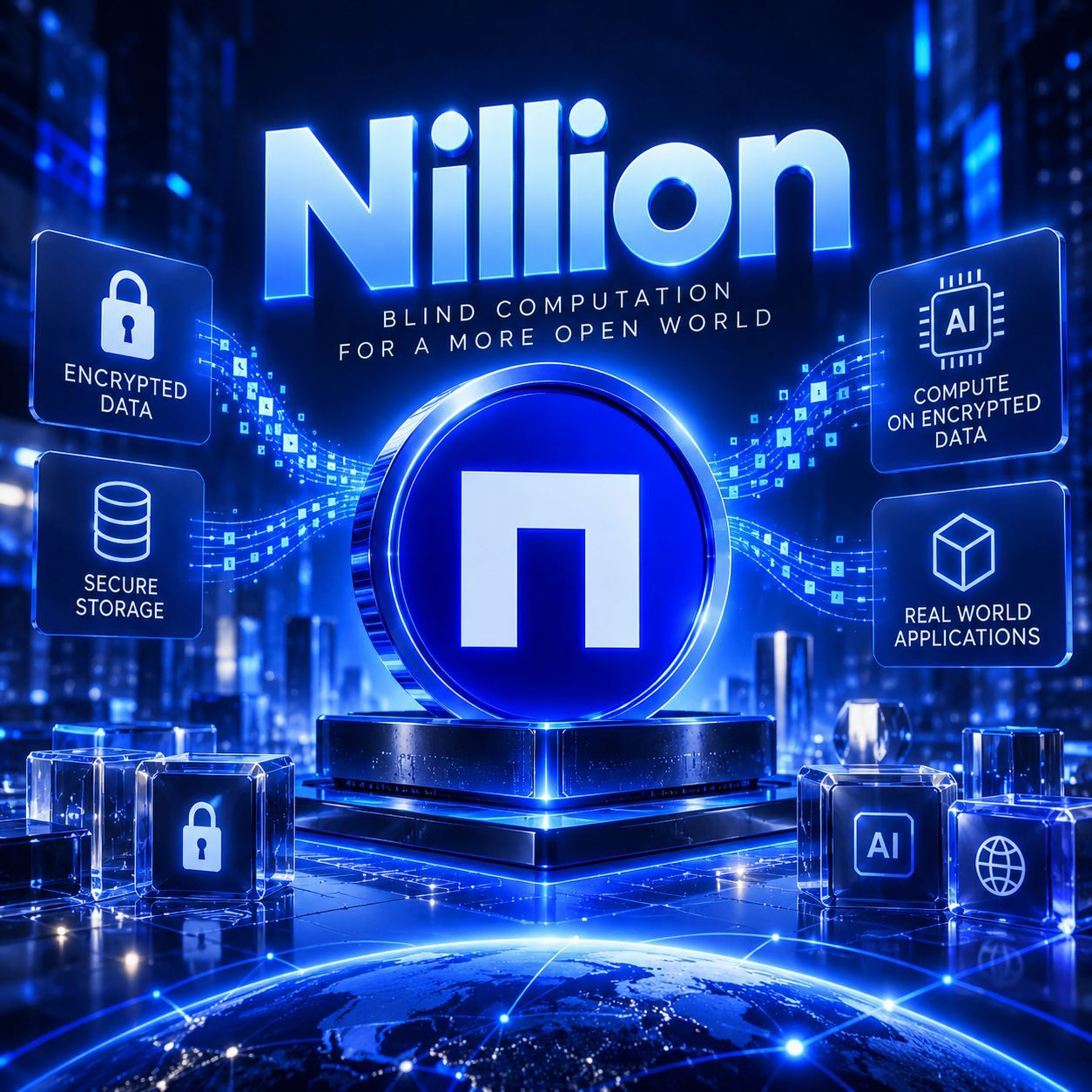
表面的なプライバシー対策が基本的な取引データの保護にとどまるなか、$NIL は暗号化コンピューティングによって、はるかに大きなフロンティアに挑んでいます。💡 DUSKがイーサリアム上で稼働を開始したことで、自律型AIエージェントや機密性の高いプロトコルが、本番環境で保護されたデータをシームレスに処理できるのか、市場にとって初めての本格的な試金石となります。
🔍 洞察力のある市場参加者は、一時的なノイズを無視し、開発者が手放せない堅牢なインフラだけに注目します。⚡ ブラインド計算が高セキュリティなWeb3アプリケーションの基盤レイヤーになれば、ここで生まれる構造的な価値の獲得は、通常のモメンタム投資を大きく上回るものとなるでしょう。
🤔 暗号化コンピューティングは分散型AIエージェントの基盤となるのでしょうか。それとも市場はこの変化を見過ごしているのでしょうか? 👇
⚠️ 金融アドバイスではありません。常にリスク管理を徹底してください。 🛡️
🏷️ #NIL #Web3AI #CryptoInfrastructure #Altcoins
🎯 💎
⚡ $NIL がイーサリアム上でブラインド計算を実現、セキュアなAIインフラが登場! 🦈
表面的なプライバシー対策が基本的な取引データの保護にとどまるなか、$NIL は暗号化コンピューティングによって、はるかに大きなフロンティアに挑んでいます。💡 DUSKがイーサリアム上で稼働を開始したことで、自律型AIエージェントや機密性の高いプロトコルが、本番環境で保護されたデータをシームレスに処理できるのか、市場にとって初めての本格的な試金石となります。
🔍 洞察力のある市場参加者は、一時的なノイズを無視し、開発者が手放せない堅牢なインフラだけに注目します。⚡ ブラインド計算が高セキュリティなWeb3アプリケーションの基盤レイヤーになれば、ここで生まれる構造的な価値の獲得は、通常のモメンタム投資を大きく上回るものとなるでしょう。
🤔 暗号化コンピューティングは分散型AIエージェントの基盤となるのでしょうか。それとも市場はこの変化を見過ごしているのでしょうか? 👇
⚠️ 金融アドバイスではありません。常にリスク管理を徹底してください。 🛡️
🏷️ #NIL #Web3AI #CryptoInfrastructure #Altcoins
🎯 💎
表面的なプライバシー対策が基本的な取引データの保護にとどまるなか、$NIL は暗号化コンピューティングによって、はるかに大きなフロンティアに挑んでいます。💡 DUSKがイーサリアム上で稼働を開始したことで、自律型AIエージェントや機密性の高いプロトコルが、本番環境で保護されたデータをシームレスに処理できるのか、市場にとって初めての本格的な試金石となります。
🔍 洞察力のある市場参加者は、一時的なノイズを無視し、開発者が手放せない堅牢なインフラだけに注目します。⚡ ブラインド計算が高セキュリティなWeb3アプリケーションの基盤レイヤーになれば、ここで生まれる構造的な価値の獲得は、通常のモメンタム投資を大きく上回るものとなるでしょう。
🤔 暗号化コンピューティングは分散型AIエージェントの基盤となるのでしょうか。それとも市場はこの変化を見過ごしているのでしょうか? 👇
⚠️ 金融アドバイスではありません。常にリスク管理を徹底してください。 🛡️
🏷️ #NIL #Web3AI #CryptoInfrastructure #Altcoins
🎯 💎
15
ログインして、さらにコンテンツを読む
厳選トピックで世界の暗号資産トレーダーの仲間入り
⚡️ 暗号資産に関する最新かつ有益な情報が見つかります。
💬 世界最大の暗号資産取引所から信頼されています。
👍 認証を受けたクリエイターから、有益なインサイトを得られます。
メール / 電話番号
トレンドトピック
1
#BinancePick
閲覧回数 3M
152,117人が討論中
2
#EarningsSeason
閲覧回数 5.2M
25,849人が討論中
3
#AnthropicTTMRevenueGrewAbout1200%
閲覧回数 23,009
356人が討論中
4
#AnthropicS1ExpectedToday
閲覧回数 22,864
304人が討論中
5
#SouthKoreaReportedlyWeighsFourthCryptoTaxDelay
閲覧回数 27,540
428人が討論中
6
#FranklinTempletonFilesForTwoDividendToBitcoinETFs
閲覧回数 36,045
518人が討論中
7
#StrategyMSTRSurpassesNasdaqInMarketCap
閲覧回数 27,283
375人が討論中
8
#CanadaProposesStablecoinRedemptionWithin3BusinessDays
閲覧回数 1,235
35人が討論中
9
#ElectrumWalletBugLetRogueServersStealFunds
閲覧回数 28,761
452人が討論中
10
#ArgentineCourtDismissesLIBRACaseAgainstMilei
閲覧回数 43,558
559人が討論中