

#bricstorm
bricstorm
閲覧回数 1,009
31人が討論中
注目
最新
·
--
$BRICS暗号通貨が規制への期待で米国の環境を背景に最大50%上昇;どれを見よ…
出所: Infomoney #BRICSTORMToTheMoon #BinanceSquareTalks #BRICSTORM #BRICSTORMING
$BRICS 暗号通貨が規制への期待で米国の環境を背景に最大50%上昇;どれを見よ…
出所: Infomoney #BRICSTORMToTheMoon #BinanceSquareTalks #BRICSTORM #BRICSTORMING
出所: Infomoney #BRICSTORMToTheMoon #BinanceSquareTalks #BRICSTORM #BRICSTORMING
1
86
·
--
$BRICS 他のチャートは下落している一方で、$BRICSTORM コミュニティは重力が増していくのをただ見ているだけだ。警告しなかったと言わないでくれ。🚀 #BRICSTORM #Memecoin #Crypto #BRICSTORMToTheMoon #BinanceVietnamSquare
$BRICS 他のチャートは下落している一方で、$BRICSTORM コミュニティは重力が増していくのをただ見ているだけだ。警告しなかったと言わないでくれ。🚀 #BRICSTORM #Memecoin #Crypto #BRICSTORMToTheMoon #BinanceVietnamSquare
1
2
194
·
--
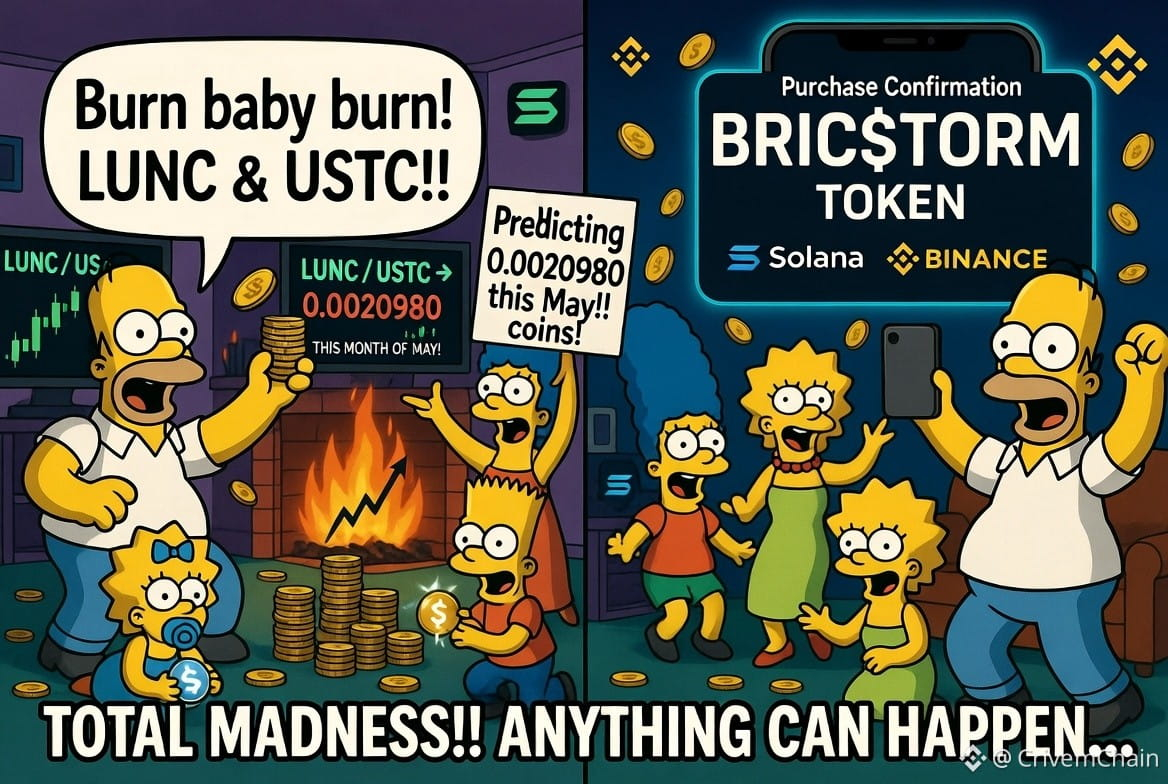
$BRICS これ以上言うことはありません。どこに住みたいかを決めるのはあなた次第です。私はもう選びました... #BRICSNews #BRICSTORMToTheMoon #BinanceVietnamSquare #BRICSTORM
$BRICS これ以上言うことはありません。どこに住みたいかを決めるのはあなた次第です。私はもう選びました... #BRICSNews #BRICSTORMToTheMoon #BinanceVietnamSquare #BRICSTORM
1
125
·
--
翻訳参照
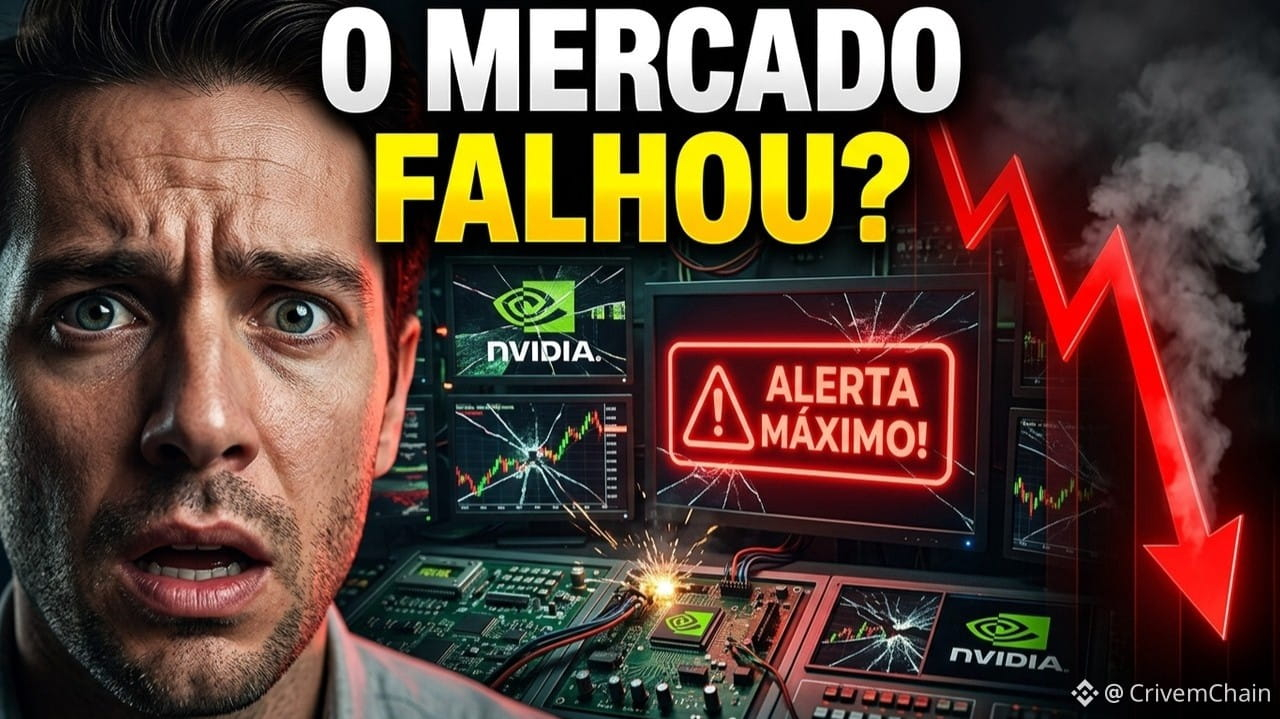
NVIDIA: Por que o mercado está em alerta máximo? #AIStocksWhatNext #BRICS #BRICSTORM #BRICSTORMToTheMoon $NVDAB $BTC
NVIDIA: Por que o mercado está em alerta máximo? #AIStocksWhatNext #BRICS #BRICSTORM #BRICSTORMToTheMoon $NVDAB $BTC
1
2
38
·
--
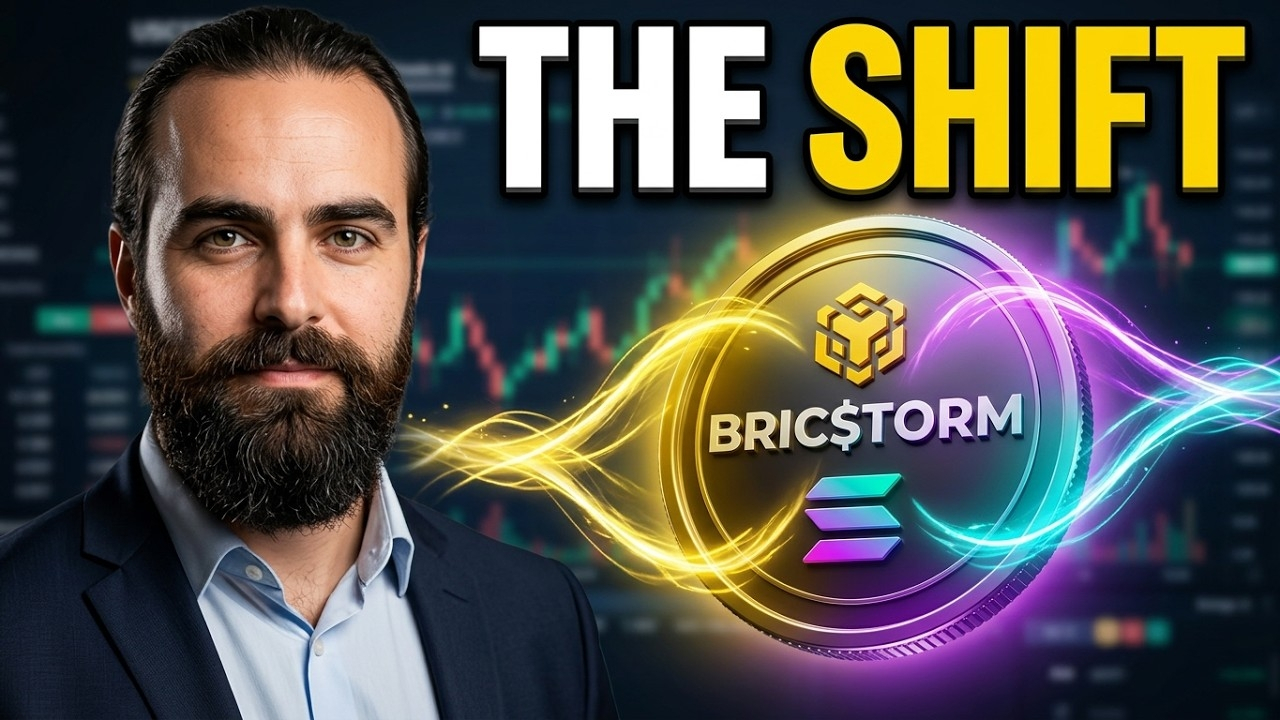
$BRICS 「暗号資産のバブル(ブルマーケット)が進行中だ」と、BitMineがUS$ 75百万ドル相当のEthereumを購入した後、トム・リーが語る
トム・リーは、暗号資産市場はすでに新たな強気サイクルに入ったと述べており、BitMineはEthereumへの賭けをさらに強めている
出所:portal Bitcoin #BRICSTORMToTheMoon #BRICSTORM #BRICSTORMING #BinanceSquareTurkey
$BRICS 「暗号資産のバブル(ブルマーケット)が進行中だ」と、BitMineがUS$ 75百万ドル相当のEthereumを購入した後、トム・リーが語る
トム・リーは、暗号資産市場はすでに新たな強気サイクルに入ったと述べており、BitMineはEthereumへの賭けをさらに強めている
出所:portal Bitcoin #BRICSTORMToTheMoon #BRICSTORM #BRICSTORMING #BinanceSquareTurkey
トム・リーは、暗号資産市場はすでに新たな強気サイクルに入ったと述べており、BitMineはEthereumへの賭けをさらに強めている
出所:portal Bitcoin #BRICSTORMToTheMoon #BRICSTORM #BRICSTORMING #BinanceSquareTurkey
Peixe Boi:
Agora é lua!!!!!!
1
1
3
370

CrivemChain
·
--
$BRICS 「暗号資産のバブル(ブルマーケット)が進行中だ」と、BitMineがUS$ 75百万ドル相当のEthereumを購入した後、トム・リーが語る
トム・リーは、暗号資産市場はすでに新たな強気サイクルに入ったと述べており、BitMineはEthereumへの賭けをさらに強めている
出所:portal Bitcoin #BRICSTORMToTheMoon #BRICSTORM #BRICSTORMING #BinanceSquareTurkey
トム・リーは、暗号資産市場はすでに新たな強気サイクルに入ったと述べており、BitMineはEthereumへの賭けをさらに強めている
出所:portal Bitcoin #BRICSTORMToTheMoon #BRICSTORM #BRICSTORMING #BinanceSquareTurkey
2
71
·
--
1
124
·
--
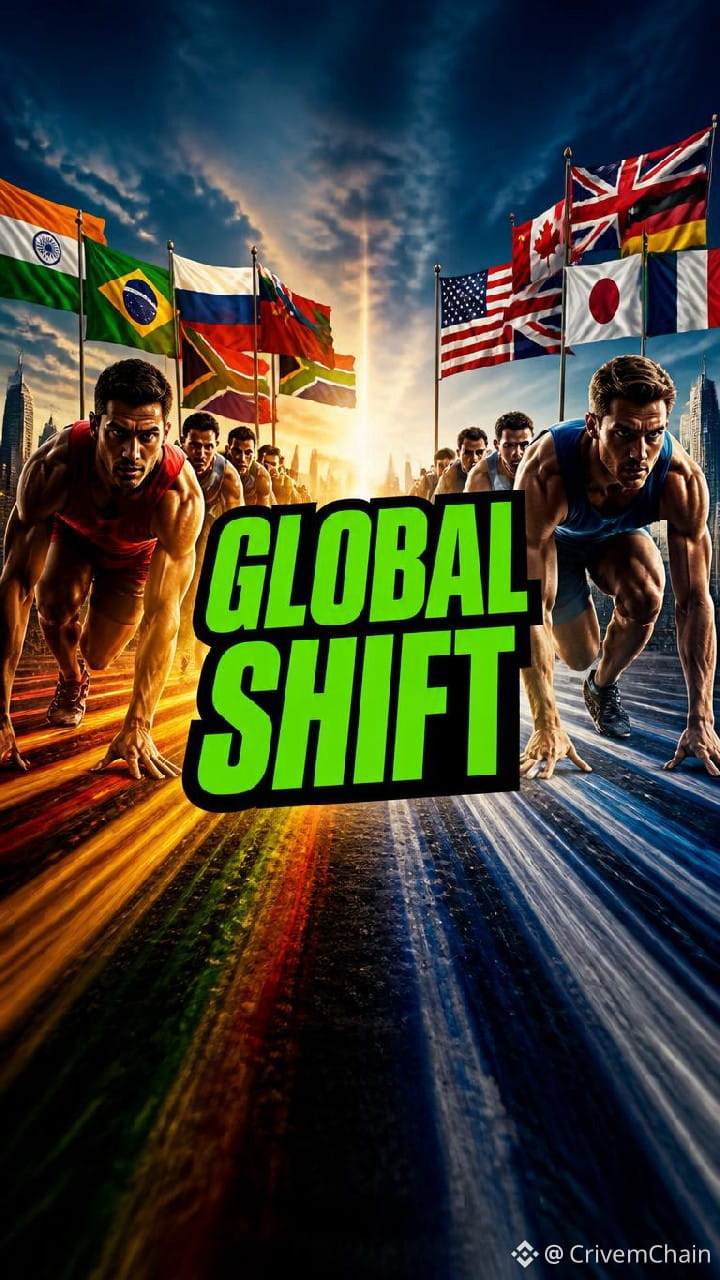
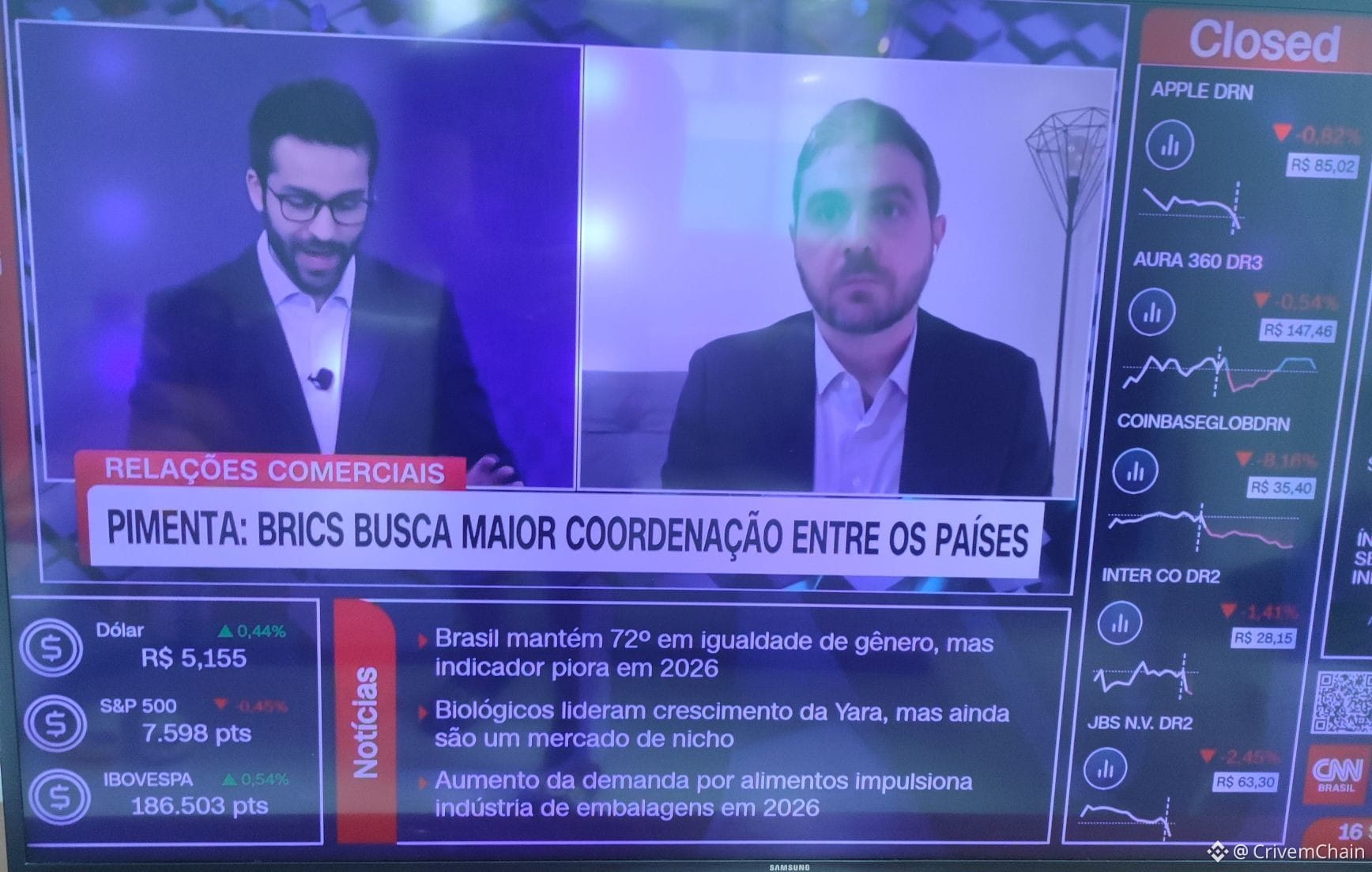
$BRICS もう言うことはありません。どこに住みたいか決めるのは、あなたです。私はすでに、ここWEB3 Walletの中でBRIC$TORMを選びました。#BRICS #BRICSTORMToTheMoon #BRICSTORM #BRICSTORMING #CNNMoney
$BRICS もう言うことはありません。どこに住みたいか決めるのは、あなたです。私はすでに、ここWEB3 Walletの中でBRIC$TORMを選びました。#BRICS #BRICSTORMToTheMoon #BRICSTORM #BRICSTORMING #CNNMoney
1
1
2
134
·
--
BRICStorm ZX1G
·
--
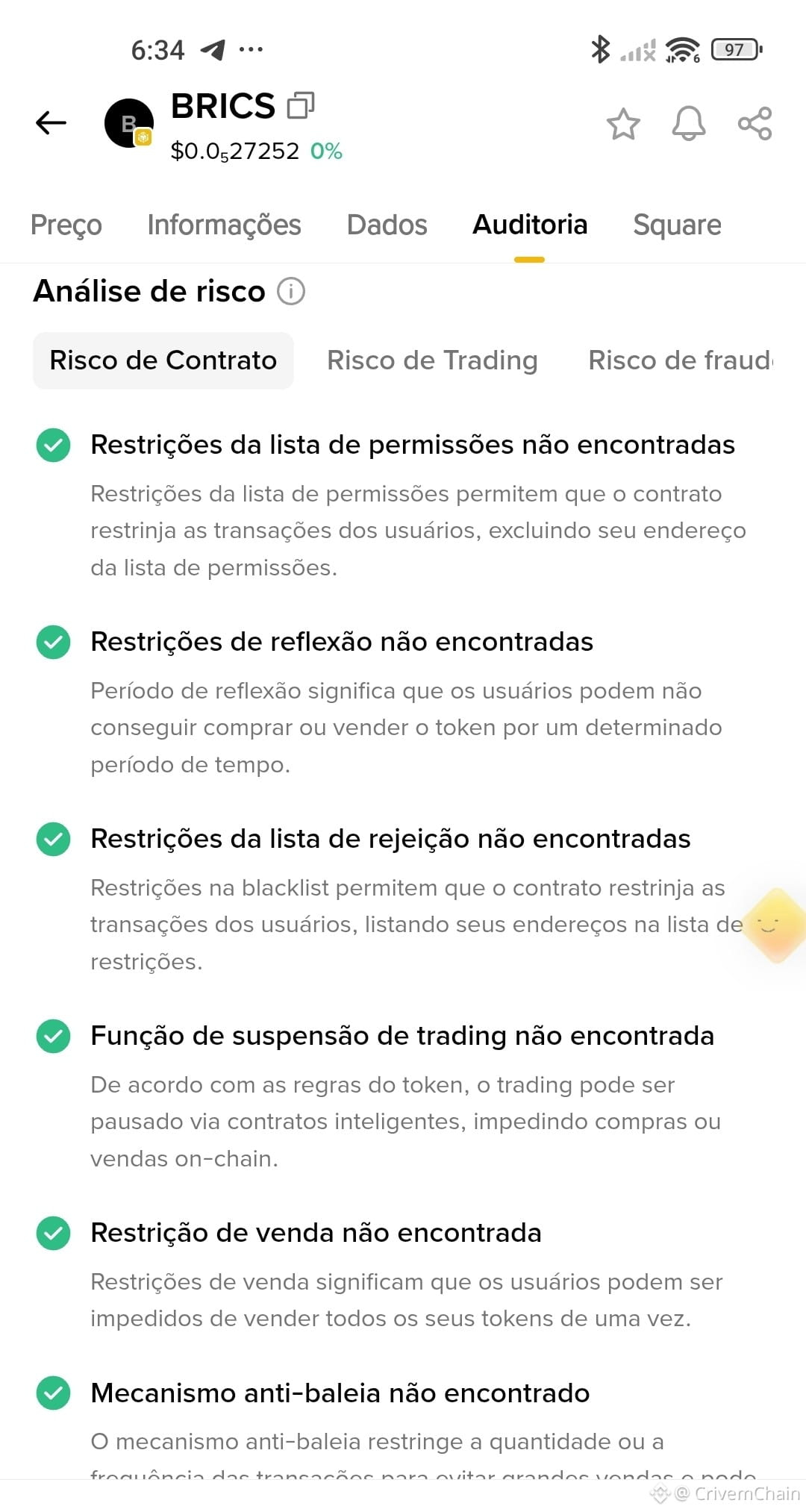
手数料なし、オーナーなし BRIC$TORMの数学的な裏側 🛡️🔥
ミームコイン市場では、セキュリティと透明性がすべてです。個人投資家は、高額な手数料や「ラグプル」のリスクがあるプロジェクトにうんざりしています。だからこそBRIC$TORMは、組み込みのセキュリティで設計されました:
真のマルチチェーン:BSCの流動性とSolanaのスピードに処理を分散。
放棄されたコントラクト:BSCネットワーク上で、コントラクト所有権は100%放棄済み(突然の変更はありません)。
手数料ゼロ:取引において、開発者向けの隠れた割合はありません。
自動バーン:Solanaネットワーク上でPumpによるLPバーンシステム。
最先端テクノロジーと、コミュニティの資本の力を結集。自分でコントラクトを検証したいですか?公式アドレスはコミュニティの公式チャンネルで公開されています。嵐は本物で、安全です。⚡
#Solana #BNBChain #CryptoSecurity #DeFi #BRICSTORMToTheMoon
ミームコイン市場では、セキュリティと透明性がすべてです。個人投資家は、高額な手数料や「ラグプル」のリスクがあるプロジェクトにうんざりしています。だからこそBRIC$TORMは、組み込みのセキュリティで設計されました:
真のマルチチェーン:BSCの流動性とSolanaのスピードに処理を分散。
放棄されたコントラクト:BSCネットワーク上で、コントラクト所有権は100%放棄済み(突然の変更はありません)。
手数料ゼロ:取引において、開発者向けの隠れた割合はありません。
自動バーン:Solanaネットワーク上でPumpによるLPバーンシステム。
最先端テクノロジーと、コミュニティの資本の力を結集。自分でコントラクトを検証したいですか?公式アドレスはコミュニティの公式チャンネルで公開されています。嵐は本物で、安全です。⚡
#Solana #BNBChain #CryptoSecurity #DeFi #BRICSTORMToTheMoon
2
59
CrivemChain
·
--
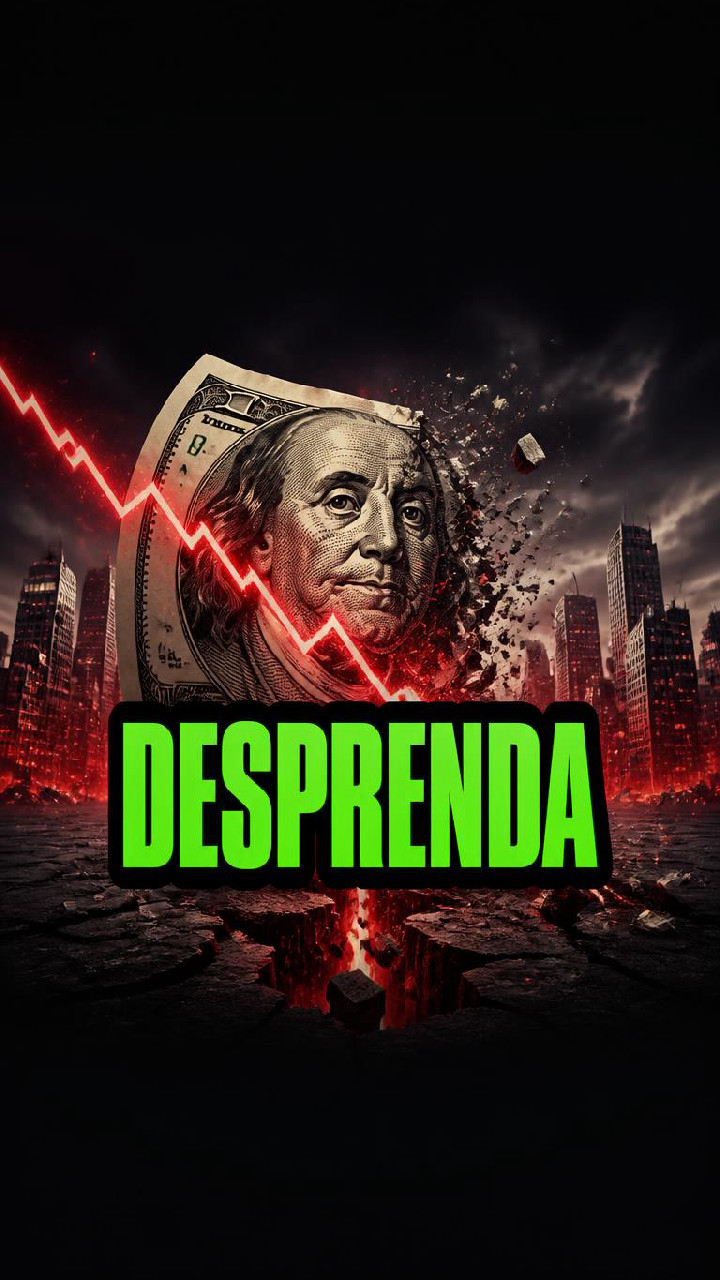
$BRICS さよならドル:BRICSが暗号の採用を加速させる方法 #BRICS #BRICSTORMToTheMoon #crypto
2
10
翻訳参照
CrivemChain
·
--
$BRICS Investing.com - Coinbase GlobalのCEO、ブライアン・アームストロング氏は、ビットコインがすでに現在のサイクルの底を打ったと考えていると述べた。
「ビットコインは4年サイクルを経ます。私は個人的に、このサイクルにおけるビットコインの最安値はすでに見たと思っており、次の半減期イベントが近づくにつれて、今後1〜2年のあいだに価格は上昇し始めるはずです」と、同氏は木曜日(シンガポール)にBloomberg Televisionのインタビューで語った。出典:「Investingのサイト」 #BRICS #BRICSTORMToTheMoon
「ビットコインは4年サイクルを経ます。私は個人的に、このサイクルにおけるビットコインの最安値はすでに見たと思っており、次の半減期イベントが近づくにつれて、今後1〜2年のあいだに価格は上昇し始めるはずです」と、同氏は木曜日(シンガポール)にBloomberg Televisionのインタビューで語った。出典:「Investingのサイト」 #BRICS #BRICSTORMToTheMoon
2
7
·
--
1
1
2
402

記事
翻訳参照
Why Hackers Post Fake Recovery Phrases in YouTube Comments Section Today?Hackers (more accurately, scammers) post fake recovery phrases (also called seed phrases) in YouTube comments as a deliberate honeypot trap. These are not accidental leaks or generous "free money" drops—they're engineered lures designed to steal cryptocurrency from greedy or overly curious victims. This tactic has been widespread since at least late 2024 and remains active. kaspersky.com How the Scam Works (The "Live Bait" Reality)
Scammers create new or throwaway YouTube accounts.Under popular finance, crypto, or trading videos, they post comments posing as confused beginners:"I have USDT in my wallet but don't know how to transfer it to Binance. Here's my 12-word seed phrase, can someone help?"Or they share the phrase with a sob story and a wallet address showing a tempting balance (e.g., thousands in USDT).The seed phrase is real for a wallet the scammers control. It often has visible funds to make it look like easy pickings.Greedy users (or automated bots scanning comments) copy the phrase and import it into their own wallet software (MetaMask, Trust Wallet, etc.), thinking they'll drain the "abandoned" or "clueless owner's" funds.The trap springs:The wallet may require a hidden fee (e.g., in TRX for Tron-based wallets) that the victim must pay first—funds that go to the scammer.It can be a multi-signature setup where the victim can't fully control or withdraw without the scammer's involvement.In "rotten seed" variants, importing the phrase links to a compromised or malicious wallet backend that drains the victim's own connected funds or private keys.Sophisticated versions monitor for imports and immediately sweep any assets the victim adds or exposes. forklog.com
The result: The would-be thief loses money (or gets their own wallet compromised) while believing they were the smart one. Scammers sometimes even use bots to spam these comments across thousands of videos for maximum reach. Why This Style Works So Well ("Live Bait," "Technical Exposé," "Warning & Mystery")
Exploits human greed and curiosity: Many people think, "This idiot posted their keys—free money!" It preys on the same impulse that makes phishing effective.Targets both newbies and "smart" opportunists: Beginners might try to "help" the poster. Savvy users assume it's a real leak and try to siphon funds.Low effort, high reward for scammers: Posting comments is cheap and automated. They don't need to hack anyone directly—they wait for victims to come to them.Hard to police: YouTube comment sections on crypto content are already full of spam. New accounts make it easy to evade moderation.Psychological twist: It flips the script. Instead of asking for your seed phrase (obvious red flag), they "give" one—making victims feel like they're in control until it's too late.
The dramatic styles you described ("honey-pot wallets to trace automated scripts," "backend infrastructure monitoring YouTube's API," "bots that move faster than light") are mostly hype or clickbait used in scam-warning videos themselves. In reality, it's simpler: basic automation scans comments for patterns or just floods them, combined with on-chain monitoring of the honeypot wallets. No ultra-sophisticated YouTube API reverse-engineering is usually needed—though some advanced setups do watch blockchain activity in real time. Why "Today" (and Every Day)?This isn't new in 2026; it's an evolution of classic crypto scams that exploded in visibility around 2024–2025. Crypto's decentralized nature means anyone can create wallets and phrases cheaply. Rising interest in crypto (and YouTube as a go-to source for info) keeps the comment sections fertile ground. Scammers adapt quickly—when one variant gets exposed, they tweak the story (e.g., "help me move Solana" instead of ETH).How to Protect Yourself
Never import a seed phrase you found online. Ever. Legitimate owners don't post them.If a wallet needs "help" transferring funds and shares keys—it's a scam.Use hardware wallets (like Ledger) for large holdings and never enter seeds into hot wallets unless creating fresh ones.Verify everything: Check blockchain explorers yourself, but don't interact with suspicious phrases.Report and ignore such comments. Don't engage.
In short, those fake recovery phrases are digital mousetraps baited with the promise of easy crypto. The only "free money" goes straight into the scammers' pockets from people who take the bait. Stay skeptical, and treat any unsolicited seed phrase in comments like a glowing red warning sign.
#BRICS #BRICSTORM #BRICSTORMToTheMoon #BinanceSquare #BRICSTORMING
Why Hackers Post Fake Recovery Phrases in YouTube Comments Section Today?
Hackers (more accurately, scammers) post fake recovery phrases (also called seed phrases) in YouTube comments as a deliberate honeypot trap. These are not accidental leaks or generous "free money" drops—they're engineered lures designed to steal cryptocurrency from greedy or overly curious victims. This tactic has been widespread since at least late 2024 and remains active. kaspersky.com How the Scam Works (The "Live Bait" Reality)
Scammers create new or throwaway YouTube accounts.Under popular finance, crypto, or trading videos, they post comments posing as confused beginners:"I have USDT in my wallet but don't know how to transfer it to Binance. Here's my 12-word seed phrase, can someone help?"Or they share the phrase with a sob story and a wallet address showing a tempting balance (e.g., thousands in USDT).The seed phrase is real for a wallet the scammers control. It often has visible funds to make it look like easy pickings.Greedy users (or automated bots scanning comments) copy the phrase and import it into their own wallet software (MetaMask, Trust Wallet, etc.), thinking they'll drain the "abandoned" or "clueless owner's" funds.The trap springs:The wallet may require a hidden fee (e.g., in TRX for Tron-based wallets) that the victim must pay first—funds that go to the scammer.It can be a multi-signature setup where the victim can't fully control or withdraw without the scammer's involvement.In "rotten seed" variants, importing the phrase links to a compromised or malicious wallet backend that drains the victim's own connected funds or private keys.Sophisticated versions monitor for imports and immediately sweep any assets the victim adds or exposes. forklog.com
The result: The would-be thief loses money (or gets their own wallet compromised) while believing they were the smart one. Scammers sometimes even use bots to spam these comments across thousands of videos for maximum reach. Why This Style Works So Well ("Live Bait," "Technical Exposé," "Warning & Mystery")
Exploits human greed and curiosity: Many people think, "This idiot posted their keys—free money!" It preys on the same impulse that makes phishing effective.Targets both newbies and "smart" opportunists: Beginners might try to "help" the poster. Savvy users assume it's a real leak and try to siphon funds.Low effort, high reward for scammers: Posting comments is cheap and automated. They don't need to hack anyone directly—they wait for victims to come to them.Hard to police: YouTube comment sections on crypto content are already full of spam. New accounts make it easy to evade moderation.Psychological twist: It flips the script. Instead of asking for your seed phrase (obvious red flag), they "give" one—making victims feel like they're in control until it's too late.
The dramatic styles you described ("honey-pot wallets to trace automated scripts," "backend infrastructure monitoring YouTube's API," "bots that move faster than light") are mostly hype or clickbait used in scam-warning videos themselves. In reality, it's simpler: basic automation scans comments for patterns or just floods them, combined with on-chain monitoring of the honeypot wallets. No ultra-sophisticated YouTube API reverse-engineering is usually needed—though some advanced setups do watch blockchain activity in real time. Why "Today" (and Every Day)?This isn't new in 2026; it's an evolution of classic crypto scams that exploded in visibility around 2024–2025. Crypto's decentralized nature means anyone can create wallets and phrases cheaply. Rising interest in crypto (and YouTube as a go-to source for info) keeps the comment sections fertile ground. Scammers adapt quickly—when one variant gets exposed, they tweak the story (e.g., "help me move Solana" instead of ETH).How to Protect Yourself
Never import a seed phrase you found online. Ever. Legitimate owners don't post them.If a wallet needs "help" transferring funds and shares keys—it's a scam.Use hardware wallets (like Ledger) for large holdings and never enter seeds into hot wallets unless creating fresh ones.Verify everything: Check blockchain explorers yourself, but don't interact with suspicious phrases.Report and ignore such comments. Don't engage.
In short, those fake recovery phrases are digital mousetraps baited with the promise of easy crypto. The only "free money" goes straight into the scammers' pockets from people who take the bait. Stay skeptical, and treat any unsolicited seed phrase in comments like a glowing red warning sign.
#BRICS #BRICSTORM #BRICSTORMToTheMoon #BinanceSquare #BRICSTORMING
Scammers create new or throwaway YouTube accounts.Under popular finance, crypto, or trading videos, they post comments posing as confused beginners:"I have USDT in my wallet but don't know how to transfer it to Binance. Here's my 12-word seed phrase, can someone help?"Or they share the phrase with a sob story and a wallet address showing a tempting balance (e.g., thousands in USDT).The seed phrase is real for a wallet the scammers control. It often has visible funds to make it look like easy pickings.Greedy users (or automated bots scanning comments) copy the phrase and import it into their own wallet software (MetaMask, Trust Wallet, etc.), thinking they'll drain the "abandoned" or "clueless owner's" funds.The trap springs:The wallet may require a hidden fee (e.g., in TRX for Tron-based wallets) that the victim must pay first—funds that go to the scammer.It can be a multi-signature setup where the victim can't fully control or withdraw without the scammer's involvement.In "rotten seed" variants, importing the phrase links to a compromised or malicious wallet backend that drains the victim's own connected funds or private keys.Sophisticated versions monitor for imports and immediately sweep any assets the victim adds or exposes. forklog.com
The result: The would-be thief loses money (or gets their own wallet compromised) while believing they were the smart one. Scammers sometimes even use bots to spam these comments across thousands of videos for maximum reach. Why This Style Works So Well ("Live Bait," "Technical Exposé," "Warning & Mystery")
Exploits human greed and curiosity: Many people think, "This idiot posted their keys—free money!" It preys on the same impulse that makes phishing effective.Targets both newbies and "smart" opportunists: Beginners might try to "help" the poster. Savvy users assume it's a real leak and try to siphon funds.Low effort, high reward for scammers: Posting comments is cheap and automated. They don't need to hack anyone directly—they wait for victims to come to them.Hard to police: YouTube comment sections on crypto content are already full of spam. New accounts make it easy to evade moderation.Psychological twist: It flips the script. Instead of asking for your seed phrase (obvious red flag), they "give" one—making victims feel like they're in control until it's too late.
The dramatic styles you described ("honey-pot wallets to trace automated scripts," "backend infrastructure monitoring YouTube's API," "bots that move faster than light") are mostly hype or clickbait used in scam-warning videos themselves. In reality, it's simpler: basic automation scans comments for patterns or just floods them, combined with on-chain monitoring of the honeypot wallets. No ultra-sophisticated YouTube API reverse-engineering is usually needed—though some advanced setups do watch blockchain activity in real time. Why "Today" (and Every Day)?This isn't new in 2026; it's an evolution of classic crypto scams that exploded in visibility around 2024–2025. Crypto's decentralized nature means anyone can create wallets and phrases cheaply. Rising interest in crypto (and YouTube as a go-to source for info) keeps the comment sections fertile ground. Scammers adapt quickly—when one variant gets exposed, they tweak the story (e.g., "help me move Solana" instead of ETH).How to Protect Yourself
Never import a seed phrase you found online. Ever. Legitimate owners don't post them.If a wallet needs "help" transferring funds and shares keys—it's a scam.Use hardware wallets (like Ledger) for large holdings and never enter seeds into hot wallets unless creating fresh ones.Verify everything: Check blockchain explorers yourself, but don't interact with suspicious phrases.Report and ignore such comments. Don't engage.
In short, those fake recovery phrases are digital mousetraps baited with the promise of easy crypto. The only "free money" goes straight into the scammers' pockets from people who take the bait. Stay skeptical, and treat any unsolicited seed phrase in comments like a glowing red warning sign.
#BRICS #BRICSTORM #BRICSTORMToTheMoon #BinanceSquare #BRICSTORMING
1
2
26
ログインして、さらにコンテンツを読む
厳選トピックで世界の暗号資産トレーダーの仲間入り
⚡️ 暗号資産に関する最新かつ有益な情報が見つかります。
💬 世界最大の暗号資産取引所から信頼されています。
👍 認証を受けたクリエイターから、有益なインサイトを得られます。
メール / 電話番号
トレンドトピック
1
#GoldFallsTo$4144
閲覧回数 0
6人が討論中
2
#QNTFallsOver40%FromMorningHigh
閲覧回数 2
23人が討論中
3
#BitgetCEOConfirms$388MStolenInHack
閲覧回数 0
3人が討論中
4
#BTCFallsBelow$83000
閲覧回数 5,521
79人が討論中
5
#BitgetDetailsSecurityIncidentTimeline
閲覧回数 1,337
98人が討論中
6
#BitcoinSpotETFs$2.39BWeeklyNetInflow
閲覧回数 875
14人が討論中
7
#FedProposesPaymentStablecoinRules
閲覧回数 22,292
464人が討論中
8
#ChinaMayLetAlibabaByteDanceBuyNvidiaChips
閲覧回数 24,162
497人が討論中
9
#USChinaRelease$30BTariffCutProductLists
閲覧回数 3,002
49人が討論中
10
#SKoreaFSCConsidersVirtualAssetMarketMaker
閲覧回数 15,610
375人が討論中