

#brazilordersreportingof
brazilordersreportingof
閲覧回数 159
9人が討論中
注目
最新

·
--
暗号資産の歴史における主要な強気相場(ブルラン)のほとんどは、規制緩和によってではなく、資本がどこへ動いているかを政府が慌てて追跡し始めたことに先立って起きてきました。
義務的な取引報告に関する見出しが出ると、多くの個人トレーダーの本能的な反応は、純粋な不安とパニック売りです。コンプライアンスへの恐れだけでポートフォリオが出血するのを見るのは、この市場で資本を失う最も腹立たしい方法のひとつです。
私はこのまったく同じパターンを、2017年に韓国で、そして2021年に世界的な報告フレームワークが締まり始めたときに見てきました。ブラジルが暗号資産の送金に対して義務的な報告を命じたのも、まさに歴史が韻を踏むように繰り返されているだけです。規制当局が死んだ市場を監査しに入ってくることは稀で、流動性、特に $USDT のような決済用資産の数値が、もはや無視できない水準に達すると、彼らは報告のパイプラインを構築してくるのです。
短期的には、流動性は $DOT や $ZK のようなインフラ資産と、ゼロ知識によるプライバシーレイヤーの間を、トレーダーが体勢を組み替えようとして神経質に行き来する傾向があります。しかし、成熟した資本は、規制の可視性が真の主権的・機関投資家向けの基盤が整うまでの最後のハードルになることを理解しています。今日のコンプライアンス摩擦は重く感じられるかもしれませんが、それが明日は資産クラス全体の存続性を裏付けるのです。
厳格な報告は暗号資産の柔軟性の終わりだと思いますか?それとも、大衆導入に向けた必要な架け橋だと思いますか?
#BrazilOrdersReportingOf #FedProposesRulesForBankIssuedStablecoins
暗号資産の歴史における主要な強気相場(ブルラン)のほとんどは、規制緩和によってではなく、資本がどこへ動いているかを政府が慌てて追跡し始めたことに先立って起きてきました。
義務的な取引報告に関する見出しが出ると、多くの個人トレーダーの本能的な反応は、純粋な不安とパニック売りです。コンプライアンスへの恐れだけでポートフォリオが出血するのを見るのは、この市場で資本を失う最も腹立たしい方法のひとつです。
私はこのまったく同じパターンを、2017年に韓国で、そして2021年に世界的な報告フレームワークが締まり始めたときに見てきました。ブラジルが暗号資産の送金に対して義務的な報告を命じたのも、まさに歴史が韻を踏むように繰り返されているだけです。規制当局が死んだ市場を監査しに入ってくることは稀で、流動性、特に $USDT のような決済用資産の数値が、もはや無視できない水準に達すると、彼らは報告のパイプラインを構築してくるのです。
短期的には、流動性は $DOT や $ZK のようなインフラ資産と、ゼロ知識によるプライバシーレイヤーの間を、トレーダーが体勢を組み替えようとして神経質に行き来する傾向があります。しかし、成熟した資本は、規制の可視性が真の主権的・機関投資家向けの基盤が整うまでの最後のハードルになることを理解しています。今日のコンプライアンス摩擦は重く感じられるかもしれませんが、それが明日は資産クラス全体の存続性を裏付けるのです。
厳格な報告は暗号資産の柔軟性の終わりだと思いますか?それとも、大衆導入に向けた必要な架け橋だと思いますか?
#BrazilOrdersReportingOf #FedProposesRulesForBankIssuedStablecoins
義務的な取引報告に関する見出しが出ると、多くの個人トレーダーの本能的な反応は、純粋な不安とパニック売りです。コンプライアンスへの恐れだけでポートフォリオが出血するのを見るのは、この市場で資本を失う最も腹立たしい方法のひとつです。
私はこのまったく同じパターンを、2017年に韓国で、そして2021年に世界的な報告フレームワークが締まり始めたときに見てきました。ブラジルが暗号資産の送金に対して義務的な報告を命じたのも、まさに歴史が韻を踏むように繰り返されているだけです。規制当局が死んだ市場を監査しに入ってくることは稀で、流動性、特に $USDT のような決済用資産の数値が、もはや無視できない水準に達すると、彼らは報告のパイプラインを構築してくるのです。
短期的には、流動性は $DOT や $ZK のようなインフラ資産と、ゼロ知識によるプライバシーレイヤーの間を、トレーダーが体勢を組み替えようとして神経質に行き来する傾向があります。しかし、成熟した資本は、規制の可視性が真の主権的・機関投資家向けの基盤が整うまでの最後のハードルになることを理解しています。今日のコンプライアンス摩擦は重く感じられるかもしれませんが、それが明日は資産クラス全体の存続性を裏付けるのです。
厳格な報告は暗号資産の柔軟性の終わりだと思いますか?それとも、大衆導入に向けた必要な架け橋だと思いますか?
#BrazilOrdersReportingOf #FedProposesRulesForBankIssuedStablecoins

188

翻訳参照
If you are still treating offshore crypto holdings like an invisible tax shield, stop now.
Most traders only realize the regulatory net has closed after their exchange accounts get frozen or sudden compliance audits wipe out their hard-earned portfolio gains. With market greed hovering at 73, it is easy to get caught up chasing quick bounces on $DOT or rotating into $ENA while completely ignoring how fast global compliance rules are shifting beneath our feet.
Brazil mandating strict reporting on foreign exchange operations feels eerily similar to the early stages of South Korea tightening reporting laws years back, or the US pushing through aggressive cross-border transaction tracking. Every major bull cycle tricks us into thinking liquidity can flow untracked forever, yet history shows that local tax authorities always move in just when adoption peaks and cross-border volume explodes.
When sovereign regulators start demanding transparent ledger trails for international transfers, capital usually bifurcates into compliant institutional rails or retreats deeper into private settlement layers. We saw how similar crackdowns reshuffled exchange dominance and altered liquidity across major assets like $USDT in Latin America.
Do you think stricter global cross-border reporting pushes real volume toward localized compliant entities, or will it simply trigger a massive migration into decentralized infrastructure?
#BrazilOrdersReportingOf #FedProposesRulesForBankIssuedStablecoins
If you are still treating offshore crypto holdings like an invisible tax shield, stop now.
Most traders only realize the regulatory net has closed after their exchange accounts get frozen or sudden compliance audits wipe out their hard-earned portfolio gains. With market greed hovering at 73, it is easy to get caught up chasing quick bounces on $DOT or rotating into $ENA while completely ignoring how fast global compliance rules are shifting beneath our feet.
Brazil mandating strict reporting on foreign exchange operations feels eerily similar to the early stages of South Korea tightening reporting laws years back, or the US pushing through aggressive cross-border transaction tracking. Every major bull cycle tricks us into thinking liquidity can flow untracked forever, yet history shows that local tax authorities always move in just when adoption peaks and cross-border volume explodes.
When sovereign regulators start demanding transparent ledger trails for international transfers, capital usually bifurcates into compliant institutional rails or retreats deeper into private settlement layers. We saw how similar crackdowns reshuffled exchange dominance and altered liquidity across major assets like $USDT in Latin America.
Do you think stricter global cross-border reporting pushes real volume toward localized compliant entities, or will it simply trigger a massive migration into decentralized infrastructure?
#BrazilOrdersReportingOf #FedProposesRulesForBankIssuedStablecoins
Most traders only realize the regulatory net has closed after their exchange accounts get frozen or sudden compliance audits wipe out their hard-earned portfolio gains. With market greed hovering at 73, it is easy to get caught up chasing quick bounces on $DOT or rotating into $ENA while completely ignoring how fast global compliance rules are shifting beneath our feet.
Brazil mandating strict reporting on foreign exchange operations feels eerily similar to the early stages of South Korea tightening reporting laws years back, or the US pushing through aggressive cross-border transaction tracking. Every major bull cycle tricks us into thinking liquidity can flow untracked forever, yet history shows that local tax authorities always move in just when adoption peaks and cross-border volume explodes.
When sovereign regulators start demanding transparent ledger trails for international transfers, capital usually bifurcates into compliant institutional rails or retreats deeper into private settlement layers. We saw how similar crackdowns reshuffled exchange dominance and altered liquidity across major assets like $USDT in Latin America.
Do you think stricter global cross-border reporting pushes real volume toward localized compliant entities, or will it simply trigger a massive migration into decentralized infrastructure?
#BrazilOrdersReportingOf #FedProposesRulesForBankIssuedStablecoins
40

·
--
翻訳参照
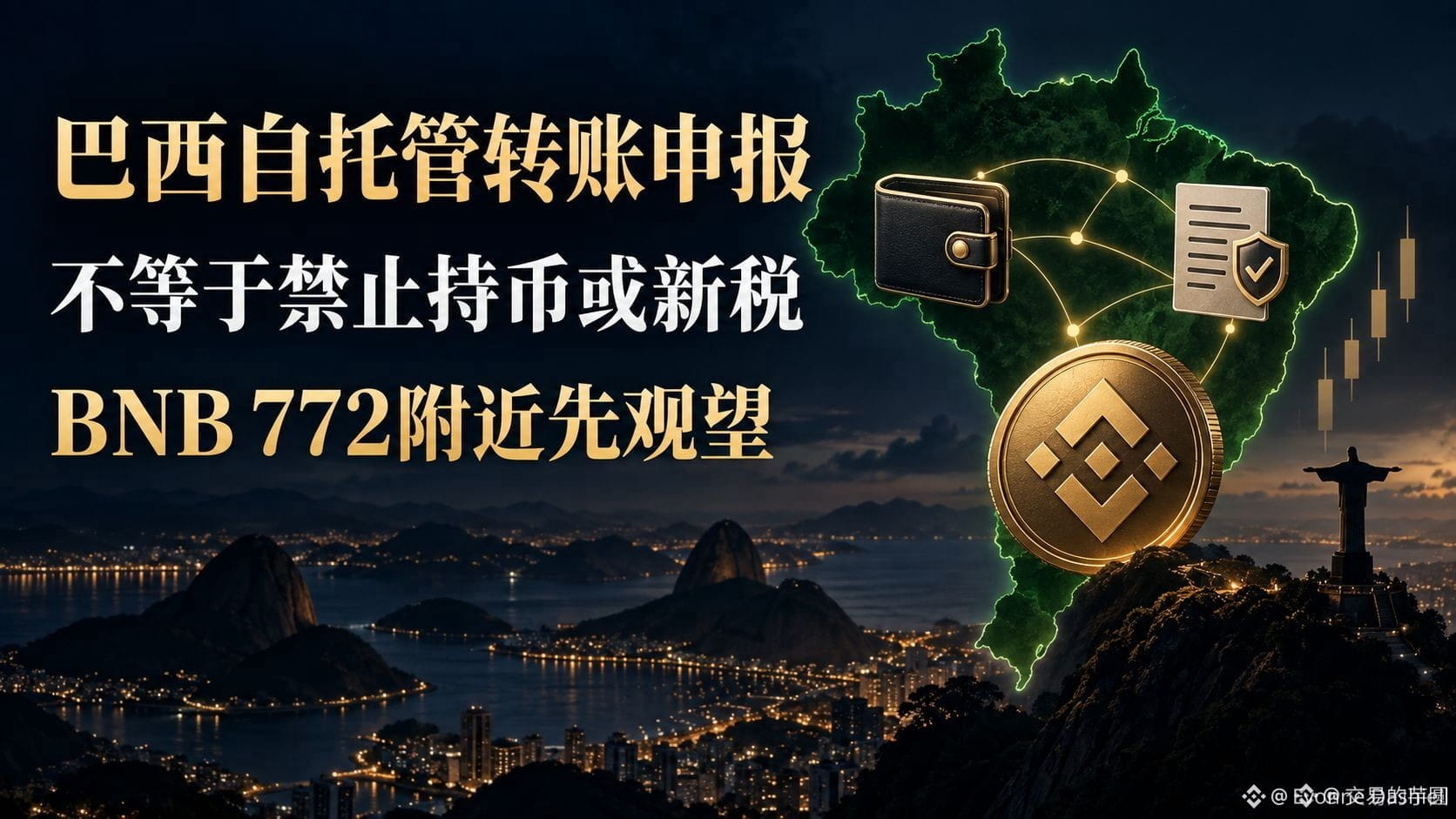
巴西自托管转账申报登热榜|不是禁止持币或征收新税|BNB在772附近我先观望
我的态度是先辨明规则的对象,再看市场是否真的重新定价。币安广场正在讨论的准确话题是#BrazilOrdersReportingOf$10KSelfCustodyTransfers。巴西央行9月23日公布的第588号决议及官方说明写的是:虚拟资产服务商涉及等值1万美元及以上、转入或转出自托管钱包的转账,要向金融活动控制委员会Coaf作专门报告,相关反洗钱修改计划10月1日生效。它是服务商的报告义务,不是“自托管钱包被禁止”,也不是“每转一万美元就自动收税”。巴西央行今年8月还公布过针对部分大额向境外或自托管地址转账的防欺诈暂缓规则;那是另一项规则,不能与这次报告门槛混成一句“所有提现冻结24小时”。
这件事为何与BNB有关?BNB Chain上有大量个人钱包、稳定币转账和交易所出入金。若服务商在巴西加强收款方识别、资料留存与风控,用户的出入金体验、通道选择和链上交易节奏可能受到影响;但监管针对的是在当地经营的机构及合规流程,不是专门针对BNB币种,也不能据此推断全网资金立即流出。风险有两面:更明确的报告标准可能降低机构接入的不确定性,也会提高服务商处理成本。关键要观察实际执行、合规通道是否顺畅,以及稳定币流量是否发生可验证的持续迁移。
写稿时KuCoin公开BNB/USDT现货约772.37美元,24小时高785.89、低763.00,变动约正0.8%。价格处在日内区间中下段,我看不到把这段波动单独归因巴西公告的证据。上方先看780与786能否被完整15分钟K线连续收复,下方看763的日内低点;若跌破763后不能快速站回,短线买入理由被推翻。反过来,即使突破786,也要看回踩是否守住,而不是看到监管新闻就追单。
如果是我自己交易,我目前不参与,方向仅预设低仓位现货试多,不做杠杆。只有两根完整15分钟K线收在786上方、随后回踩780至786区间守住,并且平台充提正常,我才用总资金最多0.3%入场;目标先看795,触及后减半,余仓到805附近全部平仓。入场后若15分钟收回778下方先减掉剩余仓位一半,触及763全数止损平仓;若入场前先跌破763,计划直接取消,重新观察,不把等待写成成交。监管执行细节若与目前央行文本不同,也会同步撤销判断。
#BrazilOrdersReportingOf$10KSelfCustodyTransfers #BNB
以上仅为个人市场观察,不构成投资建议。
巴西自托管转账申报登热榜|不是禁止持币或征收新税|BNB在772附近我先观望
我的态度是先辨明规则的对象,再看市场是否真的重新定价。币安广场正在讨论的准确话题是#BrazilOrdersReportingOf$10KSelfCustodyTransfers。巴西央行9月23日公布的第588号决议及官方说明写的是:虚拟资产服务商涉及等值1万美元及以上、转入或转出自托管钱包的转账,要向金融活动控制委员会Coaf作专门报告,相关反洗钱修改计划10月1日生效。它是服务商的报告义务,不是“自托管钱包被禁止”,也不是“每转一万美元就自动收税”。巴西央行今年8月还公布过针对部分大额向境外或自托管地址转账的防欺诈暂缓规则;那是另一项规则,不能与这次报告门槛混成一句“所有提现冻结24小时”。
这件事为何与BNB有关?BNB Chain上有大量个人钱包、稳定币转账和交易所出入金。若服务商在巴西加强收款方识别、资料留存与风控,用户的出入金体验、通道选择和链上交易节奏可能受到影响;但监管针对的是在当地经营的机构及合规流程,不是专门针对BNB币种,也不能据此推断全网资金立即流出。风险有两面:更明确的报告标准可能降低机构接入的不确定性,也会提高服务商处理成本。关键要观察实际执行、合规通道是否顺畅,以及稳定币流量是否发生可验证的持续迁移。
写稿时KuCoin公开BNB/USDT现货约772.37美元,24小时高785.89、低763.00,变动约正0.8%。价格处在日内区间中下段,我看不到把这段波动单独归因巴西公告的证据。上方先看780与786能否被完整15分钟K线连续收复,下方看763的日内低点;若跌破763后不能快速站回,短线买入理由被推翻。反过来,即使突破786,也要看回踩是否守住,而不是看到监管新闻就追单。
如果是我自己交易,我目前不参与,方向仅预设低仓位现货试多,不做杠杆。只有两根完整15分钟K线收在786上方、随后回踩780至786区间守住,并且平台充提正常,我才用总资金最多0.3%入场;目标先看795,触及后减半,余仓到805附近全部平仓。入场后若15分钟收回778下方先减掉剩余仓位一半,触及763全数止损平仓;若入场前先跌破763,计划直接取消,重新观察,不把等待写成成交。监管执行细节若与目前央行文本不同,也会同步撤销判断。
#BrazilOrdersReportingOf$10KSelfCustodyTransfers #BNB
以上仅为个人市场观察,不构成投资建议。
我的态度是先辨明规则的对象,再看市场是否真的重新定价。币安广场正在讨论的准确话题是#BrazilOrdersReportingOf$10KSelfCustodyTransfers。巴西央行9月23日公布的第588号决议及官方说明写的是:虚拟资产服务商涉及等值1万美元及以上、转入或转出自托管钱包的转账,要向金融活动控制委员会Coaf作专门报告,相关反洗钱修改计划10月1日生效。它是服务商的报告义务,不是“自托管钱包被禁止”,也不是“每转一万美元就自动收税”。巴西央行今年8月还公布过针对部分大额向境外或自托管地址转账的防欺诈暂缓规则;那是另一项规则,不能与这次报告门槛混成一句“所有提现冻结24小时”。
这件事为何与BNB有关?BNB Chain上有大量个人钱包、稳定币转账和交易所出入金。若服务商在巴西加强收款方识别、资料留存与风控,用户的出入金体验、通道选择和链上交易节奏可能受到影响;但监管针对的是在当地经营的机构及合规流程,不是专门针对BNB币种,也不能据此推断全网资金立即流出。风险有两面:更明确的报告标准可能降低机构接入的不确定性,也会提高服务商处理成本。关键要观察实际执行、合规通道是否顺畅,以及稳定币流量是否发生可验证的持续迁移。
写稿时KuCoin公开BNB/USDT现货约772.37美元,24小时高785.89、低763.00,变动约正0.8%。价格处在日内区间中下段,我看不到把这段波动单独归因巴西公告的证据。上方先看780与786能否被完整15分钟K线连续收复,下方看763的日内低点;若跌破763后不能快速站回,短线买入理由被推翻。反过来,即使突破786,也要看回踩是否守住,而不是看到监管新闻就追单。
如果是我自己交易,我目前不参与,方向仅预设低仓位现货试多,不做杠杆。只有两根完整15分钟K线收在786上方、随后回踩780至786区间守住,并且平台充提正常,我才用总资金最多0.3%入场;目标先看795,触及后减半,余仓到805附近全部平仓。入场后若15分钟收回778下方先减掉剩余仓位一半,触及763全数止损平仓;若入场前先跌破763,计划直接取消,重新观察,不把等待写成成交。监管执行细节若与目前央行文本不同,也会同步撤销判断。
#BrazilOrdersReportingOf$10KSelfCustodyTransfers #BNB
以上仅为个人市场观察,不构成投资建议。
14

·
--
ブラジル政府の最新要件として、10万ドル超の自己管理(セルフカストディ)暗号資産の移転を報告するよう求められ、業界では懸念が広がっています。この措置はマネーロンダリングやテロ資金供与の取り締まりを目的としていますが、コンプライアンスコストの増加やユーザーのプライバシー侵害につながる可能性があります。私は、これは必要な規制措置だと思いますが、安全と自由のバランスが必要です。暗号資産の透明化は信頼の構築に役立ちますが、過度な介入はイノベーションの妨げになるでしょう。#BrazilOrdersReportingOf$10KSelfCustodyTransfers $BTC
#BTC
ブラジル政府の最新要件として、10万ドル超の自己管理(セルフカストディ)暗号資産の移転を報告するよう求められ、業界では懸念が広がっています。この措置はマネーロンダリングやテロ資金供与の取り締まりを目的としていますが、コンプライアンスコストの増加やユーザーのプライバシー侵害につながる可能性があります。私は、これは必要な規制措置だと思いますが、安全と自由のバランスが必要です。暗号資産の透明化は信頼の構築に役立ちますが、過度な介入はイノベーションの妨げになるでしょう。#BrazilOrdersReportingOf$10KSelfCustodyTransfers $BTC
#BTC
#BTC
40

·
--
ブラジルの金融当局は、自己管理(セルフカストディ)型の暗号資産の移転で、10,000ドルを超える取引について報告を義務付ける新たな規制を発表しました。この動きは、自己管理ウォレットで保有されているものも含め、デジタル資産取引に対する政府の監督強化が進んでいることを示唆しています。その意図は、違法行為の抑止や税務コンプライアンスの向上にある可能性が高いです。暗号資産市場にとっては、透明性の向上につながる一方で、ユーザーのプライバシーや分散化という中核原則に対する懸念も引き起こします。ブラジルのトレーダーや利用者は、コンプライアンスを確保し、潜在的な罰則を回避するために、これらの新しい報告義務について最新情報を把握しておく必要があります。より広範な市場センチメントへの影響はまだ見通せませんが、デジタル資産をめぐる世界的な規制環境が変化していることを浮き彫りにしています。
免責事項:本コンテンツは情報提供のみを目的としており、投資助言を構成するものではありません。
#BrazilOrdersReportingOf$10KSelfCustodyTransfers
ブラジルの金融当局は、自己管理(セルフカストディ)型の暗号資産の移転で、10,000ドルを超える取引について報告を義務付ける新たな規制を発表しました。この動きは、自己管理ウォレットで保有されているものも含め、デジタル資産取引に対する政府の監督強化が進んでいることを示唆しています。その意図は、違法行為の抑止や税務コンプライアンスの向上にある可能性が高いです。暗号資産市場にとっては、透明性の向上につながる一方で、ユーザーのプライバシーや分散化という中核原則に対する懸念も引き起こします。ブラジルのトレーダーや利用者は、コンプライアンスを確保し、潜在的な罰則を回避するために、これらの新しい報告義務について最新情報を把握しておく必要があります。より広範な市場センチメントへの影響はまだ見通せませんが、デジタル資産をめぐる世界的な規制環境が変化していることを浮き彫りにしています。
免責事項:本コンテンツは情報提供のみを目的としており、投資助言を構成するものではありません。
#BrazilOrdersReportingOf$10KSelfCustodyTransfers
免責事項:本コンテンツは情報提供のみを目的としており、投資助言を構成するものではありません。
#BrazilOrdersReportingOf$10KSelfCustodyTransfers
1
46
ログインして、さらにコンテンツを読む
厳選トピックで世界の暗号資産トレーダーの仲間入り
⚡️ 暗号資産に関する最新かつ有益な情報が見つかります。
💬 世界最大の暗号資産取引所から信頼されています。
👍 認証を受けたクリエイターから、有益なインサイトを得られます。
メール / 電話番号
トレンドトピック
1
#BTCFallsBelow$83000
閲覧回数 2,174
56人が討論中
2
#BitcoinSpotETFs$2.39BWeeklyNetInflow
閲覧回数 0
5人が討論中
3
#FedProposesPaymentStablecoinRules
閲覧回数 13,343
320人が討論中
4
#ChinaMayLetAlibabaByteDanceBuyNvidiaChips
閲覧回数 14,494
367人が討論中
5
#USChinaRelease$30BTariffCutProductLists
閲覧回数 2,517
42人が討論中
6
#SKoreaFSCConsidersVirtualAssetMarketMaker
閲覧回数 11,609
298人が討論中
7
#ChinaIndustrialProfitGrowthSlowsFourthMonth
閲覧回数 11,681
290人が討論中
8
#BitwiseFilesFinalNEARSpotETFProspectus
閲覧回数 128,545
1,869人が討論中
9
#BitgetHackerMoves$83MStolenXRP
閲覧回数 41,599
184人が討論中
10
#SOLSpotETFWeeklyInflow$188M
閲覧回数 25,963
144人が討論中