

#alic
alic
閲覧回数 6,443
20人が討論中
注目
最新

·
--
ブリッシュ
翻訳参照
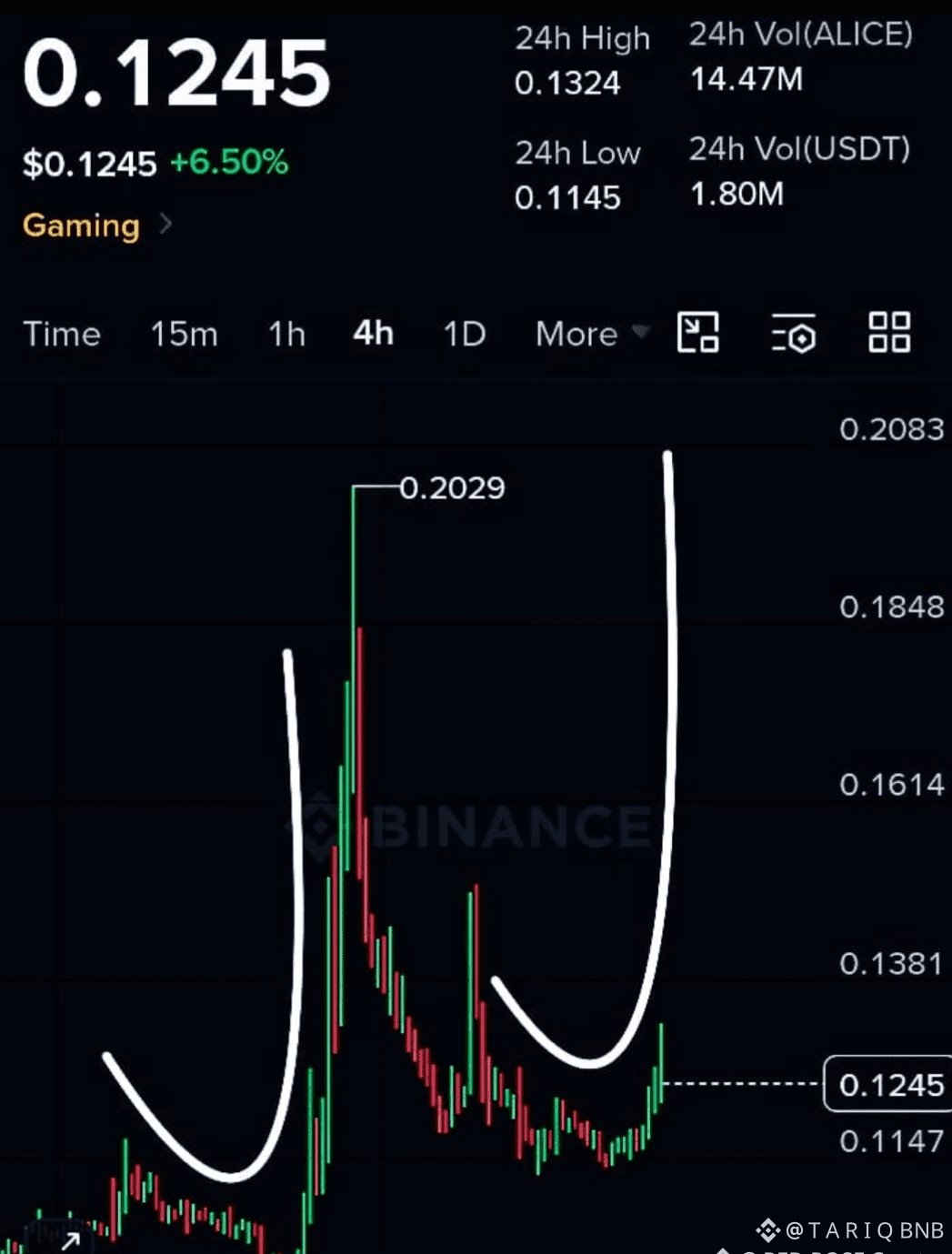
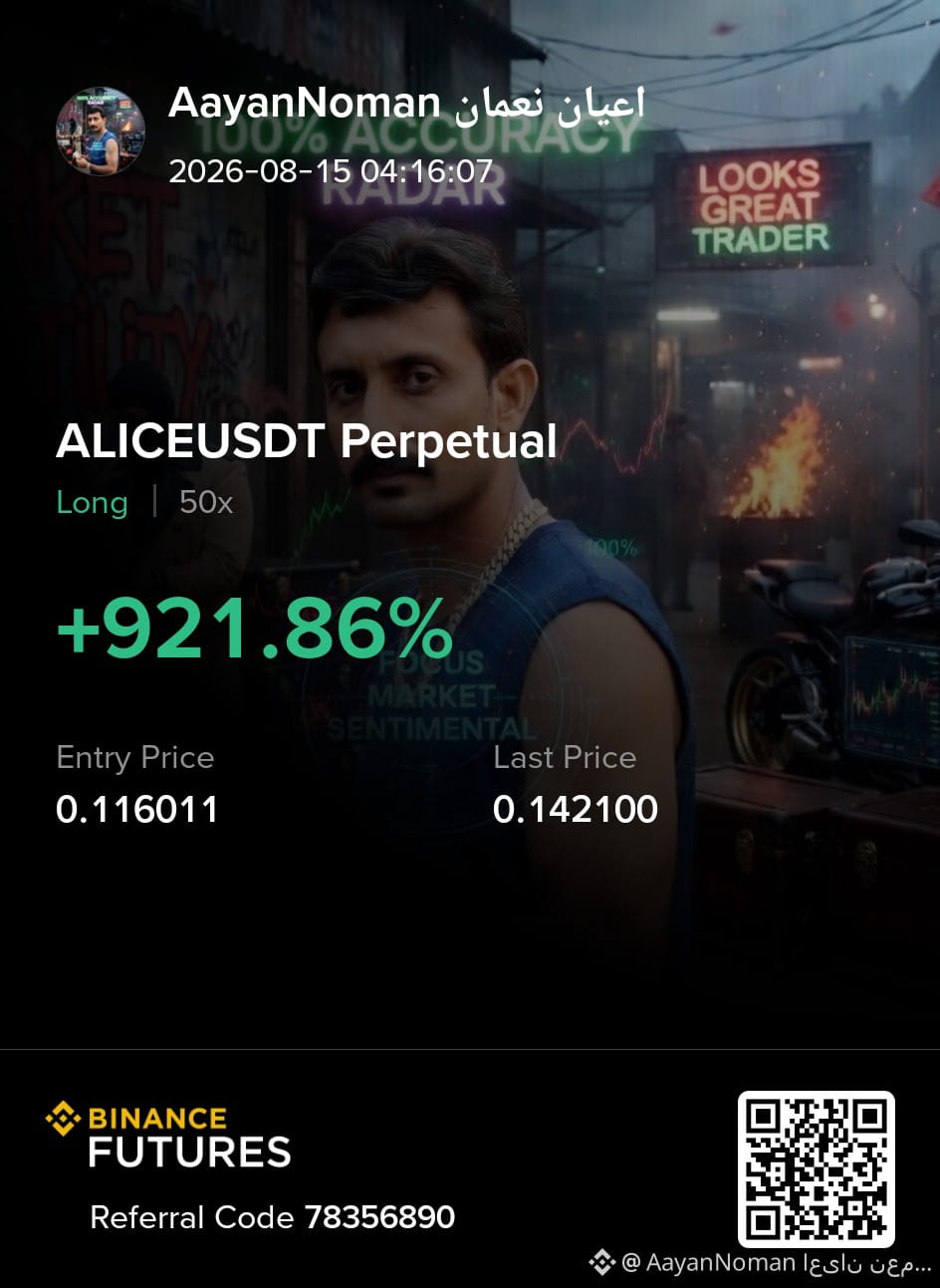
🚀 $ALICE Eyeing Bullish Reversal
After tapping solid support, $ALICE is flashing early recovery signals as buying momentum steadily returns. If bulls maintain control, keep a close eye on these upcoming resistance levels.
Entry Zone: 0.123 – 0.126
Take Profit Targets: 0.1423 | 0.1745 | 0.1900
Stop Loss: 0.116
👀 Can $ALICE build the traction needed to test $0.20 next? Not financial advice. DYOR. #ALIC #Crypto #BinanceSquare
{spot}(ALICEUSDT)
🚀 $ALICE Eyeing Bullish Reversal
After tapping solid support, $ALICE is flashing early recovery signals as buying momentum steadily returns. If bulls maintain control, keep a close eye on these upcoming resistance levels.
Entry Zone: 0.123 – 0.126
Take Profit Targets: 0.1423 | 0.1745 | 0.1900
Stop Loss: 0.116
👀 Can $ALICE build the traction needed to test $0.20 next? Not financial advice. DYOR. #ALIC #Crypto #BinanceSquare
After tapping solid support, $ALICE is flashing early recovery signals as buying momentum steadily returns. If bulls maintain control, keep a close eye on these upcoming resistance levels.
Entry Zone: 0.123 – 0.126
Take Profit Targets: 0.1423 | 0.1745 | 0.1900
Stop Loss: 0.116
👀 Can $ALICE build the traction needed to test $0.20 next? Not financial advice. DYOR. #ALIC #Crypto #BinanceSquare
2
95

·
--
ブリッシュ
翻訳参照
#opg @OpenGradient
I’ve been thinking a lot about how quickly the AI landscape is changing.
A few years ago, the idea of running advanced AI models outside of major tech companies felt unrealistic. If you wanted access to serious AI capabilities, you usually had to rely on a handful of large providers with the resources to build and maintain the infrastructure.
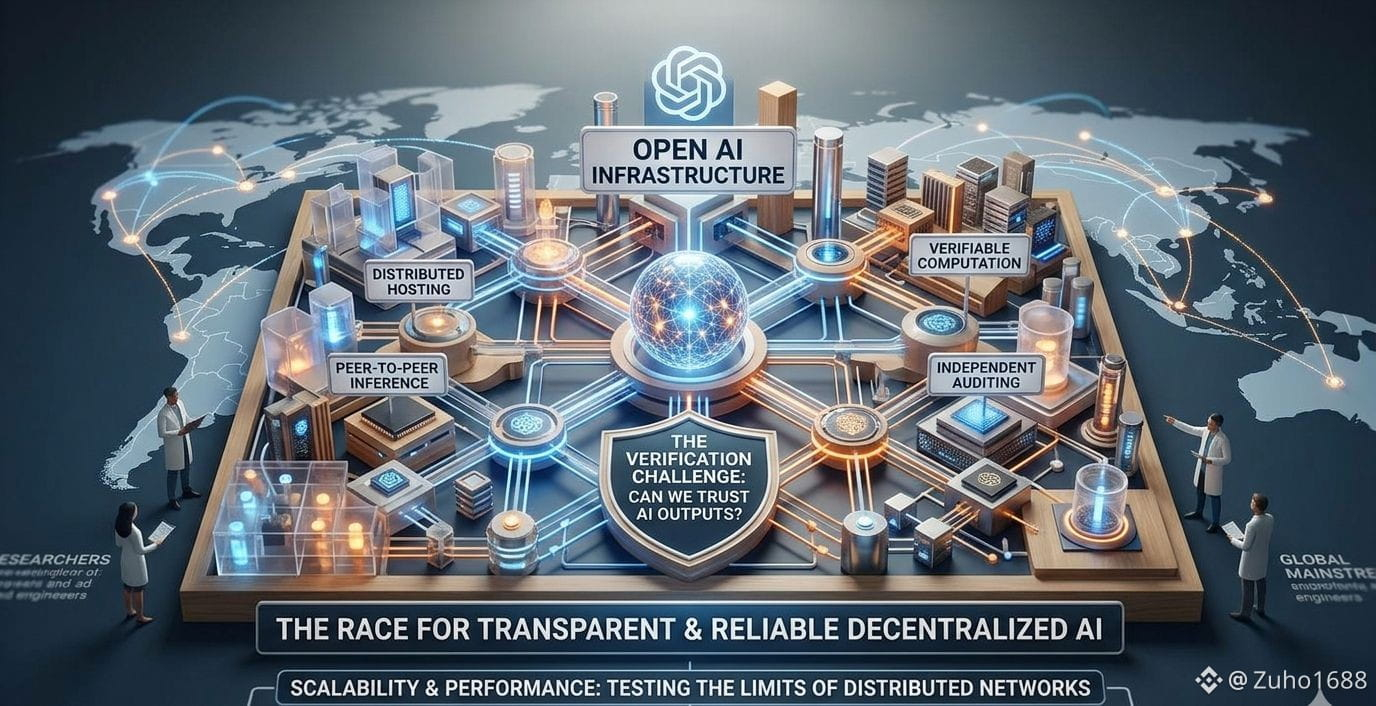
What interests me now is how projects like OpenGradient are challenging that model through decentralized AI infrastructure. While distributed hosting and inference are interesting on their own, the part that keeps catching my attention is verification.
I can get an AI-generated answer almost anywhere today. What I can’t always get is confidence in how that answer was produced. Where did it come from? What model generated it? Can the process be independently verified? Those questions seem increasingly important as AI moves into areas where trust matters.
I also wonder how decentralized AI networks will perform as adoption grows. History has shown that many technologies look great during the early stages, but real-world demand is the ultimate test. We saw that happen across multiple blockchain infrastructure cycles.
I don’t claim to know which approach will dominate in the long run. I just think transparency and verifiable AI outputs will become much bigger topics than they are today. And from where I’m standing, that conversation is only getting started.
@OpenGradient #ALIC #BEL
$OPG
{spot}(OPGUSDT)
$ALICE
{spot}(ALICEUSDT)
$BEL
{spot}(BELUSDT)
#opg @OpenGradient
I’ve been thinking a lot about how quickly the AI landscape is changing.
A few years ago, the idea of running advanced AI models outside of major tech companies felt unrealistic. If you wanted access to serious AI capabilities, you usually had to rely on a handful of large providers with the resources to build and maintain the infrastructure.
What interests me now is how projects like OpenGradient are challenging that model through decentralized AI infrastructure. While distributed hosting and inference are interesting on their own, the part that keeps catching my attention is verification.
I can get an AI-generated answer almost anywhere today. What I can’t always get is confidence in how that answer was produced. Where did it come from? What model generated it? Can the process be independently verified? Those questions seem increasingly important as AI moves into areas where trust matters.
I also wonder how decentralized AI networks will perform as adoption grows. History has shown that many technologies look great during the early stages, but real-world demand is the ultimate test. We saw that happen across multiple blockchain infrastructure cycles.
I don’t claim to know which approach will dominate in the long run. I just think transparency and verifiable AI outputs will become much bigger topics than they are today. And from where I’m standing, that conversation is only getting started.
@OpenGradient #ALIC #BEL
$OPG
$ALICE
$BEL
I’ve been thinking a lot about how quickly the AI landscape is changing.
A few years ago, the idea of running advanced AI models outside of major tech companies felt unrealistic. If you wanted access to serious AI capabilities, you usually had to rely on a handful of large providers with the resources to build and maintain the infrastructure.
What interests me now is how projects like OpenGradient are challenging that model through decentralized AI infrastructure. While distributed hosting and inference are interesting on their own, the part that keeps catching my attention is verification.
I can get an AI-generated answer almost anywhere today. What I can’t always get is confidence in how that answer was produced. Where did it come from? What model generated it? Can the process be independently verified? Those questions seem increasingly important as AI moves into areas where trust matters.
I also wonder how decentralized AI networks will perform as adoption grows. History has shown that many technologies look great during the early stages, but real-world demand is the ultimate test. We saw that happen across multiple blockchain infrastructure cycles.
I don’t claim to know which approach will dominate in the long run. I just think transparency and verifiable AI outputs will become much bigger topics than they are today. And from where I’m standing, that conversation is only getting started.
@OpenGradient #ALIC #BEL
$OPG
$ALICE
$BEL
13
1
13
417


·
--
ブリッシュ
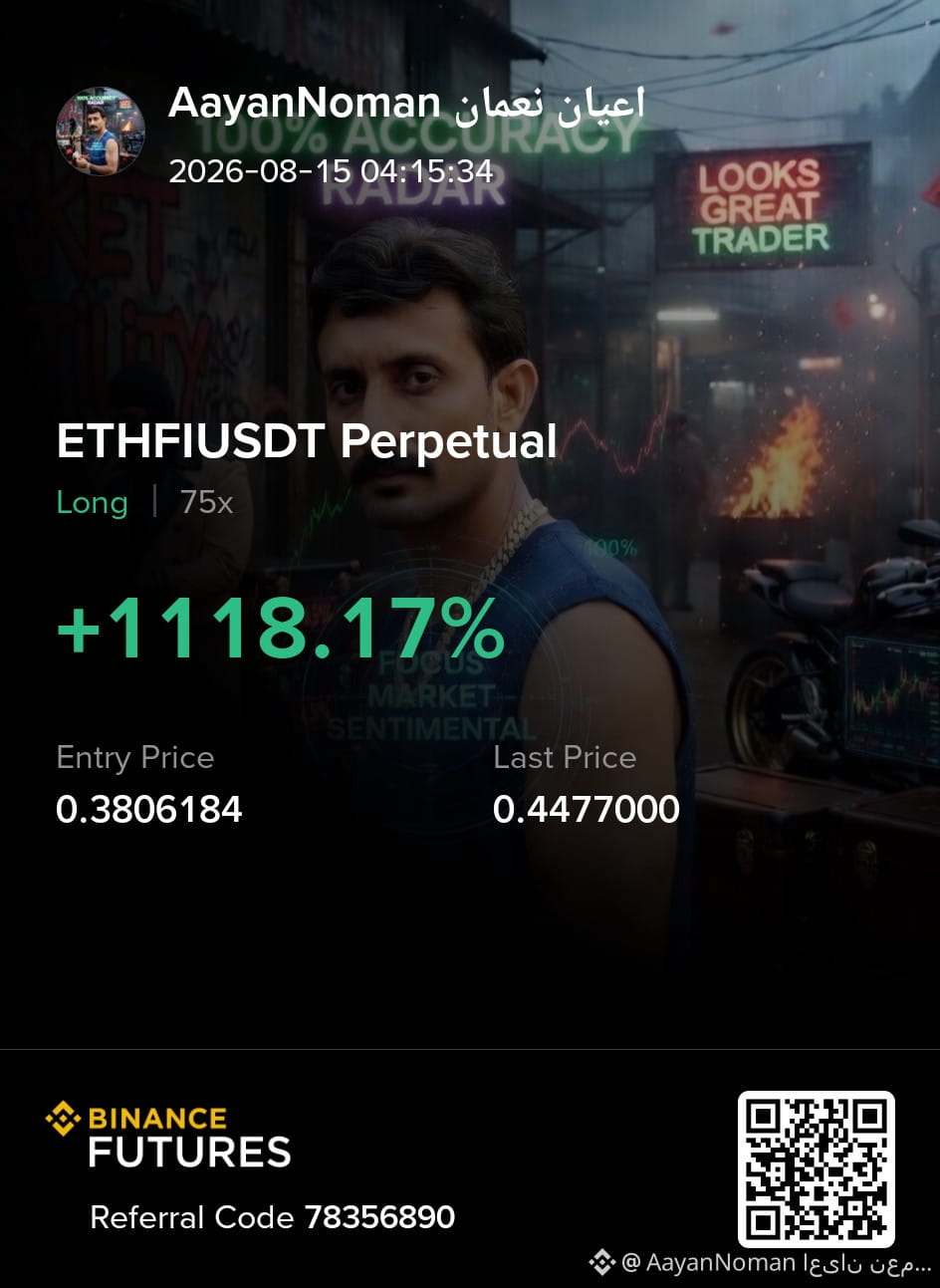
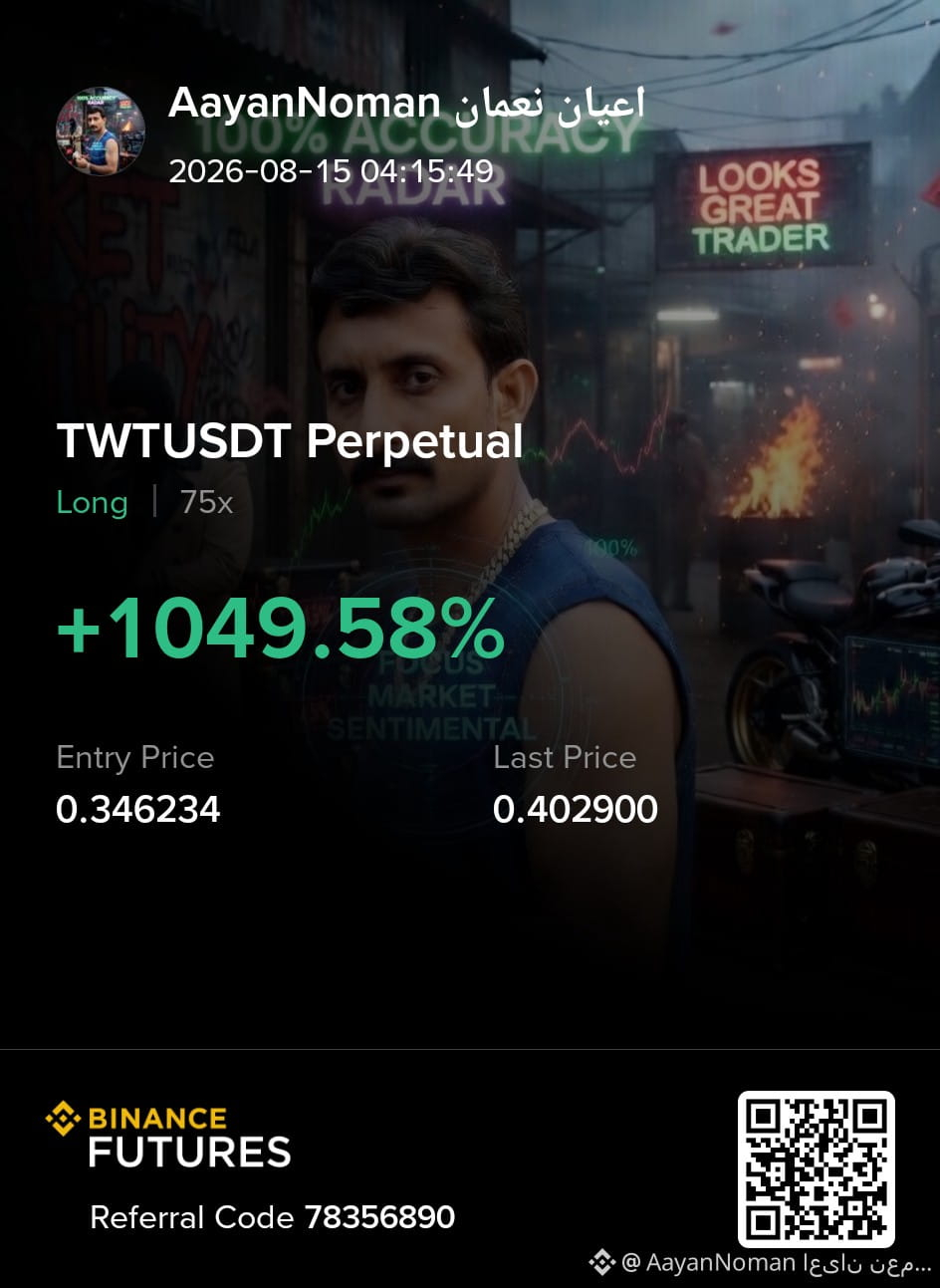
🔥🚨 注意喚起 注意喚起 🚨🔥
$ZRO 大爆発が迫っています 💥👀
$ZEN 空へ向かって飛んでいます 🚀⚡
$RLC 早い!!! 早い!!! 早い!!! 🔥
今すぐ購入!!
猛スピードで進行中 ⚡💰
目標にかなり近い!!! 👀
ポンプが来る!!! 💣
🔥 私たちのシグナルは常に素晴らしい結果を出しています。
💰 利益確定した友人たち、おめでとうございます! 🎉
🔔 よりプレミアムなシグナルのために通知をONにしてください。
🐂 旅は始まったばかりです! 🚀
#OilEdgesHigher #ALIC #Write2Earn
🔥🚨 注意喚起 注意喚起 🚨🔥
$ZRO 大爆発が迫っています 💥👀
$ZEN 空へ向かって飛んでいます 🚀⚡
$RLC 早い!!! 早い!!! 早い!!! 🔥
今すぐ購入!!
猛スピードで進行中 ⚡💰
目標にかなり近い!!! 👀
ポンプが来る!!! 💣
🔥 私たちのシグナルは常に素晴らしい結果を出しています。
💰 利益確定した友人たち、おめでとうございます! 🎉
🔔 よりプレミアムなシグナルのために通知をONにしてください。
🐂 旅は始まったばかりです! 🚀
#OilEdgesHigher #ALIC #Write2Earn
$ZRO 大爆発が迫っています 💥👀
$ZEN 空へ向かって飛んでいます 🚀⚡
$RLC 早い!!! 早い!!! 早い!!! 🔥
今すぐ購入!!
猛スピードで進行中 ⚡💰
目標にかなり近い!!! 👀
ポンプが来る!!! 💣
🔥 私たちのシグナルは常に素晴らしい結果を出しています。
💰 利益確定した友人たち、おめでとうございます! 🎉
🔔 よりプレミアムなシグナルのために通知をONにしてください。
🐂 旅は始まったばかりです! 🚀
#OilEdgesHigher #ALIC #Write2Earn
5
16
1k

·
--
ブリッシュ
翻訳参照
#opg @OpenGradient
I keep hearing people talk about how powerful AI is becoming.
Smarter models.
Faster responses.
Bigger capabilities.
But there's one question I don't see enough people asking:
🧠 Who verifies AI?
When I use a bank, I know there are audits.
When I look at a public company's financials, I know there are standards and reviews behind the numbers.
But with AI, most of us receive an answer and simply assume it's correct.
I think that's a problem.
As AI becomes more involved in research, education, healthcare, finance, and everyday decision-making, trust alone shouldn't be the foundation.
Verification should be.
That's why I'm paying attention to projects like OpenGradient.
What stands out to me isn't the number of users or models on the platform. It's the idea that AI outputs can be backed by cryptographic proofs instead of blind trust.
In a world where anyone can claim their AI is accurate, being able to prove what happened may become a real competitive advantage.
I believe the future of AI won't be defined only by intelligence.
It will also be defined by accountability.
The systems that earn the most trust may not be the ones that make the boldest claims.
They may be the ones that can provide evidence.
👇 I'm curious should AI be held to the same auditing and accountability standards as banks, corporations, and financial institutions?
@OpenGradient #ALIC #BEL
$OPG
{spot}(OPGUSDT)
$ALICE
{spot}(ALICEUSDT)
$BEL
{spot}(BELUSDT)
#opg @OpenGradient
I keep hearing people talk about how powerful AI is becoming.
Smarter models.
Faster responses.
Bigger capabilities.
But there's one question I don't see enough people asking:
🧠 Who verifies AI?
When I use a bank, I know there are audits.
When I look at a public company's financials, I know there are standards and reviews behind the numbers.
But with AI, most of us receive an answer and simply assume it's correct.
I think that's a problem.
As AI becomes more involved in research, education, healthcare, finance, and everyday decision-making, trust alone shouldn't be the foundation.
Verification should be.
That's why I'm paying attention to projects like OpenGradient.
What stands out to me isn't the number of users or models on the platform. It's the idea that AI outputs can be backed by cryptographic proofs instead of blind trust.
In a world where anyone can claim their AI is accurate, being able to prove what happened may become a real competitive advantage.
I believe the future of AI won't be defined only by intelligence.
It will also be defined by accountability.
The systems that earn the most trust may not be the ones that make the boldest claims.
They may be the ones that can provide evidence.
👇 I'm curious should AI be held to the same auditing and accountability standards as banks, corporations, and financial institutions?
@OpenGradient #ALIC #BEL
$OPG
$ALICE
$BEL
I keep hearing people talk about how powerful AI is becoming.
Smarter models.
Faster responses.
Bigger capabilities.
But there's one question I don't see enough people asking:
🧠 Who verifies AI?
When I use a bank, I know there are audits.
When I look at a public company's financials, I know there are standards and reviews behind the numbers.
But with AI, most of us receive an answer and simply assume it's correct.
I think that's a problem.
As AI becomes more involved in research, education, healthcare, finance, and everyday decision-making, trust alone shouldn't be the foundation.
Verification should be.
That's why I'm paying attention to projects like OpenGradient.
What stands out to me isn't the number of users or models on the platform. It's the idea that AI outputs can be backed by cryptographic proofs instead of blind trust.
In a world where anyone can claim their AI is accurate, being able to prove what happened may become a real competitive advantage.
I believe the future of AI won't be defined only by intelligence.
It will also be defined by accountability.
The systems that earn the most trust may not be the ones that make the boldest claims.
They may be the ones that can provide evidence.
👇 I'm curious should AI be held to the same auditing and accountability standards as banks, corporations, and financial institutions?
@OpenGradient #ALIC #BEL
$OPG
$ALICE
$BEL

15
1
9
275
ログインして、さらにコンテンツを読む
厳選トピックで世界の暗号資産トレーダーの仲間入り
⚡️ 暗号資産に関する最新かつ有益な情報が見つかります。
💬 世界最大の暗号資産取引所から信頼されています。
👍 認証を受けたクリエイターから、有益なインサイトを得られます。
メール / 電話番号
トレンドトピック
1
#FedMinutesFocusOnOctoberPause
閲覧回数 340,453
2,067人が討論中
2
#XRPSpotETFsHold$1.7BWeeklyInflowsSlow
閲覧回数 62
15人が討論中
3
#FrenchHillUrgesCLARITYActPassageInLameDuck
閲覧回数 816
60人が討論中
4
#EthereumSpotETFRecords$161MNetOutflows
閲覧回数 30
11人が討論中
5
#IMFGrantsWaiverForElSalvadorBitcoinBreach
閲覧回数 7,805
216人が討論中
6
#BinanceLaunchesBinanceIntelligence
閲覧回数 1.3M
7,063人が討論中
7
#EvernorthDelaysNasdaqDebutToOct12
閲覧回数 49,546
509人が討論中
8
#RobinhoodAdds$25MInBitcoinToBalanceSheet
閲覧回数 17,271
103人が討論中
9
#SP500AndNasdaqHitRecordHighs
閲覧回数 54,647
664人が討論中
10
#USMortgageRatesRiseTo7.49%
閲覧回数 41,586
529人が討論中