

#walrus
walrus
閲覧回数 9M
363,873人が討論中
注目
最新

·
--
もともとBNBはストレージ分野に参入しようとしていたのに、
なぜかその後は続かなかった。
今のストレージ分野はFILが支えているけど、FILは損失が大きすぎる。
WALはAIエージェント向けのデータストレージと、エージェントの証拠取得サービスを提供するもの。
みんなはWALにまだ希望があると思う?
今は取引量が少なすぎてびっくりする。
$WAL
{spot}(WALUSDT)
#walrus
もともとBNBはストレージ分野に参入しようとしていたのに、
なぜかその後は続かなかった。
今のストレージ分野はFILが支えているけど、FILは損失が大きすぎる。
WALはAIエージェント向けのデータストレージと、エージェントの証拠取得サービスを提供するもの。
みんなはWALにまだ希望があると思う?
今は取引量が少なすぎてびっくりする。
$WAL
#walrus
なぜかその後は続かなかった。
今のストレージ分野はFILが支えているけど、FILは損失が大きすぎる。
WALはAIエージェント向けのデータストレージと、エージェントの証拠取得サービスを提供するもの。
みんなはWALにまだ希望があると思う?
今は取引量が少なすぎてびっくりする。
$WAL
#walrus
Feed-Creator-a56612906:
归零货别买
2
190



·
--
ブリッシュ
🐋 WALRUS ($WAL) — AIとWeb3の世界を支えるデータインフラ!
未来の暗号資産に求められるのは、取引の速さだけではありません。データを安全に保管し、いつでも利用できるようにすることも非常に重要です。🚀
🔹 Walrusとは?
Suiブロックチェーン上に構築されたWalrusは、大容量データの分散型ストレージとデータ可用性を実現するために開発されたプロトコルです。
🔹 $WAL は何に使われる? ✅ データストレージ費用の支払い
✅ ステーキングを通じたネットワークの安全性への貢献
✅ エコシステムのガバナンスへの参加
🤖 AI、Web3アプリケーション、デジタルデータ市場の発展に伴い、このようなインフラへの関心が高まる可能性があります。
📌 重要な問い:Walrusは、その技術を実際の利用やエコシステムの需要につなげられるでしょうか?
私の考えでは、$WAL は注目に値するプロジェクトの一つです。ただし、技術に将来性があるからといって、トークン価格が必ず上昇するとは限りません。トークノミクス、市場の需要、価格の動きを慎重に調査する必要があります。
💬 $WAL は将来、Suiエコシステムの主要プロジェクトの一つになれると思いますか?ぜひコメントで意見を聞かせてください!
@WalrusProtocol #Walrus #WAL
— QAZAXLİ3535ファミリー
⚠️ この投稿は投資助言ではありません。暗号資産には高いリスクが伴います。十分な調査をせずに投資しないでください。
🐋 WALRUS ($WAL ) — AIとWeb3の世界を支えるデータインフラ!
未来の暗号資産に求められるのは、取引の速さだけではありません。データを安全に保管し、いつでも利用できるようにすることも非常に重要です。🚀
🔹 Walrusとは?
Suiブロックチェーン上に構築されたWalrusは、大容量データの分散型ストレージとデータ可用性を実現するために開発されたプロトコルです。
🔹 $WAL は何に使われる? ✅ データストレージ費用の支払い
✅ ステーキングを通じたネットワークの安全性への貢献
✅ エコシステムのガバナンスへの参加
🤖 AI、Web3アプリケーション、デジタルデータ市場の発展に伴い、このようなインフラへの関心が高まる可能性があります。
📌 重要な問い:Walrusは、その技術を実際の利用やエコシステムの需要につなげられるでしょうか?
私の考えでは、$WAL は注目に値するプロジェクトの一つです。ただし、技術に将来性があるからといって、トークン価格が必ず上昇するとは限りません。トークノミクス、市場の需要、価格の動きを慎重に調査する必要があります。
💬 $WAL は将来、Suiエコシステムの主要プロジェクトの一つになれると思いますか?ぜひコメントで意見を聞かせてください!
@Walrus 🦭/acc #Walrus #WAL
— QAZAXLİ3535ファミリー
⚠️ この投稿は投資助言ではありません。暗号資産には高いリスクが伴います。十分な調査をせずに投資しないでください。
未来の暗号資産に求められるのは、取引の速さだけではありません。データを安全に保管し、いつでも利用できるようにすることも非常に重要です。🚀
🔹 Walrusとは?
Suiブロックチェーン上に構築されたWalrusは、大容量データの分散型ストレージとデータ可用性を実現するために開発されたプロトコルです。
🔹 $WAL は何に使われる? ✅ データストレージ費用の支払い
✅ ステーキングを通じたネットワークの安全性への貢献
✅ エコシステムのガバナンスへの参加
🤖 AI、Web3アプリケーション、デジタルデータ市場の発展に伴い、このようなインフラへの関心が高まる可能性があります。
📌 重要な問い:Walrusは、その技術を実際の利用やエコシステムの需要につなげられるでしょうか?
私の考えでは、$WAL は注目に値するプロジェクトの一つです。ただし、技術に将来性があるからといって、トークン価格が必ず上昇するとは限りません。トークノミクス、市場の需要、価格の動きを慎重に調査する必要があります。
💬 $WAL は将来、Suiエコシステムの主要プロジェクトの一つになれると思いますか?ぜひコメントで意見を聞かせてください!
@Walrus 🦭/acc #Walrus #WAL
— QAZAXLİ3535ファミリー
⚠️ この投稿は投資助言ではありません。暗号資産には高いリスクが伴います。十分な調査をせずに投資しないでください。
4
485
·
--
エージェントをあるLLMから別のLLMに切り替えると、エージェントが作り上げたコンテキストは引き継がれません。新しいモデルはゼロから始めます。Walrus Memoryなら、その記憶をモデル間で持ち運べます。LLMを切り替えても、学習したことをすべて保持できます $WAL #walrus @WalrusProtocol
{spot}(WALUSDT)
エージェントをあるLLMから別のLLMに切り替えると、エージェントが作り上げたコンテキストは引き継がれません。新しいモデルはゼロから始めます。Walrus Memoryなら、その記憶をモデル間で持ち運べます。LLMを切り替えても、学習したことをすべて保持できます $WAL #walrus @Walrus 🦭/acc
3
512
·
--
🔥 WAL/USDT — エントリーは慎重に! 📉📈
$WALは現在、0.04104 USDT前後で推移しています。1時間足では、前回の上昇後に価格が押し戻されており、短期トレンドはまだ弱く見えます。
📊 トレードプラン —
🟢 エントリーゾーン:0.0400 – 0.0405
🎯 TP1:0.0420
🎯 TP2:0.0440
🛑 SL:0.0393
エントリー確認条件:✅ 0.0400のサポートが維持される
✅ 0.0410を上回って力強く引ける
✅ 出来高の増加を確認
⚠️ 価格が0.0398を下回った場合は、焦らず、新たなサポートが形成されるのを待ちましょう。
📌 テクニカル状況:MA(7) = 0.04086、MA(25) = 0.04190、MA(99) = 0.04849。価格がMA(25)とMA(99)を下回っているため、上昇はまだ確認されていません。
💬 $WALは再び0.0440まで上昇できると思いますか?コメントで意見を聞かせてください!
⚠️ このプランは、送信されたチャートに基づくテクニカルシナリオであり、リアルタイムで確認されたシグナルではありません。リスクにさらす資金は少額にとどめ、ストップロスを設定してください。
#WAL #Walrus @WalrusProtocol
🔥 WAL/USDT — エントリーは慎重に! 📉📈
$WALは現在、0.04104 USDT前後で推移しています。1時間足では、前回の上昇後に価格が押し戻されており、短期トレンドはまだ弱く見えます。
📊 トレードプラン —
🟢 エントリーゾーン:0.0400 – 0.0405
🎯 TP1:0.0420
🎯 TP2:0.0440
🛑 SL:0.0393
エントリー確認条件:✅ 0.0400のサポートが維持される
✅ 0.0410を上回って力強く引ける
✅ 出来高の増加を確認
⚠️ 価格が0.0398を下回った場合は、焦らず、新たなサポートが形成されるのを待ちましょう。
📌 テクニカル状況:MA(7) = 0.04086、MA(25) = 0.04190、MA(99) = 0.04849。価格がMA(25)とMA(99)を下回っているため、上昇はまだ確認されていません。
💬 $WALは再び0.0440まで上昇できると思いますか?コメントで意見を聞かせてください!
⚠️ このプランは、送信されたチャートに基づくテクニカルシナリオであり、リアルタイムで確認されたシグナルではありません。リスクにさらす資金は少額にとどめ、ストップロスを設定してください。
#WAL #Walrus @Walrus 🦭/acc
$WALは現在、0.04104 USDT前後で推移しています。1時間足では、前回の上昇後に価格が押し戻されており、短期トレンドはまだ弱く見えます。
📊 トレードプラン —
🟢 エントリーゾーン:0.0400 – 0.0405
🎯 TP1:0.0420
🎯 TP2:0.0440
🛑 SL:0.0393
エントリー確認条件:✅ 0.0400のサポートが維持される
✅ 0.0410を上回って力強く引ける
✅ 出来高の増加を確認
⚠️ 価格が0.0398を下回った場合は、焦らず、新たなサポートが形成されるのを待ちましょう。
📌 テクニカル状況:MA(7) = 0.04086、MA(25) = 0.04190、MA(99) = 0.04849。価格がMA(25)とMA(99)を下回っているため、上昇はまだ確認されていません。
💬 $WALは再び0.0440まで上昇できると思いますか?コメントで意見を聞かせてください!
⚠️ このプランは、送信されたチャートに基づくテクニカルシナリオであり、リアルタイムで確認されたシグナルではありません。リスクにさらす資金は少額にとどめ、ストップロスを設定してください。
#WAL #Walrus @Walrus 🦭/acc
1
332

·
--
🚨 $WALRUS($WAL )— 10月17日 市場分析 🐋📊
$WAL は、直近の力強い上昇の後、短期的な売り圧力に直面しています。今の重要なポイントは、買い手がサポートを守り、価格を回復に向けて押し上げられるかどうかです。
📍 現在価格:およそ$0.043~$0.044
🟢 サポートゾーン:$0.0405~$0.0420
🔴 レジスタンス1:$0.0459
🎯 レジスタンス2:$0.0488
🚀 次の上値目標:$0.0511
$WAL
{future}(WALUSDT)
強気シナリオ:取引量の増加を伴って$0.0459を力強く上抜ければ、$0.0488、さらに$0.0511を目指す展開が期待できます。
弱気シナリオ:$0.0405のサポートを割り込むと、次の注目水準である$0.0381まで下落する可能性があります。
📊 私の見解:WALは重要な分岐点にあります。上抜けが確認されれば強気の勢いが戻る可能性がありますが、まずはサポートを維持する必要があります。取引量とBTCの方向を見極めてから動きましょう。
この押し目で買いますか?それとも、確認を待ちますか? 👀
#wallet_Trust #Walrus
🚨 $WALRUS($WAL )— 10月17日 市場分析 🐋📊
$WAL は、直近の力強い上昇の後、短期的な売り圧力に直面しています。今の重要なポイントは、買い手がサポートを守り、価格を回復に向けて押し上げられるかどうかです。
📍 現在価格:およそ$0.043~$0.044
🟢 サポートゾーン:$0.0405~$0.0420
🔴 レジスタンス1:$0.0459
🎯 レジスタンス2:$0.0488
🚀 次の上値目標:$0.0511
$WAL
強気シナリオ:取引量の増加を伴って$0.0459を力強く上抜ければ、$0.0488、さらに$0.0511を目指す展開が期待できます。
弱気シナリオ:$0.0405のサポートを割り込むと、次の注目水準である$0.0381まで下落する可能性があります。
📊 私の見解:WALは重要な分岐点にあります。上抜けが確認されれば強気の勢いが戻る可能性がありますが、まずはサポートを維持する必要があります。取引量とBTCの方向を見極めてから動きましょう。
この押し目で買いますか?それとも、確認を待ちますか? 👀
#wallet_Trust #Walrus
$WAL は、直近の力強い上昇の後、短期的な売り圧力に直面しています。今の重要なポイントは、買い手がサポートを守り、価格を回復に向けて押し上げられるかどうかです。
📍 現在価格:およそ$0.043~$0.044
🟢 サポートゾーン:$0.0405~$0.0420
🔴 レジスタンス1:$0.0459
🎯 レジスタンス2:$0.0488
🚀 次の上値目標:$0.0511
$WAL
強気シナリオ:取引量の増加を伴って$0.0459を力強く上抜ければ、$0.0488、さらに$0.0511を目指す展開が期待できます。
弱気シナリオ:$0.0405のサポートを割り込むと、次の注目水準である$0.0381まで下落する可能性があります。
📊 私の見解:WALは重要な分岐点にあります。上抜けが確認されれば強気の勢いが戻る可能性がありますが、まずはサポートを維持する必要があります。取引量とBTCの方向を見極めてから動きましょう。
この押し目で買いますか?それとも、確認を待ちますか? 👀
#wallet_Trust #Walrus
328

·
--
ブリッシュ
🚨 $WAL
{future}(WALUSDT)
— -20%下落!反発は来るのか、それとも売り手がさらに押し下げるのか? 👀📉
ウォルラス($WAL)は、24時間で20.33%急落し、強い売り圧力に直面しています。取引が活発化するなか、サポート付近での次の動きが重要になりそうです! ⚠️
💎 WALUSDT | 市場スナップショット
💰 現在価格:$0.04656
📉 24時間騰落率:-20.33%
🎯 24時間高値:$0.05964
📍 24時間安値:$0.04477
🔥 24時間出来高:5.90B WAL
💵 取引高:$313.74M USDT
🔍 テクニカル分析
⚠️ MA(7):$0.05055 — 価格はこの水準を下回っており、短期的な弱さを示しています。
✅ MA(25):$0.04535 — 価格はこの水準をわずかに上回っています。
✅ MA(99):$0.03791 — 価格は長期移動平均線を上回っています。
チャートは、価格がMA(25)とMA(99)を上回っている一方で、短期的には弱気圧力が続いていることを示唆しています。
🎯 注目すべき重要水準
🔹 目先のサポート:$0.04477
🔹 次のサポートゾーン:$0.03969–$0.03791
🔹 目先のレジスタンス:$0.04712–$0.05055
🔹 強いレジスタンス:$0.05456
🔹 さらに上のレジスタンス:$0.05964
🚀 強気シナリオ:買い手が$0.04477を守り、出来高を伴って$0.05055を回復できれば、$0.05456に向けて反発する可能性があります。
🐻 弱気シナリオ:$0.04477を明確に下抜けると、$0.03969付近の下方サポートゾーンまで下落する可能性があります。
📌 私の戦略:安易な押し目買いは避けましょう。判断を下す前に、反転の確認、または明確な下抜けを待ちます。ボラティリティが高いため、リスク管理が不可欠です。
🔥 $WAL の次の展開は?反発か、それともさらなる下落か?
👇 あなたの分析をぜひシェアしてください!
#WAL #Walrus #WALUSDT #BinanceSquare #暗号資産分析 #アルトコイン #テクニカル分析 #暗号資産取引 #市場アップデート #DYOR
🚨 $WAL
— -20%下落!反発は来るのか、それとも売り手がさらに押し下げるのか? 👀📉
ウォルラス($WAL )は、24時間で20.33%急落し、強い売り圧力に直面しています。取引が活発化するなか、サポート付近での次の動きが重要になりそうです! ⚠️
💎 WALUSDT | 市場スナップショット
💰 現在価格:$0.04656
📉 24時間騰落率:-20.33%
🎯 24時間高値:$0.05964
📍 24時間安値:$0.04477
🔥 24時間出来高:5.90B WAL
💵 取引高:$313.74M USDT
🔍 テクニカル分析
⚠️ MA(7):$0.05055 — 価格はこの水準を下回っており、短期的な弱さを示しています。
✅ MA(25):$0.04535 — 価格はこの水準をわずかに上回っています。
✅ MA(99):$0.03791 — 価格は長期移動平均線を上回っています。
チャートは、価格がMA(25)とMA(99)を上回っている一方で、短期的には弱気圧力が続いていることを示唆しています。
🎯 注目すべき重要水準
🔹 目先のサポート:$0.04477
🔹 次のサポートゾーン:$0.03969–$0.03791
🔹 目先のレジスタンス:$0.04712–$0.05055
🔹 強いレジスタンス:$0.05456
🔹 さらに上のレジスタンス:$0.05964
🚀 強気シナリオ:買い手が$0.04477を守り、出来高を伴って$0.05055を回復できれば、$0.05456に向けて反発する可能性があります。
🐻 弱気シナリオ:$0.04477を明確に下抜けると、$0.03969付近の下方サポートゾーンまで下落する可能性があります。
📌 私の戦略:安易な押し目買いは避けましょう。判断を下す前に、反転の確認、または明確な下抜けを待ちます。ボラティリティが高いため、リスク管理が不可欠です。
🔥 $WAL の次の展開は?反発か、それともさらなる下落か?
👇 あなたの分析をぜひシェアしてください!
#WAL #Walrus #WALUSDT #BinanceSquare #暗号資産分析 #アルトコイン #テクニカル分析 #暗号資産取引 #市場アップデート #DYOR
— -20%下落!反発は来るのか、それとも売り手がさらに押し下げるのか? 👀📉
ウォルラス($WAL )は、24時間で20.33%急落し、強い売り圧力に直面しています。取引が活発化するなか、サポート付近での次の動きが重要になりそうです! ⚠️
💎 WALUSDT | 市場スナップショット
💰 現在価格:$0.04656
📉 24時間騰落率:-20.33%
🎯 24時間高値:$0.05964
📍 24時間安値:$0.04477
🔥 24時間出来高:5.90B WAL
💵 取引高:$313.74M USDT
🔍 テクニカル分析
⚠️ MA(7):$0.05055 — 価格はこの水準を下回っており、短期的な弱さを示しています。
✅ MA(25):$0.04535 — 価格はこの水準をわずかに上回っています。
✅ MA(99):$0.03791 — 価格は長期移動平均線を上回っています。
チャートは、価格がMA(25)とMA(99)を上回っている一方で、短期的には弱気圧力が続いていることを示唆しています。
🎯 注目すべき重要水準
🔹 目先のサポート:$0.04477
🔹 次のサポートゾーン:$0.03969–$0.03791
🔹 目先のレジスタンス:$0.04712–$0.05055
🔹 強いレジスタンス:$0.05456
🔹 さらに上のレジスタンス:$0.05964
🚀 強気シナリオ:買い手が$0.04477を守り、出来高を伴って$0.05055を回復できれば、$0.05456に向けて反発する可能性があります。
🐻 弱気シナリオ:$0.04477を明確に下抜けると、$0.03969付近の下方サポートゾーンまで下落する可能性があります。
📌 私の戦略:安易な押し目買いは避けましょう。判断を下す前に、反転の確認、または明確な下抜けを待ちます。ボラティリティが高いため、リスク管理が不可欠です。
🔥 $WAL の次の展開は?反発か、それともさらなる下落か?
👇 あなたの分析をぜひシェアしてください!
#WAL #Walrus #WALUSDT #BinanceSquare #暗号資産分析 #アルトコイン #テクニカル分析 #暗号資産取引 #市場アップデート #DYOR
325
·
--
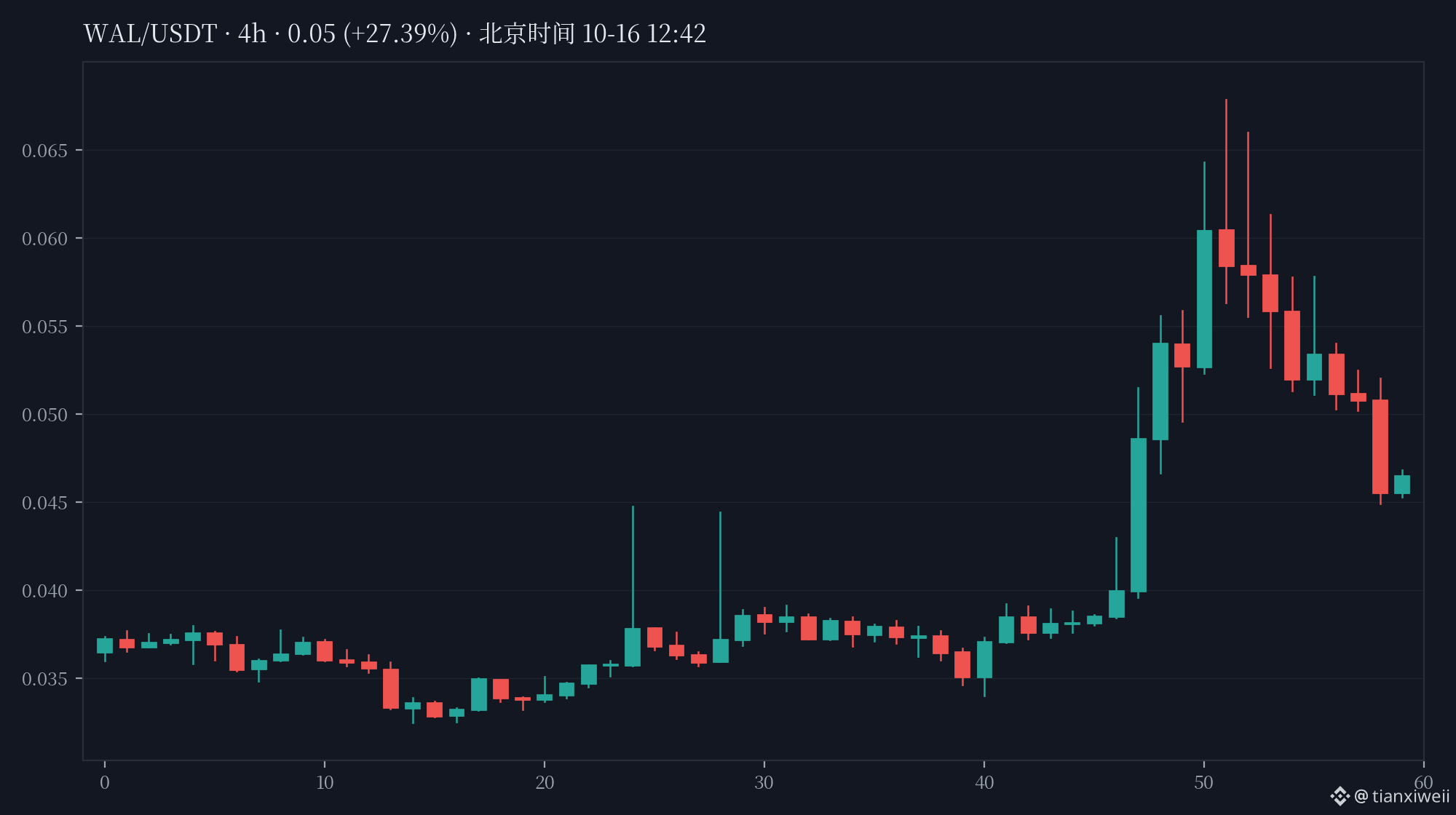
$WAL 天井確認:0.048を約33時間守った後、正午12時の4時間足終値で正式に下回る
まず結論から:今朝の警戒投稿で定めた確認基準は、すべて満たされました。
正午12:00、WALの4時間足は0.04554で引けました。これは取引時間中の一時的な下ヒゲではありません。09:35の急落でまず0.048を割り込み、安値は0.04493まで下落。09:00の1時間足終値も0.04702となり、すでに一度警戒サインが出ていました。そして今、4時間足の終値も下回り、「取引時間中に下落」から「終値で確認」へと状況が変わりました。
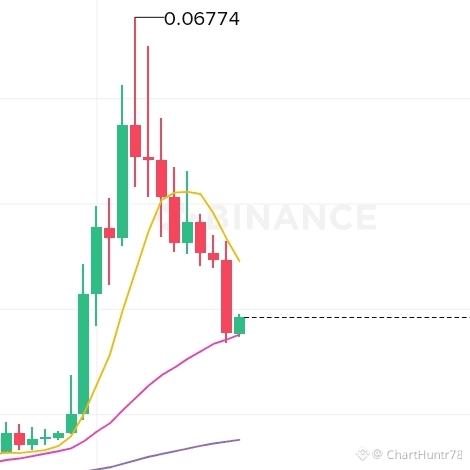
数字を整理すると、10月15日未明の高値0.06786から最大で約34%下落。記事公開前の現物価格は0.04655、24時間で約-21.3%、現物の24時間取引高は約2009万USDTです。同じ時間帯に$BTC は82,000付近を維持し、24時間で約+0.6%。今回の下落はWAL独自の勢いの衰えであり、市場全体に引きずられたものではありません。
なぜ下落したのか?現時点で明確な新たな悪材料は見つかっていません。急騰を後押ししたのは、10月13日にSui財団がDATA Networkを買収したという既報です。その材料の勢いは弱まり、踏み上げの燃料もとっくに尽きています。OKX無期限先物の資金調達率は、最も低いときの約-0.48%から約-0.074%まで縮小し、未決済建玉は約173万ドル。空売り勢の混雑は解消されつつあり、踏み上げによる反発は期待しにくい状況です。
今後注目するのは2つの水準だけです。上値では、0.048はすでにサポートからレジスタンスに転換。出来高を伴って回復し、定着しない限り、天井判断は覆りません。逆に、4時間足が引き続き0.045を下回って引けるなら、今回の相場は終了と見なします。途中の反発はまずポジションを減らす機会と考え、押し目買いのサインとは捉えないでください。24時間で約70%上昇してから天井確認まで、わずか1日半。こうした踏み上げ銘柄は、無効化ラインに達したら潔く認め、感情移入しないことです。
リスク警告:大きく下落した後は急反発する可能性がいつでもあり、追随して空売りするのも危険です。この記事は相場の記録であり、投資助言ではありません。
二択で予想:今回0.048を本当に割ったのか、それとも今夜また回復するのか——本当に天井なのか、それとも戻せるのか?
#WAL #Walrus #山寨币 #暴涨跟踪
$WAL 天井確認:0.048を約33時間守った後、正午12時の4時間足終値で正式に下回る
まず結論から:今朝の警戒投稿で定めた確認基準は、すべて満たされました。
正午12:00、WALの4時間足は0.04554で引けました。これは取引時間中の一時的な下ヒゲではありません。09:35の急落でまず0.048を割り込み、安値は0.04493まで下落。09:00の1時間足終値も0.04702となり、すでに一度警戒サインが出ていました。そして今、4時間足の終値も下回り、「取引時間中に下落」から「終値で確認」へと状況が変わりました。
数字を整理すると、10月15日未明の高値0.06786から最大で約34%下落。記事公開前の現物価格は0.04655、24時間で約-21.3%、現物の24時間取引高は約2009万USDTです。同じ時間帯に$BTC は82,000付近を維持し、24時間で約+0.6%。今回の下落はWAL独自の勢いの衰えであり、市場全体に引きずられたものではありません。
なぜ下落したのか?現時点で明確な新たな悪材料は見つかっていません。急騰を後押ししたのは、10月13日にSui財団がDATA Networkを買収したという既報です。その材料の勢いは弱まり、踏み上げの燃料もとっくに尽きています。OKX無期限先物の資金調達率は、最も低いときの約-0.48%から約-0.074%まで縮小し、未決済建玉は約173万ドル。空売り勢の混雑は解消されつつあり、踏み上げによる反発は期待しにくい状況です。
今後注目するのは2つの水準だけです。上値では、0.048はすでにサポートからレジスタンスに転換。出来高を伴って回復し、定着しない限り、天井判断は覆りません。逆に、4時間足が引き続き0.045を下回って引けるなら、今回の相場は終了と見なします。途中の反発はまずポジションを減らす機会と考え、押し目買いのサインとは捉えないでください。24時間で約70%上昇してから天井確認まで、わずか1日半。こうした踏み上げ銘柄は、無効化ラインに達したら潔く認め、感情移入しないことです。
リスク警告:大きく下落した後は急反発する可能性がいつでもあり、追随して空売りするのも危険です。この記事は相場の記録であり、投資助言ではありません。
二択で予想:今回0.048を本当に割ったのか、それとも今夜また回復するのか——本当に天井なのか、それとも戻せるのか?
#WAL #Walrus #山寨币 #暴涨跟踪
まず結論から:今朝の警戒投稿で定めた確認基準は、すべて満たされました。
正午12:00、WALの4時間足は0.04554で引けました。これは取引時間中の一時的な下ヒゲではありません。09:35の急落でまず0.048を割り込み、安値は0.04493まで下落。09:00の1時間足終値も0.04702となり、すでに一度警戒サインが出ていました。そして今、4時間足の終値も下回り、「取引時間中に下落」から「終値で確認」へと状況が変わりました。
数字を整理すると、10月15日未明の高値0.06786から最大で約34%下落。記事公開前の現物価格は0.04655、24時間で約-21.3%、現物の24時間取引高は約2009万USDTです。同じ時間帯に$BTC は82,000付近を維持し、24時間で約+0.6%。今回の下落はWAL独自の勢いの衰えであり、市場全体に引きずられたものではありません。
なぜ下落したのか?現時点で明確な新たな悪材料は見つかっていません。急騰を後押ししたのは、10月13日にSui財団がDATA Networkを買収したという既報です。その材料の勢いは弱まり、踏み上げの燃料もとっくに尽きています。OKX無期限先物の資金調達率は、最も低いときの約-0.48%から約-0.074%まで縮小し、未決済建玉は約173万ドル。空売り勢の混雑は解消されつつあり、踏み上げによる反発は期待しにくい状況です。
今後注目するのは2つの水準だけです。上値では、0.048はすでにサポートからレジスタンスに転換。出来高を伴って回復し、定着しない限り、天井判断は覆りません。逆に、4時間足が引き続き0.045を下回って引けるなら、今回の相場は終了と見なします。途中の反発はまずポジションを減らす機会と考え、押し目買いのサインとは捉えないでください。24時間で約70%上昇してから天井確認まで、わずか1日半。こうした踏み上げ銘柄は、無効化ラインに達したら潔く認め、感情移入しないことです。
リスク警告:大きく下落した後は急反発する可能性がいつでもあり、追随して空売りするのも危険です。この記事は相場の記録であり、投資助言ではありません。
二択で予想:今回0.048を本当に割ったのか、それとも今夜また回復するのか——本当に天井なのか、それとも戻せるのか?
#WAL #Walrus #山寨币 #暴涨跟踪
358

·
--
弱気相場
📊 $WAL /USDT 取引戦略:押し目買いか、様子見か?
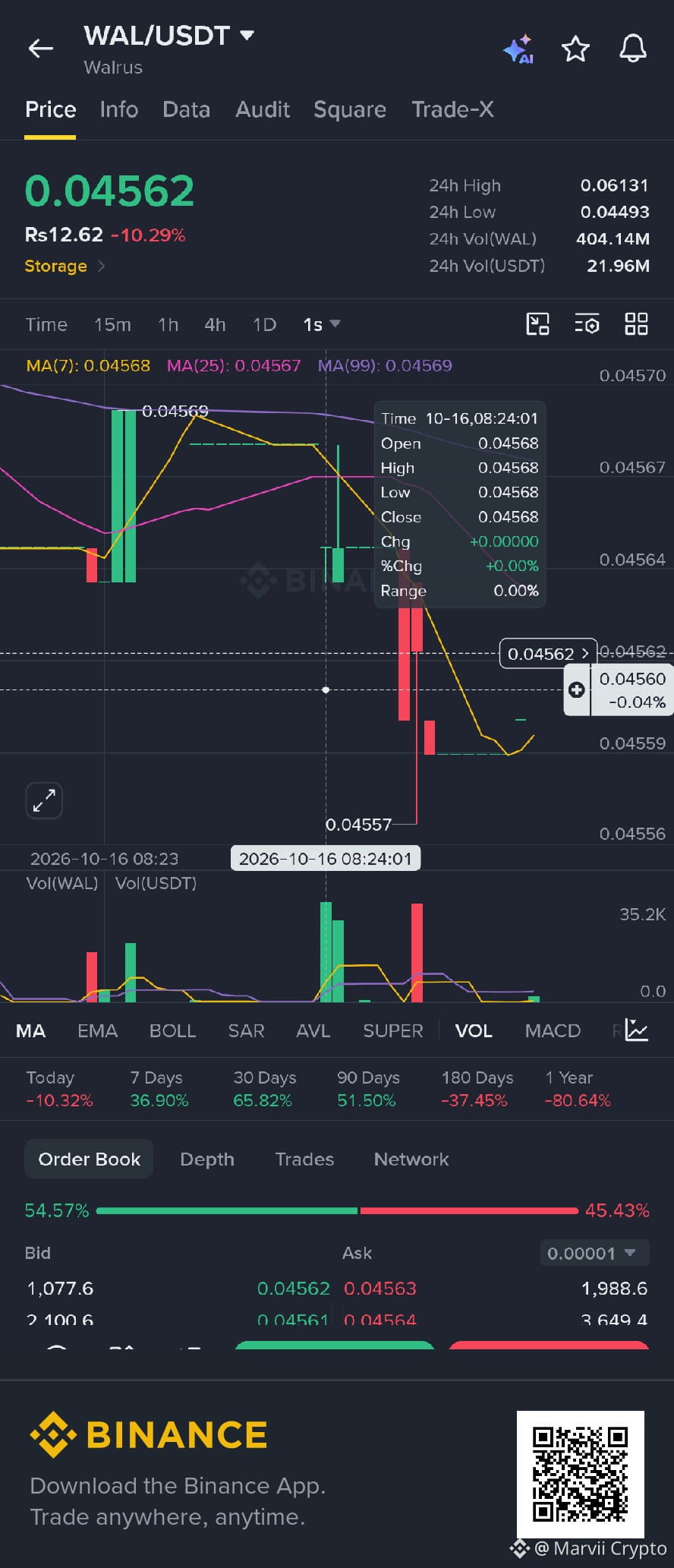
Walrus($WAL)は現在0.04562で取引されており、前日比で-10.29%下落しています。急激な調整の後、価格は重要な短期サポート水準を試しています。
現在のチャート構造に基づく、明確で分かりやすい取引戦略をご紹介します。
⚡ 取引戦略
エントリーゾーン(買い):$0.04550~$0.04565(現在のサポートエリア)
目標1(短期):$0.04590
目標2(中期):$0.04630
目標3(ブレイクアウト目標):$0.04700+
損切り(リスク管理):$0.04520(直近安値を下回った場合は、必ず厳守してください)
損切り(リスク管理):$0.04520(直近安値を下回った場合は、必ず厳守してください)
🔍 市場の見通し
• サポートとレジスタンス:0.04557が直近のサポートとして機能しています。価格がこの水準を維持できれば、短期的な反発が見られる可能性があります。
• 出来高アラート:売り出来高はやや減少しており、弱気派の勢いが衰え、強気派が参入する可能性を示唆しています。
⚠️ 免責事項:暗号資産取引には高いリスクが伴います。取引を始める前に、必ずリスクを管理し、ご自身で調査(DYOR)を行ってください!
#WALUSDT #CryptoTrading #BinanceSquare #TradingSignals #Walrus
{future}(WALUSDT)
📊 $WAL /USDT 取引戦略:押し目買いか、様子見か?
Walrus($WAL )は現在0.04562で取引されており、前日比で-10.29%下落しています。急激な調整の後、価格は重要な短期サポート水準を試しています。
現在のチャート構造に基づく、明確で分かりやすい取引戦略をご紹介します。
⚡ 取引戦略
エントリーゾーン(買い):$0.04550~$0.04565(現在のサポートエリア)
目標1(短期):$0.04590
目標2(中期):$0.04630
目標3(ブレイクアウト目標):$0.04700+
損切り(リスク管理):$0.04520(直近安値を下回った場合は、必ず厳守してください)
損切り(リスク管理):$0.04520(直近安値を下回った場合は、必ず厳守してください)
🔍 市場の見通し
• サポートとレジスタンス:0.04557が直近のサポートとして機能しています。価格がこの水準を維持できれば、短期的な反発が見られる可能性があります。
• 出来高アラート:売り出来高はやや減少しており、弱気派の勢いが衰え、強気派が参入する可能性を示唆しています。
⚠️ 免責事項:暗号資産取引には高いリスクが伴います。取引を始める前に、必ずリスクを管理し、ご自身で調査(DYOR)を行ってください!
#WALUSDT #CryptoTrading #BinanceSquare #TradingSignals #Walrus
Walrus($WAL )は現在0.04562で取引されており、前日比で-10.29%下落しています。急激な調整の後、価格は重要な短期サポート水準を試しています。
現在のチャート構造に基づく、明確で分かりやすい取引戦略をご紹介します。
⚡ 取引戦略
エントリーゾーン(買い):$0.04550~$0.04565(現在のサポートエリア)
目標1(短期):$0.04590
目標2(中期):$0.04630
目標3(ブレイクアウト目標):$0.04700+
損切り(リスク管理):$0.04520(直近安値を下回った場合は、必ず厳守してください)
損切り(リスク管理):$0.04520(直近安値を下回った場合は、必ず厳守してください)
🔍 市場の見通し
• サポートとレジスタンス:0.04557が直近のサポートとして機能しています。価格がこの水準を維持できれば、短期的な反発が見られる可能性があります。
• 出来高アラート:売り出来高はやや減少しており、弱気派の勢いが衰え、強気派が参入する可能性を示唆しています。
⚠️ 免責事項:暗号資産取引には高いリスクが伴います。取引を始める前に、必ずリスクを管理し、ご自身で調査(DYOR)を行ってください!
#WALUSDT #CryptoTrading #BinanceSquare #TradingSignals #Walrus
2
101
·
--
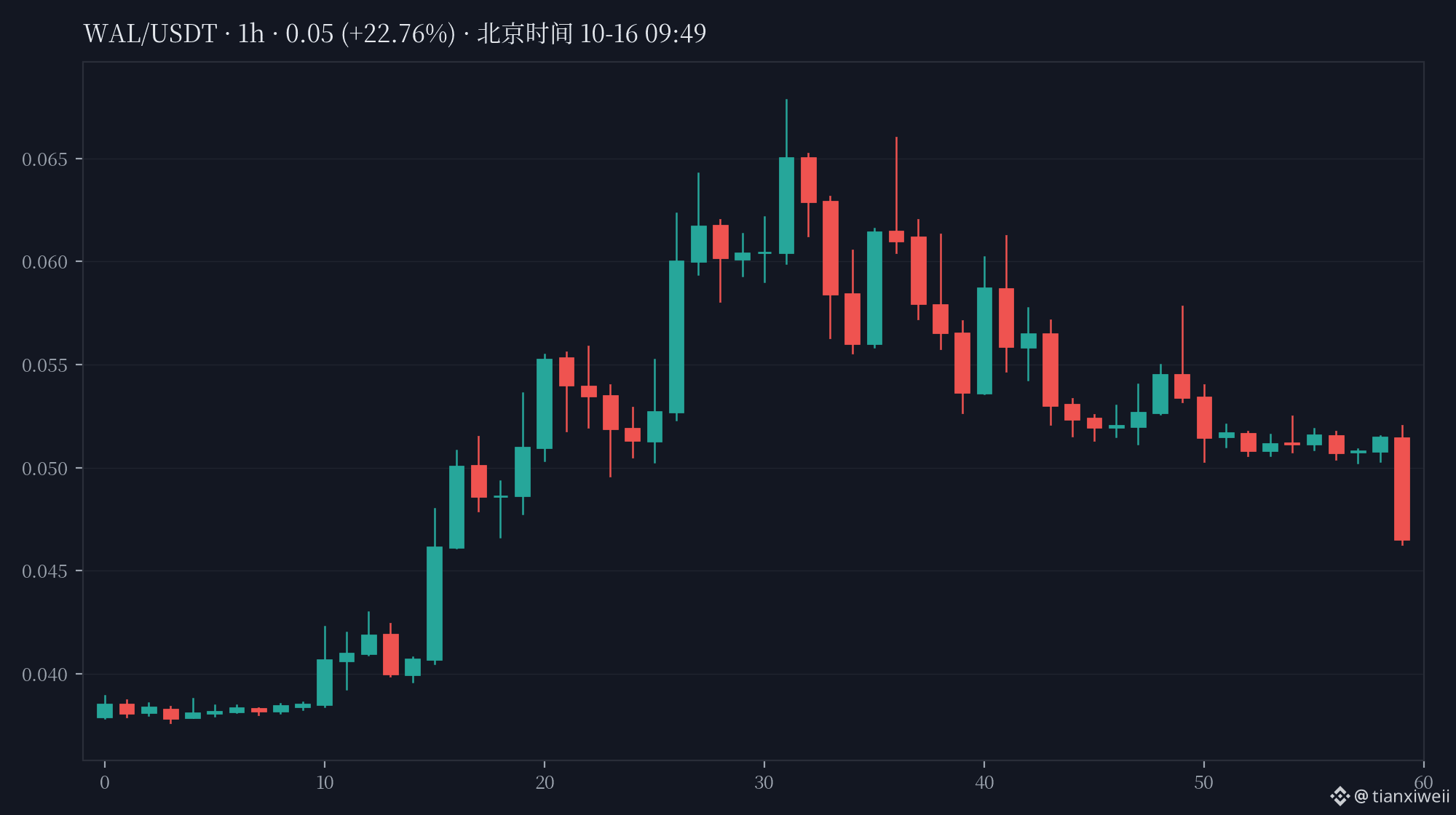
13分で0.048を割り込む、$WAL が33時間守ってきた最後の防衛線が崩れる
今朝09:35までは、$WAL はまだ0.051付近でもみ合っていた。09:35から一直線に急落し、09:41に0.048を割り込み、09:45には安値0.04629をつけた。公開前は約0.0466で、13分間で約9%下落。昨日未明の高値0.06786からの下落率は約31%に達し、24時間騰落率もプラスからマイナスに転じて約-23%となった。
0.048が重要な理由:10月15日未明の最初の追跡記事以来、この水準は大きな無効化ラインとして設定されていた。4時間足の終値が下回れば、天井をつけたと判断する。ここ2日間、ブレイクやダマシのブレイクが何度かあったが、価格は一度も本当にこの水準を下抜けていなかった。今日は初めて、出来高を伴って下抜け、すぐには回復しなかった。出来高もそれを裏付けている。09:30の15分足の取引高は約38.8万USDTで、それ以前の複数の足の3〜10倍。出来高のないじり安ではない。
相場の構造も変わった。OKX無期限先物の資金調達率は現在約-0.074%。昨日の極値-0.62%と比べると大幅に縮小しており、踏み上げの燃料はブレイク前にすでに尽きていた。今回の動きは現物の売り圧力が主導している。一方、$BTC は依然として8.21万付近にあり、24時間で約+0.5%。相場全体に引きずられたのではなく、WAL自身の材料が色あせてきたということだ。触媒については、今日は明確な新たな悪材料は見つかっていない。依然として、10月13日のSuiによるDATA買収という古いニュースを材料にした上昇分の巻き戻しが主因だ。メディアは10月26日にトークンのアンロックがあるとも報じているが、それは先の話であり、今朝の急落の原因ではない。
終値で判断する。10:00の1時間足、特に12:00の4時間足が0.048を下回って引ければ、天井をつけたことが確認される。急速に出来高を伴って0.048を回復し、その上で定着すれば、ダマシのブレイクとして扱い、この警戒シナリオは無効とする。反発した場合、まずは0.048(すでにサポートからレジスタンスに転換)、次にその上の旧レンジ下限0.0555に注目。ひとつ注意点もある。資金調達率はすでに極端な水準ではなく、短期的には安値圏で売られすぎでもある。この銘柄は昨日、「下抜けた後、1時間で回復」を演じたばかり。底値で追いかけて空売りするのも、反発で痛い目を見るリスクがある。
リスク警告:小型銘柄は板が薄く、値動きが非常に激しい。以上は振り返りの記録であり、投資助言ではない。あなたはどちらの見方だろうか——今回は0.048で本当に天井をつけたのか、それともまたダマシのブレイクで、1時間後には回復するのか?
#WAL #Walrus #Sui #アルトコイン
13分で0.048を割り込む、$WAL が33時間守ってきた最後の防衛線が崩れる
今朝09:35までは、$WAL はまだ0.051付近でもみ合っていた。09:35から一直線に急落し、09:41に0.048を割り込み、09:45には安値0.04629をつけた。公開前は約0.0466で、13分間で約9%下落。昨日未明の高値0.06786からの下落率は約31%に達し、24時間騰落率もプラスからマイナスに転じて約-23%となった。
0.048が重要な理由:10月15日未明の最初の追跡記事以来、この水準は大きな無効化ラインとして設定されていた。4時間足の終値が下回れば、天井をつけたと判断する。ここ2日間、ブレイクやダマシのブレイクが何度かあったが、価格は一度も本当にこの水準を下抜けていなかった。今日は初めて、出来高を伴って下抜け、すぐには回復しなかった。出来高もそれを裏付けている。09:30の15分足の取引高は約38.8万USDTで、それ以前の複数の足の3〜10倍。出来高のないじり安ではない。
相場の構造も変わった。OKX無期限先物の資金調達率は現在約-0.074%。昨日の極値-0.62%と比べると大幅に縮小しており、踏み上げの燃料はブレイク前にすでに尽きていた。今回の動きは現物の売り圧力が主導している。一方、$BTC は依然として8.21万付近にあり、24時間で約+0.5%。相場全体に引きずられたのではなく、WAL自身の材料が色あせてきたということだ。触媒については、今日は明確な新たな悪材料は見つかっていない。依然として、10月13日のSuiによるDATA買収という古いニュースを材料にした上昇分の巻き戻しが主因だ。メディアは10月26日にトークンのアンロックがあるとも報じているが、それは先の話であり、今朝の急落の原因ではない。
終値で判断する。10:00の1時間足、特に12:00の4時間足が0.048を下回って引ければ、天井をつけたことが確認される。急速に出来高を伴って0.048を回復し、その上で定着すれば、ダマシのブレイクとして扱い、この警戒シナリオは無効とする。反発した場合、まずは0.048(すでにサポートからレジスタンスに転換)、次にその上の旧レンジ下限0.0555に注目。ひとつ注意点もある。資金調達率はすでに極端な水準ではなく、短期的には安値圏で売られすぎでもある。この銘柄は昨日、「下抜けた後、1時間で回復」を演じたばかり。底値で追いかけて空売りするのも、反発で痛い目を見るリスクがある。
リスク警告:小型銘柄は板が薄く、値動きが非常に激しい。以上は振り返りの記録であり、投資助言ではない。あなたはどちらの見方だろうか——今回は0.048で本当に天井をつけたのか、それともまたダマシのブレイクで、1時間後には回復するのか?
#WAL #Walrus #Sui #アルトコイン
今朝09:35までは、$WAL はまだ0.051付近でもみ合っていた。09:35から一直線に急落し、09:41に0.048を割り込み、09:45には安値0.04629をつけた。公開前は約0.0466で、13分間で約9%下落。昨日未明の高値0.06786からの下落率は約31%に達し、24時間騰落率もプラスからマイナスに転じて約-23%となった。
0.048が重要な理由:10月15日未明の最初の追跡記事以来、この水準は大きな無効化ラインとして設定されていた。4時間足の終値が下回れば、天井をつけたと判断する。ここ2日間、ブレイクやダマシのブレイクが何度かあったが、価格は一度も本当にこの水準を下抜けていなかった。今日は初めて、出来高を伴って下抜け、すぐには回復しなかった。出来高もそれを裏付けている。09:30の15分足の取引高は約38.8万USDTで、それ以前の複数の足の3〜10倍。出来高のないじり安ではない。
相場の構造も変わった。OKX無期限先物の資金調達率は現在約-0.074%。昨日の極値-0.62%と比べると大幅に縮小しており、踏み上げの燃料はブレイク前にすでに尽きていた。今回の動きは現物の売り圧力が主導している。一方、$BTC は依然として8.21万付近にあり、24時間で約+0.5%。相場全体に引きずられたのではなく、WAL自身の材料が色あせてきたということだ。触媒については、今日は明確な新たな悪材料は見つかっていない。依然として、10月13日のSuiによるDATA買収という古いニュースを材料にした上昇分の巻き戻しが主因だ。メディアは10月26日にトークンのアンロックがあるとも報じているが、それは先の話であり、今朝の急落の原因ではない。
終値で判断する。10:00の1時間足、特に12:00の4時間足が0.048を下回って引ければ、天井をつけたことが確認される。急速に出来高を伴って0.048を回復し、その上で定着すれば、ダマシのブレイクとして扱い、この警戒シナリオは無効とする。反発した場合、まずは0.048(すでにサポートからレジスタンスに転換)、次にその上の旧レンジ下限0.0555に注目。ひとつ注意点もある。資金調達率はすでに極端な水準ではなく、短期的には安値圏で売られすぎでもある。この銘柄は昨日、「下抜けた後、1時間で回復」を演じたばかり。底値で追いかけて空売りするのも、反発で痛い目を見るリスクがある。
リスク警告:小型銘柄は板が薄く、値動きが非常に激しい。以上は振り返りの記録であり、投資助言ではない。あなたはどちらの見方だろうか——今回は0.048で本当に天井をつけたのか、それともまたダマシのブレイクで、1時間後には回復するのか?
#WAL #Walrus #Sui #アルトコイン
270

$WAL ついにブレイクアウト、ショート勢は squeeze 🚀
本日は約25%、週間では約49%上昇し、DATA NetworkがWalrusをデフォルトのストレージに指定したことを受け、0.058ドル付近で推移。ショートポジションの567万ドル相当が清算されました。
🔹 サポート:0.0559ドル(200日移動平均)
🔹 レジスタンス:0.0658ドル、次に0.075ドル
🔹 戦略:高値を追わないこと。損切りを設定したうえで、0.0559ドルへのリテストを待ちましょう。
💬 リテスト、それとも0.075ドルまで上昇? 👇
{future}(WALUSDT)
⚠️ 金融アドバイスではありません。ご自身で調査してください。
#WAL #Walrus #TechnicalAnalys #BinanceSquare
$WAL ついにブレイクアウト、ショート勢は squeeze 🚀
本日は約25%、週間では約49%上昇し、DATA NetworkがWalrusをデフォルトのストレージに指定したことを受け、0.058ドル付近で推移。ショートポジションの567万ドル相当が清算されました。
🔹 サポート:0.0559ドル(200日移動平均)
🔹 レジスタンス:0.0658ドル、次に0.075ドル
🔹 戦略:高値を追わないこと。損切りを設定したうえで、0.0559ドルへのリテストを待ちましょう。
💬 リテスト、それとも0.075ドルまで上昇? 👇
⚠️ 金融アドバイスではありません。ご自身で調査してください。
#WAL #Walrus #TechnicalAnalys #BinanceSquare
本日は約25%、週間では約49%上昇し、DATA NetworkがWalrusをデフォルトのストレージに指定したことを受け、0.058ドル付近で推移。ショートポジションの567万ドル相当が清算されました。
🔹 サポート:0.0559ドル(200日移動平均)
🔹 レジスタンス:0.0658ドル、次に0.075ドル
🔹 戦略:高値を追わないこと。損切りを設定したうえで、0.0559ドルへのリテストを待ちましょう。
💬 リテスト、それとも0.075ドルまで上昇? 👇
⚠️ 金融アドバイスではありません。ご自身で調査してください。
#WAL #Walrus #TechnicalAnalys #BinanceSquare
1
236

$WAL :ロング、それともショート? 📈📉
🔹 潜在的な材料:分散型データインフラへの需要拡大が、長期的な普及を後押しする可能性があります。
🔹 強気シナリオ:出来高が継続し、ブレイクアウトが確認されれば、ロングの機会が生まれる可能性があります。
🔹 弱気シナリオ:急騰後の利益確定売りやサポートラインの割れにより、下落リスクが生じる可能性があります。
⚠️ 価格変動が非常に大きい銘柄です。利益は保証されません。リスクを慎重に管理してください。
#WAL #Walrus #BinanceSquare r #CryptoAnalysis
{spot}(WALUSDT)
#Altcoins
$WAL :ロング、それともショート? 📈📉
🔹 潜在的な材料:分散型データインフラへの需要拡大が、長期的な普及を後押しする可能性があります。
🔹 強気シナリオ:出来高が継続し、ブレイクアウトが確認されれば、ロングの機会が生まれる可能性があります。
🔹 弱気シナリオ:急騰後の利益確定売りやサポートラインの割れにより、下落リスクが生じる可能性があります。
⚠️ 価格変動が非常に大きい銘柄です。利益は保証されません。リスクを慎重に管理してください。
#WAL #Walrus #BinanceSquare r #CryptoAnalysis
#Altcoins
🔹 潜在的な材料:分散型データインフラへの需要拡大が、長期的な普及を後押しする可能性があります。
🔹 強気シナリオ:出来高が継続し、ブレイクアウトが確認されれば、ロングの機会が生まれる可能性があります。
🔹 弱気シナリオ:急騰後の利益確定売りやサポートラインの割れにより、下落リスクが生じる可能性があります。
⚠️ 価格変動が非常に大きい銘柄です。利益は保証されません。リスクを慎重に管理してください。
#WAL #Walrus #BinanceSquare r #CryptoAnalysis
#Altcoins
1
235

·
--
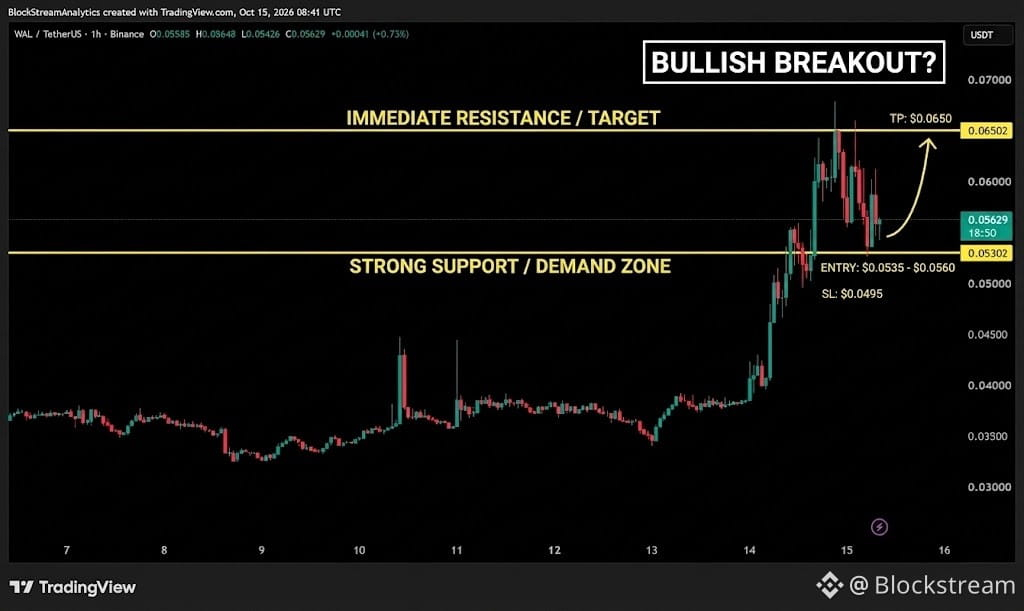
$WAL 次の上昇局面を前に、ブレイクアウトに向けた持ち合い!$0.0650を突破する準備はできていますか? 📈🚀
エントリー:$0.0535~$0.0560
利確目標1:$0.0610 | 利確目標2:$0.0650 | 利確目標3:$0.0710
損切り:$0.0495
Walrus($WAL)は大きく上昇した後、$0.0558付近で強い上昇モメンタムを維持しています。$0.0530のサポート水準を守れば、強気の相場構造が保たれ、$0.0650超えを目指す展開が期待できます。
値動きの速い急騰銘柄の取引では、リスク管理を徹底しましょう!
👉 こちらをクリックして取引 $WAL 📈
毎日のスピード取引セットアップをチェック!
{spot}(WALUSDT)
#walrus
$WAL 次の上昇局面を前に、ブレイクアウトに向けた持ち合い!$0.0650を突破する準備はできていますか? 📈🚀
エントリー:$0.0535~$0.0560
利確目標1:$0.0610 | 利確目標2:$0.0650 | 利確目標3:$0.0710
損切り:$0.0495
Walrus($WAL )は大きく上昇した後、$0.0558付近で強い上昇モメンタムを維持しています。$0.0530のサポート水準を守れば、強気の相場構造が保たれ、$0.0650超えを目指す展開が期待できます。
値動きの速い急騰銘柄の取引では、リスク管理を徹底しましょう!
👉 こちらをクリックして取引 $WAL 📈
毎日のスピード取引セットアップをチェック!
#walrus
エントリー:$0.0535~$0.0560
利確目標1:$0.0610 | 利確目標2:$0.0650 | 利確目標3:$0.0710
損切り:$0.0495
Walrus($WAL )は大きく上昇した後、$0.0558付近で強い上昇モメンタムを維持しています。$0.0530のサポート水準を守れば、強気の相場構造が保たれ、$0.0650超えを目指す展開が期待できます。
値動きの速い急騰銘柄の取引では、リスク管理を徹底しましょう!
👉 こちらをクリックして取引 $WAL 📈
毎日のスピード取引セットアップをチェック!
#walrus
1
1
71
·
--
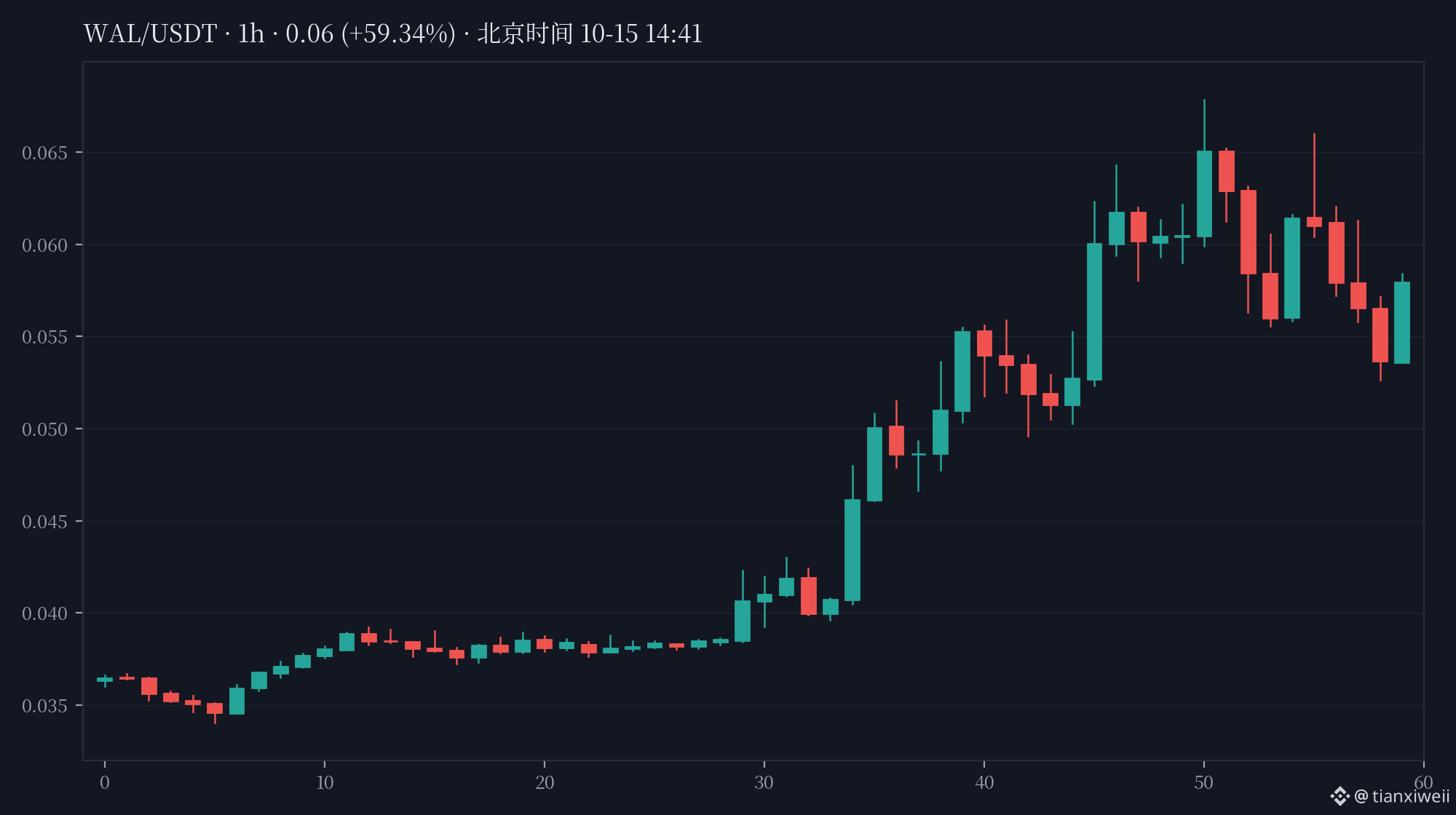
$WAL 追跡アップデート:レンジ下限を一時割り込んだものの、1時間も経たずに戻す
昼ごろ、$WAL はまだ0.0555~0.066のレンジ内でもみ合っていましたが、13:00の1時間で突然様相が一変。出来高は約212万USDTに膨らみ、安値は0.05266まで下落。1時間足の終値は0.05366となり、このレンジが形成されて以来初めて下限を下回って引けました。一時は今回の急騰が始まる前の水準付近まで下落し、未明の高値0.06786から約22%下げました。
しかし14:00以降、急速に反発。直近1時間のうち40分あまりで約131万USDTの取引があり、北京時間14:42に現物価格を再確認したところ約0.0579(指数価格とほぼ一致)でした。0.0555を再び上回り、安値から約10%反発しています。
なぜこれほど激しく動いたのでしょうか?新たな悪材料や材料は見つかっておらず、引き続き材料となっているのは10月13日のSui財団によるDATA Network買収です。どちらかといえば、市場全体が軟調($BTC は約-2.9%、$ETH は約-5.6%)ななか、利益確定売りが先行し、その後、大幅なマイナスの資金調達率に押し戻されたように見えます。OKXの無期限先物の資金調達率は約-0.41%、無期限先物価格は現物価格を約2.6%下回っており、ショートは午前より混み合っています。こうした構造では、反発は急角度で速くなりやすく、追いかけてショートしてもロングしても痛い目に遭いやすいです。
今後は15:00の1時間足終値だけを見ます。0.0555を上回って引ければ、今回の下抜けはひとまずダマシと判断し、次は上値の0.0623に注目。再び0.0555を下回って引ければ、下抜けが継続したと判断します。大きな無効化水準は変わらず、4時間足終値で0.048を下回れば、今回の相場は天井をつけたものとして扱います。
リスクに関する注意:以上は個人的な振り返りの記録であり、投資助言ではありません。$WAL は値動きもポジションの偏りも非常に大きいため、ポジション管理と損切りを最優先してください。
これは急落を装った振るい落としだと思いますか?それとも反発が終わり、さらに下落すると見ますか?コメント欄で話しましょう。
#WAL #Walrus #山寨币 #先物
$WAL 追跡アップデート:レンジ下限を一時割り込んだものの、1時間も経たずに戻す
昼ごろ、$WAL はまだ0.0555~0.066のレンジ内でもみ合っていましたが、13:00の1時間で突然様相が一変。出来高は約212万USDTに膨らみ、安値は0.05266まで下落。1時間足の終値は0.05366となり、このレンジが形成されて以来初めて下限を下回って引けました。一時は今回の急騰が始まる前の水準付近まで下落し、未明の高値0.06786から約22%下げました。
しかし14:00以降、急速に反発。直近1時間のうち40分あまりで約131万USDTの取引があり、北京時間14:42に現物価格を再確認したところ約0.0579(指数価格とほぼ一致)でした。0.0555を再び上回り、安値から約10%反発しています。
なぜこれほど激しく動いたのでしょうか?新たな悪材料や材料は見つかっておらず、引き続き材料となっているのは10月13日のSui財団によるDATA Network買収です。どちらかといえば、市場全体が軟調($BTC は約-2.9%、$ETH は約-5.6%)ななか、利益確定売りが先行し、その後、大幅なマイナスの資金調達率に押し戻されたように見えます。OKXの無期限先物の資金調達率は約-0.41%、無期限先物価格は現物価格を約2.6%下回っており、ショートは午前より混み合っています。こうした構造では、反発は急角度で速くなりやすく、追いかけてショートしてもロングしても痛い目に遭いやすいです。
今後は15:00の1時間足終値だけを見ます。0.0555を上回って引ければ、今回の下抜けはひとまずダマシと判断し、次は上値の0.0623に注目。再び0.0555を下回って引ければ、下抜けが継続したと判断します。大きな無効化水準は変わらず、4時間足終値で0.048を下回れば、今回の相場は天井をつけたものとして扱います。
リスクに関する注意:以上は個人的な振り返りの記録であり、投資助言ではありません。$WAL は値動きもポジションの偏りも非常に大きいため、ポジション管理と損切りを最優先してください。
これは急落を装った振るい落としだと思いますか?それとも反発が終わり、さらに下落すると見ますか?コメント欄で話しましょう。
#WAL #Walrus #山寨币 #先物
昼ごろ、$WAL はまだ0.0555~0.066のレンジ内でもみ合っていましたが、13:00の1時間で突然様相が一変。出来高は約212万USDTに膨らみ、安値は0.05266まで下落。1時間足の終値は0.05366となり、このレンジが形成されて以来初めて下限を下回って引けました。一時は今回の急騰が始まる前の水準付近まで下落し、未明の高値0.06786から約22%下げました。
しかし14:00以降、急速に反発。直近1時間のうち40分あまりで約131万USDTの取引があり、北京時間14:42に現物価格を再確認したところ約0.0579(指数価格とほぼ一致)でした。0.0555を再び上回り、安値から約10%反発しています。
なぜこれほど激しく動いたのでしょうか?新たな悪材料や材料は見つかっておらず、引き続き材料となっているのは10月13日のSui財団によるDATA Network買収です。どちらかといえば、市場全体が軟調($BTC は約-2.9%、$ETH は約-5.6%)ななか、利益確定売りが先行し、その後、大幅なマイナスの資金調達率に押し戻されたように見えます。OKXの無期限先物の資金調達率は約-0.41%、無期限先物価格は現物価格を約2.6%下回っており、ショートは午前より混み合っています。こうした構造では、反発は急角度で速くなりやすく、追いかけてショートしてもロングしても痛い目に遭いやすいです。
今後は15:00の1時間足終値だけを見ます。0.0555を上回って引ければ、今回の下抜けはひとまずダマシと判断し、次は上値の0.0623に注目。再び0.0555を下回って引ければ、下抜けが継続したと判断します。大きな無効化水準は変わらず、4時間足終値で0.048を下回れば、今回の相場は天井をつけたものとして扱います。
リスクに関する注意:以上は個人的な振り返りの記録であり、投資助言ではありません。$WAL は値動きもポジションの偏りも非常に大きいため、ポジション管理と損切りを最優先してください。
これは急落を装った振るい落としだと思いますか?それとも反発が終わり、さらに下落すると見ますか?コメント欄で話しましょう。
#WAL #Walrus #山寨币 #先物
412

·
--
🚀 WAL(Walrus)コイン最新情報 — 2026年10月15日
🔥 WALが暗号資産市場で注目を集めています!
W🚀 WAL(Walrus)コイン最新情報 — 2026年10月15日
🔥 $WAL が暗号資産市場で注目を集めています!
Walrusは、アプリケーションがデジタルデータを効率的に保存・管理できるよう支援することに重点を置いた、分散型データストレージプロジェクトです。
📊 市場の注目ポイント:$WAL は最近、価格が大きく変動しており、暗号資産トレーダーの注目を集めています。ただし、ボラティリティが高いと、チャンスとリスクの両方が生じる可能性があります。
👀 注目ポイント:取引量、市場の勢い、主要なサポートラインとレジスタンスライン。
⚠️ 取引を決定する前に、必ずご自身で調査を行ってください。これは金融アドバイスではありません。
🚀 WAL(Walrus)コイン最新情報 — 2026年10月15日 🔥 WALが暗号資産市場で注目を集めています! W
🚀 WAL(Walrus)コイン最新情報 — 2026年10月15日
🔥 $WAL が暗号資産市場で注目を集めています!
Walrusは、アプリケーションがデジタルデータを効率的に保存・管理できるよう支援することに重点を置いた、分散型データストレージプロジェクトです。
📊 市場の注目ポイント:$WAL は最近、価格が大きく変動しており、暗号資産トレーダーの注目を集めています。ただし、ボラティリティが高いと、チャンスとリスクの両方が生じる可能性があります。
👀 注目ポイント:取引量、市場の勢い、主要なサポートラインとレジスタンスライン。
⚠️ 取引を決定する前に、必ずご自身で調査を行ってください。これは金融アドバイスではありません。
🔥 $WAL が暗号資産市場で注目を集めています!
Walrusは、アプリケーションがデジタルデータを効率的に保存・管理できるよう支援することに重点を置いた、分散型データストレージプロジェクトです。
📊 市場の注目ポイント:$WAL は最近、価格が大きく変動しており、暗号資産トレーダーの注目を集めています。ただし、ボラティリティが高いと、チャンスとリスクの両方が生じる可能性があります。
👀 注目ポイント:取引量、市場の勢い、主要なサポートラインとレジスタンスライン。
⚠️ 取引を決定する前に、必ずご自身で調査を行ってください。これは金融アドバイスではありません。
203

·
--
💪 $WAL
{spot}(WALUSDT)
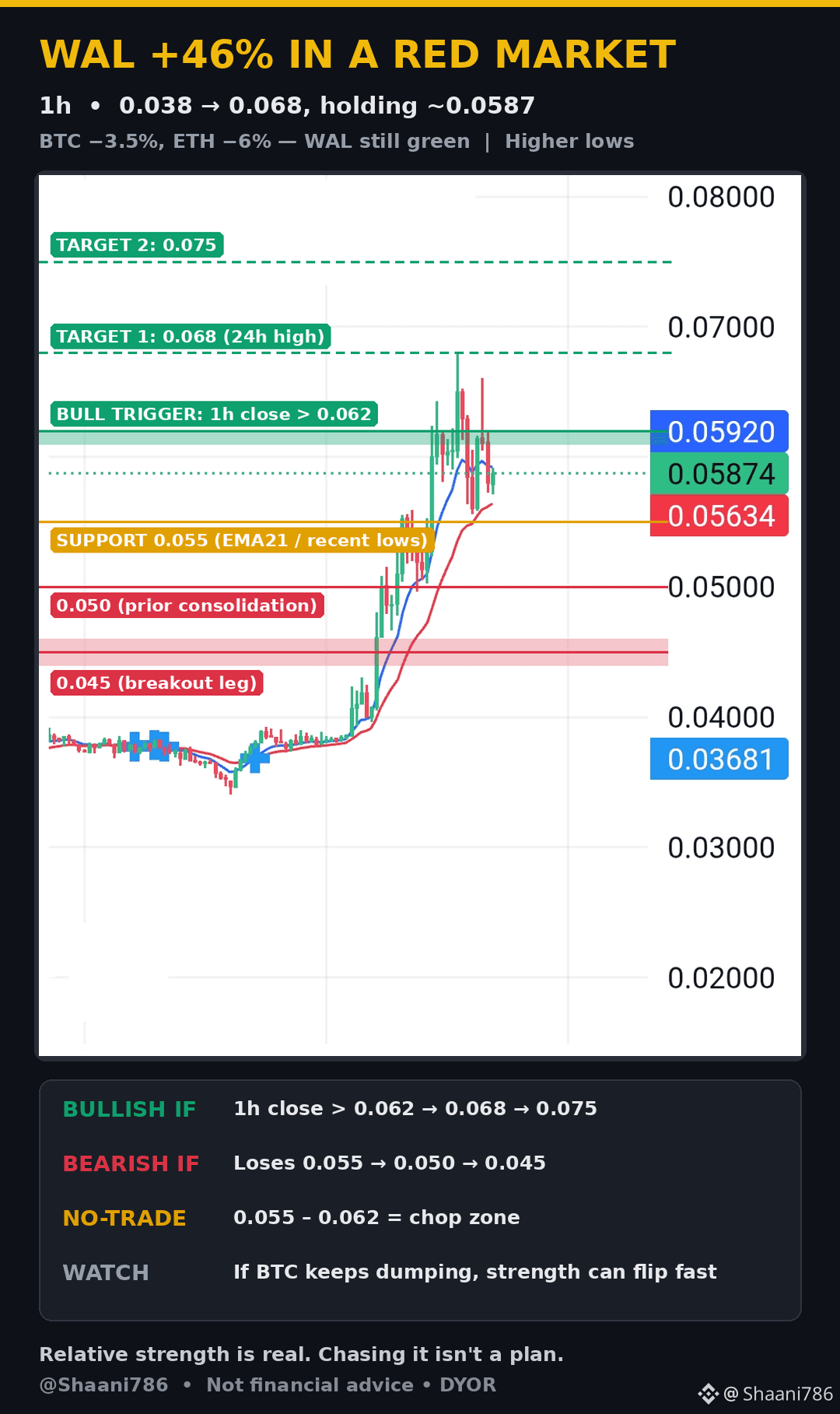
+46% — 市場全体が下落する中で
BTCは−3.5%、ETHは−6%、アルトコインは5〜10%下落……その中でWalrusは上昇。WALは$0.038から段階的に$0.068まで上昇し、現在は安値を切り上げながら約$0.0587を維持しています。
これは相対的な強さです。他の銘柄が売られる中、買い手が入っています。ただし、BTCの下落が続けば、最も強いコインでさえ急変する可能性があります。
📈 強気シナリオ:1時間足の終値が$0.062を上回る → $0.068 → $0.075
📉 弱気シナリオ:$0.055を下回る → $0.050 → $0.045
⏸️ $0.055〜$0.062は方向感のないレンジ。取引は見送り
相対的な強さは本物です。でも、追いかけるだけでは戦略になりません。節目を待ちましょう。
今週、WALが最も強いコインだと思いますか? 👇
#WAL #Walrus #Write2Earn #altcoins
投資助言ではありません • ご自身で調査してください
💪 $WAL
+46% — 市場全体が下落する中で
BTCは−3.5%、ETHは−6%、アルトコインは5〜10%下落……その中でWalrusは上昇。WALは$0.038から段階的に$0.068まで上昇し、現在は安値を切り上げながら約$0.0587を維持しています。
これは相対的な強さです。他の銘柄が売られる中、買い手が入っています。ただし、BTCの下落が続けば、最も強いコインでさえ急変する可能性があります。
📈 強気シナリオ:1時間足の終値が$0.062を上回る → $0.068 → $0.075
📉 弱気シナリオ:$0.055を下回る → $0.050 → $0.045
⏸️ $0.055〜$0.062は方向感のないレンジ。取引は見送り
相対的な強さは本物です。でも、追いかけるだけでは戦略になりません。節目を待ちましょう。
今週、WALが最も強いコインだと思いますか? 👇
#WAL #Walrus #Write2Earn #altcoins
投資助言ではありません • ご自身で調査してください
+46% — 市場全体が下落する中で
BTCは−3.5%、ETHは−6%、アルトコインは5〜10%下落……その中でWalrusは上昇。WALは$0.038から段階的に$0.068まで上昇し、現在は安値を切り上げながら約$0.0587を維持しています。
これは相対的な強さです。他の銘柄が売られる中、買い手が入っています。ただし、BTCの下落が続けば、最も強いコインでさえ急変する可能性があります。
📈 強気シナリオ:1時間足の終値が$0.062を上回る → $0.068 → $0.075
📉 弱気シナリオ:$0.055を下回る → $0.050 → $0.045
⏸️ $0.055〜$0.062は方向感のないレンジ。取引は見送り
相対的な強さは本物です。でも、追いかけるだけでは戦略になりません。節目を待ちましょう。
今週、WALが最も強いコインだと思いますか? 👇
#WAL #Walrus #Write2Earn #altcoins
投資助言ではありません • ご自身で調査してください
260

·
--
弱気相場
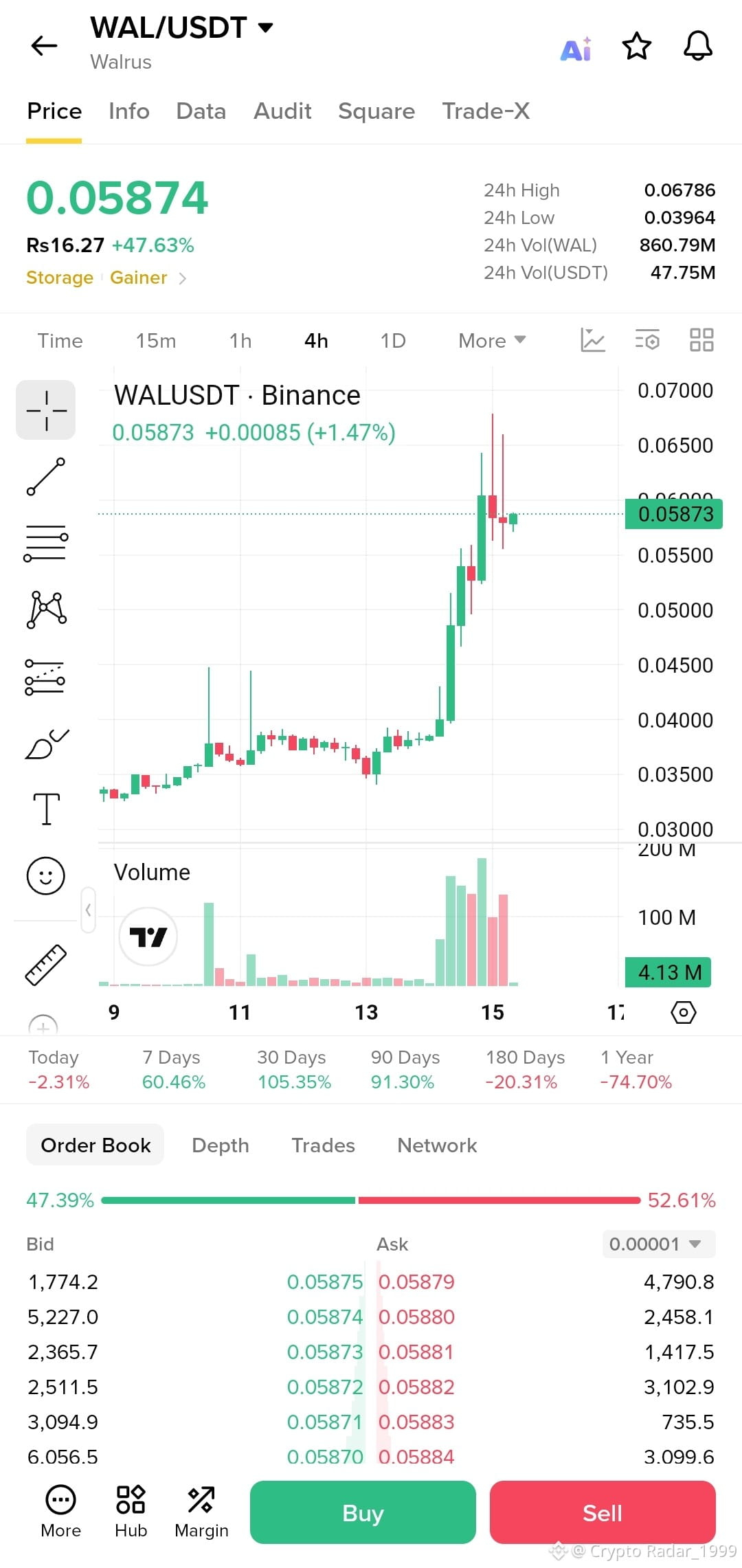
🚨 $WAL Lで明確な4時間足セットアップを見つけた!👀
多くの人は見逃す。見逃すな。🎯
押し目買いセットアップ
📍 エントリー:$0.0500–$0.0520
🛑 損切り:$0.0470
🎯 利確目標1:$0.0540
🎯 利確目標2:$0.0570
🚀 利確目標3:$0.0600
$WAL 💎 $POWER
{future}(WALUSDT)
#WAL #Walrus #Crypto #Trading #BinanceSquare
🚨 $WAL Lで明確な4時間足セットアップを見つけた!👀
多くの人は見逃す。見逃すな。🎯
押し目買いセットアップ
📍 エントリー:$0.0500–$0.0520
🛑 損切り:$0.0470
🎯 利確目標1:$0.0540
🎯 利確目標2:$0.0570
🚀 利確目標3:$0.0600
$WAL 💎 $POWER
#WAL #Walrus #Crypto #Trading #BinanceSquare
多くの人は見逃す。見逃すな。🎯
押し目買いセットアップ
📍 エントリー:$0.0500–$0.0520
🛑 損切り:$0.0470
🎯 利確目標1:$0.0540
🎯 利確目標2:$0.0570
🚀 利確目標3:$0.0600
$WAL 💎 $POWER
#WAL #Walrus #Crypto #Trading #BinanceSquare
1
186

·
--
🚀 BINANCE 値上がり率トップ銘柄アラート:$WAL(WALRUS)
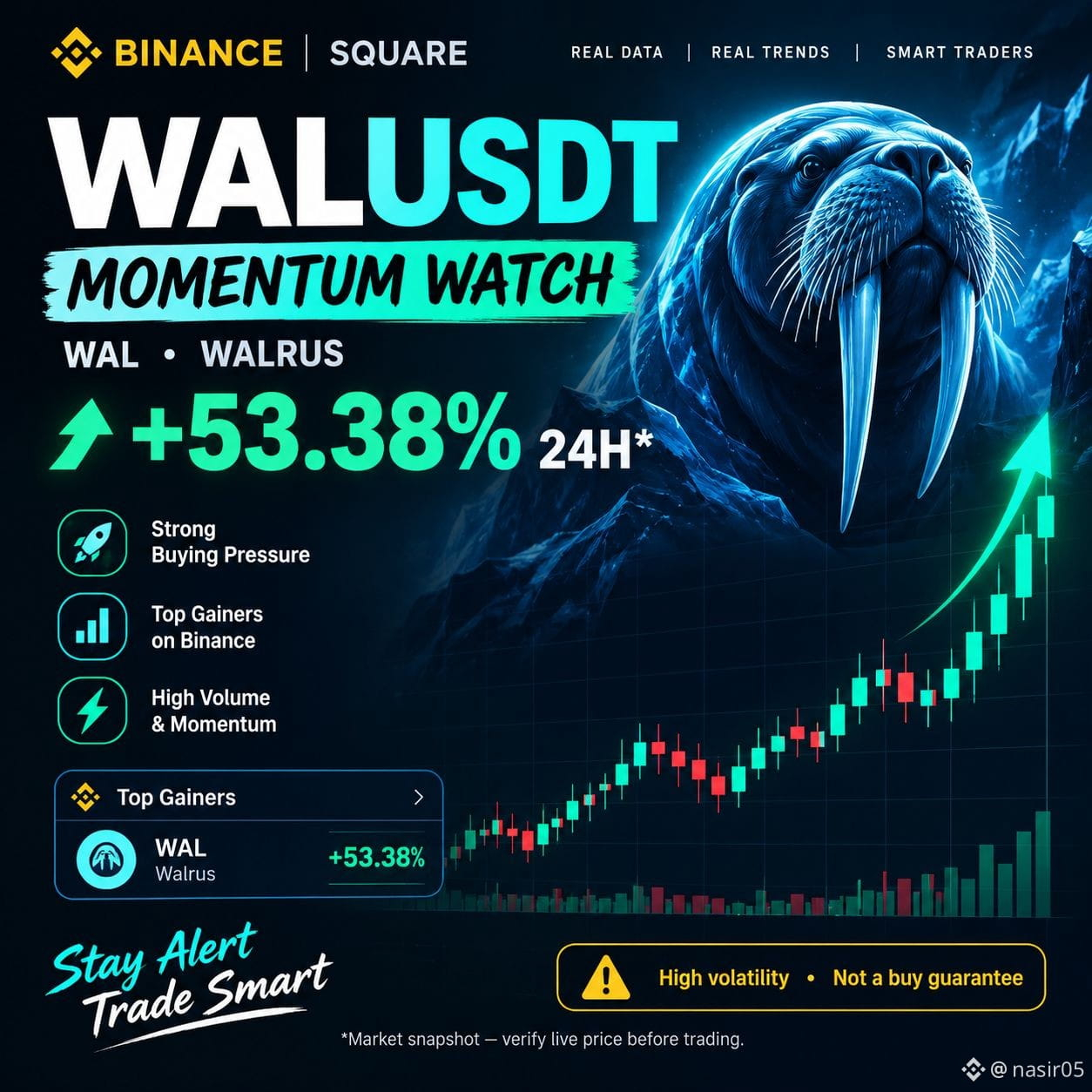
🔥 Walrus($WAL)が力強い値動きを見せています!
本日のBinance市場スナップショットによると、WALは24時間で約53.38%上昇しました。
📊 トレーダーがWALに注目する理由:
力強い上昇基調
市場からの高い注目度
24時間で大幅上昇
短期取引のチャンスの可能性
⚠️ 取引戦略:陽線をむやみに追いかけないでください!
WAL/USDTのリアルタイムチャートを確認しましょう。
押し目が来る可能性を待ちましょう。
エントリー前に確認シグナルを探しましょう。
必ずストップロスを設定しましょう。
失っても困らない範囲を超えて、決してリスクを取らないでください。
💬 トレーダーへの質問:$WALは上昇の勢いを維持できると思いますか?それとも調整が入るでしょうか?
👇 あなたの分析を共有してください!
#WAL #walrus
{future}(WALUSDT)
#CryptoAnalysis #Altcoins! #CryptoMarket
🚀 BINANCE 値上がり率トップ銘柄アラート:$WAL(WALRUS)
🔥 Walrus($WAL)が力強い値動きを見せています!
本日のBinance市場スナップショットによると、WALは24時間で約53.38%上昇しました。
📊 トレーダーがWALに注目する理由:
力強い上昇基調
市場からの高い注目度
24時間で大幅上昇
短期取引のチャンスの可能性
⚠️ 取引戦略:陽線をむやみに追いかけないでください!
WAL/USDTのリアルタイムチャートを確認しましょう。
押し目が来る可能性を待ちましょう。
エントリー前に確認シグナルを探しましょう。
必ずストップロスを設定しましょう。
失っても困らない範囲を超えて、決してリスクを取らないでください。
💬 トレーダーへの質問:$WALは上昇の勢いを維持できると思いますか?それとも調整が入るでしょうか?
👇 あなたの分析を共有してください!
#WAL #walrus
#CryptoAnalysis #Altcoins! #CryptoMarket
🔥 Walrus($WAL)が力強い値動きを見せています!
本日のBinance市場スナップショットによると、WALは24時間で約53.38%上昇しました。
📊 トレーダーがWALに注目する理由:
力強い上昇基調
市場からの高い注目度
24時間で大幅上昇
短期取引のチャンスの可能性
⚠️ 取引戦略:陽線をむやみに追いかけないでください!
WAL/USDTのリアルタイムチャートを確認しましょう。
押し目が来る可能性を待ちましょう。
エントリー前に確認シグナルを探しましょう。
必ずストップロスを設定しましょう。
失っても困らない範囲を超えて、決してリスクを取らないでください。
💬 トレーダーへの質問:$WALは上昇の勢いを維持できると思いますか?それとも調整が入るでしょうか?
👇 あなたの分析を共有してください!
#WAL #walrus
#CryptoAnalysis #Altcoins! #CryptoMarket
167

·
--
WALが今日は大幅高となった。一方、広場に掲載された「WAL+FROSTのデュアルトークンシステム」の紹介では、同じ資産が2種類に分けられていた。値上がりは事実だが、旧投稿にあるトークンの位置づけの説明は誤っている。
北京時間10月15日11時07分時点で、バイナンスのWALUSDT無期限先物のローリング24時間上昇率は約47.3%。広場ユーザーの乐天杰克-合一による旧投稿では、WAL+FROSTがデュアルトークンのステーキングシステムとして紹介されていた。
しかし、Walrusの公式ドキュメントでは、FROSTはWALの「最小単位」として記載されており、換算は1 WAL=10億 FROST。元を分に換えるようなもので、残高に表示される数量が増えるだけで、資産が別の種類に変わるわけではない。FROST建てで記帳されても、独立したトークンへの需要が新たに生まれるわけではない。
実際の支払いで区別すべきなのは、WALとSUIだ。公式FAQによると、ストレージ料金と書き込み料金の支払いにはWALを使い、オンチェーン取引のガス代にはSUIを使う。FROSTは前者の計量単位であり、ここで別の支払い資産となるのはSUIだ。
WALの上昇は、この説明を裏付けるものではない。
$WAL #Walrus #トークンエコノミクス
WALが今日は大幅高となった。一方、広場に掲載された「WAL+FROSTのデュアルトークンシステム」の紹介では、同じ資産が2種類に分けられていた。値上がりは事実だが、旧投稿にあるトークンの位置づけの説明は誤っている。
北京時間10月15日11時07分時点で、バイナンスのWALUSDT無期限先物のローリング24時間上昇率は約47.3%。広場ユーザーの乐天杰克-合一による旧投稿では、WAL+FROSTがデュアルトークンのステーキングシステムとして紹介されていた。
しかし、Walrusの公式ドキュメントでは、FROSTはWALの「最小単位」として記載されており、換算は1 WAL=10億 FROST。元を分に換えるようなもので、残高に表示される数量が増えるだけで、資産が別の種類に変わるわけではない。FROST建てで記帳されても、独立したトークンへの需要が新たに生まれるわけではない。
実際の支払いで区別すべきなのは、WALとSUIだ。公式FAQによると、ストレージ料金と書き込み料金の支払いにはWALを使い、オンチェーン取引のガス代にはSUIを使う。FROSTは前者の計量単位であり、ここで別の支払い資産となるのはSUIだ。
WALの上昇は、この説明を裏付けるものではない。
$WAL #Walrus #トークンエコノミクス
北京時間10月15日11時07分時点で、バイナンスのWALUSDT無期限先物のローリング24時間上昇率は約47.3%。広場ユーザーの乐天杰克-合一による旧投稿では、WAL+FROSTがデュアルトークンのステーキングシステムとして紹介されていた。
しかし、Walrusの公式ドキュメントでは、FROSTはWALの「最小単位」として記載されており、換算は1 WAL=10億 FROST。元を分に換えるようなもので、残高に表示される数量が増えるだけで、資産が別の種類に変わるわけではない。FROST建てで記帳されても、独立したトークンへの需要が新たに生まれるわけではない。
実際の支払いで区別すべきなのは、WALとSUIだ。公式FAQによると、ストレージ料金と書き込み料金の支払いにはWALを使い、オンチェーン取引のガス代にはSUIを使う。FROSTは前者の計量単位であり、ここで別の支払い資産となるのはSUIだ。
WALの上昇は、この説明を裏付けるものではない。
$WAL #Walrus #トークンエコノミクス
600

·
--
本人確認中

記事
SuiがAIデータインフラを拡充するなか、Walrusに3,000万ドルの大型投資Sui FoundationがDATA Networkに3,000万ドルを投資する計画を発表したことで、Walrusへの注目が高まっています。この提携では、WalrusをAI学習データ向けの同ネットワークのネイティブストレージ層として位置付けています。人工知能モデルの学習に使われるデータの出所、所有権、許可された利用を明らかにする、拡張性と検証可能性を備えたデータサプライチェーンの構築を目指します。
Walrus
2026年10月に発表された移行計画の一環として、DATA Networkは独自のブロックチェーンを終了し、Sui上でプロトコルを再構築する予定です。同ネットワークのTraceレジストリには、これまでに2億5,000万件を超えるデータ提供が記録されていると報じられています。Walrusは、ソースファイルの暗号化された改ざん不可能な複製を分散型ストレージで提供します。Suiはプログラム可能な権利管理と決済を支え、データの所有権と許可された利用を結び付けます。
SuiがAIデータインフラを拡充するなか、Walrusに3,000万ドルの大型投資
Sui FoundationがDATA Networkに3,000万ドルを投資する計画を発表したことで、Walrusへの注目が高まっています。この提携では、WalrusをAI学習データ向けの同ネットワークのネイティブストレージ層として位置付けています。人工知能モデルの学習に使われるデータの出所、所有権、許可された利用を明らかにする、拡張性と検証可能性を備えたデータサプライチェーンの構築を目指します。
Walrus
2026年10月に発表された移行計画の一環として、DATA Networkは独自のブロックチェーンを終了し、Sui上でプロトコルを再構築する予定です。同ネットワークのTraceレジストリには、これまでに2億5,000万件を超えるデータ提供が記録されていると報じられています。Walrusは、ソースファイルの暗号化された改ざん不可能な複製を分散型ストレージで提供します。Suiはプログラム可能な権利管理と決済を支え、データの所有権と許可された利用を結び付けます。
Walrus
2026年10月に発表された移行計画の一環として、DATA Networkは独自のブロックチェーンを終了し、Sui上でプロトコルを再構築する予定です。同ネットワークのTraceレジストリには、これまでに2億5,000万件を超えるデータ提供が記録されていると報じられています。Walrusは、ソースファイルの暗号化された改ざん不可能な複製を分散型ストレージで提供します。Suiはプログラム可能な権利管理と決済を支え、データの所有権と許可された利用を結び付けます。
1
8
694
ログインして、さらにコンテンツを読む
厳選トピックで世界の暗号資産トレーダーの仲間入り
⚡️ 暗号資産に関する最新かつ有益な情報が見つかります。
💬 世界最大の暗号資産取引所から信頼されています。
👍 認証を受けたクリエイターから、有益なインサイトを得られます。
メール / 電話番号
トレンドトピック
1
#CanMicrosoftDeliverOnAI
閲覧回数 20,648
411人が討論中
2
#CanGoogleDefindItsCore
閲覧回数 11,520
323人が討論中
3
#FOMCWatch
閲覧回数 9M
27,565人が討論中
4
#EthereumDropsBelow$2300
閲覧回数 8,048
137人が討論中
5
#BitcoinSlipsBelow$80KAgain
閲覧回数 22,860
106人が討論中
6
#ThailandLaunchesWORPTStablecoinToQRPaymentApp
閲覧回数 42,886
667人が討論中
7
#StrategySkipsBitcoinPurchasesSpends$205MOnSTRCBuybacks
閲覧回数 9,189
90人が討論中
8
#BitmineAdds10452ETH
閲覧回数 83,247
1,048人が討論中
9
#SouthKoreaConsidersEducationTaxOnCryptoExchanges
閲覧回数 44,233
770人が討論中
10
#OCCUrgesCommunityBanksToEnterStablecoinPayments
閲覧回数 34,241
542人が討論中