

#robo
robo
閲覧回数 18.5M
228,230人が討論中
注目
最新

·
--
¿ROBO/USDTは何か準備中?
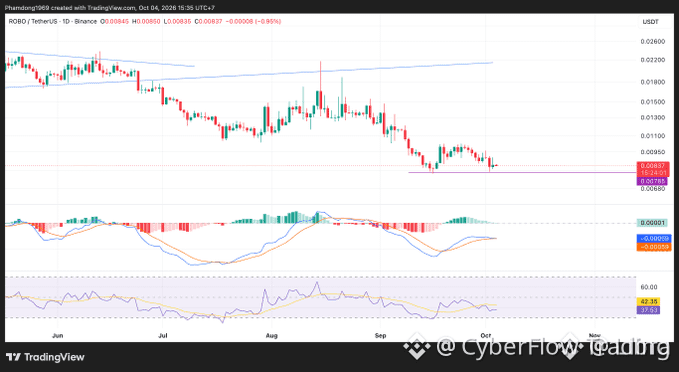
チャートの構造を見ると、ダブルボトムを形成した可能性が気になります。
まだ仮説の段階で、確認が必要ですが、この形が最終的に裏付けられれば、興味深い値動きが現れるかもしれません。
📊 皆さんはチャートをどう見ますか?
本物のダブルボトムでしょうか?それとも、次の値動きに先立つ単なる偽シグナルでしょうか?
皆さんの議論に委ねます。
📌 このパターンを確認するには?
鍵となるのはブレイクアウトです。
🤔 皆さんにはダブルボトムに見えますか?それとも、そう判断するにはまだ早すぎるでしょうか?
⚠️ あくまでテクニカル分析と教育を目的とした内容です。金融アドバイスではありません。
$ROBO
#ROBO
{future}(ROBOUSDT)
¿ROBO/USDTは何か準備中?
チャートの構造を見ると、ダブルボトムを形成した可能性が気になります。
まだ仮説の段階で、確認が必要ですが、この形が最終的に裏付けられれば、興味深い値動きが現れるかもしれません。
📊 皆さんはチャートをどう見ますか?
本物のダブルボトムでしょうか?それとも、次の値動きに先立つ単なる偽シグナルでしょうか?
皆さんの議論に委ねます。
📌 このパターンを確認するには?
鍵となるのはブレイクアウトです。
🤔 皆さんにはダブルボトムに見えますか?それとも、そう判断するにはまだ早すぎるでしょうか?
⚠️ あくまでテクニカル分析と教育を目的とした内容です。金融アドバイスではありません。
$ROBO
#ROBO
チャートの構造を見ると、ダブルボトムを形成した可能性が気になります。
まだ仮説の段階で、確認が必要ですが、この形が最終的に裏付けられれば、興味深い値動きが現れるかもしれません。
📊 皆さんはチャートをどう見ますか?
本物のダブルボトムでしょうか?それとも、次の値動きに先立つ単なる偽シグナルでしょうか?
皆さんの議論に委ねます。
📌 このパターンを確認するには?
鍵となるのはブレイクアウトです。
🤔 皆さんにはダブルボトムに見えますか?それとも、そう判断するにはまだ早すぎるでしょうか?
⚠️ あくまでテクニカル分析と教育を目的とした内容です。金融アドバイスではありません。
$ROBO
#ROBO
1
144

🚨 $ROBO が $0.0078 の重要なサポートを防衛中、買い手は確認を待つ! 📊
$ROBO の値動きは直近のサポート付近で収束しており、スマートマネーは構造が維持されるかを見極めるため、$0.0078 の水準に注目しています。この重要な需要ゾーンを24〜48時間しっかり上回って推移すれば、売り手の力尽きが確認され、勢いの拡大への道が開けるでしょう。 📊
出来高の動きは、積極的な売り圧力による分配ではなく、サポート付近での吸収を示しています。 🔍 今後2日間で価格の確認を待つことが、規律ある取引と早まった買い注文を分けます。
🤔 このサポート構造で$ROBO を買い増していますか?それとも、安値の切り上げが確認されるのを待っていますか? 👇
⚠️ 金融アドバイスではありません。常にリスク管理を行ってください。 🛡️
🏷️ #ROBO #Altcoins #Crypto #TechnicalAnalysis
⚡ 🎯
🚨 $ROBO が $0.0078 の重要なサポートを防衛中、買い手は確認を待つ! 📊
$ROBO の値動きは直近のサポート付近で収束しており、スマートマネーは構造が維持されるかを見極めるため、$0.0078 の水準に注目しています。この重要な需要ゾーンを24〜48時間しっかり上回って推移すれば、売り手の力尽きが確認され、勢いの拡大への道が開けるでしょう。 📊
出来高の動きは、積極的な売り圧力による分配ではなく、サポート付近での吸収を示しています。 🔍 今後2日間で価格の確認を待つことが、規律ある取引と早まった買い注文を分けます。
🤔 このサポート構造で$ROBO を買い増していますか?それとも、安値の切り上げが確認されるのを待っていますか? 👇
⚠️ 金融アドバイスではありません。常にリスク管理を行ってください。 🛡️
🏷️ #ROBO #Altcoins #Crypto #TechnicalAnalysis
⚡ 🎯
$ROBO の値動きは直近のサポート付近で収束しており、スマートマネーは構造が維持されるかを見極めるため、$0.0078 の水準に注目しています。この重要な需要ゾーンを24〜48時間しっかり上回って推移すれば、売り手の力尽きが確認され、勢いの拡大への道が開けるでしょう。 📊
出来高の動きは、積極的な売り圧力による分配ではなく、サポート付近での吸収を示しています。 🔍 今後2日間で価格の確認を待つことが、規律ある取引と早まった買い注文を分けます。
🤔 このサポート構造で$ROBO を買い増していますか?それとも、安値の切り上げが確認されるのを待っていますか? 👇
⚠️ 金融アドバイスではありません。常にリスク管理を行ってください。 🛡️
🏷️ #ROBO #Altcoins #Crypto #TechnicalAnalysis
⚡ 🎯
22

·
--
弱気相場
$ROBO を見てください。チャートを見る限り、約0.005まで下がるでしょう。Binanceのクリエイターたちも#ROBO コインについて投稿しています。取引に参加できているといいですね。まだなら、元気に過ごしていることを願っています❤️🩹 そして、$RIVER や$MOVR のときのように、このチャンスを逃していないといいですね。
一緒に利益を出しましょう🫡
{spot}(MOVRUSDT)
{future}(RIVERUSDT)
{spot}(ROBOUSDT)
$ROBO を見てください。チャートを見る限り、約0.005まで下がるでしょう。Binanceのクリエイターたちも#ROBO コインについて投稿しています。取引に参加できているといいですね。まだなら、元気に過ごしていることを願っています❤️🩹 そして、$RIVER や$MOVR のときのように、このチャンスを逃していないといいですね。
一緒に利益を出しましょう🫡
一緒に利益を出しましょう🫡
SiGanamosElSabadoAguanteTaiereee:
Es hacia abajo 📉🟥
1
1.1k

·
--
弱気相場
ROBOのロング勢がたった今、2.3Kドルの損失を被りました。
0.00846ドルでのスイープにより、次の下値水準に注目が集まっています。
$ROBO
{future}(ROBOUSDT)
$GTC
{future}(GTCUSDT)
$PUMPBTC
{future}(PUMPBTCUSDT)
🔴 流動性ゾーンに到達 🔴
ロングの清算を確認 🧨
0.00846ドルで2.3732Kドル分が清算されました
下値の流動性を一掃 — 反応に注目 👀
🎯 利確目標:
TP1: 約0.00838ドル
TP2: 約0.00829ドル
TP3: 約0.00821ドル
#ROBO
ROBOのロング勢がたった今、2.3Kドルの損失を被りました。
0.00846ドルでのスイープにより、次の下値水準に注目が集まっています。
$ROBO
$GTC
$PUMPBTC
🔴 流動性ゾーンに到達 🔴
ロングの清算を確認 🧨
0.00846ドルで2.3732Kドル分が清算されました
下値の流動性を一掃 — 反応に注目 👀
🎯 利確目標:
TP1: 約0.00838ドル
TP2: 約0.00829ドル
TP3: 約0.00821ドル
#ROBO
0.00846ドルでのスイープにより、次の下値水準に注目が集まっています。
$ROBO
$GTC
$PUMPBTC
🔴 流動性ゾーンに到達 🔴
ロングの清算を確認 🧨
0.00846ドルで2.3732Kドル分が清算されました
下値の流動性を一掃 — 反応に注目 👀
🎯 利確目標:
TP1: 約0.00838ドル
TP2: 約0.00829ドル
TP3: 約0.00821ドル
#ROBO
108

·
--
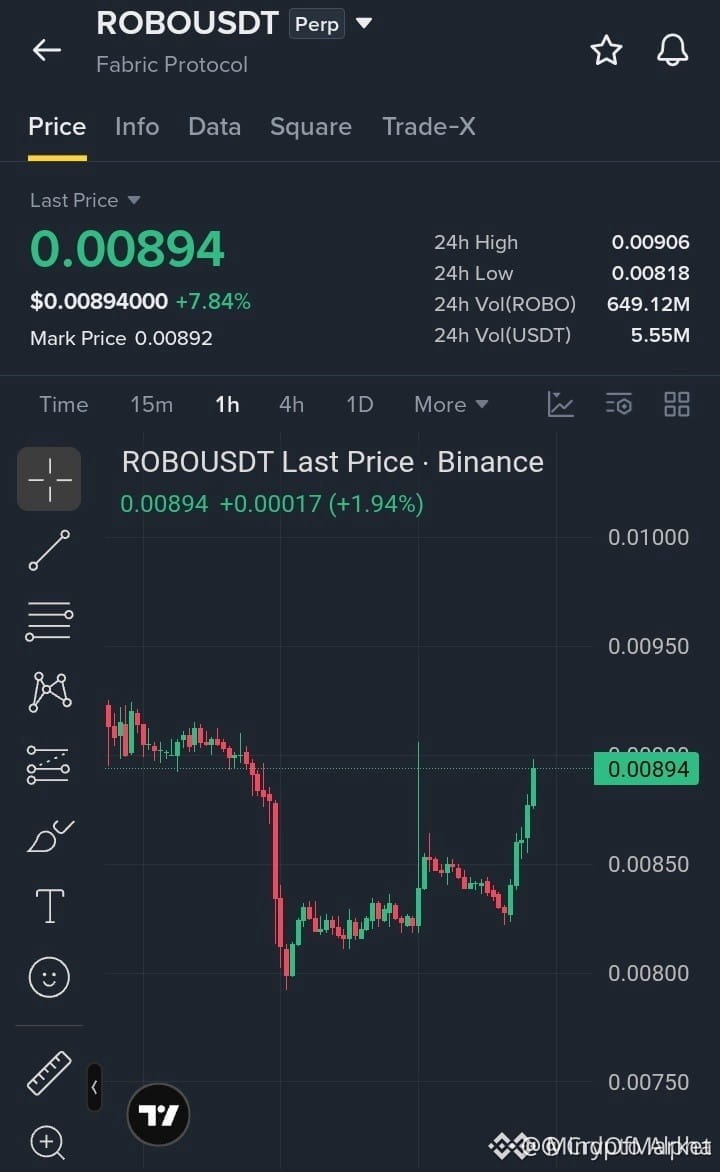
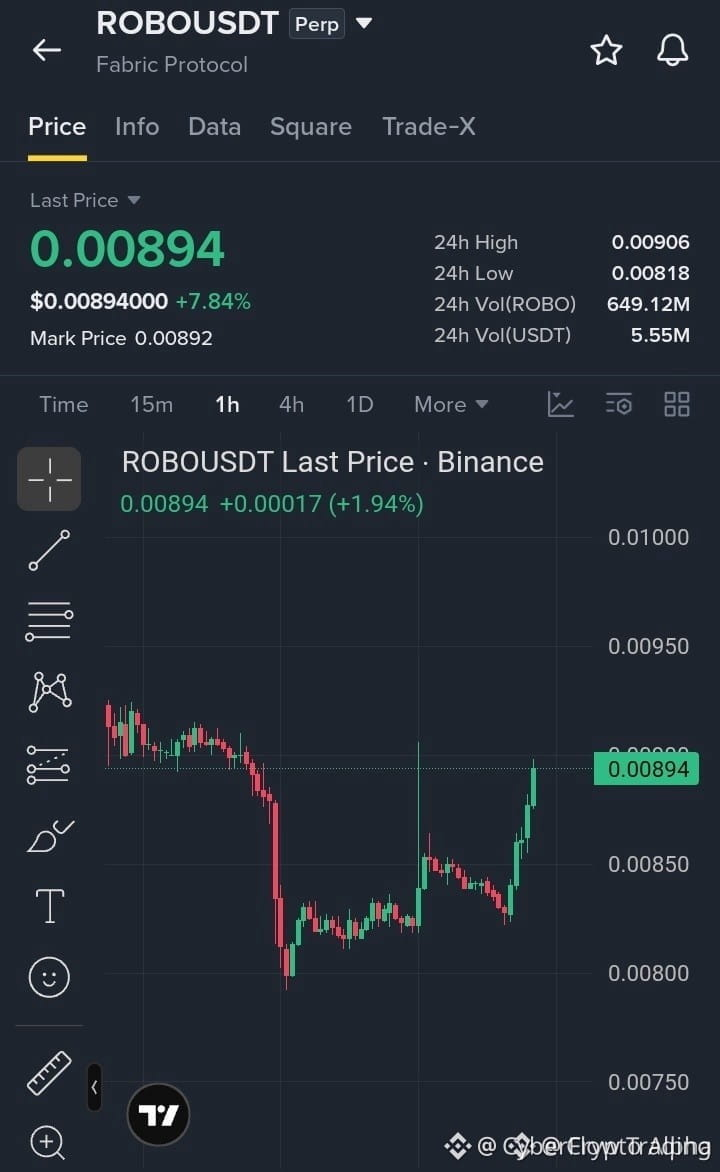
🚨 $ROBO が重要な流動性を奪回、スマートマネーがブレイクアウトの加速に備える!💥
エントリー:0.00880 - 0.00895 ⚡
目標価格:0.00915 - 0.00960 🚀
損切り:0.00855 ⚠️
スマートマネーは0.0080の蓄積下限を見事に守り、安値を切り上げる明確な推移を形成。機関投資家による強い吸収を示しています。📊 1時間足で注文フローが明確に強気へ転じるなか、買い手は0.00900のレジスタンスゾーンに積極的に迫っています。
0.00906を明確に上抜けて構造的に奪回すれば、上方の流動性プールに向けた拡大局面の引き金となる可能性が高いでしょう。💡 構造的なサポートを下回る水準に無効化ラインが明確に定められているため、現状のリスクリワードの非対称性は積極的なポジション取りに有利です。💬 このリテストでエントリーしますか?それともレジスタンスを上回るローソク足の確定を待ちますか?👇
⚠️ 金融アドバイスではありません。常にリスク管理を徹底してください。🛡️
🏷️ #ROBO #Breakout #Crypto #LongSetup
🔥 💎
🚨 $ROBO が重要な流動性を奪回、スマートマネーがブレイクアウトの加速に備える!💥
エントリー:0.00880 - 0.00895 ⚡
目標価格:0.00915 - 0.00960 🚀
損切り:0.00855 ⚠️
スマートマネーは0.0080の蓄積下限を見事に守り、安値を切り上げる明確な推移を形成。機関投資家による強い吸収を示しています。📊 1時間足で注文フローが明確に強気へ転じるなか、買い手は0.00900のレジスタンスゾーンに積極的に迫っています。
0.00906を明確に上抜けて構造的に奪回すれば、上方の流動性プールに向けた拡大局面の引き金となる可能性が高いでしょう。💡 構造的なサポートを下回る水準に無効化ラインが明確に定められているため、現状のリスクリワードの非対称性は積極的なポジション取りに有利です。💬 このリテストでエントリーしますか?それともレジスタンスを上回るローソク足の確定を待ちますか?👇
⚠️ 金融アドバイスではありません。常にリスク管理を徹底してください。🛡️
🏷️ #ROBO #Breakout #Crypto #LongSetup
🔥 💎
エントリー:0.00880 - 0.00895 ⚡
目標価格:0.00915 - 0.00960 🚀
損切り:0.00855 ⚠️
スマートマネーは0.0080の蓄積下限を見事に守り、安値を切り上げる明確な推移を形成。機関投資家による強い吸収を示しています。📊 1時間足で注文フローが明確に強気へ転じるなか、買い手は0.00900のレジスタンスゾーンに積極的に迫っています。
0.00906を明確に上抜けて構造的に奪回すれば、上方の流動性プールに向けた拡大局面の引き金となる可能性が高いでしょう。💡 構造的なサポートを下回る水準に無効化ラインが明確に定められているため、現状のリスクリワードの非対称性は積極的なポジション取りに有利です。💬 このリテストでエントリーしますか?それともレジスタンスを上回るローソク足の確定を待ちますか?👇
⚠️ 金融アドバイスではありません。常にリスク管理を徹底してください。🛡️
🏷️ #ROBO #Breakout #Crypto #LongSetup
🔥 💎
19

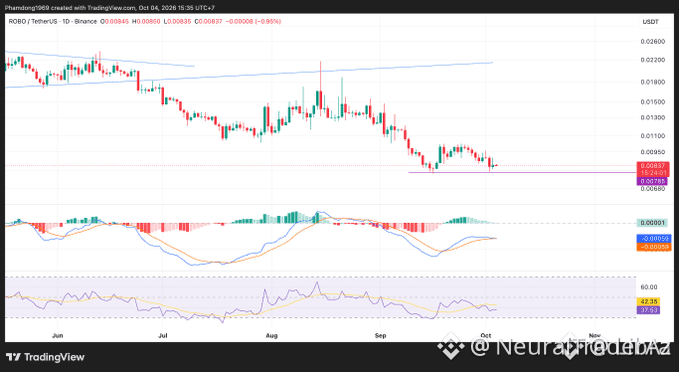
⚡ $ROBO 重要な需要帯の上で値幅を圧縮、スマートマネーが$0.0078のピボットを試す 🔍
$ROBO は、注文フローが直近のサポート付近で圧縮するなか、今後24〜48時間の重要な構造テスト局面に入っています。マクロの方向性は、直近のスイング安値である$0.0078を上回る水準で、機関投資家による吸収が維持されるかどうかに全面的にかかっています。📊
このピボットを上回る価格推移が続けば、供給の枯渇を示し、再蓄積の構造が形成される可能性があります。🔍 ただし、$0.0078を明確に下抜けると、現在の局所的なセットアップは無効となり、さらに深い流動性スイープにつながる可能性があります。📌
💬 $0.0078で構造的な確認が取れるのを待ちますか?それとも、レンジ下限で早めに買いを入れますか?👇
⚠️ 金融アドバイスではありません。常にリスク管理を徹底してください。🛡️
🏷️ #ROBO #Crypto #MarketStructure #Trading #Altcoins
🎯 🦈
⚡ $ROBO 重要な需要帯の上で値幅を圧縮、スマートマネーが$0.0078のピボットを試す 🔍
$ROBO は、注文フローが直近のサポート付近で圧縮するなか、今後24〜48時間の重要な構造テスト局面に入っています。マクロの方向性は、直近のスイング安値である$0.0078を上回る水準で、機関投資家による吸収が維持されるかどうかに全面的にかかっています。📊
このピボットを上回る価格推移が続けば、供給の枯渇を示し、再蓄積の構造が形成される可能性があります。🔍 ただし、$0.0078を明確に下抜けると、現在の局所的なセットアップは無効となり、さらに深い流動性スイープにつながる可能性があります。📌
💬 $0.0078で構造的な確認が取れるのを待ちますか?それとも、レンジ下限で早めに買いを入れますか?👇
⚠️ 金融アドバイスではありません。常にリスク管理を徹底してください。🛡️
🏷️ #ROBO #Crypto #MarketStructure #Trading #Altcoins
🎯 🦈
$ROBO は、注文フローが直近のサポート付近で圧縮するなか、今後24〜48時間の重要な構造テスト局面に入っています。マクロの方向性は、直近のスイング安値である$0.0078を上回る水準で、機関投資家による吸収が維持されるかどうかに全面的にかかっています。📊
このピボットを上回る価格推移が続けば、供給の枯渇を示し、再蓄積の構造が形成される可能性があります。🔍 ただし、$0.0078を明確に下抜けると、現在の局所的なセットアップは無効となり、さらに深い流動性スイープにつながる可能性があります。📌
💬 $0.0078で構造的な確認が取れるのを待ちますか?それとも、レンジ下限で早めに買いを入れますか?👇
⚠️ 金融アドバイスではありません。常にリスク管理を徹底してください。🛡️
🏷️ #ROBO #Crypto #MarketStructure #Trading #Altcoins
🎯 🦈
13

·
--
🚀 $ROBO 新たな勢いの波に乗ろう – このチャンスを逃さないで!
$ROBO に新たな勢いが押し寄せ、注文フローを見ると大口投資家が上昇に賭けて買い集めています。📈 直近の出来高急増 ⚡ は、トークンを次のブレイクアウトゾーンへ押し上げる準備が整った流動性の一掃を示唆しています。
トレーダーの皆さん、これは賢い資金の動きが「買い集め」から「積極的な買い」へと転じるような局面です。🦈 値動きを注視し、データを参考にエントリーを判断しましょう。📊
💬 波に乗る準備はできていますか?それとも潮目が変わるのを待ちますか?👇
⚠️ これは投資助言ではありません。常にリスク管理を徹底してください。🛡️
🏷️ #ROBO #Momentum #LongSetup #Crypto
🔥 💎
🚀 $ROBO 新たな勢いの波に乗ろう – このチャンスを逃さないで!
$ROBO に新たな勢いが押し寄せ、注文フローを見ると大口投資家が上昇に賭けて買い集めています。📈 直近の出来高急増 ⚡ は、トークンを次のブレイクアウトゾーンへ押し上げる準備が整った流動性の一掃を示唆しています。
トレーダーの皆さん、これは賢い資金の動きが「買い集め」から「積極的な買い」へと転じるような局面です。🦈 値動きを注視し、データを参考にエントリーを判断しましょう。📊
💬 波に乗る準備はできていますか?それとも潮目が変わるのを待ちますか?👇
⚠️ これは投資助言ではありません。常にリスク管理を徹底してください。🛡️
🏷️ #ROBO #Momentum #LongSetup #Crypto
🔥 💎
$ROBO に新たな勢いが押し寄せ、注文フローを見ると大口投資家が上昇に賭けて買い集めています。📈 直近の出来高急増 ⚡ は、トークンを次のブレイクアウトゾーンへ押し上げる準備が整った流動性の一掃を示唆しています。
トレーダーの皆さん、これは賢い資金の動きが「買い集め」から「積極的な買い」へと転じるような局面です。🦈 値動きを注視し、データを参考にエントリーを判断しましょう。📊
💬 波に乗る準備はできていますか?それとも潮目が変わるのを待ちますか?👇
⚠️ これは投資助言ではありません。常にリスク管理を徹底してください。🛡️
🏷️ #ROBO #Momentum #LongSetup #Crypto
🔥 💎
8
💥 $ROBO が勢いを取り戻す!買い手は重要なレジスタンスを明確に上抜けるブレイクアウトを狙う!🐂
エントリー:0.00880 - 0.00895 ⚡
目標価格:0.00915 / 0.00935 / 0.00960 🚀
損切り:0.00855 ⚠️
1時間足の注文フローは買い手が攻勢に転じ、0.0080の需要ゾーンを起点に階段状の値動きを形成しています。📊 価格は0.00900のレジスタンスに強く迫っており、再テストのたびに売り手は押し戻されています。
出来高を伴って0.00906を上回って引ければ、上値目標に向けた上昇の勢いが高まります。⚡ 注文板を見る限り、目先のレジスタンスが市場の需要に屈すれば、その先は視界良好です。💬 この押し目でポジションを取りますか?それともレジスタンスのブレイクアウトを待ちますか?👇
⚠️ 金融アドバイスではありません。常にリスク管理を徹底してください。🛡️
🏷️ #ROBO #LongSetup #Breakout #Crypto #Altcoins
🔥 ⚡
💥 $ROBO が勢いを取り戻す!買い手は重要なレジスタンスを明確に上抜けるブレイクアウトを狙う!🐂
エントリー:0.00880 - 0.00895 ⚡
目標価格:0.00915 / 0.00935 / 0.00960 🚀
損切り:0.00855 ⚠️
1時間足の注文フローは買い手が攻勢に転じ、0.0080の需要ゾーンを起点に階段状の値動きを形成しています。📊 価格は0.00900のレジスタンスに強く迫っており、再テストのたびに売り手は押し戻されています。
出来高を伴って0.00906を上回って引ければ、上値目標に向けた上昇の勢いが高まります。⚡ 注文板を見る限り、目先のレジスタンスが市場の需要に屈すれば、その先は視界良好です。💬 この押し目でポジションを取りますか?それともレジスタンスのブレイクアウトを待ちますか?👇
⚠️ 金融アドバイスではありません。常にリスク管理を徹底してください。🛡️
🏷️ #ROBO #LongSetup #Breakout #Crypto #Altcoins
🔥 ⚡
エントリー:0.00880 - 0.00895 ⚡
目標価格:0.00915 / 0.00935 / 0.00960 🚀
損切り:0.00855 ⚠️
1時間足の注文フローは買い手が攻勢に転じ、0.0080の需要ゾーンを起点に階段状の値動きを形成しています。📊 価格は0.00900のレジスタンスに強く迫っており、再テストのたびに売り手は押し戻されています。
出来高を伴って0.00906を上回って引ければ、上値目標に向けた上昇の勢いが高まります。⚡ 注文板を見る限り、目先のレジスタンスが市場の需要に屈すれば、その先は視界良好です。💬 この押し目でポジションを取りますか?それともレジスタンスのブレイクアウトを待ちますか?👇
⚠️ 金融アドバイスではありません。常にリスク管理を徹底してください。🛡️
🏷️ #ROBO #LongSetup #Breakout #Crypto #Altcoins
🔥 ⚡
103

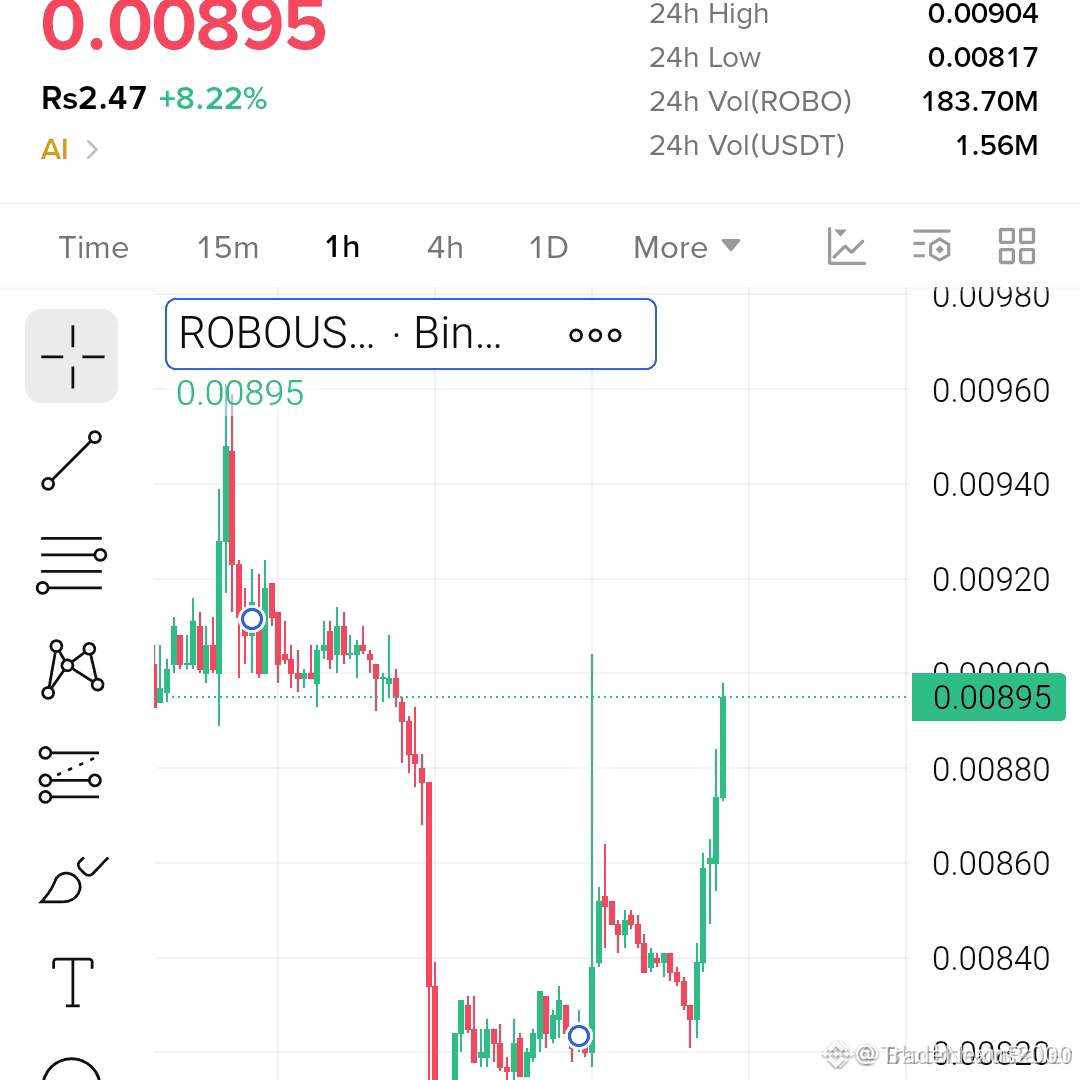
🚨 $ROBO が0.0088の重要なオーダーブロックを防衛、高確率の続伸セットアップ 🚀
エントリー: 0.00885 - 0.00895 ⚡
目標: 0.00910 / 0.00930 / 0.00950 🚀
損切り: 0.00855 ⚠️
売りサイドの流動性をきれいに一掃した後、$ROBO が0.0088の構造的なピボットを防衛しており、スマートマネーによる蓄積が見られます。🔍 買い手が参入して局所的なディスカウントゾーンを取り戻し、明確な注文フローの吸収とモメンタムのリセットを示しています。
価格が0.0088を上回って構造を維持する限り、最も抵抗の少ない進路は、上方のフェアバリューギャップを埋めながら0.00950に向かうことです。📊 流動性プールのすぐ下に無効化水準を設定し、リスクパラメーターを厳密に定めています。💬 この反発局面の拡大に乗りますか? それとも出来高を伴うブレイク確認を待ちますか? 👇
⚠️ 金融アドバイスではありません。常にリスクを管理してください。🛡️
🏷️ #ROBO #LongSetup #MarketStructure #Crypto
🎯 🦈
🚨 $ROBO が0.0088の重要なオーダーブロックを防衛、高確率の続伸セットアップ 🚀
エントリー: 0.00885 - 0.00895 ⚡
目標: 0.00910 / 0.00930 / 0.00950 🚀
損切り: 0.00855 ⚠️
売りサイドの流動性をきれいに一掃した後、$ROBO が0.0088の構造的なピボットを防衛しており、スマートマネーによる蓄積が見られます。🔍 買い手が参入して局所的なディスカウントゾーンを取り戻し、明確な注文フローの吸収とモメンタムのリセットを示しています。
価格が0.0088を上回って構造を維持する限り、最も抵抗の少ない進路は、上方のフェアバリューギャップを埋めながら0.00950に向かうことです。📊 流動性プールのすぐ下に無効化水準を設定し、リスクパラメーターを厳密に定めています。💬 この反発局面の拡大に乗りますか? それとも出来高を伴うブレイク確認を待ちますか? 👇
⚠️ 金融アドバイスではありません。常にリスクを管理してください。🛡️
🏷️ #ROBO #LongSetup #MarketStructure #Crypto
🎯 🦈
エントリー: 0.00885 - 0.00895 ⚡
目標: 0.00910 / 0.00930 / 0.00950 🚀
損切り: 0.00855 ⚠️
売りサイドの流動性をきれいに一掃した後、$ROBO が0.0088の構造的なピボットを防衛しており、スマートマネーによる蓄積が見られます。🔍 買い手が参入して局所的なディスカウントゾーンを取り戻し、明確な注文フローの吸収とモメンタムのリセットを示しています。
価格が0.0088を上回って構造を維持する限り、最も抵抗の少ない進路は、上方のフェアバリューギャップを埋めながら0.00950に向かうことです。📊 流動性プールのすぐ下に無効化水準を設定し、リスクパラメーターを厳密に定めています。💬 この反発局面の拡大に乗りますか? それとも出来高を伴うブレイク確認を待ちますか? 👇
⚠️ 金融アドバイスではありません。常にリスクを管理してください。🛡️
🏷️ #ROBO #LongSetup #MarketStructure #Crypto
🎯 🦈
10
·
--
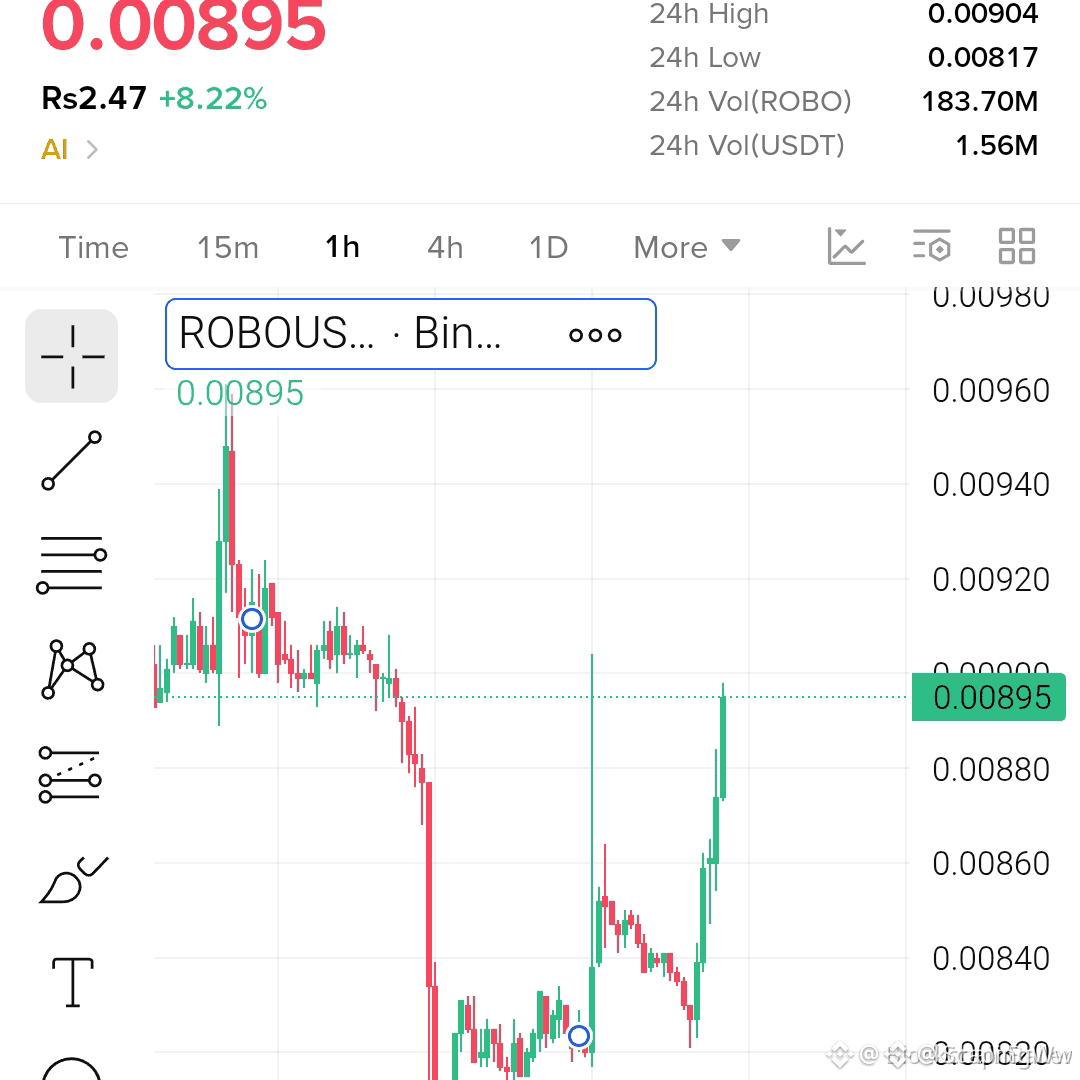
🐂 $ROBO が重要な需要ゾーンを奪回、買い手はさらなる流動性ターゲットに注目! ⚡
エントリー:0.00885 - 0.00895 🟢
ターゲット1:0.00910 🚀
ターゲット2:0.00930 🎯
ターゲット3:0.00950 💥
損切り:0.00855 ⚠️
📌 $ROBO は強い構造的な底堅さを見せ、きれいな反発の後、0.0088ゾーンをしっかり守っています。📊 価格がこの奪回したピボットを上回っている限り、売り手の勢いが尽きていることは明らかで、短期的な注文フローは勢いに乗るトレーダーに大きく有利です。
💡 目先の抵抗帯が薄れてきており、上方の供給ゾーンへ向かう道がスムーズに開けています。💬 ここでのリテストを買いますか?それとも0.00910を明確に上抜けるのを待ちますか?👇
⚠️ 金融アドバイスではありません。常にリスクを管理してください。🛡️
🏷️ #ROBO #LongSetup #Crypto #Altcoins #Trading
🔥 💎
🐂 $ROBO が重要な需要ゾーンを奪回、買い手はさらなる流動性ターゲットに注目! ⚡
エントリー:0.00885 - 0.00895 🟢
ターゲット1:0.00910 🚀
ターゲット2:0.00930 🎯
ターゲット3:0.00950 💥
損切り:0.00855 ⚠️
📌 $ROBO は強い構造的な底堅さを見せ、きれいな反発の後、0.0088ゾーンをしっかり守っています。📊 価格がこの奪回したピボットを上回っている限り、売り手の勢いが尽きていることは明らかで、短期的な注文フローは勢いに乗るトレーダーに大きく有利です。
💡 目先の抵抗帯が薄れてきており、上方の供給ゾーンへ向かう道がスムーズに開けています。💬 ここでのリテストを買いますか?それとも0.00910を明確に上抜けるのを待ちますか?👇
⚠️ 金融アドバイスではありません。常にリスクを管理してください。🛡️
🏷️ #ROBO #LongSetup #Crypto #Altcoins #Trading
🔥 💎
エントリー:0.00885 - 0.00895 🟢
ターゲット1:0.00910 🚀
ターゲット2:0.00930 🎯
ターゲット3:0.00950 💥
損切り:0.00855 ⚠️
📌 $ROBO は強い構造的な底堅さを見せ、きれいな反発の後、0.0088ゾーンをしっかり守っています。📊 価格がこの奪回したピボットを上回っている限り、売り手の勢いが尽きていることは明らかで、短期的な注文フローは勢いに乗るトレーダーに大きく有利です。
💡 目先の抵抗帯が薄れてきており、上方の供給ゾーンへ向かう道がスムーズに開けています。💬 ここでのリテストを買いますか?それとも0.00910を明確に上抜けるのを待ちますか?👇
⚠️ 金融アドバイスではありません。常にリスクを管理してください。🛡️
🏷️ #ROBO #LongSetup #Crypto #Altcoins #Trading
🔥 💎
16
🚨 $ROBO で勢いが拡大、機関投資家の流動性がシフト 📈
$ROBO では買いの勢いが加速し、機関投資家の注文フローに明確な蓄積の兆候が見られます。📊 主要な構造的水準で出来高が急速に吸収されており、次の方向性の拡大に先んじて、いわゆるスマートマネーがポジションを構築していることが示唆されます。🔍
$GTC や$PHA など、ミッドキャップ銘柄の構造を横断する二次的な流動性の動きに伴う、連動性の高いモメンタム銘柄にも注目しましょう。💡 構造的な値動きの勢いがオーダーブックの不均衡と一致するとき、規律あるトレーダーには忍耐が報われます。💬 $ROBO の構造的な確認に向けて、どの水準を注視していますか? 👇
⚠️ 金融アドバイスではありません。常にリスクを管理してください。🛡️
🏷️ #ROBO #GTC #PHA #Crypto #Momentum
🎯 🦈
🚨 $ROBO で勢いが拡大、機関投資家の流動性がシフト 📈
$ROBO では買いの勢いが加速し、機関投資家の注文フローに明確な蓄積の兆候が見られます。📊 主要な構造的水準で出来高が急速に吸収されており、次の方向性の拡大に先んじて、いわゆるスマートマネーがポジションを構築していることが示唆されます。🔍
$GTC や$PHA など、ミッドキャップ銘柄の構造を横断する二次的な流動性の動きに伴う、連動性の高いモメンタム銘柄にも注目しましょう。💡 構造的な値動きの勢いがオーダーブックの不均衡と一致するとき、規律あるトレーダーには忍耐が報われます。💬 $ROBO の構造的な確認に向けて、どの水準を注視していますか? 👇
⚠️ 金融アドバイスではありません。常にリスクを管理してください。🛡️
🏷️ #ROBO #GTC #PHA #Crypto #Momentum
🎯 🦈
$ROBO では買いの勢いが加速し、機関投資家の注文フローに明確な蓄積の兆候が見られます。📊 主要な構造的水準で出来高が急速に吸収されており、次の方向性の拡大に先んじて、いわゆるスマートマネーがポジションを構築していることが示唆されます。🔍
$GTC や$PHA など、ミッドキャップ銘柄の構造を横断する二次的な流動性の動きに伴う、連動性の高いモメンタム銘柄にも注目しましょう。💡 構造的な値動きの勢いがオーダーブックの不均衡と一致するとき、規律あるトレーダーには忍耐が報われます。💬 $ROBO の構造的な確認に向けて、どの水準を注視していますか? 👇
⚠️ 金融アドバイスではありません。常にリスクを管理してください。🛡️
🏷️ #ROBO #GTC #PHA #Crypto #Momentum
🎯 🦈
72
·
--
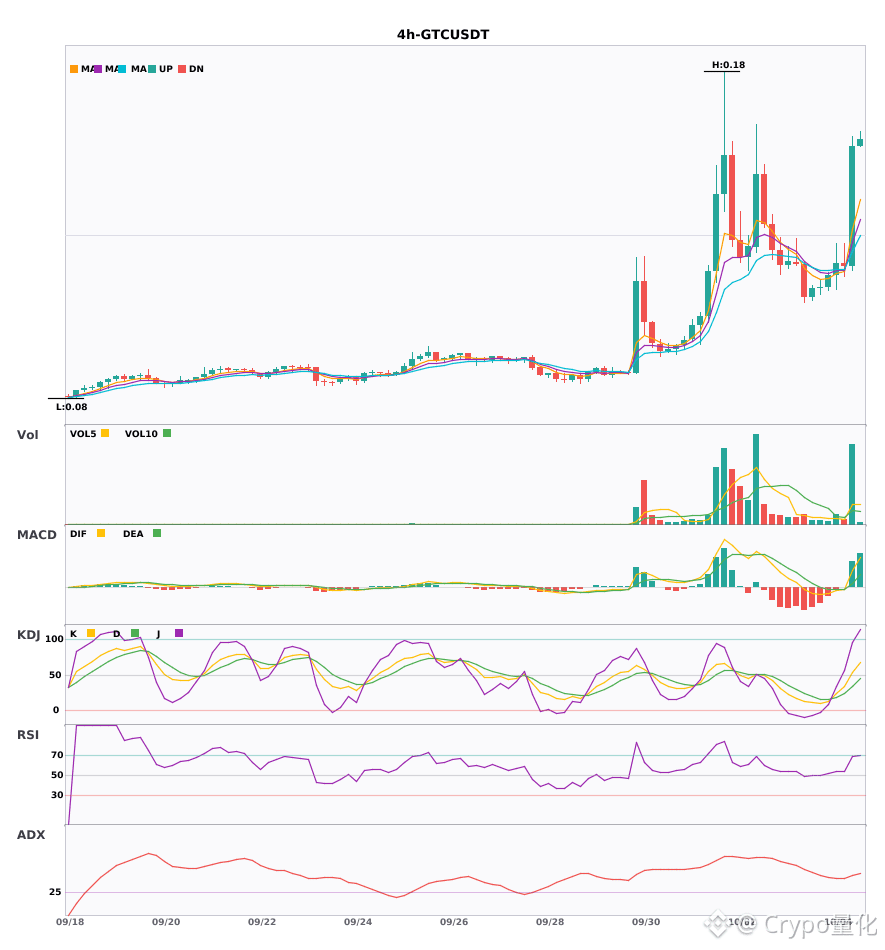
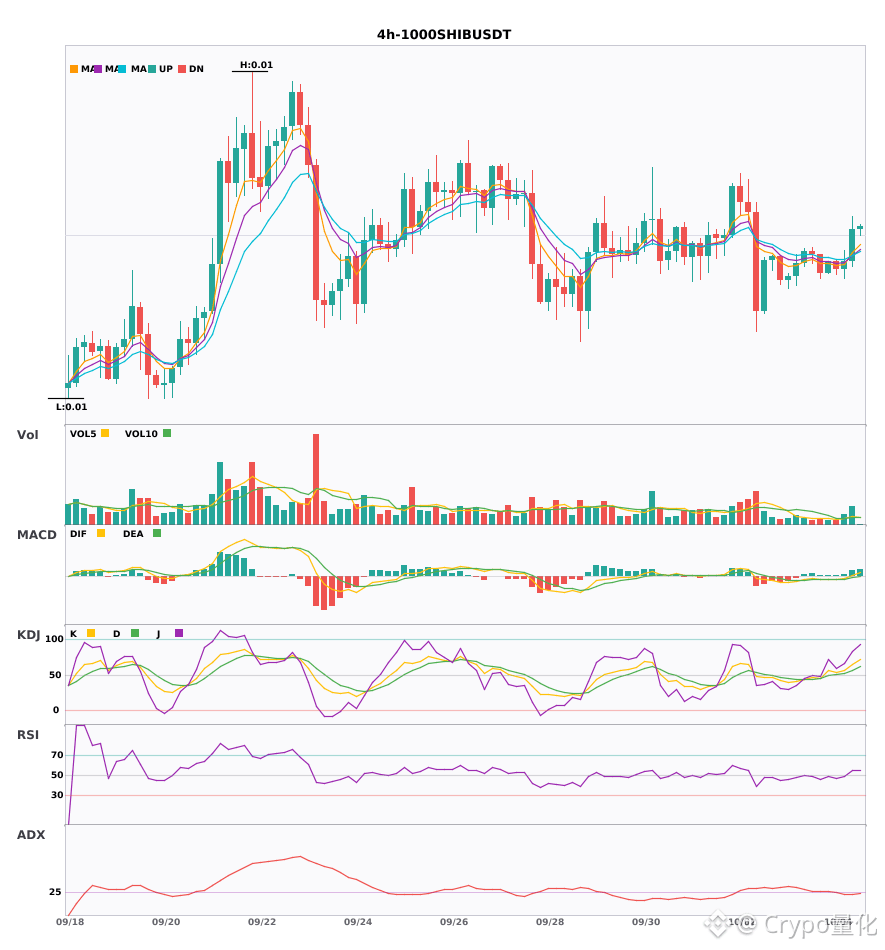
$GTC / $1000SHIB / $ROBO 4時間 ゴールデンクロスで出来高急増、強気勢が一斉発射🔥
════════════════════
🔴 $GTC 4時間 強気シグナル
⚠️テクニカル:トレンドは非常にはっきりしています(ADX41)。MACDのゴールデンクロス後に出来高が増加し、DIFが0軸の上に位置して強気へ転換。移動平均線はまさに強気の並びが形成されたばかりで、出来高が5.6倍に急増。短期的には強気。
════════════════════
🔴 $1000SHIB 4時間 強気シグナル
⚠️テクニカル:ADXのトレンドが形成されつつあり、参加可能。MACDのゴールデンクロスで出来高が増え、0軸を突破して強気へ転換。移動平均線は強気の並びが形成されたばかり。K線がDを上抜けたが、過熱(買われ過ぎ)には至っていない。出来高は2.5倍に拡大。
════════════════════
🔴 $ROBO 4時間 強気シグナル
⚠️テクニカル:ADX(34)でトレンドが明確 | MACDゴールデンクロスで出来高増、赤い柱が拡大 | 移動平均線は強気の並びが形成されたばかり | 取引量が3.9倍に急増
════════════════════
🔔 最速で相場のイレギュラー変動をチェック 🔔
#技术分析 #GTC #1000SHIB #ROBO
📌 取引時はローソク足の形が要件を満たしているか確認
$GTC / $1000SHIB / $ROBO 4時間 ゴールデンクロスで出来高急増、強気勢が一斉発射🔥
════════════════════
🔴 $GTC 4時間 強気シグナル
⚠️テクニカル:トレンドは非常にはっきりしています(ADX41)。MACDのゴールデンクロス後に出来高が増加し、DIFが0軸の上に位置して強気へ転換。移動平均線はまさに強気の並びが形成されたばかりで、出来高が5.6倍に急増。短期的には強気。
════════════════════
🔴 $1000SHIB 4時間 強気シグナル
⚠️テクニカル:ADXのトレンドが形成されつつあり、参加可能。MACDのゴールデンクロスで出来高が増え、0軸を突破して強気へ転換。移動平均線は強気の並びが形成されたばかり。K線がDを上抜けたが、過熱(買われ過ぎ)には至っていない。出来高は2.5倍に拡大。
════════════════════
🔴 $ROBO 4時間 強気シグナル
⚠️テクニカル:ADX(34)でトレンドが明確 | MACDゴールデンクロスで出来高増、赤い柱が拡大 | 移動平均線は強気の並びが形成されたばかり | 取引量が3.9倍に急増
════════════════════
🔔 最速で相場のイレギュラー変動をチェック 🔔
#技术分析 #GTC #1000SHIB #ROBO
📌 取引時はローソク足の形が要件を満たしているか確認
════════════════════
🔴 $GTC 4時間 強気シグナル
⚠️テクニカル:トレンドは非常にはっきりしています(ADX41)。MACDのゴールデンクロス後に出来高が増加し、DIFが0軸の上に位置して強気へ転換。移動平均線はまさに強気の並びが形成されたばかりで、出来高が5.6倍に急増。短期的には強気。
════════════════════
🔴 $1000SHIB 4時間 強気シグナル
⚠️テクニカル:ADXのトレンドが形成されつつあり、参加可能。MACDのゴールデンクロスで出来高が増え、0軸を突破して強気へ転換。移動平均線は強気の並びが形成されたばかり。K線がDを上抜けたが、過熱(買われ過ぎ)には至っていない。出来高は2.5倍に拡大。
════════════════════
🔴 $ROBO 4時間 強気シグナル
⚠️テクニカル:ADX(34)でトレンドが明確 | MACDゴールデンクロスで出来高増、赤い柱が拡大 | 移動平均線は強気の並びが形成されたばかり | 取引量が3.9倍に急増
════════════════════
🔔 最速で相場のイレギュラー変動をチェック 🔔
#技术分析 #GTC #1000SHIB #ROBO
📌 取引時はローソク足の形が要件を満たしているか確認
90
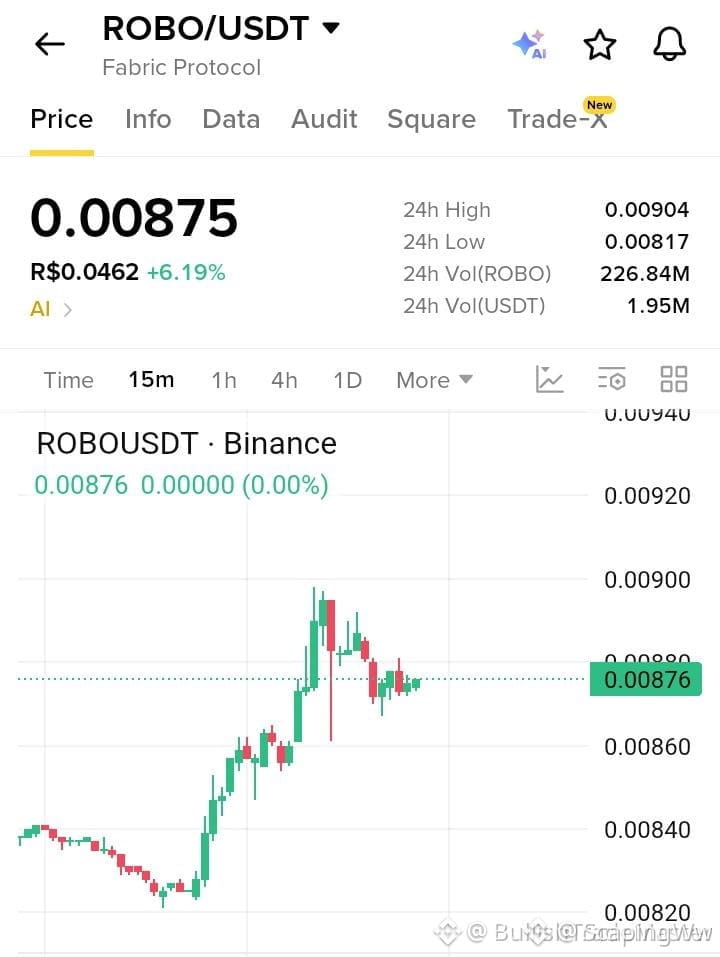
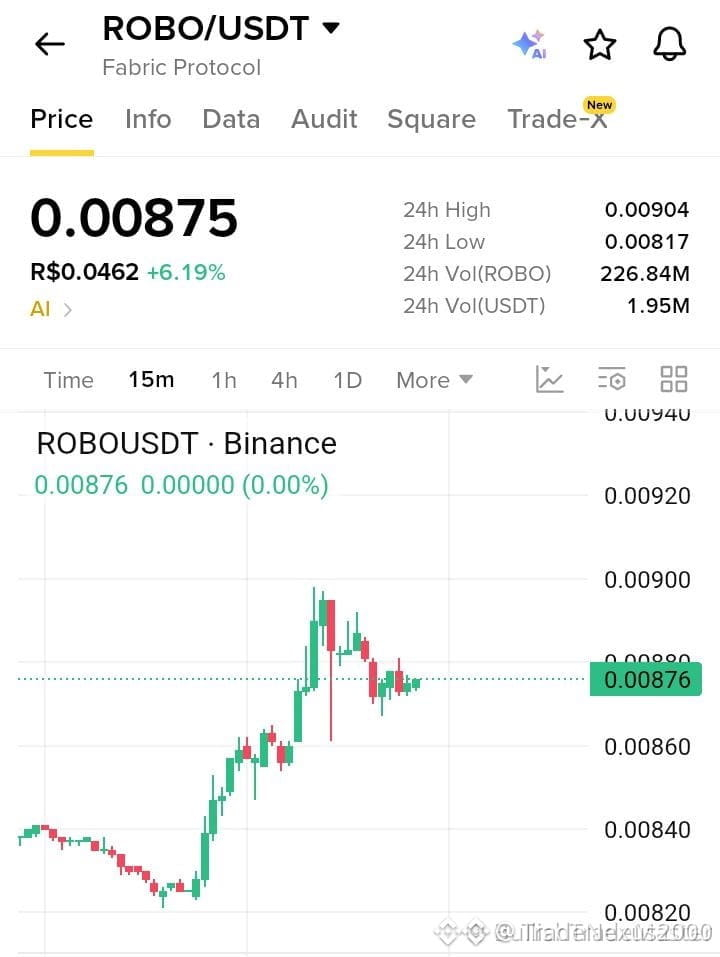
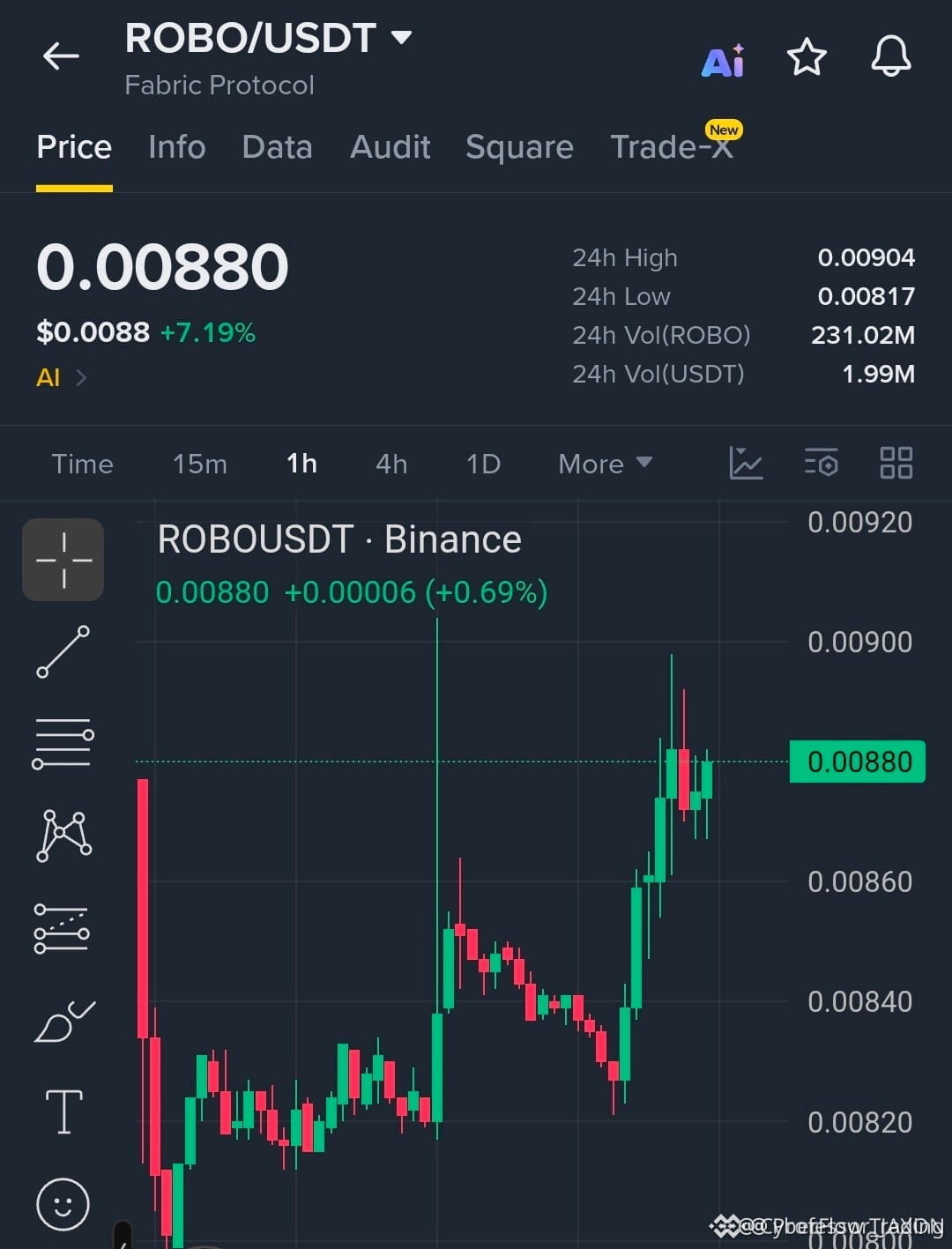
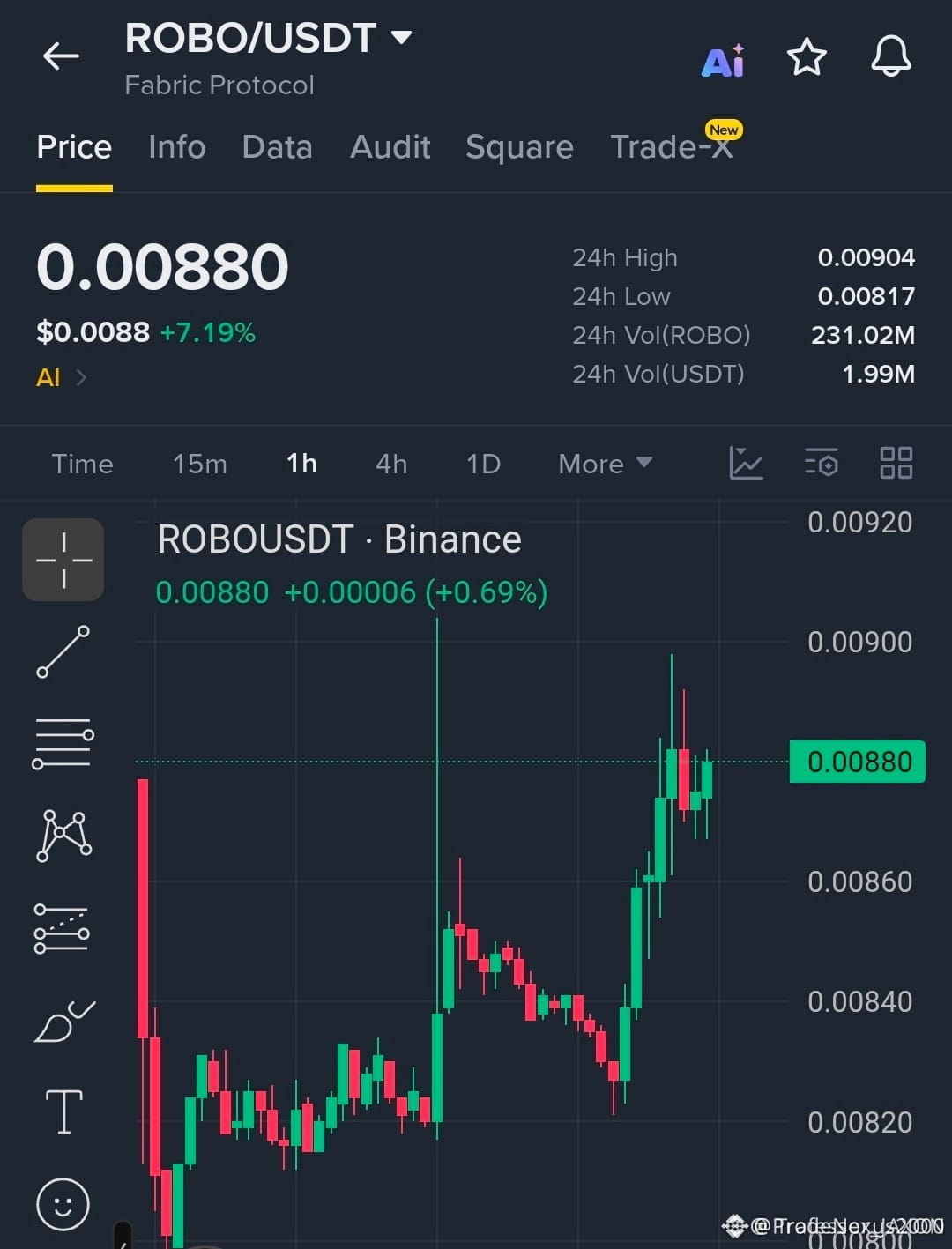
⚡ $ROBO 重要な需要帯を守り、出来高を伴って力強いブレイクアウトを狙う! 💥
エントリー:0.00870~0.00882 ⚡
目標:0.00904 / 0.00920 / 0.00950 🚀
損切り:0.00842 ⚠️
買い手は0.00870~0.00882の底値圏で売り注文を積極的に吸収し、出来高が増加するなか、価格はセッション高値付近を維持しています。📊 大口投資家が重要なレジスタンス突破を前に、明らかにポジションを構築しています。
💡 0.00904を明確に上抜ければ、勢いが拡大し、0.00920、さらに0.00950を目指す展開が期待できます。一方、0.00842を厳守すべき撤退ラインとします。💬 あなたは買い集めゾーンでポジションを構築していますか?それともレジスタンス突破を待っていますか? 👇
⚠️ これは金融アドバイスではありません。必ずリスク管理を行ってください。🛡️
🏷️ #ROBO #LongSetup #Breakout #Crypto
🔥 🎯
⚡ $ROBO 重要な需要帯を守り、出来高を伴って力強いブレイクアウトを狙う! 💥
エントリー:0.00870~0.00882 ⚡
目標:0.00904 / 0.00920 / 0.00950 🚀
損切り:0.00842 ⚠️
買い手は0.00870~0.00882の底値圏で売り注文を積極的に吸収し、出来高が増加するなか、価格はセッション高値付近を維持しています。📊 大口投資家が重要なレジスタンス突破を前に、明らかにポジションを構築しています。
💡 0.00904を明確に上抜ければ、勢いが拡大し、0.00920、さらに0.00950を目指す展開が期待できます。一方、0.00842を厳守すべき撤退ラインとします。💬 あなたは買い集めゾーンでポジションを構築していますか?それともレジスタンス突破を待っていますか? 👇
⚠️ これは金融アドバイスではありません。必ずリスク管理を行ってください。🛡️
🏷️ #ROBO #LongSetup #Breakout #Crypto
🔥 🎯
エントリー:0.00870~0.00882 ⚡
目標:0.00904 / 0.00920 / 0.00950 🚀
損切り:0.00842 ⚠️
買い手は0.00870~0.00882の底値圏で売り注文を積極的に吸収し、出来高が増加するなか、価格はセッション高値付近を維持しています。📊 大口投資家が重要なレジスタンス突破を前に、明らかにポジションを構築しています。
💡 0.00904を明確に上抜ければ、勢いが拡大し、0.00920、さらに0.00950を目指す展開が期待できます。一方、0.00842を厳守すべき撤退ラインとします。💬 あなたは買い集めゾーンでポジションを構築していますか?それともレジスタンス突破を待っていますか? 👇
⚠️ これは金融アドバイスではありません。必ずリスク管理を行ってください。🛡️
🏷️ #ROBO #LongSetup #Breakout #Crypto
🔥 🎯
15
🚨 $ROBO は需要ゾーンを防衛、機関投資家の買い集めによりレジスタンス突破が目前に!💥
エントリー:$0.00870 - $0.00882 ⚡
目標:$0.00904 / $0.00920 / $0.00950 🚀
損切り:$0.00842 ⚠️
📌 買い手は$0.00870~$0.00882の需要ゾーン内で売り注文を積極的に吸収し、セッション高値付近で力強い値動きを維持しています。📊 継続的な買い出来高は、機関投資家による防衛を示唆しており、上方にある非効率な価格帯へ流動性が拡大する可能性があります。
💡 $0.00904のピボットを明確に上抜けて定着すれば、強気継続が確認され、上値目標である$0.00920と$0.00950を目指す展開が見込まれます。一方、$0.00842を下回ると構造が無効化されます。💬 $0.00904を終値で上抜けるのを待ちますか?それとも需要ゾーンへの押し目で早めにポジションを取りますか?👇
⚠️ これは金融アドバイスではありません。常にリスク管理を徹底してください。🛡️
🏷️ #ROBO #LongSetup #Crypto #Breakout #Trading
🎯 🦈
🚨 $ROBO は需要ゾーンを防衛、機関投資家の買い集めによりレジスタンス突破が目前に!💥
エントリー:$0.00870 - $0.00882 ⚡
目標:$0.00904 / $0.00920 / $0.00950 🚀
損切り:$0.00842 ⚠️
📌 買い手は$0.00870~$0.00882の需要ゾーン内で売り注文を積極的に吸収し、セッション高値付近で力強い値動きを維持しています。📊 継続的な買い出来高は、機関投資家による防衛を示唆しており、上方にある非効率な価格帯へ流動性が拡大する可能性があります。
💡 $0.00904のピボットを明確に上抜けて定着すれば、強気継続が確認され、上値目標である$0.00920と$0.00950を目指す展開が見込まれます。一方、$0.00842を下回ると構造が無効化されます。💬 $0.00904を終値で上抜けるのを待ちますか?それとも需要ゾーンへの押し目で早めにポジションを取りますか?👇
⚠️ これは金融アドバイスではありません。常にリスク管理を徹底してください。🛡️
🏷️ #ROBO #LongSetup #Crypto #Breakout #Trading
🎯 🦈
エントリー:$0.00870 - $0.00882 ⚡
目標:$0.00904 / $0.00920 / $0.00950 🚀
損切り:$0.00842 ⚠️
📌 買い手は$0.00870~$0.00882の需要ゾーン内で売り注文を積極的に吸収し、セッション高値付近で力強い値動きを維持しています。📊 継続的な買い出来高は、機関投資家による防衛を示唆しており、上方にある非効率な価格帯へ流動性が拡大する可能性があります。
💡 $0.00904のピボットを明確に上抜けて定着すれば、強気継続が確認され、上値目標である$0.00920と$0.00950を目指す展開が見込まれます。一方、$0.00842を下回ると構造が無効化されます。💬 $0.00904を終値で上抜けるのを待ちますか?それとも需要ゾーンへの押し目で早めにポジションを取りますか?👇
⚠️ これは金融アドバイスではありません。常にリスク管理を徹底してください。🛡️
🏷️ #ROBO #LongSetup #Crypto #Breakout #Trading
🎯 🦈
11
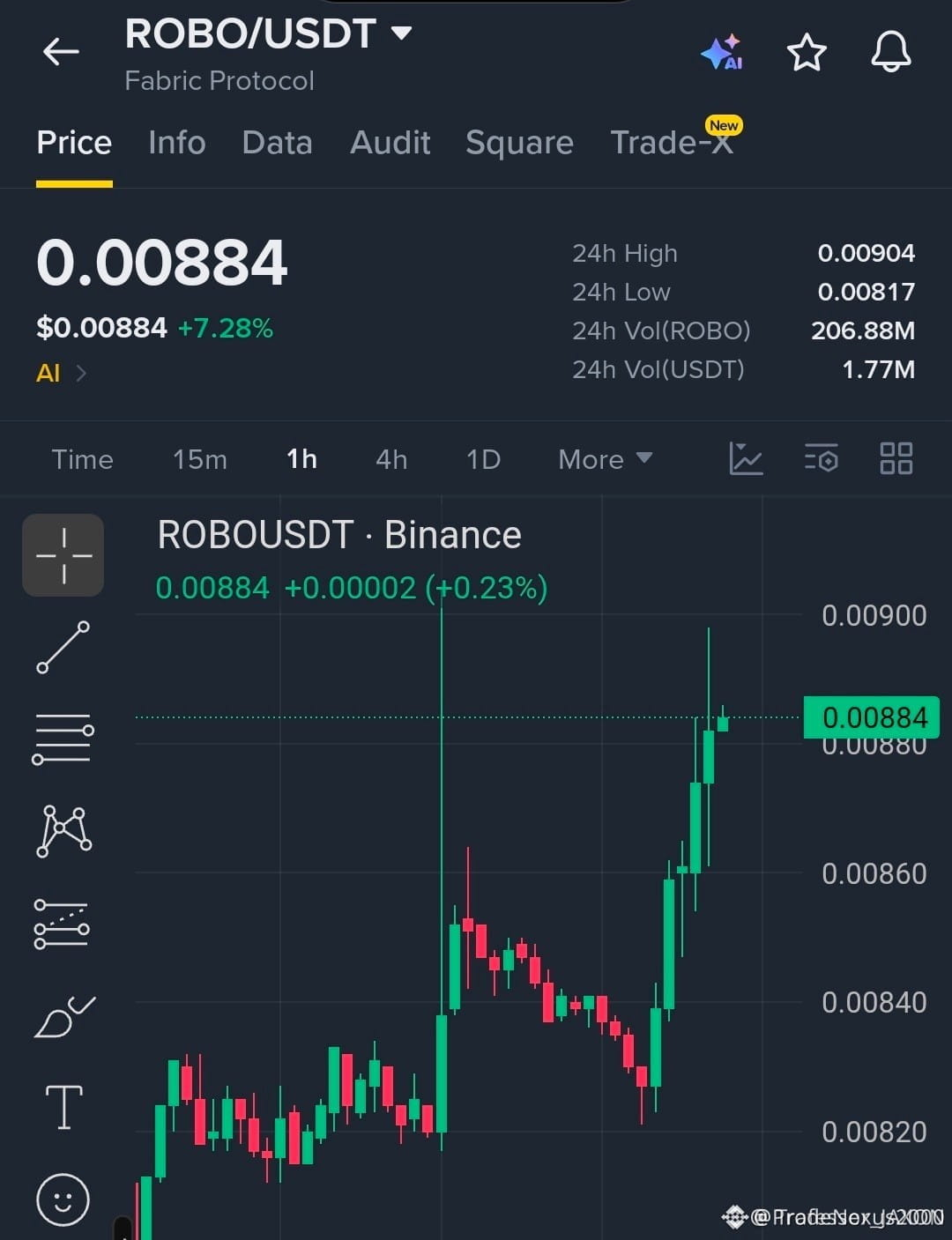
🚨 $ROBO は重要な蓄積構造を維持、買い手は上方の流動性に注目 ⚡
エントリー:0.00878 - 0.00886 ⚡
目標:0.00904 - 0.00950 🚀
損切り:0.00855 ⚠️
$ROBO は、0.00880のピボットゾーンをしっかり上回って持ち合った後、構造的な強さを示しています。📊 機関投資家の出来高の動きから、買い手の関心が継続していることが確認でき、価格は上昇継続に向けた明確な底固めを進めています。
0.00904を大きな出来高を伴って明確に上抜ければ、構造的なレジスタンスを突破し、0.00925および0.00950の上方にある非効率性のターゲットに向けて、上昇余地が広がります。📌 0.00855を下回った場合はこのトレードの前提が崩れるため、リスクを管理しながら勢いに乗ることができます。💬 ブレイクアウト後の上昇を狙いますか?それとも需要の最終的な再テストを待ちますか?👇
⚠️ 金融アドバイスではありません。常にリスクを管理してください。🛡️
🏷️ #ROBO #LongSetup #Breakout #Crypto
🎯 🦈
🚨 $ROBO は重要な蓄積構造を維持、買い手は上方の流動性に注目 ⚡
エントリー:0.00878 - 0.00886 ⚡
目標:0.00904 - 0.00950 🚀
損切り:0.00855 ⚠️
$ROBO は、0.00880のピボットゾーンをしっかり上回って持ち合った後、構造的な強さを示しています。📊 機関投資家の出来高の動きから、買い手の関心が継続していることが確認でき、価格は上昇継続に向けた明確な底固めを進めています。
0.00904を大きな出来高を伴って明確に上抜ければ、構造的なレジスタンスを突破し、0.00925および0.00950の上方にある非効率性のターゲットに向けて、上昇余地が広がります。📌 0.00855を下回った場合はこのトレードの前提が崩れるため、リスクを管理しながら勢いに乗ることができます。💬 ブレイクアウト後の上昇を狙いますか?それとも需要の最終的な再テストを待ちますか?👇
⚠️ 金融アドバイスではありません。常にリスクを管理してください。🛡️
🏷️ #ROBO #LongSetup #Breakout #Crypto
🎯 🦈
エントリー:0.00878 - 0.00886 ⚡
目標:0.00904 - 0.00950 🚀
損切り:0.00855 ⚠️
$ROBO は、0.00880のピボットゾーンをしっかり上回って持ち合った後、構造的な強さを示しています。📊 機関投資家の出来高の動きから、買い手の関心が継続していることが確認でき、価格は上昇継続に向けた明確な底固めを進めています。
0.00904を大きな出来高を伴って明確に上抜ければ、構造的なレジスタンスを突破し、0.00925および0.00950の上方にある非効率性のターゲットに向けて、上昇余地が広がります。📌 0.00855を下回った場合はこのトレードの前提が崩れるため、リスクを管理しながら勢いに乗ることができます。💬 ブレイクアウト後の上昇を狙いますか?それとも需要の最終的な再テストを待ちますか?👇
⚠️ 金融アドバイスではありません。常にリスクを管理してください。🛡️
🏷️ #ROBO #LongSetup #Breakout #Crypto
🎯 🦈
14
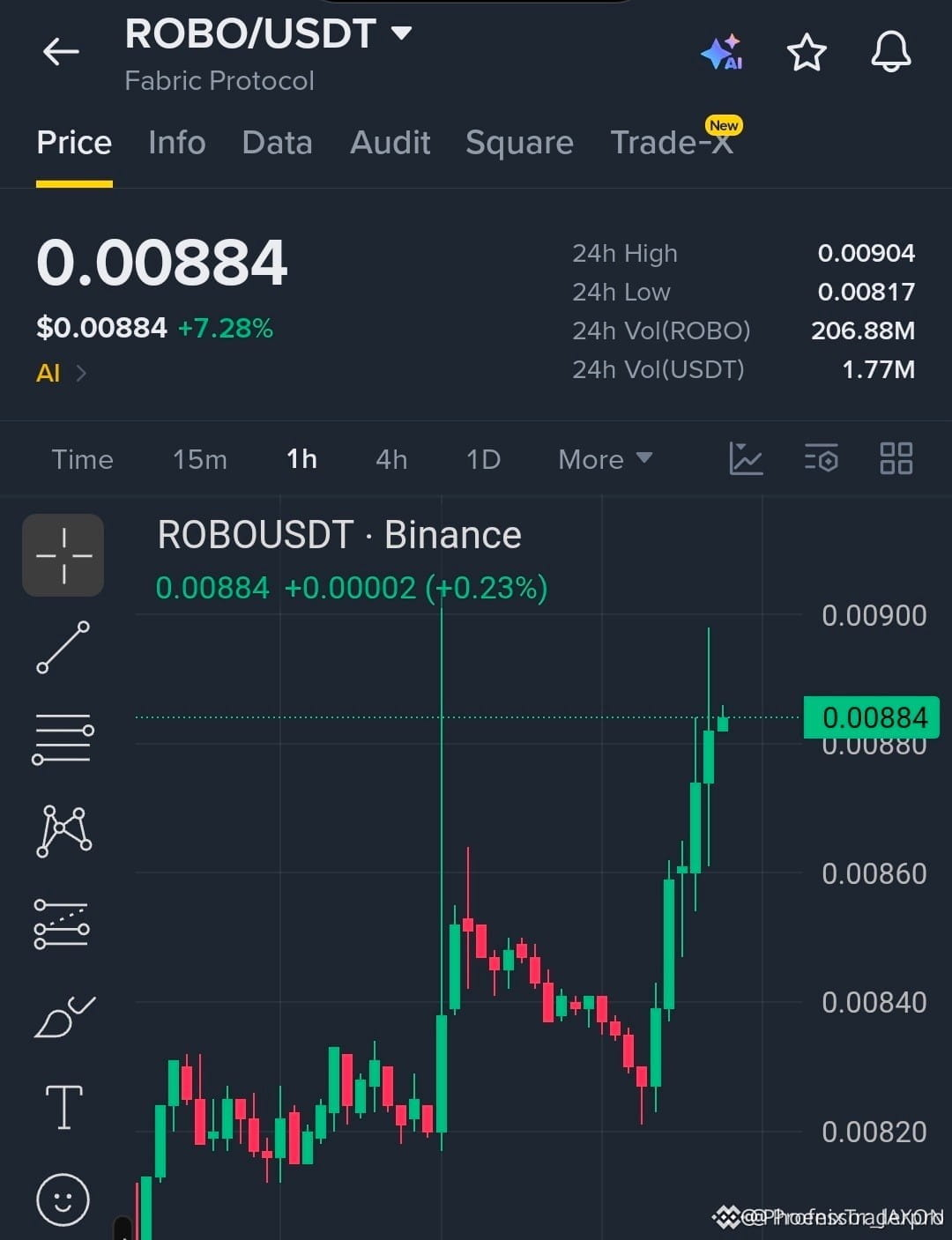
🚀 $ROBO が重要なピボット水準を奪還、買い手は次の上昇ゾーンを狙う!💥
エントリー:0.00878 - 0.00886 ⚡
目標:0.00904 / 0.00925 / 0.00950 🚀
損切り:0.00855 ⚠️
📌 $ROBO は、印象的な日中の値動きの後、0.00880ゾーンを強い勢いで守っています。出来高の増加に伴い、売りに出ている供給を積極的に吸収しており、確信度の高い強気派が参入して、上昇に向けた足場を築いていることを示しています。📊
💡 0.00904を上回って定着すれば、次の急騰局面が始まり、0.00925、さらに0.00950を目指す展開が見込まれます。注文フローからは、これらの水準付近で売り手が明らかに力尽きている様子が見られ、上昇優勢の勢いが保たれています。⚡ 現地でのリテストを狙って買いますか?それとも上昇継続のトリガーを待ちますか?👇
⚠️ 金融アドバイスではありません。常にリスク管理を徹底してください。🛡️
🏷️ #ROBO #LongSetup #Breakout #Altcoins #Crypto
⚡ 💎
🚀 $ROBO が重要なピボット水準を奪還、買い手は次の上昇ゾーンを狙う!💥
エントリー:0.00878 - 0.00886 ⚡
目標:0.00904 / 0.00925 / 0.00950 🚀
損切り:0.00855 ⚠️
📌 $ROBO は、印象的な日中の値動きの後、0.00880ゾーンを強い勢いで守っています。出来高の増加に伴い、売りに出ている供給を積極的に吸収しており、確信度の高い強気派が参入して、上昇に向けた足場を築いていることを示しています。📊
💡 0.00904を上回って定着すれば、次の急騰局面が始まり、0.00925、さらに0.00950を目指す展開が見込まれます。注文フローからは、これらの水準付近で売り手が明らかに力尽きている様子が見られ、上昇優勢の勢いが保たれています。⚡ 現地でのリテストを狙って買いますか?それとも上昇継続のトリガーを待ちますか?👇
⚠️ 金融アドバイスではありません。常にリスク管理を徹底してください。🛡️
🏷️ #ROBO #LongSetup #Breakout #Altcoins #Crypto
⚡ 💎
エントリー:0.00878 - 0.00886 ⚡
目標:0.00904 / 0.00925 / 0.00950 🚀
損切り:0.00855 ⚠️
📌 $ROBO は、印象的な日中の値動きの後、0.00880ゾーンを強い勢いで守っています。出来高の増加に伴い、売りに出ている供給を積極的に吸収しており、確信度の高い強気派が参入して、上昇に向けた足場を築いていることを示しています。📊
💡 0.00904を上回って定着すれば、次の急騰局面が始まり、0.00925、さらに0.00950を目指す展開が見込まれます。注文フローからは、これらの水準付近で売り手が明らかに力尽きている様子が見られ、上昇優勢の勢いが保たれています。⚡ 現地でのリテストを狙って買いますか?それとも上昇継続のトリガーを待ちますか?👇
⚠️ 金融アドバイスではありません。常にリスク管理を徹底してください。🛡️
🏷️ #ROBO #LongSetup #Breakout #Altcoins #Crypto
⚡ 💎
40

·
--
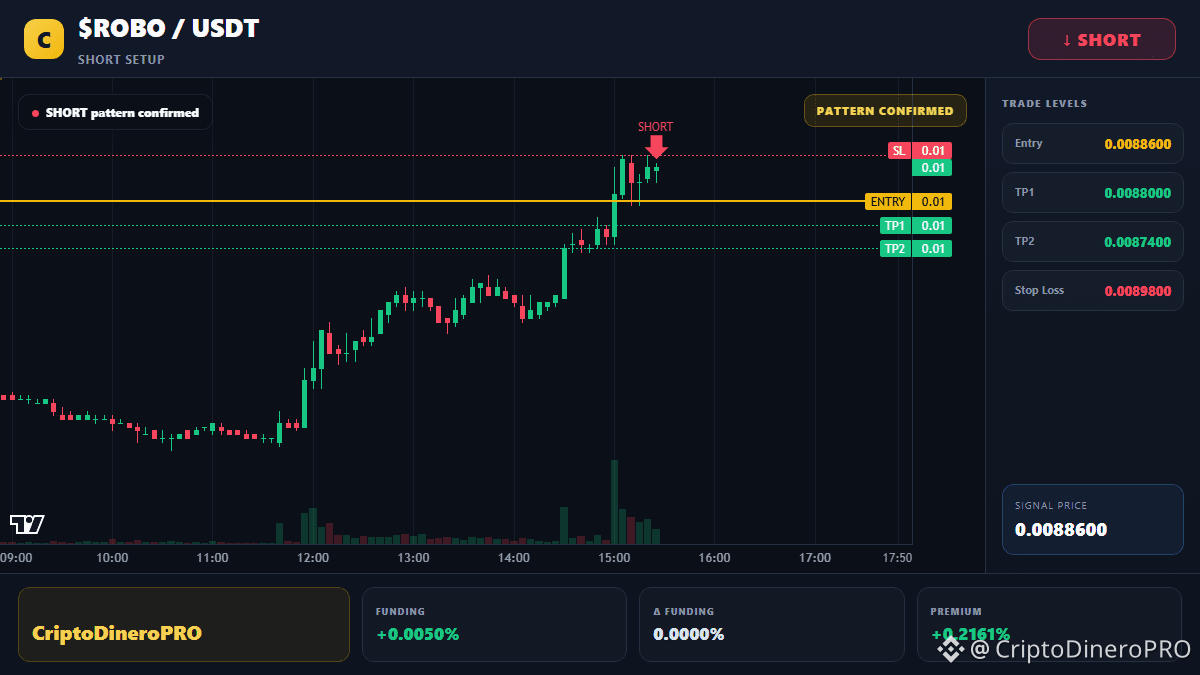
🚨 $ROBO が機関投資家の需要を背景に保ち合いレンジを奪還、ブレイクアウト拡大へ! 📈
エントリー:$0.00875 - $0.00890 ⚡
目標価格:$0.00905 - $0.00945 🚀
損切り:$0.00855 ⚠️
スマートマネーは$0.0082まできれいに流動性を狩り、売り圧力を吸収してから、力強いマーケット構造のブレイクを仕掛けました。 🔍 価格はすでに以前のバリューエリアに再び入り、$0.00875の再テストが上位時間足での上昇拡大に向けた主要な構造的サポートとして機能しています。 📊
買い手がこの奪還した需要ゾーンを守る限り、注文フローは引き続き強く上方に偏り、$0.00945までの上値流動性ターゲットを試す展開が見込まれます。 💡 この押し目の構造でエントリーしますか?それとも最後のレジスタンスを勢いよく突破するのを待ちますか? 👇
⚠️ 金融アドバイスではありません。常にリスク管理を徹底してください。 🛡️
🏷️ #ROBO #LongSetup #Crypto #Breakout #Altcoins
🎯 🦈
🚨 $ROBO が機関投資家の需要を背景に保ち合いレンジを奪還、ブレイクアウト拡大へ! 📈
エントリー:$0.00875 - $0.00890 ⚡
目標価格:$0.00905 - $0.00945 🚀
損切り:$0.00855 ⚠️
スマートマネーは$0.0082まできれいに流動性を狩り、売り圧力を吸収してから、力強いマーケット構造のブレイクを仕掛けました。 🔍 価格はすでに以前のバリューエリアに再び入り、$0.00875の再テストが上位時間足での上昇拡大に向けた主要な構造的サポートとして機能しています。 📊
買い手がこの奪還した需要ゾーンを守る限り、注文フローは引き続き強く上方に偏り、$0.00945までの上値流動性ターゲットを試す展開が見込まれます。 💡 この押し目の構造でエントリーしますか?それとも最後のレジスタンスを勢いよく突破するのを待ちますか? 👇
⚠️ 金融アドバイスではありません。常にリスク管理を徹底してください。 🛡️
🏷️ #ROBO #LongSetup #Crypto #Breakout #Altcoins
🎯 🦈
エントリー:$0.00875 - $0.00890 ⚡
目標価格:$0.00905 - $0.00945 🚀
損切り:$0.00855 ⚠️
スマートマネーは$0.0082まできれいに流動性を狩り、売り圧力を吸収してから、力強いマーケット構造のブレイクを仕掛けました。 🔍 価格はすでに以前のバリューエリアに再び入り、$0.00875の再テストが上位時間足での上昇拡大に向けた主要な構造的サポートとして機能しています。 📊
買い手がこの奪還した需要ゾーンを守る限り、注文フローは引き続き強く上方に偏り、$0.00945までの上値流動性ターゲットを試す展開が見込まれます。 💡 この押し目の構造でエントリーしますか?それとも最後のレジスタンスを勢いよく突破するのを待ちますか? 👇
⚠️ 金融アドバイスではありません。常にリスク管理を徹底してください。 🛡️
🏷️ #ROBO #LongSetup #Crypto #Breakout #Altcoins
🎯 🦈
14
·
--
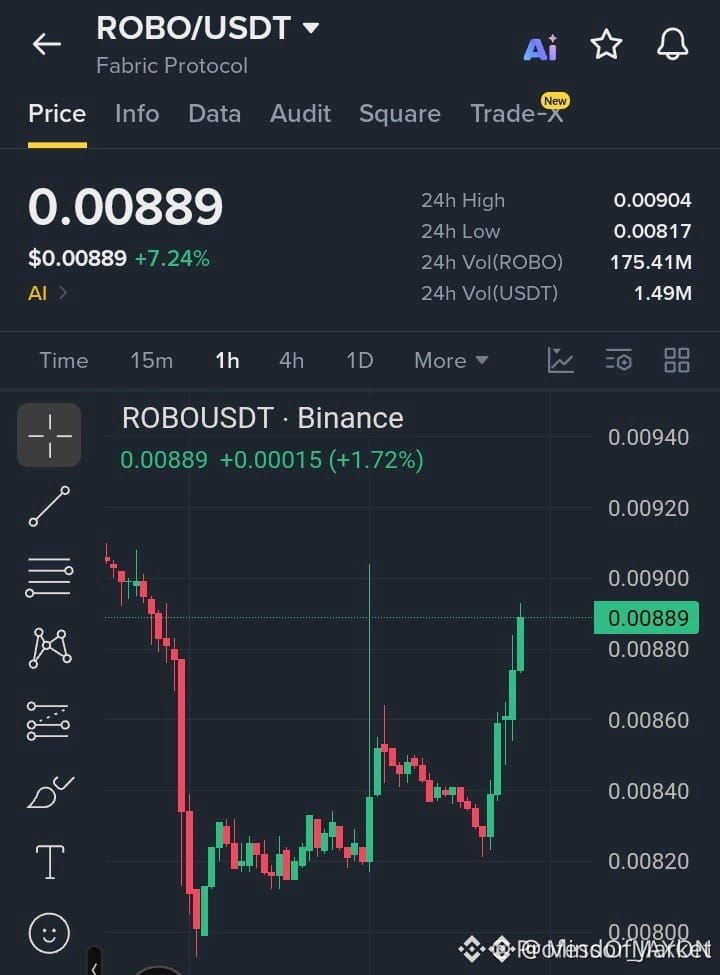
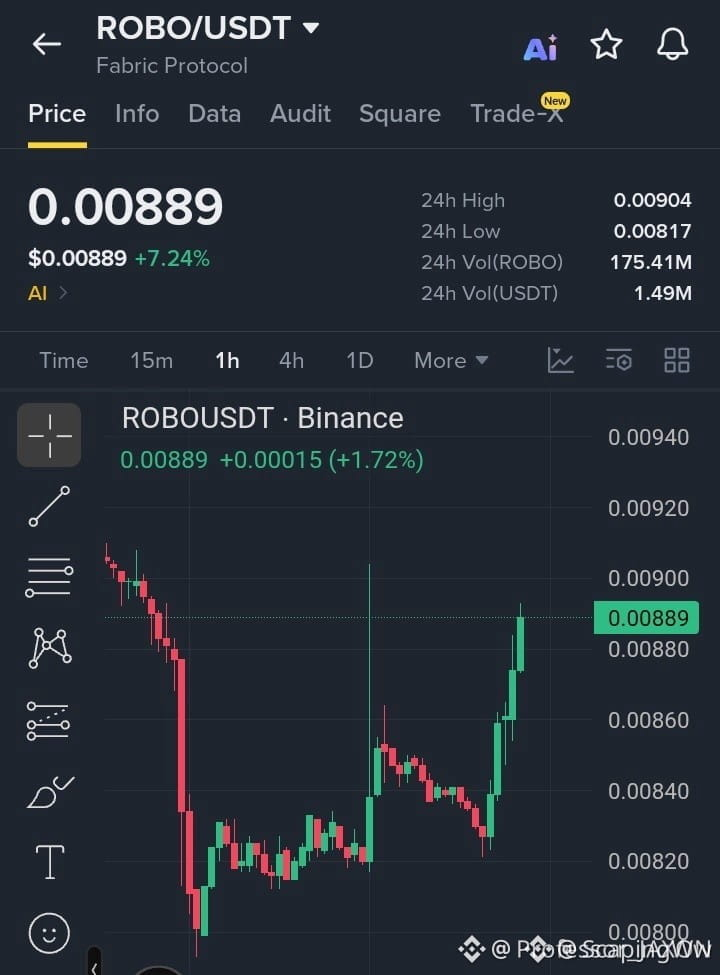
⚡ $ROBO 地域の保ち合いを上抜け、強気勢が次のレジスタンスへ突進!💥
エントリー:$0.00875 - $0.00890 ⚡
目標:$0.00905 - $0.00945 🚀
損切り:$0.00855 ⚠️
$0.0082の需要ゾーンで急反発した後、$ROBO は強い買い圧力を受けて、地域の保ち合いを切り裂いています。📊 価格が$0.00875の転換ゾーンを上回っている限り、上方のレジスタンス帯を狙う強気勢が引き続き主導権を握るでしょう。⚡
注文フローを見ると、売り注文を積極的に吸収しており、次の上昇局面に向けて大口投資家が準備していることがうかがえます。🔍 この水準を確保できれば、リスクを明確に管理しながら、より高い目標価格までスムーズに進む展開が期待できます。💬 レジスタンス突破前に先回りしますか?それとも、さらに深いリテストを待ちますか?👇
⚠️ 金融アドバイスではありません。常にリスクを管理してください。🛡️
🏷️ #ROBO #LongSetup #Breakout #Crypto
🔥 💎
⚡ $ROBO 地域の保ち合いを上抜け、強気勢が次のレジスタンスへ突進!💥
エントリー:$0.00875 - $0.00890 ⚡
目標:$0.00905 - $0.00945 🚀
損切り:$0.00855 ⚠️
$0.0082の需要ゾーンで急反発した後、$ROBO は強い買い圧力を受けて、地域の保ち合いを切り裂いています。📊 価格が$0.00875の転換ゾーンを上回っている限り、上方のレジスタンス帯を狙う強気勢が引き続き主導権を握るでしょう。⚡
注文フローを見ると、売り注文を積極的に吸収しており、次の上昇局面に向けて大口投資家が準備していることがうかがえます。🔍 この水準を確保できれば、リスクを明確に管理しながら、より高い目標価格までスムーズに進む展開が期待できます。💬 レジスタンス突破前に先回りしますか?それとも、さらに深いリテストを待ちますか?👇
⚠️ 金融アドバイスではありません。常にリスクを管理してください。🛡️
🏷️ #ROBO #LongSetup #Breakout #Crypto
🔥 💎
エントリー:$0.00875 - $0.00890 ⚡
目標:$0.00905 - $0.00945 🚀
損切り:$0.00855 ⚠️
$0.0082の需要ゾーンで急反発した後、$ROBO は強い買い圧力を受けて、地域の保ち合いを切り裂いています。📊 価格が$0.00875の転換ゾーンを上回っている限り、上方のレジスタンス帯を狙う強気勢が引き続き主導権を握るでしょう。⚡
注文フローを見ると、売り注文を積極的に吸収しており、次の上昇局面に向けて大口投資家が準備していることがうかがえます。🔍 この水準を確保できれば、リスクを明確に管理しながら、より高い目標価格までスムーズに進む展開が期待できます。💬 レジスタンス突破前に先回りしますか?それとも、さらに深いリテストを待ちますか?👇
⚠️ 金融アドバイスではありません。常にリスクを管理してください。🛡️
🏷️ #ROBO #LongSetup #Breakout #Crypto
🔥 💎
15
·
--
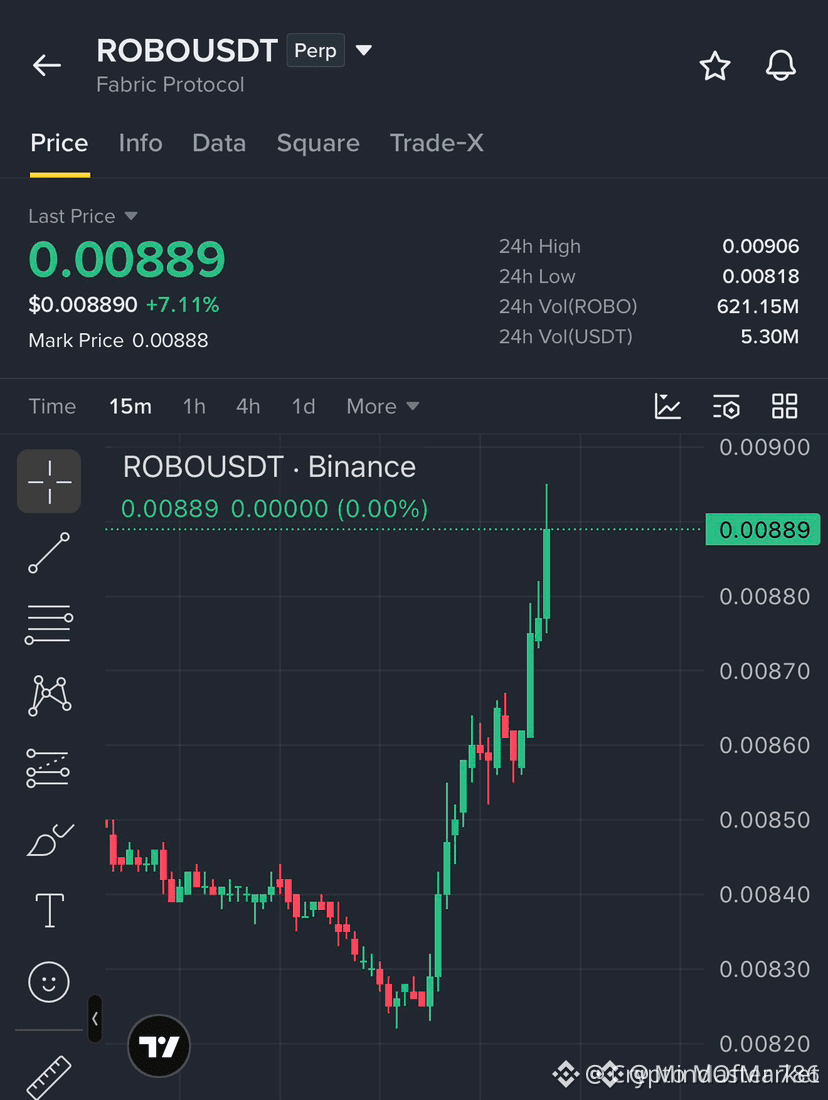
$ROBO は機関投資家の需要拡大を受け、24時間高値に向けて構造を回復 🦈 ⚡
エントリー:$0.00865~$0.00875 ⚡
目標:$0.00890 / $0.00906 / $0.00925 🚀
損切り:$0.00848 ⚠️
📌 $ROBO が24時間の流動性プールに向けて急速に拡大するなか、スマートマネーはきれいな高値切り上げの形を形成しています。垂直方向への勢いを追いかけると不必要なドローダウンを招くため、機関投資家の規律に従い、資金を投じる前に主要な需要ブロックまで戻って不均衡を埋めるのを待つのが賢明です。 📊
💡 構造的な割安ゾーンまでの制御された押し目は、リスクとリターンの非対称な機会をもたらし、局所的なレジスタンス上方の効率性目標に向けた明確な上昇を狙えます。 💬 割安ゾーンへの再テストを待ちますか?それとも勢いに乗って買いますか? 👇
⚠️ 金融アドバイスではありません。常にリスクを管理してください。 🛡️
🏷️ #ROBO #LongSetup #SmartMoney #Altcoins #Crypto
🎯 🦈
$ROBO は機関投資家の需要拡大を受け、24時間高値に向けて構造を回復 🦈 ⚡
エントリー:$0.00865~$0.00875 ⚡
目標:$0.00890 / $0.00906 / $0.00925 🚀
損切り:$0.00848 ⚠️
📌 $ROBO が24時間の流動性プールに向けて急速に拡大するなか、スマートマネーはきれいな高値切り上げの形を形成しています。垂直方向への勢いを追いかけると不必要なドローダウンを招くため、機関投資家の規律に従い、資金を投じる前に主要な需要ブロックまで戻って不均衡を埋めるのを待つのが賢明です。 📊
💡 構造的な割安ゾーンまでの制御された押し目は、リスクとリターンの非対称な機会をもたらし、局所的なレジスタンス上方の効率性目標に向けた明確な上昇を狙えます。 💬 割安ゾーンへの再テストを待ちますか?それとも勢いに乗って買いますか? 👇
⚠️ 金融アドバイスではありません。常にリスクを管理してください。 🛡️
🏷️ #ROBO #LongSetup #SmartMoney #Altcoins #Crypto
🎯 🦈
エントリー:$0.00865~$0.00875 ⚡
目標:$0.00890 / $0.00906 / $0.00925 🚀
損切り:$0.00848 ⚠️
📌 $ROBO が24時間の流動性プールに向けて急速に拡大するなか、スマートマネーはきれいな高値切り上げの形を形成しています。垂直方向への勢いを追いかけると不必要なドローダウンを招くため、機関投資家の規律に従い、資金を投じる前に主要な需要ブロックまで戻って不均衡を埋めるのを待つのが賢明です。 📊
💡 構造的な割安ゾーンまでの制御された押し目は、リスクとリターンの非対称な機会をもたらし、局所的なレジスタンス上方の効率性目標に向けた明確な上昇を狙えます。 💬 割安ゾーンへの再テストを待ちますか?それとも勢いに乗って買いますか? 👇
⚠️ 金融アドバイスではありません。常にリスクを管理してください。 🛡️
🏷️ #ROBO #LongSetup #SmartMoney #Altcoins #Crypto
🎯 🦈
18
ログインして、さらにコンテンツを読む
厳選トピックで世界の暗号資産トレーダーの仲間入り
⚡️ 暗号資産に関する最新かつ有益な情報が見つかります。
💬 世界最大の暗号資産取引所から信頼されています。
👍 認証を受けたクリエイターから、有益なインサイトを得られます。
メール / 電話番号
トレンドトピック
1
#BinanceLaunchesBinanceIntelligence
閲覧回数 36,762
450人が討論中
2
#EvernorthXRPTreasuryCompletesSPACMerger
閲覧回数 32,517
311人が討論中
3
#ADAGains10%Above$0.27
閲覧回数 31,495
211人が討論中
4
#ETHUp70%InQ3ButLiquidityFalls
閲覧回数 224,820
1,380人が討論中
5
#EthStakingExitQueueHits2026High
閲覧回数 83,132
930人が討論中
6
#FedOctoberHoldOdds82.3%
閲覧回数 84,420
914人が討論中
7
#Nikkei225Jumps2.5%ToThreeMonthHigh
閲覧回数 94,901
1,222人が討論中
8
#CircleMints$2.75BUSDCOnSolanaIn7Days
閲覧回数 2,546
53人が討論中
9
#DriftHackVictimsBeginClaims
閲覧回数 199,653
1,877人が討論中
10
#SolanaTokenizedStockVolumeTops$4.4BInSeptember
閲覧回数 14,709
136人が討論中