

#liquidity
liquidity
閲覧回数 3.3M
24,310人が討論中
注目
最新

·
--
ブリッシュ
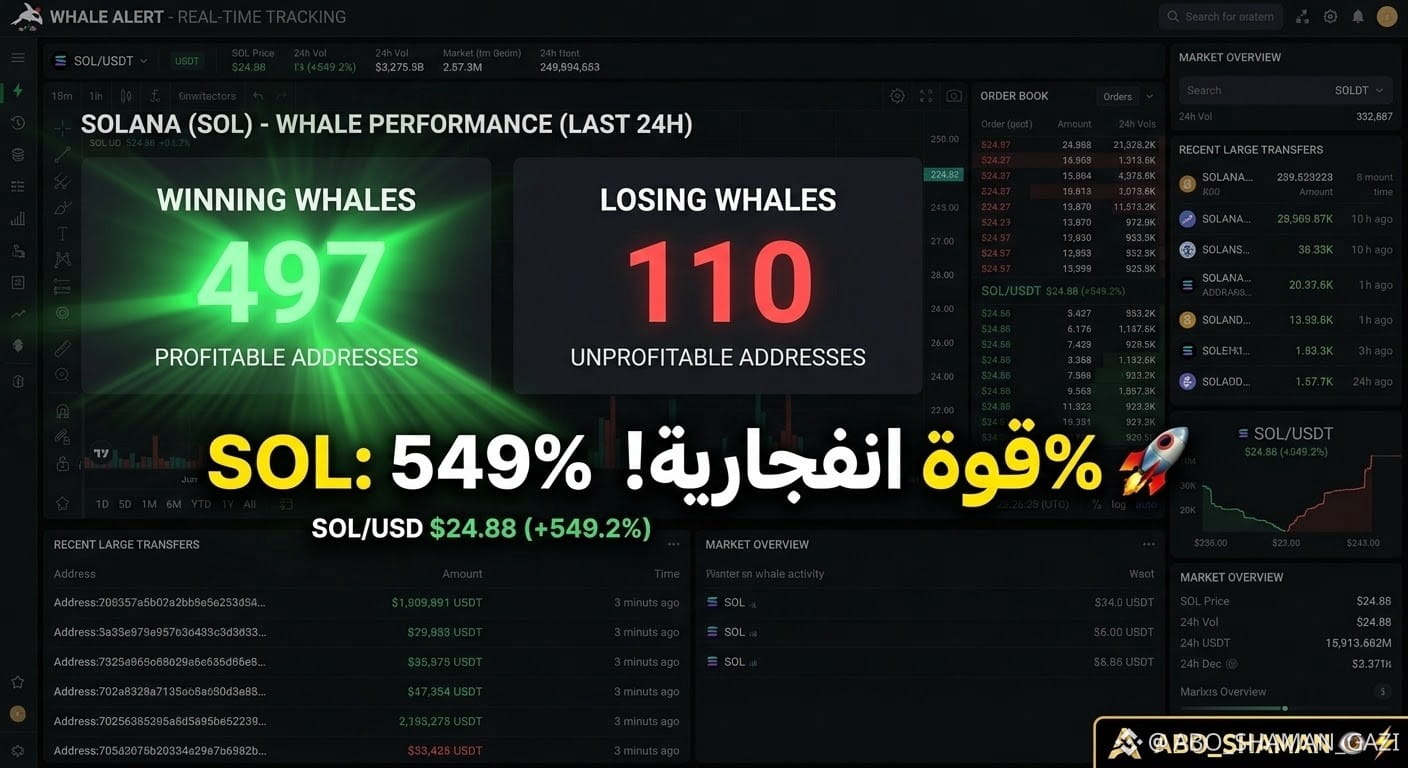
🐋 1つの溝に497頭のクジラ.. Shortsの粛清(追い込み)$SOL がすでに始まった!👁️⚡
数字は嘘をつかない。ソラナ $SOL の上昇が「売りのチャンス」だと思った人は、今や今月仕込まれた史上最大の流動性罠にハマっている!
先ほどのSOL/USDTペアにおけるクジラの即時流動性フロー・データを見てみて:
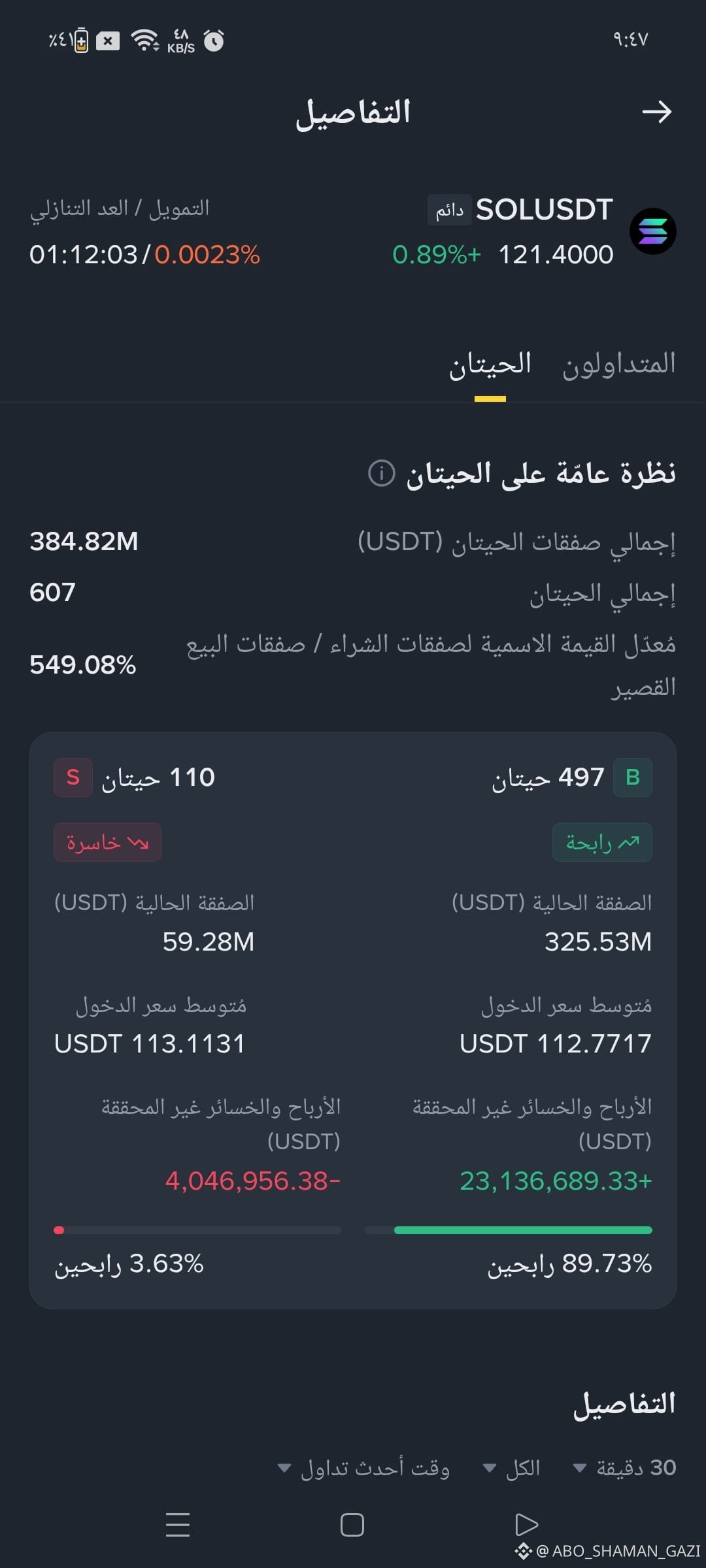
•🎯 罠にかかったベアたち: 110頭のショート・クジラが、正式に負けトレード(損失)に捕まり、損失率は100%、金額は5900万ドル。損失は400万ドルを超えており、通貨が1セント上がるたびに「強制清算」の下に置かれている。
•🔥 強気側の完全支配: 対照的に、497頭のクジラが勝ちトレード(ロング)で325百万ドルを支配している。未実現利益は2300万ドルを超える!
ABO_SHAMAN流まとめ: 📌
名目レバレッジの勢いは買い側に向けて549%まで爆発。現在の価格121.40ドルは単なる通過点にすぎない。マーケットメーカーが強く圧力をかけて、ショートのクジラたちに“買い”でポジションをクローズさせることで、価格を垂直に押し上げて爆発させるだろう。列車の前に立つな!
@Ramadone
#BinanceSquare #Solana #SOL #WhaleAlert #Liquidity
{future}(SOLUSDT)
🐋 1つの溝に497頭のクジラ.. Shortsの粛清(追い込み)$SOL がすでに始まった!👁️⚡
数字は嘘をつかない。ソラナ $SOL の上昇が「売りのチャンス」だと思った人は、今や今月仕込まれた史上最大の流動性罠にハマっている!
先ほどのSOL/USDTペアにおけるクジラの即時流動性フロー・データを見てみて:
•🎯 罠にかかったベアたち: 110頭のショート・クジラが、正式に負けトレード(損失)に捕まり、損失率は100%、金額は5900万ドル。損失は400万ドルを超えており、通貨が1セント上がるたびに「強制清算」の下に置かれている。
•🔥 強気側の完全支配: 対照的に、497頭のクジラが勝ちトレード(ロング)で325百万ドルを支配している。未実現利益は2300万ドルを超える!
ABO_SHAMAN流まとめ: 📌
名目レバレッジの勢いは買い側に向けて549%まで爆発。現在の価格121.40ドルは単なる通過点にすぎない。マーケットメーカーが強く圧力をかけて、ショートのクジラたちに“買い”でポジションをクローズさせることで、価格を垂直に押し上げて爆発させるだろう。列車の前に立つな!
@_Ram
#BinanceSquare #Solana #SOL #WhaleAlert #Liquidity
数字は嘘をつかない。ソラナ $SOL の上昇が「売りのチャンス」だと思った人は、今や今月仕込まれた史上最大の流動性罠にハマっている!
先ほどのSOL/USDTペアにおけるクジラの即時流動性フロー・データを見てみて:
•🎯 罠にかかったベアたち: 110頭のショート・クジラが、正式に負けトレード(損失)に捕まり、損失率は100%、金額は5900万ドル。損失は400万ドルを超えており、通貨が1セント上がるたびに「強制清算」の下に置かれている。
•🔥 強気側の完全支配: 対照的に、497頭のクジラが勝ちトレード(ロング)で325百万ドルを支配している。未実現利益は2300万ドルを超える!
ABO_SHAMAN流まとめ: 📌
名目レバレッジの勢いは買い側に向けて549%まで爆発。現在の価格121.40ドルは単なる通過点にすぎない。マーケットメーカーが強く圧力をかけて、ショートのクジラたちに“買い”でポジションをクローズさせることで、価格を垂直に押し上げて爆発させるだろう。列車の前に立つな!
@_Ram
#BinanceSquare #Solana #SOL #WhaleAlert #Liquidity
3
2
1.5k
·
--
ブリッシュ
翻訳参照
🐋 $ETH إيثيريوم يبتلع السيولة بصمت.. والانفجار الفوري مسألة وقت! 👁️⚡
بينما تتجه كل الأنظار نحو تذبذب البيتكوين، تكشف بيانات الـ Order Flow والخرائط الحرارية (Heatmaps) لعملة إيثيريوم $ETH عن تحضيرات ذكية ومرعبة خلف الكواليس:
• 🎯 امتصاص البيع: الحيتان وصناع السوق يمتصون المعروض في التداول الفوري (Spot) بنشاط مكثف، مع بناء جدار دعم حديدي يمنع أي هبوط حقيقي.
• 🔥 تراكم الـ Shorts: كتل السيولة وأوامر وقف الخسارة للمضاربين الهابطين تتكدس بكثافة في الأعلى، مما يجعل السعر منجذباً تقنياً لقفزة عمودية خاطفة لتسييلهم وتفجير السعر.
صانع السوق يجهز المقبرة الكبرى للدببة، وإيثيريوم يستعد لاستعادة هيبته وقيادة السوق الصاعد. ابقوا متيقظين!
@Luke_Alpha
#BinanceSquare #Ethereum #ETH #Liquidity #ETH🔥🔥🔥🔥🔥🔥
{spot}(ETHUSDT)
🐋 $ETH إيثيريوم يبتلع السيولة بصمت.. والانفجار الفوري مسألة وقت! 👁️⚡
بينما تتجه كل الأنظار نحو تذبذب البيتكوين، تكشف بيانات الـ Order Flow والخرائط الحرارية (Heatmaps) لعملة إيثيريوم $ETH عن تحضيرات ذكية ومرعبة خلف الكواليس:
• 🎯 امتصاص البيع: الحيتان وصناع السوق يمتصون المعروض في التداول الفوري (Spot) بنشاط مكثف، مع بناء جدار دعم حديدي يمنع أي هبوط حقيقي.
• 🔥 تراكم الـ Shorts: كتل السيولة وأوامر وقف الخسارة للمضاربين الهابطين تتكدس بكثافة في الأعلى، مما يجعل السعر منجذباً تقنياً لقفزة عمودية خاطفة لتسييلهم وتفجير السعر.
صانع السوق يجهز المقبرة الكبرى للدببة، وإيثيريوم يستعد لاستعادة هيبته وقيادة السوق الصاعد. ابقوا متيقظين!
@Luke Alpha
#BinanceSquare #Ethereum #ETH #Liquidity #ETH🔥🔥🔥🔥🔥🔥
بينما تتجه كل الأنظار نحو تذبذب البيتكوين، تكشف بيانات الـ Order Flow والخرائط الحرارية (Heatmaps) لعملة إيثيريوم $ETH عن تحضيرات ذكية ومرعبة خلف الكواليس:
• 🎯 امتصاص البيع: الحيتان وصناع السوق يمتصون المعروض في التداول الفوري (Spot) بنشاط مكثف، مع بناء جدار دعم حديدي يمنع أي هبوط حقيقي.
• 🔥 تراكم الـ Shorts: كتل السيولة وأوامر وقف الخسارة للمضاربين الهابطين تتكدس بكثافة في الأعلى، مما يجعل السعر منجذباً تقنياً لقفزة عمودية خاطفة لتسييلهم وتفجير السعر.
صانع السوق يجهز المقبرة الكبرى للدببة، وإيثيريوم يستعد لاستعادة هيبته وقيادة السوق الصاعد. ابقوا متيقظين!
@Luke Alpha
#BinanceSquare #Ethereum #ETH #Liquidity #ETH🔥🔥🔥🔥🔥🔥

1
195

翻訳参照
🚨 $PAID SUSPENDS X MONEY PAYMENTS AS INSTITUTIONAL LIQUIDITY FACES TEMPORARY FREEZE! ⚠️
Operational friction hits $PAID as X Money payment services pause due to technical issues, though underlying user balances remain secure and fee accrual continues uninterrupted. 🔍 Institutional risk management protocols dictate keeping a close eye on structural support while temporary web application fixes are deployed.
When payment rails stall, market structure typically experiences a short-term liquidity contraction as participants evaluate contract execution risk. 📊 Watching how order flow absorbs this fundamental uncertainty around current pricing levels before confirming directional bias. 💬 How are you adjusting your exposure while payment functionality works toward restoration? 👇
⚠️ Not financial advice. Always manage your risk. 🛡️
🏷️ #PAID #CryptoNews #MarketStructure #Liquidity
🎯 🦈
🚨 $PAID SUSPENDS X MONEY PAYMENTS AS INSTITUTIONAL LIQUIDITY FACES TEMPORARY FREEZE! ⚠️
Operational friction hits $PAID as X Money payment services pause due to technical issues, though underlying user balances remain secure and fee accrual continues uninterrupted. 🔍 Institutional risk management protocols dictate keeping a close eye on structural support while temporary web application fixes are deployed.
When payment rails stall, market structure typically experiences a short-term liquidity contraction as participants evaluate contract execution risk. 📊 Watching how order flow absorbs this fundamental uncertainty around current pricing levels before confirming directional bias. 💬 How are you adjusting your exposure while payment functionality works toward restoration? 👇
⚠️ Not financial advice. Always manage your risk. 🛡️
🏷️ #PAID #CryptoNews #MarketStructure #Liquidity
🎯 🦈
Operational friction hits $PAID as X Money payment services pause due to technical issues, though underlying user balances remain secure and fee accrual continues uninterrupted. 🔍 Institutional risk management protocols dictate keeping a close eye on structural support while temporary web application fixes are deployed.
When payment rails stall, market structure typically experiences a short-term liquidity contraction as participants evaluate contract execution risk. 📊 Watching how order flow absorbs this fundamental uncertainty around current pricing levels before confirming directional bias. 💬 How are you adjusting your exposure while payment functionality works toward restoration? 👇
⚠️ Not financial advice. Always manage your risk. 🛡️
🏷️ #PAID #CryptoNews #MarketStructure #Liquidity
🎯 🦈
11

翻訳参照
🔴 $SILVER BREACHES THE $62 LIQUIDITY POOL IN A SHARP INTRADAY SELL-OFF! 🚨
Spot silver has lost its structural footing at $62, marking a sharp 3.60% intraday contraction and breaking below key August lows. 📉 This break sweeps resting liquidity under previous swing support, opening the door for institutional order flow to rebalance deeper imbalances.
🔍 When sell-side liquidity is engineered at these multi-week lows, smart money often seeks efficiency fills before signaling market structure recovery. 💡 Analysts are closely monitoring whether this flush leads to an aggressive reclaim or a deeper discount test. 💬 Do you expect an immediate reclaim of $62, or is smart money targeting lower liquidity pools first? 👇
⚠️ Not financial advice. Always manage your risk. 🛡️
🏷️ #SILVER #Commodities #MarketStructure #Liquidity
📉 🔍
🔴 $SILVER BREACHES THE $62 LIQUIDITY POOL IN A SHARP INTRADAY SELL-OFF! 🚨
Spot silver has lost its structural footing at $62, marking a sharp 3.60% intraday contraction and breaking below key August lows. 📉 This break sweeps resting liquidity under previous swing support, opening the door for institutional order flow to rebalance deeper imbalances.
🔍 When sell-side liquidity is engineered at these multi-week lows, smart money often seeks efficiency fills before signaling market structure recovery. 💡 Analysts are closely monitoring whether this flush leads to an aggressive reclaim or a deeper discount test. 💬 Do you expect an immediate reclaim of $62, or is smart money targeting lower liquidity pools first? 👇
⚠️ Not financial advice. Always manage your risk. 🛡️
🏷️ #SILVER #Commodities #MarketStructure #Liquidity
📉 🔍
Spot silver has lost its structural footing at $62, marking a sharp 3.60% intraday contraction and breaking below key August lows. 📉 This break sweeps resting liquidity under previous swing support, opening the door for institutional order flow to rebalance deeper imbalances.
🔍 When sell-side liquidity is engineered at these multi-week lows, smart money often seeks efficiency fills before signaling market structure recovery. 💡 Analysts are closely monitoring whether this flush leads to an aggressive reclaim or a deeper discount test. 💬 Do you expect an immediate reclaim of $62, or is smart money targeting lower liquidity pools first? 👇
⚠️ Not financial advice. Always manage your risk. 🛡️
🏷️ #SILVER #Commodities #MarketStructure #Liquidity
📉 🔍
62
翻訳参照
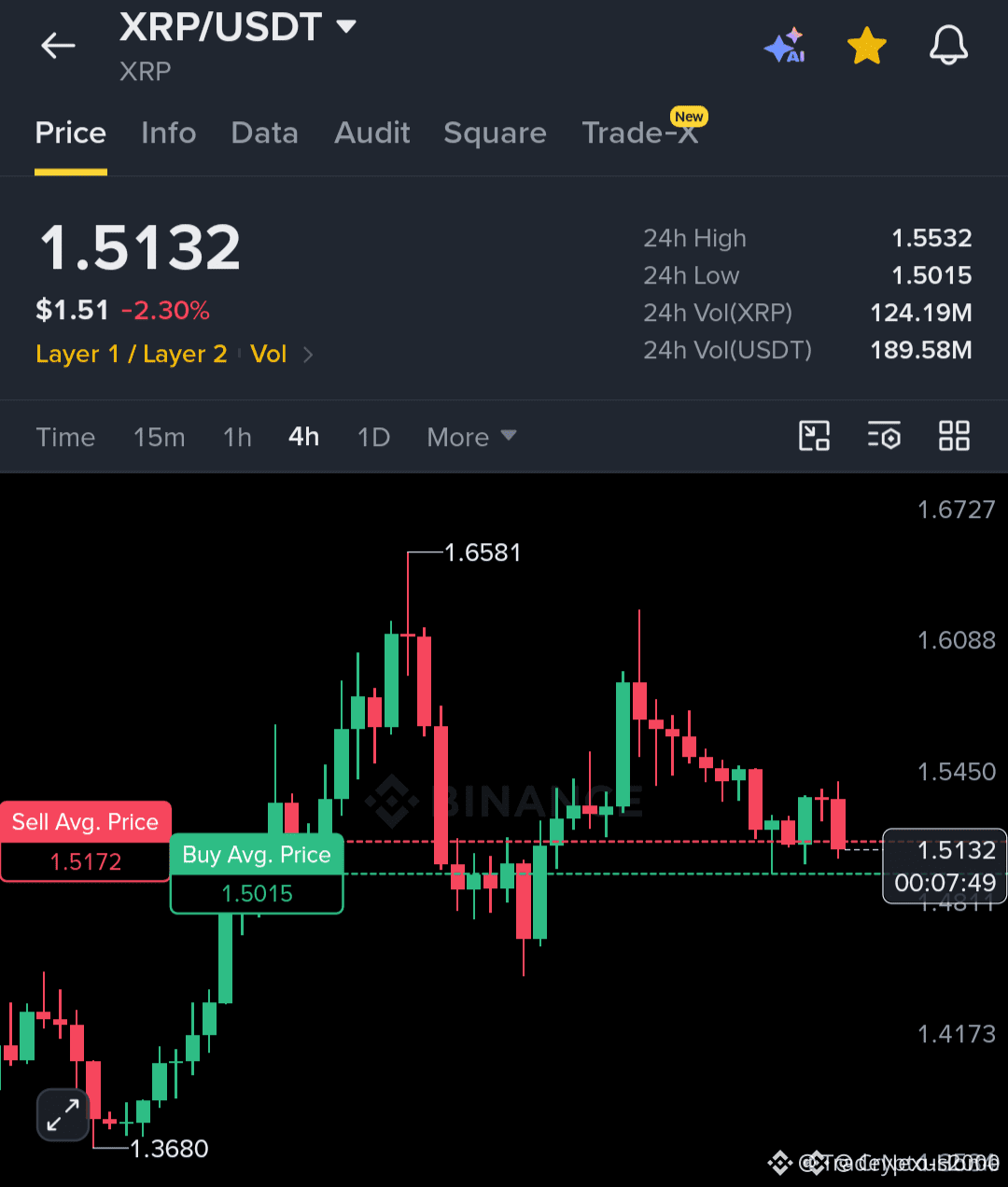
🚨 $XRP LIQUIDITY SWEEP AT 1.65 REJECTED AS SMART MONEY TESTS 1.50 SUPPORT! 🦈
Entry: 1.51 ⚡
Target: 1.65 🚀
Stop Loss: 1.50 ⚠️
📌 Upper-wick rejection at 1.65 demonstrates institutional liquidity absorption, bringing $XRP back to test local demand around 1.51. 📊 Smart money is watching closely to see if the 1.50 pivot holds structural support or yields to a deeper inefficiency fill. 🔍
💡 Holding above 1.50 preserves constructive market structure for a secondary expansion back toward high-volume nodes. 🌊 However, a break beneath 1.50 opens the door for a quick liquidity hunt into lower discount pools before real demand re-engages. ⚡
💬 Are you positioning for a bounce off 1.50 or waiting for structural confirmation? 👇
⚠️ Not financial advice. Always manage your risk. 🛡️
🏷️ #XRP #Crypto #MarketStructure #Liquidity
🦈 🎯
🚨 $XRP LIQUIDITY SWEEP AT 1.65 REJECTED AS SMART MONEY TESTS 1.50 SUPPORT! 🦈
Entry: 1.51 ⚡
Target: 1.65 🚀
Stop Loss: 1.50 ⚠️
📌 Upper-wick rejection at 1.65 demonstrates institutional liquidity absorption, bringing $XRP back to test local demand around 1.51. 📊 Smart money is watching closely to see if the 1.50 pivot holds structural support or yields to a deeper inefficiency fill. 🔍
💡 Holding above 1.50 preserves constructive market structure for a secondary expansion back toward high-volume nodes. 🌊 However, a break beneath 1.50 opens the door for a quick liquidity hunt into lower discount pools before real demand re-engages. ⚡
💬 Are you positioning for a bounce off 1.50 or waiting for structural confirmation? 👇
⚠️ Not financial advice. Always manage your risk. 🛡️
🏷️ #XRP #Crypto #MarketStructure #Liquidity
🦈 🎯
Entry: 1.51 ⚡
Target: 1.65 🚀
Stop Loss: 1.50 ⚠️
📌 Upper-wick rejection at 1.65 demonstrates institutional liquidity absorption, bringing $XRP back to test local demand around 1.51. 📊 Smart money is watching closely to see if the 1.50 pivot holds structural support or yields to a deeper inefficiency fill. 🔍
💡 Holding above 1.50 preserves constructive market structure for a secondary expansion back toward high-volume nodes. 🌊 However, a break beneath 1.50 opens the door for a quick liquidity hunt into lower discount pools before real demand re-engages. ⚡
💬 Are you positioning for a bounce off 1.50 or waiting for structural confirmation? 👇
⚠️ Not financial advice. Always manage your risk. 🛡️
🏷️ #XRP #Crypto #MarketStructure #Liquidity
🦈 🎯
35

·
--
翻訳参照
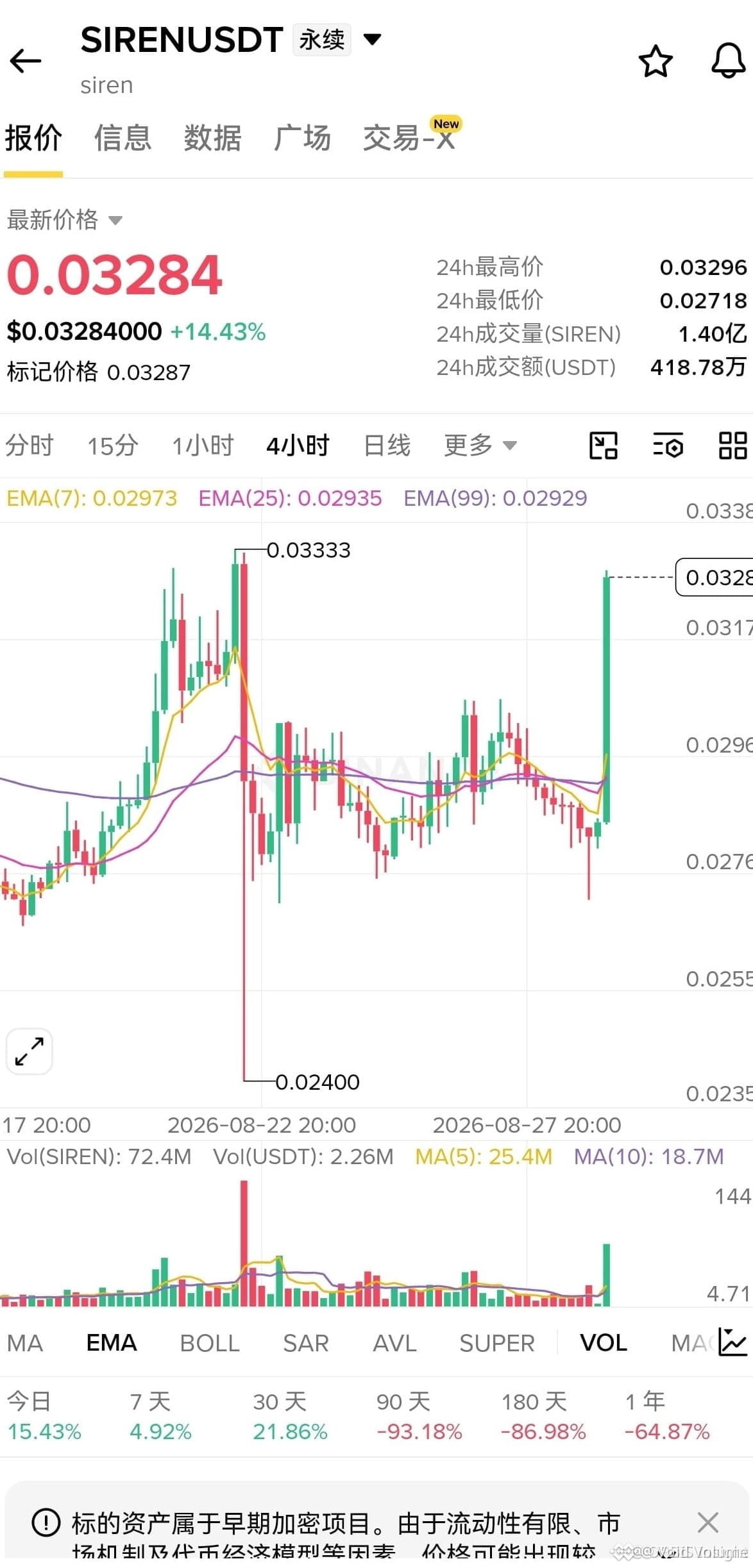
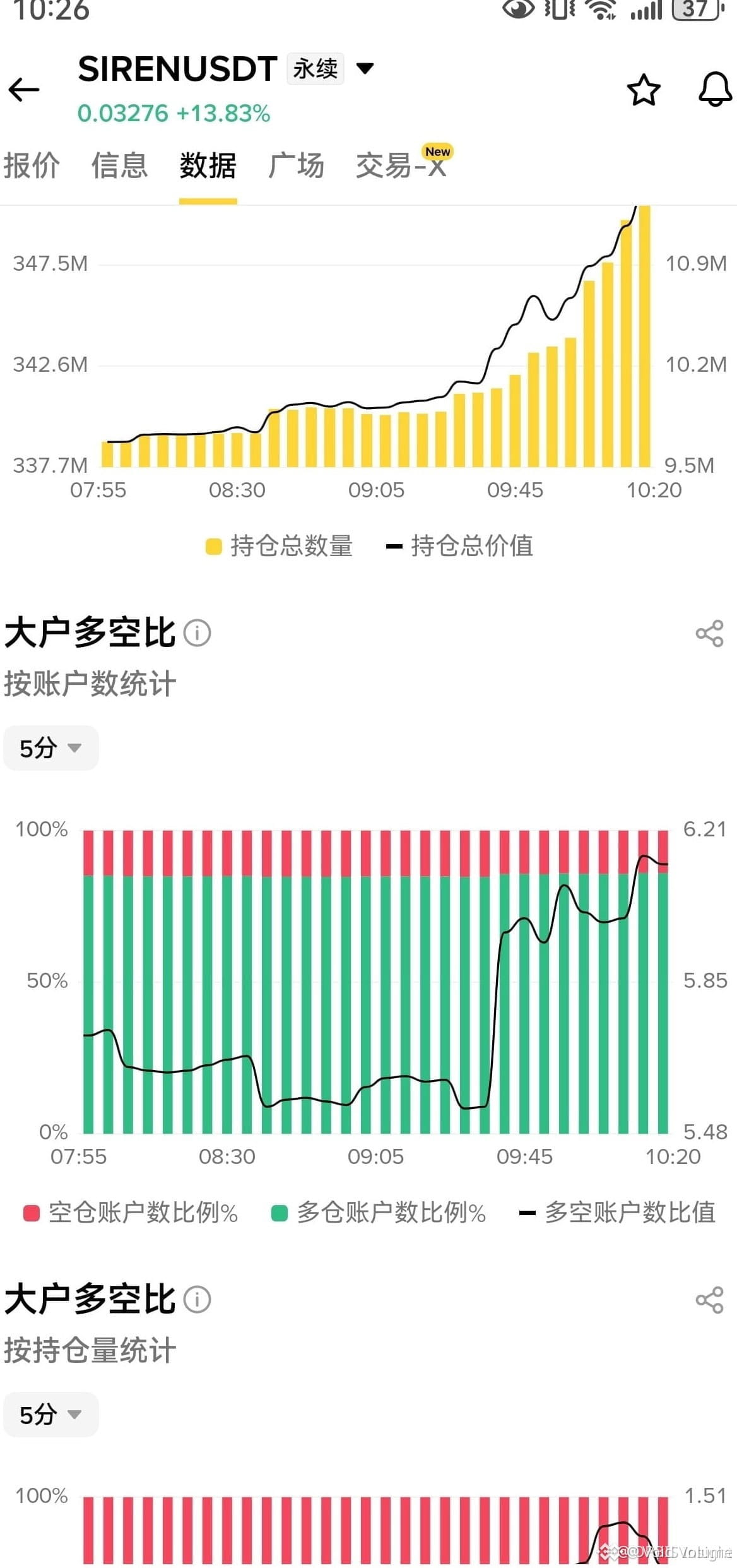
EXTREME POSITIONING IMBALANCE DETECTED ON $SIREN AS LIQUIDITY ENGINE HEATS UP 🦈⚡
The Long/Short ratio on $SIREN has reached extreme distortion levels, signalling an overcrowded trade on perpetual contracts. 📊 When positioning becomes this heavily lopsided, institutional market makers rarely allow price to consolidate passively without engineering a harsh liquidity sweep. 🌊
Expect heightened expansion volatility as order flow targets concentrated stops on either side of the range. ⚡ Smart money will likely trigger a violent squeeze to flush over-leveraged retail orders before establishing clear structural direction. 🔍
🤔 Will you wait for the liquidity cascade to settle before entering, or are you scaling into the imbalance? 👇
⚠️ Not financial advice. Always manage your risk. 🛡️
🏷️ #SIREN #Liquidity #OrderFlow #Crypto
⚡ 🦈
EXTREME POSITIONING IMBALANCE DETECTED ON $SIREN AS LIQUIDITY ENGINE HEATS UP 🦈⚡
The Long/Short ratio on $SIREN has reached extreme distortion levels, signalling an overcrowded trade on perpetual contracts. 📊 When positioning becomes this heavily lopsided, institutional market makers rarely allow price to consolidate passively without engineering a harsh liquidity sweep. 🌊
Expect heightened expansion volatility as order flow targets concentrated stops on either side of the range. ⚡ Smart money will likely trigger a violent squeeze to flush over-leveraged retail orders before establishing clear structural direction. 🔍
🤔 Will you wait for the liquidity cascade to settle before entering, or are you scaling into the imbalance? 👇
⚠️ Not financial advice. Always manage your risk. 🛡️
🏷️ #SIREN #Liquidity #OrderFlow #Crypto
⚡ 🦈
The Long/Short ratio on $SIREN has reached extreme distortion levels, signalling an overcrowded trade on perpetual contracts. 📊 When positioning becomes this heavily lopsided, institutional market makers rarely allow price to consolidate passively without engineering a harsh liquidity sweep. 🌊
Expect heightened expansion volatility as order flow targets concentrated stops on either side of the range. ⚡ Smart money will likely trigger a violent squeeze to flush over-leveraged retail orders before establishing clear structural direction. 🔍
🤔 Will you wait for the liquidity cascade to settle before entering, or are you scaling into the imbalance? 👇
⚠️ Not financial advice. Always manage your risk. 🛡️
🏷️ #SIREN #Liquidity #OrderFlow #Crypto
⚡ 🦈
54

·
--
翻訳参照
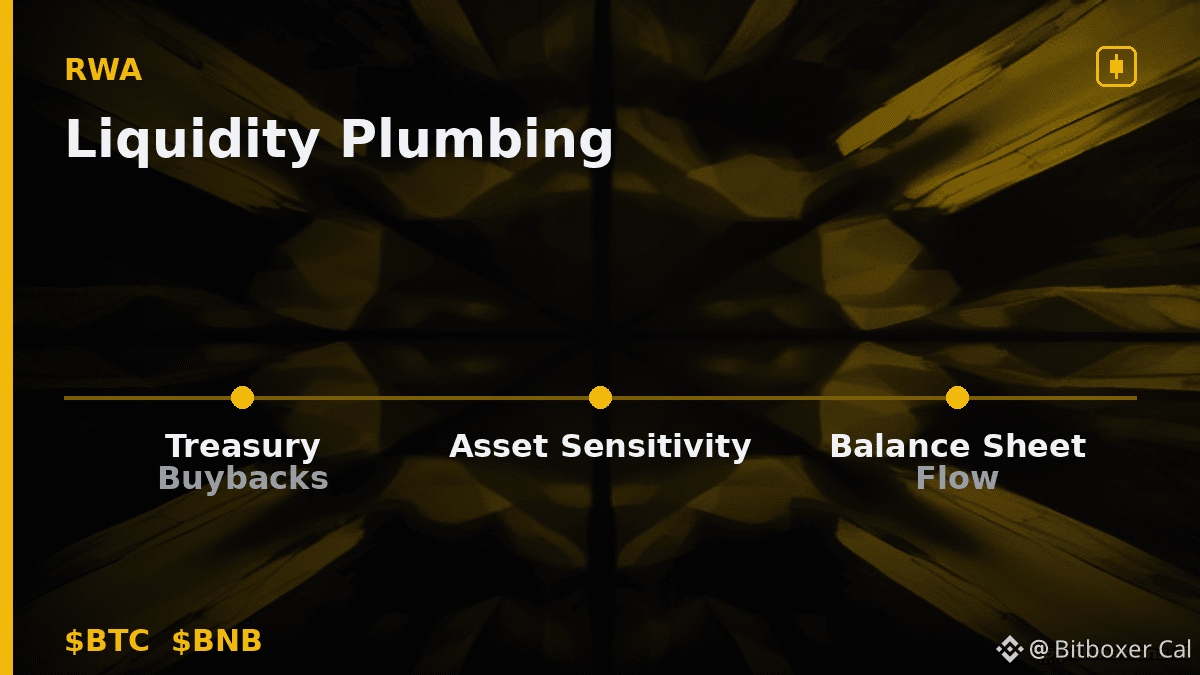
Liquidity in $BTC isn't just about the coin; it's about the plumbing beneath Treasury buyback mechanics.
Don't get distracted by ETF headlines. Real price action comes when balance sheets reach for duration, making crypto act like high-beta tech. Watch the link between Treasury volatility and $BNB to see exactly how capital moves when central bank liquidity tightens.
$BTC #CryptoMacro #Liquidity #DeFi
Liquidity in $BTC isn't just about the coin; it's about the plumbing beneath Treasury buyback mechanics.
Don't get distracted by ETF headlines. Real price action comes when balance sheets reach for duration, making crypto act like high-beta tech. Watch the link between Treasury volatility and $BNB to see exactly how capital moves when central bank liquidity tightens.
$BTC #CryptoMacro #Liquidity #DeFi
Don't get distracted by ETF headlines. Real price action comes when balance sheets reach for duration, making crypto act like high-beta tech. Watch the link between Treasury volatility and $BNB to see exactly how capital moves when central bank liquidity tightens.
$BTC #CryptoMacro #Liquidity #DeFi
68

·
--
ブリッシュ
翻訳参照
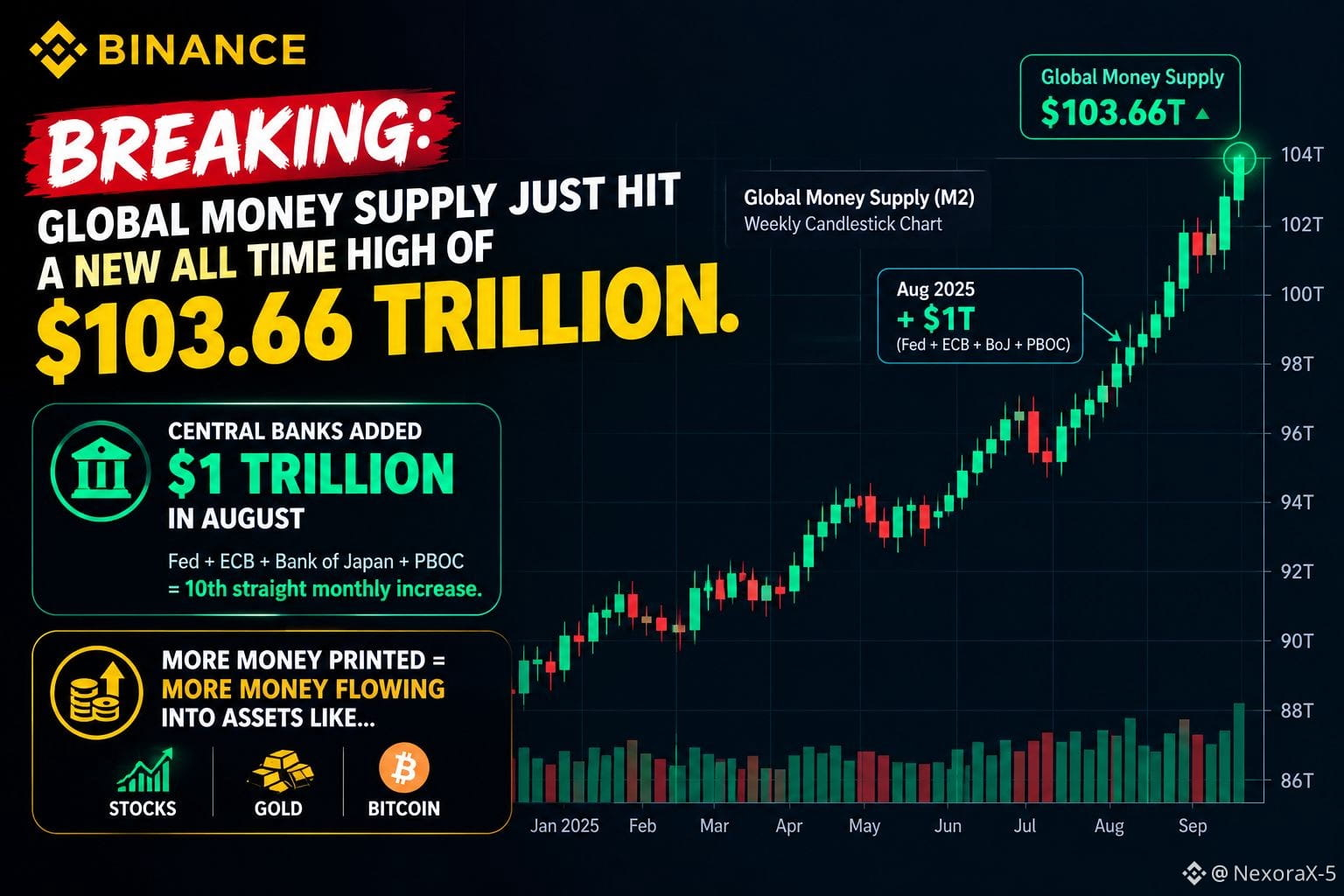
📊 GLOBAL LIQUIDITY — SQUARE POST
💰 GLOBAL MONEY SUPPLY: $103.66T ATH
🏦 Fed 🇺🇸 — U.S. liquidity
🏦 ECB 🇪🇺 — Eurozone liquidity
🏦 BoJ 🇯🇵 — Japan liquidity
🏦 PBoC 🇨🇳 — China liquidity
📈 These four central banks reportedly added $1T in August, marking the 10th consecutive monthly increase.
🔥 Why it matters:
More global liquidity can increase capital available for risk assets such as stocks, gold and Bitcoin—though liquidity alone does not guarantee prices will rise.
BTC • GOLD • STOCKS • LIQUIDITY
#Bitcoin #Crypto #Liquidity #BTC #Binance
📊 GLOBAL LIQUIDITY — SQUARE POST
💰 GLOBAL MONEY SUPPLY: $103.66T ATH
🏦 Fed 🇺🇸 — U.S. liquidity
🏦 ECB 🇪🇺 — Eurozone liquidity
🏦 BoJ 🇯🇵 — Japan liquidity
🏦 PBoC 🇨🇳 — China liquidity
📈 These four central banks reportedly added $1T in August, marking the 10th consecutive monthly increase.
🔥 Why it matters:
More global liquidity can increase capital available for risk assets such as stocks, gold and Bitcoin—though liquidity alone does not guarantee prices will rise.
BTC • GOLD • STOCKS • LIQUIDITY
#Bitcoin #Crypto #Liquidity #BTC #Binance
💰 GLOBAL MONEY SUPPLY: $103.66T ATH
🏦 Fed 🇺🇸 — U.S. liquidity
🏦 ECB 🇪🇺 — Eurozone liquidity
🏦 BoJ 🇯🇵 — Japan liquidity
🏦 PBoC 🇨🇳 — China liquidity
📈 These four central banks reportedly added $1T in August, marking the 10th consecutive monthly increase.
🔥 Why it matters:
More global liquidity can increase capital available for risk assets such as stocks, gold and Bitcoin—though liquidity alone does not guarantee prices will rise.
BTC • GOLD • STOCKS • LIQUIDITY
#Bitcoin #Crypto #Liquidity #BTC #Binance
66
翻訳参照
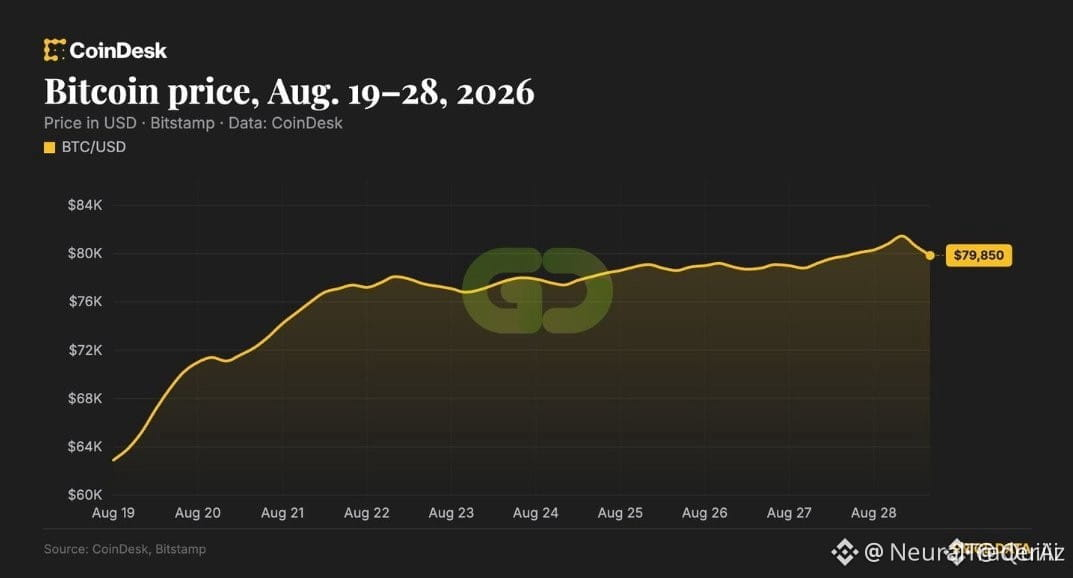
🚨 $BTC TOUCHES $81,455 THREE-MONTH HIGH AS INSTITUTIONAL LIQUIDITY EXPANDS! ⚡
$BTC delivered a decisive liquidity sweep to $81,455, marking a fresh three-month high before entering a controlled structural pullback. 📊 What stands out in the order flow is the resilience of altcoins, holding their lower timeframe market structure remarkably well during this digestion phase.
📌 As smart money rebalances positioning after the expansion, the immediate focus shifts to capital rotation dynamics. 💡 The key structural question is whether profits will spill over into high-beta altcoins or if $BTC will consolidate and absorb market liquidity for another leg higher. 💬 Are you positioning for an altseason expansion or expecting $BTC to retain complete market dominance? 👇
⚠️ Not financial advice. Always manage your risk. 🛡️
🏷️ #BTC #Bitcoin #MarketStructure #Liquidity
🎯 🦈
🚨 $BTC TOUCHES $81,455 THREE-MONTH HIGH AS INSTITUTIONAL LIQUIDITY EXPANDS! ⚡
$BTC delivered a decisive liquidity sweep to $81,455, marking a fresh three-month high before entering a controlled structural pullback. 📊 What stands out in the order flow is the resilience of altcoins, holding their lower timeframe market structure remarkably well during this digestion phase.
📌 As smart money rebalances positioning after the expansion, the immediate focus shifts to capital rotation dynamics. 💡 The key structural question is whether profits will spill over into high-beta altcoins or if $BTC will consolidate and absorb market liquidity for another leg higher. 💬 Are you positioning for an altseason expansion or expecting $BTC to retain complete market dominance? 👇
⚠️ Not financial advice. Always manage your risk. 🛡️
🏷️ #BTC #Bitcoin #MarketStructure #Liquidity
🎯 🦈
$BTC delivered a decisive liquidity sweep to $81,455, marking a fresh three-month high before entering a controlled structural pullback. 📊 What stands out in the order flow is the resilience of altcoins, holding their lower timeframe market structure remarkably well during this digestion phase.
📌 As smart money rebalances positioning after the expansion, the immediate focus shifts to capital rotation dynamics. 💡 The key structural question is whether profits will spill over into high-beta altcoins or if $BTC will consolidate and absorb market liquidity for another leg higher. 💬 Are you positioning for an altseason expansion or expecting $BTC to retain complete market dominance? 👇
⚠️ Not financial advice. Always manage your risk. 🛡️
🏷️ #BTC #Bitcoin #MarketStructure #Liquidity
🎯 🦈
3
·
--
🚨 取引所命令のフローが構造的な抵抗を、$BPAY の新たな蓄積へと反転させる!💥
スマートマネーは、$BPAY の主要な需要ゾーン周辺で下方向の流動性を静かに刈り取っているようです。売り側の不均衡を解消してから、より短い時間軸での均衡を確立します。📊 市場構造では、機関投資家が重要な構造上の転換点を防衛しているため、きれいな吸収が見られます。
出来高が先の非効率ゾーンを通じて拡大する際は、典型的には小口の投機ではなく、戦略的なポジション構築を示します。🔍 取り戻されたこのレンジを価格アクションがどのように尊重するかを見ることで、上方のマクロ流動性プールへ向けた拡大が続くかが決まります。💬 あなたはこの構造的なリクレイムを追っていますか?それともディスプレイスメントの確認待ちですか?👇
⚠️ 投資助言ではありません。常にリスク管理を行ってください。🛡️
🏷️ #BPAY #MarketStructure #Liquidity #Crypto
🎯 🦈
🚨 取引所命令のフローが構造的な抵抗を、$BPAY の新たな蓄積へと反転させる!💥
スマートマネーは、$BPAY の主要な需要ゾーン周辺で下方向の流動性を静かに刈り取っているようです。売り側の不均衡を解消してから、より短い時間軸での均衡を確立します。📊 市場構造では、機関投資家が重要な構造上の転換点を防衛しているため、きれいな吸収が見られます。
出来高が先の非効率ゾーンを通じて拡大する際は、典型的には小口の投機ではなく、戦略的なポジション構築を示します。🔍 取り戻されたこのレンジを価格アクションがどのように尊重するかを見ることで、上方のマクロ流動性プールへ向けた拡大が続くかが決まります。💬 あなたはこの構造的なリクレイムを追っていますか?それともディスプレイスメントの確認待ちですか?👇
⚠️ 投資助言ではありません。常にリスク管理を行ってください。🛡️
🏷️ #BPAY #MarketStructure #Liquidity #Crypto
🎯 🦈
スマートマネーは、$BPAY の主要な需要ゾーン周辺で下方向の流動性を静かに刈り取っているようです。売り側の不均衡を解消してから、より短い時間軸での均衡を確立します。📊 市場構造では、機関投資家が重要な構造上の転換点を防衛しているため、きれいな吸収が見られます。
出来高が先の非効率ゾーンを通じて拡大する際は、典型的には小口の投機ではなく、戦略的なポジション構築を示します。🔍 取り戻されたこのレンジを価格アクションがどのように尊重するかを見ることで、上方のマクロ流動性プールへ向けた拡大が続くかが決まります。💬 あなたはこの構造的なリクレイムを追っていますか?それともディスプレイスメントの確認待ちですか?👇
⚠️ 投資助言ではありません。常にリスク管理を行ってください。🛡️
🏷️ #BPAY #MarketStructure #Liquidity #Crypto
🎯 🦈
1
🚨 500MドルのUSDCがソラナに直撃
Circleはソラナ上で500Mドル分の$USDCを直接鋳造しました。 💵⚡
これは本格的な流動性の注入ですが、真の疑問は——
👀 この流動性は次にどこへ向かうのか?
新たに発行されたUSDCが流通に入るなら、次のように資金が動く可能性があります:
📈 さらなるオンチェーン活動
💰 取引の流動性増加
🔥 主要アセット全体での新たなチャンス
流動性が動き始めたら、$SOL、$BTC、$ETHに注目してください。
鋳造は見出し。
次の資金の流れこそが重要です。 👀
#Solana #USDC #Circle #SOL #BTC #ETH #Crypto #CryptoMarket #liquidity
🚨 500MドルのUSDCがソラナに直撃
Circleはソラナ上で500Mドル分の$USDCを直接鋳造しました。 💵⚡
これは本格的な流動性の注入ですが、真の疑問は——
👀 この流動性は次にどこへ向かうのか?
新たに発行されたUSDCが流通に入るなら、次のように資金が動く可能性があります:
📈 さらなるオンチェーン活動
💰 取引の流動性増加
🔥 主要アセット全体での新たなチャンス
流動性が動き始めたら、$SOL、$BTC、$ETHに注目してください。
鋳造は見出し。
次の資金の流れこそが重要です。 👀
#Solana #USDC #Circle #SOL #BTC #ETH #Crypto #CryptoMarket #liquidity
Circleはソラナ上で500Mドル分の$USDCを直接鋳造しました。 💵⚡
これは本格的な流動性の注入ですが、真の疑問は——
👀 この流動性は次にどこへ向かうのか?
新たに発行されたUSDCが流通に入るなら、次のように資金が動く可能性があります:
📈 さらなるオンチェーン活動
💰 取引の流動性増加
🔥 主要アセット全体での新たなチャンス
流動性が動き始めたら、$SOL、$BTC、$ETHに注目してください。
鋳造は見出し。
次の資金の流れこそが重要です。 👀
#Solana #USDC #Circle #SOL #BTC #ETH #Crypto #CryptoMarket #liquidity
76
🦈 $BTC HOLIDAY NETWORK LAG AND LIQUIDITY HUNTS: COINCIDENCE OR INSTITUTIONAL PLAY? 🚨
毎回の主要なホリデー期間の窓では、予測可能なインフラ上の摩擦と薄い板(オーダーブック)が生じます。🌊 執行レイテンシが跳ね上がると、機関投資家のデスクは重要な需要ゾーンで流動性をかき集める(リキディティスイープ)動きを仕掛けることがよくあります。
📊 「スマートマネー」は、個人投資家の競合が少ない状況でストップロスのクラスターを吸収するために、こうしたネットワークの混乱を活用します。💡 流動性が低い局面での構造的な非効率を乗り切るには、ボラティリティが襲来する前に正確な指値注文を置く必要があります。
💬 想定外の市場混乱が起きたとき、どのようにトレーディングプランを調整しますか?👇
⚠️ 金融助言ではありません。必ずリスク管理を行ってください。🛡️
🏷️ #BTC #MarketStructure #Liquidity #TradingStrategy
🎯 🦈
🦈 $BTC HOLIDAY NETWORK LAG AND LIQUIDITY HUNTS: COINCIDENCE OR INSTITUTIONAL PLAY? 🚨
毎回の主要なホリデー期間の窓では、予測可能なインフラ上の摩擦と薄い板(オーダーブック)が生じます。🌊 執行レイテンシが跳ね上がると、機関投資家のデスクは重要な需要ゾーンで流動性をかき集める(リキディティスイープ)動きを仕掛けることがよくあります。
📊 「スマートマネー」は、個人投資家の競合が少ない状況でストップロスのクラスターを吸収するために、こうしたネットワークの混乱を活用します。💡 流動性が低い局面での構造的な非効率を乗り切るには、ボラティリティが襲来する前に正確な指値注文を置く必要があります。
💬 想定外の市場混乱が起きたとき、どのようにトレーディングプランを調整しますか?👇
⚠️ 金融助言ではありません。必ずリスク管理を行ってください。🛡️
🏷️ #BTC #MarketStructure #Liquidity #TradingStrategy
🎯 🦈
毎回の主要なホリデー期間の窓では、予測可能なインフラ上の摩擦と薄い板(オーダーブック)が生じます。🌊 執行レイテンシが跳ね上がると、機関投資家のデスクは重要な需要ゾーンで流動性をかき集める(リキディティスイープ)動きを仕掛けることがよくあります。
📊 「スマートマネー」は、個人投資家の競合が少ない状況でストップロスのクラスターを吸収するために、こうしたネットワークの混乱を活用します。💡 流動性が低い局面での構造的な非効率を乗り切るには、ボラティリティが襲来する前に正確な指値注文を置く必要があります。
💬 想定外の市場混乱が起きたとき、どのようにトレーディングプランを調整しますか?👇
⚠️ 金融助言ではありません。必ずリスク管理を行ってください。🛡️
🏷️ #BTC #MarketStructure #Liquidity #TradingStrategy
🎯 🦈

13

·
--
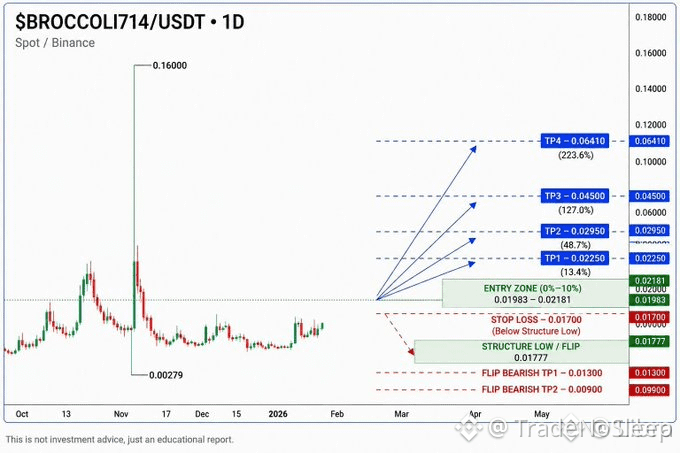
🚨 $BROCCOLI714 は流動性が重要な構造で凝縮する中、拡大に備えろ! ⚡
$BROCCOLI714 における機関投資家の注文フローは、スマートマネーが現在の需要帯周辺の売り圧を静かに吸収しているため、明確な圧縮の兆候を示しています。 🔍 市場構造はきつくコイル状に巻き込まれており、勢いの拡大に先立って典型的な流動性スイープのシナリオが準備されています。
📊 注文板の厚みは、この局所的な蓄積フェーズが完了した後の薄い上値抵抗を示唆しています。 💡 ボラティリティがこの水準まで落ちると、買い手側の偏りが主導権を握ることで、高速の構造的な変化が続くのが一般的です。 💬 $BROCCOLI714 はクリーンなブレイクアウトに向けてコイル状に巻き込まれているのか、それとも構造的な確認を待っていますか? 👇
⚠️ これは金融助言ではありません。常にリスクを管理してください。 🛡️
🏷️ #BROCCOLI714 #MarketStructure #Liquidity #Crypto
🎯 🦈
🚨 $BROCCOLI714 は流動性が重要な構造で凝縮する中、拡大に備えろ! ⚡
$BROCCOLI714 における機関投資家の注文フローは、スマートマネーが現在の需要帯周辺の売り圧を静かに吸収しているため、明確な圧縮の兆候を示しています。 🔍 市場構造はきつくコイル状に巻き込まれており、勢いの拡大に先立って典型的な流動性スイープのシナリオが準備されています。
📊 注文板の厚みは、この局所的な蓄積フェーズが完了した後の薄い上値抵抗を示唆しています。 💡 ボラティリティがこの水準まで落ちると、買い手側の偏りが主導権を握ることで、高速の構造的な変化が続くのが一般的です。 💬 $BROCCOLI714 はクリーンなブレイクアウトに向けてコイル状に巻き込まれているのか、それとも構造的な確認を待っていますか? 👇
⚠️ これは金融助言ではありません。常にリスクを管理してください。 🛡️
🏷️ #BROCCOLI714 #MarketStructure #Liquidity #Crypto
🎯 🦈
$BROCCOLI714 における機関投資家の注文フローは、スマートマネーが現在の需要帯周辺の売り圧を静かに吸収しているため、明確な圧縮の兆候を示しています。 🔍 市場構造はきつくコイル状に巻き込まれており、勢いの拡大に先立って典型的な流動性スイープのシナリオが準備されています。
📊 注文板の厚みは、この局所的な蓄積フェーズが完了した後の薄い上値抵抗を示唆しています。 💡 ボラティリティがこの水準まで落ちると、買い手側の偏りが主導権を握ることで、高速の構造的な変化が続くのが一般的です。 💬 $BROCCOLI714 はクリーンなブレイクアウトに向けてコイル状に巻き込まれているのか、それとも構造的な確認を待っていますか? 👇
⚠️ これは金融助言ではありません。常にリスクを管理してください。 🛡️
🏷️ #BROCCOLI714 #MarketStructure #Liquidity #Crypto
🎯 🦈
45

·
--
ブリッシュ
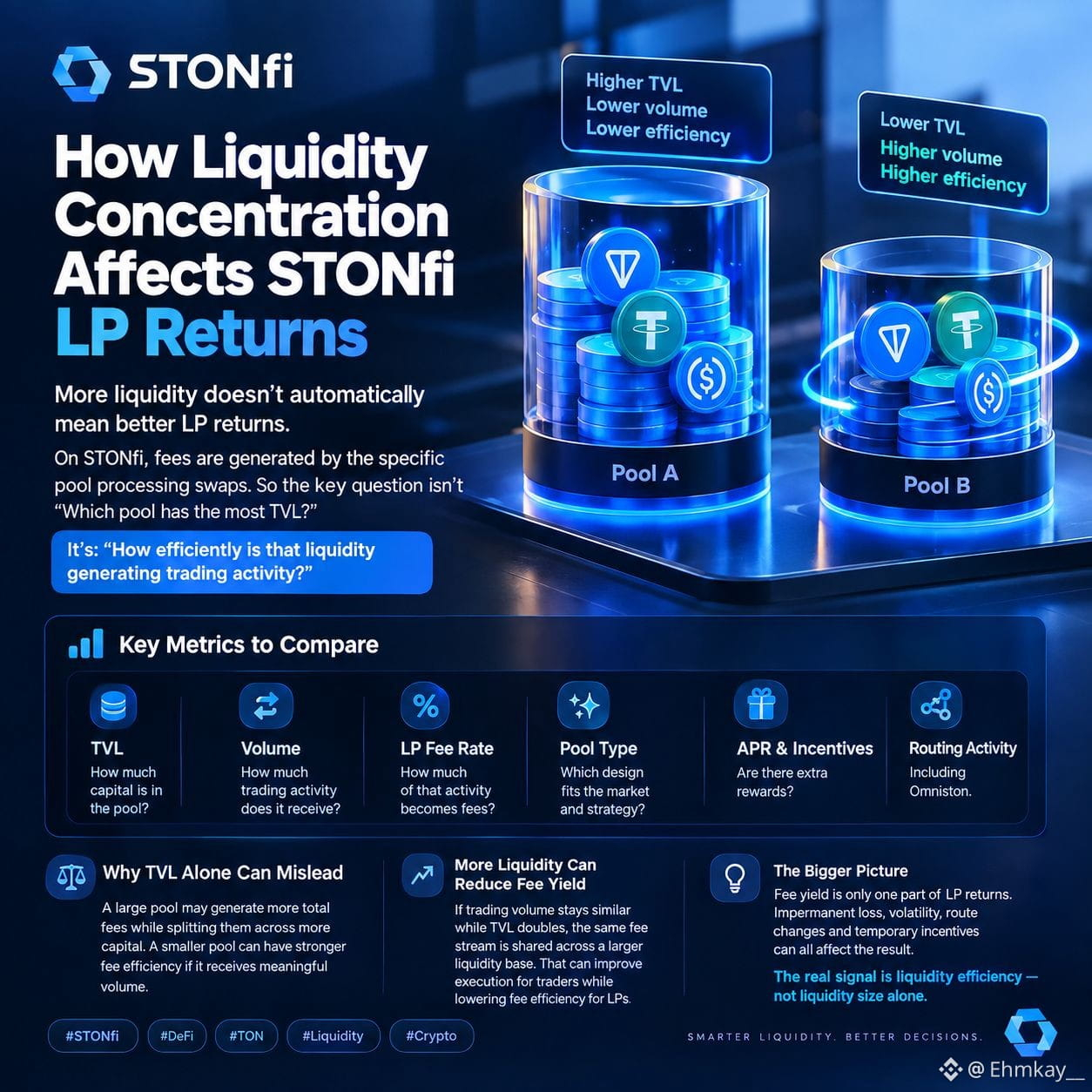
流動性の集中が STONfi の LP リターンに与える影響
流動性が多いからといって、LP のリターンが自動的に良くなるわけではありません。
STONfi では、手数料はスワップを処理する個別のプールから生まれます。つまり、問題は単に:
「どのプールの TVL が最も高いか?」
ではなく:
「その流動性が、取引アクティビティを生み出すためにどれだけ効果的に使われているか?」
🔎 特に役立つ 4 つの指標:
• TVL — プールに預けられている資本の量
• ボリューム — プールが扱う取引量
• LP フィー率 — その取引のうち手数料として何割になるか
• プール利用率 — 利用可能な流動性に対して、どれだけのボリュームが生み出されているか
📊 TVL だけを見ると誤解を招きうる
次の 2 つのプールを考えてみましょう。
プール A は TVL が多い一方で、取引ボリュームは比較的少ない。
プール B は TVL が少ないものの、定期的に大きなボリュームを扱っている。
プール A は合計でより多くの手数料を生み出す可能性はありますが、それらの手数料はより大きい資本量に分散されます。
プール B は、流動性がより頻繁に使われているため、手数料効率が良いかもしれません。正直に言うと、それが LP のリターンにとって重要な部分です。
🧩 流動性が増えるほど、手数料利回りが下がることがある
取引ボリュームがほぼ同じまま TVL が 2 倍になるなら、同じ手数料収益がより大きい流動性基盤に事実上分割されます。
それはトレーダーにとって執行が改善するかもしれませんが、LP にとっては手数料効率が低下しうるのです。
💡 流動性を追加する前に、次を確認してください:
1️⃣ TVL
2️⃣ 最近のスワップ量
3️⃣ LP フィー率
4️⃣ プールタイプ
5️⃣ APR とインセンティブ
6️⃣ Omniston を含むルーティングのアクティビティ
手数料利回りだけでは全体像は分かりません。
インパーマネント・ロス、ボラティリティ、ルートの変化、短期インセンティブなどが、LP のパフォーマンスを変える可能性があります。
正直に言うと、より良いシグナルは「流動性効率」であって、「サイズそのもの」ではありません。🚀🚀
#STONfi #TON #Liquidity #Crypto
$ZEC
{spot}(ZECUSDT)
流動性の集中が STONfi の LP リターンに与える影響
流動性が多いからといって、LP のリターンが自動的に良くなるわけではありません。
STONfi では、手数料はスワップを処理する個別のプールから生まれます。つまり、問題は単に:
「どのプールの TVL が最も高いか?」
ではなく:
「その流動性が、取引アクティビティを生み出すためにどれだけ効果的に使われているか?」
🔎 特に役立つ 4 つの指標:
• TVL — プールに預けられている資本の量
• ボリューム — プールが扱う取引量
• LP フィー率 — その取引のうち手数料として何割になるか
• プール利用率 — 利用可能な流動性に対して、どれだけのボリュームが生み出されているか
📊 TVL だけを見ると誤解を招きうる
次の 2 つのプールを考えてみましょう。
プール A は TVL が多い一方で、取引ボリュームは比較的少ない。
プール B は TVL が少ないものの、定期的に大きなボリュームを扱っている。
プール A は合計でより多くの手数料を生み出す可能性はありますが、それらの手数料はより大きい資本量に分散されます。
プール B は、流動性がより頻繁に使われているため、手数料効率が良いかもしれません。正直に言うと、それが LP のリターンにとって重要な部分です。
🧩 流動性が増えるほど、手数料利回りが下がることがある
取引ボリュームがほぼ同じまま TVL が 2 倍になるなら、同じ手数料収益がより大きい流動性基盤に事実上分割されます。
それはトレーダーにとって執行が改善するかもしれませんが、LP にとっては手数料効率が低下しうるのです。
💡 流動性を追加する前に、次を確認してください:
1️⃣ TVL
2️⃣ 最近のスワップ量
3️⃣ LP フィー率
4️⃣ プールタイプ
5️⃣ APR とインセンティブ
6️⃣ Omniston を含むルーティングのアクティビティ
手数料利回りだけでは全体像は分かりません。
インパーマネント・ロス、ボラティリティ、ルートの変化、短期インセンティブなどが、LP のパフォーマンスを変える可能性があります。
正直に言うと、より良いシグナルは「流動性効率」であって、「サイズそのもの」ではありません。🚀🚀
#STONfi #TON #Liquidity #Crypto
$ZEC
流動性が多いからといって、LP のリターンが自動的に良くなるわけではありません。
STONfi では、手数料はスワップを処理する個別のプールから生まれます。つまり、問題は単に:
「どのプールの TVL が最も高いか?」
ではなく:
「その流動性が、取引アクティビティを生み出すためにどれだけ効果的に使われているか?」
🔎 特に役立つ 4 つの指標:
• TVL — プールに預けられている資本の量
• ボリューム — プールが扱う取引量
• LP フィー率 — その取引のうち手数料として何割になるか
• プール利用率 — 利用可能な流動性に対して、どれだけのボリュームが生み出されているか
📊 TVL だけを見ると誤解を招きうる
次の 2 つのプールを考えてみましょう。
プール A は TVL が多い一方で、取引ボリュームは比較的少ない。
プール B は TVL が少ないものの、定期的に大きなボリュームを扱っている。
プール A は合計でより多くの手数料を生み出す可能性はありますが、それらの手数料はより大きい資本量に分散されます。
プール B は、流動性がより頻繁に使われているため、手数料効率が良いかもしれません。正直に言うと、それが LP のリターンにとって重要な部分です。
🧩 流動性が増えるほど、手数料利回りが下がることがある
取引ボリュームがほぼ同じまま TVL が 2 倍になるなら、同じ手数料収益がより大きい流動性基盤に事実上分割されます。
それはトレーダーにとって執行が改善するかもしれませんが、LP にとっては手数料効率が低下しうるのです。
💡 流動性を追加する前に、次を確認してください:
1️⃣ TVL
2️⃣ 最近のスワップ量
3️⃣ LP フィー率
4️⃣ プールタイプ
5️⃣ APR とインセンティブ
6️⃣ Omniston を含むルーティングのアクティビティ
手数料利回りだけでは全体像は分かりません。
インパーマネント・ロス、ボラティリティ、ルートの変化、短期インセンティブなどが、LP のパフォーマンスを変える可能性があります。
正直に言うと、より良いシグナルは「流動性効率」であって、「サイズそのもの」ではありません。🚀🚀
#STONfi #TON #Liquidity #Crypto
$ZEC
1
430
なぜリテール勢は流動性の低い状況に閉じ込められるのか $ALT RALLIES BEFORE THE DUMP 🚨 🦈
スマートマネーは、ソーシャル上の勢いを市場の厚みと取り違えることはありません。$ALT トークンがハイプのサイクル中に爆発的な出来高を出したとしても、機関投資家の板(オーダーブック)を見ることで、本物の買い板の流動性があるのか、それとも厚みが紙のように薄いだけなのかが分かります。📊
時価総額や過去24時間の高い出来高は、捕食的なビッド・アスクのスプレッドや深刻な執行スリッページを見えにくくすることがよくあります。🔍 投機的な注目が回転すると、薄い板は瞬時に蒸発し、市場構造が切り替わる局面で、出口の買い指値(exit bid)を失ったままの後追い組が閉じ込められてしまいます。🌊
トレンドのブレイクアウトに資金を投じる前に、必ずオーダーブックの厚みと流動性の分布を分析してください。💬 あなたはアルトコインの値動きに入る前に板の厚みを見ていますか?それともソーシャルの出来高を追いかけていますか?👇
⚠️ 金融助言ではありません。常にリスクを管理してください。🛡️
🏷️ #ALT #Liquidity #MarketStructure #Crypto #Trading
🦈 💡
なぜリテール勢は流動性の低い状況に閉じ込められるのか $ALT RALLIES BEFORE THE DUMP 🚨 🦈
スマートマネーは、ソーシャル上の勢いを市場の厚みと取り違えることはありません。$ALT トークンがハイプのサイクル中に爆発的な出来高を出したとしても、機関投資家の板(オーダーブック)を見ることで、本物の買い板の流動性があるのか、それとも厚みが紙のように薄いだけなのかが分かります。📊
時価総額や過去24時間の高い出来高は、捕食的なビッド・アスクのスプレッドや深刻な執行スリッページを見えにくくすることがよくあります。🔍 投機的な注目が回転すると、薄い板は瞬時に蒸発し、市場構造が切り替わる局面で、出口の買い指値(exit bid)を失ったままの後追い組が閉じ込められてしまいます。🌊
トレンドのブレイクアウトに資金を投じる前に、必ずオーダーブックの厚みと流動性の分布を分析してください。💬 あなたはアルトコインの値動きに入る前に板の厚みを見ていますか?それともソーシャルの出来高を追いかけていますか?👇
⚠️ 金融助言ではありません。常にリスクを管理してください。🛡️
🏷️ #ALT #Liquidity #MarketStructure #Crypto #Trading
🦈 💡
スマートマネーは、ソーシャル上の勢いを市場の厚みと取り違えることはありません。$ALT トークンがハイプのサイクル中に爆発的な出来高を出したとしても、機関投資家の板(オーダーブック)を見ることで、本物の買い板の流動性があるのか、それとも厚みが紙のように薄いだけなのかが分かります。📊
時価総額や過去24時間の高い出来高は、捕食的なビッド・アスクのスプレッドや深刻な執行スリッページを見えにくくすることがよくあります。🔍 投機的な注目が回転すると、薄い板は瞬時に蒸発し、市場構造が切り替わる局面で、出口の買い指値(exit bid)を失ったままの後追い組が閉じ込められてしまいます。🌊
トレンドのブレイクアウトに資金を投じる前に、必ずオーダーブックの厚みと流動性の分布を分析してください。💬 あなたはアルトコインの値動きに入る前に板の厚みを見ていますか?それともソーシャルの出来高を追いかけていますか?👇
⚠️ 金融助言ではありません。常にリスクを管理してください。🛡️
🏷️ #ALT #Liquidity #MarketStructure #Crypto #Trading
🦈 💡
1

·
--
🦈 マルチチェーン予算統合が、注目を実際のエコシステム流動性へ変換しつつあり—$BNB のために! ⚡
クロスチェーンの資本配分を、トップクラスのソーシャルハブと直接つなぐことで、前例のない市場の“飛輪”が生まれます。憶測のノイズではなく、機関向けの枠組み設計によって、クリエイターのエンゲージメントを深いエコシステムの流動性プールへ直接流し込めるようになります。 📊
プロトコルの予算が従来の摩擦を迂回するこの構造的な転換を、スマートマネーは厳しく注視しています。 🌊 生のソーシャル注目をオンチェーンの流動性の厚みに変換することで、クリエイターのインセンティブ設計は大きな機関級アップグレードを受けています。 💡
💬 このマルチチェーン流動性ブリッジは、Web3のクリエイター基盤に新しい標準を打ち立てるのでしょうか? 👇
⚠️ 金融アドバイスではありません。常にリスクを管理してください。 🛡️
🏷️ #BNB #CreatorEconomy #Web3 #Liquidity
🎯 🦈
🦈 マルチチェーン予算統合が、注目を実際のエコシステム流動性へ変換しつつあり—$BNB のために! ⚡
クロスチェーンの資本配分を、トップクラスのソーシャルハブと直接つなぐことで、前例のない市場の“飛輪”が生まれます。憶測のノイズではなく、機関向けの枠組み設計によって、クリエイターのエンゲージメントを深いエコシステムの流動性プールへ直接流し込めるようになります。 📊
プロトコルの予算が従来の摩擦を迂回するこの構造的な転換を、スマートマネーは厳しく注視しています。 🌊 生のソーシャル注目をオンチェーンの流動性の厚みに変換することで、クリエイターのインセンティブ設計は大きな機関級アップグレードを受けています。 💡
💬 このマルチチェーン流動性ブリッジは、Web3のクリエイター基盤に新しい標準を打ち立てるのでしょうか? 👇
⚠️ 金融アドバイスではありません。常にリスクを管理してください。 🛡️
🏷️ #BNB #CreatorEconomy #Web3 #Liquidity
🎯 🦈
クロスチェーンの資本配分を、トップクラスのソーシャルハブと直接つなぐことで、前例のない市場の“飛輪”が生まれます。憶測のノイズではなく、機関向けの枠組み設計によって、クリエイターのエンゲージメントを深いエコシステムの流動性プールへ直接流し込めるようになります。 📊
プロトコルの予算が従来の摩擦を迂回するこの構造的な転換を、スマートマネーは厳しく注視しています。 🌊 生のソーシャル注目をオンチェーンの流動性の厚みに変換することで、クリエイターのインセンティブ設計は大きな機関級アップグレードを受けています。 💡
💬 このマルチチェーン流動性ブリッジは、Web3のクリエイター基盤に新しい標準を打ち立てるのでしょうか? 👇
⚠️ 金融アドバイスではありません。常にリスクを管理してください。 🛡️
🏷️ #BNB #CreatorEconomy #Web3 #Liquidity
🎯 🦈
9

⚡ マルチチェーンの予算統合が、トラフィックを直接 $WEB3 エコシステムの流動性へ変換しています! 🌊
複数チェーンの資本をソーシャルハブへ直接つなぐことは、クリエイター経済を根本から変えています。 📊 一過性の誇大宣伝のサイクルではなく、私たちは生のユーザーの注目が、深く持続可能なエコシステムの流動性へと変わっていくのを見ています。
💡 スマートキャピタルがプロトコルの予算をコミュニティのエンゲージメントに連動させると、オーダーフローは“本物の確信”がある場所に従って流れていきます。 ⚡ これが次世代プロトコルが、実在して長く続く価値を築く方法です。
💬 直接的なクリエイター流動性の転換が、次の主要な物語(ナラティブ)の拡大のきっかけになるのでしょうか? 👇
⚠️ これは金融アドバイスではありません。常にリスクを管理してください。 🛡️
🏷️ #WEB3 #CreatorEconomy #Liquidity #Altcoins
🔥 💎
⚡ マルチチェーンの予算統合が、トラフィックを直接 $WEB3 エコシステムの流動性へ変換しています! 🌊
複数チェーンの資本をソーシャルハブへ直接つなぐことは、クリエイター経済を根本から変えています。 📊 一過性の誇大宣伝のサイクルではなく、私たちは生のユーザーの注目が、深く持続可能なエコシステムの流動性へと変わっていくのを見ています。
💡 スマートキャピタルがプロトコルの予算をコミュニティのエンゲージメントに連動させると、オーダーフローは“本物の確信”がある場所に従って流れていきます。 ⚡ これが次世代プロトコルが、実在して長く続く価値を築く方法です。
💬 直接的なクリエイター流動性の転換が、次の主要な物語(ナラティブ)の拡大のきっかけになるのでしょうか? 👇
⚠️ これは金融アドバイスではありません。常にリスクを管理してください。 🛡️
🏷️ #WEB3 #CreatorEconomy #Liquidity #Altcoins
🔥 💎
複数チェーンの資本をソーシャルハブへ直接つなぐことは、クリエイター経済を根本から変えています。 📊 一過性の誇大宣伝のサイクルではなく、私たちは生のユーザーの注目が、深く持続可能なエコシステムの流動性へと変わっていくのを見ています。
💡 スマートキャピタルがプロトコルの予算をコミュニティのエンゲージメントに連動させると、オーダーフローは“本物の確信”がある場所に従って流れていきます。 ⚡ これが次世代プロトコルが、実在して長く続く価値を築く方法です。
💬 直接的なクリエイター流動性の転換が、次の主要な物語(ナラティブ)の拡大のきっかけになるのでしょうか? 👇
⚠️ これは金融アドバイスではありません。常にリスクを管理してください。 🛡️
🏷️ #WEB3 #CreatorEconomy #Liquidity #Altcoins
🔥 💎
·
--
🦈 複数チェーンの流動性フローが創造者経済の構造に燃料を与え、実需を長期的に支える $BNB DEMAND ⚡
スマートマネーは、マルチチェーンの予算チャネルが小売のトラフィックをプロトコルの流動性へ直接ルーティングしている様子を注視しています。📊 短命の投機ではなく、この構造的な転換は、クリエイターのインセンティブを取り込み、純粋な注目を持続的なエコシステムの厚みへと変換します。
インスティテューショナルな基盤がクロスチェーンの注文フローをシームレスに吸収すると、トップクラスのソーシャルハブ全体にわたって、持続可能な需要の下支えが生まれます。💡 💬 このマルチチェーンのクリエイターモデルは、エコシステム流動性の次の波を押し進めるために必要な、まさにその構造的な触媒なのでしょうか? 👇
⚠️ 金融アドバイスではありません。常にリスクを管理してください。🛡️
🏷️ #BNB #CreatorEconomy #Liquidity #Web3
🔥 💎
🦈 複数チェーンの流動性フローが創造者経済の構造に燃料を与え、実需を長期的に支える $BNB DEMAND ⚡
スマートマネーは、マルチチェーンの予算チャネルが小売のトラフィックをプロトコルの流動性へ直接ルーティングしている様子を注視しています。📊 短命の投機ではなく、この構造的な転換は、クリエイターのインセンティブを取り込み、純粋な注目を持続的なエコシステムの厚みへと変換します。
インスティテューショナルな基盤がクロスチェーンの注文フローをシームレスに吸収すると、トップクラスのソーシャルハブ全体にわたって、持続可能な需要の下支えが生まれます。💡 💬 このマルチチェーンのクリエイターモデルは、エコシステム流動性の次の波を押し進めるために必要な、まさにその構造的な触媒なのでしょうか? 👇
⚠️ 金融アドバイスではありません。常にリスクを管理してください。🛡️
🏷️ #BNB #CreatorEconomy #Liquidity #Web3
🔥 💎
スマートマネーは、マルチチェーンの予算チャネルが小売のトラフィックをプロトコルの流動性へ直接ルーティングしている様子を注視しています。📊 短命の投機ではなく、この構造的な転換は、クリエイターのインセンティブを取り込み、純粋な注目を持続的なエコシステムの厚みへと変換します。
インスティテューショナルな基盤がクロスチェーンの注文フローをシームレスに吸収すると、トップクラスのソーシャルハブ全体にわたって、持続可能な需要の下支えが生まれます。💡 💬 このマルチチェーンのクリエイターモデルは、エコシステム流動性の次の波を押し進めるために必要な、まさにその構造的な触媒なのでしょうか? 👇
⚠️ 金融アドバイスではありません。常にリスクを管理してください。🛡️
🏷️ #BNB #CreatorEconomy #Liquidity #Web3
🔥 💎
18
·
--
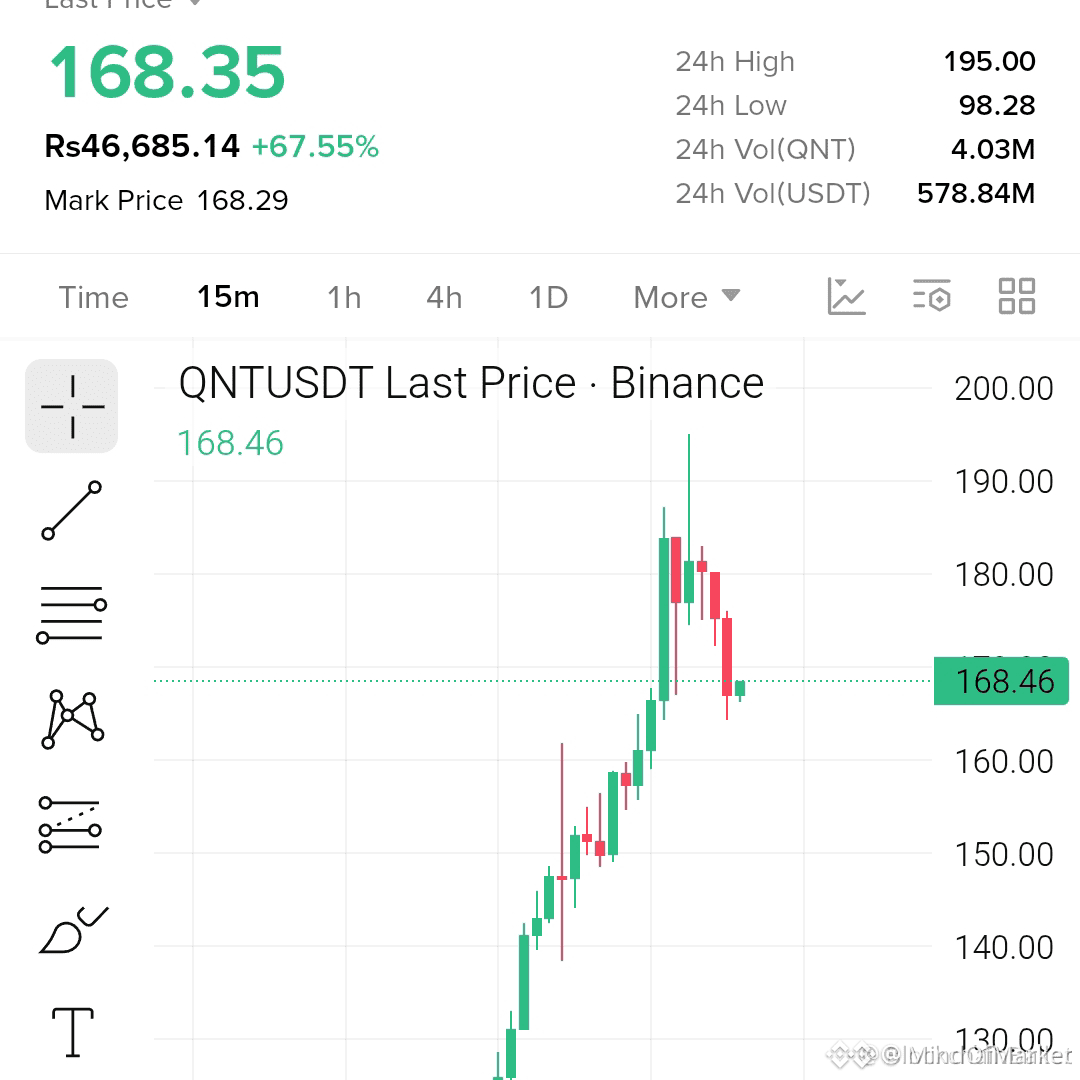
🚨 $QNT は$195でリジェクト発生:スマートマネーがレジスタンス上の流動性を剥奪! 📉
エントリー:180 ⚡
ターゲット:195 🚀
$QNT は$120から$195へと積極的な機関投資家の拡大を仕掛けた後、供給過多にぶつかった。 📊 直近での$168への急なリジェクトは、長い上昇後の利確と効率的なリバランスを示す典型的な動きだ。
📌 構造的なオーダーフローは、次の上昇第2波に入る前に、$150〜$160の需要の非効率領域まで健全な押し目が入ることを示唆している。 🔍 スマートマネーが$180の構造的なピボットを取り戻すなら、勢い次第で$195の流動性プールを再テストする可能性が高い。
💬 あなたは$150〜$160のブロックでの流動性スイープを待っている?それともリクレイムを追いかける? 👇
⚠️ 金融アドバイスではありません。必ずリスク管理をしてください。 🛡️
🏷️ #QNT #Crypto #MarketStructure #Liquidity
🦈 🎯
🚨 $QNT は$195でリジェクト発生:スマートマネーがレジスタンス上の流動性を剥奪! 📉
エントリー:180 ⚡
ターゲット:195 🚀
$QNT は$120から$195へと積極的な機関投資家の拡大を仕掛けた後、供給過多にぶつかった。 📊 直近での$168への急なリジェクトは、長い上昇後の利確と効率的なリバランスを示す典型的な動きだ。
📌 構造的なオーダーフローは、次の上昇第2波に入る前に、$150〜$160の需要の非効率領域まで健全な押し目が入ることを示唆している。 🔍 スマートマネーが$180の構造的なピボットを取り戻すなら、勢い次第で$195の流動性プールを再テストする可能性が高い。
💬 あなたは$150〜$160のブロックでの流動性スイープを待っている?それともリクレイムを追いかける? 👇
⚠️ 金融アドバイスではありません。必ずリスク管理をしてください。 🛡️
🏷️ #QNT #Crypto #MarketStructure #Liquidity
🦈 🎯
エントリー:180 ⚡
ターゲット:195 🚀
$QNT は$120から$195へと積極的な機関投資家の拡大を仕掛けた後、供給過多にぶつかった。 📊 直近での$168への急なリジェクトは、長い上昇後の利確と効率的なリバランスを示す典型的な動きだ。
📌 構造的なオーダーフローは、次の上昇第2波に入る前に、$150〜$160の需要の非効率領域まで健全な押し目が入ることを示唆している。 🔍 スマートマネーが$180の構造的なピボットを取り戻すなら、勢い次第で$195の流動性プールを再テストする可能性が高い。
💬 あなたは$150〜$160のブロックでの流動性スイープを待っている?それともリクレイムを追いかける? 👇
⚠️ 金融アドバイスではありません。必ずリスク管理をしてください。 🛡️
🏷️ #QNT #Crypto #MarketStructure #Liquidity
🦈 🎯
133
🚨 $RAVE 深い需要の非効率が割引価格で積み上がっていくにつれ、機関の注文フローが大量の売り圧力を吸収! 🦈
極端な下落モメンタムにもかかわらず、$RAVE は深い需要のギャップへ直撃する形で巨大な出来高スパイクを出しています。 📊 売り手は強烈な成行注文を投げ込んでいますが、注文フローデータでは賢い資金が規則的に流動性を吸収し、価格がこれ以上崩れないようにしていることが示されています。
下落する価格と急増する出来高のこの不一致は、構造的な転換の前に高い確信をもって機関が蓄積している可能性が強く示唆されます。 🔍 大きな市場売りを極端なレバレッジで吸収すると、その局面はしばしば強力な拡大フェーズを生み出します。
💬 あなたはリバーサルのための流動性吸収を追跡していますか?それとも構造的な確証を待っていますか? 👇
⚠️ 投資助言ではありません。常にリスク管理をしてください。 🛡️
🏷️ #RAVE #CryptoAnalysis #MarketStructure #Liquidity
🎯 🦈
🚨 $RAVE 深い需要の非効率が割引価格で積み上がっていくにつれ、機関の注文フローが大量の売り圧力を吸収! 🦈
極端な下落モメンタムにもかかわらず、$RAVE は深い需要のギャップへ直撃する形で巨大な出来高スパイクを出しています。 📊 売り手は強烈な成行注文を投げ込んでいますが、注文フローデータでは賢い資金が規則的に流動性を吸収し、価格がこれ以上崩れないようにしていることが示されています。
下落する価格と急増する出来高のこの不一致は、構造的な転換の前に高い確信をもって機関が蓄積している可能性が強く示唆されます。 🔍 大きな市場売りを極端なレバレッジで吸収すると、その局面はしばしば強力な拡大フェーズを生み出します。
💬 あなたはリバーサルのための流動性吸収を追跡していますか?それとも構造的な確証を待っていますか? 👇
⚠️ 投資助言ではありません。常にリスク管理をしてください。 🛡️
🏷️ #RAVE #CryptoAnalysis #MarketStructure #Liquidity
🎯 🦈
極端な下落モメンタムにもかかわらず、$RAVE は深い需要のギャップへ直撃する形で巨大な出来高スパイクを出しています。 📊 売り手は強烈な成行注文を投げ込んでいますが、注文フローデータでは賢い資金が規則的に流動性を吸収し、価格がこれ以上崩れないようにしていることが示されています。
下落する価格と急増する出来高のこの不一致は、構造的な転換の前に高い確信をもって機関が蓄積している可能性が強く示唆されます。 🔍 大きな市場売りを極端なレバレッジで吸収すると、その局面はしばしば強力な拡大フェーズを生み出します。
💬 あなたはリバーサルのための流動性吸収を追跡していますか?それとも構造的な確証を待っていますか? 👇
⚠️ 投資助言ではありません。常にリスク管理をしてください。 🛡️
🏷️ #RAVE #CryptoAnalysis #MarketStructure #Liquidity
🎯 🦈
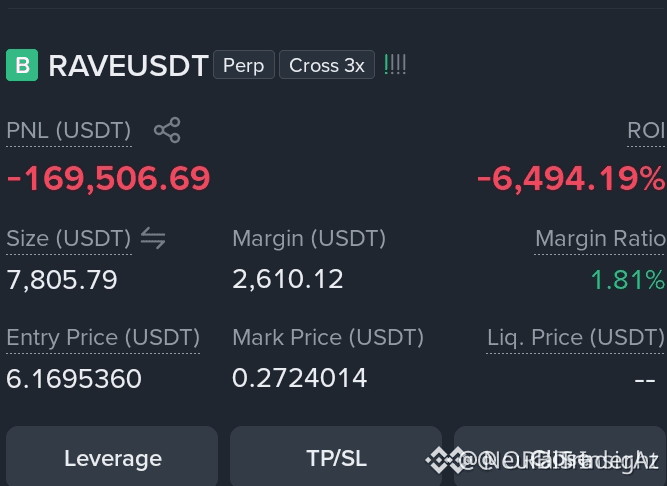
31
ログインして、さらにコンテンツを読む
厳選トピックで世界の暗号資産トレーダーの仲間入り
⚡️ 暗号資産に関する最新かつ有益な情報が見つかります。
💬 世界最大の暗号資産取引所から信頼されています。
👍 認証を受けたクリエイターから、有益なインサイトを得られます。
メール / 電話番号
トレンドトピック
1
#ChinaIndustrialProfitGrowthSlowsFourthMonth
閲覧回数 0
0人が討論中
2
#BitwiseFilesFinalNEARSpotETFProspectus
閲覧回数 90,780
1,472人が討論中
3
#BitgetHackerMoves$83MStolenXRP
閲覧回数 33,767
165人が討論中
4
#SOLSpotETFWeeklyInflow$188M
閲覧回数 22,283
133人が討論中
5
#DogecoinETFsPostBiggestWeekSinceLaunch
閲覧回数 56,168
1,001人が討論中
6
#StrategyStriveAdd2305BitcoinThisWeek
閲覧回数 148,743
2,204人が討論中
7
#TrumpRejectsIranHormuzReopening
閲覧回数 126,928
1,660人が討論中
8
#CircleTetherFreezeBitgetHackerWallet
閲覧回数 109,343
1,530人が討論中
9
#SECSaysTokenBuybacksNotAutoSecurities
閲覧回数 73,869
913人が討論中
10
#ChinaUSAgreeOn$30BTariffCut
閲覧回数 5,663
47人が討論中